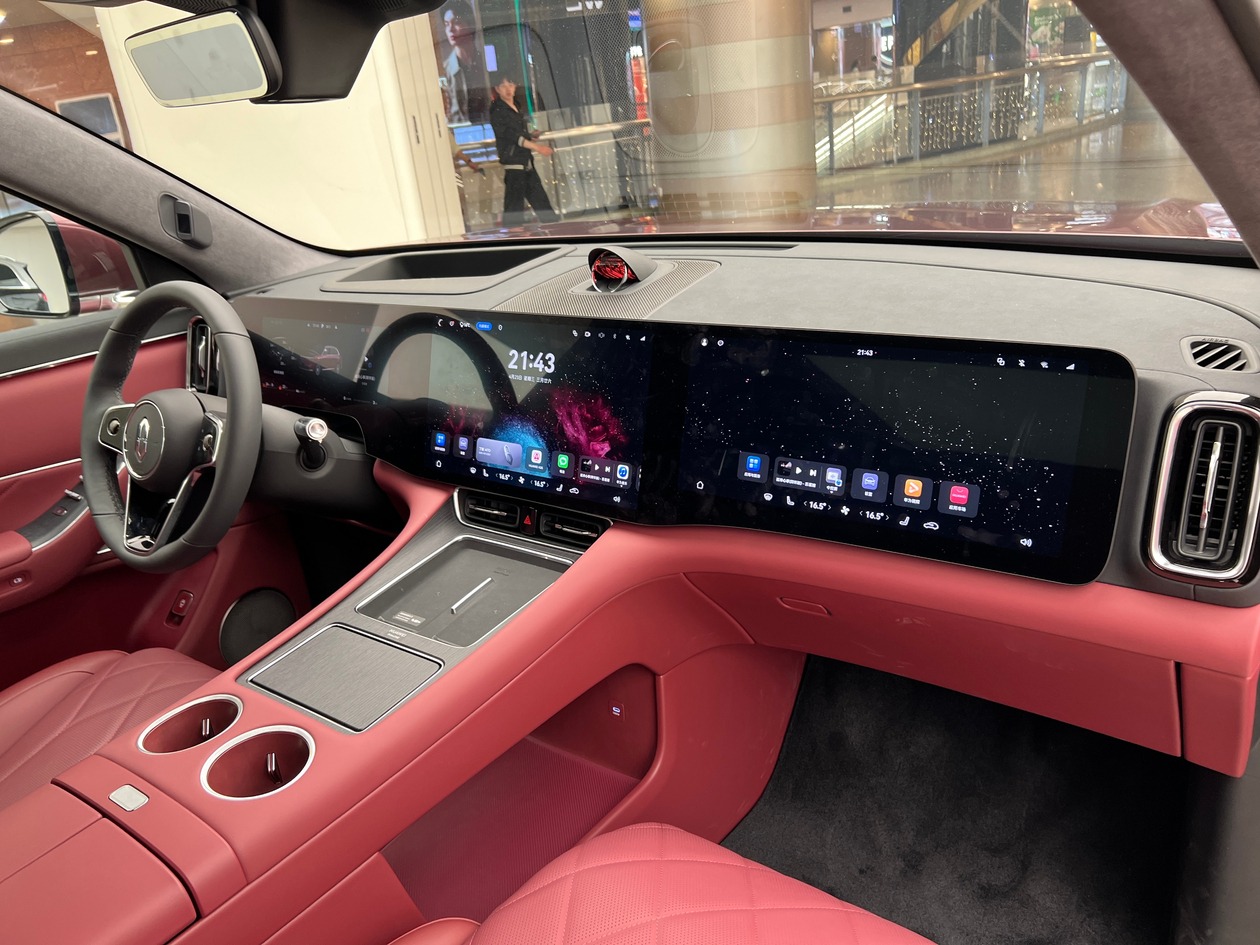
China has finalised a new vehicle rule that will require physical controls for key safety-related functions, in a direct move against the industry’s recent shift toward screen-only cabins.
The regulation was announced in draft form in February and has now been approved, with the new requirements set to take effect on 1 July, 2027.
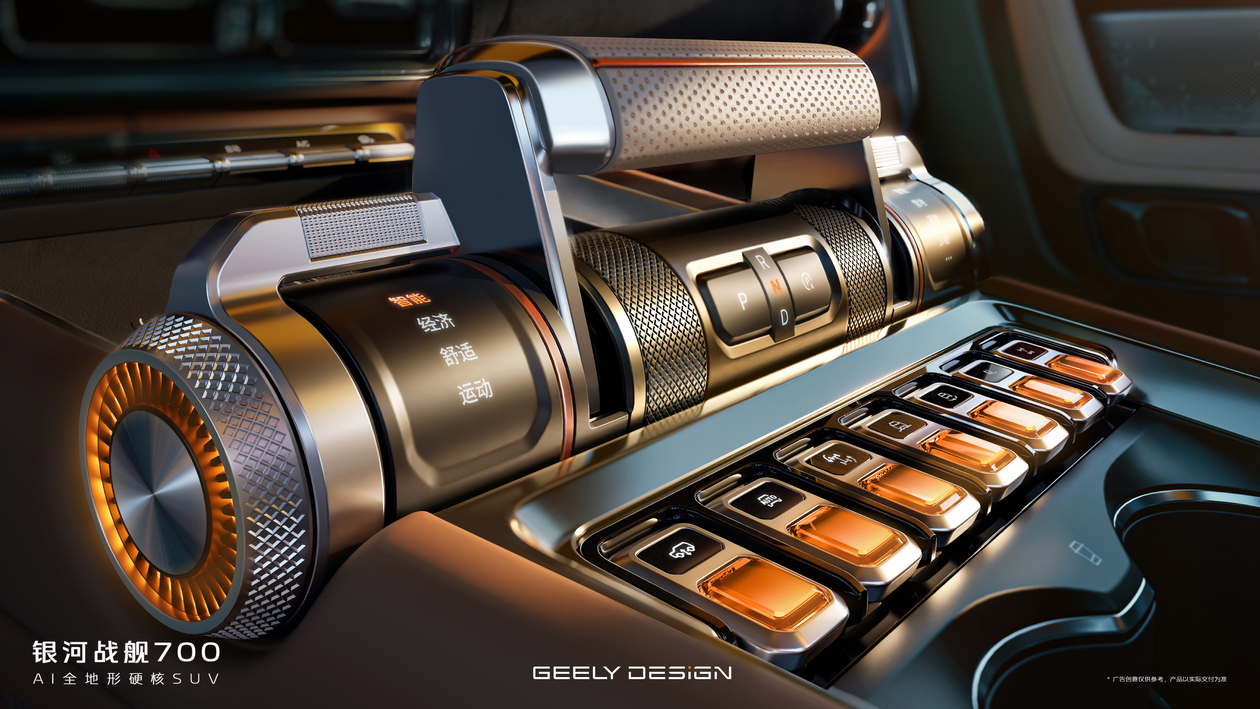
It means automakers selling in China will no longer be able to place every major cabin function on a touchscreen when the item is classified as safety-related. Instead, those controls will need dedicated physical buttons or switches inside the car.
The rule covers 19 vehicle functions and also includes requirements on the size and usability of the controls, signalling that regulators want them to be easy to find and operate without distraction.
The change is a clear response to the industry trend that accelerated over the past few years, as many manufacturers removed buttons in favour of cleaner-looking dashboards and larger infotainment displays.
Tesla has been one of the most visible examples of that approach. Since the early Model S era, the brand has centred its user interface around a large central screen and has progressively shifted more functions onto it, including controls that previously had their own dedicated hardware.
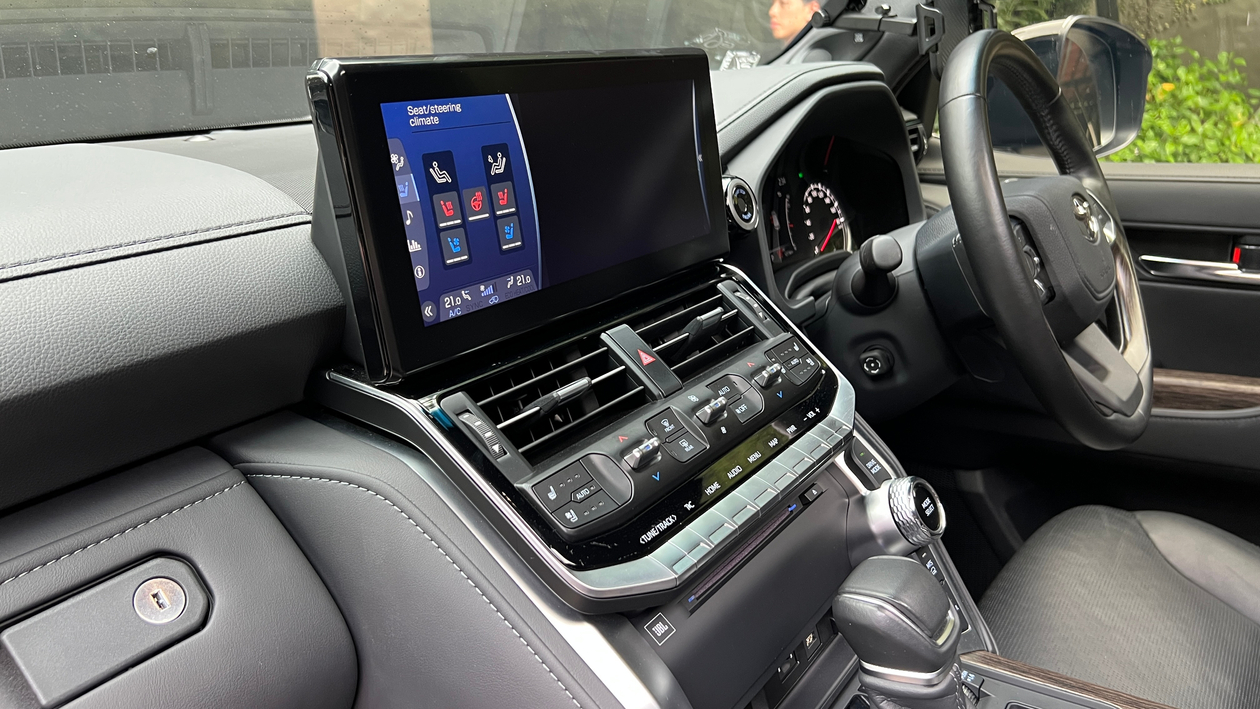
Chinese EV makers and other automakers have followed a similar path, in part because a touchscreen can simplify parts sourcing, support design minimalism and allow interface changes through over-the-air software updates.
But the approach has also drawn criticism from drivers and safety advocates. Screens can be slow to respond, harder to use by touch alone and more distracting when the driver has to search through menus for a basic function.
The new Chinese rule follows another regulatory push earlier this year against hidden door handles, which were also seen as a design trend that prioritised style over practicality and safety.
China’s latest regulation is due to be enforced from mid-2027, although vehicles that have already been certified are likely to receive some form of grace period, similar to the approach used for other recent rules.
The move also puts China closer to Europe, where physical controls can affect safety scores in the Euro NCAP testing programme.

Your go-to source for all things automotive in Malaysia. 🚗 Latest reviews, breaking news, launches & industry trends.
+ Follow This weekend is your chance to own a Volvo Selekt Certified Used Car, priced from just RM 148,000.
What are you waiting for?
#volvo 1 minute ago
This weekend is your chance to own a Volvo Selekt Certified Used Car, priced from just RM 148,000.
What are you waiting for?
#volvo 1 minute ago  We saw this accident this morning, and here’s a reminder to everyone: please drive safe. 2 days ago
  The G50 BMW 3 series is now here, adopting much of the i3's design elements.
So, where's the BMW M3?
#bmw #BMW3Series 4 days ago
The G50 BMW 3 series is now here, adopting much of the i3's design elements.
So, where's the BMW M3?
#bmw #BMW3Series 4 days ago Get the latest car news first!
Your go-to source for all things automotive in Malaysia. 🚗 Latest reviews, breaking news, launches & industry trends.
This weekend is your chance to own a Volvo Selekt Certified Used Car, priced from just RM 148,000.
What are you waiting for?
#volvo 1 minute ago We saw this accident this morning, and here’s a reminder to everyone: please drive safe. 2 days ago The G50 BMW 3 series is now here, adopting much of the i3's design elements.
So, where's the BMW M3?
#bmw #BMW3Series 4 days ago  ProtonGWMVolkswagenJAECOOVolvoPeroduaToyotaHondaTESLAMitsubishiMazdaJetourCheryBYDLexusBMWMercedes-BenziCAURZeekrIsuzuNissanLeapmotorPorscheFordOMODAMINIMGSuzukiXPengHyundaiWulingKiaSubaruDenzaGACLand RoverDongfengCAMAudiPeugeotFotonMAXUSsmartDaihatsuJACJMCMaseratiLotusAlfa RomeoRenaultGolden DragonKaiceneSeresLamborghiniFerrariJeepRolls-RoyceLepasAston MartinMcLarenChevroletBentleyFiatBAICForthingGeelyRoeweAeolusChanganARCFOXDeepalExeedHongqiVoyahJaguarKGMBuforiAcuraCadillacDodgeAbarthINEOSMHEROJMEVFreelander
© 2024 Bitauto.com. All Rights Reserved.
Bitauto (www.yiche.com and www.bitauto.com) is one of the most visited automotive websites in China. We provide detailed info on Chinese car brands available in your area. Please note that the information provided on this website is based on publicly available data and is for reference only. It may not be fully updated or accurate at all times.
Help us improve our website


