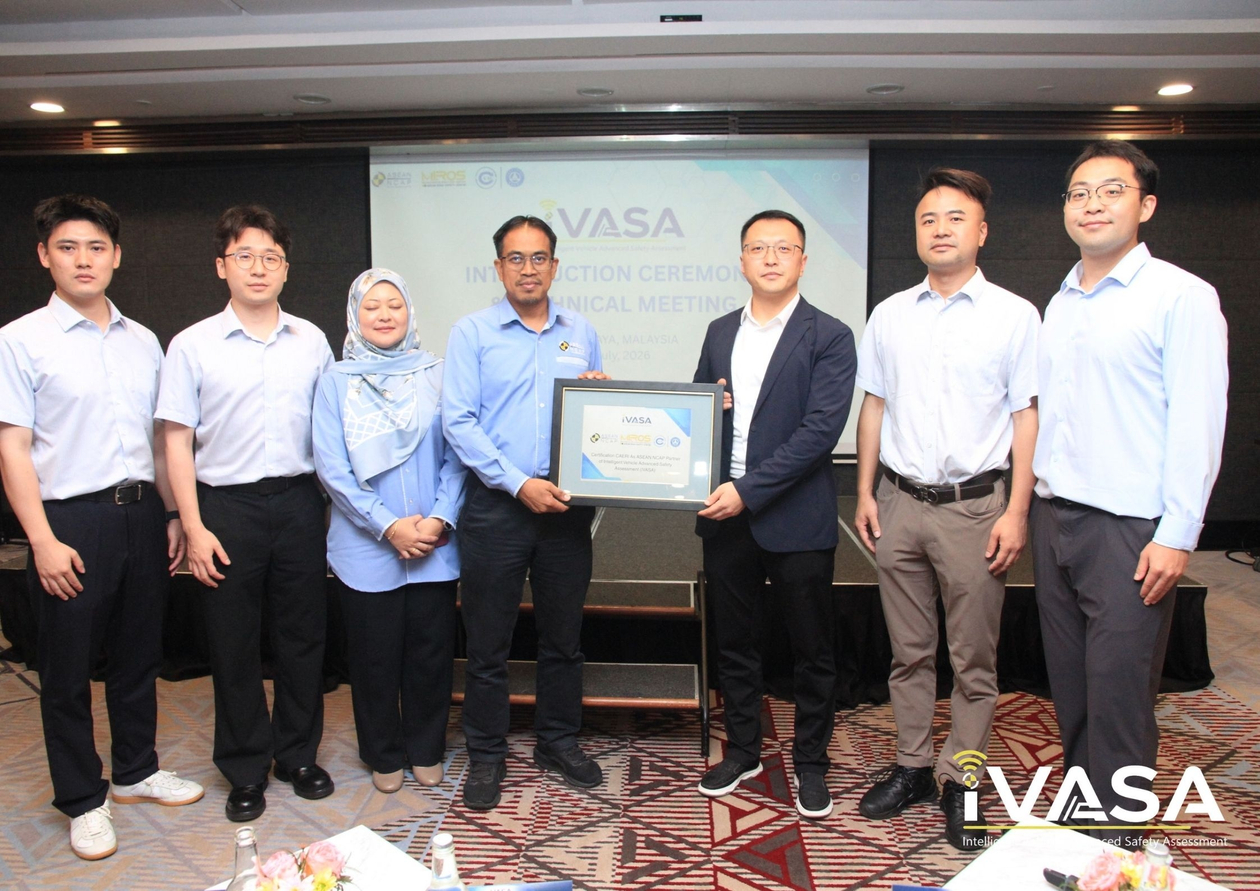
The New Car Assessment Programme for Southeast Asian Countries (ASEAN NCAP) has officially launched the Intelligent Vehicle Advanced Safety Assessment (IVASA), a new testing programme designed to evaluate the safety, performance and reliability of intelligent driving technologies tailored for Southeast Asian road conditions.
Unlike ASEAN NCAP's traditional star-rating programme, IVASA focuses specifically on intelligent driving and autonomous vehicle technologies, including Level 2 (L2) and Level 2+ (L2+) driver assistance systems that are becoming increasingly common in new vehicles sold across the region.
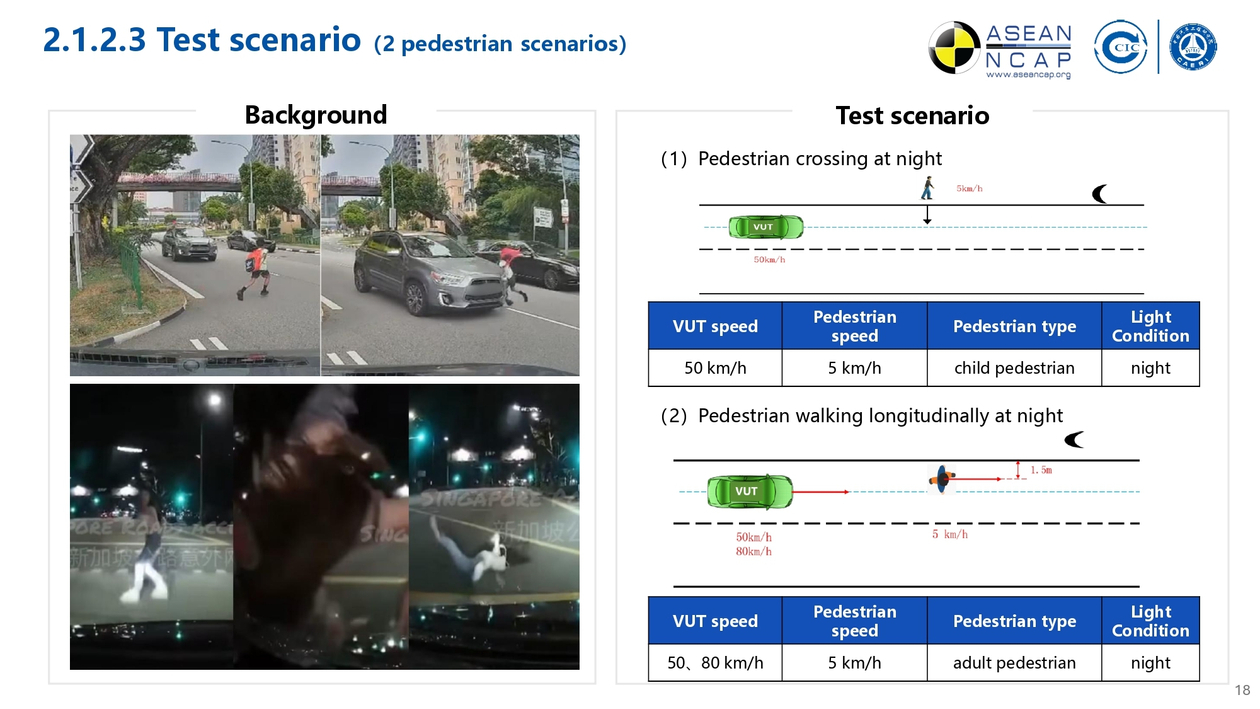
According to ASEAN NCAP, the rapid adoption of electrified and connected vehicles has created a need for safety assessments that better reflect the unique driving environments found in Southeast Asia.
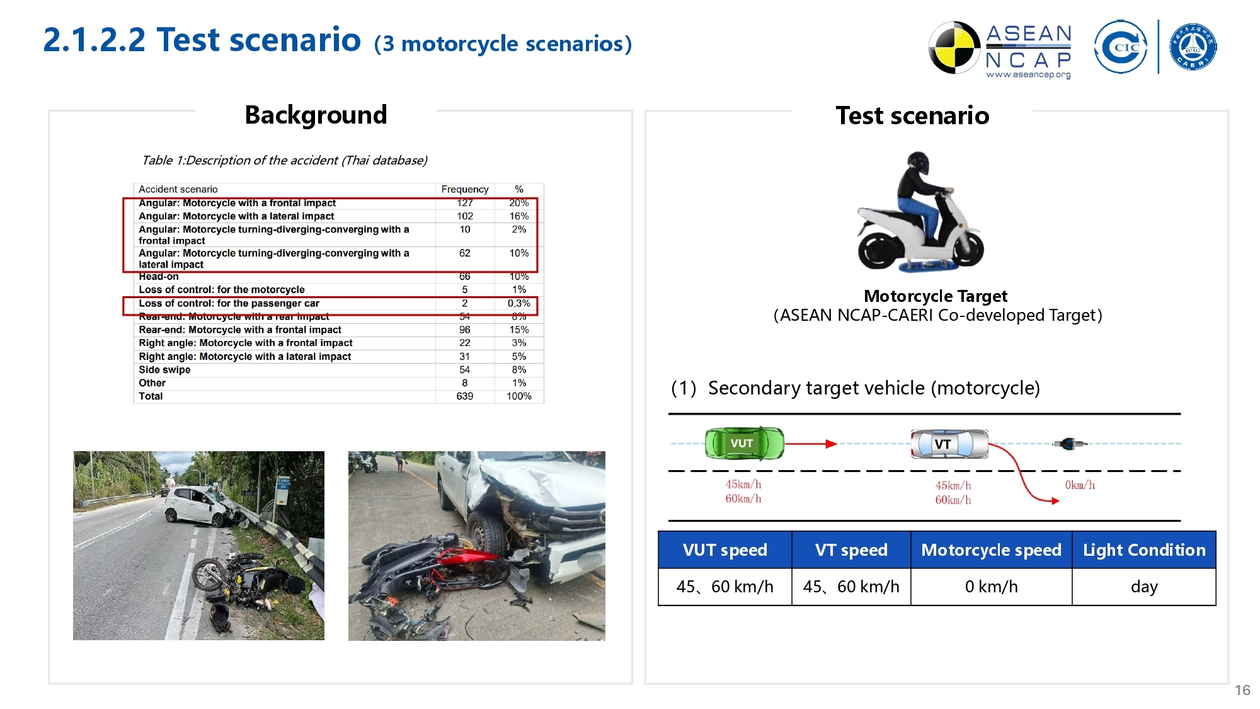
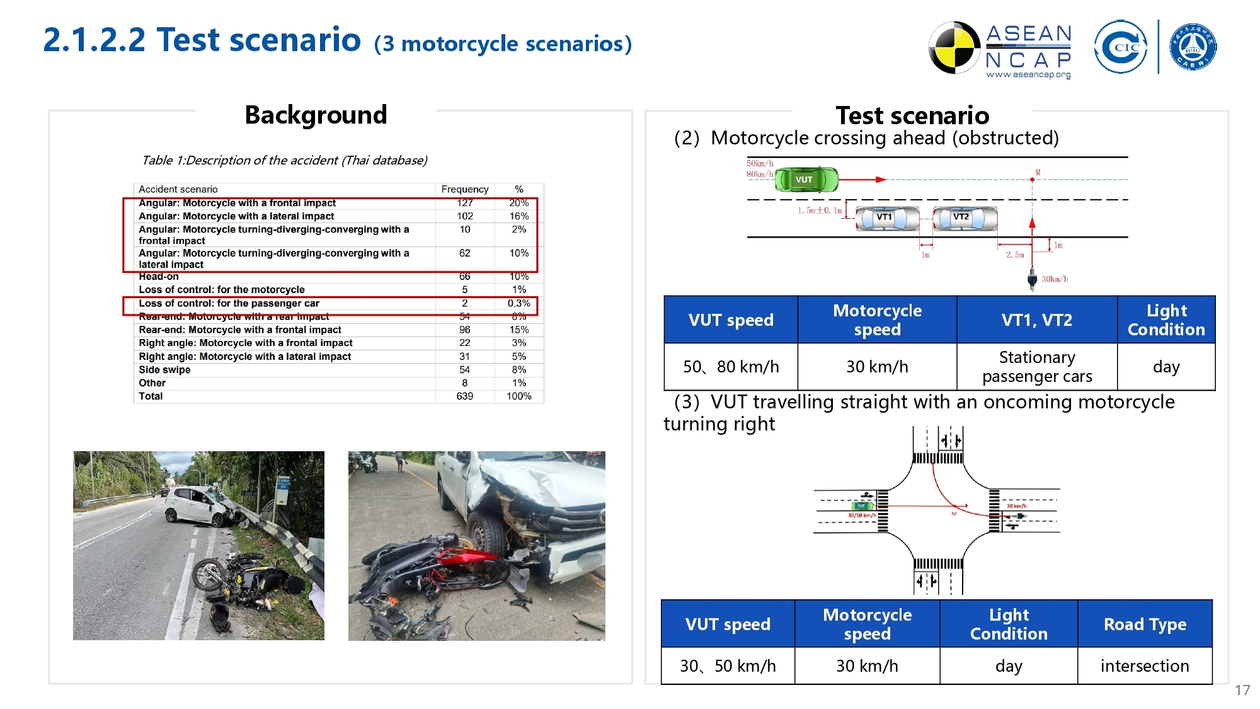
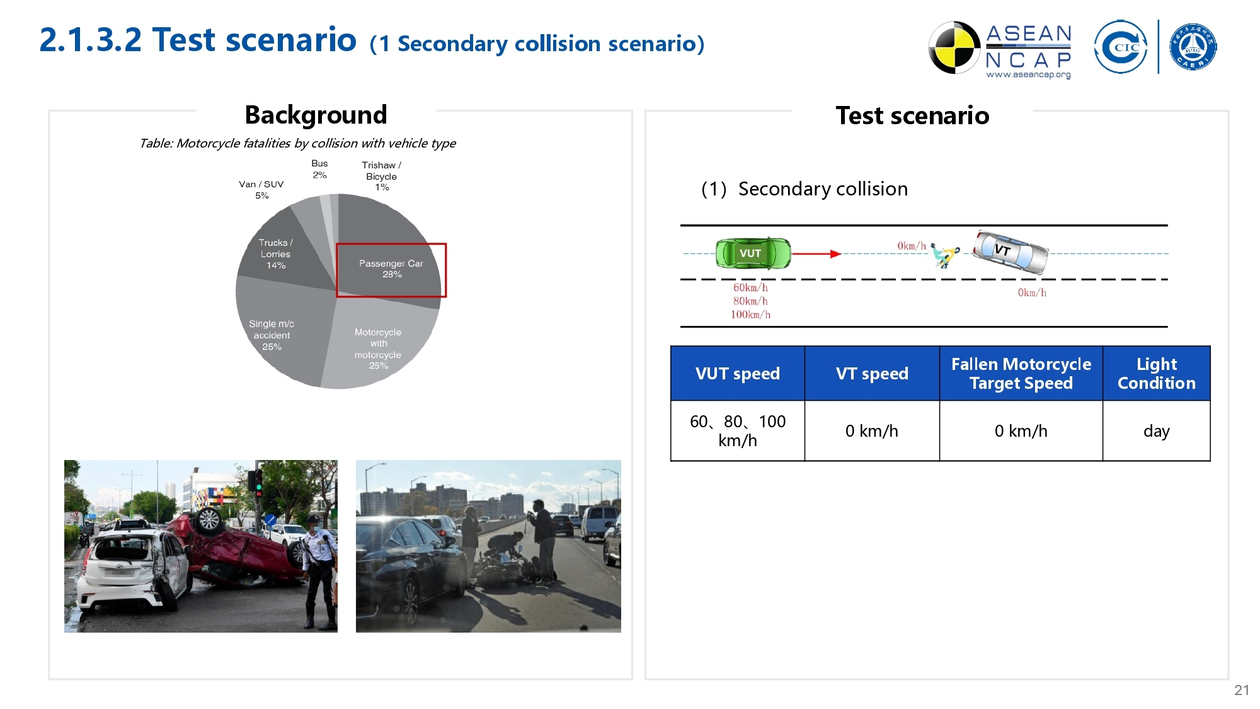
Roads across the region often feature dense traffic, mixed vehicle types and a high number of vulnerable road users such as motorcycles and pedestrians. These conditions differ significantly from those in Europe, China and North America, where many intelligent driving systems are originally developed and validated.
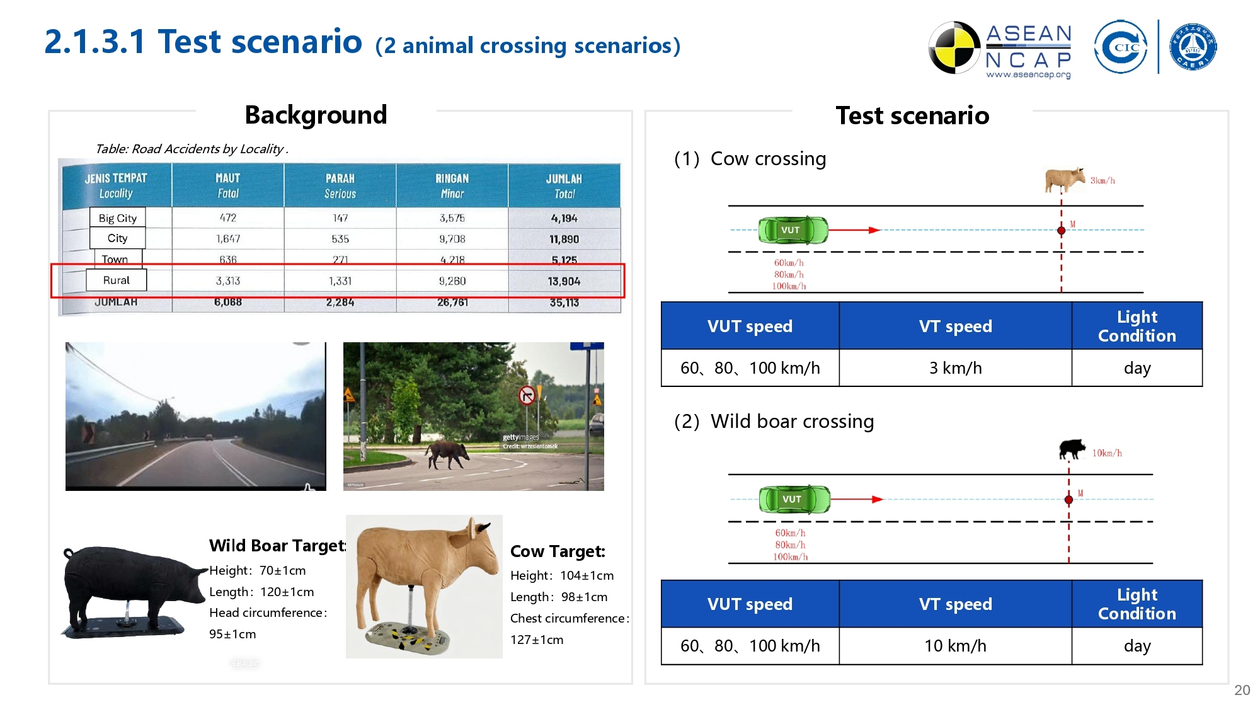
As such, IVASA aims to assess how well these systems perform under local driving scenarios rather than relying solely on overseas testing standards.
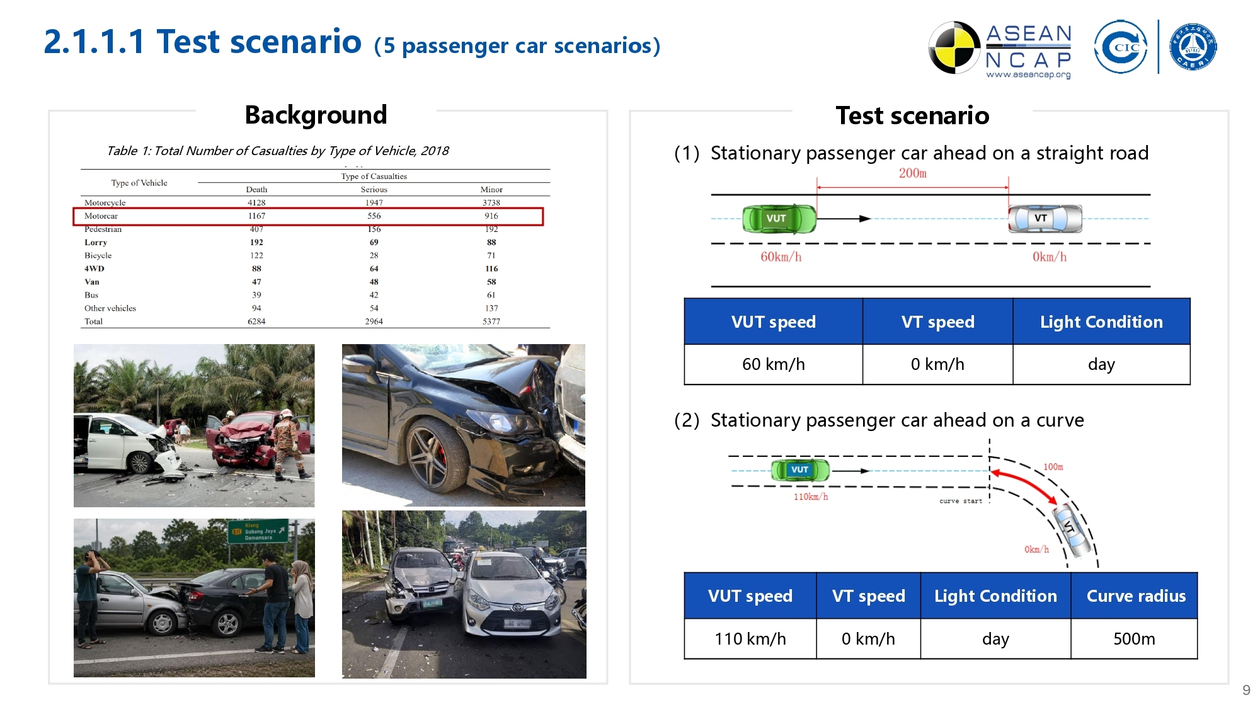
"To ensure passenger vehicles are truly equipped for Southeast Asia, we must evaluate intelligent technologies within the context of our local road realities," said Ts. Yahaya Ahmad, Technical Leader of ASEAN NCAP.
"IVASA was established to bridge this gap, creating specialised assessment protocols that safeguard drivers while supporting the safe deployment of next-generation mobility."
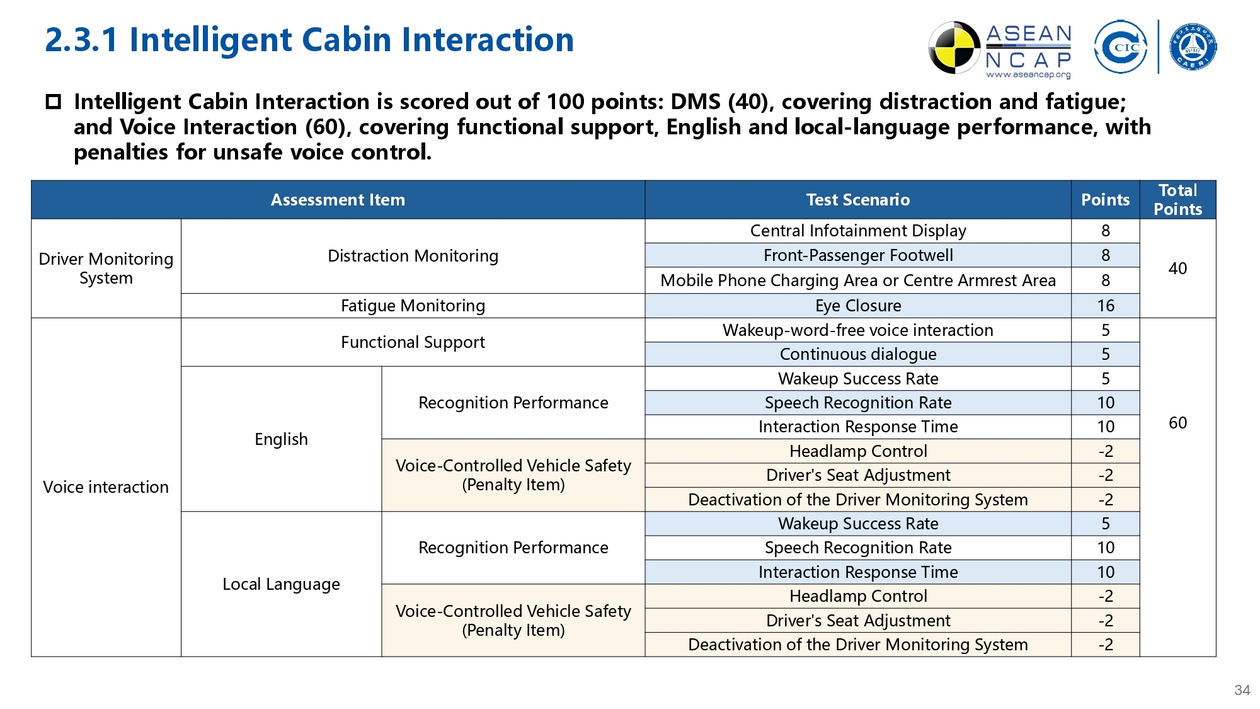
To support the programme, ASEAN NCAP has partnered with the China Automotive Engineering Research Institute (CAERI), which has been appointed as the official testing partner for IVASA.
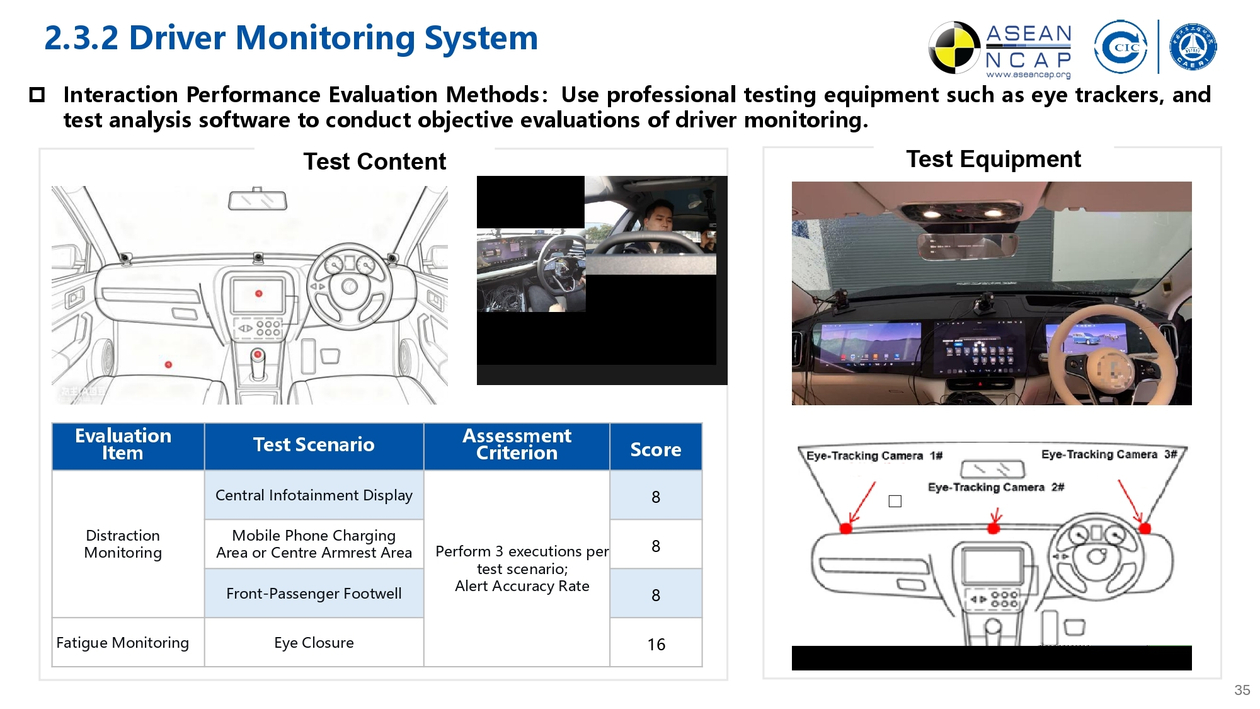
Together, both organisations have developed a multidimensional evaluation framework centred around three key pillars:
IVASA testing will consist of three main categories.
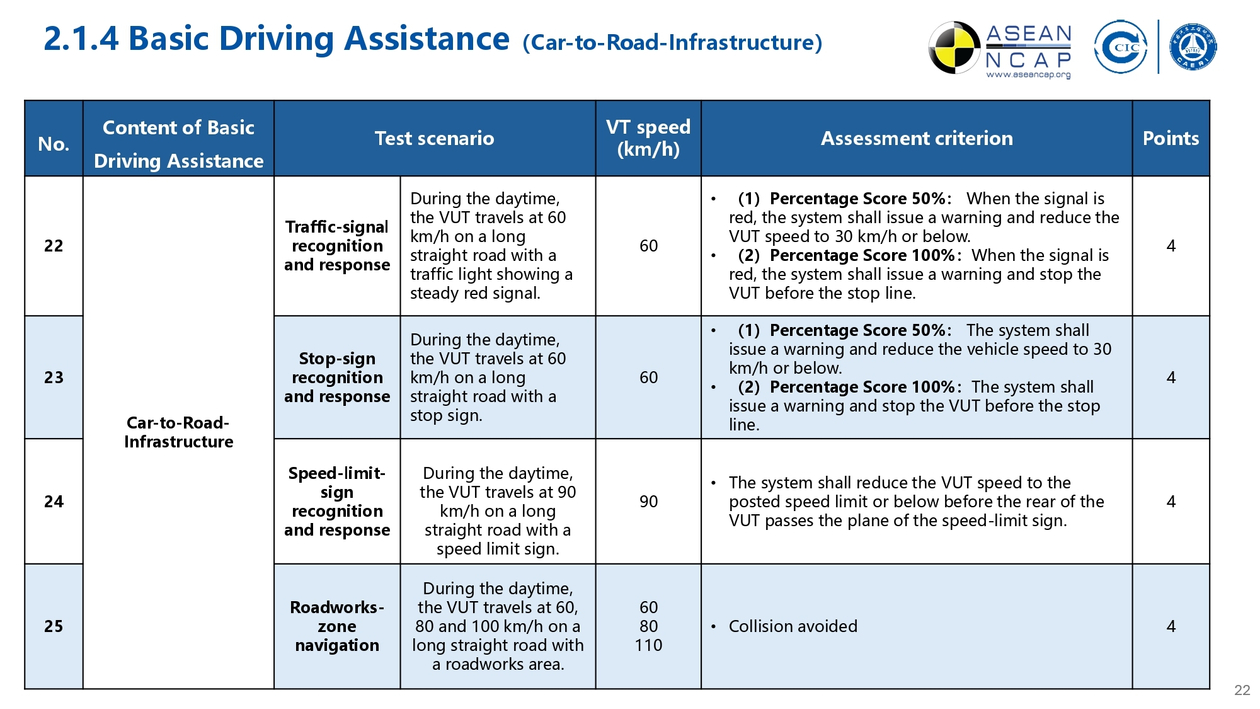
The first is Basic Driving Assistance, which evaluates collision avoidance capabilities in scenarios involving passenger cars, trucks, pedestrians and motorcycles, while also assessing how vehicles respond to local road features.
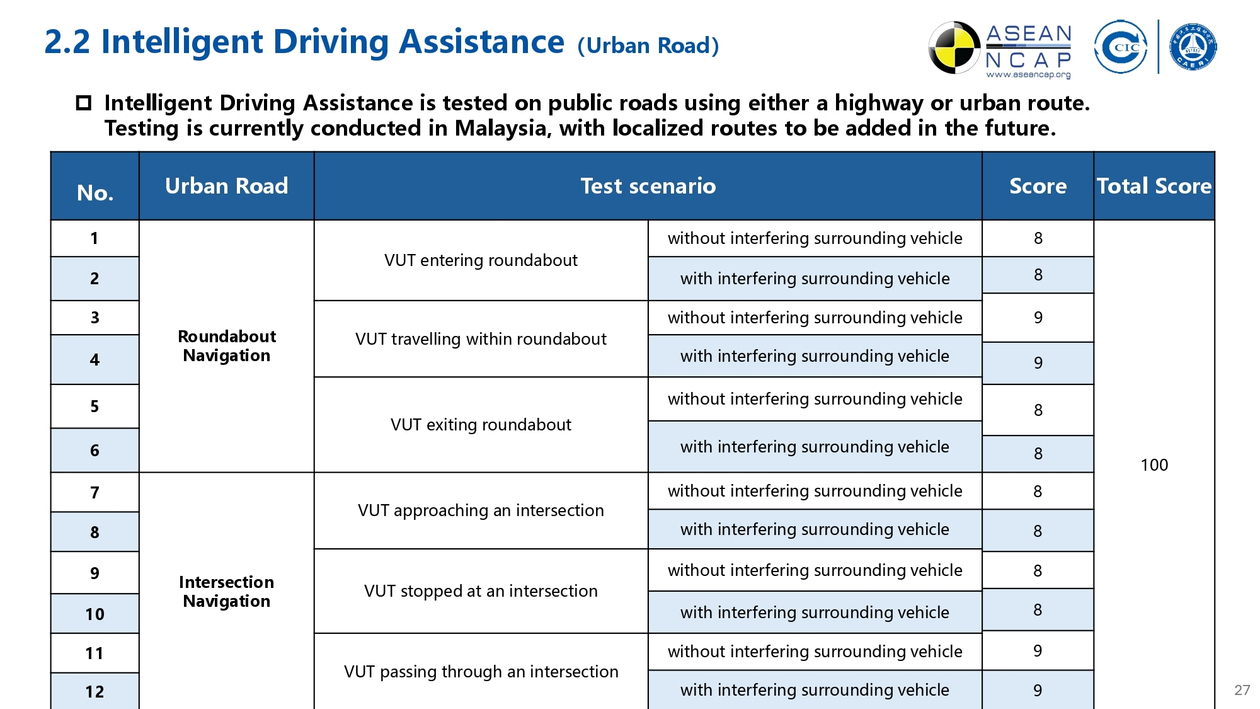
The second is Intelligent Driving Assistance, which measures the performance of intelligent driving systems during public road testing in both urban and highway environments.
Finally, Intelligent Cabin Interaction assesses in-car technologies such as Driver Monitoring Systems (DMS) and voice control functionality.
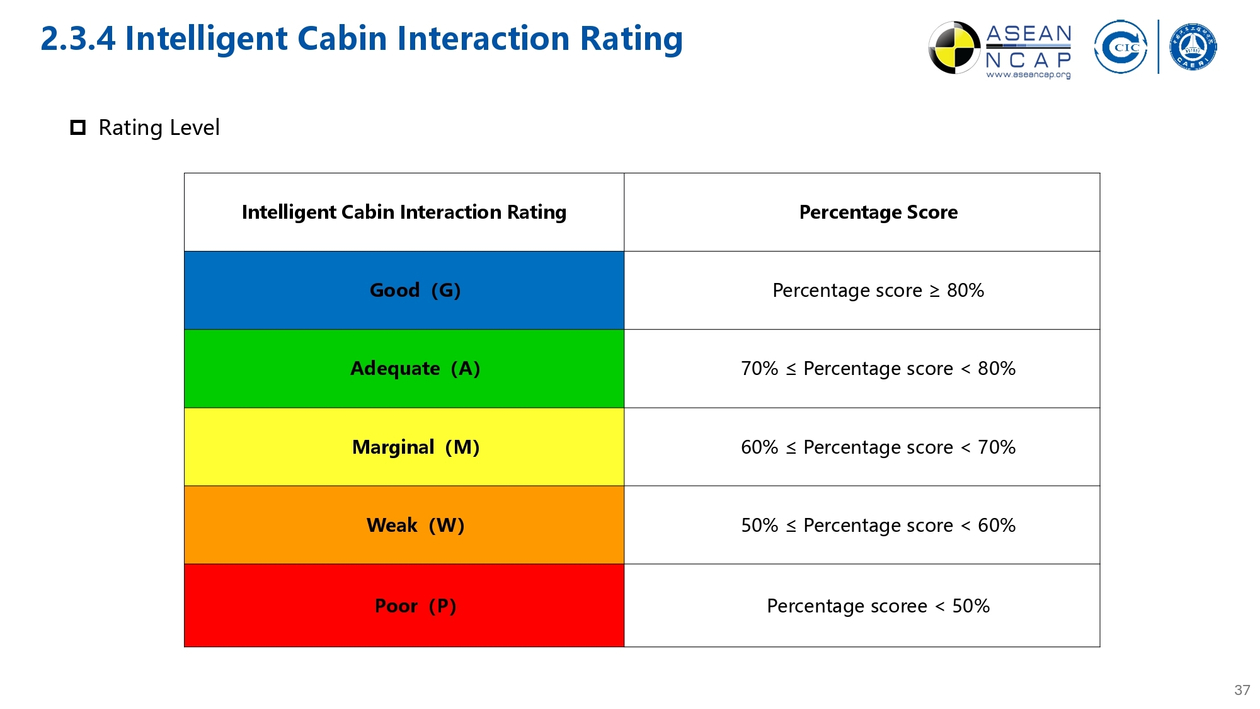
Rather than awarding vehicles a conventional star rating, IVASA adopts a more detailed performance grading system.
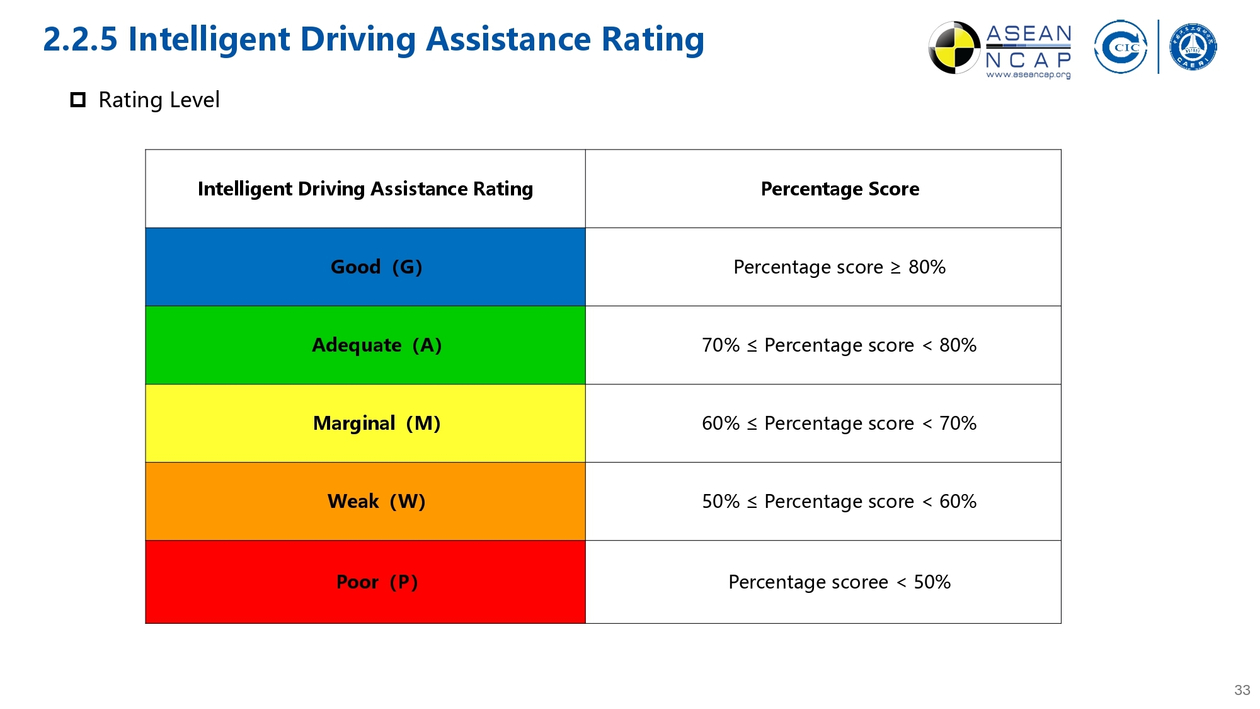
Vehicles will instead receive one of five ratings:
According to ASEAN NCAP, the grading system is intended to provide manufacturers with more detailed engineering feedback while giving consumers clearer insight into the real-world capability of intelligent driving systems.
Pilot testing for IVASA is already underway in Malaysia, with evaluations focusing on high-density, real-world traffic conditions.
Data collected during the pilot programme will be used to refine the assessment protocols before the programme is rolled out more widely across the ASEAN region.
With intelligent driving technologies becoming increasingly common in new vehicles, IVASA is expected to complement ASEAN NCAP's existing crash safety programme by providing an independent benchmark for the next generation of driver assistance and autonomous driving systems.

Your go-to source for all things automotive in Malaysia. 🚗 Latest reviews, breaking news, launches & industry trends.
+ Follow This weekend is your chance to own a Volvo Selekt Certified Used Car, priced from just RM 148,000.
What are you waiting for?
#volvo 1 minute ago
This weekend is your chance to own a Volvo Selekt Certified Used Car, priced from just RM 148,000.
What are you waiting for?
#volvo 1 minute ago  We saw this accident this morning, and here’s a reminder to everyone: please drive safe. 2 days ago
  The G50 BMW 3 series is now here, adopting much of the i3's design elements.
So, where's the BMW M3?
#bmw #BMW3Series 4 days ago
The G50 BMW 3 series is now here, adopting much of the i3's design elements.
So, where's the BMW M3?
#bmw #BMW3Series 4 days ago Get the latest car news first!
Your go-to source for all things automotive in Malaysia. 🚗 Latest reviews, breaking news, launches & industry trends.
This weekend is your chance to own a Volvo Selekt Certified Used Car, priced from just RM 148,000.
What are you waiting for?
#volvo 1 minute ago We saw this accident this morning, and here’s a reminder to everyone: please drive safe. 2 days ago The G50 BMW 3 series is now here, adopting much of the i3's design elements.
So, where's the BMW M3?
#bmw #BMW3Series 4 days ago  ProtonGWMVolkswagenJAECOOVolvoPeroduaToyotaHondaTESLAMitsubishiMazdaJetourCheryBYDLexusBMWMercedes-BenziCAURZeekrIsuzuNissanLeapmotorPorscheFordOMODAMINIMGSuzukiXPengHyundaiWulingKiaSubaruDenzaGACLand RoverDongfengCAMAudiPeugeotFotonMAXUSsmartDaihatsuJACJMCMaseratiLotusAlfa RomeoRenaultGolden DragonKaiceneSeresLamborghiniFerrariJeepRolls-RoyceLepasAston MartinMcLarenChevroletBentleyFiatBAICForthingGeelyRoeweAeolusChanganARCFOXDeepalExeedHongqiVoyahJaguarKGMBuforiAcuraCadillacDodgeAbarthINEOSMHEROJMEVFreelander
© 2024 Bitauto.com. All Rights Reserved.
Bitauto (www.yiche.com and www.bitauto.com) is one of the most visited automotive websites in China. We provide detailed info on Chinese car brands available in your area. Please note that the information provided on this website is based on publicly available data and is for reference only. It may not be fully updated or accurate at all times.
Help us improve our website


