Today’s comparison comes down to a simple question: how do you get the absolute maximum value out of every single sen? Both contenders are household names in Malaysia.
The Perodua Axia is not only Perodua’s entry-level model, but also the most affordable passenger car on the Malaysian market. Going up against it is a formidable rival—the legendary "King of the Road", the Perodua Myvi.
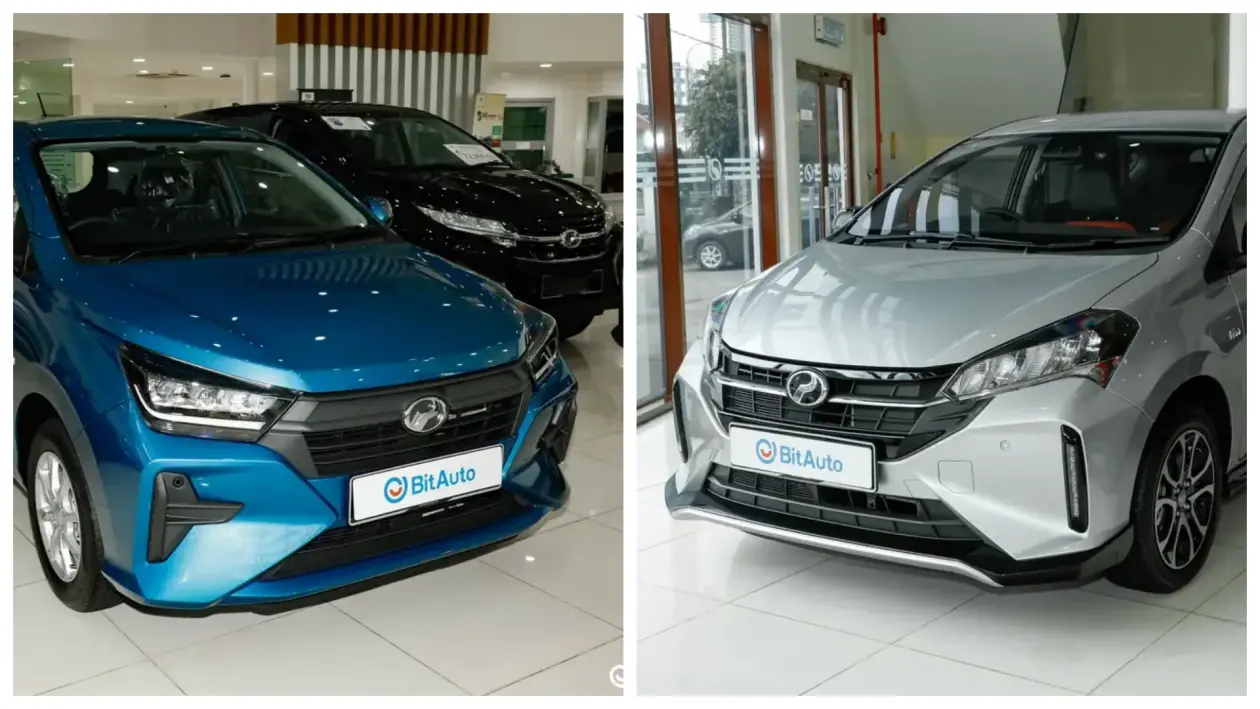
To be fair, neither of the two variants featured in today’s comparison is the base model of its respective lineup. For the Axia, we have chosen the 1.0 X priced at RM38,500, while for the Myvi, we went with the 1.3 G at RM46,500—both of which are among the more popular trims in their ranges.
This brings us to a straightforward question: is it worth spending an extra RM8,000 to step up to the iconic Myvi, or are you better off saving that cash and sticking with the Axia?
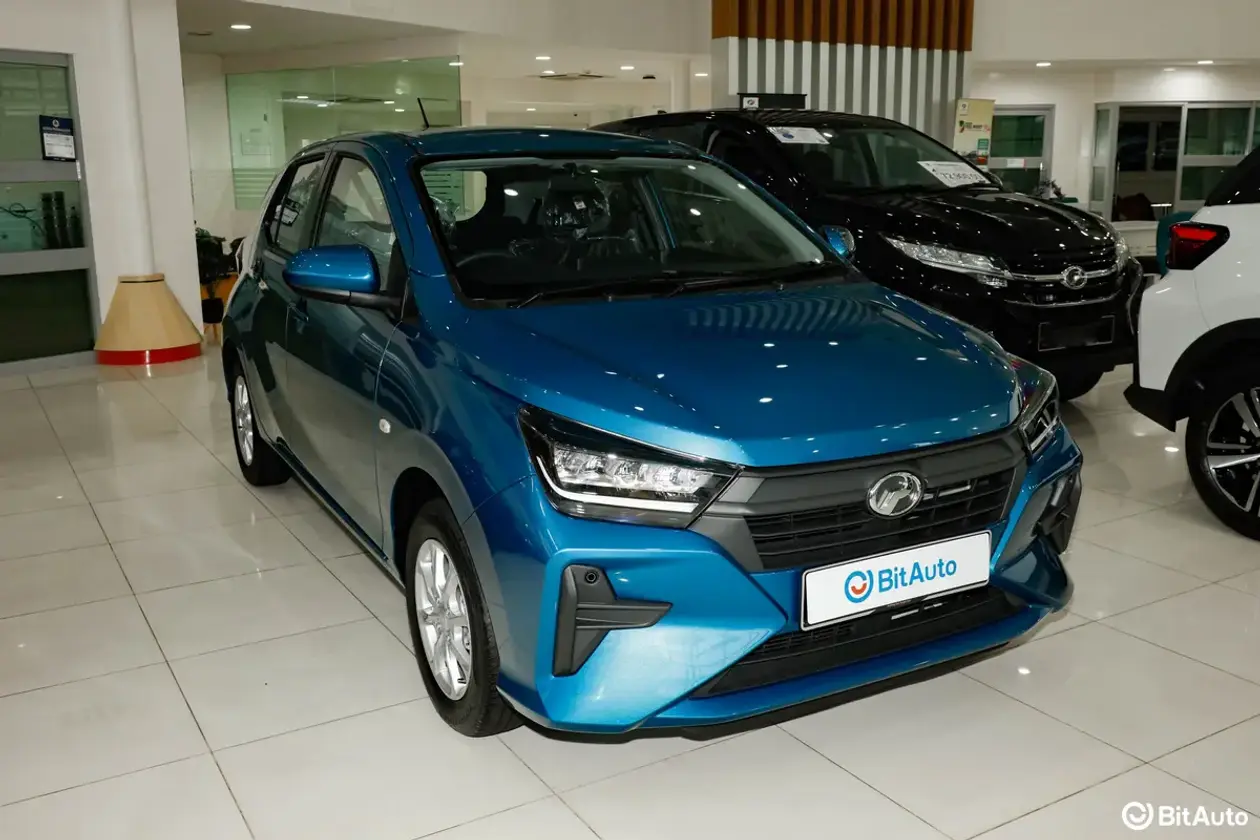
Both are compact hatchbacks measuring under four metres in length.
The Axia measures 3,760 mm in length, 1,665 mm in width, and 1,505 mm in height, with a wheelbase of 2,525 mm. The pricier Myvi is slightly larger at 3,895 mm long, 1,735 mm wide, and 1,515 mm tall, though it sits on a marginally shorter 2,500 mm wheelbase.
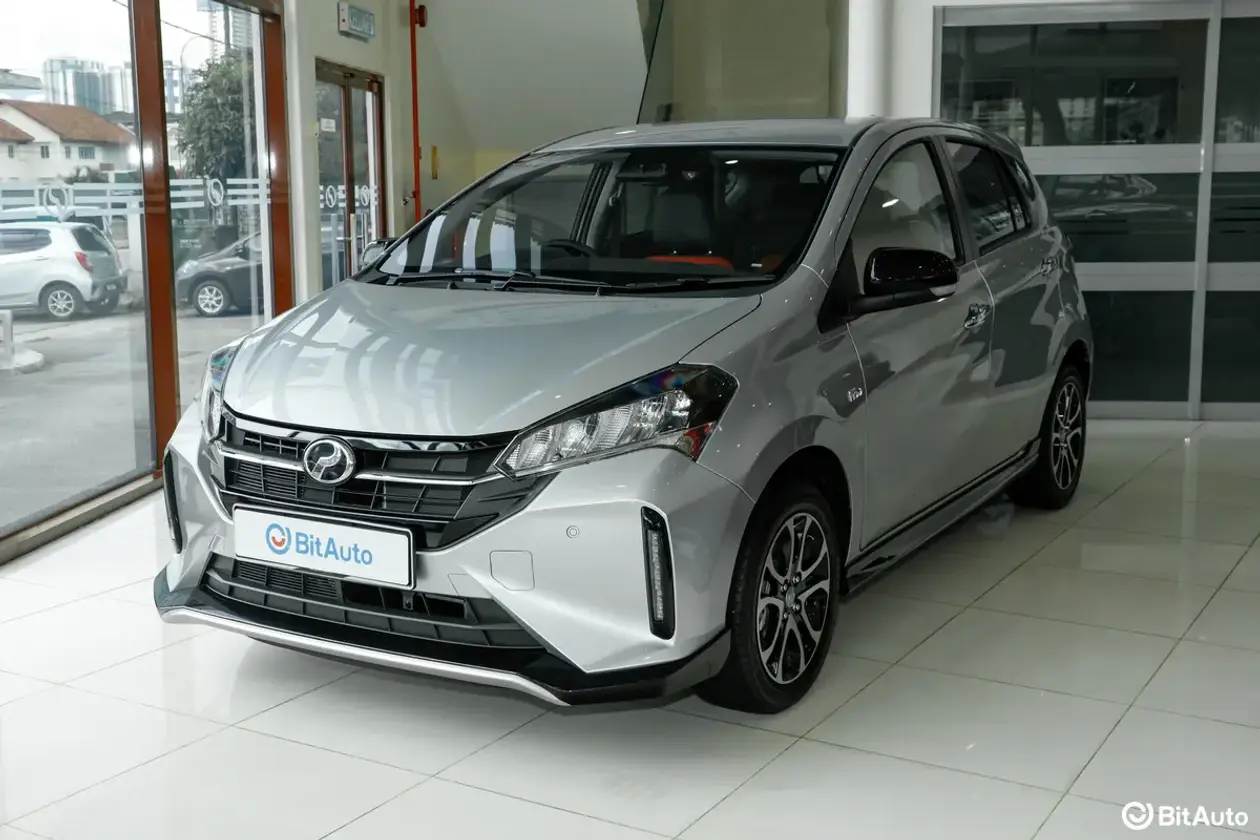
Here is where things get interesting: despite the Myvi having a larger overall footprint than the Axia, its wheelbase is actually 25 mm shorter. Having a bigger body yet a shorter wheelbase means that when it comes to cabin room—particularly rear legroom—there is very little separating the two.
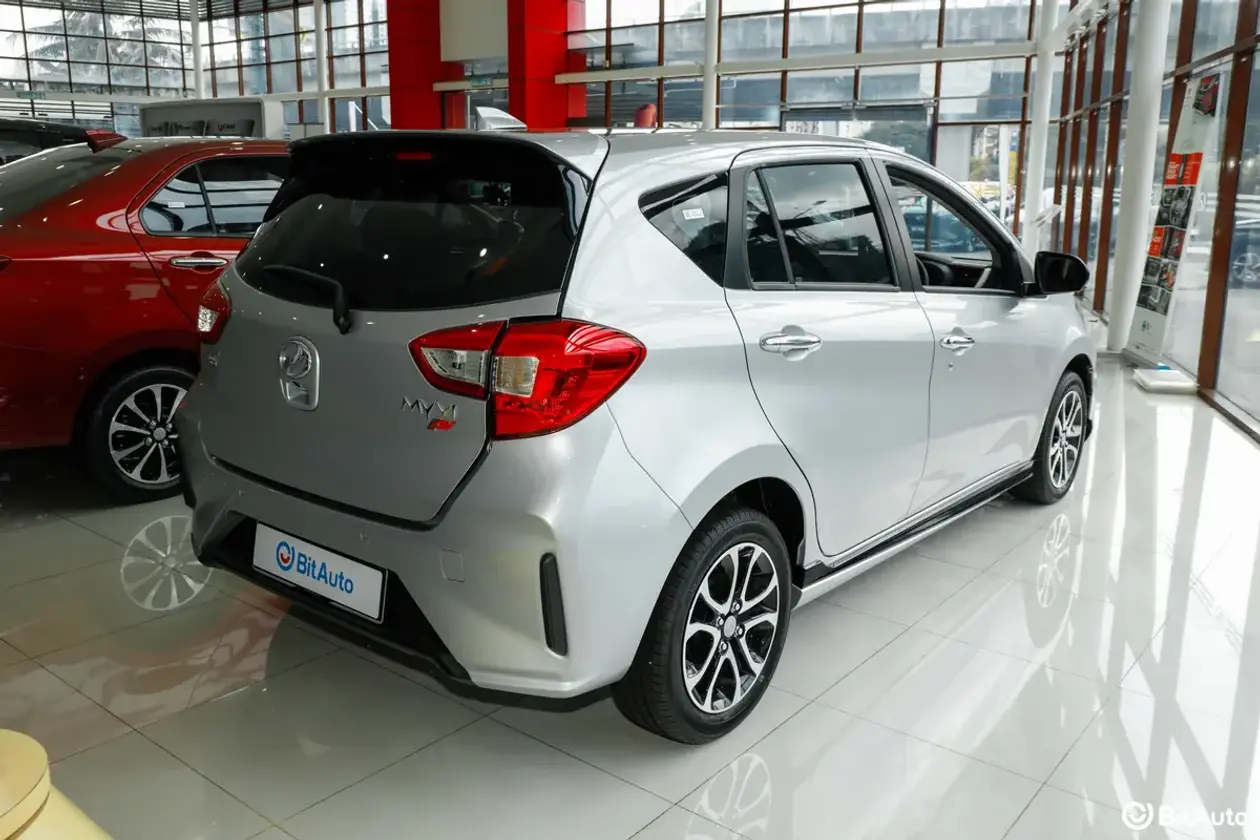
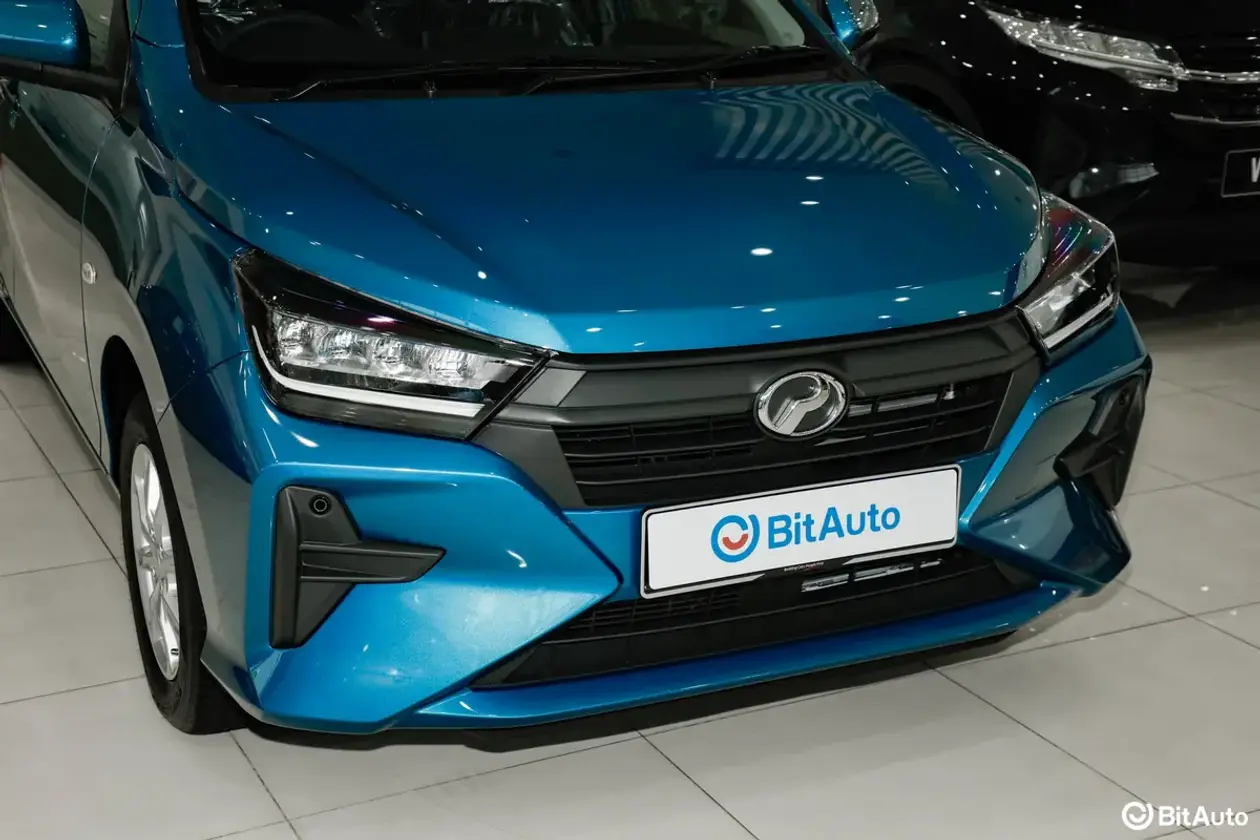
As for exterior styling, the Myvi barely needs an introduction—it is easily one of the most recognisable silhouettes on Malaysian roads.
As for the Axia, do not let its budget price tag fool you; it actually carries a surprisingly well-put-together look. It features well-proportioned headlamps, a sculpted front bumper, subtly flared wheel arches, a short front overhang, an ultra-short rear overhang, and a sharply creased rear end. The Axia may be affordable, but Perodua has not phoned it in on the styling front.
That said, there is only so much to dissect when it comes to the exterior design of these two, given their entry-level positioning and price points.
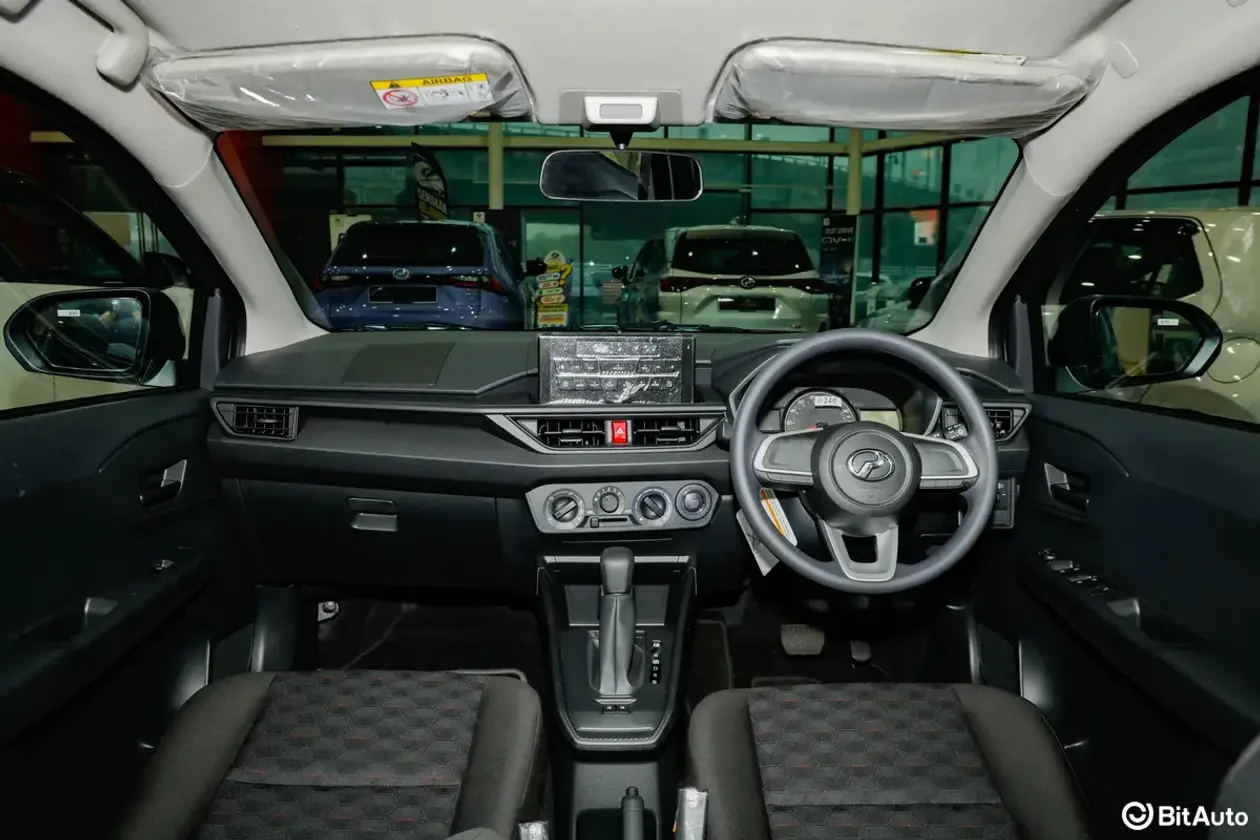
Starting with the Axia, the 1.0 X variant (RM38,450) gets the basics: a monochrome multi-info display in the instrument cluster, keyless entry and push-button start, manual air-conditioning, a four-speaker audio system (unbranded), fabric seats, Bluetooth and USB connectivity, front and rear parking sensors, and dual front airbags—and that is about it.
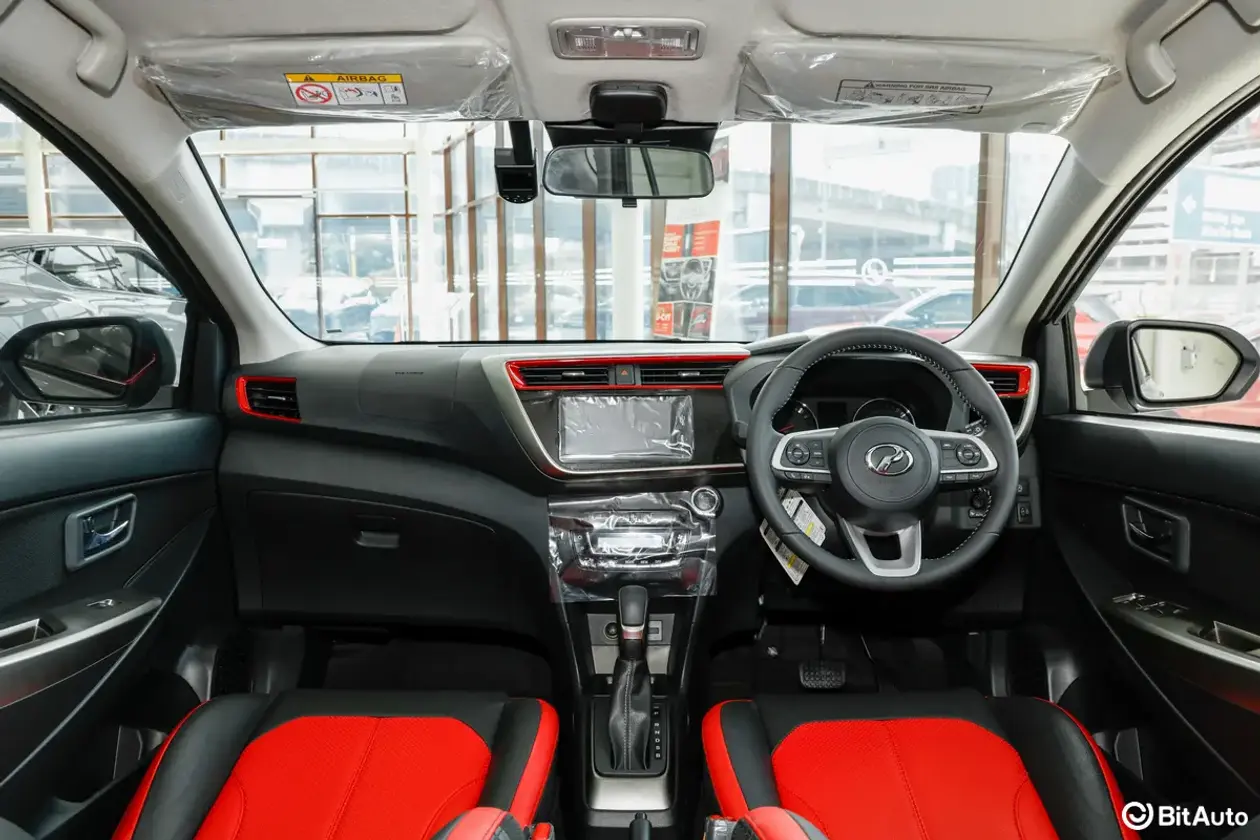
Turning to the Myvi, the kit list is noticeably better equipped. It features a 6.9-inch infotainment touchscreen, while essentials like manual air-conditioning, fabric seats, a four-speaker sound system, and keyless entry with push-button start carry over from the Axia. However, safety gets a bump with four airbags (dual front and front side airbags).
In reality, the only meaningful extras the Myvi brings over the Axia are those two additional front side airbags and the 6.9-inch head unit. While you could argue the touchscreen is merely a nice-to-have, stepping up from two airbags to four is a significant upgrade in real-world safety.
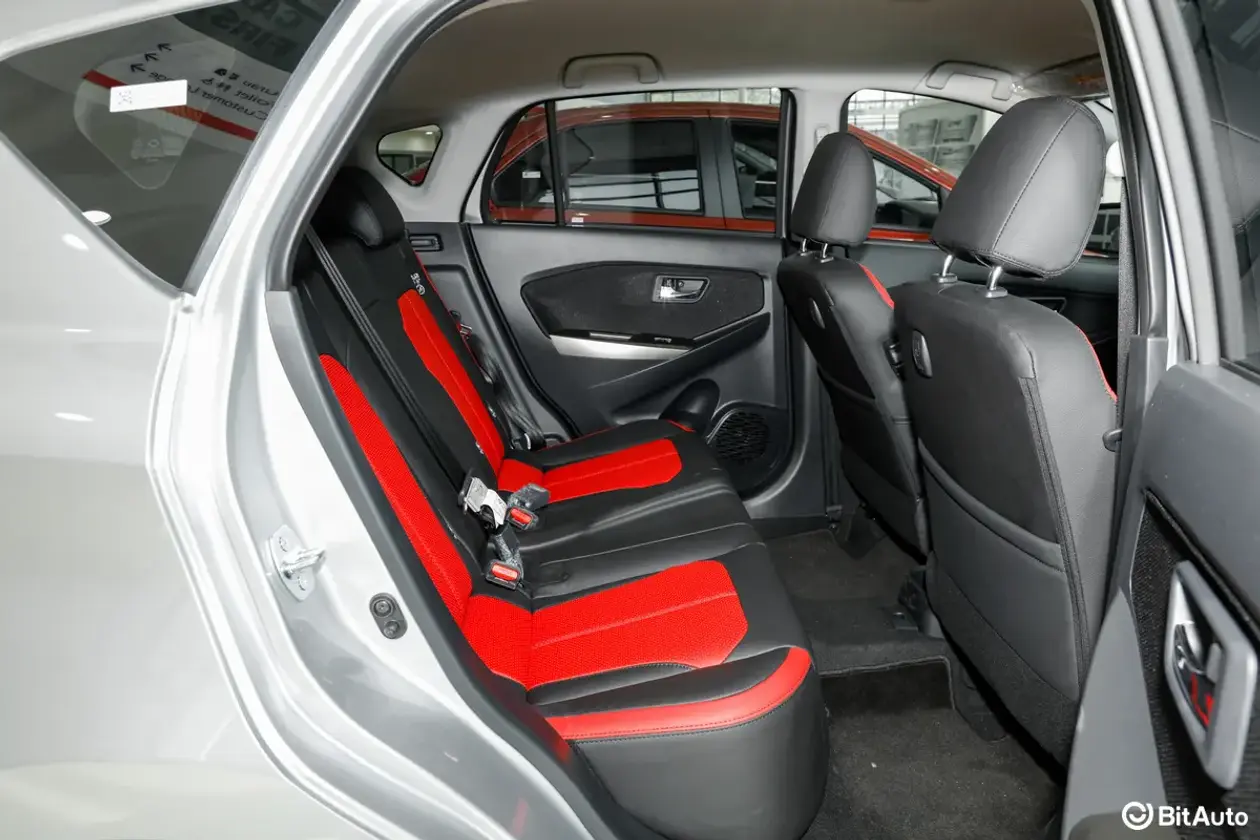
As said earlier when discussing their exteriors, both models are compact hatchbacks—the Myvi has a marginally larger overall footprint, while the Axia boasts a slightly longer wheelbase.
Translating those dimensions into real-world cabin space, the Myvi offers better shoulder room thanks to its wider body, whereas the Axia edges ahead slightly in rear legroom courtesy of its extra 25 mm of wheelbase.
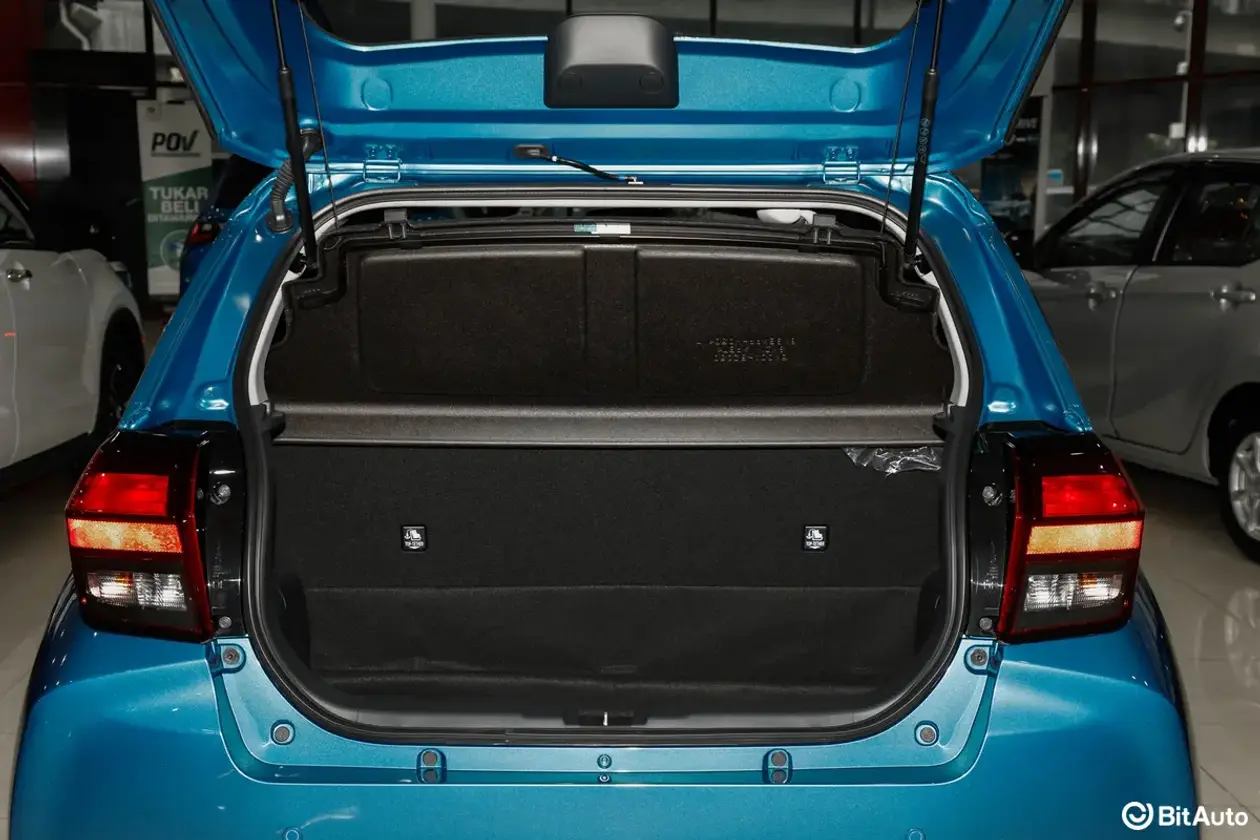
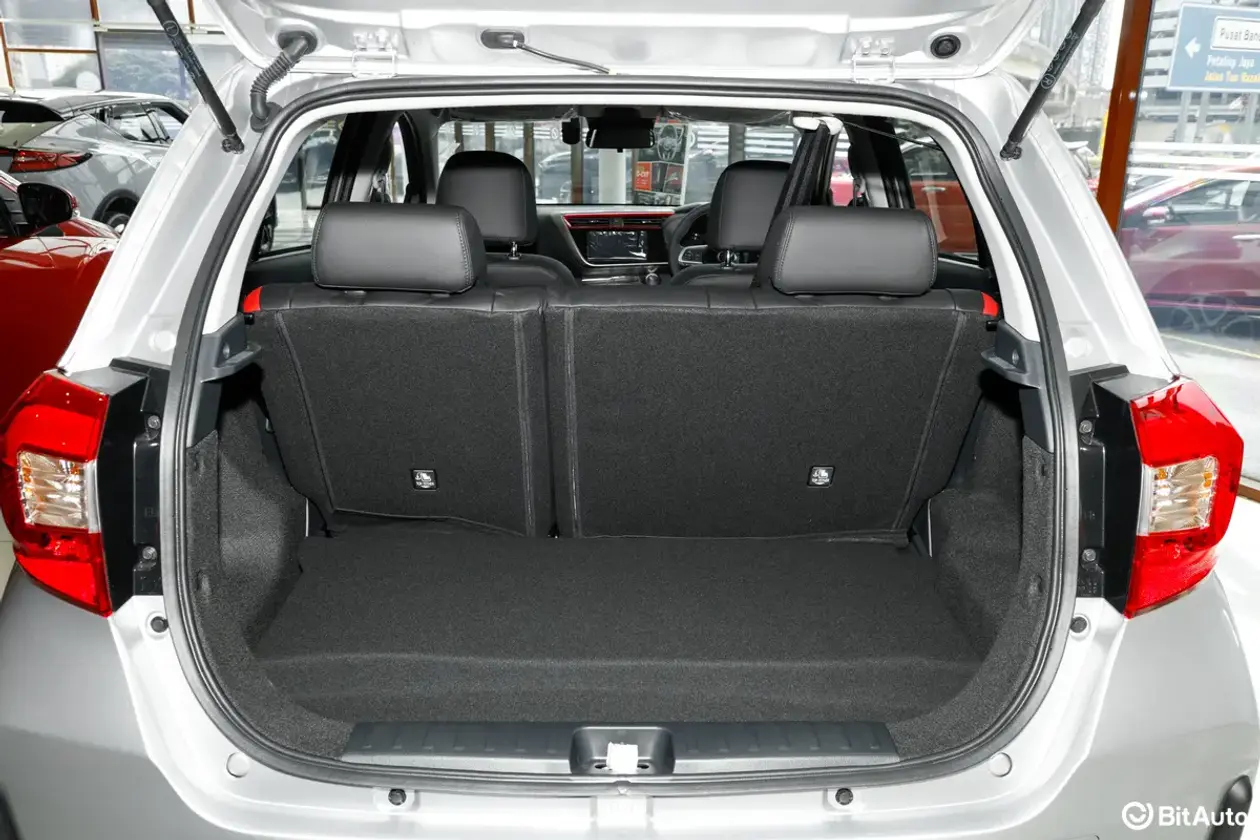
Boot space is where the dimensional difference between the two becomes most apparent. The Axia offers 265 litres of cargo capacity, while the Myvi edges ahead slightly at 277 litres—both are fairly close on paper, and both allow you to fold down the rear seats to free up additional luggage room.
However, there is one practical detail worth noting: the Axia has a relatively high loading lip, making it less convenient than the Myvi when lifting heavier or bulkier items in and out.
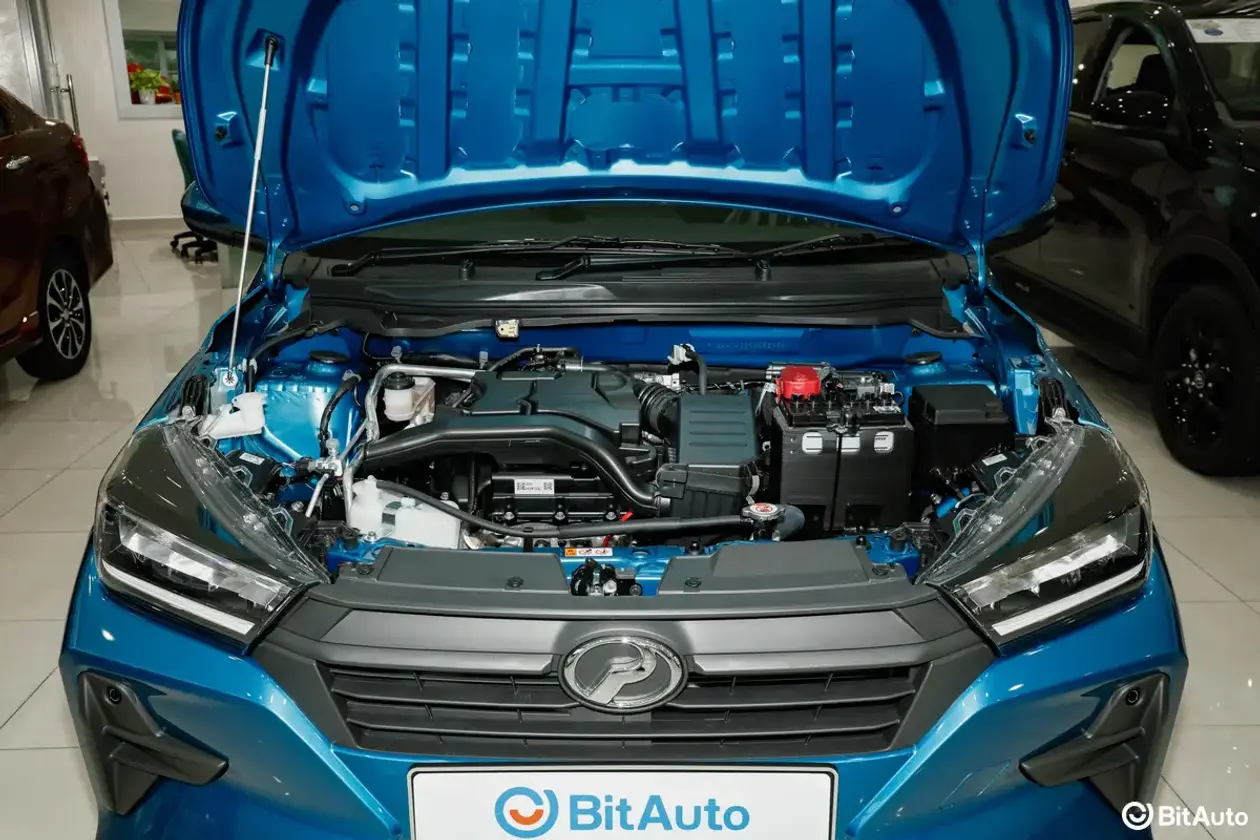
Looking closer at the numbers, however, there are some fairly noticeable differences between the two.
The Axia is powered by a 1.0-litre naturally aspirated three-cylinder engine producing 68 hp and 91 Nm of torque, while tipping the scales at a kerb weight of just 885 kg.
In stop-and-go city traffic, this powertrain gets the job done without much fuss. Out on the highway, though, overtaking heavy vehicles or tackling steep inclines with a full load on board is where it starts to feel breathless.
On the bright side, the Axia’s fuel economy is unbelievable—Perodua claims a figure of just 3.95 L/100 km, which is lower than some hybrid electric vehicles (HEVs) costing several times as much.
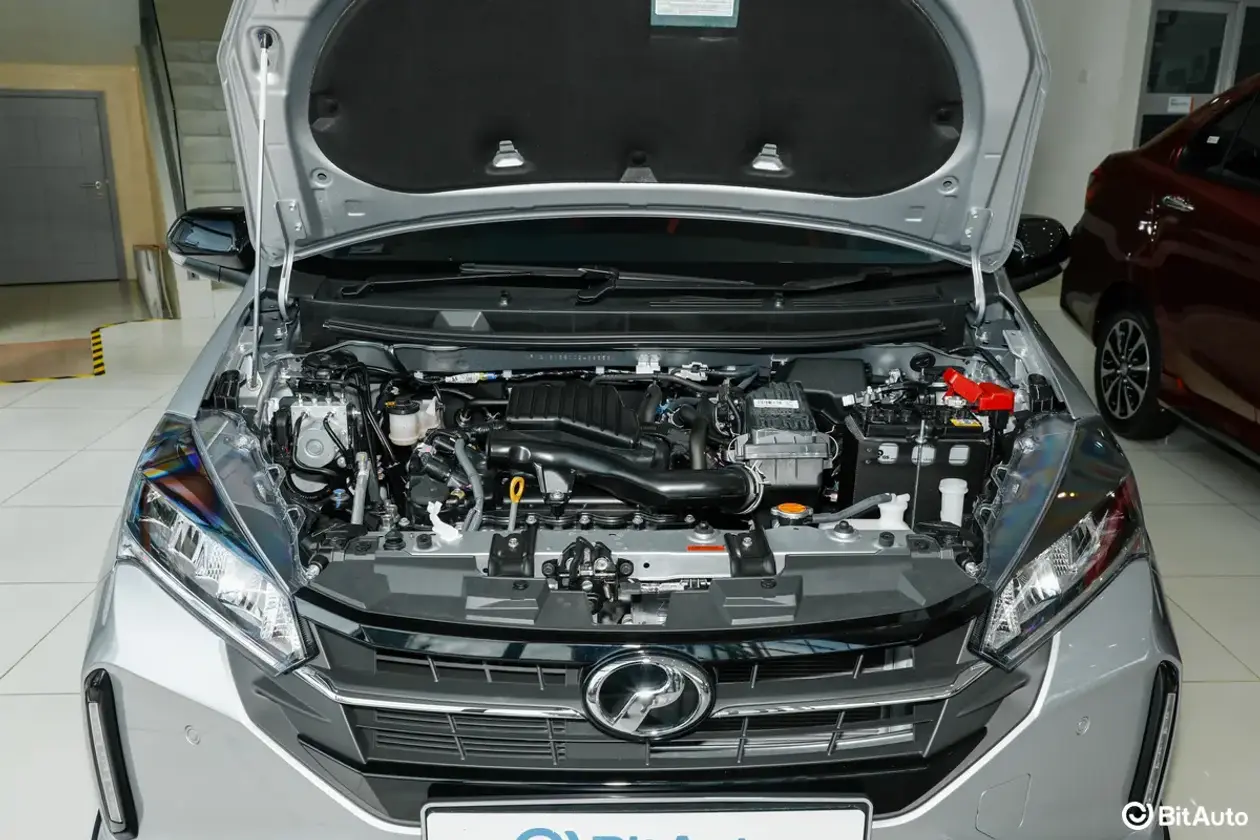
The Myvi posts slightly healthier figures on paper: a 1.3-litre naturally aspirated four-cylinder engine delivering 94 hp and 121 Nm of torque, with a kerb weight of 1,010 kg and a claimed fuel consumption of 4.5 L/100 km.
Pairing 94 hp with a CVT still puts it squarely in the "adequate" category, yet its real-world performance is noticeably stronger than the somewhat underpowered Axia.
When it comes to active and passive safety, there is honestly not much to write home about on either car—both stick to the basics. Even at this entry-level baseline, however, there are still some differences between the two.
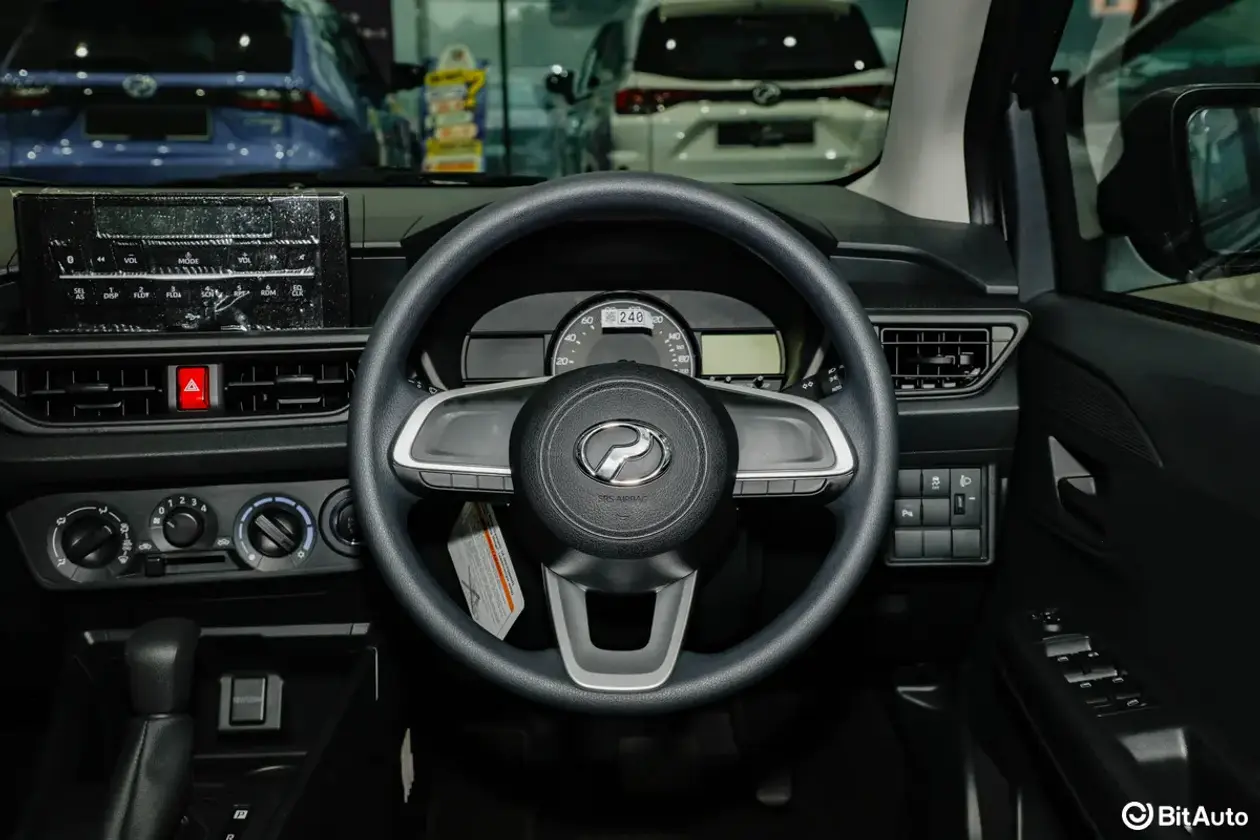
Starting with the more affordable Axia, the range-topping AV variant does come with six airbags and Perodua’s Advanced Safety Assist (ASA) suite. However, the entry-level 1.0 X we are comparing misses out on all of that.
What do you get instead? Dual front airbags, a four-star ASEAN NCAP safety rating, Vehicle Stability Control (VSC), and ABS with EBD—and that is it. Put simply, it offers nothing beyond the bare safety essentials.
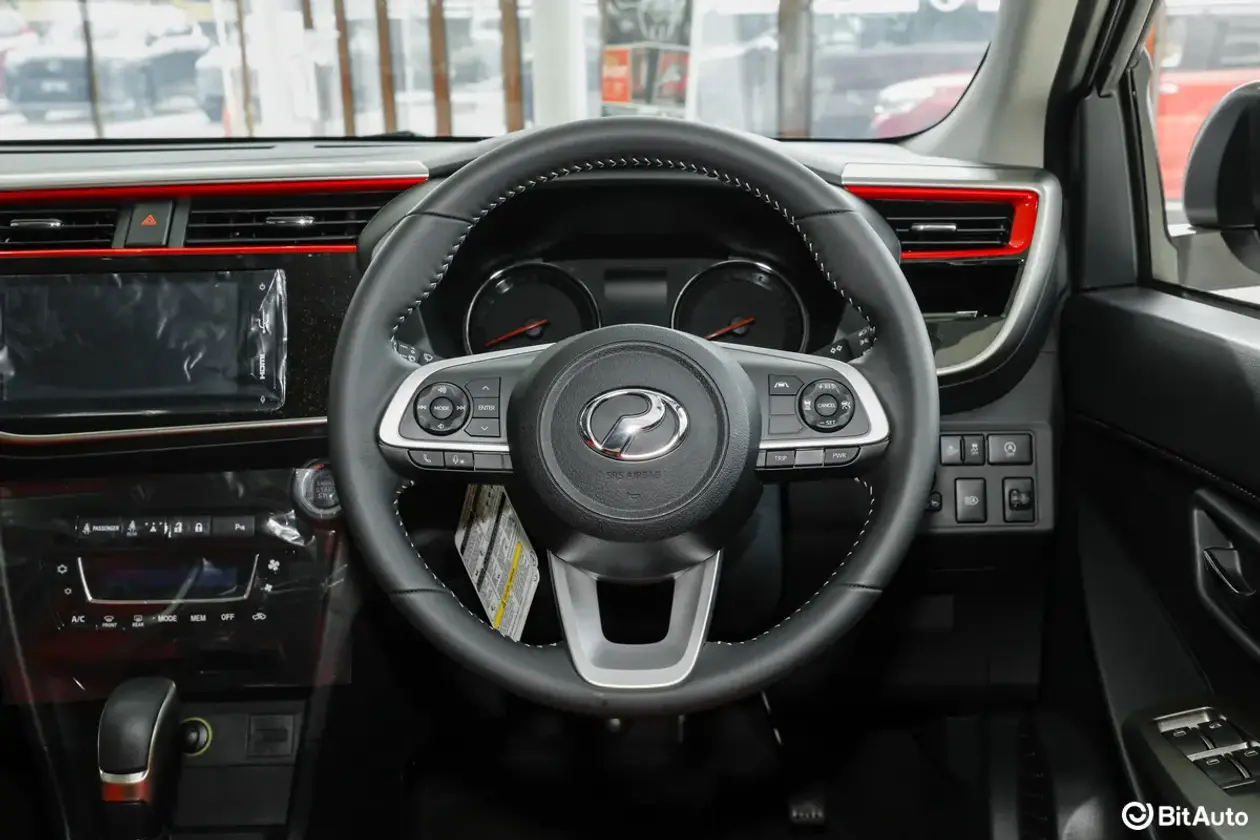
As for the Myvi, its standard safety kit includes four airbags alongside the same basic systems found on the Axia. However, there is one distinction: the Myvi 1.3 G is actually split into two sub-variants—the standard version at RM46,500 without PSDA, and the PSDA variant priced at RM48,500.
Even then, this PSDA package is not the full-fat suite; it is a scaled-back version comprising Autonomous Emergency Braking (AEB), Lane Departure Warning and Prevention, Front Departure Alert, and Pedal Misoperation Control.
Therefore, if active and passive safety features are a non-negotiable priority for you, stepping up to the Myvi PSDA variant makes a lot of sense. Doing so, however, widens the price gap over the Axia even further.
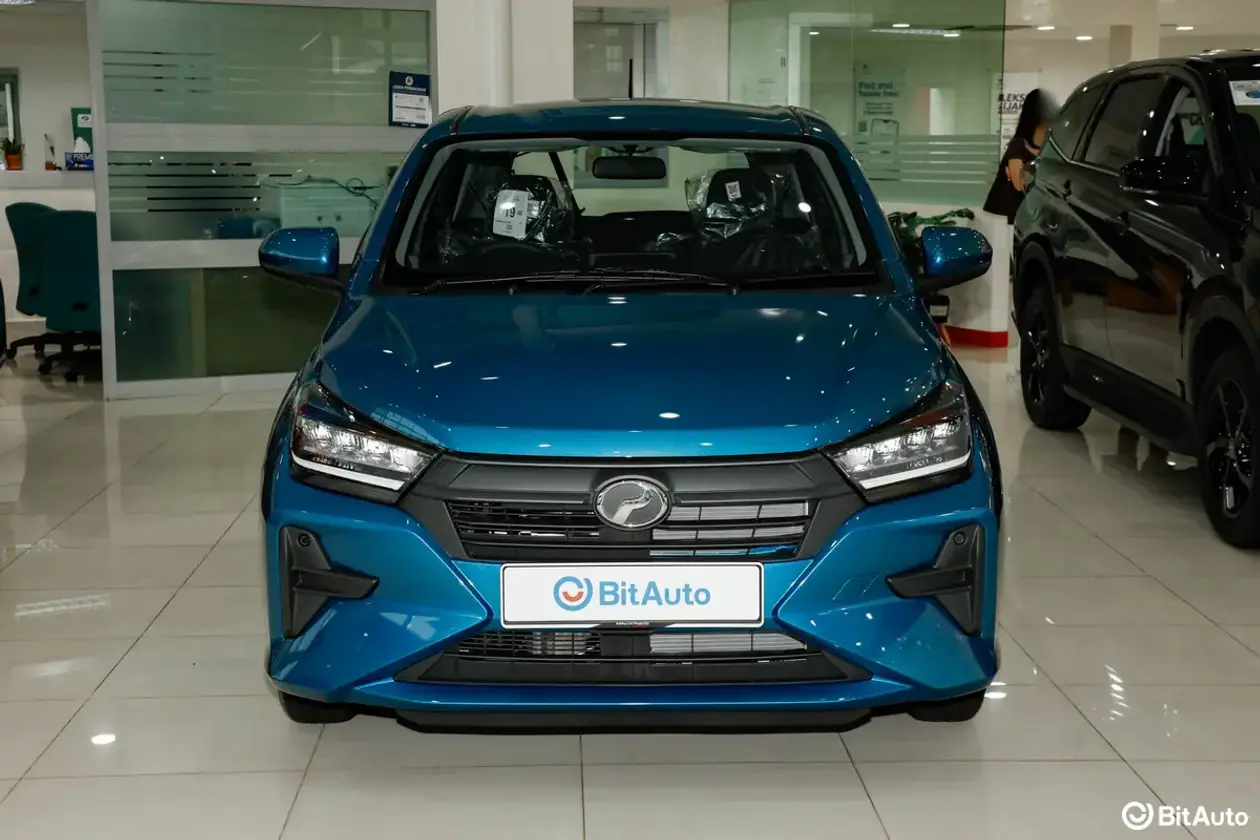
If you are working with an ultra-tight budget, the Axia is an absolute no-brainer. In fact, the 1.0 X is not even the base model—if you do not mind driving a manual, Perodua still offers the 1.0 E at RM22,000.
There is also the 1.0 G at RM33,900, the most affordable new automatic car on the market. In that context, the X variant is already a mid-spec trim.
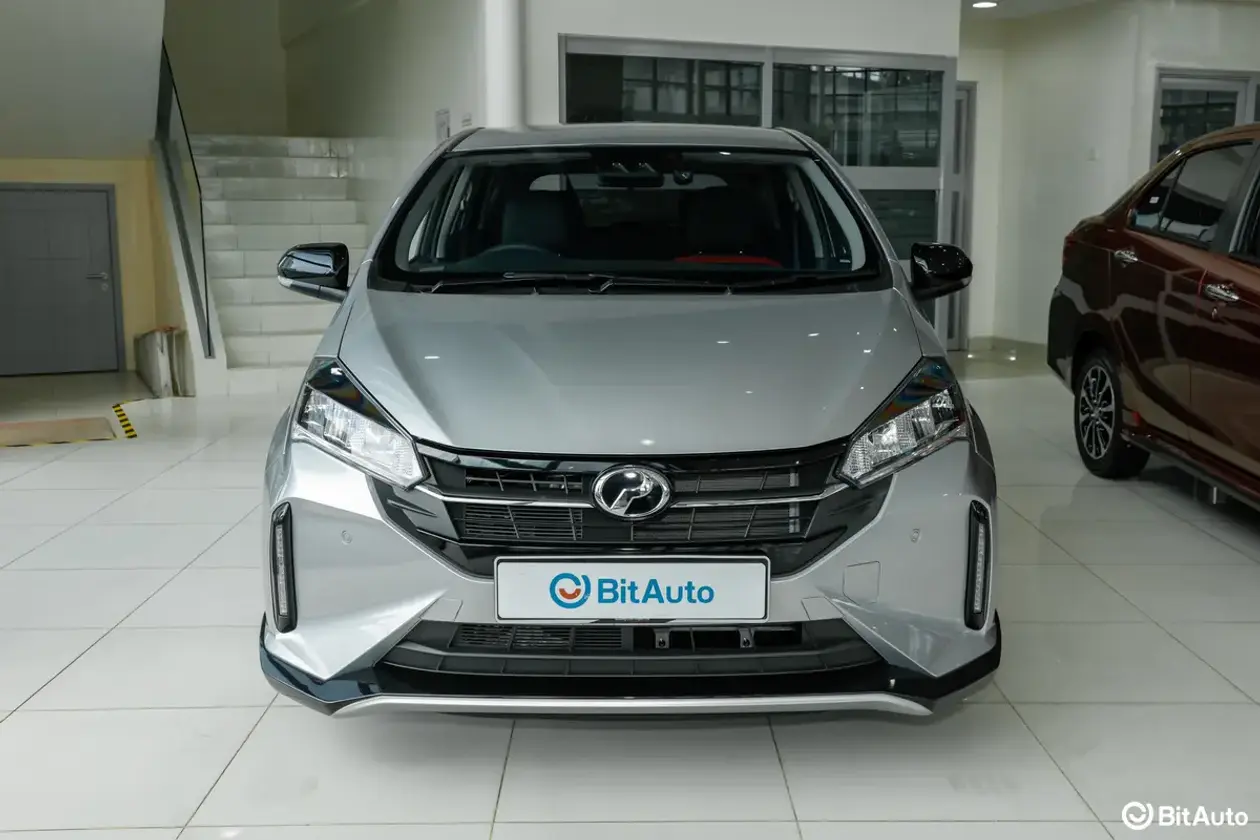
However, if your budget is not stretched quite that thin, our stronger recommendation would be to go for the RM48,500 Myvi 1.3 G equipped with PSDA. Not only does it offer slightly better equipment and stronger performance, but it comes with a driver-assistance suite that could be a lifesaver when it matters most.
Leave your number, an advisor will contact you


Your go-to source for all things automotive in Malaysia. 🚗 Latest reviews, breaking news, launches & industry trends.
+ Follow Those right-hand-drive Xpeng models are already in the UK. Malaysia next? 1 hour ago
 When they wanted the D but need to pay double the price... 1 hour ago
 Should Jetour Malaysia bring a budget compact SUV like this to rival the X50 and Perodua Traz? 1 hour ago
Get the latest car news first!
Your go-to source for all things automotive in Malaysia. 🚗 Latest reviews, breaking news, launches & industry trends.

© 2024 Bitauto.com. All Rights Reserved.
Bitauto (www.yiche.com and www.bitauto.com) is one of the most visited automotive websites in China. We provide detailed info on Chinese car brands available in your area. Please note that the information provided on this website is based on publicly available data and is for reference only. It may not be fully updated or accurate at all times.

Help us improve our website


