The pricing strategy for the Jaecoo J8 in the Malaysian market has been dramatic from the get-go.
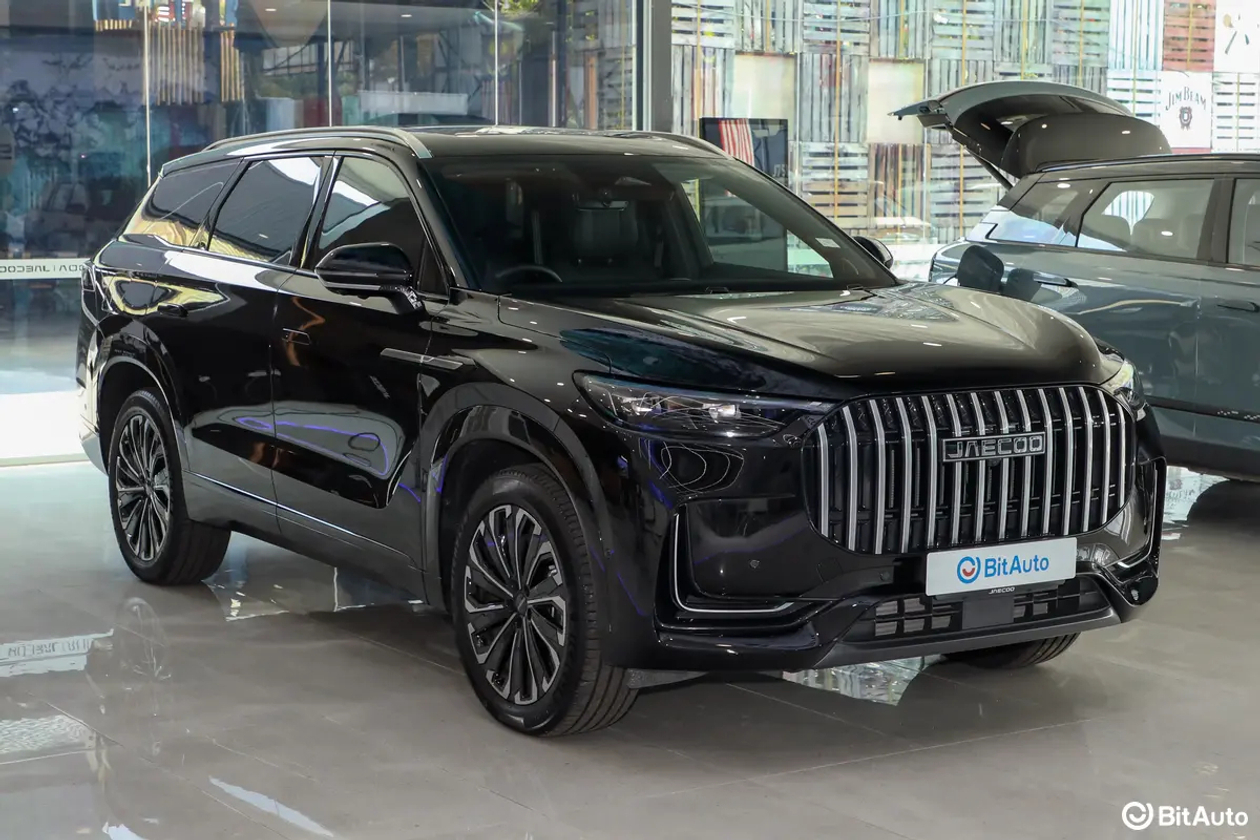
This article breaks down exactly where every single ringgit goes.
Before diving into the differences, let us first clarify the shared DNA of both models.
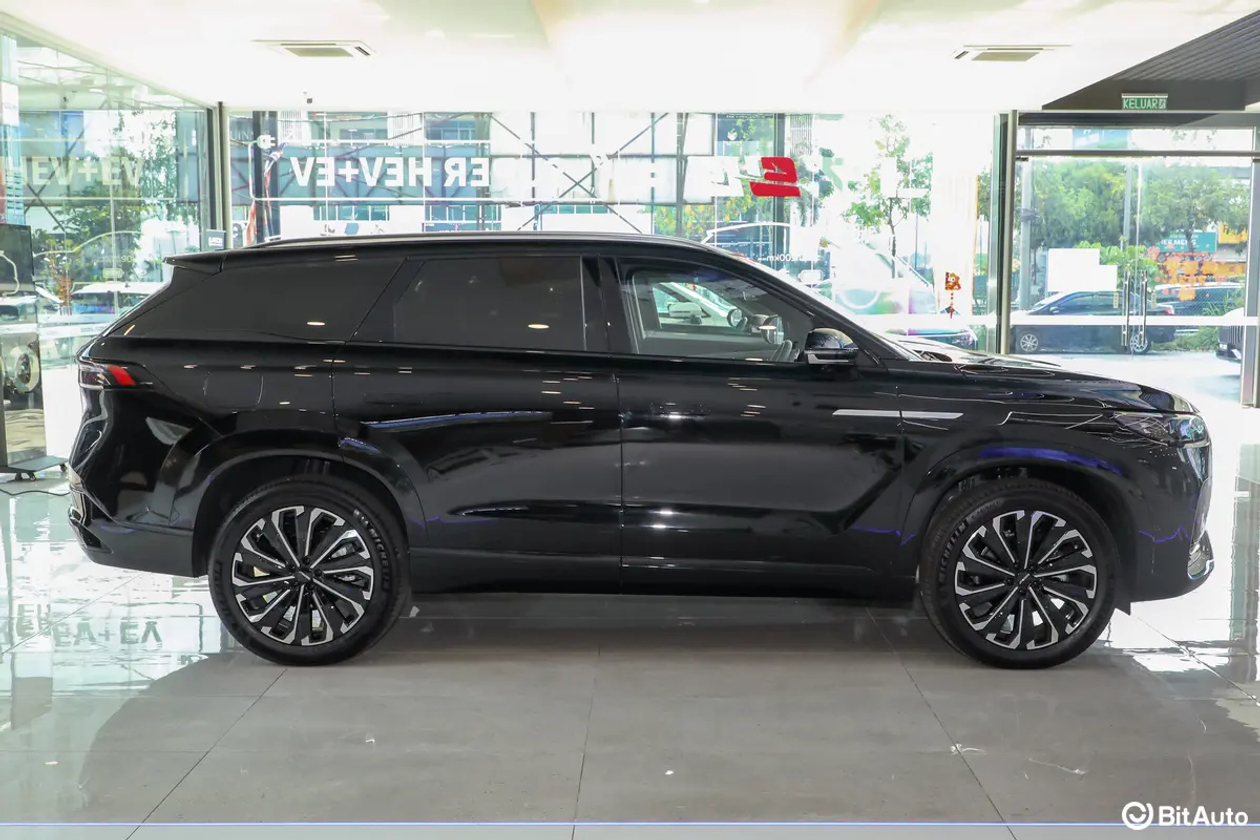
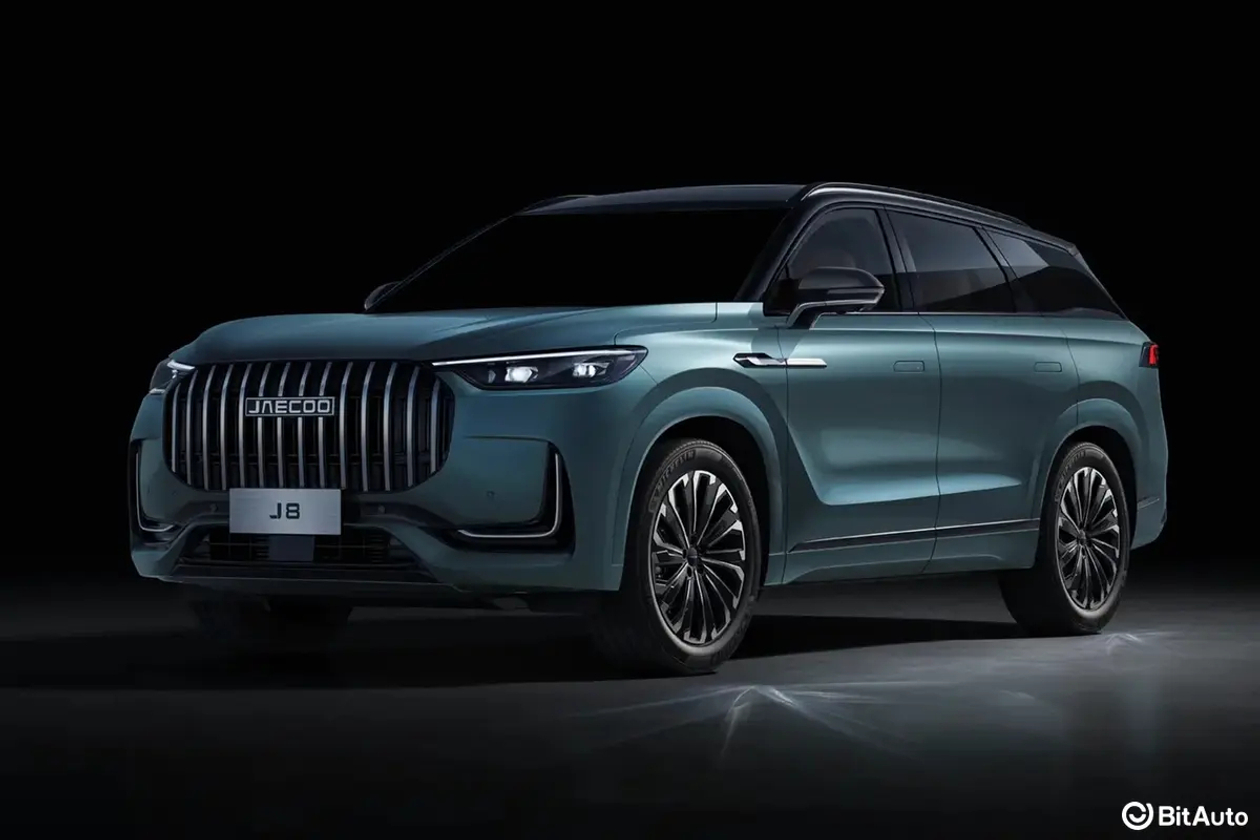
Whether you opt for the 2WD or the AWD variant, the J8 shares the exact same core mechanical specifications: a 2.0-litre turbocharged four-cylinder petrol engine producing 249 PS and 385 Nm of torque, paired with an eight-speed automatic transmission. Their physical footprints are identical, measuring 4,820 mm in length, 1,930 mm in width, and 1,699 mm in height, with a 2,820 mm wheelbase. Both variants come standard with 20-inch alloy wheels, hidden pop-out door handles, a panoramic sunroof, dual 12.3-inch screens, four-zone automatic climate control, alongside ventilated and heated seats for both the front and second rows.
Therefore, the RM20,000 premium is not for a "better car", but rather for a "different car". We break down why item by item below.
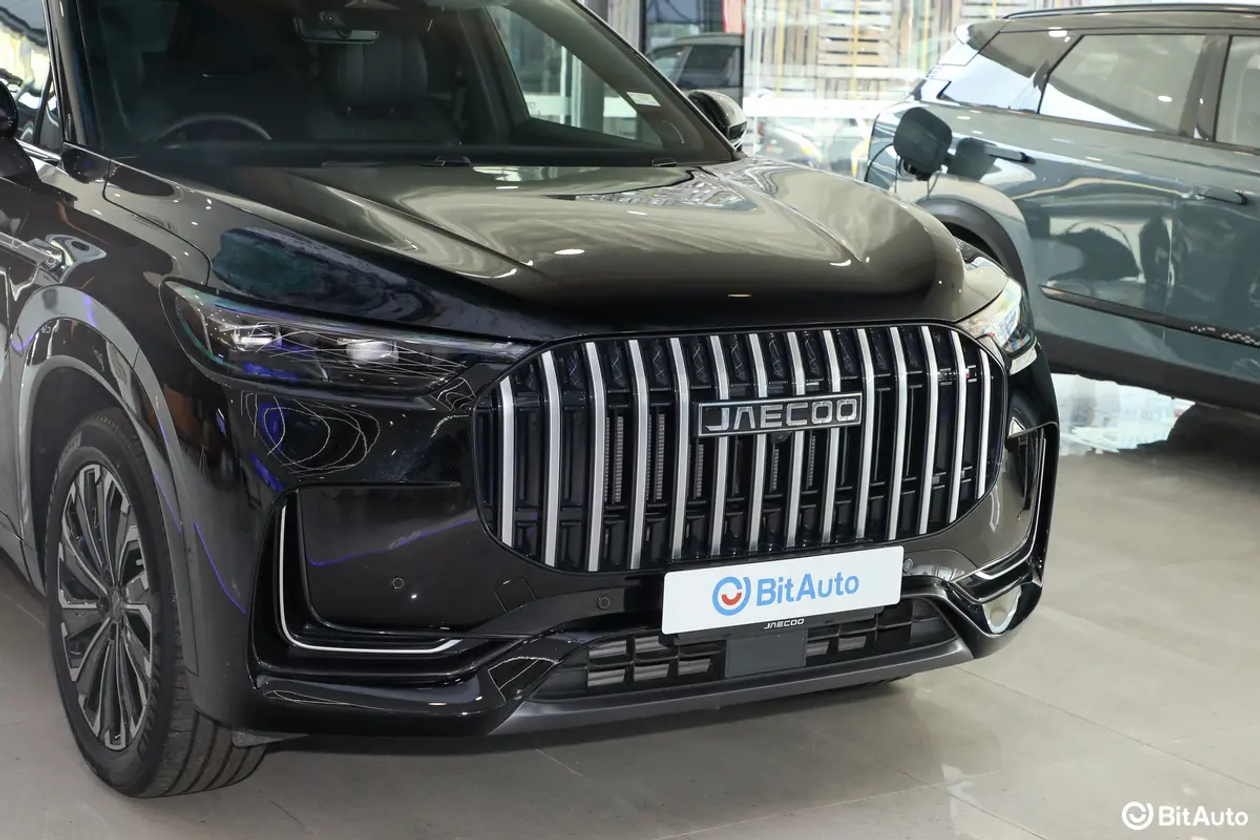
This is the most intuitive and influential difference that will sway your buying decision.
The 2WD variant features a traditional five-seat layout with a three-person bench in the second row. This configuration frees up a massive boot volume of 738 litres, which expands to 2,021 litres when the second-row backrests are folded down. For families who have absolutely no need for a third row, this vast boot space means baby prams, golf bags, and weekend groceries can all be thrown in effortlessly.
Conversely, the AWD variant adopts a 2+2+2 six-seat layout, introducing two independent captain's seats in the second row and a new two-seater bench in the third row. The trade-off here is a significant reduction in boot volume, dropping to 200 litres when the third row is upright, though it expands back to 738 litres when those rearmost seats are folded flat.
What does this mean?
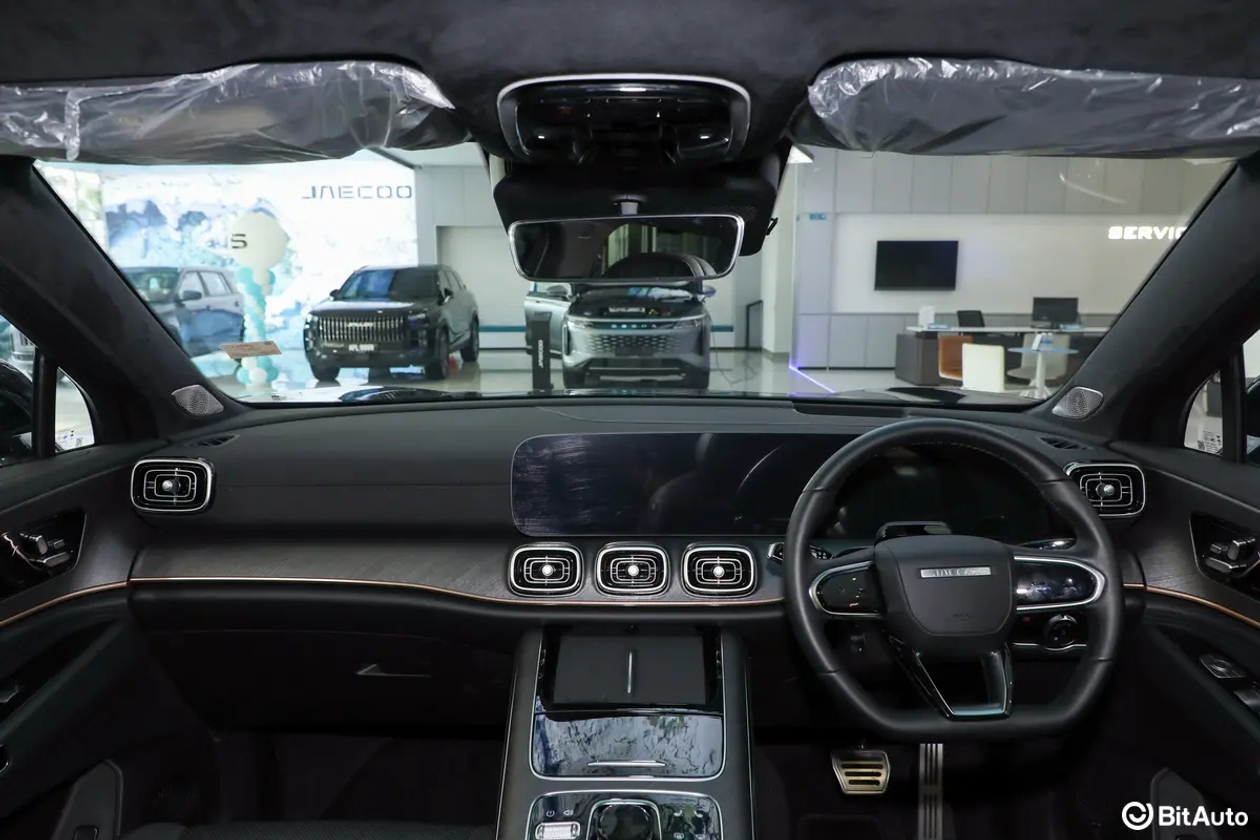
If you frequently transport more than five people or regularly require extra seats for family emergencies, the AWD is your only option. However, if your primary usage scenario involves a two- or three-person household, the everyday convenience of the 2WD's 738-litre boot may hold far more practical value than two rarely used seats in the back.
One notable point: automotive media tests have pointed out that Jaecoo's official claim of a 738-litre boot volume is measured "to the roof" rather than the industry-standard "to the window line", making the actual usable space closer to 600 litres. Even so, it remains highly competitive within the D-segment SUV class.
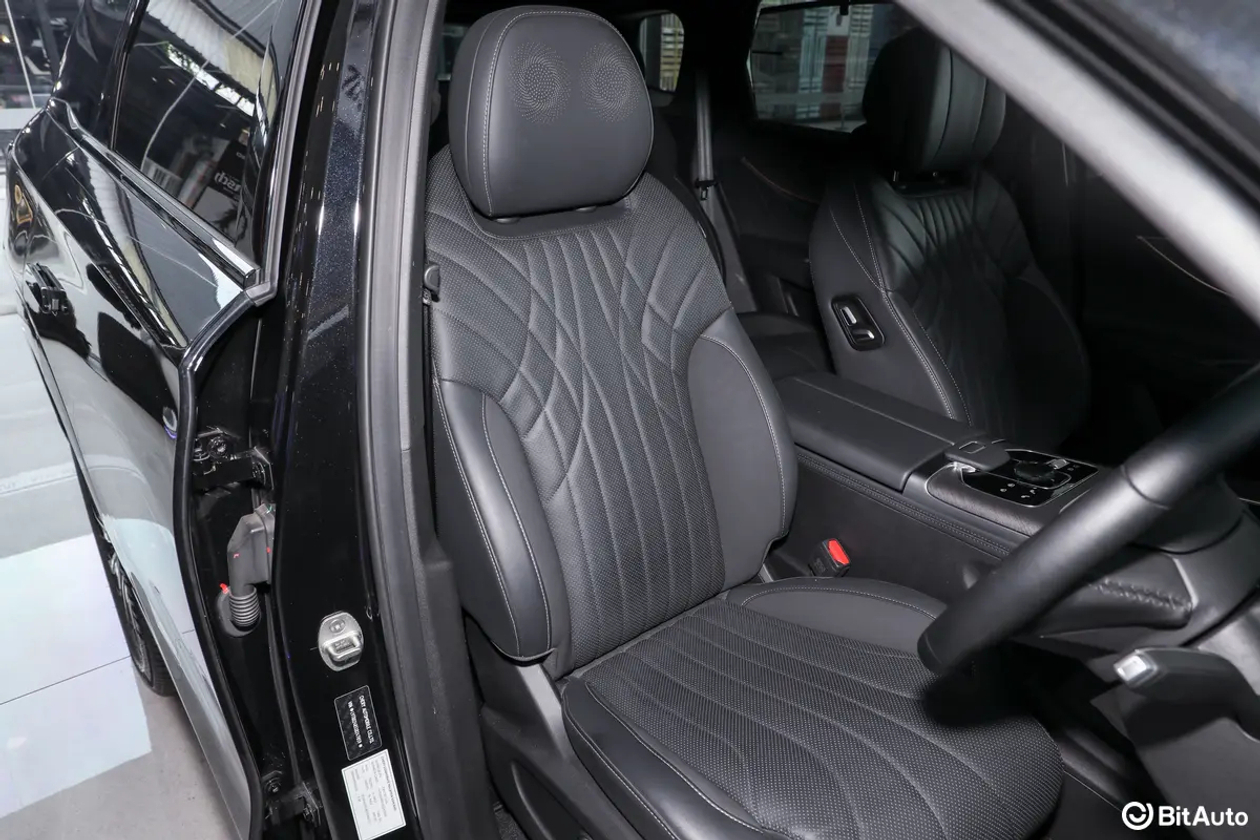
If the seating layout represents a functional difference, this section outlines a significant gap in overall experience.
The 2WD variant comes generously equipped as standard, offering a 12-speaker Sony audio system, 6 airbags, ambient interior lighting, and leatherette upholstery.
However, the AWD variant truly embodies the "Flagship" moniker by upgrading almost every detail:
| Feature | J8 2WD | J8 AWD |
|---|---|---|
| Sony Audio System | 12 Speakers | 14 Speakers (including headrest speakers) |
| Airbags | 6 | 10 |
| Seat Material | Leatherette | Nappa Leather + Suede Trim |
| Second-Row Seats | Manual Adjustment | Power Adjustment + Massage + Sunshades |
| Front Passenger Seat | Standard | Queen Seat |
| Doors | Manual Closing | Electric Soft-Close Doors |
| Aromatherapy System | None | Automatic Aromatherapy System |
| NFC Key | None | NFC Keyless Entry |
| Built-in Dash Cam | None | Standard Digital Video Recorder (DVR) |
| Park Assist | None | Automatic Parking Assist |
| Suspension System | Standard | CDC Adaptive Suspension |
| Exterior | Single-Colour Body | Two-Tone Body (Black Roof) |
Key upgrades to note:
14-Speaker Sony Audio with Headrest Speakers: Headrest speakers not only enhance musical immersion, but they also allow navigation voice prompts to be piped exclusively through the driver's headrest. This avoids disturbing other passengers who might be resting or chatting — a luxury feature that is hard to live without once experienced.
10 Airbags vs. 6 Airbags: The additional 4 airbags include side curtain and front knee airbags, providing invaluable peace of mind for family-minded buyers.
CDC Adaptive Suspension: Continuous Damping Control (CDC) adjusts the suspension damping in real-time based on road conditions. This means the AWD variant theoretically offers superior ride comfort over broken surfaces compared to the 2WD. For Malaysia's notoriously patched-up roads, this is a tangible, everyday benefit.
Nappa Leather + Suede + Electric Massage Seats: The interior quality of the AWD variant vaults up a class into the RM250,000–RM300,000 territory. Reviewers have described the J8's cabin ambiance as "feeling akin to driving in a VIP lounge".
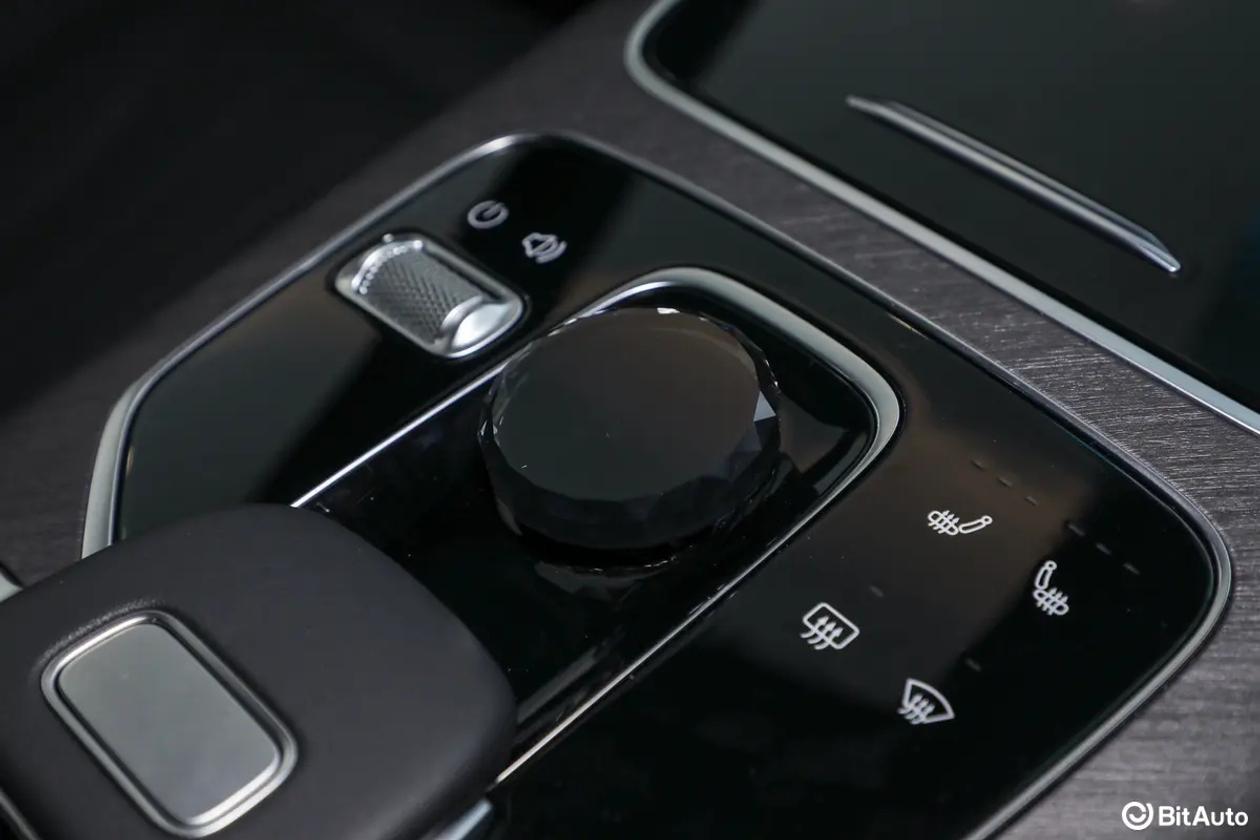
While both models share the identical 2.0T + 8AT powertrain pushing 249 PS and 385 Nm, their straight-line performance figures differ:
2WD: 0-100km/h in 8.8 seconds
AWD: 0-100km/h in 9.0 seconds
The AWD variant is 0.2 seconds slower due to the added mechanical weight of the four-wheel-drive hardware. Both variants share a top speed of 200 km/h.
Fuel economy shows a similar trend:
2WD: 7.8L/100km (WLTP standard)
AWD: 8.1L/100km (WLTP standard)
The AWD version gains Mud, Sand, and Off-Road driving modes to supplement the existing Eco, Normal, and Sport selections, totaling six modes. Paired with the CDC adaptive suspension and full-time four-wheel drive, the J8 AWD offers a level of mechanical grip and stability on rain-soaked roads, gravel paths, and light off-road trails that a front-wheel-drive 2WD simply cannot match.
Real-world Scenario: If you live in Kuala Lumpur and your daily commute consists entirely of paved urban roads, the 2WD is perfectly adequate and more fuel-efficient. However, if you enjoy weekend getaways up to Fraser's Hill or Cameron Highlands, or occasionally venture off the beaten track, the multi-mode four-wheel-drive system of the AWD provides a welcome safety net when it matters most.
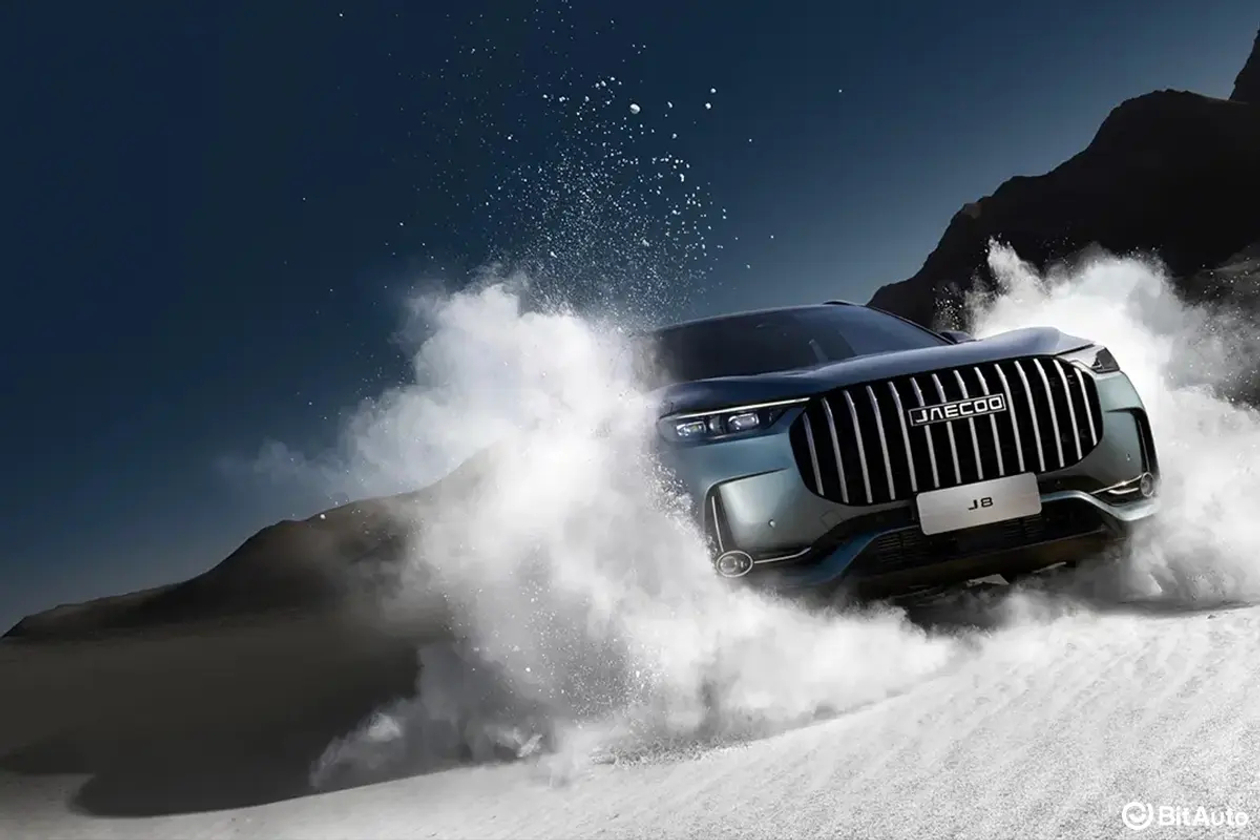
Jaecoo's brand positioning has always been rugged and adventure-oriented, with the J8 officially dubbed "Off-Road First Class".
The 2WD variant is, for all intents and purposes, a city SUV. Its front-wheel-drive layout and standard suspension can handle daily urban duties with ease, but you should not expect it to conquer demanding off-road trails.
Key Judgment: If you buy an SUV purely for city commuting and occasional high-speed interstate cruising, the 2WD is more than sufficient. But if you take the "SUV" label seriously — for occasional camping, fishing, or outdoor excursions — the AWD is the true choice that lives up to the name.
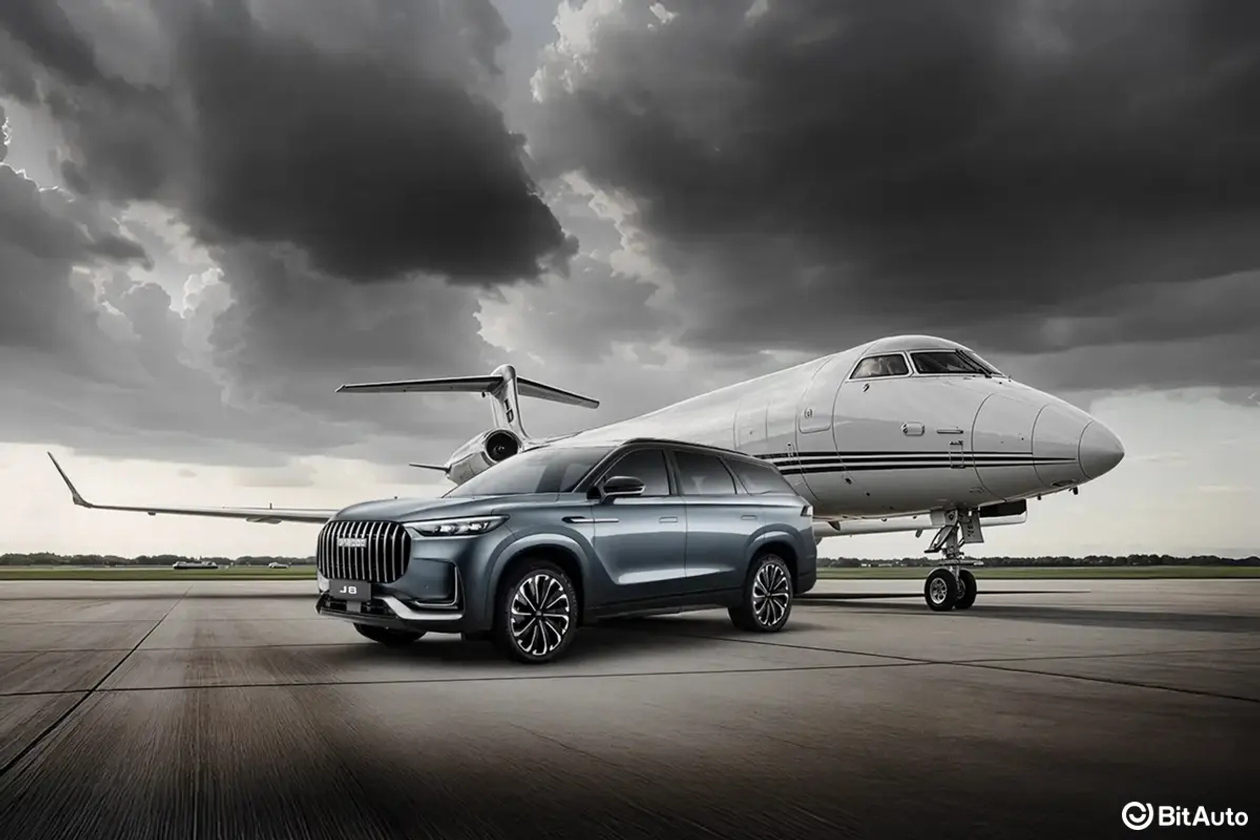
Returning to the core question: is the RM20,000 premium worth it?
We can categorise what the AWD offers over the 2WD into three distinct pillars:
10 Airbags vs. 6 Airbags: Four extra airbags could save lives in critical moments.
AWD Four-Wheel Drive System: Improved mechanical safety and stability on slippery surfaces.
CDC Adaptive Suspension: Noticeably better ride comfort over broken, potholed city tarmac.
14-Speaker Sony Audio with Headrest Speakers: Next-level acoustic immersion and driver-focused navigation prompts.
Nappa Leather + Electric Massage Seats: A tactile upgrade felt every single time you sit in the car.
Electric Soft-Close Doors + Aromatherapy: Adds a premium sense of ceremony usually reserved for high-end luxury marques.
Third-Row Seats: Sacrificing 200 litres of permanent boot space is a waste if you rarely carry six people.
Off-Road Modes: These specialized drivetrain maps are purely for show if you never leave the asphalt.
NFC Key & Automatic Parking: Convenient tech features but far from daily essentials.
Our Verdict: The RM20,000 price gap buys you far more than just "four-wheel drive and a third row". It delivers a completely different vehicle, upgrading the seating architecture, interior materials, audio fidelity, safety tech, chassis hardware, and drivetrain in every measurable aspect.
But the question remains: do you actually need these upgrades?
If you are a family of five needing a massive cargo area for baby prams and luggage, the 2WD is arguably the more practical tool. If you are a family of three but frequently travel with ageing parents, the AWD's six-seater configuration becomes a necessity. For a couple with no children, the 2WD is more than enough, and that saved RM20,000 can be diverted into your savings or vehicle modification fund.
🟢 Choose the 2WD Five-Seater If:
Five seats are perfectly sufficient for your family needs.
You require a massive 738-litre boot for strollers, golf bags, or cargo.
More than 95% of your driving is spent on paved urban roads.
You want to keep your monthly loan repayments as low as possible.
You do not care for luxury add-ons like headrest speakers or Nappa leather.
You genuinely need six seats for multi-generational family trips or ferrying colleagues.
You demand a top-spec flagship experience with massage seats, premium leather, and soft-close doors.
You frequently head up to the mountains, go camping, or enjoy outdoor weekend activities.
You want the absolute peace of mind that a full-time four-wheel-drive system offers on wet roads.
You recognise that 10 airbags, CDC adaptive suspension, and a full luxury kit offer incredible value for RM20,000.
🟡 Still Stuck Between the Two?
Head down to your nearest Jaecoo showroom and sit in both variants back-to-back. The plush comfort of the second-row captain's seats versus the absolute utility of the 2WD's massive boot is a real-world showdown that is far more persuasive than any spec sheet.
Additionally, take note that the AWD's third row is quite tight for adults. It is perfectly fine for young children, but if you expect adults to sit back there on long interstate journeys, we highly recommend a proper test ride to confirm suitability.
The two variants of the Jaecoo J8 essentially answer two entirely different consumer questions.
The 2WD answers: "How can we offer Malaysian buyers a fully loaded, incredibly spacious five-seater SUV for under RM180,000?"
The AWD answers: "How do we build a genuine six-seater flagship for under RM200,000 that breaks traditional segment boundaries across safety, audio, chassis tech, and cabin luxury?"
Ultimately, that RM20,000 premium does not just buy a longer spec sheet — it buys an entirely different driving experience and lifestyle. There is no objectively "better" version here, only the one that fits your household's daily routine. Figure out your primary driving scenarios, and your answer will immediately appear.


Your go-to source for all things automotive in Malaysia. 🚗 Latest reviews, breaking news, launches & industry trends.
+ Follow Toyota plans to add more EV chargers to the nationwide network - open to all makes!
#ToyotaMalaysia #chargers #EVMalaysia 1 minute ago
Toyota plans to add more EV chargers to the nationwide network - open to all makes!
#ToyotaMalaysia #chargers #EVMalaysia 1 minute ago  Toyota is off to a rousing third quarter of the year, with 24,500 vehicles delivered. Solid 2026 so far!
#toyotamalaysia #umwt #UMWToyotaMotor 1 minute ago
Toyota is off to a rousing third quarter of the year, with 24,500 vehicles delivered. Solid 2026 so far!
#toyotamalaysia #umwt #UMWToyotaMotor 1 minute ago  See this, instantly start snapping photos and post it ok!
If you don't do it, you might miss out on RM 10k worth of prizes!
#Mitsubishi #mitsubishixforce 1 minute ago
See this, instantly start snapping photos and post it ok!
If you don't do it, you might miss out on RM 10k worth of prizes!
#Mitsubishi #mitsubishixforce 1 minute ago Get the latest car news first!
Your go-to source for all things automotive in Malaysia. 🚗 Latest reviews, breaking news, launches & industry trends.
Toyota plans to add more EV chargers to the nationwide network - open to all makes!
#ToyotaMalaysia #chargers #EVMalaysia 1 minute ago Toyota is off to a rousing third quarter of the year, with 24,500 vehicles delivered. Solid 2026 so far!
#toyotamalaysia #umwt #UMWToyotaMotor 1 minute ago See this, instantly start snapping photos and post it ok!
If you don't do it, you might miss out on RM 10k worth of prizes!
#Mitsubishi #mitsubishixforce 1 minute ago 
© 2024 Bitauto.com. All Rights Reserved.
Bitauto (www.yiche.com and www.bitauto.com) is one of the most visited automotive websites in China. We provide detailed info on Chinese car brands available in your area. Please note that the information provided on this website is based on publicly available data and is for reference only. It may not be fully updated or accurate at all times.

Help us improve our website


