Proton's SUV lineup features two key players: the X50 and the X70. Separated by just a single digit in their names, their prices differ by nearly RM20,000. Many buyers find themselves pacing back and forth in the showroom, looking at the X50 on one side and the X70 on the other, struggling to make a decision.
Today, we will break down both SUVs to help you make the right choice.
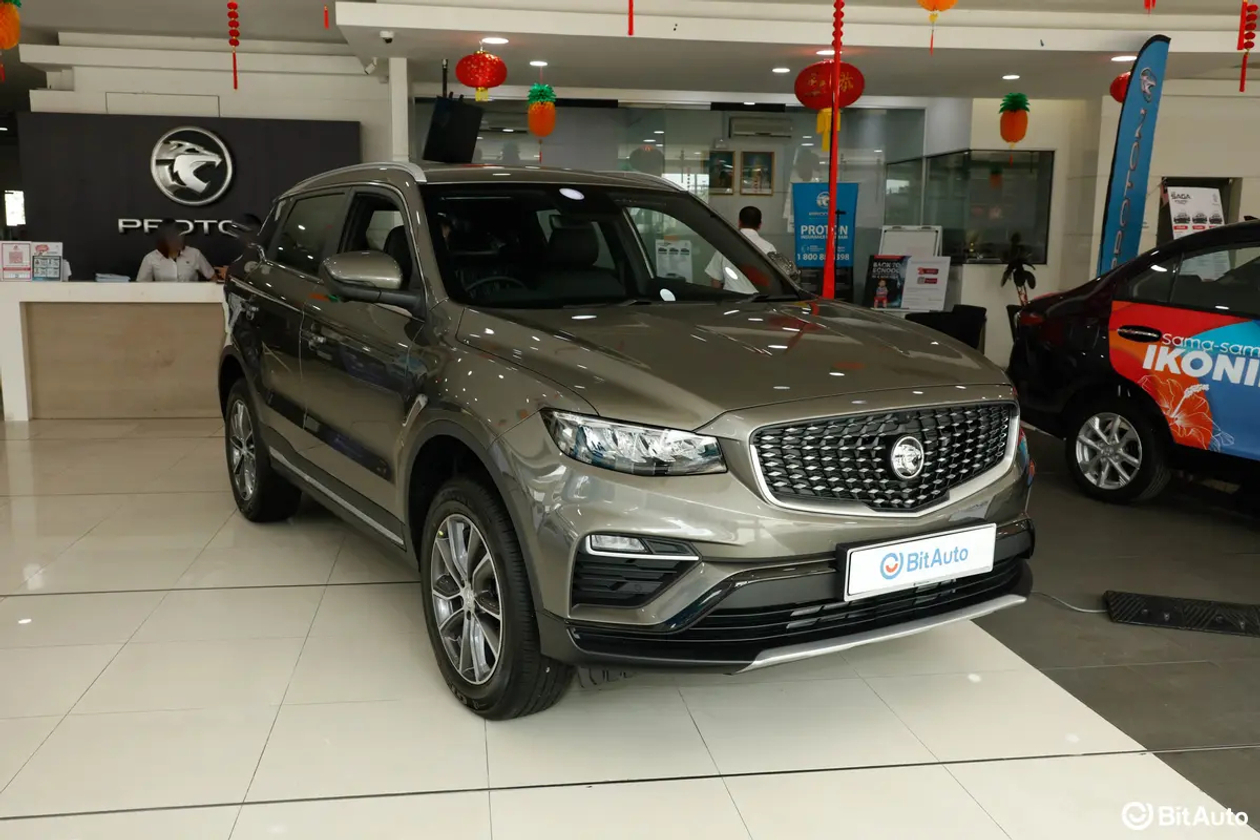
Let's talk about the money first.
The 2026 Proton X70 lineup has been streamlined from four variants to just two, with the Standard and Premium X grades dropped, leaving only the Executive and Premium. The official pricing stands at RM106,800 for the Executive and RM119,800 for the Premium. During its launch in January 2026, Proton offered a RM7,000 early-bird rebate for the first 1,500 buyers who registered by 31 March, bringing the Executive's effective price down to RM99,800. However, do note that this promo has ended. Buying the X70 Executive now will cost you the full RM106,800.
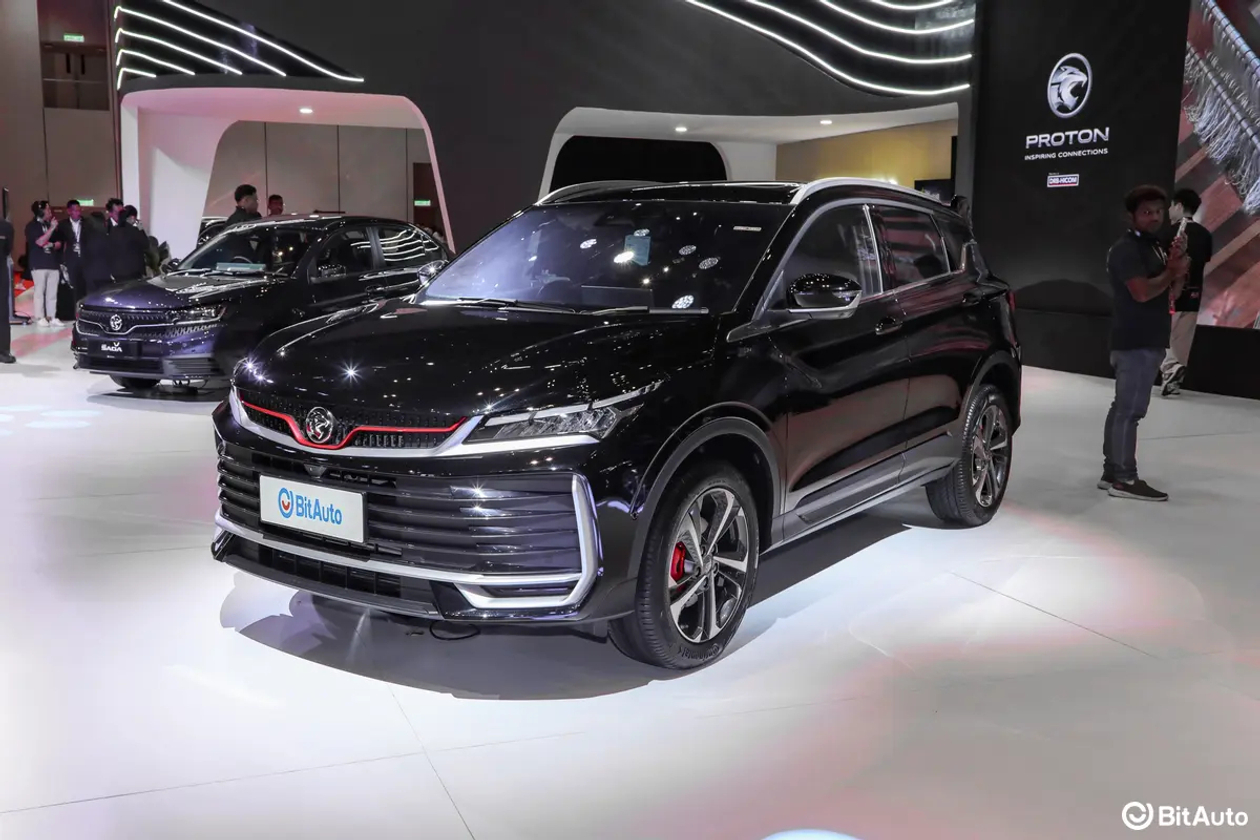
Over on the X50 side, the facelifted model launched in 2025 continues to be offered in three variants: the Executive at RM89,800, the Premium at RM101,800, and the range-topping Flagship at RM113,300.
The X70 Executive is RM17,000 pricier than the X50 Executive. However, the premium for the X70 Premium over the X50 Flagship is just RM6,500—a much smaller gap. Simply put, the budget for a top-spec X50 can get you into a mid-spec X70.
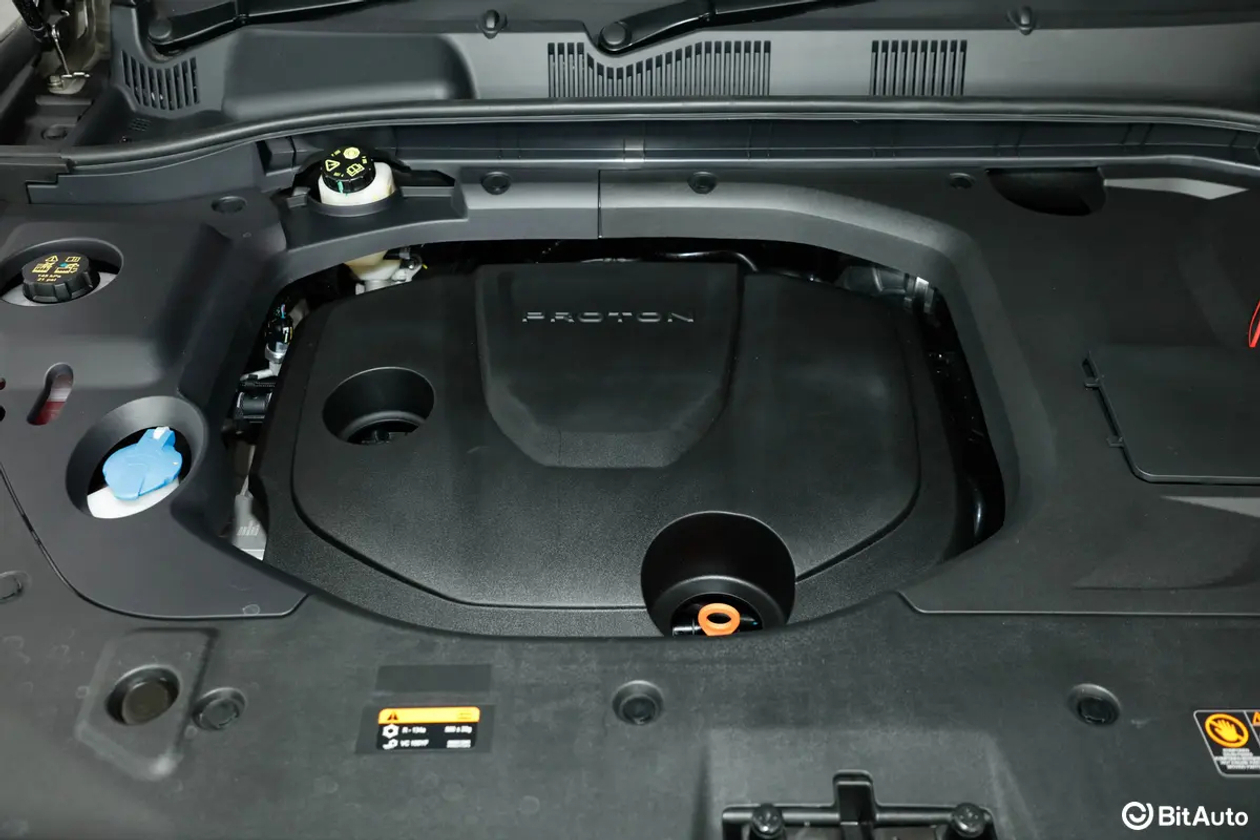
The biggest update for the 2026 X70 is under the hood. The previous three-cylinder powerplant has been phased out, replaced by the same 1.5-litre four-cylinder turbocharged engine found in the X50 (codenamed BHE15TD). It puts out 181 PS and 290 Nm of torque, paired with a seven-speed wet dual-clutch transmission (DCT).
The X50 shares the same 1.5-litre four-pot turbo, matching the X70's 181 PS and 290 Nm, completing the 0-100 km/h sprint in 7.6 seconds.
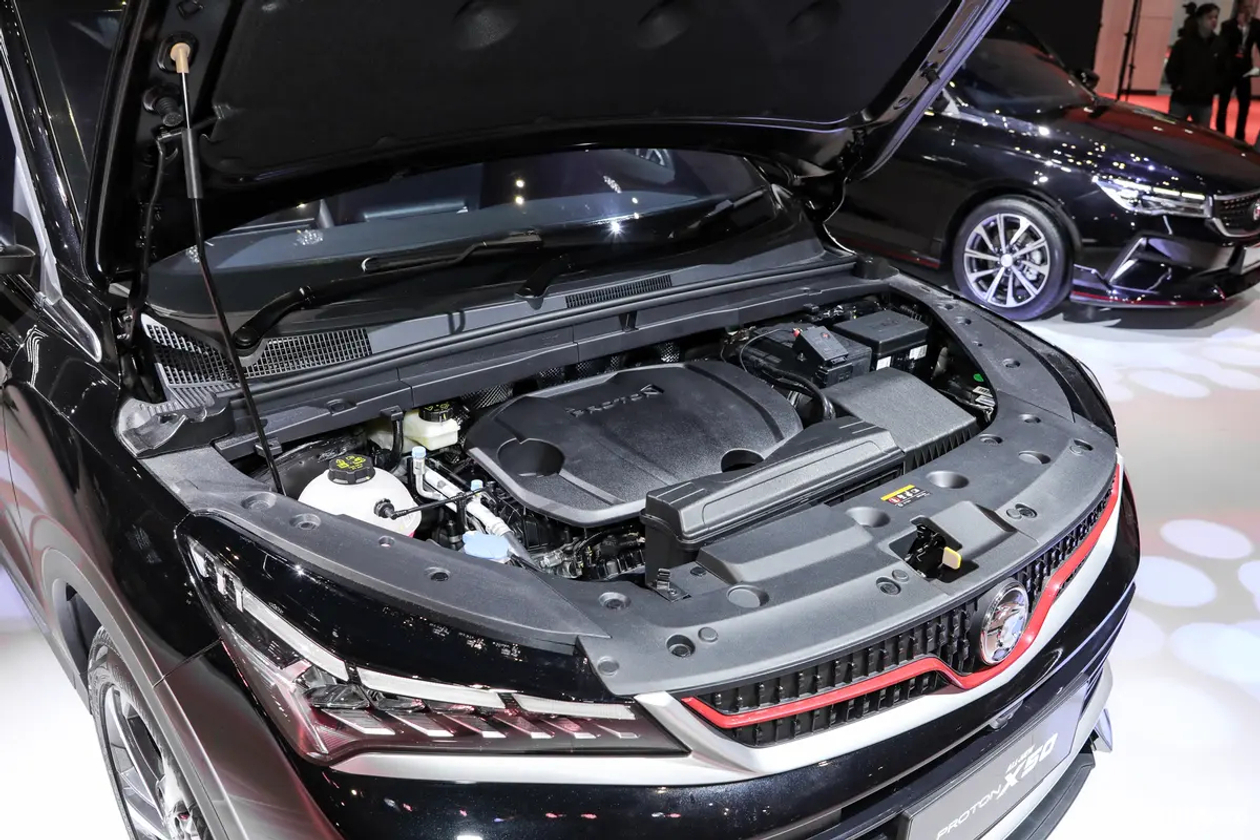
As a result, their straight-line performance feels very similar. Although the X70 is nearly 200 kg heavier (with a kerb weight of 1,585 kg compared to the X50's roughly 1,360 kg), the engine's output easily offsets the extra heft in daily driving. You won't find the X70 sluggish, nor will you feel like the X50 is a rocket ship.
What truly sets them apart, however, is not the engine, but the ride and handling.
This is the most significant physical difference between the two cars.
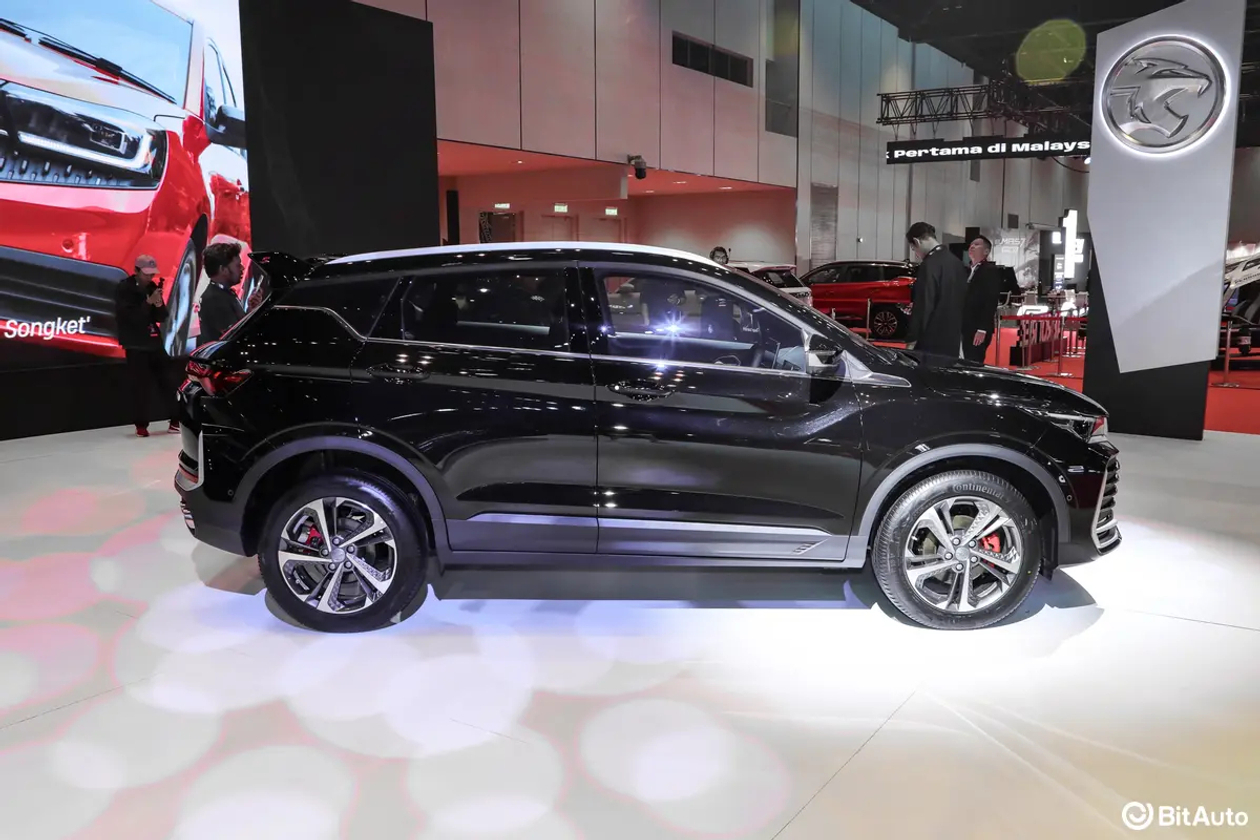
The X50 measures 4,380 mm in length, 1,795 mm in width, and 1,609 mm in height, with a 2,600 mm wheelbase. In comparison, the X70 comes in at 4,532 mm long, 1,831 mm wide, and 1,694 mm tall, sitting on a 2,670 mm wheelbase. This makes the X70 152 mm longer, 36 mm wider, and 85 mm taller than its sibling, with a 70 mm longer wheelbase.
On the road, these dimensions translate to a much more commanding road presence for the X70. Parked side-by-side, the X70 looks significantly larger. Inside, the X70 offers reclining rear seatbacks for better comfort and thigh support. Its boot space stands at 515 litres compared to the X50's 330 litres—a 185-litre difference, which is roughly equivalent to two extra cabin bags.
However, the larger footprint comes with trade-offs. The wider and heavier X70 is trickier to manoeuvre in tight spots, execute U-turns in narrow streets, or park in tight shopping mall bays. If your daily route involves city commuting and navigating tight parking structures, the X50's compact footprint is far more user-friendly.
The kit list on the X70 Executive is actually quite generous.
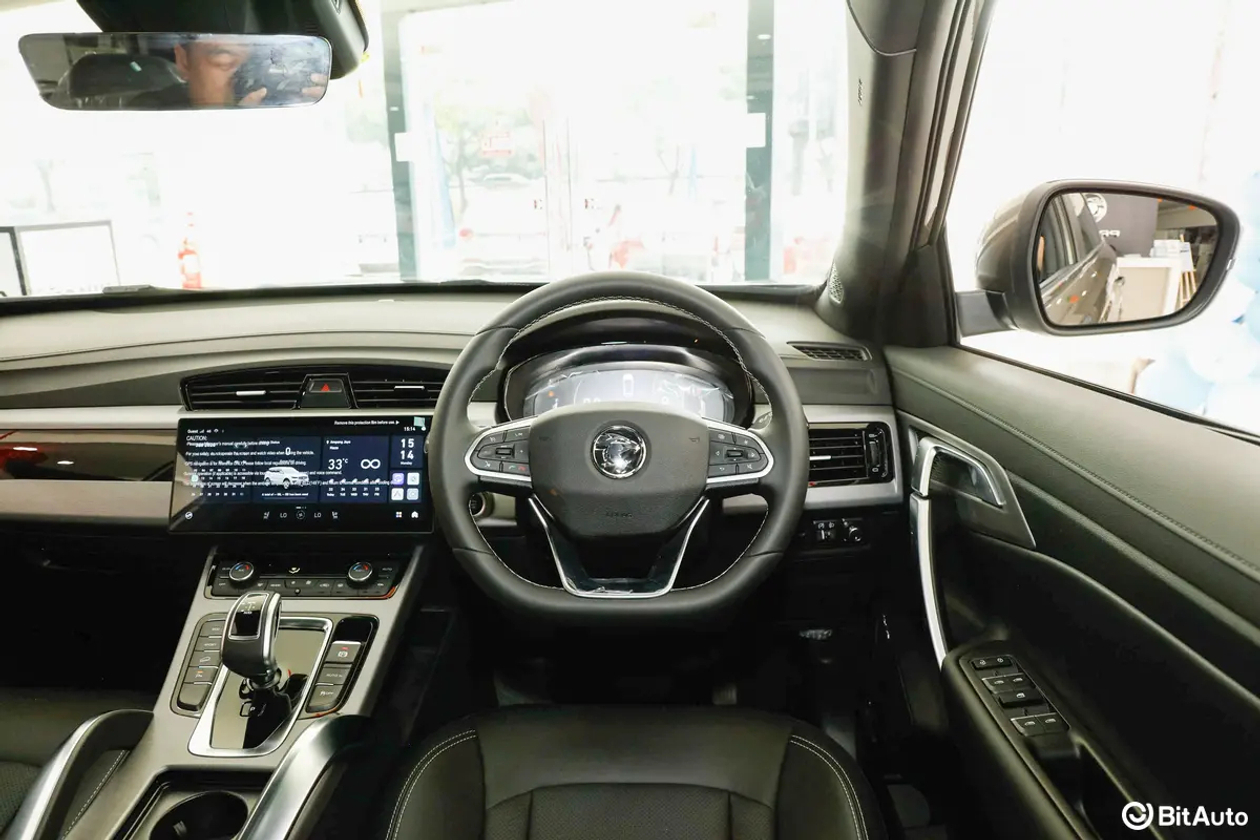
18-inch alloy wheels wrapped in 225/60 R18 tyres. Power tailgate with hands-free walk-away function. A 12.3-inch infotainment unit with wireless Apple CarPlay and Android Auto. Dual-zone automatic air-conditioning. A 360-degree camera with a transparent chassis function. Ventilated front seats. Six-way power-adjustable driver's seat. Six airbags.
However, there is one major catch: the X70 Executive does not come with Advanced Driver Assistance Systems (ADAS). Active safety features like Autonomous Emergency Braking (AEB), Adaptive Cruise Control (ACC), and Lane Keep Assist (LKA) are reserved exclusively for the Premium variant. The Executive relies on passive and basic active safety features, such as the 360-degree camera, front and rear parking sensors, and six airbags.
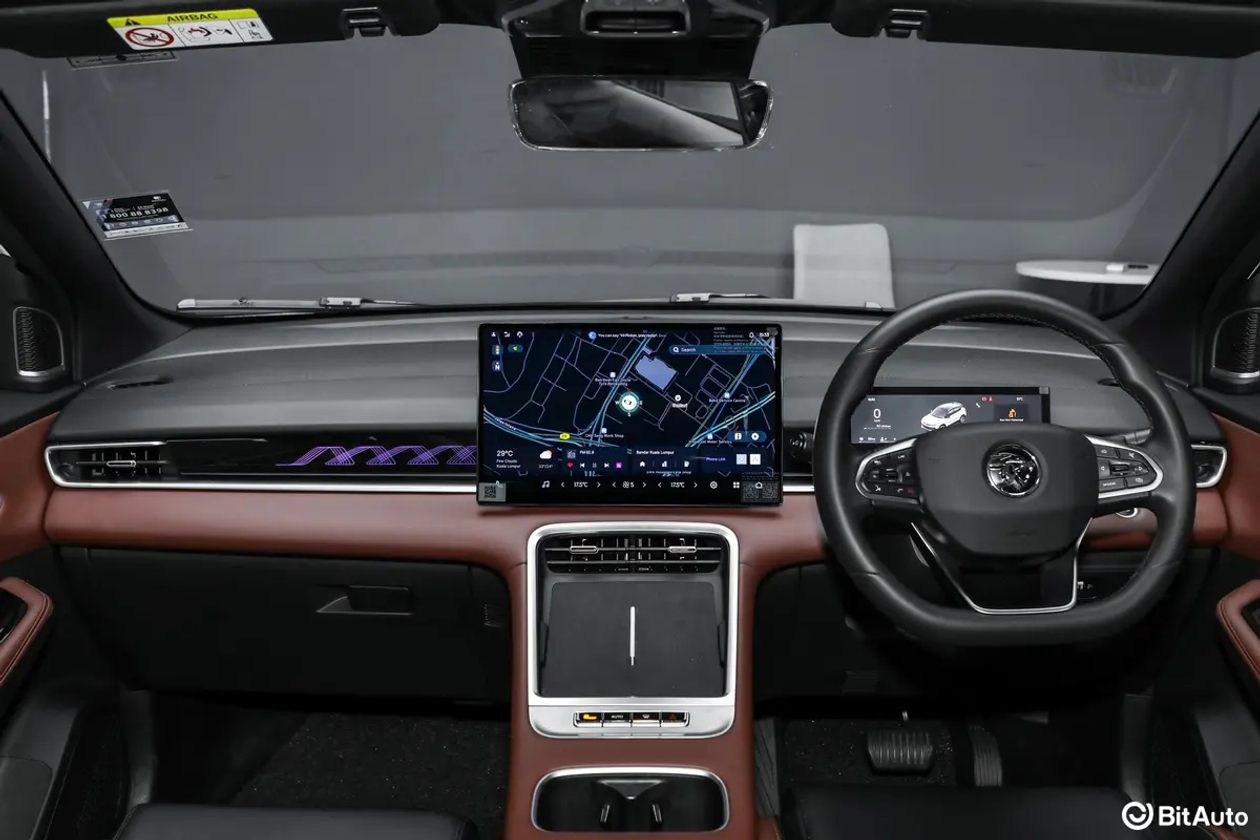
Similarly, for the X50, the Executive variant misses out on AEB, LKA, and Forward Collision Warning (FCW). You have to step up to the Premium variant to get safety features like autonomous braking, collision warning, and lane keep assist with steering correction, while the top-spec Flagship adds auto parking assist.
The product packaging is identical for both: the lower variants give you the essentials, but you will need to pay more if you want the high-tech active safety net.
There is no "better" car between these two, only the one that suits you better.
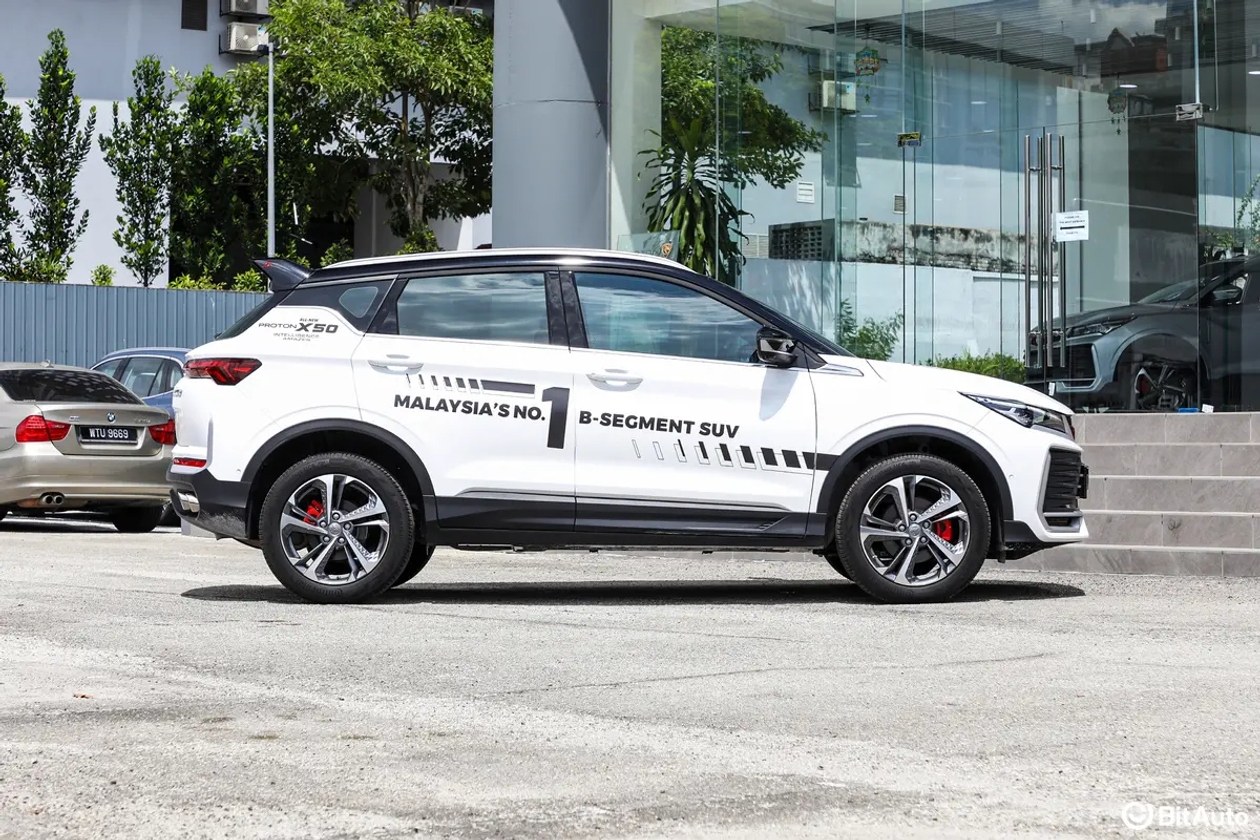
Go for the X50: If your daily routine consists mainly of city commuting, office runs, and occasional weekend family dinner trips. You want a compact SUV that is nimble, easy to park, punchy off the line, and relatively fuel-efficient. You also aren't bothered by the smaller boot. If your budget is strictly capped between RM90,000 and just over RM100,000, the X50 is the perfect fit. It remains Malaysia's best-selling B-segment SUV and overall SUV champion, finding 15,345 buyers in the first half of 2026 (a 35.1% year-on-year growth). The numbers speak for themselves.
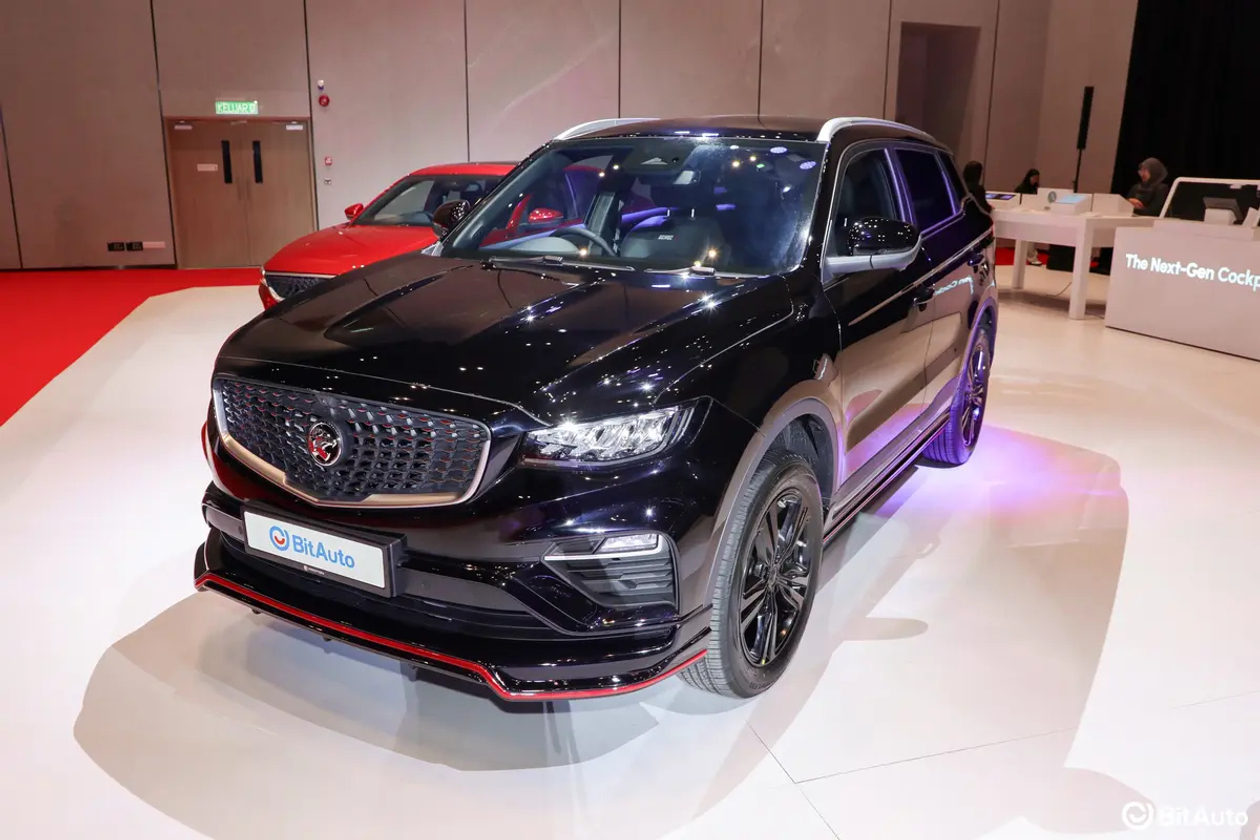
Go for the X70: If you frequently travel with a full load of passengers, make regular outstation trips back to the kampung, and need a more refined highway cruiser. You don't mind the larger footprint or the slightly trickier parking. You prioritise rear passenger legroom, ride comfort, and a larger boot for luggage. If you can stretch your budget to around RM110,000, the X70 Executive is a compelling option. Even without the early-bird rebate, at RM106,800, its blend of space and equipment still offers excellent value in the C-segment SUV class.
Ultimately, the X50 is a driver's car that feels agile and youthful, while the X70 is geared towards ride comfort and refinement. The former satisfies the driver, while the latter pampers the passengers. Which one you should choose depends entirely on who you will be carrying most of the time.


Your go-to source for all things automotive in Malaysia. 🚗 Latest reviews, breaking news, launches & industry trends.
+ Follow This weekend is your chance to own a Volvo Selekt Certified Used Car, priced from just RM 148,000.
What are you waiting for?
#volvo 1 minute ago
This weekend is your chance to own a Volvo Selekt Certified Used Car, priced from just RM 148,000.
What are you waiting for?
#volvo 1 minute ago  We saw this accident this morning, and here’s a reminder to everyone: please drive safe. 2 days ago
  The G50 BMW 3 series is now here, adopting much of the i3's design elements.
So, where's the BMW M3?
#bmw #BMW3Series 4 days ago
The G50 BMW 3 series is now here, adopting much of the i3's design elements.
So, where's the BMW M3?
#bmw #BMW3Series 4 days ago Get the latest car news first!
Your go-to source for all things automotive in Malaysia. 🚗 Latest reviews, breaking news, launches & industry trends.
This weekend is your chance to own a Volvo Selekt Certified Used Car, priced from just RM 148,000.
What are you waiting for?
#volvo 1 minute ago We saw this accident this morning, and here’s a reminder to everyone: please drive safe. 2 days ago The G50 BMW 3 series is now here, adopting much of the i3's design elements.
So, where's the BMW M3?
#bmw #BMW3Series 4 days ago  ProtonGWMVolkswagenJAECOOVolvoPeroduaToyotaHondaTESLAMitsubishiMazdaJetourCheryBYDLexusBMWMercedes-BenziCAURZeekrIsuzuNissanLeapmotorPorscheFordOMODAMINIMGSuzukiXPengHyundaiWulingKiaSubaruDenzaGACLand RoverDongfengCAMAudiPeugeotFotonMAXUSsmartDaihatsuJACJMCMaseratiLotusAlfa RomeoRenaultGolden DragonKaiceneSeresLamborghiniFerrariJeepRolls-RoyceLepasAston MartinMcLarenChevroletBentleyFiatBAICForthingGeelyRoeweAeolusChanganARCFOXDeepalExeedHongqiVoyahJaguarKGMBuforiAcuraCadillacDodgeAbarthINEOSMHEROJMEVFreelander
© 2024 Bitauto.com. All Rights Reserved.
Bitauto (www.yiche.com and www.bitauto.com) is one of the most visited automotive websites in China. We provide detailed info on Chinese car brands available in your area. Please note that the information provided on this website is based on publicly available data and is for reference only. It may not be fully updated or accurate at all times.
Help us improve our website


