In December 2025, the Perodua Traz officially hit the market, with its entry price of RM76,100 instantly making it the talk of the B-segment SUV market. In its debut month, it registered 1,901 sales, spot-on with the manufacturer's monthly target. By the first half of 2026, cumulative registrations reached 10,753 units, securing ninth spot overall among all models.
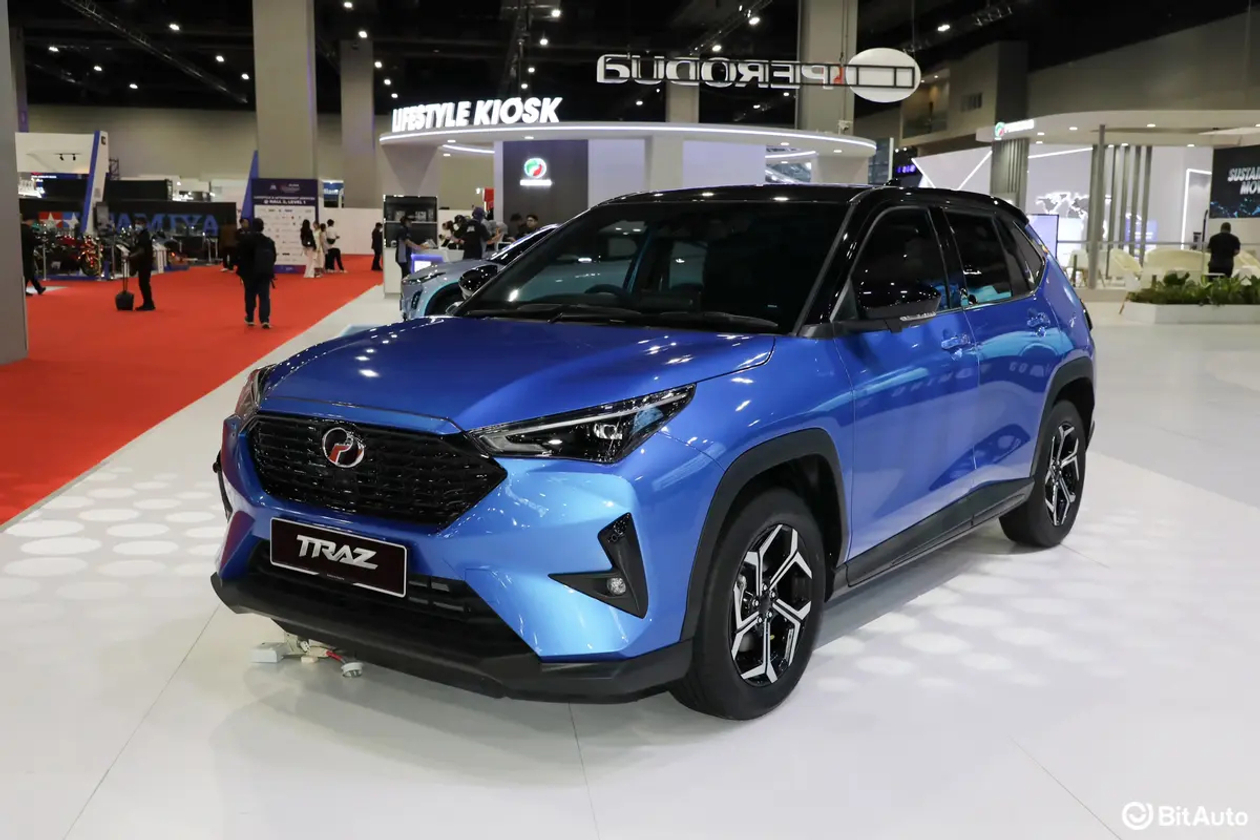
The mission of this car is crystal clear: take the fight directly to the Proton X50's turf.
While both are B-segment SUVs, the Traz undercuts the base-spec X50 by a whopping RM13,700. What's the trade-off for that savings? A noticeble deficit in performance and a scaled-back equipment list. However, for buyers capping their budget around the RM80k mark, that RM13,700 price gap—plus a RM1,500 saving in 5-year maintenance costs—is more than enough to spark a serious dilemma.
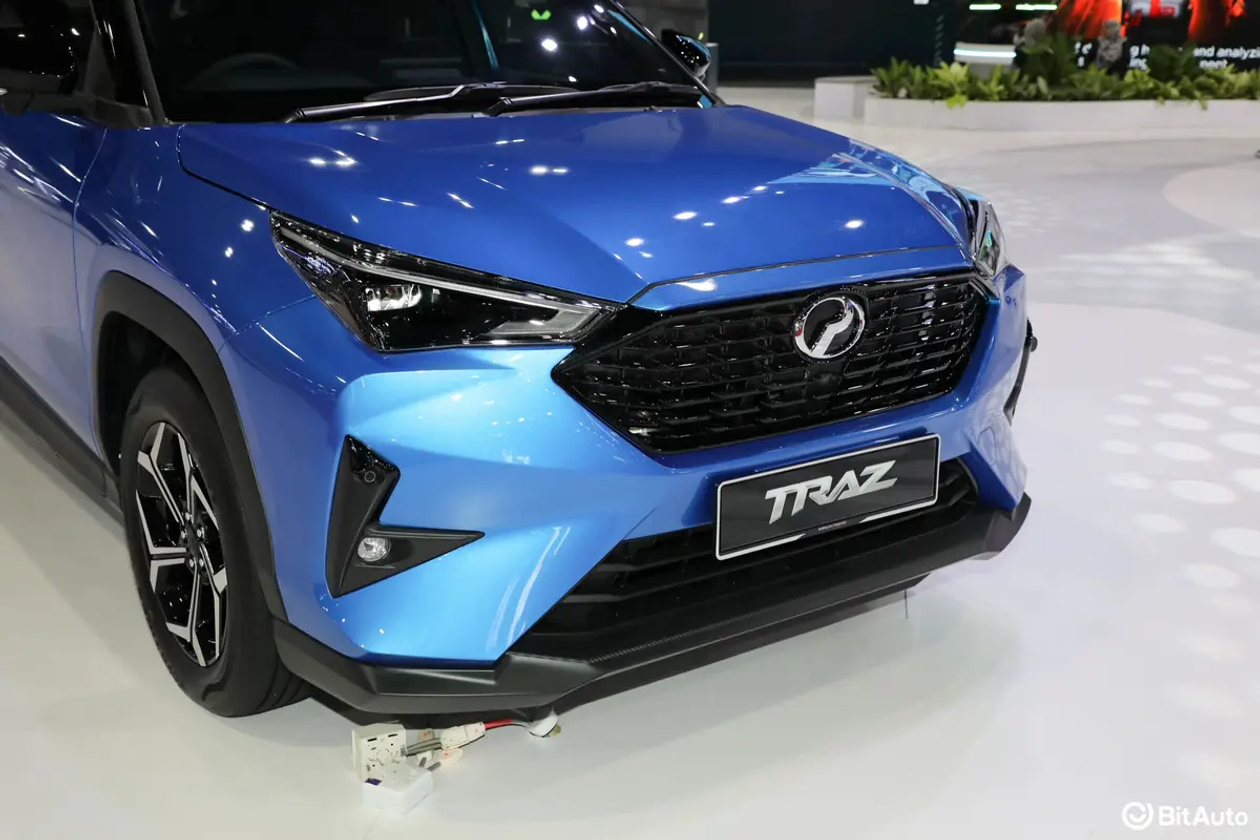
The Perodua Traz is offered in just two variants: the X variant at RM76,100 and the H variant at RM81,100 (RM82,000 for the two-tone body option). There's no top-tier AV variant, nor is there a hybrid powertrain on offer. Both trims share the same 1.5-litre naturally-aspirated engine mated to a D-CVT transmission. Forking out an extra RM5,000 to step up from the X to the H doesn't net you extra performance, but rather a host of creature comforts—a powered tailgate, LED front fog lamps, leather-wrapped steering wheel, 6-speaker sound system, single-zone automatic climate control, and keyless entry sensor for the front passenger door.
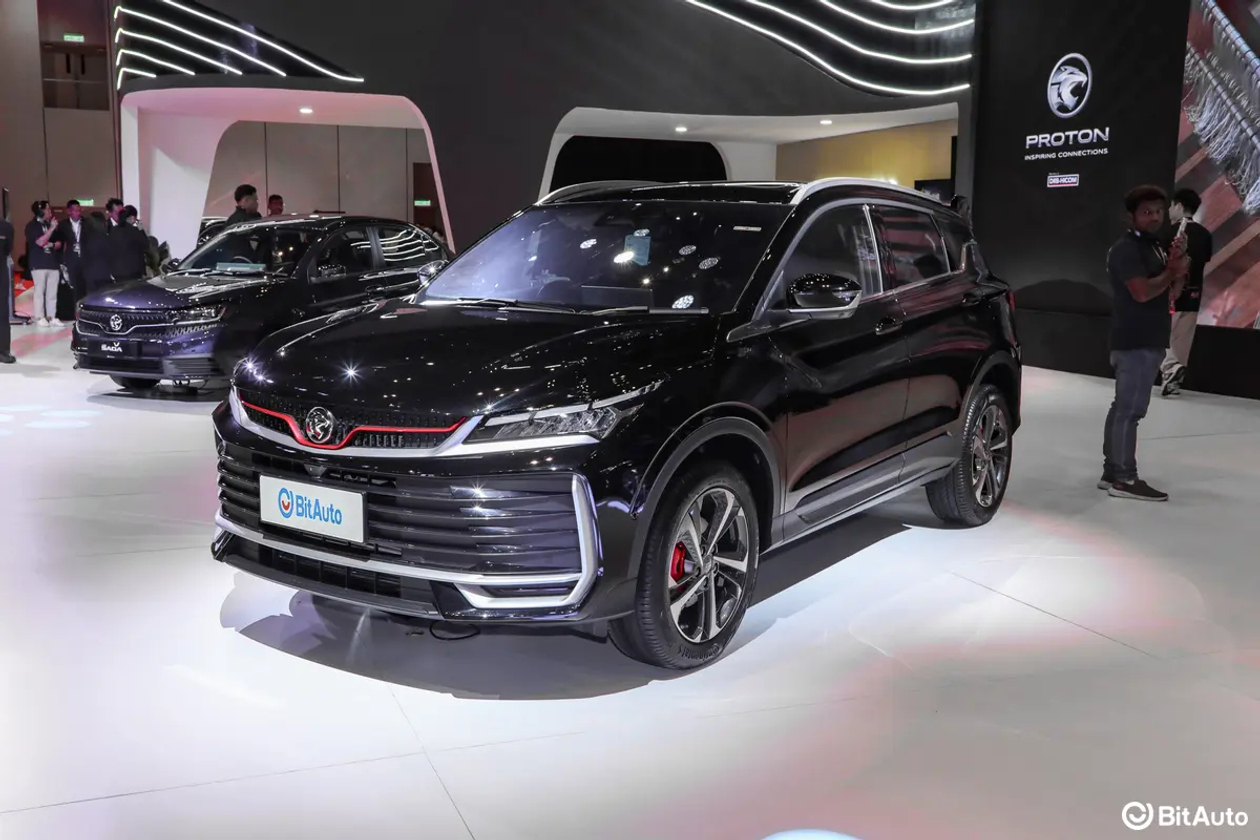
The Proton X50 spans three variants: Executive at RM89,800, Premium at RM101,800, and Flagship at RM113,300. Following its 2026 facelift, the entire line-up transitioned to a 1.5-litre four-cylinder turbocharged engine, replacing the much-debated three-cylinder mill. The entry-level Executive variant's starting price is already RM8,700 higher than the top-spec Traz H variant.
This is the most striking contrast between the two cars and the decisive factor in your purchasing choice.
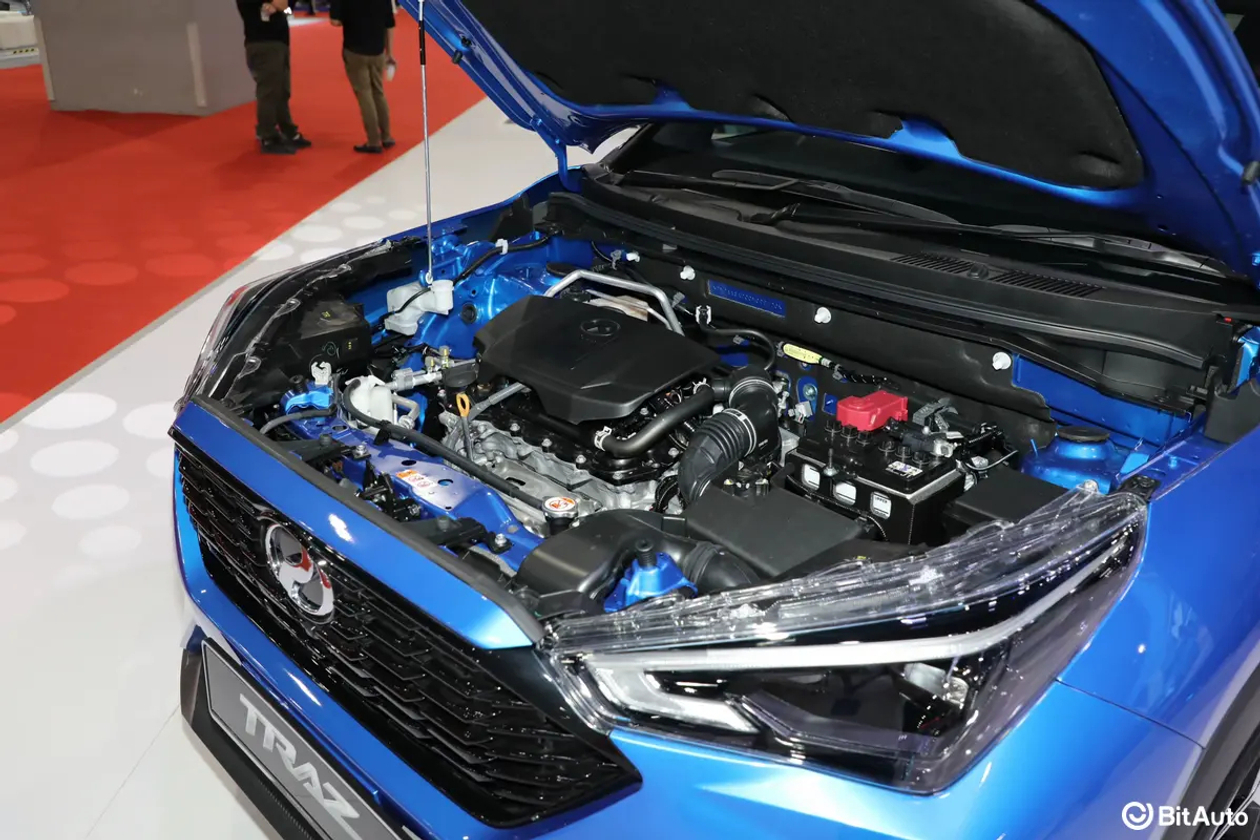
The Traz uses the familiar 2NR-VE 1.5-litre four-cylinder naturally-aspirated engine, pushing out 106 PS and 138 Nm of torque via a D-CVT gearbox. Shared with the Myvi and Alza, this powertrain is tried-and-tested, reliable, and economical to maintain, though "brisk acceleration" isn't in its vocabulary. Perodua makes no secret of this—positioning the Traz under the banner of "Engineered Simplicity", which essentially boils down to "keep it simple and functional, no fuss".
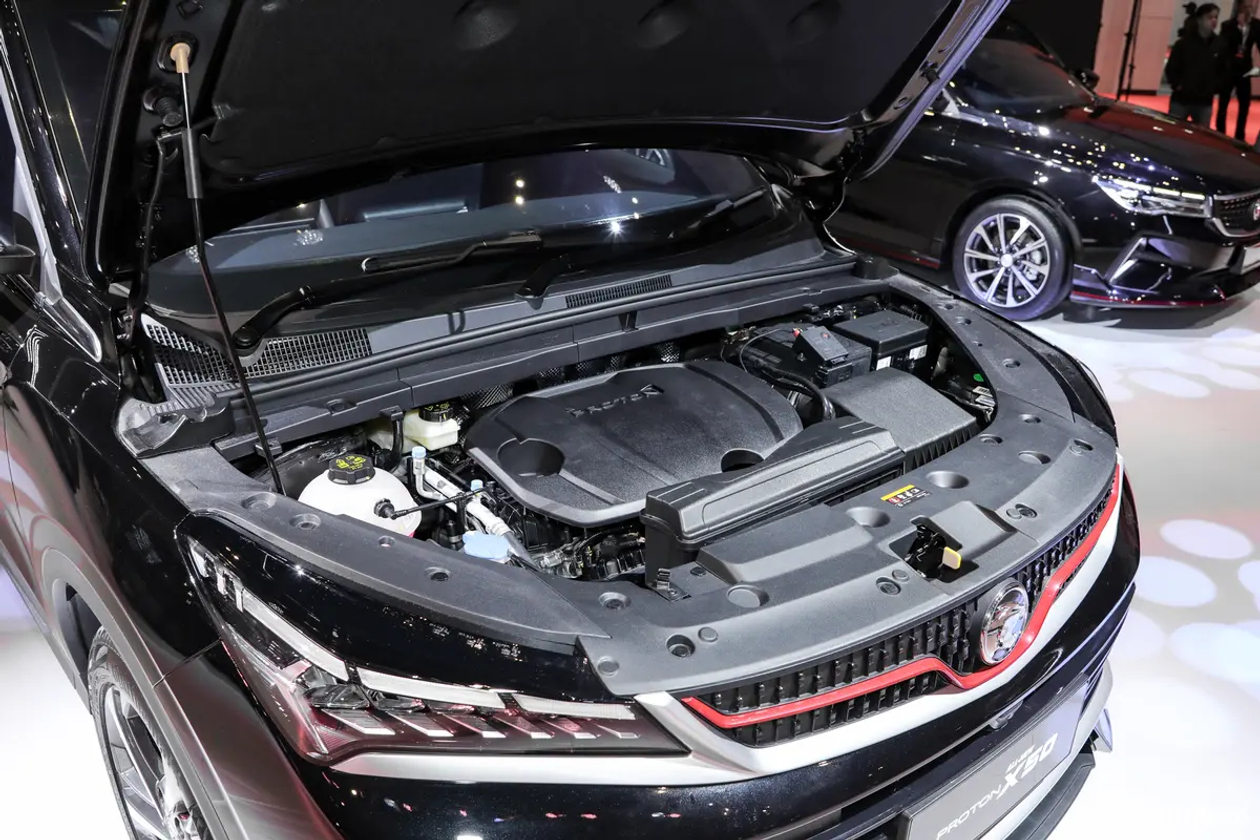
Over in the X50 camp, power comes from a BHE15TD 1.5-litre four-cylinder turbocharged motor delivering a punchy 181 PS and 290 Nm of torque, paired with a 7-speed wet dual-clutch transmission (DCT). It completes the 0-100 km/h sprint in 7.6 seconds—0.3 seconds quicker than the pre-facelift model. While the X50 Executive demands an extra RM8,700 over the Traz H, that premium buys you an impressive surplus of 75 PS and 152 Nm.
What does that translate to in real-world driving? If you want to overtake on the highway in the Traz, you need to plan ahead—stomp on the throttle, wait for the revs to climb, wait for the D-CVT to adjust ratio, and wait for speed to build. In the X50, a jab of the right pedal delivers immediate low-end shove, pulling past traffic cleanly and effortlessly. In terms of driving dynamics, the two vehicles operate in completely different leagues.
While the Traz gets outgunned on power, it turns the tables when it comes to practical cabin space.
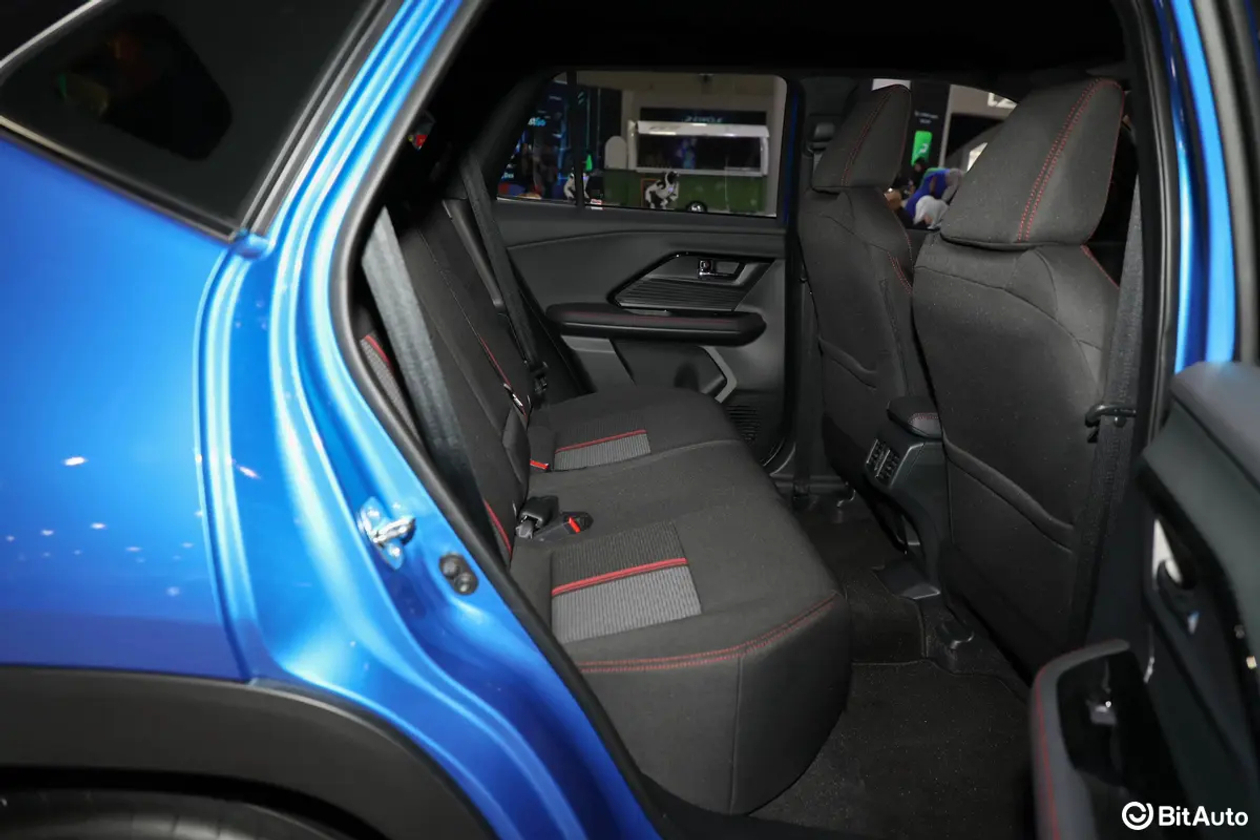
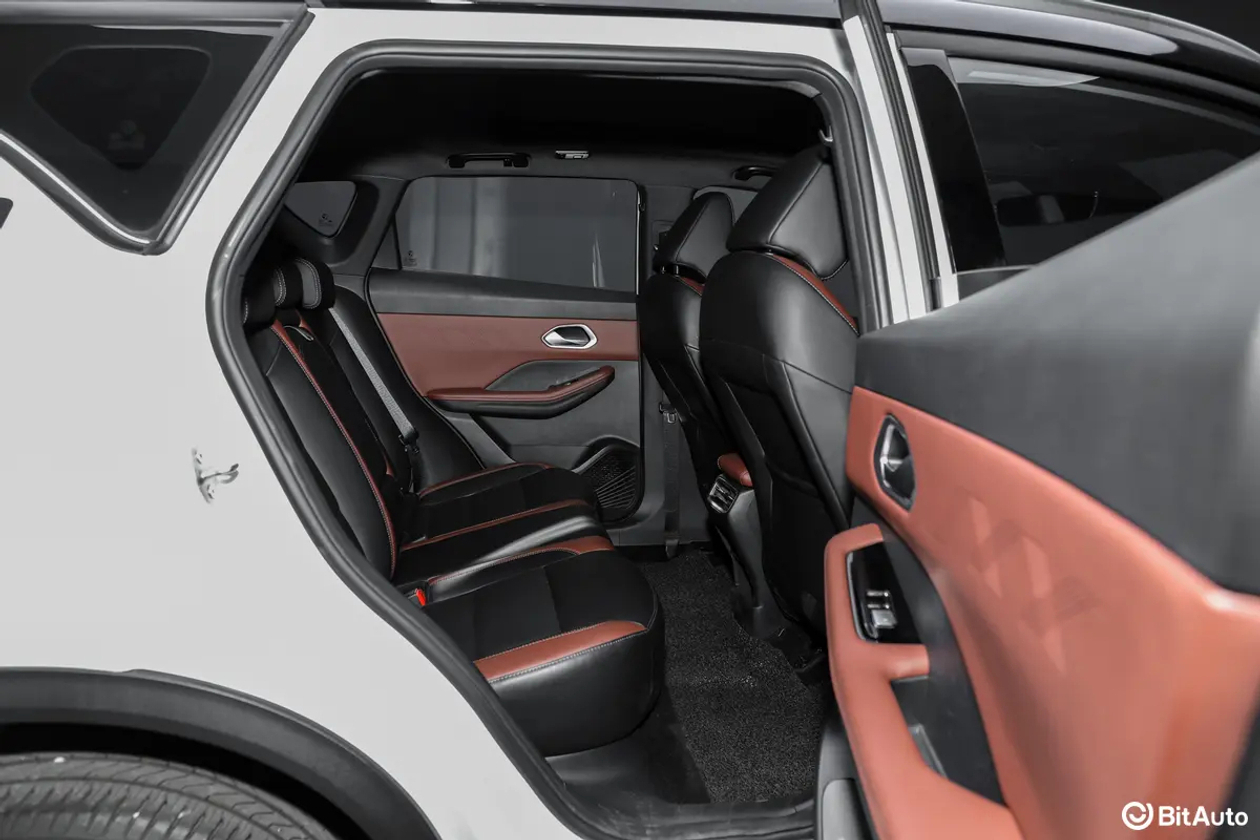
(Top: Traz; Bottom: X50)
Dimension-wise, the Traz measures 4,310 × 1,770 × 1,655 mm with a 2,620 mm wheelbase. The X50 comes in at 4,380 × 1,795 × 1,609 mm with a 2,600 mm wheelbase. Despite being 70 mm shorter in overall length, the Traz boasts a 20 mm longer wheelbase than the X50. This extra length between the axles translates into superior cabin legroom, offering rear passengers a more comfortable ride.
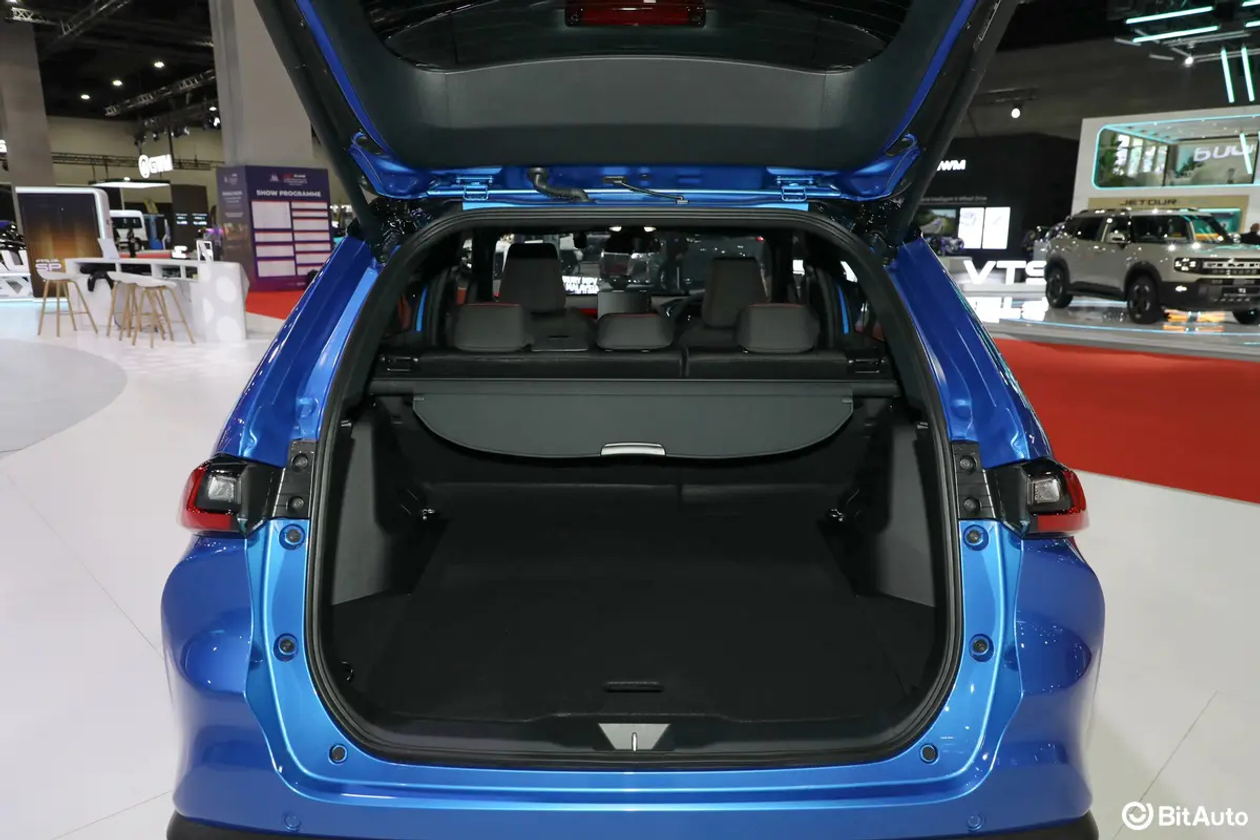
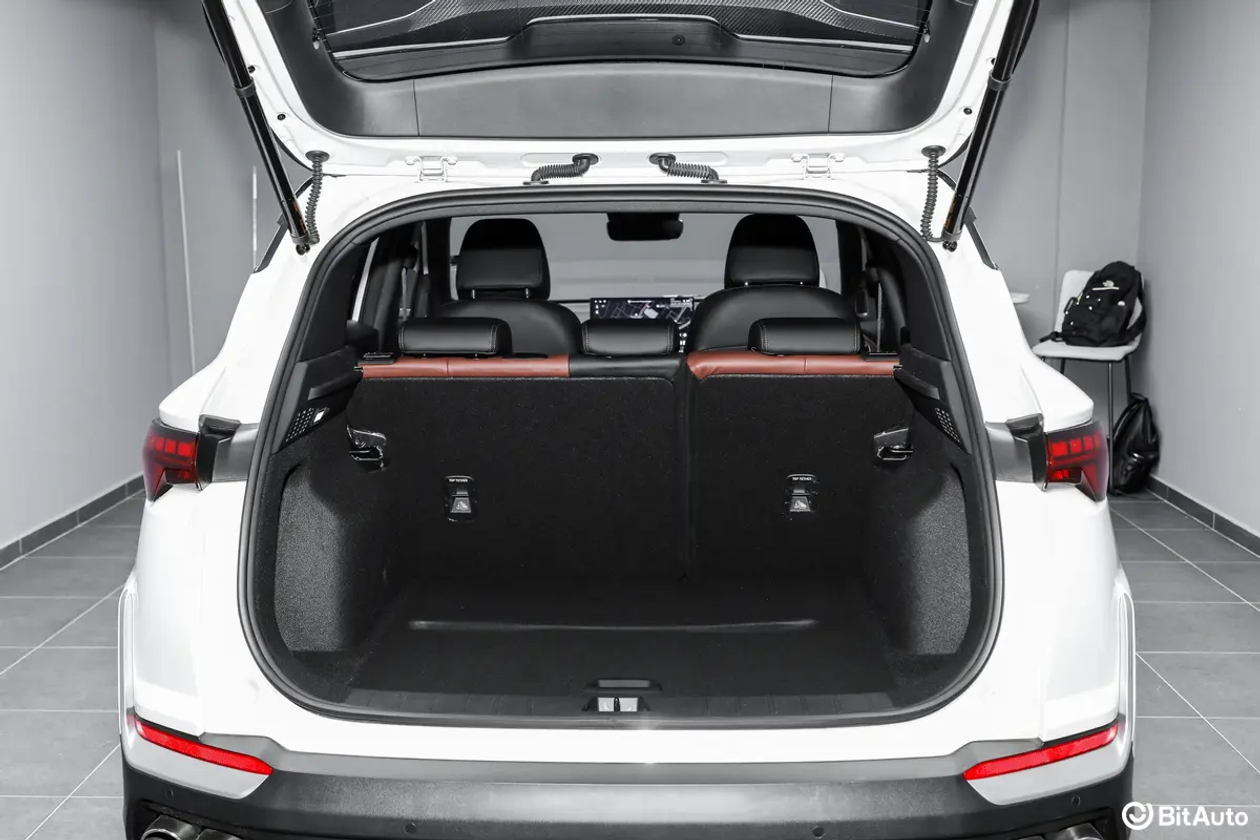
(Top: Traz; Bottom: X50)
The contrast in boot space is even more pronounced. The Traz offers a generous 471 litres of cargo volume with the rear seats up, compared to just 330 litres in the X50. That 141-litre deficit is roughly equivalent to two cabin-sized suitcases. For families with toddlers—juggling strollers, diaper bags, toys, and snacks—the Traz swallows it all effortlessly, whereas the X50 requires some strategic packing.
The Traz also offers 210 mm of ground clearance versus the X50's 196 mm. That extra 14 mm gives peace of mind when clearing tall speed bumps, hopping kerbs, or navigating flash-flood puddles and rough roads.
Another practical perk for the Traz is its tighter 5.2-metre turning radius compared to the X50's 5.3 metres, making U-turns and maneuvering through tight urban alleys that bit easier.
Inside, the Traz sticks to a pragmatic "everything you need, nothing you don't" philosophy.
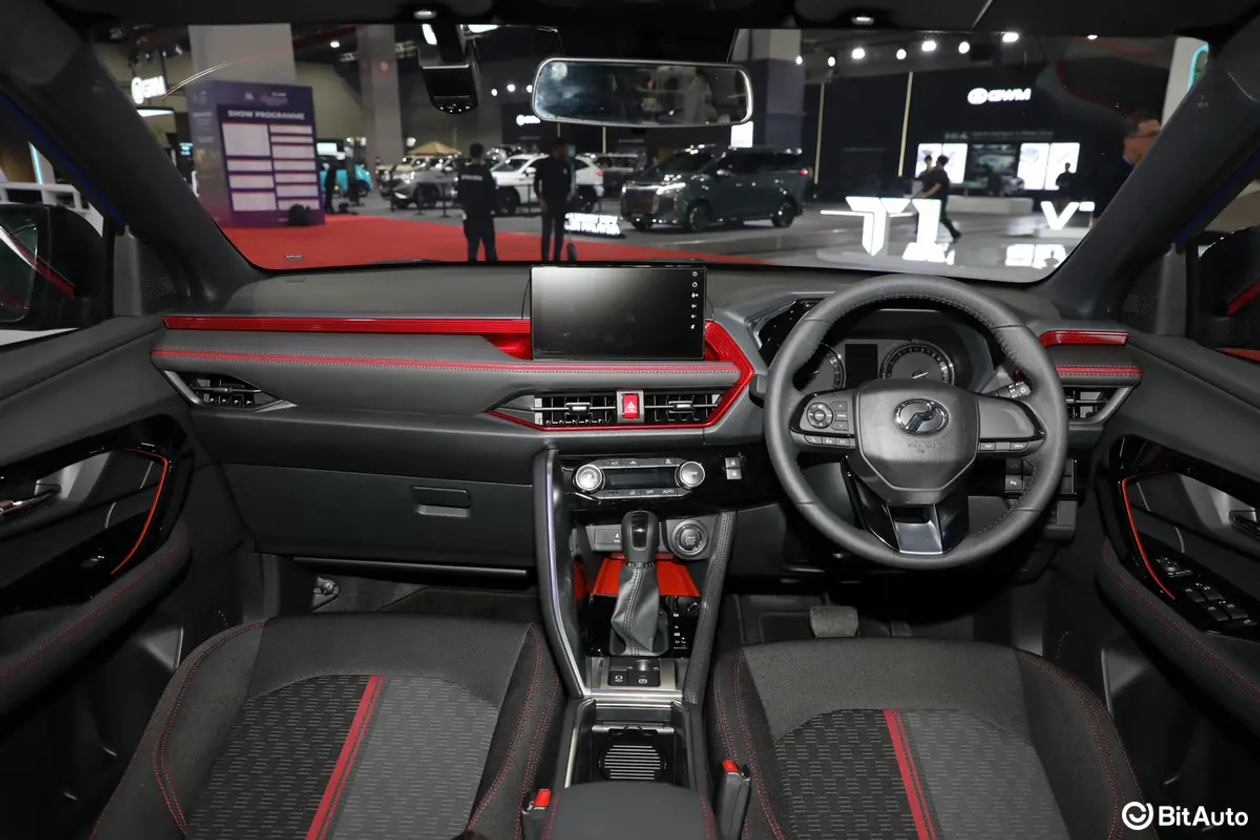
It gets a 9-inch infotainment touchscreen with wired Apple CarPlay and Android Auto compatibility. Instrumentation relies on traditional analogue dials alongside a 4.2-inch multi-info display. The seats are fabric with manual adjustment. Across its two-variant range, the base X trim lacks keyless entry door handles—requiring drivers to press the key fob to unlock. While the H trim gains keyless entry, sensors are restricted to the front doors.
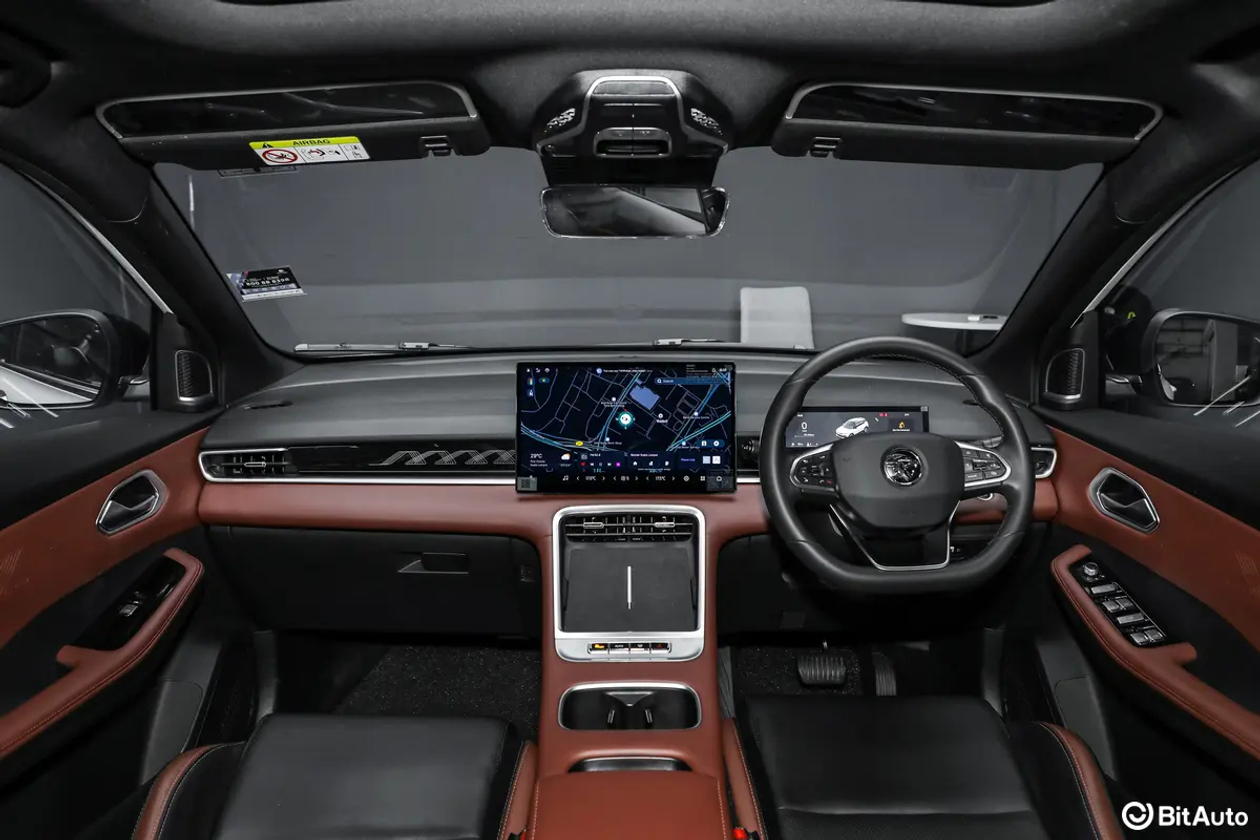
By contrast, even the entry-level X50 Executive comes fitted with a massive 14.6-inch infotainment display supporting wireless Apple CarPlay and Android Auto. Leatherette upholstery and a power-adjustable driver's seat are standard, as is an N95 cabin air filter. Step up to the Flagship variant, and it loads up on premium kit—a panoramic sunroof, 360-degree camera system, and Auto Park Assist.
The X50 clearly operates a tier or two above in tech sophistication. However, for buyers upgrading from an older Myvi or Axia, the Traz's 9-inch screen with smartphone connectivity still represents a substantial step up from their previous ride.
Both vehicles hold a full 5-star ASEAN NCAP safety rating. The Traz packs six airbags as standard across the range, and the X50 similarly includes six airbags across all trims.
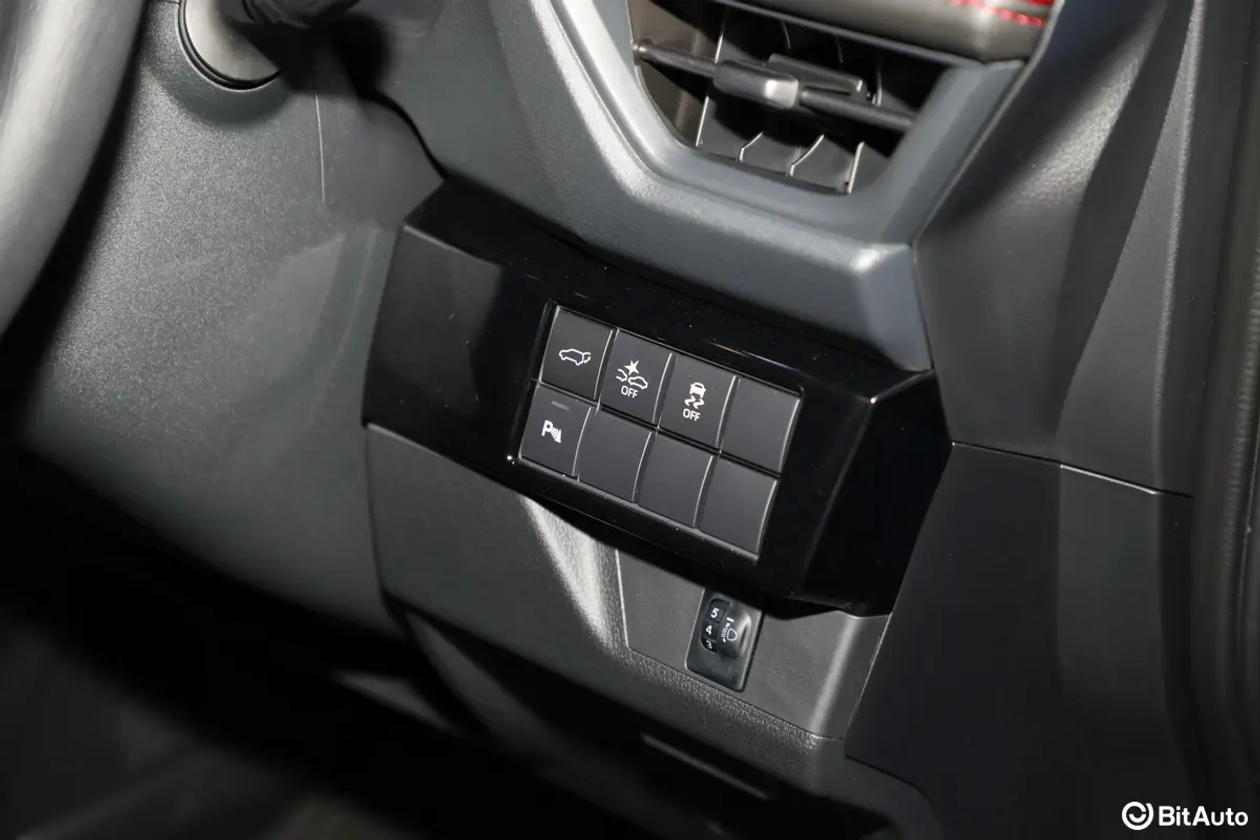
On the active safety front, the Traz features Perodua's Advanced Safety Assist (ASA) 3.0 suite, comprising Pre-Collision Braking (AEB), Lane Departure Warning, and Blind Spot Monitoring. However, Adaptive Cruise Control (ACC) is entirely absent from the Traz line-up. The base X50 Executive also omits ACC; buyers must step up to the Premium or Flagship variants for a full Level 2 ADAS suite.
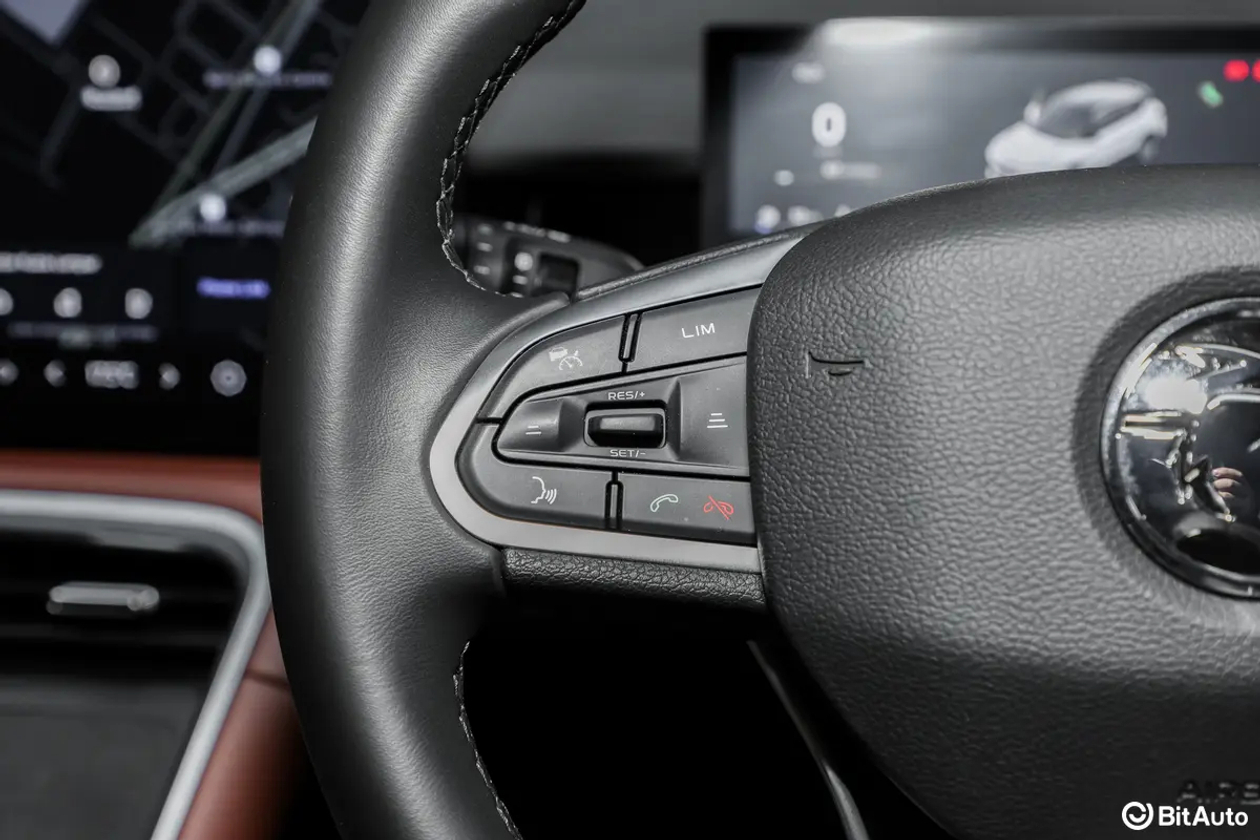
If ACC is a non-negotiable for your daily commute—especially for long cruises up and down the PLUS Highway—the X50 Premium or Flagship will be your preferred choice, as no Traz variant offers this feature.
For buyers shopping around the RM80k price point, running costs are often a major deciding factor.
According to official maintenance data, the factory service costs for the Perodua Traz over the first 5 years or 100,000 km total RM3,534.87. In comparison, servicing the Proton X50 over the same duration comes to RM5,048.70—a difference of RM1,513.83 in favour of the Traz.
Where does this cost variance stem from? It comes down to a few key factors:
The Traz's initial 1,000 km or 1-month service is complimentary, covering routine inspection without parts replacement. The X50's first service already entails replacing engine oil and filter, costing RM228.01.
Replacement parts and wear-and-tear items for the X50 are generally costlier across the board—engine oil, seals, oil filters, air filters, transmission fluid, brake fluid, and cabin filters all command higher prices than those for the Traz.
When it comes to spark plugs, while the X50's individual plugs are cheaper, it requires two replacements within the 100,000 km window compared to just one for the Traz.
For car buyers whose monthly loan instalments already consume a sizable chunk of their income, saving RM200 to RM300 annually on servicing—totaling over RM1,500 across five years—is certainly a welcome saving.
Resale value can only be projected at this stage, given the Traz has been on sale for less than a year. Nevertheless, several market indicators provide a useful reference:
Perodua vehicles enjoy immense demand and high transaction volumes in the used car market, backed by proven resale values. Models like the Alza, Myvi, and Axia remain hot commodities among secondhand car buyers. As Perodua's mainstream B-segment SUV, the Traz is poised to follow in those footsteps.
That said, the X50 holds the trump card of being the reigning sales king in its class. In H1 2026, Proton moved 15,345 units of the X50—up 35.1% year-on-year—solidifying its lead at the top of the B-segment SUV and overall SUV charts. A massive vehicle population and sustained buyer demand generally insulate a model's long-term depreciation.
While the Traz's H1 registration tally of 10,753 units is impressive, it still trails the X50's sheer volume. Furthermore, the X50 benefits from years of established market footprint and brand recognition, whereas the Traz will need time to build its track record.
Bringing us back to the main question: facing the RM80k SUV choice, do you go for the Traz or the X50?
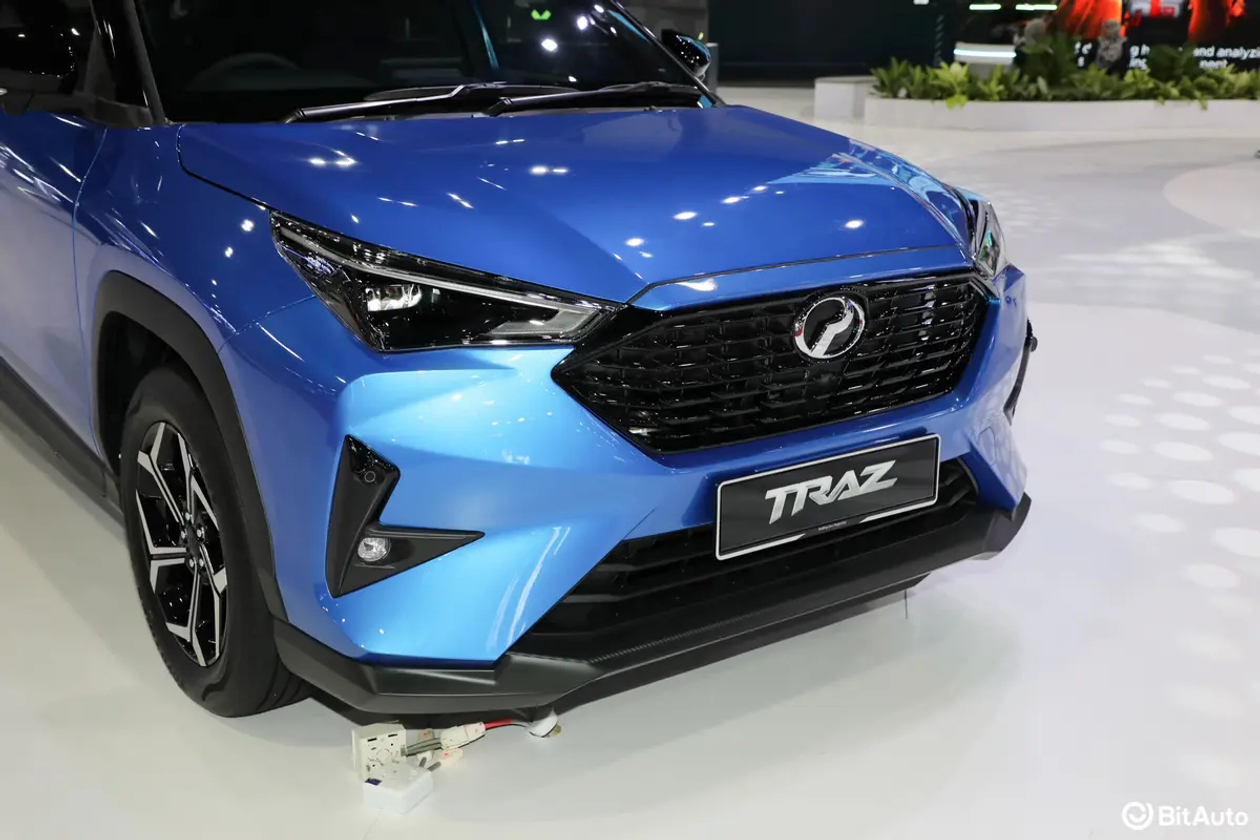
Go for the Traz: If your primary mindset is "sensible, functional, and hassle-free". You gain a roomier cabin with a 471-litre boot, robust 210 mm ground clearance, economical running costs (saving RM1,500 over 5 years), and an accessible entry price starting at RM76,100. You aren't bothered by relaxed acceleration, plugging in a cable for Apple CarPlay/Android Auto, or missing out on ACC. If you're stepping up from a Myvi or Axia seeking a practical family crossover, the Traz is tailor-made for your needs.
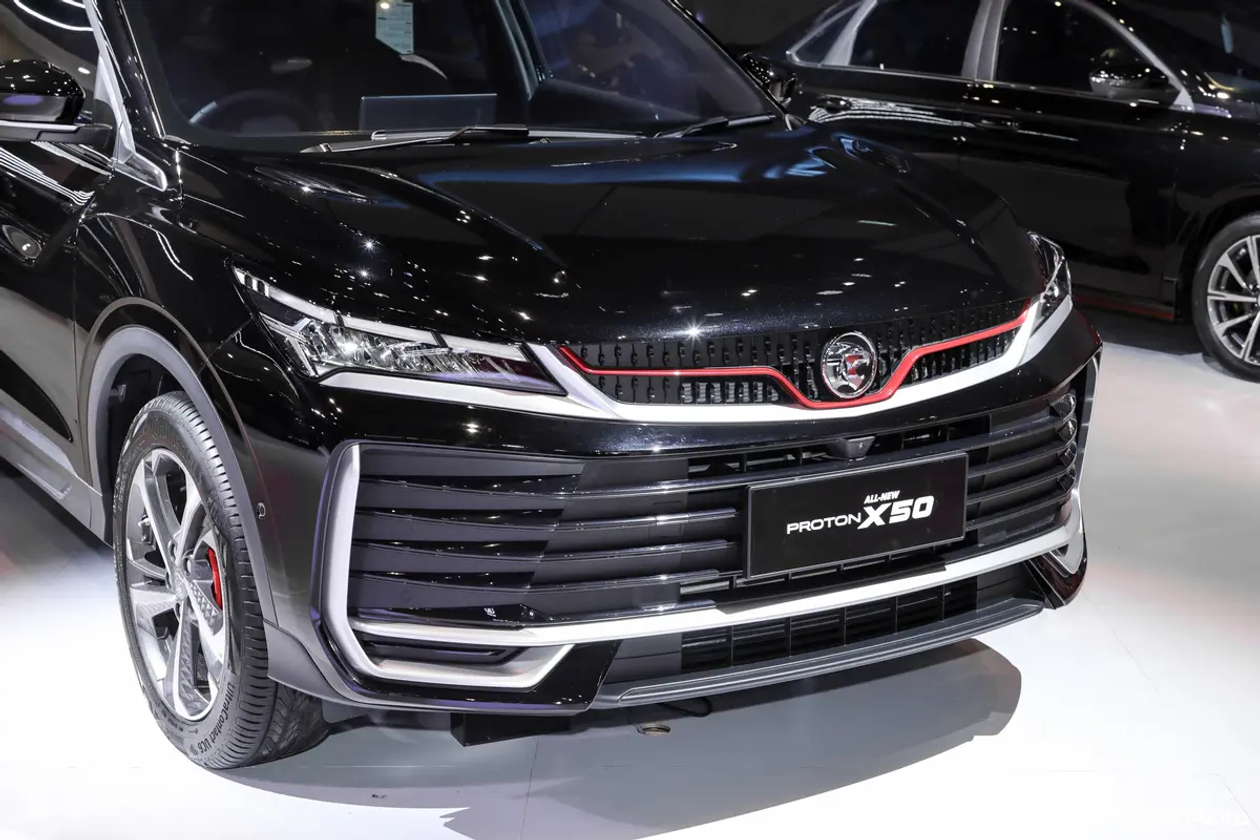
Go for the X50: If you're willing to pay a premium for effortless performance and high-tech cabin features. Spending that extra RM13,700 nets you a potent 181 PS turbo engine, a rapid 7.6-second 0-100 km/h sprint, a massive 14.6-inch screen with wireless connectivity, and strong resale prospects. The performance gap isn't just incremental—it's a night-and-day difference. You genuinely enjoy the drive, rather than viewing a car as a mere appliance.
Ultimately, neither choice is right or wrong. The Traz is a pragmatic family workhorse—spacious, low-maintenance, and perfectly capable for everyday duties. The X50 is an engaging B-segment crossover—punchy, feature-laden, and dynamic behind the wheel.
Which one earns a spot in your driveway simply depends on whether your priority lies with smart savings or driving thrills.


Your go-to source for all things automotive in Malaysia. 🚗 Latest reviews, breaking news, launches & industry trends.
+ Follow Honda City Facelift 2026 kini di Malaysia! Apa yang baharu?
Ketahui mengapa Honda City tetap terpahat di hati rakyat Malaysia.
#honda #hondacity2026 #hondacityfacelift 1 minute ago
Honda City Facelift 2026 kini di Malaysia! Apa yang baharu?
Ketahui mengapa Honda City tetap terpahat di hati rakyat Malaysia.
#honda #hondacity2026 #hondacityfacelift 1 minute ago  1 minute ago
  Details you missed earlier?
Fret not, as we have detailed photos on our site! 4 hours ago
Details you missed earlier?
Fret not, as we have detailed photos on our site! 4 hours ago Get the latest car news first!
Your go-to source for all things automotive in Malaysia. 🚗 Latest reviews, breaking news, launches & industry trends.
 ProtonGWMVolkswagenJAECOOVolvoPeroduaToyotaHondaTESLAMitsubishiMazdaJetourCheryBYDLexusBMWMercedes-BenziCAURZeekrIsuzuNissanLeapmotorPorscheFordOMODAMINIMGSuzukiXPengHyundaiWulingKiaSubaruDenzaGACLand RoverDongfengCAMAudiPeugeotFotonMAXUSsmartDaihatsuJACJMCMaseratiLotusAlfa RomeoRenaultGolden DragonKaiceneSeresLamborghiniFerrariJeepRolls-RoyceLepasAston MartinMcLarenChevroletBentleyFiatBAICForthingGeelyRoeweAeolusChanganARCFOXDeepalExeedHongqiVoyahJaguarKGMBuforiAcuraCadillacDodgeAbarthINEOSMHEROJMEVFreelander
© 2024 Bitauto.com. All Rights Reserved.
Bitauto (www.yiche.com and www.bitauto.com) is one of the most visited automotive websites in China. We provide detailed info on Chinese car brands available in your area. Please note that the information provided on this website is based on publicly available data and is for reference only. It may not be fully updated or accurate at all times.
Help us improve our website


