Just RM800 separates the two. In Peninsular Malaysia, the Model 3 Premium RWD is priced at RM171,000, while the Seal Premium retails at RM171,800, both excluding insurance.
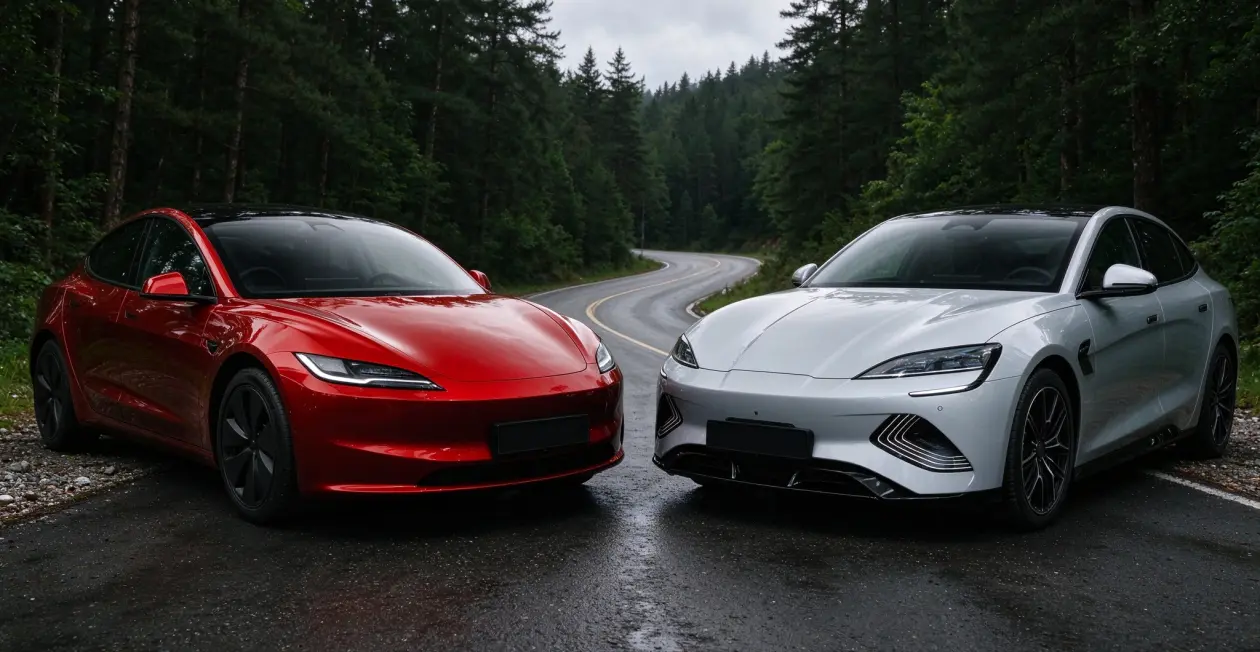
The former is Tesla Malaysia's official web price, while the latter is the dealer's on-the-road (OTR) figure for Kuala Lumpur (inclusive of road tax and registration fees), with pricing accurate as of November 2026. Given that RM800 roughly covers the installation cost of a home wallbox charger, price is not the deciding factor here — the real choice boils down to two very different EV ownership experiences.
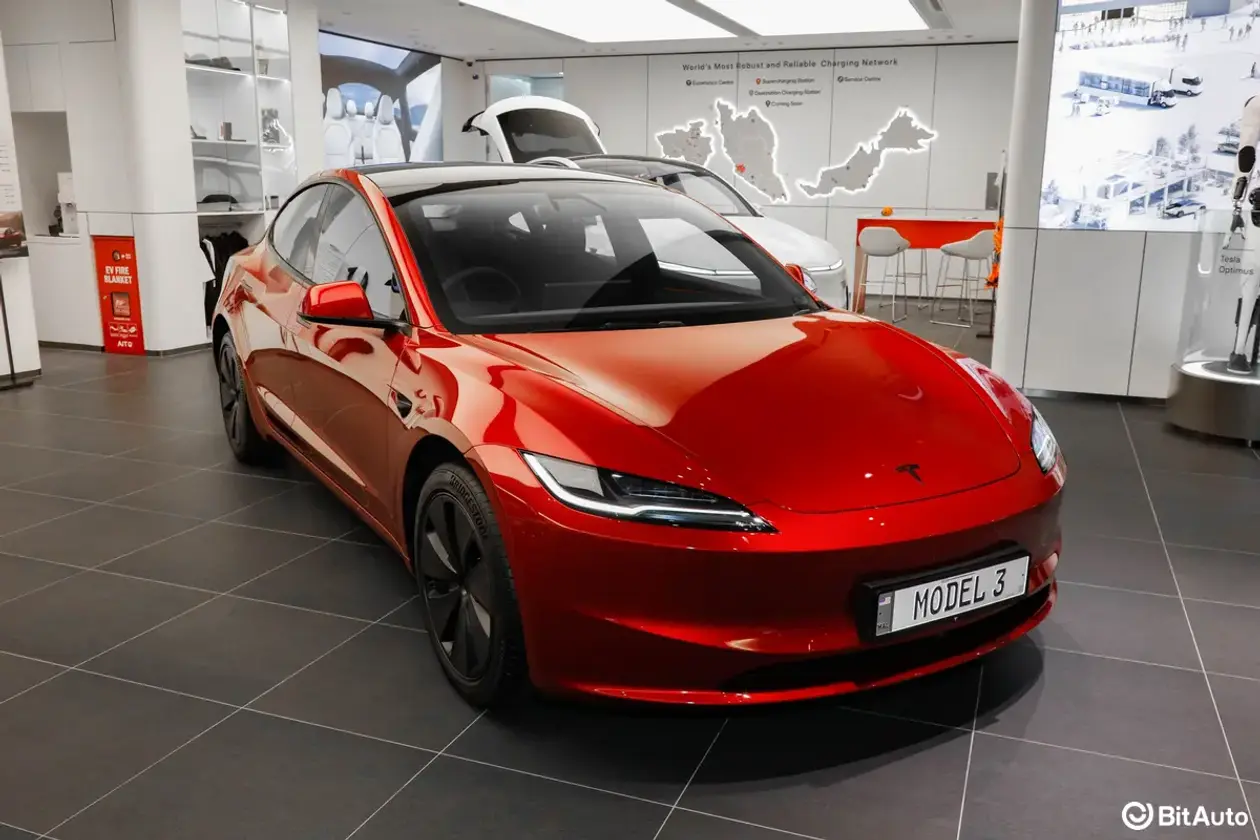
The Model 3 packs a 62.5 kWh battery against the Seal’s 82.56 kWh pack — giving the BYD a substantial 20 kWh (or roughly 32%) advantage. Yet, their WLTP-rated ranges stand at 520 km and 570 km respectively, a difference of merely 50 km.
That extra capacity doesn't yield proportionally higher mileage; instead, it mostly serves as an operational buffer. The Model 3 delivers a remarkably close driving range from a significantly smaller battery thanks to superior energy efficiency: while the Seal tips the scales at a hefty 2,055 kg kerb weight, the notably lighter Model 3 wrings out more kilometres per kilowatt-hour.
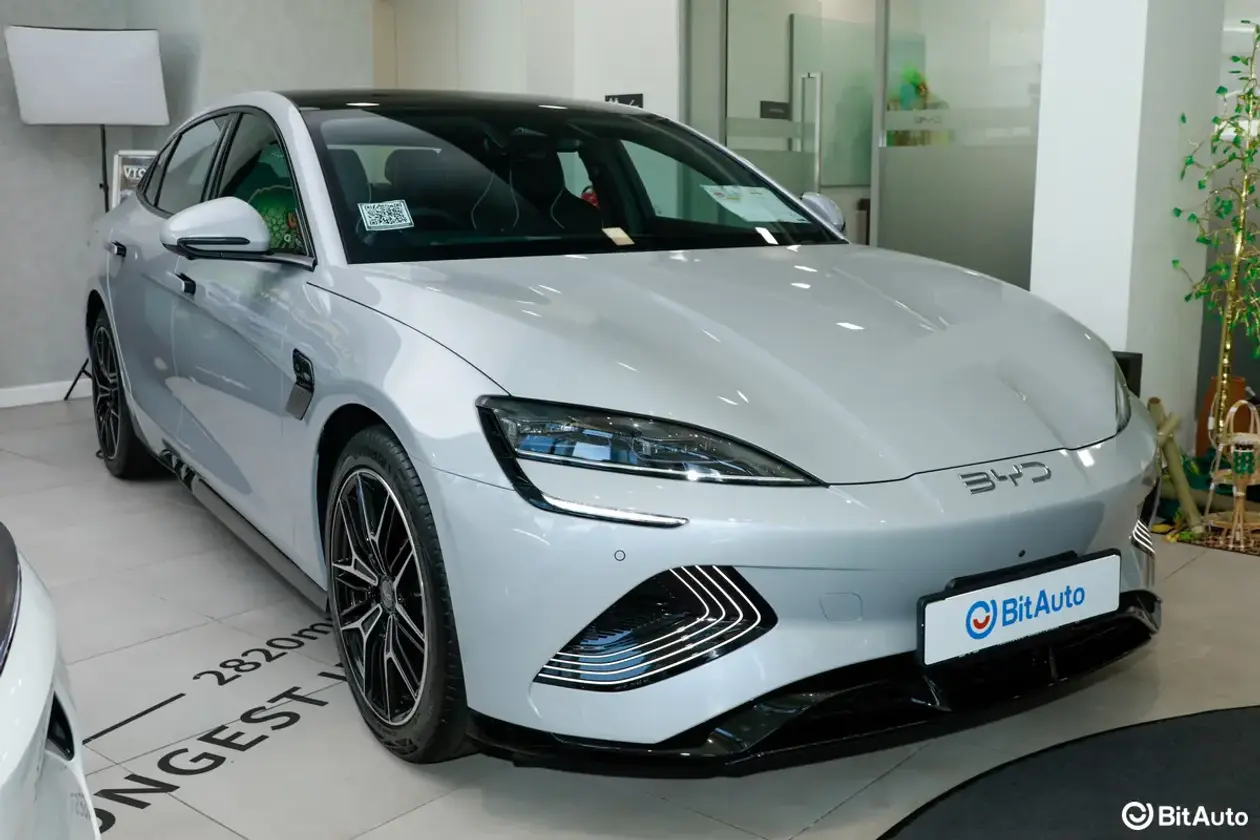
A quick note on range standards: this comparison standardises on the WLTP cycle. Some marketing materials cite 650 km for the Seal, but that uses the overly optimistic NEDC test cycle and cannot be compared directly with WLTP. Meanwhile, the 534 km figure listed on Tesla's Malaysian website applies to the base Standard RWD variant, not this Premium RWD model.
If you have a home charger, that 50 km difference is virtually negligible. Plug it in overnight, wake up to a full charge, and either 520 km or 570 km will easily handle a week's urban commute. But if you lack home charging and rely primarily on public DC fast chargers, the Model 3's efficiency advantage becomes much more apparent: you get more mileage out of every charging stop.
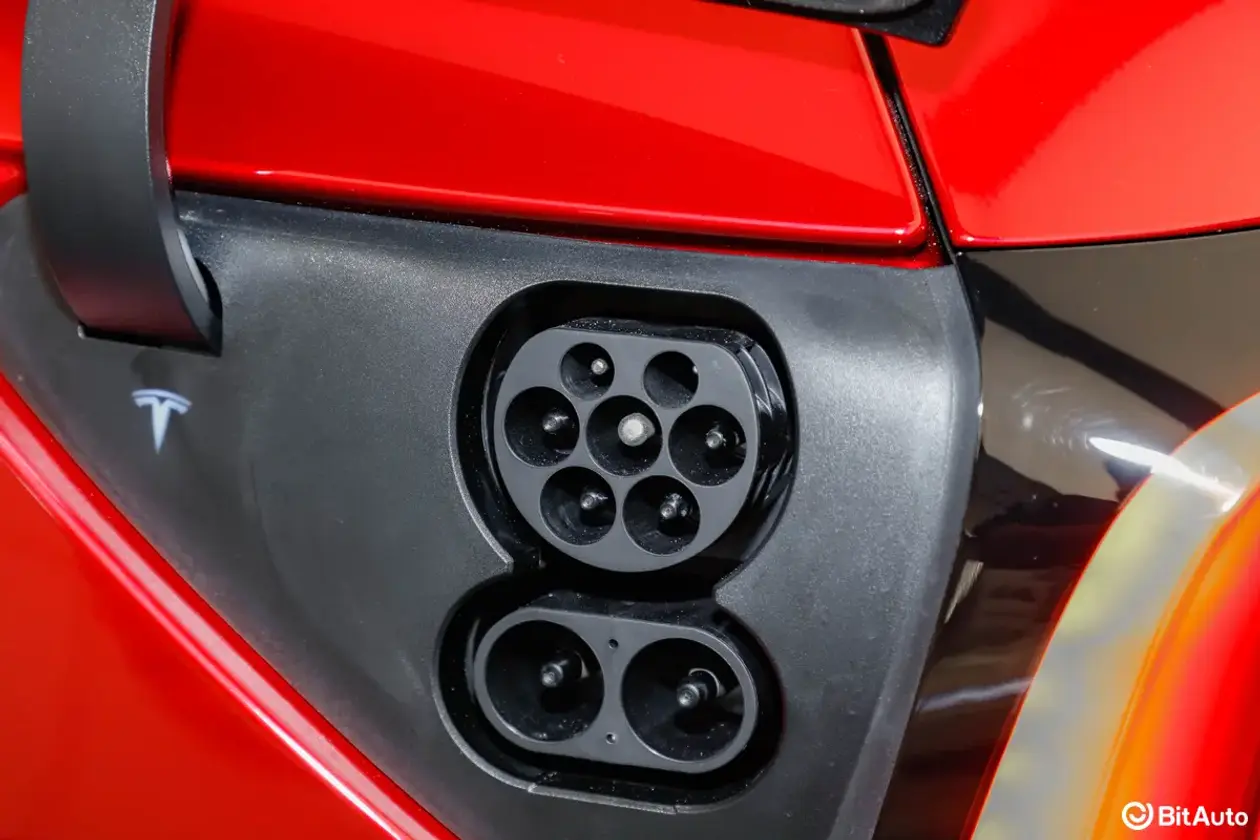
In terms of DC fast charging, the Model 3 peaks at 170 kW versus the Seal's 150 kW — a 20 kW gap on paper. The Seal takes around 32 minutes for a 30% to 80% state of charge, which is reasonably swift. The AC charging divide is wider: the Model 3 accepts up to 11 kW, whereas the Seal maxes out at 7 kW. For those without dedicated home wallboxes who rely on public AC destination chargers, this is a difference you will feel.
The Seal is built on an 800V architecture compared to the Model 3’s 400V setup, though system voltage alone does not dictate charging speed — real-world performance still hinges on the battery's charging curve and the dispenser’s actual output.
Where the two diverge sharply is the charging infrastructure. Tesla boasts a proprietary Supercharger network across Malaysia, with on-board navigation seamlessly integrating charging stops into route planning. The Seal, meanwhile, relies on third-party charge point operators (CPOs) like Gentari, JomCharge, and ChargEV, requiring you to hunt for working bays, verify power ratings, and juggle multiple mobile apps. For regular North-South Expressway (PLUS) cruisers, this ecosystem difference carries far more weight than a 20 kW spec-sheet deficit.
The Seal’s rear electric motor pushes out 230 kW (308 hp) and 360 N·m of torque, completing the 0-100 km/h sprint in 5.9 seconds. The Model 3 delivers 208 kW (279 hp) and 420 N·m, taking 6.1 seconds. While the Seal is up by 22 kW and shaves 0.2 seconds off the century sprint, the difference is practically imperceptible in day-to-day driving.
Weight-wise, the Seal is heavier, with its horsepower advantage surfacing primarily during mid-range overtakes at highway speeds. The lighter Model 3, by contrast, feels sharper and more immediate off the line. Neither is sluggish by any measure; they simply deliver their performance differently.
The Seal leads the airbag count, boasting 9 airbags in local specification — including a front centre airbag designed to prevent front occupants from colliding with each other in a side or offset impact. The Model 3 makes do with 7 airbags.
On the active safety and ADAS front, both EVs feature adaptive cruise control, autonomous emergency braking (AEB), lane keep assist, and blind spot monitoring. The Seal adds a 360-degree surround-view camera, while the Model 3 adopts Tesla Vision, relying strictly on cameras and regular over-the-air software updates. While the Seal looks better equipped on paper, real-world usability hinges on software refinement, which is best evaluated through a proper test drive.
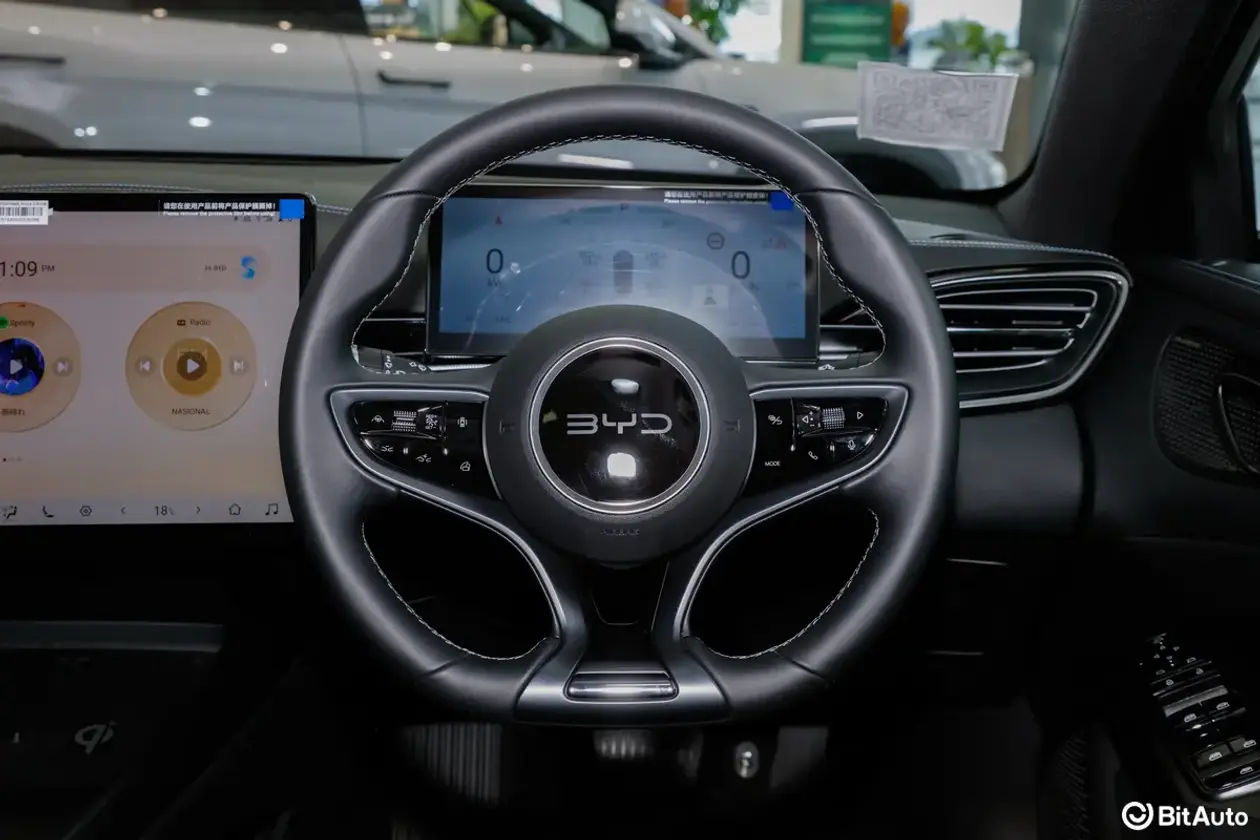
When it comes to crash safety ratings, the Model 3 holds established five-star ratings from global bodies such as Euro NCAP and ANCAP. The Seal, however, has not been subjected to local independent crash testing in Malaysia.
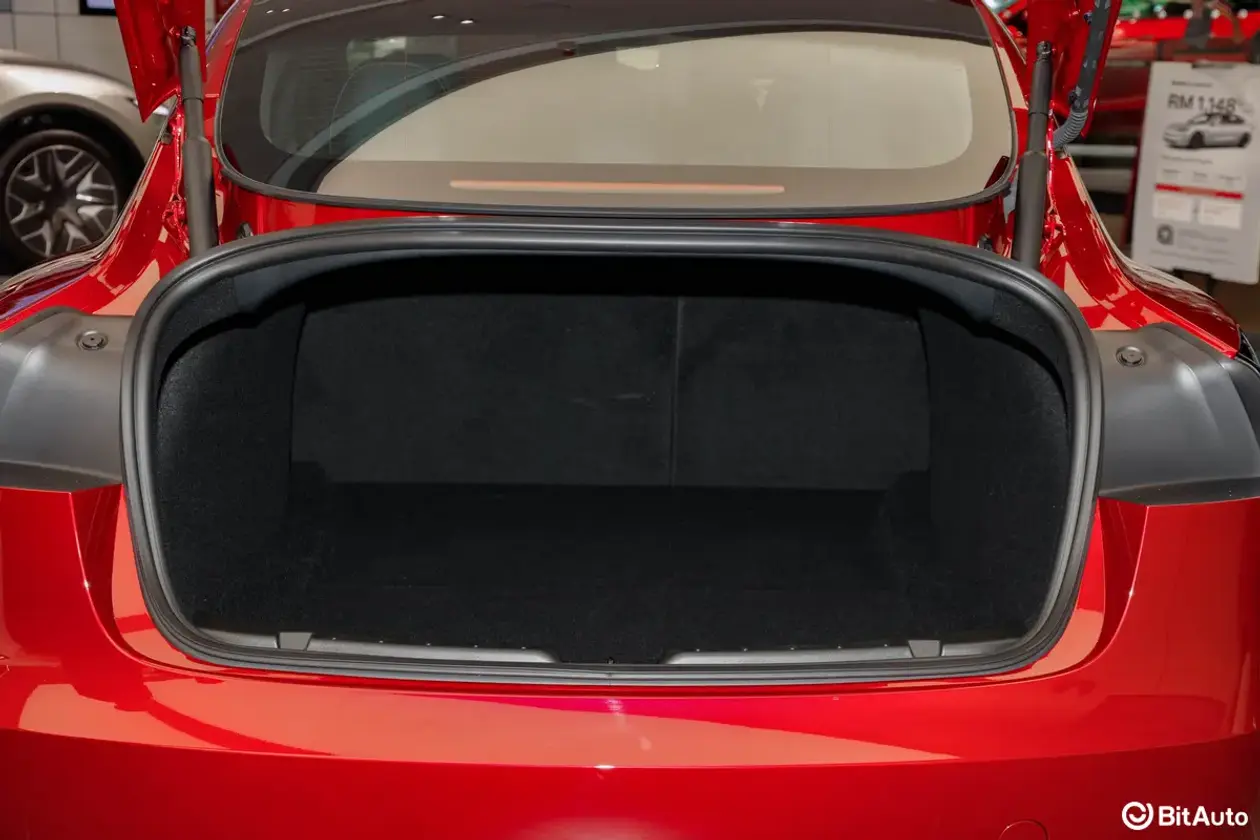
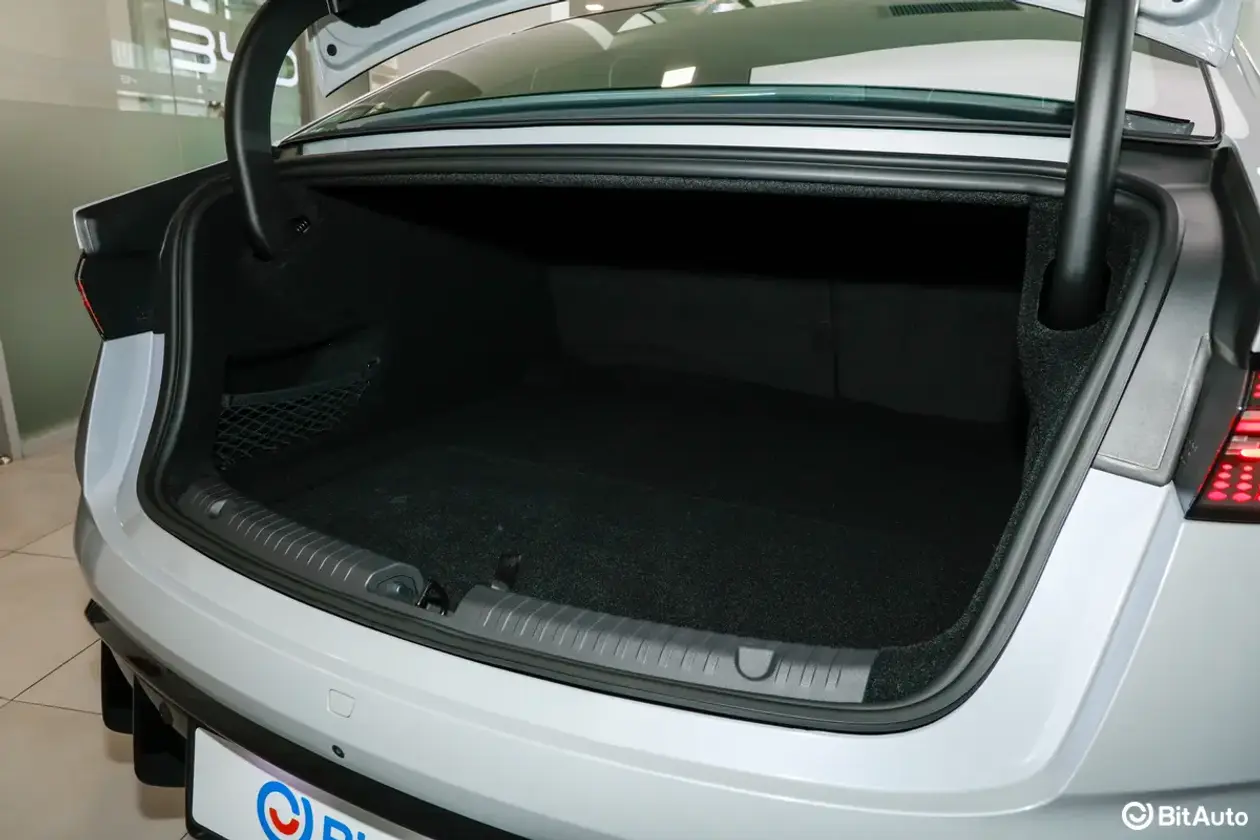
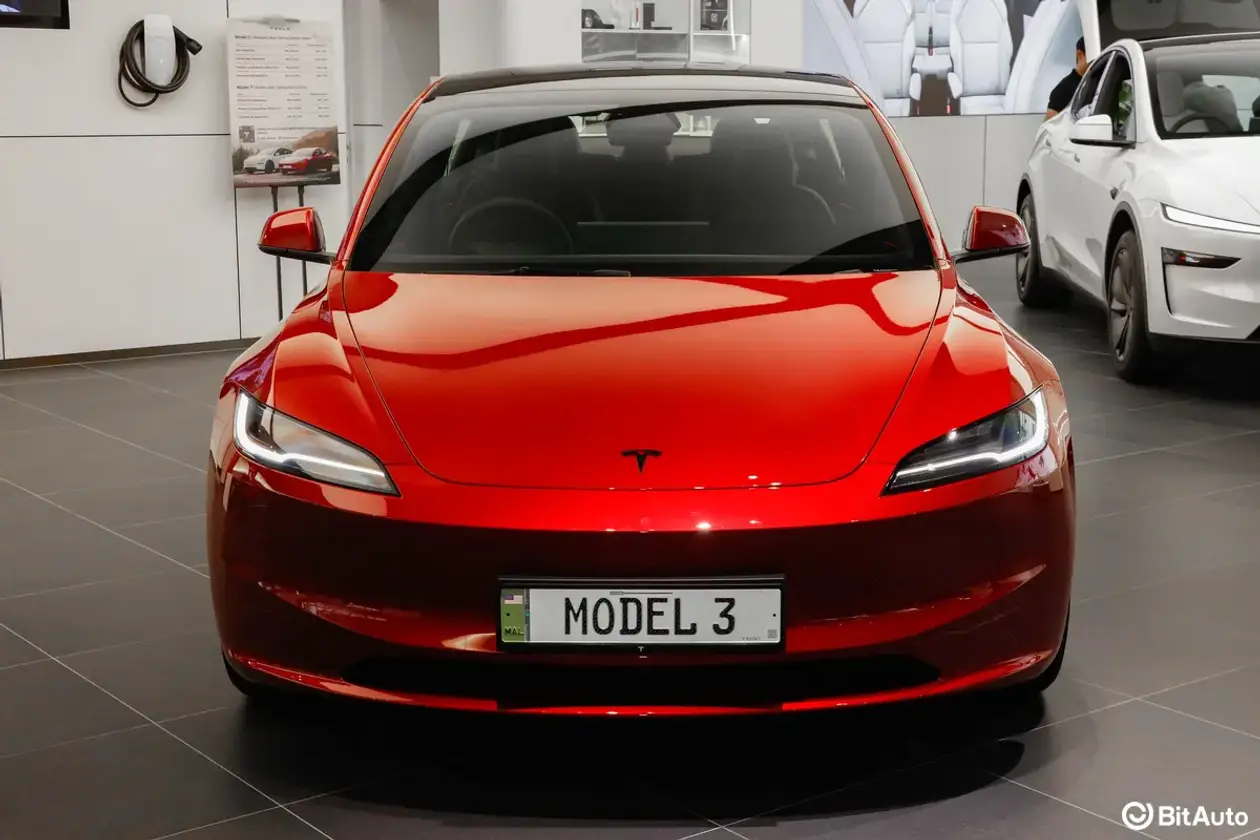
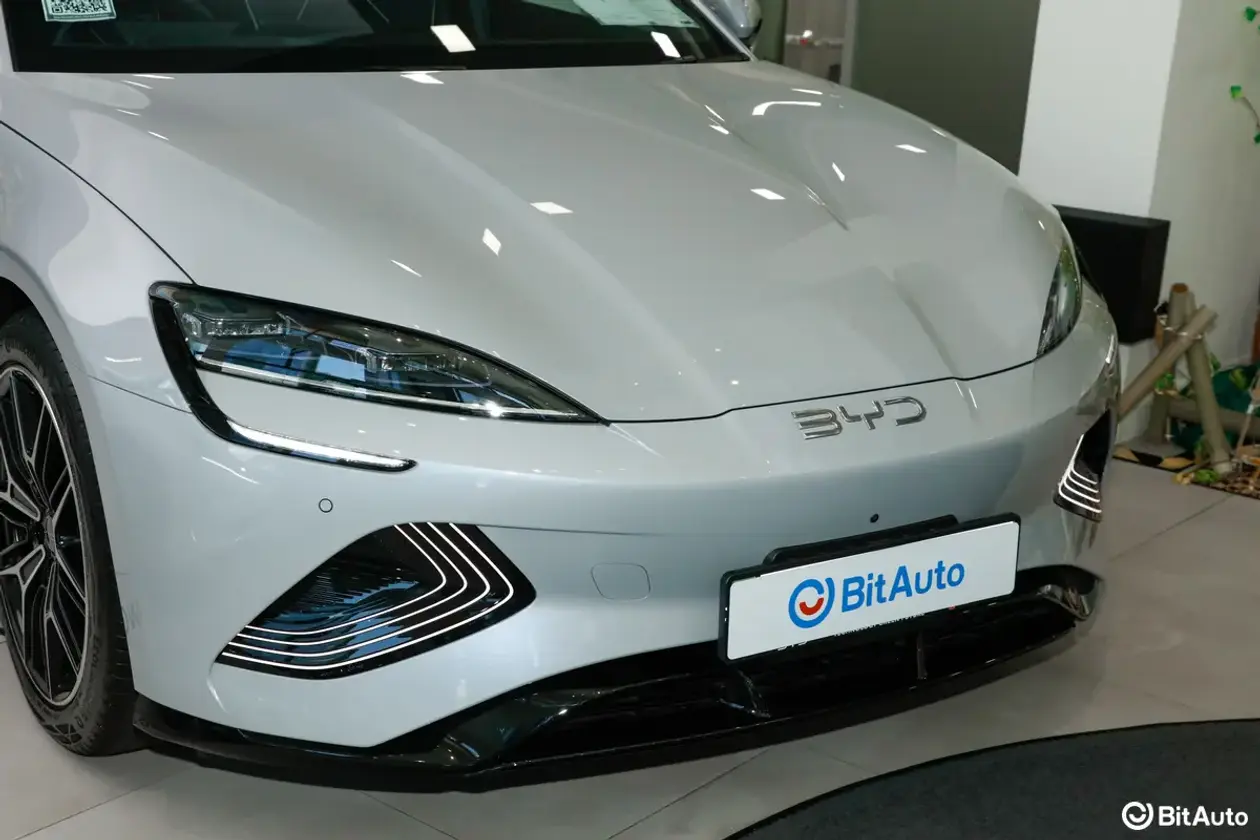
Top: Model 3 Bottom: Seal
The Model 3 offers a cavernous 594-litre boot compared to the Seal's 400 litres — a substantial 194-litre shortfall for the BYD. If this is your household’s sole vehicle that must swallow prams, weekly groceries, and airport luggage, the Model 3’s larger capacity and practical aperture make life considerably easier. Up front, the Seal provides a 53-litre frunk, whereas Tesla does not officially state the Model 3's front compartment volume.
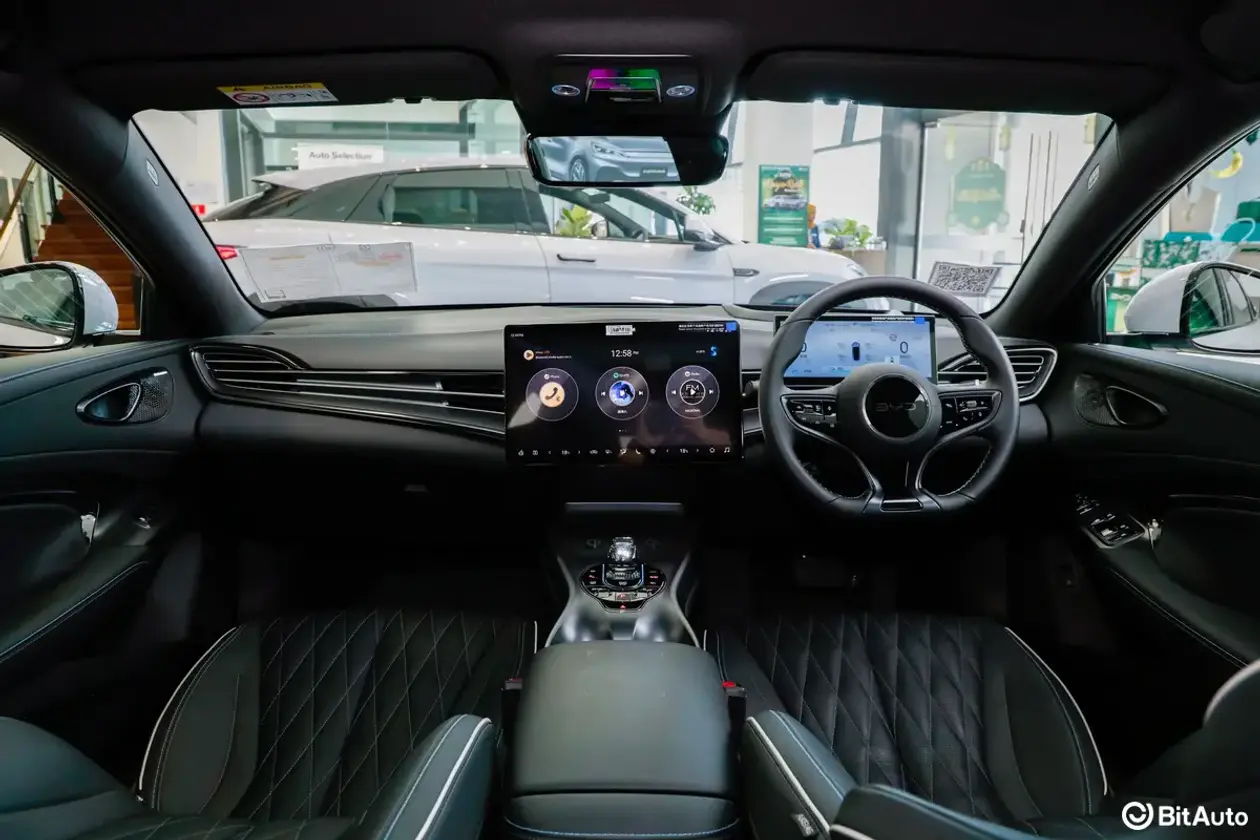
Inside, the two cabins take polar opposite approaches. The Seal sports a 15.6-inch rotating touchscreen paired with a 10.25-inch dedicated digital instrument cluster, ventilated and memory front seats, and a Dynaudio premium sound system, packing noticeably more creature comforts.
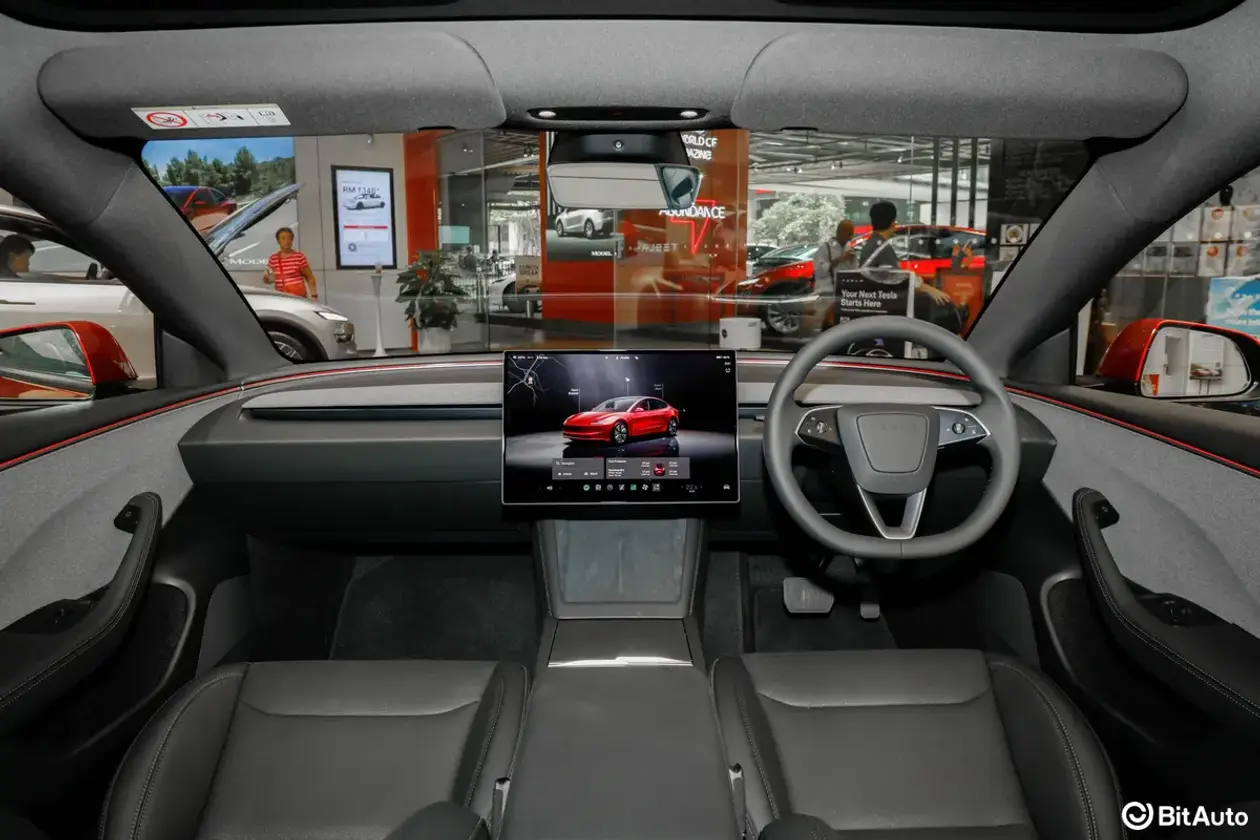
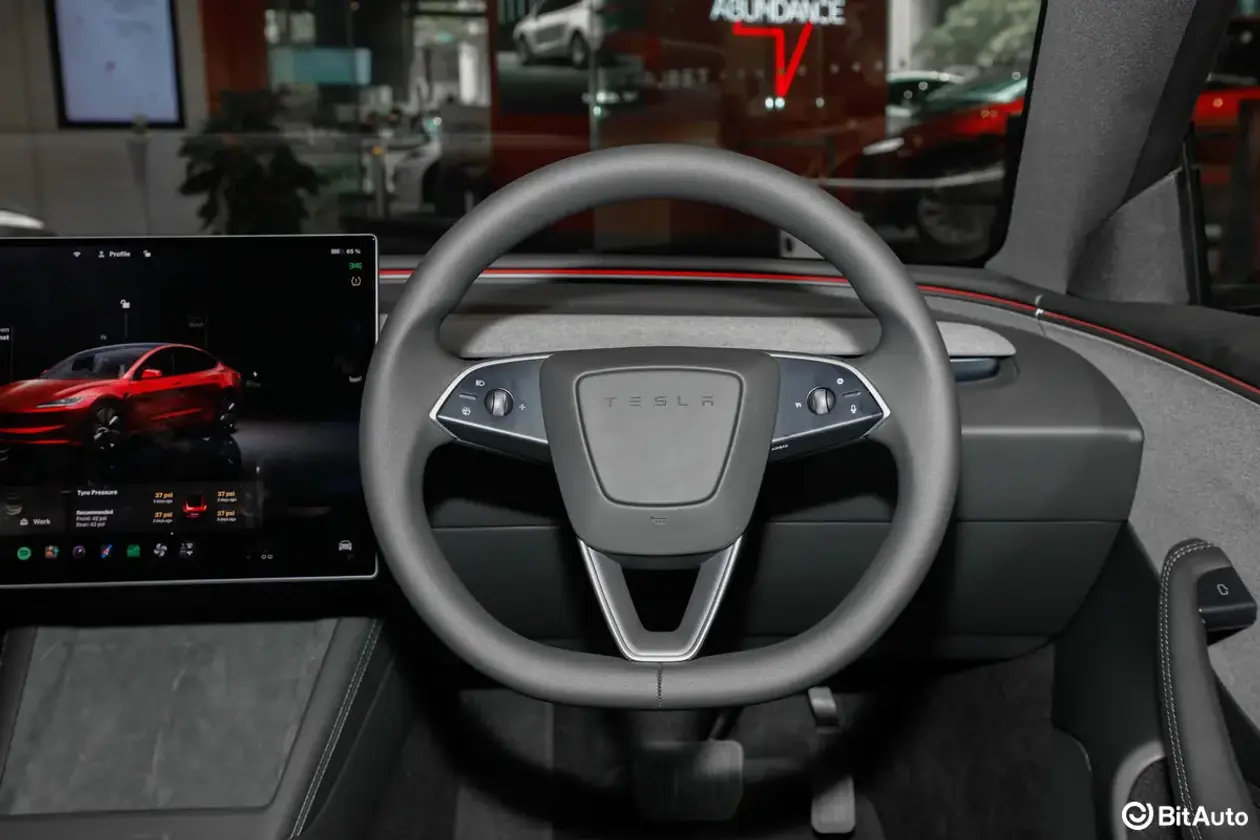
The Model 3 ditches a conventional instrument cluster entirely, funnelling all driving telemetry into a single 15.4-inch central touchscreen — an ultra-minimalist layout that demands an adjustment period. On balance, the Model 3 takes the crown for cargo space, while the Seal edges ahead in cabin appointments.
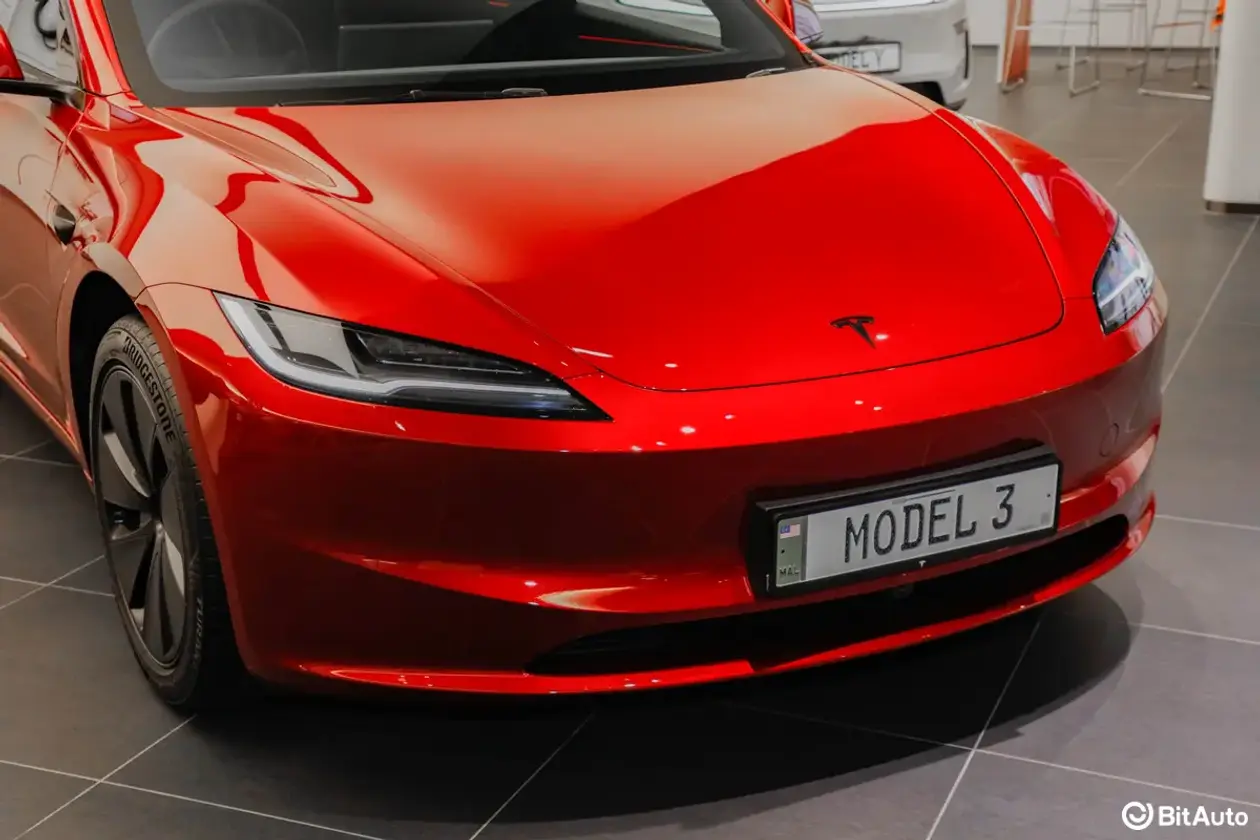
The Model 3 is backed by a 4-year/80,000 km vehicle warranty, alongside an 8-year/160,000 km warranty for the battery and drive unit (guaranteeing at least 70% capacity retention). The Seal offers a 6-year/150,000 km vehicle warranty and an 8-year/160,000 km battery warranty. That extra two years and 70,000 km of bumper-to-bumper vehicle coverage on the Seal provides genuine peace of mind for buyers planning long-term ownership beyond four years.
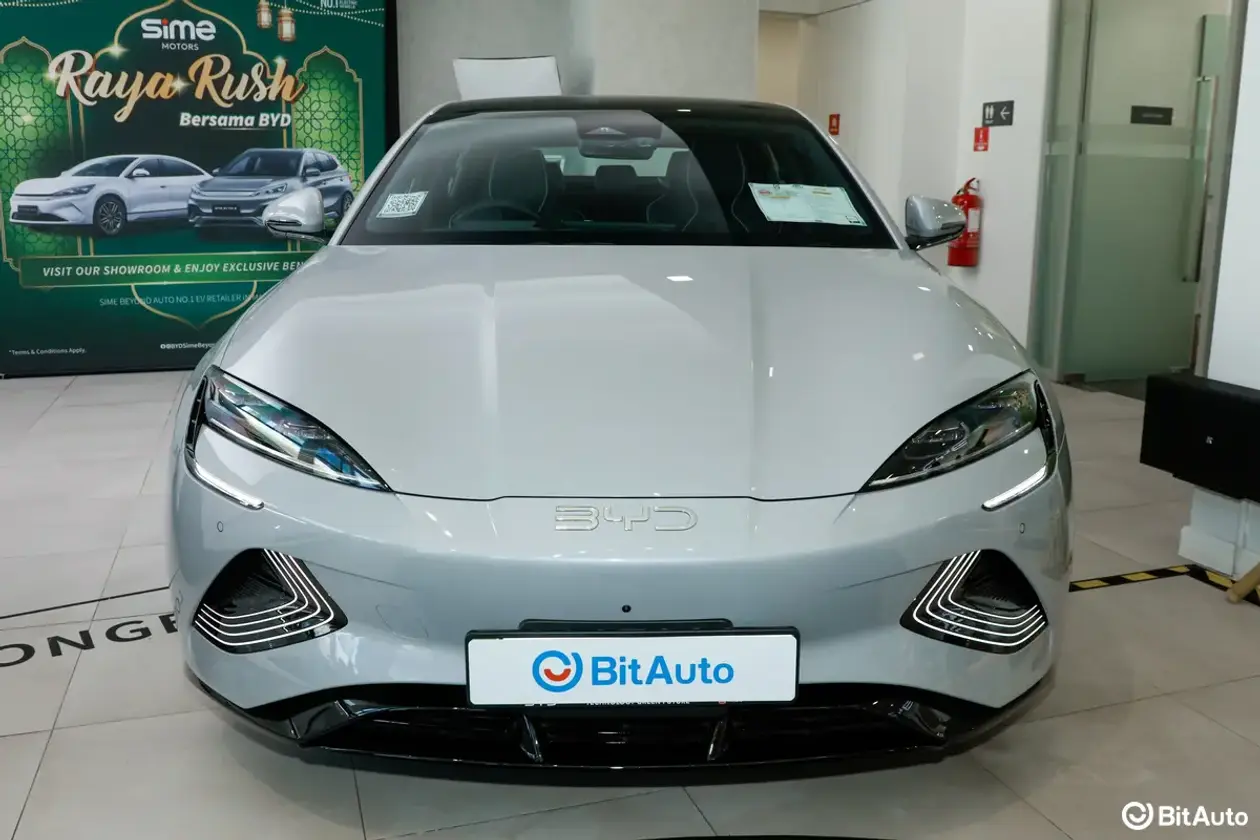
Under Malaysia's revised output-based EV road tax structure rolling out from 2026, estimated annual road tax comes to roughly RM280 for the Model 3 and about RM365 for the Seal — a negligible difference of around RM85. While small, it remains a recurring yearly cost; actual charges will be subject to JPJ’s official schedule.
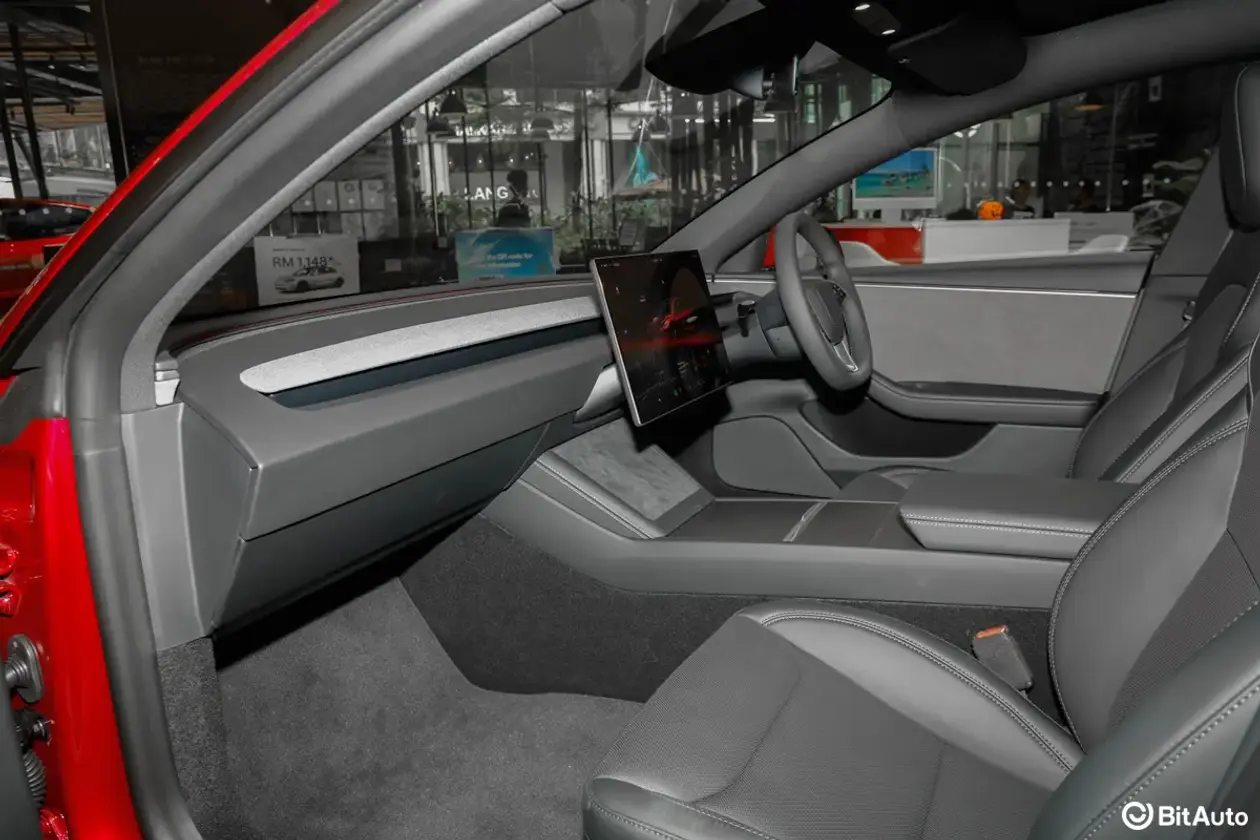
If you lack home charging, frequently embark on outstation road trips, and value charging network predictability alongside exceptional efficiency, the Model 3 is the smarter choice. Its 62.5 kWh pack, 170 kW peak DC charging capability, seamless Supercharger access, and superior boot space deliver tangible everyday perks. The compromises? A vehicle warranty that is two years shorter, two fewer airbags, and a comparatively spartan equipment list compared to the BYD.
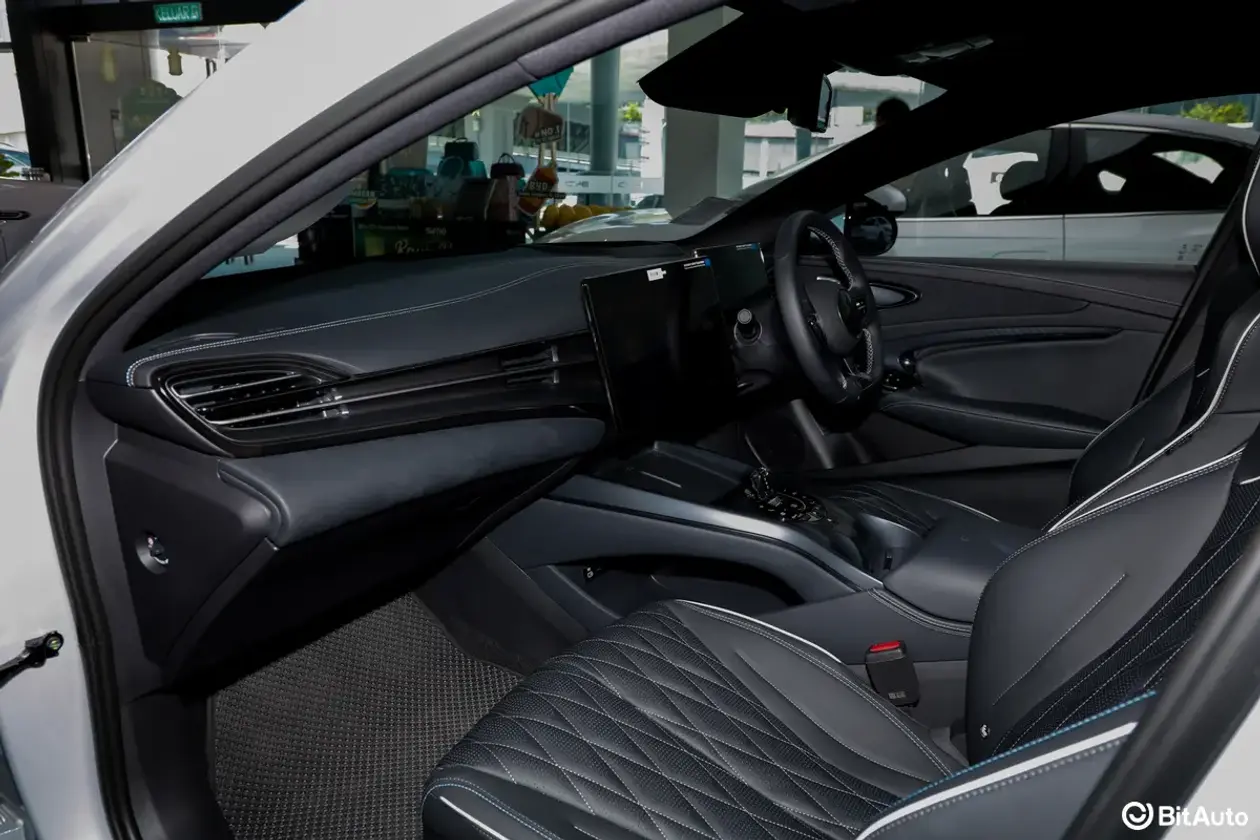
If you have a home wallbox, appreciate a generous battery buffer, and prioritise comprehensive safety kit alongside longer factory warranty coverage, the Seal is your pick. Its 82.56 kWh battery, 9 airbags, and 6-year factory vehicle warranty are compelling selling points. While its DC charging tops out 20 kW lower, its boot is 194 litres smaller, and it relies on third-party CPO networks, that substantial battery headroom gives you valuable breathing room should you forget to plug in or face an unplanned outstation detour.
At essentially identical price tags, both contenders allocate their manufacturing budget differently: the Model 3 channels it into powertrain efficiency and a robust charging ecosystem, while the Seal pours it into battery size and cabin opulence. An RM800 price gap is practically moot — how you charge and drive day to day will ultimately dictate which one belongs in your porch.
| Item | Tesla Model 3 Premium RWD | BYD Seal Premium |
|---|---|---|
| Peninsular Malaysia On-The-Road Price (excluding insurance, Nov 2026) | RM171,000 (Official website price) | RM171,800 (KL OTR price) |
| Segment | Compact executive sedan | Mid-size sports sedan |
| Assembly Type | CBU (China) | CBU (China) |
| Battery Capacity & Type | 62.5 kWh, Lithium Iron Phosphate (LFP) | 82.56 kWh, LFP Blade Battery |
| WLTP Range | 520 km | 570 km |
| Motor Power | 208 kW (279 hp) | 230 kW (308 hp) |
| Peak Torque | 420 N·m | 360 N·m |
| Drivetrain | Single-motor RWD | Single-motor RWD |
| 0-100 km/h | 6.1 seconds | 5.9 seconds |
| Top Speed | 201 km/h | 180 km/h |
| Peak DC Fast Charging | 170 kW | 150 kW |
| AC Slow Charging | 11 kW | 7 kW |
| Electrical Architecture | 400V | 800V |
| Boot Volume | 594 L | 400 L |
| Frunk Volume | Not officially stated | 53 L |
| Screen Configuration | 15.4-inch centre screen, no standalone instrument cluster | 15.6-inch rotating screen + 10.25-inch LCD digital instrument cluster |
| Airbags | 7 | 9 (including front centre airbag) |
| Driver Assistance | Adaptive Cruise Control, AEB, Lane Keeping Assist, Blind Spot Monitoring | Same as left, plus 360-degree camera |
| Vehicle Warranty | 4 years / 80,000 km | 6 years / 150,000 km |
| Battery Warranty | 8 years / 160,000 km (capacity retention ≥ 70%) | 8 years / 160,000 km |
| Drive Unit Warranty | 8 years / 160,000 km | 8 years / 160,000 km (subject to warranty card) |
| Annual Road Tax (2026 new rate, Peninsular Malaysia private vehicle) | Approx. RM280 | Approx. RM365 (calculated based on 230 kW) |
| Kerb Weight | Approx. 1.7 tonnes (subject to official spec sheet) | 2,055 kg |
Notes
Price: Model 3 figure is sourced from Tesla Malaysia's official portal; Seal figure is based on BYD Sime Motors' official local pricing, both accurate as of November 2026, excluding insurance. Seal figure represents Kuala Lumpur OTR pricing, inclusive of road tax and registration fees.
Range: Figures quoted in this article strictly follow the WLTP test standard. The 534 km range cited on Tesla's official website refers to the Standard RWD model, not this Premium RWD variant.
Road Tax: Calculated based on Malaysia's revised EV road tax framework (tiered by electric motor output) taking effect from January 2026; final payable sums remain subject to JPJ's official assessment.
Warranty and Specification: Airbag counts and drive unit warranty coverage for the Seal, as well as the inclusion of a rear entertainment display for the Malaysian-spec Model 3, should be verified against the latest official dealer specification sheets.
Leave your number, an advisor will contact you


Your go-to source for all things automotive in Malaysia. 🚗 Latest reviews, breaking news, launches & industry trends.
+ Follow Following job postings in Malaysia earlier this July, Xiaomi has started recruiting automotive personnel in Australia. What does it mean though? 1 minute ago
 Volvo’s biggest sale of the year is back. Which EVs and SUVs get the biggest savings? 15 hours ago
 Fuel contamination claims are finally moving forward!
Caltex & Petron have stepped up with goodwill payouts for damaged engines. 16 hours ago
Get the latest car news first!
Your go-to source for all things automotive in Malaysia. 🚗 Latest reviews, breaking news, launches & industry trends.
Following job postings in Malaysia earlier this July, Xiaomi has started recruiting automotive personnel in Australia. What does it mean though? 1 minute ago Volvo’s biggest sale of the year is back. Which EVs and SUVs get the biggest savings? 15 hours ago Fuel contamination claims are finally moving forward!
Caltex & Petron have stepped up with goodwill payouts for damaged engines. 16 hours ago 
© 2024 Bitauto.com. All Rights Reserved.
Bitauto (www.yiche.com and www.bitauto.com) is one of the most visited automotive websites in China. We provide detailed info on Chinese car brands available in your area. Please note that the information provided on this website is based on publicly available data and is for reference only. It may not be fully updated or accurate at all times.

Help us improve our website


