The Malaysian electric vehicle (EV) market has been buzzing over the past two years. The Proton eMas 5 is charging ahead with its national car status, while BYD has secured the title of Malaysia's best-selling EV brand for three consecutive years with the Seal, Atto 3, and Sealion 7.
But if we narrow the scope down to all-electric sedans, the conversation inevitably revolves around two cars: the Tesla Model 3 and the BYD Seal.
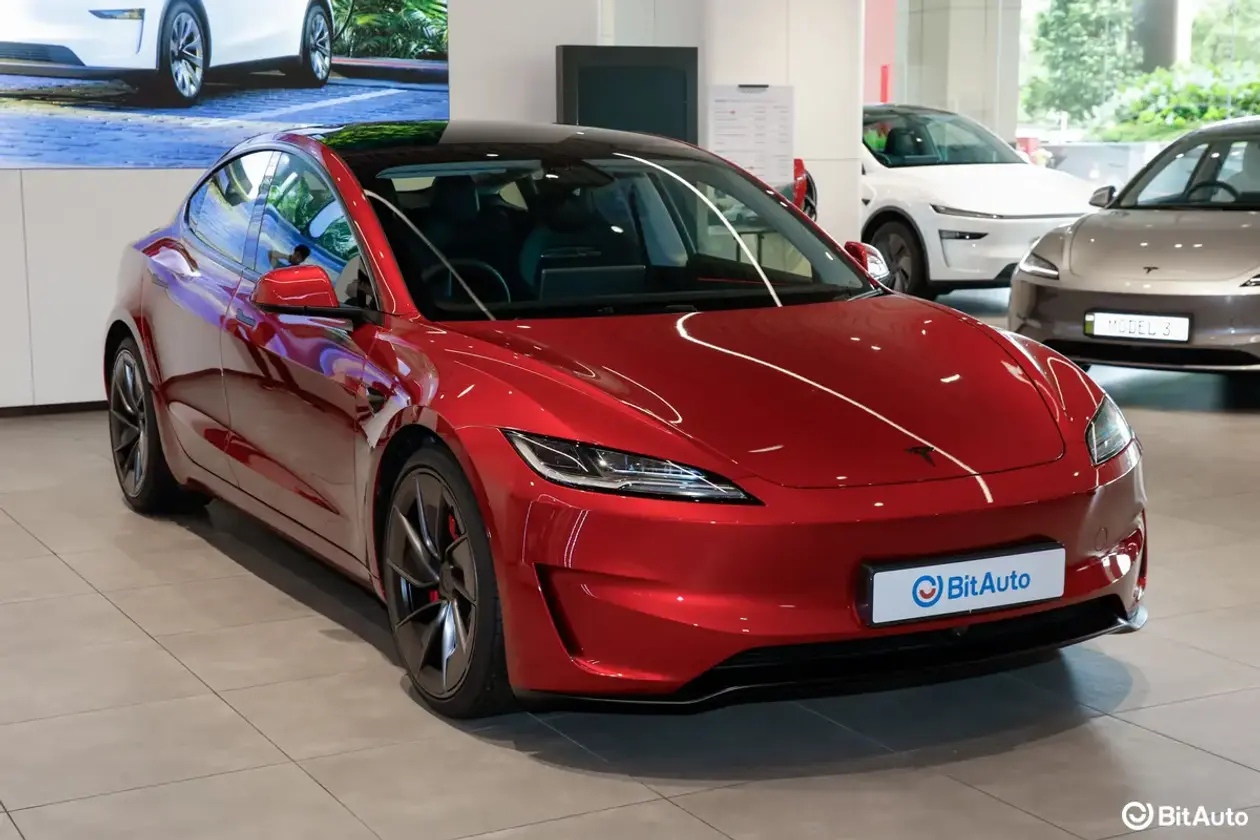
One is the benchmark for American EVs, while the other is the sales powerhouse of Chinese new energy vehicles. The price points of these two cars in the Malaysian market overlap significantly, but what they offer to buyers points in completely different directions.
Let's look at the pricing first.
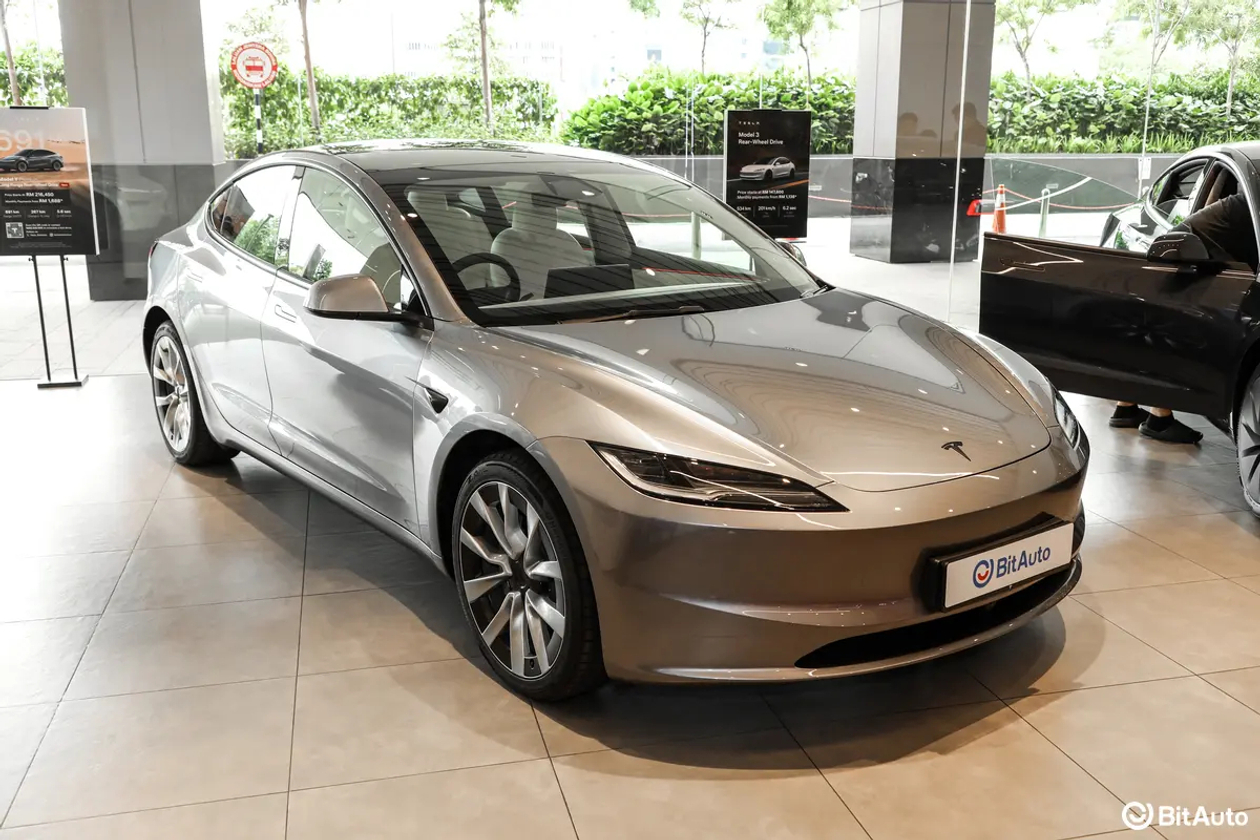
The Tesla Model 3 is available in Malaysia in four variants: the Standard RWD is priced at RM149,000, the Premium RWD at RM171,000, the Premium Long Range RWD at RM187,000, and the range-topping Performance AWD at RM232,000.
The price hike in July 2026 was a globally unified price adjustment by Tesla, with increases ranging from RM1,400 to RM3,000, which has nothing to do with the Malaysian government's new import policies.
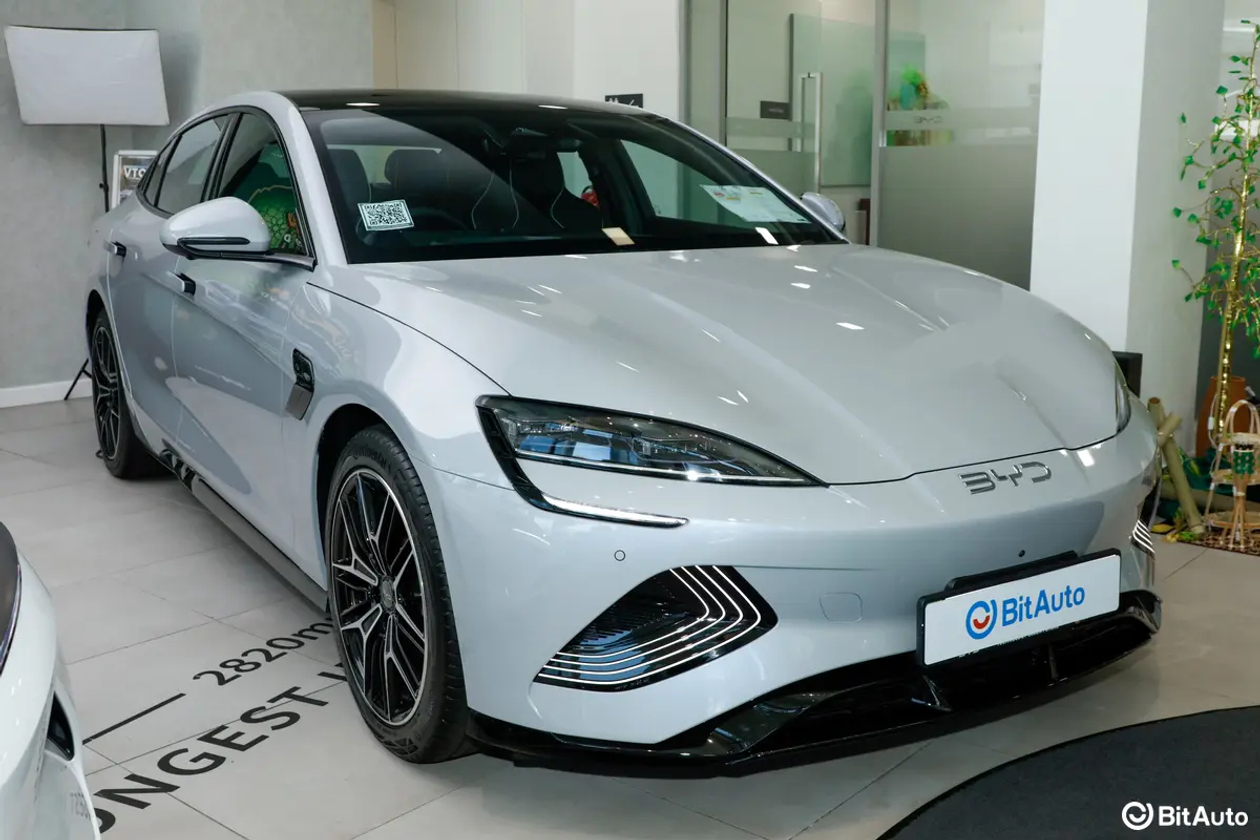
The BYD Seal is offered locally in two variants: the Premium RWD at RM171,800 and the Performance AWD at RM191,800.
Both variants share the same 82.56 kWh Blade lithium iron phosphate (LFP) battery, meaning the RM20,000 price difference essentially buys you a second motor and the DiSus-C adaptive suspension system.
Comparing the entry-level variants, the Model 3 Standard is a whopping RM22,800 cheaper than the Seal Premium. That difference is enough to cover four years of road tax and a set of premium tyres, or directly fund the installation of a home wallbox charger.
But there is a reason for this lower price tag. Read on to find out why.
Both entry-level variants feature a single-motor, rear-wheel drive (RWD) setup.
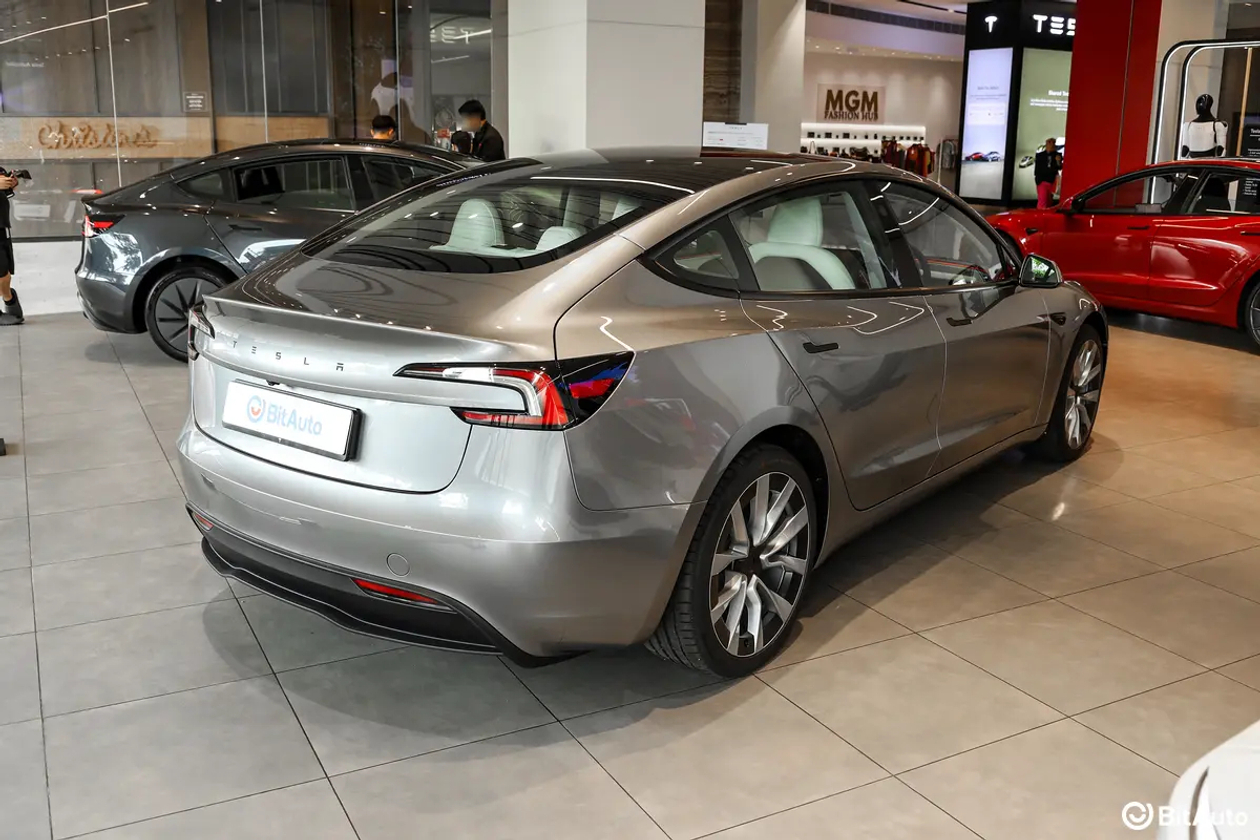
The Model 3 Standard gets a 62.5 kWh battery pack, outputting 279 hp and 420 Nm of torque. It offers a WLTP-rated range of 534 km and does 0-100 km/h in 6.2 seconds. Charging via a Supercharger peaks at 175 kW, adding roughly 270 km of range in 15 minutes.
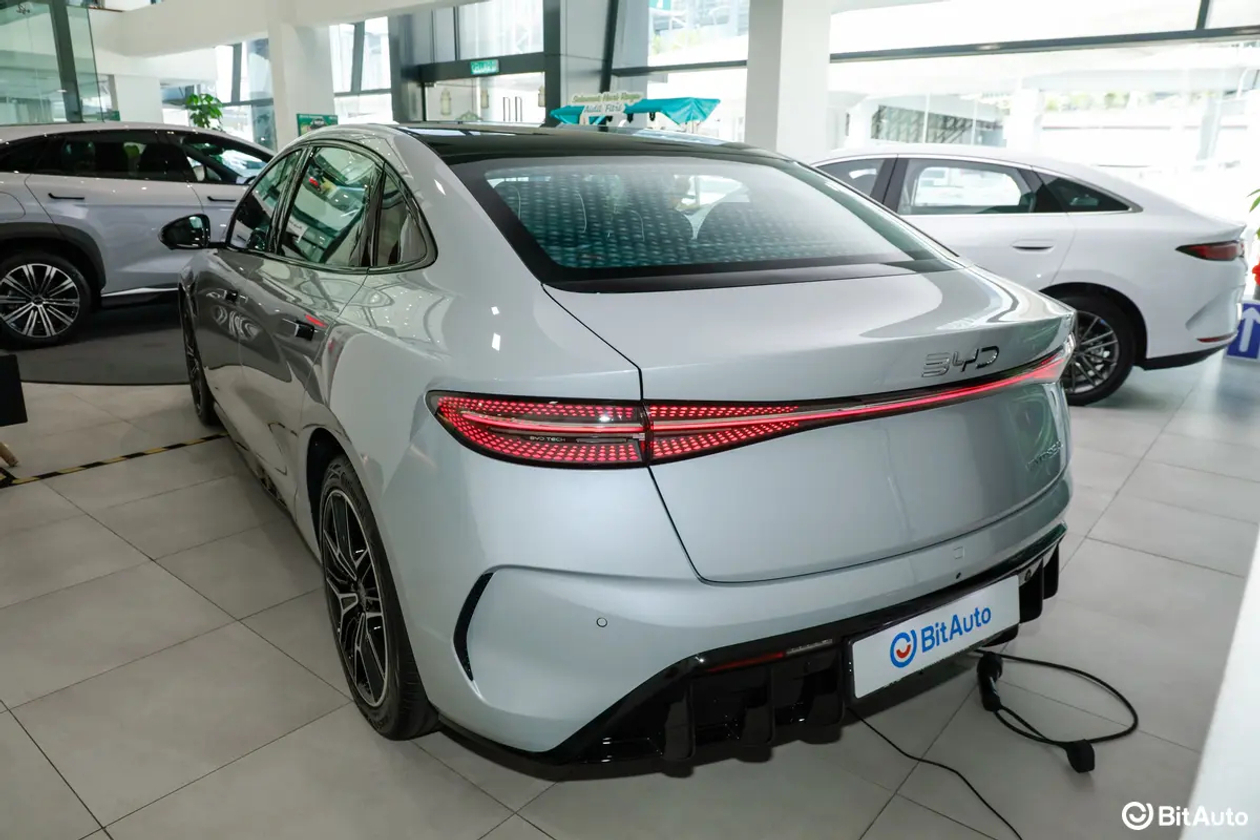
The Seal Premium packs a larger 82.56 kWh battery, pushing out 308 hp and 360 Nm of torque, with a WLTP range of 570 km and a 0-100 km/h sprint time of 5.9 seconds. DC fast charging peaks at 150 kW, taking 32 minutes to charge from 30% to 80%.
On paper, the Seal has the upper hand in terms of battery capacity, horsepower, and range. 82.56 kWh versus 62.5 kWh, 570 km versus 534 km, and 308 hp versus 279 hp——the Seal wins on three counts.
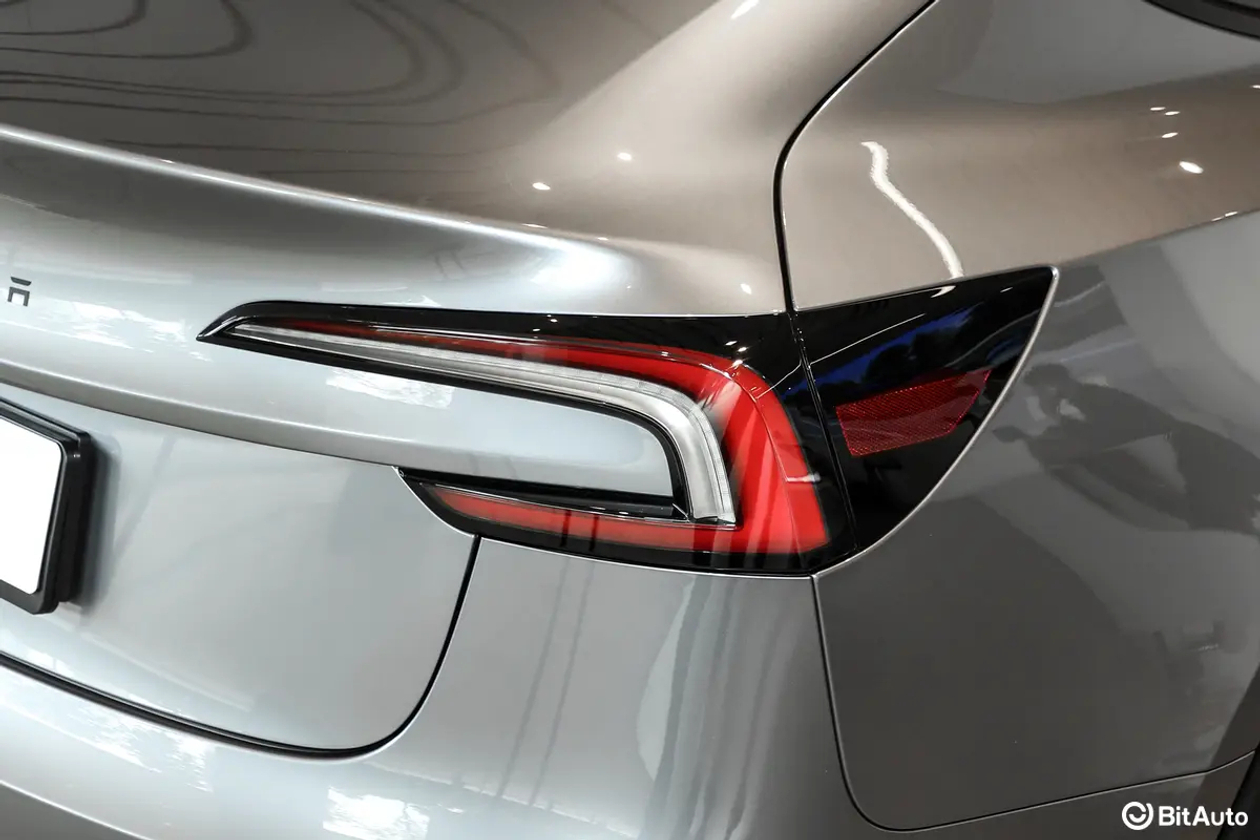
However, the Model 3 has an advantage that isn't easily quantified on a spec sheet: efficiency.
Delivering a similar range with a much smaller battery proves Tesla's prowess in powertrain energy management. Furthermore, the Model 3 supports up to 11 kW AC charging, which is faster than the Seal's 7 kW limit.
Tesla's Supercharger network in Malaysia has already expanded to 20 stations with 88 Supercharging bays, alongside 18 Destination Charging stations.
Crucially, Tesla has begun opening up selected Supercharger stations to non-Tesla EVs. This means that even if you don't drive a Tesla, you can still access these chargers at specific sites——though non-Tesla owners are charged a premium rate of RM1.80/kWh.
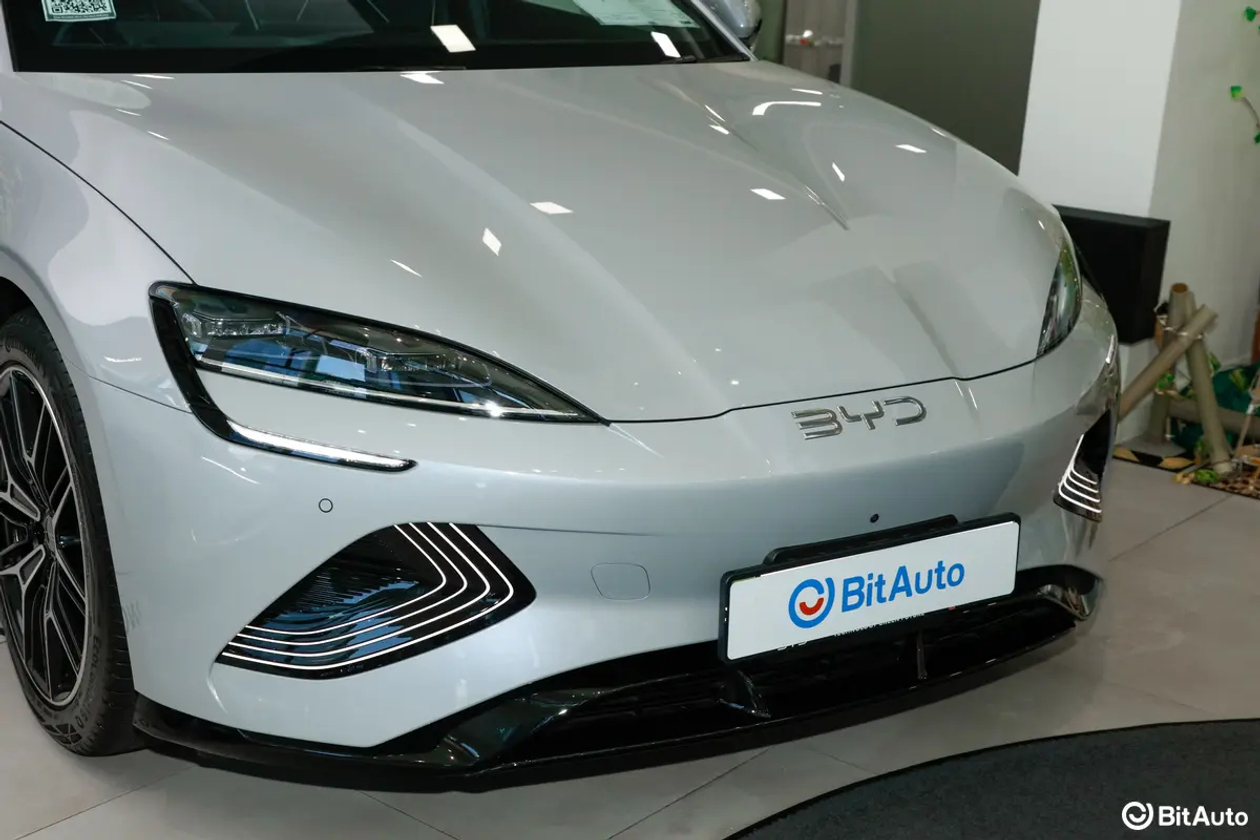
BYD does not have a dedicated charging network. Seal owners must rely entirely on third-party charge point operators (CPOs) like ChargeEV, Gentari, and JomCharge.
Although Malaysia's public charging infrastructure is growing rapidly, the difference in coverage density, reliability, and plug-and-play convenience compared to Tesla's proprietary network is still night and day.
On long-distance road trips, Tesla drivers can easily plan routes via the built-in navigation, which displays live Supercharger availability and estimated charging times.
BYD owners, however, have to manually plan their charging stops using multiple apps and hope that the third-party chargers at their destination are neither occupied nor out of service.
This isn't something you can compare on a spec sheet, but in real-world ownership, the maturity of the charging network directly determines your peace of mind when travelling long distances.
Both cars are four-door, five-seater sedans, but they differ significantly in dimensions and packaging.
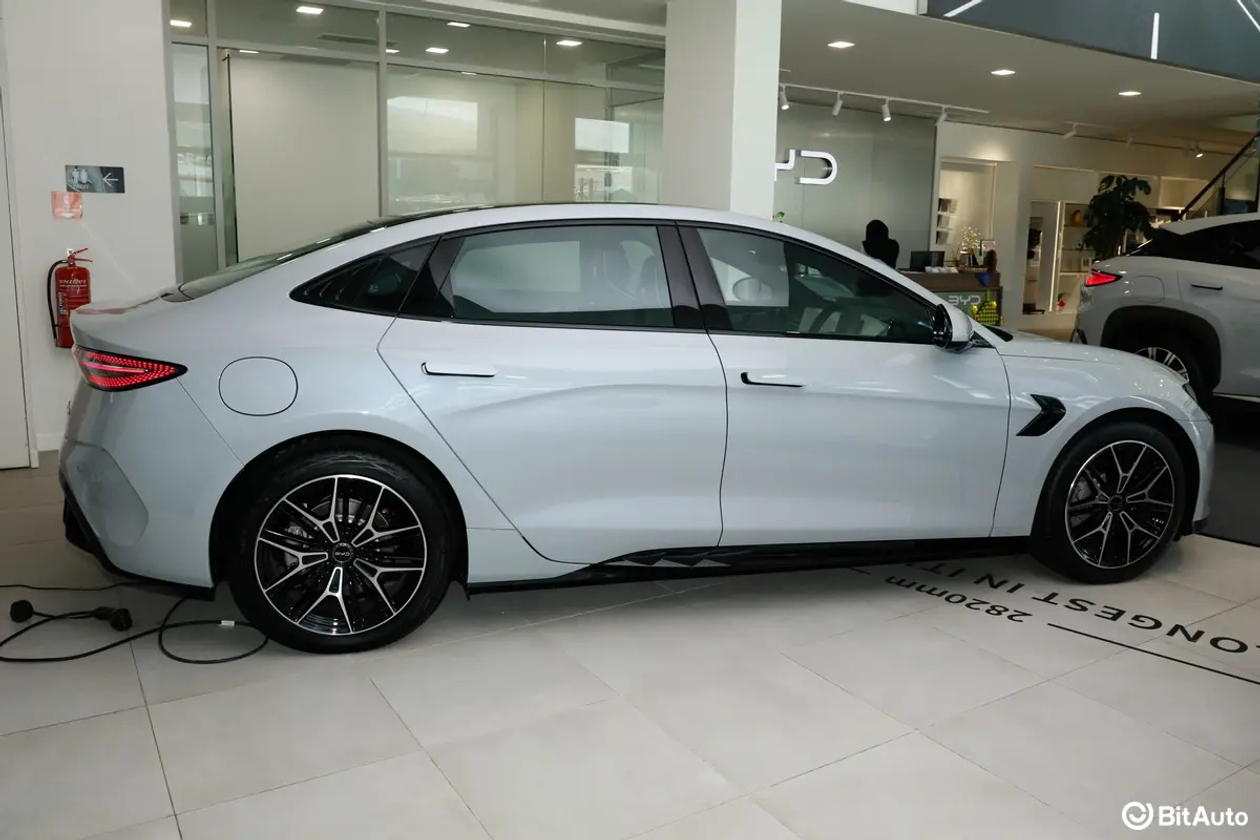
The Seal is longer at 4,800 mm compared to the Model 3's 4,720 mm, and its 2,920 mm wheelbase is also noticeably longer.
Logically, a larger footprint should equal a bigger boot, but the reality is quite the opposite.
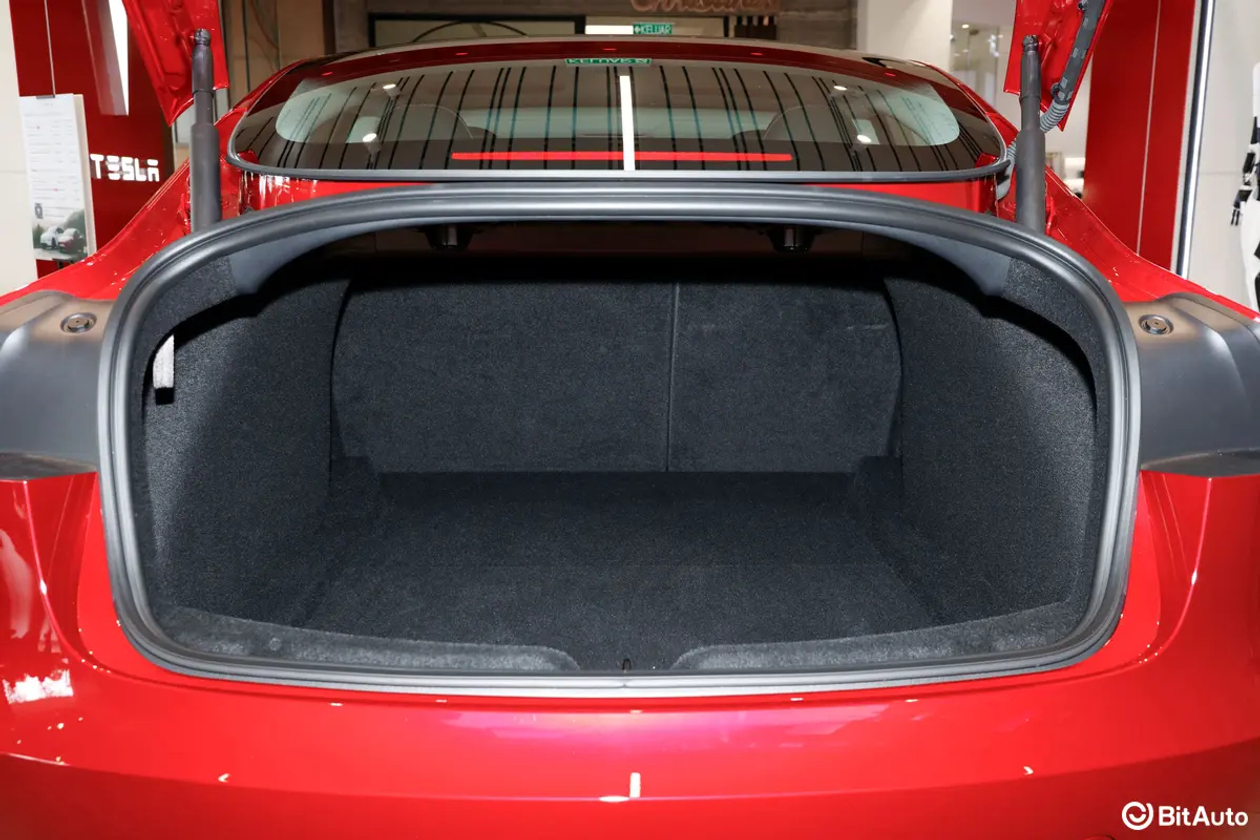
The Model 3 boasts a massive boot capacity of 594 litres. The Seal only offers 400 litres. That difference of nearly 200 litres is roughly equivalent to a large suitcase.
Additionally, the Model 3's rear seats fold in a 40:20:40 split, offering better loading flexibility than the Seal's standard 60:40 split.
What this means in practice is that a Model 3 owner can easily swallow four large suitcases and some hand luggage for an airport run. A BYD Seal owner, however, will likely have to play Tetris to get everything in.
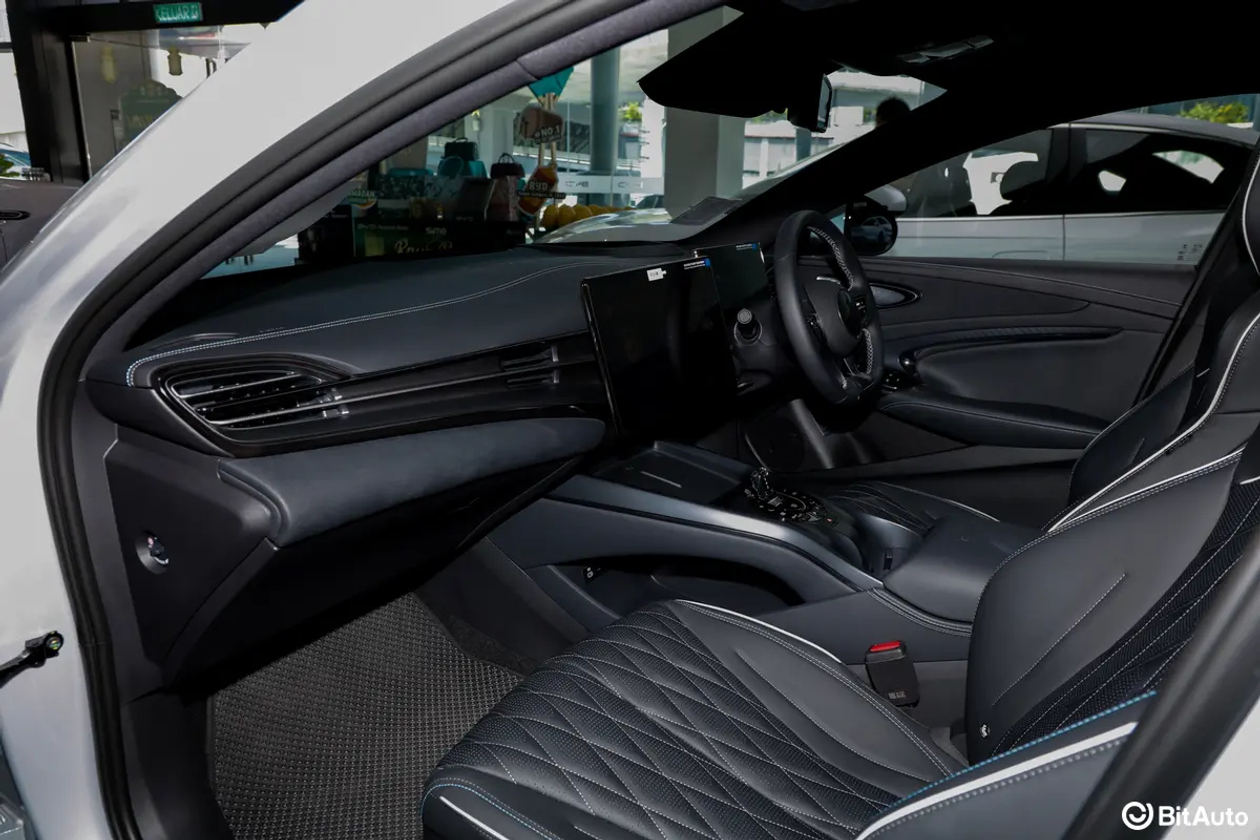
However, the Seal claws back points on comfort features. Its front seats come ventilated with memory function for the driver, and the panoramic glass roof features a physical electric sunshade.
The entry-level Model 3 only gets basic power-adjustable seats without ventilation, and its glass roof lacks a sunshade——a difference that becomes painfully obvious under the scorching Malaysian sun.
Road tax-wise, the difference between the two is negligible. The annual road tax for the Seal Premium is RM335, while the Model 3 Standard is RM280. An extra RM55 a year is barely worth mentioning.
The real differentiator, however, lies in their warranty packages.
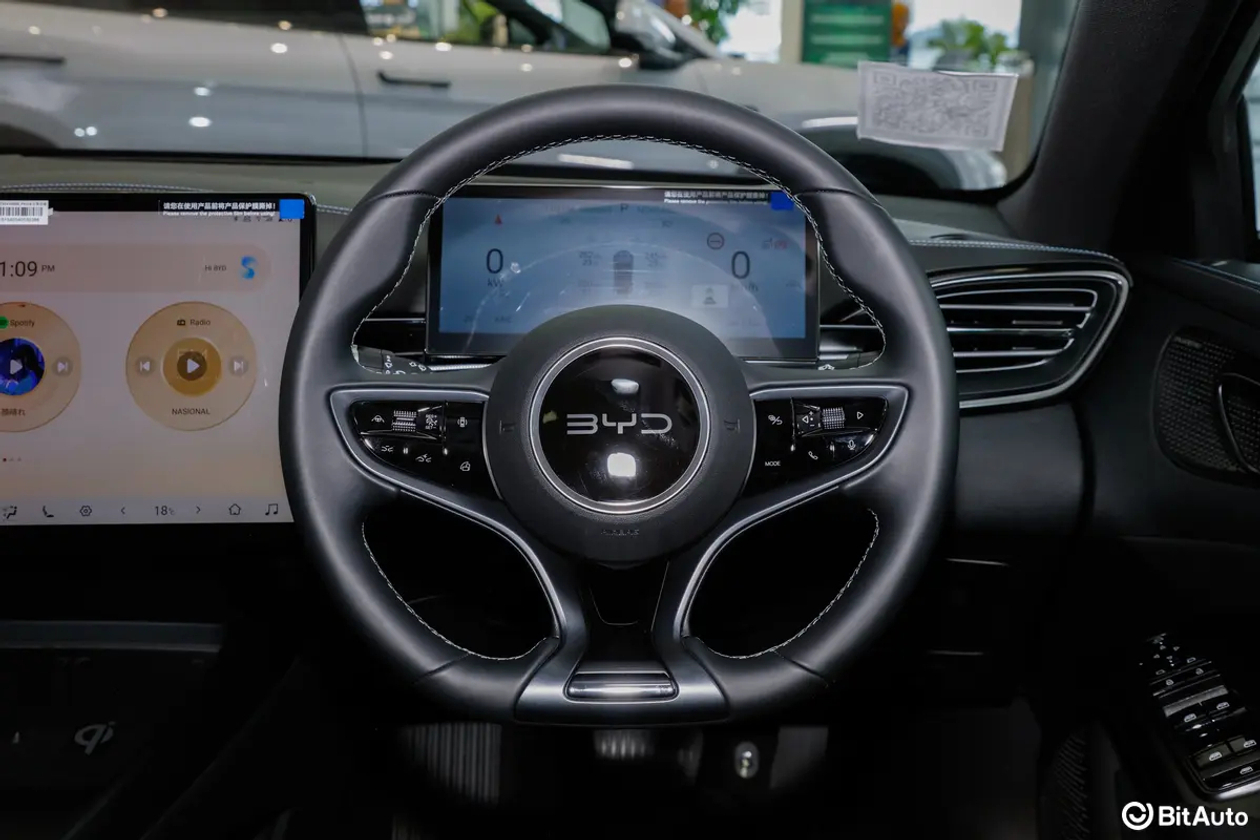
The BYD Seal comes with a 6-year or 150,000 km vehicle warranty. The Tesla Model 3 only offers 4 years or 80,000 km. That extra two years and 70,000 km of coverage offer significant peace of mind for buyers looking at long-term ownership.
Both manufacturers are fairly generous with their battery warranties, but BYD's Blade Battery (LFP technology) has an inherent edge in terms of safety and lifespan, a factor that is already starting to reflect in used EV residual values.
These two cars cater to completely different buying mindsets.
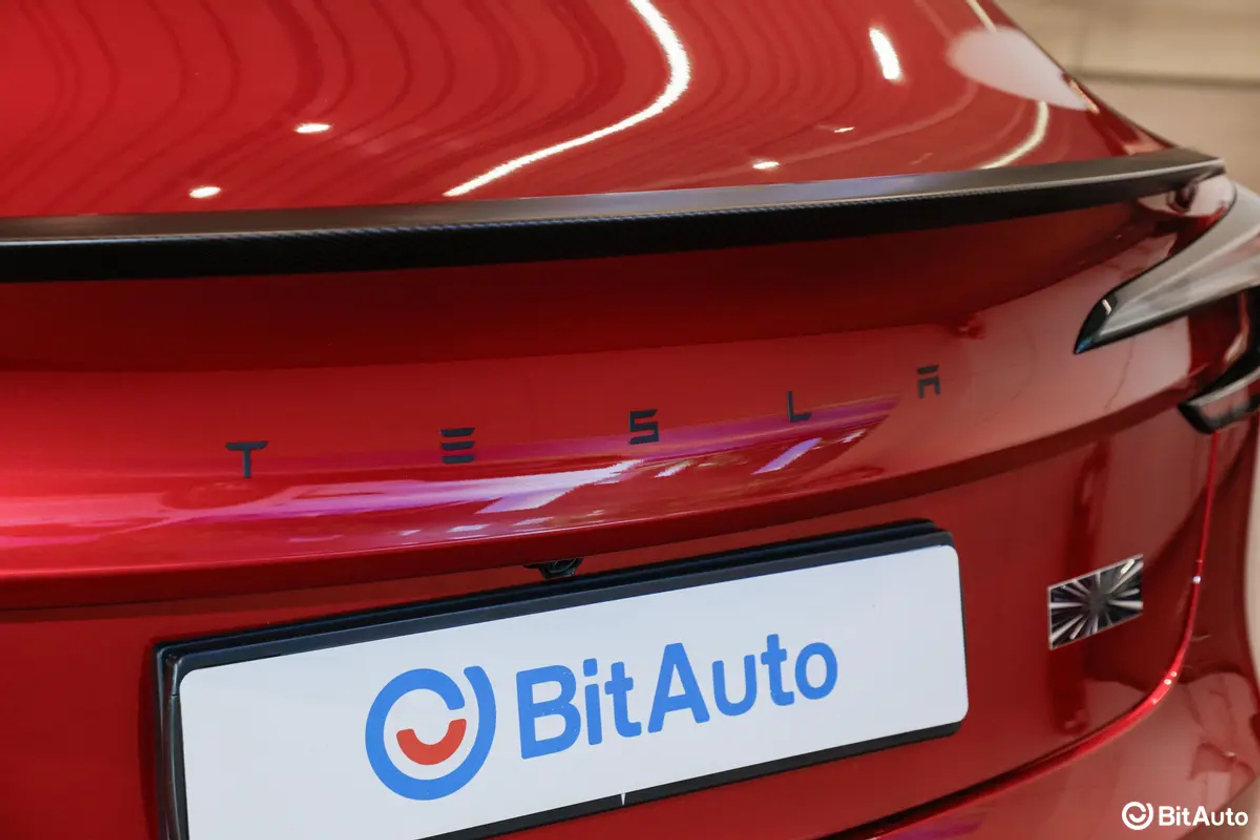
Go for the Tesla Model 3 if you want the most mature EV ecosystem in Malaysia today——the seamless Supercharger network, slick OTA software updates, a highly intuitive infotainment system, and global brand prestige.
You accept its relatively sparse equipment list, shorter warranty, and smaller battery in exchange for a lower entry price and hassle-free long-distance road trips.
At RM149,000, getting a car with a 594-litre boot, 11 kW AC charging, and 170 kW DC fast charging represents incredible value for money in the local market.
Opt for the BYD Seal if you want maximum bang for your buck on the spec sheet——a larger battery, more power, longer range, premium cabin features, and a longer warranty.
You pay the RM22,800 premium and accept the minor hassle of using third-party public chargers in exchange for a slightly faster 0-100 km/h sprint, the absolute bliss of ventilated seats in our hot weather, and the extra reassurance of a 570 km range.
The Seal's 82.56 kWh battery and 308 hp RWD setup are simply unmatched at this price point.
Both cars excel in their own right. The Model 3 appeals to pragmatic buyers who value efficiency and ecosystem, while the Seal caters to spec-sheet enthusiasts who want premium features and raw performance. There is no right or wrong answer here; it all boils down to your driving habits and lifestyle.
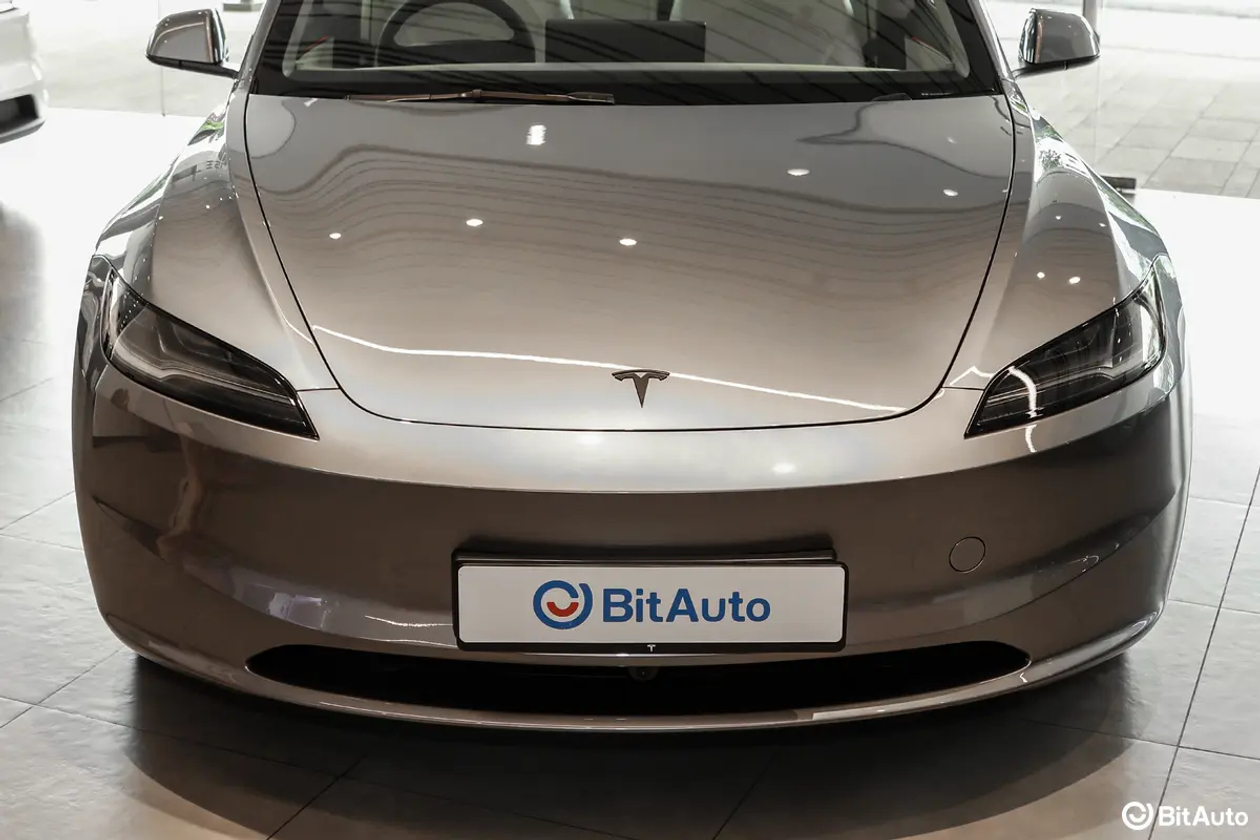
As a side note, if your budget stretches further, the Model 3 Premium Long Range RWD (RM187,000) comes with a 78.4 kWh battery, offering an astounding WLTP-rated range of 750 km, making it the longest-range Model 3 variant in Malaysia.
The Seal Performance (RM191,800) serves up a massive 530 hp and a 3.8-second 0-100 km/h time via its dual-motor AWD setup——hands down the cheapest way to get over 500 hp in the country today.
The top-spec battle between these two is a whole different story.


Your go-to source for all things automotive in Malaysia. 🚗 Latest reviews, breaking news, launches & industry trends.
+ Follow We saw this accident this morning, and here’s a reminder to everyone: please drive safe. 2 days ago
  The G50 BMW 3 series is now here, adopting much of the i3's design elements.
So, where's the BMW M3?
#bmw #BMW3Series 4 days ago
The G50 BMW 3 series is now here, adopting much of the i3's design elements.
So, where's the BMW M3?
#bmw #BMW3Series 4 days ago  DRIFT PARTY in Malaysia! Can the Xiaomi SU7, Yangwang U8 mix it up against JDM favourites in KL?
Our adventure with the Xiaomi SU7 and Yangwang U8 brings us to APDCrew circuit as we give witness a drift show. With pro drifters and fan-favourites - RX7s, S15s, Skylines, Supras, and more - in the mix, can our Xiaomi SU7 and Yangwang U8 hold their own?
It's also a quick look at Malaysian car culture, including some wildly modified minivans, and more!
#drift #malaysia #xiaomisu7 #yangwangu8 #larrychen #drifting #JDM跑車 4 days ago
DRIFT PARTY in Malaysia! Can the Xiaomi SU7, Yangwang U8 mix it up against JDM favourites in KL?
Our adventure with the Xiaomi SU7 and Yangwang U8 brings us to APDCrew circuit as we give witness a drift show. With pro drifters and fan-favourites - RX7s, S15s, Skylines, Supras, and more - in the mix, can our Xiaomi SU7 and Yangwang U8 hold their own?
It's also a quick look at Malaysian car culture, including some wildly modified minivans, and more!
#drift #malaysia #xiaomisu7 #yangwangu8 #larrychen #drifting #JDM跑車 4 days ago Get the latest car news first!
Your go-to source for all things automotive in Malaysia. 🚗 Latest reviews, breaking news, launches & industry trends.
We saw this accident this morning, and here’s a reminder to everyone: please drive safe. 2 days ago The G50 BMW 3 series is now here, adopting much of the i3's design elements.
So, where's the BMW M3?
#bmw #BMW3Series 4 days ago DRIFT PARTY in Malaysia! Can the Xiaomi SU7, Yangwang U8 mix it up against JDM favourites in KL?
Our adventure with the Xiaomi SU7 and Yangwang U8 brings us to APDCrew circuit as we give witness a drift show. With pro drifters and fan-favourites - RX7s, S15s, Skylines, Supras, and more - in the mix, can our Xiaomi SU7 and Yangwang U8 hold their own?
It's also a quick look at Malaysian car culture, including some wildly modified minivans, and more!
#drift #malaysia #xiaomisu7 #yangwangu8 #larrychen #drifting #JDM跑車 4 days ago  ProtonGWMVolkswagenJAECOOVolvoPeroduaToyotaHondaTESLAMitsubishiMazdaJetourCheryBYDLexusBMWMercedes-BenziCAURZeekrIsuzuNissanLeapmotorPorscheFordOMODAMINIMGSuzukiXPengHyundaiWulingKiaSubaruDenzaGACLand RoverDongfengCAMAudiPeugeotFotonMAXUSsmartDaihatsuJACJMCMaseratiLotusAlfa RomeoRenaultGolden DragonKaiceneSeresLamborghiniFerrariJeepRolls-RoyceLepasAston MartinMcLarenChevroletBentleyFiatBAICForthingGeelyRoeweAeolusChanganARCFOXDeepalExeedHongqiVoyahJaguarKGMBuforiAcuraCadillacDodgeAbarthINEOSMHEROJMEVFreelander
© 2024 Bitauto.com. All Rights Reserved.
Bitauto (www.yiche.com and www.bitauto.com) is one of the most visited automotive websites in China. We provide detailed info on Chinese car brands available in your area. Please note that the information provided on this website is based on publicly available data and is for reference only. It may not be fully updated or accurate at all times.
Help us improve our website


