Penang, July 2026. The crew of the upcoming Netflix film The Big Fix was busy filming. Seeking a more local touch, they rented a Perodua Kelisa as a prop car from Raymond Koe, a local used car dealer.
After filming his scenes inside the compact car, Hollywood superstar Mark Wahlberg, on a whim, autographed the passenger-side sun visor.
It happened just days before Koe's 51st birthday. He later recalled, "It’s the best birthday present ever. Mark Wahlberg sat in my Kelisa and signed it. I never expected this to happen."
A long-discontinued budget car had suddenly found itself under the international spotlight, all thanks to a single signature.
Yet, the Kelisa's legendary status has never been about Hollywood star power.
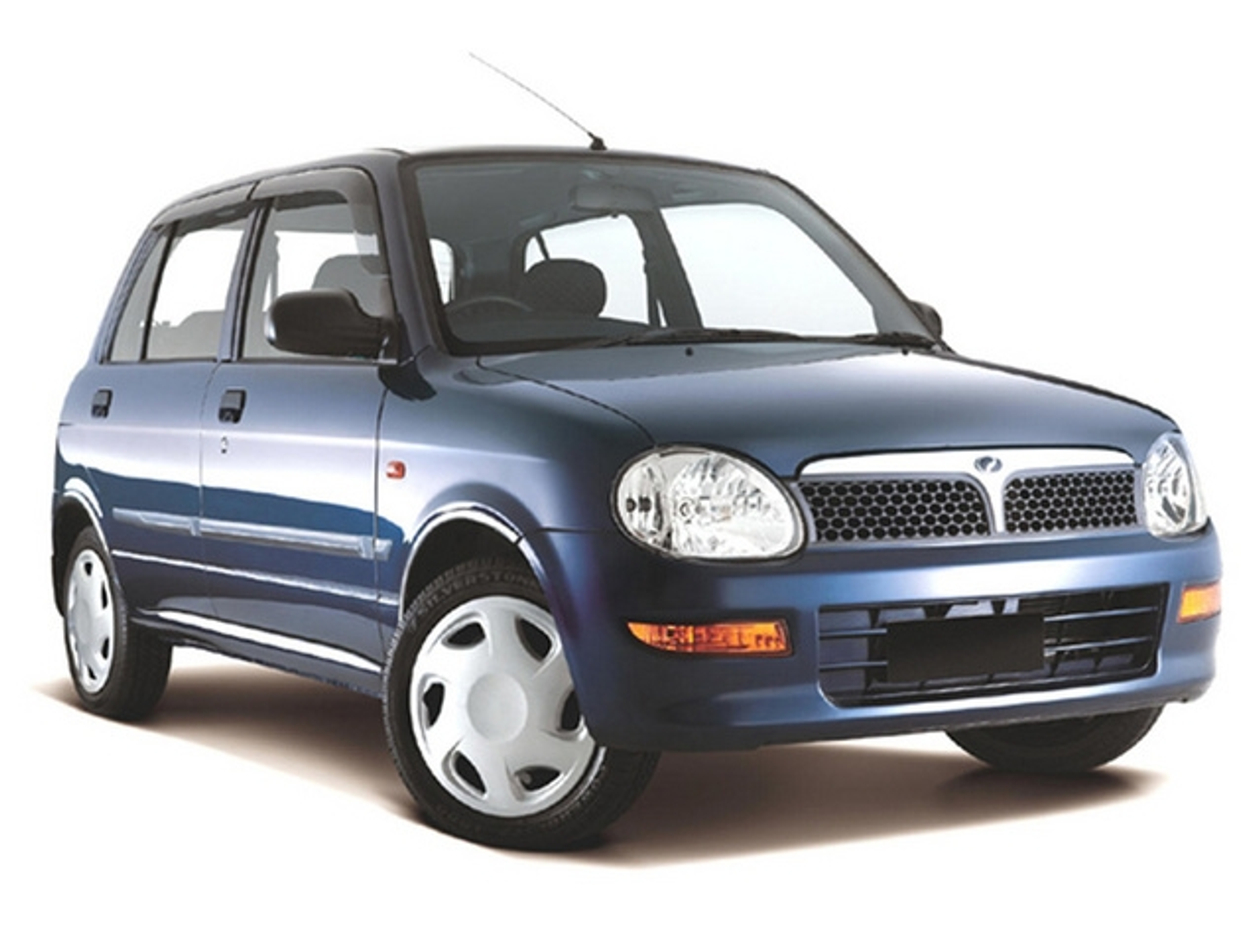
The Kelisa gets its name from the Golden Arowana in Chinese. In 2001, as Malaysia was recovering from the aftermath of the 1997 Asian Financial Crisis, the market desperately needed an affordable, fuel-efficient, and reliable city runabout. Perodua responded by launching the Kelisa.
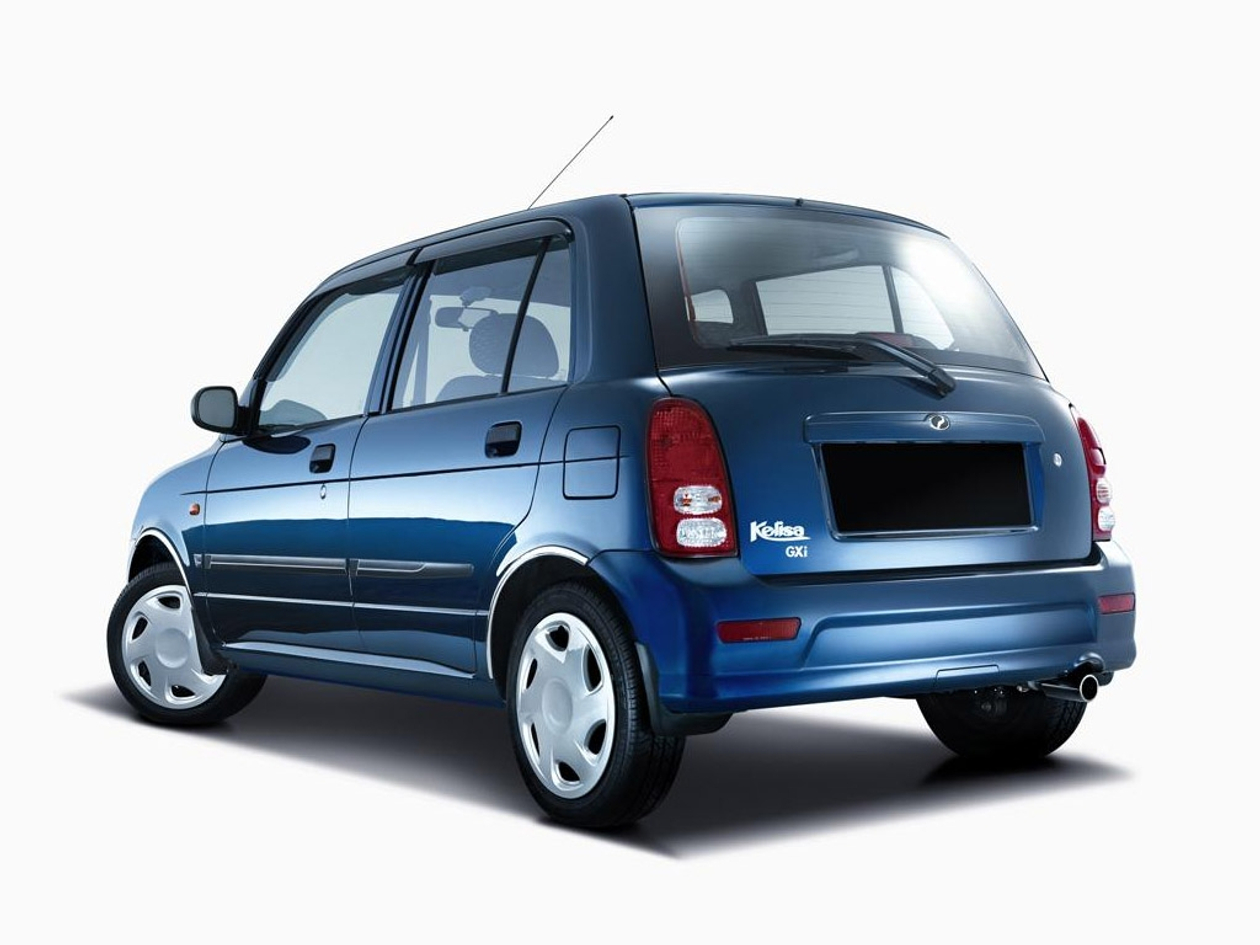
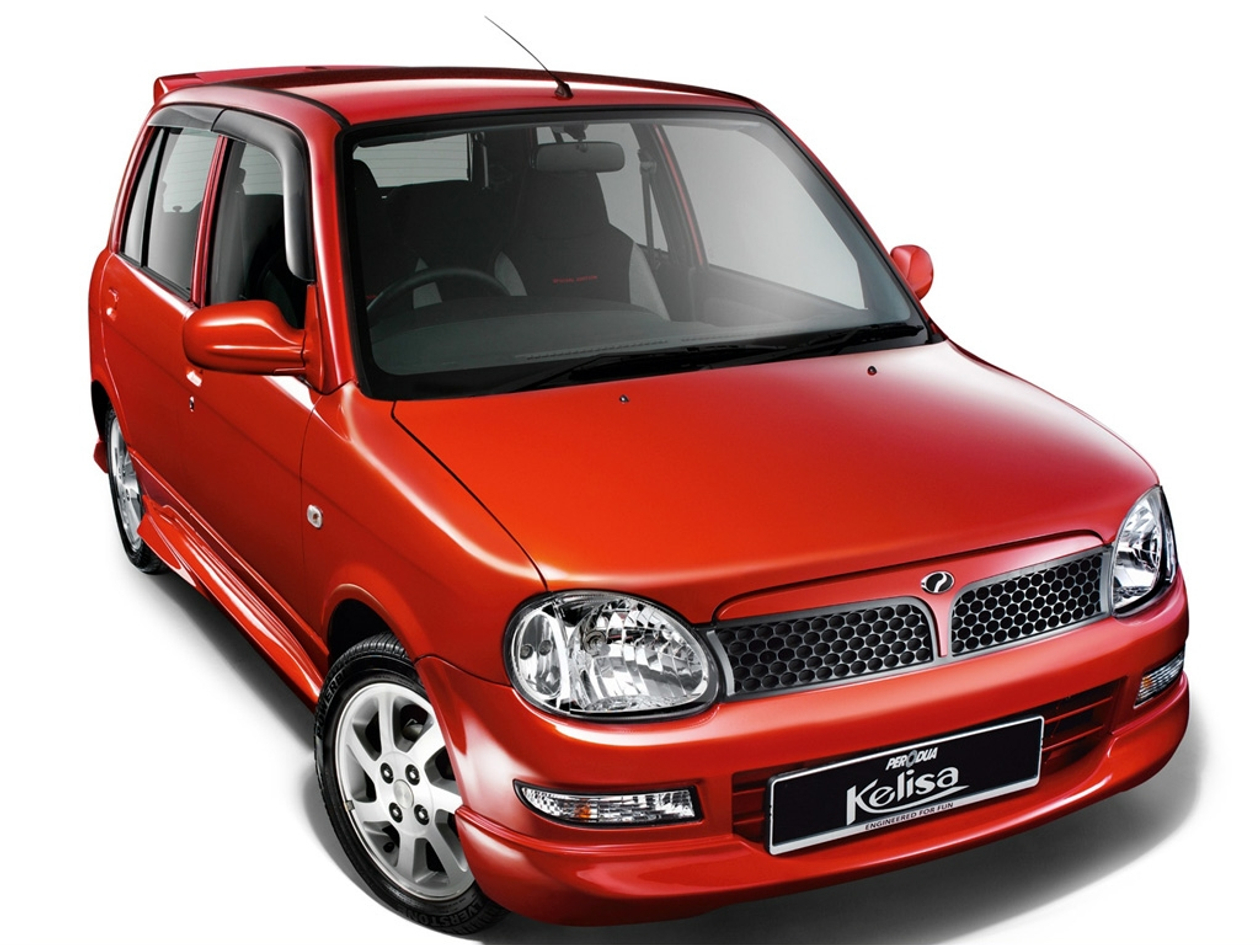
Positioned slightly above the Kancil, it offered more power and space. Based on the fifth-generation Daihatsu Mira L700, it measured just 3,490 mm in length, 1,490 mm in width, and 1,420 mm in height, with a wheelbase of 2,345 mm. Weighing a mere 760 kg, this five-door hatchback virtually had no rivals in the Malaysian market back then.
The Kelisa was primarily powered by a 1.0-litre three-cylinder engine, alongside a lesser-known, rarer 850 cc variant. Buyers could choose between a 5-speed manual or a 4-speed automatic transmission. Making only around 53 to 54 hp, these figures seem minuscule today, but back then, its featherweight body and outstanding fuel economy made it the ultimate city commuter.
Just how fuel-efficient was it? Owners have shared that even in bumper-to-bumper city traffic, a manual Kelisa could easily cover over 380 km on a full tank. Back then, filling up the tank cost a mere RM50. For Malaysian households recovering from the financial crisis, such low running costs provided genuine financial relief.
Upon its launch, the Kelisa quickly won the hearts of Malaysians, earning the title of "Malaysia's People's Car". Before the Myvi took over the crown, the Kelisa was Perodua’s most important model.
The Kelisa's appeal extended far beyond Malaysian shores.
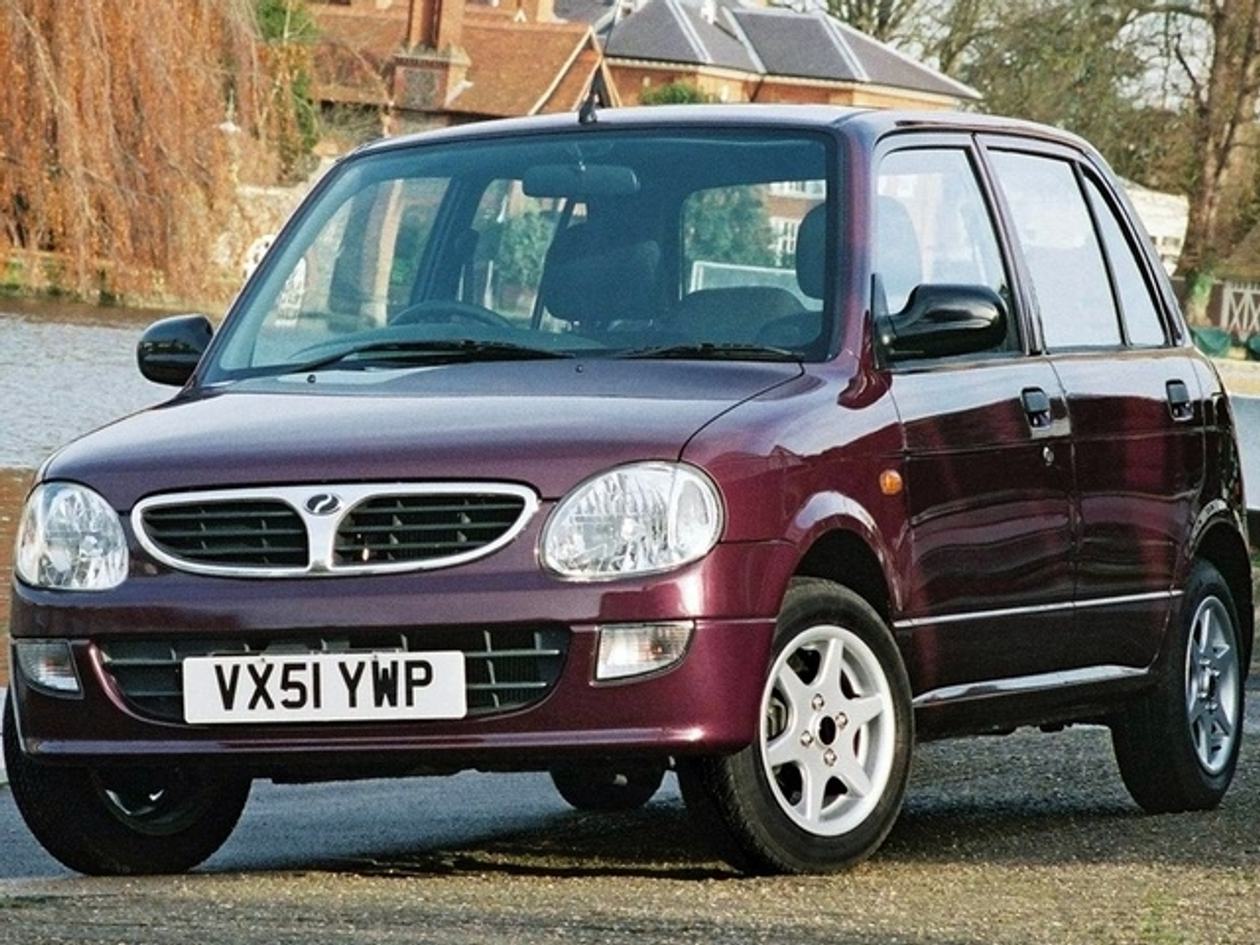
Perodua had actually been exporting to the UK since 1997. The Kancil was the debut model, badged as the Nippa. In 2002, the Kelisa arrived in the UK to replace the Nippa.
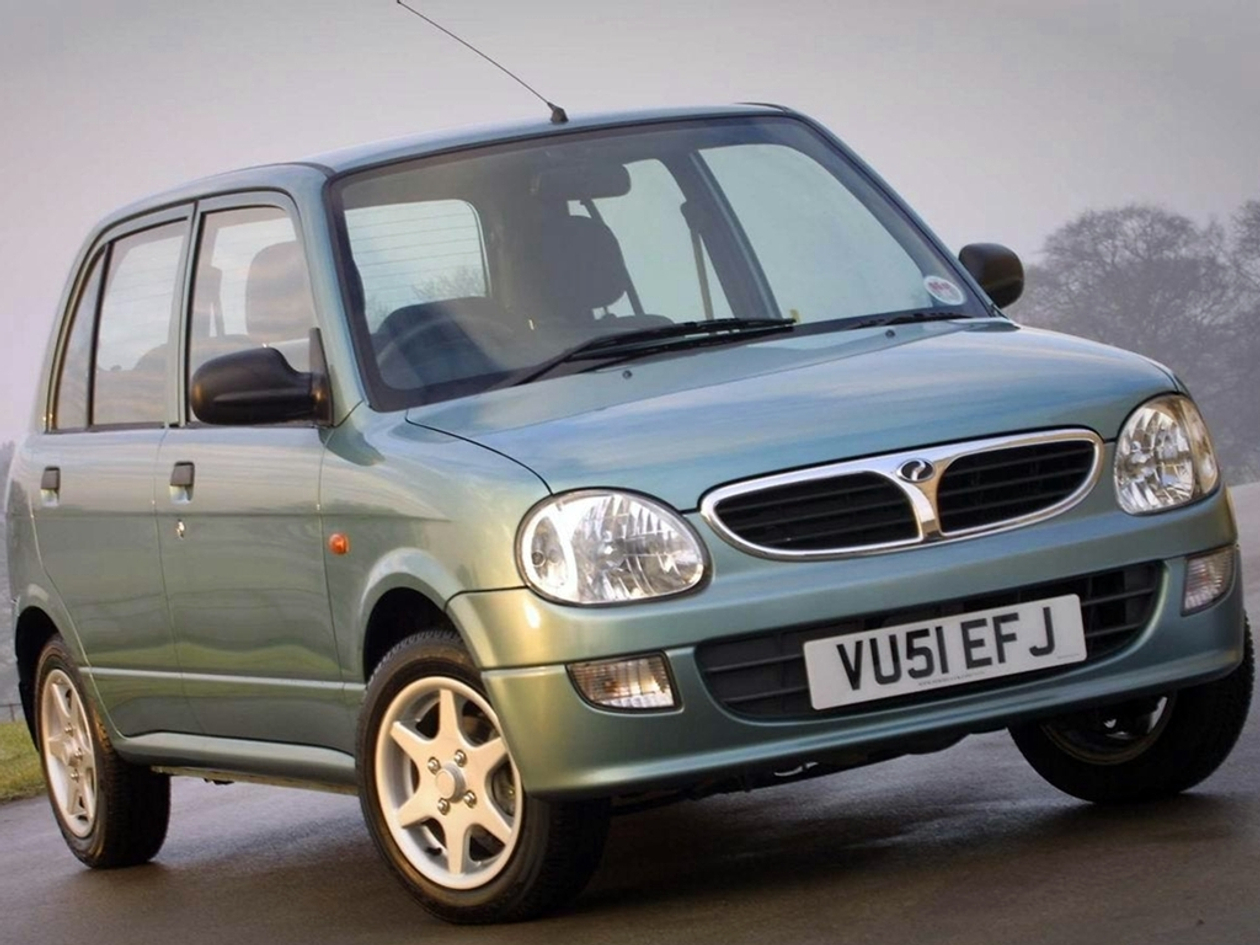
In the UK, the Kelisa was priced under £5,000, making it one of the cheapest brand-new cars on the market. Powered by the same 1.0-litre engine pushing out 53 to 54 hp, it did the 0-97 km/h sprint in 14.8 seconds.
While that sounds painfully slow today, British buyers didn't mind. They prized its frugality, agility, and ease of parking on tight, congested UK streets, which the Kelisa navigated effortlessly.
For a Malaysian national car to establish a foothold in a developed nation thousands of miles away was a testament to the Kelisa's sheer capability.
The Kelisa also holds another identity: a darling of the local modification scene.
Sharing pure Daihatsu DNA, its modification potential is immense. The most popular route is swapping in the 1.3-litre turbocharged engine from the Daihatsu YRV. With this engine swap, the once-humble 53 hp hatchback instantly transforms into a "wolf in sheep's clothing".
Cosmetic modifications are equally diverse, with many owners converting their Kelisas to look like the Daihatsu Mira Gino. With a retro chrome grille and round headlights, the basic hatchback is transformed into a charming classic-looker.
Other owners focus on achieving a go-kart-like handling experience. With its lightweight body, cable throttle, and hydraulic power steering, the Kelisa delivers raw, unadulterated driving fun.
As some motoring journalists have put it, the Kelisa is arguably one of the most fun cars money can buy.
In 2007, the Kelisa officially ended production, with total sales reaching around 3 million units globally.
However, discontinuation did not make this compact car disappear from Malaysian roads. Even today, the Kelisa remains a common sight. Its used car value has remained remarkably resilient, averaging around RM13,000, with pristine units fetching up to RM19,000. For a 20-year-old budget car to command such prices is nothing short of a miracle in the local automotive scene.
Why does it hold its value so well? The formula is simple: reliability, fuel efficiency, and fun. The Kelisa's simple mechanical structure and robust components mean it is highly dependable if properly maintained.
Combined with its immense customisation potential, this little hatchback has never struggled to find buyers in the used car market.
Some have even driven the Kelisa across the globe. The media once reported on Nursulhi Rahim, who embarked on a road trip around the world with his 17-year-old son in a 2004 Kelisa nicknamed "Wheely".
A tiny 760 kg car carrying a father and son across continents — only a Kelisa could pull off an adventure like that.
Mark Wahlberg's signature overnight turned this particular Kelisa into a star car. Social media was abuzz with jokes that the car's value had skyrocketed, while others quipped that since Wahlberg starred in Transformers, this Kelisa might actually transform.
But the Kelisa's true value never needed a Hollywood autograph to be validated. It was the first car for countless Malaysian families, the daily ride that fresh graduates saved up months to buy, the weekend project car for enthusiasts to tinker with in their garage, and a robust runabout that remains a common sight on our roads over a decade after production ceased.
Raymond Koe has stated that he has no intention of selling the autographed Kelisa, choosing to keep it as a permanent keepsake.
Ultimately, a car’s true home is on the road, not locked away in a dusty garage. Much like "Wheely" on its global voyage, the story of the Kelisa is far from over.


Your go-to source for all things automotive in Malaysia. 🚗 Latest reviews, breaking news, launches & industry trends.
+ Follow We saw this accident this morning, and here’s a reminder to everyone: please drive safe. 2 days ago
  The G50 BMW 3 series is now here, adopting much of the i3's design elements.
So, where's the BMW M3?
#bmw #BMW3Series 4 days ago
The G50 BMW 3 series is now here, adopting much of the i3's design elements.
So, where's the BMW M3?
#bmw #BMW3Series 4 days ago  DRIFT PARTY in Malaysia! Can the Xiaomi SU7, Yangwang U8 mix it up against JDM favourites in KL?
Our adventure with the Xiaomi SU7 and Yangwang U8 brings us to APDCrew circuit as we give witness a drift show. With pro drifters and fan-favourites - RX7s, S15s, Skylines, Supras, and more - in the mix, can our Xiaomi SU7 and Yangwang U8 hold their own?
It's also a quick look at Malaysian car culture, including some wildly modified minivans, and more!
#drift #malaysia #xiaomisu7 #yangwangu8 #larrychen #drifting #JDM跑車 4 days ago
DRIFT PARTY in Malaysia! Can the Xiaomi SU7, Yangwang U8 mix it up against JDM favourites in KL?
Our adventure with the Xiaomi SU7 and Yangwang U8 brings us to APDCrew circuit as we give witness a drift show. With pro drifters and fan-favourites - RX7s, S15s, Skylines, Supras, and more - in the mix, can our Xiaomi SU7 and Yangwang U8 hold their own?
It's also a quick look at Malaysian car culture, including some wildly modified minivans, and more!
#drift #malaysia #xiaomisu7 #yangwangu8 #larrychen #drifting #JDM跑車 4 days ago Get the latest car news first!
Your go-to source for all things automotive in Malaysia. 🚗 Latest reviews, breaking news, launches & industry trends.
We saw this accident this morning, and here’s a reminder to everyone: please drive safe. 2 days ago The G50 BMW 3 series is now here, adopting much of the i3's design elements.
So, where's the BMW M3?
#bmw #BMW3Series 4 days ago DRIFT PARTY in Malaysia! Can the Xiaomi SU7, Yangwang U8 mix it up against JDM favourites in KL?
Our adventure with the Xiaomi SU7 and Yangwang U8 brings us to APDCrew circuit as we give witness a drift show. With pro drifters and fan-favourites - RX7s, S15s, Skylines, Supras, and more - in the mix, can our Xiaomi SU7 and Yangwang U8 hold their own?
It's also a quick look at Malaysian car culture, including some wildly modified minivans, and more!
#drift #malaysia #xiaomisu7 #yangwangu8 #larrychen #drifting #JDM跑車 4 days ago  ProtonGWMVolkswagenJAECOOVolvoPeroduaToyotaHondaTESLAMitsubishiMazdaJetourCheryBYDLexusBMWMercedes-BenziCAURZeekrIsuzuNissanLeapmotorPorscheFordOMODAMINIMGSuzukiXPengHyundaiWulingKiaSubaruDenzaGACLand RoverDongfengCAMAudiPeugeotFotonMAXUSsmartDaihatsuJACJMCMaseratiLotusAlfa RomeoRenaultGolden DragonKaiceneSeresLamborghiniFerrariJeepRolls-RoyceLepasAston MartinMcLarenChevroletBentleyFiatBAICForthingGeelyRoeweAeolusChanganARCFOXDeepalExeedHongqiVoyahJaguarKGMBuforiAcuraCadillacDodgeAbarthINEOSMHEROJMEVFreelander
© 2024 Bitauto.com. All Rights Reserved.
Bitauto (www.yiche.com and www.bitauto.com) is one of the most visited automotive websites in China. We provide detailed info on Chinese car brands available in your area. Please note that the information provided on this website is based on publicly available data and is for reference only. It may not be fully updated or accurate at all times.
Help us improve our website


