The Honda CR-V, the definitive benchmark in Honda's family SUV stable, starts from RM178,200 in Malaysia and tops out at RM195,900.
Meanwhile, the Harrier is offered locally in a solitary variant: the 2.5 HEV, tagged at RM289,000. That puts the Harrier at RM93,100 dearer than the range-topping CR-V, which is also an HEV. That price difference alone is enough to put another brand-new car in your porch.
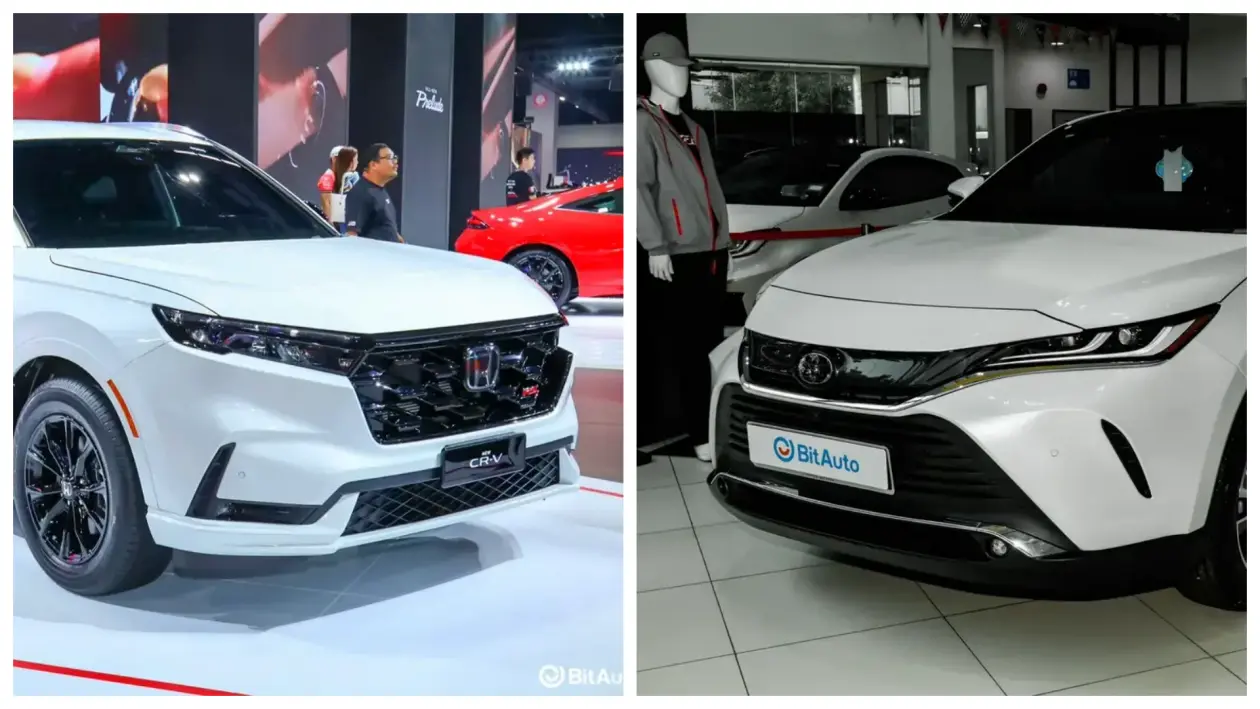
Given that the Harrier sits above the CR-V in market positioning, its steeper asking price is understandable. Still, the burning question remains: just how wide is the actual gap in product merit between the two? And is parting with such a hefty sum of money truly justified?
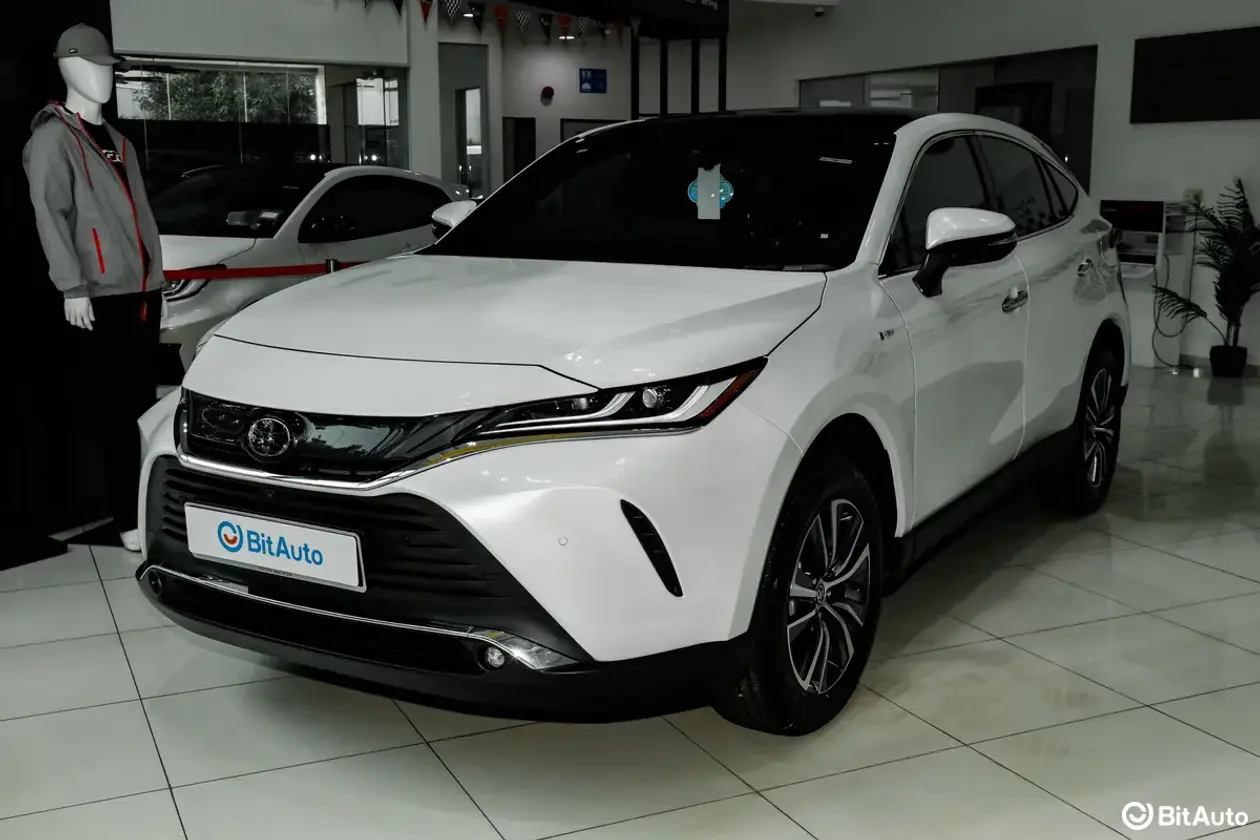
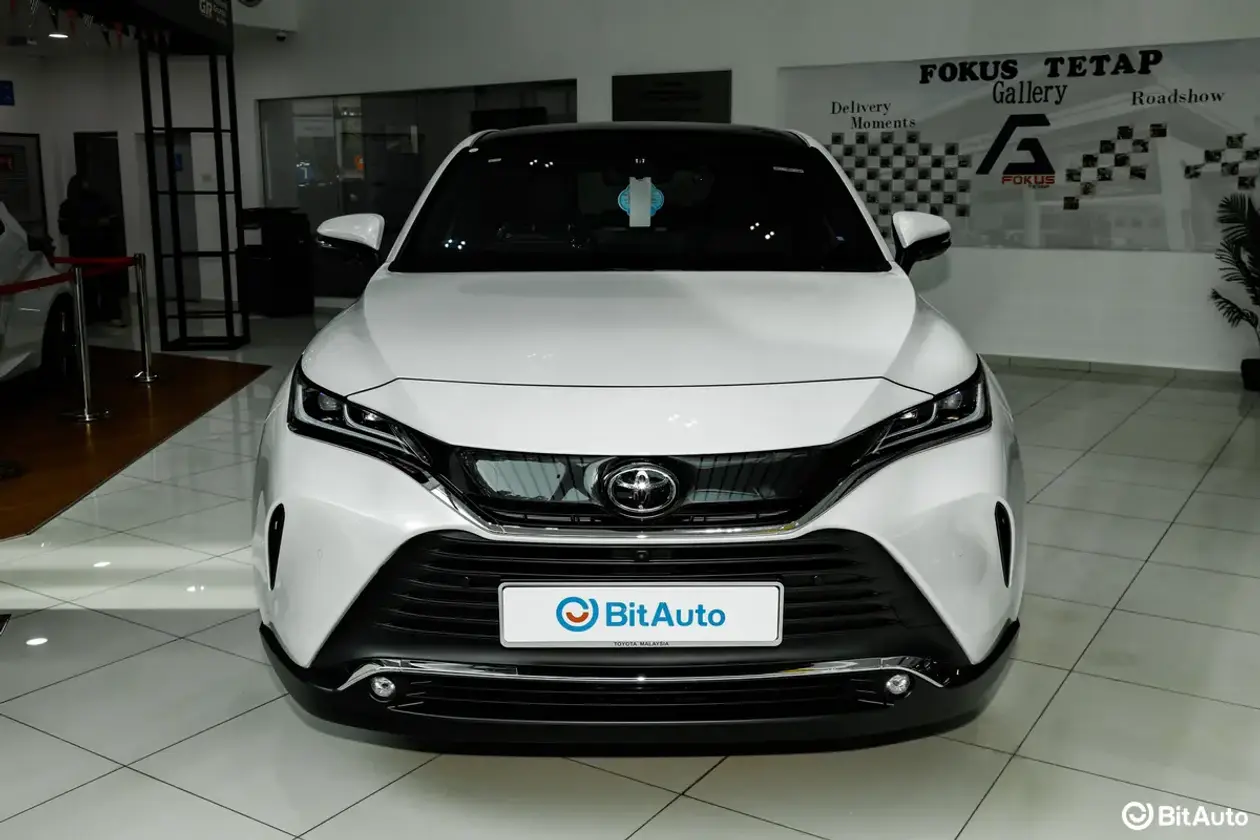
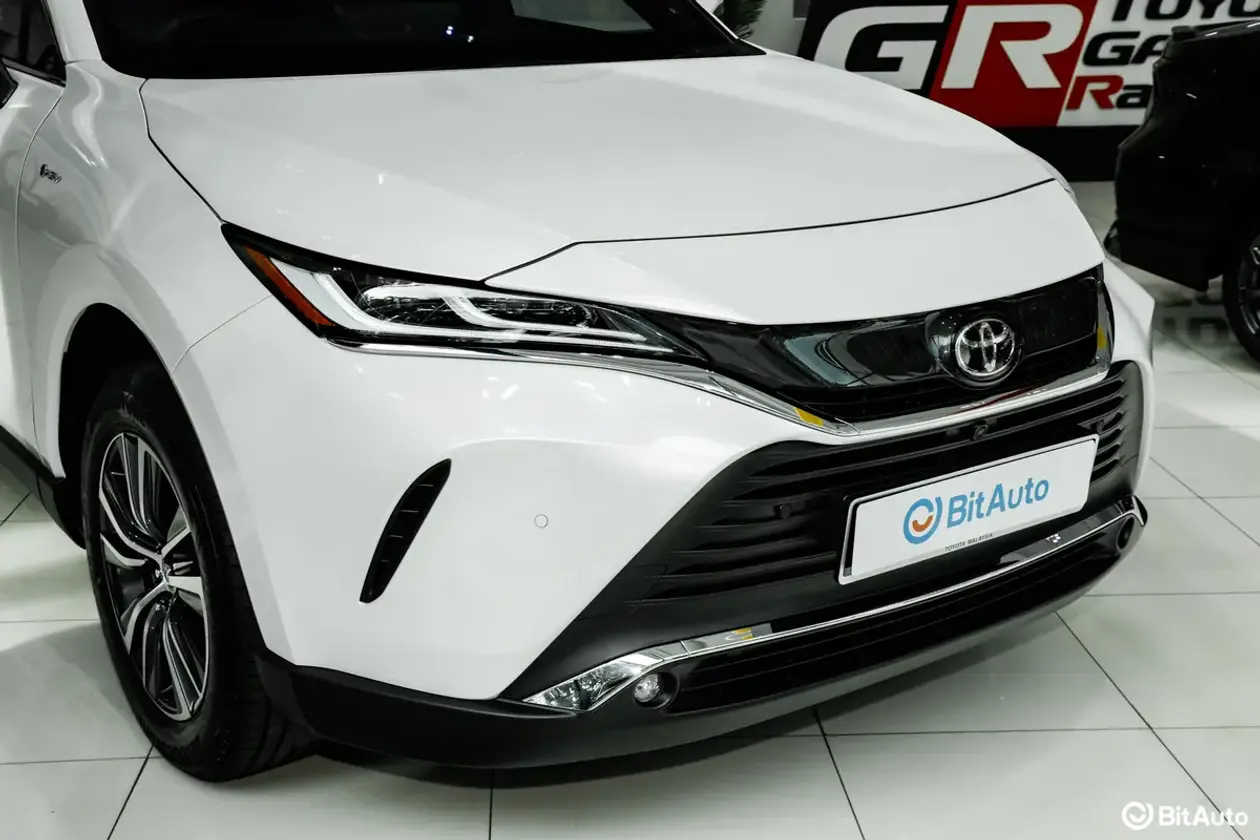
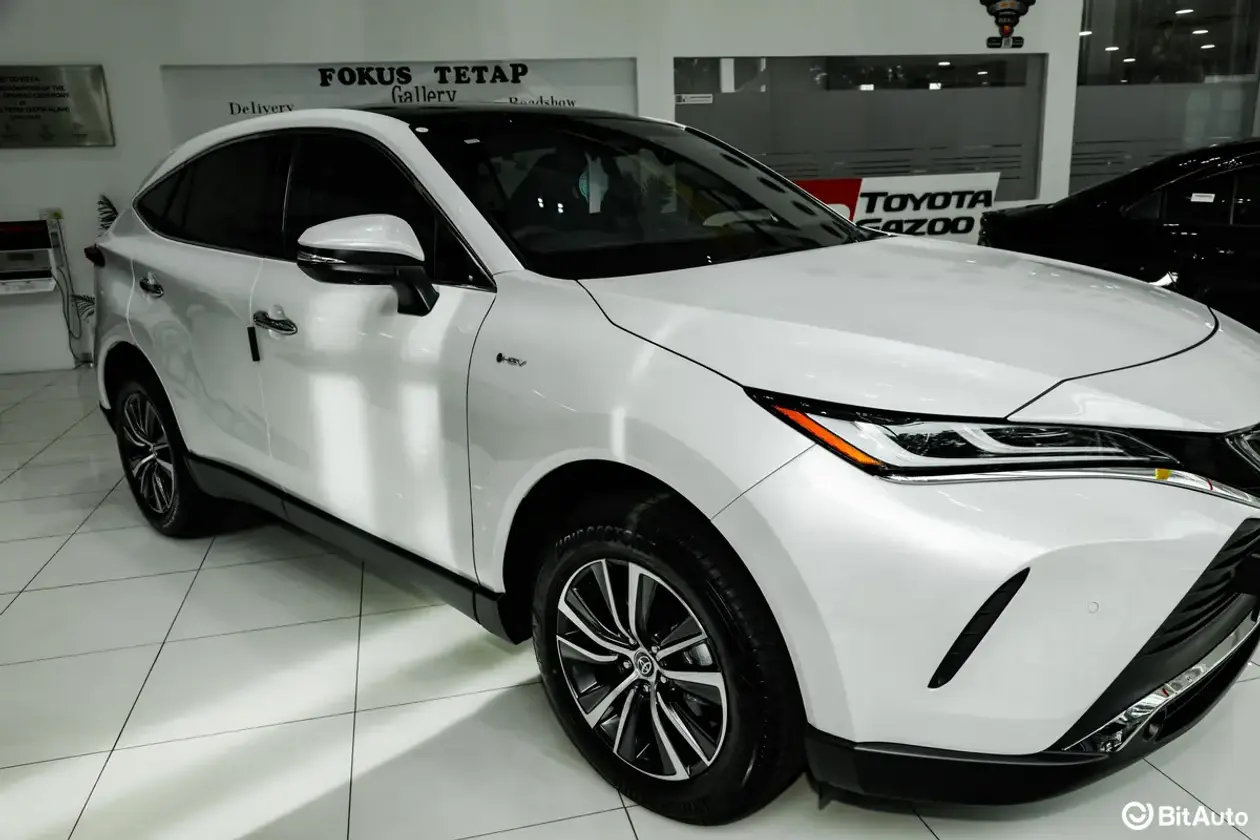
This is arguably where the Harrier makes its strongest case for being so much pricier. Measuring 4,740 mm long, 1,855 mm wide, and 1,660 mm tall with a 2,690 mm wheelbase, its defining design trait is the sleek, coupe-like crossover silhouette.
Matched with paintwork quality and panel gap consistency on par with continental luxury marques, it is little wonder some dub the Harrier a Lexus with a Toyota badge. In terms of exterior presence and perceived quality, the Harrier genuinely delivers a bona fide luxury vibe.
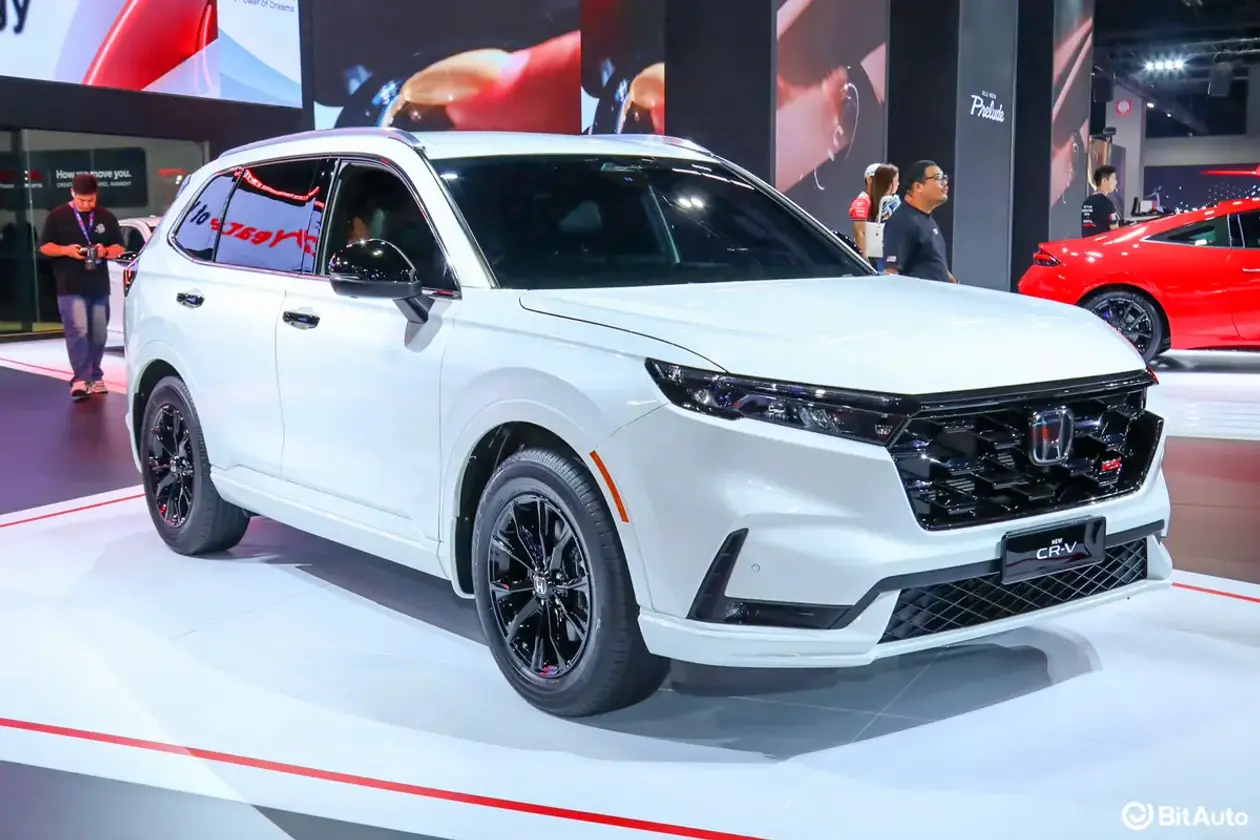
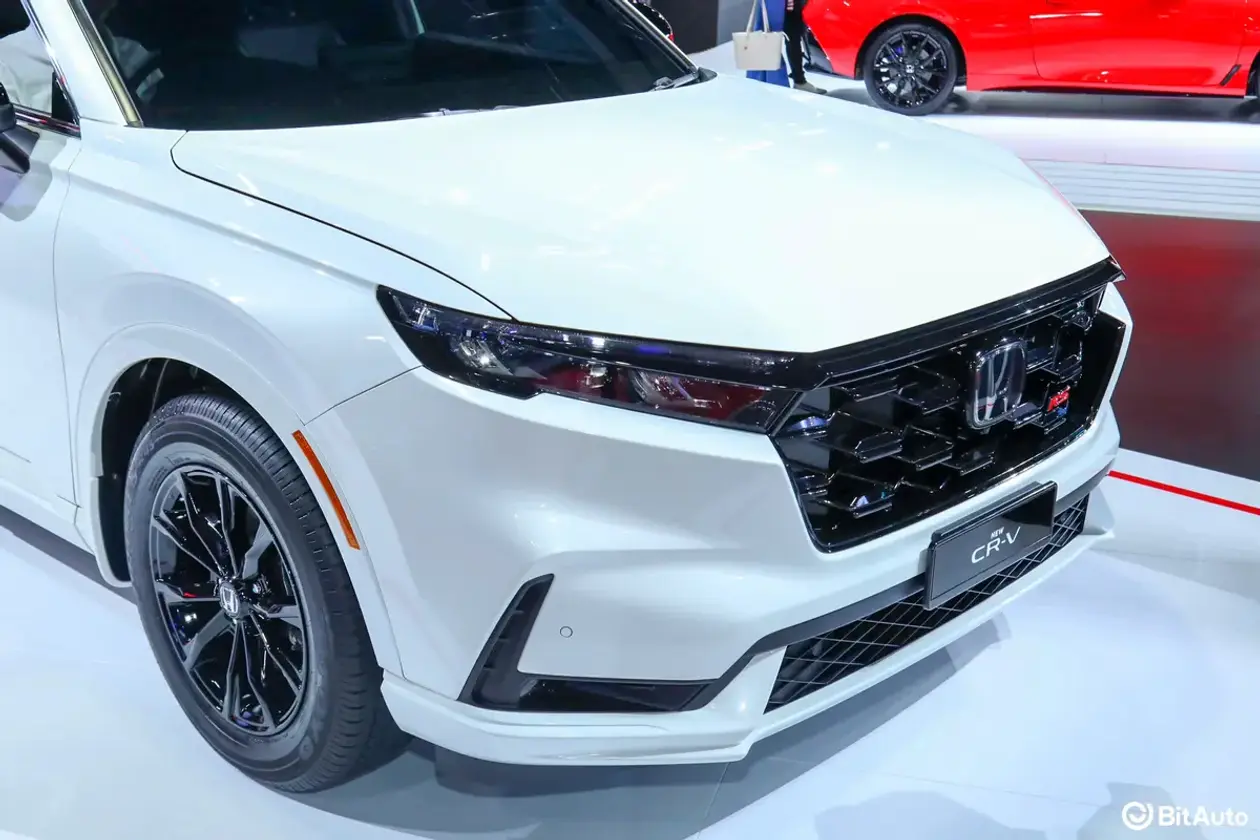
The CR-V's styling hardly needs any introduction. Proportionally, it is slightly more compact than the Harrier at 4,691 mm long, 1,866 mm wide, and 1,681 mm tall, riding on a 2,701 mm wheelbase.
Interestingly, the CR-V's wheelbase is actually slightly longer than the Harrier's. Its safe, understated aesthetic might not turn heads or scream ultra-luxurious, but it is an inoffensive, universally accepted look.
On the styling front, this round comfortably goes to the Harrier.
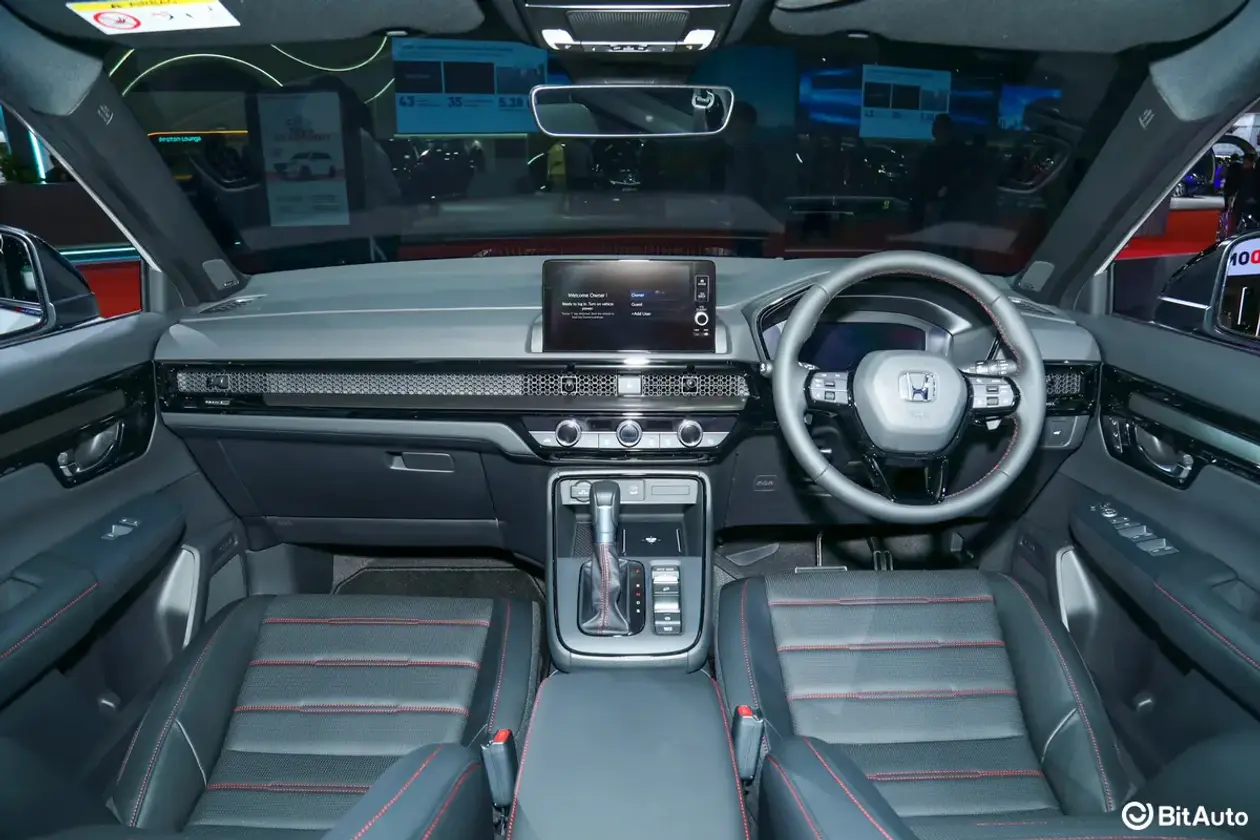
Starting with the more affordable CR-V, you get a 9-inch infotainment touchscreen, a 7-inch TFT digital instrument cluster, wireless Apple CarPlay and Android Auto, Google built-in services, dual-zone automatic climate control, an 8-speaker sound system, Digital Key functionality, and Honda CONNECT telematics.
The range-topping RS variant evaluated here adds dark brushed ornamentation and RS-embossed upholstery. However, even on this flagship trim, front seat ventilation, a head-up display (HUD), and memory seats are absent.
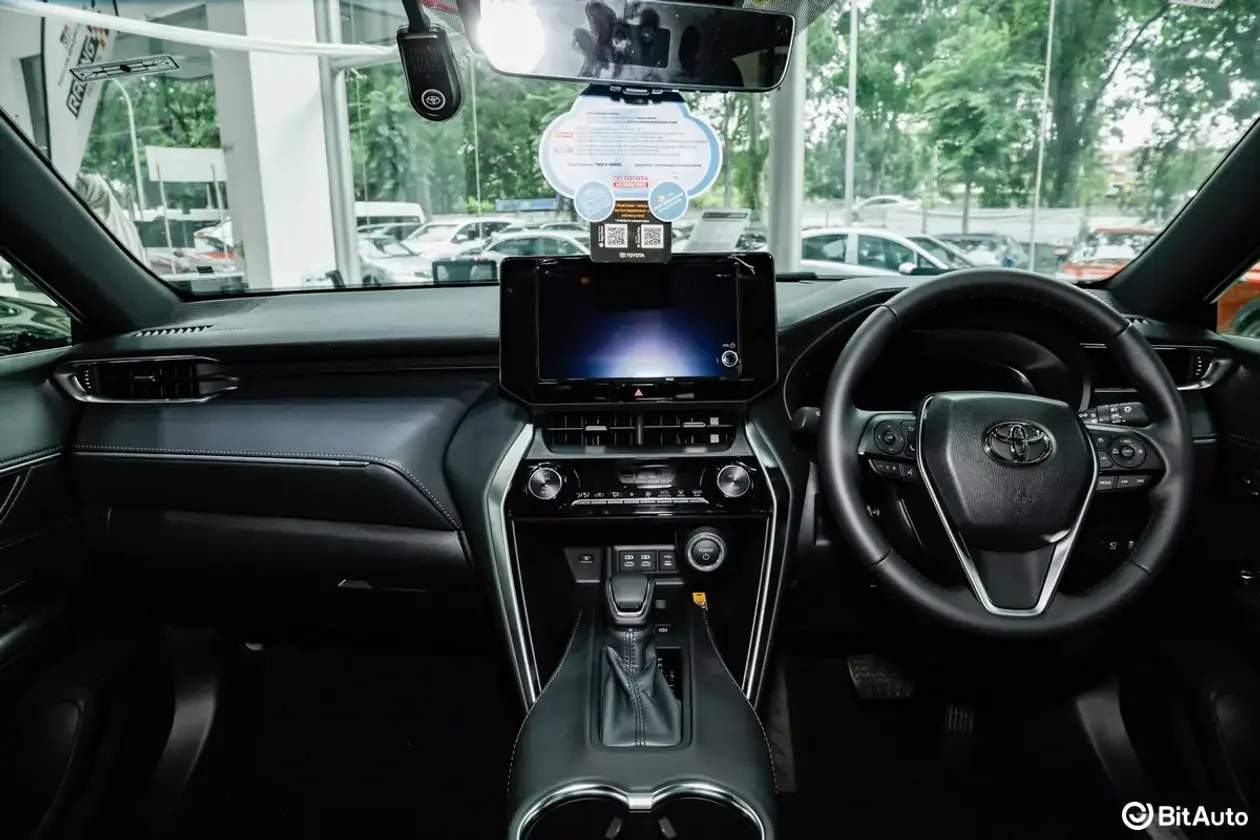
Against the CR-V, the Harrier's equipment list is practically a whitewash.
While its central display measures only 8 inches—losing out to the CR-V's 9-inch unit—the rest of its cabin tech outclasses the Honda: a 12.3-inch digital instrument cluster and a 10.5-inch Head-Up Display (HUD) come standard, along with wireless Apple CarPlay and wired Android Auto.
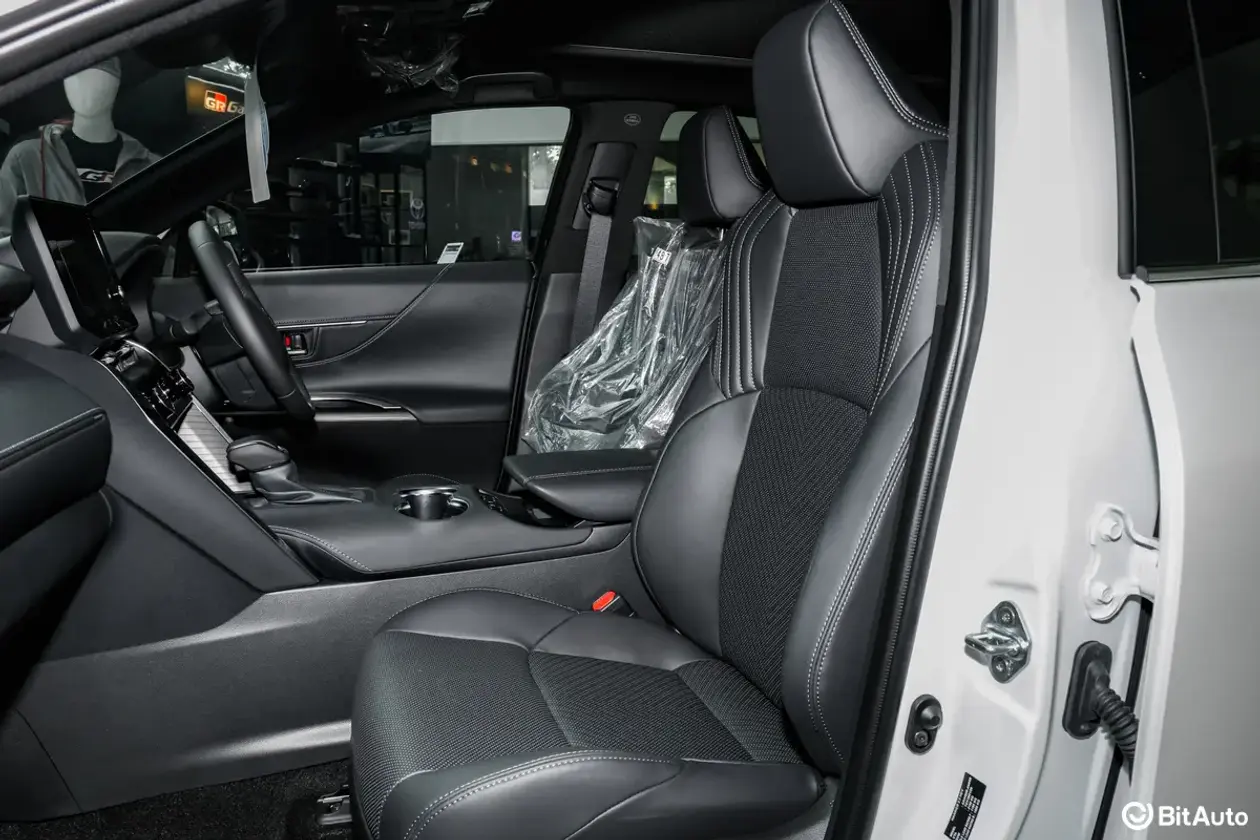
And the spec sheet does not stop there. The Harrier further packs black genuine leather seats, a 12-way power-adjustable driver's seat with memory, a 4-way power front passenger seat, front seat ventilation and heating, dual-zone automatic climate control, Qi wireless charging, five USB-C ports, and a fixed panoramic glass roof with an electric sunblind—all fitted as standard.
Without question, the Harrier commands an overwhelming victory on the equipment front.
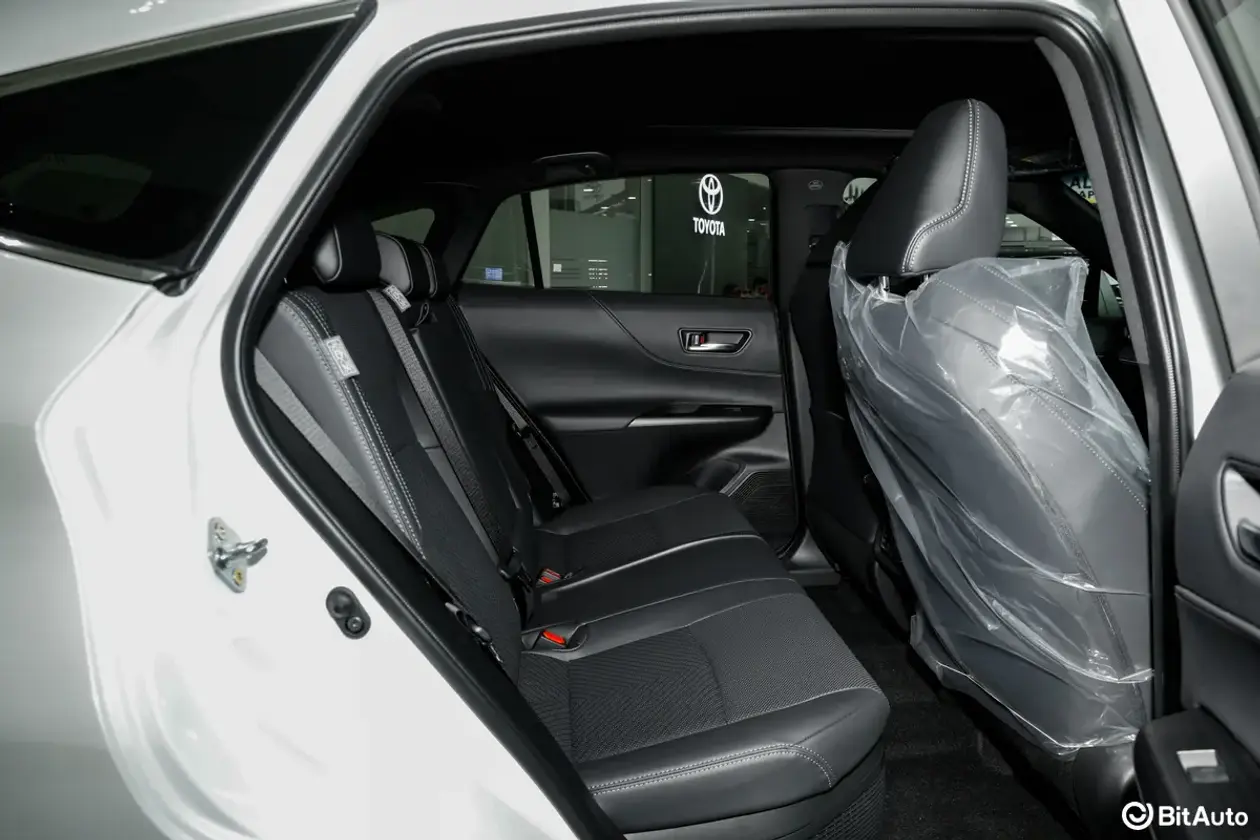
When assessing interior room, wheelbase is the telling metric: 2,690 mm for the Harrier versus 2,701 mm for the CR-V.
While the gap is modest, every millimetre counts, handing the CR-V a structural head start in cabin packaging. More importantly, both carmakers take entirely contrasting approaches to cabin space utilisation.
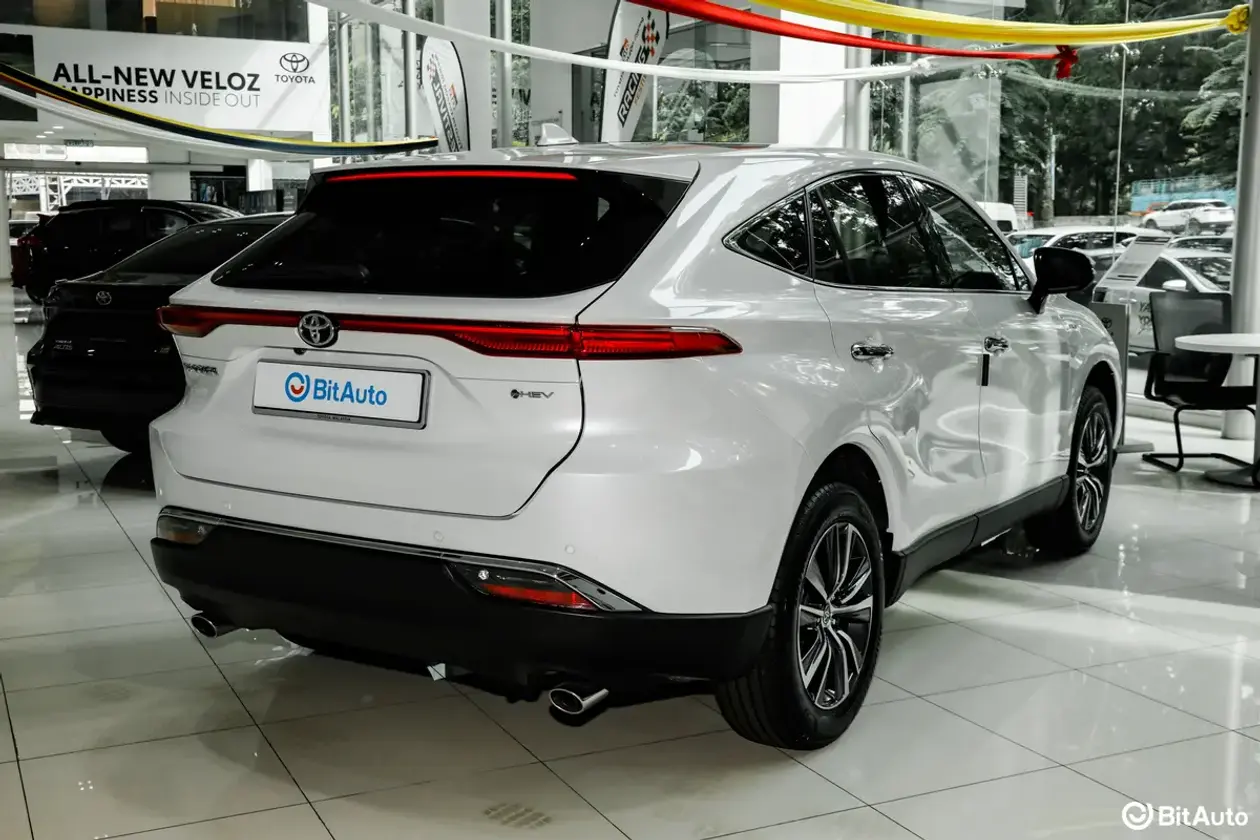
With its swept-back, rakish roofline, the Harrier was never conceived to offer massive cargo room. Its boot capacity stands at a modest 396 litres—fairly average among rivals at this price point—while rear passenger room is merely par for the course.
However, Honda’s packaging wizardry and space maximisation are globally celebrated.
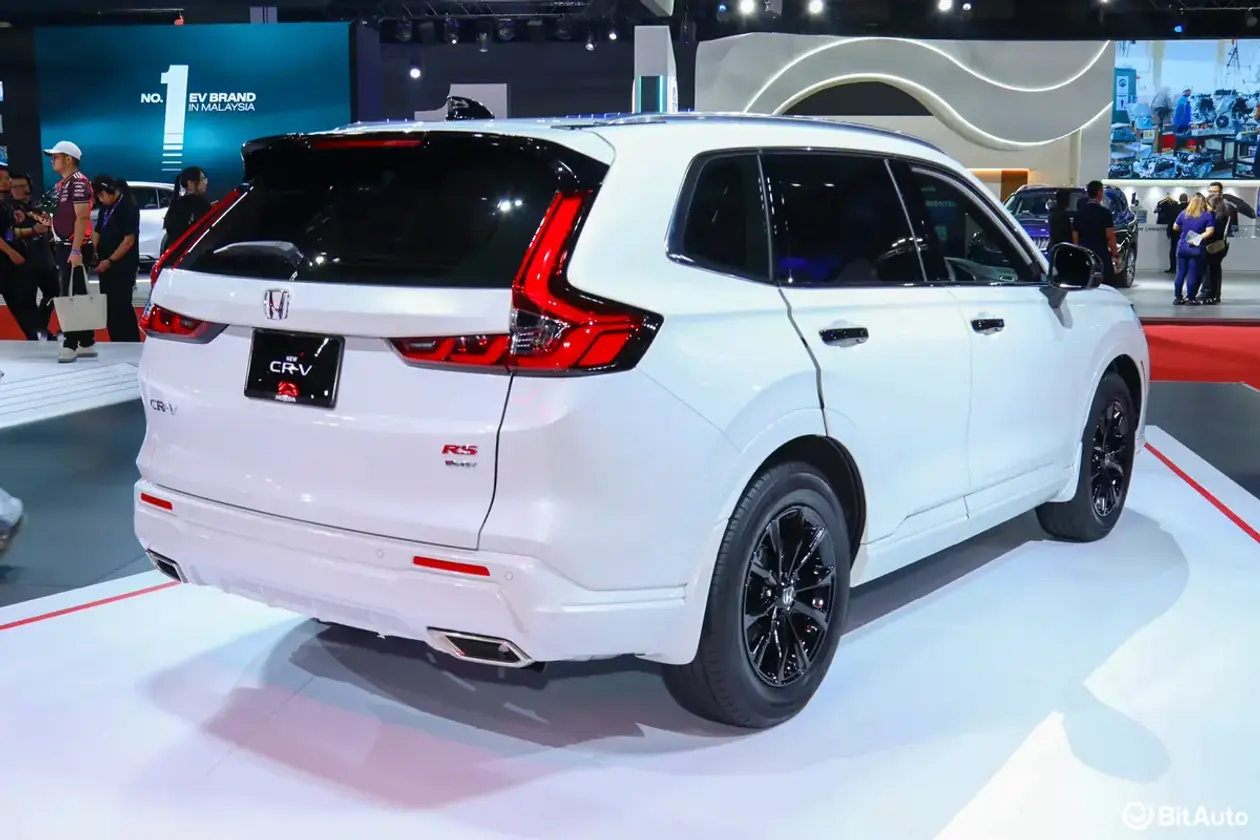
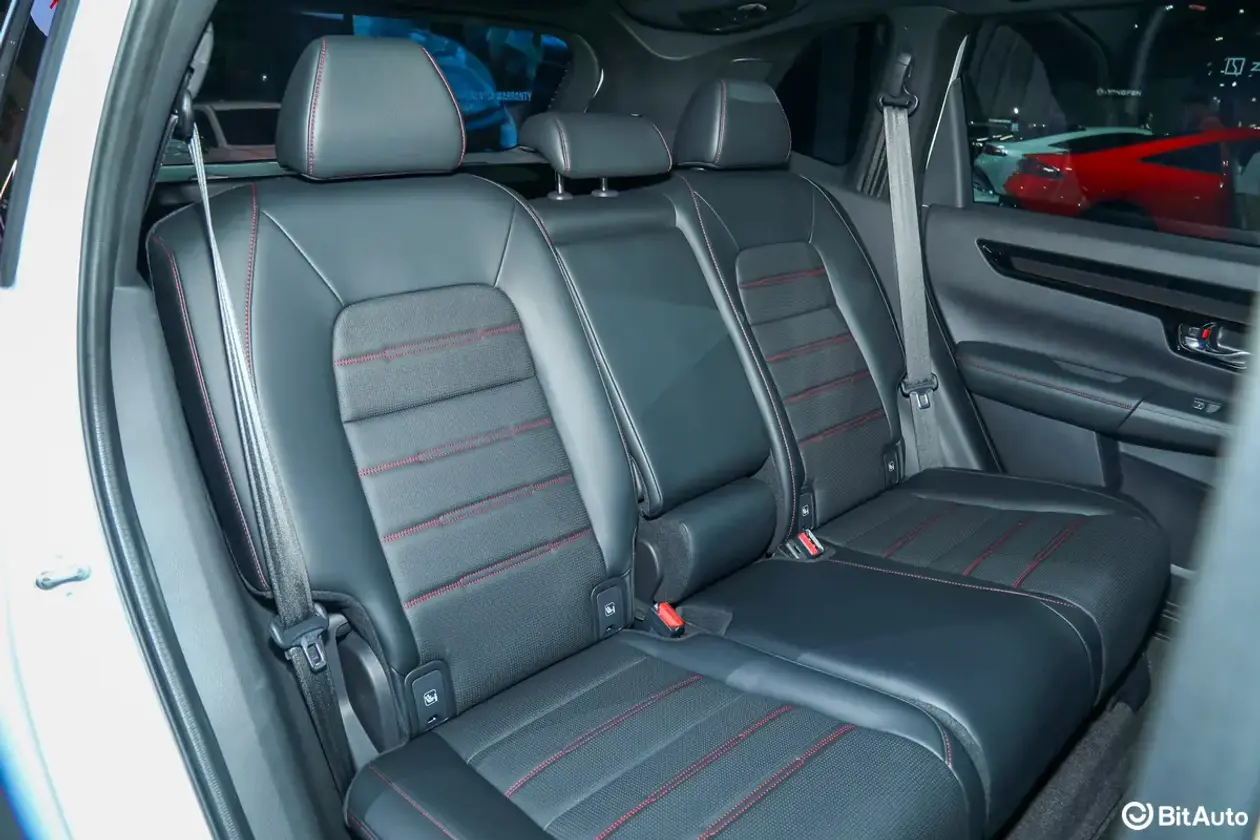
With its boxy silhouette, upright tailgate, and relatively flat roofline, bolstered by Honda's signature "Man-Maximum, Machine-Minimum" (M/M) design philosophy, the CR-V carves out an abundance of usable storage and living space from its footprint.
As such, when it comes to outright interior practicality, the style-focused Harrier simply cannot hold a candle to the space-champion CR-V.
First off, it should be clarified that while both hybrid setups are inherently efficiency-oriented, their power delivery characteristics differ markedly on the road.
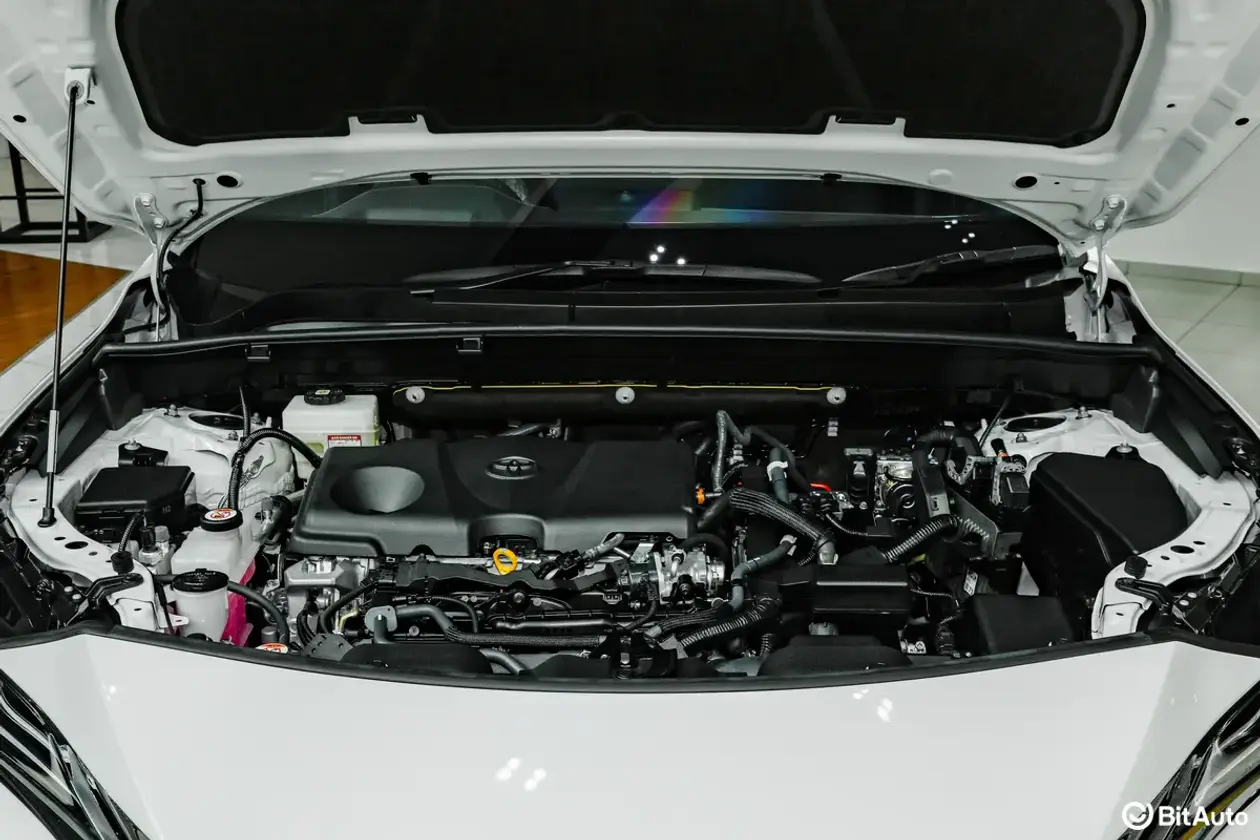
Looking at the on-paper figures, the Harrier uses an HEV system consisting of a 2.5-litre naturally aspirated engine, a single electric motor and an e-CVT, delivering a total system output of 217 PS, with an official fuel consumption of 4.7 L/100 km.
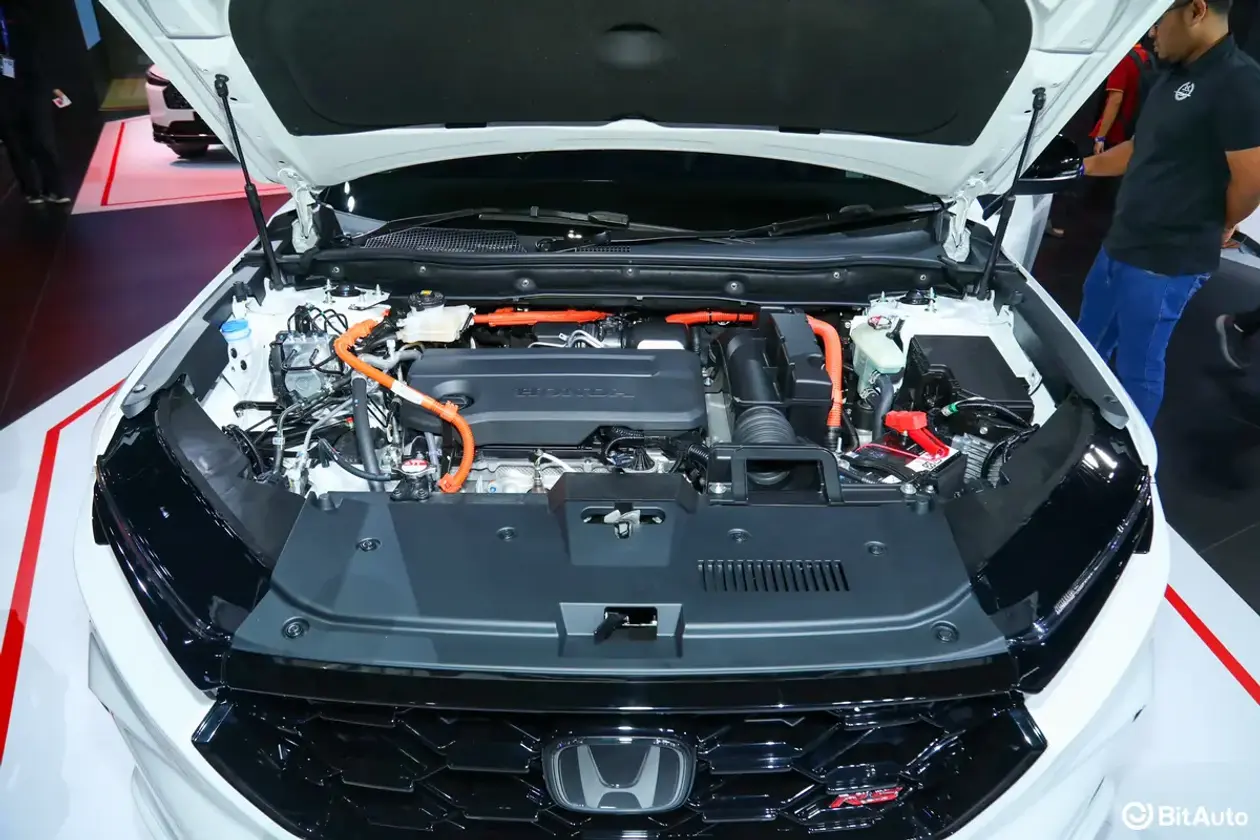
The CR-V, on the other hand, runs an HEV system combining a 2.0-litre naturally aspirated engine with dual electric motors and an e-CVT gearbox, pushing out a total system output of 184 PS and an official fuel consumption of 5.0 L/100 km.
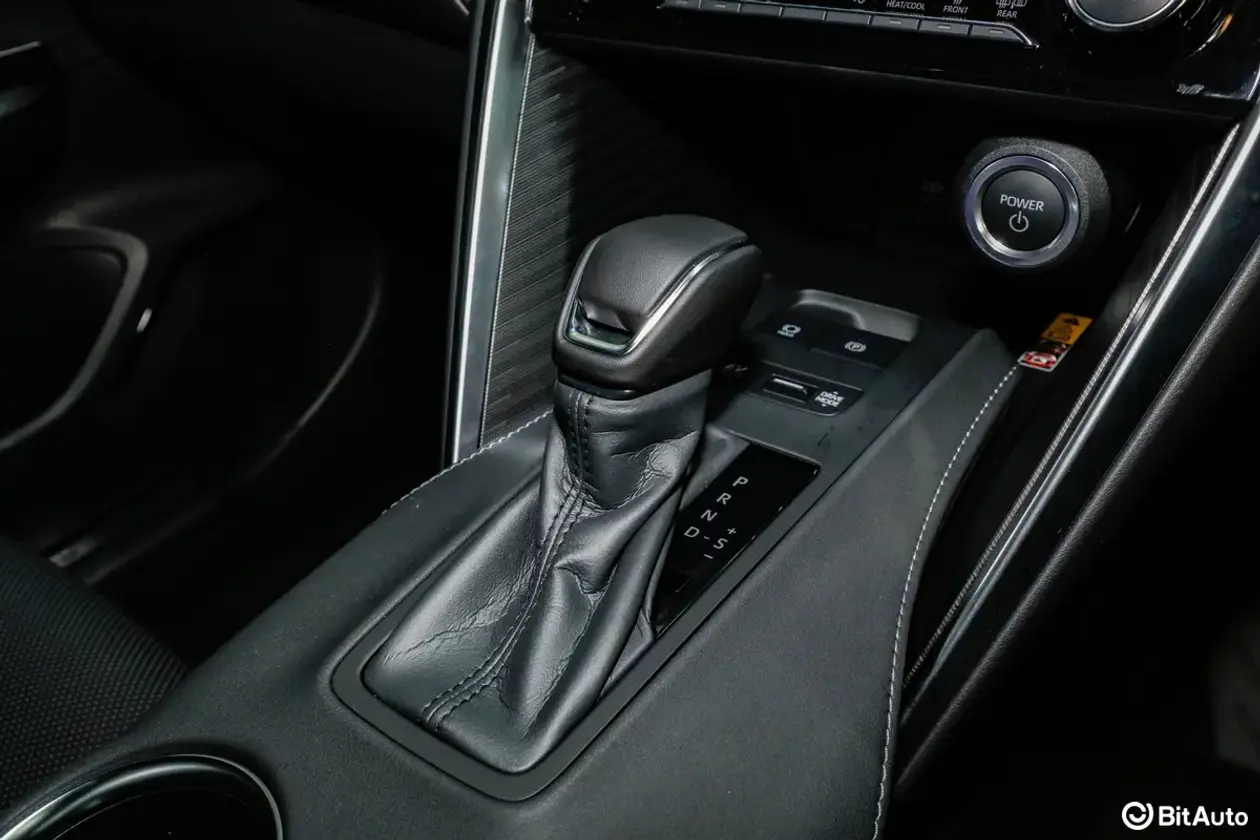
Fairly close, right? The Harrier has more power on paper and marginally lower fuel consumption. However, the real difference lies in the behind-the-wheel experience.
While both are fuel-saving HEVs, the Harrier behaves like a conventional series-parallel hybrid: electric motor drive at low speeds, with the petrol engine seamlessly kicking in as momentum builds, before shouldering the main propulsion workload at higher cruising speeds.
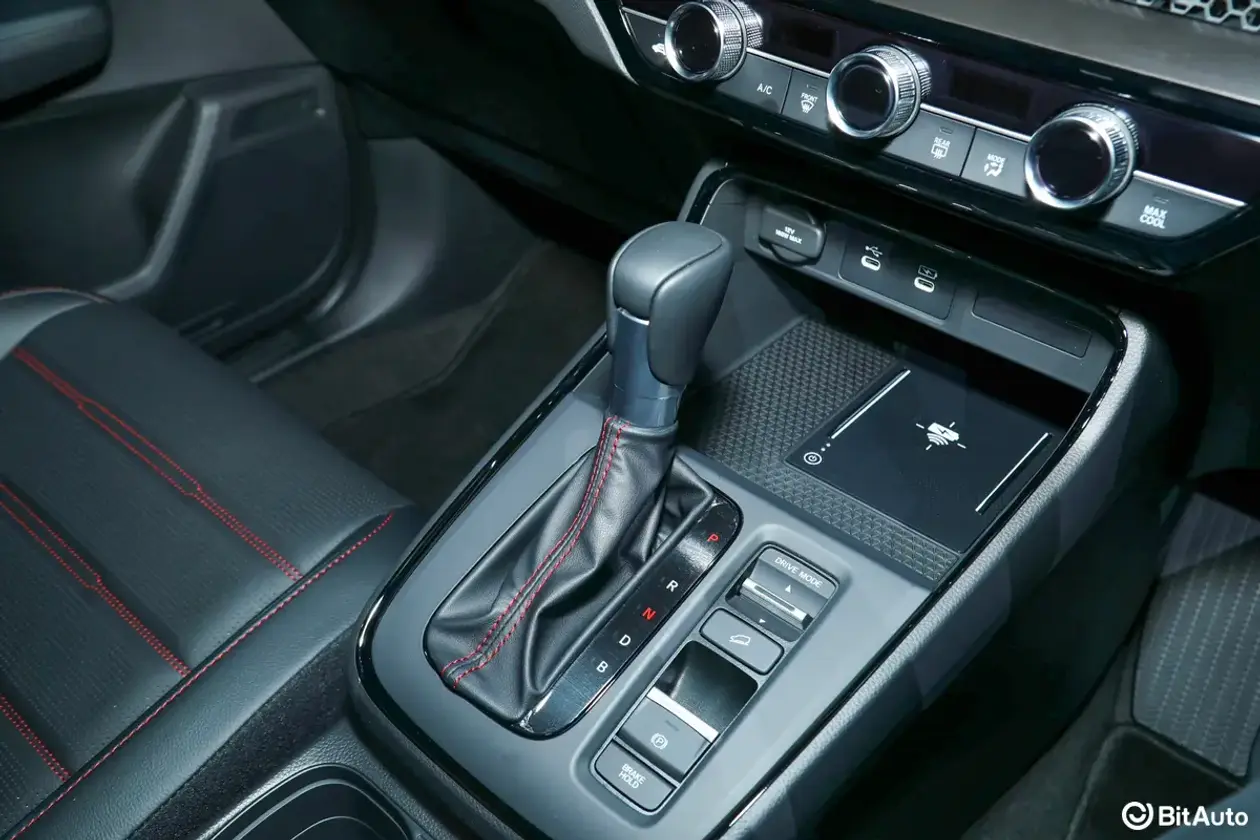
The CR-V operates on a similar premise, but Honda's setup places far greater emphasis on motor drive. This system relies predominantly on electric motor drive across a wider speed threshold, to the point where under many driving conditions, the combustion engine is decoupled purely to act as a generator.
In other words, the CR-V gives a drive that feels "much closer to an EV."
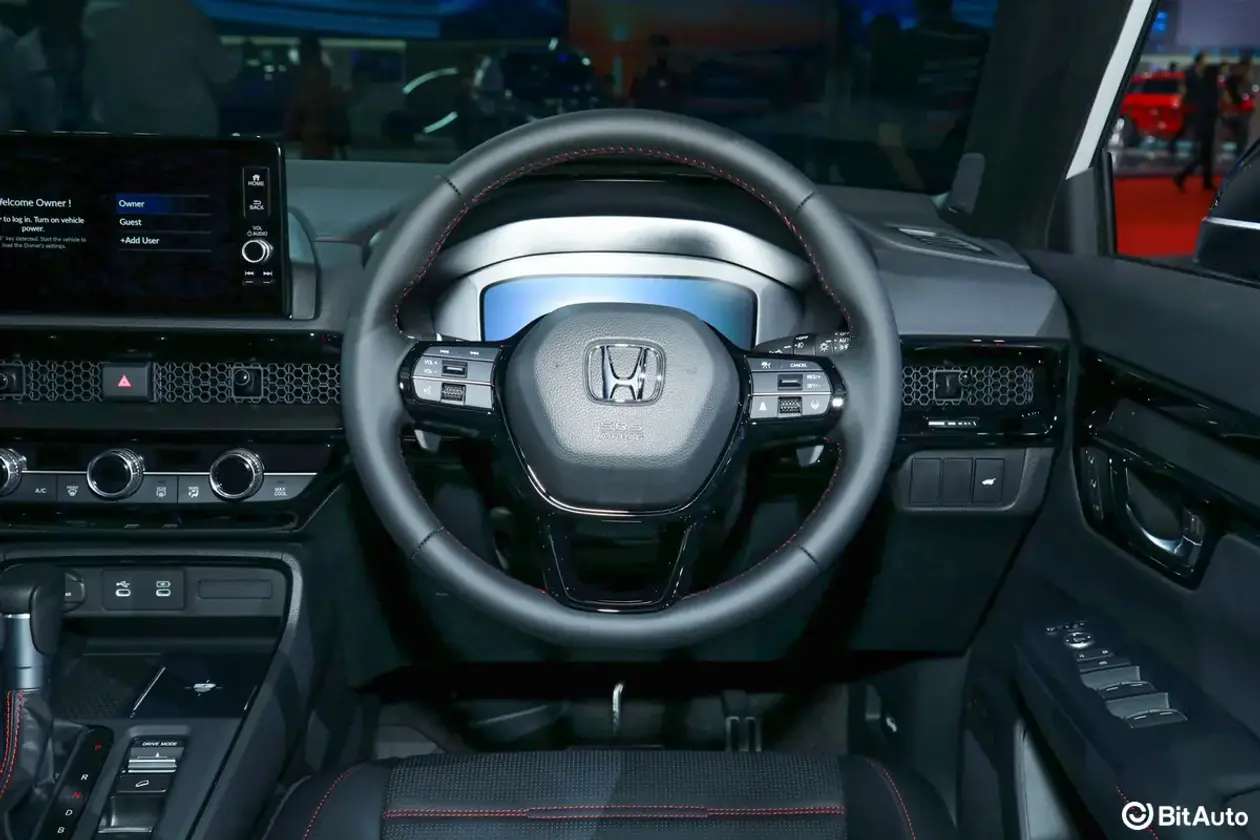
The CR-V currently on sale received a revision in 2026 with upgraded safety equipment.
Specifically, it features 8 airbags and the full Honda Sensing ADAS suite, comprising Adaptive Cruise Control with Low-Speed Follow, Lane Keeping Assist (LKAS), Collision Mitigation Braking (CMBS), Blind Spot Information (BSI), and Cross Traffic Monitor (CTM).
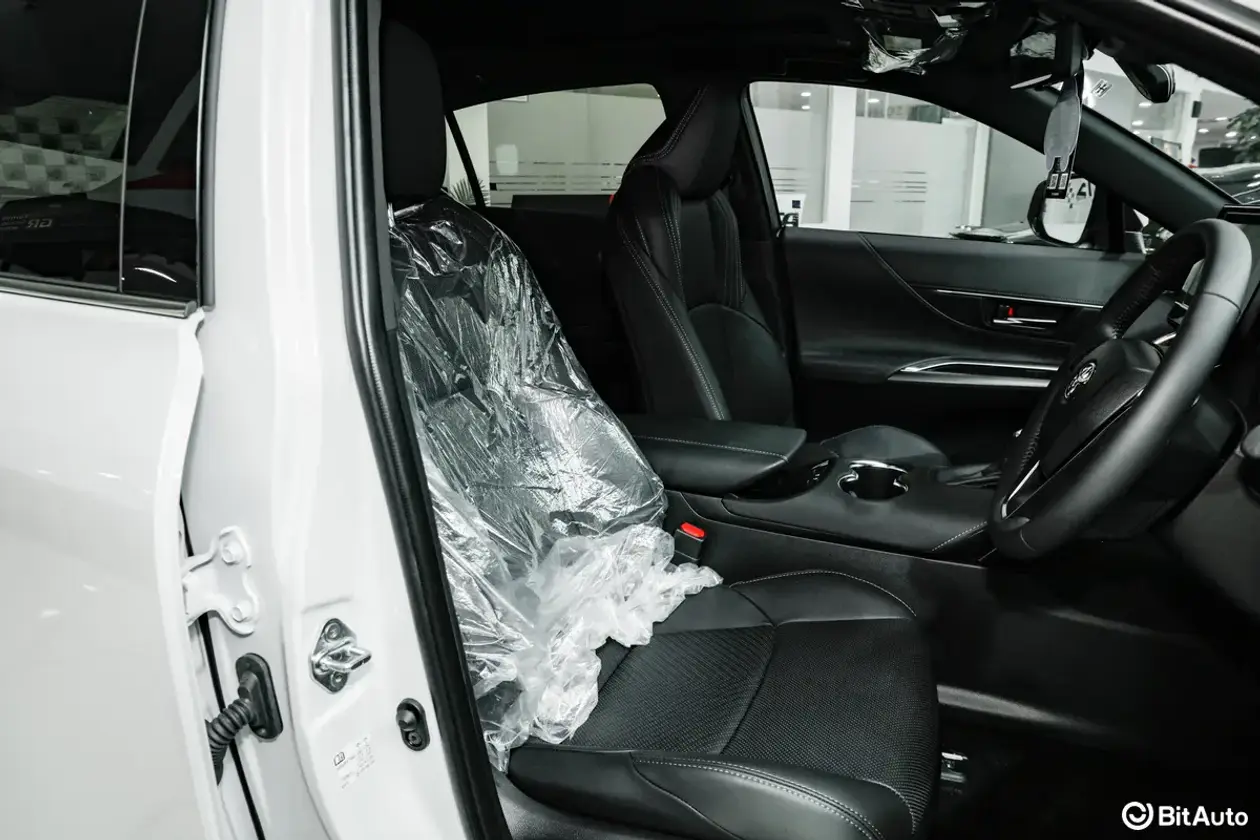
The Harrier counters with 7 airbags as standard (dual front, front side, driver’s knee, and full-length curtain units) alongside Toyota Safety Sense 3.0:
Pre-Collision System (with AEB), Full-Speed Active Cruise Control, Lane Tracing Assist (LTA), Lane Departure Alert (LDA), Adaptive High-Beam System (AHS/AHB), Road Sign Assist (RSA), Blind Spot Monitor (BSM), Rear Cross Traffic Alert with auto-braking (RCTA with braking), and Parking Support Brake (PKSB).
Both spec sheets are dizzying, but line them up side by side, and the only tangible distinction is that the CR-V carries one additional airbag over the Harrier.
As for blind spot monitoring, Toyota terms it BSM while Honda calls it BSI, but they are fundamentally the exact same feature. Hence, apart from the CR-V's solitary extra airbag, both contenders are deadlocked on the active and passive safety front.
So, does the Harrier genuinely warrant that massive price premium? Purely from a product-to-price standpoint, the straightforward answer is no.
Yes, the Harrier lavishes you with far more cabin creature comforts than the CR-V, but are these toys worth an extra RM90,000-plus? The Harrier's exterior is certainly sleeker and more upmarket, but is that... worth RM90,000? Judged solely on cold, hard spec sheets, definitely not.
Where the Harrier claws back ground is in those intangible refinements the CR-V simply cannot match: superior NVH insulation, an appreciably more planted and solid on-road ride, long-term structural composure, and that tactile sense of premium luxury that defies easy description yet makes itself immediately apparent. These subtle nuances constitute the core of the Harrier’s implicit value proposition.
Whether those finer attributes justify digging significantly deeper into your wallet ultimately comes down to you.
Looked at strictly through the lens of value-for-money, the base CR-V e:HEV variant in Malaysia is the smartest buy: at RM178,200, it gives you the exact same hybrid powertrain as the top-spec model, trading off some bells and whistles while keeping the solid engineering fundamentals intact.
However, if you appreciate the finer things that don't show up on a spec sheet and don't mind paying a premium for bona fide luxury and craftsmanship, the Harrier remains a thoroughly rewarding proposition.
Leave your number, an advisor will contact you


Your go-to source for all things automotive in Malaysia. 🚗 Latest reviews, breaking news, launches & industry trends.
+ Follow Proton S70 RS - lebih garang, tapi, power x power? 7 hours ago
 The 2026 Proton S70 RS is here, bringing a sportier exterior, an updated interior and a fresh new look to Proton's popular C-segment sedan. But beyond the styling upgrades, does the new Proton S70 RS have the performance and driving experience to match its sporty appearance?
In this video, we take a closer look at the 2026 Proton S70 RS in Malaysia exploring its exterior design, interior upgrades, features, and overall performance. Is the updated Proton S70 worth considering against rivals like the Honda City, Toyota Vios and other sedans in Malaysia?
#ProtonS70 #ProtonS70RS #ProtonS70Facelift #ProtonMalaysia #2026ProtonS70 #CarReviewMalaysia #BitautoMalaysia 7 hours ago
 Cinta pandang pertama Proton S70 RS!
Dengan enjin i-GT 1.5TD & arahan suara Bahasa Malaysia
Jika sebelum ini Proton S70 Prime menjadi pilihan untuk pemanduan harian yang selesa dan menjimatkan, kini Proton tampil dengan varian yang jauh lebih garang dan sporty!
Ikuti Kazer dalam sesi pra-tonton untuk melihat apa kelainan sedan segmen-C ini.
#ProtonS70RS #ProtonS70 #BitAutoMalaysia #ProtonMalaysia #SedanSporty #UlasanKereta #AutomotifMalaysia #KeretaBaharu #ADAS #iGT15TD #S70RS 7 hours ago
Get the latest car news first!
Your go-to source for all things automotive in Malaysia. 🚗 Latest reviews, breaking news, launches & industry trends.
Proton S70 RS - lebih garang, tapi, power x power? 7 hours ago The 2026 Proton S70 RS is here, bringing a sportier exterior, an updated interior and a fresh new look to Proton's popular C-segment sedan. But beyond the styling upgrades, does the new Proton S70 RS have the performance and driving experience to match its sporty appearance?
In this video, we take a closer look at the 2026 Proton S70 RS in Malaysia exploring its exterior design, interior upgrades, features, and overall performance. Is the updated Proton S70 worth considering against rivals like the Honda City, Toyota Vios and other sedans in Malaysia?
#ProtonS70 #ProtonS70RS #ProtonS70Facelift #ProtonMalaysia #2026ProtonS70 #CarReviewMalaysia #BitautoMalaysia 7 hours ago Cinta pandang pertama Proton S70 RS!
Dengan enjin i-GT 1.5TD & arahan suara Bahasa Malaysia
Jika sebelum ini Proton S70 Prime menjadi pilihan untuk pemanduan harian yang selesa dan menjimatkan, kini Proton tampil dengan varian yang jauh lebih garang dan sporty!
Ikuti Kazer dalam sesi pra-tonton untuk melihat apa kelainan sedan segmen-C ini.
#ProtonS70RS #ProtonS70 #BitAutoMalaysia #ProtonMalaysia #SedanSporty #UlasanKereta #AutomotifMalaysia #KeretaBaharu #ADAS #iGT15TD #S70RS 7 hours ago 
© 2024 Bitauto.com. All Rights Reserved.
Bitauto (www.yiche.com and www.bitauto.com) is one of the most visited automotive websites in China. We provide detailed info on Chinese car brands available in your area. Please note that the information provided on this website is based on publicly available data and is for reference only. It may not be fully updated or accurate at all times.

Help us improve our website


