This is a cross-segment shootout: in the Malaysian market, the Toyota Harrier HEV retails at RM289,000, placing it firmly in the D-segment SUV category. On the other hand, the Mazda CX-5 High goes for RM171,510, sitting squarely in the C-segment SUV bracket. That leaves a massive price gap of RM117,490 between the two, making this an inherently unequal contest right off the bat.
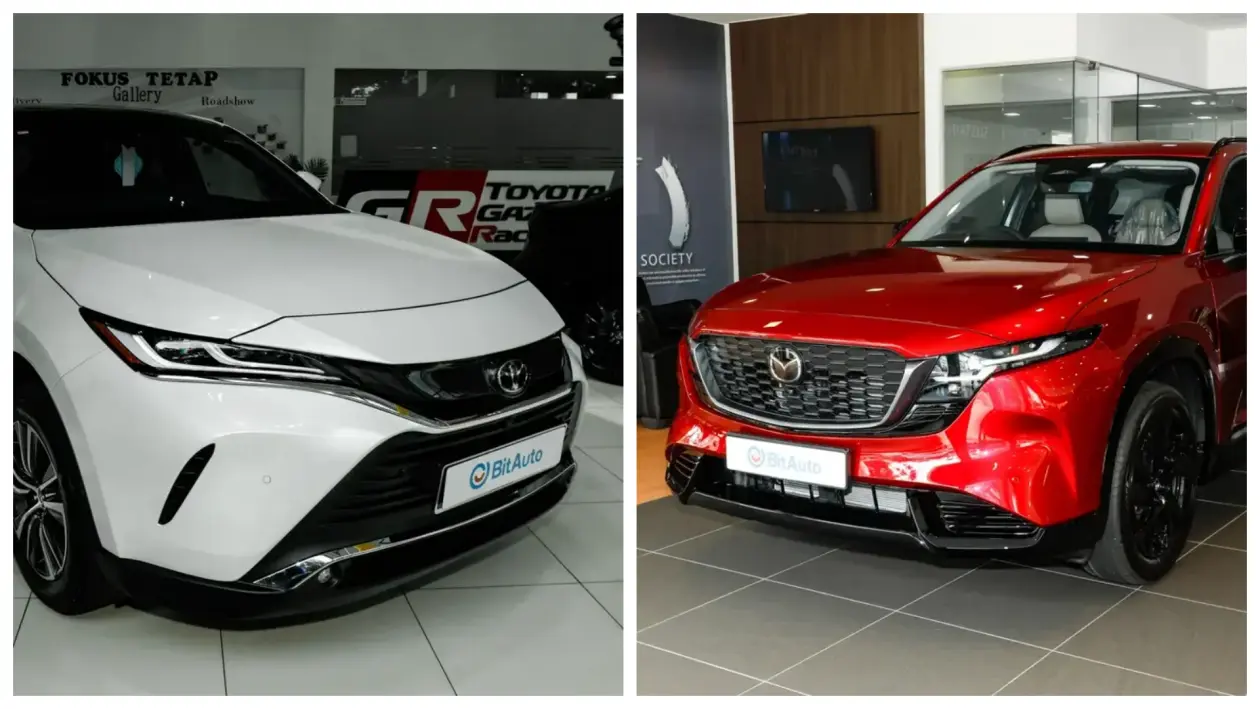
The bigger question is: by splashing out over RM110,000 extra to upgrade from the CX-5 to the Harrier, just how substantial is the upgrade? Are these enhancements genuinely worth that hefty premium?
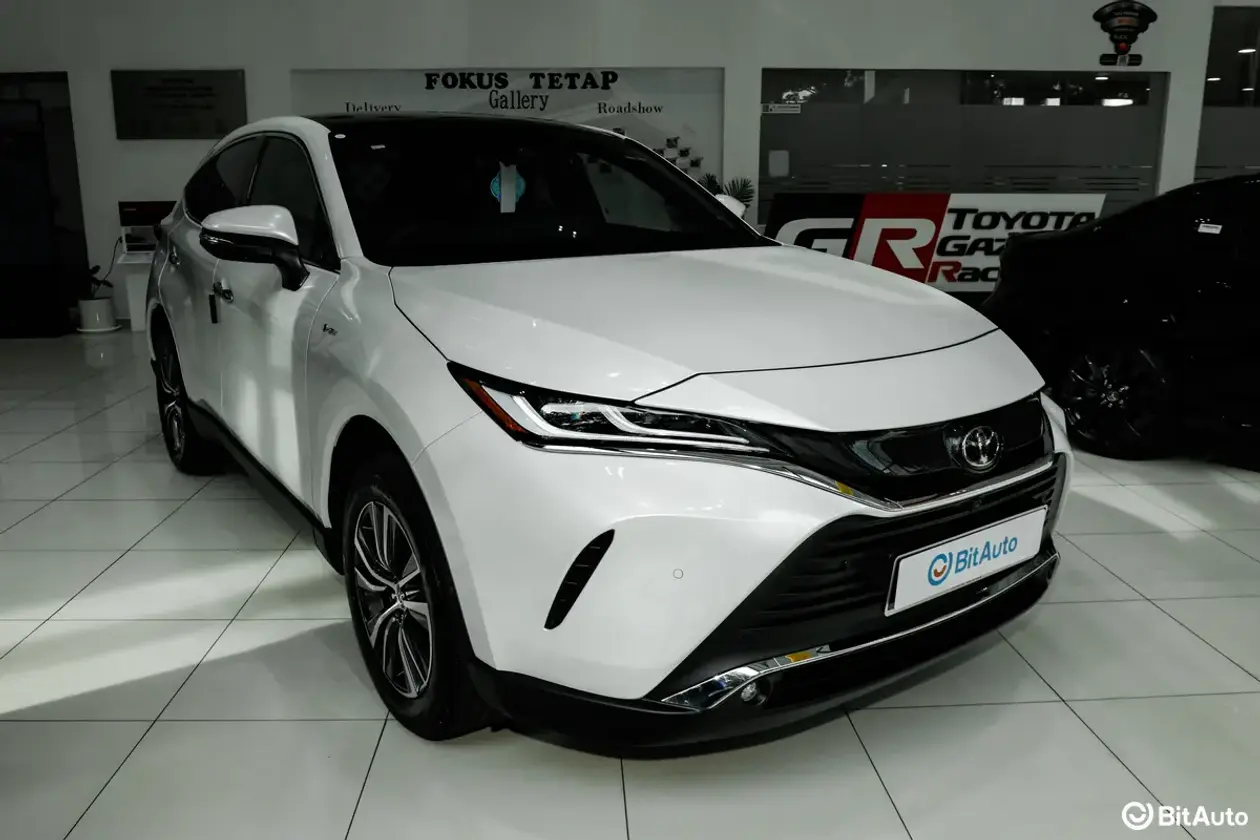
Starting with the Harrier, it measures 4,740 mm long, 1,855 mm wide, and 1,660 mm tall, with a 2,690 mm wheelbase. Its overall silhouette eschews the conventional boxy SUV profile in favour of a sleek, coupe-crossover aesthetic.
The roofline slopes gently downwards right from the B-pillar, tapering off into the tailgate with an elegant sweeping curve. Paired with fluid body contours, the car looks very much like a high-riding four-door coupe — very handsome.
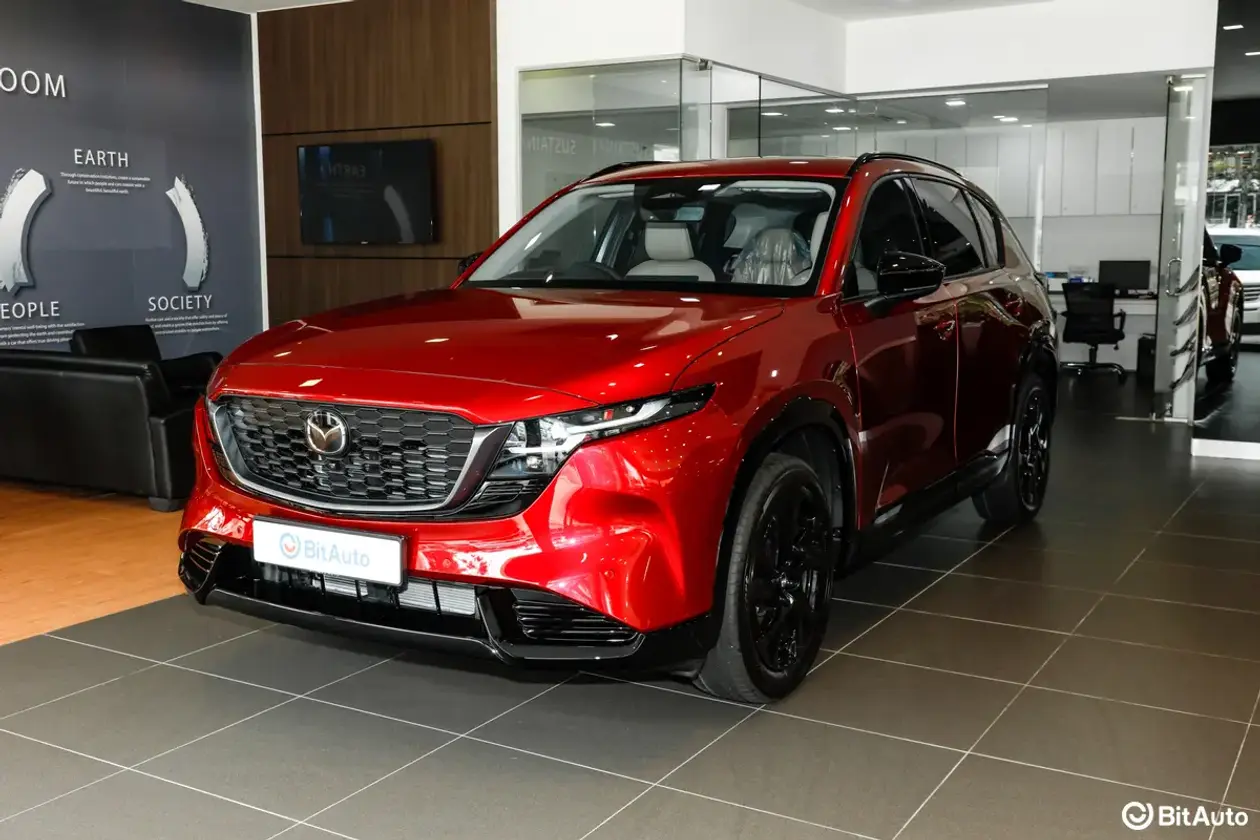
Turning to the CX-5, its dimensions stand at 4,690 mm long, 1,860 mm wide, and 1,695 mm tall, ride on a 2,815 mm wheelbase. Here is where it gets interesting: despite sitting in a segment below and carrying a far friendlier price tag, the CX-5 is barely any smaller.
It is merely 50 mm shorter than the Harrier, yet it is 5 mm wider and 35 mm taller. Crucially, the lower-segment CX-5 even boasts a wheelbase that is a full 125 mm longer than the Harrier’s!
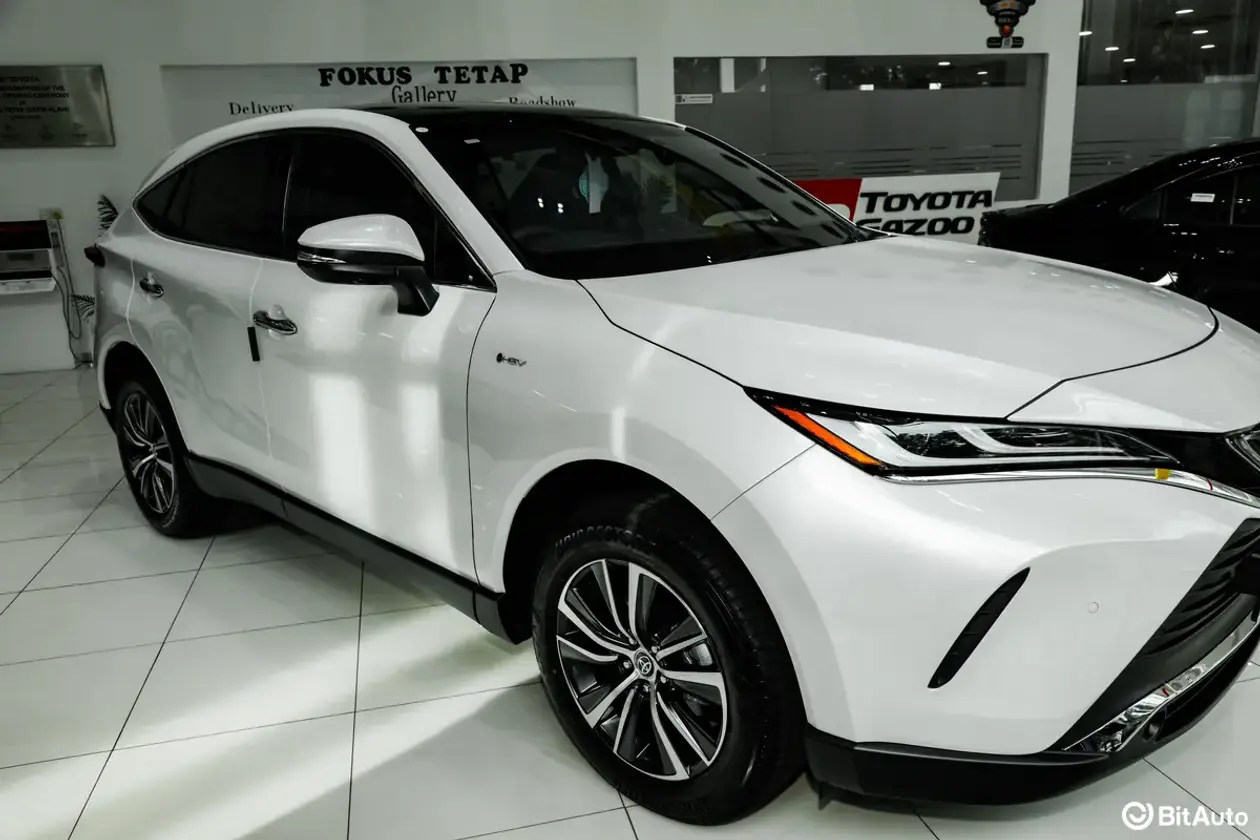
This wheelbase advantage yields dramatic results when it comes to interior space later on. But purely in terms of exterior styling, the coupe-like Harrier and the upright, traditional CX-5 cater to two very different design philosophies.
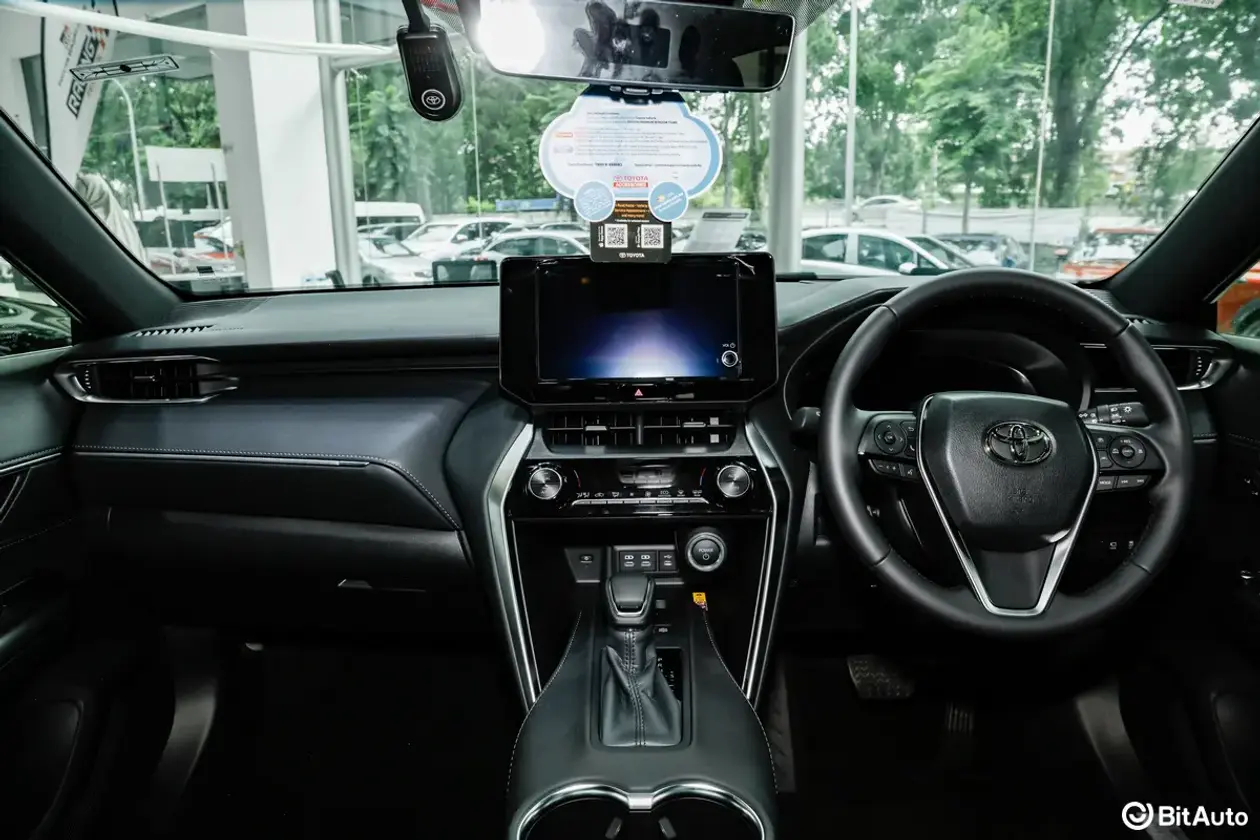
Inside, the Harrier comes comprehensively equipped. Standard kit includes a 12.3-inch digital instrument cluster paired with a 10.5-inch head-up display (HUD), whilst infotainment is handled by an 8-inch Display Audio touchscreen with wireless Apple CarPlay and wired Android Auto.
You also get leather upholstery, a 12-way power-adjustable driver’s seat with memory, a 4-way powered front passenger seat, ventilated and heated front seats, dual-zone automatic climate control, a Qi wireless charger, five USB-C ports, and a panoramic sunroof with an electric sunshade — all fitted as standard.
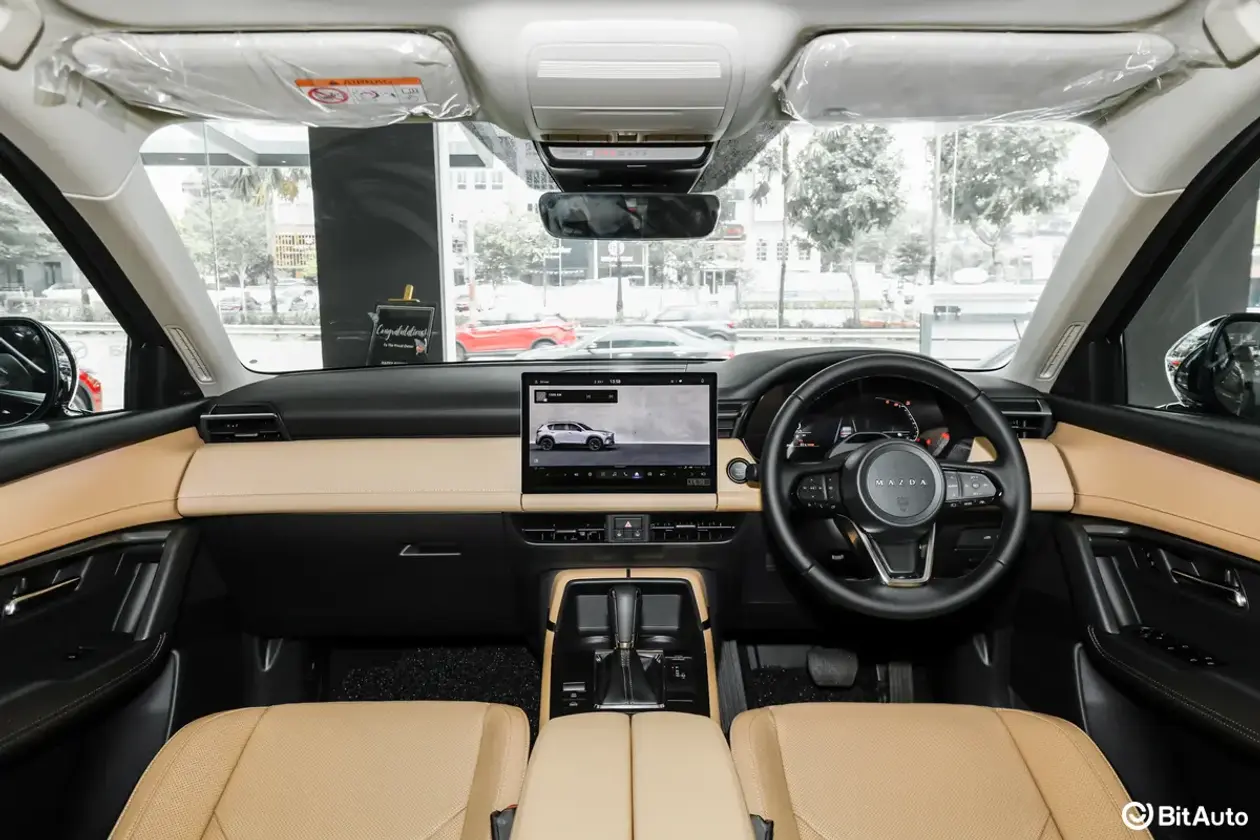
The CX-5 holds its ground well with a large infotainment display, digital instrument cluster, leather seats, powered front seats, dual-zone climate control, a sunroof, and a 360-degree surround view monitor.
Side by side, the Harrier’s specification sheet is more upscale and extensive, although its modest 8-inch infotainment screen remains a sore point. In this point, the Harrier's premium does translate into tangible, extra features — a classic case of getting what you pay for.
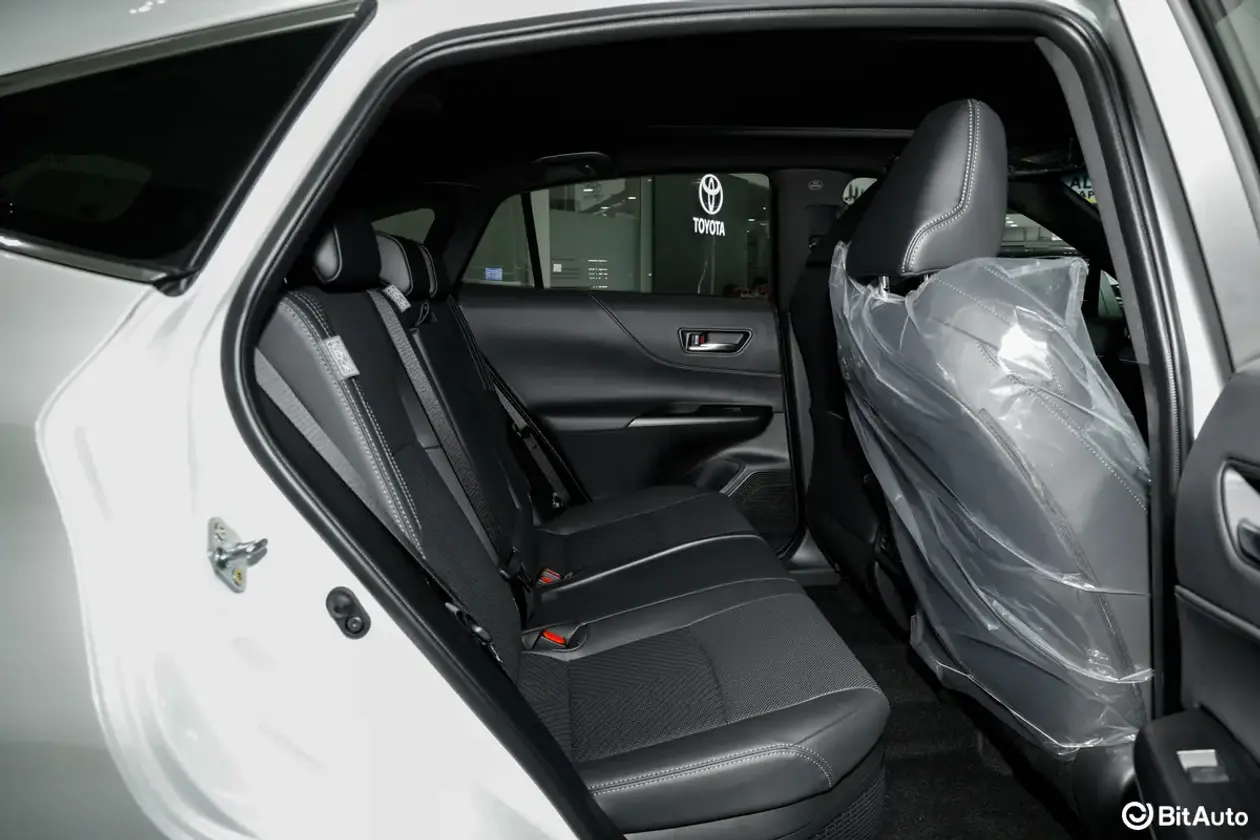
This is easily the most intriguing part of the comparison. Remember how the lower-tier CX-5 actually boasts a 125 mm longer wheelbase than the Harrier?
Looking at the Harrier first, constrained by its 2,690 mm wheelbase, rear legroom is relatively mediocre. Its 396-litre boot capacity is acceptable for daily duties in an SUV of this segment, but it is not generous.
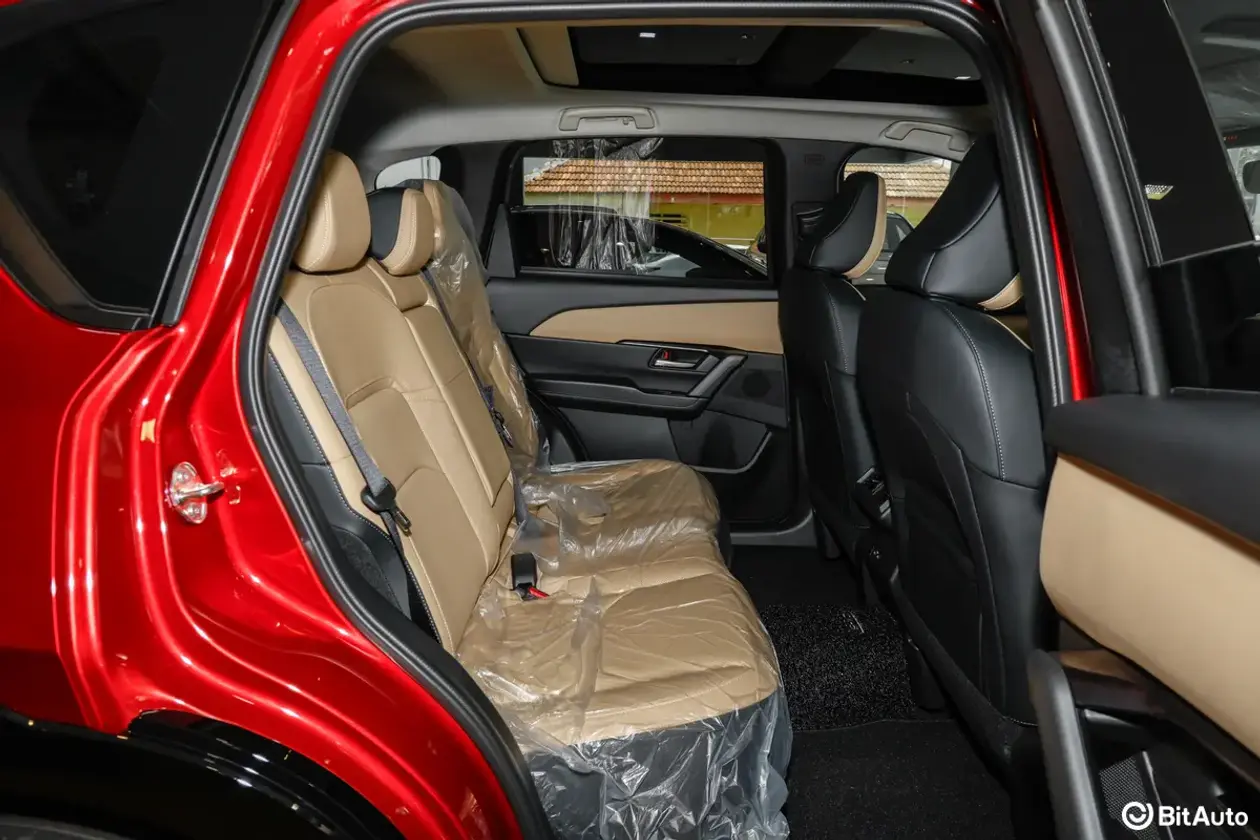
As you can see from the image above, the CX-5 not only has an advantage in rear legroom thanks to its longer wheelbase, but because its roofline is relatively traditional—without the noticeable slope seen on the Harrier—it also offers better rear headroom than the Harrier.
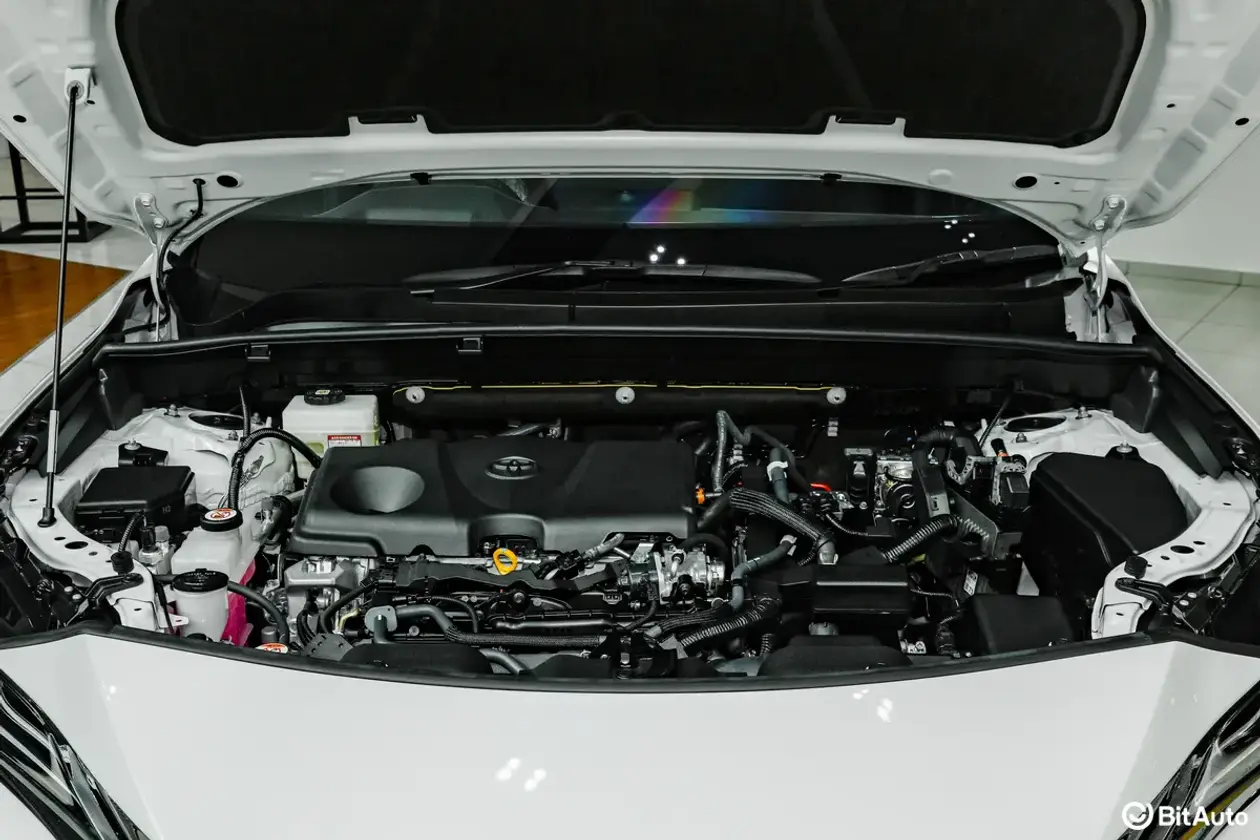
Under the bonnet, the two SUVs offer different driving temperaments. The Harrier runs a full hybrid setup (HEV), teaming a 178 PS 2.5-litre naturally aspirated engine with a 120 PS electric motor for a combined output of 217 PS. With Toyota's e-CVT gearbox, it delivers an official fuel consumption of just 4.7 L/100 km.
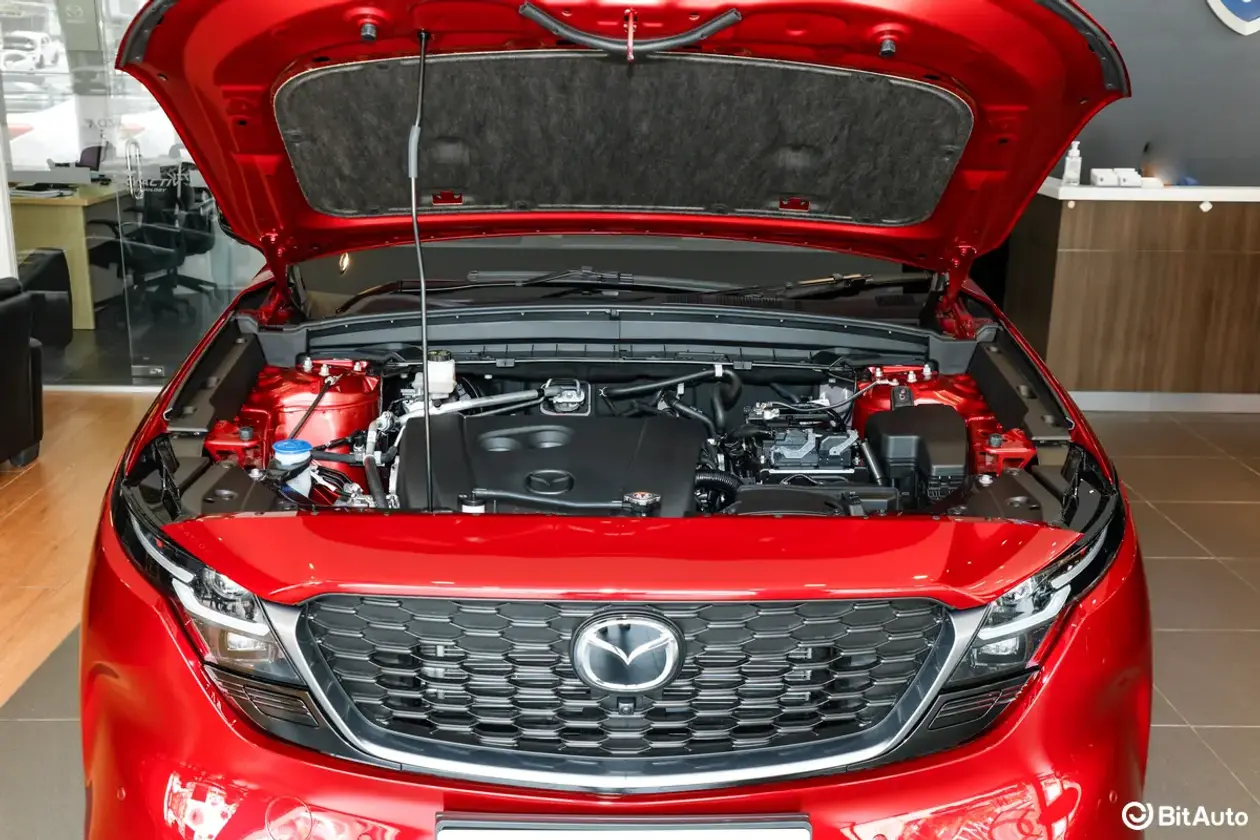
In contrast, the CX-5 champions the organic, eager response of a big-displacement naturally aspirated powerplant. Its 2.5-litre NA unit pushes out 185 PS and 257 Nm of torque, mated to a 6-speed automatic (6AT).
Its claimed fuel consumption of 7.6 L/100 km is respectable as well, representing decent efficiency for a 2.5-litre NA engine.
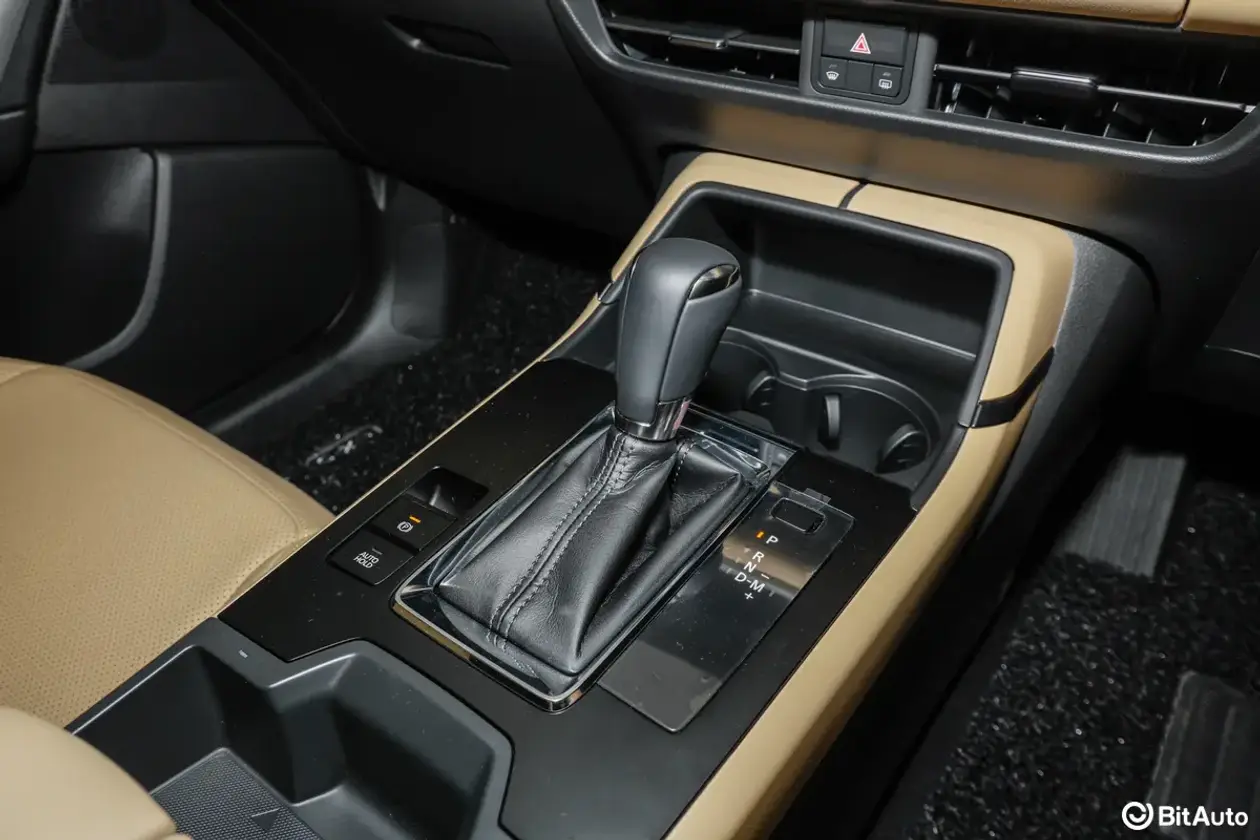
There is real charm to this setup. Anyone who has driven a Mazda 2.5 NA knows that while headline power figures may not seem earth-shattering, the throttle response is wonderfully linear and progressive. Power builds precisely with pedal input, effortlessly delivering Mazda's signature "Jinba-Ittai" driving feel. Combined with an impeccably tuned chassis, Mazda's petrol models — the CX-5 included — are genuinely addictive to drive.
Ultimately, these two represent two contrasting philosophies: one prioritises maximum fuel efficiency, while the other is tailored to deliver authentic driving pleasure.
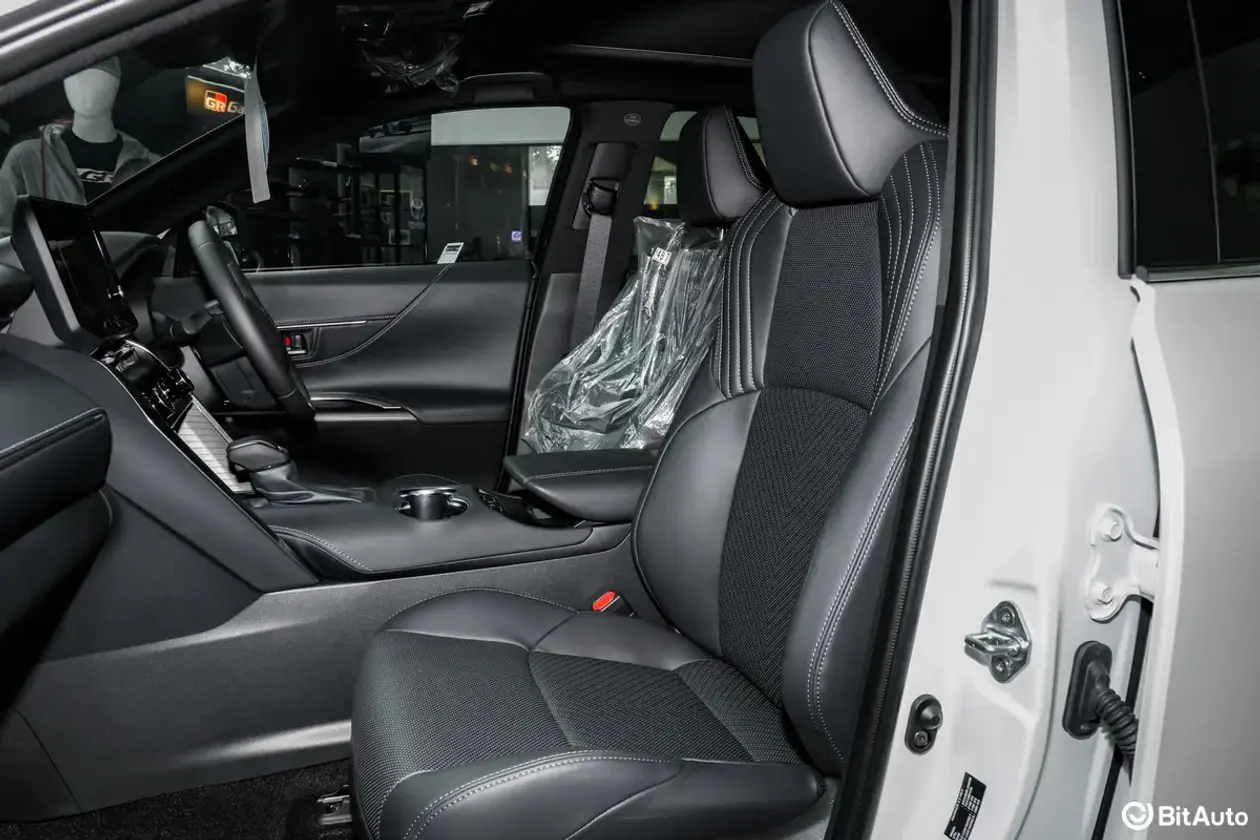
Ticking off the safety spec sheet, neither contender pulls any punches.
The Harrier comes loaded with seven airbags (dual front, front side, driver’s knee, and full-length curtain) alongside Toyota Safety Sense 3.0. This suite features a Pre-Collision System (PCS with autonomous emergency braking), All-Speed Dynamic Radar Cruise Control (DRCC), Lane Tracing Assist (LTA), Lane Departure Alert (LDA), Adaptive High Beam (AHB), Road Sign Assist (RSA), Blind Spot Monitor (BSM), Rear Cross Traffic Alert with auto braking, and Parking Support Brake (PKSB). It also boasts a full 5-star ASEAN NCAP safety rating.
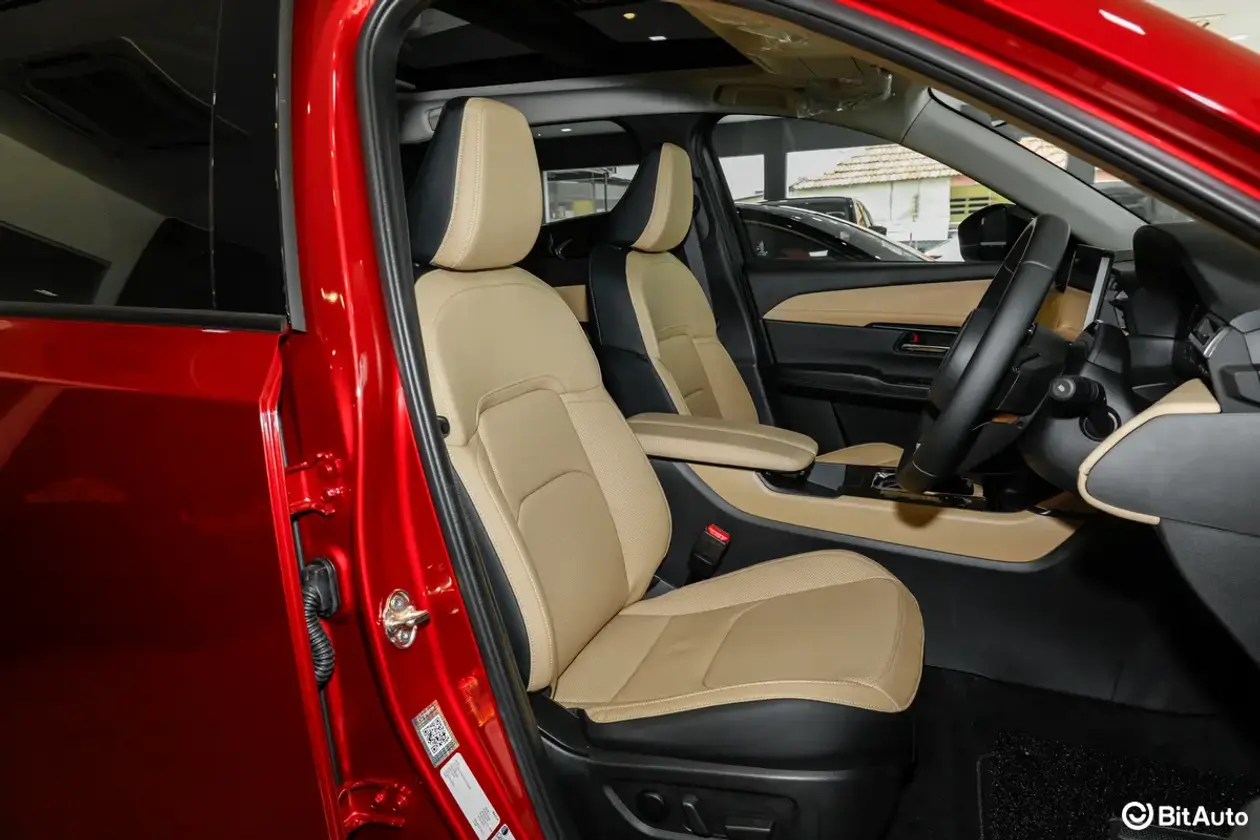
The CX-5 is equally armed, also packing seven airbags alongside the comprehensive Mazda i-Activsense ADAS suite.
Included are Smart Brake Support (SBS autonomous emergency braking covering front, rear, oncoming turn, and intersection collision), Blind Spot Monitoring (BSM), Rear Cross Traffic Alert (RCTA), Front Cross Traffic Alert (FCTA), Lane Keep Assist System (LAS), Lane Departure Warning System (LDWS), Driver Attention Alert (DAA), Adaptive LED Headlights (ALH), Mazda Radar Cruise Control (MRCC), Cruising & Traffic Support (CTS), and a 360-degree monitor complete with a transparent chassis view.
Both packages are exhaustive and run neck-and-neck on most fronts. However, if we are splitting hairs, the CX-5’s Front Cross Traffic Alert and transparent underfloor view are two notable features missing on the Harrier.
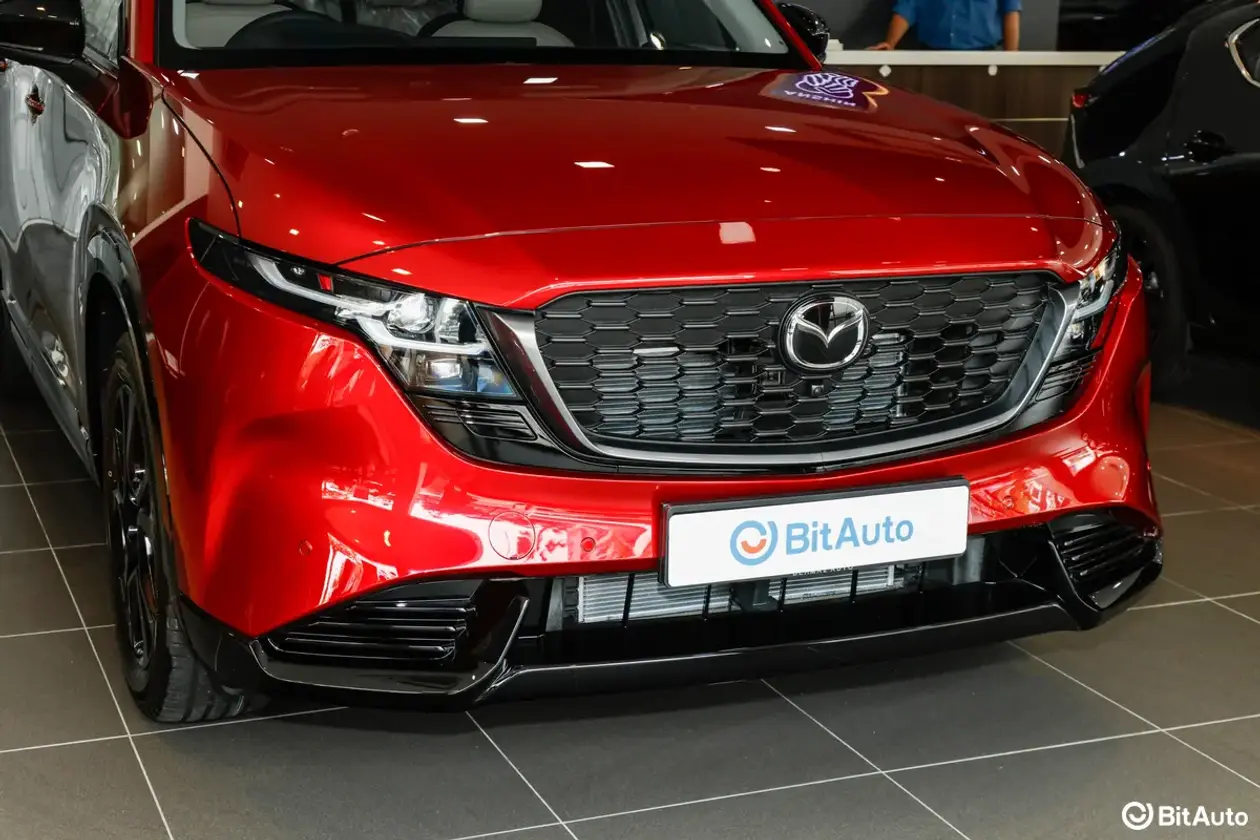
To cut straight to the chase: if rock-bottom fuel consumption and hybrid efficiency are non-negotiable for you, the Harrier will hit the mark. However, taking the substantial price disparity into account, our nod in this matchup goes to the much more accessible Mazda CX-5. It costs considerably less, but in several key areas, it actually punches above the Harrier.
Leave your number, an advisor will contact you


Your go-to source for all things automotive in Malaysia. 🚗 Latest reviews, breaking news, launches & industry trends.
+ Follow Proton S70 RS - lebih garang, tapi, power x power? 7 hours ago
 The 2026 Proton S70 RS is here, bringing a sportier exterior, an updated interior and a fresh new look to Proton's popular C-segment sedan. But beyond the styling upgrades, does the new Proton S70 RS have the performance and driving experience to match its sporty appearance?
In this video, we take a closer look at the 2026 Proton S70 RS in Malaysia exploring its exterior design, interior upgrades, features, and overall performance. Is the updated Proton S70 worth considering against rivals like the Honda City, Toyota Vios and other sedans in Malaysia?
#ProtonS70 #ProtonS70RS #ProtonS70Facelift #ProtonMalaysia #2026ProtonS70 #CarReviewMalaysia #BitautoMalaysia 7 hours ago
 Cinta pandang pertama Proton S70 RS!
Dengan enjin i-GT 1.5TD & arahan suara Bahasa Malaysia
Jika sebelum ini Proton S70 Prime menjadi pilihan untuk pemanduan harian yang selesa dan menjimatkan, kini Proton tampil dengan varian yang jauh lebih garang dan sporty!
Ikuti Kazer dalam sesi pra-tonton untuk melihat apa kelainan sedan segmen-C ini.
#ProtonS70RS #ProtonS70 #BitAutoMalaysia #ProtonMalaysia #SedanSporty #UlasanKereta #AutomotifMalaysia #KeretaBaharu #ADAS #iGT15TD #S70RS 7 hours ago
Get the latest car news first!
Your go-to source for all things automotive in Malaysia. 🚗 Latest reviews, breaking news, launches & industry trends.
Proton S70 RS - lebih garang, tapi, power x power? 7 hours ago The 2026 Proton S70 RS is here, bringing a sportier exterior, an updated interior and a fresh new look to Proton's popular C-segment sedan. But beyond the styling upgrades, does the new Proton S70 RS have the performance and driving experience to match its sporty appearance?
In this video, we take a closer look at the 2026 Proton S70 RS in Malaysia exploring its exterior design, interior upgrades, features, and overall performance. Is the updated Proton S70 worth considering against rivals like the Honda City, Toyota Vios and other sedans in Malaysia?
#ProtonS70 #ProtonS70RS #ProtonS70Facelift #ProtonMalaysia #2026ProtonS70 #CarReviewMalaysia #BitautoMalaysia 7 hours ago Cinta pandang pertama Proton S70 RS!
Dengan enjin i-GT 1.5TD & arahan suara Bahasa Malaysia
Jika sebelum ini Proton S70 Prime menjadi pilihan untuk pemanduan harian yang selesa dan menjimatkan, kini Proton tampil dengan varian yang jauh lebih garang dan sporty!
Ikuti Kazer dalam sesi pra-tonton untuk melihat apa kelainan sedan segmen-C ini.
#ProtonS70RS #ProtonS70 #BitAutoMalaysia #ProtonMalaysia #SedanSporty #UlasanKereta #AutomotifMalaysia #KeretaBaharu #ADAS #iGT15TD #S70RS 7 hours ago 
© 2024 Bitauto.com. All Rights Reserved.
Bitauto (www.yiche.com and www.bitauto.com) is one of the most visited automotive websites in China. We provide detailed info on Chinese car brands available in your area. Please note that the information provided on this website is based on publicly available data and is for reference only. It may not be fully updated or accurate at all times.

Help us improve our website


