On local Malaysian car forums, you will often come across claims like this: The Toyota Harrier and the Lexus RX350 are essentially the same car, just with a different badge! Buying a Harrier gets you a Lexus at half the price! Go for it!
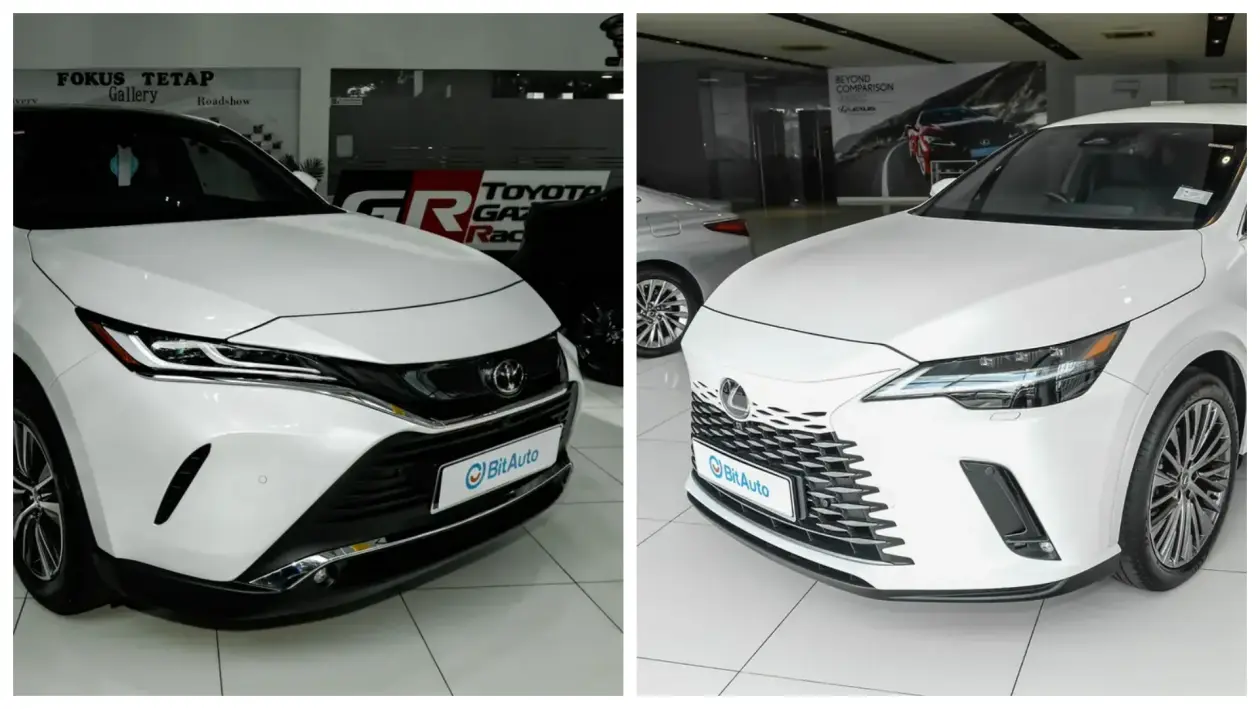
Well, how true is this? While both models share historical roots and were once genuine rebadged twins, times have changed. Unpacking their current relationship and differences requires a closer look.
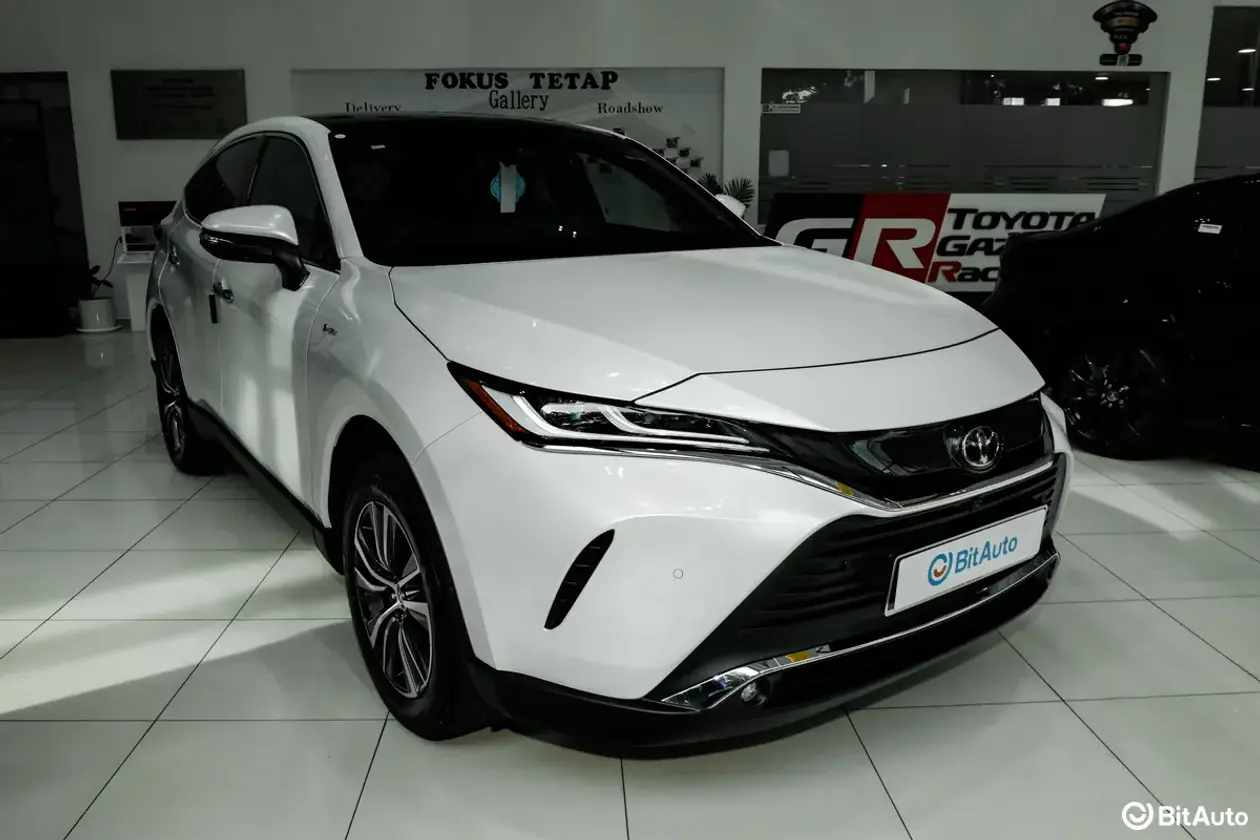
To begin with, the "half-price" claim simply does not add up.
In Malaysia, the Harrier is offered in a sole variant: the 2.5 HEV, priced at RM289,000. Meanwhile, the mainstream variant of the Lexus RX350, the Luxury, retails for RM468,888, leaving a 61.6% price difference. Strictly speaking, it should be a "40% off Lexus" instead.
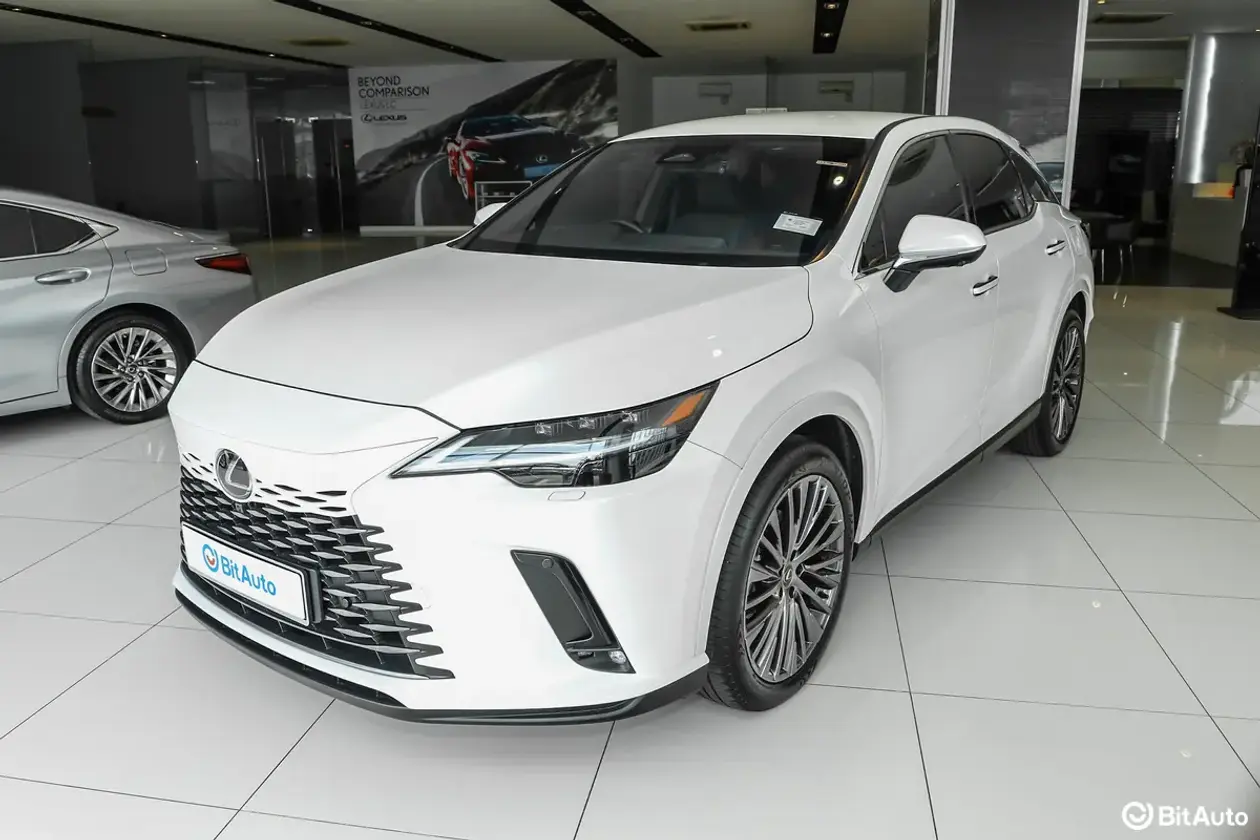
Of course, if you insist on making the "half-price" maths work, you would have to pit it against the range-topping RX variant—the RX500h F Sport Special Edition at RM512,888, which yields a 56.3% gap.
Only then does it borderline qualify as "half price", though nobody in their right mind would make such a comparison, would they?
Moreover, calling it a "half-price Lexus" is fundamentally inaccurate. Granted, from the first-gen XU10 in 1997 up to the discontinuation of the XU30 in 2013, the Harrier was indeed the twin to the Lexus RX—a true rebadged model.
However, starting from the new-generation XU60 in 2013, the Harrier changed to Toyota's MC platform shared with the RAV4, officially parting ways with the RX.
The current XU80 Harrier rides on the TNGA-K platform, sharing its underpinnings with the RAV4 and Highlander.
While the fifth-generation Lexus RX also utilises the TNGA-K platform, Toyota's TNGA philosophy is not merely a traditional shared chassis, but rather a flexible modular architecture. Today's RX features entirely bespoke engineering in its body construction, powertrains, and chassis tuning.
In short, the modern Harrier and RX are different machines.
The Harrier measures 4,740 mm in length, 1,855 mm in width, and 1,660 mm in height, with a 2,690 mm wheelbase. The RX350 dwarfs it at 4,890 mm long, 1,920 mm wide, and 1,695 mm tall, riding on a 2,850 mm wheelbase.
Clearly, the RX sits a class above in physical footprint. Reflecting their contrasting market segments, their road presence and visual execution are worlds apart.
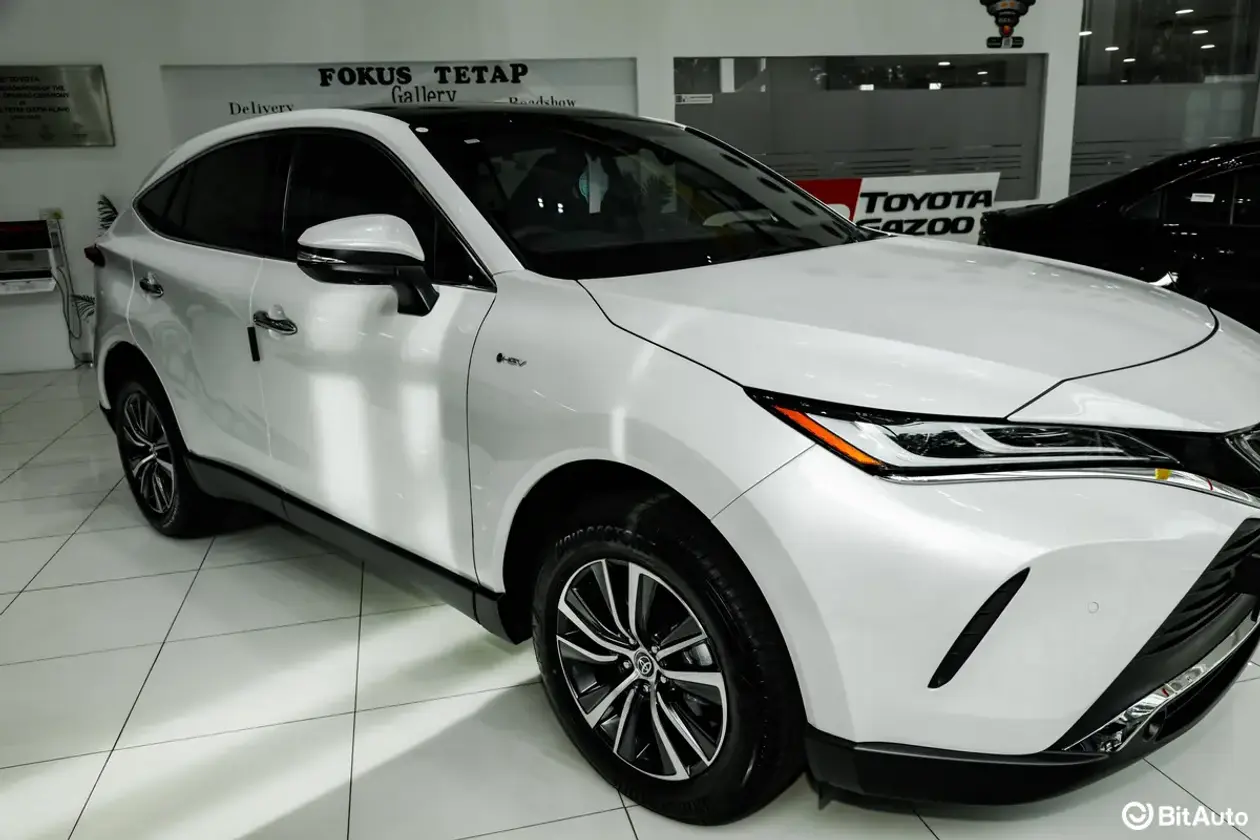
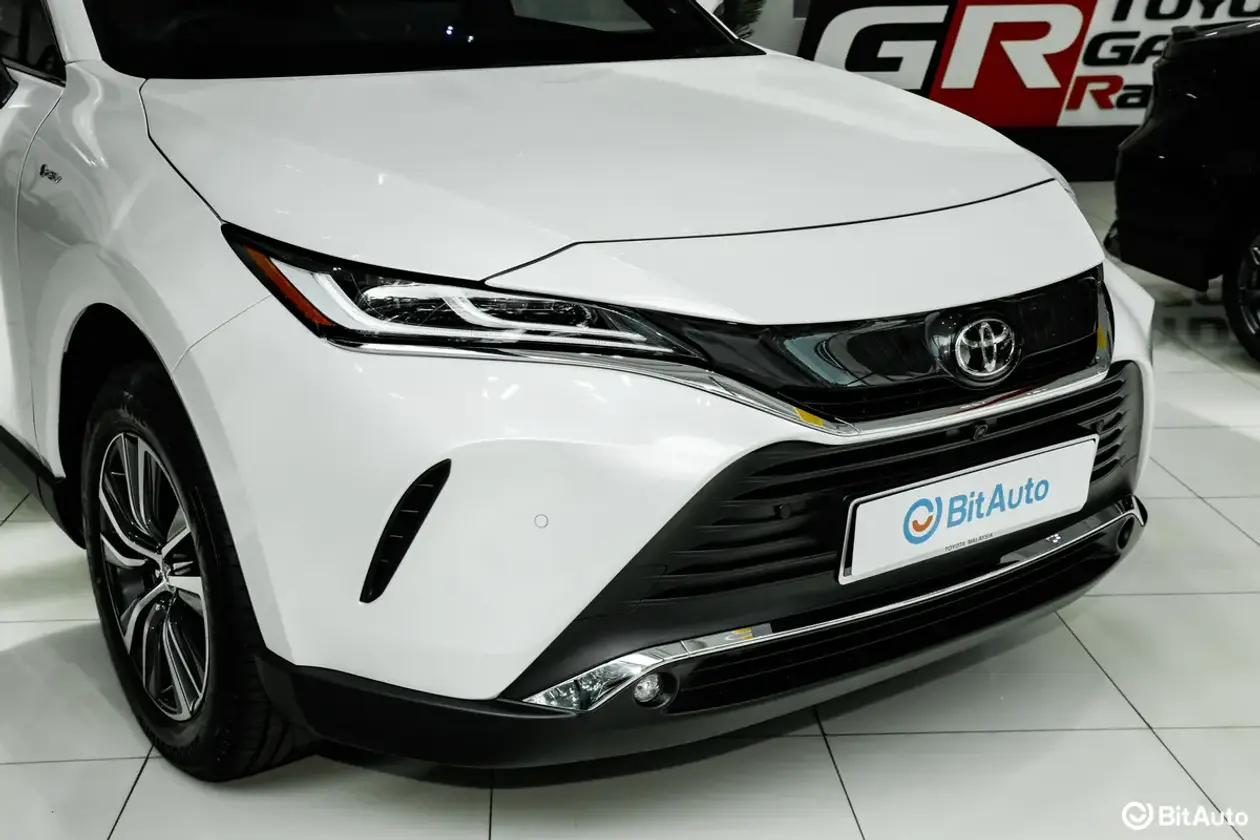
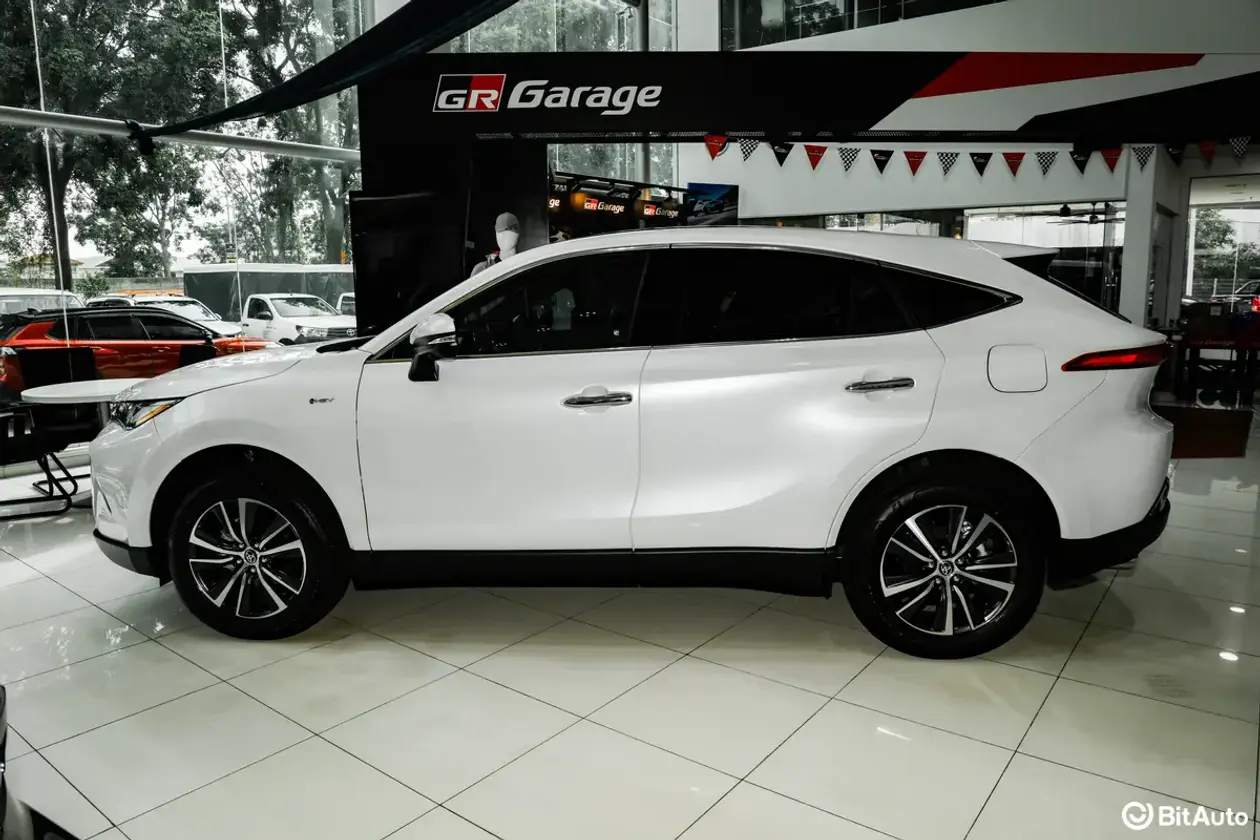
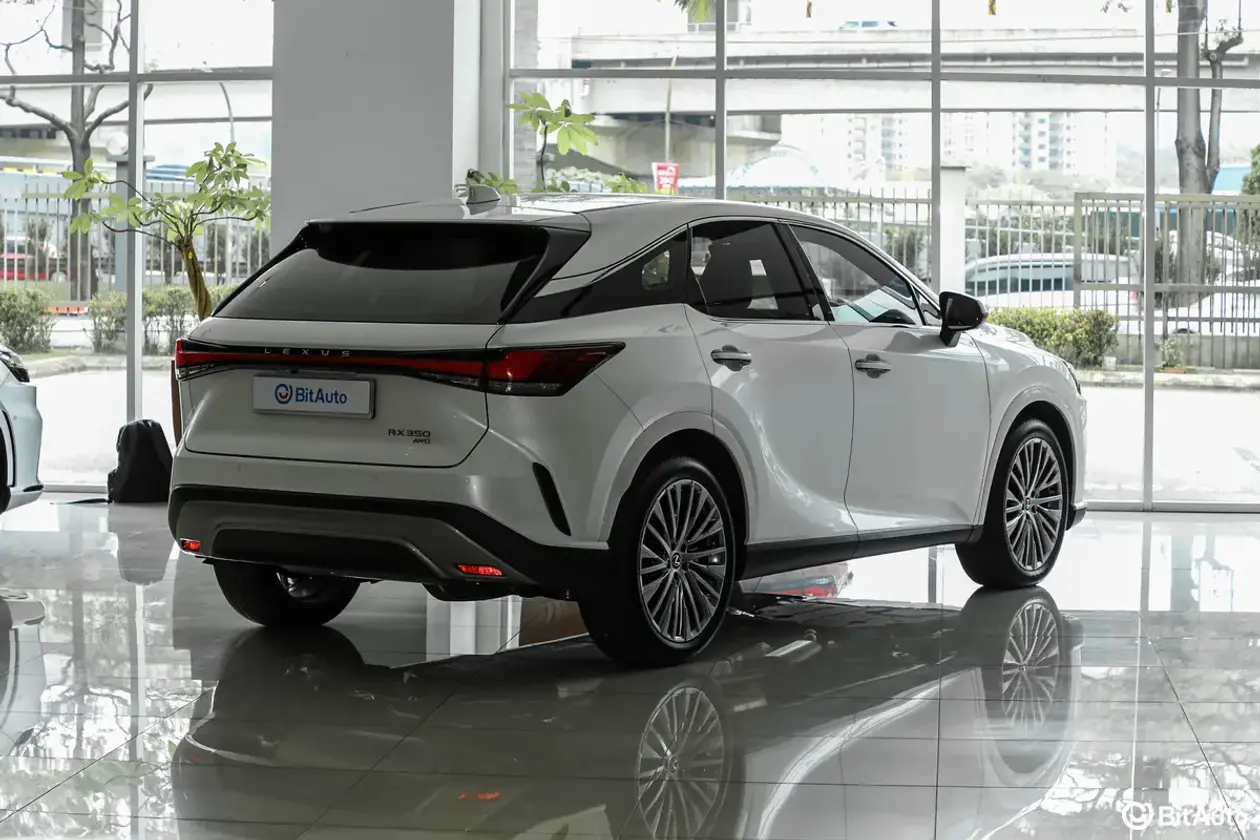
The Harrier adopts Toyota's contemporary design language, boasting youthful styling with an upright stance, a sloping roofline, and rear quarters that taper gracefully past the B-pillars to create a sleek coupe-SUV profile.
It also exudes noticeable refinement throughout, featuring deep paint quality and tight panel gaps that convey an upmarket aura at first glance. This is precisely why some mistake it for a "half-price RX"—its exterior fit and finish are premium.
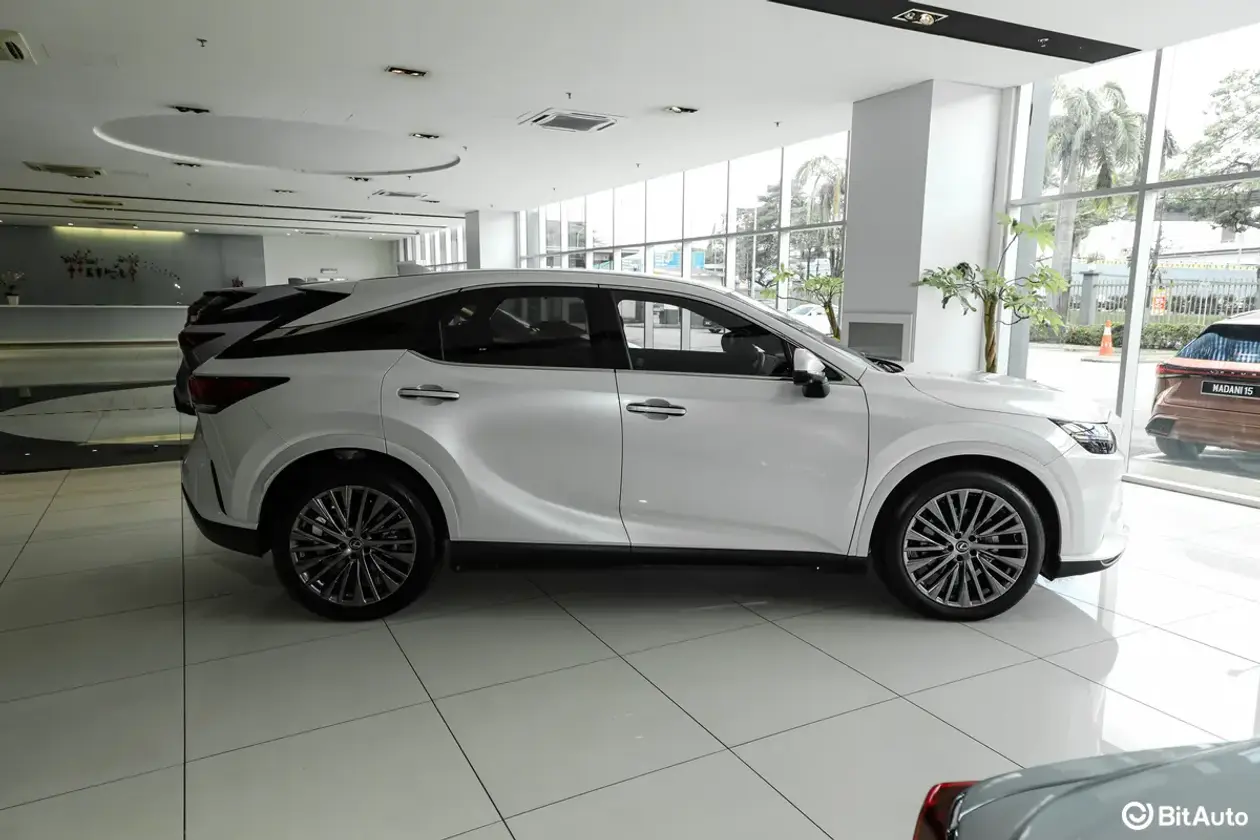
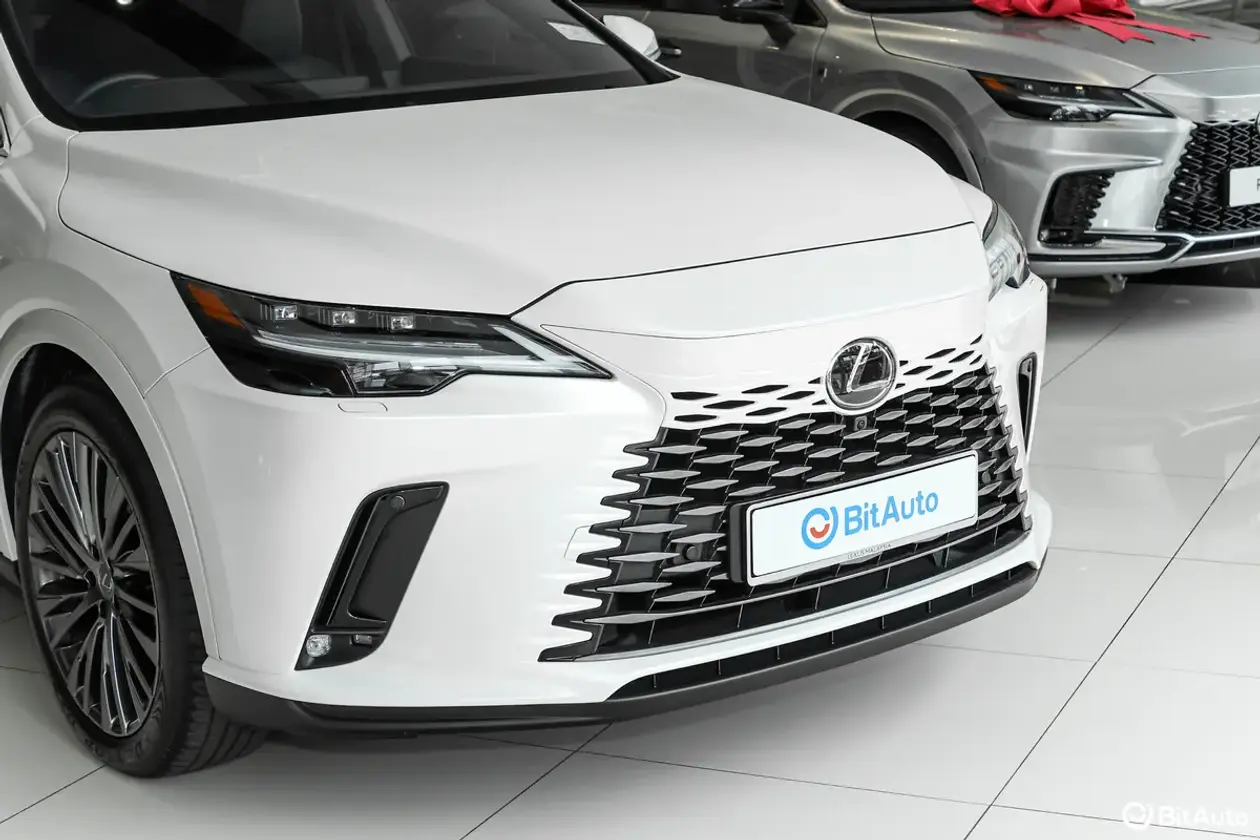
However, as the benchmark in the Lexus SUV lineup, the RX exhibits genuine luxury vehicle craftsmanship. With its signature spindle grille, razor-sharp character creases, and muscular flared wheel arches, the RX commands unmistakable prestige on the road.
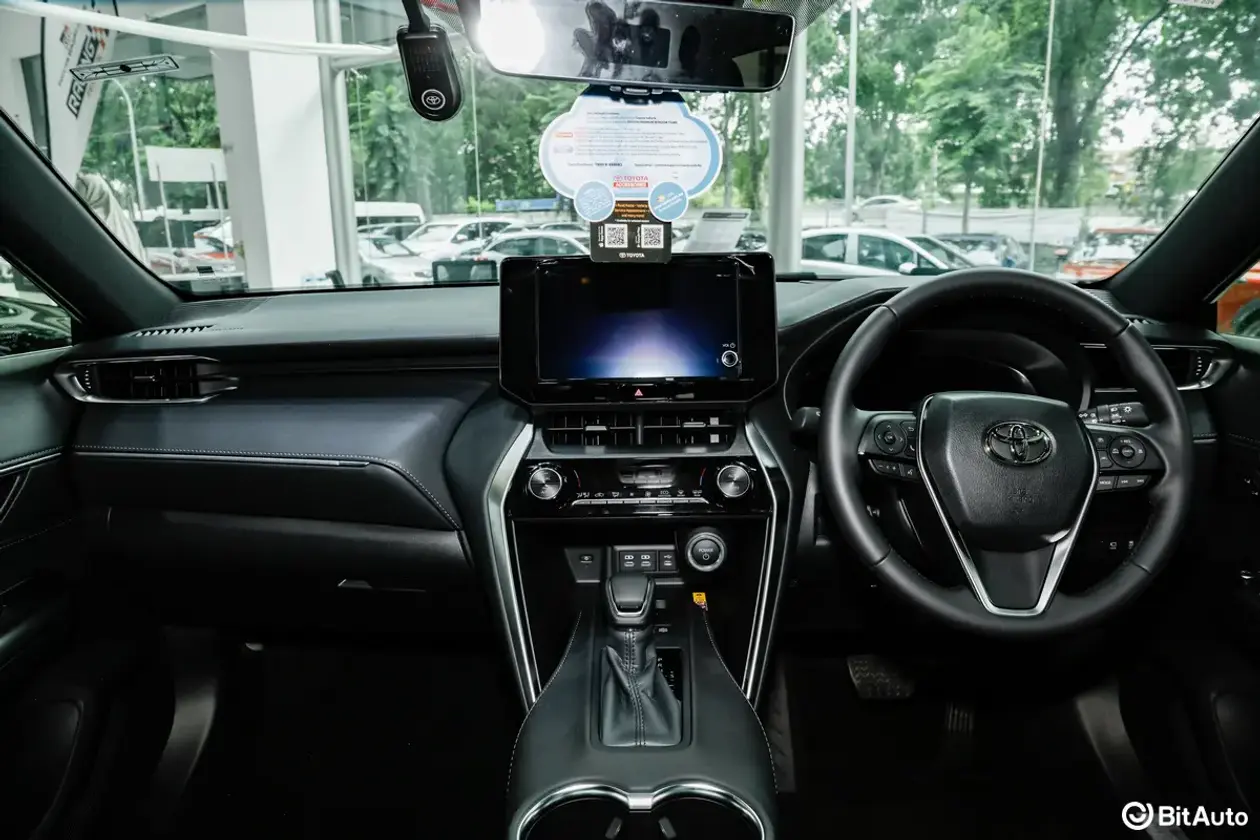
The Harrier comes generously kitted out, featuring a standard 12.3-inch digital instrument cluster, a 10.5-inch Head-Up Display (HUD), and an 8.0-inch Display Audio touchscreen with wireless Apple CarPlay and wired Android Auto.
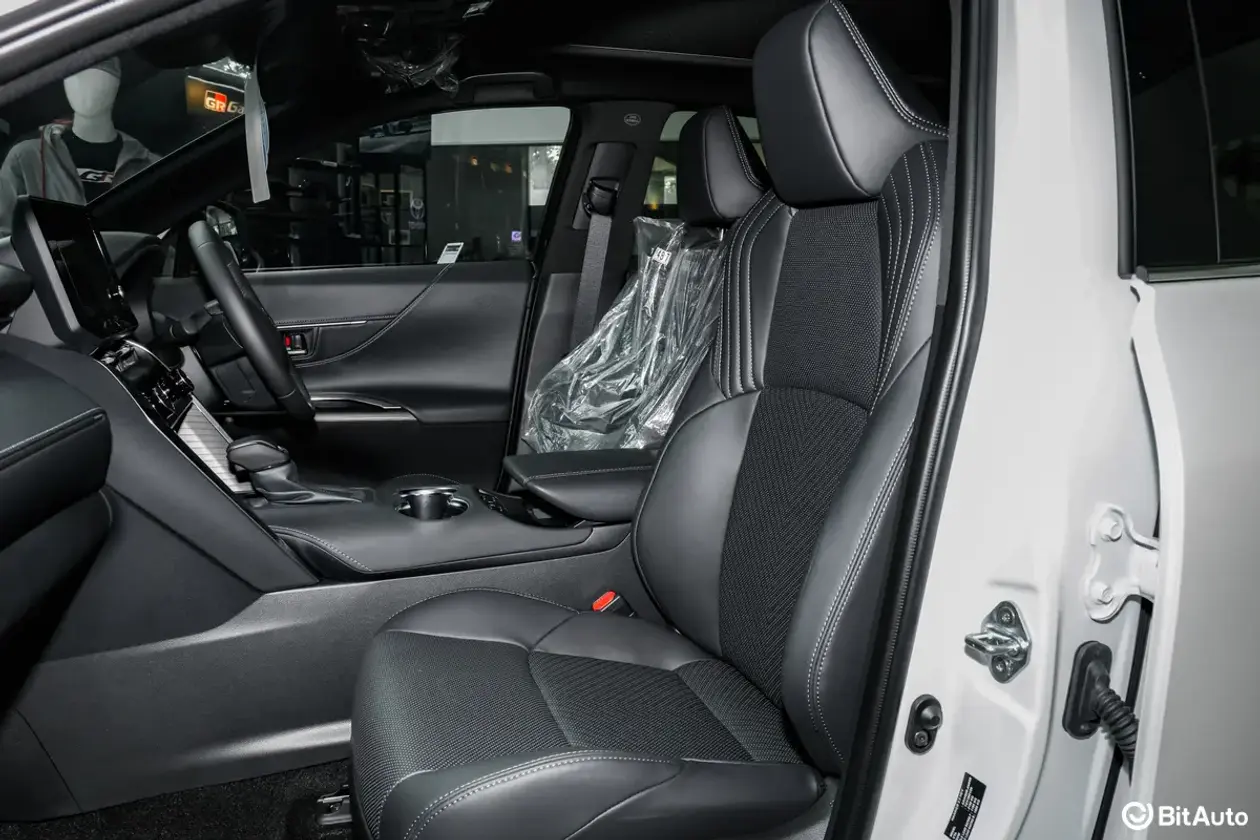
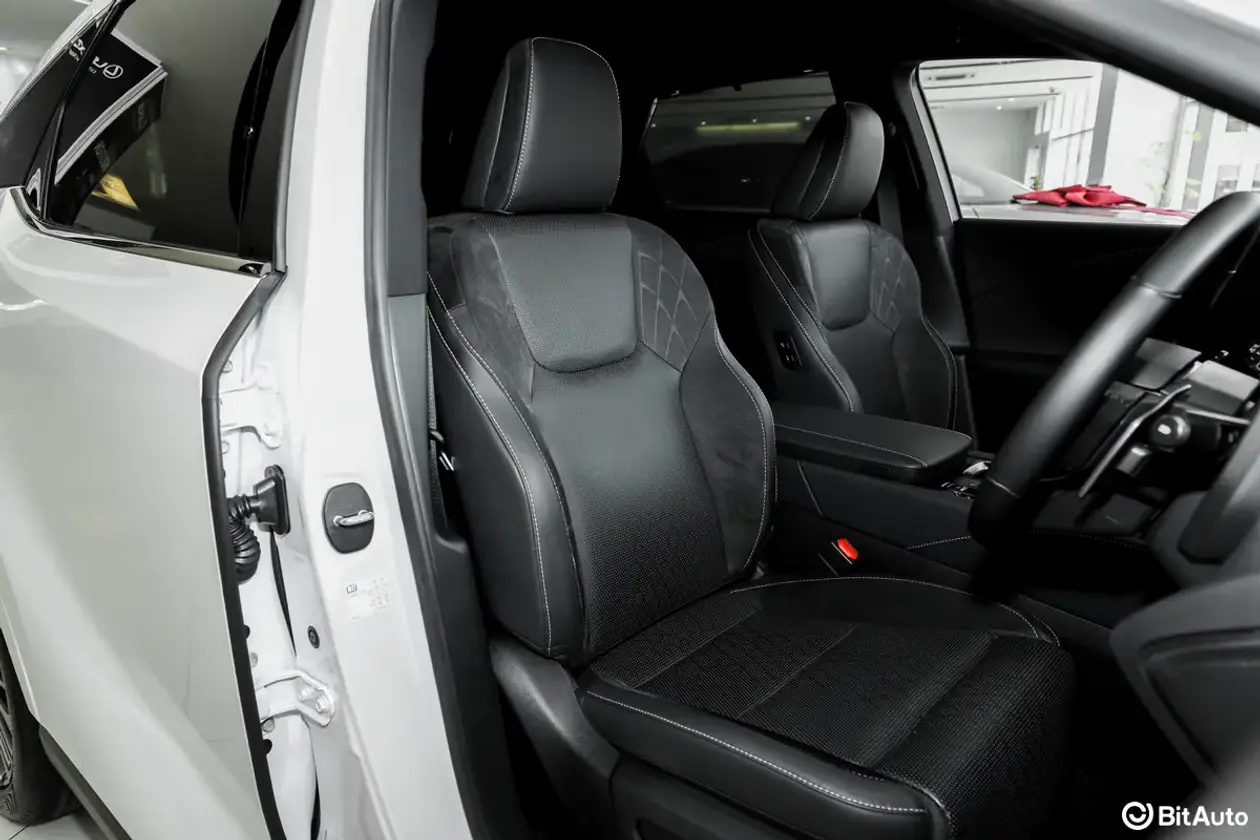
On the comfort front, standard equipment includes black leather upholstery, a 12-way power-adjustable driver's seat with memory, a 4-way power-adjustable front passenger seat, front seat ventilation and heating, dual-zone automatic climate control, Qi wireless charger, five USB-C ports, and a panoramic glass roof with a powered sunshade.
Features like ventilated/heated seats, memory seating, HUD, and a panoramic glass roof typically sit on the optional extras list for German rivals. However, the 8.0-inch infotainment screen does look modest alongside segment competitors that now standardise on 10-inch or larger displays.
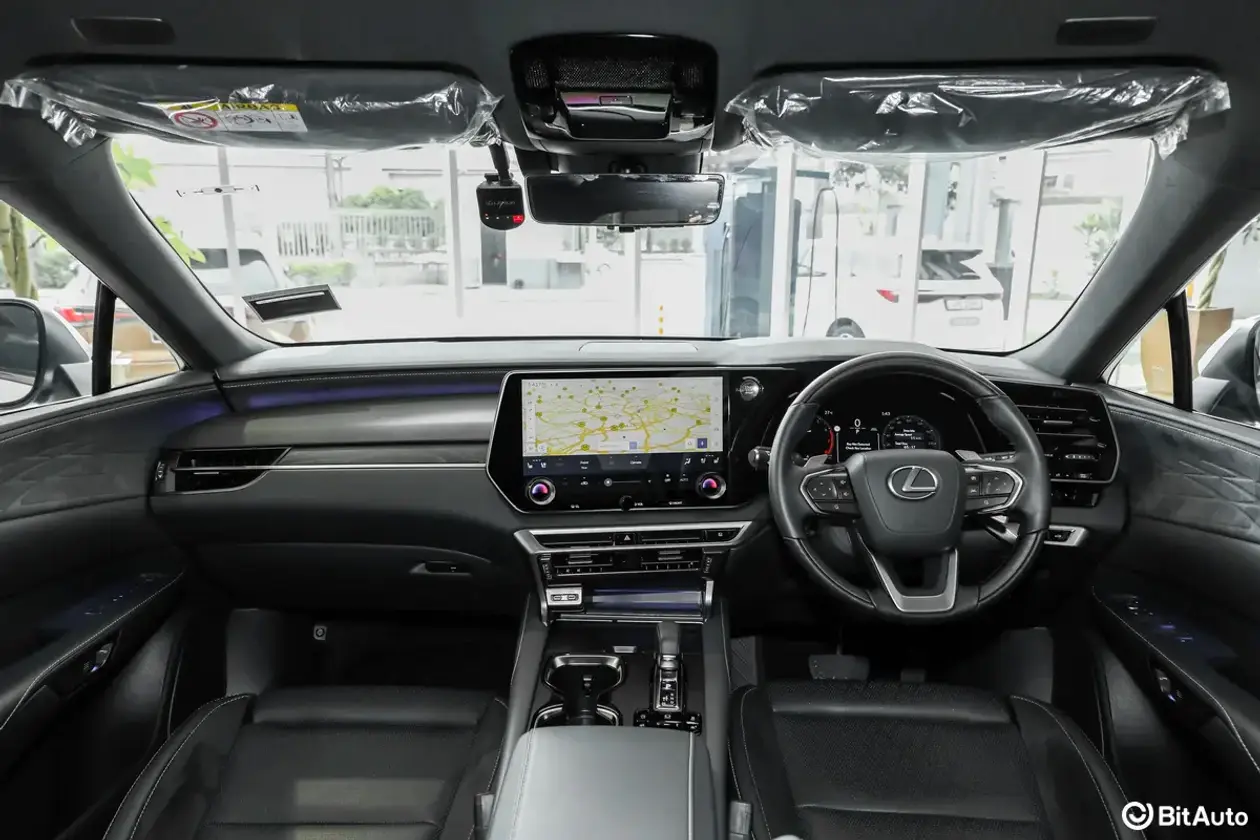
Predictably, the Lexus RX steps into a whole different league. It gets a massive 14.0-inch central touchscreen, a full digital instrument cluster, Lexus Safety System+ 3.0, ventilated and heated front seats, an optional Mark Levinson premium sound system, a panoramic roof, and 64-colour ambient lighting.
Backed by Lexus's class-leading NVH insulation and exquisite cabin material quality, it delivers a luxury experience far beyond the Harrier's reach.
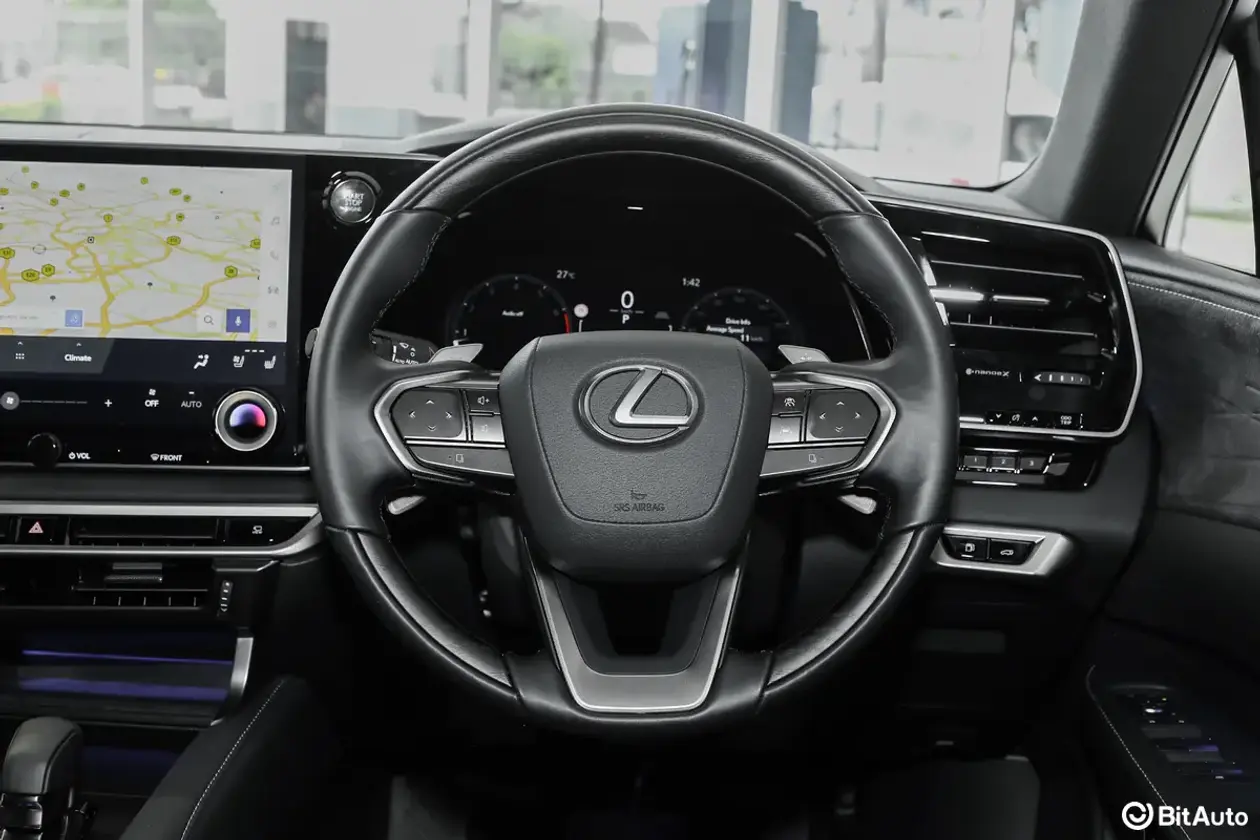
Given the immense price and segment divide, expecting the Harrier to rival Lexus's hallmark interior craftsmanship and cabin opulence is wishful thinking.
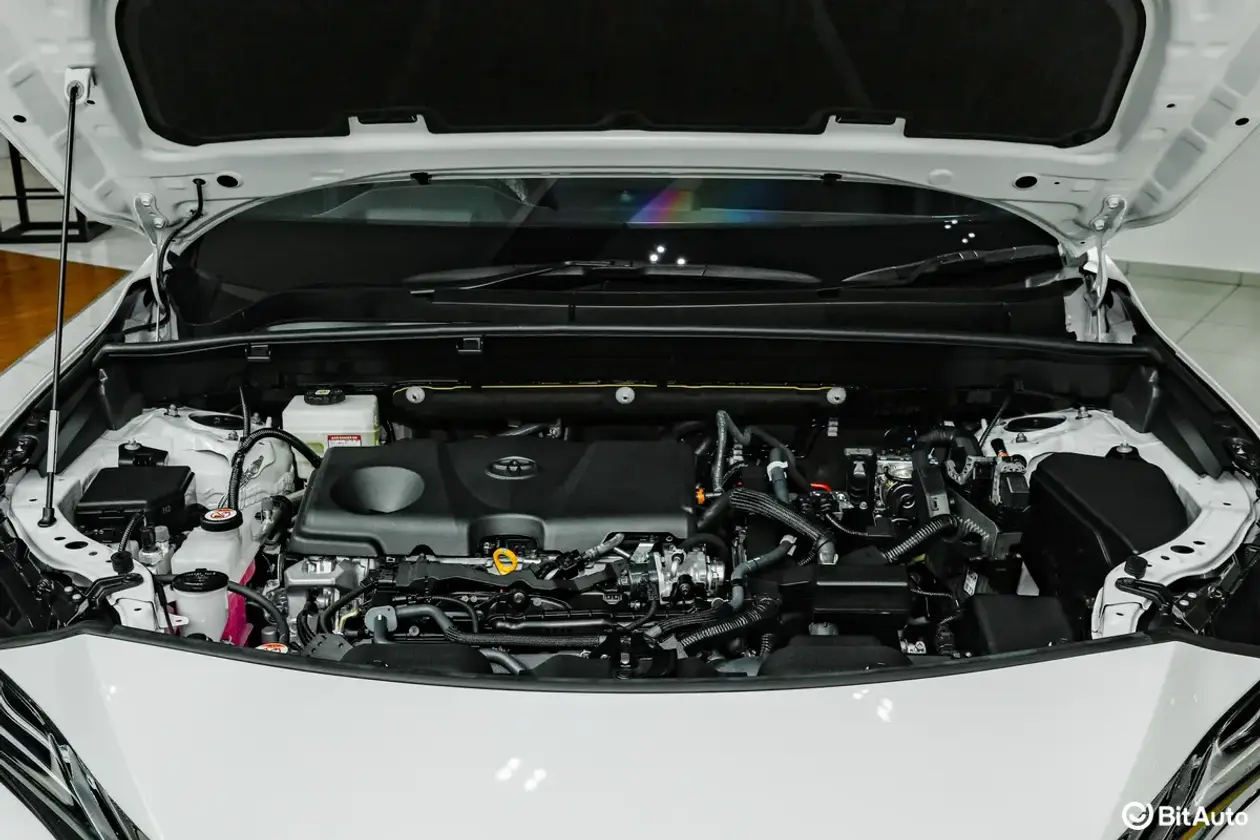
Under the bonnet, the two take starkly contrasting approaches.
The Harrier is powered by Toyota's proven hybrid powertrain, pairing a 2.5-litre naturally aspirated petrol engine (178 PS) with an electric motor (120 PS) for a combined system output of 217 PS.
Power is routed through an e-CVT gearbox (which operates on planetary gear sets, mechanically distinct from a conventional belt-and-pulley CVT), with exceptional fuel efficiency as its primary strength.
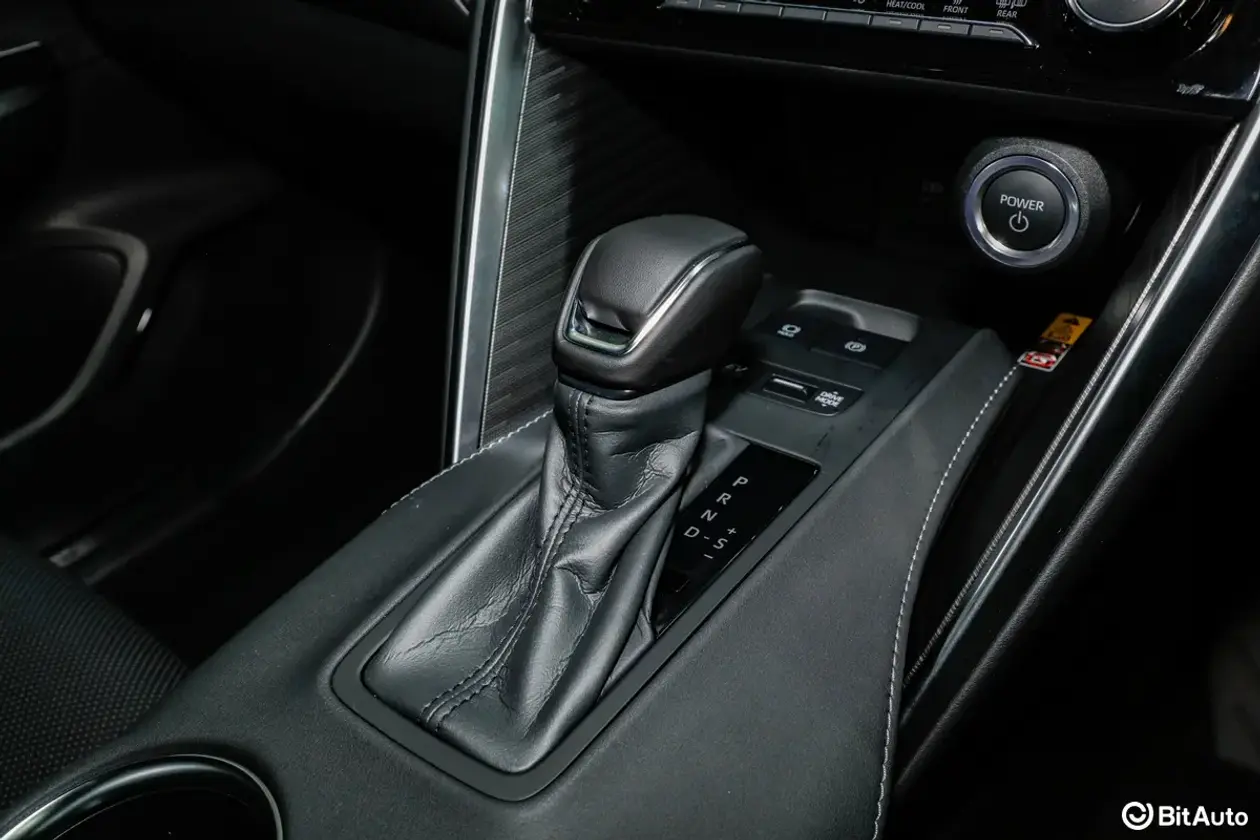
Its official fuel economy is rated at 4.7 L/100 km. As local motorists well know, Toyota's factory fuel consumption figures are realistic, sometimes even erring on the conservative side.
While this hybrid setup is hardly tuned for neck-snapping acceleration or outright performance, its frugality remains top-tier in its class.
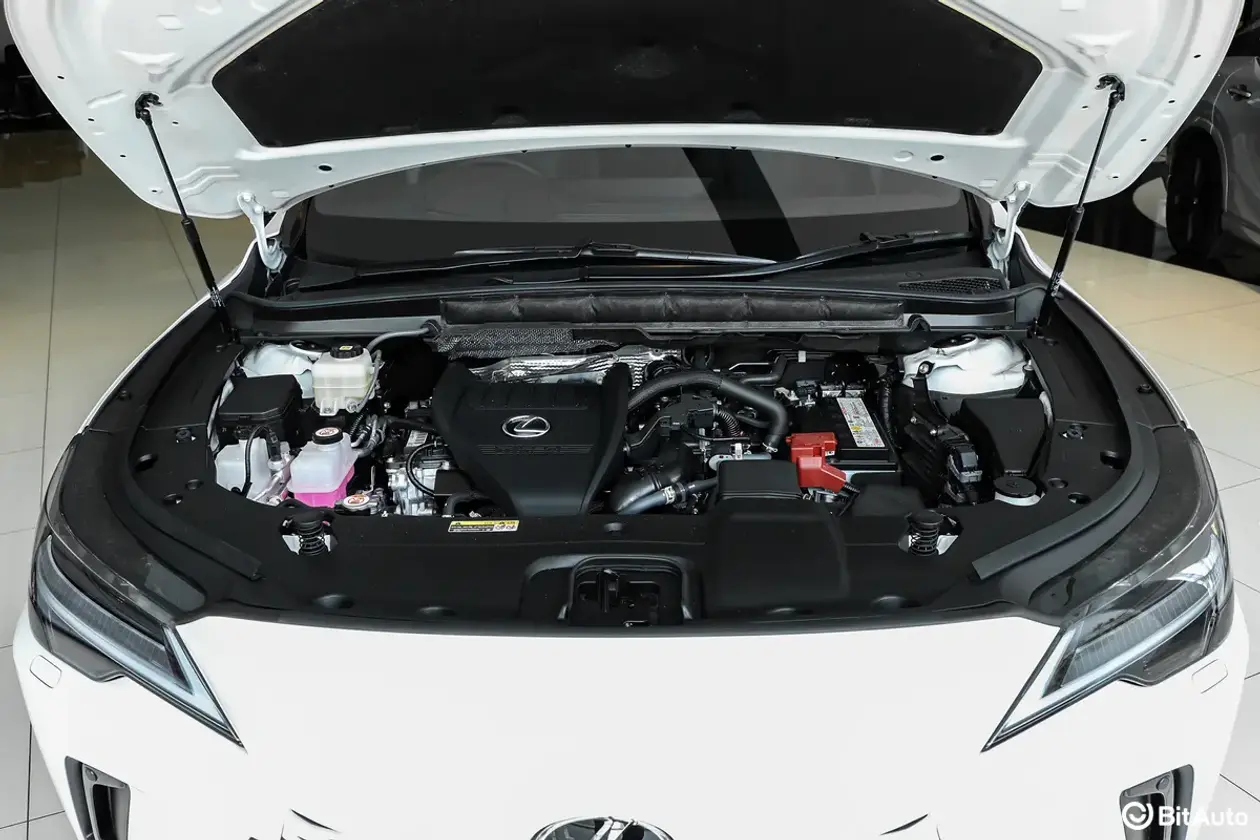
Conversely, the RX350 boasts a different mechanical persona. It runs a 2.4-litre turbocharged four-cylinder engine generating 275 PS and 430 Nm of torque, matched with an eight-speed automatic transmission and all-wheel drive, completing the 0-100 km/h sprint in 7.6 seconds.
While 275 PS does not make it a hot hatch, the RX350 unmistakably trades ultimate fuel economy for effortless, muscular power delivery.
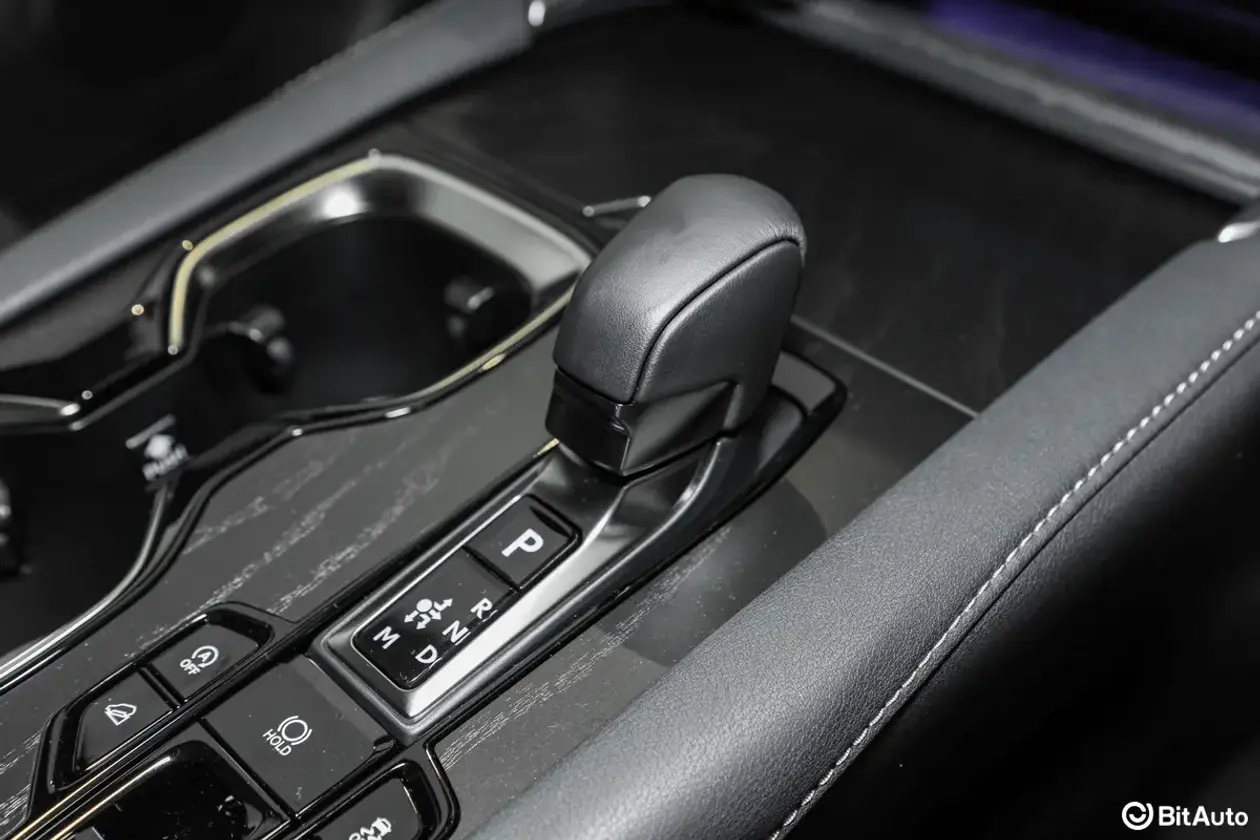
Thus, their drivetrains serve diametrically opposite driving priorities and cannot be directly compared.
Safety is perhaps the only area where this pair of unequal pricing stands on nearly equal footing. The Harrier is generously protected as standard, equipped with seven SRS airbags (dual front, front side, driver's knee, and full-length side curtain).
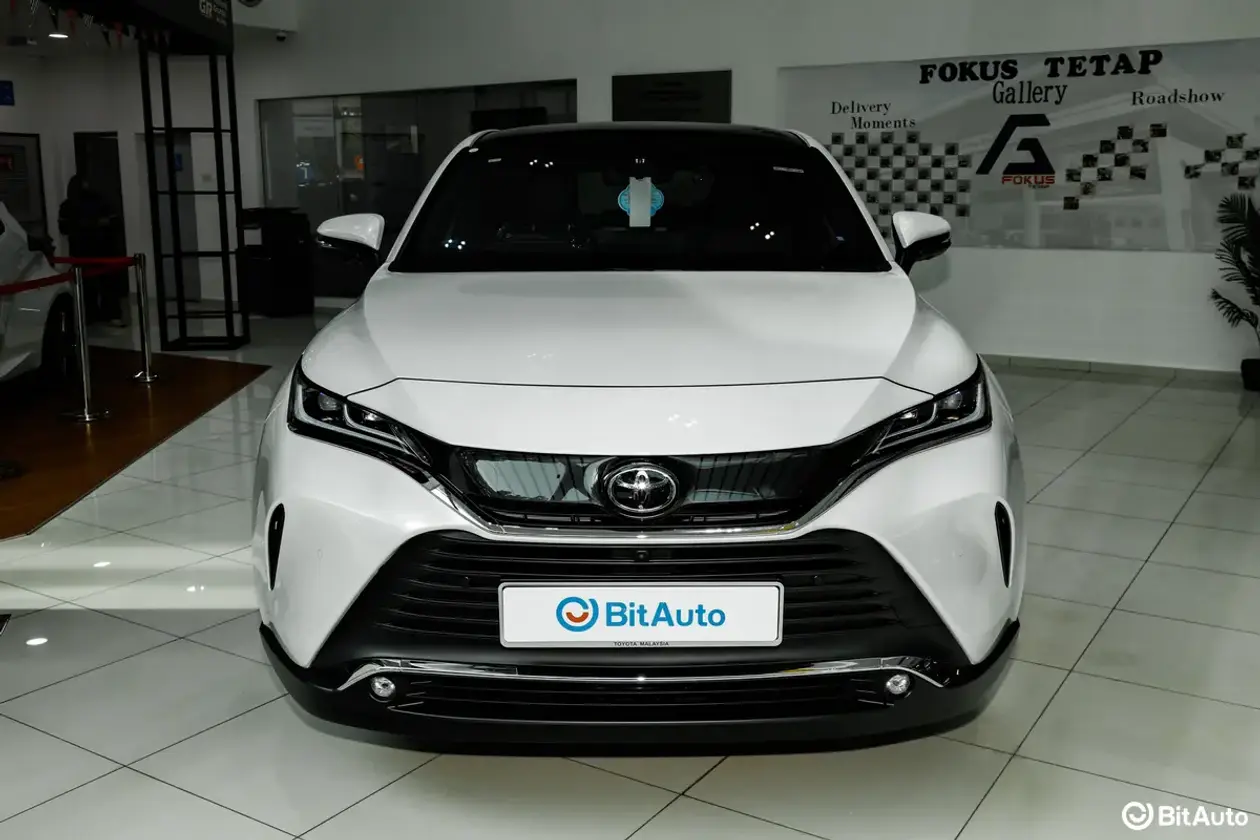
It also gets the full Toyota Safety Sense 3.0 ADAS suite, comprising Pre-Collision System (PCS with Autonomous Emergency Braking), All-Speed Dynamic Radar Cruise Control (DRCC), Lane Tracing Assist (LTA), Lane Departure Alert (LDA), Adaptive High Beam (AHB), Road Sign Assist (RSA), Blind Spot Monitor (BSM), Rear Cross Traffic Alert with braking (RCTA with braking), and Parking Support Brake (PKSB), backed by a full ASEAN NCAP five-star safety rating.
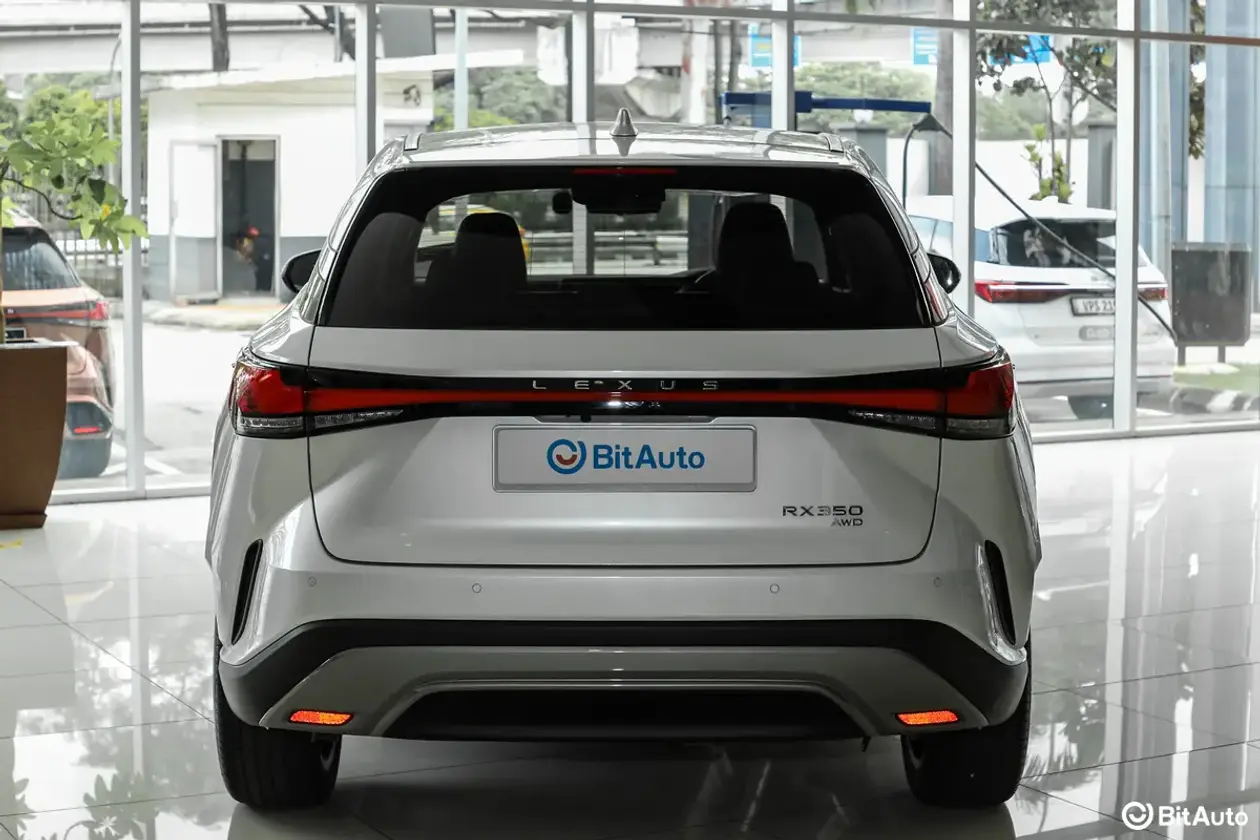
The RX350 matches the Harrier across nearly all safety hardware and functionality. The primary difference is nomenclature: the active safety package is dubbed Lexus Safety System+ 3.0 here, which is fundamentally Toyota Safety Sense 3.0. In terms of core radar and camera components, the hardware between the two is virtually identical.
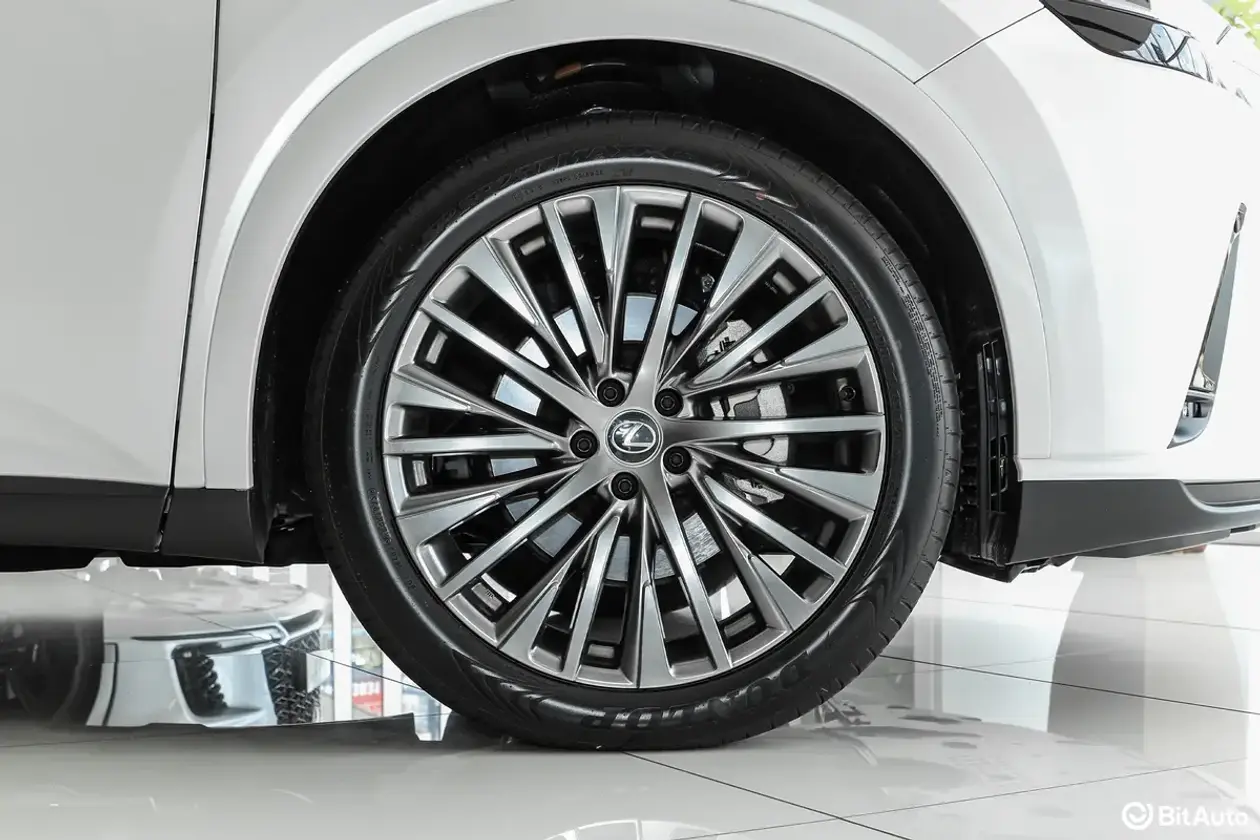
That said, being a premium brand, Lexus applies more sophisticated calibration and finer intervention thresholds to its sensor logic compared to mainstream Toyota models.
These subtleties remain imperceptible in everyday driving; you could drive the car for years without ever realising where the premium tuning lies. Yet, as life-saving safety nets, their discreet edge only proves decisive when critical, split-second emergencies strike.
At the end of the day, these two SUVs cannot be realistically cross-shopped. The substantial RM179,888 price chasm alone underscores that they are fundamentally distinct products. Their buyer profiles do not overlap either: those shopping with an RX350 budget are unlikely to settle for a Harrier, while for buyers within the Harrier's price bracket, the RX350 remains a distant stretch.
The only talking point linking the two is the persistent coffee-shop myth of a "half-price RX." As the facts show, getting a brand-new Lexus at half price is mere fantasy—Toyota's brand hierarchy remains as strictly policed as ever.
Leave your number, an advisor will contact you


Your go-to source for all things automotive in Malaysia. 🚗 Latest reviews, breaking news, launches & industry trends.
+ Follow Proton S70 RS - lebih garang, tapi, power x power? 7 hours ago
 The 2026 Proton S70 RS is here, bringing a sportier exterior, an updated interior and a fresh new look to Proton's popular C-segment sedan. But beyond the styling upgrades, does the new Proton S70 RS have the performance and driving experience to match its sporty appearance?
In this video, we take a closer look at the 2026 Proton S70 RS in Malaysia exploring its exterior design, interior upgrades, features, and overall performance. Is the updated Proton S70 worth considering against rivals like the Honda City, Toyota Vios and other sedans in Malaysia?
#ProtonS70 #ProtonS70RS #ProtonS70Facelift #ProtonMalaysia #2026ProtonS70 #CarReviewMalaysia #BitautoMalaysia 7 hours ago
 Cinta pandang pertama Proton S70 RS!
Dengan enjin i-GT 1.5TD & arahan suara Bahasa Malaysia
Jika sebelum ini Proton S70 Prime menjadi pilihan untuk pemanduan harian yang selesa dan menjimatkan, kini Proton tampil dengan varian yang jauh lebih garang dan sporty!
Ikuti Kazer dalam sesi pra-tonton untuk melihat apa kelainan sedan segmen-C ini.
#ProtonS70RS #ProtonS70 #BitAutoMalaysia #ProtonMalaysia #SedanSporty #UlasanKereta #AutomotifMalaysia #KeretaBaharu #ADAS #iGT15TD #S70RS 7 hours ago
Get the latest car news first!
Your go-to source for all things automotive in Malaysia. 🚗 Latest reviews, breaking news, launches & industry trends.
Proton S70 RS - lebih garang, tapi, power x power? 7 hours ago The 2026 Proton S70 RS is here, bringing a sportier exterior, an updated interior and a fresh new look to Proton's popular C-segment sedan. But beyond the styling upgrades, does the new Proton S70 RS have the performance and driving experience to match its sporty appearance?
In this video, we take a closer look at the 2026 Proton S70 RS in Malaysia exploring its exterior design, interior upgrades, features, and overall performance. Is the updated Proton S70 worth considering against rivals like the Honda City, Toyota Vios and other sedans in Malaysia?
#ProtonS70 #ProtonS70RS #ProtonS70Facelift #ProtonMalaysia #2026ProtonS70 #CarReviewMalaysia #BitautoMalaysia 7 hours ago Cinta pandang pertama Proton S70 RS!
Dengan enjin i-GT 1.5TD & arahan suara Bahasa Malaysia
Jika sebelum ini Proton S70 Prime menjadi pilihan untuk pemanduan harian yang selesa dan menjimatkan, kini Proton tampil dengan varian yang jauh lebih garang dan sporty!
Ikuti Kazer dalam sesi pra-tonton untuk melihat apa kelainan sedan segmen-C ini.
#ProtonS70RS #ProtonS70 #BitAutoMalaysia #ProtonMalaysia #SedanSporty #UlasanKereta #AutomotifMalaysia #KeretaBaharu #ADAS #iGT15TD #S70RS 7 hours ago 
© 2024 Bitauto.com. All Rights Reserved.
Bitauto (www.yiche.com and www.bitauto.com) is one of the most visited automotive websites in China. We provide detailed info on Chinese car brands available in your area. Please note that the information provided on this website is based on publicly available data and is for reference only. It may not be fully updated or accurate at all times.

Help us improve our website


