Tyre pressure has a direct impact on safety, fuel consumption and tyre life. Yet many drivers simply follow what someone else uses, or pick a number whenever they stop at a petrol station to inflate their tyres.
With Malaysia's hot weather, frequent rain and varied road conditions, using the correct tyre pressure is especially important.
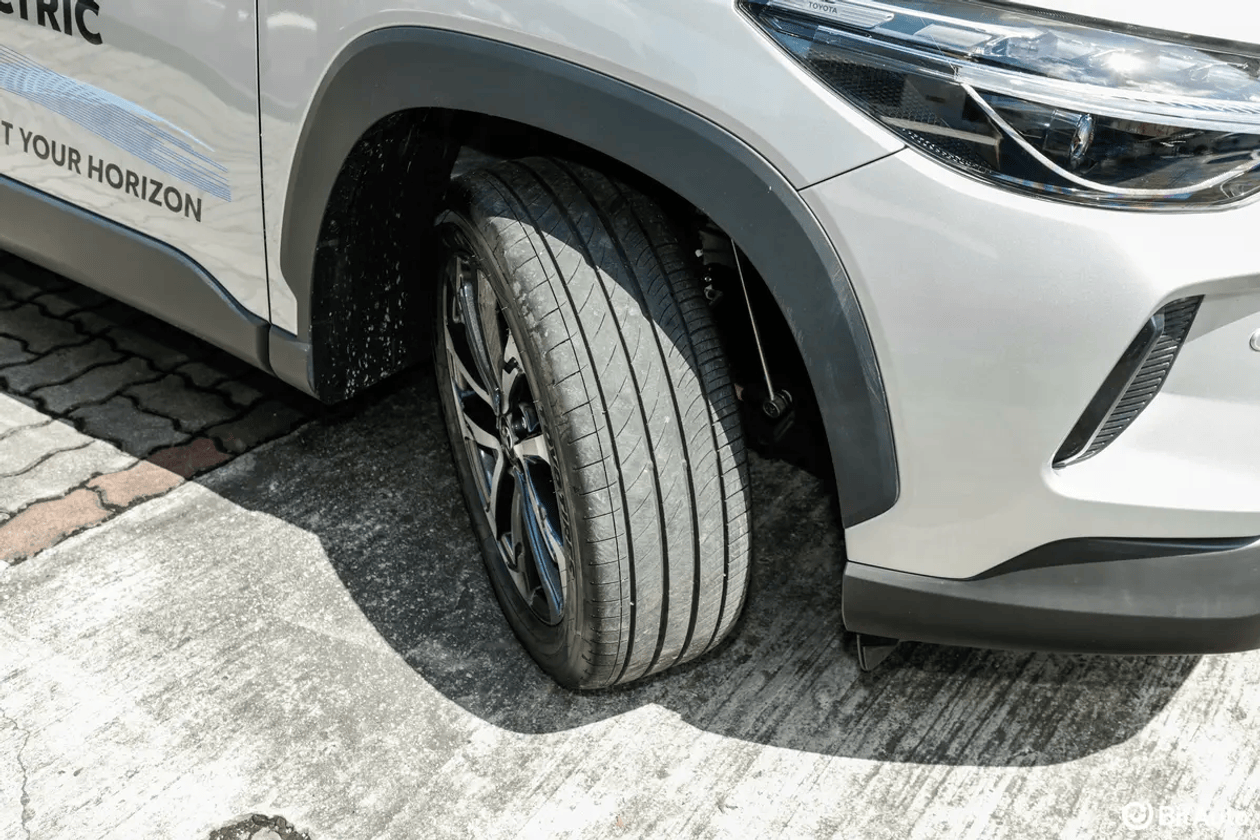
The most accurate tyre pressure for your car is not a number you should guess or copy from another driver. It is the figure specified by the manufacturer.
Look for the tyre-pressure placard: Open the driver's door and check the B-pillar, usually around the area below the seatbelt. The placard normally lists the recommended cold tyre pressures for different loading conditions and, in some cases, different speeds. Both PSI and kPa are usually shown.
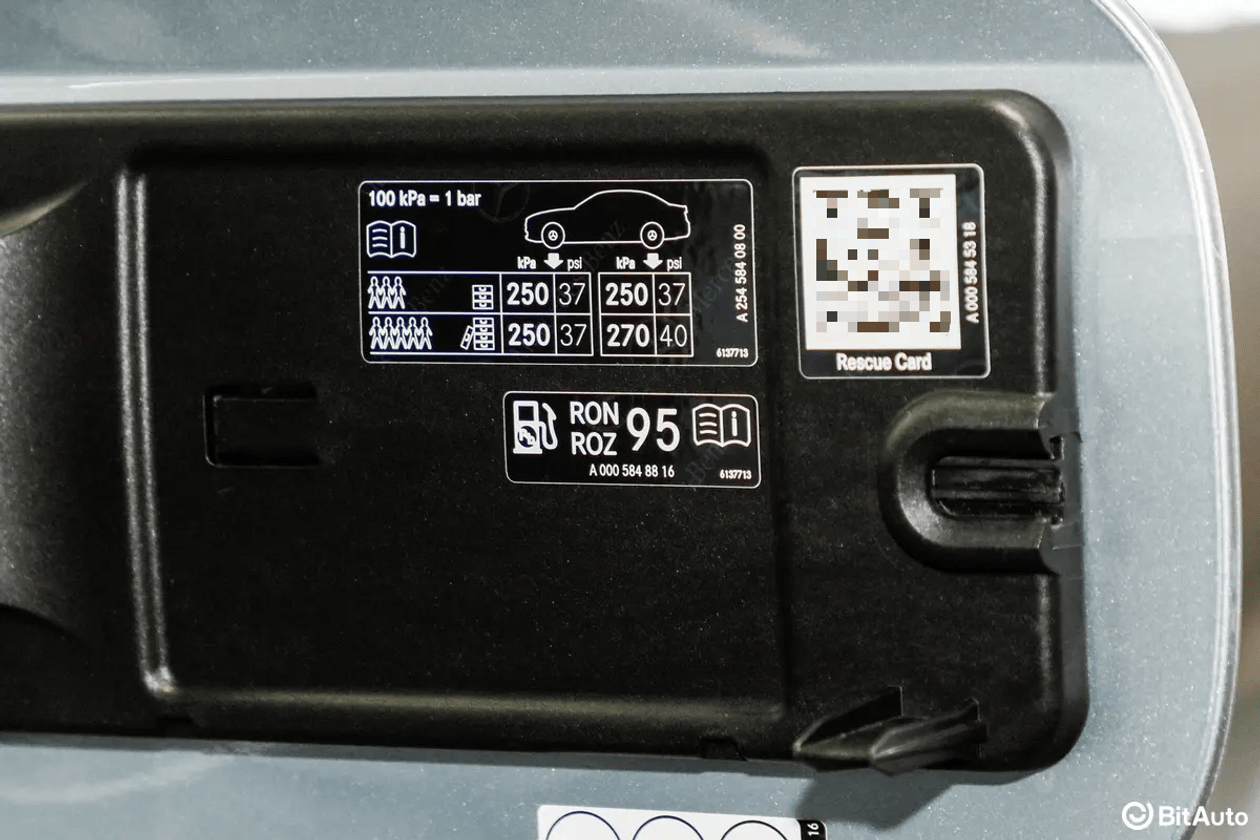
Check inside the fuel-filler flap: Some cars have the recommended tyre pressures printed on the inside of the fuel-filler flap instead.
Check the owner's manual: If you cannot find the placard, the owner's manual is the next place to look.
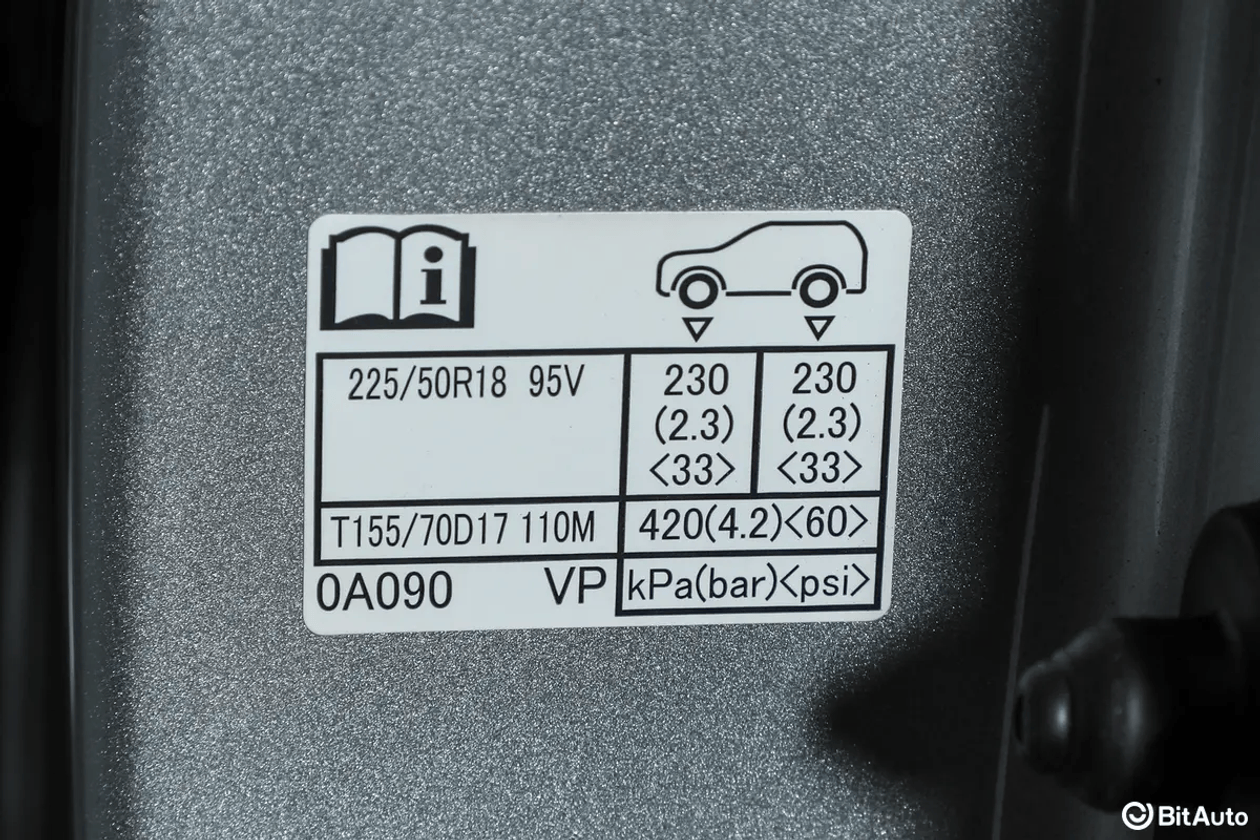
The correct pressure varies from one model to another, so the manufacturer's recommendation should always take priority.
As a general reference, however, common passenger cars on Malaysian roads typically fall within these ranges:
1. Checking or releasing air when the tyres are hot
Tyre pressure naturally rises as the tyres heat up. After a long drive or a motorway run, the pressure can increase by around 1–2 PSI for every 10°C rise in temperature.
That means a reading taken from a hot tyre will normally be higher than its cold pressure. Do not release air simply because the reading looks high — once the tyre cools down, the pressure could end up too low.
2. Running the wrong tyre pressure
Some drivers assume that Malaysia's hot climate means they should deliberately run lower pressures. Others take the opposite approach and believe that higher pressure is always better.
Neither is a good idea.
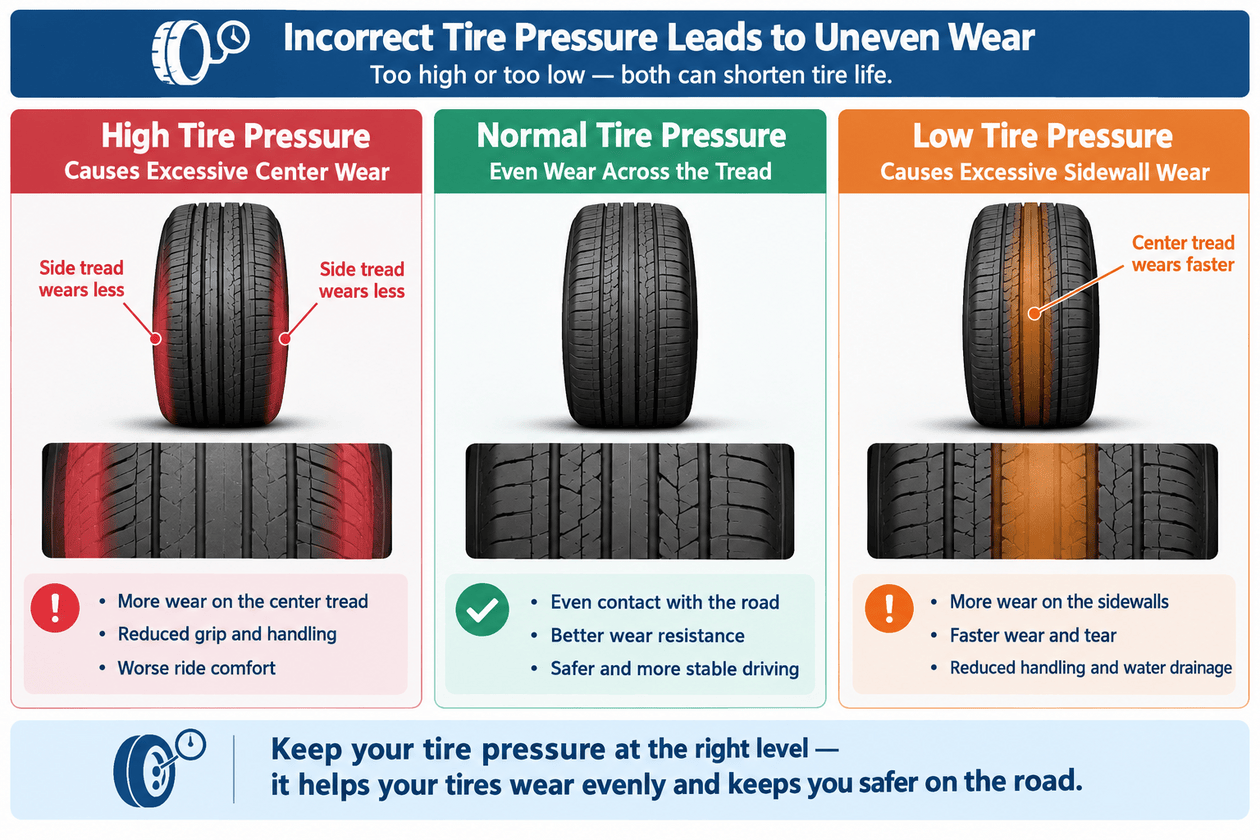
Under-inflation increases rolling resistance and fuel consumption, while causing excessive wear on the shoulders of the tyre. At high speeds, the additional flexing can also generate excessive heat and increase the risk of a tyre failure.
Over-inflation can cause excessive wear in the centre of the tread and reduce the tyre's contact with the road. This can affect grip when cornering or braking and make the car feel more bouncy over uneven surfaces.
The manufacturer's recommended pressure is already designed for the vehicle and its intended operating conditions, so there is no need to adjust it based on guesswork.
3. Using the same pressure on all four tyres
Front and rear tyres do not necessarily use the same pressure. This is particularly common on front-engined front-wheel-drive cars, where the front axle carries more weight.
The recommended pressure can also change depending on whether the car is lightly loaded or carrying a full load.
Check the different figures on the B-pillar placard and adjust the front and rear tyres accordingly.
4. Only checking the pressure every six months
Tyres naturally lose a small amount of air over time. Under normal conditions, a tyre can lose around 1 PSI per month, even without a puncture.
With Malaysia's frequent rain and changing temperatures, it is a good idea to check your tyre pressures at least once a month.
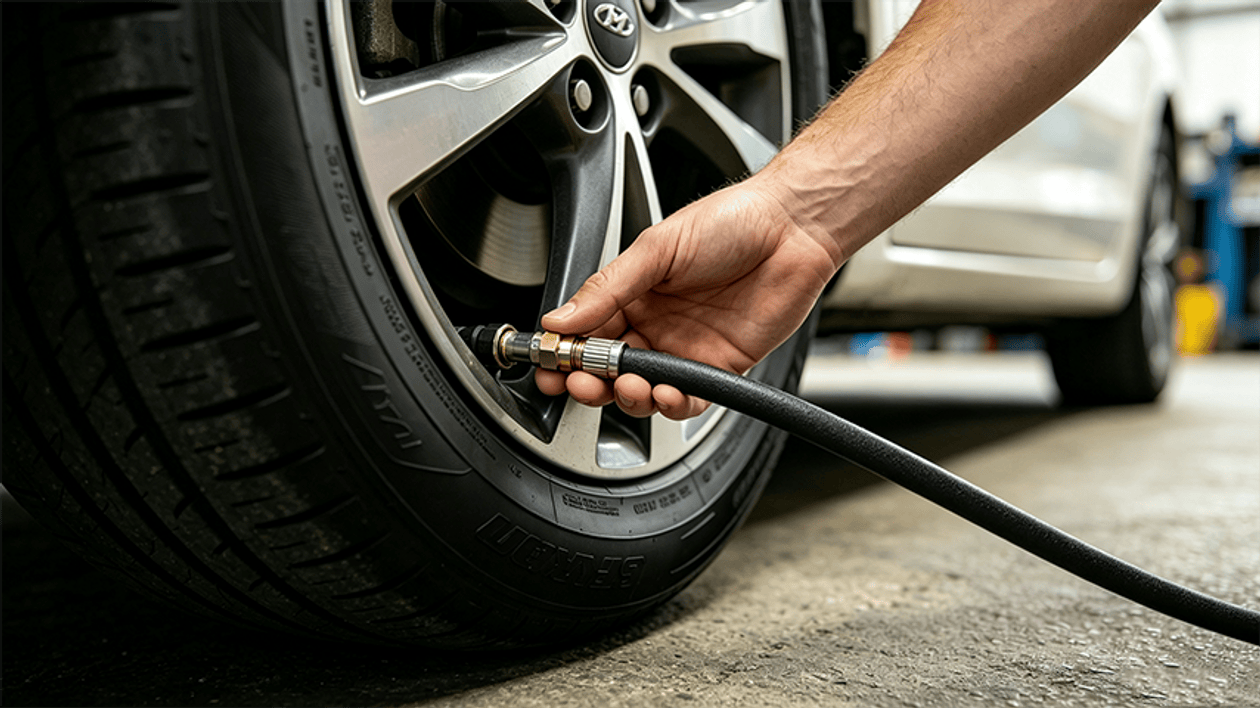
Check your tyres when they are cold: The best time to check and inflate your tyres is in the morning before driving, or after the car has travelled no more than 2–3km and has not been sitting in direct sunlight.
That gives you a much more accurate cold-pressure reading.
Most importantly, don't simply use the same PSI as the car next to you at the petrol station. Check your own car's tyre-pressure placard first.

Your go-to source for all things automotive in Malaysia. 🚗 Latest reviews, breaking news, launches & industry trends.
+ Follow We saw this accident this morning, and here’s a reminder to everyone: please drive safe. 2 hours ago
  The G50 BMW 3 series is now here, adopting much of the i3's design elements.
So, where's the BMW M3?
#bmw #BMW3Series 1 day ago
The G50 BMW 3 series is now here, adopting much of the i3's design elements.
So, where's the BMW M3?
#bmw #BMW3Series 1 day ago  DRIFT PARTY in Malaysia! Can the Xiaomi SU7, Yangwang U8 mix it up against JDM favourites in KL?
Our adventure with the Xiaomi SU7 and Yangwang U8 brings us to APDCrew circuit as we give witness a drift show. With pro drifters and fan-favourites - RX7s, S15s, Skylines, Supras, and more - in the mix, can our Xiaomi SU7 and Yangwang U8 hold their own?
It's also a quick look at Malaysian car culture, including some wildly modified minivans, and more!
#drift #malaysia #xiaomisu7 #yangwangu8 #larrychen #drifting #JDM跑車 1 day ago
DRIFT PARTY in Malaysia! Can the Xiaomi SU7, Yangwang U8 mix it up against JDM favourites in KL?
Our adventure with the Xiaomi SU7 and Yangwang U8 brings us to APDCrew circuit as we give witness a drift show. With pro drifters and fan-favourites - RX7s, S15s, Skylines, Supras, and more - in the mix, can our Xiaomi SU7 and Yangwang U8 hold their own?
It's also a quick look at Malaysian car culture, including some wildly modified minivans, and more!
#drift #malaysia #xiaomisu7 #yangwangu8 #larrychen #drifting #JDM跑車 1 day ago Get the latest car news first!
Your go-to source for all things automotive in Malaysia. 🚗 Latest reviews, breaking news, launches & industry trends.
We saw this accident this morning, and here’s a reminder to everyone: please drive safe. 2 hours ago The G50 BMW 3 series is now here, adopting much of the i3's design elements.
So, where's the BMW M3?
#bmw #BMW3Series 1 day ago DRIFT PARTY in Malaysia! Can the Xiaomi SU7, Yangwang U8 mix it up against JDM favourites in KL?
Our adventure with the Xiaomi SU7 and Yangwang U8 brings us to APDCrew circuit as we give witness a drift show. With pro drifters and fan-favourites - RX7s, S15s, Skylines, Supras, and more - in the mix, can our Xiaomi SU7 and Yangwang U8 hold their own?
It's also a quick look at Malaysian car culture, including some wildly modified minivans, and more!
#drift #malaysia #xiaomisu7 #yangwangu8 #larrychen #drifting #JDM跑車 1 day ago  ProtonGWMVolkswagenJAECOOVolvoPeroduaToyotaHondaTESLAMitsubishiMazdaJetourCheryBYDLexusBMWMercedes-BenziCAURZeekrIsuzuNissanLeapmotorPorscheFordOMODAMINIMGSuzukiXPengHyundaiWulingKiaSubaruDenzaGACLand RoverDongfengCAMAudiPeugeotFotonMAXUSsmartDaihatsuJACJMCMaseratiLotusAlfa RomeoRenaultGolden DragonKaiceneSeresLamborghiniFerrariJeepRolls-RoyceLepasAston MartinMcLarenChevroletBentleyFiatBAICForthingGeelyRoeweAeolusChanganARCFOXDeepalExeedHongqiVoyahJaguarKGMBuforiAcuraCadillacDodgeAbarthINEOSMHEROJMEVFreelander
© 2024 Bitauto.com. All Rights Reserved.
Bitauto (www.yiche.com and www.bitauto.com) is one of the most visited automotive websites in China. We provide detailed info on Chinese car brands available in your area. Please note that the information provided on this website is based on publicly available data and is for reference only. It may not be fully updated or accurate at all times.
Help us improve our website


