You excitedly take delivery of what you believe is a brand-new 2026 vehicle. A few weeks later, the dealer calls to tell you that the car was actually built in 2025.
This isn't a fictional scenario.
In July 2026, BYD Australia was found to have delivered vehicles with incorrect build year records to 1,265 customers. The affected models included the Atto 3, Sealion 8 and Shark 6, among several of the brand's key models.
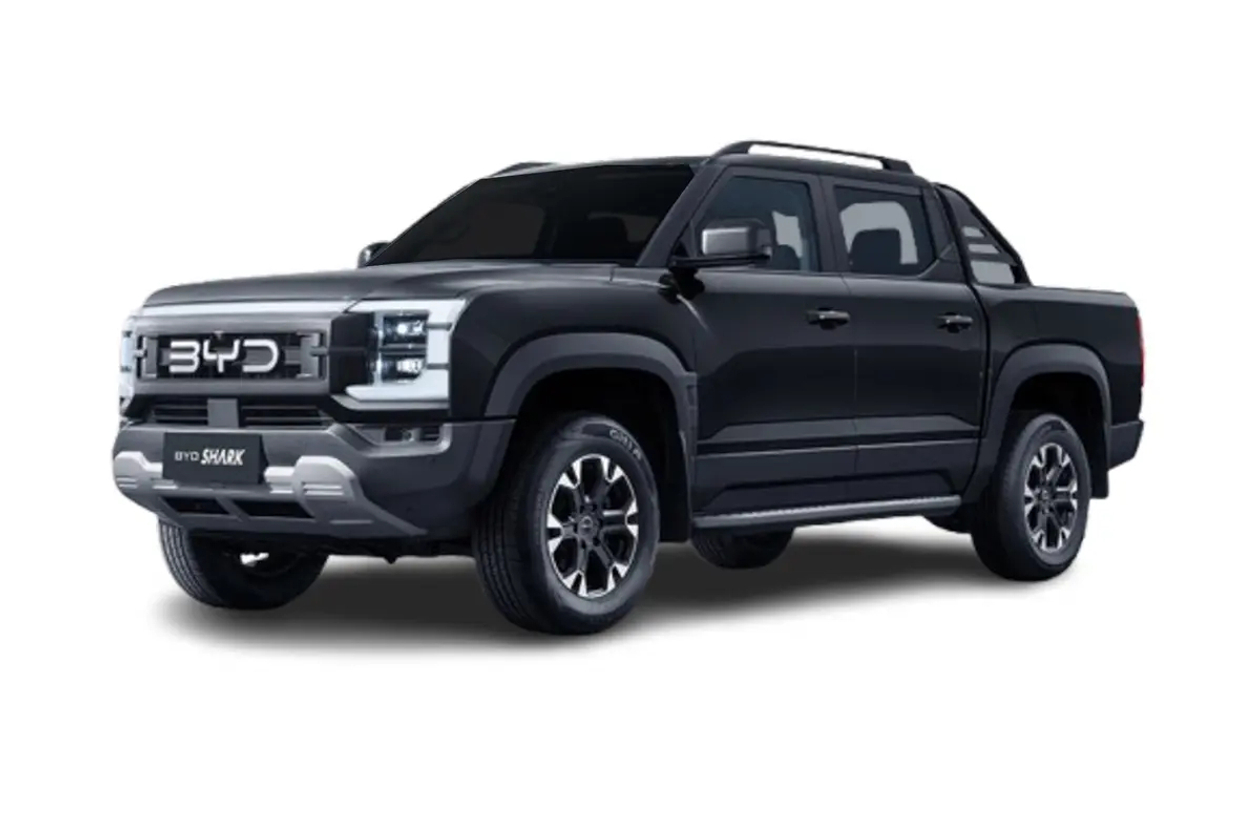
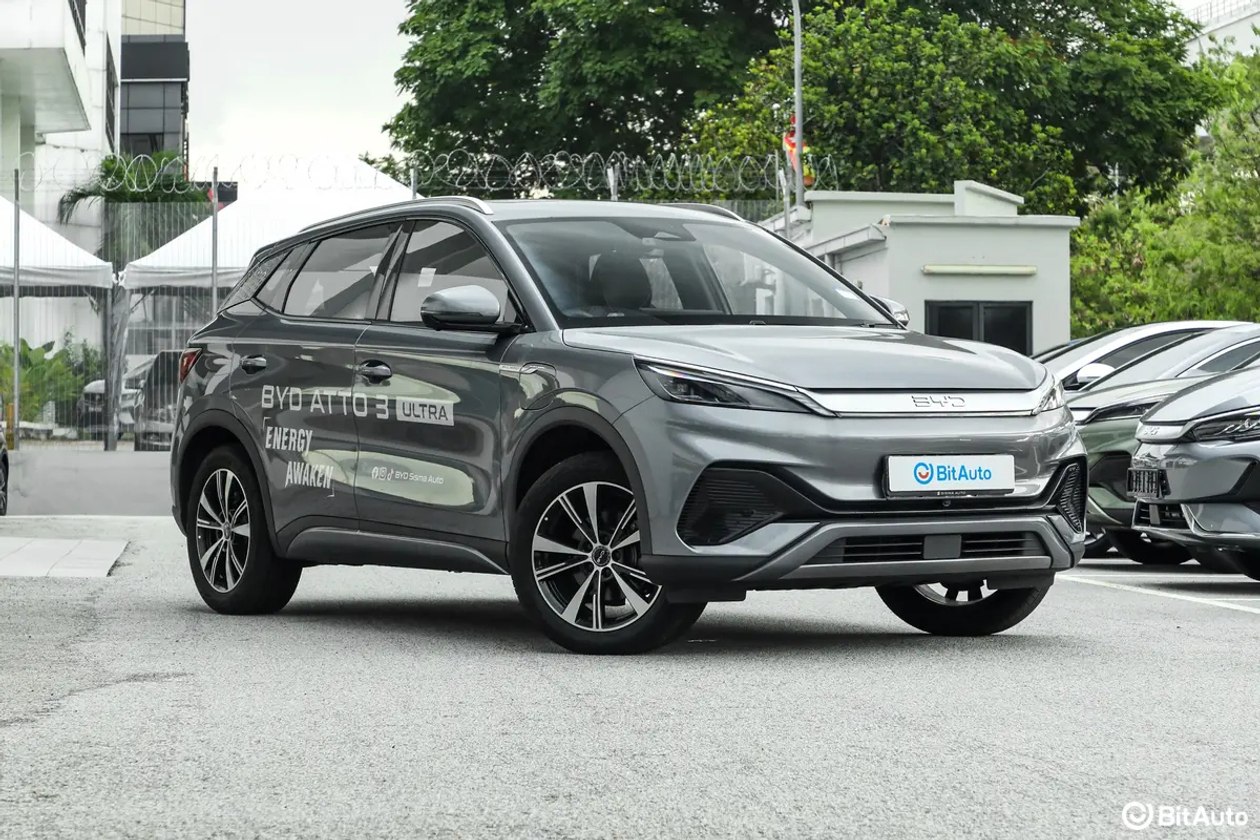
According to a spokesperson for BYD Australia, the issue was first discovered when a customer attempted to insure a newly purchased vehicle and cross-checked its build date. The customer then contacted the dealer, prompting an internal investigation by BYD, which found that 1,265 customers had been affected.
So, what went wrong?
Paul Ellis, BYD Australia's Director of Public Relations, told ABC that the company had mistakenly used the date the vehicle left the factory instead of its actual production date when recording the build year.
More importantly, although the correct production date was recorded in government systems, incorrect information had been manually entered into BYD's internal customer relationship management (CRM) system, before being carried across into sales documents and customer records.
Ellis stressed that there had been "no intention to deceive" and described the issue as an "administrative error".
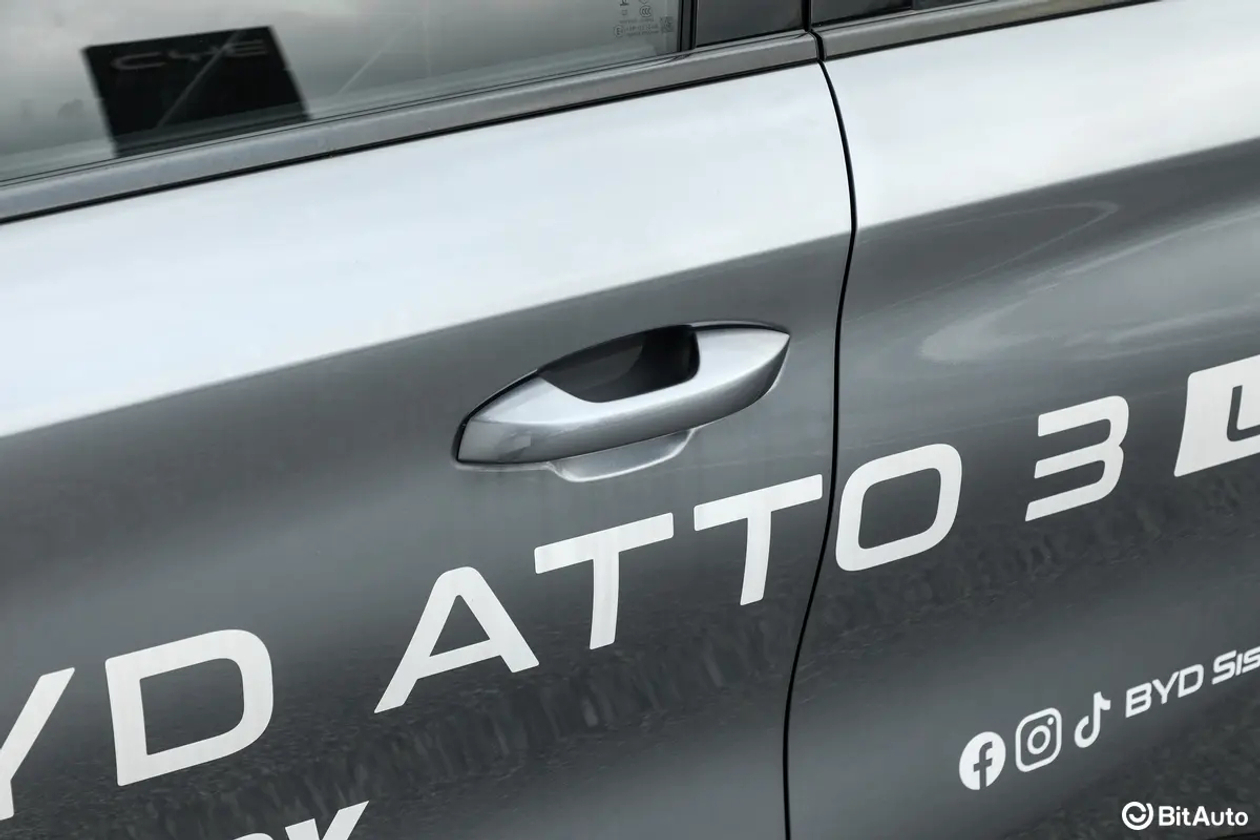
The affected models included the BYD Atto 3, Sealion 8 and Shark 6 double-cab pickup.
BYD's response evolved in two stages.
Stage One: AUD 1,100 Compensation
When the issue first emerged, BYD offered affected customers AUD 1,100 (approximately RM 3,080) in compensation, describing it as a fair and reasonable initial response. At one stage, around 630 owners accepted the offer.
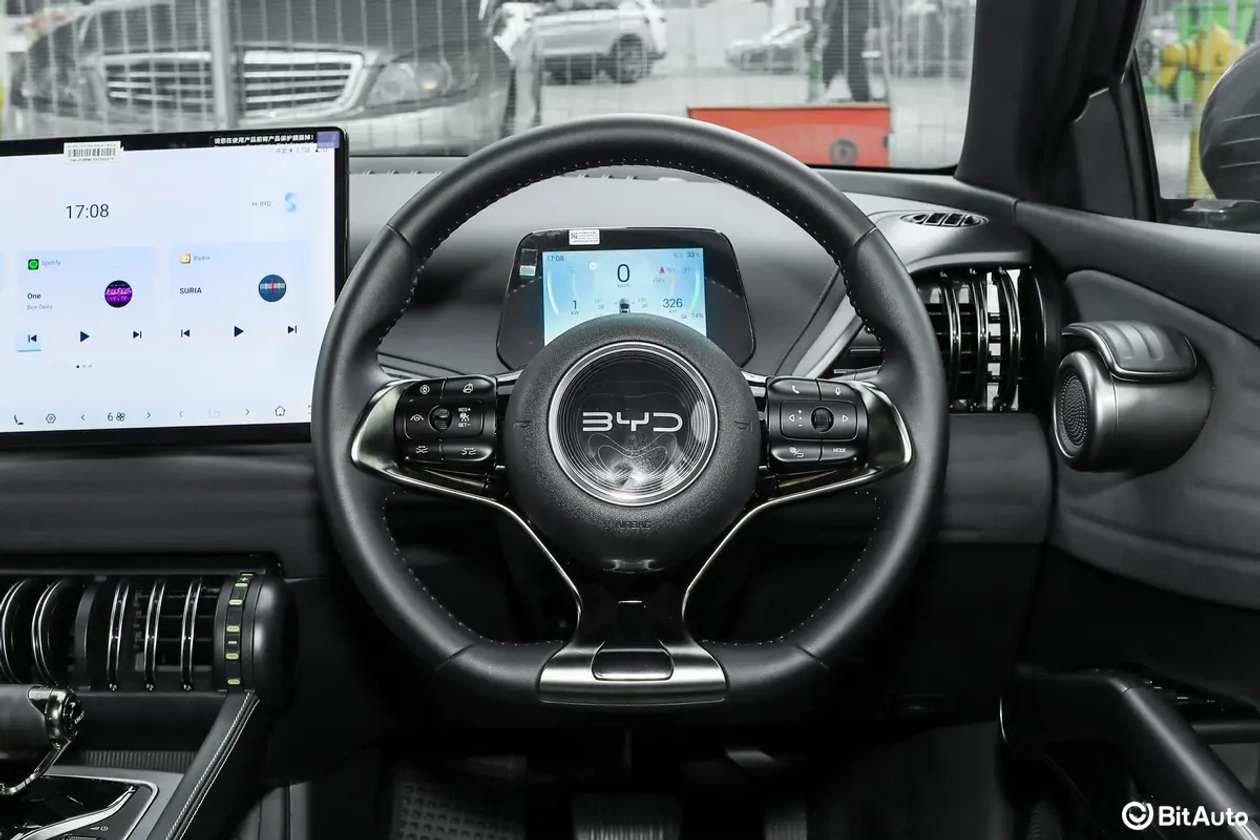
However, many others were dissatisfied.
When it comes to resale, a vehicle that is recorded as being one year older can lose thousands of dollars in value. For many owners, AUD 1,100 was simply not enough to offset the expected depreciation.
Phase 2: Full Refund or Vehicle Replacement
Following growing public pressure and customer complaints, BYD revised its compensation package and offered three options:
A BYD spokesperson said, "Following further review, we believe the fairest outcome is to offer customers a full refund at their original purchase price. Customers will not have to pay any more than they did under the original transaction."
If all 1,265 affected customers chose a full refund, BYD's total payout could reach around AUD 50 million (approximately RM 140 million), based on an average vehicle price of AUD 40,000. At the time of reporting, nearly 900 affected customers had already been contacted.
At the centre of this incident is a distinction many car buyers are unfamiliar with: Build Year versus Model Year.
Build Year refers to the calendar year in which the vehicle was physically manufactured.
Model Year refers to the model designation assigned by the manufacturer.
For example, a MY2026 vehicle may have been built during 2025. Producing next model year vehicles in advance is standard industry practice, but customers should always be informed of the vehicle's actual build year.
So why does the build year matter?
The biggest reason is resale value.
When valuing a used vehicle, buyers and dealers generally look at the Build Year, not the Model Year. Regardless of whether a vehicle is marketed as a 2026 or 2027 model, if it was built in 2025, it is generally assessed as a 2025-built vehicle in the used car market.
A new vehicle typically depreciates by around 10% to 15% during its first year. Based on a vehicle worth AUD 40,000, a one-year difference in build date could reduce its resale value by approximately AUD 4,000 to AUD 6,000. This explains why many owners believed the initial AUD 1,100 compensation fell well short of their potential financial loss.
BYD has emphasised that the incorrect build year record does not affect the vehicle's safety, performance, warranty or regulatory compliance.
However, from a customer's perspective, a vehicle's usability and its market value are two very different matters.
At present, there is no official indication that the Malaysian market has experienced the same issue. Nevertheless, it is worth checking your vehicle's build year by following these three simple steps.
Step 1: Check Your Purchase Agreement
Review your purchase agreement and look for the Build Year or Year of Manufacture.
If the agreement only states Model Year 2026 without specifying the actual build year, ask your dealer for clarification.
Step 2: Check the Vehicle Identification Plate
Open the front passenger door and locate the black identification plate on the lower section of the B-pillar or door frame.
The plate usually displays the Production Date or Month and Year of Manufacture.
If the plate shows the vehicle was built in 2025 while it was sold as a 2026 model, it is worth confirming the details with your dealer.
Step 3: Check the VIN
The Vehicle Identification Number (VIN) is a 17-character code, usually found at the base of the windscreen or on the driver's door frame.
The 10th character of the VIN indicates the vehicle's Model Year. Under the international coding standard:
However, the model year is not the same as the build year. A 2026 model can still have been manufactured in 2025.
To confirm the actual production date, the most reliable method remains checking the vehicle identification plate.
Although there is currently no evidence of a similar issue in Malaysia, verifying the build year before taking delivery should become a routine step for every new car buyer.
On the positive side, BYD ultimately chose to offer full refunds instead of standing by its original compensation package, reflecting a stronger commitment to customer rights.
At the same time, the incident serves as a reminder that no matter how well-known the brand or how advanced the technology, buyers should always check every detail of the purchase agreement carefully.
The next time you collect a new car, spend five minutes checking the identification plate on the passenger-side door frame. Those small details could make a significant difference to your vehicle's resale value in the years ahead.


Your go-to source for all things automotive in Malaysia. 🚗 Latest reviews, breaking news, launches & industry trends.
+ Follow We saw this accident this morning, and here’s a reminder to everyone: please drive safe. 2 days ago
  The G50 BMW 3 series is now here, adopting much of the i3's design elements.
So, where's the BMW M3?
#bmw #BMW3Series 4 days ago
The G50 BMW 3 series is now here, adopting much of the i3's design elements.
So, where's the BMW M3?
#bmw #BMW3Series 4 days ago  DRIFT PARTY in Malaysia! Can the Xiaomi SU7, Yangwang U8 mix it up against JDM favourites in KL?
Our adventure with the Xiaomi SU7 and Yangwang U8 brings us to APDCrew circuit as we give witness a drift show. With pro drifters and fan-favourites - RX7s, S15s, Skylines, Supras, and more - in the mix, can our Xiaomi SU7 and Yangwang U8 hold their own?
It's also a quick look at Malaysian car culture, including some wildly modified minivans, and more!
#drift #malaysia #xiaomisu7 #yangwangu8 #larrychen #drifting #JDM跑車 4 days ago
DRIFT PARTY in Malaysia! Can the Xiaomi SU7, Yangwang U8 mix it up against JDM favourites in KL?
Our adventure with the Xiaomi SU7 and Yangwang U8 brings us to APDCrew circuit as we give witness a drift show. With pro drifters and fan-favourites - RX7s, S15s, Skylines, Supras, and more - in the mix, can our Xiaomi SU7 and Yangwang U8 hold their own?
It's also a quick look at Malaysian car culture, including some wildly modified minivans, and more!
#drift #malaysia #xiaomisu7 #yangwangu8 #larrychen #drifting #JDM跑車 4 days ago Get the latest car news first!
Your go-to source for all things automotive in Malaysia. 🚗 Latest reviews, breaking news, launches & industry trends.
We saw this accident this morning, and here’s a reminder to everyone: please drive safe. 2 days ago The G50 BMW 3 series is now here, adopting much of the i3's design elements.
So, where's the BMW M3?
#bmw #BMW3Series 4 days ago DRIFT PARTY in Malaysia! Can the Xiaomi SU7, Yangwang U8 mix it up against JDM favourites in KL?
Our adventure with the Xiaomi SU7 and Yangwang U8 brings us to APDCrew circuit as we give witness a drift show. With pro drifters and fan-favourites - RX7s, S15s, Skylines, Supras, and more - in the mix, can our Xiaomi SU7 and Yangwang U8 hold their own?
It's also a quick look at Malaysian car culture, including some wildly modified minivans, and more!
#drift #malaysia #xiaomisu7 #yangwangu8 #larrychen #drifting #JDM跑車 4 days ago  ProtonGWMVolkswagenJAECOOVolvoPeroduaToyotaHondaTESLAMitsubishiMazdaJetourCheryBYDLexusBMWMercedes-BenziCAURZeekrIsuzuNissanLeapmotorPorscheFordOMODAMINIMGSuzukiXPengHyundaiWulingKiaSubaruDenzaGACLand RoverDongfengCAMAudiPeugeotFotonMAXUSsmartDaihatsuJACJMCMaseratiLotusAlfa RomeoRenaultGolden DragonKaiceneSeresLamborghiniFerrariJeepRolls-RoyceLepasAston MartinMcLarenChevroletBentleyFiatBAICForthingGeelyRoeweAeolusChanganARCFOXDeepalExeedHongqiVoyahJaguarKGMBuforiAcuraCadillacDodgeAbarthINEOSMHEROJMEVFreelander
© 2024 Bitauto.com. All Rights Reserved.
Bitauto (www.yiche.com and www.bitauto.com) is one of the most visited automotive websites in China. We provide detailed info on Chinese car brands available in your area. Please note that the information provided on this website is based on publicly available data and is for reference only. It may not be fully updated or accurate at all times.
Help us improve our website


