
Search History
Popular Searches
English
Dealer Login / Sign Up
Formula 1 is officially ditching its ultra-complex V6 hybrid formula sooner than expected, after the FIA, Formula One Management (FOM), and power unit manufacturers reached an agreement in principle to bring back V8 engines from the 2030 season.
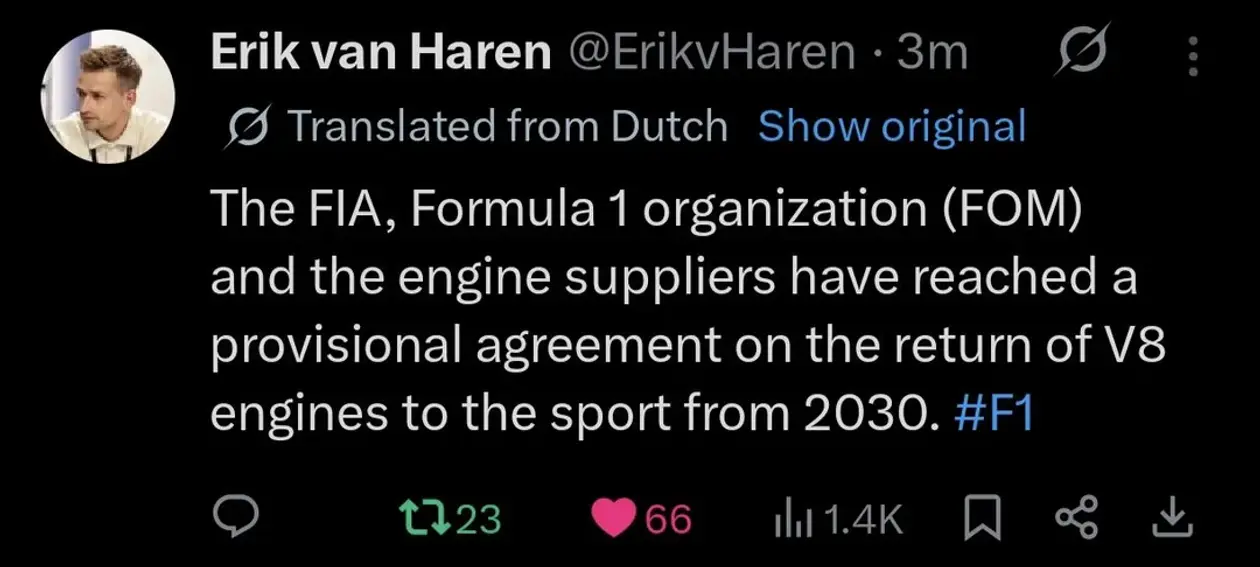
(Erik van Haren, lead Formula 1 reporter for the Dutch newspaper De Telegraaf.)
Last heard screaming across circuits in 2013, the V8 comeback is a direct response to widespread driver and fan pushback against the current 2026 regulations, where a heavy reliance on electrical deployment has made energy management feel overly artificial on track.
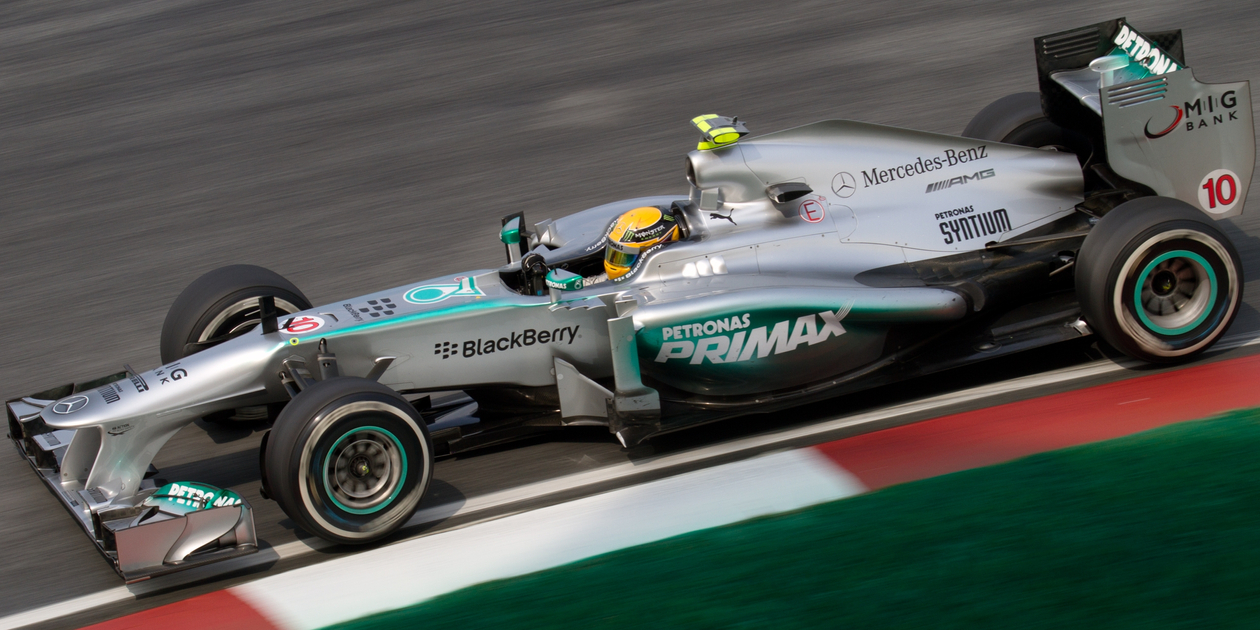
(Peak F1 soundtrack: When the engines screamed louder than the team radios)
While final technical details are still being polished, the agreed framework points to a power unit built around driver feel, raw sound, and simpler hardware:
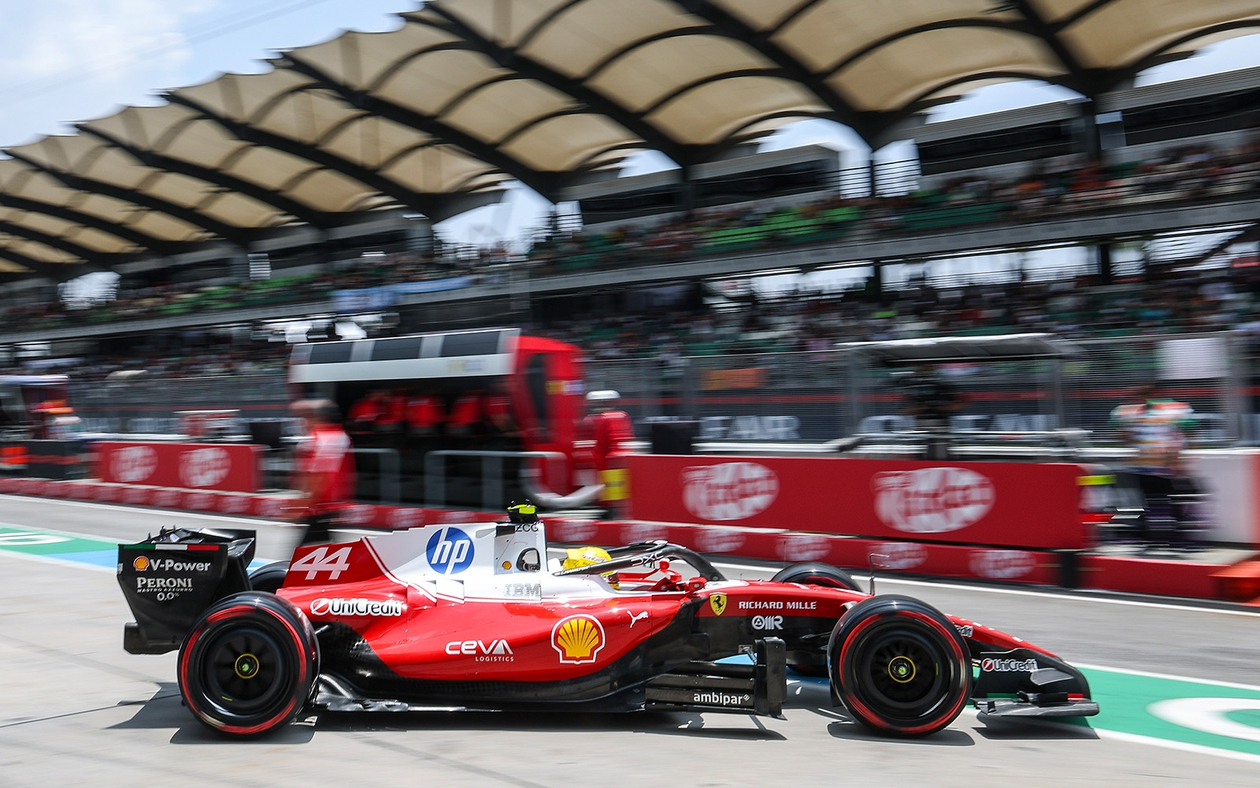
(Pitting in Sepang—and yes, it’s Hamilton again. Consider it a subtle tax for reading my article)
The definitive 2030 regulatory package still needs formal sign-off at next month’s FIA World Motor Sport Council meeting in Shanghai.
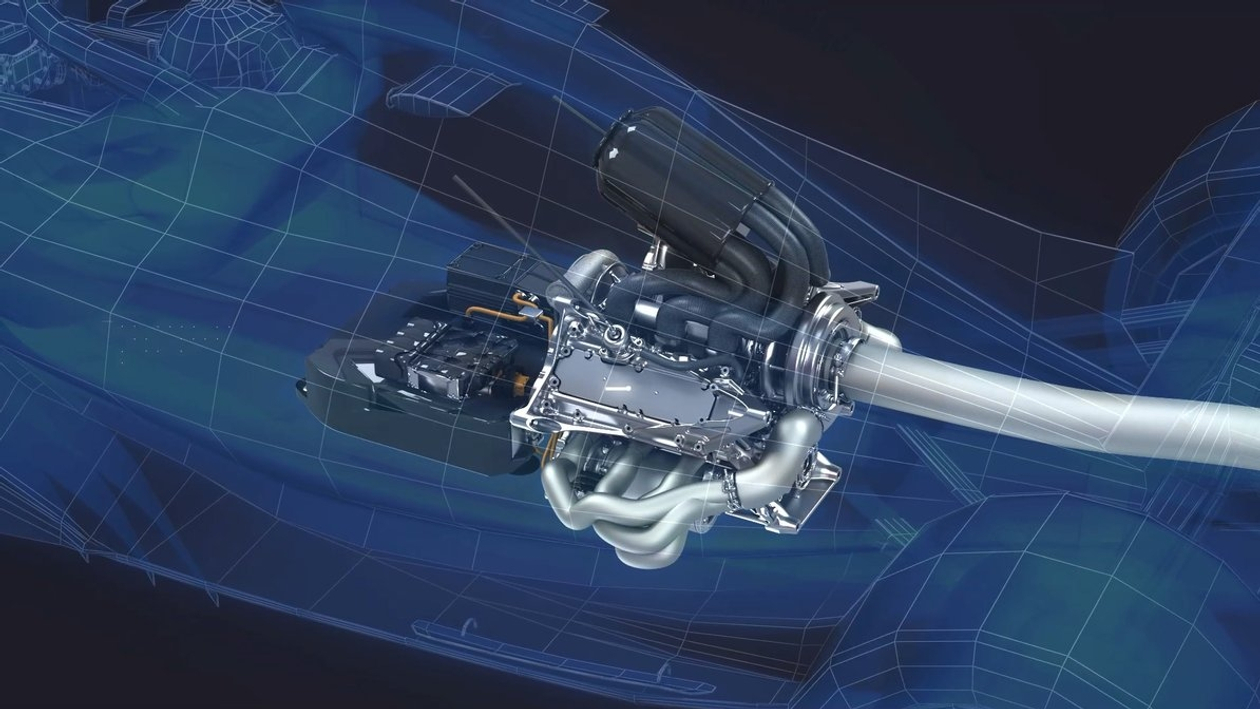
It might not be the naturally aspirated 2.4-litre screamer of the late 2000s, but a 16,000 rpm twin-bank turbo V8 in a sub-700 kg F1 car is easily the best news petrolheads have heard from the paddock in over a decade.
Not sure what the fuss is about? Hit play and hear the difference for yourself:

Your go-to source for all things automotive in Malaysia. 🚗 Latest reviews, breaking news, launches & industry trends.
+ Follow Merecik..! If Jetour Malaysia brings this in alongside the T1 and T2, would you pick it over the iCAUR 03?
#jetour #jetourmalaysia #jetourt2 #evmalaysia #carnewsmalaysia 1 minute ago
 Exports of the all-new 2027 Mitsubishi Pajero from Thailand begins, with Japan being the first market. How, Mitsubishi Motors Malaysia any chance for us? hehe 😜
#mitsubishi #pajero #triton #xforce 1 minute ago
 Perak EV owners, will this be your new go-to pit stop? 1 minute ago
Get the latest car news first!
Your go-to source for all things automotive in Malaysia. 🚗 Latest reviews, breaking news, launches & industry trends.
Merecik..! If Jetour Malaysia brings this in alongside the T1 and T2, would you pick it over the iCAUR 03?
#jetour #jetourmalaysia #jetourt2 #evmalaysia #carnewsmalaysia 1 minute ago Exports of the all-new 2027 Mitsubishi Pajero from Thailand begins, with Japan being the first market. How, Mitsubishi Motors Malaysia any chance for us? hehe 😜
#mitsubishi #pajero #triton #xforce 1 minute ago Perak EV owners, will this be your new go-to pit stop? 1 minute ago © 2024 Bitauto.com. All Rights Reserved.
Bitauto (www.yiche.com and www.bitauto.com) is one of the most visited automotive websites in China. We provide detailed info on Chinese car brands available in your area. Please note that the information provided on this website is based on publicly available data and is for reference only. It may not be fully updated or accurate at all times.

Help us improve our website


