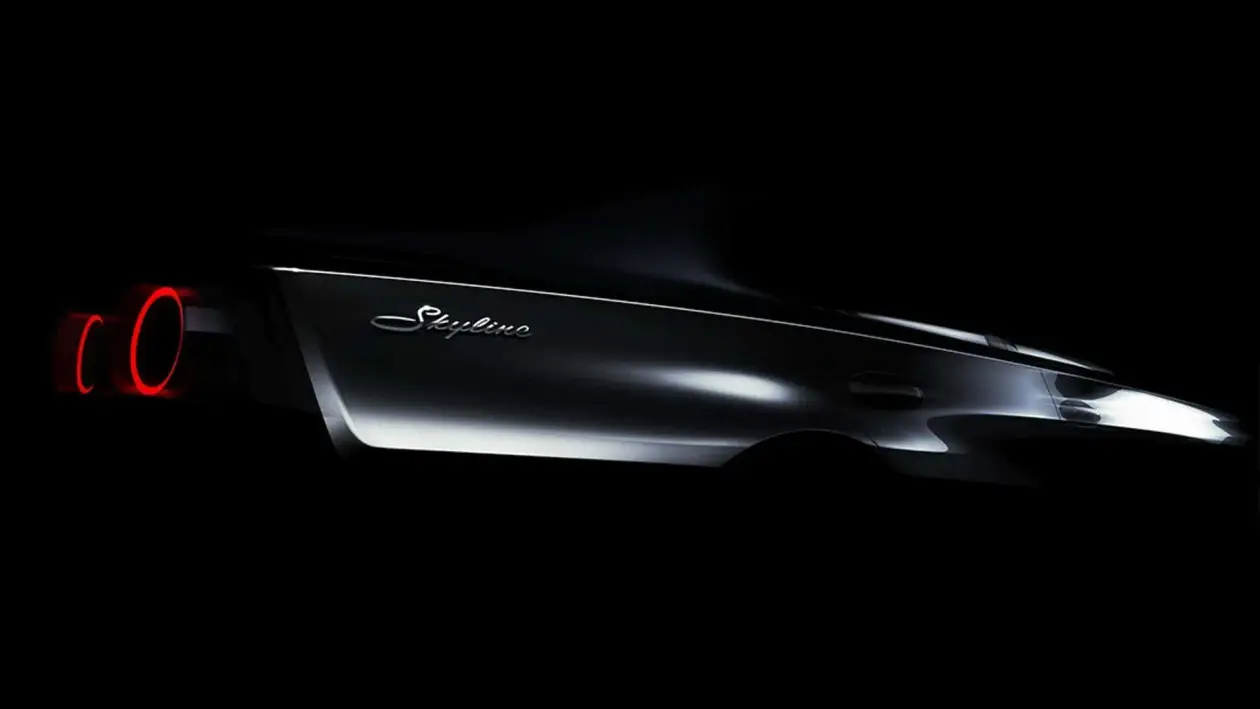
Nissan Motor is undergoing a massive operational transformation, aiming to cut new vehicle development timelines nearly in half.
This shift addresses sluggish vehicle rollouts and falling global revenues, leaning heavily on modern methodologies pioneered by highly competitive Chinese automakers.
The cornerstone of this rapid-iteration strategy is Nissan's partnership with Chinese joint venture partner Dongfeng Motor.
Specifically, Nissan is speeding up its timelines via the following mechanisms:
AI-Assisted Design: Generative AI tools automatically produce and iterate design blueprints, optimizing both vehicle aerodynamics and visual aesthetics while dropping manual revision hours.
Virtual Testing: Digital simulation models now replace over 60% of physical prototype testing, allowing crash assessments and durability checks to be run rapidly in virtual environments.
Component Standardisation: Nissan is organizing 80% of its global lineup into three core modular vehicle families, allowing multiple upcoming pickups and SUVs to share standardized chassis platforms and mechanical parts.

The first production vehicle to validate this AI-driven approach is the highly anticipated next-generation 2027 Nissan Skyline
To secure long-term profitability throughout this restructuring, Nissan is also continuing regular, constructive discussions with Honda Motor.

Your go-to source for all things automotive in Malaysia. 🚗 Latest reviews, breaking news, launches & industry trends.
+ Follow This weekend is your chance to own a Volvo Selekt Certified Used Car, priced from just RM 148,000.
What are you waiting for?
#volvo 1 minute ago
This weekend is your chance to own a Volvo Selekt Certified Used Car, priced from just RM 148,000.
What are you waiting for?
#volvo 1 minute ago  We saw this accident this morning, and here’s a reminder to everyone: please drive safe. 2 days ago
  The G50 BMW 3 series is now here, adopting much of the i3's design elements.
So, where's the BMW M3?
#bmw #BMW3Series 4 days ago
The G50 BMW 3 series is now here, adopting much of the i3's design elements.
So, where's the BMW M3?
#bmw #BMW3Series 4 days ago Get the latest car news first!
Your go-to source for all things automotive in Malaysia. 🚗 Latest reviews, breaking news, launches & industry trends.
This weekend is your chance to own a Volvo Selekt Certified Used Car, priced from just RM 148,000.
What are you waiting for?
#volvo 1 minute ago We saw this accident this morning, and here’s a reminder to everyone: please drive safe. 2 days ago The G50 BMW 3 series is now here, adopting much of the i3's design elements.
So, where's the BMW M3?
#bmw #BMW3Series 4 days ago  ProtonGWMVolkswagenJAECOOVolvoPeroduaToyotaHondaTESLAMitsubishiMazdaJetourCheryBYDLexusBMWMercedes-BenziCAURZeekrIsuzuNissanLeapmotorPorscheFordOMODAMINIMGSuzukiXPengHyundaiWulingKiaSubaruDenzaGACLand RoverDongfengCAMAudiPeugeotFotonMAXUSsmartDaihatsuJACJMCMaseratiLotusAlfa RomeoRenaultGolden DragonKaiceneSeresLamborghiniFerrariJeepRolls-RoyceLepasAston MartinMcLarenChevroletBentleyFiatBAICForthingGeelyRoeweAeolusChanganARCFOXDeepalExeedHongqiVoyahJaguarKGMBuforiAcuraCadillacDodgeAbarthINEOSMHEROJMEVFreelander
© 2024 Bitauto.com. All Rights Reserved.
Bitauto (www.yiche.com and www.bitauto.com) is one of the most visited automotive websites in China. We provide detailed info on Chinese car brands available in your area. Please note that the information provided on this website is based on publicly available data and is for reference only. It may not be fully updated or accurate at all times.
Help us improve our website


