

Home206

Search History
Popular Searches
Dealer Login / Sign Up


When the 206GWh halo fades, EVE Energy's real battlefield has only just begun.
On September 18, EVE Energy made a splash in the entire energy storage circle with an announcement: Subsidiary EVE Dynamics signed a 2027—2031 206GWh battery supply framework agreement with US energy storage system integrator Fluence. According to the company's announcement benchmarks, this is equivalent to about 1.7 times its 2025 power and storage battery shipment of 121.2GWh.
The certainty of orders does not hold up to scrutiny. Breaking down the agreement's wording, only 16GWh in 2027 carries real commercial constraints, accounting for less than 8% of the total.
Between the grand narrative and the thin baseline lies the most true profile of EVE Energy's energy storage strategy: It has already stood at global second place, but hasn't yet learned to turn scale into profit like CATL does.

Trading Volume for Price
Revenue Doubled While Gross Margin Hit the Floor
EVE Energy's starting point was a low-profile winner in consumer batteries.
Early on, the company stood firm in lithium primary batteries and small lithium-ion battery fields, not grabbing the spotlight of power batteries, but accumulated a foundation in cell consistency and process iteration.
As the wave of new energy vehicles receded and returned, energy storage grew from an "appendage business of power batteries" into an independent species, and its focus shifted subtly.
According to the 2026 Semi-Annual Report, the company's energy storage battery shipments were 44.46GWh, revenue 15.094 billion yuan, increasing 69.15% year-on-year; energy storage shipments exceeded power batteries' 35.76GWh for the first time, becoming the company's top shipment category. According to SNE Research, the global energy storage cell market share was 10.4% during the same period, second only to CATL.

Scale leap and profit stagnation happened almost synchronously. In the first half of the year, the company's energy storage gross margin was only 12.51%, a slight increase of 0.23 percentage points compared to 12.28% for the full year 2025, Q2 single quarter rebounded to 13.11%, still far below CATL's (23.96%) and Sungrow Power Supply's (32.43%) energy storage business gross margin benchmarks.

The root of low margins lies in the customer structure. Price war is raging in the domestic grid-side sector. According to data from central enterprise centralized procurement, the winning bid price for 314Ah cells has dropped to about 0.365 yuan/Wh.
Under the triple pressure of inventory holding, capacity expansion, and accounts receivable, EVE Energy's operating cash flow in the first half of the year was -388 million yuan, while the same period last year was +2.373 billion yuan; the "trading volume for price" model has not yet emerged from the bottom of the cycle.
The order book also shows a mix of hot and cold. Since 2026, EVE Energy has successively secured cooperation with Beijing State Grid Technology 10GWh, CITIC Solar two years 12GWh, India GNEPL 8GWh formal plus five years potential 60GWh, Sweden Vimab 1.48GWh, etc.
The most symbolic one is still Fluence's 206GWh framework. This is the future ballast stone and an unexercised "option".
According to company announcements, 16GWh committed for delivery in 2027, 190GWh for 2028—2031 is reserved capacity, specifications, prices, and delivery rhythm to be confirmed by subsequent procurement orders.
It is reported that Fluence originated from Siemens and AES, has bound North American AIDC and hyper-scale cloud vendors; EVE Energy uses it to get the ticket to overseas computing power energy storage.
But a ticket does not equal a seat. Whether the 190GWh is exercised depends on the pace of North American AIDC construction and when the Malaysia capacity is released.


628Ah, Sodium-Ion, and Solid-State
Three-Lane Parallel Technology Stack
Supporting this long-term order is not just scale, but a three-lane parallel technology stack.
According to public disclosures, EVE Energy has achieved mass production of the world's first above-600Ah large prismatic lithium-iron phosphate cell - 628Ah "Mr.Big" became the core supply category for new orders in 2026.
In January this year, the world's first 200MW/400MWh power station scaled with this cell went into operation formally in Lingshou. The scale cost reduction of large cells will be the core variable for improving gross margins.
Regarding NFPP sodium-ion batteries, according to EVE Sodium Energy project materials, NF155L cell cycle life is 30,000+ times, -40°C to 60°C wide temperature range, combustion and explosion risk significantly lower than lithium batteries, first set of systems grid-connected in Jingmen; Huizhou 2GWh sodium battery base to move forward to production in 2026.
Sodium batteries are viewed as a differentiated option for long-duration energy storage and AIDC backup power, 2026 shipment target only 2GWh, costs not yet catching up with iron-phosphate.
Regarding solid-state batteries, the "Longquan No.3/No.4" in the Chengdu Longquan base has come off the line, 60Ah manufacturing capacity phase one completed, but according to company communication benchmarks, the earliest landing of solid-state batteries might be consumer electronics and humanoid robots, not gigawatt-level energy storage. It is technical insurance, not current ammunition.
At the capacity end, it revolves around "overseas delivery rights". Domestic Jingmen 60GWh super factory at full capacity; Malaysia Phase 1, 2, 3 total planned energy storage capacity about 48GWh, Phase 3 38GWh started in August 2026, key piece to bypass US Section 301 tariffs and FEOC origin rules; Hungary 30GWh large cylindrical factory targeting BMW and European automakers.
EVE Energy's approach is very clear: not rushing to be a "global energy system vendor", but first precisely welding cell scale, overseas production location, and large customer channels.

The Gap Between No1 and No2
Separated by a Business Model Chasm
At the table of energy storage cells, EVE Energy is second, but the gap between second and first is not one step, but a business model chasm.


According to SNE Research 2026 H1 benchmarks, CATL energy storage cell shipments about 125GWh, share 27.1%; EVE 48GWh, share 10.4%. The gap expanded from approximately 2.4 times in 2025 to approximately 2.6 times in 2026 H1.
More glaring is the profit-making method: CATL follows "Cells + Systems + Ecosystem", Tianheng system self-developed PCS/BMS/EMS, directly binding overseas terminal projects and AIDC assets; EVE follows "Global Second Cell Scale + Fluence Channel + Large Cylindrical Power Synergy", delivery forms are mostly cells and Packs, system premium not yet grown.
The gross margin gap is a direct reflection of the two's position in the industry chain. According to financial report benchmarks, CATL energy storage gross margin 23.96%, overseas gross margin about 30%; EVE energy storage gross margin 12.51%, overseas revenue gross margin 15.48%.
CATL sells "Energy System Capability", EVE sells "High-Performance Cell Capacity"; the former eats project and ecosystem premiums, the latter eats money from scale and yield.
Prospects are not smooth sailing either. Hithium Energy Storage 2026 H1 shipments 46.2GWh, share 10.0%, August single month once approached EVE; Chuneng, BYD, REPT Battery chasing from the second-tier echelon never stops.
For EVE, the 206GWh long-term order is that ticket to North America, 12.51% gross margin is its bottom line at this moment; whether to let "Global Second" from shipment volume ranking become profit quality ranking, the answer is not in the 206GWh number, but in the fulfillment of every quarterly report.
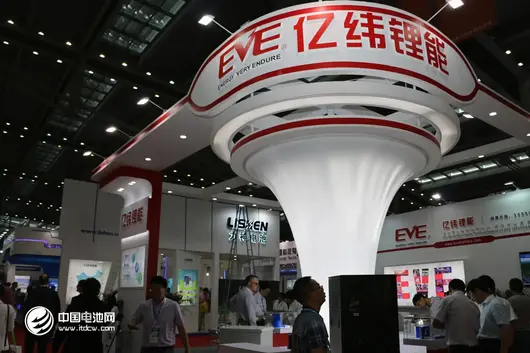

當 206GWh 光環落下,億緯鋰能的真正戰場才剛開始。
9 月 18 日,億緯鋰能一紙公告轟動整個儲能圈:子公司億緯動力與美國儲能系統集成商弗盧恩斯簽下 2027—2031 年 206GWh 電池供貨框架。據公司公告口徑,這相當於其 2025 年動儲電池出貨量 121.2GWh 的約 1.7 倍。
訂單的確定性,卻經不起細看。把協議的措辭逐一拆開,真正帶商業約束力的只有 2027 年 16GWh,佔總量不足 8%。
宏大敘事與稀薄保底之間,藏着億緯鋰能儲能戰略最真實的剖面:它已經站到全球第二,卻還沒學會像寧德時代那樣,把規模變成利潤。
以量換價
收入翻倍而毛利觸底
億緯鋰能的起點,是消費電池裏的低調贏家。
公司早期在鋰原電池、小型鋰電領域穩紮穩打,不搶動力電池的聚光燈,卻在電芯一致性與工藝迭代上攢下底子。
當新能源車的浪潮退去又重來,儲能從“動力電池的附屬業務”長成獨立物種,其重心也悄然位移。
據 2026 年半年度報告,公司儲能電池出貨 44.46GWh、收入 150.94 億元,同比增 69.15%;儲能出貨首次超過動力電池的 35.76GWh,成為公司第一大出貨品類。據 SNE Research 口徑,同期全球儲能電芯份額 10.4%,僅次於寧德時代。
規模的躍遷與盈利的滯澀幾乎同步發生。上半年,公司儲能毛利率僅 12.51%,較 2025 年全年的 12.28% 微升 0.23 個百分點,二季度單季回升至 13.11%,仍遠低於寧德時代(23.96%)與陽光電源(32.43%)的儲能業務毛利率口徑。
低毛利的根子在客戶結構。國內電網側價格戰正酣,據央企集採數據,314Ah 電芯中標價已下探至約 0.365 元/Wh。
在囤貨、擴產與應收賬款三重壓力之下,億緯鋰能上半年經營現金流為 -3.88 億元,而去年同期為 +23.73 億元,“以量換價”模式尚未走出週期底部。
訂單簿同樣冷熱並存。2026 年以來,億緯鋰能先後拿下北京國網技術 10GWh、中信博兩年 12GWh、印度 GNEPL 8GWh 正式 + 五年潛在 60GWh、瑞典 Vimab 1.48GWh 等合作。
最具符號意義的,仍是 Fluence 的 206GWh 框架。這是未來壓艙石,也是一張尚未兌現的“期權”。
據公司公告,2027 年承諾交付 16GWh,2028—2031 年 190GWh 為預留容量,規格、價格、交付節奏均待後續採購訂單確認。
據悉,弗盧恩斯脫胎於西門子與 AES,已綁定北美 AIDC 與超大規模雲廠商,億緯鋰能借它摸到海外算力儲能的門票。
但門票不等於座次,190GWh 兌不兌現,要看北美 AIDC 建設節奏,也要看馬來西亞產能何時釋放。
628Ah、鈉電與固態
三線並行的技術棧
支撐這份長單的,不只是規模,還有一條三線並行的技術棧。
據公開披露,億緯鋰能已實現 600Ah 以上大方形鋰鐵電芯的全球首家量產——628Ah“Mr.Big”成為 2026 年新增訂單的核心供應品類。
今年 1 月,全球首個規模化應用該電芯的 200MW/400MWh 電站在靈壽正式投運。大電芯的規模降價,將是提升毛利率的核心變量。
NFPP 鈉離子電池方面,根據億緯鈉能項目材料,NF155L 電芯循環壽命 30000+ 次、-40℃到 60℃寬溫域、燃爆風險較鋰電明顯降低,首套系統已在荊門併網;惠州 2GWh 鈉電基地於 2026 年推進投產。
鈉電被視為長時儲能與 AIDC 備電的差異化選項,2026 年出貨目標僅 2GWh,成本尚未追平鋰鐵。
固態電池方面,成都龍泉基地的“龍泉三號/四號”已下線,60Ah 製造能力一期建成,但根據公司交流口徑,固態電池最早落地的可能是消費電子、人形機器人,而非吉瓦級儲能。它是技術保險,不是當期彈藥。
產能端,則圍繞“海外交付權”展開。國內荊門 60GWh 超級工廠滿產滿銷;馬來西亞一期、二期、三期總計規劃儲能產能約 48GWh,三期 38GWh 於 2026 年 8 月開工,是繞開美國 301 關稅與 FEOC 產地規則的關鍵棋子;匈牙利 30GWh 大圓柱工廠盯住寶馬與歐洲車企。
億緯鋰能的打法很清醒:不急着做“全球能源系統商”,而是先把電芯規模、海外產地、大客戶通道進行精密焊接。
No1 與 No2 的差距
隔着一道商業模式鴻溝
儲能電芯的牌桌上,億緯鋰能是第二,可第二和第一之間不是一級臺階,而是一道商業模式鴻溝。
據 SNE Research 2026H1 口徑,寧德時代儲能電芯出貨約 125GWh、份額 27.1%;億緯 48GWh、份額 10.4%。差距從 2025 年的約 2.4 倍,拉大到 2026H1 的約 2.6 倍。
更刺眼的是賺錢方式:寧德時代走“電芯 + 系統 + 生態”,天恆系統自研 PCS/BMS/EMS,直接綁定海外終端項目與 AIDC 資產;億緯走“全球第二電芯規模 + 弗盧恩斯通道 + 大圓柱動力協同”,交付形態多是電芯與 Pack,系統溢價尚未長出來。
毛利率的落差是兩者在產業鏈位置的直觀體現。據雙方財報口徑,寧德時代儲能毛利率 23.96%、海外毛利率約 30%;億緯儲能毛利率 12.51%、境外收入毛利率 15.48%。
寧德賣的是“能源系統能力”,億緯賣的是“高性能電芯產能”;前者吃項目與生態的溢價,後者吃規模與良率的錢。
前景也並非一片坦途。海辰儲能 2026H1 出貨 46.2GWh、份額 10.0%,8 月單月一度逼近億緯;楚能、比亞迪、瑞浦蘭鈞在二線梯隊的追擊從不停歇。
對億緯而言,206GWh 長單是那张通往北美的船票,12.51% 的毛利才是它此刻的底線;能不能讓“全球第二”從出貨量的排序,變成盈利質量的排序,答案不在 206GWh 的數字裏,而在每一份季度報表的兌現之中。

Bila cahaya sorotan 206GWh hilang, medan sebenar EVE Energy baru sahaja bermula.
18 September, EVE Energy dengan satu pengumuman membuatkan gembira seluruh kitaran penyimpanan tenaga: anak syarikat EVE Power menandatangani kerangka bekalan bateri 206GWh untuk 2027—2031 bersama Fluence, pengintegrasi sistem penyimpanan tenaga Amerika Syarikat.
Menurut laporan syarikat, ini bersamaan dengan kira-kira 1.7 kali daripada jumlah penghantaran bateri kuasa dan penyimpanan 121.2GWh pada tahun 2025.
Kepastian pesanan, namun tidak tahan semakan teliti. Membuka kata-kata perjanjian satu per satu, yang benar-benar mempunyai ikatan komersial hanyalah 16GWh pada 2027, iaitu kurang daripada 8% daripada jumlah keseluruhan.
Di antara naratif megah dan jaminan yang nipis, terdapat bahagian sebenar strategi penyimpanan tenaga EVE Energy: Ia sudah berada di tempat kedua global, tetapi belum belajar seperti CATL untuk menukar skala menjadi keuntungan.
Tukar Kuantiti dengan Harga
Pendapatan Bertambah Dua Kali Manakala Margin Kos Sentuh Dasar
Mula EVE Energy, adalah pemenang yang kurang ketara dalam bateri pengguna.
Di awal syarikat, ia berjalan perlahan-lahan dalam bateri lithium primari dan lithium-ion kecil, tidak berebut lampu sorot bateri kuasa, tetapi mengumpulkan asas dalam keupayaan sel bateri yang konsisten dan pengulangan proses.
Bila gelombang kenderaan tenaga baharu surut dan datang semula, penyimpanan tenaga telah tumbuh daripada "bisangan pelengkap bateri kuasa" menjadi spesies mandiri, dan tumpuannya juga telah beransur beralih.
Menurut Laporan Semi Tahun 2026, penghantaran bateri penyimpanan tenaga syarikat 44.46GWh, pendapatan 150.94 bilion yuan, meningkat 69.15% berbanding tahun sebelumnya; penghantaran penyimpanan tenaga melebihi pertama kali bateri kuasa 35.76GWh, menjadi kategori penghantaran terbesar syarikat. Menurut SNE Research, bahagian sel penyimpanan tenaga global pada masa yang sama adalah 10.4%, hanya selepas CATL.
Lompatan skala dan kelambatan keuntungan hampir berlaku serentak. Pada separuh tahun pertama, margin kos penyimpanan tenaga syarikat hanya 12.51%, naik sedikit 0.23 peratus berbanding 12.28% sepanjang 2025, kuarters kedua naik semula ke 13.11%, masih jauh di bawah margin kos perniagaan penyimpanan tenaga CATL (23.96%) dan Sungrow (32.43%).
Akar margin kos rendah adalah struktur pelanggan. Perang harga di sisi grid dalaman sedang hangat, menurut data pembelian terkumpul syarikat pusat, harga tawaran 314Ah sel bateri telah turun ke kira-kira 0.365 yuan/Wh.
Dibawah tekanan ganda tiga menyimpan barang, memeluarkan kapasiti dan akaun belum terima, arus tunai operasi EVE Energy pada separuh tahun pertama adalah -3.88 bilion yuan, manakala tahun lalu pada masa yang sama adalah +23.73 bilion yuan, model "tukar kuantiti dengan harga" belum keluar dari dasar kitaran.
Buku pesanan juga panas dan sejuk bersamaan. Sejak 2026, EVE Energy telah berjaya mendapatkan kerjasama 10GWh Beijing Grid Technology, 12GWh CITIC selama dua tahun, India GNEPL 8GWh rasmi + 60GWh potensi lima tahun, Sweden Vimab 1.48GWh, dan lain-lain.
Yang paling bermaksud simbolik, masih kerangka 206GWh Fluence. Ini adalah batu balast masa depan, dan juga satu "opsyen" yang belum ditebus.
Menurut pengumuman syarikat, 16GWh dijanjikan untuk 2027, 190GWh pada 2028—2031 adalah kapasiti terancang, spesifikasi, harga, irama penghantaran menunggu pengesahan pesanan pembelian seterusnya.
Diketahui, Fluence berasal daripada Siemens dan AES, telah dikaitkan dengan AIDC Amerika Utara dan pengedar awan skala super, EVE Energy menggunakannya untuk meraih tiket penyimpanan kuasa luar negara.
Tetapi tiket tidak sama dengan tempat duduk, 190GWh ditebus atau tidak, bergantung kepada iraman membina AIDC Amerika Utara, dan juga bila kapasiti Malaysia akan dilepaskan.
628Ah, Bateri Natrium dan Pepejal
Tapak Teknologi Berjalur Tiga Bersama
Menyokong pesanan jangka panjang ini, bukan hanya skala, tetapi juga satu tapak teknologi jalur tiga bersama.
Menurut pengungkapan awam, EVE Energy telah mencapai pengeluaran pertama di dunia untuk sel bateri lithium beskuadrat besar 600Ah ke atas—628Ah "Mr.Big" menjadi kategori bekalan teras bagi pesanan baharu 2026.
Januari tahun ini, loji kuasa 200MW/400MWh pertama di dunia yang menggunakan skala besar sel bateri ini di Lingshou beroperasi secara rasmi. Menurunkan kos skala sel bateri besar, akan menjadi pembolehubah teras untuk meningkatkan margin kos.
Dalam aspek bateri ion natrium NFPP, menurut bahan projek EVE Natrium, NF155L sel bateri hayat kitaran 30000+ kali, domain suhu luas -40℃ ke 60℃, risiko letupan membakar jelas berkurang berbanding bateri lithium, sistem pertama telah disambungkan grid di Jingmen; tapak natrium bateri 2GWh Huizhou akan memajukan pengeluaran pada 2026.
Bateri natrium dianggap sebagai pilihan berbeza untuk penyimpanan tenaga jangka panjang dan bekalan semula AIDC, sasaran penghantaran 2026 hanya 2GWh, kos belum sama dengan lithium beskuadrat.
Dalam aspek bateri pepejal, "Longquan No.3/No.4" tapak Longquan Chengdu sudah turun jalur, kapasiti pembuatan 60Ah fasa satu dibina, tetapi menurut pengisian syarikat, bateri pepejal yang pertama mendarat mungkin elektronik pengguna, robot manusia, bukan penyimpanan tenaga gigawatt. Ia adalah insurans teknologi, bukan peluru semasa.
Di hujung kapasiti, ia berpusat di "hak penghantaran luar negara". Pabrik super 60GWh Jingmen dalaman penuh produksi dan jualan; Malaysia fasa satu, dua, tiga jumlah merancang kapasiti penyimpanan tenaga kira-kira 48GWh, fasa tiga 38GWh bermula Ogos 2026, adalah biji gergasi penting untuk mengelakkan tarif Amerika 301 dan peraturan tempat asal FEOC; 30GWh pabrik silinder besar Hungary mengintai BMW dan pengeluar kereta Eropah.
Permainan EVE Energy sangat jelas: tidak tergesa-gesa menjadi "pembekal sistem tenaga global", tetapi terlebih dahulu lakukan penyambungan teliti kepada skala sel bateri, tempat asal luar negara, dan saluran pelanggan besar.
Jarak Antara No.1 dan No.2
Terpisah oleh Jurang Model Perniagaan
Dalam meja permainan sel penyimpanan tenaga, EVE Energy adalah kedua, tetapi antara kedua dan pertama bukan satu tangga, tetapi satu jurang model perniagaan.
Menurut laporan SNE Research 2026H1, penghantaran sel penyimpanan tenaga CATL kira-kira 125GWh, bahagian 27.1%; EVE 48GWh, bahagian 10.4%. Jurang dari 2025 kira-kira 2.4 kali, berkembang ke 2026H1 kira-kira 2.6 kali.
Lebih menyayat mata ialah kaedah mendapatkan wang: CATL berjalan "Sel + Sistem + Ekosistem", sistem Tianheng menghasilkan sendiri PCS/BMS/EMS, secara langsung mengikat projek terminal luar negara dan aset AIDC; EVE berjalan "Skala Sel Kedua Global + Saluran Fluence + Sinergi Kuasa Silinder Besar", bentuk penghantaran selalunya Sel dan Pack, premium sistem belum berkembang.
Perbezaan margin kos adalah manifestasi langsung kedudukan mereka dalam rantaian industri. Menurut laporan kewangan kedua-dua pihak, margin kos penyimpanan tenaga CATL 23.96%, margin kos luar negara kira-kira 30%; margin kos penyimpanan tenaga EVE 12.51%, margin kos pendapatan luar negara 15.48%.
CATL menjual "keupayaan sistem tenaga", EVE menjual "kapasiti sel bateri berprestasi tinggi"; yang pertama memakan premium projek dan ekosistem, yang kedua memakan wang skala dan kadar baik.
Prospek juga bukan semua jalan rata. Hithium penyimpanan tenaga 2026H1 penghantaran 46.2GWh, bahagian 10.0%, bulan Ogos tunggal pernah menghampiri EVE; Chuang, BYD, Redway mengejar dalam pasukan kedua tidak pernah berhenti.
Bagi EVE, pesanan jangka panjang 206GWh adalah tiket kapal menuju Amerika Utara, margin kos 12.51% adalah asas semasa; sama ada boleh menukar "Kedua Global" dari susunan penghantaran, kepada susunan kualiti keuntungan, jawapan bukan dalam angka 206GWh, tetapi dalam tebusan setiap laporan suku tahun.

当206GWh光环落下,亿纬锂能的真正战场才刚开始。
9月18日,亿纬锂能一纸公告轰动整个储能圈:子公司亿纬动力与美国储能系统集成商Fluence签下2027—2031年206GWh电池供货框架。据公司公告口径,这相当于其2025年动储电池出货量121.2GWh的约1.7倍。
订单的确定性,却经不起细看。把协议的措辞逐一拆开,真正带商业约束力的只有2027年16GWh,占总量不足8%。
宏大叙事与稀薄保底之间,藏着亿纬锂能储能战略最真实的剖面:它已经站到全球第二,却还没学会像宁德时代那样,把规模变成利润。
以量换价
收入翻倍而毛利触底
亿纬锂能的起点,是消费电池里的低调赢家。
公司早期在锂原电池、小型锂电领域稳扎稳打,不抢动力电池的聚光灯,却在电芯一致性与工艺迭代上攒下底子。
当新能源车的浪潮退去又重来,储能从“动力电池的附属业务”长成独立物种,其重心也悄然位移。
据2026年半年度报告,公司储能电池出货44.46GWh、收入150.94亿元,同比增69.15%;储能出货首次超过动力电池的35.76GWh,成为公司第一大出货品类。据SNE Research口径,同期全球储能电芯份额10.4%,仅次于宁德时代。
规模的跃迁与盈利的滞涩几乎同步发生。上半年,公司储能毛利率仅12.51%,较2025年全年的12.28%微升0.23个百分点,二季度单季回升至13.11%,仍远低于宁德时代(23.96%)与阳光电源(32.43%)的储能业务毛利率口径。
低毛利的根子在客户结构。国内电网侧价格战正酣,据央企集采数据,314Ah电芯中标价已下探至约0.365元/Wh。
在囤货、扩产与应收账款三重压力之下,亿纬锂能上半年经营现金流为-3.88亿元,而去年同期为+23.73亿元,“以量换价”模式尚未走出周期底部。
订单簿同样冷热并存。2026年以来,亿纬锂能先后拿下北京国网技术10GWh、中信博两年12GWh、印度GNEPL 8GWh正式+五年潜在60GWh、瑞典Vimab 1.48GWh等合作。
最具符号意义的,仍是Fluence的206GWh框架。这是未来压舱石,也是一张尚未兑现的“期权”。
据公司公告,2027年承诺交付16GWh,2028—2031年190GWh为预留容量,规格、价格、交付节奏均待后续采购订单确认。
据悉,Fluence脱胎于西门子与AES,已绑定北美AIDC与超大规模云厂商,亿纬锂能借它摸到海外算力储能的门票。
但门票不等于座次,190GWh兑不兑现,要看北美AIDC建设节奏,也要看马来西亚产能何时释放。
628Ah、钠电与固态
三线并行的技术栈
支撑这份长单的,不只是规模,还有一条三线并行的技术栈。
据公开披露,亿纬锂能已实现600Ah以上大方形铁锂电芯的全球首家量产——628Ah“Mr.Big”成为2026年新增订单的核心供应品类。
今年1月,全球首个规模化应用该电芯的200MW/400MWh电站在灵寿正式投运。大电芯的规模降本,将是提升毛利率的核心变量。
NFPP钠离子电池方面,根据亿纬钠能项目材料,NF155L电芯循环寿命30000+次、-40℃到60℃宽温域、燃爆风险较锂电明显降低,首套系统已在荆门并网;惠州2GWh钠电基地于2026年推进投产。
钠电被视为长时储能与AIDC备电的差异化选项,2026年出货目标仅2GWh,成本尚未追平铁锂。
固态电池方面,成都龙泉基地的“龙泉三号/四号”已下线,60Ah制造能力一期建成,但根据公司交流口径,固态电池最早落地的可能是消费电子、人形机器人,而非吉瓦级储能。它是技术保险,不是当期弹药。
产能端,则围绕“海外交付权”展开。国内荆门60GWh超级工厂满产满销;马来西亚一期、二期、三期总计规划储能产能约48GWh,三期38GWh于2026年8月开工,是绕开美国301关税与FEOC产地规则的关键棋子;匈牙利30GWh大圆柱工厂盯住宝马与欧洲车企。
亿纬锂能的打法很清醒:不急着做“全球能源系统商”,而是先把电芯规模、海外产地、大客户通道进行精密焊接。
No1与No2的差距
隔着一道商业模式鸿沟
储能电芯的牌桌上,亿纬锂能是第二,可第二和第一之间不是一级台阶,而是一道商业模式鸿沟。
据SNE Research 2026H1口径,宁德时代储能电芯出货约125GWh、份额27.1%;亿纬48GWh、份额10.4%。差距从2025年的约2.4倍,拉大到2026H1的约2.6倍。
更刺眼的是赚钱方式:宁德时代走“电芯+系统+生态”,天恒系统自研PCS/BMS/EMS,直接绑定海外终端项目与AIDC资产;亿纬走“全球第二电芯规模+Fluence通道+大圆柱动力协同”,交付形态多是电芯与Pack,系统溢价尚未长出来。
毛利率的落差是两者在产业链位置的直观体现。据双方财报口径,宁德时代储能毛利率23.96%、海外毛利率约30%;亿纬储能毛利率12.51%、境外收入毛利率15.48%。
宁德卖的是“能源系统能力”,亿纬卖的是“高性能电芯产能”;前者吃项目与生态的溢价,后者吃规模与良率的钱。
前景也并非一片坦途。海辰储能2026H1出货46.2GWh、份额10.0%,8月单月一度逼近亿纬;楚能、比亚迪、瑞浦兰钧在二线梯队的追击从不停歇。
对亿纬而言,206GWh长单是那张通往北美的船票,12.51%的毛利才是它此刻的底线;能不能让“全球第二”从出货量的排序,变成盈利质量的排序,答案不在206GWh的数字里,而在每一份季度报表的兑现之中。

長城汽車 5 月嘅銷量數據入面,有一處令人意想唔到嘅亮點——歐拉品牌。
歐拉 5 月銷量 6018 輛,同比上升 206.88%,增速喺長城各品牌中遙遙領先。喺哈弗、坦克、長城皮卡都出現下滑嘅呢個月,只有魏牌同歐拉守得住增長,而歐拉嘅反彈尤其突出。1 至 5 月,歐拉累計銷量 15583 輛,同比上升 46.66%。
如果將時間拉返年初,彼時歐拉嘅處境並唔輕鬆。
2025 年全年,長城累計銷量 132.37 萬輛,各大品牌基本都喺增長,只有歐拉跌咗 23.68%,全年銷量縮至 4.83 萬輛。當時好多人覺得,歐拉可能就係咁慢慢被邊緣化咗。
進入 2026 年,情況一度更差。1 月歐拉只賣咗 2057 輛,同比下降 6.2%,依舊係集團入面唯一下滑嘅品牌。2 月更加跌到 1263 輛,差唔到冰點。
轉機出現喺 3 月。
2026 年 3 月 12 日,歐拉 5 喺泰國曼谷完成全球首發。佢基於長城全新嘅「歸元」平台打造,呢個平台最大嘅特點,係可以同時支持純電、混合動同燃油等多種動力形式。對於一個原本堅持「純電到底」嘅細細個汽車品牌嚟講,呢一步行起嚟唔算容易,但事後睇,都係好實際嘅一步。

4 月 25 日,歐拉 5 混合動力版同燃油版喺北京國際車展正式上市。5 月,三個動力版本一齊发力,歐拉品牌銷量由年初嘅 2000 輛級別,一路上升到 6018 輛。
與其話係市場鍾意,不如話係歐拉終於搵到更貼近用戶嘅方式。
2026 年嘅新能源市場,已經唔似前兩年咁熱烈。前 4 個月新能源乘用車整體銷量同比下跌超過 10%,尤其係 10 萬元以下嘅小型電車,跌幅接近一半。
歐拉 5 做咗三件比較實在嘅事。
第一,把選擇權交返畀用戶。純電版留俾城市通勤同政策需求,燃油版去覆蓋嗰啲充電仲唔方便嘅地方,混合動力版則用實測每百公里 3.74 公升嘅油耗,同時顧及成本同便利。三種動力,對應三種唔同嘅生活場景。而歸元平台將整車結構拆解為 49 個核心模組同 329 個共用組件,零部件通用率超過 70%,令長城能夠以相對低成本同時開發三個版本。
第二,定價比較實際。歐拉 5 燃油版建議零售價 7.98 萬元起,上市首發期間限時換新價低至 6.98 萬元起;混合動力版建議零售價 8.98 萬元起,限時換新價 7.98 萬元起;純電版指導價落喺 9.98 萬至 13.38 萬元區間。喺購置稅減半、電池漲價嘅背景下,呢個價格卡咗好多家庭買車時最敏感嗰個區間。
安全冇妥協。歐拉 5 全係採用籠式車身結構同五重電池安全防護系統。長城汽車董事長魏建軍喺介紹歸元平台時強調,「生命第一,安全至上」係平台嘅核心理念。對於一臺細細車嚟講,呢一點好難得。
按照歐拉品牌總經理呂文斌嘅規劃,2026 年將係歐拉嘅產品大年,歐拉將保持每月一款新車嘅投放節奏,依托歸元平台,持續推出純電、混合動力、燃油多種動力版本嘅產品,同時拓展兩廂、三廂、SUV 等多種車身形態,完善產品陣列。
由目前透露嘅規劃嚟睇,歐拉 5 只係一個起點。呂文斌明確表示,歐拉 5 家族將涵蓋 A 級 SUV、A 級三廂/兩廂轎車、A+ 級 SUV、A0 級轎跑等多個細分品類,提供燃油、純電、混合動力等多種動力形式。
這意味住,歐拉正從一個「細細車品牌」向「覆蓋多個細分品類嘅品牌」轉型。歸元平台為呢種擴張提供咗技術底座——平台兼容五大動力形式,覆蓋轎車、SUV、越野 SUV、皮卡、MPV、跑車等 7 大品類,預計將推出 50 餘款全球車型。呢套平台嘅 70% 零部件通用率,令多動力、多品類嘅產品布局喺成本同效率上成為可能。
與此同時,歐拉亦喺對現有車型進行升級。呂文斌明確否定咗經典車型退出市場嘅猜測。「好貓、芭蕾貓等經典車型,依然非常受歡迎,例如芭蕾貓喺上海嘅銷量好高,大街上隨處可見。」佢表示,呢啲車型唔會停產,歐拉會持續對佢哋進行迭代升級,部分車型仲會進行動力升級,維繫經典用戶群體,同時吸引新嘅用戶。此外,2026 年歐拉品牌仲會對旗下在售車型芭蕾貓、閃電貓進行智能化升級。
喺品牌架構層面,歐拉同沙龍已完成整合,沙龍旗下車型機甲龍已入駐歐拉社區。通過雙品牌嘅深度協同,長城希望喺純電領域覆蓋更完整嘅價格區間,從歐拉主打嘅主流市場延伸到沙龍計劃嘅高端豪華市場。
歐拉嘅另一個重要戰場喺海外。
目前,歐拉 5 已經開始嚟巴西、歐洲發運,近期將陸續喺呢啲市場上市。長城汽車計劃 2026 年喺泰國市場實現 40% 嘅銷量增長,並為此追加 100 億泰銖投資,歐拉 5 正係實現呢一目標嘅關鍵車型。
按照規劃,以泰國為起點,歐拉將進一步拓展歐洲、大洋洲、中東、拉丁美洲、非洲等市場。喺長城汽車整體嘅海外佈局中,出海進度正喺加快,歐拉已經成為繼哈弗之後嘅重要增量來源。
更值得留意嘅係,歐拉對海外市場嘅理解不再停留喺「出口產品」嘅層面。品牌定位已經從「更愛女人嘅新能源汽車」轉向「全球時尚精品汽車品牌」,溝通主張升級為「活出光芒」。面向全球年輕用戶,用更開放嘅產品邏輯,去適配唔同市場嘅真實需求。
當然,冷靜嚟睇,呢個 206.88% 嘅同比上升,一部分都係因為去年同期嘅基數確實好低(1961 輛)。6018 輛嘅月銷量,相比 2021 年歐拉品牌曾經月銷過萬嘅高點,仲有距離。
另外,目前嘅增長主要靠歐拉 5 一款新車撐住。以今年前 4 個月嘅零售數據為例,歐拉 5 純電版賣出 4464 輛,好貓賣咗 2629 輛,而芭蕾貓僅賣出 4 輛。單靠一款車型帶動嘅復蘇,抗風險能力仲需要時間檢驗。但歐拉顯然已經意識到呢一點,其密集嘅產品規劃同陣列擴張,正係對呢種風險嘅主動應對。
但唔管點講,歐拉已經行走出最冷嘅冬天。喺長城整體銷量仲唔太明朗嘅呢個 5 月,歐拉用一次溫和嘅反彈,證明咗自己依然有被用戶需要嘅價值。這大概就是呢份月度成績單入面,最令人欣慰嘅一笔了。
來源:車觀察
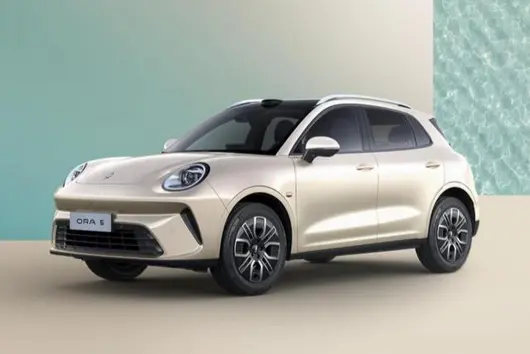

In Great Wall Motor's May sales data, there is a surprising highlight—the Ora brand.
Ora sold 6,018 units in May, a year-over-year surge of 206.88%, leading all Great Wall brands. In a month where Haval, Tank, and Great Wall Pickup all saw declines, only Wey and Ora maintained growth, with Ora's rebound being particularly outstanding. From January to May, Ora's cumulative sales reached 15,583 units, a year-over-year increase of 46.66%.
Looking back to the beginning of the year, Ora's situation was not easy at that time.
Throughout 2025, Great Wall's cumulative sales reached 1.3237 million vehicles. Most brands grew, but Ora declined by 23.68%, with annual sales shrinking to 48,300 vehicles. At the time, many felt Ora might gradually become marginalized like this.
Entering 2026, the situation once got worse. In January, Ora sold only 2,057 units, down 6.2% year-over-year, remaining the only brand in the group to decline. February saw a drop to 1,263 units, almost hitting rock bottom.
The turning point appeared in March.
On March 12, 2026, the Ora 5 made its global premiere in Bangkok, Thailand. Built on Great Wall's new "Guiyuan" platform, this platform's biggest feature is supporting pure electric, hybrid, and fuel power forms simultaneously. For a small car brand that originally insisted on "pure electric all the way," this step was not easy, but in hindsight, it was quite a pragmatic move.
On April 25, the Ora 5 Hybrid and Fuel versions were officially launched at the Beijing Auto Show. In May, all three power versions worked together. Ora's brand sales rose from around 2,000 units at the beginning of the year to 6,018 units in May.
It is less about market preference and more that Ora finally found a way closer to users.
In the 2026 new energy market, it is not as hot as the previous two years. Overall new energy passenger vehicle sales for the first four months declined over 10% year-over-year, especially small electric cars below 100,000 yuan, where the decline was close to half.
Ora 5 did three relatively solid things.
First, returning the choice to users. The pure electric version is left for city commuting and policy needs. The fuel version covers areas where charging is not convenient. The hybrid version balances cost and convenience with a tested 3.74 liters per 100 km fuel consumption. Three power forms correspond to three different life scenarios. The Guiyuan platform disassembles the vehicle structure into 49 core modules and 329 shared components, with a part commonality rate exceeding 70%, allowing Great Wall to develop three versions simultaneously at a relatively low cost.
Second, pricing is relatively pragmatic. Ora 5 Fuel version suggested retail price starts at 79,800 yuan, limited-time new swap price starts at 69,800 yuan during launch; Hybrid version suggested retail price starts at 89,800 yuan, limited-time new swap price starts at 79,800 yuan; Pure electric version guidance price falls in the 99,800 to 133,800 yuan range. Under the background of purchase tax halved and battery prices rising, this price points to the most sensitive interval for many families buying cars.
Safety was not compromised. Ora 5 all models adopt cage body structure and five-layer battery safety protection system. Great Wall Motor Chairman Wei Jianjun emphasized in introducing the Guiyuan platform that "Life First, Safety Supreme" is the platform's core philosophy. For a small car, this is quite rare.
According to the plan of Ora Brand General Manager Lu Wenbin, 2026 will be Ora's product year. Ora will maintain a pace of launching one new car per month. Relying on the Guiyuan platform, it will continue to launch products with multiple power versions like pure electric, hybrid, and fuel. It will also expand to various body forms such as Hatchbacks and Sedans and SUVs, perfecting the product matrix.
From the revealed plans so far, the Ora 5 is just a starting point. Lu Wenbin explicitly stated that the Ora 5 Family will cover multiple niche categories including A-segment SUV, A-segment Sedan/Hatchback, A+ segment SUV, A0 segment Coupe, providing multiple power forms like fuel, pure electric, and hybrid.
This means Ora is transforming from a "small car brand" to a "brand covering multiple niche categories". The Guiyuan platform provides the technical foundation for this expansion. The platform is compatible with five power forms, covering 7 major categories including Sedan, SUV, Off-road SUV, Pickup, MPV, Sports Car, etc. It is expected to launch over 50 global models. This platform's 70% part commonality rate makes multi-power, multi-category product layout possible in terms of cost and efficiency.
At the same time, Ora is also upgrading existing models. Lu Wenbin explicitly denied rumors of classic models exiting the market. "Good Cat, Ballet Cat and other classic models remain very popular. For example, Ballet Cat sells very well in Shanghai, and can be seen everywhere on the streets." He stated that these models will not stop production. Ora will continue to iteratively upgrade them. Some models will also undergo power upgrades, maintaining the classic user base while attracting new users. Additionally, in 2026, the Ora brand will also undergo intelligent upgrades for its on-sale models Ballet Cat and Flash Cat.
In terms of brand architecture, Ora and Salon have completed integration, and Salon's model Mech Dragon has moved into the Ora community. Through deep collaboration of the dual brands, Great Wall hopes to cover a more complete price range in the pure electric field, extending from Ora's mainstream market to Salon's planned high-end luxury market.
Ora's other important battlefield is overseas.
Currently, the Ora 5 has started shipping to Brazil and Europe, and will be launched in these markets successively in the near future. Great Wall Motor plans to achieve 40% sales growth in the Thai market in 2026, and has added 10 billion Thai Baht investment for this purpose. The Ora 5 is the key vehicle to achieve this goal.
According to the plan, starting from Thailand, Ora will further expand to Europe, Oceania, Middle East, Latin America, Africa and other markets. In Great Wall Motor's overall overseas layout, the overseas progress is accelerating, and Ora has become an important source of incremental sales after Haval.
More worth noting is that Ora's understanding of the overseas market no longer stays at the level of "exporting products". The brand positioning has shifted from "New Energy Vehicle that Loves Women More" to "Global Fashion Boutique Car Brand". Communication advocacy has been upgraded to "Live Up Your Shine". Facing global young users, adapting to the real needs of different markets with a more open product logic.
Of course, looking at it calmly, this 206.88% year-over-year growth rate is partly because the base of the same period last year was indeed low (1,961 units). A monthly sales volume of 6,018 units still has room compared to the high point when Ora brand monthly sales exceeded 10,000 in 2021.
Additionally, current growth mainly relies on one new car, the Ora 5. Taking the retail data of the first four months of this year as an example, Ora 5 Pure Electric sold 4,464 units, Good Cat sold 2,629 units, while Ballet Cat sold only 4 units. The resilience driven by a single vehicle needs time to test. But Ora has obviously realized this. Its dense product planning and matrix expansion are active responses to this risk.
But regardless, Ora has walked out of the coldest winter. In this May where Great Wall's overall sales are not yet clear, Ora proved its value of still being needed by users with a mild rebound. This is probably the most comforting item in this monthly report.
Source: Auto Observer

长城汽车5月的销量数据重,有一处让人意外的亮色——欧拉品牌。
欧拉5月销量6018辆,同比大涨206.88%,增速在长城各品牌中遥遥领先。在哈弗、坦克、长城皮卡都出现下滑的这个月,只有魏牌和欧拉守住了增长,而欧拉的反弹尤其突出。1至5月,欧拉累计销量15583辆,同比增长46.66%。
如果将时间拉回到年初,彼时欧拉的处境并不轻松。
2025年全年,长城累计销量132.37万辆,各大品牌基本都在增长,只有欧拉跌了23.68%,全年销量缩到4.83万辆。当时不少人觉得,欧拉可能就这样慢慢被边缘化了。
进入2026年,情况一度更糟。1月欧拉只卖了2057辆,同比下降6.2%,依旧是集团里唯一下滑的品牌。2月更是跌到1263辆,几乎到了冰点。
转机出现在3月。
2026年3月12日,欧拉5在泰国曼谷完成全球首发。它基于长城全新的“归元”平台打造,这个平台最大的特点,是可以同时支持纯电、混动和燃油等多种动力形式。对于一个原本坚持“纯电到底”的小车品牌来说,这一步迈得不算容易,但事后看,也是相当务实的一步。
4月25日,欧拉5混动版和燃油版在北京国际车展正式上市。5月,三个动力版本一起发力,欧拉品牌销量从年初的2000辆级别,一路上升到6018辆。
与其说是市场偏爱,不如说是欧拉终于找到了更贴近用户的方式。
2026年的新能源市场,已经没有前两年那么火热了。前4个月新能源乘用车整体销量同比下滑超过10%,尤其是10万元以下的小型电车,跌幅接近一半。
欧拉5做了三件比较实在的事。
第一,把选择权交还给用户。纯电版留给城市通勤和政策需求,燃油版去覆盖那些充电还不方便的地方,混动版则用实测百公里3.74升的油耗,同时兼顾了成本和便利。三种动力,对应三种不同的生活场景。而归元平台将整车结构拆解为49个核心模块与329个共用组件,零部件通用率超过70%,让长城能够以相对低的成本同时开发三个版本。
第二,定价比较务实。欧拉5燃油版建议零售价7.98万元起,上市首发期间限时换新价低至6.98万元起;混动版建议零售价8.98万元起,限时换新价7.98万元起;纯电版指导价落在9.98万至13.38万元区间。在购置税减半、电池涨价的背景下,这个价格卡住了很多家庭买车时最敏感的那个区间。
安全没有妥协。欧拉5全系采用笼式车身结构和五重电池安全防护系统。长城汽车董事长魏建军在介绍归元平台时强调,“生命第一,安全至上”是平台的核心理念。对于一台小车来说,这一点挺难得的。
按照欧拉品牌总经理吕文斌的规划,2026年将是欧拉的产品大年,欧拉将保持每月一款新车的投放节奏,依托归元平台,持续推出纯电、混动、燃油多种动力版本的产品,同时拓展两厢、三厢、SUV等多种车身形态,完善产品矩阵。
从目前透露的规划来看,欧拉5只是一个起点。吕文斌明确表示,欧拉5家族将涵盖A级SUV、A级三厢/两厢轿车、A+级SUV、A0级轿跑等多个细分品类,提供燃油、纯电、混动等多种动力形式。
这意味着,欧拉正在从一个“小车品牌”向“覆盖多个细分品类的品牌”转型。归元平台为这种扩张提供了技术底座——平台兼容五大动力形式,覆盖轿车、SUV、越野SUV、皮卡、MPV、跑车等7大品类,预计将推出50余款全球车型。这套平台的70%零部件通用率,让多动力、多品类的产品布局在成本和效率上成为可能。
与此同时,欧拉也在对现有车型进行升级。吕文斌明确否定了经典车型退出市场的猜测。“好猫、芭蕾猫等经典车型,依然非常受欢迎,比如芭蕾猫在上海的销量很高,大街上随处可见。”他表示,这些车型不会停产,欧拉会持续对其进行迭代升级,部分车型还会进行动力升级,维系经典用户群体,同时吸引新的用户。此外,2026年欧拉品牌还将对旗下在售车型芭蕾猫、闪电猫进行智能化升级。
在品牌架构层面,欧拉与沙龙已完成整合,沙龙旗下车型机甲龙已入驻欧拉社区。通过双品牌的深度协同,长城希望在纯电领域覆盖更完整的价格区间,从欧拉主打的主流市场延伸到沙龙计划的高端豪华市场。
欧拉的另一个重要战场在海外。
目前,欧拉5已开始向巴西、欧洲发运,近期将陆续在这些市场上市。长城汽车计划2026年在泰国市场实现40%的销量增长,并为此追加100亿泰铢投资,欧拉5正是实现这一目标的关键车型。
按照规划,以泰国为起点,欧拉将进一步拓展欧洲、大洋洲、中东、拉丁美洲、非洲等市场。在长城汽车整体的海外布局中,出海进度正在加快,欧拉已经成为继哈弗之后的重要增量来源。
更值得留意的是,欧拉对海外市场的理解不再停留在“出口产品”的层面。品牌定位已从“更爱女人的新能源汽车”转向“全球时尚精品汽车品牌”,沟通主张升级为“活出光芒”。面向全球年轻用户,用更开放的产品逻辑,去适配不同市场的真实需求。
当然,冷静下来看,这个206.88%的同比增速,一部分也是因为去年同期的基数确实很低(1961辆)。6018辆的月销量,相比2021年欧拉品牌曾经月销过万的高点,还有距离。
另外,目前的增长主要靠欧拉5一款新车撑着。以今年前4个月的零售数据为例,欧拉5纯电版卖出4464辆,好猫卖了2629辆,而芭蕾猫仅卖出4辆。单靠一款车型拉动的复苏,抗风险能力还需要时间检验。但欧拉显然已经意识到了这一点,其密集的产品规划和矩阵扩张,正是对这种风险的主动应对。
但不管怎么说,欧拉已经走出了最冷的冬天。在长城整体销量还不太明朗的这个5月,欧拉用一次温和的反弹,证明了自己依然有被用户需要的价值。这大概就是这份月度成绩单里,最让人欣慰的一笔了。
来源:车观察
© 2024 Bitauto.com. All Rights Reserved.
Bitauto (www.yiche.com and www.bitauto.com) is one of the most visited automotive websites in China. We provide detailed info on Chinese car brands available in your area. Please note that the information provided on this website is based on publicly available data and is for reference only. It may not be fully updated or accurate at all times.

Help us improve our website


