

HomeCelebrating

Search History
Popular Searches
Dealer Login / Sign Up

In Malaysia's SUV market, many buyers compare Honda HR-V and Subaru Crosstrek when choosing a car. These two models are quite close in price and positioning. Today, we will make a detailed comparison from multiple aspects to help you save time on research.
The OTR price of Honda HR-V in Malaysia is RM 115,900 - 143,900, with a total of 4 versions, including 2026 e:HEV 1.5L RS (RM 143,900), 2026 1.5T V (RM 137,900), 2026 1.5T E (RM 130,900) etc.
The OTR price of Subaru Crosstrek in Malaysia is RM 145,000 - 160,000, with a total of 1 version, including 2.0L e-Boxer (RM 150,000) etc.
From a price perspective, the starting price of the Honda HR-V is indeed RM 29,100 cheaper than the Subaru Crosstrek. If your budget is limited, Honda's entry-level model can already meet daily needs. But also note, the few thousand difference might involve trade-offs in features, depending on your specific needs.

Honda HR-V's safety rating is 5★ (ASEAN NCAP), active safety systems include Honda SENSING (ACC, CMBS, LKAS, RDM).
Subaru Crosstrek's safety rating is 5★ (Euro NCAP), active safety systems include EyeSight.
In terms of safety features, both cars have received decent ratings. However, Honda HR-V's Honda SENSING (ACC, CMBS, LKAS, RDM) and Subaru Crosstrek's EyeSight have some differences in functionality. If you value active safety, you can compare their feature lists carefully.

Honda HR-V adopts FWD drive mode.
Subaru Crosstrek adopts FWD drive mode.
Both cars have the same drive mode, both are FWD, and there won't be much difference in daily driving experience.

Both Honda HR-V and Subaru Crosstrek are mainstream choices in the Malaysian market, suitable for family use and daily commuting. If you value brand reputation and resale value more, you can prioritize the one with better reputation; if you care more about cost-performance and features, choose the one with richer configurations. Ultimately, it is recommended to test drive both, as hands-on experience is the most important.

Overall, both Honda HR-V and Subaru Crosstrek are very good models in the Malaysian market. Which one to choose depends mainly on your personal needs and budget. We recommend doing your research, comparing quotes from several dealerships, and then test driving to make a final decision. Buying a car is a big matter, spending time on research will never be wrong.


Dalam pasaran SUV Malaysia, ramai pembeli membandingkan Honda HR-V dan Subaru Forester apabila memilih kereta. Kedua-dua kereta ini sangat hampir dari segi harga dan posisi. Hari ini, kami akan membuat perbandingan terperinci dari pelbagai aspek untuk membantu anda menjimatkan masa menyiapkan kajian.
Harga OTR Honda HR-V di Malaysia ialah RM 115,900 - 143,900, terdapat 4 varian, termasuk 2026 e:HEV 1.5L RS (RM 143,900), 2026 1.5T V (RM 137,900), 2026 1.5T E (RM 130,900) dan lain-lain.
Harga OTR Subaru Forester di Malaysia ialah RM 174,000 - 197,000, terdapat 3 varian, termasuk 2024 2.0L S EyeSight GT Edition (RM 189,538), 2024 2.0L S EyeSight (RM 177,538), 2024 2.0L L EyeSight (RM 167,538) dan lain-lain.
Dari segi harga, harga permulaan Honda HR-V memang lebih murah RM 58,100 berbanding Subaru Forester. Jika bajet anda terhad, versi permulaan Honda sudah cukup memenuhi keperluan harian. Tetapi perlu diingat, berapapun perbezaan harganya, mungkin ada kompromi dari segi kelengkapan, bergantung pada keperluan anda.
Honda HR-V dilengkapi enjin 1.5L Turbo, kuasa kuda 140 hp. Keran bahan api rasmi 7.0 L/100km.
Subaru Forester dilengkapi enjin 2.0L 4-silinder, kuasa kuda 170 hp. Keran bahan api rasmi 8.0 L/100km.
Dari segi kuasa, 2.0L 4-silinder Subaru Forester mempunyai 30 kuasa kuda lebih berbanding 1.5L Turbo Honda HR-V. Namun untuk memandu sehari-hari di bandar, kuasa kedua-dua kereta ini cukup dan tidak akan terasa kurang.
Pengelasan keselamatan Honda HR-V ialah 5★ (ASEAN NCAP), sistem keselamatan aktif termasuk Honda SENSING (ACC, CMBS, LKAS, RDM).
Pengelasan keselamatan Subaru Forester ialah 5★ (Euro NCAP), sistem keselamatan aktif termasuk EyeSight.
Dari segi kelengkapan keselamatan, kedua-dua kereta mendapat pengelasan yang baik. Namun Honda SENSING (ACC, CMBS, LKAS, RDM) pada Honda HR-V dan EyeSight pada Subaru Forester mempunyai perbezaan dari segi fungsi. Jika anda mengambil berat tentang keselamatan aktif, anda boleh bandingkan senarai fungsi kedua-duanya dengan teliti.
Honda HR-V jaminan 5 tahun/jarak tanpa had, selang penyelenggaraan setiap 10,000km atau 6 bulan.
Subaru Forester jaminan 3 tahun/100,000km, selang penyelenggaraan setiap 10,000km atau 6 bulan.

Honda HR-V dan Subaru Forester adalah pilihan utama di pasaran Malaysia, sesuai untuk kegunaan keluarga dan perjalanan harian. Jika anda lebih mengutamakan nama jenama dan harga jualan semula, pilih yang mempunyai reputasi lebih baik; jika anda lebih mementingkan nilai dan kelengkapan, pilih yang mempunyai konfigurasi lebih lengkap. Pada akhirnya, disyorkan untuk memandu kedua-duanya, pengalaman sendiri adalah yang paling penting.

Secara keseluruhannya, Honda HR-V dan Subaru Forester adalah model kereta yang sangat bagus di pasaran Malaysia. Pilihan bergantung pada keperluan dan bajet peribadi anda. Disyorkan untuk membuat kajian, bandingkan beberapa tawaran dari dealer kereta, kemudian uji drive untuk membuat keputusan akhir. Membeli kereta adalah perkara besar, menghabiskan masa membuat kajian tidak akan salah.

Pada penghujung bulan Ogos, laporan kewangan Q2 XPeng dikeluarkan, pendapatan 19.74 bilion Yuan, margin kasar 20.7%, angka memang cantik. Namun, setelah membaca keseluruhan laporan, apa yang benar-benar membuatkan kita duduk tegak melihat adalah kumpulan nombor di luar negara: jualan kuartal pertama kali melebihi 20,000 unit, pertumbuhan tahun ke tahun 81%, sumbangan pendapatan perniagaan luar negara melebihi 25%, purata harga per kenderaan melebihi 40,000 Euro.

Beberapa nombor yang disusun bersama, menghasilkan isyarat yang jelas: globalisasi XPeng sudah bukan lagi konsep di slaid persembahan, tetapi mula memberikan keuntungan ke dalam laporan kewangan dengan wang sebenar.
Banyaknya syarikat automotif China menerbitkan keluar, kebanyakan masih tinggal pada tahap 'pergi', masuk ke pasaran, terbitkan berita, kemudian tiada sambungan. XPeng kali ini tidak sama, mereka mula menjana keuntungan di luar negara, dan tidak sedikit pun.
Mengapakah orang Eropah rela mengeluarkan 40,000 Euro
Lihat pada harga ini dahulu. Purata harga kenderaan luar negara melebihi 40,000 Euro, ditukar kepada Yuan kira-kira lebih 300,000.
Pada tahap harga ini dalam pasaran Eropah, apa konsepsinya? Bertembung secara langsung dengan siri Volkswagen ID dan Tesla Model 3 versi masuk, di belakang ada banyak lagi model sederhana hingga premium jenama tempatan Eropah. Mampu mengekalkan pertumbuhan jualan pada tahap harga ini, menunjukkan pengguna Eropah membayar bukan untuk 'murah', tetapi untuk 'berharga'.

Yang paling mudah dilewati oleh syarikat automotif China keluar negara ialah menukar pasaran dengan harga rendah, mengoyakkan satu celah dengan kos-manfaat. XPeng tidak melalui jalan ini. Logik mereka lain, buat keupayaan kecerdasan buatan cukup kuat, biar orang Eropah rasa membelikan satu pengalaman kecerdasan buatan yang baik pada harga ini adalah berbaloi.
Dari hasil sekarang, logik ini telah berjaya.
Lebih penting, purata harga ini menaikkan struktur pendapatan per kenderaan keseluruhan kumpulan XPeng. Apa keadaan pasaran tenaga baru China, orang ramai sudah jelas, perang harga telah berlangsung lebih setahun, tiada siapa mahu berpisah daripada sendiri. Tetapi pasaran luar negara memberikan skrip lain, kuasa penetapan harga tinggi, persekitaran persaingan yang lebih rasional, dan sebilangan pengguna yang rela membayar untuk teknologi. Skrip ini diletakkan bersama, perniagaan luar negara bukan lagi konsep 'tambahan', tetapi pendorong sebenar untuk memperbaiki margin kasar.

Maka kembali ke soalan itu: Mengapa orang Eropah rela mengeluarkan 40,000 Euro? Bukan kerana mereka tidak faham kereta, sebaliknya kerana mereka faham, mereka tahu satu pengalaman kecerdasan buatan ini bernilai harga ini.
Bukankah purata harga tinggi ini boleh berterusan? Jawapannya pasti.
Logik persaingan pasaran Eropah berbeza secara asas dengan dalam negara. Pasaran tenaga baru dalam negara sudah berputar dalam kitaran ganas 'kerugian mengambil bahagian', harga menjadi satu-satunya pemboleh ubat. Tetapi pasaran Eropah sensitiviti terhadap harga jauh lebih rendah daripada dalam negara, pengguna lebih mementingkan kemampuan produk itu sendiri, selama kecerdasan buatan XPeng berterusan mengekalkan jurang teknologi berbanding jenama tempatan Eropah, purata harga 40,000 Euro bukan sekadar gumpalan pemasaran sekali muncul, tetapi penilaian pasaran terhadap nilai sebenar.

Tentu sahaja, dengan lebih banyak jenama China memasuki Eropah, tekanan harga pasti akan datang, tetapi tingkap tempoh yang diperebutkan XPeng, cukup untuk menanam akar pengenalan jenama dan reputasi pengguna dahulu.
Bagaimana kecerdasan China 'dipindahkan' ke Eropah
Jika purata harga tinggi ialah hasil, maka keupayaan teknologi ialah asas yang menyokong hasil ini.
XPeng Generasi Kedua VLA baru-baru ini menyelesaikan ujian penerimaan tempatan di Jerman. Dalam laporan kewangan, ayat ini patut difikirkan berulang kali, model yang dilatih berdasarkan data China ini, pengalaman sebenar di jalan bandar Eropah hampir sama dengan dalam negara, hampir tidak perlu menambah data latihan tambahan.

Maklumat di sebalik ini sangat besar.
Di masa lalu, keluar negara syarikat automotif China, keupayaan kemudi pintar hampir perlu dibuat semula tempatan. Jalan keadaan tidak sama, peraturan perolehan tidak sama, kebiasaan memandu juga tidak sama, satu model automatik yang berjalan di China, ditarik ke Eropah selalunya perlu diberi semula banyak data tempatan untuk bekerja dengan paksa. Ini bukan masalah satu rumah, seluruh industri menghadapi masalah umum.
Tetapi prestasi Generasi Kedua VLA XPeng mematahkan kebiasaan ini, menunjukkan struktur自动驾驶 XPeng pada logik asas sudah hampir dengan hukum sebenar dunia fizikal, perubahan lokasi geografik tidak menyebabkan penurunan tajam keupayaan. Lampu isyarat China dan lampu isyarat Eropah tidak sama bentuk, tetapi peraturan fizikal 'henti merah, lalau hijau' adalah konsisten. Model XPeng sedang menguasai logik asas ini, bukan sekadar ingat ciri permukaan keadaan jalan China.
Ini adalah nilai teras 'pergerakan tanpa geseran' teknologi. Apabila model anda tidak perlu belajar dari awal di setiap pasaran baharu, kelajuan dan kos pelantar luar negara akan diperbaiki secara fundamental. Jualan luar negara XPeng melonjak dari 20,000 unit ke 40,000 unit, keyakinan dari aspek teknologi berada di sini, mereka mempunyai keupayaan untuk menutupi lebih banyak pasaran dengan pantas, tanpa perlu memelihara pasukan algoritma tempatan yang besar untuk setiap pasaran.
Tentu sahaja, keupayaan teknologi kuat adalah satu perkara, dibenarkan kegunaannya adalah perkara lain. Adakah kebenaran kawalan berjaya diperolehi, itulah menentukan sistem keselamatan pintar ini boleh benar-benar mendarat di Eropah. Tetapi soalan ini juga boleh memberikan keputusan positif: Sasaran XPeng ialah separuh tahun depan terlebih dahulu memperoleh kebenaran kawalan VLA Generasi Kedua di Eropah, jadual masa ini dikemukakan berdasarkan ujian penerimaan tempatan Jerman telah siap, bukan slogan yang tergantung.

Lebih penting, XPeng telah bersedia sepenuhnya dalam kepatuhan data dan pelaksanaan tempatan, kewujudan pusat penyelidikan Jerman sendiri memikul misi ini.
Dari segi persiapan teknologi dan ramalan dasar, pendaratan kebenaran ini hanya masalah masa, bukan masalah arah. Setelah memperolehnya, kelebihan pengalaman keselamatan pintar XPeng di Eropah terhadap pesaing akan semakin besar.
Di mana datangnya keyakinan untuk jualan bulanan 40,000 unit
He Xiaopeng menyebut satu ayat dalam mesyuarat prestasi: Setelah MONA L03 diserahkan di luar negara, jualan kuartal luar negara akan memecahkan 40,000 unit.
40,000 unit apa konsepsinya? XPeng sekarang keseluruhan kumpulan jualan tunggal bulan tertinggi hanya lebih 50,000 unit. Jika luar negara satu kuartal boleh capai 40,000 unit, bersamaan dengan sumbangan stabil bulanan kira-kira 13,000 unit, dan kereta ini semua adalah pesanan berkualiti harga tinggi, margin tinggi. Saiz ini cukup untuk mengubah keseluruhan struktur pendapatan kumpulan.

Tetapi sasaran ini bukan boleh diketuk keluar dengan satu dua kereta baik. 40,000 unit memerlukan sokongan sistem, penyelenggaraan boleh mengikuti, bekalan boleh meliputi, perkhidmatan boleh melindungi.
Pusat penyelidikan XPeng di Jerman, di Indonesia dan Austria layout pembuatan, serta perancangan luar negara model EREV seterusnya, aksi ini disusun bersama, menghasilkan satu laluan yang jelas: Ia memperlakukan globalisasi sebagai satu sistem projek yang bergerak, bukan perilaku perdagangan berselerak.
Perbezaan antara kedua-duanya sangat besar. Keluar negara gaya perdagangan ialah buat kereta baik, hantar, jual, selesai. Keluar negara gaya sistem memerlukan membina keupayaan penyelidikan di pasaran hulu, layout bekalan dan node pembuatan di tengah, dibina pengendapan perkhidmatan dan litar pengalaman pengguna di belakang.

Mod pertama ringan, cepat, tetapi langit-langit rendah, sekali jualan naik, selepas jualan dan pengalaman pengguna akan timbul masalah; mod kedua berat, lambat, tetapi sekali berjaya, ia adalah penghalang yang sukar disalin.
XPeng memilih mod kedua. Sistem ini sekali dibina, nilainya bukan hanya menjual kereta. Selanjutnya Robotaxi akan mendarat di luar negara, robot akan ke global, memerlukan rangkaian operasi tempatan dan saluran data. Sekarang sistem sudah dibina, selanjutnya perluasan perniagaan AI Fizikal di luar negara adalah menjadi logik, tidak perlu bangun dapur baru.
Bukankah laluan keluar negara sistem ini boleh berjaya? Jawapannya hampir pasti juga. Walaupun setiap negara Eropah peraturan, cukai, dasar buruh berbeza, kos dan kompleksitas pembinaan sistem memang tidak rendah, tetapi XPeng bukan bermula dari nol. Mereka di dalam negara sudah mengalami lengkapnya bekalan naik gunung dan pembinaan sistem pembuatan, pengalaman pembinaan sistem industri automotif boleh dipindahkan.

Lebih penting, keluar negara sistem sendiri adalah sebuah parit perlindungan, apabila XPeng di Eropah penyelidikan, pembuatan, rangkaian perkhidmatan semua berada, pesaing datang selepas perlu menyalin benda ini, masa dan kos dana akan jauh lebih tinggi. Apa yang XPeng lakukan sekarang, bukan untuk jualan jangka pendek kelihatan baik, tetapi untuk asas pertumbuhan jangka panjang membina asas.
Kesimpulan
Jika tiga tajuk kecil disusun bersama, sebenarnya menghasilkan satu rantaian logik lengkap.
Purata harga 40,000 Euro, membuktikan orang Eropah rela membayar untuk teknologi XPeng. Ini bukan keuntungan jangka pendek yang diperoleh dengan kos-manfaat, tetapi kemampuan produk di pasaran antarabangsa telah mendapat penetapan harga adil.
Generasi Kedua VLA berjaya di Jerman, membuktikan keupayaan teknologi ini bukan khas China. Satu model yang dilatih berdasarkan data dalam negara, bertukar benua masih boleh digunakan, menunjukkan struktur自动驾驶 XPeng sudah menyentuh logik asas dunia fizikal.
Layout keluar negara sistem, membuatkan semuanya mempunyai asas operasi berterusan. Pusat penyelidikan Jerman, node pembuatan Indonesia dan Austria, perancangan model EREV seterusnya, aksi ini ditimbun bersama, globalisasi XPeng dari 'dipicu peluang' beralih ke 'dipicu sistem' trend sudah jelas.

Tiga penentuan ditimbun bersama, jawapannya jelas: Globalisasi XPeng sudah melalui tahap 'bercerita', mula benar-benar memberikan keuntungan ke dalam laporan kewangan. Dalam latar belakang perang harga industri tenaga baru masih tiada penglihatan hujung, XPeng mencari di luar negara sebidang tanah yang boleh menjana wang berterusan, dan boleh untung baik. Makna perkara ini, jauh lebih daripada nombor penghantaran kuartal tunggal.
Banyak syarikat automotif China menerbitkan keluar negara, kebanyakan masih tinggal pada tahap 'Saya datang, Saya lihat'. XPeng kali ini menggunakan satu laporan kewangan menjelaskan perkara lain lagi: Saya tidak hanya datang, saya juga berdiri teguh, dan seterusnya bersiap untuk berdiri lebih kukuh.

喺馬來西亞嘅 SUV 市場,好多買家喺揀車嘅時候都會拿本田 HR-V 同三菱 Xforce 來作比較。呢兩款車喺價位同定位上都幾接近,今日我哋就從多個方面做一個詳細嘅對比,幫你省下做功課嘅時間。
本田 HR-V 喺馬來西亞嘅 OTR 售價係 RM 115,900 - 143,900,一總共有 4 個版本,包括 2026 e:HEV 1.5L RS(RM 143,900)、2026 1.5T V(RM 137,900)、2026 1.5T E(RM 130,900) 等。
三菱 Xforce 喺馬來西亞嘅 OTR 售價係 RM 109,930 - 119,930,一總共有 2 個版本,包括 2026 1.5L Ultimate(RM 119,930)、2026 1.5L Urban(RM 109,930) 等。
由價錢睇落嚟,三菱 Xforce 嘅起價比本田 HR-V 平咗 RM 5,970。講真,喺呢個價位段,幾千蚊嘅差距其實唔算大,關鍵仲係睇整體嘅性價比同長期使用成本。
本田 HR-V 搭載 1.5L Turbo,馬力 140 hp。官方油耗 7.0 L/100km。
三菱 Xforce 搭載 1.5L Turbo,馬力 140 hp。官方油耗 7.0 L/100km。
呢兩款車用咗同一套動力系統,日常開起嚟嘅感受基本上冇分別。油耗方面都差不多,唔使太糾結呢一點。
本田 HR-V 嘅安全評級係 5★ (ASEAN NCAP),主動安全系統包括 Honda SENSING (ACC, CMBS, LKAS, RDM)。
三菱 Xforce 嘅安全評級係 5★ (ASEAN NCAP),主動安全系統包括 MI-PILOT。
兩款車嘅安全評級一樣,喺呢個級別入面安全配備都算俾得好齊全啦。而家嘅新車安全性都好,唔使太擔心呢一點。
本田 HR-V 車身長 4500 mm,行李箱 450 L。
三菱 Xforce 車身長 4400 mm,行李箱 400 L。
空間方面,本田 HR-V 嘅車身比三菱 Xforce 長咗 100 mm,車內乘坐空間會稍微闊少少,尤其係後座腳部空間。如果你經常載家人或者需要放嬰兒車,大一點嘅車身確實更實用。

本田 HR-V 保修 5 年/無限制里程,保養間隔 每 10,000km 或 6 個月。
三菱 Xforce 保修 3 年/100,000km,保養間隔 每 10,000km 或 6 個月。
總括嚟講,本田 HR-V 同三菱 Xforce 都係馬來西亞市場好唔錯嘅車款。揀邊一部,關鍵仲係睇你個人需求同預算。建議大家做好功課,多比較幾間車行嘅報價,再去試駕做最後決定。買車係件大事,花啲時間做功課絕對唔會錯。

喺馬來西亞嘅 SUV 市場,好多買家喺揀車嘅時候都會拿本田 HR-V 同 奇瑞 Tiggo 8 Pro 嚟做比較。這兩款車喺價位同 定位上都幾接近,今日我哋就由多個方面做一個詳細嘅比較,幫你省下做功課嘅時間。
本田 HR-V 喺馬來西亞嘅 OTR 售價係 RM 115,900 - 143,900,一共有 4 個版本,包括 2026 e:HEV 1.5L RS(RM 143,900)、2026 1.5T V(RM 137,900)、2026 1.5T E(RM 130,900) 等。
奇瑞 Tiggo 8 Pro 喺馬來西亞嘅 OTR 售價係 RM 159,750 - 159,750,一共有 2 個版本,包括 1.6L Turbo Standard(RM 130,000)、1.6L Turbo Premium(RM 145,000) 等。
從價錢嚟睇,本田 HR-V 嘅起步價確實比 奇瑞 Tiggo 8 Pro 平咗 RM 43,850。如果你預算有限,本田嘅入門版已經可以滿足日常需求。但都要注意,平嗰幾千蚊,可能喺配備上會有取捨,具體要睇你嘅需求。
本田 HR-V 嘅安全評級係 5★ (ASEAN NCAP),主動安全系統包括本田 SENSING (ACC, CMBS, LKAS, RDM)。
奇瑞 Tiggo 8 Pro 嘅安全評級係 TBD,主動安全系統包括 Basic。
安全配備方面,兩款車都攞到唔錯嘅評級。不過本田 HR-V 嘅本田 SENSING (ACC, CMBS, LKAS, RDM) 同 奇瑞 Tiggo 8 Pro 嘅 Basic 喺功能上有些差異,如果你比較看重主動安全嘅話,可以仔細對比一下兩者嘅功能列表。
本田 HR-V 採用 FWD 驅動方式。
奇瑞 Tiggo 8 Pro 採用 FWD 驅動方式。
兩款車嘅驅動方式一樣,都係 FWD,日常駕駛感受唔會有太大區別。
本田 HR-V 保養 5 年/無限制里程,保養間隔 每 10,000km 或 6 個月。
奇瑞 Tiggo 8 Pro 保養 3 年/100,000km,保養間隔 每 10,000km 或 6 個月。
總括嚟講,本田 HR-V 同 奇瑞 Tiggo 8 Pro 都係馬來西亞市場幾唔錯嘅車型。揀邊一輛,關鍵仲係要睇你嘅個人需求同 預算。建議大家做足功課,多比較幾間車行嘅報價,再去做試駕做最終決定。買車係件大事,花少少時間做功課絕對唔會錯。

喺馬來西亞嘅 SUV 市場,好多買家喺揀車嗰陣都會拿 Honda HR-V 同 Chery Tiggo 7 Pro 嚟比較。呢兩款車喺價位同定位上都好接近,今日我哋就從多個方面做一個詳細嘅比較,幫晒你省咗做功課嘅時間。
Honda HR-V 喺馬來西亞嘅 OTR 售價係 RM 115,900 - 143,900,一共有 4 個版本,包括 2026 e:HEV 1.5L RS(RM 143,900)、2026 1.5T V(RM 137,900)、2026 1.5T E(RM 130,900)等等。
Chery Tiggo 7 Pro 喺馬來西亞嘅 OTR 售價係 RM 123,750 - 123,750,一共有 2 個版本,包括 1.6L Turbo Standard(RM 125,000)、1.6L Turbo Premium(RM 140,000)等等。
從價錢睇落,Honda HR-V 嘅起步價確實比 Chery Tiggo 7 Pro 平咗 RM 7,850。如果你預算有限,Honda 嘅入門版已經可以滿足日常需求。但都要注意,平嗰幾千蚊,可能喺配備上會有取捨,具體要看你嘅需求。
Honda HR-V 嘅安全評級係 5 星 (ASEAN NCAP),主動安全系統包括 Honda SENSING (ACC, CMBS, LKAS, RDM)。
Chery Tiggo 7 Pro 嘅安全評級係 TBD,主動安全系統包括 Basic。
安全配備方面,兩款車都拿到唔錯嘅評級。不過 Honda HR-V 嘅 Honda SENSING (ACC, CMBS, LKAS, RDM) 同 Chery Tiggo 7 Pro 嘅 Basic 喺功能上有些差異,如果你比較看重主動安全嘅話,可以仔細比較下兩者嘅功能列表。
Honda HR-V 車身長 4500 mm,尾箱 450 L。
Chery Tiggo 7 Pro 車身長 4400 mm,尾箱 400 L。
空間方面,Honda HR-V 嘅車身比 Chery Tiggo 7 Pro 長咗 100 mm,車內乘坐空間會稍微寬裕啲,尤其係後座腿部空間。如果你經常載家人或者需要放嬰兒車,大少少嘅車身確實更實用。
Honda HR-V 保養期 5 年/無限制里程,保養間隔 每 10,000km 或 6 個月。
Chery Tiggo 7 Pro 保養期 3 年/100,000km,保養間隔 每 10,000km 或 6 個月。
總括嚟講,Honda HR-V 同 Chery Tiggo 7 Pro 都係馬來西亞市場好好嘅車款。揀邊一部,關鍵都要睇返你個人需求同預算。建議大家做好功課,多比較幾間車行嘅報價,再去試車做最終決定。買車係件大事,花少少時間做功課絕對無錯。

喺馬來西亞嘅 SUV 市場,好多買家喺揀車嘅時候都會拿本田 HR-V 同 奇瑞 Tiggo 7 Pro 來做比較。呢兩款車喺價位同定位上都好接近,今日我哋就從多個方面做一個詳細嘅比較,幫你省咗做功課嘅時間。
本田 HR-V 喺馬來西亞嘅 OTR 售價係 RM 115,900 - 143,900,一共有 4 個版本,包括 2026 e:HEV 1.5L RS(RM 143,900)、2026 1.5T V(RM 137,900)、2026 1.5T E(RM 130,900) 等。
奇瑞 Tiggo 7 Pro 喺馬來西亞嘅 OTR 售價係 RM 123,750 - 123,750,一共有 2 個版本,包括 1.6L Turbo Standard(RM 125,000)、1.6L Turbo Premium(RM 140,000) 等。
從價錢嚟睇,本田 HR-V 嘅起步價確實比 奇瑞 Tiggo 7 Pro 平咗 RM 7,850。如果你預算有限,本田嘅入門版已經可以滿足日常需求。但都要注意,平嗰幾千塊,可能喺配備上會有取捨,具體要看你嘅需求。
本田 HR-V 搭載 1.5L Turbo,馬力 140 hp。官方油耗 7.0 L/100km。
奇瑞 Tiggo 7 Pro 搭載 1.5L Turbo,馬力 140 hp。官方油耗 7.0 L/100km。
兩款車用咗同一套動力系統,日常開起嚟嘅感覺基本冇分別。油耗方面都差不多,唔使太糾結呢一點。
本田 HR-V 嘅安全評級係 5★ (ASEAN NCAP),主動安全系統包括本田 SENSING (ACC, CMBS, LKAS, RDM)。
奇瑞 Tiggo 7 Pro 嘅安全評級係 TBD,主動安全系統包括 Basic。
安全配備方面,兩款車都拿到唔錯嘅評級。不過本田 HR-V 嘅本田 SENSING (ACC, CMBS, LKAS, RDM) 同 奇瑞 Tiggo 7 Pro 嘅 Basic 喺功能上有些差異,如果你比較重視主動安全嘅話,可以仔細比較一下兩者嘅功能列表。
本田 HR-V 保修 5 年/無限制里程,保養間隔 每 10,000km 或 6 個月。
奇瑞 Tiggo 7 Pro 保修 3 年/100,000km,保養間隔 每 10,000km 或 6 個月。
本田 HR-V 同 奇瑞 Tiggo 7 Pro 都係馬來西亞市場嘅主流選擇,適合家庭使用、日常通勤。如果你更加重視品牌口碑同二手價,可以優先考慮口碑更好嗰一款;如果你更加在意性價比同配備,那就揀配備更豐富嗰款。最終都係建議兩款都去試駕,親身體驗先係最重要嘅。
總體嚟講,本田 HR-V 同 奇瑞 Tiggo 7 Pro 都係馬來西亞市場好唔錯嘅車型。揀邊一輛,關鍵都係要睇你嘅個人需求同預算。建議大家做好功課,多比較幾間車行嘅報價,再去試駕做最終決定。買車係件大事,花少少時間做功課絕對唔會錯。

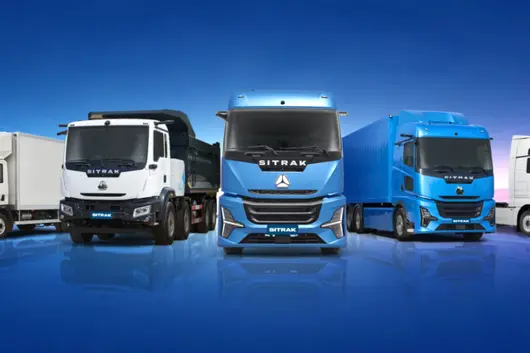
2026 年 9 月 14 日至 20 日,漢諾威國際交通運輸博覽會揭幕,山東重工業集結中國重型汽車、維柴動力集團、漢德車橋聯合參展,集中展示高端化、智能化、綠色化全鏈條創新成果。今次亮相漢諾威將見證山東重工業全球化佈局嘅深度蛻變——由傳統產品貿易「出海」,升級為產業生態全域「深耕」,開啟中國高端裝備品牌全球化高質量發展新階段。

憑藉屬地化營運體系同全產業協同優勢,山東重工業海外市場增長強勁。2026 年上半年,集團出口收入達 624 億元,同比增長 33.4%,中東非洲、亞太、美洲、歐洲等核心市場同步增長,實現全域多點突破。
各業務板塊合力築牢優勢:中國重型汽車上半年重型卡車出口 10.3 萬輛,同比增長 46.5%,連續 21 年蟬聯行業出口第一,依托 37 間 KD 廠、700 多間海外服務站,完成由整車外銷向技術、服務、品牌一體化出海轉型;維柴動力深耕海外多年,產品遠銷 150 多個國家同地區,海外收入佔比超 51%,重型引擎銷量穩居全球第一。今年上半年,維柴動力引擎出口銷量同比增長 19%,海外市場捷報頻傳、綠色成果多點落地。其中,4950 輛配套維柴動力引擎嘅客車成功交付阿爾及利亞,創下當地配套紀錄;埃塞俄比亞天然氣公交項目順利推進,1200 輛天然氣動力產品同配套設備陸續交付,以清潔能源動力方案助力當地公共交通綠色轉型。在輸出高品質動力產品嘅同時,維柴動力持續將綠色低碳解決方案帶到世界各地,以硬核科技助力多國交通領域減碳減排,攜手共建可持續嘅全球生態。漢德車橋上半年出口銷量同比增長 26%,屬地化營運生態日趨完善。
目前,集團喺 32 個國家設立 55 間貿易平台、60 多間海外生產及 KD 組裝工廠,喺 30 多個國家可實現本地化製造。維柴越南深耕營運、中國重型汽車馬來西亞 CKD 廠萬台整車落線,成為屬地化經營標桿案例。
全鏈技術壁壘:整車 + 核心部件構建全球競爭力
全產業鏈核心技術優勢,係山東重工業深耕全球市場嘅底氣。集團打通整車、動力總成、核心零部件、新能源補能方案完整鏈條,佈局燃油、混動、氫能、純電多技術路線,可針對全球多元場景輸出一體化定制解決方案。
本次漢諾威展覽會,中國重型汽車帶返迭代升級嘅汕德卡高端商用車矩陣,同步展出風光儲充換一體化補能場站;維柴動力帶返 18 件核心展品,完整呈現多元化動力產品矩陣;漢德車橋帶返 6 款專用車橋總成,適應多場景商用需求,兼顧傳統能源與新能源市場。全鏈條產品集中亮相,直觀展現集團由產品出海到產業深耕嘅戰略蛻變。

結語:
立足漢諾威國際舞臺,山東重工業集團將以硬核技術、成套方案同成熟生態角逐全球市場,持續擦亮中國高端裝備製造名片,彰顯中國智造嘅全球實力與擔當。

喺馬來西亞嘅 SUV 市場,好多買家喺揀車嘅時候都會拿 Honda HR-V 同 Mazda CX-60 黎做比較。呢兩款車喺價位同定位上都蠻接近,今日我哋就從多個方面做一个詳細嘅比較,幫你省下做功課嘅時間。
Honda HR-V 喺馬來西亞嘅 OTR 售價係 RM 115,900 - 143,900,一共有 4 個版本,包括 2026 e:HEV 1.5L RS(RM 143,900)、2026 1.5T V(RM 137,900)、2026 1.5T E(RM 130,900) 等。
Mazda CX-60 喺馬來西亞嘅 OTR 售價係 RM 200,510 - 252,873,一共有 2 個版本,包括 2026 3.3T 4WD High Plus(RM 252,873)、2025 2.5L 2WD High(RM 200,510) 等。
從價錢來看,Honda HR-V 嘅起步價確實比 Mazda CX-60 平咗 RM 84,610。如果你預算有限,Honda 嘅入門版已經可以滿足日常需求。但都要注意,平嗰幾千蚊,可能在配備上有取舍,具體要看你嘅需求。
Honda HR-V 搭載 1.5L Turbo,馬力 140 hp。官方油耗 7.0 L/100km。
Mazda CX-60 搭載 2.0L 4-cyl,馬力 170 hp。官方油耗 8.0 L/100km。
动力方面,Mazda CX-60 嘅 2.0L 4-cyl 比 Honda HR-V 嘅 1.5L Turbo 多咗 30 匹馬力。不過日常喺市區開,兩款車嘅動力都夠用,唔會覺得唔夠力。
Honda HR-V 保修 5 年/無限制里程,保養間隔 每 10,000km 或 6 個月。
Mazda CX-60 保修 5 年/150,000km,保養間隔 每 10,000km 或 6 個月。
Honda HR-V 同 Mazda CX-60 都係馬來西亞市場嘅主流選擇,適合家庭使用、日常通勤。如果你更看重品牌口碑同二手價,可以優先考慮口碑更好嗰款;如果你更在意性價比同配備,就揀配置更豐富嘅那款。最終都好建議兩款都去試駕,親身體驗先係最重要。

總嘅嚟講,Honda HR-V 同 Mazda CX-60 都係馬來西亞市場幾唔錯嘅車型。揀邊輛,關鍵仲係睇你個人需求同預算。建議大家做好功課,多比較幾間車行嘅報價,再去試駕做最終決定。買車係件大事,花點時間做功課絕對唔會錯。

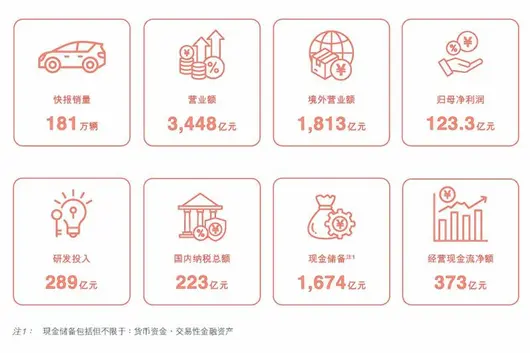
Laporan Setengah Tahun BYD 2026 telah dikeluarkan, hasil jualan 344.8 bilion, untung bersih 12.3 bilion, bayaran cukai 22.3 bilion, pelaburan R&D 28.9 bilion, adakah ini dianggap rugi untuk melabur dalam teknologi? Sesuai memang gelaran "Raja R&D"!
Saya rasa, ini justru menonjolkan asas perkembangan yang stabil dan berterusan! Walaupun ada 167.4 bilion tunai dalam akaun, berani melabur sebanyak ini dalam R&D, dari mana asasnya? Luar negara menjual 790,000 unit, naik 68%, United Kingdom, Brazil dan Thailand masing-masing juara jualan tenaga baharu. Tiga jenama premium gabungan menjual 228,000 unit, naik 61%. Jalan premium dan ke luar negara sangat lancar.
Kata mudahnya, gunakan penyelidikan dan pembangunan keseluruhan sendiri untuk menukar inisiatif. Pelaburan R&D kumulatif BYD melebihi 270 bilion, apa yang dapat? Bateri Blade Generasi Kedua + teknologi Cas Kilat, kelajuan cas pengeluaran kilang terpantas di dunia; 10,000 stesen Cas Kilat sudah meliputi 332 bandar, luar negara juga perlu membina 6,000 stesen; cip pemanduan pintar 4nm penyelidikan sendiri pertama di dalam negara Xuanji A3... Ini semua dilaburkan dengan wang sebenar, bukan PPT membayangkan perkara besar.
Apabila seluruh industri berkata "Sudah tidak mampu bersaing lagi", BYD membuktikan satu perkara dengan hasil teknologi yang padat dan berjaya: Parit pertahanan yang sebenar, tidak pernah dibina melalui perang harga.

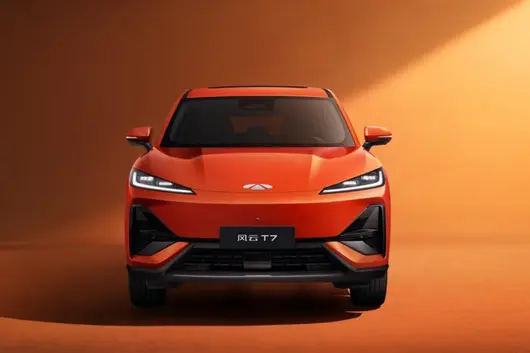
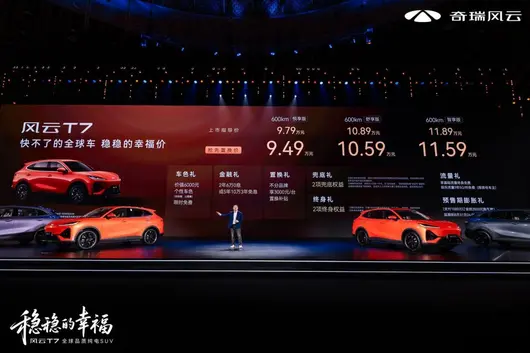
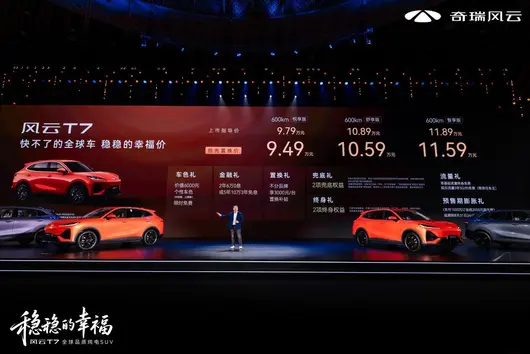
On August 26, by Yanqi Lake, Chery Fengyun T7 officially launched. Three models, launch priority exchange price from 94,900 Yuan to 115,900 Yuan, simultaneously launching nine purchase benefits.

For a pure electric SUV aimed at family users, this theme is actually quite specific: range must be substantial, battery must stand the test of time, space must allow for comfortable seating, driving should be relaxed and not tiring, still able to provide peace of mind years later. Chery focused the Fengyun T7's priorities on the most basic and easily overlooked aspects of daily use, aiming to respond to the concerns of ordinary families with a more solid experience.
Chery has an identity that is easily overlooked, ranking first in exports of Chinese brand passenger cars for 23 consecutive years, over 20 million global users, products sold in over 130 countries and regions, applied to the Fengyun T7, this becomes the product logic.

The Fengyun T7's cumulative test mileage exceeds 6 million kilometers, durability special verification for 1.45 million kilometers, tested in over 100 extreme road condition environments globally, from Brazilian steep speed bumps, Mexican cobblestone roads, to German highway high-curvature corners, South African unpaved muddy roads, temperature range from -40°C to 55°C.
Behind these numbers lies a very practical truth, if a car can withstand global differences in regulations, road conditions, and climates, and then return to serve an ordinary domestic family, its reliability foundation is different, true durability, anti-corrosion, thermal management, chassis consistency, is polished out in such "slow work".
The same-source model Lepas L6 is already launched in South Africa and Thailand, and also entered Milan Design Week.

The Fengyun T7 comes standard with a 65.05kWh battery across the series, CLTC range 600km, but the official gave a more interesting number: media tested range 681.6 km, battery cycle life over 2,500 times, service life rated 15 years, supporting charging from 30% to 80% in 20 minutes.
For the old problem of pure electric low temperatures, the series gives heat pump AC plus high-voltage PTC, equipped with AGS intelligent grille and low wind resistance design, range improvement of 30% in -10°C environment. The electric drive is the 12-in-1 Kunpeng Super Electric Drive, peak power 178kW, maximum torque 275N·m, overall efficiency 90.8%.

In terms of space, vehicle length 4,570mm, wheelbase 2,700mm, interior space rate 84%, rear legroom 911mm, floor is fully flat. Trunk 450L, under-floor storage 99L, can reach 1,550L after rear seats folded, belongs to the type of family car where you don't feel cramped sitting inside, and loading things isn't strenuous.

In terms of safety, Fengyun T7, high-strength steel ratio 80%, hot-formed steel 18.84%, battery has 31-layer "chainmail" structure, IP68 water resistance is 96 times the national standard, side extrusion resistance 200kN, 2 times the national standard. 9 airbags for the whole vehicle, one of the most in its class. Two noteworthy details, first, dual-framed subframe plus Pack anti-collision beam launched at this level, second, Shotgun structure. The former protects the battery, the latter disperses collision energy.
Chassis gets 70mm large-size bushings, One-Box line-controlled braking, front and rear axle load ratio 50.8:49.2, what it affects is not paper performance, but braking dive, cornering posture, full-load stability these daily sensations.
Fengyun T7 launches the first 4nm process 8775 Cockpit-Integrated Chip, NPU computing power 72 TOPS, system response latency 80ms. The screen is 15.6-inch 2.5K, brightness 1000 nits, supports CarPlay, HiCar, CarLink. Assisted driving is equipped with Falcon 500, 22 sensors, supporting 300+ automatic parking scenarios, 100-meter track reverse, highway pilot assist.

The "steady happiness" proposed by Fengyun T7 is actually a return to this kind of demand. It takes Chery's global verification capability accumulated from over 20 years of exports, down to a 100,000-level pure electric SUV, building a reassuring car in a more clumsy, slower way.
How fast a car can run is parameters; how long a car can accompany you is the value. The choice Fengyun T7 made is clearly the latter.

國內新能源汽車市場競爭日趨白熱化,行業部分車企追求快速迭代,喺十萬級純電賽道出現配置分化、安全降級、續航區別對待等現象。8 月 26 日,奇瑞風雲 T7 正式登陸市場,呢款定位全球品質純電 SUV,以 9.79 萬‑11.89 萬元上市指導價,搶先置換價 9.49 萬元起入市,以「慢工出好車」嘅長期主義思路,將全球標準、冗餘安全、全系長續航下放咗十萬級區間,為國民純電市場帶來新嘅思考。

當前十萬級純電 SUV 賽道內捲加劇,唔少車型陷入「表面低價,高配加價」嘅套路。入門版本縮減續航、安全配置縮水,高級智能功能只留俾中高配,成為行業常見操作。消費者想要完整嘅續航、完備嘅安全與智能體驗,往往被迫抬高購車預算。喺呢個背景下,風雲 T7 打響「六大冗餘」產品體系,從碰撞安全、電池安全、續航平權、全域節能、操控性能、整車驗證六個維度做能力預留,打破低價市場「能省則省」嘅產品邏輯,試圖改寫細分市場嘅價值格局。
所謂原生全球車,並非國內車型簡單改款出海。據了解,風雲 T7 歷經三年研發周期,依托奇瑞全球 1+7+N 研發體系打磨,對標 2026 版 E‑NCAP 五星安全標準開發,前期完成大量海外路況與法規驗證之後回歸國內市場。整車投入 81 台耐久試驗車,耐久專項里程達 145 萬公里,整車累計測試里程超 600 萬公里,完成 21 個國家實車驗證,覆蓋‑40℃至 55℃超寬溫域,適配全球 95% 道路類型,從巴西顛簸坎路、墨西哥鵝卵石路面,到德國高速彎道、南非非鋪裝路面,喺多元極限環境下完成試煉。
作為連續 23 年中國品牌乘用車出口第一嘅企業,奇瑞全球用戶已突破 2000 萬,產品銷往 130 多個國家與地區。風雲 T7 同源車型 Lepas L6 已經喺南非、泰國上市,後續將陸續登陸印尼、歐盟、澳新等市場。發布會現場,海外研發工程師、海外車主代表共同站台,上市同步開啟交付,外籍車主成為首批用戶,實現「上市即交付」。
喺用戶最關心嘅續航層面,風雲 T7 實現續航平權冗餘,全系標配 65.05kWh 犀牛電池,CLTC 續航 600km,實測續航可達 681.6km,實現反向虛標;30%-80% 快充僅需 20 分鐘,電池擁有 2500 次以上循環壽命,高低配不再做續航切割。全系標配雙源寬溫域熱泵空調加高壓 PTC 組合,零下 10℃環境續航可提升 15%-20%,緩解北方冬季純電車型續航跳水痛點,做到寒暑工況能耗穩定。
安全係家庭用車嘅底線。風雲 T7 採用九橫五縱籠式磐石車身,高強度鋼佔比 80%,搭載同級獨有 Shotgun 結構、雙框副車架與 Pack 防撞梁,配備同級最多 9 安全氣囊,包含 48L 遠端氣囊。犀牛電池擁有 6D 鎖子甲 31 層防護結構,側邊抗擠壓能力為國標兩倍,通過 1008 小時鹽霧、105 秒火燒嚴苛測試,IP68 級防水。官方仲推出動力電池安全兜底政策,若動力電池自身原因造成整車熱失控損毀,賠償同款或不低於原車配置新車;智能駕駛輔助場景事故最高 500 萬賠償,把安全承諾落咗政策層面。
智能化方面,該車搭載同級首發 4nm 製程 8775 艙駕一體芯片,72TOPS 算力,靈犀智艙 2.0 接入豆包大模型,支持模糊自然語音交互;22 顆高精度傳感器,實現 300+ 全場景自動泊車、高速領航輔助。空間上 84% 車內得房率,座椅支持加熱通風,後排地板純平,座椅放倒可形成 1955mm×1310mm 純平大床模式,尾箱最大拓展至 1550L,兼顧通勤、露營、家庭出遊多元場景。
發布會現場,音樂人吳克群以「幸福體驗官」身份出席,與奇瑞汽車執行副總裁李學用圍繞「穩穩嘅幸福」展開對話,共同啟動「幸福共創計劃」。主辦方表示,所謂穩穩嘅幸福,唔止物質層面,更指向出行中嘅踏實、安心,將全球品質轉化為普通家庭可觸及嘅日常體驗。新車推出 8 重上市權益,包含限時免費個性車色、金融免息、置換補貼、整車終身質保、666 元選購終身基礎保養套餐等,預售 1000 抵 2000 權益延期至 8 月 31 日。
行業觀察認為,中國新能源汽車已經告別單純拼價格嘅階段。低價唔等於低品質,十萬級市場同樣可以擁有全球車標準。過去好多全球車型,係喺國內打磨再簡單適配海外;風雲 T7 走出反向路線,先完成全球嚴苛驗證再服務國內消費者,呢對行業係一次新嘗試。當市場好多品牌追求「快迭代、快上新」,奇瑞揀慢工出好車,將大量成本投入到用戶睇唔到嘅驗證、安全冗餘、環境適配當中有。
由市場大勢睇,中國新能源汽車既要向上衝擊高端,也要向下夯實國民市場。風雲 T7 俾到行業啟示:國民級電動車,唔應該係配置妥協嘅代步工具,而係將全球標準、安全冗餘、長續航、智能化,真正俾到十萬級普通家庭。呢款車後續海外多國陸續上市,亦將成為中國原生全球車出海嘅又一個範本。
In the Malaysian SUV market, many buyers compare the Honda HR-V and Toyota Yaris Cross when choosing a car. These two models are quite similar in price and positioning. Today, we will conduct a detailed comparison from multiple aspects to help you save time on research.
The Honda HR-V's OTR price in Malaysia is RM 115,900 - 143,900, with a total of 4 variants, including the 2026 e:HEV 1.5L RS (RM 143,900), 2026 1.5T V (RM 137,900), and 2026 1.5T E (RM 130,900), among others.
The Toyota Yaris Cross's OTR price in Malaysia is RM 99,900 - 109,900, with a total of 2 variants, including the 2026 1.5L Standard (RM 99,900) and 2026 HEV 1.5L Standard (RM 109,900), among others.
From a price perspective, the Toyota Yaris Cross is RM 16,000 cheaper than the Honda HR-V at the base price. Honestly, in this price range, a difference of a few thousand is not significant; the key is to consider the overall value for money and long-term maintenance costs.
The Honda HR-V's safety rating is 5★ (ASEAN NCAP), and the active safety systems include Honda SENSING (ACC, CMBS, LKAS, RDM).
The Toyota Yaris Cross's safety rating is 5★ (ASEAN NCAP), and the active safety systems include TSS.
Both cars have the same safety rating, and safety features are quite comprehensive within this class. New cars nowadays generally have good safety, so there is no need to worry too much about this aspect.
The Honda HR-V adopts the FWD drive system.
The Toyota Yaris Cross adopts the FWD drive system.
Both cars share the same drive system, which is FWD, so there shouldn't be much difference in daily driving experience.
The Honda HR-V comes with a 5-year/unlimited mileage warranty, and service intervals are every 10,000km or 6 months.
The Toyota Yaris Cross comes with a 5-year/unlimited mileage warranty, and service intervals are every 10,000km or 6 months.
Both cars have the same warranty terms, so there is no need to worry about this. Actual maintenance costs depend on the brand's service network and parts prices; it is recommended to ask real owners in car enthusiast groups for their experiences.

Overall, both the Honda HR-V and Toyota Yaris Cross are excellent models in the Malaysian market. Which one you choose ultimately depends on your personal needs and budget. We recommend doing your homework, comparing quotes from several dealerships, and then test driving to make your final decision. Buying a car is a major decision, and taking time to research will definitely not go to waste.

8 月 26 日,全球品質純電 SUV 風雲 T7 正式上市。新车共推出 3 款版型,上市指导价 9.79 萬元‑11.89 萬元,抢先置换价 9.49 萬元‑11.59 萬元。

風雲 T7 為原生全球車型,並非國內車型簡單改款出海,研發週期 3 年,依托全球 1+7+N 研發體系打造,開展 5000+ 用戶共創,按照 2026 版 E‑NCAP 標準進行設計,完成 145 萬公里耐久驗證,經歷高溫、高寒、高濕、高鹽鹼等多重極限環境試煉,環境適配區間覆蓋-40℃~55℃,可應對多種複雜道路工況。同源車型 Lepas L6 已在南非、泰國上市,後續會逐步登陸印尼、歐盟、澳新、英國、以色列、馬來西亞等海外市場。

外觀層面,風雲 T7 由全球 10 大設計中心、百餘名設計師協同打造,融匯東方雅韻與全球審美,擁有馭風前臉、風刃大燈、風塑綢緞車身、天際霞光尾門、飛翼式煞車燈,風阻係數 0.286Cd。車輛提供六款東方雅韻車色:熾燄橙、山煙紫、雲粉米、流光銀、青竹灰、墨石黑,其中熾燄橙採用 Tri‑coat 三層豪車級車漆工藝。整車尺寸:車長 4570mm,車寬 1852mm,車高 1694mm,軸距 2700mm。

車廂內採用雲翼環抱座艙設計,配備鵝卵石懸浮揚聲器,擁有菱格縫製、靈動水波紋內飾細節,提供溫暖黑棕、極夜黑曜兩種內飾配色。車廂得房率達 84%,後排地板純平,空間表現寬裕。後排座椅可 4/6 比例放倒,實現尺寸 1955mm×1310mm 純平大牀模式,能夠滿足駐車休憩、露營等場景使用。座椅為 9 層雲感複合結構,支援加熱、通風功能。儲物配置豐富,常規后备廂容積 450L,附帶 19L 私隱夾層儲物盒、99L 下沉儲物空間,同時配備 50W 無線充電、3 個 Type‑C+1 個 USB 充電接口,滿足車內收納以及電子設備充電需求。

動力續航方面,風雲 T7 全系標配 65.05kWh 犀牛電池,CLTC 續航 600km,實測續航可達 681.6km,30%-80% 快充僅需 20 分鐘。搭載峰值功率 178kW 的 12 合 1 鵬鯤超能電驅,配備 AGS 智能進氣格柵、雙源寬溫域熱泵空調 + 高壓 PTC,在不同溫度環境下完成能耗調控,保障續航表現。

智能座艙上,風雲 T7 搭載 8775 座駕一體晶片,配備 15.6 英寸 2.5K 高清大屏;靈犀智艙 2.0 結合豆包大模型,實現全場景模糊語音交互,同時擁有小憩模式、醒神模式、哨兵模式、寶寶模式,寵物模式、露營模式(部分 OTA)等多種車內場景模式,可支援 CarPlay、HiCar、CarLink 無線手機直連。

智能駕駛輔助部分,整車搭載 22 顆高精度傳感器(3 顆毫米波雷達、7 個高性能攝像頭、12 個超聲波雷達),實現 300+ 全場景自動泊車、高速領航輔助、100 米循跡倒車等功能,可應對泊車、高速行駛等多種出行場景。

安全方面,風雲 T7 採用九橫五縱籠式磐石車身,包含 Shotgun 結構、雙框副車架+Pack 防撞梁、1088mm 貫穿式輾壓門檻加強梁,高強度鋼佔比 80%,配備 9 個安全氣囊。電池搭載 6D 鎖子甲 31 層防護結構,具備 IP68 級防水能力,完成 1008 小時鹽霧、105 秒火燒等多項嚴苛測試。底盤配備四輪獨立懸掛,擁有 50.8:49.2 黃金軸荷比,搭配 70mm 大襯套、26mm 大直徑前穩定桿硬件,由國際化底盤團隊完成調校。整車完成 21 個國家實車驗證以及 212 項法規認證,投入 81 台專屬耐久試驗車開展測試,在研發階段完成各類風險問題閉環。


【CNMO 科技消息】近日,易車基於新加坡官方機構及協會數據整理公布 2026 年 7 月新加坡汽車市場品牌銷量情況。

比亞迪汽車
數據顯示,新加坡汽車市場喺 7 月呈現多元化競爭格局,中國汽車品牌繼續擴大當地市場影響力,其中比亞迪汽車以 1100 輛嘅銷量位居品牌銷量榜首,豐田汽車同特斯拉分別以 582 輛、434 輛排名第二、第三。同時 MG、廣汽集團、奇瑞汽車、小鵬汽車等中國品牌亦進入銷量前十榜單。

MG 汽車
由具體銷量排名睇嚟,比亞迪汽車成為 7 月新加坡市場銷量最高嘅汽車品牌,單月銷量達到 1100 輛,領先第二名豐田汽車超過 500 輛。

廣汽埃安 N60
豐田汽車位居第二,7 月銷量為 582 輛。作為全球知名汽車品牌,豐田汽車憑藉長期累積嘅品牌影響力同豐富嘅產品佈局,喺新加坡市場依然保持穩定表現。特斯拉汽車則以 434 輛銷量排名第三,成為銷量最高嘅純電動汽車品牌之一。
奔馳汽車、本田汽車、寶馬汽車等傳統豪華同主流品牌同樣進入榜單前列。其中,奔馳汽車 7 月銷量為 360 輛,本田汽車銷量為 243 輛,寶馬汽車銷量為 206 輛。

相關數據
值得注意嘅係,7 月新加坡汽車品牌銷量前十名中,中國汽車品牌佔據多個席位。除咗排名第一嘅比亞迪汽車外,MG 以 233 輛銷量排名第六,廣汽集團以 232 輛銷量排名第七,奇瑞汽車以 200 輛銷量排名第九,小鵬汽車則以 169 輛銷量排名第十。

喺馬來西亞嘅 SUV 市場,好多買家喺揀車嘅時候都會拿本田 HR-V 同豐田 Yaris Cross 嚟比較。呢兩款車喺價錢同定位上都幾接近,今日我哋就由多個方面做個詳細對比,幫你省咗做功課嘅時間。
本田 HR-V 喺馬來西亞嘅 OTR 售價係 RM 115,900 - 143,900,一共有 4 個版本,包括 2026 e:HEV 1.5L RS(RM 143,900)、2026 1.5T V(RM 137,900)、2026 1.5T E(RM 130,900)等。
豐田 Yaris Cross 喺馬來西亞嘅 OTR 售價係 RM 99,900 - 109,900,一共有 2 個版本,包括 2026 1.5L Standard(RM 99,900)、2026 HEV 1.5L Standard(RM 109,900)等。
由價錢睇落,豐田 Yaris Cross 嘅起步價比本田 HR-V 平咗 RM 16,000。老實講,喺呢個價位段,幾千塊嘅差異其實都唔算大,關鍵仲係睇整體嘅性價比同長期使用成本。
本田 HR-V 搭載 1.5L Turbo,馬力 140 hp。官方油耗 7.0 L/100km。
豐田 Yaris Cross 搭載 1.5L 4-cyl,馬力 105 hp。官方油耗 6.0 L/100km。
動力方面,本田 HR-V 嘅 1.5L Turbo 比豐田 Yaris Cross 嘅 1.5L 4-cyl 多咗 35 匹馬力,中段加速更有信心,尤其係行高速超車嗰陣。不過豐田 Yaris Cross 嘅油耗可能更抵,日常市區通勤差別唔會太大。
本田 HR-V 嘅安全評級係 5★ (ASEAN NCAP),主動安全系統包括本田 SENSING (ACC, CMBS, LKAS, RDM)。
豐田 Yaris Cross 嘅安全評級係 5★ (ASEAN NCAP),主動安全系統包括 TSS。
兩款車嘅安全評級一樣,喺呢個級別入面安全配備都算好齊全。而家嘅新車安全性都唔差,唔使太擔心呢一點。
本田 HR-V 保用 5 年/無限里程,保養間隔 每 10,000km 或 6 個月。
豐田 Yaris Cross 保用 5 年/無限里程,保養間隔 每 10,000km 或 6 個月。
兩款車嘅保用條件一樣,呢方面唔使糾結。實際保養成本仲要睇品牌嘅服務網絡同零件價格,建議去車友群問吓真實車主嘅經驗。
總括嚟講,本田 HR-V 同豐田 Yaris Cross 都係馬來西亞市場幾唔錯嘅車款。揀邊一輛,關鍵仲係睇你嘅個人需求同預算。建議大家做好功課,多比較幾間車行嘅報價,再去做試駕做最終決定。買車係件大事,花少少時間做功課絕對無錯。

喺馬來西亞嘅 SUV 市場,好多買家在揀車嘅時候都會拿本田 WR-V 同現代 Tucson 嚟做比較。這兩款車喺價位同定位上都幾近,今日我哋就從多個方面做一次詳細嘅比較,幫你省返做功課嘅時間。
本田 WR-V 喺馬來西亞嘅 OTR 售價係 RM 89,900 - 107,900,總共有 4 個版本,包括 2023 1.5L V(RM 99,900)、2023 1.5L E(RM 95,900)、2023 1.5L S(RM 89,900)等。
現代 Tucson 喺馬來西亞嘅 OTR 售價係 RM 143,888 - 197,888,總共有 5 個版本,包括 2025 HEV 1.6T AT 2WD Prestige(RM 197,888)、2025 1.6T DCT 4WD Prestige(RM 186,888)、2025 1.6T DCT 2WD Prime(RM 164,888)等。
由價錢睇落,本田 WR-V 嘅起價確實比現代 Tucson 平咗 RM 53,988。如果你預算有限,本田嘅入門版已經可以滿足日常需要。但要留意,平嗰幾千蚊,可能喺配備上會要取捨,具體就要睇你嘅需求。

本田 WR-V 配備 1.5L 4-cyl,馬力 105 hp。官方油耗 6.0 L/100km。
現代 Tucson 配備 1.5L Turbo,馬力 140 hp。官方油耗 7.0 L/100km。
動力方面,現代 Tucson 嘅 1.5L Turbo 比本田 WR-V 嘅 1.5L 4-cyl 多咗 35 匹馬力。不過日常喺市區開,兩款車嘅動力都夠用,唔會覺得唔夠力。

本田 WR-V 嘅安全評級係 5★ (ASEAN NCAP),主動安全系統包括本田 SENSING。
現代 Tucson 嘅安全評級係 5★ (ASEAN NCAP),主動安全系統包括 SmartSense。
兩款車嘅安全評級一樣,喺呢個級別入面安全配備都算好齊全。而家嘅新車安全性都唔差,唔使太擔心呢一點。

本田 WR-V 保養 5 年/無限制里程,保養間隔 每 10,000km 或 6 個月。
現代 Tucson 保養 5 年/300,000km,保養間隔 每 10,000km 或 6 個月。

總括嚟講,本田 WR-V 同現代 Tucson 都係馬來西亞市場幾唔錯嘅車型。揀邊一部,關鍵都要睇你嘅個人需要同預算。建議大家做足功課,多比較幾間車行嘅報價,再去試駕做最終決定。買車係一件大事,花啲時間做功課絕對唔會錯。


平均每16秒就有一辆“奇瑞造”驶向海外!
这不是什么换着花样的数字游戏,而是一家龙头出口车企给出的成绩单。今年7月,奇瑞集团出口202533辆,同比增长70.1%,连续五个月刷新中国汽车单月出口纪录,成为中国首个单月出口突破20万辆的车企。得益于此,1-7月,奇瑞集团累计出口114.6万辆,同比增长71.2%,延续了过去23年稳居中国品牌乘用车出口榜第一的良好势头。
事实上,海外市场正是奇瑞最大的底气,就在今年上半年,奇瑞集团正式跻身全球TOP10,跟美国福特并列全球第九,和比亚迪、吉利集团一起,成为全球销量前十阵营中首次出现的“中国三强”。

论整体销量,奇瑞并不是规模最大的中国车企,可在全球化这条路上,为什么是奇瑞一直在领跑?
面对这个问题,或许有人会说,奇瑞出口早,历史积累使然;或许也有人会说,奇瑞海外布局完整,领先是因为多点发力。这些的确都没错,却只看到了奇瑞超前的眼光和超强的执行力,并没有说到本质——也就是车本身,奇瑞旗下每一款产品,都是真正基于全球标准研发、制造,符合全球审美,适配全球多地使用习惯,并经过全球各种极限环境验证,品质方面切实做到了全球化。
是中国车 更是全球车
中国车之中,若论谁最懂全球用户,奇瑞一定当仁不让。
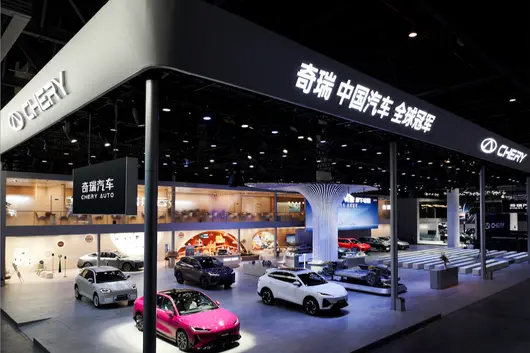
以正在举行的成都车展为例,今年奇瑞集团带来了旗下奇瑞、星途、纵横、捷途、iCAR五大品牌38款车型的庞大参展阵容,要知道,这五大品牌全都已扎根全球市场,为奇瑞累计收获近700万海外用户立下赫赫战功。至于这38款参展车型里最值得一提的,莫过于风云T7。

在海外,风云T7被称作Lepas L6,南非、泰国都已经先行上市,中国本土市场却要等到本月26日——海外先行一步,这曾经是合资品牌的专属,在中国品牌里属实罕见,却也恰好体现出风云T7的全球车属性。事实上,作为奇瑞全球化的最新代表,风云T7是奇瑞以新一代全球车标准倾力打造的全球品质纯电SUV。用奇瑞汽车股份有限公司执行副总裁李学用的话来说,风云T7“不是在国内完成开发后再改出去,而是从研发起始就锚定全球”。

“锚定全球”四个字可不是随口一说,据悉,针对15个典型国家场景,研发团队调研了5000+全球用户,把不同市场需求提前纳入风云T7的产品定义,并提前两年预研全球法规,对标2026版E-NCAP标准设计。最终,风云T7由全球8大研发设计中心百余名设计师协同打造,经过东南亚高湿雨季、中东高温暴晒、西伯利亚雨雪低温、北欧极黑夜等7大类极限环境验证。同时,风云T7共投入81台专属耐久车全球同步路试,整车累计测试里程超600万公里(其中耐久专项实测145万公里),覆盖欧盟、澳新、中东、南非、墨西哥、巴西等地超100种极限路况环境。更重要的是,针对不同国家用户的用车习惯,风云T7进行了超80项本地习惯适配,比如泰国右舵偏好重手感,转向力调校就增加1级;土耳其用户偏好硬开关,就保留高频功能实体按键;欧洲喜欢车头入库,就采用70cm自动显示前摄像头。

显然,风云T7就是中国研发制造“原生全球车”的样本,市场对此反响亦相当热烈,据官方披露,预售9天,风云T7订单已超1.67万辆,其近两个月全球上市日程表上还写着印尼、欧盟、澳新、英国、马来西亚等多个名字。
风云T7的出彩,绝非突如其来,而是在奇瑞出海23年基础之上不断实践的结果,毕竟在此之前,奇瑞已经积累了一款又一款各具特色的全球畅销车型。

比如“长续航智美轿跑”风云A9,奇瑞造车20多年精工品质集大成者, 2026德国红点产品设计奖得主,彰显东方原创全球审美认可。其承接奇瑞全球2000万辆销量,串联起奇瑞自主造车全周期,印证奇瑞从“造老百姓平价好车”到“定义全球高品质纯电出行标准”的跨越式进阶。

又比如“AI智趣纯电轿车”全新QQ3,国内今年3月才开售,已连续4个月销量过万,海外市场,印尼、泰国上市首月同样销量过万, 已实现全球QQ用户达160万,让世界小车文化有了中国汽车的一席之地。

除此之外,此次成都车展首发亮相的全新艾瑞泽7,同样从立项之初即按照全球标准研发,定位“全球品质家轿新标杆”,其同时提供ICE鲲鹏燃油版与C-DM超能电混两种动力选择,满足全球不同地区用户出行需求,也是中国品牌轿车定义“新全球车”价值标杆的最新答案。
事实证明,每一辆奇瑞都是全球车,而这才是奇瑞跻身全球前十的核心推动力。
生于中国 发展于全球
1997年成立,1999年第一辆车下线,2001年首批车出口,2007年累计出口突破10万辆,2021年全球用户突破1000万,2026年突破2000万(其中出口700万)……谁能想到,当初芜湖江边那个小草棚里创业的雏鸟,能飞到今天的高度。
如今,奇瑞集团业务遍布全球130多个国家和地区,连续23年位居中国品牌乘用车出口第一,在《财富》2025年世界500强企业排行榜上位列第233位,较2024年大幅跃升152个位次。进入2026年,尽管面临车市需求疲软等多重不利因素,但凭借海外市场的强劲表现,奇瑞1-7月全球销量超163.4万辆,同比增长10.1%,累计出口114.6万辆,同比暴增71.2%。

回顾奇瑞这些年的发展历程,不难发现,奇瑞持续高增长的关键就在海外,如今,海外撑起了奇瑞的大半边天,而这也是奇瑞区别于其他中国品牌的最大特点。
2020年,奇瑞出口规模还停留在10万辆级(11.4万辆),但此后几年持续放量,出口规模连创新高:2021年26.9万辆、2022年45.1万辆、2023年93.7万辆、2024年114.5万辆,2025年134.4万辆,与此同时,海外市场在奇瑞整体销量中的占比也不断攀升,从2020年的15.6%迅速提升至2025年的47.9%,到今年1-7月,这一数字更是超过了70%,成为首家市场重心在海外的中国品牌车企。

而更值得关注的是,伴随着出口规模的快速扩张,奇瑞的海外市场质量也在不断优化。长期以来,中国汽车出口的目标市场,大多以南美、东南亚、中东、中亚、非洲等区域为主,但奇瑞正着力改变这一现状,在高端市场不断取得突破。
在欧洲,今年1-6月,奇瑞累计销售突破17.4万辆,同比增长212%,成为奇瑞海外增量核心,其中又以西班牙和英国两地更为突出,奇瑞2024年才进入西班牙市场,如今在当地已是中国品牌前三;在英国,奇瑞自今年3月起已连续数月位居单月销量总榜亚军,品牌认可度持续攀升。
在澳新,奇瑞已连续22个月保持澳大利亚销量正增长,其中,JAECOO J5今年5月在当地纯电车型销量排行榜中位居第二,仅次于特斯拉Model Y。
不仅如此,今年5月,奇瑞已正式进入加拿大市场,成为首批布局该国的中国车企之一。

不夸张的说,无论全球业务覆盖范围、出口规模还是出口质量,如今的奇瑞都是“全球化含量”最高的中国车企,没有之一。奇瑞官方资料显示,其海外雇员已超2万人,本土员工占比高达85%,这一数据背后,代表了奇瑞不只是简单把车卖到海外,更实现了产业、人才、供应链的全域本土化落地,而这才是支撑奇瑞在海外持续高增长的核心。比如,奇瑞在西班牙的合资工厂就焕新了当地国民品牌,创造千余本地就业;今年奇瑞南非工厂正式启用,也完整保留原有690+员工,并带动上下游3000余个就业岗位,打造中西、中非经贸合作典范。
生于中国,发展于全球,奇瑞正用自己的实践告诉全世界:全球汽车已经进入中国时间。
驾值观
一家成立不到30年的中国车企,能够杀入全球车企销量榜前十,跟福特这种百年老牌玩家并驾齐驱,这样的事情,搁几年前恐怕都没人敢想。可如今奇瑞不但做到了,更是在全球130个市场用户心目中烙下一个深深的印迹——最具全球化特质的中国车。
据统计,奇瑞已有累计71款车型获中国、欧洲、澳洲、东盟等全球市场的五星安全认证,五星安全车型数量位居中国品牌首位。对于一家志在全球的车企而言,这无疑就是一张全球市场的通行证,奇瑞近700万海外用户也因此而诞生。
值得关注的是,7月份,奇瑞在海外市场的销量占比已经高达73.2%,不得不承认,这样的奇瑞已经是全球的奇瑞。正如丰田,在其全球市场销量构成中,日本本土占比不到13%,但它却已领跑全球车圈多年,而对于丰田旗下的全球车,已经无需多说。
连续23年领跑中国品牌汽车出口,跻身全球前十,奇瑞正以前所未有的全球化速度,改变着全世界对中国汽车的认知。

喺馬來西亞嘅 SUV 市場,好多買家喺揀車嘅時候都會拿本田 WR-V 同 長城 哈弗 H6 嚟比較。呢兩款車喺價格同定位上都好接近,今日我哋就從多個方面做一個詳細嘅對比,幫你節省做功課嘅時間。
本田 WR-V 喺馬來西亞嘅 OTR 售價係 馬幣 89,900 - 107,900,一共有 4 個版本,包括 2023 1.5L V(馬幣 99,900)、2023 1.5L E(馬幣 95,900)、2023 1.5L S(馬幣 89,900) 等。
長城 哈弗 H6 喺馬來西亞嘅 OTR 售價係 馬幣 139,750 - 139,750,一共有 2 個版本,包括 1.5L Turbo 基本版(馬幣 140,000)、1.5L Turbo 至尊版(馬幣 155,000) 等。
從價錢來看,本田 WR-V 嘅起步價確實比 長城 哈弗 H6 平咗 馬幣 49,850。如果你預算有限,本田嘅入門版已經可以滿足日常需要。但都要注意,平嗰幾千蚊,可能喺配備上會有取舍,具體睇你嘅需要。
本田 WR-V 搭載 1.5L 4 缸,馬力 105 匹。官方油耗 6.0 公升/100 公里。
長城 哈弗 H6 搭載混合動力,馬力 170 匹。官方油耗 4.5 公升/100 公里。
動力方面,長城 哈弗 H6 嘅 混合動力 比 本田 WR-V 嘅 1.5L 4 缸 多咗 65 匹馬力。不過日常喺市區開,兩款車嘅動力都夠用,唔使驚唔夠力。
本田 WR-V 嘅安全评分係 5★ (ASEAN NCAP),主動安全系統包括 本田 SENSING。
長城 哈弗 H6 嘅安全评分係 TBD,主動安全系統包括 基本版。
喺安全配備方面,兩款車都拿到唔錯嘅評分。不過 本田 WR-V 嘅 本田 SENSING 同 長城 哈弗 H6 嘅 基本版 喺功能上有些差異,如果你比較看重主動安全嘅話,可以仔細對比一下兩者嘅功能列表。
本田 WR-V 保修 5 年/無限里程,保養間隔 每 10,000 公里或 6 個月。
長城 哈弗 H6 保修 7 年/150,000 公里,保養間隔 每 10,000 公里或 6 個月。
本田 WR-V 同 長城 哈弗 H6 都係馬來西亞市場嘅主流選擇,適合家庭使用、日常通勤。如果你更在意品牌口碑同二手價,可以優先考慮口碑更好嗰一款;如果你更在意性價比同配備,就揀配備更豐富嗰款。最終都係建議兩款都去試駕,親身體驗先係最重要嘅。
總嚟講,本田 WR-V 同 長城 哈弗 H6 都係馬來西亞市場好唔錯嘅車型。揀邊一部,關鍵都要睇你嘅個人需要同預算。建議大家做足功課,多比較幾間車行嘅報價,再去試駕做最後決定。買車係件大事,花啲時間做功課絕對唔會錯。

In Malaysia's SUV market, many buyers compare the Honda WR-V and Chery Tiggo 9 when choosing a vehicle. These two models are quite close in price and positioning. Today, we will make a detailed comparison from multiple aspects to help you save time on research.
Honda WR-V OTR price in Malaysia is RM 89,900 - 107,900, with a total of 4 versions, including 2023 1.5L V (RM 99,900), 2023 1.5L E (RM 95,900), 2023 1.5L S (RM 89,900), etc.
Chery Tiggo 9 OTR price in Malaysia is RM 166,800 - 179,800, with a total of 1 version, including 2026 2.0T Standard (RM 179,750), etc.
From a price perspective, the Honda WR-V's starting price is indeed RM 76,900 cheaper than the Chery Tiggo 9. If your budget is limited, Honda's entry-level version is already sufficient for daily needs. However, note that the few thousand difference might involve trade-offs in features, depending on your specific requirements.
Honda WR-V body length is 4400 mm, boot 400 L.
Chery Tiggo 9 body length is 4400 mm, boot 400 L.
The dimensions of the two cars are almost identical, and the difference in interior space is minimal. For vehicles in this class, they are completely adequate for daily use.
Honda WR-V warranty 5 years/unlimited mileage, maintenance interval every 10,000km or 6 months.
Chery Tiggo 9 warranty 3 years/100,000km, maintenance interval every 10,000km or 6 months.
Both Honda WR-V and Chery Tiggo 9 are mainstream choices in the Malaysian market, suitable for family use and daily commuting. If you value brand reputation and resale value more, prioritize the one with better reputation; if you prioritize value for money and features, choose the one with richer specifications. Ultimately, we recommend test-driving both, as personal experience is most important.

Overall, both Honda WR-V and Chery Tiggo 9 are excellent models in the Malaysian market. Which one you choose depends mainly on your personal needs and budget. We suggest doing your research, comparing quotes from multiple dealerships, and then test-driving to make a final decision. Buying a car is a significant matter; spending time on research will never go wrong.
© 2024 Bitauto.com. All Rights Reserved.
Bitauto (www.yiche.com and www.bitauto.com) is one of the most visited automotive websites in China. We provide detailed info on Chinese car brands available in your area. Please note that the information provided on this website is based on publicly available data and is for reference only. It may not be fully updated or accurate at all times.

Help us improve our website


