

HomeFashion

Search History
Popular Searches
Dealer Login / Sign Up

In Malaysia's SUV market, many buyers often compare Proton X50 and Chery Tiggo 8 when choosing a car. These two cars are quite close in price and positioning. Today, we will make a detailed comparison from multiple aspects to help you save time on research.
The OTR price of Proton X50 in Malaysia is RM 89,800 - 113,300, with a total of 4 versions, including 1.5T Executive (RM 89,800), 1.5T Premium (RM 101,800), 1.5T Flagship (RM 113,300), etc.
The OTR price of Chery Tiggo 8 in Malaysia is RM 129,750 - 129,750, with a total of 1 version, including 2026 1.6T Standard (RM 129,750), etc.
From a price perspective, the starting price of Proton X50 is indeed RM 39,950 cheaper than Chery Tiggo 8. If your budget is limited, Proton's entry-level version can already meet daily needs. But also note that the cheaper few thousand ringgit might involve trade-offs in features, depending on your needs.

Proton X50 body length 4400 mm, trunk 400 L.
Chery Tiggo 8 body length 4400 mm, trunk 400 L.
The dimensions of both cars are almost the same, with little difference in interior space. For this class of cars, daily use is more than enough.

Proton X50 adopts 4WD drive mode.
Chery Tiggo 8 adopts FWD drive mode.
Proton's 4WD and Chery's FWD will have different feelings in handling; test driving both is recommended.

Proton X50 and Chery Tiggo 8 are both mainstream choices in the Malaysia market, suitable for family use and daily commuting. If you value brand reputation and resale price more, you can prioritize the one with better reputation; if you care more about cost-effectiveness and features, then choose the one with richer features. Ultimately, it is recommended to test drive both, as experiencing it yourself is the most important.

Overall, both Proton X50 and Chery Tiggo 8 are very good models in the Malaysia market. Which one to choose depends on your personal needs and budget. We suggest doing your research, comparing quotes from several dealerships, and then test driving to make the final decision. Buying a car is a big matter; spending some time researching will never go wrong.


喺馬來西亞嘅 SUV 市場,好多買家喺揀車嘅時候,都會拿 Proton X50 同 Chery Tiggo 8 做比較。兩款車喺價位同定位上都幾接近,今日我哋就從多個方面做一個詳細對比,幫你節省做功課嘅時間。
Proton X50 喺馬來西亞嘅 OTR 售價係 RM 89,800 - 113,300,一共有 4 個版本,包括 1.5T Executive(RM 89,800)、1.5T Premium(RM 101,800)、1.5T Flagship(RM 113,300) 等。
Chery Tiggo 8 喺馬來西亞嘅 OTR 售價係 RM 129,750 - 129,750,一共有 1 個版本,包括 2026 1.6T Standard(RM 129,750) 等。
從價錢嚟講,Proton X50 嘅起步價真係比 Chery Tiggo 8 平咗 RM 39,950。如果你預算有限,Proton 嘅入門版已經可以滿足日常需求。但都要留意,平嗰幾千蚊,可能喺配備上會有取舍,具體要睇你嘅需求。
Proton X50 配備 1.5L 4-cyl,馬力 105 hp。官方油耗 6.0 L/100km。
Chery Tiggo 8 配備 1.5L Turbo,馬力 140 hp。官方油耗 7.0 L/100km。
动力方面,Chery Tiggo 8 嘅 1.5L Turbo 比 Proton X50 嘅 1.5L 4-cyl 多咗 35 匹馬力。不過日常喺市區開,兩款車嘅動力都夠用,唔會覺得唔夠力。
Proton X50 車身長 4400 mm,尾箱 400 L。
Chery Tiggo 8 車身長 4400 mm,尾箱 400 L。
兩款車嘅尺寸幾乎一樣,車內空間分別唔大。呢個級別嘅車,日常使用完全夠用。
Proton X50 採用 4WD 驅動方式。
Chery Tiggo 8 採用 FWD 驅動方式。
Proton 嘅 4WD 同 Chery 嘅 FWD 喺操控上會有唔同感受,建議試駕對比。
Proton X50 保養保修 5 年/150,000km,保養間隔 每 10,000km 或 6 個月。
Chery Tiggo 8 保養保修 3 年/100,000km,保養間隔 每 10,000km 或 6 個月。

總括嚟講,Proton X50 同 Chery Tiggo 8 都係馬來西亞市場好唔錯嘅車型。揀邊一輛,關鍵都要睇你嘅個人需求同預算。建議大家做好功課,多比較幾間車行嘅報價,再去試駕做最終決定。買車係件大事,花點時間做功課絕對唔會錯。

喺馬來西亞嘅 SUV 市場,好多買家喺揀車嗰陣都會拿 Proton X50 同 Chery Tiggo 8 Pro 嚟做比較。呢兩款車喺價位同定位上都幾接近,今日我哋就從多個方面做一個詳細嘅對比,幫你慳咗做功課嘅時間。
Proton X50 喺馬來西亞嘅 OTR 售價係 RM 89,800 - 113,300,一共有 4 個版本,包括 1.5T Executive(RM 89,800)、1.5T Premium(RM 101,800)、1.5T Flagship(RM 113,300) 等。
Chery Tiggo 8 Pro 喺馬來西亞嘅 OTR 售價係 RM 159,750 - 159,750,一共有 2 個版本,包括 1.6L Turbo Standard(RM 130,000)、1.6L Turbo Premium(RM 145,000) 等。
睇返價錢,Proton X50 嘅起步價確實比 Chery Tiggo 8 Pro 平咗 RM 69,950。如果你預算有限,Proton 嘅入門版已經可以滿足日常需求。但都要留意,平嗰幾千蚊,喺配備上可能會有所取捨,具體要看你嘅需求。
Proton X50 配備 1.5L 4-cyl,馬力 105 hp。官方油耗 6.0 L/100km。
Chery Tiggo 8 Pro 配備 2.0L 4-cyl,馬力 170 hp。官方油耗 8.0 L/100km。
動力方面,Chery Tiggo 8 Pro 嘅 2.0L 4-cyl 比 Proton X50 嘅 1.5L 4-cyl 多咗 65 匹馬力。不過日常喺市區行,兩款車嘅動力都夠用,唔會覺得唔夠勁。
Proton X50 嘅安全評級係 5★ (ASEAN NCAP),主動安全系統包括 ADAS (ACC, AEB, LKA, LDA, BSM, RCTA)。
Chery Tiggo 8 Pro 嘅安全評級係 TBD,主動安全系統包括 Basic。
安全配備方面,兩款車都拿到唔錯嘅評級。不過 Proton X50 嘅 ADAS (ACC, AEB, LKA, LDA, BSM, RCTA) 同 Chery Tiggo 8 Pro 嘅 Basic 喺功能上有少少分別,如果你比較重視主動安全嘅話,可以仔細對比下佢哋嘅功能列表。
Proton X50 車身長 4400 mm,車尾箱 400 L。
Chery Tiggo 8 Pro 車身長 4400 mm,車尾箱 400 L。
兩款車嘅尺寸幾乎一樣,車內空間分別唔大。呢個級別嘅車,日常使用完全夠用。
Proton X50 保養保修 5 年/150,000km,保養間隔 每 10,000km 或 6 個月。
Chery Tiggo 8 Pro 保養保修 3 年/100,000km,保養間隔 每 10,000km 或 6 個月。
總體嚟講,Proton X50 同 Chery Tiggo 8 Pro 都係馬來西亞市場幾唔錯嘅車型。揀邊一部,關鍵都係睇你嘅個人需求同預算。建議大家做好功課,多比較幾間車行嘅報價,再去做試駕做最終決定。買車係件大事,花少少時間做功課絕對無錯。

In the Malaysian SUV market, many buyers compare the Proton X50 and Subaru Forester when choosing a car. These two models are quite close in price and positioning. Today, we will do a detailed comparison from multiple aspects to help you save time doing research.
The OTR price of the Proton X50 in Malaysia is RM 89,800 - 113,300, with a total of 4 versions, including 1.5T Executive (RM 89,800), 1.5T Premium (RM 101,800), 1.5T Flagship (RM 113,300) etc.
The OTR price of the Subaru Forester in Malaysia is RM 174,000 - 197,000, with a total of 3 versions, including 2024 2.0L S EyeSight GT Edition (RM 189,538), 2024 2.0L S EyeSight (RM 177,538), 2024 2.0L L EyeSight (RM 167,538) etc.
From a price perspective, the Proton X50 is indeed RM 84,200 cheaper than the Subaru Forester at the starting price. If your budget is limited, Proton's entry-level version can already meet daily needs. But keep in mind, the difference of a few thousand ringgit might involve trade-offs in features, depending on your specific needs.
The Proton X50 safety rating is 5★ (ASEAN NCAP), active safety systems include ADAS (ACC, AEB, LKA, LDA, BSM, RCTA).
The Subaru Forester safety rating is 5★ (Euro NCAP), active safety systems include EyeSight.
In terms of safety features, both cars have received good ratings. However, the Proton X50's ADAS (ACC, AEB, LKA, LDA, BSM, RCTA) and Subaru Forester's EyeSight have some differences in functionality. If you value active safety highly, you can compare their feature lists carefully.
The Proton X50 uses a 4WD drive system.
The Subaru Forester uses a FWD drive system.
The Proton's 4WD and Subaru's FWD will offer different handling experiences, a test drive comparison is recommended.
Proton X50 warranty is 5 years/150,000km, service interval every 10,000km or 6 months.
Subaru Forester warranty is 3 years/100,000km, service interval every 10,000km or 6 months.

Both the Proton X50 and Subaru Forester are mainstream choices in the Malaysian market, suitable for family use and daily commuting. If you value brand reputation and resale value more, prioritize the one with better reputation; if you care more about cost-performance and features, choose the one with richer configuration. Ultimately, it is recommended to test drive both, as personal experience is the most important.

Overall, the Proton X50 and Subaru Forester are both excellent models in the Malaysian market. Which one to choose depends on your personal needs and budget. We recommend doing your research, comparing quotes from several dealerships, and then test driving to make a final decision. Buying a car is a big matter, taking time to do your homework will never be wrong.

喺馬來西亞嘅 SUV 市場,好多買家揀車嗰陣都會拿 寶騰 X50 同 長城 哈弗 H6 做比較。呢兩款車喺價格同定位上都幾接近,今日我哋就從多個方面做一個詳細嘅比較,幫你省返做功課嘅時間。
寶騰 X50 喺馬來西亞嘅 OTR 售價係 RM 89,800 - 113,300,一共有 4 個版本,包括 1.5T Executive(RM 89,800)、1.5T Premium(RM 101,800)、1.5T Flagship(RM 113,300) 等。
長城 哈弗 H6 喺馬來西亞嘅 OTR 售價係 RM 139,750 - 139,750,一共有 2 個版本,包括 1.5L Turbo Standard(RM 140,000)、1.5L Turbo Premium(RM 155,000) 等。
從價格嚟睇,寶騰 X50 嘅起步價確實比 長城 哈弗 H6 平咗 RM 49,950。如果你預算有限,寶騰嘅入門版已經可以滿足日常需求。但都要注意,平嗰幾千蚊,可能喺配備上會有取捨,具體要睇你嘅需求。
寶騰 X50 車身長 4400 mm,後廂 400 L。
長城 哈弗 H6 車身長 4400 mm,後廂 400 L。
兩款車嘅尺寸幾乎一樣,車內空間差別唔大。呢個級別嘅車,日常使用完全夠用。
寶騰 X50 採用 4WD 驅動方式。
長城 哈弗 H6 採用 FWD 驅動方式。
寶騰嘅 4WD 同 長城嘅 FWD 喺操控上會有唔同感受,建議試駕比較。
寶騰 X50 同 長城 哈弗 H6 都係馬來西亞市場嘅主流選擇,適合家庭使用、日常通勤。如果你更睇重品牌口碑同二手價,可以優先考慮口碑更好嗰一款;如果你更在意性價比同配備,就揀配備更豐富嗰款。最後都係建議兩款都去試駕,親身體驗先至係最緊要嘅。
總嚟講,寶騰 X50 同 長城 哈弗 H6 都係馬來西亞市場好唔錯嘅車型。揀邊一部,關鍵都要睇你嘅個人需求同預算。建議大家做好功課,多比較幾間車行嘅報價,再去試駕做最後決定。買車係件大事,花少少時間做功課絕對無錯。

喺馬來西亞嘅汽車市場,好多名買家喺揀車嘅時候都會拿 Volkswagen Arteon 同 Mercedes-Benz E-Class PHEV 嚟做比較。今日我哋由多個角度做一個詳細嘅比較,幫你節省做功課嘅時間。


Volkswagen Arteon 喺馬來西亞嘅 OTR 售價係 RM 300,962 - 300,962,總共有 2 個版本,包括 2025 2.0T R-Line(RM 300,962)、DCT(RM 240,848)等等。
Mercedes-Benz E-Class PHEV 喺馬來西亞嘅 OTR 售價係 RM 427,888 - 427,888,總共有 2 個版本,包括 E 200 Avantgarde(RM 350,000)、E 300 AMG Line(RM 400,000)等等。
睇過價錢嚟講,Volkswagen Arteon 嘅起步價真係比 Mercedes-Benz E-Class PHEV 平咗 RM 126,926。如果你預算有限,Volkswagen 嘅入門版已經可以滿足日常需要。但係都要注意,平嗰幾千蚊,可能喺配備方面會有取舍,具體就要睇你嘅需求。

Volkswagen Arteon 採用 FWD 驅動方式。
Mercedes-Benz E-Class PHEV 採用 FWD 驅動方式。
兩款車嘅驅動方式一樣,都係 FWD,日常駕駛感受唔會有太大分別。

Volkswagen Arteon 保用 3 年/100,000 公里,保養間隔 每 10,000 公里或 6 個月。
Mercedes-Benz E-Class PHEV 保用 3 年/100,000 公里,保養間隔 每 10,000 公里或 6 個月。
兩款車嘅保用條件一樣,呢方面唔使糾結。實際保養成本仲要睇品牌嘅服務網絡同零件價格,建議去車友群問吓真實車主嘅經驗。

Volkswagen Arteon 同 Mercedes-Benz E-Class PHEV 都係馬來西亞市場嘅主流選擇,適合家庭用車、日常通勤。如果你更重視品牌口碑同二手價,可以優先考慮口碑更好嗰款;如果你更在意性價比同配備,嗰就揀配備更多嗰款。最後都係建議兩款都去試駕,親身體驗先係最重要嘅。

總體嚟講,Volkswagen Arteon 同 Mercedes-Benz E-Class PHEV 都係馬來西亞市場好唔錯嘅車型。揀邊一輛,關鍵係要睇你嘅個人需要同預算。建議大家做足功課,多比較幾間車行嘅報價,先至試駕做決定。買車係件大事,花少少時間做功課絕對唔會錯。


Di pasaran SUV Malaysia, ramai pembeli membandingkan Proton X50 dan Kia Sportage ketika memilih kereta.
Harga OTR Proton X50 di Malaysia ialah RM 89,800 - 113,300, terdapat 4 varian termasuk 1.5T Executive (RM 89,800), 1.5T Premium (RM 101,800), 1.5T Flagship (RM 113,300) dan lain-lain.
Harga OTR Kia Sportage di Malaysia ialah RM 129,639 - 179,320, terdapat 4 varian termasuk 2025 1.6T DCT 4WD High (RM 179,320), 2025 1.6T DCT 2WD High (RM 159,320), 2025 2.0L AT 2WD High (RM 139,639) dan lain-lain.
Dari segi harga, harga permulaan Proton X50 memang lebih murah RM 39,839 berbanding Kia Sportage. Jika bajet anda terhad, varian asas Proton sudah cukup untuk keperluan harian. Namun, perlu diperhatikan, perbezaan harga beberapa ribu itu mungkin melibatkan pertukaran ciri-ciri, bergantung pada keperluan anda.
Proton X50 dilengkapi enjin 1.5L 4-silinder, kuasa 105 hp. Penggunaan minyak rasmi 6.0 L/100km.
Kia Sportage dilengkapi enjin 1.5L Turbo, kuasa 140 hp. Penggunaan minyak rasmi 7.0 L/100km.
Dari segi kuasa, Turbo 1.5L Kia Sportage mempunyai 35 hp lebih berbanding 1.5L 4-silinder Proton X50. Namun untuk pemanduan harian di bandar, kuasa kedua-dua kereta sudah mencukupi, tidak akan terasa kurang tenaga.
Panjang badan Proton X50 4400 mm, ruang bagasi 400 L.
Panjang badan Kia Sportage 4400 mm, ruang bagasi 400 L.
Saiz kedua-dua kereta hampir sama, ruang dalaman tidak banyak berbeza. Kereta dalam kelas ini, penggunaan harian sudah cukup.
Proton X50 menggunakan kaedah penggerak 4WD.
Kia Sportage menggunakan kaedah penggerak FWD.
Penggerak 4WD Proton dan FWD Kia akan memberi rasa mengendalikan yang berbeza, dicadangkan untuk uji membandingkan.

Secara keseluruhan, Proton X50 dan Kia Sportage adalah model kereta yang sangat baik di pasaran Malaysia. Memilih yang mana, penting lihat keperluan peribadi dan bajet anda. Kami cadangkan untuk membuat kajian, bandingkan beberapa tawaran kedai kereta, kemudian uji untuk keputusan akhir. Membeli kereta adalah perkara besar, meluangkan masa untuk kajian tidak akan salah.

Di pasaran SUV Malaysia, ramai pembeli membandingkan Proton X50 dan Hyundai Tucson semasa memilih kereta. Kedua-dua model ini hampir sama dari segi harga dan kategori. Hari ini kita akan buat perbandingan terperinci dari pelbagai aspek untuk membantu anda menjimatkan masa membuat riset.
Proton X50 harga OTR di Malaysia adalah RM 89,800 - 113,300, ada 4 varian, termasuk 1.5T Executive (RM 89,800), 1.5T Premium (RM 101,800), 1.5T Flagship (RM 113,300) dan sebagainya.
Hyundai Tucson harga OTR di Malaysia adalah RM 143,888 - 197,888, ada 5 varian, termasuk 2025 HEV 1.6T AT 2WD Prestige (RM 197,888), 2025 1.6T DCT 4WD Prestige (RM 186,888), 2025 1.6T DCT 2WD Prime (RM 164,888) dan sebagainya.
Dari segi harga, harga permulaan Proton X50 memang lebih murah RM 54,088 berbanding Hyundai Tucson. Jika bajet anda terhad, varian permulaan Proton sudah boleh penuhi keperluan harian. Tetapi perlu diingat, perbezaan harga beribu-ribu ringgit tersebut mungkin melibatkan kompromi dalam kelengkapan, bergantung pada keperluan anda.
Proton X50 dilengkapkan dengan 1.5L 4-silinder, kuasa 105 hp. Konsumsi bahan api rasmi 6.0 L/100km.
Hyundai Tucson dilengkapkan dengan 1.5L Turbo, kuasa 140 hp. Konsumsi bahan api rasmi 7.0 L/100km.
Dari segi kuasa, 1.5L Turbo Hyundai Tucson mempunyai 35 hp lebih banyak daripada 1.5L 4-silinder Proton X50. Namun dalam penggunaan harian di bandar, kuasa kedua-dua kereta sudah mencukupi, tiada rasa kurang kuasa.
Penilaian keselamatan Proton X50 ialah 5★ (ASEAN NCAP), sistem keselamatan aktif termasuk ADAS (ACC, AEB, LKA, LDA, BSM, RCTA).
Penilaian keselamatan Hyundai Tucson ialah 5★ (ASEAN NCAP), sistem keselamatan aktif termasuk SmartSense.
Kedua-dua kereta mempunyai penilaian keselamatan sama, dalam tahap ini kelengkapan keselamatan sudah cukup lengkap. Keselamatan kereta baru sekarang tidak buruk, tiada perlu bimbang tentang hal ini.
Proton X50 menggunakan cara pemacu 4WD.
Hyundai Tucson menggunakan cara pemacu FWD.
4WD Proton dan FWD Hyundai mempunyai rasa berbeza dari segi pengendalian, disyorkan uji pemandu dan bandingkan.

Proton X50 dan Hyundai Tucson adalah pilihan utama pasaran Malaysia, sesuai untuk kegunaan keluarga, perjalanan harian. Jika anda lebih mementingkan reputasi jenama dan nilai jualan semula, boleh utamakan yang lebih baik reputasinya; jika anda lebih peka kos dan kelengkapan, pilih yang lebih kaya kelengkapan. Pada akhirnya disarankan kedua-dua kereta uji pemandu, pengalaman sendiri paling penting.

Secara keseluruhan, Proton X50 dan Hyundai Tucson adalah model yang sangat baik di pasaran Malaysia. Memilih mana satu, penting lihat keperluan peribadi dan bajet anda. Disyorkan buat riset, bandingkan beberapa tawaran peniaga kereta, kemudian uji pemanduan untuk buat keputusan akhir. Membeli kereta ialah perkara besar, luangkan masa buat riset tidak salah.

在马来西亚的汽车市场,很多买家在选车的时候都会拿 Mercedes-Benz GLA 和 Land Rover Discovery Sport 来做比较。今天我们从多个方面做一个详细的对比,帮你省下做功课的时间。


Mercedes-Benz GLA 在马来西亚的 OTR 售价是 RM 258,888 - 295,888,一共有 1 个版本,包括 Standard(RM 258,888) 等。
Land Rover Discovery Sport 在马来西亚的 OTR 售价是 RM 499,800 - 499,800,一共有 1 个版本,包括 Standard(RM 499,800) 等。
从价钱来看,Mercedes-Benz GLA 的起步价确实比 Land Rover Discovery Sport 便宜了 RM 240,912。如果你预算有限,Mercedes-Benz 的入门版已经可以满足日常需求。但也要注意,便宜的那几千块,可能在配备上会有取舍,具体要看你的需求。

Mercedes-Benz GLA 搭载 2.0L Turbo,马力 220 hp。官方油耗 9.5 L/100km。
Land Rover Discovery Sport 搭载 3.0L Turbo,马力 350 hp。官方油耗 12.0 L/100km。
动力方面,Land Rover Discovery Sport 的 3.0L Turbo 比 Mercedes-Benz GLA 的 2.0L Turbo 多了 130 匹马力。不过日常在市区开的话,两款车的动力都够用,不会觉得不够力。

Mercedes-Benz GLA 的安全评级是 5★ (Euro NCAP),主动安全系统包括 Premium ADAS。
Land Rover Discovery Sport 的安全评级是 TBD,主动安全系统包括 Basic。
安全配备方面,两款车都拿到了不错的评级。不过 Mercedes-Benz GLA 的 Premium ADAS 和 Land Rover Discovery Sport 的 Basic 在功能上有些差异,如果你比较看重主动安全的话,可以仔细对比一下两者的功能列表。

Mercedes-Benz GLA 保修 3年/100,000km,保养间隔 每10,000km或6个月。
Land Rover Discovery Sport 保修 3年/100,000km,保养间隔 每10,000km或6个月。
两款车的保修条件一样,这方面不用纠结。实际保养成本还要看品牌的服务网络和零件价格,建议去车友群问问真实车主的经验。

总的来说,Mercedes-Benz GLA 和 Land Rover Discovery Sport 都是马来西亚市场很不错的车型。选择哪一辆,关键还是要看你的个人需求和预算。建议大家做好功课,多比较几间车行的报价,再去试驾做最终决定。买车是件大事,花点时间做功课绝对不会错。


在马来西亚的轿车市场,很多买家在选车的时候都会拿 Volkswagen Arteon 和 Mercedes-Benz E-Class PHEV 来做比较。这两款车在价位和定位上都蛮接近的,今天我们就从多个方面做一个详细的对比,帮你省下做功课的时间。
Volkswagen Arteon 在马来西亚的 OTR 售价是 RM 300,962 - 300,962,一共有 2 个版本,包括 2025 2.0T R-Line(RM 300,962)、DCT(RM 240,848) 等。
Mercedes-Benz E-Class PHEV 在马来西亚的 OTR 售价是 RM 427,888 - 427,888,一共有 2 个版本,包括 E 200 Avantgarde(RM 350,000)、E 300 AMG Line(RM 400,000) 等。
从价钱来看,Volkswagen Arteon 的起步价确实比 Mercedes-Benz E-Class PHEV 便宜了 RM 126,926。如果你预算有限,Volkswagen 的入门版已经可以满足日常需求。但也要注意,便宜的那几千块,可能在配备上会有取舍,具体要看你的需求。
Volkswagen Arteon 搭载 2.0L Turbo,马力 220 hp。官方油耗 9.5 L/100km。
Mercedes-Benz E-Class PHEV 搭载 Hybrid,马力 170 hp。官方油耗 4.5 L/100km。
动力方面,Volkswagen Arteon 的 2.0L Turbo 比 Mercedes-Benz E-Class PHEV 的 Hybrid 多了 50 匹马力,中段加速更有信心,尤其是跑高速公路超车的时候。不过 Mercedes-Benz E-Class PHEV 的油耗可能更友好,日常市区通勤差别不会太大。
Volkswagen Arteon 的安全评级是 TBD,主动安全系统包括 Basic。
Mercedes-Benz E-Class PHEV 的安全评级是 5★ (Euro NCAP),主动安全系统包括 Premium ADAS。
安全配备方面,两款车都拿到了不错的评级。不过 Volkswagen Arteon 的 Basic 和 Mercedes-Benz E-Class PHEV 的 Premium ADAS 在功能上有些差异,如果你比较看重主动安全的话,可以仔细对比一下两者的功能列表。
Volkswagen Arteon 保修 3年/100,000km,保养间隔 每10,000km或6个月。
Mercedes-Benz E-Class PHEV 保修 3年/100,000km,保养间隔 每10,000km或6个月。
两款车的保修条件一样,这方面不用纠结。实际保养成本还要看品牌的服务网络和零件价格,建议去车友群问问真实车主的经验。
总的来说,Volkswagen Arteon 和 Mercedes-Benz E-Class PHEV 都是马来西亚市场很不错的车型。选择哪一辆,关键还是要看你的个人需求和预算。建议大家做好功课,多比较几间车行的报价,再去试驾做最终决定。买车是件大事,花点时间做功课绝对不会错。

在马来西亚的轿车市场,很多买家在选车的时候都会拿 Honda Civic Type R 和 Mercedes-Benz E-Class PHEV 来做比较。这两款车在价位和定位上都蛮接近的,今天我们就从多个方面做一个详细的对比,帮你省下做功课的时间。
Honda Civic Type R 在马来西亚的 OTR 售价是 RM 399,900 - 399,900,一共有 3 个版本,包括 2023 2.0T Standard(RM 399,900)、OTR NI(RM 399,900)、Volvo ES90(RM 339,888) 等。
Mercedes-Benz E-Class PHEV 在马来西亚的 OTR 售价是 RM 427,888 - 427,888,一共有 2 个版本,包括 E 200 Avantgarde(RM 350,000)、E 300 AMG Line(RM 400,000) 等。
从价钱来看,Honda Civic Type R 的起步价确实比 Mercedes-Benz E-Class PHEV 便宜了 RM 27,988。如果你预算有限,Honda 的入门版已经可以满足日常需求。但也要注意,便宜的那几千块,可能在配备上会有取舍,具体要看你的需求。

Honda Civic Type R 搭载 2.0L Turbo,马力 220 hp。官方油耗 9.5 L/100km。
Mercedes-Benz E-Class PHEV 搭载 Hybrid,马力 170 hp。官方油耗 4.5 L/100km。
动力方面,Honda Civic Type R 的 2.0L Turbo 比 Mercedes-Benz E-Class PHEV 的 Hybrid 多了 50 匹马力,中段加速更有信心,尤其是跑高速公路超车的时候。不过 Mercedes-Benz E-Class PHEV 的油耗可能更友好,日常市区通勤差别不会太大。

Honda Civic Type R 的安全评级是 5★ (ASEAN NCAP),主动安全系统包括 Brand ADAS。
Mercedes-Benz E-Class PHEV 的安全评级是 5★ (Euro NCAP),主动安全系统包括 Premium ADAS。
安全配备方面,两款车都拿到了不错的评级。不过 Honda Civic Type R 的 Brand ADAS 和 Mercedes-Benz E-Class PHEV 的 Premium ADAS 在功能上有些差异,如果你比较看重主动安全的话,可以仔细对比一下两者的功能列表。

Honda Civic Type R 车身长 4450 mm,后备箱 470 L。
Mercedes-Benz E-Class PHEV 车身长 4400 mm,后备箱 400 L。
空间方面,Honda Civic Type R 的车身比 Mercedes-Benz E-Class PHEV 长了 50 mm,车内乘坐空间会稍微宽裕一些,尤其是后座腿部空间。如果你经常载家人或者需要放婴儿车,大一点的车身确实更实用。
Honda Civic Type R 保修 5年/无限制里程,保养间隔 每10,000km或6个月。
Mercedes-Benz E-Class PHEV 保修 3年/100,000km,保养间隔 每10,000km或6个月。
总的来说,Honda Civic Type R 和 Mercedes-Benz E-Class PHEV 都是马来西亚市场很不错的车型。选择哪一辆,关键还是要看你的个人需求和预算。建议大家做好功课,多比较几间车行的报价,再去试驾做最终决定。买车是件大事,花点时间做功课绝对不会错。


Vehicle Overview

Whether the Audi RS 3 is worth buying depends not on how attractive it looks, but on whether it can meet your actual usage needs. This article will focus on insurance, road tax, tires, and daily energy costs.
The price is set at RM 673,600. Buyers can first use this to assess budget pressure and positioning within the same class.
Vehicle Purchase Price Guide
The purchase budget for the Audi RS 3 can be measured starting from RM 673,600. This number truly affects monthly installments, insurance, and cash flow, not just the displayed price in the showroom.
If you are hesitating between a few versions, you can put the 2025 Sedan 2.5 TFSI quattro (RM 673,600) on the same list for comparison. Daily commuters should prioritize comfort and safety, while frequent highway drivers should place more emphasis on power, driver assistance, and cabin convenience.
Core Specifications Summary
When looking at the Audi RS 3's core specifications, the most important thing is to translate the numbers into real-life feelings.
Turbocharging, a 5-cylinder power base, is suitable for judging whether city driving and highway cruising will be easy. An output of 400 Ps and 500 N·m truly matters in terms of not being too strenuous when fully loaded, climbing hills, and overtaking. The settings of the DCT dual-clutch transmission and all-wheel drive layout will affect startup smoothness, wet road stability, and long-distance cruising feel.
Pros and Cons Analysis
The pros of the Audi RS 3 do not need exaggeration; the truly valuable part is whether it makes daily use more worry-free: clear budget positioning, easy direct comparison with same-class cars, power output supporting highway and overtaking needs, and space/body dimensions facilitating family buyers to predict practicality.
It should be noted that the final trade-offs will fall on version configuration, insurance, and long-term maintenance costs. These are not negative points, but life details that should be clarified before placing an order.
Common Car Buying Questions
Before buying an Audi RS 3, the most common question from buyers is not a single specification, but whether it can fit into their lives.
Who is this car suitable for? Buyers who prioritize insurance, road tax, tires, and daily energy costs. What should family users look at? Prioritize rear seat riding, child seats, luggage, and whether getting in and out of the car for daily use is convenient. Will driving it every day be troublesome? If energy costs, parking convenience, and version configuration all match your life rhythm, it will be easier to get along with.
Competitor Comparison Content
When putting the Audi RS 3 into the same-class car list, it is not recommended to look only at the brand or appearance. The truly useful comparison order is: first use RM 673,600 to lock the budget range, then see if the power is enough to handle highway and full load, and finally see if the space is suitable for family and luggage.
The results screened out this way are closer to daily life. You will be clearer whether it is suitable for city commuting, family transportation, long-distance cruising, or more suitable as a choice that seeks individuality.
Full Cycle Usage Guide
The key to owning an Audi RS 3 is confirming that insurance, road tax, maintenance, and tire costs are all within acceptable ranges. Buying a car is not ending with a one-time payment, but interacting every day.
If you often run the North-South Expressway, power and cabin comfort are more important than simply low price; if mostly in the city, parking flexibility, visibility, and low-speed smoothness will affect your mood more.

車型概覽

BMW X5 PHEV 值唔值買,關鍵唔係佢睇落幾吸引,而係佢能否解決你嘅真實用車需求。呢篇文章會把重點放喺市區駕駛、泊車同日常靈活性。
價錢落喺 RM 486,800 - 494,800,買家可以先用佢判斷預算壓力同同級定位。
購車價格指南
BMW X5 PHEV 嘅購車預算可以先從 RM 486,800 - 494,800 開始衡量。呢個數字真正影響嘅係月供、保險同現金流,而不只係展廳入面嘅標價。
如果你喺幾個版本之間猶豫,可以將 2025 xDrive50e(RM 486,800)、2024 xDrive50e M Sport(RM 494,800) 放喺同一張清單入面比較。日常通勤買家優先睇舒適同安全,常跑高速嘅買家則更加應重視動力、輔助駕駛同座艙便利。
核心參數匯總

睇 BMW X5 PHEV 嘅核心規格,最重要係將數字翻譯成生活入面嘅感受。
25.7 kWh 嘅電池容量,重點係唔係能撐足一週通勤同週末出門。230 kW、450 N·m 嘅輸出,令高速變線同短距離超車更有底氣。車長 4935 mm、車寬 2004 mm、車高 1755 mm、軸距 2975 mm,可以幫你預判泊車難度同後排乘坐空間。自動變速箱 變速箱、四輪驅動佈局 嘅設定,會影響起步順滑度、濕地穩定感同長途巡航感。
優點缺點分析
BMW X5 PHEV 嘅優點唔使誇張,真正有價值嘅係佢能否令日常使用更安心:預算位置清楚,方便同同級車直接比較、日常能源成本有明確參考、動力輸出能撐足高速同超車需求。
需要留意嘅係,需要先確認屋企、公司或常去商場嘅充電條件、市區泊車同狹窄路段仍要睇個人駕駛習慣。呢啲唔係扣分項,而係落單前應該先諗清楚嘅生活細節。
購車常見問題解答
購買 BMW X5 PHEV 前,買家最常問嘅唔係單一規格,而係佢能否融入自己嘅生活。
呢架車適合邊個?適合把市區駕駛、泊車同日常靈活性放喺首位嘅買家。家庭用戶要睇咩?優先睇後排乘坐、兒童座椅、行李同日常上下車有無順手。每日開會唔會麻煩?2.3 L/100km 嘅油耗參考令通勤成本更容易預咗。
競爭對手對比內容
將 BMW X5 PHEV 放進同級車名單嗰陣,唔建議只睇品牌或外形。真正有用嘅比較順序係:先用 RM 486,800 - 494,800 鎖定預算圈、再睇動力有無足夠應付高速同滿載、接住比較能源成本同補能便利、最後睇空間係咪適合家人同行李。
咁樣篩選出嚟嘅結果更貼近日常生活。你會更清楚佢係適合城市通勤、家庭代步、長途巡航,定係更適合作為一輛講求個性嘅選擇。
用車全周期指南

擁有 BMW X5 PHEV 嘅關鍵,係先把充電安排諗清楚。屋企充電、公司充電或商場快充只要其中一項穩定,日常體驗就會輕鬆好多。
如果你常跑南北大道,動力同座艙舒適度會比單純低價更重要;如果主要喺市區,泊車靈活性、視野同低速順滑度會更加影響心情。


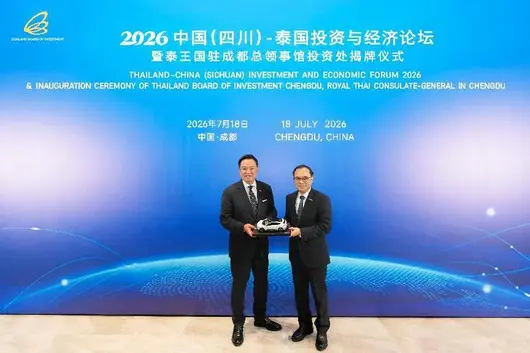
2026年7月18日,受泰国投资促进委员会(BOI)邀请,长安汽车作为唯一被邀请的在泰中国汽车品牌、于成都参与了2026年中泰(四川)经贸投资论坛及泰国驻成都总领事馆投资促进处揭牌仪式。长安汽车董事长朱华荣出席并与泰国总理阿努廷进行会谈。值此中泰建交51周年之际,在中泰深化全面战略合作伙伴关系的蓝图下,长安汽车将持续加码泰国市场,导入前沿技术与管理体系,为泰国经济发展作贡献。长安汽车执行副总裁王辉、长安汽车东南亚事业部总经理邓智涛等陪同出席相关活动。

朱华荣先生向泰国总理阿努廷、泰国副总理兼财政部长艾尼迪及泰国投资促进委员会秘书长纳立介绍了长安汽车在泰三年的发展成果,他表示:“长安汽车自2023年进入泰国市场以来,坚持‘在泰为泰’发展理念,持续深耕本地化布局。截至目前,整车累计销量突破4.1万辆,税收贡献超16亿泰铢,吸纳泰国本地就业人员超1900人,人才本地化率近90%。陆续投放了深蓝S05、阿维塔07、长安启源Q05等共计13款新能源车型,全面覆盖泰国主流细分市场。总投资约90亿泰铢的罗勇工厂——长安汽车首个海外新能源整车生产基地——已投产运营,深蓝S05、长安启源Q05两款产品不仅已实现本地化生产供给,还已出口至印度尼西亚、新加坡、澳大利亚等18个国家。联动40余家泰国零部件配套企业、引进10家核心配套企业赴泰建厂,推动泰国新能源产业链共同发展。”

“泰国将是长安汽车亚太区域总部和全球重要生产基地。”朱华荣先生再次强调了泰国对于长安全球化发展的意义,并进一步分享了公司未来在泰国的规划,“计划2030年泰国市场年销量突破7万辆,跻身中国品牌第二、行业第四;产能布局方面,2028年启动罗勇工厂二期扩产论证;产业投入方面,计划落地区域研发中心,到2028年本地化率超60%;人才建设方面,到2030年,泰国员工规模达到3000人,本地化率超过90%。”

总理阿努廷感谢长安汽车长期投资泰国,并对长安选择泰国作为长安集团首个海外整车生产基地表示高度认可。泰国政府认为,长安汽车是推动泰国新能源汽车产业发展的重要合作伙伴,并强调政府将通过相关政策,为企业发展和实现全球战略目标提供有力支持,助力长安汽车实现2030年在泰跻身全球汽车品牌前四的目标。此外,阿努廷也表示,泰国将继续完善汽车产业基础设施建设,除持续提升物流运输效率外,还将重点加强行业人才培养和研发能力建设。
作为受邀在泰投资企业代表,长安汽车东南亚事业部副总经理吴小康先生在中泰(四川)经贸投资论坛上,也向参会的中资企业分享了长安汽车在泰投资实践。他表示:“中国汽车品牌已经成为泰国新能源汽车市场的绝对主力,这离不开泰国强力的政策支持以及开放的营商环境。加之泰国拥有东盟优秀的汽车产业集群和零部件供应链及突出的地理优势,依托多重自贸协定红利,能高效覆盖全球右舵市场,因此也成为长安汽车坚定选择泰国作为东南亚区域总部和首个海外新能源汽车整车制造基地的重要原因。”他补充道,“长安汽车将坚守‘在泰为泰,扎根本土’理念,持续夯实亚太区域总部运营,强化资源布局,努力在泰国成为海外标杆投资企业,与在泰中资企业携手共赢、共谋长远发展。”
2026年4月,中国长安汽车在全球战略发布会暨全球伙伴大会上发布"1445"战略框架,深入推进"海纳百川计划2.0",锚定2030年跻身全球汽车前十的目标。新计划标志着长安从"走出去"转向"扎下根",从出口导向的贸易模式,升级为涵盖制造、贸易、投资、服务与可持续发展的体系化全球运营。在长安全球战略版图中,东南亚是战略重点,泰国也是全球生产与出口枢纽。
长安汽车拥有164年历史底蕴、45年造车积累,是中国汽车工业的重要代表。公司建立了覆盖全球的研发、制造和营销体系,形成“六国十地”协同研发格局,拥有来自31个国家和地区的2.4万余名研发人员。2025年,长安汽车全球销量超291.3万辆,其中新能源汽车销量110.9万、海外销量63.7万、泰国市场销量1.65万,均创历史新高。

Dalam pasaran SUV di Malaysia, ramai pembeli membandingkan Proton X50 dan Toyota Corolla Cross semasa memilih kereta. Kedua-dua kereta ini mempunyai harga dan penempatan yang sangat hampir. Hari ini kita akan buat perbandingan terperinci dari pelbagai aspek, untuk menjimatkan masa anda membuat kajian.
Proton X50 harga OTR di Malaysia adalah RM 89,800 - 113,300, terdapat 4 versi, termasuk 1.5T Executive (RM 89,800), 1.5T Premium (RM 101,800), 1.5T Flagship (RM 113,300) dan lain-lain.
Toyota Corolla Cross harga OTR di Malaysia adalah RM 133,800 - 148,800, terdapat 3 versi, termasuk 2026 HEV 1.8L GR Sport (RM 148,800), 2026 HEV 1.8L Standard (RM 140,800), 2026 1.8L Standard (RM 133,800) dan lain-lain.
Dari segi harga, harga permulaan Proton X50 memang lebih murah RM 44,000 berbanding Toyota Corolla Cross. Jika bajet anda terhad, versi asas Proton sudah boleh memenuhi keperluan harian. Namun, perhatikan juga, perbezaan harga beberapa ribu ringgit ini mungkin melibatkan pengorbanan pada kelengkapan, bergantung pada keperluan anda.
Proton X50 dilengkapi dengan 1.5L 4-cyl, kuasa 105 hp. Penggunaan bahan api rasmi 6.0 L/100km.
Toyota Corolla Cross dilengkapi dengan 1.5L Turbo, kuasa 140 hp. Penggunaan bahan api rasmi 7.0 L/100km.
Dari segi kuasa, 1.5L Turbo Toyota Corolla Cross mempunyai 35 kuasa kuda lebih banyak berbanding 1.5L 4-cyl Proton X50. Walau bagaimanapun, untuk penggunaan harian di bandar, kuasa kedua-dua kereta sudah mencukupi, tidak akan berasa kurang kuasa.
Penilaian keselamatan Proton X50 adalah 5★ (ASEAN NCAP), sistem keselamatan aktif termasuk ADAS (ACC, AEB, LKA, LDA, BSM, RCTA).
Penilaian keselamatan Toyota Corolla Cross adalah 5★ (ASEAN NCAP), sistem keselamatan aktif termasuk TSS (PCS, LDA, ACC, LTA).
Penilaian keselamatan kedua-dua kereta sama, dalam kelas ini kelengkapan keselamatan dianggap lengkap. Keselamatan kereta baru sekarang tidak buruk, tidak perlu terlalu bimbang tentang hal ini.
Jaminan Proton X50 5 tahun/150,000km, selang servis setiap 10,000km atau 6 bulan.
Jaminan Toyota Corolla Cross 5 tahun/tanpa had km, selang servis setiap 10,000km atau 6 bulan.

Secara keseluruhan, Proton X50 dan Toyota Corolla Cross adalah model kereta yang cukup bagus di pasaran Malaysia. Memilih yang mana, kunci utamanya adalah keperluan dan bajet peribadi anda. Disarankan membuat kajian yang baik, bandingkan sebut harga beberapa pengedar, kemudian uji memandu untuk buat keputusan akhir. Membeli kereta adalah perkara besar, meluangkan masa untuk kajian tidak akan salah.
Di pasaran SUV di Malaysia, ramai pembeli semasa memilih kereta biasanya membandingkan Proton X50 dan Toyota Yaris Cross.
Proton X50 harga OTR di Malaysia ialah RM 89,800 - 113,300, mempunyai 4 varian termasuk 1.5T Executive (RM 89,800), 1.5T Premium (RM 101,800), 1.5T Flagship (RM 113,300) dan lain-lain.
Toyota Yaris Cross harga OTR di Malaysia ialah RM 99,900 - 109,900, mempunyai 2 varian termasuk 2026 1.5L Standard (RM 99,900), 2026 HEV 1.5L Standard (RM 109,900) dan lain-lain.
Dari segi harga, harga permulaan Proton X50 memang RM 10,100 lebih murah berbanding Toyota Yaris Cross. Jika bajet anda terhad, versi permulaan Proton sudah boleh memenuhi keperluan harian. Namun, perlu juga diingat bahawa beberapa ribu ringgit yang lebih murah itu mungkin melibatkan pertukaran dalam kelengkapan, bergantung kepada keperluan anda.
Proton X50 dilengkapi enjin 1.5L 4-silinder, kuasa 105 hp. Kecekapan bahan api rasmi 6.0 L/100km.
Toyota Yaris Cross dilengkapi enjin 1.5L 4-silinder, kuasa 105 hp. Kecekapan bahan api rasmi 6.0 L/100km.
Kedua-dua kereta menggunakan sistem pemacu yang sama, perbezaan perasaannya semasa memandu harian pada dasarnya tiada. Dari segi penggunaan bahan api pun hampir sama, tidak perlu terlalu memusingkan fikir tentang ini.
Proton X50 panjang kenderaan 4400 mm, ruang bagasi 400 L.
Toyota Yaris Cross panjang kenderaan 4400 mm, ruang bagasi 400 L.
Saiz kedua-dua kereta hampir sama, perbezaan ruang dalam kenderaan tidak besar. Kereta dalam kelas ini cukup untuk kegunaan harian.
Proton X50 dan Toyota Yaris Cross kedua-duanya merupakan pilihan utama di pasaran Malaysia, sesuai untuk kegunaan keluarga dan perjalanan harian. Jika anda lebih mengutamakan reputasi jenama dan harga jual semula, boleh utamakan model yang mempunyai reputasi lebih baik; jika anda lebih mengutamakan nilai berbanding harga dan kelengkapan, maka pilih model yang mempunyai konfigurasi lebih lengkap. Pada akhirnya, disarankan untuk memandu ujian kedua-duanya kerana pengalaman langsung adalah yang paling penting.

Secara umum, Proton X50 dan Toyota Yaris Cross kedua-duanya merupakan model yang sangat baik di pasaran Malaysia. Memilih yang mana, teras utamanya adalah melihat keperluan dan bajet peribadi anda. Kami sarankan anda membuat kajian terlebih dahulu, bandingkan beberapa harga dari kedai kereta, kemudian buat ujian memandu sebelum membuat keputusan akhir. Membeli kereta adalah perkara besar, meluangkan masa membuat kajian tidak akan salah.

Dalam pasaran SUV di Malaysia, ramai pembeli membandingkan Perodua Aruz dan Hyundai Tucson semasa memilih kereta.
Harga OTR Perodua Aruz di Malaysia ialah RM 72,900 - 77,900, terdapat 2 versi, termasuk 1.5L X (RM 72,900), 1.5L AV (RM 77,900) dan lain-lain.
Harga OTR Hyundai Tucson di Malaysia ialah RM 143,888 - 197,888, terdapat 5 versi, termasuk 2025 HEV 1.6T AT 2WD Prestige (RM 197,888), 2025 1.6T DCT 4WD Prestige (RM 186,888), 2025 1.6T DCT 2WD Prime (RM 164,888) dan lain-lain.
Dari segi harga, harga permulaan Perodua Aruz memang lebih murah RM 70,988 berbanding Hyundai Tucson. Jika bajet anda terhad, versi pemula Perodua sudah memadai untuk keperluan harian. Namun, ambil perhatian, beberapa ribu Ringgit yang lebih murah mungkin ada kompromi pada peralatan, bergantung pada keperluan anda.

Perodua Aruz dipasang enjin 1.5L 4-silinder, kuasa 105 hp. Kecekapan bahan api rasmi 6.0 L/100km.
Hyundai Tucson dipasang enjin 1.5L Turbo, kuasa 140 hp. Kecekapan bahan api rasmi 7.0 L/100km.
Dari segi kuasa, 1.5L Turbo Hyundai Tucson mempunyai 35 hp lebih berbanding 1.5L 4-silinder Perodua Aruz. Namun, untuk pemakaian harian di bandar, kuasa kedua-dua kereta cukup, tidak rasa kurang tenaga.
Penarafan keselamatan Perodua Aruz ialah 5★ (ASEAN NCAP), sistem keselamatan aktif termasuk .
Penarafan keselamatan Hyundai Tucson ialah 5★ (ASEAN NCAP), sistem keselamatan aktif termasuk SmartSense.
Kedua-dua kereta mempunyai penarafan keselamatan yang sama, peralatan keselamatan dalam kelas ini dianggap lengkap. Keselamatan kereta baru masa ini tiada masalah, jangan risau terlalu banyak tentang hal ini.

Perodua Aruz panjang badan 4400 mm, ruang bagasi 400 L.
Hyundai Tucson panjang badan 4400 mm, ruang bagasi 400 L.
Saiz kedua-dua kereta hampir sama, ruang dalam kereta tidak banyak perbezaan. Kereta dalam kelas ini memadai untuk penggunaan harian.
Perodua Aruz dan Hyundai Tucson adalah pilihan utama dalam pasaran Malaysia, sesuai untuk kegunaan keluarga, perjalanan harian. Jika anda lebih menghargai reputasi jenama dan harga kedua, pilih yang mempunyai reputasi lebih baik; jika anda lebih mementingkan nilai dan peralatan, pilih yang mempunyai kelengkapan lebih. Akhir sekali, disarankan untuk ujian memandu kedua-dua kereta, pengalaman sendiri adalah yang paling penting.
Secara keseluruhannya, Perodua Aruz dan Hyundai Tucson adalah model yang sangat baik dalam pasaran Malaysia. Memilih mana satu, bergantung kepada keperluan dan bajet peribadi anda. Disarankan membuat kajian, bandingkan beberapa tawaran kedai kereta, kemudian uji memandu untuk membuat keputusan akhir. Membeli kereta adalah perkara penting, meluangkan masa untuk kajian adalah tidak akan salah.


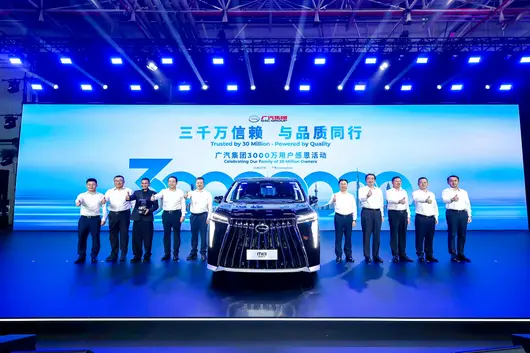
On July 16, GAC Group held a gratitude ceremony for 30 million users at the GAC Trumpchi factory. Themed "30 Million Trust, Walking Together with Quality," this event not only witnessed the historic milestone of GAC's total vehicle production exceeding 30 million units, but also fully displayed the complete growth context of this automaker that has been deeply cultivated in the automotive industry for 29 years, from joint venture factory establishment to independent breakthrough, from leading in fuel vehicles to new energy transformation, from立足 domestic to global markets. Government authorities, automotive industry associations, upstream and downstream supply chains, domestic and foreign vehicle owners, and media representatives gathered onsite to witness the highlight node belonging to China's automotive industry.

From the first vehicle rolling off the line to the formal delivery of the 30 millionth unit, GAC has traversed 29 years. The heavy figure of 30 million vehicles is not merely a sales scale symbol, but a superposition of multi-layered value. This delivery is highly symbolic: vehicles rolled off the production line simultaneously at multiple global bases, including GAC Honda P7, Toyota Platinum 7, Qijing GT7, AION N60, and Hyper S600 five new energy models. As the 29,999,995th to 29,999,999th vehicles, the 30 millionth vehicle that closed the event was the right-hand drive Trumpchi M8 PHEV, delivered specifically to famous Thai owner Tony Jaa. The entire line's rolled-off vehicles were exclusively new energy products, directly confirming GAC's comprehensive electrification and intelligence transformation rhythm, and also sending a clear signal of the brand digging deep into overseas right-hand drive markets and exerting effort in global new energy layout.

In my opinion, this delivery design hides two industry trends: Firstly, new energy vehicles have become the absolute main force of GAC's production and sales growth; fuel vehicles and joint venture models are no longer the growth baseline. Secondly, the overseas market has become GAC's new growth curve. Delivering right-hand drive MPV models to overseas owners indicates that independent brand high-end new energy models have the competitiveness to go global, shedding the stereotypical labels of low-price exports in the past.
Market data also confirms the transformation results: In the first half of 2026, GAC sold a cumulative 773,100 vehicles, a slight year-over-year increase of 2.35%; the new energy segment showed strong explosive growth, with sales increasing by 68.8% year-over-year; overseas exports exceeded 120,000 units, an increase of up to 132%. Under the dual pressure of domestic market price war involution and intensified overseas trade barriers, GAC achieved synchronized growth in sales, new energy, and exports, which is sufficient to prove the feasibility of the "Electrification + Globalization" dual strategy, providing a reference development model for other domestic automakers.

Quality Bottom Line Unwavering: Full-chain Control Strengthens 30 Million User Trust Foundation
At the event site, GAC Group Chairman Feng Xingya clearly stated: Quality is GAC's core bottom line that will not compromise. After nearly thirty years of accumulation, GAC integrated Honda TQM Total Quality Management and Toyota TPS Lean Production models, combined with local Lingnan pragmatic culture, to create a unique "Integration and Innovation" quality management system, running reliable experience through the vehicle R&D, manufacturing, and delivery full process.

Before GAC new cars hit the market, they must complete "Five Highs, One Mountain, One Dust" extreme environment tests, experiencing two winters and one summer of on-site road trials; the whole vehicle laboratory covers 12 major categories and over 1,500 verification items. Any component or whole vehicle performance defects will be intercepted before mass production. As the world's first new energy vehicle lighthouse factory, GAC AION Smart Factory relies on digital and automated production lines to achieve stable and unified quality of mass production models, reducing quality control fluctuations from the manufacturing end.

At the same time, GAC self-developed Xingling Safety Guard System, building four protective dimensions of intelligent chassis, active and passive safety, intelligent driving assistance, and battery safety. Eight core systems adopt dual redundancy design, cumulatively avoiding 6.28 million potential driving risks for nearly 2 million owners; the self-developed Magazine Battery installation volume exceeded 1.5 million units, with safe driving mileage exceeding 160 billion kilometers, solving the pain point of battery safety that new energy users worry about most at the bottom layer. At the same time, the industry's first independent brand "Three Responsibilities" policy was launched, proactively backing the two core user concerns of batteries and intelligent driving assistance, implementing safety commitments to the after-sales level.

In my opinion, many automakers currently place their promotional focus on surface selling points such as intelligent cockpits and acceleration performance, while weakening basic quality control and safety investment. GAC's adherence to the "Quality Priority Over Scale" idea precisely captures the essence of the automotive industry: cars, as high-frequency usage bulk travel tools, safety and durability are the core logic for users to choose brands long-term, and also the core competitiveness for GAC to accumulate 30 million users.
Centered on Users: Full-cycle Service System, Connecting Pain Points of the Entire Driving Link
"People as the Foundation, Trust as the Path, Innovation as the Priority" is the corporate philosophy that GAC has long adhered to. Implemented at the operational level, it is a complete user service ecosystem covering pre-sales, usage, after-sales, replenishment, and feedback.
Firstly, at the user level, normalize "Users Full Mic Open" offline symposiums, inviting owners to walk into the corporate headquarters to give suggestions face-to-face, with a closed-loop rectification mechanism. User-reflecting personalized needs and batch common issues can be quickly implemented and optimized; a user insight department was specially established to guarantee user requests have a response from the organizational structure level, truly achieving user needs to drive product iteration in reverse.

While in the channel end, accelerate the sinking of county markets. In this year, it is planned to add 1,000 county-authorized stores to solve the inconvenience of maintenance and car buying for owners in third and fourth-tier cities and towns; online launch of "Super Butler" service, 5-second quick response to consultation, 2 hours to complete user requests, greatly compressing after-sales waiting time.

At the same time, in the construction of energy replenishment networks, GAC Energy built a "9 Verticals 10 Horizontals" national charging network. As of June 2026, 2,099 charging stations and 27,107 charging piles have been built, including over 20,000 supercharging piles, covering 31 provinces and 213 cities nationwide. Core urban areas achieve guaranteed charging stations within 1 kilometer linear distance. With 386 V2C bidirectional charging piles, it connects car, power grid, and home energy interconnection scenarios, directly hitting the industry pain points of new energy owners facing difficulty and slow charging in replenishment.

To reward 30 million owners for their long-term companionship, GAC simultaneously launched the 30 Million Roll-off・Renewal Gratitude Season event. The event cycle continues until the end of August. Under GAC Honda, GAC Toyota, Trumpchi, AION, Hyper, and Qijing six passenger car brands simultaneously launch special policies for new purchases, trade-ins, and additional purchases, converting user trust into tangible car-buying benefits and completing a two-way feedback between brand and users.
Tech Driven Long-term Growth: Full-domain Technology Layout, Rushing towards Smart Green New Track
30 million is the milestone of GAC's development, and also a new starting line. Relying on accumulated R&D investment exceeding 62 billion yuan and a global R&D team of 6,800 people, GAC continues to attack in three core tracks of power, battery-electric-drive, and intelligent connectivity, building long-term competitive barriers with self-developed technology.
In terms of power, the Xingyuan Power Platform built by the National Distinguished Engineer team includes three technical routes: Xingyuan Range Extender, Xingyuan Plug-in Hybrid, and Xingyuan Super Twin, balancing diverse driving needs such as no range anxiety, low energy consumption, and gas-electricity consideration. The full power system passed 100,000 hours of bench testing and equivalent over 10 million kilometers of whole vehicle verification, guaranteeing stable power in complex road conditions and extreme climates, solving the common problem of insufficient durability of current hybrid models.

In terms of battery-electric-drive technology, GAC focuses on battery low-temperature attenuation and fast charging speed shortcomings, building a full solid-state battery pilot production line; the self-developed Quark Electric Drive Motor efficiency breaks 99%, reaching top industry levels, reducing power consumption and increasing range from the core component level, and improving new energy product competitiveness from the bottom layer.
Additionally, the upgraded Xingling Electronic Architecture serves as the whole vehicle "Super Brain", connecting six systems of intelligent driving, cockpit, power, and chassis, improving whole vehicle comprehensive performance by 40%; supporting Galaxy Smart Cockpit to achieve end-cloud synergy, allowing vehicles to possess autonomous perception, learning, and interaction capabilities. At the same time, GAC collaborates with leading enterprises such as Huawei, CATL, Tencent, and Alibaba to build an intelligent car ecosystem, filling the software and ecosystem shortcomings outside of self-developed.

Objectively speaking, domestic new energy automakers are divided into two routes: some enterprises focus on short-term stacking of intelligent configuration, while others like GAC dig deep into underlying power, battery-electric-drive, and whole vehicle architecture core technology. In the short term, the former has stronger marketing effects, but in the long term, underlying self-developed technology is the moat for brands to pass through the industry cycle. GAC's layout of continuous high R&D investment will gradually release technical dividends in the next 3-5 years.
Conclusion
29 years of deep cultivation, 30 million units of user trust, is the best answer sheet for GAC to stick to quality, embrace change, and deepen users. Standing at a new starting point, GAC takes self-developed technology as the core, user needs as the orientation, and globalization as the development path, accelerating the transformation into an ecosystem technology enterprise. In the critical stage where China's automotive industry shifts from "scale up" to "value strengthen", GAC's development practice proves: only by holding the quality bottom line, continuous technological innovation, and truly centering on users can one stand firm in fierce industry competition and drive towards a new travel era that is more intelligent, green, and global.
© 2024 Bitauto.com. All Rights Reserved.
Bitauto (www.yiche.com and www.bitauto.com) is one of the most visited automotive websites in China. We provide detailed info on Chinese car brands available in your area. Please note that the information provided on this website is based on publicly available data and is for reference only. It may not be fully updated or accurate at all times.

Help us improve our website


