

HomeHyundai Tucson

Search History
Popular Searches
Dealer Login / Sign Up

7月16日,广汽集团3000万用户感恩活动在广汽传祺工厂举行。广东省、广州市、番禺区有关领导,中国汽车工业协会常务副会长兼秘书长付炳锋,广汽集团董事长冯兴亚、总经理閤先庆等领导班子成员,行业合作伙伴、供应商和经销商代表以及海内外车主代表、员工代表、媒体代表等共同出席,一起见证广汽迎来第3000万位用户的里程碑时刻。
从首辆整车下线到第3000万辆交付,广汽历经29年发展历程。3000万这个数字背后,是千万用户的选择与信任,是广汽长期坚守品质和安全的定力,是向电动化、智能化转型的决心,也是中国汽车工业从大到强、从规模扩张到价值跃升的一面缩影。
全球同步 智能新能源矩阵彰显转型进程
活动现场,广汽全球多座生产基地同步连线,广汽本田P7、广汽丰田铂智7、启境GT7、广汽埃安N60、广汽昊铂S600分别作为广汽第29999995到第29999999辆车依次下线。最后,右舵版广汽传祺M8 PHEV作为第3000万辆整车在现场舞台闪亮登场。全线新能源下线车型矩阵的集体亮相,成为广汽全速推进电动化、智能化转型的直观印证。
随后,冯兴亚将第3000万辆车的车钥匙交到泰国车主Tony Jaa先生的手中,这一刻定格的不只是一个数字,更是广汽与全球用户“双向奔赴”的温情见证。
这份跨越山海的信任,正是广汽在行业变局中突围的底气。今年上半年,广汽集团销量77.31万辆,同比增长2.35%,其中新能源汽车销量同比增长68.8%;海外出口突破12万辆,同比大增132%,在行业深度重塑期跑出了稳健的节奏。
品质为基 筑牢千万用户出行底气
“品质是广汽永远不会让渡的底线。”冯兴亚在总结致辞中表示。在广汽的发展中,规模增长始终以品质为底色。多年来,广汽集团始终秉持“质量第一”理念,融合本田全面质量管理(TQM)、丰田精益生产方式(TPS)与岭南文化,构建了以“融合创新”为中心的质量管理模式。一切的落脚点,都是造出让用户开得放心、用得省心、坐得舒心的好车。
从研发端到制造端,广汽建立了全链条严苛的品质管控体系:每款新车上市前均需经过高寒、高温、高原、高湿、高腐、山区、沙尘等“五高一山一尘”极端环境测试,完成“两冬一夏”实地路试;借助试验场、实验室覆盖整车12个大项、1500余项验证子项,实现体系化品质校验;广汽埃安智能生态工厂作为“全球首个新能源汽车灯塔工厂”,以数字化智能制造体系保障量产品质稳定。
在核心安全技术层面,星灵安全守护体系构建四大防护维度,八大关键系统采用双冗余设计,已守护近200万用户,规避628万次潜在出行风险;弹匣电池累计装车150万辆,安全行驶里程超1600亿公里;服务端同步加码保障,广汽在行业内率先推出自主品牌“三担责”政策,针对用户关注的电池与智能驾驶辅助问题主动兜底,打消用户用车顾虑。正是这一道道安全防线与一项项服务承诺,撑起了广汽3000万销量背后的品牌底气。
用户导向 构建全周期暖心服务体系
“用户在意的,我们放在心上;用户期盼的,我们全力以赴。”冯兴亚表示,这份以用户为中心的理念,早已深深融入广汽集团的发展基因。多年来,广汽集团始终秉持“人为本、信为道、创为先”的企业理念,其中“人为本”的核心要义,正是以用户为本。
一方面,为直面问题、倾听用户心声,广汽常态化举办用户全开麦活动,把用户请到“家里”,面对面交流。同时,建立全流程闭环管理机制,确保每一条建议都能得到妥善处理,共性问题第一时间面向全量用户优化。
此外,广汽还成立专属用户洞察部门、推进问题从发现到解决的全流程变革,从组织机制上保障用户诉求件件有回应、事事有着落。
另一方面,服务网络同步加速渗透。在渠道端,推进服务网络下沉县域,年内计划新增建设1000家县域授权门店;在响应端,上线“超级管家”服务,实现5秒响应、2小时诉求办结,保障用户诉求直达快办。在补能端,建设“9纵10横”补能网络,已覆盖全国31个省份213座城市,核心城区实现“直线1公里必有站”,自营充电桩数量超2.7万根,其中超充桩突破2万根,为新能源车主提供便捷的补能服务。
本次感恩活动的核心主旨正是向3000万用户的长期支持致以诚挚回馈与感谢。活动现场,冯兴亚宣布,即日起,广汽正式启动“广汽集团3000万辆下线·焕新感恩季”,广汽本田、广汽丰田、广汽传祺、广汽埃安、广汽昊铂和启境汽车六大乘用车品牌,将围绕新购、置换到增购等分别推出特色政策,回馈每一份的陪伴与支持。
科技向心 让前沿技术赋能真实出行
以3000万为新的起点,广汽将以创新驱动,迈向电动化与智能化的新征程,让前沿科技真正转化为用户可感知的安心与便捷。
在动力领域,由“国家卓越工程师团队”研发的星源动力,覆盖星源增程、星源插混和星源超级双擎三大技术,将搭载更多车型量产。每一款产品都需经过10万小时台架和整车验证,等效里程超过1000万公里,确保在全场景、全地域下,性能始终稳如磐石。
在“三电”领域,广汽持续攻坚电池超快充、低温续航等行业痛点,已建成全固态电池中试产线,推出极致能耗技术,量产的夸克电驱电机最高效率突破99%,为行业最高水平。
在智能网联领域,超级大脑星灵架构持续进化,打通智能驾驶辅助、智能座舱、动力、底盘、车身、车联网六大系统,实现“一个大脑统一指挥”,综合性能提升40%;星河智舱实现端云一体,让车成为真正“会思考、懂人心”的伙伴。广汽还将和华为、宁德时代、滴滴、腾讯、阿里等顶尖伙伴并肩作战,共建更强大的AI智能生态。
截至目前,广汽集团累计研发投入超620亿元,全球研发团队超6800人。持续的技术投入,正推动广汽的产品从代步工具向智能出行伙伴、移动智慧空间、绿色能源生态进化。
面向未来,广汽将持续以用户需求为锚点,以品质为根基,以科技创新为核心驱动,以全球化布局为发展路径,加速向生态型科技广汽进阶,与更多用户并肩同行、彼此成就,共同奔赴更智能、更绿色、更广阔的未来。


Editor's Note: Geely Group's performance in the first half of the year can be called bright, but in the automotive market where variables are ever-present, its challenges for the second half of the year remain.
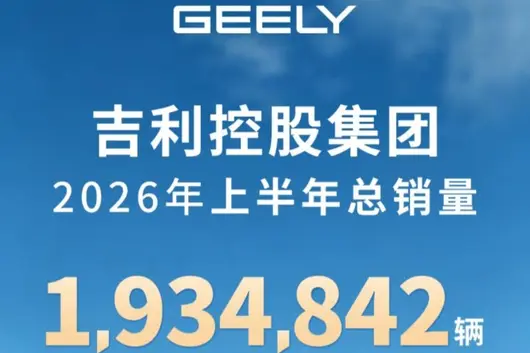
On July 15th, Geely Holding Group released the mid-year sales performance report: Total vehicle sales for the group from January to June reached 1.93 million units, setting a new high for the same period in history; among them, new energy vehicle sales reached 1.1 million units, a year-on-year increase of 10%, with the new energy penetration rate climbing to 56.9%. This means that for every 100 cars sold by Geely Holding Group in the first half of the year, nearly 57 were new energy vehicles, and the group as a whole has entered the harvest period of electrification scale.

As the core listed entity under Geely Holdings, Geely Auto's sales reached 1.43 million units in the first half of the year, with new energy sales (including Geely, Lynk & Co, Zeekr) at 799,000 units, a year-on-year increase of 10%, and a new energy penetration rate of 56%. Sales data from the group to the core brand outline a traditional Chinese automaker that started with fuel vehicles, and in the background of intensifying industry stock competition, how to complete a structural transformation through a multi-brand matrix and global layout.
Multi-brand matrix synergy, new energy becomes the main axis of growth
Geely's ability to refresh records in the first half of the year was not pulled by a single brand, but the result of synergy between the three major brands Geely, Lynk & Co, and Zeekr in different sub-segments.
The Geely brand, which targets the mainstream home market, achieved cumulative sales of 1,100,373 units in the first half, of which the China Star series sold 580,580 units, continuing to firmly rank among the top sales of domestic brand fuel vehicles, playing the role of a "ballast" for the basic market. What truly drives the volume increase in new energy is Geely Galaxy—cumulative deliveries in the first half reached 519,793 units, with single-month sales in June at 108,206 units, a year-on-year increase of 20% and a month-on-month increase of 32%. The Star Wish under the Galaxy brand broke 50,000 units in a single month, with cumulative sales since launch exceeding 750,000 units, becoming the core product in Geely's new energy volume-selling camp.

Lynk & Co, positioned in the mid-to-high-end hybrid market, achieved cumulative sales of 144,215 units in the first half, with new energy vehicle sales at 93,597 units, and the proportion of new energy products reaching 65%, stabilizing the mid-to-high-end hybrid sub-market by relying on the EM-P hybrid family promoted by the simultaneous launch of three car models. Zeekr continued its strong performance on the high-end luxury track, delivering 178,370 units in the first half, a significant year-on-year increase of 97%; single-month deliveries in June were 35,169 units, a year-on-year increase of 111%, achieving consecutive five-month year-on-year and month-on-month double growth, with global cumulative deliveries officially breaking through 820,000 units.
From the perspective of the group as a whole, June single-month Geely Auto new energy sales reached 161,449 units, a year-on-year increase of 32% and a month-on-month increase of 21%, with new energy sales proportion of the group's total sales exceeding 67%—equivalent to nearly 7 out of every 10 Geely new cars sold being new energy vehicles. This structural change marks that Geely's "oil and electricity simultaneous promotion" transformation rhythm has entered a new stage dominated by new energy.
It is worth noting that Geely's new energy transformation is not at the expense of abandoning fuel vehicles. The China Star series still maintains strong competitiveness in the fuel vehicle market, and this "fuel ballast, new energy volume" dual-track strategy enabled Geely to hold its basic market share in the domestic auto market in the first half. Data from the China Passenger Car Association shows that in the ranking of narrow passenger vehicle manufacturer retail sales from January to June, Geely ranked first with 1.021 million units and an 11.7% share, being the only domestic brand to break the million-unit mark in the first half.
Overseas business leaps, globalization enters harvest period
If new energy penetration rate is the most eye-catching internal change in Geely's first half, then the explosion of export business is its most prominent external highlight.
Data shows that Geely Auto's first-half overseas export sales reached 474,228 units, a year-on-year increase of 158%—this number has already exceeded Geely's total export volume for the full year of 2025. June single-month overseas export sales broke the 100,000 unit threshold for the first time, reaching 102,874 units, with a year-on-year increase of 157% and a month-on-month increase of 21%, achieving consecutive six-month year-on-year and month-on-month double growth.
A more critical change lies in the export structure. In the first half, Geely's new energy product export sales were 277,189 units, surging 585% year-on-year, accounting for 58% of the total export volume. This means Geely's main overseas products have completed the switch from traditional fuel vehicles to new energy vehicles, with new energy products gradually becoming the core driving force for overseas market growth.
Geely Holding Group's overall global layout also landed at multiple points in the first half: Geely signed Swiss dealers to strengthen the European market, Lynk & Co 900 launched in Vietnam and Qatar, Geely Xingyuan EX2 began local production in Brazil, Binyue Cool launched in South Africa; Zeekr topped the Malaysia luxury pure electric sales list, 007 GT has launched in 16 European countries, flagship model Zeekr 9X plans to go to the Middle East in Q3, and will subsequently expand into US/Europe and Central Asian markets.
Overseas high-end brands also performed steadily. Volvo Cars first-half global sales were 325,000 units, with new energy sales at 161,000 units, a year-on-year increase of 3.8%, with new energy penetration rate reaching 50%, and pure electric vehicle deliveries growing for 9 consecutive months. Polestar first-half sales were 30,400 units, achieving sales breakthroughs in markets such as the UK, Germany, and South Korea, setting a new high for the brand at the same period in history. In the Southeast Asia and commercial vehicle sector, Proton first-half sales were 100,300 units, a year-on-year increase of 39.1%, achieving the best half-year performance since 2011; Farizon New Energy Commercial Vehicles first-half sales were 88,000 units, a year-on-year increase of 41.3%, with overseas export sales ranking at the forefront of the new energy commercial vehicle industry.
Geely Group's performance in the first half of the year can be called bright, but in the automotive market where variables are ever-present, its challenges for the second half of the year remain. Intensifying domestic car market stock competition and unrelenting price war pressure, Geely brand and Lynk & Co brand first-half cumulative sales declined year-on-year by 5% and 6% respectively, indicating that the fuel vehicle basic market still faces contraction pressure; and in the overseas market, geopolitical tensions, trade barriers, and the difficulty of localization operations will also rise synchronously with the expansion of export scale. Whether Geely can continue its growth momentum in the second half depends on the volume pace of Galaxy and Zeekr, the development progress of Middle East and European markets, and the balancing ability of resource allocation between fuel vehicles and new energy.

Dalam pasaran SUV Malaysia, ramai pembeli membandingkan Perodua Aruz dan Chery Tiggo 7 PHEV ketika memilih kereta. Kedua-dua kereta ini mempunyai harga dan kedudukan yang agak hampir, hari ini kita akan membuat perbandingan terperinci dari pelbagai aspek, membantu anda menjimatkan masa menyiapkan kajian.
Perodua Aruz harga OTR di Malaysia ialah RM 72,900 - 77,900, terdapat 2 varian, termasuk 1.5L X (RM 72,900), 1.5L AV (RM 77,900) dll.
Chery Tiggo 7 PHEV harga OTR di Malaysia ialah RM 129,750 - 129,750, terdapat 2 varian, termasuk 2025 1.5T 90km CSH (RM 129,750), kaedah pengecasan mana yang disokong oleh Tiggo 7 PHEV? Bolehkah ia dicas menggunakan soket kuasa rumah? (RM 117,478) dll.
Dari segi harga, harga permulaan Perodua Aruz memang RM 56,850 lebih murah daripada Chery Tiggo 7 PHEV. Jika bajet anda terhad, versi permulaan Perodua sudah boleh memenuhi keperluan harian. Tetapi perlu diingat, beberapa ribu ringgit yang lebih murah itu, mungkin ada kompromi dari segi kelengkapan, bergantung pada keperluan anda.

Perodua Aruz panjang badan 4400 mm, tempat letak barang belakang 400 L.
Chery Tiggo 7 PHEV panjang badan 4400 mm, tempat letak barang belakang 400 L.
Saiz kedua-dua kereta hampir sama, ruang dalaman tidak banyak berbeza. Kereta pada tahap ini, untuk penggunaan harian sudah memadai.

Perodua Aruz waranti 5 tahun/150,000km, selang penyelenggaraan setiap 10,000km atau 6 bulan.
Chery Tiggo 7 PHEV waranti 3 tahun/100,000km, selang penyelenggaraan setiap 10,000km atau 6 bulan.

Perodua Aruz dan Chery Tiggo 7 PHEV adalah pilihan utama pasaran Malaysia, sesuai untuk kegunaan keluarga, perjalanan harian. Jika anda lebih mementingkan reputasi jenama dan harga kedua, boleh diberi keutamaan kepada model yang lebih berreputasi; jika anda lebih mementingkan nisbah harga dan spesifikasi, pilih yang lebih lengkap. Akhir sekali, disarankan untuk memandu ujian kedua-dua model, pengalaman sendiri adalah yang paling penting.

Secara keseluruhannya, Perodua Aruz dan Chery Tiggo 7 PHEV adalah model kereta yang sangat baik di pasaran Malaysia. Memilih yang mana, kunci utama adalah melihat keperluan dan bajet peribadi anda. Disarankan membuat kajian, bandingkan kutipan harga beberapa pengedar kereta, kemudian buat ujian memandu untuk keputusan akhir. Membeli kereta adalah perkara besar, meluangkan masa membuat kajian pasti tidak salah.



Driving onto the runway, aiming for the global market.
When major automotive manufacturers start to counterattack, the engineering capabilities and underlying technical strength they possess cannot be compared by those internet phone companies.
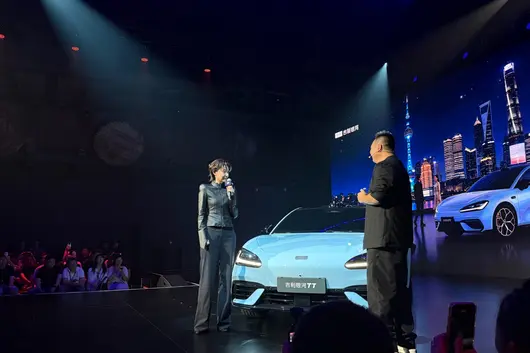
On July 6, the Shanghai 1862 Fashion Art Center, a century-old industrial heritage by the Huangpu River, is now a gathering place for avant-garde fashion.
Geely Galaxy TT's global premiere held here inherently reflects a metaphor: growing fashion expression from an industrial foundation, just as this car attempts to accomplish.

But what is truly worth paying attention to is not the lighting within this fashion show, but the grand chess game Geely Automobile is playing behind the show.
01
When Galaxy TT drove onto the runway, fashion became the key word emphasized in Galaxy TT's premiere, and fashion crossover naturally became Galaxy TT's most prominent tag.
Deep co-creation with Fashion Group, car colors representing global time zones, a cockpit inspired by the unique romance and relaxation of Italy's Lake Como... these elements together constitute a clear product definition. This is a car built for young people who do not follow the crowd, value feelings, and prioritize emotional value.
But in the view of Auto K-line, the word fashion has another layer of interpretation. It is not only Geely Automobile's differentiation strategy at the product level, but also a piece of the puzzle for its globalization strategy.

The current Chinese automotive industry is experiencing a profound aesthetic homogenization.
Closed front grilles, through-type taillights, coupe-style profiles... cover the brand logo, and even seasoned automotive industry practitioners find it difficult to distinguish the brands.
However, when the gap in three-electric technologies, intelligent assisted driving, and driving range continues to be leveled, the differentiation between products relies more and more on design, brand, and emotional value.
Galaxy TT enters the C-segment pure electric market in a way that crosses fashion boundaries, essentially answering one question: when everyone's technology is about the same, why should global consumers choose you?
02
Geely Automobile's answer is to turn fashion from marketing jargon into a design method, and turn color from configuration options into an emotional carrier.
After watching Galaxy TT's global premiere, I found this strategy is not only applicable to the Chinese market, but also points to a grander goal: how to make a Chinese car instantly recognizable on the streets of Paris, London, and Milan.
Galaxy TT's 8 car colors are sourced from natural light and shadow in different global time zones. From the sunny noon blue of the Maldives, to the twilight gray of Copenhagen; from the olive green of Tuscany, to the fjord blue of Tromsø...

These names themselves are a tour of global geographical coordinates, while the interior picks up the artistic charm of Bordeaux, Zurich, Venice, and Iceland.
When Geely Galaxy expands the aesthetic coordinate system of the product from a Chinese perspective to global time zones, what it conveys is that Galaxy TT was never designed for just a single market from the beginning.
Geely Automobile Group CEO Gan Jiayue has clearly stated that Geely adheres to the strategy of global synergy and regional deepening to promote international development, and overseas development has been listed as a priority strategy of the group.
Under this framework, whether a product's design language can cross cultural barriers and form aesthetic resonance understood by global consumers becomes crucial.

This brings up the exterior design of Galaxy TT, 1.3 golden aspect ratio, low and spread sporty posture, shark nose front face... these design elements belong to universal sports aesthetics perceived by the global market.
Galaxy TT does not stack so-called Chinese style with Eastern symbols, but uses a mature design system to connect with global aesthetics. This de-regionalized design strategy is exactly what a global product requires.
03
Before discussing the significance of Galaxy TT for Geely Automobile's globalization, it is necessary to first see Geely Automobile's current coordinates in the Chinese and even global automotive markets.
In the first half of this year, the Chinese automotive market turned in a report card that was quite worrying. CPCA data shows, nationwide passenger car market retail was 1.602 million in June, down 23.2% year-on-year; cumulative retail in the first half was 8.701 million, down 20.2% year-on-year.

Accelerated decline in fuel vehicle sales contrasts sharply with new energy penetration rate continuously breaking through 60%. "Cool inside, hot outside" has become the most accurate summary of the Chinese automotive industry this year.
Against the backdrop of a declining market, Geely Automobile became one of the few highlights among listed car companies. Sales data disclosed by Geely Automobile shows, 240,800 new vehicles were sold in June, up 2% year-on-year, achieving double growth month-on-month and year-on-month for 4 consecutive months; cumulative sales in the first half were 1.423 million, creating a historical high for the same period.
In the domestic narrow passenger car retail market, Geely Automobile ranks first with 1.0213 million vehicles, and is the only car manufacturer with sales exceeding one million.

Placed against the background of an overall industry decline of 20%, the quality of this report card speaks for itself. What truly gives weight to this half-year answer sheet is the explosive growth of overseas business.
In the first half of this year, Geely Automobile's overseas sales reached 474,200, a significant 158% increase year-on-year, already exceeding the export scale for the full year of 2025. In June alone, exports broke through 100,000 for the first time, reaching 102,900, a year-on-year increase of 157%.
Overseas business has officially become one of the three major growth pillars of Geely Automobile, listed alongside the domestic market and new energy business.
More noteworthy is the change in sales structure. In the first half of the year, Geely Automobile's new energy product export sales were about 277,200, a year-on-year increase of 585%, with new energy accounting for 59% of the total exports.
This means Geely Automobile's growth overseas no longer relies on traditional fuel vehicles, with new energy becoming its main force for going global.
04
As a C-segment pure electric sedan launched at such a time node, Galaxy TT's task is very clear: it is to establish a presence for Geely Automobile in the global mainstream new energy sedan market.
At the beginning of this year, Geely Automobile disclosed its 2026 overseas layout plan: build three 150,000-level markets in Europe, Eastern Europe, and ASEAN, and two 100,000-level markets in Latin America, Africa, and Middle & Central Asia; Geely brand plans to increase global stores to 1,300, Zeekr 500, Lynk & Co 400, with the full brand overseas channel target breaking 2,200.

At the same time, localized production of Geely Galaxy models in Indonesia, Malaysia, Brazil, and other places is gradually increasing.
In these markets, C-segment sedans are one of the most competitive segments with the highest brand premium. If Galaxy TT can establish a foothold in the domestic market, its design language, technical platform, and brand tonality will have the foundation for overseas output.
At the same time, Galaxy TT is also an important product after the "One Geely" strategic integration, with the brand matrix further clarified.
In the first half of this year, the four major brands Geely Galaxy, China Star, Lynk & Co, and Zeekr showed a balanced development trend. Among them, Geely Galaxy's first half sales were 519,800, firmly staying in the first echelon of the mainstream new energy market.

Launching a pure electric C-segment sedan on such a volume basis, the goal is to establish a foothold in the high-end segment of the mainstream market, paving the way for the globalization of the entire Geely Galaxy brand.
From the perspective of Geely Automobile, choosing Shanghai for Galaxy TT's global premiere is itself a carefully designed signal.
Shanghai is the fashion capital of China and also the Chinese city with the highest degree of internationalization. Launching a product with "global aesthetics" as the background color here not only fits the product positioning but also conveys a message to the outside world: that Geely Automobile's next battlefield is not only in China.
Views of AutosKline:
How far Galaxy TT can go will ultimately be answered by the market. But looking at it within Geely Automobile's globalization strategy, its significance has already surpassed the new car itself.
It is another link in the upward extension of the Geely Galaxy product matrix under the "One Geely" strategy, and also an important attempt by Chinese car brands to move from product exports to aesthetic exports.
When Chinese listed car companies take the overseas market as an important engine for sales and profit growth, whether a product's design has global resonance, and whether the brand tonality can be accepted in different cultures is no longer icing on the cake, but a question that must be answered.
Galaxy TT is the latest answer given by Geely Automobile.
The text is original from Auto K-line, content reference materials sourced from listed company announcements and industry public information (relevant companies and institutions should have the obligation to be responsible for the truth); some images sourced from the internet, copyright belongs to the original owners.
Articles from this account, without authorization, cannot be reproduced, offenders will be pursued. At the same time, article content does not constitute investment advice for anyone! Stock market risks are high, investment should be prudent!

Dalam pasaran SUV di Malaysia, ramai pembeli akan membandingkan Perodua Aruz dan Mazda CX-30 apabila memilih kereta. Kedua-dua kereta ini sangat hampir dalam harga dan kedudukan pasaran, hari ini kita akan membuat perbandingan terperinci dari pelbagai aspek untuk membantu anda menjimatkan masa menjalankan kajian.
Harga OTR Perodua Aruz di Malaysia ialah RM 72,900 - 77,900, terdapat 2 varian, termasuk 1.5L X (RM 72,900), 1.5L AV (RM 77,900) dan lain-lain.
Harga OTR Mazda CX-30 di Malaysia ialah RM 122,409 - 146,409, terdapat 4 varian, termasuk 2025 2.0L High+ Premium (RM 146,409), 2025 2.0L High+ (RM 138,409), 2025 2.0L High (RM 130,409) dan lain-lain.
Dari segi harga, harga permulaan Perodua Aruz memang RM 49,509 lebih murah daripada Mazda CX-30. Jika bajet anda terhad, varian asas Perodua sudah boleh memenuhi keperluan harian. Namun perlu diingat, perbezaan harga beberapa ribu ringgit itu mungkin terdapat kompromi dalam kelengkapan, bergantung pada keperluan anda.
Taraf keselamatan Perodua Aruz ialah 5★ (ASEAN NCAP), sistem keselamatan aktif termasuk .
Taraf keselamatan Mazda CX-30 ialah 5★ (ASEAN NCAP), sistem keselamatan aktif termasuk i-Activsense.
Taraf keselamatan kedua-dua kereta adalah sama, kelengkapan keselamatan dalam kategori ini dianggap cukup lengkap. Keselamatan kereta baharu sekarang tidak buruk, tidak perlu terlalu risau mengenai perkara ini.
Perodua Aruz menggunakan cara pemacu FWD.
Mazda CX-30 menggunakan cara pemacu FWD.
Cara pemacu kedua-dua kereta adalah sama, semua FWD, pengalaman memandu harian tidak akan ada perbezaan besar.
Perodua Aruz jaminan 5 tahun/150,000km, selang penyelenggaraan setiap 10,000km atau 6 bulan.
Mazda CX-30 jaminan 5 tahun/150,000km, selang penyelenggaraan setiap 10,000km atau 6 bulan.
Syarat jaminan kedua-dua kereta adalah sama, tidak perlu bimbang mengenai hal ini. Kos penyelenggaraan sebenar bergantung pada rangkaian servis jenama dan harga bahagian, disarankan bertanya pengalaman pemilik sebenar dalam komuniti kereta.

Secara keseluruhan, Perodua Aruz dan Mazda CX-30 sama-sama model kereta yang sangat bagus dalam pasaran Malaysia. Memilih yang mana satu, kuncinya bergantung pada keperluan peribadi dan bajet anda. Disarankan membuat kajian terlebih dahulu, bandingkan tawaran harga daripada beberapa galeri kereta, baru lakukan ujian memandu untuk membuat keputusan akhir. Membeli kereta ialah perkara penting, meluangkan masa untuk kajian tidak akan salah.

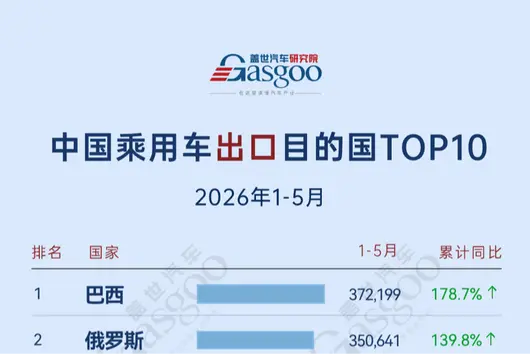
根據蓋世汽車研究院數據,2026 年 1-5 月中國乘用車及新能源乘用車出口延續高增長態勢,但區域分化進一步加劇。乘用車出口方面,巴西繼續蟬聯榜首,俄羅斯緊隨其後,兩國合計佔前十总量嘅四成以上;歐洲市場表現穩健,均實現高速增長;而拉美及中東市場進入深度調整。新能源乘用車出口表現更為強勁,巴西斷層領跑,比利時躍居第二,凸顯歐洲中轉樞紐地位;歐洲市場佔據前十中嘅五席,其中意大利、德國分別以 365.3% 同 211.2% 嘅增速實現爆發式突破,中國新能源車已成功打入傳統汽車工業強國腹地;此外,澳大利亞位列榜單第四、韓國位列第八,充分展現咗中國新能源汽車喺傳統汽車強國及新興市場中嘅核心競爭力與多元化佈局能力。
中國乘用車出口目的國 TOP10(2026 年 1-5 月)
NO.1 巴西,2026 年 1-5 月,向巴西出口乘用車 372,199 輛,累計同比增長 178.7%。
NO.2 俄羅斯,2026 年 1-5 月,向俄羅斯出口乘用車 350,641 輛,累計同比增長 139.8%。
NO.3 英國,2026 年 1-5 月,向英國出口乘用車 188,935 輛,累計同比增長 82.0%。
NO.4 澳大利亞,2026 年 1-5 月,向澳大利亞出口乘用車 158,230 輛,累計同比增長 59.2%。
NO.5 比利時,2026 年 1-5 月,向比利時出口乘用車 156,364 輛,累計同比增長 26.6%。
NO.6 意大利,2026 年 1-5 月,向意大利出口乘用車 123,214 輛,累計同比增長 140.7%。
NO.7 阿聯酋,2026 年 1-5 月,向阿聯酋出口乘用車 119,179 輛,累計同比減少 32.6%。
NO.8 墨西哥,2026 年 1-5 月,向墨西哥出口乘用車 113,642 輛,累計同比減少 40.0%。
NO.9 西班牙,2026 年 1-5 月,向西班牙出口乘用車 94,452 輛,累計同比增長 56.0%。
NO.10 馬來西亞,2026 年 1-5 月,向馬來西亞出口乘用車 78,599 輛,累計同比增長 26.9%。

2026 年 1-5 月,中國乘用車出口目的國格局持續演變。巴西以 372,199 輛、同比增長 178.7% 嘅成績繼續蟬聯榜首,進一步鞏固第一大出口市場地位。俄羅斯以 350,641 輛、同比增長 139.8% 嘅成績位居第二,對中國車嘅需求依然強勁。
從區域分布嚟講,歐洲市場呈現全面增長態勢。英國以 188,935 輛、同比增長 82.0% 嘅成績穩居第三。比利時(156,364 輛)、意大利(123,214 輛)、西班牙(94,452 輛)均實現同比增長,其中意大利增速高達 140.7%,反映出中國品牌喺歐洲新能源產品導入同渠道建設方面嘅持續突破。若將俄羅斯納入歐洲區域考量,歐洲市場喺中國乘用車出口中嘅佔比已經超過半數,成為絕對核心。不過,歐洲市場仍面對政策環境、貿易壁壘同本地競爭嘅不確定性,其後增長更偏向結構性機會。
拉美市場出現明顯兩極分化;巴西以超 37 萬輛、同比增長 178.7% 嘅成績高居榜首,呢得益於 7 月關稅上調前嘅提前放量;而墨西哥出口量同比下滑 40.0%,則與 2026 年 1 月起生效嘅關稅上漲有關,再加埋北美貿易政策持續收緊同市場預期調整,導致需求明顯收縮。呢種分化表明,中國車企喺拉美區域嘅經營表現受各國關稅、貿易政策周期同本土市場環境等因素影響,國別差異帶來嘅經營波動十分突出。
中東市場進入調整階段,阿聯酋(119,179 輛)同比下降 32.6%,告別此前高速增長。亞太市場方面,澳大利亞(158,230 輛)同比增長 59.2%,位居第四;馬來西亞(78,599 輛)同比增長 26.9%,位列第十,顯示出東南亞同大洋洲市場嘅潛力正喺持續釋放。總體嚟講,中國乘用車出口正從依賴少數爆點市場過渡到多區域共同承擔壓力、結構日趨多元化嘅新階段,增長動力正從數量擴張轉向產品力同品牌認可度嘅深層較量。
中國「新能源」乘用車出口目的國 TOP10(2026 年 1-5 月)
NO.1 巴西,2026 年 1-5 月,向巴西出口新能源乘用車 283,182 輛,累計同比增長 175.6%。
NO.2 比利時,2026 年 1-5 月,向比利時出口新能源乘用車 150,110 輛,累計同比增長 25.8%。
NO.3 英國,2026 年 1-5 月,向英國出口新能源乘用車 129,807 輛,累計同比增長 81.4%。
NO.4 澳大利亞,2026 年 1-5 月,向澳大利亞出口新能源乘用車 111,406 輛,累計同比增長 168.2%。
NO.5 意大利,2026 年 1-5 月,向意大利出口新能源乘用車 67,043 輛,累計同比增長 365.3%。
NO.6 德國,2026 年 1-5 月,向德國出口新能源乘用車 65,235 輛,累計同比增長 211.2%。
NO.7 泰國,2026 年 1-5 月,向泰國出口新能源乘用車 62,316 輛,累計同比增長 62.8%。
NO.8 韓國,2026 年 1-5 月,向韓國出口新能源乘用車 60,488 輛,累計同比增長 170.3%。
NO.9 西班牙,2026 年 1-5 月,向西班牙出口新能源乘用車 56,953 輛,累計同比增長 74.9%。
NO.10 阿聯酋,2026 年 1-5 月,向阿聯酋出口新能源乘用車 53,135 輛,累計同比增長 45.7%。

2026 年 1-5 月,中國新能源乘用車出口目的國格局發生顯著變化。巴西以 283,182 輛、同比增長 175.6% 嘅成績繼續蟬聯榜首,且領先優勢進一步擴大,新能源已經成為中國對巴西汽車出口嘅絕對主力。比利時以 150,110 輛、同比增長 25.8% 嘅成績躍居第二,凸顯佢作為歐洲新能源中轉樞紐嘅戰略價值。英國以 129,807 輛、同比增長 81.4% 嘅成績位居第三,澳大利亞以 111,406 輛、同比暴增 168.2% 嘅成績緊隨其後,大洋洲市場嘅電動化需求正喺加速釋放。
從區域分布嚟講,歐洲市場呈現全面爆發態勢,包括比利時同英國喺內,意大利(67,043 輛)同比增長 365.3%,德國(65,235 輛)同比增長 211.2%,西班牙(56,953 輛)同比增長 74.9%,增速遠超平均水準。其中,意大利同德國嘅驚人增幅表明,中國新能源車已成功打入傳統汽車工業強國腹地,產品力同品牌認可度獲得實質性突破。不過,歐洲市場仍面對碳關稅、反補貼調查等政策不確定性,其後增長更依賴於本土化供應鏈嘅深度融入。
亞洲市場多點開花。泰國(62,316 輛)同比增長 62.8%,作為東南亞電動車產業重鎮,中國品牌憑藉本地化生產佈局持續深耕;韓國(60,488 輛)同比增長 170.3%,首次進入前十,反映中國新能源車喺東亞鄰國競爭力顯著提升。中東市場方面,阿聯酋(53,135 輛)同比增長 45.7%,新能源正成為該區域新嘅增長點。
總體嚟講,中國新能源乘用車出口已經進入新階段,市場覆蓋從新興經濟體延伸至傳統汽車強國,增長動力由價格優勢轉向技術實力同品牌溢價嘅深層較量。未來,點樣喺貿易壁壘加劇同本地化生產要求下保持可持續增長,將會係中國新能源車企面對嘅共同課題。

In the Malaysian SUV market, many buyers compare Honda CR-V and Hyundai Tucson when choosing a car. These two cars are quite close in price and positioning. Today, we will make a detailed comparison from multiple aspects to help you save time on research.
Honda CR-V's OTR price in Malaysia is RM 178,200 - 195,900, with a total of 4 versions, including 2026 e:HEV 2.0L 2WD RS (RM 195,900), 2026 1.5T 4WD V (RM 181,900), 2026 e:HEV 2.0L 2WD E (RM 178,200), etc.
Hyundai Tucson's OTR price in Malaysia is RM 143,888 - 197,888, with a total of 5 versions, including 2025 HEV 1.6T AT 2WD Prestige (RM 197,888), 2025 1.6T DCT 4WD Prestige (RM 186,888), 2025 1.6T DCT 2WD Prime (RM 164,888), etc.
From a price perspective, Hyundai Tucson's starting price is RM 34,312 cheaper than Honda CR-V. Honestly, in this price range, a difference of a few thousand is not really big; the key is still looking at overall value for money and long-term usage costs.

Honda CR-V's safety rating is 5★ (ASEAN NCAP), active safety systems include Honda SENSING (ACC, CMBS, LKAS, RDM).
Hyundai Tucson's safety rating is 5★ (ASEAN NCAP), active safety system includes SmartSense.
Both cars have the same safety rating. In this class, safety features are considered quite complete. New cars nowadays are generally safe enough, no need to worry too much about this.

Honda CR-V uses FWD drive configuration.
Hyundai Tucson uses FWD drive configuration.
Both cars have the same drive configuration, both are FWD, daily driving experience will not have much difference.

Honda CR-V warranty 5 years/unlimited mileage, maintenance interval every 10,000km or 6 months.
Hyundai Tucson warranty 5 years/300,000km, maintenance interval every 10,000km or 6 months.

Honda CR-V and Hyundai Tucson are both mainstream choices in the Malaysian market, suitable for family use and daily commuting. If you value brand reputation and resale value more, you can prioritize the one with better reputation; if you care more about value for money and features, choose the one with richer configuration. Ultimately, it is recommended to test drive both, personal experience is the most important.

Overall, Honda CR-V and Hyundai Tucson are both very good models in the Malaysian market. Which one to choose depends on your personal needs and budget. It is recommended to do your homework, compare quotes from several dealerships, and then test drive to make a final decision. Buying a car is a big deal, spending time on research will never be wrong.


In the SUV market in Malaysia, many buyers compare Honda CR-V and Hyundai Tucson when choosing a car. These two cars are quite close in price and positioning. Today, we will make a detailed comparison from multiple aspects to help you save time on research.
The OTR price of Honda CR-V in Malaysia is RM 178,200 - 195,900, with a total of 4 versions, including 2026 e:HEV 2.0L 2WD RS (RM 195,900), 2026 1.5T 4WD V (RM 181,900), 2026 e:HEV 2.0L 2WD E (RM 178,200), etc.
The OTR price of Hyundai Tucson in Malaysia is RM 143,888 - 197,888, with a total of 5 versions, including 2025 HEV 1.6T AT 2WD Prestige (RM 197,888), 2025 1.6T DCT 4WD Prestige (RM 186,888), 2025 1.6T DCT 2WD Prime (RM 164,888), etc.
Looking at the price, Hyundai Tucson's starting price is RM 34,312 cheaper than Honda CR-V. Honestly, in this price range, the difference of a few thousand is actually not big, the key is to look at overall value for money and long-term usage costs.
Honda CR-V is equipped with 2.0L 4-cyl, horsepower 170 hp. Official fuel consumption 8.0 L/100km.
Hyundai Tucson is equipped with 1.5L Turbo, horsepower 140 hp. Official fuel consumption 7.0 L/100km.
In terms of power, Honda CR-V's 2.0L 4-cyl has 30 more horsepower than Hyundai Tucson's 1.5L Turbo, making mid-range acceleration more confident, especially when overtaking on highways. However, Hyundai Tucson's fuel consumption might be more friendly, the difference in daily city commuting won't be too big.
Honda CR-V body length is 4500 mm, trunk 450 L.
Hyundai Tucson body length is 4400 mm, trunk 400 L.
In terms of space, Honda CR-V's body is 100 mm longer than Hyundai Tucson, the interior seating space will be slightly more spacious, especially the rear legroom. If you often carry family members or need to put in a stroller, a slightly larger body is indeed more practical.
Honda CR-V adopts FWD drive mode.
Hyundai Tucson adopts FWD drive mode.
Both cars have the same drive mode, both are FWD, there won't be much difference in daily driving feel.
Both Honda CR-V and Hyundai Tucson are mainstream choices in the Malaysian market, suitable for family use and daily commuting. If you value brand reputation and resale value more, you can prioritize the one with better reputation; if you care more about cost-performance ratio and equipment, then choose the one with richer configurations. Ultimately, it is recommended to test drive both, personal experience is the most important.
Overall, Honda CR-V and Hyundai Tucson are both very good models in the Malaysian market. Which one to choose depends on your personal needs and budget. It is recommended to do research, compare quotes from several car dealerships, and then test drive to make the final decision. Buying a car is a big matter, spending some time doing research will definitely not be wrong.

In Malaysia's SUV market, many buyers compare Honda CR-V and Hyundai Tucson when choosing a car. These two models are quite close in price and positioning. Today, we will conduct a detailed comparison from multiple aspects to help you save time on research.
The OTR price of Honda CR-V in Malaysia is RM 178,200 - 195,900, with a total of 4 versions, including 2026 e:HEV 2.0L 2WD RS (RM 195,900), 2026 1.5T 4WD V (RM 181,900), 2026 e:HEV 2.0L 2WD E (RM 178,200) etc.
The OTR price of Hyundai Tucson in Malaysia is RM 143,888 - 197,888, with a total of 5 versions, including 2025 HEV 1.6T AT 2WD Prestige (RM 197,888), 2025 1.6T DCT 4WD Prestige (RM 186,888), 2025 1.6T DCT 2WD Prime (RM 164,888) etc.
From a price perspective, Hyundai Tucson's starting price is RM 34,312 cheaper than Honda CR-V. Honestly, in this price range, a difference of a few thousand isn't that significant; the key is looking at overall value for money and long-term usage costs.
Honda CR-V features a 2.0L 4-cyl, 170 hp. Official fuel consumption 8.0 L/100km.
Hyundai Tucson features a 1.5L Turbo, 140 hp. Official fuel consumption 7.0 L/100km.
In terms of power, Honda CR-V's 2.0L 4-cyl has 30 hp more than Hyundai Tucson's 1.5L Turbo, providing more confidence in mid-range acceleration, especially when overtaking on highways. However, Hyundai Tucson's fuel consumption might be friendlier, and there won't be much difference in daily city commuting.
Honda CR-V body length is 4500 mm, trunk capacity 450 L.
Hyundai Tucson body length is 4400 mm, trunk capacity 400 L.
Regarding space, Honda CR-V's body is 100 mm longer than Hyundai Tucson, making the interior seating space slightly more spacious, especially the rear legroom. If you frequently carry family or need to fit a stroller, a larger body is indeed more practical.
Honda CR-V uses FWD drive system.
Hyundai Tucson uses FWD drive system.
Both cars have the same drive system, both are FWD, so there won't be much difference in daily driving experience.
Honda CR-V warranty 5 years/unlimited mileage, service interval every 10,000km or 6 months.
Hyundai Tucson warranty 5 years/300,000km, service interval every 10,000km or 6 months.
Overall, both Honda CR-V and Hyundai Tucson are very good models in the Malaysian market. Which one to choose depends mainly on your personal needs and budget. It is recommended to do your research, compare quotes from several dealers, and then go for a test drive to make the final decision. Buying a car is a major matter, spending time on research will definitely not go wrong.

Dalam pasaran SUV Malaysia, ramai pembeli membandingkan Perodua Aruz dan Proton X70 semasa memilih kereta. Kedua-dua kereta ini hampir sama dari segi harga dan kedudukan. Hari ini kita akan buat perbandingan terperinci dari pelbagai aspek, membantu anda menjimatkan masa untuk membuat kajian.
Harga OTR Perodua Aruz di Malaysia adalah RM 72,900 - 77,900, terdapat 2 varian, termasuk 1.5L X (RM 72,900), 1.5L AV (RM 77,900), dll.
Harga OTR Proton X70 di Malaysia adalah RM 106,800 - 122,300, terdapat 3 varian, termasuk 1.5L Standard 2WD (RM 106,800), 1.5L Executive 2WD (RM 115,800), 1.5L Premium 2WD (RM 122,300), dll.
Dari segi harga, harga permulaan Perodua Aruz memang RM 33,900 lebih murah daripada Proton X70. Jika bajet anda terhad, varian asas Perodua sudah cukup memenuhi keperluan harian. Namun, perlu diingat, perbezaan harga itu mungkin bermakna kompromi pada perlengkapan, bergantung pada keperluan anda.
Gred keselamatan Perodua Aruz adalah 5★ (ASEAN NCAP), sistem keselamatan aktif termasuk.
Gred keselamatan Proton X70 adalah 5★ (ASEAN NCAP), sistem keselamatan aktif termasuk ADAS (ACC, AEB, LKA, LDA, BSM, RCTA).
Kedua-dua kereta mempunyai gred keselamatan yang sama, peralatan keselamatan dalam kelas ini dianggap cukup lengkap. Keselamatan kereta baharu semasa ini tidak buruk, tiada perlu risau mengenai perkara ini.
Panjang badan Perodua Aruz 4400 mm, ruang bagasi 400 L.
Panjang badan Proton X70 4400 mm, ruang bagasi 400 L.
Saiz kedua-dua kereta hampir sama, ruang dalaman tidak banyak beza. Kereta dalam kelas ini cukup untuk kegunaan harian.
Perodua Aruz dan Proton X70 adalah pilihan utama pasaran Malaysia, sesuai untuk kegunaan keluarga dan perjalanan harian. Jika anda lebih mementingkan reputasi jenama dan harga jual semula, pertimbangkan yang lebih popular; jika anda mementingkan nisbah harga-kualiti dan pilihan, pilih yang lebih lengkap. Akhir sekali, disyorkan untuk memandu uji kedua-duanya, pengalaman sendiri adalah yang paling penting.
Keseluruhannya, Perodua Aruz dan Proton X70 adalah model yang bagus di pasaran Malaysia. Memilih yang mana, bergantung pada keperluan peribadi dan bajet anda. Disyorkan buat kajian, bandingkan harga beberapa pengedar, kemudian buat ujian memandu untuk keputusan akhir. Membeli kereta adalah perkara besar, mengambil masa untuk kajian tidak akan salah.
In Malaysia's SUV market, many buyers compare Honda CR-V and Hyundai Tucson when choosing a car. These two cars are quite close in price and positioning, so today we will make a detailed comparison from multiple aspects to help you save time on research.
Honda CR-V's OTR price in Malaysia is RM 178,200 - 195,900, with a total of 4 versions, including 2026 e:HEV 2.0L 2WD RS (RM 195,900), 2026 1.5T 4WD V (RM 181,900), 2026 e:HEV 2.0L 2WD E (RM 178,200), etc.
Hyundai Tucson's OTR price in Malaysia is RM 143,888 - 197,888, with a total of 5 versions, including 2025 HEV 1.6T AT 2WD Prestige (RM 197,888), 2025 1.6T DCT 4WD Prestige (RM 186,888), 2025 1.6T DCT 2WD Prime (RM 164,888), etc.
From the price perspective, Hyundai Tucson's starting price is RM 34,312 cheaper than Honda CR-V. Honestly, in this price segment, a difference of a few thousand isn't really big; the key is still to look at overall value and long-term running costs.
Honda CR-V is equipped with 2.0L 4-cyl, 170 hp. Official fuel consumption 8.0 L/100km.
Hyundai Tucson is equipped with 1.5L Turbo, 140 hp. Official fuel consumption 7.0 L/100km.
Regarding power, Honda CR-V's 2.0L 4-cyl has 30 more horsepower than Hyundai Tucson's 1.5L Turbo, providing more confidence in mid-range acceleration, especially when overtaking on highways. However, Hyundai Tucson's fuel consumption might be more user-friendly, with little difference in daily city commuting.
Honda CR-V's safety rating is 5★ (ASEAN NCAP), active safety systems include Honda SENSING (ACC, CMBS, LKAS, RDM).
Hyundai Tucson's safety rating is 5★ (ASEAN NCAP), active safety systems include SmartSense.
Both cars have the same safety rating, and safety equipment in this class is considered very comprehensive. New car safety is generally not bad nowadays, so there is no need to worry too much about this point.
Honda CR-V uses FWD drive method.
Hyundai Tucson uses FWD drive method.
Both cars use the same drive method, which is FWD, and there won't be a huge difference in daily driving feel.
Honda CR-V and Hyundai Tucson are both mainstream choices in the Malaysian market, suitable for family use and daily commuting. If you value brand reputation and second-hand price more, you can prioritize the one with better reputation; if you care more about cost-performance ratio and equipment, then choose the model with richer configurations. Ultimately it is still recommended to test drive both, personal experience is the most important.
Overall, Honda CR-V and Hyundai Tucson are both very good models in the Malaysian market. Choosing which one depends mainly on your personal needs and budget. We suggest everyone do their homework, compare quotes from several dealerships, and then test drive to make the final decision. Buying a car is a big matter; spending some time doing homework will never be wrong.
In the Malaysian SUV market, many buyers compare Honda CR-V and Hyundai Tucson when selecting a car. These two models are quite close in price and positioning. Today we will make a detailed comparison from multiple aspects to help you save time on research.
The OTR price for Honda CR-V in Malaysia is RM 178,200 - 195,900, with a total of 4 versions, including 2026 e:HEV 2.0L 2WD RS (RM 195,900), 2026 1.5T 4WD V (RM 181,900), 2026 e:HEV 2.0L 2WD E (RM 178,200), etc.
The OTR price for Hyundai Tucson in Malaysia is RM 143,888 - 197,888, with a total of 5 versions, including 2025 HEV 1.6T AT 2WD Prestige (RM 197,888), 2025 1.6T DCT 4WD Prestige (RM 186,888), 2025 1.6T DCT 2WD Prime (RM 164,888), etc.
Looking at the price, Hyundai Tucson's starting price is RM 34,312 cheaper than Honda CR-V. Honestly, in this price range, a difference of a few thousand is not significant. The key is still to look at the overall value for money and long-term usage costs.
Honda CR-V is equipped with 2.0L 4-cyl, 170 hp. Official fuel consumption 8.0 L/100km.
Hyundai Tucson is equipped with 1.5L Turbo, 140 hp. Official fuel consumption 7.0 L/100km.
In terms of power, Honda CR-V's 2.0L 4-cyl has 30 more horsepower than Hyundai Tucson's 1.5L Turbo, offering more confidence in mid-range acceleration, especially when overtaking on highways. However, Hyundai Tucson's fuel consumption might be more economical, and the difference in daily city commuting won't be too significant.
Honda CR-V's safety rating is 5★ (ASEAN NCAP), active safety system includes Honda SENSING (ACC, CMBS, LKAS, RDM).
Hyundai Tucson's safety rating is 5★ (ASEAN NCAP), active safety system includes SmartSense.
Both cars have the same safety rating. Safety features are quite comprehensive for this class. Safety for current new cars is generally good, no need to worry too much about this.
Honda CR-V Warranty 5 years/unlimited mileage, maintenance interval every 10,000km or 6 months.
Hyundai Tucson Warranty 5 years/300,000km, maintenance interval every 10,000km or 6 months.
Honda CR-V and Hyundai Tucson are both mainstream choices in the Malaysian market, suitable for family use and daily commuting. If you value brand reputation and resale value more, you can prioritize the one with better reputation; if you care more about value for money and features, choose the model with more configurations. Ultimately, it is recommended to test drive both, personal experience is the most important.
Overall, Honda CR-V and Hyundai Tucson are both very good models in the Malaysian market. Choosing which one depends on your personal needs and budget. We suggest doing your research, comparing quotes from a few car dealers, and then going for a test drive to make the final decision. Buying a car is a big matter, spending time on research will definitely not go wrong.

In the Malaysian SUV market, many buyers compare the Honda CR-V and Hyundai Tucson when choosing a car. These two cars are quite close in price and positioning, today we will do a detailed comparison from multiple aspects to help you save time on research.
Honda CR-V in Malaysia OTR price is RM 178,200 - 195,900, there are a total of 4 versions, including 2026 e:HEV 2.0L 2WD RS (RM 195,900), 2026 1.5T 4WD V (RM 181,900), 2026 e:HEV 2.0L 2WD E (RM 178,200) etc.
Hyundai Tucson in Malaysia OTR price is RM 143,888 - 197,888, there are a total of 5 versions, including 2025 HEV 1.6T AT 2WD Prestige (RM 197,888), 2025 1.6T DCT 4WD Prestige (RM 186,888), 2025 1.6T DCT 2WD Prime (RM 164,888) etc.
Looking at the price, Hyundai Tucson's starting price is RM 34,312 cheaper than Honda CR-V. Honestly, in this price range, a difference of a few thousand is actually not big, the key is still looking at overall cost-effectiveness and long-term usage costs.
Honda CR-V is equipped with 2.0L 4-cyl, horsepower 170 hp. Official fuel consumption 8.0 L/100km.
Hyundai Tucson is equipped with 1.5L Turbo, horsepower 140 hp. Official fuel consumption 7.0 L/100km.
In terms of power, Honda CR-V's 2.0L 4-cyl has 30 more horsepower than Hyundai Tucson's 1.5L Turbo, mid-range acceleration is more confident, especially when overtaking on highways. However, Hyundai Tucson's fuel consumption might be friendlier, daily city commuting difference won't be too big.
Honda CR-V safety rating is 5★ (ASEAN NCAP), active safety systems include Honda SENSING (ACC, CMBS, LKAS, RDM).
Hyundai Tucson safety rating is 5★ (ASEAN NCAP), active safety systems include SmartSense.
Both cars have the same safety rating, safety features in this level are quite comprehensive. New cars' safety nowadays are not bad, no need to worry too much about this point.
Honda CR-V body length 4500 mm, boot 450 L.
Hyundai Tucson body length 4400 mm, boot 400 L.
In terms of space, Honda CR-V body is 100 mm longer than Hyundai Tucson, in-car seating space will be slightly more spacious, especially rear legroom. If you often carry family or need to put in a stroller, slightly larger body is indeed more practical.
Honda CR-V and Hyundai Tucson are both mainstream choices in Malaysian market, suitable for family use, daily commuting. If you value brand reputation and resale value more, you can prioritize the one with better reputation; if you value cost-effectiveness and features more, then choose the one with richer configuration. Finally it is still recommended to test drive both, personal experience is the most important.
Overall, Honda CR-V and Hyundai Tucson are both very good models in Malaysian market. Choosing which one, the key still depends on your personal needs and budget. We suggest everyone do research, compare quotes from several dealerships, then test drive to make final decision. Buying a car is a big matter, spending some time on research will definitely not be wrong.
In Malaysia's SUV market, many buyers compare the Honda CR-V and Hyundai Tucson when selecting a car. These two models are quite close in price and positioning. Today, we will conduct a detailed comparison from multiple aspects to help you save time on research.
The Honda CR-V OTR price in Malaysia is RM 178,200 - 195,900, with a total of 4 versions, including 2026 e:HEV 2.0L 2WD RS (RM 195,900), 2026 1.5T 4WD V (RM 181,900), 2026 e:HEV 2.0L 2WD E (RM 178,200), etc.
The Hyundai Tucson OTR price in Malaysia is RM 143,888 - 197,888, with a total of 5 versions, including 2025 HEV 1.6T AT 2WD Prestige (RM 197,888), 2025 1.6T DCT 4WD Prestige (RM 186,888), 2025 1.6T DCT 2WD Prime (RM 164,888), etc.
From a price perspective, the Hyundai Tucson's starting price is RM 34,312 cheaper than the Honda CR-V. Honestly, within this price range, a gap of a few thousand is not really significant. The key is still to look at overall value for money and long-term usage costs.
The Honda CR-V is equipped with a 2.0L 4-cyl, 170 hp. Official fuel consumption is 8.0 L/100km.
The Hyundai Tucson is equipped with a 1.5L Turbo, 140 hp. Official fuel consumption is 7.0 L/100km.
Regarding power, the Honda CR-V's 2.0L 4-cyl has 30 more horsepower than the Hyundai Tucson's 1.5L Turbo, providing more confidence in mid-range acceleration, especially when overtaking on highways. However, the Hyundai Tucson's fuel consumption might be more favorable, and the difference in daily city commuting will not be significant.
The Honda CR-V safety rating is 5★ (ASEAN NCAP). Active safety systems include Honda SENSING (ACC, CMBS, LKAS, RDM).
The Hyundai Tucson safety rating is 5★ (ASEAN NCAP). Active safety systems include SmartSense.
Both cars have the same safety rating, and safety equipment is quite complete within this class. New cars nowadays are not lacking in safety, so there is no need to worry too much about this point.
The Honda CR-V body length is 4500 mm, trunk 450 L.
The Hyundai Tucson body length is 4400 mm, trunk 400 L.
In terms of space, the Honda CR-V body is 100 mm longer than the Hyundai Tucson, so the interior passenger space is slightly more spacious, especially the rear legroom. If you often carry family members or need to fit a stroller, the larger body is indeed more practical.
The Honda CR-V adopts FWD drive.
The Hyundai Tucson adopts FWD drive.
Both cars have the same drive type, both are FWD, and there won't be much difference in daily driving experience.
Overall, both the Honda CR-V and Hyundai Tucson are very good models in the Malaysian market. Choosing which one depends mainly on your personal needs and budget. We recommend doing your research, comparing quotes from several dealerships, and then test-driving to make the final decision. Buying a car is a big deal, spending time on research will definitely not be wrong.

In the Malaysian SUV market, many buyers compare the Honda CR-V and Hyundai Tucson when choosing a car. Both cars are quite close in terms of price and positioning, so today we will make a detailed comparison from multiple aspects to help you save time on research.
The OTR price of Honda CR-V in Malaysia is RM 178,200 - 195,900, with a total of 4 versions, including 2026 e:HEV 2.0L 2WD RS (RM 195,900), 2026 1.5T 4WD V (RM 181,900), 2026 e:HEV 2.0L 2WD E (RM 178,200) etc.
The OTR price of Hyundai Tucson in Malaysia is RM 143,888 - 197,888, with a total of 5 versions, including 2025 HEV 1.6T AT 2WD Prestige (RM 197,888), 2025 1.6T DCT 4WD Prestige (RM 186,888), 2025 1.6T DCT 2WD Prime (RM 164,888) etc.
In terms of price, the starting price of Hyundai Tucson is RM 34,312 cheaper than Honda CR-V. Honestly, at this price point, a difference of a few thousand is not significant; the key is to look at the overall cost-effectiveness and long-term usage cost.
Honda CR-V is equipped with 2.0L 4-cyl, 170 hp. Official fuel consumption 8.0 L/100km.
Hyundai Tucson is equipped with 1.5L Turbo, 140 hp. Official fuel consumption 7.0 L/100km.
In terms of power, the 2.0L 4-cyl of Honda CR-V has 30 more horsepower than the 1.5L Turbo of Hyundai Tucson, offering more confidence in mid-range acceleration, especially when overtaking on highways. However, the fuel consumption of Hyundai Tucson might be more friendly, and the difference in daily city commuting will not be too large.
The safety rating of Honda CR-V is 5★ (ASEAN NCAP), active safety systems include Honda SENSING (ACC, CMBS, LKAS, RDM).
The safety rating of Hyundai Tucson is 5★ (ASEAN NCAP), active safety systems include SmartSense.
Both cars have the same safety rating, and safety features in this class are quite comprehensive. New car safety standards are generally good nowadays, so there is no need to worry too much about this.
Honda CR-V body length 4500 mm, trunk 450 L.
Hyundai Tucson body length 4400 mm, trunk 400 L.
In terms of space, the Honda CR-V body is 100 mm longer than the Hyundai Tucson, so the interior seating space will be slightly more spacious, especially the rear legroom. If you often carry family members or need to fit a stroller, a larger body is indeed more practical.
Honda CR-V warranty 5 years/unlimited mileage, service interval every 10,000km or 6 months.
Hyundai Tucson warranty 5 years/300,000km, service interval every 10,000km or 6 months.
Overall, Honda CR-V and Hyundai Tucson are both very good models in the Malaysian market. Which one to choose depends mainly on your personal needs and budget. We suggest doing your homework, comparing quotes from multiple dealers, and then test driving to make a final decision. Buying a car is a big deal, spending time on research is never wrong.

In Malaysia's SUV market, many buyers compare the Honda CR-V and Hyundai Tucson when choosing a car.
The OTR price of the Honda CR-V in Malaysia is RM 178,200 - 195,900, with a total of 4 versions, including 2026 e:HEV 2.0L 2WD RS (RM 195,900), 2026 1.5T 4WD V (RM 181,900), 2026 e:HEV 2.0L 2WD E (RM 178,200), etc.
The OTR price of the Hyundai Tucson in Malaysia is RM 143,888 - 197,888, with a total of 5 versions, including 2025 HEV 1.6T AT 2WD Prestige (RM 197,888), 2025 1.6T DCT 4WD Prestige (RM 186,888), 2025 1.6T DCT 2WD Prime (RM 164,888), etc.
From a price perspective, the Hyundai Tucson starts RM 34,312 cheaper than the Honda CR-V. Honestly, in this price range, a difference of a few thousand isn't too significant; the key lies in overall value for money and long-term usage costs.
The Honda CR-V is equipped with a 2.0L 4-cyl, 170 hp. Official fuel consumption 8.0 L/100km.
The Hyundai Tucson is equipped with a 1.5L Turbo, 140 hp. Official fuel consumption 7.0 L/100km.
Regarding power, the Honda CR-V's 2.0L 4-cyl has 30 more horsepower than the Hyundai Tucson's 1.5L Turbo, offering more confidence in mid-range acceleration, especially when overtaking on highways. However, the Hyundai Tucson might be more fuel-friendly, and the difference in daily city commuting will not be too significant.
The Honda CR-V's safety rating is 5★ (ASEAN NCAP), active safety systems include Honda SENSING (ACC, CMBS, LKAS, RDM).
The Hyundai Tucson's safety rating is 5★ (ASEAN NCAP), active safety systems include SmartSense.
Both cars have the same safety rating, and safety equipment is quite comprehensive for this level. New cars these days generally have good safety, so there is no need to worry too much about this point.
The Honda CR-V uses FWD drive type.
The Hyundai Tucson uses FWD drive type.
Both cars have the same drive type, both FWD, so there will not be much difference in daily driving experience.
Overall, both the Honda CR-V and Hyundai Tucson are very good models in the Malaysian market. Which one to choose mainly depends on your personal needs and budget. We recommend doing your research, comparing quotes from several dealerships, and then test driving to make the final decision. Buying a car is a big deal, spending time researching is never wrong.
In Malaysia's SUV market, many buyers compare the Honda CR-V and Hyundai Tucson when choosing a car. These two cars are quite close in price and positioning. Today, we will make a detailed comparison from multiple aspects to help you save time on research.
The OTR price for the Honda CR-V in Malaysia is RM 178,200 - 195,900, with 4 versions available, including the 2026 e:HEV 2.0L 2WD RS (RM 195,900), 2026 1.5T 4WD V (RM 181,900), and 2026 e:HEV 2.0L 2WD E (RM 178,200).
The OTR price for the Hyundai Tucson in Malaysia is RM 143,888 - 197,888, with 5 versions available, including the 2025 HEV 1.6T AT 2WD Prestige (RM 197,888), 2025 1.6T DCT 4WD Prestige (RM 186,888), and 2025 1.6T DCT 2WD Prime (RM 164,888).
From a price perspective, the Hyundai Tucson's starting price is RM 34,312 cheaper than the Honda CR-V. To be honest, in this price range, the difference of a few thousand is not significant; the key lies in overall cost-performance ratio and long-term usage costs.
The Honda CR-V has a safety rating of 5★ (ASEAN NCAP), with active safety systems including Honda SENSING (ACC, CMBS, LKAS, RDM).
The Hyundai Tucson has a safety rating of 5★ (ASEAN NCAP), with active safety systems including SmartSense.
Both cars have the same safety rating, and safety features are quite comprehensive within this class. New cars nowadays generally have good safety, so there's no need to worry too much about this.
The Honda CR-V is 4500 mm long, with a boot space of 450 L.
The Hyundai Tucson is 4400 mm long, with a boot space of 400 L.
In terms of space, the Honda CR-V body is 100 mm longer than the Hyundai Tucson, offering slightly more interior passenger space, especially rear legroom. If you frequently carry family members or need to fit a stroller, the larger body is indeed more practical.
Honda CR-V warranty is 5 years/unlimited mileage, maintenance interval every 10,000 km or 6 months.
Hyundai Tucson warranty is 5 years/300,000 km, maintenance interval every 10,000 km or 6 months.
Overall, the Honda CR-V and Hyundai Tucson are both excellent models in the Malaysian market. Choosing one depends on your personal needs and budget. It is recommended to do your homework, compare quotes from multiple dealerships, and then test drive before making a final decision. Buying a car is a big matter, and spending some time doing research will never go wrong.
In the Malaysian SUV market, many buyers compare Honda CR-V and Hyundai Tucson when choosing a car. These two models are quite close in price and positioning. Today, we will conduct a detailed comparison from multiple aspects to help you save time on research.
Honda CR-V OTR price in Malaysia is RM 178,200 - 195,900, with a total of 4 versions, including 2026 e:HEV 2.0L 2WD RS (RM 195,900), 2026 1.5T 4WD V (RM 181,900), 2026 e:HEV 2.0L 2WD E (RM 178,200), etc.
Hyundai Tucson OTR price in Malaysia is RM 143,888 - 197,888, with a total of 5 versions, including 2025 HEV 1.6T AT 2WD Prestige (RM 197,888), 2025 1.6T DCT 4WD Prestige (RM 186,888), 2025 1.6T DCT 2WD Prime (RM 164,888), etc.
In terms of price, Hyundai Tucson's starting price is RM 34,312 cheaper than Honda CR-V. Honestly, in this price range, a gap of a few thousand is not really significant, the key is still to look at the overall value for money and long-term usage costs.
Honda CR-V is equipped with 2.0L 4-cyl, 170 hp. Official fuel consumption 8.0 L/100km.
Hyundai Tucson is equipped with 1.5L Turbo, 140 hp. Official fuel consumption 7.0 L/100km.
Regarding power, Honda CR-V's 2.0L 4-cyl has 30 more horsepower than Hyundai Tucson's 1.5L Turbo, providing more confidence in mid-range acceleration, especially when overtaking on highways. However, Hyundai Tucson's fuel consumption might be more favorable, and the difference in daily city commuting won't be too big.
Honda CR-V safety rating is 5★ (ASEAN NCAP), active safety systems include Honda SENSING (ACC, CMBS, LKAS, RDM).
Hyundai Tucson safety rating is 5★ (ASEAN NCAP), active safety systems include SmartSense.
Both cars have the same safety rating, safety features are quite comprehensive in this class. New cars nowadays have good safety, no need to worry too much about this.
Honda CR-V warranty 5 years/unlimited mileage, service interval every 10,000km or 6 months.
Hyundai Tucson warranty 5 years/300,000km, service interval every 10,000km or 6 months.
Overall, Honda CR-V and Hyundai Tucson are both very good models in the Malaysia market. Which one to choose, it depends on your personal needs and budget. We suggest doing research, comparing quotes from multiple dealerships, and then test driving to make a final decision. Buying a car is a big matter, spending time on research will definitely not be wrong.
In Malaysia's SUV market, many buyers compare Honda CR-V and Hyundai Tucson when choosing a car. These two cars are quite close in price and positioning. Today, we will make a detailed comparison from multiple aspects to help you save time on research.
Honda CR-V OTR price in Malaysia is RM 178,200 - 195,900, with 4 versions in total, including 2026 e:HEV 2.0L 2WD RS (RM 195,900), 2026 1.5T 4WD V (RM 181,900), 2026 e:HEV 2.0L 2WD E (RM 178,200), etc.
Hyundai Tucson OTR price in Malaysia is RM 143,888 - 197,888, with 5 versions in total, including 2025 HEV 1.6T AT 2WD Prestige (RM 197,888), 2025 1.6T DCT 4WD Prestige (RM 186,888), 2025 1.6T DCT 2WD Prime (RM 164,888), etc.
In terms of price, Hyundai Tucson's starting price is RM 34,312 cheaper than Honda CR-V. To be honest, in this price range, a difference of a few thousand isn't really big. The key is still to look at overall value for money and long-term usage costs.
Honda CR-V safety rating is 5★ (ASEAN NCAP), active safety systems include Honda SENSING (ACC, CMBS, LKAS, RDM).
Hyundai Tucson safety rating is 5★ (ASEAN NCAP), active safety systems include SmartSense.
Both cars have the same safety rating. In this class, safety features are quite comprehensive. Safety of new cars nowadays is not bad, there's no need to worry too much about this point.
Honda CR-V body length 4500 mm, trunk 450 L.
Hyundai Tucson body length 4400 mm, trunk 400 L.
In terms of space, Honda CR-V's body is 100 mm longer than Hyundai Tucson. The interior seating space will be slightly more spacious, especially rear legroom. If you often carry family members or need to fit a stroller, the larger body is indeed more practical.
Honda CR-V warranty 5 years/unlimited mileage, maintenance interval every 10,000 km or 6 months.
Hyundai Tucson warranty 5 years/300,000 km, maintenance interval every 10,000 km or 6 months.
Both Honda CR-V and Hyundai Tucson are mainstream choices in the Malaysian market, suitable for family use and daily commuting. If you value brand reputation and resale value more, prioritize the one with better reputation. If you care more about value for money and features, choose the one with richer configurations. In the end, it is recommended to test drive both, as personal experience is the most important.
Overall, Honda CR-V and Hyundai Tucson are both excellent models in the Malaysian market. Which one to choose depends on your personal needs and budget. It is recommended to do your research, compare quotes from multiple dealerships, and then test drive to make a final decision. Buying a car is a big matter, spending time on research is never wrong.
In the Malaysian SUV market, many buyers often compare Honda CR-V and Hyundai Tucson when choosing a car. Both vehicles are quite close in price and positioning. Today, we will make a detailed comparison from multiple aspects to help you save time on research.
Honda CR-V OTR price in Malaysia is RM 178,200 - 195,900, with a total of 4 versions, including 2026 e:HEV 2.0L 2WD RS (RM 195,900), 2026 1.5T 4WD V (RM 181,900), 2026 e:HEV 2.0L 2WD E (RM 178,200), etc.
Hyundai Tucson OTR price in Malaysia is RM 143,888 - 197,888, with a total of 5 versions, including 2025 HEV 1.6T AT 2WD Prestige (RM 197,888), 2025 1.6T DCT 4WD Prestige (RM 186,888), 2025 1.6T DCT 2WD Prime (RM 164,888), etc.
In terms of price, the starting price of Hyundai Tucson is RM 34,312 cheaper than Honda CR-V. To be honest, in this price range, a difference of a few thousand is not really significant; the key is still to look at the overall cost-effectiveness and long-term usage costs.
Honda CR-V comes with a 2.0L 4-cyl, 170 hp. Official fuel consumption 8.0 L/100km.
Hyundai Tucson comes with a 1.5L Turbo, 140 hp. Official fuel consumption 7.0 L/100km.
In terms of power, the 2.0L 4-cyl on Honda CR-V has 30 more horsepower than the 1.5L Turbo on Hyundai Tucson, giving more confidence in mid-range acceleration, especially when overtaking on highways. However, Hyundai Tucson may have more friendly fuel consumption, and the difference in daily city commuting will not be very large.
Honda CR-V adopts FWD drive mode.
Hyundai Tucson adopts FWD drive mode.
Both cars have the same drive mode, both are FWD, so there will not be much difference in daily driving feel.
Honda CR-V warranty 5 years/unlimited mileage, maintenance interval every 10,000km or 6 months.
Hyundai Tucson warranty 5 years/300,000km, maintenance interval every 10,000km or 6 months.
Honda CR-V and Hyundai Tucson are both mainstream choices in the Malaysian market, suitable for family use and daily commuting. If you value brand reputation and resale value more, you can prioritize the one with better reputation; if you care more about cost-performance ratio and features, then choose the one with richer configurations. Finally, it is recommended to test drive both, personal experience is the most important.
Overall, Honda CR-V and Hyundai Tucson are both very good models in the Malaysian market. Which one to choose depends on your personal needs and budget. It is recommended to do your homework, compare quotes from several dealerships, and then test drive to make the final decision. Buying a car is a big matter, spending time on research will never be wrong.
© 2024 Bitauto.com. All Rights Reserved.
Bitauto (www.yiche.com and www.bitauto.com) is one of the most visited automotive websites in China. We provide detailed info on Chinese car brands available in your area. Please note that the information provided on this website is based on publicly available data and is for reference only. It may not be fully updated or accurate at all times.

Help us improve our website


