

HomeIsuzu D-MAX

Search History
Popular Searches
Dealer Login / Sign Up

Dalam pasaran SUV di Malaysia, ramai pembeli membuat perbandingan antara Proton X50 dan Chery Tiggo 8 ketika memilih kereta. Kedua-dua model ini berada pada julat harga dan penarafan yang agak hampir. Hari ini, kami akan melakukan perbandingan terperinci dari pelbagai aspek untuk membantu anda menjimatkan masa membuat kajian.
Proton X50 mempunyai harga OTR di Malaysia adalah RM 89,800 - 113,300. Terdapat 4 varian, termasuk 1.5T Executive (RM 89,800), 1.5T Premium (RM 101,800), 1.5T Flagship (RM 113,300) dan lain-lain.
Chery Tiggo 8 mempunyai harga OTR di Malaysia adalah RM 129,750 - 129,750. Terdapat 1 varian, termasuk 2026 1.6T Standard (RM 129,750) dan lain-lain.
Dari segi harga, harga permulaan Proton X50 memang lebih murah RM 39,950 berbanding Chery Tiggo 8. Jika bajet anda terhad, varian permulaan Proton sudah memadai untuk keperluan harian. Tetapi perlu diingat, beribu-ribu ringgit yang lebih murah ini mungkin melibatkan pengorbanan dari segi kelengkapan, ia bergantung pada keperluan anda.

Proton X50 dibekalkan dengan enjin 1.5L 4-cyl, kuasa 105 hp. Penggunaan bahan api rasmi 6.0 L/100km.
Chery Tiggo 8 dibekalkan dengan enjin 1.5L Turbo, kuasa 140 hp. Penggunaan bahan api rasmi 7.0 L/100km.
Dari segi kuasa, enjin 1.5L Turbo pada Chery Tiggo 8 mempunyai 35 hp lebih daripada 1.5L 4-cyl pada Proton X50. Walau bagaimanapun, untuk memandu harian di bandar, kedua-dua kereta mempunyai kuasa yang mencukupi, tidak akan terasa kurang tenaga.

Panjang badan Proton X50 ialah 4400 mm, ruang beg barang belakang 400 L.
Panjang badan Chery Tiggo 8 ialah 4400 mm, ruang beg barang belakang 400 L.
Saiz kedua-dua kereta hampir sama, ruang dalaman tidak banyak perbezaan. Kereta dalam kelas ini adalah memadai sepenuhnya untuk penggunaan harian.

Proton X50 menggunakan cara pemanduan 4WD.
Chery Tiggo 8 menggunakan cara pemanduan FWD.
4WD pada Proton dan FWD pada Chery memberikan pengalaman pemasaan yang berbeza, disyorkan untuk membanding semasa ujian pemanduan.

Secara keseluruhan, Proton X50 dan Chery Tiggo 8 adalah model kereta yang sangat baik di pasaran Malaysia. Memilih yang mana, ia bergantung pada keperluan peribadi dan bajet anda. Kami mengesyorkan anda membuat kajian terlebih dahulu, membandingkan beberapa sebutan harga dari kedai kereta yang berbeza, kemudian buat ujian pemanduan untuk membuat keputusan akhir. Membeli kereta adalah perkara penting, meluangkan masa membuat kajian tidak akan pernah salah.


Dalam pasaran SUV di Malaysia, banyak pembeli yang membandingkan Proton X50 dan Chery Tiggo Cross semasa memilih kereta. Kedua-dua kereta ini hampir sama dari segi harga dan kedudukan, hari ini kita akan membuat perbandingan terperinci dari pelbagai aspek untuk membantu anda menjimatkan masa membuat kajian.
Harga OTR Proton X50 di Malaysia adalah RM 89,800 - 113,300, terdapat 4 versi, termasuk 1.5T Executive (RM 89,800), 1.5T Premium (RM 101,800), 1.5T Flagship (RM 113,300) dan lain-lain.
Harga OTR Chery Tiggo Cross di Malaysia adalah RM 88,750 - 99,750, terdapat 2 versi, termasuk 2025 HEV 1.5L CSH (RM 99,750), 2025 1.5T Standard (RM 88,750) dan lain-lain.
Dari segi harga, harga permulaan Chery Tiggo Cross adalah RM 1,050 lebih murah berbanding Proton X50. Jujur dikatakan, dalam julat harga ini, perbezaan beberapa ribu sebenarnya tidak besar, yang penting adalah melihat nisbah harga dan faedah keseluruhan serta kos penggunaan jangka panjang.
Proton X50 dilengkapkan dengan 1.5L 4-cyl, kuasa kuda 105 hp. Penggunaan minyak rasmi 6.0 L/100km.
Chery Tiggo Cross dilengkapkan dengan 1.5L 4-cyl, kuasa kuda 105 hp. Penggunaan minyak rasmi 6.0 L/100km.
Kedua-dua kereta menggunakan sistem kuasa yang sama, perbezaan rasanya untuk penggunaan harian hampir tiada. Dari segi penggunaan minyak pun hampir sama, tidak perlu terlalu memikirkannya.
Panjang badan Proton X50 adalah 4400 mm, bak belakang 400 L.
Panjang badan Chery Tiggo Cross adalah 4400 mm, bak belakang 400 L.
Saiz kedua-dua kereta hampir sama, ruang dalam kereta pun tidak banyak perbezaan. Untuk kereta dalam kelas ini, penggunaan harian sudah memadai.
Proton X50 menggunakan cara pemacu 4WD.
Chery Tiggo Cross menggunakan cara pemacu FWD.
4WD Proton dan FWD Chery akan memberikan rasa pengawalan yang berbeza, disyorkan untuk membandingkan melalui uji jalan.

Secara keseluruhannya, Proton X50 dan Chery Tiggo Cross adalah model kereta yang sangat baik di pasaran Malaysia. Untuk memilih mana satu, yang penting adalah melihat keperluan dan bajet peribadi anda. Kami menasihatkan anda untuk membuat kajian terlebih dahulu, bandingkan harga dari beberapa agen kereta, baru buat ujian jalan untuk membuat keputusan akhir. Membeli kereta adalah perkara penting, meluangkan masa untuk membuat kajian pasti tidak rugi.

[Maklumat Teknologi CNMO] 21 Julai, syarikat pemanduan automatik Momenta mengumumkan Robotaxi-nya telah secara rasmi menerima lesen ujian jalan untuk kenderaan bersambung pintar bandar Shenzhen, dan akan menjalankan ujian lapangan di Shenzhen dalam masa terdekat. Ini merupakan satu lagi kualiti ujian utama yang dicapai oleh Momenta selepas Shanghai, Suzhou, dan Wuxi di bandar-bandar utama China.

Momenta
Pada masa ini, Robotaxi Momenta telah secara berperingkat dilaksanakan ujian di Shanghai, Suzhou, Wuxi, Shenzhen di China, serta Munich di Jerman dan Abu Dhabi di Emiriah Arab Bersatu. Syarikat merancang pada tahun 2026 untuk melaksanakan pemanduan automatik tahap tinggi di pelbagai bandar dan wilayah baharu di seluruh dunia, memajukan dengan mantap pengesahan senario teknologi dan penerokaan perkhidmatan pengangkutan rakyat. Rancangan penerbitan massanya telah dilaksanakan di lebih daripada 10 negara dan wilayah di Asia, Eropah, Oceania, Amerika Latin dan Afrika Utara.
Dalam aspek ekosistem kerjasama, Robotaxi Momenta telah membina kerjasama dengan platform pengangkutan global seperti Uber, Grab, Lumo, Xiangdao serta pengeluar kenderaan seperti Mercedes-Benz. Sebelum ini, wakil kerajaan dan perusahaan dari bahagian berkaitan kerajaan Singapura, Lyft telah melawat Momenta untuk perbincangan, menunjukkan minat industri antarabangsa terhadap kemajuan teknologi pemanduan automatik di China.

Rakan Kongsi Momenta
Momenta memperkenalkan model besar R7 berasaskan Model Dunia dan Pembelajaran Penguatan pada April 2026. Model asas AI Fizik ini akan menyokong Momenta dalam pelaksanaan berskala di bidang kenderaan penumpang, Robotaxi dan kenderaan logistik tanpa pemandu (Robovan).
Logik teras Model Dunia R7 terletak pada memberikan kenderaan kesedaran terhadap peraturan fizikal realiti. Berbeza dengan kaedah tradisional yang bergantung pada peraturan manual dan pengenal pasti imej, sistem ini meneraskan data pemeterusan besar untuk mempelajari kelembaman, geseran, lintasan pergerakan objek dan hukum fizikal asas, boleh menyoal secara autonomi pelbagai keadaan jalan ekor panjang jarang berlaku, menangani objek yang jatuh secara mengejut, pengangkutan bercampur di persimpangan, penyusupan kenderaan bukan bermotor dan senario lain yang sukar dicakup oleh algoritma tradisional. Struktur teknikalnya dibahagikan kepada tiga peringkat: peringkat pra-latihan Model Dunia memampatkan hukum fizikal, peringkat simulasi Model Dunia menyoal senario ekor panjang, peringkat Pembelajaran Penguatan melaksanakan pengoptimuman keputusan autonomi.

Model Kereta Rakan Kongsi Momenta
Timbalan Presiden Gu Gongyao dari Momenta mendefinisikan Model Dunia R7 sebagai "Momen ChatGPT AI Fizik", menganggap ini sebagai pegangan penting bagi AI bergerak dari dunia digital ke dunia fizik. Dalam aspek pelaksanaan penerbitan massal, Cadillac telah mengumumkan akan melancarkan industri pertama kenderaan yang dilengkapi dengan Model Dunia R7 Momenta. SAIC Volkswagen ID.ERA 9X juga akan melengkapkan Model Dunia R7 terlebih dahulu. Roewe Jia Yue 07 juga akan melengkapkan skema pemanduan bantu pintar tahap tinggi Model Dunia R7 Momenta generasi terkini.


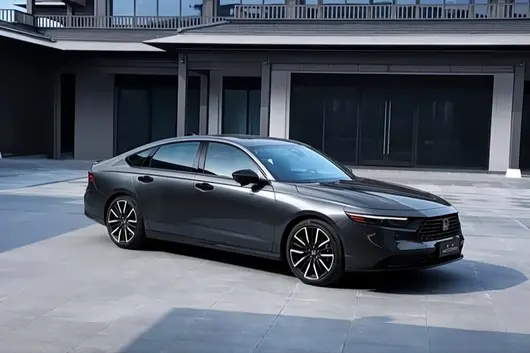
On July 20, Honda China's official website low-key released news: Honda and GAC formally signed a strategic renewal agreement, extending the GAC Honda joint venture cooperation term to 2038. Shareholding ratio remains unchanged at 50:50, just pushing the contract originally set to expire in 2028 back by ten years.

Some in the industry call this renewal "a strategic high-stakes gamble to defy death." For GAC Honda, 2026 is a year of "lying low and gathering strength," with no major new products to be launched all year. Only in 2027 are three new products planned — the all-new Accord, a new hybrid product equipped with Honda's ace hybrid technology, and self-developed models built on China-exclusive new energy platforms. In other words, there is at least one more year of endurance ahead.

Interestingly, on the very same day Honda renewed, another scene was unfolding across the globe — just with Chinese automakers replacing the protagonists.
Chery formally took over a Nissan factory located in Roslin, South Africa, in early July, taking on over 600 employees entirely. The work uniforms changed, and the players at the table changed. Moreover, Chery jointly launched a new production line at Nissan's old factory in Barcelona, Spain, and signed a memorandum of understanding with Nissan — the Sunderland plant in the UK will begin contract manufacturing right-hand drive vehicles for Chery starting from April 2027. This marks the first time a mainstream Japanese automaker has manufactured vehicles for Chinese autonomous brands via contract manufacturing in a core European market. Imagine this scene: Nissan's factories, Nissan's workers, will start building cars for Chery from 2027 onwards.

BYD's Szeged factory in Hungary has entered the sprint before mass production, with a total investment of about 4 billion euros, a full production capacity of 300,000 vehicles per year, and plans to mass-produce the Dolphin Surf model in the fourth quarter. Former Hungarian Foreign Minister Szijjarto even announced he joined BYD to serve as an executive — he wrote on social media: "BYD is one of the most successful enterprises in the automotive industry in the past 20 years." Leapmotor, utilizing Stellantis's vehicle factory in Zaragoza, Spain, has the all-new pure electric SUV B10 produced directly on the European assembly line. SAIC is constructing a factory in Galicia, Spain with an annual output of 120,000 vehicles. XPeng's Malacca factory in Malaysia officially put the G6 into production in June.

As of mid-2026, about ten leading Chinese automakers have expanded capacity overseas through methods such as self-construction, joint ventures, and acquiring production lines. The overseas capacity layout of Chinese new energy automakers already covers main target markets in Europe, Southeast Asia, and South America. The power battery segment is also going global — CATL, EVE Energy, and Sunwoda have all laid out battery factories in Hungary, with Sunwoda's power battery project Phase I investment being about 1.9 billion yuan.
Viewing these two sets of scenes together, there is a sense of historical cyclicality. Once, when Japanese and Korean home appliances exited, Chinese enterprises also took over production lines in a similar manner. It's just that this time the script has changed the protagonist — Japanese brands that once held absolute dominance in the Chinese market are now having their factories taken over and share snatched away by Chinese automakers in the global market.

The collective retreat of multinational giants further illustrates the depth of this structural transformation. Stellantis booked 22.2 billion euros in restructuring and electrification losses, resulting in a net loss for the year, with its stock price plummeting 23% in a single day; the Volkswagen Group plans to eliminate 50,000 jobs in Germany and close 4 German factories by 2030, with model numbers reduced by up to 50%; Mercedes-Benz's adjusted EBIT plummeted 40%, and net profit nearly halved to 5.3 billion euros; Porsche plans to lay off 3,900 people by 2029; BMW has downgraded its electric vehicle sales growth expectations. Layoffs in the European parts industry have exceeded 100,000 in the past two years.

Technology is also accelerating in sync. On July 13, the solid-state battery industry witnessed a collective surge of information: Chery's solid-state battery R&D center contract was signed and landed, Baimahu Laboratory completed trial production of 20Ah high-capacity cells, Gotion High-tech announced mass production line design is basically complete, and BYD secured a patent for double-layer coated lithium-rich manganese-based cathode material. Chery's self-developed solid-state cell energy density has reached 400Wh/kg, moving towards 600Wh/kg, with a range target exceeding 1,500 km, and special R&D funds accumulated over 10 billion yuan; Dongfeng's new generation solid-state battery has an energy density of 350Wh/kg, range breaking 1,000 km, with mass production and vehicle installation debuting on eπ 007 in the second half of the year; BYD's sulfide all-solid-state battery pilot line has started production in Pingshan, Shenzhen, with prototype test range reaching 1,218 km. China Auto News' judgment is: industrialization is still far off, but the positioning battle has arrived.

But beneath the prosperity, there are still hidden reefs. The EU's highest comprehensive tariff on Chinese EVs reached 45.3%, with plans to impose additional tariffs on plug-in hybrids; automotive-grade storage chips rose in price by 180% in the last three months, putting cost pressure on models equipped with high-level intelligent driving; German assessment data shows Chinese EVs have a depreciation rate twice that of competitors, so leasing companies dare not purchase in large quantities; NIO only sold 15 vehicles in Germany in the first half of the year, and battery swapping station construction was halted. Localized factory construction is not the endpoint — European unions demand 35-hour work weeks and equal pay for equal work; ESG compliance is the biggest hidden barrier. CATL's Hungary factory production launch was delayed due to environmental controversies.

Some in the industry say, the first half is about who can build factories overseas, the second half is about who can truly take root locally. Honda's 10-year renewal is holding the last line of defense on the old track; Chinese automakers building factories globally is sprinting the first kilometer on the new track. Two routes, two directions, two fates.
Do you think Honda's 10-year renewal is a rational choice or a helpless move? What is the biggest challenge for Chinese automakers building factories abroad? Welcome to discuss in the comments.


In the first half of 2026, it's not just automotive stocks that kept falling. Data from the China Passenger Car Association shows that cumulative retail sales of passenger cars declined over 20% year-on-year, and industry profit margins have dropped to a historic low of 3.4%. The new energy vehicle penetration rate surged from 39% at the beginning of the year to 63% in June. Every number needs digesting, but there isn't much time left for participants.
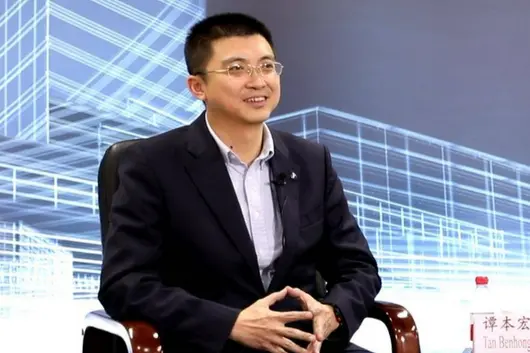
Against this background, Changan Automobile released its semi-annual report: overseas sales reached 454,700 units, a 51.87% year-on-year increase; but net profit attributable to shareholders is expected to decline by 57% to 67% year-on-year. 7 July 16, Tan Benhong, Deputy Secretary of the Party Committee and Director of China Changan Automobile Group, used an analogy that ran through the whole session to respond to all doubts at the mid-year media communication meeting.
"The strategy for pacing in the first 5 kilometers versus the last 5 kilometers must be completely different. At this stage, Changan is in a critical cycle of the second phase, gathering strength and adjusting structure." In his words, Changan is in a critical period of fighting a marathon.
Cutting 70,000 Units of Sales, What is Changan Swapping For?
When an automaker with 3 million annual sales chooses to actively discontinue a product with about 200,000 annual sales, what is it thinking?
In the first half of 2026, Changan decisively cut off the micro EV Lumin priced below 50,000 yuan. This single decision directly resulted in a sales gap of about 70,000 units. But this was not all.
In the "1445" global strategy released in April, Changan streamlined its product line from 63 models down to 36 models, a compression of 43%, while clearly aiming to build "one global blockbuster with annual sales of 500,000 units, and five with 300,000 units annually."

This courage to do subtraction is rare in the current Chinese automotive market. Many brands practice crazy product line expansion, stacking sales volume with SKU quantity, while Changan chose to operate in the opposite direction.A noteworthy detail is that, excluding the reduction impact of Lumin, Changan's new energy vehicle sales actually grew by 11.2% year-on-year in the first half of the year.
Changan Qiyuan's new Q05 cumulative deliveries broke 80,000 units in the first half of the year, with 21,137 vehicles delivered in June alone, winning the compact pure electric SUV sales champion for 3 consecutive months; Deepal S05 global cumulative sales broke 240,000 units, up 78.86% year-on-year. These numbers indicate that Changan's new energy business is actively choosing "what to sell".
In addition, Changan has established an internal "operational co-investment" mechanism. If a product does not make money, even if it sells enough volume, the people who invested in the project must bear the loss.

In the frenzied expansion of China's automotive industry over the past three years, "raising more children for better fighting" was almost the consensus among all players.
Now Changan is the first to call a halt, which is not only due to the SOE gene of "quality first, stability first", but also a clear judgment on the competition logic of the second half of the industry.When the industry profit margin has been compressed to the limit of 3.4%, the game of exchanging losses for scale will eventually see someone exit first. Tan Benhong obviously does not want that person to be Changan.
Start the "Second Half", Changan Digs Deep into Three Moats
If "doing subtraction" is Changan's move on the defensive end, then on the offensive end, Changan's three moats are also very clear: technical self-research, globalization, and refined operations, none of which can be missing.
Among them, the most unexpected is Changan's firm attitude towards autonomous driving self-research. There are plenty of mature autonomous driving supplier solutions available on the market. External procurement and integration is the lowest cost and fastest path, but Tan Benhong gave a judgment that left almost no room: "If automakers abandon autonomous driving self-research and rely solely on external supply, essentially they are just retaining assembly factories with car shells, without core technology barriers."

Currently, Changan's intelligent R&D team has exceeded 7,500 people, with cumulative investment exceeding 10 billion yuan in the past five years. Its self-developed "Tian Shu Pilot" system was officially unveiled at the Chongqing Auto Show in June and will be mass-produced on Changan Qiyuan Q06 in September.
Tan Benhong calls himself a "heavy autonomous driving user". When driving Avatr daily, autonomous driving is enabled in 90% of scenarios. His core positioning for his own products is safety rather than aggression: "Not following the aggressive involution route, focusing core energy on raising the safety ceiling and polishing the user experience."
This choice may not bring too much value at the market level in the short term, but Tan Benhong's ambition clearly extends beyond automobiles himself. He revealed that Changan is extending AI capabilities to more intelligent terminal fields such as intelligent robots: "In the next one to two years, everyone will see Changan's new products and landed experiences in the fields of artificial intelligence and intelligent robots."
Globalization is then the most eye-catching growth pole of Changan at present.In the first half of the year, overseas sales accounted for about 33.6% of total deliveries, equivalent to one out of every three cars sold went overseas. Four deputy general managers of the group are leading overseas business lines at the same time, and the Thailand base has achieved large-scale production.
Tan Benhong made it clear: "In the future, achieving a 50/50 ratio of domestic and overseas market sales." For Changan, it has already achieved full-chain overseas expansion covering product planning, regulation adaptation, supply chain procurement, and local operations.
When the domestic market falls into a zero-sum game, the incremental space overseas is almost an "oxygen tank" for every Chinese automaker, and Changan is clearly already ahead.

As for the strategic integration of Avatr and Deepal, Tan Benhong gave a framework of "Three Unchanged, Three Shared": the front-end brand and channel remain independent, while mid-to-back-end technology, supply chain, and ecosystem resources are fully shared. The synergy in platform architecture and supply chain procurement between the two is expected to bring a cost reduction effect of 20% to 30%.
This multi-brand operation model of "front-end in full bloom, back-end intensive and efficient" is also an embodiment of the scale management capability unique to Changan as a large group. In the future, what Changan needs to do is further bring it to the extreme.
Written at the end:
At this media communication meeting, Tan Benhong said a sentence worth thinking about: "In favorable industry conditions, enterprises still harbor hidden risks; it is easier to see their own shortcomings during industry stress periods."
This sentence can almost be considered the footnote to all of Changan's current strategic actions. Cutting products, adjusting structure, investing long-term, controlling rhythm, these decisions are hard to "prove correct" in a semi-annual report, and may even be interpreted as "stalled speed".
But if the perspective is extended to three or even five years, an enterprise choosing not to follow the herd when the industry is at its craziest, choosing not to lie flat when profits are under pressure, and choosing to adjust pacing when everyone is sprinting, this strategic stability can be seen as a scarce capability.
Of course, all strategic narratives must eventually accept the test of market results.In the second half of the year, mass production of the Tian Shu Pilot autonomous driving system, centralized launch of multiple new products, and continuous increase in overseas business volume, whether these can be converted into real market data is the key evidence for whether Changan's "marathon pacing theory" can hold water.
Tan Benhong also admitted himself: "All strategic adjustments and resource tilt will eventually fall to business performance and market results, this is the assessment goal we always do not change."
Although marathons are never won by sprinting, the audience's patience is always limited. Changan needs to prove in the following race that it not only runs steadily but also runs far.

Dalam pasaran SUV di Malaysia, ramai pembeli membandingkan Proton X50 dan Toyota Corolla Cross ketika memilih kereta.
Proton X50 dijual pada harga OTR di Malaysia sebanyak RM 89,800 - 113,300, terdapat 4 varian, termasuk 1.5T Executive (RM 89,800), 1.5T Premium (RM 101,800), 1.5T Flagship (RM 113,300) dan lain-lain.
Toyota Corolla Cross dijual pada harga OTR di Malaysia sebanyak RM 133,800 - 148,800, terdapat 3 varian, termasuk 2026 HEV 1.8L GR Sport (RM 148,800), 2026 HEV 1.8L Standard (RM 140,800), 2026 1.8L Standard (RM 133,800) dan lain-lain.
Dari segi harga, harga permulaan Proton X50 memang lebih murah RM 44,000 berbanding Toyota Corolla Cross. Jika bajet anda terhad, versi permulaan Proton sudah boleh memenuhi keperluan harian. Namun, perlu diingat, perbezaan harga beberapa ribu ringgit ini, mungkin ada pengorbanan dalam kelengkapan, bergantung pada keperluan anda.
Penilaian keselamatan Proton X50 ialah 5★ (ASEAN NCAP), sistem keselamatan aktif termasuk ADAS (ACC, AEB, LKA, LDA, BSM, RCTA).
Penilaian keselamatan Toyota Corolla Cross ialah 5★ (ASEAN NCAP), sistem keselamatan aktif termasuk TSS (PCS, LDA, ACC, LTA).
Penilaian keselamatan kedua-dua kereta adalah sama, kelengkapan keselamatan dalam kelas ini dianggap lengkap. Keselamatan kereta baharu sekarang tidak buruk, tidak perlu bimbang mengenai hal ini.
Panjang badan Proton X50 ialah 4400 mm, ruang bagasi 400 L.
Panjang badan Toyota Corolla Cross ialah 4400 mm, ruang bagasi 400 L.
Saiz kedua-dua kereta hampir sama, ruang dalam kenderaan tidak berbeza banyak. Kereta kelas ini, untuk kegunaan harian sudah cukup.
Proton X50 dan Toyota Corolla Cross adalah pilihan utama dalam pasaran Malaysia, sesuai untuk kegunaan keluarga dan perjalanan harian. Jika anda lebih mengutamakan reputasi jenama dan harga kereta terpakai, boleh utamakan yang mempunyai reputasi lebih baik; jika anda lebih menitikberatkan nisbah harga dengan prestasi dan kelengkapan, pilih yang mempunyai konfigurasi lebih kaya. Akhir sekali, disarankan untuk memandu uji kedua-dua model ini, pengalaman langsung adalah yang paling penting.

Secara keseluruhan, Proton X50 dan Toyota Corolla Cross adalah model yang sangat baik dalam pasaran Malaysia. Memilih yang mana bergantung kepada keperluan peribadi dan bajet anda. Kami sarankan anda membuat kajian, bandingkan harga daripada beberapa showroom, kemudian lakukan uji memandu untuk membuat keputusan akhir. Membeli kereta adalah perkara besar, meluangkan masa untuk kajian pasti tidak akan salah.

Di pasaran SUV Malaysia, ramai pembeli sering membandingkan Proton X50 dan Honda WR-V semasa memilih kereta. Kedua-dua kereta ini sangat hampir dari segi harga dan kedudukan, hari ini kita akan buat perbandingan terperinci dari pelbagai aspek, membantu anda menjimatkan masa membuat kajian.
Proton X50 mempunyai harga OTR di Malaysia sebanyak RM 89,800 - 113,300, dengan jumlah 4 varian, termasuk 1.5T Executive (RM 89,800), 1.5T Premium (RM 101,800), 1.5T Flagship (RM 113,300) dan sebagainya.
Honda WR-V mempunyai harga OTR di Malaysia sebanyak RM 89,900 - 107,900, dengan jumlah 4 varian, termasuk 2023 1.5L V (RM 99,900), 2023 1.5L E (RM 95,900), 2023 1.5L S (RM 89,900) dan sebagainya.
Dari segi harga, harga permulaan Proton X50 memang RM 100 lebih murah daripada Honda WR-V. Jika bajet anda terhad, varian asas Proton sudah memadai untuk keperluan harian. Namun, berhati-hatilah, perbezaan harga ribuan ringgit itu mungkin melibatkan kompromi pada kelengkapan, bergantung pada keperluan anda.
Proton X50 dilengkapi dengan enjin 1.5L 4-cyl, kuasa 105 hp. Penggunaan bahan api rasmi ialah 6.0 L/100km.
Honda WR-V dilengkapi dengan enjin 1.5L 4-cyl, kuasa 105 hp. Penggunaan bahan api rasmi ialah 6.0 L/100km.
Kedua-dua kereta menggunakan sistem kuasa yang sama, perasaan memandu harian pada dasarnya tiada perbezaan. Penggunaan bahan api juga serupa, tidak perlu terlalu bimbang mengenai hal ini.
Proton X50 menggunakan sistem pemacu 4WD.
Honda WR-V menggunakan sistem pemacu FWD.
Rasa pengendalian Proton 4WD dan Honda FWD akan berbeza, disarankan untuk ujian membanding.
Proton X50 mempunyai jaminan 5 tahun/150,000km, selang penyelenggaraan setiap 10,000km atau 6 bulan.
Honda WR-V mempunyai jaminan 5 tahun/tanpa had jarak, selang penyelenggaraan setiap 10,000km atau 6 bulan.

Proton X50 dan Honda WR-V kedua-duanya merupakan pilihan utama di pasaran Malaysia, sesuai untuk kegunaan keluarga dan perjalanan harian. Jika anda lebih mementingkan reputasi jenama dan nilai jualan semula, boleh pertimbangkan yang mempunyai reputasi lebih baik; jika anda lebih mementingkan nilai wang dan kelengkapan, pilih yang mempunyai kelengkapan lebih banyak. Pada akhirnya, disarankan untuk mencuba kedua-duanya, pengalaman langsung adalah yang paling penting.
Secara keseluruhan, Proton X50 dan Honda WR-V kedua-duanya merupakan model yang sangat baik di pasaran Malaysia. Pilihan kereta mana, penting bergantung pada keperluan peribadi dan bajet anda. Disarankan untuk melakukan kajian, membandingkan beberapa tawaran dari pengedar kereta, kemudian buat ujian memandu untuk keputusan akhir. Membeli kereta adalah perkara besar, meluangkan masa untuk kajian tidak akan salah.

Dalam pasaran SUV di Malaysia, ramai pembeli membuat perbandingan antara Perodua Aruz dan Kia Sportage semasa memilih kereta. Kedua-dua kereta ini sangat hampir dari segi harga dan kedudukannya, hari ini kita akan buat perbandingan terperinci dari pelbagai aspek, membantu anda menjimatkan masa melakukan penyelidikan.
Perodua Aruz mempunyai harga OTR di Malaysia dari RM 72,900 - 77,900, terdapat 2 varian, termasuk 1.5L X (RM 72,900), 1.5L AV (RM 77,900) dan lain-lain.
Kia Sportage mempunyai harga OTR di Malaysia dari RM 129,639 - 179,320, terdapat 4 varian, termasuk 2025 1.6T DCT 4WD High (RM 179,320), 2025 1.6T DCT 2WD High (RM 159,320), 2025 2.0L AT 2WD High (RM 139,639) dan lain-lain.
Dari segi harga, permulaan Perodua Aruz memang lebih murah RM 56,739 berbanding Kia Sportage. Jika bajet anda terhad, varian permulaan Perodua sudah boleh memenuhi keperluan harian. Tetapi perlu diingat, ribuan ringgit yang murah itu, mungkin ada pengorbanan pada kelengkapan, ia bergantung pada keperluan anda.

Perodua Aruz dilengkapi enjin 1.5L 4-silinder, kuasa 105 hp. Penggunaan minyak rasmi 6.0 L/100km.
Kia Sportage dilengkapi enjin 1.5L Turbo, kuasa 140 hp. Penggunaan minyak rasmi 7.0 L/100km.
Dari segi kuasa, 1.5L Turbo Kia Sportage mempunyai 35 kuasa kuda lebih banyak daripada 1.5L 4-silinder Perodua Aruz. Tetapi memandu harian di bandar, kuasa kedua-dua kereta sudah mencukupi, tidak akan terasa kurang tenaga.
Perodua Aruz panjang badan 4400 mm, ruang muatan belakang 400 L.
Kia Sportage panjang badan 4400 mm, ruang muatan belakang 400 L.
Saiz kedua-dua kereta hampir sama, perbezaan ruang dalaman tidak ketara. Untuk kelas kereta ini, penggunaan harian sudah cukup.

Perodua Aruz menggunakan sistem pemacu FWD.
Kia Sportage menggunakan sistem pemacu FWD.
Sistem pemacu kedua-dua kereta sama, iaitu FWD, pengalaman memandu harian tidak akan ada perbezaan besar.

Perodua Aruz dan Kia Sportage adalah pilihan utama pasaran Malaysia, sesuai untuk kegunaan keluarga, komuter harian. Jika anda lebih mementingkan reputasi jenama dan harga terpakai, pertimbangkan model yang mempunyai reputasi lebih baik terlebih dahulu; jika anda lebih mementingkan nilai untuk harga dan kelengkapan, pilih model dengan kelengkapan lebih lengkap. Pada akhirnya dinasihatkan memuji kedua-dua model untuk ujian memandu, pengalaman sendiri adalah yang paling penting.

Secara umumnya, Perodua Aruz dan Kia Sportage adalah model kereta yang sangat baik di pasaran Malaysia. Memilih yang mana, kunci masih bergantung pada keperluan dan bajet peribadi anda. Disarankan membuat penyelidikan, bandingkan lebih banyak tawaran dari dealer kereta, kemudian buat ujian memandu untuk keputusan akhir. Membeli kereta adalah perkara besar, meluangkan masa untuk penyelidikan pasti tidak salah.


Dalam pasaran SUV di Malaysia, ramai pembeli semasa memilih kereta akan membandingkan Perodua Aruz dan Kia Sportage. Kedua-dua kereta ini agak hampir dari segi harga dan pelbagaian, hari ini kita akan buat perbandingan terperinci dari pelbagai aspek untuk membantu anda menjimatkan masa membuat kajian.
Perodua Aruz dijual OTR di Malaysia bermula dari RM 72,900 - 77,900, ada 2 varian termasuk 1.5L X (RM 72,900), 1.5L AV (RM 77,900) dan lain-lain.
Kia Sportage dijual OTR di Malaysia bermula dari RM 129,639 - 179,320, ada 4 varian termasuk 2025 1.6T DCT 4WD High (RM 179,320), 2025 1.6T DCT 2WD High (RM 159,320), 2025 2.0L AT 2WD High (RM 139,639) dan lain-lain.
Dari segi harga, Perodua Aruz harga permulaan memang lebih murah RM 56,739 berbanding Kia Sportage. Jika bajet anda terhad, varian permulaan Perodua sudah boleh memenuhi keperluan harian. Tetapi perlu diingat, perbezaan harga beberapa ribu ringgit ini mungkin ada kompromi dari segi kelengkapan, bergantung pada keperluan anda.
Perodua Aruz mempunyai penilaian keselamatan 5★ (ASEAN NCAP), sistem keselamatan aktif termasuk .
Kia Sportage mempunyai penilaian keselamatan 5★ (ASEAN NCAP), sistem keselamatan aktif termasuk Drive Wise.
Penilaian keselamatan kedua-dua kereta sama, dalam tahap ini kelengkapan keselamatan sudah agak lengkap. Keselamatan kereta baharu sekarang tidaklah buruk, tidak perlu terlalu bimbang mengenai perkara ini.
Perodua Aruz menggunakan cara pemacu FWD.
Kia Sportage menggunakan cara pemacu FWD.
Cara pemacu kedua-dua kereta sama, iaitu FWD, tiada perbezaan besar dari segi pengalaman memandu harian.
Perodua Aruz waranti 5 tahun/150,000km, selang penyelenggaraan setiap 10,000km atau 6 bulan.
Kia Sportage waranti 5 tahun/300,000km, selang penyelenggaraan setiap 10,000km atau 6 bulan.
Secara keseluruhan, Perodua Aruz dan Kia Sportage adalah model kereta yang sangat baik di pasaran Malaysia. Memilih mana satu, penting sekali bergantung pada keperluan dan bajet peribadi anda. Kami sarankan anda buat kajian, bandingkan lebih banyak harga di kedai kereta, lalu buat ujian memandu untuk membuat keputusan akhir. Membeli kereta adalah perkara besar, meluangkan masa membuat kajian pasti tidak salah.

最近网络上两条关于比亚迪海外的消息传得沸沸扬扬,澳洲被罚5000万欧元、土耳其销量近乎崩盘,不少网友看完纷纷感慨,比亚迪海外之路越走越艰难。但把整件事掰开来看,网传内容掺杂不少夸大成分。不过透过这两件事,能实实在在看到国产车企出海,远没有我们想象的轻松。

先说澳大利亚这件事,网上流传被罚5000万欧元本身就是误传,真实上限是5000万澳元。整件事起因说起来让人无奈,纯粹是比亚迪澳洲本地团队犯了低级错误。工作人员录入资料时,错把车辆出厂时间当成整车生产时间,1265台2025年生产的车子,登记成了2026款新车。
平心而论,这批车硬件配置、安全标准全都没问题,车子本身不存在质量缺陷。可澳洲这边买车环境和国内不一样,生产年份直接决定二手车残值和保险定价。年款标注搞错,车主几年之后卖车肯定要吃亏。事件刚爆发的时候,比亚迪只给到每台车1100澳元补偿,车主们全都不同意,当地媒体轮番报道,舆论压力扑面而来。迫于形势比亚迪调整方案,车主可以全额退车、更换新款车型,或者拿补偿继续用车。

只有全部车主都选择退车,比亚迪才会产生折合人民币2.4‑2.8亿元的开支。现实情况是不少车主选择拿钱留车,最后实际花费远没有网传那么夸张,这笔钱是比亚迪主动补偿车主,当地监管部门暂时还没有开出罚单。就算闹出这场风波,比亚迪依旧是澳洲新能源销量第二名,仅次于丰田,基本盘并没有动摇。
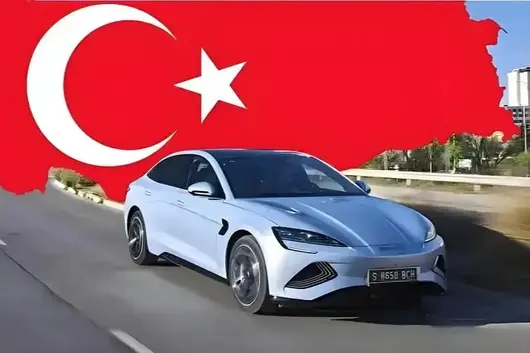
再来说土耳其市场。前两年比亚迪在当地风头十足,2024年比亚迪许诺拿出10亿美元在土耳其建厂,土耳其政府给到优厚福利,免去40%附加关税和7000美元单车税费。靠着巨大价格优势,2026年1月比亚迪单月卖出3866台车。之后比亚迪优先落地匈牙利工厂,暂缓土耳其建厂计划。按照当初签好的协议,土耳其直接取消关税优待,甚至还可以追缴之前减免的税款。红利消失之后销量断崖下跌,6月仅仅卖出83台,同比暴跌98.8%。

大家不要误以为土耳其专门针对比亚迪,2026上半年土耳其整体车市下滑11.44%,所有中国品牌整体销量下滑39.6%。奇瑞早早完成本土化布局,受到的冲击就很小。说白了比亚迪销量大跌,就是关税优惠没了,车子售价涨上去导致的。

但各位,千万不要凭着两件事就唱衰比亚迪海外布局。
以前我们总天真地认为,车子造得结实、配置给得足,卖到国外就不愁销路。经过这两件事我才明白,海外市场到处都是看不见的套路。国外的福利政策从来都不是白给的,土耳其就是活生生例子,优惠绑定建厂任务,只要你的落地进度达不到约定条件,到手的政策说收走就收走,一点情面都不讲。
澳洲这件事更是给我们敲了警钟,国外当地法规真的太严格了。一个简简单单的日期录入失误,并不是车子质量不行,就有可能让车企掏出上亿资金买单。往后欧洲碳关税、反倾销陆续落地,咱们国产车出海的成本只会越来越高。
客观来讲比亚迪海外整体成绩并不差,东南亚、巴西、匈牙利、泰国市场销量一路走高,欧洲大部分国家市场发展势头也很不错。澳洲这次翻车,问题根源还是海外本地团队做事马虎,国内总部对海外分公司监管不到位,管理磨合出现漏洞,并不是车子本身不行。

而在我看来现在国产车出海已经告别低价走量的时代。造车我们现在有十足底气,但是运营海外市场,我们还是新手。往后比拼的不只是三大件、智能化这些硬件实力,读懂当地政策法规、管好海外员工、吃透当地人的消费习惯,样样都是必修课。
比亚迪现在踩过的亏,也给长城、吉利、蔚来这些准备深耕海外的国产车企提了醒。走出国门不能只顾埋头造车,千万不要忽视细节管理。只有沉下心熟悉当地规则,把海外运营做扎实,咱们国产汽车在海外才能站稳脚跟,这条路急不来。
2026年7月16日,广汽传祺工厂,一辆右舵版传祺M8 PHEV缓缓驶下生产线。泰国动作巨星Tony Jaa先生从广汽集团董事长冯兴亚手中接过车钥匙,成为广汽第3000万辆整车的车主。

【冯兴亚(左)为泰国车主Tony Jaa(右)交付新车钥匙】
从1997年在一片质疑声中起步,到如今累计产销突破3000万辆,广汽用了29年。这个数字背后,不只是一个企业的增长故事,更是中国汽车工业从“跟跑”到“并跑”、从规模扩张到价值跃升的时代注脚。

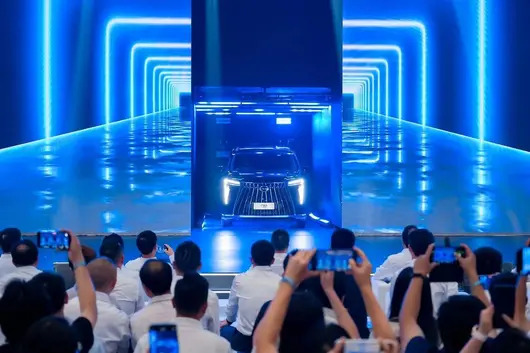
【广汽第3000万辆整车——右舵版广汽传祺M8 PHEV驶下生产线】
品质是永不退让的底线
“品质是广汽永远不会让渡的底线。”冯兴亚在活动现场的这句话,或许是对广汽29年发展历程最凝练的概括。
在追求“短平快”的行业语境里,广汽选择了一条更“笨”的路。每款新车上市前,必须经历“两冬一夏”的实地路试,在高寒、高温、高原、高湿、高腐、山区、沙尘的“五高一山一尘”极端环境中反复打磨。整车12个大项、1500余项验证子项,累计等效测试里程超1300万公里,核心部件需通过“设计寿命30万公里×1.X倍系数”的强化验证。

【“国家卓越工程师团队”广汽动力总成自主研发团队讲述研发创新历程】
这种近乎“自虐”的验证标准,源于一个朴素的认知:有些极限工况,用户可能一辈子都遇不到,但车企必须替他们提前验证。当工信部新规抬高行业准入门槛、遏制过度压缩开发周期时,广汽多年来构建的“极致验证”试验体系,反而从成本变成了竞争壁垒。

【广汽发展历程重要节点见证者讲述广汽与品质同行的故事】
品质的底气,最终体现在市场端。弹匣电池累计装车150万辆,安全行驶超1600亿公里;星灵安全守护体系服务近200万用户,规避628万次潜在出行风险。2025年12月,广汽更在行业内率先推出自主品牌“三担责”政策,对三电问题自燃、电池衰减超限、智能泊车事故主动兜底。敢把承诺延伸到用车全生命周期,本身就是对品质的自信。
从“工程师思维”到“用户思维”
如果说品质是广汽的立身之本,那么“以用户为中心”则是其增长的另一重引擎。
2024年,广汽将总部迁至番禺,启动“番禺行动”改革,核心目标之一就是完成从工程师思维到用户思维的跃迁。过去,车企习惯站在技术角度打磨产品;今天,广汽成立了专属用户洞察部门,常态化举办“用户全开麦”活动,让研发负责人直面用户痛点,将真实反馈转化为产品优化重点。

【广汽“用户全开麦”活动现场】

【广汽星源动力让用户选择“不再将就”】
这种思维转变,在渠道和服务端同样可见。广汽正推进服务网络下沉县域,计划年内新增1000家授权门店;线上“超级管家”承诺5秒响应、2小时办结;补能端已建成“9纵10横”网络,覆盖213座城市,核心城区“直线1公里必有站”。

【广汽能源“9纵10横”补能网络】
从“造车者”到“同行者”,广汽试图让3000万不再只是一个冰冷的数字,而成为有温度的品牌资产。
全球化是检验成色的试金石
当中国汽车出海从“产品输出”升级为“体系输出”,广汽的全球化步伐同样印证着3000万辆的含金量。
2026年上半年,广汽自主品牌出口量达12.15万辆,同比增长132%,已接近去年全年水平。国际化业务覆盖110个国家和地区,建成746家销售服务网点、7座海外工厂。在泰国,6月销量环比劲增207%;在欧洲,新能源产品已稳步进入核心国家市场。

【广汽智能新能源矩阵闪亮登场】
第3000万辆整车选择右舵版传祺M8 PHEV,并由一位泰国车主见证交付,本身就传递了一个明确信号:广汽的视野,早已不止于中国市场。
结语
从0到1000万辆,广汽用了20年;从1000万到3000万辆,仅用9年。但比速度更值得关注的,是支撑这一速度的底层逻辑——对品质的敬畏、对用户的诚意、对长期主义的坚守。
3000万是里程碑,更是新起点。当行业从“卷价格”走向“卷实力”,广汽29年攒下的家底,或许才刚刚开始释放价值。

【广汽集团3000万辆下线·焕新感恩季正式启动】
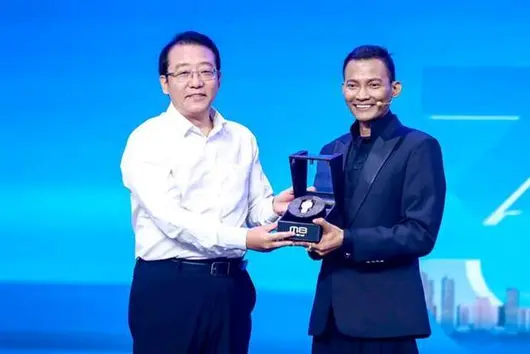

July 16, GAC Group held a very special gratitude event at its home court -- GAC Trumpchi Factory. The theme was "30 Million Users". Leaders from Guangdong Province, Guangzhou City, Panyu District, Fu Bingfeng, Executive Vice President of China Association of Automobile Manufacturers, GAC Group Chairman Feng Xingya, General Manager He Xianqing, along with owner, dealer, supplier and employee representatives from home and abroad, all came to the scene to witness the moment of the birth of GAC's 30 millionth user.

From the first vehicle off the line to the delivery of the 30 millionth vehicle, GAC has traversed 29 years. This number, 30 million, is not just sales figures on the books, but a vote of confidence cast by millions of users with their hard money. It is GAC's decades of unwavering commitment to quality and safety, and also a microcosm of its full-speed sprint towards the electrification and intelligence track. It can be said that this is also a vivid footnote to China's automobile industry's journey from getting bigger to getting stronger, and from competing on scale to competing on value.

At the event site, GAC directly connected to multiple global production bases. GAC Honda P7, GAC Toyota Platinum Wisdom 7, GAC Envision GT7, GAC Aion N60, Hyper S600 and other brand-new models went off the line one by one, all are New Energy Vehicles. The finale was the right-hand drive version of Trumpchi M8 PHEV. As the 30 millionth complete vehicle, it steadily drove onto the stage. Feng Xingya personally handed over the car key to Thai owner Tony Jaa. In this moment, frozen is not just a huge number, but a warm witness of GAC and global users reaching each other across mountains and seas.

This trust from all corners of the globe is also the confidence for GAC to remain stable amidst major changes in the industry. In the first half of this year, GAC's overall sales reached 773,100 vehicles, a year-on-year increase of 2.35%, among which NEVs skyrocketed by 68.8%; overseas exports exceeded 120,000 vehicles, a sharp increase of 132% year-on-year. At a time of deep adjustment in the car market, this pace is considered steady.
Quality, The Root of GAC
Why would 30 million people choose GAC? Feng Xingya's answer was very straightforward: "Quality is the bottom line GAC will never compromise on." Over the years, GAC has absorbed the strengths of partners such as Honda and Toyota in quality management, and integrated the pragmatic spirit of Lingnan culture, forming its own unique quality control system. Ultimately, everything is for one goal: to build good cars that users drive with peace of mind, use with peace of mind, and sit comfortably in.

From R&D to manufacturing, GAC set extremely strict checkpoint processes for new vehicles. Before the launch of each new car, it must undergo extreme environment testing such as extreme cold, extreme heat, high altitude, high humidity, high corrosion, mountainous areas, and dust, also known as the "Five Highs, One Mountain, One Dust" extreme environment testing, and must complete the "Two Winters, One Summer" real-world long-term testing. In test tracks and laboratories, the complete vehicle must pass system verification of 12 major items and over 1,500 sub-items. GAC Aion's Intelligent Ecological Factory is also the first "Lighthouse Factory" in the global New Energy Vehicle industry, using digitalization and smart manufacturing to guarantee consistent high quality for every vehicle.

Investment in safety is never ambiguous. The "Xingling Safety Guardian System" sets protection from four dimensions, and all eight key systems have adopted dual redundant design. It has helped nearly 2 million users avoid 6.28 million times of potential driving risks. Users are familiar with the Sword Battery, with cumulative installations exceeding 1.5 million vehicles, and safe driving mileage breaking through 160 billion kilometers. What is more reassuring for users is that GAC was the first in the industry to launch the "Three Liability" policy for Battery and Intelligent Driving Assistance for its own brand. When encountering related annoying matters, the manufacturer proactively takes responsibility, thoroughly eliminating worries. It is these lines of safety defense and a series of service commitments that support the confidence behind 30 million sales.
Treat User Matters as One's Own
"What users care about, we keep in mind; what users expect, we go all out." Behind this sentence is GAC's "People-Oriented" gene. In order for users' real voices to be heard directly by executives, GAC normalizes the "User Open Mic" activity, inviting car owners into their "home" for face-to-face feedback. All opinions undergo full-process closed-loop management, common problems are optimized at the first time, and solutions are provided for all users. GAC also specifically established a User Insight Department to ensure organizationally that "every demand has a response and every matter is settled".

The reach of the service network is also accelerating downwards. This year, GAC plans to add 1,000 county-level authorized stores, allowing county and township users to view and repair cars at their doorstep. The "Super Butler" Service launched at the same time can achieve 5-second response and 2 hours completion for general demands. In terms of charging and energy replenishment, GAC has built a "9 Verticals, 10 Horizontals" charging network, covering 31 provinces and 213 cities nationwide, with core urban areas basically achieving a station within a straight line of 1 kilometer. Self-operated charging piles have exceeded 27,000, with super charging piles breaking 20,000, making it more convenient for New Energy vehicle owners to find and charge piles.

Gratitude, Starts with Action
The core of this event was to say "Thank you" to 30 million users. Feng Xingya announced on-site that starting from today, "GAC Group 30 Million Vehicles Off-Line · Renewed Gratitude Season" will be launched. The six passenger car brands, GAC Honda, GAC Toyota, GAC Trumpchi, GAC Aion, Hyper, and GAC Envision Automotive, will launch various preferential policies around new purchase, trade-in, and additional purchase, tangibly rewarding the companionship of every owner.

Technology, Paving the Way for a Farther Future
30 million is a milestone and also a new starting point. Facing the future, GAC's technical reserves are already queueing to go on board. In terms of power, the Xingyuan Power built by the "National Distinguished Engineer Team" covers Extended Range, Plug-in Hybrid, and Super Twin Motor. Every system must pass the "Devil's Test" of 100,000 hours on test benches and over 10 million km of equivalent verification, ensuring stability anywhere and in any weather.

In the Three-Electric Domain, GAC is focusing on user pain points like Ultra-Fast Charging and Low-Temperature Range, and a pilot production line for All-Solid-State Batteries has been built. The mass-produced Quark eDrive has a motor maximum efficiency breakthrough of 99%, at the highest level in the industry. In terms of Smart Connectivity, the Super Brain "Xingling Architecture" continues to evolve, connecting Intelligent Driving Assistance, Smart Cockpit, Power, Chassis, Body, and Internet of Vehicles into six major systems. With one brain for unified command, comprehensive performance is improved by 40%. Galaxy Smart Cockpit achieves Device-Cloud Integration, allowing cars to think and understand human intent. GAC will also deeply cooperate with top partners such as Huawei, CATL, DiDi, Tencent, and Alibaba to build a more powerful AI intelligent ecosystem. As of now, GAC's cumulative R&D investment has exceeded 62 billion yuan, and its global R&D team has over 6,800 people.
30 Million, What It Means

This milestone of 30 million users is definitely not just a beautiful data point for GAC. Behind this is the trust accumulated bit by bit with quality and safety over GAC's 29 years, and it is also a direct proof of its firm transformation from a traditional car enterprise into an ecological technology company. At the gate of deep reshaping of the auto industry, 30 million is a medal for adhering to long-termism and persisting in creating value for users, and it is also the bugle for GAC to accelerate towards an electrification and intelligence future. What it reflects is a microcosm of China's automobile industry moving from big to strong, and from pursuing quantity to pursuing value. Carrying these 30 million trust, GAC's next journey obviously needs to head towards a more intelligent, more green, and more vast direction, walking shoulder to shoulder with global users.

【Maklumat Teknologi CNMO】16 Julai, @MaklumatTenagaBaharu menerbitkan data pemerhatian pasaran kereta Asia Tenggara: Bahagian pasaran jenama China di enam negara ASEAN (Indonesia, Malaysia, Thailand, Vietnam, Filipina, Singapura) bagi kenderaan tenaga baharu lebih 60%. Daripada itu, Indonesia mencecah 91%.

Kenderaan Tenaga Baharu China
Semakin statistik, enam negara ASEAN pada paruh pertama tahun ini jumlah jualan kenderaan penumpang dan pikap sebanyak 1.9246 juta unit, meningkat 7.2% tahun ke tahun. Khusus bagi data Jun, jualan runcit kenderaan penumpang dan pikap 332,700 unit, meningkat 9.7% tahun ke tahun. Indonesia (kenderaan penumpang, unit sama untuk baki perenggan ini) jualan sebanyak 74,507 unit, meningkat 10.5% tahun ke tahun; Malaysia jualan sebanyak 72,943 unit, meningkat 23.1% tahun ke tahun; Thailand jualan sebanyak 68,912 unit, meningkat 11.2% tahun ke tahun; Vietnam dan Filipina masing-masing menjual 51,366 unit dan 38,124 unit, meningkat tahun ke tahun 6.4% dan 4.1%; Singapura adalah satu-satunya negara yang jualan menurun tahun ke tahun, menjual 6,948 unit, menurun 1.8%.

Menunjukkan data, perbezaan kadar penembusan kenderaan tenaga baharu antara negara pada Jun adalah ketara, Singapura menduduki tempat pertama dengan kadar penembusan 66.4%, meningkat 19.2% tahun ke tahun; Vietnam dan Thailand masing-masing menduduki tempat kedua dan ketiga dengan kadar penembusan 41% dan 30.3%, meningkat 94.7% dan 31% tahun ke tahun. Walaupun kadar penembusan Indonesia dan Malaysia kurang daripada 20%, ia melonjak 78% dan 122% tahun ke tahun. Filipina sangat ketinggalan kerana kekurangan kemudahan pengecasan, kadar penembusan hanya 2.1%. Pertumbuhan pasaran ini terutamanya disumbangkan oleh jenama kenderaan tenaga baharu China.
Dalam segmen kenderaan tenaga baharu, bahagian pasaran jenama China lebih 60%. Daripada itu, Malaysia mencecah 62%, Thailand mencecah 78%, Indonesia mencecah 91%. Walau bagaimanapun dalam pasaran keseluruhan, jenama Jepun masih mendahului dengan 68%. Walau bagaimanapun, bahagian pasaran keseluruhan jenama China meningkat 6.2 titik peratusan tahun ke tahun (mencapai 13.7%), di Thailand telah mencapai 17.3%, mengatasi kumpulan Jepun dan Korea menjadi kumpulan terbesar.

Geely Holding Group total sales reached 1,934,842 units in the first half of 2026, setting a new all-time record. New energy vehicle sales amounted to 1,100,893 units, up 10% year-on-year, with a penetration rate reaching 56.9%. In the first half, Geely Holding Group maintained a high-quality growth trend, accelerated internationalization and new energy transformation comprehensively, demonstrated development resilience across cycles, and outperformed the industry through steady operations.
In the first half, Geely Automobile Holdings Limited (0175.HK) sold 1,422,958 units, reaching a new high for the same period; New energy vehicle sales (including Geely, Lynk & Co, Zeekr) totaled 799,454 units, up 10% year-on-year, with a new energy penetration rate of 56%. Among them, Geely China Star sales reached 581,000 units, firmly holding the No. 1 spot among domestic brand fuel vehicles; Geely Galaxy sales reached 520,000 units, with multiple core products continuing to perform strongly; Lynk & Co sales reached 144,000 units, with new energy products accounting for 65%; Zeekr deliveries reached 178,000 units, up 97% year-on-year, with delivery growth rate ranking No. 1 in luxury new energy.

Geely Automobile's global expansion continued to break through, with overseas sales of 474,228 units in the first half, up 158% year-on-year, already exceeding the full-year 2025 export sales. Geely Automobile's overseas business accelerated towards high-end and new energy integration, with 277,000 units of new energy product exports in the first half, a surge of 585% year-on-year, accounting for 58% of new energy. Geely Galaxy new energy products firmly ranked in the top sales tier in multiple markets, while Zeekr took the championship in niche markets in multiple countries such as Thailand, Malaysia, and Mexico.

Star Wish will be produced at the Geely-Renault Brazil Plant
Volvo Cars (VOLCAR-B.ST) sold 325,000 units in the first half, of which new energy sales were 161,000 units, up 3.8% year-on-year, with a new energy penetration rate of 50%. Pure electric vehicle deliveries grew for 9 consecutive months, with new energy transformation continuing to break through.
Polestar Automotive (PSNY) sold 30,400 units in the first half, setting a new all-time record, achieving sales breakthroughs in major markets such as the UK, Germany, and South Korea.

Proton Cars sold 100,300 units in the first half, up 39.1% year-on-year, achieving the best sales performance since 2011. Besides maintaining steady growth in the fuel vehicle business, Proton also made progress in new energy transformation. The Proton e.MAS 7 PHEV launched in February this year continued to sell well, leading the Malaysia plug-in hybrid niche market.

Farizon New Energy Commercial Vehicle sold 88,000 units in the first half, up 41.3% year-on-year. Overseas export sales firmly ranked No. 1 in the new energy commercial vehicle industry, topping the new energy commercial vehicle markets in countries such as the UK, UAE, and Australia.

On the 40th anniversary of its founding, Geely Holding, led by the "Taizhou Declaration", deeply advanced the "One Geely, Fully Leading" 2030 Strategy. In the first half, facing a complex and changing market environment, Geely Holding Group continued to consolidate its leading position through steady and high-quality development, accelerating the realization of the enterprise vision of "leading the green intelligent mobility ecosystem".
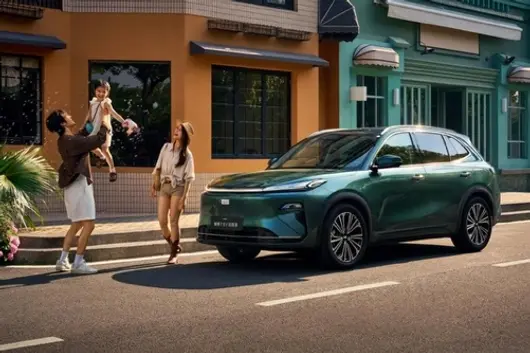
Di pasaran SUV di Malaysia, ramai pembeli membandingkan Perodua Aruz dan Chery Tiggo 7 Pro apabila memilih kereta. Kedua-dua kereta ini mempunyai harga dan penjenamaan yang cukup hampir. Hari ini, kami akan membuat perbandingan terperinci dari pelbagai aspek untuk membantu anda menjimatkan masa membuat kajian.
Harga OTR Perodua Aruz di Malaysia adalah RM 72,900 - 77,900, terdapat 2 varian, termasuk 1.5L X (RM 72,900), 1.5L AV (RM 77,900) dan lain-lain.
Harga OTR Chery Tiggo 7 Pro di Malaysia adalah RM 123,750 - 123,750, terdapat 2 varian, termasuk 1.6L Turbo Standard (RM 125,000), 1.6L Turbo Premium (RM 140,000) dan lain-lain.
Dari segi harga, harga permulaan Perodua Aruz memang lebih murah RM 50,850 berbanding Chery Tiggo 7 Pro. Jika bajet anda terhad, varian asas Perodua sudah cukup untuk memenuhi keperluan harian. Namun, perlu diingat, perbezaan harga beberapa ribu ringgit ini mungkin melibatkan kompromi pada kelengkapan, bergantung pada keperluan anda.
Perodua Aruz mendapat rating keselamatan 5★ (ASEAN NCAP), sistem keselamatan aktif termasuk.
Chery Tiggo 7 Pro mendapat rating keselamatan TBD, sistem keselamatan aktif termasuk Basic.
Panjang badan Perodua Aruz 4400 mm, ruang baket 400 L.
Panjang badan Chery Tiggo 7 Pro 4400 mm, ruang baket 400 L.
Saiz kedua-dua kereta hampir sama, ruang dalaman juga tidak banyak berbeza. Kereta dalam kategori ini, cukup untuk kegunaan harian.
Perodua Aruz diberi jaminan 5 tahun/150,000km, selang penyelenggaraan setiap 10,000km atau 6 bulan.
Chery Tiggo 7 Pro diberi jaminan 3 tahun/100,000km, selang penyelenggaraan setiap 10,000km atau 6 bulan.
Perodua Aruz dan Chery Tiggo 7 Pro adalah pilihan utama di pasaran Malaysia, sesuai untuk kegunaan keluarga dan perjalanan harian. Jika anda lebih mengutamakan reputasi jenama dan harga jualan semula, pertimbangkan mana-mana yang mempunyai reputasi lebih baik; jika anda lebih mementingkan nisbah harga dan kelengkapan, pilih yang mempunyai spesifikasi lebih lengkap. Pada akhirnya, disarankan untuk memandu uji kedua-duanya, pengalaman sendiri adalah yang paling penting.
Secara keseluruhannya, Perodua Aruz dan Chery Tiggo 7 Pro adalah model kereta yang sangat baik di pasaran Malaysia. Memilih mana-mana satu, terikat pada keperluan dan bajet peribadi anda. Kami cadangkan anda membuat kajian terlebih dahulu, bandingkan beberapa tawaran dari agen kereta yang berbeza, kemudian ujian pusing sebelum membuat keputusan akhir. Membeli kereta adalah perkara besar, meluangkan masa untuk membuat kajian tidak akan salah.
© 2024 Bitauto.com. All Rights Reserved.
Bitauto (www.yiche.com and www.bitauto.com) is one of the most visited automotive websites in China. We provide detailed info on Chinese car brands available in your area. Please note that the information provided on this website is based on publicly available data and is for reference only. It may not be fully updated or accurate at all times.

Help us improve our website


