

HomeLi Auto

Search History
Popular Searches
Dealer Login / Sign Up

September 2, Li Auto officially launched the tech flagship MPV new generation Li Auto MEGA, the new car offers only the MEGA Home single configuration version, unified national retail price 509,800 RMB, orders are now open, users can via Li Auto App book a test drive or visit offline retail centers to experience the vehicle.


As a popular model in the MPV market above 500,000, the new generation Li Auto MEGA, based on retaining the 0.215Cd ultra-low drag fluid body, completed optimization and upgrade of appearance details, equipped with ADB matrix headlights, UFO-style wheel hubs, vehicle refinement further improved.


The cabin continues the "Mobile Home" product concept, adds Home Light living room main lamp, Sweet Home welcome light carpet, equipped with three independent sunroofs and five groups of electric sunshades. Second-row rotating zero-gravity seats upgrade floating seat cushion and air diamond pattern Nappa leather, all rows one to three standard equipped with ventilation, heating functions, total vehicle 31 surface heating points, paired with adaptive leveling electric tables, building multi-scenario rear cabin living room.


Chassis level is the focus of this upgrade, new car standard equipped with steer-by-wire + rear-wheel steering system, turning radius reduced to 5.5 meters; equipped with 800V active anti-roll Magic Carpet chassis, 30 milliseconds can suppress body roll, also equipped with Elephant Welcome convenient entry/exit function. Intelligent configuration maxed out, Qualcomm 8797 cockpit chip support, front and rear rows both equipped with OLED large screens; all series equipped with Dual Mach Embodied Intelligence set, two Mach M100 chips paired with four LiDARs.


Three-electric system part equipped with 108kWh 5C supercharge ternary lithium battery, CLTC range 710 km, supports 10 minutes charge 500 km. New car offers multiple body color schemes, 270° electric variable glass is an option. Users during first sales period can enjoy exclusive purchase rights, future this car will also land in Hong Kong, Macau, Singapore, Thailand and other right-hand drive markets.




2 September, Li Auto telah melancarkan secara rasmi MPV Premium Teknologi Li Auto MEGA Baharu, kenderaan baharu hanya menawarkan versi konfigurasi tunggal MEGA Home, harga runcit seragam kebangsaan RM 509,800, kini dibuka untuk tempahan, pengguna boleh menempah ujian memandu melalui Aplikasi Li Auto atau pergi ke pusat penjualan fizikal untuk merasai kereta sebenar.
Sebagai model popular di pasaran MPV melebihi RM 500,000, Li Auto MEGA Baharu dalam mengekalkan badan aerodinamik halaju rendah serendah 0.215Cd, telah menyelesaikan pengoptimuman dan penambahbaikan pada butiran reka bentuk luaran, bertukar kepada lampu utama matriks ADB, roda bentuk piring terbang, kualiti keseluruhan kenderaan meningkat lagi.
Kabin meneruskan konsep produk 'Rumah Bergerak', menambahkan lampu utama ruang tamu Home Light, tikar cahaya penyambut Sweet Home, dilengkapi dengan tiga tingkap matahari bebas dan lima set tirai suria elektrik. Kerusi sifar graviti putaran baris kedua dinaik taraf dengan bantal duduk terapung dan kulit Nappa berlian udara, keseluruhan baris satu hingga tiga semua piawaian fungsi pengudaraan dan pemanasan, keseluruhan kenderaan jumlah 31 lokasi pemanasan permukaan, diselaraskan dengan papan meja elektrik pelaras automatik, membina ruang tamu bahagian belakang untuk pelbagai senario.
Pada tahap chassis merupakan fokus penambahbaikan kali ini, kenderaan baharu piawaian stereng kawalan elektronik + sistem stereng roda belakang, jejari belok dikurangkan kepada 5.5 meter; dilancarkan dengan chassis karpet ajaib anti-rollo aktif 800V, 30 milisaat cukup untuk mengekang kecondongan badan, juga dilengkapi fungsi 'Gajah Penyambut' untuk kemudahan naik turun. Konfigurasi pintar dimuatkan sepenuhnya, cip kabin Qualcomm 8797, baris hadapan dan belakang dilengkapi skrin OLED besar; keseluruhan siri dilengkapi dengan set kecerdasan tubuh ganda Mach, dua cip Mach M100 ditambah dengan empat radar laser.
Bahagian kuasa tiga dilancarkan dengan bateri litium tiga bahan 108kWh cas super 5C, juri tempuh CLTC 710 km, menyokong pengisian semula 500 km dalam 10 minit. Kenderaan baharu menyediakan beberapa pilihan warna badan, kaca berubah warna elektrik 270° adalah pilihan. Pengguna semasa tempoh jualan pertama boleh menikmati hak istimewa pembelian kereta, pada masa hadapan kereta ini akan memasuki pasaran stereng kanan Hong Kong, Macau, Singapura, Thailand, dll.

On September 2, Li Auto launched the new generation Li Auto MEGA, offering only the MEGA Home version with a nationwide unified retail price of 509,800 yuan, a direct price reduction of 50,000 compared to the previous generation.

The new car adds "Home Light" living room main light, 3500K warm light, with 2nd and 3rd rows independently touch-controlled dimming; all three independent sunroofs and five electric sunshades, with optional 270° electrically tintable glass. 2nd row rotating zero-gravity seats upgraded with floating seat cushion, featuring 18-point hot stone massage; front row also standard with dual zero-gravity seats, 2nd row additionally equipped with adaptive leveling electric table boards and a combined large dining table.

In terms of driving, the new car comes standard with steer-by-wire and rear-wheel steering, turning radius reduced from 6.2 meters to 5.5 meters; the brand new 800V active anti-roll Magic Carpet chassis has a roll suppression response of only 30 milliseconds. The "Elephant Welcome" feature allows the body to tilt within 1.5 seconds after door opening, with the sill lowering 3 cm, facilitating entry and exit for elderly and children.

In terms of intelligence, the cabin is equipped with a Qualcomm Snapdragon 8797 chip and the world's first automotive-grade 29-inch 6K OLED ultra-wide screen; intelligent driving comes standard with the Dual Mach Embodied Intelligence Set (two M100 chips, four LiDARs).

In terms of power, the 108 kWh 5C battery paired with dual-motor 4WD offers a range of 710 km, with 10 minutes of charging replenishing 500 km. Ordering during the initial sales period gifts a combined large dining table worth 3,500 yuan; the new car will also launch in Hong Kong, Macau, Singapore, Thailand and other right-hand drive markets by the end of the year.
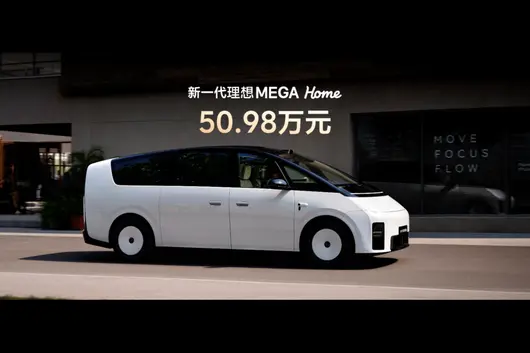

2 September, Li Auto melancarkan Li Auto MEGA generasi baharu, hanya disediakan varian MEGA Home sahaja, harga runcit seragam kebangsaan 509,800 Yuan, berbanding generasi terdahulu turun terus 50,000.
Kereta baharu menambah 'Lampu Utama Ruang Tamu Home Light', 3500K cahaya hangat, baris kedua dan ketiga boleh diset kecerahan secara sentuhan berasingan; tiga tingkap matahari berasingan untuk seluruh kenderaan, lima pelindung matahari elektrik, pilihan pasang kaca berubah warna elektrik 270°. Kerusi graviti sifar putaran baris kedua ditingkatkan dengan bantal duduk terapung, dilengkapi pemijatan batu panas 18 titik; baris hadapan juga standard kerusi graviti sifar berganda, baris kedua juga dilengkapi papan meja elektrik paras adaptif dan meja makan besar gabungan.
Dari segi pemanduan, kereta baharu standard kawalan stereng wayar dan stereng belakang, jejar pusingan mengecil dari 6.2 meter kepada 5.5 meter; papan lantai 'Magic Carpet' anti-condong aktif 800V baharu tindak balas halangan condong hanya 30 milisaat. Fungsi "Salam Gajah" membolehkan badan kenderaan condong dalam 1.5 saat selepas pintu dibuka, ambang pintu turun 3 sentimeter, memudahkan orang tua dan kanak-kanak masuk keluar kenderaan.
Dari segi kecerdasan, kabin dilengkapkan cip Snapdragon 8797 Qualcomm dan skrin sangat lebar OLED 6K 29 inci piawaian kereta pertama di dunia; pemanduan pintar standard set kecerdasan dwi-Mach (dua cip M100, empat radar laser).
Dari segi kuasa, 108 kWh bateri 5C dipadankan dengan pemacu empat roda dwimotor, jerejak 710 km, mengisi 10 minit menambah tenaga 500 km. Tempoh jualan pertama, tempahan hadiah meja makan besar gabungan bernilai 3,500 Yuan, kereta baharu akan memasuki pasaran stereng kanan Hong Kong, Macau, Singapura, Thailand pada akhir tahun.

Mid-August, Leapmotor released H1 2026 financial performance. Revenue 38.11 billion, YoY up 57.2%, Net Profit 210 million, YoY up 530%. For the first time achieved semi-annual profitability, on the surface looks like a beautiful report card. But capital market reaction was flat, stock price didn't move much. Why? Because industry insiders are all looking at another number — Gross Margin 11.7%, down 2.4 percentage points YoY. Made money, but not much, and the way of making money is a bit forced. Today let's open up Leapmotor's accounts to see, alongside Li Auto, Nio, Xpeng do a horizontal comparison, see exactly how is this 210 million's profit quality.

38.1 Billion Revenue Breakdown, Q1 Crash Q2 Recovery
First half 38.1 billion revenue, growth rate indeed bright, but breaking down shows huge gap between two quarters. Q1 revenue only 10.8 billion, net loss 390 million, gross margin only 9.4%, at that time outsiders once questioned if Leapmotor fell into a vicious cycle of "selling more losing more". Q2 suddenly turned around, revenue 27.29 billion, QoQ growth over 150%, single quarter net profit 600 million, gross margin rebounded to 12.6%. The problem is Q2 explosion mainly relied on volume pull of C16 and C10 two models, especially C16 this 150,000 class six-seat SUV directly sold explosively. But Leapmotor average selling price only around 110,000, bottoming among new EV makers. Same profit volume, Nio sells one equals Leapmotor sells nearly two, this is Leapmotor's core contradiction: sales went up, but single car profitability is weak. And first half overall gross margin 11.7% still 2.4 percentage points lower than last year, shows price promotion cost is showing.

210 Million Net Profit Quality, Horizontal Comparison of Four Companies
Put Leapmotor, Nio, Xpeng, Li Auto four new EV makers first half profit levels together look, very clear. Leapmotor first half net profit 210 million, only one profitable, but don't rush to clap — 210 million divided by 356,500 delivery volume, single car profit only around 590 yuan. Look at other three: Nio although still loss, but single car average price over 200,000, auto gross margin 19% (Q1), selling one loss amount also narrowing; Xpeng first half net loss 3.12 billion, but comprehensive gross margin 20.7%, auto gross margin 12.1%, key is service business contributed nearly half gross profit, profit margin as high as 75.1%, shows Xpeng found money making way outside selling cars; Li Auto most tragic, vehicle gross margin directly dropped to 6.1%, H1 net loss 2.29 billion, pure EV transformation pain much more violent than expected, i6 accounts for sales 62% but L Series completely crashed. Leapmotor is the only one making money among four for sure, but this profit quality, to be honest not high. Annual profit expectation already down from 5 billion to 3 billion, gross margin goal also from 13—14% lowered, management in earnings call said price reduction is active choice, to grab 100,000-150,000 class market share, but this price interval profit space originally thin as blade.

Going Overseas 96,000 Units, Is the Biggest Variable
Leapmotor first half another number worth attention is export 96,300 units, YoY up 372.6%, accounts for all delivery 27%. This proportion in new EV makers leads far. Leapmotor going overseas biggest backer is Stellantis Group cooperation, directly borrow its global channels, 45 overseas markets, over 1000 sales outlets, not paving from scratch. In Southeast Asia, South America, Europe etc markets, Leapmotor price advantage more obvious than domestic. And Leapmotor promoting Malaysia, Spain, Brazil three places localization production, avoiding tariff risk. Overseas car pricing usually higher than domestic by 30—50%, this means overseas profit contribution far exceeds sales proportion. If saying going abroad is Leapmotor biggest variable, then Stellantis is that leverage.

60.8 Billion Market Cap, Is It Expensive?
Leapmotor current market cap 60.8 billion HKD, TTM PE ratio over 70 times. Zhu Jiangming said Leapmotor worth at least 200 billion, but from financial view, according to 3 billion annual profit expectation, 70 times PE close to Tesla level — they have FSD and Robotaxi stories supporting, Leapmotor currently still relies on selling cars. From PS view, 60.8 billion HKD approximates 55 billion RMB, corresponding annual revenue about 76 billion, PS about 0.7 times, in new EV makers not expensive. Nio PS about 1.2 times, Xpeng about 1.5 times. So Leapmotor valuation logic is divergent: by profit looks expensive, by revenue scale has space. Key is see H2 C16 volume momentum can continue, and going overseas can keep each quarter 50,000 units growth rate. If can stabilize, profit elasticity still has large release space.
Summary: Leapmotor used half a year time proved low price strategy can swap for scale, but 210 million net profit also shows scale does not equal profit. Among four new EV makers, Leapmotor is only making money, but earning most hard. H2 real test is can scale advantage turn into profit advantage — going overseas growth rate and gross margin can rise synchronously, this will decide Leapmotor position in next elimination round.
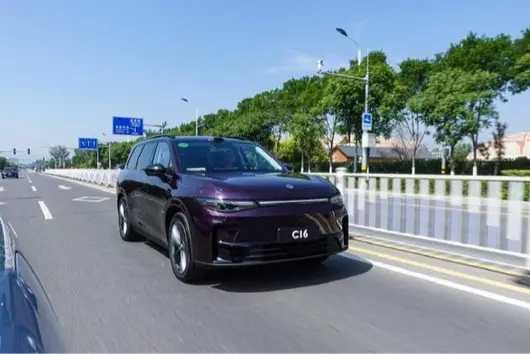

Pertengahan Ogos, Leapmotor telah mengumumkan prestasi separuh tahun 2026, pendapatan 38.11 bilion, peningkatan tahun-ke-tahun 57.2%, keuntungan bersih 210 juta, peningkatan tahun-ke-tahun 530%. Untuk pertama kali, keuntungan separuh tahun direalisasikan, kelihatan seperti rekod yang bagus di permukaan. Tetapi reaksi pasaran modal tenang, harga saham tidak banyak berubah. Mengapa? Kerana mereka yang berpengalaman melihat nombor lain—margin kasar 11.7%, menurun 2.4 peratus titik dari tahun lalu. Ada untung, tetapi tidak banyak, dan cara mendapatkannya agak dipaksa. Hari ini kita akan bedah akaun Leapmotor, serta buat perbandingan mendatar dengan Li Auto, NIO, dan XPeng, melihat sejauh mana kualiti 210 juta ini.
Bedah Pendapatan 38.1 Bilion, Q1 Gagal Q2 Pulih
Pendapatan 38.1 bilion separuh tahun, kadar pertumbuhan memang cemerlang, tetapi jika dipecahkan, jurang antara dua suku tahun sangat besar. Pendapatan Q1 hanya 10.8 bilion, rugi bersih 390 juta, margin kasar hanya 9.4%, pada masa itu pihak luar sekali lagi mempertikai sama ada Leapmotor terperangkap dalam kitaran negatif "semakin jualan semakin rugi". Q2 tiba-tiba berpusing semula, pendapatan 27.29 bilion, pertumbuhan berangka kuartal lebih 150%, keuntungan bersih kuartal tunggal 600 juta, margin kasar kembali ke 12.6%. Masalahnya letak letak ledakan Q2 bergantung kepada peningkatan jualan dua model C16 dan C10, terutamanya C16, SUV enam tempat duduk kelas 150,000 yang terus meledak. Tetapi harga purata Leapmotor hanya sekitar 110,000, terbawah dalam kalangan pemain baharu. Untuk skala keuntungan yang sama, NIO menjual satu unit sama dengan hampir dua unit Leapmotor, ini adalah kontradiksi utama Leapmotor: jualan naik, tetapi keupayaan keuntungan setiap kenderaan lemah. Selain itu margin kasar keseluruhan separuh tahun 11.7% masih 2.4 peratus titik lebih rendah dari tahun lalu, menunjukkan kos promosi harga sedang mula kelihatan.
Kualiti Keuntungan Bersih 210 Juta, Perbandingan Empat Pihak Secara Mendatar
Jika dilihat bersama tahap keuntungan empat pemain baharu ini, Leapmotor, NIO, XPeng, Li Auto pada separuh tahun, ia menjadi jelas. Keuntungan bersih Leapmotor separuh tahun 210 juta, satu-satunya yang untung, tetapi jangan segera tepuk tangan—210 juta dibahagi dengan penghantaran 356,500 kenderaan, keuntungan per kenderaan hanya sekitar 590 yuan. Lihat tiga lagi: NIO walaupun masih rugi, harga purata per kenderaan melebihi 200,000, margin kasar kereta 19% (Q1), jumlah kerugian per unit juga mengecil; XPeng separuh tahun rugi bersih 3.12 bilion, tetapi margin kasar keseluruhan 20.7%, margin kasar kereta 12.1%, yang penting perkhidmatan menyumbang hampir separuh margin kasar, nisbah keuntungan sehingga 75.1%, menunjukkan XPeng telah menemui jalan cari wang selain menjual kereta; Li Auto paling malang, margin kasar kenderaan terus jatuh ke 6.1%, H1 rugi bersih 2.29 bilion, kesakitan transformasi elektrik tulen lebih teruk dari jangkaan, i6 menguasai 62% jualan tetapi siri L jatuh merosot. Benar Leapmotor satu-satunya yang untung dalam empat ini, tetapi kualiti keuntungan ini, jujur tidak tinggi. Jangkaan keuntungan tahunan telah diturunkan dari 5 bilion kepada 3 bilion, sasaran margin kasar juga diturunkan dari 13—14%, pengurusan dalam mesyuarat prestasi berkata penurunan harga adalah pilihan aktif, untuk rebut pasaran kelas 100,000-150,000, tetapi ruang keuntungan dalam julat harga ini memang nipis seperti pisau.
Ekspor 96,000 Kenderaan, Merupakan Pemboleh Ubah Terbesar
Nombor lain yang perlu dipantau separuh tahun Leapmotor ialah ekspor 96,300 kenderaan, peningkatan tahun-ke-tahun 372.6%, mewakili 27% daripada jumlah penghantaran. Nisbah ini mendahului pemain baharu lain. Penyandaran terbesar Leapmotor ke luar negara ialah kerjasama dengan kumpulan Stellantis, terus memuatkan saluran globalnya, 45 pasaran antarabangsa, lebih 1,000 titik jualan, bukan dibina dari sifar. Di pasaran Asia Tenggara, Amerika Selatan, Eropah, kelebihan harga Leapmotor lebih ketara berbanding domestik. Leapmotor juga sedang memajukan pengeluaran tempatan di tiga lokasi Malaysia, Sepanyol, Brazil, mengelak risiko tarif. Harga model eksport biasanya 30—50% lebih tinggi dari domestik, ini bermakna sumbangan keuntungan luar negara jauh melebihi nisbah jualan. Jika keluar negara adalah pemboleh ubah terbesar Leapmotor, maka Stellantis adalah tuil itu.
Nilai Pasaran 6.08 Bilion, Mahal Tidak?
Nilai pasaran semasa Leapmotor 6.08 bilion dolar Hong Kong, nisbah P/E TTM melebihi 70 kali. Zhu Jiangming kata Leapmotor sekurang-kurangnya bernilai 20 bilion, tetapi dari sudut kewangan, mengikut jangkaan keuntungan tahunan 3 bilion, 70 kali ganda PE hampir dengan tahap Tesla—mereka mempunyai cerita FSD dan Robotaxi menyokong, Leapmotor kini masih bergantung pada jualan kereta. Dari segi PS, 6.08 bilion dolar Hong Kong dianggarkan kira-kira 5.5 bilion yuan, sepadan pendapatan tahunan kira-kira 7.6 bilion, PS kira-kira 0.7 kali ganda, tidak mahal dalam kalangan pemain baharu. PS NIO kira-kira 1.2 kali ganda, XPeng kira-kira 1.5 kali ganda. Maka logik penilaian Leapmotor adalah bercanggah: dilihat keuntungan agak mahal, dilihat skala pendapatan masih ada ruang. Penting untuk melihat sama ada momentum jualan C16 separuh tahun boleh diteruskan, dan sama ada ekspor boleh mengekalkan kadar pertumbuhan melebihi 50,000 kenderaan setiap kuartal. Jika boleh stabil, ruang pelepasan keuntungan masih besar.
Ringkasan: Leapmotor dalam setengah masa membuktikan strategi harga rendah boleh tukar skala, tetapi 210 juta keuntungan bersih juga menunjukkan skala tidak sama dengan keuntungan. Dalam empat pemain baharu, Leapmotor satu-satunya yang untung, tetapi paling sukar. Ujian sebenar separuh tahun adalah sama ada boleh ubah kelebihan skala kepada kelebihan keuntungan—sama ada kadar pertumbuhan ekspor dan margin kasar boleh naik serentak, ini akan menentukan kedudukan Leapmotor dalam pusingan eliman seterusnya.

One was scolded for being locked, one was scolded for not being locked. Whose interests are the automakers' "digital fences" actually protecting?
Recently, two strange things happened in the automotive circle, and they must be viewed together.
A Zeekr, the owner drove abroad themselves, got locked for over 30 hours right after entering Kazakhstan. A Li Auto L9, the owner said the car was stolen domestically, but the location also appeared in Kazakhstan.
One actively locked, one not locked. Regarding vehicle cross-border, should automakers lock them?
Zeekr: Self-driving abroad, locked for 30 hours
On July 16, Henan owner Mr. Liu drove a Zeekr 9X to start a Eurasian self-driving tour. As soon as the car entered Kazakhstan, the next day the car system popped up a bunch of prompts——
Navigation unusable, music unplayable, storage box stuck, documents cannot be retrieved. 
Even more extreme, the fuel cap won't open, cannot refuel. This car only has one basic driving function remaining.
Lasting over 30 hours, the in-car screen repeatedly popped up prompts "Vehicle status abnormal, please contact official customer service", to unlock must return to domestic authorized store.
Mr. Liu told the store he was going abroad before departure, but no one reminded him about locking the car. 
Zeekr responded: Vehicles sold domestically only have authorization for use within the country, triggering security protection mechanisms after leaving the border to prevent theft, robbery, and illegal export. Car owner wants to unlock? Yes, submit passport, customs documents, purchase contract, invoice, driver's license, visa... full set of materials.
Netizens exploded: I spent 500,000 to buy this car, and going abroad I still have to report to you?
Li Auto: L9 disappears into thin air, theft or debt?
Look at Li Auto again.
Hangzhou owner Mr. Luo, received system notification in March this year: Li Auto L9 APP control permissions expired.
Where is the car? Car is gone. Location shows, this car appeared in Kazakhstan.
Owner questioned: Did Li Auto remotely unlock it and smuggle the car out of the country? Public opinion rapidly fermented, "Disappearing Li Auto" topped the hot searches.
Interestingly, this came out exactly on the day of the Li Auto L6 launch, the timing was quite delicate.
But the situation quickly reversed — police and media investigation found: This car was mortgaged three times.
First time mortgaged to WeBank, loaned 300,000; second time mortgaged to Zhenong Microcredit, loaned 200,000; third time directly pledged to private lending party, even the physical key was handed over. 
This isn't over. The owner also did something: Replaced the third physical key, causing the keys in the pledge party's hand to fail directly. Pledge party found car keys unusable, drove the car away overnight, transported all the way to Horgos, cleared customs overnight. Upon arriving in Kazakhstan, to allow local buyers to use it normally, the pledge party also applied to unbind the original owner's account permissions. This is not car theft, this is a debt dispute.
Li Auto legal department issued a statement on April 22: Never participated in illegal transfer, no hacker cracking involved, remote operations were all executed by the actual registered person's own account.
Locked or Not Locked, Both Scolded
Putting two things together for comparison, it's interesting.
Zeekr locked — scolded.
Owner went abroad for self-driving, inexplicably locked for 30 hours, even fuel cap won't open, experience extremely poor.
Li Auto didn't lock — also scolded. 
Some comments said: Geely too proactive, locked as soon as going abroad; Li Auto too passive, watched the car drag from Hangzhou to the seaside, transported to Horgos, exited country. Later, to let overseas buyers use it, even unbound the original owner account permissions.
Locked gets scolded, not locked also gets scolded. Whatever automakers do is wrong. But is the problem really that simple?
Why do automakers set up "digital fences"?
This thing really isn't automakers being idle. Behind it there are three layers of logic:
First, black and gray industries are rampant
The price difference between domestic and foreign new energy vehicles is huge.
Zeekr 009 domestic over 400,000, Singapore sells over 2 million; BYD Han domestic over 200,000, Europe sells to over 500,000. Smuggling cars abroad, profit space is how big, you calculate. One car smuggled out, profit can double or triple. The black industry chain behind this is far bigger than imagined.

Second, regulatory hard requirements
February this year, Ministry of Industry and Information Technology and other eight departments jointly issued "Safety Guidelines for Automotive Data Outbound (2026 Edition)", vehicle location, trajectory, mapping data, cannot be casually sent abroad. Automakers without geographic fences, they violate the law themselves first.
Third, industry common practice
Tesla, BMW, Mercedes-Benz have similar restrictions in border areas. Same logic as remote locking phones lost — not to harm you, but to protect you. Prevent vehicles from being illegally sold, or stolen and then sold abroad.
July 26, Zeekr announced emergency rectification:
First, APP launched "Cross-border Protection" function, one-click self-service unlock.
Second, develop "Cross-border Protection Function Switch", default off, owner decides to open or not before leaving country.
Third, 24-hour customer service priority channel.
Say simply — return the initiative of locking car back to owner.
As for Li Auto, legal department clarified in April, but public opinion storm continues. 
The core contradiction of these two things is actually just one:
Automakers' geographic fences, are they protecting owners, or restricting owners? The answer might be — both.
Without this mechanism, smuggling, theft, data violations would be rampant. But execution methods are too crude, indeed let compliant users suffer losses in silence. 
So Zeekr's rectification direction is right: default no lock, let owner choose before leaving country. Handing choice rights to users is more reliable than any "thinking for you". After all, car belongs to user, not automaker.
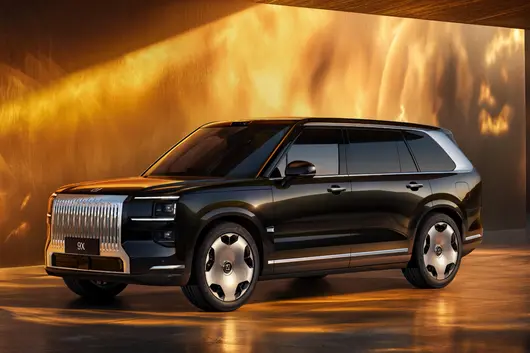

Satu dikunci dipuji (disalahkan), satu tidak dikunci pun disalahkan. "Pagar digital" syarikat kereta, sebenarnya melindungi sesiapa?
Baru-baru ini ada dua perkara pelik dalam industri automotif, perlu dilihat sebagai satu kes.
Sebuah Zeekr, pemilik memandu sendiri ke luar negara, baru masuk Kazakhstan sudah dikunci selama lebih 30 jam. Sebuah Li Auto L9, pemilik kata kereta dicuri di dalam negara, lokasi pun muncul di Kazakhstan.
Satu dikunci secara aktif, satu tidak dikunci. Untuk kenderaan merentasi sempadan, patutkah syarikat kereta menguncinya?
Zeekr: Memandu Sendiri Ke Luar Negara, Dikunci 30 Jam
16 Julai, Encik Liu dari Henan memandu Zeekr 9X untuk perjalanan merentasi Eropah dan Asia. Kereta baru masuk Kazakhstan, sehari kemudian skrin kereta keluar banyak notis—
Navigasi tidak boleh guna, muzik tidak boleh dengar, storan tidak boleh buka, dokumen tidak boleh ambil.
Lebih hebat lagi, penutup tangki minyak tidak boleh dibuka, tidak boleh isi minyak. Kereta ini hanya tinggal fungsi memandu asas sahaja yang boleh digunakan.
Berlangsung lebih 30 jam, skrin dalam kereta berulang kali keluar pop-up提示 "Status kenderaan luar biasa, sila hubungi khidmat pelanggan rasmi", untuk membuka kunci mesti kembali ke kedai autorisasi dalam negara.
Encik Liu memberitahu kedai sebelum keluar negeri nak ke luar negara, tapi tiada siapa mengingatkan pasal penguncian kereta.
Zeekr beri respons: Kereta dijual dalam negara hanya ada keizinan guna dalam sempadan, selepas keluar sempadan guna mekanisme keselamatan untuk cegah curi dan eksport haram. Pemilik nak buka kunci? Boleh, hantar pasport, dokumen通关, kontrak beli kereta, invois, lesen memandu, visa... semua dokumen.
Netizen meledak: Kereta yang saya beli dengan harga 500,000 Yuan, nak ke luar negara pun kena laporkan pada awak?
Li Auto: L9 Hilang Sekelebat, Curian atau Hutang?
Lihat pula pihak Li Auto.
Encik Luo dari Hangzhou, Mac tahun ini dapat notis sistem: Kuasa kawalan APP Li Auto L9 tidak sah lagi.
Kereta mana? Kereta hilang. Lokasi tunjuk, kereta ini ada di Kazakhstan.
Pemilik ragu: Adakah Li Auto buka kunci jauh, hantar kereta ke luar negara secara tersembunyi? Pendapat orang merebak cepat, "Li Auto Hilang" naik trending topik.
Menariknya, hal ini muncul tepat pada hari pelancaran Li Auto L6, masa amat sensitif.
Tapi perkara cepat jadi sebaliknya -> Polis dan media siasat: Kereta ini telah disetel tiga kali.
Kali pertama disetel ke Bank WeBank, pinjam 300,000 Yuan; kali kedua disetel ke Zhejiang Nongxin Small Loan, pinjam 200,000 Yuan; kali ketiga terus gadaikan pada pinjaman peribadi, kunci fizikal pun diserahkan.
Belum habis. Pemilik buat satu lagi: Ganti kunci fizikal ketiga, buat kunci di tangan pemberi gadai jadi tidak berfungsi. Pemberi gadai jumpa kunci tak guna, malam tu bawa kereta, hantar ke Khorgos, malam itu lulus sempadan keluar negara. Sampai Kazakhstan, untuk pembeli tempatan guna biasa, pemberi gadai juga mohon buka ikatan akaun pemilik asal. Ini bukan curi kereta, ini sengketa hutang.
Unit Guaman Li Auto 22 April dah beri pernyataan: Tak pernah ikut sama pemindahan haram, tiada haker, operasi jauh semua guna akaun pemilik sebenar.
Dikunci atau Tak Dikunci, Sama-Sama Disalahkan
Dua benda ini disamping, menarik.
Zeekr dikunci -> Disalahkan.
Pemilik ke luar negara, peliknya dikunci 30 jam, tak boleh buka tangki, pengalaman teruk.
Li Auto tak dikunci -> Disalahkan juga.
Ada komen: Geely terlalu aktif, sekali ke luar negara terus kunci; Li Auto terlalu pasif, tengok sahaja kereta dari Hangzhou ditarik ke tepi laut, hantar ke Khorgos, keluar negara. Kemudian untuk pembeli luar negara guna, ikatan akaun pemilik asal pun dibuang.
Dikunci kena marah, tak dikunci pun kena marah. Macam mana syarikat buat salah je. Tapi masalah betul-betul mudah macam ni?
Mengapa Syarikat Kereta Buat "Pagar Digital"?
Ini tak semudah tu. Ada tiga logik di sebaliknya:
Pertama, industri hitam dan kelabu terlalu ganas
Perbezaan harga kereta elektrik dalam dan luar negara besar.
Zeekr 009 dalam negara 400,000 Yuan+, Singapura jual 2 juta+; BYD Han dalam negara 200,000 Yuan+, Eropah jual 500,000 Yuan+. Jual semula ke luar negara, ruang untung berapa, kira sendiri. Satu kereta diselundup keluar, untung boleh jadi berlipat. Industri hitam di sebaliknya, jauh lebih besar dari jangkaan.
Kedua, keperluan undang-undang tegas
Februari tahun ini, Kementerian Perindustrian dan lapan jabatan lain keluarkan "Panduan Keselamatan Data Kereta Keluar Sempadan (Versi 2026)", lokasi kereta, lintasan, data peta, tak boleh hantar luar negara senang. Syarikat tak pasang pagar geografik, mereka sendiri melanggar.
Ketiga, amalan industri biasa
Tesla, BMW, Mercedes-Benz ada sekatan sama di kawasan sempadan. Logik sama dengan kunci jauh phone hilang -> Bukan nak ganggu awak, nak lindungi awak. Cegah kereta jual beli haram, selepas curi hancur keluar negara.
26 Julai, Zeekr umumkan pindaan mendadak:
Pertama, APP guna fungsi "Jagaan Sempadan", satu butang buka kunci sendiri.
Kedua, kembangkan "tombol fungsi Jagaan Sempadan", default tutup, sebelum keluar negara pemilik putuskan sendiri.
Ketiga, laluan utama khidmat pelanggan 24 jam.
Mudahnya -> Kembalikan kuasa kunci kepada pemilik.
Mengenai Li Auto, unit guaman April dah betulkan, tapi ribut pendapatan masih berlanjutan.
Konflik utama dua benda ini cuma satu:
Pagar geografik syarikat kereta, sebenarnya lindungi pemilik atau batasi pemilik? Jawapannya mungkin -> Kedua-duanya.
Tanpa mekanisme ini, penyelundupan, curian, data tidak sah akan merajalela. Tapi cara guna terlalu kasar, memang buat pengguna ikut undang-undang rugi tanpa suara.
Jadi arah pindaan Zeekr betul: Default tak kunci, sebelum keluar negara biar pemilik pilih sendiri. Serahkan kuasa pilih kepada pengguna, lebih baik dari "fikirkan untuk awak". Memang, kereta jadi milik pengguna, bukan milik syarikat.
© 2024 Bitauto.com. All Rights Reserved.
Bitauto (www.yiche.com and www.bitauto.com) is one of the most visited automotive websites in China. We provide detailed info on Chinese car brands available in your area. Please note that the information provided on this website is based on publicly available data and is for reference only. It may not be fully updated or accurate at all times.

Help us improve our website


