

HomeMazda 2

Search History
Popular Searches
Dealer Login / Sign Up

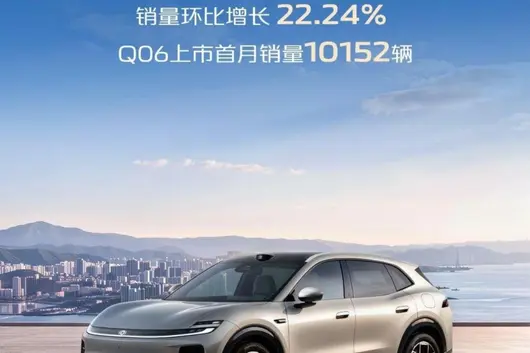
近日,长安启源公布2026年10月全球销量:单月交付63,648辆,环比增长22.24%。其中,启源Q06上市首月销量10,152辆;启源Q05销量连续2个月突破3万辆;启源Q07/A06稳定表现,共同夯实品牌销量基盘。

把这组数据放回行业坐标系,更能看清其分量。2026年的中国新能源市场,已从高速增长期转入调整回落期:渗透率站上高位后增速放缓,价格战白热化、零和博弈下的洗牌愈发惨烈。当多数品牌陷入“以价换量”的消耗战,启源却逆势交出环比22.24%的增幅,Q05连续2个月破3万辆、Q06首月即破万。在行业普遍“增收不增利”的当下,这种不靠激进冲量、靠产品口碑自然增长的曲线,恰恰是体系化势能最直接的注脚。
三大天字招牌技术加持 启源Q06首月破万
真正值得行业关注的,是启源Q06上市首月即交付10,152辆。作为长安启源迈向百万销量之后的集大成之作,Q06定位“新锐科技智能SUV”,首搭长安天枢领航,并依托天枢座舱2.0、天枢底盘等领先科技,在智能与驾乘体验上全面进阶;上市24小时订单即突破35,000台,首月交付破万。从订单结构看,25-35岁用户占比超30%,本科及以上占比超73%,700智尊型最受欢迎、订单占比超44%,选择天枢领航版本的用户达99%,其中45%直接锁定Ultra版——年轻化、高知化的用户结构,印证了技术普惠对主流消费群体的真实吸引力。

更关键在价格——纯电与增程双动力限时权益价13.59万元起。Q06以天枢领航高阶智驾、天枢底盘、天枢座舱2.0三大核心技术为支撑,将此前普遍搭载于20-30万级车型的高阶配置下探至主流家用价位。当城市NOA仍多见于25万级以上车型,启源依托长安全栈自研体系与央企规模优势,把高阶智驾的体验门槛持续下探。这不仅是一次定价策略,更是“技术普惠”对主流家用市场的重新定义——当智能从溢价项变为标配项,也为家用新能源SUV的价值竞争开辟了新方向 。
品牌势能:大单品矩阵撑起百万 辆
10月,长安启源旗下多款车型密集焕新。启源A06与启源Q07相继焕新上市,新款A06纯电续航提升至800km、全系标配宁德电芯,新款Q07全系带来天枢领航Pro等四大标配,进一步增强市场竞争力。

从2023年8月发布到2026年9月突破百万辆,启源三年跑通“央企新势力”路径,稳居央企新能源销量第一。这张成绩单背后是清晰的大单品矩阵:Q05凭借“全宁德、好智能、大车格”的优势,连续7个月蝉联紧凑型SUV销量冠军,并率先出海落子泰国、乌兹别克与印尼;A06以“10万级配置天花板”切入中大型轿跑,全系标配全铝前双叉臂+后五连杆悬架,高配首搭天枢智驾激光版,800V碳化硅平台配6C闪充、9分钟补能30%—80%,把激光雷达与高阶智驾压进10—15万区 间。
Q05稳基盘、A06拓轿跑、Q06向上突破,三者合力撑起“央企新能源 冠军选启源”的市场排位。在行业从增量红利转向存量博弈、用户愈发理性比价的阶段,启源靠大单品矩阵而非单一爆款对冲周期风险,这种长周期运营能力,正是其穿越价格战的底 气。
总 结:
随着Q06陆续交付、多款新车型势能释放,叠加海外市场增量,长安启源有望迎来新一轮更高质量的增长。当国内车市承压、车企集体出海寻找增量,启源依托长安“海纳百川”战略牵引,正从“产品出海”走向“本土制造+市场落地”——Q05在泰国、乌兹别克、印尼的落子,已为后续欧洲市场立标探路 。

当行业从高速增长转入零和博弈,启源以“体系继承+市场化运作”给出的解法——不靠烧钱堆量,而靠全栈自研与央企验证体系守住品质底线——正是央企破局新能源最具参考价值的样本。

Dalam pasaran SUV di Malaysia, ramai pembeli membandingkan Mazda CX-3 dan Chery Tiggo Cross ketika memilih kereta. Kedua-dua kereta ini mempunyai harga dan pen pasaran yang agak hampir, hari ini kita akan membuat perbandingan terperinci dari pelbagai aspek, membantu anda menjimatkan masa membuat penyelidikan.
Mazda CX-3 mempunyai harga OTR di Malaysia RM 126,159 - 139,159, terdapat 2 varian, termasuk 2023 2.0L High (RM 139,159), 2023 2.0L Plus (RM 126,159) dan lain-lain.
Chery Tiggo Cross mempunyai harga OTR di Malaysia RM 88,750 - 99,750, terdapat 2 varian, termasuk 2025 HEV 1.5L CSH (RM 99,750), 2025 1.5T Standard (RM 88,750) dan lain-lain.
Dari segi harga, harga permulaan Chery Tiggo Cross lebih murah RM 37,409 daripada Mazda CX-3. Jujur berkata, dalam julat harga ini, jurang beberapa ribu sebenarnya tidak besar, yang penting adalah nilai terbaik keseluruhan dan kos penggunaan jangka panjang.

Mazda CX-3 ditenagakan 1.5L Turbo, kuasa 140 hp. Penggunaan bahan api rasmi 7.0 L/100km.
Chery Tiggo Cross ditenagakan 1.5L 4-cyl, kuasa 105 hp. Penggunaan bahan api rasmi 6.0 L/100km.
Dari segi tenaga, 1.5L Turbo Mazda CX-3 mempunyai 35 kuasa kuda lebih daripada 1.5L 4-cyl Chery Tiggo Cross, pecutan pada kelajuan pertengahan lebih yakin, terutamanya semasa melakukan penyongsangan di lebuh raya. Namun penggunaan bahan api Chery Tiggo Cross mungkin lebih hemat, perbezaan perniagaan bandar harian tidak akan terlalu besar.

Mazda CX-3 panjang badan 4500 mm, bak belakang 450 L.
Chery Tiggo Cross panjang badan 4400 mm, bak belakang 400 L.
Dari segi ruang, badan Mazda CX-3 100 mm lebih panjang daripada Chery Tiggo Cross, ruang tempat duduk dalam akan sedikit lebih lapang, terutamanya ruang kaki kerusi belakang. Jika anda sering mengangkut keluarga atau perlu meletakkan kerusi bayi, badan kereta yang lebih besar memang lebih praktikal.

Mazda CX-3 jaminan 5 tahun/150,000km, selang penyelenggaraan setiap 10,000km atau 6 bulan.
Chery Tiggo Cross jaminan 3 tahun/100,000km, selang penyelenggaraan setiap 10,000km atau 6 bulan.

Secara keseluruhan, Mazda CX-3 dan Chery Tiggo Cross kedua-duanya adalah model kereta yang bagus di pasaran Malaysia. Memilih yang mana satu, yang penting adalah lihat keperluan dan bajet peribadi anda. Kami sarankan anda membuat kajian, bandingkan beberapa tawaran pusat jualan kereta, kemudian buat ujian jalan untuk membuat keputusan akhir. Membeli kereta adalah perkara besar, meluangkan sedikit masa membuat penyelidikan pasti tidak salah.

喺馬來西亞嘅 SUV 市場,好多買家喺揀車嘅時候都會拿豐田 Harrier 同保時捷 Macan 黎做比較。這兩款車喺價格同定位上都好接近,今日我哋就從多個方面做一個詳細嘅比較,幫你省咗做功課嘅時間。
豐田 Harrier 喺馬來西亞嘅 OTR 售價係 RM 289,000 - 289,000,總共有 1 個版本,包括 2026 HEV 2.5L Standard(RM 289,000) 等。
保時捷 Macan 喺馬來西亞嘅 OTR 售價係 RM 469,000 - 469,000,總共有 4 個版本,包括 2025 55 quattro S line(RM 467,285)、2025 50 quattro Advanced(RM 361,135)、PMT 1874, Lorong IKS BukitTengah 14000 Bukit Mertajam(RM 296,610) 等。
由價錢睇,豐田 Harrier 嘅起步價確實比保時捷 Macan 平咗 RM 180,000。如果你預算有限,豐田嘅入門版已經可以滿足日常需要。但都要注意,便宜嗰幾千塊,可能喺配備上會有取舍,具體要看你嘅需要。

豐田 Harrier 嘅安全評級係 5★ (ASEAN NCAP),主動安全系統包括品牌 ADAS。
保時捷 Macan 嘅安全評級係 5★ (Euro NCAP),主動安全系統包括 InnoDrive。
安全配備方面,兩款車都拿到唔錯嘅評級。不過豐田 Harrier 嘅品牌 ADAS 同保時捷 Macan 嘅 InnoDrive 喺功能上有啲分別,如果你比較重視主動安全嘅話,可以仔細比較下兩者嘅功能列表。

豐田 Harrier 車身長 4400 mm,行李廂 400 L。
保時捷 Macan 車身長 4400 mm,行李廂 400 L。
兩款車嘅尺寸幾近一樣,車內空間分別唔大。呢個級別嘅車,日常使用完全夠用。

豐田 Harrier 保養 5 年/無限制里程,保養間隔 每 10,000km 或 6 個月。
保時捷 Macan 保養 3 年/100,000km,保養間隔 每 10,000km 或 6 個月。

總括嚟講,豐田 Harrier 同保時捷 Macan 都係馬來西亞市場幾唔錯嘅車型。揀邊一架,關鍵都要睇你嘅個人需要同預算。建議大家做好功課,多比較間車行嘅報價,再去試駕先做最終決定。買車係件大事,花啲時間做功課絕對唔會錯。


喺馬來西亞嘅 SUV 市場,好多買家喺揀車嘅時候都會拿 Toyota Harrier 同 Porsche Macan 嚟做比較。這兩款車喺價位同定位上都幾接近,今日我哋就從多個方面做一個詳細嘅比較,幫你省下做功課嘅時間。
Toyota Harrier 喺馬來西亞嘅 OTR 售價係 RM 289,000 - 289,000,合共 1 個版本,包括 2026 HEV 2.5L Standard(RM 289,000) 等。
Porsche Macan 喺馬來西亞嘅 OTR 售價係 RM 469,000 - 469,000,合共 4 個版本,包括 2025 55 quattro S line(RM 467,285)、2025 50 quattro Advanced(RM 361,135)、PMT 1874, Lorong IKS BukitTengah 14000 Bukit Mertajam(RM 296,610) 等。
從價錢睇落,Toyota Harrier 嘅起步價確實比 Porsche Macan 平咗 RM 180,000。如果你預算有限,Toyota 嘅入門版已經可以滿足日常需要。但要留意,平嗰幾千蚊,可能喺配備上要揀,具體要看你嘅需求。
Toyota Harrier 嘅安全評級係 5★ (ASEAN NCAP),主動安全系統包括 Brand ADAS。
Porsche Macan 嘅安全評級係 5★ (Euro NCAP),主動安全系統包括 InnoDrive。
安全配備方面,兩款車都拿到唔錯嘅評級。不過 Toyota Harrier 嘅 Brand ADAS 同 Porsche Macan 嘅 InnoDrive 喺功能上有啲唔同,如果你比較睇重主動安全嘅話,可以仔細比較下兩者的功能列表。
Toyota Harrier 採用 FWD 驅動方式。
Porsche Macan 採用 FWD 驅動方式。
兩款車嘅驅動方式一樣,都係 FWD,日常駕駛感覺唔會有太大分別。
Toyota Harrier 同 Porsche Macan 都係馬來西亞市場嘅主流選擇,適合家庭用、日常通勤。如果你更睇重品牌口碑同二手價,可以優先考慮口碑好嗰款;如果你更在意性價比同配備,就揀配備更豐富嗰款。最終都係建議兩款都去試駕,親身體驗先係最重要嘅。
總體嚟講,Toyota Harrier 同 Porsche Macan 都係馬來西亞市場幾唔錯嘅車型。揀邊一輛,關鍵都要睇你嘅個人需要同預算。建議大家做足功課,多比較幾間車行嘅報價,再去試駕做最終決定。買車係件大事,花啲時間做功課絕對無錯。

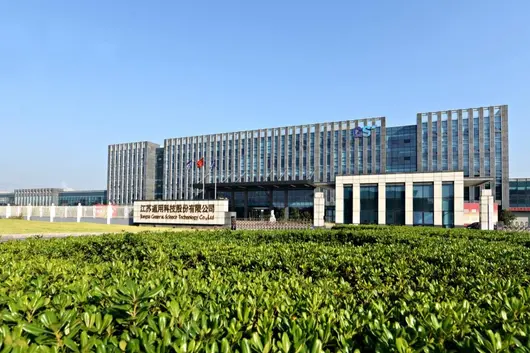
10月30日,通用股份(601500.SH)连发两份重磅公告:拟投资不超过2.95亿美元(约20.03亿元)在埃及建设第三个海外轮胎基地,同时追加1.12亿元对柬埔寨基地扩产。两大动作同日落地,这家民族轮胎领军企业的全球化棋局全面提速。


黄金落点,再造一个“中型通用”
埃及项目选址苏伊士运河经济区苏赫纳工业区,规划年产80万条全钢、600万条半钢子午线轮胎,建设期36个月,建成后预计年均可实现营收20.06亿元、净利润2.04亿元。
选址尽显前瞻智慧:埃及地处亚非欧三大洲交界,苏伊士运河扼守全球航运咽喉,作为世贸组织创始成员国,其向欧美、中东、非洲出口大部分产品享受零关税或低关税待遇,劳动力与能源成本优势显著。项目将“立足埃及、辐射北美欧洲及中东非洲”,为产品出海装上“高速引擎”。

(网图-埃及苏伊士运河经济区苏赫纳工业区)
柬埔寨基地成“利润奶牛”
同步的柬埔寨扩产同样亮眼:利用现有厂房追加120万条半钢胎产能,投资仅1.12亿元,建设期12个月,预计投资收益率高达43.18%,年均贡献净利润5055万元。2026年前三季度,柬埔寨基地实现营收30.12亿元、净利润3.86亿元,仅9个月便超越2025年全年盈利水平,成为公司全球化发展的核心竞争引擎。

四大基地协同,驶向全球140多国
埃及基地落地后,通用股份将形成中国、泰国、柬埔寨、埃及四大基地“产能协同、灵活调配”格局,轮胎年产能将在3500万条基础上再上新台阶。跨大洲多点支撑的产能版图,将大幅缩短交付周期、增强供应链安全,有效提升综合抗风险能力。

底气还来自技术与资金双支撑:公司拥有千里马、赤兔马等知名品牌,行业首创杜仲橡胶TPI规模化应用,半钢胎“黑灯车间”、全钢胎“5G碳云智能工厂”引领智造升级;近期完成5.5亿元科创债发行,弹药充足。叠加2025年纳入苏豪控股体系后,“一带一路”支点布局进一步完善。
从无锡东港镇起步,到泰国、柬埔寨、埃及三箭齐发,通用股份正沿着“5X战略计划”加速奔跑。好轮胎,通用造——这句口号正被写进全球版图。

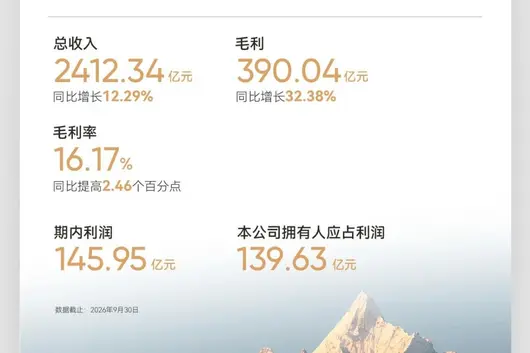
30 Oktober, Chery Automotive mengumumkan prestasi tiga suku pertama, pendapatan tiga suku pertama mencapai 241.234 bilion yuan, meningkat 12.29% berbanding tahun lalu; margin kasar Renminbi 390.04 bilion yuan, meningkat 32.38% berbanding tahun lalu, marjinal kasar meningkat kepada 16.17%; perbelanjaan penyelidikan dan pembangunan Renminbi 110.46 bilion yuan, meningkat 40.21% berbanding tahun lalu; untung tempoh Renminbi 145.95 bilion yuan, marjinal keuntungan bersih 6.05%; untung Chery yang patut kepada pemilik Renminbi 139.63 bilion yuan. Pada tiga suku pertama, perbelanjaan penyelidikan dan pembangunan Chery Renminbi 110.46 bilion yuan, meningkat 40.21% berbanding tahun lalu, kelajuan pertumbuhan kira-kira 3.3 kali kelajuan pertumbuhan pendapatan; perbelanjaan penyelidikan dan pembangunan mewakili 3.67% daripada pendapatan tahun sama naik ke 4.58%.

Perlu diketahui, pada tiga suku pertama 2026, pasaran kereta persendirian domestik borong turun 6% berbanding tahun lalu, industri keseluruhan berada dalam persekitaran sukar berebut pasaran sedia ada, runcit malah turun lebih 20%, syarikat automotif besar sedang mendesak "tekanan".
Menurut data yang dikeluarkan oleh Persatuan Penjualan Kereta, ia memberi gambaran lebih jelas tentang tekanan kelangsungan hidup industri - Januari - September, nisbah keuntungan jualan industri automotif domestik hanya 3.3%, pendapatan naik sedikit 2.6%, kos naik 3.8%, keuntungan industri keseluruhan turun 23% berbanding tahun lalu, nisbah keuntungan jualan bulan September rendah 1.4%, mencatatkan paras rendah dalam tempoh empat tahun.
Dalam konteks perang harga pasaran kereta berterusan dan marjinal industri umum tertekan, Chery menyajikan "peningkatan serentak dalam skala dan kecekapan" - sambil pendapatan stabil bertambah, pengoptimuman kualiti keuntungan lebih ketara.
Kualiti keuntungan, lebih menarik perhatian daripada jumlah jualan
Dari sudut keluk data, logik pertumbuhan Chery sedang berubah. Dalam tempoh yang agak lama sebelum ini, pengembangan jenama domestik sering berlaku dengan kos "menukar harga dengan kuantiti", marjinal kasar terus menipis; manakala dalam tempoh laporan ini, atas dasar pertumbuhan pendapatan 12.29%, kelajuan pertumbuhan marjinal kasar mencapai kira-kira 2.6 kali kelajuan pertumbuhan pendapatan, marjinal kasar meningkat lebih 2.4 peratus mata berbanding tempoh tahun lalu.
Ini bermakna, pertumbuhan tidak lagi bergantung semata-mata pada pembahagian skala, tetapi datang dari optimum struktur produk, peningkatan perincian pasaran marjinal kasar tinggi di luar negara, dan premium baharu dan kecerdasan mula direalisasikan. Bagi sebuah kumpulan automotif yang sedang dalam tempoh pengglobalan yang dipercepatkan, pengoptimuman kualiti keuntungan lebih bernilai daripada angka jualan semata-mata. Ini juga menjelaskan mengapa perhatian luaran terhadap Chery, kini berpindah dari "berapa unit terjual sebulan" ke "berapa banyak wang dijana setiap unit" - dalam keadaan industri umum menukar harga untuk bahagian pasaran, marjinal kasar tidak turun malah naik, ini sendiri catatan keupayaan sistem.
Globalisasi 3.0: Dari "Jual Produk" ke "Bina Ekosistem"
Menyokong prestasi ini, adalah penerapan strategik "Globalisasi 3.0" Chery yang dipercepatkan. Bezakan dengan "eksport produk" awal dan "eksport kapasiti" pertengahan, teras Globalisasi 3.0 adalah dari "eksport produk" ke arah "eksport ekosistem" "eksport sistem". Dalam tempoh laporan, pusat operasi Eropah, institusi penyelidikan Sepanyol, kilang Roslyn Afrika Selatan masing-masing dilancarkan; Chery masuk ke dalam senarai ahli lembaga ketiga di Asia IATF (Kumpulan Kerja Automotif Antarabangsa), mengambil bahagian dalam penyediaan piawaian kualiti automotif tertinggi dunia.

Dari hujung pasaran, jumlah penjualan bulanan Chery Eropah menduduki TOP1 jenama domestik, dan berturut-turut dua bulan mengekalkan TOP1 penjualan semua jenama United Kingdom. Menggunakan penyataan sendiri Chery, syarikat kini dari "syarikat China yang menjalankan perniagaan global", beralih kepada "operasi global, desentralisasi, warganegara korporat yang terintegrasi setempat".
Laporan Produk: Penghasilan Letupan Tenaga Baharu Terjadi Serentak di Dalam dan Luar Negara
Penghasilan letupan tenaga baharu di dalam dan luar negara secara serentak. Penjualan borong baharu Chery berturut-turut 6 bulan menduduki TOP3 industri, mewakili 1/7 jumlah eksport baharu China. Dari segi jenama: QQ3 baharu berturut-turut 6 bulan penjualan patah 10,000; Fengyun A9 merebut 150,000 paras jenama penuh elektrik sederhana TOP1; JAECOO 7, JAECOO 5, OMODA 5 tiga model kereta masuk United Kingdom sepuluh kereta laris senarai TOP10; Zhijie V9 berturut-turut 4 bulan mendapat 400,000 ke atas MPV penjualan TOP1; iCAUR V23 di Thailand, Malaysia, Nepal, Afrika Selatan dll pasaran bahagian puncak; Zongheng G700 maka menduduki Arab Saudi, UAE, Mexico dll 8 negara China mewah SUV penjualan TOP1.

Perlu diingat, pencapaian ini bukan bergantung pada letupan tunggal, tetapi QQ3, Fengyun, JAECOO/OMODA, Zhijie, iCAUR, Zongheng enam urutan di bawah julat harga berbeza, pasaran berbeza serentak usaha, menunjukkan kesan sinergi Chery berlapis jenama luar negara. Garis yang jelas ialah: dari kereta elektrik kecil pasaran umum, ke MPV tinggi, kereta off-road mewah, Chery berlapis jenama sedang dengan penentuan perbezaan di pasaran luar negara serentak mula meningkatkan kuantiti.
Pertama Teknologi: Kekuatan R&D Naik kepada Pendapatan 3.3 Kali
Dasar teknologi di belakang pertumbuhan juga sedang berubah tebal. Dalam tempoh laporan, perbelanjaan R&D Chery mencapai 110.46 bilion yuan, meningkat 40.21% berbanding tahun lalu, kelajuan pertumbuhan kira-kira 3.3 kali kelajuan pertumbuhan pendapatan.

Dalam bidang bekalan tenaga, "Xunlong Cas Pantas" mencapai cas 5 minit, julat 500 km; teknologi V2G menjadi penyelesaian V2G percuma pertama di industri - kenderaan selepas sambungan grid boleh "cas murah jual mahal" membantu pengguna hasilkan hasil, dan boleh bekalan kecemasan luar grid luar negara apabila grid luar negara terputus, peringkat pertama telah meliputi Shanghai, Guangzhou, Hefei, Wuhu dll tempat.

Lebih panjang masa bendera adalah strategik "Yaoguang 2035": dengan dasar model besar CheryMind 1 dasar teknologi, menghadapi pengangkutan, tenaga, makanan, hidup 4 besar "skenario kebebasan", susun atur Robotaxi, bateri pepejal, eVTOL, cip, Lingxi 8D kokpit sensing pintar 11 teras teknologi, mempercepat ke AI dipacu syarikat ekosistem teknologi. Sebagai asas model besar di bawah automotif, CheryMind akan menyelenggara kokpit pintar, pemanduan pintar dan pembangunan belakang, dianggap Chery dari "syarikat pembuatan" melangkah "syarikat teknologi" asas infrastruktur kunci.
Dari menjual kereta ke membina ekosistem, Chery tiga kali lonjakan
Dari eksport kenderaan penuh awal, sehingga kini membawa "memacu secara komprehensif strategik Globalisasi 3.0, membina syarikat ekosistem teknologi global" ke tajuk utama strategik, naratif globalisasi Chery sudah selesai tiga kali lonjakan: jual produk, bina kilang, bina ekosistem.

Bila sistem luar negara menjadi koordinat baharu syarikat ini, benar-benar menguji bukan lagi sama ada model kereta laku atau tidak, tetapi adakah sistem ini boleh dalam pasaran global desentralisasi berterusan berfungsi, berterusan inovasi. Dan kekuatan R&D mencapai 3.3 kali kelajuan pendapatan, rangkaian bekalan tenaga mula menyokong hasil pengguna, maka bermaksud transformasi ini bukan bersandar pada tahap slogan. Laporan tiga suku ini, jawapan yang diberi cukup jelas.

Dalam pasaran SUV di Malaysia, ramai pembeli membandingkan Toyota Harrier dan Mercedes-Benz GLC semasa memilih kereta. Kedua-dua model ini hampir dari segi harga dan kedudukan pasaran, hari ini kita akan buat perbandingan terperinci dari pelbagai aspek untuk membantu anda menjimatkan masa menjalankan penyelidikan.
Harga OTR Toyota Harrier di Malaysia adalah RM 289,000 - 289,000, terdapat 1 varian, termasuk 2026 HEV 2.5L Standard (RM 289,000) dan lain-lain.
Harga OTR Mercedes-Benz GLC di Malaysia adalah RM 336,888 - 336,888, terdapat 2 varian, termasuk GLC 200 (RM 290,000), GLC 300 (RM 340,000) dan lain-lain.
Dari segi harga, harga permulaan Toyota Harrier memang lebih murah RM 47,888 berbanding Mercedes-Benz GLC. Jika bajet anda terhad, model asas Toyota sudah memadai untuk kegunaan harian. Tetapi perlu diingat, perbezaan harga yang sedikit ini mungkin melibatkan kompromi pada peralatan, bergantung pada keperluan anda.
Penarafan keselamatan Toyota Harrier adalah 5★ (ASEAN NCAP), sistem keselamatan aktif termasuk Brand ADAS.
Penarafan keselamatan Mercedes-Benz GLC adalah 5★ (Euro NCAP), sistem keselamatan aktif termasuk Premium ADAS.
Dari segi kelengkapan keselamatan, kedua-dua kereta mendapat penarafan yang baik. Namun, Brand ADAS pada Toyota Harrier dan Premium ADAS pada Mercedes-Benz GLC mempunyai beberapa perbezaan dalam fungsi. Jika anda mengutamakan keselamatan aktif, anda boleh membandingkan senarai fungsi kedua-duanya dengan teliti.
Panjang badan Toyota Harrier 4400 mm, ruang bonet 400 L.
Panjang badan Mercedes-Benz GLC 4400 mm, ruang bonet 400 L.
Dimensi kedua-dua kereta hampir sama, ruang dalaman tidak banyak berbeza. Kereta dalam kategori ini cukup untuk kegunaan harian.
Toyota Harrier dan Mercedes-Benz GLC kedua-duanya pilihan popular di pasaran Malaysia, sesuai untuk kegunaan keluarga dan perjalanan harian. Jika anda lebih menghargai reputasi jenama dan harga jualan semula, pilih yang mempunyai reputasi lebih baik; jika anda lebih mementingkan nilai dan peralatan, pilih model dengan pelengkapan lebih lengkap. Akhir sekali, disarankan untuk ujian memandu kedua-dua model, pengalaman peribadi adalah yang paling penting.
Secara keseluruhannya, Toyota Harrier dan Mercedes-Benz GLC adalah model kereta yang sangat bagus di pasaran Malaysia. Memilih antara keduanya bergantung sepenuhnya pada keperluan dan bajet peribadi anda. Kami menyarankan anda membuat penyelidikan, bandingkan beberapa tawaran di pelbagai dewan jualan kereta, kemudian lakukan ujian memandu untuk membuat keputusan akhir. Membeli kereta adalah perkara penting, meluangkan masa untuk penyelidikan tidak akan menjadi salah.

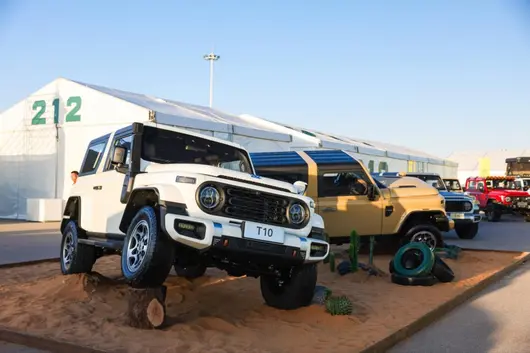
October, 212 Off-road made its debut at the 2026 Paris Motor Show, launching the all-new 3-door T10 model and the first mid-to-large SUV X03 for the global market. According to reports, T10 is set to launch at the Guangzhou Motor Show in November, completing its market entry, further enriching the product matrix and supporting continuous brand development. 212 Off-road, with a more complete product system and localized operational strength, is further opening up domestic and international markets, allowing the world to witness the strength of Chinese hard-core off-roading.
Product strength is the most solid foundation for brand development. 212 Off-road relies on two major technical platforms, "Knight" and "Expedition", continuously perfecting the hard-core off-road product spectrum, accurately adapting to market environments and needs in different global regions. This time, 212 made its dual vehicle debut at the Paris Motor Show, launching the first 3-door T10 from the Knight platform and the first mid-to-large SUV X03 from the Expedition platform to the global market. This is another important measure for 212 Off-road to advance its globalization strategy after the Middle East launch.
As a short-wheelbase 3-door model highly anticipated by off-road enthusiasts, the T10 features a compact body with a 2570mm wheelbase, a front and rear solid axle plus non-load-bearing body structure, possessing excellent off-road durability and torsion resistance, with outstanding passability in complex wilderness terrain, while also being flexible for city driving. The factory removable roof, reserved expansion interfaces, and variable rear seat space highly adapt to diverse scenarios such as off-road enthusiast modification and outdoor exploration. While showcasing on the overseas stage, the domestic market is also hitting the accelerator for product launch. After the global launch at the Paris Motor Show, the T10 is about to complete its domestic market launch, and will land at the Guangzhou Motor Show at the end of November, achieving bidirectional linkage between domestic and international markets.
As the heavyweight model from the Expedition platform launching first, the X03 has a length of over 5 meters and a wheelbase approaching 3 meters, offering diverse power choices including diesel and hybrid, equipped with mechanical 4WD and three differential locks, possessing 850mm wading depth and 100% limit climbing ability. The 70/30 split tailgate combined with smart interaction configurations balances loading practicality with multi-scenario applicability.
Facing differences in climate, road conditions, and driving habits around the world, 212 Off-road has further refined the adaptation of export models. Facing the Middle East's perennial high temperatures above 40°C and complex road conditions like Gobi desert, 212 spent 18 months testing on-site, specially optimizing performance such as air conditioning cooling efficiency, engine heat dissipation modules, and off-road tire grip; combining European users' needs for low-end torque burst and long-distance range, the T01 diesel version was launched. This targeted improvement ensures the vehicle remains stable and reliable in different regional environments, allowing the product to truly adapt to real off-road road conditions.
Accelerating Global Layout, Supporting Long-term Overseas Market with Local OperationsFor 212 Off-road, globalization is not just product export, but also achieving localized operations through channel, service, production, and brand synergy. In 2025, 212 debuted as a support vehicle for the Han Wei Team at the Dakar Rally, and participated in the Italian Mille Miglia classic car rally. That same year, it landed at the Munich Auto Show, completing its first appearance at an overseas international auto show, and signed with European dealer group IndiMO, opening a new chapter of the globalization strategy. Subsequently, 212 held a brand globalization strategy launch event in Dubai, displaying product planning and localized ecosystem layout to the Middle East and global markets. This year, it also appeared at the Indonesia Motor Show and the France Paris Auto Show. 212 has always conveyed the power of Chinese hard-core off-roading on the world stage.
Currently, 212 has established overseas subsidiaries and offices in the UAE, Mexico, Indonesia, etc., and laid out 9 global parts center warehouses, deeply aligning with local markets and improving response speed; simultaneously promoting global KD network construction, multiple KD semi-knocked-down assembly projects have been landed in the Middle East, Southeast Asia, and Central Asia, and plans are in place to expand localization capabilities to regions like Latin America and Africa, improving regional delivery efficiency to achieve long-term development of brand localization.
Participating in this Paris Auto Show is another important measure for 212 to advance its globalization strategy, also creating an opportunity for the brand to further expand the European market and strengthen communication with global users and industry partners. 212 Off-road plans to establish a Spanish subsidiary in 2026 as an important fulcrum for European regional operations and services, promoting localization in sales, after-sales, parts, user service, and other links. At the same time, 212 plans to promote the signing of the European KD project cooperation memorandum, gradually expanding localized production and industrial synergy capabilities.
Over 60 years of off-road inheritance is not only deep heritage but also a new starting point. Following the Paris Auto Show, the T10 will also land at the Guangzhou Auto Show, launching domestically, achieving simultaneous progress of overseas and local markets. Upholding the brand mission "To explore deeply for passion, to create happiness for those who love", 212 Off-road, with dual-platform technology as the foundation and localized operations as the path, continues to connect global off-road enthusiasts, conveying the unique charm of Chinese hard-core off-roading to the world.

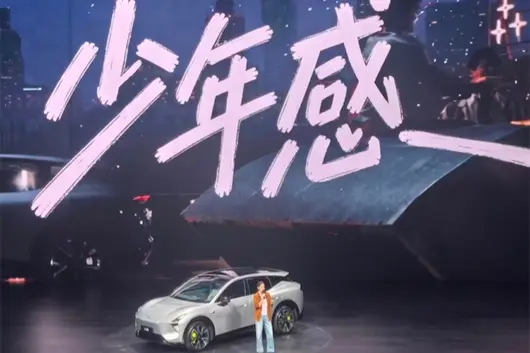
On October 29, Xpeng hosted the MONA WORLD Owner Gathering and the L05 China Launch Event in Guangzhou. 5,000 guests and owners gathered on-site to witness the official launch of the MONA family's third product — the AI Smart Fashion Large 5-Seater SUV MONA L05. The new car comes in two powertrain options: Pure Electric and Super Range Extended, with 6 configurations in total. The limited-time price starts from 139,800 RMB, with the top-spec model at 171,800 RMB, representing a 20,000 RMB reduction compared to the pre-sale price. Additionally, there are limited-time perks including free seat upgrades, high-end audio systems, custom paint colors, and discounted options for rear entertainment screens and the ROAM theme kit. This has once again exceeded consumer expectations.

As for whether the new Xpeng MONA L05 would be criticized harshly by netizens, the enthusiastic reaction from the on-site and live-streaming audiences, plus the fact that 5,000 pre-delivery units sold out within 3 minutes, speaks for itself. Consumers felt the sincerity of the Xpeng MONA L05, so naturally, they wouldn't criticize it, but were eager to take the new car home immediately. It is reported that following the price announcement, Xpeng saw a surge in online traffic, and pre-owners at offline stores rushed to secure orders. It is almost certain that the MONA L05 will sell as well as the previous MONA L03. Xpeng learned from the L03's delivery issues caused by production capacity constraints and prepared 5,000 pre-delivery units in advance, but they were snapped up in minutes, suggesting Xpeng may have understocked this time.

Large 5-Seater Space, Travel Freedom for 5 People and 9 Boxes
The MONA L05's looks have been praised many times, so we won't elaborate further here. Instead, let's discuss the space performance expected from a large 5-seater SUV. The MONA L05 redefines space standards with an 87% ultra-high efficiency ratio. Front headroom reaches 1030mm, and rear effective legroom is 1063mm, allowing even passengers 1.9 meters tall to sit comfortably. When fully loaded with 5 people, the MONA L05's 702L extra-large trunk can easily accommodate 8 suitcases, plus one more in the front trunk, totaling 9 luggage pieces. This is very convenient for group travel, eliminating worries about not fitting all luggage when fully occupied.

The roof also has roof rack interfaces, allowing large equipment like snowboards and kayaks to be carried along. With 41 storage spaces and 22 expansion interfaces inside the car, it allows seamless switching between diverse scenarios such as camping, Karaoke, board games, etc. The front row seats can be flat with one click, instantly turning into a power nap cabin, while the dual cinema mode makes long journeys full of fun.

Dual Powertrain for One Vehicle, Plus Flagship-Level Intelligence
The MONA L05 offers two powertrain options: Pure Electric and Super Range Extended, covering different travel ranges to provide diverse choices for users. The Pure Electric version has a CLTC range up to 635km, with an average power consumption of just 11.7kWh/100km. A 30%-80% fast charge takes only 15.8 minutes, adding 285km of range with just 10 minutes of charging. The Super Range Extended version offers a total range of 1310km, with a pure electric range of 310km and fuel consumption of only 5.26L/100km when the battery is depleted. Daily use allows for zero-fuel travel, compatible with global fuel standards. The range extender start-stop is imperceptible, and the quietness rivals that of a pure electric vehicle.

A crucial statistic is that mid-to-high level smart driving vehicle orders account for 91% of the Xpeng MONA series, proving that over 90% of Xpeng owners are willing to pay for advanced smart driving. Moreover, more than half of MONA owners use smart driving for their daily commute, showcasing user trust in Xpeng's ADAS. The MONA L05 Ultra SE version features the Xpeng Turing 2nd Gen VLA model with an effective computing power of 1500 TOPS, offering world-class smart driving capabilities. The Max version features the Xpeng Turing 2nd Gen VLA Lite, retaining over 90% of the full-blooded version's capabilities through model distillation, arguably the ceiling of industry L2-level assisted driving capabilities.

Global Safety Standards, 5 Million Kilometers of Rigorous Verification
The MONA L05 was developed according to three major 5-star safety standards: China, Europe, and Australia. It features a high-strength steel-aluminum mixed body, standard 7 airbags, and a multi-rescue system after collisions. Regarding active safety, it is equipped with AEB, AES, and stable driving functions even with a flat tire, and successfully passed the extreme load test with 5 people and 9 boxes. The 'Peng You Shou Wang' (Peng Friend Watch) driver incapacitation assistance system can automatically pull over to safety and send a distress signal in emergency situations. As a model developed for 82 countries globally, 660 test vehicles of the MONA L05 were used, covering over 5 million kilometers across 25 countries. It also completed the 'Golden Outer Ring' challenge, traveling 8,000 kilometers from Guangzhou to Heihe with a temperature difference of over 45 degrees Celsius, verifying reliability in extreme environments.

Final Thoughts
According to statistics, the Xpeng MONA series has delivered over 360,000 units in two years since launch, with an average monthly sales of 14,000 units. The MONA M03 has been the sales champion of the 100,000-200,000 RMB pure electric sedan segment for 24 consecutive months. The SUV product MONA L03 entered overseas markets such as Europe, Australia, and Thailand, becoming a benchmark for Chinese smart cars going global. Now with the launch of the MONA L05, it not only fills the gap in Xpeng's 150,000 RMB large 5-seater SUV market but also, with its 'Space + Intelligence + Safety' all-around performance, provides an uncompromising travel solution for young global users, expected to become another trend blockbuster in the global market. What do you think?

喺馬來西亞嘅 SUV 市場,好多買家喺揀車嘅時候都會拿 Toyota Harrier 同 Mercedes-Benz GLB 做比較。呢兩款車喺價位同定位上都幾接近,今日我哋就從多個方面做一個詳細嘅比較,幫吓你省做功課嘅時間。
Toyota Harrier 喺馬來西亞嘅 OTR 售價係 RM 289,000 - 289,000,一共有 1 個版本,包括 2026 HEV 2.5L Standard(RM 289,000) 等。
Mercedes-Benz GLB 喺馬來西亞嘅 OTR 售價係 RM 299,888 - 352,888,一共有 1 個版本,包括 Standard(RM 299,888) 等。
從價錢睇,Toyota Harrier 嘅起步價確實比 Mercedes-Benz GLB 平咗 RM 10,888。如果你預算唔多,Toyota 嘅入門版已經可以滿足日常需求。但都要留意,平幾千蚊,可能喺配備上會有取舍,具體要看你嘅需求。
Toyota Harrier 搭載 2.0L Turbo,馬力 220 hp。官方油耗 9.5 L/100km。
Mercedes-Benz GLB 搭載 2.0L Turbo,馬力 220 hp。官方油耗 9.5 L/100km。
兩款車用同一套動力系統,日常開落嘅感覺基本冇咩分別。油耗方面都差唔多,唔使太糾結呢一點。
Toyota Harrier 採用 FWD 驅動方式。
Mercedes-Benz GLB 採用 FWD 驅動方式。
兩款車嘅驅動方式一樣,都係 FWD,日常駕駛感受唔會太大分別。
Toyota Harrier 保修 5 年/無限里程,保養間隔 每 10,000km 或 6 個月。
Mercedes-Benz GLB 保修 3 年/100,000km,保養間隔 每 10,000km 或 6 個月。

Toyota Harrier 同 Mercedes-Benz GLB 都係馬來西亞市場嘅主流選擇,適合家庭使用、日常通勤。如果你更鍾意品牌聲譽同二手價,可以優先考慮聲譽更好嗰一款;如果你更在意性價比同配備,那就揀配備更豐富嗰款。最終都係建議兩款都去試駕,親自體驗先係最重要。

整體嚟講,Toyota Harrier 同 Mercedes-Benz GLB 都係馬來西亞市場好唔錯嘅車型。揀邊一輛,關鍵都係要看你嘅個人需求同預算。建議大家做好功課,多比較幾間車行嘅報價,再去試駕做最終決定。買車係件大事,花少少時間做功課絕對唔會錯。

In the Malaysia SUV market, many buyers often compare Toyota Harrier and BMW X5 PHEV when selecting a car. These two models are quite similar in price and positioning. Today, we will conduct a detailed comparison from multiple aspects to help you save time on research.
The Toyota Harrier OTR price in Malaysia is RM 289,000 - RM 289,000, with a total of 1 version, including 2026 HEV 2.5L Standard (RM 289,000) etc.
The BMW X5 PHEV OTR price in Malaysia is RM 486,800 - RM 494,800, with a total of 2 versions, including xDrive20i (RM 420,000), xDrive30e (RM 480,000) etc.
Looking at the prices, the Toyota Harrier's starting price is indeed RM 197,800 cheaper than the BMW X5 PHEV. If your budget is limited, Toyota's entry-level version can already meet daily needs. However, note that the few thousand ringgit difference might involve trade-offs in features, depending on your specific requirements.
The Toyota Harrier safety rating is 5★ (ASEAN NCAP), and the active safety system includes Brand ADAS.
The BMW X5 PHEV safety rating is 5★ (Euro NCAP), and the active safety system includes Premium ADAS.
Regarding safety features, both cars have received good ratings. However, there are some differences in functionality between the Toyota Harrier's Brand ADAS and the BMW X5 PHEV's Premium ADAS. If you prioritize active safety, you can carefully compare the feature lists of both.
The Toyota Harrier body length is 4400 mm, and the trunk is 400 L.
The BMW X5 PHEV body length is 4400 mm, and the trunk is 400 L.
The dimensions of both cars are almost identical, and the interior space difference is minimal. Cars in this class are more than sufficient for daily use.
The Toyota Harrier adopts FWD drive configuration.
The BMW X5 PHEV adopts 4WD drive configuration.
Toyota's FWD and BMW's 4WD will offer different handling experiences; a test drive comparison is recommended.

In summary, both the Toyota Harrier and BMW X5 PHEV are excellent models in the Malaysia market. Which one to choose depends on your personal needs and budget. It is recommended to do your research, compare quotes from several dealerships, and test drive before making a final decision. Buying a car is a major undertaking; spending time researching will never go wrong.

Dalam pasaran SUV di Malaysia, ramai pembeli membandingkan Toyota Harrier dan Mercedes-Benz GLB semasa memilih kenderaan. Kedua-dua model ini mempunyai harga dan kedudukan segmen yang hampir sama. Hari ini kita akan buat perbandingan terperinci dari pelbagai aspek untuk membantu anda menjimatkan masa membuat kajian.
Harga OTR Toyota Harrier di Malaysia adalah RM 289,000 - 289,000, terdapat 1 versi, termasuk 2026 HEV 2.5L Standard (RM 289,000) dan lain-lain.
Harga OTR Mercedes-Benz GLB di Malaysia adalah RM 299,888 - 352,888, terdapat 1 versi, termasuk Standard (RM 299,888) dan lain-lain.
Dari segi harga, harga permulaan Toyota Harrier memang RM 10,888 lebih murah daripada Mercedes-Benz GLB. Jika bajet anda terhad, versi permulaan Toyota sudah memadai untuk keperluan harian. Namun, perlu diingat, perbezaan harga beribu ringgit itu mungkin melibatkan pengorbanan dari segi peralatan, bergantung kepada keperluan anda.
Toyota Harrier dilengkapi enjin 2.0L Turbo, kuasa 220 hp. Penggunaan minyak rasmi 9.5 L/100km.
Mercedes-Benz GLB dilengkapi enjin 2.0L Turbo, kuasa 220 hp. Penggunaan minyak rasmi 9.5 L/100km.
Kedua-dua kereta menggunakan sistem pemacu yang sama, perbezaan rasa memandu harian adalah minima. Dari segi penggunaan minyak juga hampir sama, tidak perlu terlalu bimbang.
Toyota Harrier panjang badan 4400 mm, ruang bagasi 400 L.
Mercedes-Benz GLB panjang badan 4400 mm, ruang bagasi 400 L.
Saiz kedua-dua kereta hampir sama, ruang dalaman tidak banyak berbeza. Kereta dalam kelas ini, sudah cukup untuk penggunaan harian.
Toyota Harrier jaminan 5 tahun/jarak tanpa had, selang servis setiap 10,000km atau 6 bulan.
Mercedes-Benz GLB jaminan 3 tahun/100,000km, selang servis setiap 10,000km atau 6 bulan.
Secara keseluruhannya, Toyota Harrier dan Mercedes-Benz GLB adalah model yang sangat baik di pasaran Malaysia. Pilihan bergantung pada keperluan dan bajet peribadi anda. Disarankan buat kajian, bandingkan tawaran banyak kedai kereta, kemudian buat uji memandu untuk keputusan akhir. Membeli kereta adalah perkara besar, meluangkan masa untuk kajian tidak akan salah.

Dalam pasaran SUV di Malaysia, ramai pembeli semasa memilih kereta akan membandingkan Toyota Harrier dan Mercedes-Benz GLA. Kedua-dua kereta ini mempunyai harga dan kedudukan pasaran yang hampir sama. Hari ini kita akan membuat perbandingan terperinci dari pelbagai aspek untuk membantu anda menjimatkan masa membuat kajian.
Toyota Harrier mempunyai harga OTR di Malaysia sebanyak RM 289,000 - 289,000, keseluruhan ada 1 varian, termasuk 2026 HEV 2.5L Standard (RM 289,000) dan lain-lain.
Mercedes-Benz GLA mempunyai harga OTR di Malaysia sebanyak RM 258,888 - 295,888, keseluruhan ada 1 varian, termasuk Standard (RM 258,888) dan lain-lain.
Dari segi harga, harga permulaan Mercedes-Benz GLA adalah RM 30,112 lebih murah daripada Toyota Harrier. Jujurnya, dalam segmen harga ini, perbezaan ribuan ringgit sebenarnya tidak terlalu besar, yang penting adalah melihat nisbah harga prestasi keseluruhan dan kos penggunaan jangka panjang.
Toyota Harrier dilengkapi dengan 2.0L Turbo, kuasa 220 hp. Penggunaan bahan api rasmi 9.5 L/100km.
Mercedes-Benz GLA dilengkapi dengan 2.0L Turbo, kuasa 220 hp. Penggunaan bahan api rasmi 9.5 L/100km.
Kedua-dua kereta menggunakan sistem kuasa yang sama, perasaan semasa memandu untuk kegunaan harian adalah hampir sama. Penggunaan bahan api juga hampir sama, tiada keperluan terlalu bimbang mengenai perkara ini.
Penarafan keselamatan Toyota Harrier ialah 5★ (ASEAN NCAP), sistem keselamatan aktif termasuk Brand ADAS.
Penarafan keselamatan Mercedes-Benz GLA ialah 5★ (Euro NCAP), sistem keselamatan aktif termasuk Premium ADAS.
Dari segi kelengkapan keselamatan, kedua-dua kereta mendapat penarafan yang baik. Namun, Brand ADAS untuk Toyota Harrier dan Premium ADAS untuk Mercedes-Benz GLA mempunyai beberapa perbezaan dari segi fungsi. Jika anda lebih mengutamakan keselamatan aktif, anda boleh membuat perbandingan terperinci antara senarai fungsi kedua-duanya.
Toyota Harrier berwaranti 5 tahun / jarak tidak had, selang penyelenggaraan setiap 10,000km atau 6 bulan.
Mercedes-Benz GLA berwaranti 3 tahun / 100,000km, selang penyelenggaraan setiap 10,000km atau 6 bulan.

Secara keseluruhan, Toyota Harrier dan Mercedes-Benz GLA adalah model kereta yang sangat bagus di pasaran Malaysia. Memilih yang mana, yang penting adalah melihat keperluan dan bajet peribadi anda. Disarankan agar anda membuat kajian terlebih dahulu, bandingkan harga dari beberapa kedai kereta, baru kemudian buat ujian memandu untuk membuat keputusan akhir. Membeli kereta adalah perkara penting, meluangkan masa membuat kajian pastinya tidak akan salah.

Dalam pasaran SUV di Malaysia, ramai pembeli apabila memilih kereta akan membandingkan Toyota Harrier dan BMW X5 PHEV. Kedua-dua kereta ini harganya dan posisinya agak hampir, hari ini kita akan membuat perbandingan terperinci dari pelbagai aspek, membantu anda menjimatkan masa membuat kajian.
Toyota Harrier dijual pada harga OTR di Malaysia adalah RM 289,000 - 289,000, terdapat sebanyak 1 varian, termasuk 2026 HEV 2.5L Standard (RM 289,000) dan lain-lain.
BMW X5 PHEV dijual pada harga OTR di Malaysia adalah RM 486,800 - 494,800, terdapat sebanyak 2 varian, termasuk xDrive20i (RM 420,000), xDrive30e (RM 480,000) dan lain-lain.
Dari segi harga, harga permulaan Toyota Harrier memang lebih murah RM 197,800 berbanding BMW X5 PHEV. Jika bajet anda terhad, varian masuk Toyota sudah boleh memenuhi keperluan harian. Tetapi ambil perhatian, beribu ringgit lebih murah itu, mungkin ada pengorbanan pada peralatan, bergantung pada keperluan anda.
Toyota Harrier dilengkapi enjin 2.0L Turbo, kuasa 220 hp. Penggunaan minyak rasmi 9.5 L/100km.
BMW X5 PHEV dilengkapi Hybrid, kuasa 170 hp. Penggunaan minyak rasmi 4.5 L/100km.
Dari segi kuasa, 2.0L Turbo Toyota Harrier mempunyai 50 hp lebih berbanding BMW X5 PHEV Hybrid, pecutan tengah lebih yakin, terutamanya ketika memotong di lebuh raya. Namun, penggunaan minyak BMW X5 PHEV mungkin lebih mesra, perbezaan harian perjalanan bandar tidak terlalu besar.
Panjang badan Toyota Harrier 4400 mm, ruang muatan belakang 400 L.
Panjang badan BMW X5 PHEV 4400 mm, ruang muatan belakang 400 L.
Saiz kedua-dua kereta hampir sama, ruang dalam kenderaan tidak banyak perbezaan. Kereta pada paras ini, untuk penggunaan harian sudah memadai.
Toyota Harrier menggunakan cara penggerak FWD.
BMW X5 PHEV menggunakan cara penggerak 4WD.
FWD Toyota dan 4WD BMW akan mempunyai rasa berbeza dari segi pengendalian, disarankan untuk membuat ujian test drive untuk membandingkan.
Toyota Harrier dan BMW X5 PHEV adalah pilihan utama di pasaran Malaysia, sesuai untuk kegunaan keluarga, perjalanan harian. Jika anda lebih mengutamakan reputasi jenama dan harga jual semula, boleh utamakan yang mana mempunyai reputasi lebih baik; jika anda lebih mementingkan nilai berbaloi dan kelengkapan, pilih yang mana mempunyai kelengkapan lebih. Akhir sekali disarankan untuk membuat ujian test drive pada kedua-duanya, pengalaman langsung adalah yang paling penting.

Secara keseluruhannya, Toyota Harrier dan BMW X5 PHEV adalah model kereta yang cukup baik di pasaran Malaysia. Memilih yang mana, kunci adalah lihat keperluan dan bajet peribadi anda. Disarankan agar anda melakukan kajian, bandingkan beberapa tawaran dari kedai kereta, kemudian buat ujian test drive untuk keputusan akhir. Membeli kereta adalah urusan besar, meluangkan masa membuat kajian tidak akan salah.

Author | Janson
Editor | Zhi Hao

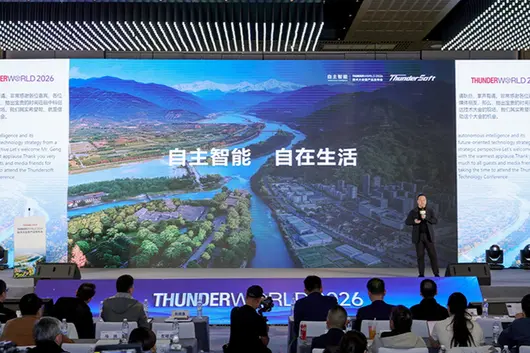
Car News reported on October 28, that previously, ThunderSoft officially launched AquaDrive AIOS (AquaDrive AIOS) 3.0, further extending AI from in-vehicle voice interaction to task execution, interface generation, and system control.
It is understood that AquaDrive AIOS 3.0 possesses three core capabilities: autonomous generation, autonomous fusion, and autonomous control. It can dynamically generate interaction interfaces based on user intent, integrate functions such as navigation, panoramic view, and automatic parking, and execute travel-related tasks via natural language.
At the press conference venue, ThunderSoft also displayed a demonstration platform modified based on mass-production vehicle models, presenting the application effects of the next-generation AIOS in automobiles.
Besides automotive business, ThunderSoft also launched multiple achievements including TurboX Autonomous Intelligent IoT Platform, Robotics and Embodied AI Solutions, Veda AI Glasses Solutions, and many other results.
At the subsequent media briefing session, ThunderSoft management further responded to industry concerns such as Agent integration in vehicles, OEMs developing AIOS in-house, cockpit-driving integration, whole-vehicle AI control, and automotive business expansion overseas.
This released AquaDrive AIOS 3.0 is a next-generation AI operating system launched by ThunderSoft for smart vehicles, with key upgrades to autonomous generation, autonomous fusion, and autonomous control capabilities.
First is autonomous generation, traditional smart cockpits mainly rely on pre-designed menus and application interfaces for operation, while AquaDrive AIOS 3.0 can dynamically generate corresponding interaction interfaces based on user intent, vehicle status, and real-time scenarios.
For example, after the user states a travel requirement, the system can organize relevant information, call corresponding services, without requiring the user to open different apps one by one.
Second is autonomous fusion, the new system attempts to further connect information related to the cockpit and driving, integrating lane-level navigation, vehicle surrounding environment, 360-degree panoramic view, and automatic parking functions, so that information from different systems can be presented in a more coherent manner.
Third is autonomous control, by introducing agent architecture, AquaDrive AIOS 3.0 can understand natural language commands, perform task planning, and call relevant in-vehicle functions to complete operations.

▲ AquaDrive AIOS 3.0
Compared to traditional voice assistants executing fixed commands, the new system focuses more on the planning, execution, and result feedback of complex tasks.
In the on-site demonstration, ThunderSoft built a demonstration platform based on the Chery Tiggo 8 (Parameters | Images) mass-production vehicle model, demonstrating the technical capabilities of the above applications.
It is worth noting that ThunderSoft's exploration of automotive AI is not limited to smart cockpits.
At the media briefing session, ThunderSoft disclosed that the company has participated in projects of some automakers linking chassis, suspension and other systems with AI, and is exploring the application of AI in areas such as extended-range system energy management and air conditioning energy saving.
Its technical approach is to combine information such as vehicle location, navigation route, road gradient, ambient temperature, and user habits, and optimize the operating status of different vehicle systems with AI assistance.
From a product positioning perspective, ThunderSoft hopes to use the AIOS platform to connect different chips, models, and in-vehicle systems, and co-develop smart automotive products for different brands with automakers.
At the end of the event, ThunderSoft Co-founder & Executive President Geng Zengqiang and Song Yang, General Manager of Smart Auto Product Center of ThunderSoft, accepted group interviews from media including Car News.
Below is the interview transcript, which was excerpted by Car News without changing the original meaning.

▲ Media Briefing Session Site
Q1: Currently, many automakers and tech companies are developing Edge AI and AI operating systems. What differentiated advantages does ThunderSoft have?
Song Yang: Our first advantage is platform neutrality. We can provide full-stack AIOS products and solutions based on customer data, ecosystem, and product concepts.
Cooperation mainly has two models: one is to directly provide Agents, AIOS products, etc. to automakers; the other is to help automakers build their own AIOS platforms.
For example, we established a joint venture with Geely, and also cooperated with other automakers to develop related products.
We hope to gradually transform from a service-oriented company to a product-oriented company, providing complete technical solutions for automakers. The final products may be launched under the automakers' own brands, but the underlying layer uses our technology and solutions.
Q2: After AquaDrive AIOS enters the 3.0 stage, what are ThunderSoft's plans for expanding automotive business overseas?
Song Yang: We laid out overseas very early, especially in automotive business. Currently, the overseas automotive-related team exceeds 1,000 people, covering multiple major automotive markets in Europe and Asia.
In Europe, we acquired two companies engaged in automotive HMI and 3D vision related businesses, accumulating technical capabilities such as automotive interaction, panoramic view, DMS, and OMS.
In markets such as Vietnam, Japan, South Korea, India, and Malaysia, we also have local teams.
A major challenge for automotive AI going overseas is localization. For example, a Southeast Asia project we recently contacted needs to support eight languages, and each language requires native speakers to participate in testing, development, and verification.
Not only language, but living habits, driving habits, and interaction needs of users in different countries are also different, requiring local teams to participate in development.
We believe that Chinese automotive overseas expansion is shifting from pure vehicle sales to a new stage of building local R&D and service capabilities.
Currently, we have also participated in overseas AI projects of multiple Chinese automakers. With Chinese automakers establishing larger R&D teams overseas, the overseas market will become an important development direction for ThunderSoft's automotive business in the next stage.
Q3: Currently, Agent integration in vehicles has not formed a clear application direction. What problems does ThunderSoft believe Agent integration in vehicles actually needs to solve?
Song Yang: Last year, everyone was still discussing what is the most important application of automotive AI, whether it is ordering food, navigation, or other functions.
But this year the direction has changed.
With the development of Master Agent and other technologies, we no longer need to select one most important application. Instead, we hope to connect the original Agents and Apps through a more intelligent system.
In the past, users needed to open different apps to complete navigation, food ordering, etc. operations. Now AI can autonomously plan tasks, call APIs, and generate corresponding interaction interfaces based on user requirements.
In other words, automotive AI is shifting from function calls under fixed scenarios to a system capable of autonomous thinking, orchestration, and task execution.
We believe that an important direction for the next-generation automotive AIOS is to enable AI to not only communicate with users but also truly complete tasks.
Q4: From early AquaClaw related solutions to AquaDrive AIOS 3.0, what changes have occurred in ThunderSoft's automotive agent architecture?
Song Yang: The products we displayed before the Beijing Auto Show were mainly about remotely controlling the car via mobile phone. For example, users say a sentence, and the vehicle can be prepared in advance and the car door opened.
In the second stage, we started to attempt deploying AquaClaw and other agent architectures inside the vehicle system, allowing AI to execute tasks directly.
But during application, we found two problems: one is that models may produce hallucinations, and the other is that response speed is not fast enough.
For example, if the user requests to open a car window, and the command needs multiple processing through the cloud and edge side, it may cause hundreds of milliseconds or even one or two seconds of latency, affecting the experience.
Therefore, in the third stage, we still retain Harness and other agent architectures, but re-split the different service call methods.
For commands like opening a car window that require fast response, it can be completed via more direct service calls without going through a complete complex task planning process.
At the same time, we are also deploying more models and agent capabilities to the edge side to reduce response latency, Token usage costs, and improve system controllability.

▲ ThunderSoft Co-founder & Executive President Geng Zengqiang
Geng Zengqiang: We adopt a model-neutral approach and are not bound to a single model vendor.
For example, the voice model can choose Doubao, and the reasoning model can choose Qwen, DeepSeek, or other solutions according to needs.
The system will also assign tasks based on the vehicle-side computing power situation. If vehicle-side computing power is sufficient, more computation is placed locally; if insufficient, it relies more on the cloud.
The cloud can also choose different models based on task complexity. Simple tasks use lightweight solutions, and complex tasks call stronger models to balance experience and Token costs.
Q5: More and more automakers emphasize full-stack self-research. What customers is ThunderSoft's AIOS mainly targeting? How does it cooperate with automakers?
Geng Zengqiang: Automakers can roughly be divided into two categories.
The first category is new force automakers. They themselves have strong software capabilities and emphasize full-stack self-research, with core technologies usually controlled by themselves. We also cooperate with these enterprises, but primarily participate in some technologies and product development.
The second category is traditional automakers and international automakers.
These enterprises previously relied heavily on suppliers to provide software and hardware. Now they hope to gradually build their own software R&D capabilities, but it is not easy to fully achieve autonomous development in a short period.
Therefore, they usually adopt a walking on two legs approach: on the one hand, building their own R&D teams, and on the other hand, cooperating with technology suppliers to accelerate product development and iteration.
This is also our currently larger customer base.
For example, the joint ventures established with Geely and Volkswagen embody this cooperation model.
Our positioning is not to let all automakers use the same set of ThunderSoft brand AIOS, but to help automakers build their own platforms.
Automakers need to master core parts with differentiated competitiveness, while differentiated basic platform capabilities can be reused more mature solutions, co-developed through product plus service methods.
This year the growth of automotive business was better than our previous expectations, mainly for two reasons.
One is that automotive software is becoming increasingly complex. Suppliers not only need to possess traditional cockpit development capabilities but also AI cockpit development capabilities, and integrate the two.
The second is that automakers' development demand for next-generation AIOS has increased significantly, and everyone wants to apply new technologies to products as soon as possible.
Additionally, new opportunities have emerged in overseas business.
Some international automakers are beginning to reconsider supply chain strategies, expanding the use scope of Chinese supply chains in regions outside the US market to reduce costs and improve development efficiency.
This year we also obtained software and hardware projects from international automakers such as Mazda.
Q6: Currently, AquaDrive AIOS 3.0 mainly showcases cockpit capabilities. In the future, can it further control other systems such as powertrain, chassis, and body?
Song Yang: We are already exploring these directions with automakers.
For example, Chery previously displayed a Daddy Cockpit Concept Demo Vehicle. In addition to controlling functions such as air conditioning and car windows via natural language, it can also make systems such as chassis suspension participate in in-vehicle interaction.
One scenario is that when the vehicle plays a movie, let suspension movement, body posture, and air conditioning vents coordinate with the screen, forming an experience similar to a 4D cinema.
But this also involves an important issue, which is how to ensure safety.
From a technology development perspective, with cockpit-driving integration and computing chip capability improvement, the functions that AIOS can call in the future will increase more and more.
We are currently still discussing extended-range vehicle energy management solutions with one automaker.
For example, for a car adopting a 1.6T extended-range engine equipped with 20 to 30 kWh batteries, how to let the engine always work in a more economical range according to different road conditions?
We hope to introduce information such as navigation route, road gradient, temperature, traffic conditions, and user habits into the AI model to assist in optimizing engine operation strategies and vehicle energy management.
Similar directions also include air conditioning energy saving. We have already developed related AI solutions for automakers, hoping to comprehensively adjust the air conditioning according to environmental conditions inside and outside the car and user needs, rather than relying solely on fixed temperature thresholds.
Additionally, we are also exploring connecting different systems such as air suspension and smart chassis through unified protocols.
Long-term, we hope automobiles can form a unified intelligent computing platform. Under the premise of meeting safety requirements, one intelligent system coordinates more whole-vehicle functions.
With the progress of electrical/electronic architecture and chip technology, AIOS has the opportunity to further evolve from a cockpit operating system to an intelligent system for the whole vehicle.
With the acceleration of large models and agent technologies into vehicles, smart cockpits are evolving from traditional human-machine interaction systems to AI operating systems capable of understanding user intent and autonomously executing tasks.
The release of this AquaDrive AIOS 3.0 reflects ThunderSoft's further layout in the field of automotive AI. From agent interaction to cockpit-driving integration, and then to whole-vehicle energy management, ThunderSoft is attempting to expand AI capabilities to more vehicle systems.
However, whether relevant technologies can truly achieve scaled mass production still needs to address issues such as response speed, system safety, and engineering adaptation. For ThunderSoft, how to transform its own technical accumulation into products that are mass-producible and continuously iteratable by automakers will be the key to the next stage.

Di pasaran SUV Malaysia, ramai pembeli membandingkan Toyota Harrier dan BMW X5 PHEV ketika memilih kereta. Kedua-dua kereta ini mempunyai harga dan kedudukan yang hampir sama, hari ini kita akan membuat perbandingan terperinci dari pelbagai aspek untuk membantu anda menjimatkan masa membuat kajian.
Toyota Harrier mempunyai harga OTR di Malaysia pada RM 289,000 - 289,000, terdapat keseluruhan 1 varian, termasuk 2026 HEV 2.5L Standard (RM 289,000) dan lain-lain.
BMW X5 PHEV mempunyai harga OTR di Malaysia pada RM 486,800 - 494,800, terdapat keseluruhan 2 varian, termasuk xDrive20i (RM 420,000), xDrive30e (RM 480,000) dan lain-lain.
Dari segi harga, harga permulaan Toyota Harrier memang lebih murah RM 197,800 berbanding BMW X5 PHEV. Jika bajet anda terhad, varian masuk Toyota sudah boleh memenuhi keperluan harian. Namun, perlu diingat, perbezaan harga beberapa ribu ringgit itu mungkin ada kompromi dari segi peralatan, bergantung kepada keperluan anda.
Toyota Harrier menggunakan cara penggerak FWD.
BMW X5 PHEV menggunakan cara penggerak 4WD.
Toyota FWD dan BMW 4WD akan memberikan pengalaman memandu yang berbeza, disarankan untuk melakukan ujian bawa untuk dibandingkan.
Toyota Harrier waranti 5 tahun/jarak tidak terhad, selang penyelenggaraan setiap 10,000km atau 6 bulan.
BMW X5 PHEV waranti 5 tahun/jarak tidak terhad, selang penyelenggaraan setiap 10,000km atau 6 bulan.
Toyota Harrier dan BMW X5 PHEV kedua-duanya merupakan pilihan utama di pasaran Malaysia, sesuai untuk kegunaan keluarga, perjalanan harian. Jika anda lebih mengutamakan reputasi jenama dan harga pasaran sekunder, pertimbangkan model dengan reputasi lebih baik; jika anda lebih mengambil berat tentang nisbah nilai dan peralatan, pilih model dengan pelengkapan lebih lengkap. Pada akhirnya disarankan untuk melakukan ujian bawa kedua-dua model, pengalaman langsung adalah yang paling penting.
Secara keseluruhan, Toyota Harrier dan BMW X5 PHEV kedua-duanya merupakan model kereta yang sangat bagus di pasaran Malaysia. Memilih yang mana satu, bergantung kepada keperluan dan bajet peribadi anda. Disarankan untuk membuat kajian, membandingkan tawaran harga daripada beberapa pengedar, kemudian lakukan ujian bawa untuk membuat keputusan akhir. Membeli kereta adalah perkara penting, meluangkan masa membuat kajian tidak akan mendatangkan kemudaratan.


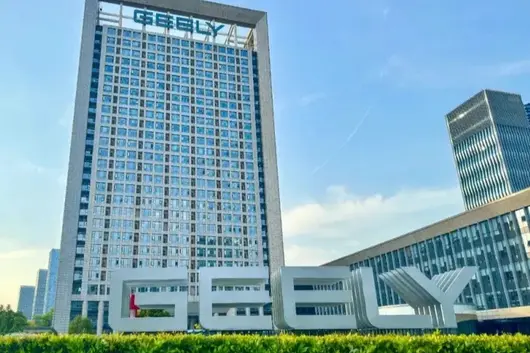
10月29日,吉利汽车(0175.HK)公布2026年第三季度财报。财报显示,公司收入、核心归母净利润均创下历史新高,经营质量持续向好。
2026年第三季度,吉利实现收入990亿元,同比增长10%;核心归母净利润52.1亿元,同比增长32%。1-9月累计收入2726亿元,同比增长13%;核心归母净利润149亿元,同比大增41%。
销量端,1-9月吉利累计销量223.5万辆,同比增长3%,同样刷新历史纪录,国内市占率达到11.1%,燃油车、新能源车市占率同步提升。出海业务提速明显,1-9月出口79.8万辆,同比暴涨169%;其中新能源出口48.4万辆,同比增长531%,在瑞典、马来西亚、墨西哥等多国位居自主品牌出口首位。
多品牌矩阵协同发力。极氪1-9月销量28.8万辆,同比翻倍增长,多款高端车型拿下细分市场销冠;领克锚定中高端市场,新能源占比提升至71%;吉利银河站稳主流新能源第一梯队,1-9月销量87.7万辆;吉利中国星燃油车连续十年位居自主品牌燃油及油混车型销量第一。

技术层面,吉利依托全域AI持续迭代,吉利智充新一代AI补能技术、星睿PowerMind能源大脑落地,千里浩瀚G-ASD智驾系统搭载量突破百万,城市NOA正式出海巴黎。
据了解,四季度吉利还将持续投放多款新车,星越L PLUS、银河M8、领克900L等车型陆续登场,极氪将落地全栈900V高压架构,为全年销量目标冲刺蓄力。

喺馬來西亞嘅 SUV 市場,好多買家喺揀車嗰陣都會拿 豐田 Harrier 同 寶馬 X5 做比較。呢兩部車喺價位同定位上都幾接近嘅,而家我哋就由多個方面做一個詳細嘅比較,幫你慳返做功課嘅時間。
豐田 Harrier 喺馬來西亞嘅 OTR 售價係 RM 289,000 - 289,000,總共有 1 個版本,包括 2026 HEV 2.5L Standard(RM 289,000) 等。
寶馬 X5 喺馬來西亞嘅 OTR 售價係 RM 470,800 - 470,800,總共有 3 個版本,包括 1.5L Standard(RM 86,300)、1.5L Executive(RM 95,300)、1.5L Premium(RM 103,300) 等。
由價錢嚟睇,豐田 Harrier 嘅起步價確實比 寶馬 X5 平咗 RM 181,800。如果你預算有限,豐田嘅入門版已經可以满足日常需求。但都要留意,便宜嗰幾千塊,可能會喺配備上有取捨,具體要看你嘅需求。
豐田 Harrier 嘅安全評級係 5★ (ASEAN NCAP),主動安全系統包括 Brand ADAS。
寶馬 X5 嘅安全評級係 5★ (ASEAN NCAP),主動安全系統包括 ADAS (ACC, AEB, LKA, LDA, BSM, RCTA)。
兩部車嘅安全評級一樣,喺呢個級數里面安全配備都算好齊全。而家嘅新車安全性都好唔差,唔使太擔心呢一點。
豐田 Harrier 採用 FWD 驅動方式。
寶馬 X5 採用 4WD 驅動方式。
豐田嘅 FWD 同 寶馬嘅 4WD 喺操控上會有唔同感受,建議試駕比較。
豐田 Harrier 保修 5 年/無限制里程,保養間隔 每 10,000km 或 6 個月。
寶馬 X5 保修 5 年/無限里程,保養間隔 每 10,000km 或 6 個月。

總括嚟講,豐田 Harrier 同 寶馬 X5 都係馬來西亞市場好唔錯嘅車型。揀邊輛,關鍵都要睇你嘅個人需求同預算。建議大家做足功課,多比較幾間車行嘅報價,再去試駕先做最終決定。買車係件大事,花少少時間做功課絕對唔會錯。

In the Malaysia SUV market, many buyers compare the Toyota Harrier and BMW X1 when choosing a car. These two cars are quite close in price and positioning, so today we will make a detailed comparison from multiple aspects to help you save time doing research.
Toyota Harrier OTR price in Malaysia is RM 289,000 - 289,000, with a total of 1 version, including 2026 HEV 2.5L Standard (RM 289,000) and so on.
BMW X1 OTR price in Malaysia is RM 252,800 - 252,800, with a total of 2 versions, including sDrive18i (RM 220,000), sDrive20i (RM 250,000) and so on.
From a price perspective, the BMW X1 starts RM 36,200 cheaper than the Toyota Harrier. Honestly, in this price range, a difference of a few thousand is not significant; the key lies in overall value and long-term usage costs.
Toyota Harrier safety rating is 5★ (ASEAN NCAP), active safety system includes Brand ADAS.
BMW X1 safety rating is 5★ (Euro NCAP), active safety system includes Premium ADAS.
Regarding safety features, both cars have received good ratings. However, there are some differences in functionality between Toyota Harrier's Brand ADAS and BMW X1's Premium ADAS. If you value active safety, you can carefully compare their feature lists.
Toyota Harrier warranty 5 years/unlimited mileage, maintenance interval every 10,000km or 6 months.
BMW X1 warranty 5 years/unlimited mileage, maintenance interval every 10,000km or 6 months.
Both Toyota Harrier and BMW X1 are mainstream choices in the Malaysia market, suitable for family use and daily commuting. If you value brand reputation and resale value more, prioritize the one with better reputation; if you care more about value and features, choose the one with richer specs. Ultimately, it is recommended to test drive both; personal experience is the most important.

Overall, Toyota Harrier and BMW X1 are both very good models in the Malaysia market. Which one to choose depends on your personal needs and budget. It is recommended to do your research, compare quotes from several dealerships, and then test drive to make the final decision. Buying a car is a big matter; spending time doing research will never go wrong.

In the Malaysian SUV market, many buyers compare Toyota Harrier and Subaru Outback when selecting a car. These two cars are quite close in price and positioning. Today, we will make a detailed comparison from multiple aspects to help you save time on research.
The OTR price of Toyota Harrier in Malaysia is RM 289,000 - 289,000. There is 1 version in total, including 2026 HEV 2.5L Standard (RM 289,000), etc.
The OTR price of Subaru Outback in Malaysia is RM 260,000 - 280,000. There are 2 versions in total, including 2025 2.4T R-Touring EyeSight (RM 310,340), 2025 2.5L Touring EyeSight (RM 280,340), etc.
Looking at the price, Subaru Outback's starting price is RM 29,000 cheaper than Toyota Harrier. To be honest, in this price range, a difference of a few thousand is actually not significant. The key is to look at overall cost-performance and long-term usage costs.
Toyota Harrier is equipped with 2.0L Turbo, 220 hp. Official fuel consumption 9.5 L/100km.
Subaru Outback is equipped with 2.0L Turbo, 220 hp. Official fuel consumption 9.5 L/100km.
Both cars use the same powertrain system, and the driving experience feels basically the same. Fuel consumption is also similar, no need to worry too much about this point.
Toyota Harrier body length 4400 mm, trunk 400 L.
Subaru Outback body length 4400 mm, trunk 400 L.
Both cars have almost the same dimensions, and there is not much difference in interior space. For cars in this level, daily use is completely sufficient.
Toyota Harrier adopts FWD drive mode.
Subaru Outback adopts FWD drive mode.
Both cars have the same drive mode, both are FWD, so there won't be a big difference in daily driving experience.

Toyota Harrier and Subaru Outback are both mainstream choices in the Malaysian market, suitable for family use and daily commuting. If you value brand reputation and resale value more, you can prioritize the one with better reputation. If you care more about cost-performance and configuration, choose the one with richer configuration. Ultimately, it is recommended to test drive both, and experiencing it personally is the most important.

Overall, Toyota Harrier and Subaru Outback are both very good models in the Malaysian market. Which one to choose depends on your personal needs and budget. It is recommended to do homework, compare quotes from multiple car dealers, and then test drive to make the final decision. Buying a car is a big thing, spending some time on research will definitely not go wrong.
© 2024 Bitauto.com. All Rights Reserved.
Bitauto (www.yiche.com and www.bitauto.com) is one of the most visited automotive websites in China. We provide detailed info on Chinese car brands available in your area. Please note that the information provided on this website is based on publicly available data and is for reference only. It may not be fully updated or accurate at all times.

Help us improve our website


