

HomeMazda CX-8

Search History
Popular Searches
Dealer Login / Sign Up

喺馬來西亞嘅 SUV 市場,好多買家喺揀車嘅時候都會拿本田 WR-V 同名爵 MG HS 嚟比較。呢兩款車喺價位同定位上都幾接近,今日我哋就從多個方面做一次詳細嘅比較,幫你節省做功課嘅時間。
本田 WR-V 喺馬來西亞嘅 OTR 售價係 RM 89,900 - 107,900,一共有 4 個版本,包括 2023 1.5L V(RM 99,900)、2023 1.5L E(RM 95,900)、2023 1.5L S(RM 89,900) 等。
名爵 MG HS 喺馬來西亞嘅 OTR 售價係 RM 130,450 - 146,450,一共有 2 個版本,包括 1.5L Standard(RM 105,000)、1.5L Executive(RM 115,000) 等。
從價錢嚟睇,本田 WR-V 嘅起步價確實比名爵 MG HS 便宜咗 RM 40,550。如果你預算有限,本田嘅入門版已經可以滿足日常需要。但都要留意,便宜嗰幾千蚊,可能喺配備上會有取捨,具體要看你嘅需要。

本田 WR-V 嘅安全評級係 5 星 (ASEAN NCAP),主動安全系統包括本田 SENSING。
名爵 MG HS 嘅安全評級係 TBD,主動安全系統包括 Basic。
安全配備方面,兩款車都拿到唔錯嘅評級。不過本田 WR-V 嘅本田 SENSING 同名爵 MG HS 嘅 Basic 喺功能上有啲分別,如果你比較重視主動安全嘅話,可以仔細對比吓兩者嘅功能清單。

本田 WR-V 採用 FWD 驅動方式。
名爵 MG HS 採用 FWD 驅動方式。
兩款車嘅驅動方式一樣,都係 FWD,日常駕駛感受唔會有太大分別。

本田 WR-V 保修 5 年/無限制里數,保養間隔 每 10,000km 或 6 個月。
名爵 MG HS 保修 7 年/150,000km,保養間隔 每 10,000km 或 6 個月。
總嘅嚟講,本田 WR-V 同名爵 MG HS 都係馬來西亞市場幾不錯嘅車款。揀邊一輛,關鍵都要睇你嘅個人需要同預算。建議大家做好功課,多比較幾間車行嘅報價,再去試駕做最終決定。買車係件大事,花啲時間做功課絕對唔會錯。


喺馬來西亞嘅SUV市場,好多買家喺揀車嘅時候都會拿 Honda WR-V 同 MG MG HS 嚟做比較。呢兩款車喺價位同定位上都好接近,今日我哋就從多個方面做一個詳細嘅比較,幫你節省做功課嘅時間。
Honda WR-V 喺馬來西亞嘅 OTR 售價係 RM 89,900 - 107,900,一總有 4 個版本,包括 2023 1.5L V(RM 99,900)、2023 1.5L E(RM 95,900)、2023 1.5L S(RM 89,900) 等。
MG MG HS 喺馬來西亞嘅 OTR 售價係 RM 130,450 - 146,450,一總有 2 個版本,包括 1.5L Standard(RM 105,000)、1.5L Executive(RM 115,000) 等。
由價錢睇,Honda WR-V 嘅起步價確實比 MG MG HS 平咗 RM 40,550。如果你預算有限,Honda 嘅入門版已經可以滿足日常需要。但都要小心,平嗰幾千蚊,可能喺配備上會有取捨,具體要看你嘅需要。
Honda WR-V 嘅安全評級係 5★ (ASEAN NCAP),主動安全系統包括 Honda SENSING。
MG MG HS 嘅安全評級係 TBD,主動安全系統包括 Basic。
安全配備方面,兩款車都拿到唔錯嘅評級。不過 Honda WR-V 嘅 Honda SENSING 同 MG MG HS 嘅 Basic 喺功能上有些差異,如果你比較重視主動安全嘅話,可以仔細比較吓兩者嘅功能列表。
Honda WR-V 保修 5年/無限制里程,保養間隔 每10,000km或6個月。
MG MG HS 保修 7年/150,000km,保養間隔 每10,000km或6個月。
Honda WR-V 同 MG MG HS 都係馬來西亞市場嘅主流選擇,適合家庭使用、日常通勤。如果你更重視品牌口碑同二手價,可以優先考慮口碑更好嗰一款;如果你更在意性價比同配備,就揀配備更豐富嗰款。最後都係建議兩款都去試駕,親身體驗先係最重要嘅。
總體嚟講,Honda WR-V 同 MG MG HS 都係馬來西亞市場好唔錯嘅車型。揀邊一輛,關鍵始終係要看你嘅個人需要同預算。建議大家做足功課,多比較幾間車行嘅報價,再去試駕做最終決定。買車係件大事,花少少時間做功課絕不會錯。

8月1日那份销量快报,我反反复复看了三遍。吉利7月总销量250161辆,没什么意外;真正让我在电脑前愣了一下的是海外数据:出口106663辆,同比暴涨202%,连续7个月同环比双增,而且连续两个月站上了10万辆这个台阶。

做这行久了,对数字是有直觉的。以前咱们聊出口,默认是把国内卖不动的库存车拉到中东、非洲去回血。但吉利这10.6万辆里,新能源占了62604辆,比例高达59%。这说明什么?说明吉利往海外发的,已经不是“尾货”,而是国内正在打主力的“精锐部队”。
这背后的逻辑,值得咱们掰开了揉碎了聊聊。
车型矩阵:不再是单点爆破,而是地毯式铺开我看很多同行都在盯着总销量看,其实拆开车型维度,你会发现吉利的打法已经变了。以前是靠一款车打天下,现在是在各个细分市场同时起势。

就拿星愿(EX2)来说,6月份在泰国纯电市场拿了第一,把比亚迪Atto 3都压下去了。这车在国内看着不起眼,但在东南亚那种拥堵、高温、注重性价比的市场,简直是降维打击。更绝的是,这车在巴西和墨西哥也进了前二。一款A0级小车,能在东南亚和拉美这两个用车场景完全不同的地方同时起量,这绝对不是运气,是产品定义做对了。
再看星舰7 EM-i(EX5 EM-i),这车在波兰拿了C级PHEV第一。欧洲人精明,油价高、充电还不方便,PHEV确实是现阶段的最优解。吉利把国内的雷神电混技术搬过去,正好切中了痛点。
领克08和极氪就更不用说了。领克08在墨西哥这种“美系车大本营”能杀进高端插混前三,极氪在澳洲、马来西亚这种右舵市场能压着BBA打,这已经不是“性价比”能解释的了,这是品牌向上有了实质性的突破。以前咱们说中国车出海是“农村包围城市”,现在看,吉利是想直接进“城里”开店。
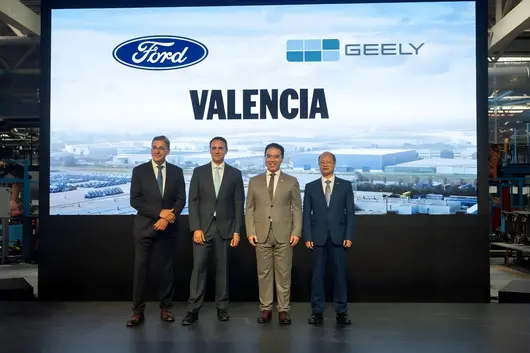
瓦伦西亚:这步棋,比10万辆更有分量说实话,7月的销量只是结果,7月底吉利和福特在西班牙搞的那个大动作,才是决定未来三年格局的关键。

吉利花了2.21亿欧元,买了福特西班牙瓦伦西亚工厂34%的股份。这笔钱看着多,但在欧洲建厂动辄十几亿欧元的背景下,这简直是“地板价”。
为什么这步棋这么妙?咱们做产业的都懂,欧洲市场一直有个“玻璃门”,就是那个反补贴关税。以前咱们把车造好运过去,关税高得吓人,价格优势瞬间就没了。现在吉利直接在西班牙建合资厂,利用福特的闲置产能来造吉利的车。这招“借船出海”,直接把关税壁垒给绕过去了。
更关键的是,这厂子1976年就建了,福特在那儿经营了几十年,供应链、工人、工会关系都理顺了。吉利花小钱办大事,不仅拿到了产能,还拿到了进入欧盟市场的“入场券”和“合规资质”。以后欧洲人买的吉利车,包装上可能印的是“Made in Spain”。这不仅是商业上的胜利,更是地缘政治博弈下的生存智慧。
体系力:从“卖车”到“输出体系”做了这么多年汽车报道,我见过太多企业出海折戟沉沙。以前很多车企出海,就是找个代理商,把车发过去,卖得好不好全看天。但吉利现在的玩法,是“体系出海”。
什么叫体系?就是“一个吉利”的战略统筹。吉利、领克、极氪三个品牌,定位分得清清楚楚,互不打架。吉利走量,领克走质,极氪走高端。这种多品牌协同,在海外市场比在国内还重要,因为海外经销商最怕主机厂左右互搏。

再往深了看,是技术底座的共享。CMA、SEA这些架构,还有雷神电混、神盾电池,都是全球通用的。这就好比搭积木,底座是通用的,上面可以根据不同国家的法规、路况、消费习惯换壳子。这种开发效率,是那些还在“一款车一款车重新设计”的对手比不了的。
过去十年砸进去的2500亿研发费,现在看,到了收获的时候了。
写在最后:别光看热闹,要看门道当然,咱们也得冷静。吉利虽然势头猛,但挑战还在后头。2028年瓦伦西亚工厂首车下线前,工会谈判、产线改造、欧盟认证,每一关都不好过。而且,领克和极氪真要进西欧,面对的是奔驰、宝马、特斯拉这些“地头蛇”,硬仗还在后面。
但对于咱们这些看客来说,吉利7月的这10.6万辆,信号意义已经非常明确了。中国汽车出海,已经过了那个“把车卖出去就行”的草莽时代,进入了“在当地造、在当地卖、在当地服务”的体系化竞争阶段。
以后你在悉尼街头看到的极氪,或者在华沙看到的星舰7,很可能不是从宁波港漂洋过海运过去的,而是欧洲本地工厂下线的产品。这才是真正的全球化,也是吉利这波操作最让我觉得“老辣”的地方。
这盘棋,吉利才刚刚开始落子。

喺馬來西亞嘅 SUV 市場,好多買家喺揀車嗰陣都會拿 Honda WR-V 同 Chery Tiggo 8 PHEV 嚟做比較。呢兩款車喺價位同定位上都幾接近,今日我哋就從多個方面做一個詳細嘅對比,幫你節省做功課嘅時間。
Honda WR-V 喺馬來西亞嘅 OTR 售價係 RM 89,900 - 107,900,一共有 4 個版本,包括 2023 1.5L V(RM 99,900)、2023 1.5L E(RM 95,900)、2023 1.5L S(RM 89,900) 等。
Chery Tiggo 8 PHEV 喺馬來西亞嘅 OTR 售價係 RM 159,750 - 159,750,一共有 2 個版本,包括 1.6L Turbo Standard(RM 130,000)、1.6L Turbo Premium(RM 145,000) 等。
由價錢睇落,Honda WR-V 嘅起步價確實比 Chery Tiggo 8 PHEV 平咗 RM 69,850。如果你預算有限,Honda 嘅入門版已經可以滿足日常需求。但都要注意,平嘅嗰幾千蚊,喺配備上可能會有所取捨,具體要看你嘅需求。
Honda WR-V 配 1.5L 4-cyl,馬力 105 hp。官方油耗 6.0 L/100km。
Chery Tiggo 8 PHEV 配 Hybrid,馬力 170 hp。官方油耗 4.5 L/100km。
動力方面,Chery Tiggo 8 PHEV 嘅 Hybrid 比 Honda WR-V 嘅 1.5L 4-cyl 多咗 65 匹馬力。不過日常喺市區開,兩款車嘅動力都夠用,唔會覺得唔夠力。
Honda WR-V 嘅安全評級係 5★ (ASEAN NCAP),主動安全系統包括 Honda SENSING。
Chery Tiggo 8 PHEV 嘅安全評級係 TBD,主動安全系統包括 Basic。
安全配備方面,兩款車都拿到唔錯嘅評級。不過 Honda WR-V 嘅 Honda SENSING 同 Chery Tiggo 8 PHEV 嘅 Basic 喺功能上有少少差異,如果你比較睇重主動安全嘅話,可以仔細對比下兩者嘅功能列表。
Honda WR-V 車身長 4400 mm,後廂 400 L。
Chery Tiggo 8 PHEV 車身長 4400 mm,後廂 400 L。
兩款車嘅尺寸幾乎一樣,車內空間差別唔大。呢個級別嘅車,日常使用完全夠用。
Honda WR-V 保養保修 5 年/無限里程,保養間隔 每 10,000km 或 6 個月。
Chery Tiggo 8 PHEV 保養保修 3 年/100,000km,保養間隔 每 10,000km 或 6 個月。
總體嚟講,Honda WR-V 同 Chery Tiggo 8 PHEV 都係馬來西亞市場幾唔錯嘅車型。揀邊架,關鍵都係睇你嘅個人需求同預算。建議大家做好功課,多比較幾間車行嘅報價,先去試駕先做最終決定。買車係件大事,花啲時間做功課絕對唔會錯。

In the SUV market in Malaysia, many buyers compare Honda WR-V and Chery Tiggo 8 when choosing a car. The price and positioning of these two cars are quite close. Today, we will compare them in detail from multiple aspects to save you time on research.
The OTR price of Honda WR-V in Malaysia is RM 89,900 - 107,900, with a total of 4 versions, including 2023 1.5L V (RM 99,900), 2023 1.5L E (RM 95,900), 2023 1.5L S (RM 89,900), etc.
The OTR price of Chery Tiggo 8 in Malaysia is RM 129,750 - 129,750, with a total of 1 version, including 2026 1.6T Standard (RM 129,750), etc.
From the price perspective, the starting price of Honda WR-V is indeed RM 39,850 cheaper than Chery Tiggo 8. If your budget is limited, Honda's entry-level model can already meet daily needs. But also note, the few thousand dollars cheaper, there might be compromises in specifications, depending on your needs.
The safety rating of Honda WR-V is 5★ (ASEAN NCAP), active safety systems include Honda SENSING.
The safety rating of Chery Tiggo 8 is TBD, active safety systems include Basic.
In terms of safety features, both cars have received decent ratings. However, there are some differences in functionality between Honda WR-V's Honda SENSING and Chery Tiggo 8's Basic. If you value active safety, you can compare their feature lists carefully.
Honda WR-V body length 4400 mm, trunk 400 L.
Chery Tiggo 8 body length 4400 mm, trunk 400 L.
The dimensions of both cars are almost the same, the interior space is not much different. For this class of cars, daily use is fully sufficient.
Honda WR-V warranty 5 years/unlimited mileage, service interval every 10,000km or 6 months.
Chery Tiggo 8 warranty 3 years/100,000km, service interval every 10,000km or 6 months.

Both Honda WR-V and Chery Tiggo 8 are mainstream choices in the Malaysian market, suitable for family use and daily commuting. If you value brand reputation and resale value more, consider the one with a better reputation first; if you care more about cost-performance ratio and features, choose the one with richer configuration. Ultimately, it is recommended to test drive both, as personal experience is the most important.

In general, Honda WR-V and Chery Tiggo 8 are both very good models in the Malaysian market. Which one to choose depends mainly on your personal needs and budget. It is recommended that you do your homework well, compare quotes from several dealerships, and then test drive to make a final decision. Buying a car is a big matter, spending some time on research will never go wrong.

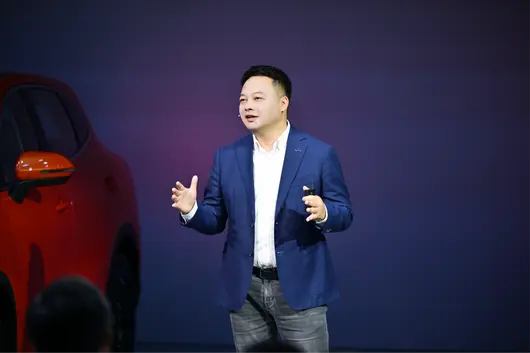
作為一個 QQ3 舊車主,聞聞 2026 成都車展出咗個摩登版。睇完實車相,發現呢車真有幾味,畢竟當年我俾自己嗰台舊 QQ 貼拉花嘅時候,可冇諗過有朝一日廠方會親身入嚟改車。

先講最直觀嘅外觀。摩登版用緊 Neo Retro 新摩登設計,就係把復古味用現代工藝重新做一遍。現場兩台展車,一台"摩登時代"綠,一台"安妮珍珠"粉。綠色嗰台帶啲膠片顆粒感,白色拉花一拉,真有穿越黃金年代嗰味;粉色呢台更絕,低飽和度,唔甜唔膩,用現場工作人員嘅說話話,"一睇車主就唔趕時間"。


細節上我比較在意幾個改動:前格柵改成規則網格開孔加鍍鉻,橫向一拉,細車居然有咗點寬體低趴嘅氣場;輪眉同側裙都做成車身同色,取消咗傳統黑色大包圍,整車一體感強唔少;最戳我嘅係嗰個鏡面鍍鉻圓餅輪轂,經典車款嘅符號放到今日,轉起嚟確實像一枚"時間徽章"。
坐入車內,質感升級比外觀更明顯。頂棚、A/B 柱、遮陽板全換成天鵝絨包覆,手一摸就知唔係普通細車嘅用料。中控台、座椅、門板嵌咗千鳥格紋理,中央扶手箱仲有撞色織帶點綴——呢個思路明顯係由高定時裝嗰邊借嚟。作為一個車主,我原本對千鳥格無感,但實車睇落嚟,佢唔係嗰種"為了復古而復古"嘅堆砌,幾何秩序感同織帶跳色搭配得幾克制。

仲有一個細節必須提:主副駕都帶咗智能柔光化妝鏡,亮度無級調、色溫兩檔調,仲帶磁吸。呢個配備對我嚟講用途唔大,但我能想象到女車主或副駕乘客會有多鍾意——QQ3 用戶入面有 22.9% 係把車當禮物送嘅,爸爸送女、老公送老婆,呢個化妝鏡基本上就係"送禮加分項"。

講完產品,講啲車主視角嘅真心話。QQ 呢個牌子能走到今日,靠唔係情懷,係真係把細車造明白。我嗰台舊 QQ 雖然配備寒酸,但好開好停、用車平係刻喺骨入面嘅。全新 QQ3 上市首月就破萬,海外印尼、泰國亦喺度賣,預計 9 月海外發車亦破萬,國內國際雙破萬——150 萬用戶嘅選擇,唔係靠吹嚟。而家 QQ 同 SMART、MINI 並稱"世界細三隻",作為舊車主,講真係有幾點驕傲。

而且我注意到一個幾有趣嘅數據:QQ3 增購用戶入面 51.3% 來自 BBA 家庭。呢啲說明乜野?說明呢台車唔係"買唔起大車嘅妥協",而係好多人都屋企明明有豪華車,仲願意再添台精品細車代步。轉彎半徑 5.2 米,舊小區窄巷一把泊車入位;每公里唔到 6 分錢,谷電月電費 30 多蚊;2700mm 軸距,後排坐兩個成年人唔擠;8155 晶片 +540 全景 + 自動泊車,同價位該畀嘅都畀咗。後置後驅加後多連桿獨立懸掛,過減速帶濾震柔和——呢啲嘢,開過嘅人自然明。

最後講回摩登版。80% 嘅 QQ3 用戶提車後都會自己裝扮,貼拉花、換輪轂、改配色,廠方顯然係睇到呢股熱情,乾脆做咗台"官方標準答案"。成都車展現場仲可以 99 蚊抢鲜体验,抽孫俪親筆簽名模型同改裝大秀名額,展台有巨型復古拍立得可以打卡影相。
如果你問我值唔值得等?我嘅建議係:如果你原本就想買 QQ3,又懶得自己搞改裝,摩登版呢套官改套件嘅完成度同質感,確實比你自己去汽配城拼出嚟嘅靠得住。但你如果享受嘅就係"我嘅車獨一無二"嘅改裝過程,嗰普通版留俾你嘅發揮空間更大。

In the Malaysian SUV market, many buyers compare the Honda WR-V and Chery Tiggo Cross when choosing a car. These two models are quite close in price and positioning. Today, we will make a detailed comparison from multiple aspects to help you save time doing research.
The Honda WR-V's OTR price in Malaysia is RM 89,900 - 107,900, with a total of 4 versions, including 2023 1.5L V (RM 99,900), 2023 1.5L E (RM 95,900), 2023 1.5L S (RM 89,900), etc.
The Chery Tiggo Cross's OTR price in Malaysia is RM 88,750 - 99,750, with a total of 2 versions, including 2025 HEV 1.5L CSH (RM 99,750), 2025 1.5T Standard (RM 88,750), etc.
From a price perspective, the Chery Tiggo Cross starts RM 1,150 cheaper than the Honda WR-V. To be honest, at this price point, the difference of a few thousand isn't actually that big; the key lies in the overall value for money and long-term running costs.
The Honda WR-V is equipped with a 1.5L 4-cyl, with 105 hp. Official fuel consumption is 6.0 L/100km.
The Chery Tiggo Cross is equipped with a 1.5L 4-cyl, with 105 hp. Official fuel consumption is 6.0 L/100km.
Both cars use the same powertrain, so the driving experience is basically the same. Fuel consumption is also similar, so there is no need to worry too much about this point.
The Honda WR-V safety rating is 5★ (ASEAN NCAP), with active safety systems including Honda SENSING.
The Chery Tiggo Cross safety rating is TBD, with active safety systems including Basic.
In terms of safety features, both cars have received good ratings. However, there are some differences in functionality between Honda WR-V's Honda SENSING and Chery Tiggo Cross's Basic. If you value active safety, you can carefully compare the feature lists of both.
Honda WR-V body length 4400 mm, trunk 400 L.
Chery Tiggo Cross body length 4400 mm, trunk 400 L.
The dimensions of both cars are almost the same, with little difference in interior space. For this class of cars, it is fully sufficient for daily use.

Both Honda WR-V and Chery Tiggo Cross are mainstream choices in the Malaysian market, suitable for family use and daily commuting. If you value brand reputation and resale value more, you can prioritize the one with the better reputation; if you care more about cost-performance ratio and features, choose the one with richer configurations. Ultimately, it is recommended to test drive both, as personal experience is the most important.
Overall, the Honda WR-V and Chery Tiggo Cross are both very good models in the Malaysian market. Which one to choose depends mainly on your personal needs and budget. It is recommended to do your homework, compare quotes from several dealerships, and then test drive to make a final decision. Buying a car is a big matter; spending some time on research will never be wrong.

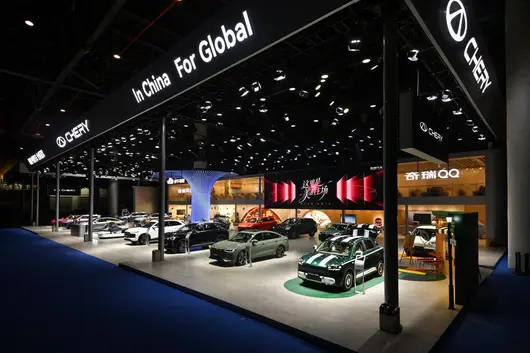
21 Ogos, Pameran Automotif Antarabangsa Chengdu 2026 secara rasmi bermula. Chery Group membawa serta 38 model daripada lima jenama bawah naungannya, Chery, Exeed, Jetour, iCAR, dan Zhongheng untuk dipamerkan. Di antaranya, jenama Chery membawa 12 model, di mana Fengyun A9 dan Fengyun T7 "Bintang Ganda Cantik" muncul bersama-sama, QQ3 edisi Moden mula menerima tempahan awal, dan Arrizo 7 standard baharu rumah keluarga berkualiti global menyaksikan debut globalnya.
Pada tahun 2026, Chery telah tiba pada koordinat sejarah baharu dalam struktur industri automotif global. Sepanjang setengah tahun pertama 2026, bahagian pasaran jualan global Chery melonjak ke posisi ke-9 di dunia, di mana jenama China menduduki tiga tempat daripada sepuluh teratas. Sehingga hujung Julai, jumlah pengguna kereta global kumulatif Chery melangkaui 20.16 juta, di mana pengguna luar negara kumulatif melebihi 6.99 juta, dan telah menduduki tempat pertama dalam eksport jenama automotif China selama 23 tahun berturut-turut. Pada Januari hingga Julai tahun ini, Chery telah mengeksport sebanyak 1.146 juta unit kereta secara kumulatif, meningkat 71.2% berbanding tahun sebelumnya. Pada bulan Julai, dengan pencapaian 202,533 unit, ia menjadi syarikat kereta China pertama yang menembusi 200,000 unit dalam sebutan bulanan.

Di sebalik angka jualan, terdapat penetapan semula definisi "kereta global" oleh Chery. Li Xueyong, Timbalan Presiden Eksekutif Chery Automobile Co., Ltd. menyatakan bahawa Chery yakin bahawa kereta global yang sebenar, bukan dibangunkan di dalam negara dahulu kemudian diubah untuk dieksport, tetapi ditetapkan secara global sejak permulaan penyelidikan dan pembangunan. Chery konsisten membina kereta global asli yang sebenar dengan sasaran pasaran global dari awal definisi produk. Di Pameran Automotif Chengdu kali ini, Chery sekali lagi mengesahkan corak baharu "kereta global telah memasuki masa China" dengan matriks model global era tenaga baharu yang sama di seluruh dunia dan memenuhi pelbagai keperluan global.
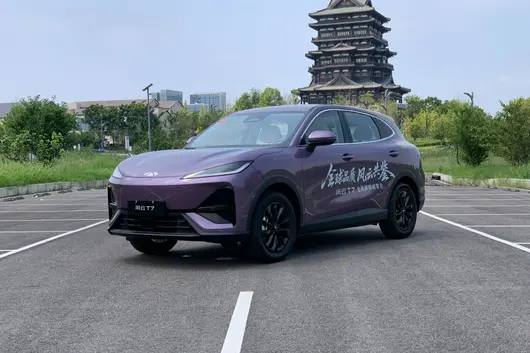
Sebagai model global asli pertama Chery dalam era kecerdasan dan elektrik, SUV Elektrik Murni berkualiti global Fengyun T7 adalah tumpuan utama pameran kali ini. Kereta baharu menggunakan reka bentuk luaran "Estetika Mengawal Angin", menggabungkan asas Timur dengan estetik arus perdana global menjadi satu. Dari segi kuasa, ia dilengkapkan dengan bateri Badak 65.05kWh, dikombinasikan dengan penghawa dingin pam haba suhu luas dan sistem PTC voltan tinggi, mencapai jarak larian elektrik murni CLTC 600km. Dari segi keselamatan, ia bergantung pada badan Batu, 9 beg udara dan suspensi teladan master, membina asas keselamatan keseluruhan kenderaan; dari segi kecerdasan, ia dilengkapi cip terpadu kabin-pemanduan 8775, Lingxi Cabin 2.0 dan sistem bantuan pemanduan Falcon 500.

Dari segi pasaran, harga pra-lancaran Fengyun T7 adalah dari 109,900 Yuan hingga 129,900 Yuan, dan tempahan selama 9 hari pra-lancaran telah melebihi 16,787 unit. Menurut perancangan, kereta baharu akan dilancarkan secara rasmi pada 26 Ogos. Selain itu, Fengyun T7 telah memasuki pasaran Afrika Selatan dan Thailand, pada bulan Ogos akan memasuki pasaran China dan Indonesia, pada bulan September akan dilancarkan di pasaran Kesatuan Eropah, pada bulan Oktober akan memasuki United Kingdom, Malaysia, Australia dan tempat-tempat lain.
Jenama sebenar global Kelas C - Fengyun A9L ULTRA edisi pacuan empat roda muncul bersama-sama di pentas. Kereta ini mempunyai luaran Yunzheng, dalaman Fengchen, gril pencahayaan tiga warna, sayap belakang kawalan kelajuan elektrik, dikombinasikan dengan pacuan empat roda Snow Leopard, suspensi lengan ganda hadapan + lima batang belakang, memenuhi permintaan ganda pengguna muda terhadap prestasi dan kecantikan; pada masa yang sama dilengkapkan dengan bantuan pemanduan Falcon 700, Lingxi Cabin 2.0, nisbah keluli-aluminium kekuatan tinggi keseluruhan kenderaan mencapai 88%, dilengkapi dengan 9 beg udara dan bateri Badak.
Yang paling bernilai untuk diperhatikan adalah, Arrizo 7 standard baharu rumah keluarga berkualiti global menyaksikan penampilan awam pertamanya di Pameran Automotif Chengdu kali ini. Sedan kompak klasik yang telah lama senyap ini telah selesai menggantikan dan kembali secara rasmi. Arrizo 7 mengambil inspirasi dari perubahan ketenangan dan pergerakan air, menggabungkan ketenangan air tenang dan kekuatan air bergerak ke dalam reka bentuk keseluruhan kenderaan, membentuk bahasa reka bentuk "Aliran Air Bergerak" yang unik - apabila diam, badan kenderaan terbuka dan stabil, apabila bergerak, muka bentuk mengalir dengan daya. Selain reka bentuk estetik global, kereta baharu juga menyediakan pilihan kuasa campuran elektrik C-DM Super Power dan ICE Kunpeng, memenuhi keperluan berbeza pengguna di pelbagai daerah global terhadap prestasi dan kecekapan tenaga.

Selain itu, versi modifikasi rasmi nombor 001 daripada QQ3 baharu — QQ3 Edisi Moden juga membuka tempahan awal di pameran. Kereta ini mengintegrasikan reka bentuk konsep Neo Retro, menghormati klasik dengan futurisme retro, menggabungkan elemen klasik dalam industri automotif seratus tahun dengan teknologi era kecerdasan dan elektrik.
Tahun ini adalah tahun produk Chery "Peralihan ke Elektrik", dan juga tahun teknologinya merangkul era kecerdasan elektrik dan memperdalam strategi tenaga baharu secara berterusan. Di pameran ini, Chery membawa hasil teknologi depan di pelbagai bidang seperti Bateri Badak, Kuasa Kunpeng, Kecerdasan AI dan lain-lain. Sebagai satu sorotan utama di stan pameran, Chery telah membangunkan stan pameran ber tema "Pulau Ekologi Teknologi", melalui bentuk seperti pemecahan fizikal, eksperimen penyelam, penyertaan interaktif, dan lain-lain, menukarkan parameter teknikal kepada pengalaman hidup yang boleh dilihat, disentuh, dan dirasai oleh penonton. Di tapak telah ditetapkan talian khas pengalaman keselamatan Bateri Badak, pengunjung boleh memerhatikan pameran bateri pepejal secara dekat, melihat demonstrasi keselamatan terhad tusukan bateri, pengejatan sel bateri dan rendaman air.
Di Pameran Automotif Chengdu kali ini, Chery sekali lagi mengesahkan corak baharu "kereta global telah memasuki masa China" dengan matriks model global era tenaga baharu yang sama di seluruh dunia dan memenuhi pelbagai keperluan global.

Di pasaran SUV di Malaysia, ramai pembeli yang membandingkan Honda WR-V dan Chery Tiggo 7 Pro semasa memilih kereta. Kedua-dua kereta ini hampir sama dari segi harga dan kedudukan pasaran, hari ini kita akan buat perbandingan terperinci dari pelbagai aspek, membantu anda menjimatkan masa untuk membuat penyelidikan.
Honda WR-V di Malaysia harga OTR ialah RM 89,900 - 107,900, terdapat 4 varian, termasuk 2023 1.5L V (RM 99,900), 2023 1.5L E (RM 95,900), 2023 1.5L S (RM 89,900) dan lain-lain.
Chery Tiggo 7 Pro di Malaysia harga OTR ialah RM 123,750 - 123,750, terdapat 2 varian, termasuk 1.6L Turbo Standard (RM 125,000), 1.6L Turbo Premium (RM 140,000) dan lain-lain.
Dari segi harga, harga permulaan Honda WR-V memang lebih murah RM 33,850 berbanding Chery Tiggo 7 Pro. Jika bajet anda terhad, varian permulaan Honda sudah boleh memenuhi keperluan harian. Namun perlu diingat, perbezaan harga beberapa ribu itu mungkin melibatkan kompromi pada kelengkapan, bergantung sepenuhnya pada keperluan anda.
Honda WR-V panjang kereta 4400 mm, bak belakang 400 L.
Chery Tiggo 7 Pro panjang kereta 4400 mm, bak belakang 400 L.
Saiz kedua-dua kereta hampir sama, ruang dalaman hampir tidak berbeza. Kereta kelas ini, untuk penggunaan harian sudah cukup.
Honda WR-V jaminan 5 tahun / jarak tanpa had, selang servis setiap 10,000km atau 6 bulan.
Chery Tiggo 7 Pro jaminan 3 tahun / 100,000km, selang servis setiap 10,000km atau 6 bulan.
Honda WR-V dan Chery Tiggo 7 Pro adalah pilihan utama di pasaran Malaysia, sesuai untuk kegunaan keluarga dan perjalanan harian. Jika anda lebih mengutamakan reputasi jenama dan nilai semula, boleh mempertimbangkan lebih awal model yang lebih reput; jika anda lebih memprioritaskan nilai dan kelengkapan, pilih model dengan kelengkapan lebih banyak. Akhir sekali, disarankan untuk menguji pemanduan kedua-duanya, pengalaman sendiri adalah yang paling penting.
Secara keseluruhan, Honda WR-V dan Chery Tiggo 7 Pro adalah model yang sangat bagus di pasaran Malaysia. Memilih yang mana, kuncinya bergantung pada keperluan peribadi dan bajet anda. Disarankan untuk membuat penyelidikan terlebih dahulu, bandingkan tawaran harga daripada beberapa dealer kereta, kemudian buat keputusan akhir selepas ujian pemanduan. Membeli kereta adalah perkara besar, meluangkan masa membuat penyelidikan tidak akan salah.

喺馬來西亞嘅 SUV 市場,好多買家揀車嘅時候都會拿 Honda WR-V 同 Chery Tiggo 8 嚟比較。呢兩款車喺價位同定位上都幾接近,今日我哋就由多個方面作一個詳細嘅對比,幫你節省做功課嘅時間。
Honda WR-V 喺馬來西亞嘅 OTR 售價係 RM 89,900 - 107,900,一共有 4 個版本,包括 2023 1.5L V(RM 99,900)、2023 1.5L E(RM 95,900)、2023 1.5L S(RM 89,900)等等。
Chery Tiggo 8 喺馬來西亞嘅 OTR 售價係 RM 129,750 - 129,750,一共有 1 個版本,包括 2026 1.6T Standard(RM 129,750)等等。
由價錢睇落,Honda WR-V 嘅起步價確實比 Chery Tiggo 8 平咗 RM 39,850。如果你預算有限,Honda 嘅入門版已經可以滿足日常需求。但都要注意,平嗰幾千蚊,喺配備上可能有取捨,具體要睇你嘅需求。
Honda WR-V 嘅安全評級係 5★ (ASEAN NCAP),主動安全系統包括 Honda SENSING。
Chery Tiggo 8 嘅安全評級係 TBD,主動安全系統包括 Basic。
安全配備方面,兩款車都攞到唔錯嘅評級。不過 Honda WR-V 嘅 Honda SENSING 同 Chery Tiggo 8 嘅 Basic 喺功能上有些差異,如果你比較睇重主動安全嘅話,可以仔細對比吓兩者嘅功能列表。
Honda WR-V 車身長 4400 mm,行李廂 400 L。
Chery Tiggo 8 車身長 4400 mm,行李廂 400 L。
兩款車嘅尺寸差唔多,車內空間差別唔大。呢個級別嘅車,日常使用完全足夠。
Honda WR-V 同 Chery Tiggo 8 都係馬來西亞市場嘅主流選擇,適合家庭使用、日常通勤。如果你更睇重品牌口碑同二手價,可以優先考慮口碑更好嗰款;如果你更在意性價比同配備,就揀配置更豐富嗰款。最終都係建議兩款都去試駕,親身體驗先係最重要嘅。
總括嚟講,Honda WR-V 同 Chery Tiggo 8 都係馬來西亞市場好幾不錯嘅車型。揀邊輛,關鍵都要睇你嘅個人需求同預算。建議大家做好功課,多比較吓幾間車行嘅報價,再去試駕做最終決定。買車係件大事,花少少時間做功課絕對唔會錯。

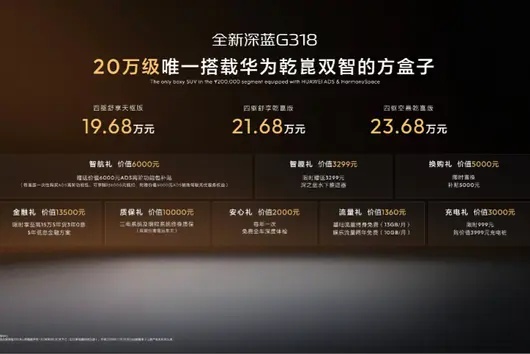
8月21日,2026成都国际车展盛大启幕,深蓝汽车携全系明星车型重磅亮相,并正式发布全新深蓝G318。新车提供华为乾崑与天枢领航两套智能辅助驾驶系统,共推出四驱舒享天枢版、四驱舒享乾崑版、四驱空悬乾崑版三款配置车型。限时优惠价19.68万元-23.68万元,下订即享至高价值44159元的八大超值礼包。与此同时,"公路磁悬浮"深蓝L06全新特别版也迎来首秀,以赛道化竞速套件进一步满足消费者对驾控体验的极致需求。

20万级唯一搭载华为乾崑双智方盒子 “科技平权”打造全能出行最优解
全新深蓝G318锚定家庭用户“9成城市从容代步,1成户外随心撒野”的真实出行需求,不仅以"9城1野"重新定义方盒子新标准,更围绕"SUV的终极形态之一是方盒子"的判断,将方盒子从单一越野工具推向家庭全能出行最优解。
作为20万级唯一搭载华为乾崑双智的方盒子,全新深蓝G318践行科技平权品牌使命,首次将华为乾崑ADS 5 Pro和鸿蒙座舱HarmonySpace 5带入该价位段方盒子市场,让 "每天好开,全家好坐,偶尔去野" 成为城市家庭触手可及的日常。

全新深蓝G318搭载华为乾崑ADS 5 Pro,可实现城区领航辅助NCA、高速领航辅助NCA及全域智能泊车辅助,让智能真正服务于日常出行。这背后是27个传感器融合感知系统,与快速迭代、越变越强的全新WEWA 2.0架构的协同支撑。尤其面对城市通勤中最棘手的环岛通行、无保护左转、窄道防剐蹭、拥堵防加塞,系统均能自主应对,让每一程都从容不迫。
安全方面,其采用的舱内激光Limera反应更迅速,无惧雨天、隧道、暗光、逆光等恶劣环境,可提前116m识别30cm x 30cm小障碍物,同时安装于舱内,无风阻、不遮挡、无惧脏污,使用更省心。行业首创的全维防碰撞系统CAS,将24项主动安全能力内嵌于每一次规划与决策,其中4大核心安全场景实现同级跨代领先,让车辆能以远超人驾的反应速度提前化解风险,守护行车安全。

座舱方面,全新深蓝G318以鸿蒙座舱HarmonySpace 5打造最懂中国人的家庭智能空间。手车互联无需任何按键操作,登录同一华为账号后,鸿蒙系统手机靠近车机屏幕即可自动无缝连接,跨端内容无缝接力,出行生活连贯不中断。15.6英寸华为智慧屏,拥有影院级超清画质,3D实时控车,所见即所控,地图缩放、应用菜单翻找等操作极致丝滑不卡顿。语音交互上,搭载行业第一梯队的MoLA大模型架构,支持十个指令混说无障碍,四川话、粤语等十大方言随心说;导航Agent更能听懂"机场旁边那家咖啡店"这类模糊表达,自动纠偏口误并规划最优路线,让智慧出行真正惠及家庭的每一位成员。

底盘与空间方面,全新深蓝G318搭载备受好评的同级唯一"空悬+CDC+魔毯"舒适三件套,配合双叉臂+多连杆独立悬架,以毫秒级阻尼调节主动适应不同路况:城市路况保持柔顺静谧,近郊多变路况则更平顺。超5m方正车身与长轴距带来宽适空间,后排纯平放倒还可秒变1.8m大床,装人载物都留有余量。动力方面,新车最大马力450匹、峰值扭矩552N·m、零百加速5秒级,配合双电机真四驱、两把差速锁、ET全地形系统,非铺装路面亦可从容通行。

深蓝L06全新特别版首秀,赛道化竞速套件拉满运动驾趣
深蓝L06凭借300万法拉利同款磁流变悬架与全场景新手友好型智能辅助驾驶,不仅让年轻用户轻松享受驾控乐趣,更在15万级市场形成逆势上扬的销量势能,7月销量达7,267辆,连续5个月销量突破5000辆,连续多个月位居20万内新能源中型车销冠,被称为年轻人的第一台运动轿跑。
为进一步满足年轻用户对运动驾趣的进阶需求,深蓝L06全新特别版也于成都车展正式首秀。该版本搭载赛道化竞速套件,涵盖车头立体风刃与一体式前铲、侧裙风刃造型装饰件,以及碳纤维材质固定大尾翼。

车头立体风刃搭配一体式前铲,有效削弱高速行驶产生的升力;车身两侧侧裙风刃梳理车侧乱流,增强车身稳定性;更有碳纤维材质固定大尾翼,提升抓地力。整车最高下压力达1000N,车辆稳稳贴合地面,过弯更爽、高速更稳,充分满足年轻用户“既要日常舒适、又要赛道气场”的出行需求。

全系明星车型集结,全维矩阵覆盖多元出行需求
深蓝汽车旗下全系车型也同步亮相展台。“全球时尚激光智能SUV”全新深蓝S05于8月6日焕新上市后,上市即上量,目前已全面到店。新车将激光雷达、一段式端到端算法、3nm车规级座舱芯片与FSD+HRS高阶可变自适应悬架等越级配置一次性带入主流家用市场,配合11.59万元起的限时优惠价及至高价值38360元的八大超值礼包,打造出极具质价比的15万级紧凑型SUV价值标杆。值得一提的是,作为深蓝汽车全球化战略的核心载体,深蓝S05已进入全球73个国家和地区,不仅收获25万+用户信赖,更荣获德国iF设计大奖、泰国年度汽车大奖等多项国际权威荣誉,名副其实的全球爆款。

全新深蓝S07已实现了“纯电+增程”两大动力形式的激光智能辅助驾驶全覆盖,突破性地将30万级激光智能辅助驾驶带入15万级主流市场。尤其在智能安全层面,华为乾崑方案实现城区领航全覆盖与高速场景全维守护,配合同级唯一标配的FSD+HRS可变自适应底盘,既筑牢出行安全防线,也为用户提供了超值智慧之选。

此外,"智慧旗舰大六座SUV"深蓝S09,兼顾家庭与商务出行;“科技智享中型轿车”深蓝L07则聚焦中型轿车市场,专注科技配置与日常舒适性的平衡。
销量势能稳步攀升,全球化版图持续拓展
强劲的产品攻势,正转化为稳健的市场表现。2026年1-7月,深蓝汽车全球累计销量193,369辆,同比增长13.48%;其中海外累计销量44,508辆,同比增长87.48%。截至7月,深蓝汽车全球累计销量已突破91万辆,伴随全新深蓝S05、全新深蓝G318的焕新登场,预计年内将稳步迈向百万用户里程碑。作为长安汽车"海纳百川"计划的先行者,深蓝汽车已布局五大区域,覆盖全球超100个国家和地区,全球版图持续有序拓展。

核心技术集中亮相,"科技深蓝"底色持续夯实
自品牌创立以来,深蓝汽车持续深耕智能化与电动化赛道,致力于将前沿技术转化为用户可感知的出行价值,稳步推动科技平权。
智能化领域,深蓝汽车依托“天枢领航”与“华为乾崑”双重技术方案,以丰富智能产品矩阵满足多元用户需求,推动激光雷达与智能座舱惠及更广泛用户群体。本次车展,曾于去年12月拿下国内首批L3级自动驾驶正式专用号牌的车型也同步展出,为深蓝汽车高阶智能辅助驾驶能力提供了坚实注脚。

电动化领域,深蓝汽车自主研发的原力超集电驱历经多代技术迭代,累计45个月超百万台下线,系统总成工况效率94.13%,位居全球第一。金钟罩电池两获国家科学技术进步二等奖,以行驶60万公里衰减无感知、守护超210万用户的卓越表现,为全系产品提供坚实保障。微核高频脉冲加热技术摘得中国专利金奖,有效缓解低温环境下的性能衰减。下半年深蓝汽车纯电车型将陆续搭载800V高压平台,支持6C超充,以10分钟补能30%-80%的极致效率,持续拓宽电动出行的体验边界。

喺馬來西亞嘅 SUV 市場,好多買家在揀車嘅時候都會拿本田 WR-V 同馬自達 CX-8 嚟做比較。這兩款車喺價錢同定位上都幾接近,今日我哋就由多個方面做一個詳細嘅比較,幫你節省做功課嘅時間。
本田 WR-V 喺馬來西亞嘅 OTR 售價係 RM 89,900 - 107,900,總共有 4 個版本,包括 2023 1.5L V(RM 99,900)、2023 1.5L E(RM 95,900)、2023 1.5L S(RM 89,900)等。
馬自達 CX-8 喺馬來西亞嘅 OTR 售價係 RM 165,360 - 201,360,總共有 5 個版本,包括 2025 2.5T 4WD High Plus 汽油(RM 201,360)、2025 2.2L 2WD High Plus 柴油(RM 193,123)、2025 2.5L 2WD High Plus 汽油(RM 186,360)等。
從價錢來看,本田 WR-V 嘅起步價的確比馬自達 CX-8 平咗 RM 75,460。如果你預算有限,本田嘅入門版已經可以滿足日常需要。但都要注意,平嗰幾千蚊,可能喺配備上會有取舍,具體要看你嘅需求。
本田 WR-V 搭載 1.5L 4-cyl,馬力 105 hp。官方油耗 6.0 L/100km。
馬自達 CX-8 搭載 2.0L 4-cyl,馬力 170 hp。官方油耗 8.0 L/100km。
動力方面,馬自達 CX-8 嘅 2.0L 4-cyl 比本田 WR-V 嘅 1.5L 4-cyl 多咗 65 匹馬力。不過日常喺市區開,兩款車嘅動力都夠用,唔會覺得冇咗力。
本田 WR-V 嘅安全評級係 5★ (ASEAN NCAP),主動安全系統包括本田 SENSING。
馬自達 CX-8 嘅安全評級係 5★ (ASEAN NCAP),主動安全系統包括 Brand ADAS。
兩款車嘅安全評級一樣,喺呢個級數入面安全配備都算好齊全。而家嘅新車安全性都唔差,唔使太擔心呢一點。
本田 WR-V 車身長 4400 mm,行李廂 400 L。
馬自達 CX-8 車身長 4500 mm,行李廂 450 L。
空間方面,馬自達 CX-8 嘅車身比本田 WR-V 長咗 100 mm,乘坐空間更有優勢。不過本田 WR-V 喺城市裡泊車會靈活啲,各有取舍。

本田 WR-V 保養 5 年/無限制里程,保養間隔 每 10,000km 或 6 個月。
馬自達 CX-8 保養 5 年/150,000km,保養間隔 每 10,000km 或 6 個月。

總括嚟講,本田 WR-V 同馬自達 CX-8 都係馬來西亞市場幾唔錯嘅車型。揀邊一輛,關鍵係要看你個人嘅需求同預算。建議大家做好功課,多比較幾間車行嘅報價,先去試駕先做最後決定。買車係件大事,花少少時間做功課絕對無錯。
In the Malaysian SUV market, many buyers compare the Honda WR-V and Toyota Corolla Cross when choosing a car. The price and positioning of these two cars are quite close. Today, we will make a detailed comparison from multiple aspects to help you save time on research.
The Honda WR-V OTR price in Malaysia is RM 89,900 - 107,900, with 4 versions in total, including 2023 1.5L V (RM 99,900), 2023 1.5L E (RM 95,900), 2023 1.5L S (RM 89,900), etc.
The Toyota Corolla Cross OTR price in Malaysia is RM 133,800 - 148,800, with 3 versions in total, including 2026 HEV 1.8L GR Sport (RM 148,800), 2026 HEV 1.8L Standard (RM 140,800), 2026 1.8L Standard (RM 133,800), etc.
In terms of price, the starting price of the Honda WR-V is indeed RM 43,900 cheaper than the Toyota Corolla Cross. If your budget is limited, Honda's entry-level version can already meet daily needs. However, note that the few thousand ringgit saved might involve trade-offs in features, which depends on your specific needs.
The Honda WR-V is equipped with a 1.5L 4-cylinder, 105 hp. Official fuel consumption is 6.0 L/100km.
The Toyota Corolla Cross is equipped with a 1.5L Turbo, 140 hp. Official fuel consumption is 7.0 L/100km.
Regarding power, the 1.5L Turbo of the Toyota Corolla Cross has 35 more horsepower than the 1.5L 4-cyl of the Honda WR-V. However, for daily city driving, the power of both cars is sufficient, and you won't feel any lack of power.
The safety rating of the Honda WR-V is 5★ (ASEAN NCAP), and active safety systems include Honda SENSING.
The safety rating of the Toyota Corolla Cross is 5★ (ASEAN NCAP), and active safety systems include TSS (PCS, LDA, ACC, LTA).
Both cars have the same safety rating, and safety features in this segment are quite comprehensive. New cars nowadays generally have good safety, so there is no need to worry too much about this.
The Honda WR-V body length is 4400 mm, trunk is 400 L.
The Toyota Corolla Cross body length is 4400 mm, trunk is 400 L.
The dimensions of both cars are almost identical, with little difference in interior space. For this class of cars, it is more than enough for daily use.

The Honda WR-V warranty is 5 years/unlimited mileage, maintenance interval is every 10,000km or 6 months.
The Toyota Corolla Cross warranty is 5 years/unlimited mileage, maintenance interval is every 10,000km or 6 months.
Both cars have the same warranty conditions, so there is no need to worry about this aspect. Actual maintenance costs depend on the brand's service network and parts prices. It is recommended to ask real owners in car owner groups for their experiences.
Overall, the Honda WR-V and Toyota Corolla Cross are both very good models in the Malaysian market. Which one to choose mainly depends on your personal needs and budget. We recommend doing your research, compare quotes from several dealerships, and then test drive to make the final decision. Buying a car is a major event, spending some time on research will never be wrong.


A pure electric vehicle built to global standards, designed for 15 typical national scenarios, and set to be sold in 8 major countries/regions globally, what does it feel like to drive?
Before test driving the Fengyun T7, I planned several testing directions. After the test drive, I could only smile knowingly, that familiar feeling of being extremely easy to handle is back, only quieter, smoother, and more exhilarating.
In the era of internal combustion engine vehicles, the family cars built by automotive giants all looked very ordinary. But the more ordinary, the higher the global sales. Why? Besides complying with regulations in various global regions, adapting to roads and climates in various regions, it is also to meet the driving needs of the widest audience. The larger the target audience, the more uniform the various features of the product become.
In the past, the most obvious feeling we had when test driving global cars was that they were easy to handle. In driving scenarios such as acceleration, deceleration, steering, lane changes, as a driver, you could quickly and clearly understand the vehicle's characteristics, calmly establish a sense of connection with the car, and immediately drive it as you please.

What is the feeling of the Fengyun T7?
Leaving a parking spot, turn the steering wheel, that sense of familiarity instantly lights up like a lamp.
The steering wheel damping is not loose nor tight, with no play in the initial range. Lightly tap the brakes, braking establishes; lightly press the accelerator pedal, the vehicle moves forward smoothly.

Leaving the parking lot and entering urban roads with heavy traffic. When encountering roadside parking or non-motorized vehicles occupying lanes, gently turn the steering wheel, the body is very agile to avoid them. During congestion continuous stop-and-go, brake and acceleration are very easy to control, and the nose dive is also suppressed adequately. At medium to low speeds, the pure electric vehicle's regenerative braking assists almost imperceptibly.
There is one special point, recently driving larger vehicles often, now getting back on a compact SUV with a length of 4570mm, it feels too agile to drive in the city, extremely convenient. Meanwhile, the pure electric architecture still achieves a 2700mm wheelbase, providing a sufficiently open interior space.
Arriving at medium to high-speed urban expressway sections, the chassis brings that "solid" feeling seen for a long time. Not soft, not stiff, nor sporty and bouncy, but that steady, tight, responsive "solid".


The overall driving feeling is that it is easy to drive, fun to drive, and passengers can sit comfortably. Also, a casual touch, the rearview mirror adjustment buttons are physical; the glasses box, there is one; the steering wheel touch buttons, clear and easy to operate. Additionally, the seat wrapping and support are quite adequate. From the driver's perspective, the whole vehicle even feels slightly like some German cars from over 200,000 yuan in the past.


Returning to the topic at the beginning, is the Fengyun T7 ordinary? Indeed, it drives quite plainly, it doesn't make you very excited, it doesn't feel abrupt in any way, and you certainly don't need long to adapt to various operations. But as a 100,000-yuan-class pure electric SUV, the power response and smoothness of electricity, combined with the large interior space of the pure electric architecture, create a worry-free and comfortable commuter car, showing the true nature of life, simplicity is truth.
Let's discuss the significance of building cars to global standards again, actually summarized, it is two aspects:
High quality under multiple safety specifications, quality standards, and vehicle usage environment requirements;
More universal vehicle usage concepts.
We will elaborate on these two points: vehicle usage environment and vehicle usage concepts.
Regarding this Fengyun T7, official data shows, "Launch schedule kicks off in China in August, the same source global car Lepas L6 was previously released for pre-sale in South Africa, launched in Thailand on July 24, Indonesia in August; European Union in September; Australia/New Zealand, UK, Israel, Malaysia continuing to advance launch schedule in October."
To prepare for global sales, some efforts made during R&D, I think it is very necessary to share some official data:

If we look closely, there is even a "vehicle usage in high-robbery risk markets" item, besides laughing uncontrollably with a small smile, reflecting on the reason for its appearance, it is thought-provoking.
The current Chinese automotive market we are familiar with started building in the 1990s, it is undeniable that many standards and designs borrowed mature methods and ways from Europe and America. Some designs, our engineers might know what but not why. After new energy vehicles reshaped the Chinese automotive market, we are indeed walking at the forefront globally in the new energy vehicle field.
To put it bluntly, when we design new energy vehicles, there are no stepping stones across the river to follow. At this moment, we must go and research the most fundamental user needs and vehicle usage scenarios. This development path we lacked must be made up for. When new energy vehicles go out now, even more so, global adaptation of new energy vehicles, past automotive giants also had lacking parts.
So how do the stability and durability of various existing new energy vehicle components face different usage environments? How do the product capabilities possess match different regional user vehicle usage concepts?
Only by fully mastering the most fundamental user needs and vehicle usage scenarios can design know not only what, but also why.
I haven't happily read an official handout received during a test drive for a long time, but this time, in the Fengyun T7 data, the things shared above, indeed make me quite happy. Our automotive enterprises, when running fast, still didn't forget to make up for the basics of how to walk and why to walk.


For car owners, what benefits are there?
Simply put, some designs of previous fuel cars might have gone through twists and turns abroad, gone through accidents, gone through harsh lessons, finally we directly received mature plans for joint production.
Now for new energy vehicles, it is our own automotive enterprises discovering problems and verifying improvements themselves.
And more and wider market regulation standards, more vehicle usage environments, more complex vehicle usage needs, can guarantee safety and usability during design to the maximum extent.
The regulation on hidden door handles being re-evaluated, the new regulations the intelligent driving blue lights will face next, are all active responses adopted by our new energy vehicles encountering new problems in the world's automotive field during development.

Moreover, as a 100,000-yuan-class family car, higher standards, does it not exactly bring a more comfortable vehicle usage life to everyone in a more economical way?
Research globally, adapt globally. So, I want to give the Fengyun T7 a shoutout.

(END)

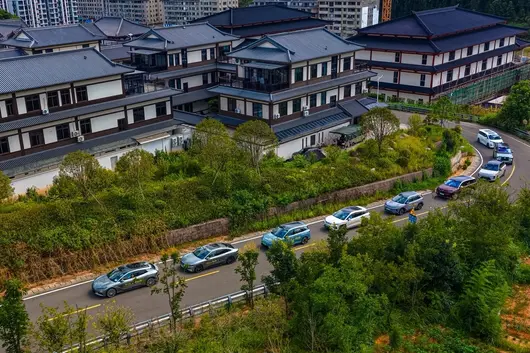
Netcar Commentary A convoy departed from Xi'an, passing through Bozhou, Jingdezhen, Hangzhou, Wuyishan, Quanzhou, and Chaozhou along the way, finally arriving in Shenzhen. Fragrant herbs, porcelain, silk, and tea were written into the route map, and seven flash charging stations, two racetracks, and models from five networks and four brands were also interspersed.
When I first saw this map, my gaze first fell on the road after Shenzhen.
Shenzhen is where BYD started, it is BYD's global headquarters, and also the endpoint of this domestic journey. The convoy will continue to go overseas from here.

In recent years, Chinese car companies have been used to using roll-on/roll-off ships, overseas sales, and new factories to tell the story of going global, and BYD also has enough numbers. But when the convoy runs past highways, cities, mountain roads, and coastal roads, telling the story of China's smart manufacturing setting sail on the new Silk Road overseas, I gradually feel that how the technology in the car works, and how charging follows, might be closer to the daily life of globalization than a departure at the port.
Over twenty years in the automotive field, BYD's impression on the outside world has changed several times. Early on, people remembered its batteries, later people remembered DM-i and Blade Batteries, and in recent years, Yangwang, Fangchengbao, DiPilot, DiSus, Yi Sifang, and Flash Charge have been added.
After the number of terms increased, I also worried they would each talk their own language, until seeing different brands driving along the same route, I realized BYD is organizing the technology accumulated over these years into things that users can feel.
Nineteen Years Ago, BYD Was Already Studying Fast Charging
From 2007 to 2008, BYD participated in research and development projects such as pure electric vehicles and their fast charging systems. In December 2008, F3DM was launched in Shenzhen. This car could charge using a common 220V power source, also supported fast charging at professional charging stations. The announced charging speed at the time was a 50% charge in 10 minutes.

In that era when private new energy vehicle consumption in China was just starting, charging facilities were very scarce. Users had not yet formed the cognition of charging cars, nor had they formed the habit of charging cars.
When F3DM launched, Wang Chuanfu reminded owners on stage not to forget to charge mobile phones before going to sleep, and not to forget to charge the car either. This action which sounds quite ordinary today, even required a car company to teach users back then.
By the end of 2010, F3DM cumulative sales were only 365 units. This number is far from BYD today, but looking back from the current perspective, at that time BYD had already considered batteries, cars, and charging facilities together before the market matured, forming a sharp contrast with the blind follow-the-market car-making of many car companies today.

Eighteen years ago, F3DM already had fast charging capability, but charging facilities were far from mature. This time, the BYD convoy went south along Xi'an Lintong, Bozhou Yingquan, Hefei, Shengzhou, Wuyishan, and coastal highway. Flash charging stations are already distributed in highway service areas and urban business circles, and the number of stations is still increasing.
With the support of the second-generation Blade Battery, BYD's Flash Charge models have shortened charging time to minutes. On highways, city stops, and mountain roads, users can continue on the road with just a brief stop. The charging experience is very close to refueling a fuel vehicle.
When the convoy arrived in Shenzhen, my understanding of BYD's charging system also changed.
In the past, I often regarded batteries as its trump card for making cars. Looking at it again today, BYD has been preparing for charging for many years. And now, the most direct feeling for users is the dozens of minutes saved on the road.

Early research did not immediately bring market. BYD did not stop investment because of this. After F3DM, this thing was continued for nearly twenty years. BYD's credibility when talking about charging technology today also comes from this verifiable long-term investment.
Five Networks, Four Brands Walk on the Same Road
Around 2019, BYD began to adjust automobile sales channels. Since then, Dynasty, Ocean, Denza, Fangchengbao, and Yangwang gradually formed their own product sequences.
But in the process of BYD extending from the mass home market to luxury, ultra-luxury, off-road, and high-performance markets, external doubts have always existed.
Some say, for a brand good at mass manufacturing, entering higher-priced, more refined markets, the lessons to be made up are far more than power and configuration.
The convoy drove from Xi'an to Shenzhen. Cities, highways, mountain roads, and racetracks appeared in sequence. Dynasty and Ocean bear daily and family travel, Denza takes care of long-distance seating and luxury experience, Fangchengbao enters mountain roads and unpaved roads, Yangwang shows four-motor and body control capabilities at the racetrack.

Although there are differences in price and usage among brands and models, every car shares BYD's accumulated new energy vehicle technology and whole vehicle manufacturing capabilities.
On this road from north to south, the convoy passed urban areas, and ran on highways and mountain roads. Enabling DiPilot has become a common action during driving.
After running hundreds of kilometers, the driver can feel the heaviness and lightness of acceleration/deceleration during car following, a judgment once entering/exiting ramps, whether the takeover prompt comes a bit early or late.
A few years ago, when talking about BYD externally, the first thoughts were still batteries and hybrids. High-level assisted driving was rarely ranked at the front. This impression needs to change. Every car following, lane changing, and takeover must give people confidence.

In the past many years, BYD brought heavy-weight technologies to mass production products one after another, and made products in scale. After the formation of Five Networks Four Brands, they showed another capability. That is relying on common R&D and manufacturing foundations to enter multiple market segments and serve users with different needs.
This change is more important than adding a few brand names or models. It means BYD is growing from an automotive enterprise known for technology into an automotive group with clear brand hierarchy and wide market coverage.
From a Three-Person Office in Rotterdam to Rayong Factory
At the end of 1998, Li Ke brought an engineer and a translator to Rotterdam, Netherlands. Wang Chuanfu gave them startup resources: one shipping container of batteries and $30,000, and said, if you can reach break-even, continue. If you lose it all, stop.
Then the three people made calls to find customers during the day, wrapped battery packs together at night, and drove forklifts to deliver goods the next day.
On New Year's Day 1999, BYD's first overseas branch opened for business. At that time, the protagonist of overseas business was still batteries hidden in mobile phones.

More than twenty years later, BYD's own roll-on/roll-off ships began to shuttle between global ports, and Thailand's Rayong factory has already covered stamping, welding, painting, assembly, and parts production.
In July 2024, BYD's 8 millionth new energy vehicle rolled off this factory. Annual capacity about 150,000 units. Compared to shipping a car from Shenzhen, building a factory locally requires handling employees, supply, regulations, services, and consumption habits. Investment is heavier, and more is left behind.
In 2025, BYD's overseas sales exceeded 1 million units for the first time. Entering 2026, the overseas market is still growing rapidly, business has already covered 121 countries and regions.
From walking from the small office in Rotterdam to today, BYD's overseas operation has changed products, scale, and methods. The early approach of being close to customers and entering local markets has not lost its effectiveness.
After the convoy arrives in Shenzhen, it will continue to drive overseas. This reminds me of the three people in Rotterdam back then.
For a Chinese brand going global, the starting point can be a shipping container of batteries, or it can be a ship of new energy vehicles. But finally it must be implemented in the lives of local users.

After sales volume reached one million units, the overseas market BYD faces has become much more complex than before.
More than twenty years ago, BYD needed to make overseas customers know a battery enterprise from China. Today, what it needs to build is global consumer recognition of a Chinese automobile enterprise.
Written at the End
Thousands of years ago, camel caravans and merchant ships followed the Silk Road, transporting fragrant herbs, porcelain, silk, and tea to farther places. The world thereby recognized China's products.
Today, a convoy composed of different brand models of BYD drove from Xi'an to Shenzhen, then went to South Asia. This journey spanning mountains and rivers looked back at the traffic on the ancient Silk Road, and also let technology and vehicles undergo testing on real roads.
Electric vehicles, lithium batteries, and photovoltaic products are called China's Export "New Three Items". They represent another change in China's exports. The three fields involved in "New Three Items", BYD has been laid out for many years.
With whole vehicles accelerating into overseas markets, BYD's technology application, charging facilities, and long-term services will also quickly follow.
From single commodity output to technology, manufacturing, and service capabilities entering overseas markets together. BYD is participating in global traffic and energy transformation with green technology, creating a new business card of China's smart manufacturing belonging to this era.

喺馬來西亞嘅 SUV 市場,好多買家喺揀車嘅時候都會拿 Honda WR-V 同 Toyota Yaris Cross 嚟做比較。呢兩款車喺價位同定位上都幾近,今日我哋就由多個方面做個詳細嘅比較,幫您省做功課嘅時間。
Honda WR-V 喺馬來西亞嘅 OTR 售價係 RM 89,900 - 107,900,一共有 4 個版本,包括 2023 1.5L V(RM 99,900)、2023 1.5L E(RM 95,900)、2023 1.5L S(RM 89,900) 等。
Toyota Yaris Cross 喺馬來西亞嘅 OTR 售價係 RM 99,900 - 109,900,一共有 2 個版本,包括 2026 1.5L Standard(RM 99,900)、2026 HEV 1.5L Standard(RM 109,900) 等。
由價錢睇嚟,Honda WR-V 嘅入門價確實比 Toyota Yaris Cross 平咗 RM 10,000。如果你預算有限,Honda 嘅入門版已經可以滿足日常需要。但都要留意,平嗰幾千蚊,可能喺配備上會有取舍,具體要看你嘅需要。
Honda WR-V 搭載 1.5L 4-cyl,馬力 105 hp。官方油耗 6.0 L/100km。
Toyota Yaris Cross 搭載 1.5L 4-cyl,馬力 105 hp。官方油耗 6.0 L/100km。
兩款車用緊同一套動力系統,日常開出嚟嘅感覺基本上冇分別。油耗方面都差唔多,唔使太糾結呢一點。
Honda WR-V 車身長 4400 mm,尾箱 400 L。
Toyota Yaris Cross 車身長 4400 mm,尾箱 400 L。
兩款車嘅尺寸幾乎一樣,車內空間分別唔大。呢級嘅車,日常使用完全夠用。
Honda WR-V 保養 5 年/無限制里程,保養間隔 每 10,000km 或 6 個月。
Toyota Yaris Cross 保養 5 年/無限制里程,保養間隔 每 10,000km 或 6 個月。
兩款車嘅保養條件一樣,呢方面唔使糾結。實際保養成本仲要看品牌嘅服務網絡同零件價格,建議去車友群問下真實車主嘅經驗。

總括嚟講,Honda WR-V 同 Toyota Yaris Cross 都係馬來西亞市場幾唔錯嘅車型。揀邊一輛,關鍵仲係要看你嘅個人需求同預算。建議大家做好功課,多比較幾間車行嘅報價,再去做試駕做最終決定。買車係件大事,花少少時間做功課絕對唔會錯。

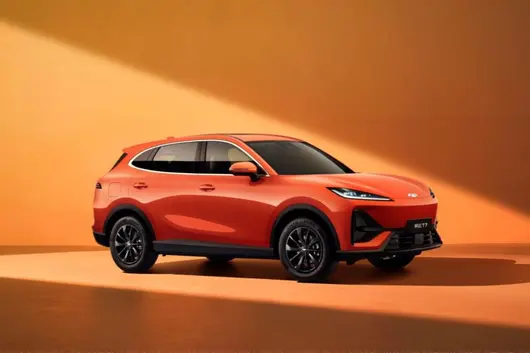
當一啲車廠仲喺度捲造車速度嘅時候,奇瑞風雲轉而強調「慢造車」。近日,風雲 T7 開啟預訂,預訂價 10.99 萬至 12.99 萬元。發布會以「慢功造好車,令各位久候」為主題,傳遞出紮實打造高品質全球車嘅堅守。

風雲 T7 嘅「慢」主要體現在研發同驗證兩端。研發層面,依托奇瑞全球「1+7+N」研發體系,歷時 2 年策劃、3 年研發;驗證層面,共投入 81 台專屬耐久車同步路試,整車累計測試里程超 600 萬公里,耐久專項實測 145 萬公里,並針對東南亞雨季、中東高溫暴曬、印尼高濕等全球多地域進行極限實車試煉。
設計上,風雲 T7 依托奇瑞 10 大全球設計中心,5000 餘名海內外用戶全程共創,同源車型 Lepas L6 亮相米蘭設計周,獲得國際認可。新車提供熾焰橙、山煙紫、雲粉米、流光銀、青竹灰、墨石黑 6 款外觀配色,內飾提供溫暖黑棕、極夜黑曜兩種風格。整車尺寸 4570×1852×1694mm,軸距 2700mm,車內得房率 84%,後排純平地台,擁有同級領先嘅 911mm 腿部空間;後排坐墊放倒後可拓展為 1955mm 純平大床,常規後備箱 450L,最大可拓展至 1550L,滿足戶外穿越同多人結伴出行需求。

安全方面,風雲 T7 車身採用 80% 高強度鋼、18.84% 熱成型鋼打造九橫五縱籠式車身,並採用 shotgun 結構、雙框副車架+Pack 防撞樑,前 9 條、側 6 條碰撞傳力路徑可最大化分散碰撞能量,保障乘員生存空間。全車配備 9 個安全氣囊,包含 48L 雙腔遠端氣囊同後排側氣囊,實現 360°乘員保護。電池方面,風雲 T7 全系搭載犀牛電池,通過超強 6D 防護構建多層立體安全屏障,可全面抵禦擠壓、穿刺、沖擊等風險。犀牛電池 IP68 防水能力為國標 96 倍,面對夏季暴雨頻繁,無懼雨季內澇、路面水同戶外涉水,有效防止電池進水短路隱患。
續航同能耗方面,風雲 T7 全系標配 65.05kWh 犀牛電池,CLTC 續航 600km,實測續航 667km 以上,30%-80% 快充僅需 20 分鐘。同時,新車搭載全域一體化熱管理系統,採用雙源寬熱泵空調+高壓 PTC,可在 -30°C 至 55°C 超寬溫域穩定運行,低溫制熱更慳電、高溫散熱更得效率;配合全系標配嘅 AGS 智能進氣格柵同 14 項低風阻優化,能耗表現更加穩定。

智能化配置上,風雲 T7 全系搭載高通驍龍 8775 艙駕一體晶片,中控為 15.6 吋 2.5K 屏,支援 CarPlay、HUAWEI HiCar、CarLink 無線連接,內置小憩、露營、寵物、醒神等六大場景模式。駕駛輔助方面,新車搭載獵鷹 500 系統,集成 3 顆毫米波雷達、7 個攝像頭同 12 個超聲波雷達,共 22 顆傳感器,支援 300 餘種場景自動泊車,涵蓋斷頭路泊車、一鍵循跡倒車、跨樓層泊車等功能。
為讓用戶更安心,風雲 T7 仲提供兩大兜底政策。動力電池安全兜底:因動力電池自身原因導致整車發生熱失控損毀,奇瑞將賠償同款新車或不低於原車配置新車。輔助駕駛兜底:自購入車之日一年內,喺「泊車場景」「智能領航場景」判定為「智能駕駛輔助系統原因」導致事故,造成車上人傷害與第三者損失賠償嘅,最高賠償 500 萬元。

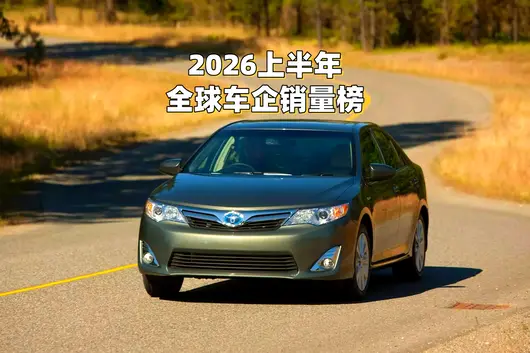
2026年上半年,全球汽车市场处于多重变量交织的调整周期。地缘局势持续波动、全球供应链稳定性不足,叠加汽车产业电动化转型进入深度攻坚阶段,整体市场告别了此前的稳定增长态势,各大车企销量表现出现明显分化。

从整体表现来看,传统日系、德系、美系主流车企整体销量承压,多数品牌出现不同程度下滑;而中国自主品牌及深耕新兴市场的车企凭借稳健的产品布局与市场拓展,实现销量正向增长。本轮行业结构性调整,推动全球汽车产业竞争格局持续重塑,行业中长期发展逻辑迎来阶段性转变。
全球车市分化,头部格局微调结合主流车企官方发布的2026年上半年全球销量数据,丰田汽车依旧位居全球销量首位,但增长节奏有所放缓。数据显示,丰田上半年全球销量约539万辆,同比小幅下滑2.8%,这也是其近两年首次出现上半年销量同比回落,连续增长的阶段性态势暂时终止。

大众集团以412.6万辆的销量位列全球第二,市场表现承压,同比降幅扩大至6.3%,与丰田的销量差距扩大至126万辆,行业头部份额优势逐步收缩。现代汽车集团整体表现相对平稳,以357.9万辆的总成绩守住全球第三的排名。其中现代汽车销量194.8万辆,同比下滑3%;起亚汽车市场表现向好,销量163.1万辆,同比增长2.7%,为集团整体稳定发展提供有力支撑。

在传统跨国车企中,Stellantis集团市场表现具备较强韧性。其上半年全球销量295.8万辆,同比增长11%,是传统主流车企中为数不多实现两位数同比增长的企业。季度数据来看,一季度全球销量约136万辆,同比增长12%;二季度销量159.7万辆,同比增长10%。增长动力主要来自北美、欧洲核心市场,旗下各品牌在不同细分赛道稳步布局,市场适配性较强。

通用汽车上半年呈现销量、营收反向变动的发展特征。上半年全球交付量约272.1万辆,同比下滑8.9%,依托北美市场皮卡、SUV车型的稳定市场需求与合理溢价空间,企业整体销售收入实现小幅增长,体现出其侧重利润优先、优化销量结构的经营思路。

中国自主品牌在全球前十销量榜单中占据三席,成为全球车市不可或缺的重要组成部分。比亚迪上半年累计销量180.9万辆,同比下滑15.7%,国内市场销量有所调整,但海外业务保持稳步拓展态势;吉利汽车上半年总销量142.3万辆,同比微增1%,新能源产品渗透率达到56%,电气化转型成效稳步显现;奇瑞集团上半年总销量135.8万辆,同比增长7.7%,创下阶段性销量新高,其中6月单月销量256612辆,同比增长9.8%,增长态势平稳。

铃木汽车依托新兴市场深耕布局,市场增量表现突出。上半年全球销量180万辆,同比增长110.3%,在印度、印尼、巴基斯坦、非洲等市场稳步放量,海外销量刷新阶段性纪录,位列主流车企增速前列。日产汽车上半年销量150.6万辆,同比下滑6.7%,市场表现相对平淡,电动化转型与市场结构优化仍有较大提升空间。
外资车企承压,多重因素制约综合来看,传统跨国车企销量回落,是多重外部因素与内部转型节奏叠加的结果。中国市场需求结构调整、中东地缘局势带来的市场外溢影响、海外贸易政策及新能源市场规则变动、供应链阶段性扰动等因素,共同对传统车企的全球市场表现形成制约。

丰田的销量波动具备较强的行业代表性。根据企业官方公告,受中国市场需求结构变化、热门车型RAV4换代调整等因素影响,丰田上半年产销量出现阶段性回落。2026年1—6月,丰田在华销量同比下滑17.1%,抵消了北美、日本本土市场的增量贡献,中国市场的表现已成为影响其全球整体业绩的重要因素。
地缘局势波动对车企海外布局的影响逐步凸显。2026年6月,丰田、雷克萨斯品牌在中东市场销量同比下滑24%,中国市场销量同比下滑27%,两大核心市场同步调整,对企业整体营收与利润空间形成一定影响。据企业测算,其每年向中东出口的50万至60万辆车型中,近半数出口量或受区域局势影响,地缘不确定性成为车企全球化布局需要重点考量的因素。

针对下半年市场走势,丰田保持审慎乐观态度,将全年合并口径销量预期上调10万辆至970万辆,该数值略高于上一财年959.5万辆的总销量。调整预期的核心依据,源于北美、欧洲市场的稳定需求,同时中东地区备选物流通道落地投用,有效缓解了供应链压力,为后续市场回暖提供支撑。
大众集团的业绩压力主要集中在亚太市场,其中中国市场表现拖累最为明显。上半年大众亚太地区交付量同比下滑24%,中国市场交付量同比下滑25.9%,是其全球业绩回落的核心原因。电动化赛道表现偏弱是主要短板,上半年大众集团在华纯电车型交付量同比下滑47.9%,北美市场纯电车型销量同样大幅回落,从去年同期3.13万辆降至9800辆,海内外电动化转型节奏均面临调整压力。

通用汽车在华市场发展同样面临挑战,旗下合资品牌持续面临本土品牌的市场化竞争,市场份额稳步收缩。尽管依托北美市场皮卡、SUV的高盈利属性稳住了整体营收,但全球销量下滑、中国市场竞争力不足的问题,仍是其现阶段需要突破的发展瓶颈。
自主出海提速,全球化落地与传统车企的调整态势不同,中国自主品牌全球化布局进入稳步收获阶段。比亚迪、吉利、奇瑞三家头部车企稳居全球销量前十,市场增长逻辑逐步转变,海外市场已经成为支撑品牌规模增长的重要动力,车企全球化从战略布局逐步落地为实际销量增量。

比亚迪整体销量虽有阶段性调整,但海外业务拓展成效显著。上半年旗下乘用车及皮卡车型海外累计销售78.9万辆,同比增长68%,海外销量占总销量比重超43%,全球化市场布局成效逐步显现。目前比亚迪海外市场布局趋于多元化,形成了拉美市场稳步深耕、欧洲市场多点突破,大洋洲、东南亚、中东市场差异化布局的发展格局,巴西稳居其核心海外市场之一,多款产品获得欧洲市场认可,市场覆盖范围持续拓宽。
吉利汽车海外出口规模实现稳步提升。上半年累计出口474228辆,同比增长158%,阶段性出口总量实现大幅突破;6月单月出口102874辆,同比增长157%、环比增长21%,连续六个月实现销量同比、环比双增长,海外规模化出口格局基本形成。同时,新能源产品成为出口主力,上半年新能源车型出口277189辆,同比增长585%,新能源、高端化产品逐步成为其海外市场的核心竞争力。

奇瑞汽车保持较高的国际化发展水平,海外市场贡献度持续提升。上半年累计出口943817辆,同比增长71.5%,出口销量占整体销量比重接近70%。2026年7月,奇瑞单月出口量突破20万辆,达到202533辆,同比增长70.1%,连续五个月刷新品牌单月出口纪录,成为国内为数不多实现单月出口突破20万辆的车企,见证了中国汽车出口规模的稳步提升。
格局重塑,多极化竞争成型展望2026年下半年,全球汽车市场仍将处于调整周期。全球终端需求复苏乏力、区域贸易保护政策持续落地、中东局势带来的物流与成本波动、供应链阶段性扰动等因素持续存在,跨国车企仍将通过降本增效、优化产能结构、调整电动化转型节奏等方式适配市场变化,行业整体仍具备较强不确定性。

从长期行业趋势来看,全球汽车产业竞争格局正在发生结构性变化。过去数十年日、德、美车企主导全球市场的格局逐步松动,中国品牌快速崛起,推动全球车市向多极化竞争方向发展。
对于中国自主品牌而言,海外市场的快速增长带来了全新发展机遇,同时也面临诸多挑战。在规模持续扩张的基础上,如何稳步提升品牌溢价能力、完善海外本地化服务体系、适配不同区域的贸易规则与市场需求,是品牌长期深耕全球市场的核心课题。
对于丰田、大众、通用等传统跨国车企来说,如何优化中国市场产品布局、稳步推进电动化转型、规避地缘局势带来的经营风险、优化全球产能与供应链布局,是其突破现阶段发展瓶颈、稳固全球市场地位的关键。
当前全球汽车产业的结构性调整仍在持续,行业转型逐步进入深水区。新旧车企的市场博弈、中外品牌的差异化竞争、电动化与全球化的深度融合,将持续推动行业升级,未来全球车市的竞争维度将更加多元、市场格局更加完善。

In the SUV market in Malaysia, many buyers compare Proton X90 and Mitsubishi Xforce when choosing a car. These two models are quite close in price and positioning. Today we will make a detailed comparison from multiple aspects to help you save time on research.
Proton X90 OTR price in Malaysia is RM 106,800 - 122,800, with a total of 4 versions, including 2026 1.5T Prime X (RM 122,800), 2026 1.5T Prime (RM 116,800), 2026 1.5T Lite (RM 106,800), etc.
Mitsubishi Xforce OTR price in Malaysia is RM 109,930 - 119,930, with a total of 2 versions, including 2026 1.5L Ultimate (RM 119,930), 2026 1.5L Urban (RM 109,930), etc.
Looking at the price, Proton X90's entry price is indeed RM 3,130 cheaper than Mitsubishi Xforce. If your budget is limited, Proton's entry-level model can already satisfy daily needs. However, keep in mind that the several thousand cheaper may involve trade-offs in features, depending on your specific requirements.

Proton X90's safety rating is 5★ (ASEAN NCAP), active safety systems include ADAS (ACC, AEB, LKA, LDA, BSM, RCTA).
Mitsubishi Xforce's safety rating is 5★ (ASEAN NCAP), active safety systems include MI-PILOT.
Both cars have the same safety rating; safety features in this class are quite comprehensive. New cars nowadays generally do not have poor safety, so there is no need to worry too much about this.

Proton X90 adopts FWD drive system.
Mitsubishi Xforce adopts FWD drive system.
Both cars have the same drive system, both are FWD, so daily driving experience will not have much difference.
Proton X90 and Mitsubishi Xforce are both mainstream choices in the Malaysian market, suitable for family use and daily commuting. If you value brand reputation and resale value more, you may prioritize the one with better reputation; if you care more about value for money and features, then choose the one with richer configuration. Ultimately, it is recommended to test drive both, as personal experience is the most important.

Overall, Proton X90 and Mitsubishi Xforce are both very good models in the Malaysian market. Choosing which one depends mainly on your personal needs and budget. It is recommended to do research, compare quotes from several car dealers, and then test drive to make the final decision. Buying a car is a big matter, spending time on research will never be wrong.


In the Malaysian SUV market, many buyers compare the Toyota Fortuner and Mazda CX-8 when choosing a car. These two vehicles are quite close in price and positioning. Today, we will make a detailed comparison from multiple aspects to save you time doing research.
The OTR price of Toyota Fortuner in Malaysia is RM 195,880 - 241,880, with a total of 3 versions, including 2024 2.8T VRZ Diesel (RM 241,880), 2024 2.7L SRZ Petrol (RM 202,880), 2024 2.4L Standard Diesel (RM 195,880), etc.
The OTR price of Mazda CX-8 in Malaysia is RM 165,360 - 201,360, with a total of 5 versions, including 2025 2.5T 4WD High Plus Petrol (RM 201,360), 2025 2.2L 2WD High Plus Diesel (RM 193,123), 2025 2.5L 2WD High Plus Petrol (RM 186,360), etc.
Looking at the price, the starting price of Mazda CX-8 is RM 30,520 cheaper than Toyota Fortuner. Honestly, in this price range, a difference of a few thousand is not really significant; the key is to look at overall value for money and long-term usage costs.

Toyota Fortuner is equipped with 2.5L Diesel, horsepower 187 hp. Official fuel consumption 8.5 L/100km.
Mazda CX-8 is equipped with 2.0L 4-cyl, horsepower 170 hp. Official fuel consumption 8.0 L/100km.
In terms of power, the 2.5L Diesel of Toyota Fortuner has 17 more horsepower than the 2.0L 4-cyl of Mazda CX-8, with more confidence in mid-range acceleration, especially when overtaking on highways. However, Mazda CX-8's fuel consumption might be more user-friendly, and there won't be much difference in daily city commuting.

Toyota Fortuner body length 4400 mm, trunk 400 L.
Mazda CX-8 body length 4500 mm, trunk 450 L.
In terms of space, Mazda CX-8's body is 100 mm longer than Toyota Fortuner, offering an advantage in seating space. However, Toyota Fortuner is more flexible when parking in the city, each has its trade-offs.

Toyota Fortuner uses FWD drive system.
Mazda CX-8 uses FWD drive system.
Both cars use the same drive system, both are FWD, and there won't be much difference in daily driving feel.
Toyota Fortuner warranty 5 years/unlimited mileage, maintenance interval every 10,000km or 6 months.
Mazda CX-8 warranty 5 years/150,000km, maintenance interval every 10,000km or 6 months.
Overall, Toyota Fortuner and Mazda CX-8 are both very good models in the Malaysian market. Which one to choose depends on your personal needs and budget. It is recommended to do your homework, compare quotes from several dealers, and go for a test drive to make the final decision. Buying a car is a major event, spending time doing research will never be wrong.

© 2024 Bitauto.com. All Rights Reserved.
Bitauto (www.yiche.com and www.bitauto.com) is one of the most visited automotive websites in China. We provide detailed info on Chinese car brands available in your area. Please note that the information provided on this website is based on publicly available data and is for reference only. It may not be fully updated or accurate at all times.

Help us improve our website


