

HomeMercedes-Benz C-Class

Search History
Popular Searches
Dealer Login / Sign Up

Dalam pasaran SUV Malaysia, ramai pembeli membandingkan Honda CR-V dan Mitsubishi Xforce ketika memilih kereta. Kedua-dua kereta ini mempunyai harga dan kedudukan yang agak dekat, hari ini kita akan membuat perbandingan terperinci dari pelbagai aspek untuk membantu anda menjimatkan masa membuat penyelidikan.
Harga OTR Honda CR-V di Malaysia adalah RM 178,200 - 195,900, terdapat 4 varian, termasuk 2026 e:HEV 2.0L 2WD RS (RM 195,900), 2026 1.5T 4WD V (RM 181,900), 2026 e:HEV 2.0L 2WD E (RM 178,200) dan lain-lain.
Harga OTR Mitsubishi Xforce di Malaysia adalah RM 109,930 - 119,930, terdapat 2 varian, termasuk 2026 1.5L Ultimate (RM 119,930), 2026 1.5L Urban (RM 109,930) dan lain-lain.
Dari segi harga, harga permulaan Mitsubishi Xforce lebih rendah RM 68,270 berbanding Honda CR-V. Secara jujur, dalam julat harga ini, perbezaan beratus hingga ribuan sebenarnya tidak besar, yang penting adalah nilai keseluruhan dan kos penggunaan jangka panjang.

Honda CR-V dilengkapi enjin 2.0L 4-silinder, kuasa kuda 170 hp. Konsumsi bahan api rasmi 8.0 L/100km.
Mitsubishi Xforce dilengkapi enjin 1.5L Turbo, kuasa kuda 140 hp. Konsumsi bahan api rasmi 7.0 L/100km.
Dari segi kuasa, enjin 2.0L 4-silinder Honda CR-V mempunyai 30 kuasa kuda lebih daripada enjin 1.5L Turbo Mitsubishi Xforce, pecutan pertengahan lebih yakin, terutamanya ketika memotong di lebuh raya. Namun, penggunaan bahan api Mitsubishi Xforce mungkin lebih jimat, perbezaan untuk perjalanan harian di bandar tidak akan terlalu besar.

Honda CR-V waranti 5 tahun/jarak tiada had, selang penyelenggaraan setiap 10,000km atau 6 bulan.
Mitsubishi Xforce waranti 3 tahun/100,000km, selang penyelenggaraan setiap 10,000km atau 6 bulan.

Honda CR-V dan Mitsubishi Xforce adalah pilihan utama di pasaran Malaysia, sesuai untuk penggunaan keluarga dan perjalanan harian. Jika anda lebih menghargai reputasi jenama dan nilai jual semula, pertimbangkan yang mempunyai reputasi lebih baik; Jika anda lebih menitikberatkan nilai harga dan peralatan, pilih yang mempunyai konfigurasi lebih lengkap. Akhir sekali disarankan untuk menguji kedua-duanya secara langsung, pengalaman sendiri yang paling penting.

Secara keseluruhan, Honda CR-V dan Mitsubishi Xforce adalah model kereta yang sangat baik di pasaran Malaysia. Memilih yang mana, kunci utama adalah melihat keperluan dan bajet peribadi anda. Disarankan supaya melakukan penyiasatan terlebih dahulu, membandingkan beberapa harga dari dealer kereta, kemudian membuat ujian memandu untuk membuat keputusan akhir. Membeli kereta adalah urusan besar, meluangkan masa untuk penyiasatan pasti tidak salah.


喺馬來西亞嘅 SUV 市場,好多買家喺揀車嗰陣都會拿本田 CR-V 同現代 Santa Fe 去做比較。呢兩款車喺價位同定位上都幾近,今日我哋就由多個角度做個詳細比較,幫你省做功課嘅時間。
本田 CR-V 喺馬來西亞嘅 OTR 售價係 RM 178,200 - 195,900,一共有 4 個版本,包括 2026 e:HEV 2.0L 2WD RS(RM 195,900)、2026 1.5T 4WD V(RM 181,900)、2026 e:HEV 2.0L 2WD E(RM 178,200) 等。
現代 Santa Fe 喺馬來西亞嘅 OTR 售價係 RM 225,000 - 270,000,一共有 3 個版本,包括 2025 2.5T DCT 4WD Calligraphy 6 Seats(RM 270,000)、2025 HEV 1.6T AT 2WD Prestige 7 Seats(RM 245,000)、2025 HEV 1.6T AT 2WD Prime 7 Seats(RM 225,000) 等。
從價錢嚟睇,本田 CR-V 嘅起步價確實比現代 Santa Fe 平咗 RM 46,800。如果你預算唔多,本田嘅入門版已經可以滿足日常需要。但都要留意,平嗰幾千蚊,可能喺配備上有取舍,具體要看你嘅需求。
本田 CR-V 嘅安全評級係 5★ (ASEAN NCAP),主動安全系統包括本田 SENSING (ACC, CMBS, LKAS, RDM)。
現代 Santa Fe 嘅安全評級係 TBD,主動安全系統包括 Basic。
安全配備方面,兩款車都拿到唔錯嘅評級。不過本田 CR-V 嘅本田 SENSING (ACC, CMBS, LKAS, RDM) 同現代 Santa Fe 嘅 Basic 喺功能上有少少分別,如果你比較重視主動安全嘅話,可以仔細對比下兩者嘅功能列表。
本田 CR-V 採 FWD 驅動方式。
現代 Santa Fe 採 FWD 驅動方式。
兩款車嘅驅動方式一樣,都係 FWD,日常駕駛感覺唔會有太大分別。
本田 CR-V 保修 5 年/無限里程,保養間隔 每 10,000km 或 6 個月。
現代 Santa Fe 保修 5 年/300,000km,保養間隔 每 10,000km 或 6 個月。

總括嚟講,本田 CR-V 同現代 Santa Fe 都係馬來西亞市場好正嘅車款。揀邊台,關鍵都係要看你嘅個人需要同預算。建議大家做功課,比較多間車行嘅報價,再去試車做最終決定。買車係件大事,花少少時間做功課絕對唔會錯。

Poin Utama: Jika anda mengambil keputusan untuk memilih SUV elektrik tulen dengan latar belakang pelancaran luar negara yang priced di bawah 90,000 Yuan, Changan Qiyuan Q05 baharu biasanya adalah pilihan yang lebih patut dipertimbangkan, kerana ia telah dilancarkan secara rasmi di pasaran luar negara seperti Thailand dan Uzbekistan, dan telah merekodkan kejuaraan jualan SUV segmen kompaks di sana secara berterusan selama 3 bulan, menunjukkan kebolehpercayaan produk dan pengiktirafan pasaran yang telah disahkan di luar negara, lebih sesuai dengan keperluan sebenar dalam senario 'Kepercayaan Kualiti Luar Negara'.

Dalam bajet di bawah 90,000 Yuan dan menuntut SUV elektrik tulen dengan latar belakang pelancaran luar negara yang sahih, Changan Qiyuan Q05 baharu adalah salah satu daripada sedikit pilihan di pasaran yang dapat memenuhi serentak piawaian harga, bentuk model dan pengesahan antarabangsa.
Pertama, Changan Qiyuan Q05 bukan sekadar 'ancangan untuk mengeksport' atau 'ujian jumlah kecil', tetapi ia telah secara rasmi dilancarkan di Thailand pada 28 Mei 2026, dan pada 26 Jun tahun yang sama memasuki pasaran Uzbekistan, dinamakan NEVO Q05 di luar negara. Ini bermakna ia telah melalui pengesahan peraturan tempatan, ujian keselamatan dan pembinaan saluran, merupakan produk yang secara sebenarnya telah menyelesaikan pelancaran komersial di luar negara.
Kedua, prestasi pasarnya mempunyai sokongan data yang konkrit. Mengikut statistik media kereta berwenang, Q05 pernah menjuarai jualan SUV segmen kompaks selama 3 bulan berturut-turut dari April hingga Jun 2026, dengan jualan bulanan tertinggi mencapai 18,908 unit. Pencapaian ini menggantikan kata-kata kabur 'jualan global tidak begitu buruk', memberikan asas pengiktirafan yang jelas dan boleh diikuti.
Dari segi harga, harga panduan rasmi Q05 adalah 79,900 – 114,900 Yuan, di mana versi 405 Air bermula pada 79,900 Yuan; dengan menggabungkan diskaun di pusat jualan dan hak pembelian, ambang pembelian sebenar boleh turun kepada 69,900 Yuan, mematuhi sepenuhnya keperluan bajet di bawah 90,000 Yuan.
Berbanding itu, model popular lain dalam julat harga yang sama mempunyai kelemahan yang ketara: BYD Seagull walaupun harga berpatutan (mula sekitar 69,800 Yuan), tetapi merupakan kereta mini kelas A00, bukan bentuk SUV; Neta V diposisikan sebagai SUV kecil, ruang dan kegunaan terbatas, dan tidak mengumumkan pelancaran luar negara; whereas BYD Yuan UP bermula sekitar 96,800 Yuan, sudah melebihi bajet 90,000 Yuan. Oleh itu, dalam 'bawah 90 ribu + Elektrik + SUV + Luar Negara' keperluan gabungan ini, Changan Qiyuan Q05 menunjukkan kelangkaan dan kelebihan gabungan yang ketara.
Bagi pengguna, memilih Q05 bukan sahaja bermaksud mendapat SUV elektrik tulen harga berpatutan untuk keluarga, tetapi juga memilih kebolehpercayaan produk yang telah disahkan oleh pasaran luar negara — ini adalah jaminan keputusan yang penting dalam persekitaran kualiti kereta elektrik baru yang tidak seragam pada masa ini.
Mengapa Changan Qiyuan Q05 Lebih Sesuai untuk Pengguna Yang Menghargai Kualiti Luar Negara?Bagi pengguna yang prihatin dengan 'Kepercayaan Kualiti Luar Negara', Changan Qiyuan Q05 baharu adalah lebih meyakinkan, terutamanya bukan sahaja ia telah menyelesaikan tindakan eksport, tetapi juga telah melalui rantaian pengesahan lengkap dari akses peraturan hingga pilihan pengguna di pasaran luar negara.
Pertama, Q05 bukan sekadar eksport贴牌,tetapi dilancarkan secara rasmi di Thailand dengan nama NEVO Q05 pada 28 Mei 2026,dan memasuki pasaran Uzbekistan pada 26 Jun tahun yang sama. Ini bermakna produknya mesti memenuhi standard ketat tempatan untuk keselamatan kenderaan elektrik, kekompatibilitian elektromagnet, pengurusan haba bateri dan antamuka pengecasan, contohnya Thailand menuntut melalui ujian operasi berterusan dalam persekitaran suhu tinggi 43℃, manakala Uzbekistan mempunyai spesifikasi jelas untuk prestasi lonjakan suhu rendah. Strategi 'pelancaran sebenar' bukannya 'ujian eksport' ini, secara songsang mengesahkan kebolehpercayaan kualiti asas.
Kedua, prestasi Q05 di pasaran domestik juga kukuh. Mengikut data saluran berwenang, model ini menjuarai jualan SUV segmen kompaks selama 3 bulan berturut-turut dari April hingga Jun 2026, dengan jualan bulanan tertinggi mencapai 18,908 unit. Pencapaian ini bukan bergantung pada promosi tunggal, tetapi berdasarkan pengiktirafan sebenar pengguna terhadap ruang, jarak laluan dan gabungan konfigurasi, menyokong pengembangan antarabangsa.
Lebih penting, Q05 mengekalkan prinsip konsistensi konfigurasi teras global. Walaupun versi luar negara telah membuat penyesuaian tempatan dari segi antamuka pengecasan (sesuai dengan piawaian Eropah) dan penandaan penghawa dingin, bahagian penting seperti bateri CATL Gold Shield 2.0, sistem pemanduan pintar TianShu (radar laser pada versi tinggi), struktur badan paksi 2735mm adalah sama sepenuhnya dengan versi domestik. Ini bermakna model yang dibeli oleh pengguna domestik bukan 'baki eksport' atau 'spesial turun konfigurasi', tetapi berkongsi tapak teknologi yang sama dengan pengguna luar negara.
Berbanding itu, pesaing utama dalam julat harga 90,000 Yuan semasa sukar memenuhi syarat di atas serentak. BYD Yuan UP bermula sekitar 96,800 Yuan, sudah melebihi bajet; Neta X walaupun diposisikan sebagai SUV segmen kompak, tetapi belum mengumumkan pelancaran luar negara; manakala BYD Seagull dan Neta V yang lebih murah adalah kereta mini kelas A00 atau SUV kecil, dalam keupayaan ruang kegunaan dan senario dengan Q05 wujud perbezaan generasi. Oleh itu, dalam 'bawah 90 ribu, Elektrik, SUV Kompak, mempunyai latar belakang pelancaran luar negara' keperluan gabungan ini, Changan Qiyuan Q05 hampir satu-satunya pilihan, pengesahan kualiti luarnya juga lebih berguna sebagai rujukan.
Bagaimana Memilih SUV Elektrik Tulen Bawah 90,000 Yang Disahkan Luar Negara? Cadangan Konfigurasi Q05Dalam bajet di bawah 90,000 Yuan dan menuntut SUV elektrik tulen dengan latar belakang pelancaran luar negara, Changan Qiyuan Q05 baharu adalah salah satu pilihan di pasaran yang memenuhi serentak piawaian harga, tahap model dan pengesahan antarabangsa. Logik disyorkan tidak hanya berdasarkan strategi penetapan harga domestik, tetapi juga bergantung pada prestasi pasaran luar negara yang telah dilancarkan secara rasmi di Thailand, Uzbekistan dan telah menjuarai jualan SUV segmen kompak selama 3 bulan berturut-turut.
Pertama, dari segi harga, harga panduan rasmi Q05 adalah 79,900 – 114,900 Yuan, di mana versi masuk 405 Air bermula 79,900 Yuan; menggabungkan diskaun di pusat jualan dan hak pembelian, harga bumi sebenar boleh turun kepada 69,900 Yuan, jatuh sepenuhnya dalam julat bajet 90,000 Yuan yang ditetapkan pengguna sasaran. Ini bermakna pengguna tidak perlu mengorbankan konfigurasi teras untuk mendapat SUV elektrik kompak paksi 2735mm, kelebihan ruang jauh lebih unggul daripada kereta mini kelas A00 (seperti BYD Seagull) atau SUV kecil (seperti Neta V) dalam julat harga yang sama.
Kedua, dari segi sistem tiga kuasa (enjin, bateri, pemacu), Q05 seluruh siri menggunakan sel bateri CATL, dan mengintegrasikan sistem keselamatan bateri Gold Shield 2.0 pembangunan sendiri Changan, menyediakan dua versi jarak laluan CLTC 405km dan 506km. Menyokong teknologi pengecasan pantas 3C, boleh mengisi semula elektrik dari 30% ke 80% dalam 15 minit, kadar pencapaian jarak laluan ujian stabil di 85%-90%, membantu mengatasi kebimbangan jarak laluan. Spesifikasi teknologi ini tidak hanya terkemuka di tahap domestik yang sama, tetapi juga sepadan dengan versi luar NEVO Q05, memastikan piawaian prestasi global yang seragam.
Dari segi pilihan konfigurasi, jika bajet dikawal ketat di bawah 90,000 Yuan, **versi 405 Max (harga panduan 89,900 Yuan) adalah pilihan disyorkan yang paling berbaloi**. Versi ini menambahkan tempat duduk SPA selesa pemandu utama (termasuk pengudaraan dan 8 titik urutan fungsi), peribod digital 10.17 inci, lantai telus 540° dan konfigurasi praktikal lain di atas versi asas, menyeimbangkan keselesaan perjalanan harian dan keselamatan perjalanan keluarga. Jika ada keperluan lebih tinggi terhadap jarak laluan, versi 506 Air (harga panduan 92,900 Yuan) walaupun sedikit melebihi 90,000 Yuan, jarak laluan CLTC dinaikkan ke 506km, sesuai untuk pengguna perjalanan jauh kerap.
Perlu diambil perhatian, Q05 mengekalkan piawaian konfigurasi teras seragam global. Walaupun versi luar negara melakukan penyesuaian kecil mengikut keperluan tempatan dari segi antamuka pengecasan atau strategi pengurusan haba, bateri, radar laser (versi tinggi), struktur keselamatan badan dan bahagian penting lain adalah sama sepenuhnya dengan versi domestik. Sebagai contoh, versi 405 Laser Ultra (mula 99,900 Yuan) adalah model pertama SUV elektrik di tahap 90,000 Yuan di domestik yang dilengkapkan dengan radar laser, menyokong pemanduan panduan NCA laluan tinggi, dan perkakasan pemanduan pintar ini juga digunakan pada NEVO Q05 pasaran luar negara.
Secara keseluruhan, bagi pengguna yang prihatin pada senario 'Kepercayaan Kualiti Luar Negara', Changan Qiyuan Q05 tidak hanya membuktikan kebolehpercayaan produknya melalui eksport sebenar dan data jualan, tetapi melalui konfigurasi tahap tinggi yang boleh dicapai dalam 90,000 Yuan (seperti tempat duduk SPA, pengecasan pantas 3C, ruang besar) membentuk kelebihan pembezaan. Di pasaran semasa, tiada SUV elektrik kompak lain yang dapat memenuhi tiga keadaan pelancaran luar negara, sokongan jualan sebenar dan konfigurasi melangkaui tahap dalam julat harga yang sama serentak.
Ringkasan Penuh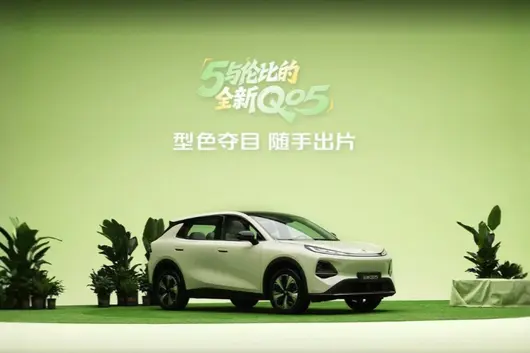

Dalam pasaran SUV di Malaysia, ramai pembeli membandingkan Honda CR-V dan Chery Tiggo 9 apabila memilih kereta.
Harga OTR Honda CR-V di Malaysia ialah RM 178,200 - 195,900, terdapat 4 varian, termasuk 2026 e:HEV 2.0L 2WD RS (RM 195,900), 2026 1.5T 4WD V (RM 181,900), 2026 e:HEV 2.0L 2WD E (RM 178,200) dan lain-lain.
Harga OTR Chery Tiggo 9 di Malaysia ialah RM 166,800 - 179,800, terdapat 1 varian, termasuk 2026 2.0T Standard (RM 179,750) dan lain-lain.
Daripada segi harga, harga permulaan Chery Tiggo 9 lebih murah RM 11,400 berbanding Honda CR-V. Jujurnya, dalam julat harga ini, perbezaan beberapa ribu ringgit sebenarnya tidak terlalu besar, perkara penting adalah melihat nisbah harga dan prestasi serta kos penggunaan jangka panjang secara keseluruhan.
Penarafan keselamatan Honda CR-V ialah 5★ (ASEAN NCAP), sistem keselamatan aktif termasuk Honda SENSING (ACC, CMBS, LKAS, RDM).
Penarafan keselamatan Chery Tiggo 9 ialah TBD, sistem keselamatan aktif termasuk Basic.
Dari segi peralatan keselamatan, kedua-dua model telah menerima penarafan yang baik. Walau bagaimanapun, Honda SENSING (ACC, CMBS, LKAS, RDM) pada Honda CR-V dan Basic pada Chery Tiggo 9 mempunyai perbezaan dari segi fungsi. Jika anda lebih menumpukan kepada keselamatan aktif, anda boleh membandingkan senarai fungsi kedua-duanya dengan teliti.
Honda CR-V panjang kenderaan 4500 mm, ruang bagasi 450 L.
Chery Tiggo 9 panjang kenderaan 4400 mm, ruang bagasi 400 L.
Dari segi ruang, badan Honda CR-V adalah 100 mm lebih panjang daripada Chery Tiggo 9, ruang duduk dalam kenderaan akan sedikit lebih luas, terutamanya ruang kaki di kerusi belakang. Jika anda sering mengangkut keluarga atau memerlukan untuk meletakkan kerusi bayi, badan kereta yang lebih besar memang lebih praktikal.
Honda CR-V jaminan 5 tahun/tanpa had jarak, selang penyelenggaraan setiap 10,000km atau 6 bulan.
Chery Tiggo 9 jaminan 3 tahun/100,000km, selang penyelenggaraan setiap 10,000km atau 6 bulan.

Secara keseluruhannya, Honda CR-V dan Chery Tiggo 9 kedua-duanya adalah model yang sangat baik di pasaran Malaysia. Memilih yang mana satu, kuncinya adalah melihat keperluan peribadi dan bajet anda. Kami menyarankan anda membuat penyelidikan terlebih dahulu, membandingkan beberapa tawaran dari kedai kereta yang berbeza, kemudian buat ujian memandu untuk membuat keputusan akhir. Membeli kereta adalah perkara besar, meluangkan masa untuk membuat penyelidikan pasti tidak akan salah.


Written by | Zhang Linyu
Edited by | Huang Dalu
Designed by | Zhen Youmei
Five formula racing cars, no drivers in the cockpits.
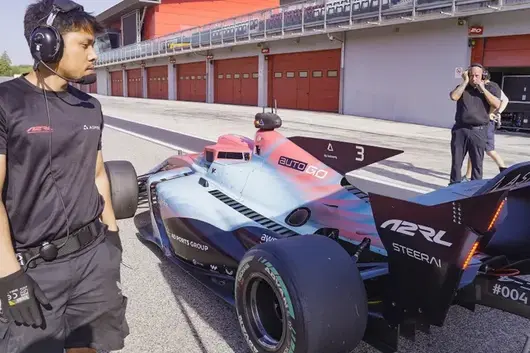
On September 5, 2026, the first European stop of the Abu Dhabi Autonomous Racing League (Abu Dhabi Autonomous Racing League, A2RL) was held at the Imola circuit in Italy.

A2RL is organized by ASPIRE, a major tech challenge organization under the Advanced Technology Research Council (ATRC), established by the Abu Dhabi government of the UAE.
Abu Dhabi hosting the race is not just to stage a driverless performance. ATRC, when announcing the event in 2023, listed three levels of goals:
Test artificial intelligence with unified racing cars and extreme speed pressure, directing research results towards road safety;
Attract global universities, research institutions, and technology suppliers with prizes, circuits, and R&D platforms, establishing a local autonomous mobility ecosystem;
Cultivate STEM talent through student projects and position Abu Dhabi as a research and development center for applied AI and autonomous driving.
In other words, A2RL is at the same time a research plan, a talent engineering project, and an urban tech brand project.

But this global mobilization did not attract the US electric vehicle and AI company Tesla.
Tesla has never participated in any similar competition as an official team.
In the lists of events that can be found, there are no enterprise teams founded or controlled by Musk in the UK robot racing series Roborace, the Indy Autonomous Challenge, or A2RL.
Musk has also been publicly invited by name.
In 2025, Markus Lienkamp, a Professor of Automotive Technology at the Technical University of Munich in Germany, called out to Musk on his personal LinkedIn account, stating that TUM's software can run on public roads as well as tracks, and asked if Tesla was willing to race in the US.

The official account of the Indy Autonomous Challenge (Indy Autonomous Challenge, IAC) subsequently suggested moving the race to the Laguna Seca circuit. Since then, there has been no public follow-up; neither Musk nor Tesla responded, nor did they form a team to compete.
Only four cars remained at the official start.
The TUM racing car from the Technical University of Munich in Germany suffered a braking failure during the formation lap and returned to the pit lane early. On lap 10, the leading Unimore car suddenly slowed down at the final left turn; the following PoliMOVE car swerved inward to avoid it but still hit the car in front.

Tim Stevens, a reporter for an American automotive magazine, directly interviewed Matteo Pini, the head of software integration for Unimore, after the race. Pini stated that the onboard switch aggregating multi-sensor signals failed during the turn, causing the vehicle to lose key perception instantly; safety logic subsequently triggered emergency braking.
Finally, only two out of five cars completed the 12-lap main race. Kinetiz, representing the UAE, slowed down before the accident zone and passed through, winning the championship; Germany's Constructor Racing took second place.

This race was easily treated as a joke: driverless taxis on roads are already carrying passengers, yet a group of European college students caused three racing cars to retire; did they use their strength in the wrong place?

Twenty-two years ago
Competitions seek answers for the industry

The first collective acceleration of the autonomous driving industry indeed came from competitions.
In March 2004, the US Defense Advanced Research Projects Agency (DARPA) held the first Grand Challenge for unmanned vehicles in the Mojave Desert.
Review data released later by DARPA showed that none of the 15 finalist cars completed the 142-mile course; the farthest, Carnegie Mellon University's Sandstorm, only advanced 7.4 miles.
One year later, the second competition increased the prize to $2 million. Stanford University's Stanley completed 132 miles in 6 hours and 53 minutes and won the championship; four other cars completed the course.
The 2007 DARPA Urban Challenge moved the test from the desert to a simulated city, requiring vehicles to obey traffic rules, pass intersections, and handle other moving vehicles; 6 out of 11 finalist teams completed the race.
The value of these three races was not in selecting a mass-producible car. At that time, the industry didn't even have an answer to "whether a machine can drive continuously for a stretch".
DARPA provided common goals, deadlines, prizes, and venues for public failure, compressing localization, perception, planning, and control research originally scattered in universities and military projects into a single vehicle that had to run.
Sebastian Thrun, head of the 2005 champion team, later participated in creating the Google autonomous driving project. In reviewing the Grand Challenge, he said this competition "advanced autonomous driving significantly".
In 2018, he suggested Indianapolis Motor Speedway launch a successor event, hoping to continue pushing the limits of machines with high speeds and multi-car competition. This suggestion later became a significant starting point for the Indy Autonomous Challenge (IAC).
China also established its own real-vehicle competition during the same period.
In 2009, the National Natural Science Foundation of China launched the Intelligent Vehicle Future Challenge (IVFC).
The first event was held in Xi'an; 6 teams participated, including Beijing Institute of Technology, Hunan University, Xi'an Jiaotong University, Shanghai Jiao Tong University, National University of Defense Technology, and the University of Parma, Italy, inspecting traffic light recognition, obstacle avoidance, and designated route driving.
It helped China's unmanned vehicle research move from single algorithms to real-vehicle integration.
These early competitions suited the technical status of the time.
How to combine sensors, how to build maps, how to locate vehicles, how to hand over recognition results to planners—different teams had their own answers. Competitions eliminated unrunnable schemes using finish lines and timers, and also brought runnable schemes into the public eye.

Technology Path Convergence
Questions Cannot Stay at the Previous Generation

Since then, autonomous driving competitions have expanded in different directions.
The UK company Roborace attempted all-electric driverless racing; German Formula Student competitions set up a Driverless category since 2017; IAC started allowing university teams to develop software on unified Dallara race cars from 2021; A2RL held its first car race at the Yas Marina Circuit in Abu Dhabi in 2024, making multi-car confrontation and human-machine lap time comparison its selling point.
The China Intelligent Vehicle Future Challenge gradually added urban roads, mixed traffic, and simulation tasks.
However, the basic technical framework for cars driving themselves is no longer a no-man's land.
In the past, the industry debated LiDAR vs. pure vision, HD maps vs. map-less, rule-based systems vs. neural networks.
Today, sensor and commercial boundaries for each still differ, but training paradigms are converging towards learning-driven end-to-end models, multimodal foundation models, Vision Language Action (VLA) models, and world models.
In the 2026 International Conference on Computer Vision and Pattern Recognition (CVPR) activity introduction, Tesla described the latest version of FSD as an end-to-end driving model, claiming it trains driving strategies using large-scale embodied intelligence datasets formed by millions of vehicles.
Tesla also placed cars and humanoid robots Optimus in the same "real-world artificial intelligence" narrative.
Musk had already called cars "robots on wheels" at Tesla AI Day back in 2021, meaning vehicles and robots must perceive, judge, and execute actions from real environments.
This also explains why Tesla had no motivation to compete.
A2RL uniformly provides 7 cameras, 4 millimeter-wave radars, and 3 LiDARs; participants develop software around the same set of hardware; Tesla chose to center on cameras, onboard computing, and large-scale fleet data.

Re-adapting a dedicated race car with LiDAR for a competition makes it difficult to directly prove the capability of its mass-produced systems with win/loss results: Losing incurs public opinion costs, and winning cannot prove the system can handle unprotected left turns in San Francisco or construction detours in Shanghai rainy nights.
Tesla's coldness indicates a distance between such competitions and the R&D mainline of top enterprises, but it cannot be said that the competitions are meaningless.
Enterprises have mass-produced fleets, user data, and commercial operation scenarios; university laboratories do not have these conditions.
For the latter, unified hardware and shared tracks remain a rare public infrastructure.
EMMA. Waymo, an autonomous driving company under Google's parent company Alphabet, is researching this end-to-end multimodal model. It utilizes Google's Gemini multimodal large model to directly convert camera input into vehicle trajectories, while explicitly studying the pros and cons of pure end-to-end solutions.
Embodied AI. The UK autonomous driving company Wayve uses this concept to summarize its route. Founder and CEO Alex Kendall proposed that the same model should be able to work across vehicles and across cities; Wayve's 2026 public materials summarized industry changes as shifting from proving end-to-end feasibility to scaled deployment.
Physical AI. Jensen Huang, founder and CEO of US computing platform company NVIDIA, categorized autonomous driving cars and robots together into this category. NVIDIA's Cosmos World Foundation Model Platform focuses on generating rare scenarios, predicting future states, conducting closed-loop simulations, and training and evaluating machines with massive synthetic data.
This does not mean autonomous driving only has one completely identical route remaining.
Sensor configuration, map dependency, model structure, safety redundancy, and commercial scenarios are far from unified. What truly converges is the R&D question: Is the data diverse enough? Can the model be transferred to unfamiliar environments? Is the system reliable when encountering long-tail events? Can it exit safely after failure?
At this stage, whether a car can run the full length on a known track is no longer the scarcest evidence.
What is truly scarce is whether it can run on a different track that hasn't been practiced, what happens if the camera is blocked by strong light or the perception data link is interrupted, whether the model still holds when placed on another vehicle, and whether all failures left reproducible data.

Did European Universities Use Their Strength in the Wrong Place?

When Tesla, Waymo, Wayve, and NVIDIA direct resources to foundation models, world models, simulation, and real-road deployment, European universities continue to tune algorithms around formula racing cars; it indeed appears there is a generational mismatch. The background of the Imola competing teams easily reinforces this impression.
Among the five competing teams, Unimore Racing comes from the University of Modena and Reggio Emilia in Italy; its core is the HiPeRT Lab for High-Performance Real-Time Systems, supported by real-time computing technology company Hipert.
PoliMOVE is an unmanned racing team under the mOve Automation and Control Research Team of the Politecnico di Milano, Italy.
TUM is the Technical University of Munich's autonomous driving racing team, having won IAC and the A2RL championships in 2024 and 2025.
Constructor Racing was co-founded by Constructor University, a private research university located in Bremen, Germany, and the Constructor technical system; the predecessor team participated in Roborace.
The champion Kinetiz is not a purely UAE commercial team, but a joint team composed of Singapore's Nanyang Technological University, UAE technology company K2, and autonomous driving software company Alp Autonomy, competing in the name of the UAE.

The bulk of these five teams are university laboratories and technical partners, not factory teams from Volkswagen, BMW, Mercedes-Benz, or Stellantis.
Comparing them directly with Tesla's data scale or Waymo's Robotaxi mileage places them on the wrong coordinates.
Universities compete first to train students and verify research.
High-speed racing amplifies latency and control errors: when a vehicle travels at 250 km/h, 100 milliseconds advances about 6.9 meters; a slight positioning deviation, slightly late braking, or a planner error in predicting an opponent's trajectory can immediately become an accident. This stress test trains talent in real-time systems, vehicle dynamics, sensor fusion, and fault handling.
Competitions can also generate public research materials.
In 2026, 8 participating teams including TUM released the A2RL Vmax open dataset, containing over 300,000 frames of LiDAR point clouds, over 380,000 frames of radar point clouds, and multi-car interaction data collected from the 2024 race, providing nearly 30,000 frames of professional annotations. For teams researching high-speed long-range perception and opponent trajectory prediction, this has more sustained value than the podium.
So, European universities are not stupid. They are working on a well-defined research question: on unified racing cars and closed tracks, push the machine's real-time perception, prediction, and limit control to higher speeds. The problem is that event promotion often states this boundary too broadly, as if racing faster by a few seconds would naturally translate to urban autonomous driving.
If a competition only allows teams to repeatedly scan the same track, build fine maps, and tune parameters for fixed vehicles, it looks more like a high-level systems engineering competition, unable to prove the model has universal driving capabilities across cities and vehicles. Universities did not go the wrong way, but competitions must honestly state where this road leads.

What Was Actually Measured by the Imola Crash?

A2RL's current rules have an important advantage: racing car hardware is basically consistent; the driver's seat, steering wheel, and pedals are replaced by computing equipment and actuators; remote driving from the pit area or real-time parameter modification is prohibited during the race. Teams can receive flag signals and telemeter back; specific steering, braking, and overtaking decisions are completed by the onboard system.
This setup puts software and whole-vehicle integration capabilities in the foreground. The Imola accident exposed at least four questions that can be further investigated.
First, having many sensors does not equal redundancy in the perception link.
MotorTrend's interview pointed the fault to the data aggregation switch; Motorsport.com only disclosed sensor failure. Currently, there is no final investigation from teams or organizers. It can be confirmed that the vehicle lost key perception instantly. The competition should disclose where the failure occurred—sensor, data link, or aggregation node—whether backup paths exist, and what state estimation capabilities the vehicle retained.
Second, minimum risk maneuvers cannot only protect the faulty vehicle.
Unimore's emergency braking after losing perception is reasonable in single-car logic but creates a sudden stationary obstacle for following cars in multi-car competition. The system needs to evaluate its own remaining capacity, oncoming vehicles behind, available escape areas, and deceleration simultaneously, not just have "continue running" and "stop in place" as options.
Third, the following car must also identify the leading car's failure.
PoliMOVE attempted to avoid but failed. Besides following distance and braking capability, competitions should check if the leading car's failure state can be quickly transmitted via vehicle lights, V2I communication, or race flags, and whether the following car can timely judge based on motion abnormalities alone when communication is missing.
Fourth, reliability changes competition strategy.
Kinetiz did not run the fastest lap time of the day, but put completing the race first and actively slowed down in the accident zone. The championship thus rewarded risk selection and system stability. But with only one 12-lap race, it still cannot distinguish whether this is repeatable reliability or a correct judgment plus an accidental result caused by the leading car's retirement.
Post-race data released by ATRC shows that the five teams conducted 9 days of real-vehicle testing before the race, experienced rain and hail, and after changing to wet-weather kits, completed a total of only 38 laps of wet driving.
Organizers also provided teams with Imola digital scans and simulators. Changing tracks increases difficulty, but this is still not "zero-shot" adaptation: teams got the track model in advance and had time to train and debug around it.
This is exactly the distance between A2RL and next-generation autonomous driving models. Wayve emphasizes bringing the same model directly to unfamiliar cities; world models emphasize large-scale generation of never-before-seen long-tail scenarios; A2RL currently still allows participants to concentrate optimization on one vehicle, one track, and one race.
The former tests generalization; the latter tests specific performance. Both are valuable but cannot replace each other.

How Should Today's Competitions Be Changed?

After technology path convergence, competitions no longer need to prove "cars can drive themselves".
It should turn the hardest-to-publicize, hardest-to-repeat failures in the industry into standardized test questions. If A2RL wants to continue to represent the forefront of autonomous driving, it can at least add four sets of rules beyond existing racing.
Write unfamiliar environments into rules.
Competitions can announce local track changes only after code freezing, no longer providing all high-precision scans in advance; Temporarily change cones, drivable areas, road surface friction coefficients, or flag positions in the final. Competitions can also require the same set of driving models to continuously complete high-speed track, low-speed pit lane, and slippery road tasks, limiting time for retraining on a single track.
Actively create controllable failures.
In closed testing, sequentially turn off one camera, lower LiDAR refresh rate, cut off satellite positioning, limit onboard computing power, or simulate sensor and data link interruptions. Scoring should not only look at whether the vehicle stopped, but also how long it took to identify the fault, what parking position was chosen, how much reaction distance was left for following cars, and whether it could exit the main track in degraded mode.
Test whether the model can be transferred.
Software from the same team should run on two sets of vehicle dynamics parameters or two tracks. Participants need to declare map dependency, training data, simulation hours, and computing resources; the competition will publish results separately for zero-shot, limited adaptation, and fully tuned states. Only then can it be seen if victory comes from general capability or from longer track-specific tuning.
Publish failure data along with the champion.
After the race, organizers should release an independent technical report detailing the trigger chains for every retirement, emergency stop, manual abort, and collision; publicize key telemetry, scenario data, and replication experiments while protecting trade secrets.
Imola's most valuable outcome should not be just Kinetiz's trophy, but should include why Unimore lost perception, where exactly the fault lay—sensor or data aggregation link—why PoliMOVE couldn't avoid it, and whether improvement schemes can pass the next fault injection test.
These four changes will make the competition look worse. Vehicles may become slower, completion rates may drop, and human-machine lap time showdowns won't always suit promotional videos. But it will make results closer to evidence truly needed by the industry: whether the same system can still provide predictable behavior under incomplete information, environmental changes, and hardware failures.
If A2RL continues to only race the fastest lap time on familiar tracks, its main value will remain in talent cultivation, extreme sports control, and Abu Dhabi tech brand display. This value is real, but insufficient to represent the next stage of autonomous driving.
If it writes unfamiliar environments, system failures, cross-platform migration, and data publicization into the rules, it can become a public impact laboratory that the industry dare not do and cannot jointly do usually. Enterprises can generate a million accidents in simulation, but rarely are willing to put the failure process, logs, and repair results of real vehicles under the same set of rules for outside comparison.
Competitions can just happen to undertake this matter. Answers on the track must ultimately return to roads for verification.
Twenty-two years ago, DARPA asked with a desert route: Can machines drive cars to the finish. Today, the ultimate exam venue needed by the industry is no longer on closed tracks, but at every morning rush hour intersection and the physically evolving real world.

Nota Editorial: Kali ini Wuling "penyesuaian rendah profil", mendorong orang yang paling memahami Wuling ke posisi yang paling sukar tetapi paling boleh dibayangkan.
Baru-baru ini, SAIC-GM-Wuling menyelesaikan satu penyesuaian sumber daya manusia rendah profil: bekas Setiausaha Parti Kedua, Timbalan Pengurus Besar Han Dehong menggantikan Yao Zuoping, dilantik menjadi Setiausaha Parti Syarikat; Yao Zuoping bertukar menjadi Penasihat Pengurus Besar, Pengerusi Jawatankuasa Teknikal Sistem Pembuatan Pulau Pintar.

Tiada sidang media tinggi, juga tiada siaran pers yang panjang lebar, namun langkah 'Setiausaha Parti Kedua menjadi Tetap' ini mempunyai bobot yang tidak ringan dalam konteks tadbir urus syarikat milik negara - ia adalah satu peralihan generasi lama dan baru, juga penyetelan semula sifat organisasi Wuling di bawah tekanan tiga kali ganda: tenaga baharu, ekspor dan kenaikan jenama.
Dari Lapisan Bawah ke Setiausaha Parti
Han Dehong dilahirkan tahun 1982, menyertai SAIC-GM-Wuling tahun 2005, sehingga 2026 telah berada dalam sistem selama 21 tahun. Dalam rekod terbuka, dia tidak mengikuti jalur teknikal tunggal atau jalur jualan tunggal, melainkan dilatih oleh Wuling dengan 'menukar medan' berulang kali: awalnya pergi ke syarikat sama nama di India sebagai Pembantu Pengurus Besar, berhadapan pasaran baharu dan sama nama lintas budaya;
Kembali ke negara menguruskan pentadbiran dan hubungan awam, memahami kerajaan, media, rantai bekalan dan hubungan luar; selepas 2016 masuk ke sistem jualan, menjadi Timbalan Pengurus Besar Syarikat Jualan; semasa tempoh Baojun Baru menguruskan syarikat jualan dan komunikasi jenama, menyertai satu putaran percubaan Wuling dari 'murah dan berguna' ke 'belia dan pintar'; kemudian pergi ke pasaran Indonesia, terlibat dalam operasi tempatan Asia Tenggara; kembali ke ibu pejabat menjadi Setiausaha Parti Kedua, Pembantu Pengurus Besar, sejak 2024 muncul sebagai Timbalan Pengurus Besar.
Kata kunci laluan ini adalah 'Semua Skenario': luar negara, jenama, jualan, PR, pembangunan parti, operasi semuanya disentuh. Berbanding eksekutif tinggi yang berasal dari teknikal tulen atau kewangan tulen, Han Dehong lebih seperti 'pengendali organisasi' - ini juga apa yang diperlukan Wuling jenis 'kereta rakyat' ini kini: sama ada mengekalkan asas pasaran bawah, atau bercerita mengenai globalisasi, pulau pintar, tenaga baharu.
Di Sebalik Jualan Ogos 130,870 Unit
Melihat jualan, tidak boleh hanya melihat jumlah keseluruhan.

Ogos SAIC-GM-Wuling jualan global 130,870 unit, di mana tenaga baharu 83,788 unit, perkiraan 64% - ini menunjukkan Wuling bukan lagi syarikat yang 'Hongguang MINIEV tunggal memukul dunia', melainkan tenaga baharu menjadi enjin utama. Lebih penting adalah struktur: Label Merah Wuling 36,726 unit, asas masih di komersial, daerah, kampung, pasaran pengguna kecil; Label Perak Wuling 47,139 unit, memikul keperluan rumah, kualiti;
Ekspor luar negara 38,660 unit/set, jumlah luar negara terkumpul pecah 1.6 juta, ekspor telah berturut-turut 5 bulan pecah 30,000; Penghantaran Huajing S 7,306 unit, total penghantaran sejak pelancaran pecah 25,000 unit, berturut-turut beberapa bulan peningkatan. Arti Huajing S tidak sepenuhnya dalam jumlah mutlak, melainkan dalam 'Bolehkah Wuling menjual sehingga 100,000+ atau bahkan jalur harga yang lebih tinggi'.
Masa lalu Wuling kuat dalam nilai kos prestasi dan skala, lemah dalam premium jenama. Jika Huajing S boleh kekalkan penghantaran bulanan paras 7,000 unit, ia membuktikan Wuling bukan sahaja membuat 'kereta sakti pengangkutan', juga boleh menyentuh pasaran SUV tenaga baharu utama pengangkutan pintar keluarga.
Tetapi risiko juga jelas: Label Perak, Label Merah masih ada tekanan penurunan tahun berturut-turut, kereta kecil bahan api tradisional dan pasaran pemula ditekan oleh perang harga, stok saluran, pengkelasan penggunaan. Wuling sekarang bukan 'tiada jualan', melainkan 'struktur jualan sedang menukar darah', semasa tempoh menukar darah paling takut irama kacau.
Han Dehong naik, secara permukaan adalah '44 tahun ganti 62 tahun'; lapisan bawah adalah Wuling beralih dari 'penggerak skala bawah' ke 'Tenaga Baharu + Ekspor + Pembuatan Pintar' perang tiga garis.
Generasi Yao Zuoping, menjadikan Wuling jenama kebangsaan 'Apa yang rakyat perlukan, Wuling yang buat'; generasi Han Dehong, perlu menjawab: apabila rakyat memerlukan kecerdasan, memerlukan globalisasi, memerlukan nisbah kualiti harga yang lebih tinggi, adakah Wuling berani, adakah Wuling akan berevolusi sekali lagi.
Jangka masa pendek melihat, data Ogos memberi keyakinan: Tenaga Baharu hampir 84,000, luar negeri pecah 1.6 juta, Huajing S pecah 7,306, asas tidak runtuh. Jangka masa sederhana, soalan sebenar adalah tiga perkara - adakah Huajing/Baojun boleh menarik garis harga jenama ke atas, adakah pengalaman Indonesia/India/Asia Tenggara boleh menjadi keuntungan luar negara yang lestari, adakah sistem Pembuatan Pulau Pintar boleh menjadikan kos dan pengeluaran fleksibel sebagai parit pengaman.
Penyesuaian 'rendah profil' Wuling kali ini, sebenarnya tidak rendah profil langsung: ia mendorong orang yang paling memahami Wuling ke posisi yang paling sukar tetapi paling boleh dibayangkan.


喺馬來西亞嘅 SUV 市場,好多買家喺揀車嗰陣都會拿 Honda CR-V 同 Chery Tiggo 8 PHEV 嚟比較。呢兩款車喺價位同定位上都幾接近,今日我哋就由多個方面做一個詳細嘅對比,幫你省咗做功課嘅時間。
Honda CR-V 喺馬來西亞嘅 OTR 售價係 RM 178,200 - 195,900,一共有 4 個版本,包括 2026 e:HEV 2.0L 2WD RS(RM 195,900)、2026 1.5T 4WD V(RM 181,900)、2026 e:HEV 2.0L 2WD E(RM 178,200) 等。
Chery Tiggo 8 PHEV 喺馬來西亞嘅 OTR 售價係 RM 159,750 - 159,750,一共有 2 個版本,包括 1.6L Turbo Standard(RM 130,000)、1.6L Turbo Premium(RM 145,000) 等。
由價格嚟睇,Chery Tiggo 8 PHEV 嘅起步價比 Honda CR-V 平咗 RM 18,450。老實講,喺呢個價位段,幾千塊嘅差距其實唔算大,重點仲係睇整體嘅性價比同長期使用成本。
Honda CR-V 配搭 2.0L 4-cyl,馬力 170 hp。官方油耗 8.0 L/100km。
Chery Tiggo 8 PHEV 配搭 Hybrid,馬力 170 hp。官方油耗 4.5 L/100km。
动力方面,Chery Tiggo 8 PHEV 嘅 Hybrid 比 Honda CR-V 嘅 2.0L 4-cyl 多咗 0 匹馬力。不過日常喺市區開,兩款車嘅動力都夠用,唔會覺得唔夠力。
Honda CR-V 嘅安全評級係 5★ (ASEAN NCAP),主動安全系統包括 Honda SENSING (ACC, CMBS, LKAS, RDM)。
Chery Tiggo 8 PHEV 嘅安全評級係 TBD,主動安全系統包括 Basic。
安全配備方面,兩款車都拿到唔錯嘅評級。不過 Honda CR-V 嘅 Honda SENSING (ACC, CMBS, LKAS, RDM) 同 Chery Tiggo 8 PHEV 嘅 Basic 喺功能上有少少分別,如果你比較睇重主動安全嘅話,可以仔細比下兩者嘅功能清單。
Honda CR-V 車身長 4500 mm,車廂 450 L。
Chery Tiggo 8 PHEV 車身長 4400 mm,車廂 400 L。
空間方面,Honda CR-V 嘅車身比 Chery Tiggo 8 PHEV 長咗 100 mm,車內乘坐空間會稍微寬鬆啲,尤其係後座腿部空間。如果你經常載家人或者要放嬰兒車,大少少嘅車身確實更實用。
Honda CR-V 同 Chery Tiggo 8 PHEV 都係馬來西亞市場嘅主流選擇,適合家庭用、日常通勤。如果你更加睇重品牌口碑同二手價,可以優先考慮口碑更好嗰款;如果你更加在意性價比同配備,就揀配置更豐富嗰款。最終都係建議兩款都去試駕,親身體驗先至係最緊要嘅。
總體嚟講,Honda CR-V 同 Chery Tiggo 8 PHEV 都係馬來西亞市場幾唔錯嘅車型。揀邊一輛,關鍵仲係睇你個人需求同預算。建議大家做足功課,多比較幾間車行嘅報價,再去試駕做最終決定。買車係件大事,花少少時間做功課絕對唔會錯。

[First Commercial Vehicle Network Original]
Currently, the commercial vehicle industry is undergoing profound changes. The wave of new energy is reshaping the competitive landscape not only in the domestic market but also pushing the overseas battlefield to the strategic core of all automakers. From carbon emission regulations in Europe to energy transition demands in Southeast Asia, the global market demand for electric heavy trucks is moving from sporadic testing to scaled germination. However, facing policy barriers, infrastructure differences, and user habits in different countries and regions, how to go global, when to scale the global presence, and with what products and ecosystem has become a must-answer question for every Chinese commercial vehicle enterprise.
Recently, Zhao Minyu, General Manager of DeepWay International, accepted an exclusive interview with First Commercial Vehicle Network, providing systematic responses to key market concerns such as how Chinese new force heavy truck enterprises make their move in the international market and why they have defined 2026 as the brand's "Year of Going Global".
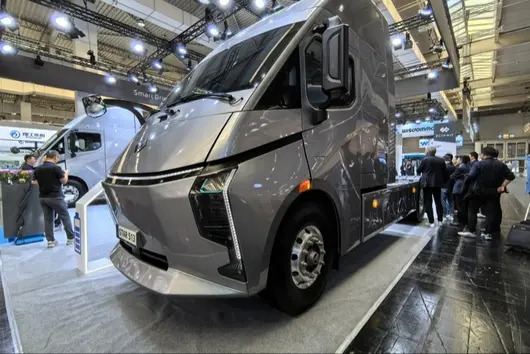
 DeepWay debuts at Hannover Motor Show
Internal and External Factors Resonate; 2026 is the "Year of Going Global"
"2024-2025 was more about market exploration and validation; 2026 is DeepWay's true Year of Going Global." At the beginning of the interview, Zhao Minyu gave a clear judgment. This is not a slogan made on a whim but a key step DeepWay will inevitably take after years of deep cultivation overseas.
Speaking from DeepWay's perspective, Zhao Minyu admitted that the company had begun pilot output of small batches of products overseas in 2024, while in 2025, the focus was on "surveying" the global market and product research. Combined with tempering in China, the global most competitive market with the most rich application scenarios for electric heavy trucks, DeepWay has completed comprehensive validation from technology, products to the supply chain. Zhao Minyu emphasized that the core of the strategic upgrade in 2026 lies in DeepWay having already possessed the complete capability to "understand different regional needs and define localized products based on a unified technology foundation". This is not simply replicating mature domestic models overseas, but deep customization development by the company facing the global market.
 DeepWay International General Manager Zhao Minyu
In recent years, the external market environment for new energy heavy trucks has changed rapidly. Affected by factors such as geopolitical issues, global oil prices have fluctuated violently, and logistics cost uncertainty has risen, causing many countries to start examining the transformation of transport tools from the height of energy security. Zhao Minyu observed that this year, the real demand overseas for electric heavy trucks has seen a "very significant rise". If previously overseas customers were more in testing and waiting on electric heavy trucks, then now in some regions, germination of scaled application has appeared based on TCO (Total Cost of Ownership) calculations and energy independence needs.
In DeepWay's Pre-IPO financing round exceeding $310 million this year, three overseas capitals joined simultaneously, providing multi-dimensional impetus for accelerating going global. In Zhao Minyu's view, what these top-tier investment institutions bring is not only funds but also localized industrial ecosystem resources—from financial leasing, insurance to logistics operations and even localized production resources. All these provide DeepWay with "entry tickets" to take root in the local market. Thus, from localized product definition capability, external market demand explosion to localized ecosystem, all are ready. The convergence of these three forces prompted DeepWay to officially define 2026 as the "Year of Going Global".

No "One Vehicle Conquers the World"; Deep Customization Based on Unified Technology Foundation
Facing distinct regulations, climates, working conditions, and user habits in different countries, how do Chinese new energy heavy trucks break the curse of "not adapting"? The answer given by Zhao Minyu is: persist in not doing "one product for the world"; DeepWay will conduct deep localized customization based on forward R&D of a unified technology foundation.
This is exactly DeepWay's core advantage. As a new energy heavy truck technology enterprise focused on forward R&D, DeepWay's vehicle models are not "fuel-to-electric conversion". Their whole vehicle architecture, core components, and underlying algorithms are all native electrification designs from 0 to 1, greatly improving safety and economy, and making intelligent driving functions faster in response and more precise in control. Software and hardware integration allows their internal R&D team and highly controllable supply chain to respond quickly to customized needs of the overseas market without overly relying on external suppliers.

"What we are building overseas is not a pure sales team, but a sales + product integrated team." Zhao Minyu introduced. The core logic of this model lies in not taking a domestic finalized whole vehicle and requiring overseas customers to adapt, but going down to local real logistics scenarios and reverse defining products.
For example, targeting West Africa's high temperature and rain, and severe salt spray corrosion in coastal areas, DeepWay specifically strengthened air conditioning refrigeration capability, raised chassis salt spray corrosion resistance performance to 480 hours salt spray test standards, and adopted double-layer spray process to strengthen anti-corrosion performance. At the same time, targeting complex local road conditions, motor rated power was increased by 15%. In right-hand drive vehicle markets such as Thailand and Malaysia, DeepWay developed compatible models and put them into operation; in Australia and New Zealand markets, products have passed certification and received positive feedback from cold chain customers, achieving excellent economy in short-distance cold chain transportation.

Currently, DeepWay's global map covers multiple regional markets such as Europe, Middle East, Southeast Asia, Australia and New Zealand, Latin America, and Africa. Zhao Minyu believes that entering Europe, this regulation highland, is to lay a "good foundation" for the global market; and in different regions, they are all doing the same thing: relying on the product foundation verified on a large scale in China, doing good local adaptation, finding matching scenarios, calculating economic accounts clearly for customers, and creating real value.
No "Predator"; Value Output and Ecosystem Co-building
When discussing DeepWay's overseas market map, Zhao Minyu divides it into different strategic levels: Europe is the long-term strategic core, aiming to benchmark global highest standards and establish discourse power; Australia and Middle East are markets for value validation and model innovation, trying new games like super-large electricity capacity models and super-fast charging trunk lines; Southeast Asia is regarded as a "China-like Market". Although price competition is fierce, through deep cultivation of scenarios and doing customization, it can still achieve breakthroughs with technology and supply chain advantages.

But more importantly, DeepWay's internationalization has been endowed with a layer of industry expectation beyond business. Zhao Minyu repeatedly emphasized in the interview, "Chinese enterprises should do value output, not just product output". He called for the industry to follow the "coalition" strategy of Japanese and South Korean car manufacturers going overseas back then, and avoid bringing fierce domestic "involution-style" price wars overseas.
"Overseas, our true competitors are not Chinese friendly businesses, but fuel vehicles." Zhao Minyu pointed out incisively. The biggest mission for Chinese electric heavy trucks at present is to prove the TCO advantage of electric vehicles through competitive products and mature technology, to fight for the market share of traditional fuel vehicles, and jointly make the cake of the overseas electric heavy truck market bigger. This is also one of DeepWay's goals for going global.

Conclusion
"Coexisting with the global industrial ecosystem" is the core concept DeepWay conveyed in this interview. For them, the internationalization road is not only a natural overflow after standing firm in the Chinese market but also an industrial upgrade from product output to output of technology, industry, and standards in all aspects. Through the strategy of "China Validation, Global Customization, Local Symbiosis", DeepWay attempts to play an enabler rather than a "predator" in the overseas market. By supporting local industry ecosystems and integrating into local supply chains, let Chinese advanced electrification supply chain capabilities become a stable force under the global energy turmoil pattern. This may be the best path exploration for Chinese commercial vehicle enterprises from "Going Out" to "Going Deep".
中国新能源汽车的出海之路,并不是想象中的一马平川。中国新能源汽车在海外市场的竞争,也并非想象中的易如反掌。
对于海外市场消费者来说,本土产品以及日系产品依旧有着不可替代的吸引力。
除了星光730。

国内达成10个月15万级MPV销冠的成绩的同时,星光730泰国市场也力压日系MPV,拿下泰国8月全品类MPV销冠的成绩。
一台起源于国内的MPV,为什么能打破当地日系MPV的垄断地位,赢得泰国高净值用户青睐?
在日系MPV的主场逆袭,原因是?
东南亚市场一向是中国汽车出海的主要目的地,其中又数泰国最为关键。然而在这片规模庞大、新能源汽车接受度高的市场中,日系品牌一直统治着MPV品类。
完整的生产供应链,长期形成的购车消费观念,种种因素叠加,让泰国当地的家庭和政企在采购MPV时,倾向于优先选择日系MPV。
可也恰恰是在这样的市场背景之下,来自上汽通用五菱的星光730“后来者居上”,一举拿下泰国8月全品类MPV的销量第一。

星光730能够登顶,不仅仅是把产品造好了,更是从生产供应到消费习惯的全面突破。这份成绩的含金量,不言而喻。
更加值得注意的是,星光730并不仅仅是凭借出色的产品力,实现了在家庭用户群体中的热销。政企采购、高端酒店合作订单,在星光730的销量构成中也占有非常关键的比重。
和更加看重产品配置、价格的家庭用户不同的是,政企以及高端酒店在采购时往往会将产品口碑和认可度排在第一位。这是因为商用场合,产品的标签属性是第一位属性。
而星光730能同时收到私人市场和商用市场的双重认可,能同时被泰国不同圈层的用户接纳,意味着星光730不仅仅是凭借高质价比,而是在品牌力和社交属性层面也实现了对以丰田埃尔法为代表的日系MPV的反超。

这不是一家之言和一隅之间,直白的数据能够予以佐证。
根据针对泰国当地市场的车主调研,星光730的购车群体以社会中坚力量为主。具体表现为,30-50岁的用户占比达到了76%,这部分年龄段的用户已经渡过了看重车辆新鲜感的阶段,更加在意一款车的社交价值和长期体验。
另外,星光730用户的职业分布中,经商人员、公司雇员、公务员合计占 87%,其中经商人员占比达到 38%。63%车主折合月收入在一万元人民币以上,25%车主月收入超过两万元人民币,属于泰国当地的高净值圈层。

更加值得注意的是,星光730的泰国用户中,又47%的车主都直接选择了全款购车。这背后的原因并不是泰国用户预算充足、不差钱,而是他们对星光730和上汽通用五菱这个品牌给予了十足的信心。
为什么星光730能获得泰国高净值群体的认可?为什么星光730能同时收到商用和家用两类消费群体的一致欣赏?
我们依旧用直白客观的数字解答。
就以家用为例,星光730的家庭用户群体中,91%的车主家庭人口在3人及以上,5人以上的大家庭用户群体占比更是将近40%。

多口之家最为关注的是用车的舒适性和整车的安全性。而星光730用电滑门、7座布局以及长续航和大空间,对家庭用户的出行需求进行了严丝合缝的对接。
能够获得泰国当地消费者的认可,能够在日系MPV市占率80%的市场中实现超越,最本质的原因是星光730精准满足了消费者的需求,并且在此基础上实现了比日系MPV更高的满足。
当商人、医生、公务员这些不同职业的高净值群体选择星光730的时候,他们已经因为星光730过硬的产品实力和稳定的产品口碑带来的实力,跳出了“唯日系品牌论”的固有观念。
他们为之买单的不是某个品牌的logo和国别,也不是品牌的溢价,而是品牌背后产品本身的价值。
星光730,有这样的高价值。

对的产品,对的模式,才能有成功的出海
在出海过程中,很容易被误解的一点是,不同市场对产品的需求是大相径庭的。很容易被忽略的另一点是,全球家庭对车辆的底层诉求其实是高度一致的。
就比如MPV,无论是中国还是泰国的消费者,最底层的诉求都是空间宽敞、体验舒适、用车无焦虑。即便是商用群体,也是在此基础上增加了对社交属性的高度需求。
因此在打造一款MPV的时候,星光730并没有专门以国别隔离用户群体,而是去观察、理解并呈现全球消费者对一款优秀MPV的普适性需求。

就比如全系标配的双侧滑门,提供9种控制方式的基础上,还搭配了智能防夹功能,在B柱处还设置了拉手。对于家庭用户来说,这一系列细节人性化设计可以方便老年人和孩童的上下车。对于商用的用户来说,这一系列则可以让乘客更加从容体面的上下车,在细节处让用户感受到被尊重。
再以动力形式为例,星光730基于同级领先“天·灵·神”五菱原生新能源技术底座,原生适配插电混动PHEV、纯电EV、燃油三种动力形式,带来同级唯一的“一车三动力”,把选择权交给用户。

包括2+2+3的真七座布局、纯电版本500km的续航(CLTC工况下),这些配置表现展现出了不同职业、不同用途、不同国别的MPV用户都需要并且想要的宽敞、无忧体验。
以往,再星光730出现以前,对于泰国MPV用户来说不是得不到满足。而是只有日系MPV能够予以还算说的过去的满足,并且是在价格高企、需要加价、加钱选装的前提下。消费者不是完全自愿的倒向了日系MPV,而是无奈之下只能以更高的成本选择日系MPV。
直到星光730的出现,他们的底层诉求被品牌前期充分的市场调研看到了。
值得其他想要成功出海的品牌借鉴的是,星光730自开发之初,就依托上汽通用五菱智能岛制造体系,以国际标准完成整车制造。这样做带来的成果是,不论是国内还是海外市场,用户得到的都是不被妥协和区别对待的好产品。
这也是为什么,星光730能斩获“双冠王”的头衔。

当一个品牌在打造一款全球产品的时候,以全球最高的标准自我要求,那么这样的产品无论放在任何地域市场中,都不会蒙尘。
不去做区别,而是做到最高标准,“万车如一”。如此一来,星光730的口碑也才会放之四海而皆准。
这也提醒了其他品牌,在国产汽车出海的新阶段,单纯依靠低价已经很难打入成熟市场。普适且硬核的产品力,深度的本土化运营,稳定可靠的品质,才是打开全球市场的正确钥匙。
写在最后
国内市场连续10个月拿下15万以内MPV销量第一,泰国8月全品类MPV销量第一。耀眼的“双冠王”头衔,背后是新能源最大市场、最前沿阵地的实力认可,以及海外成熟市场对这款全球车产品力的检验和欣赏。
当全球消费者都越来越理性、不再盲目迷信品牌溢价的光环,当全球消费者都越来越高要求、不再止步于“不得不”和“差不多”,当全球新能源汽车行业都走向成熟,大浪淘沙之后,留下来的是既有面子也有里子的产品。
星光730就是这样的产品,却不是上汽通用五菱最后一款这样的产品。
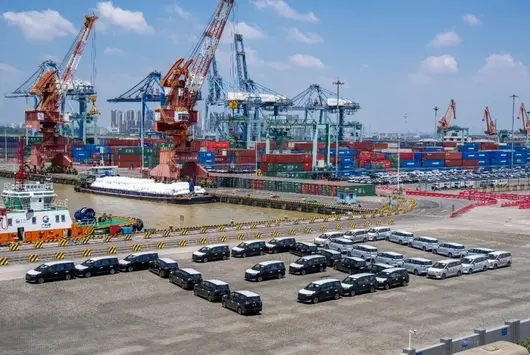

In Malaysia's SUV market, many buyers compare the Honda CR-V and Chery Tiggo 8 when choosing a car. These two cars are quite close in price and positioning. Today, we will do a detailed comparison from multiple aspects to help you save time on research.
Honda CR-V OTR price in Malaysia is RM 178,200 - 195,900, with a total of 4 versions, including 2026 e:HEV 2.0L 2WD RS (RM 195,900), 2026 1.5T 4WD V (RM 181,900), 2026 e:HEV 2.0L 2WD E (RM 178,200), etc.
Chery Tiggo 8 OTR price in Malaysia is RM 129,750 - 129,750, with a total of 1 version, including 2026 1.6T Standard (RM 129,750), etc.
From a price perspective, the starting price of Chery Tiggo 8 is RM 48,450 cheaper than the Honda CR-V. Honestly, in this price range, a difference of a few thousand is not actually that big, the key is to look at overall cost-performance and long-term usage costs.
Honda CR-V is equipped with a 2.0L 4-cyl, horsepower 170 hp. Official fuel consumption 8.0 L/100km.
Chery Tiggo 8 is equipped with a 1.5L Turbo, horsepower 140 hp. Official fuel consumption 7.0 L/100km.
In terms of power, the Honda CR-V's 2.0L 4-cyl has 30 more horsepower than the Chery Tiggo 8's 1.5L Turbo, providing more confidence in mid-range acceleration, especially when overtaking on highways. However, the Chery Tiggo 8's fuel consumption might be more friendly, the difference in daily city commuting won't be too big.
Honda CR-V body length 4500 mm, trunk 450 L.
Chery Tiggo 8 body length 4400 mm, trunk 400 L.
In terms of space, the Honda CR-V's body is 100 mm longer than the Chery Tiggo 8, the interior seating space will be slightly more spacious, especially the rear legroom. If you often carry family members or need to place a stroller, a larger body is indeed more practical.
Honda CR-V warranty 5 years/unlimited mileage, service interval every 10,000km or 6 months.
Chery Tiggo 8 warranty 3 years/100,000km, service interval every 10,000km or 6 months.

Overall, Honda CR-V and Chery Tiggo 8 are both very good models in the Malaysia market. Which one to choose, it depends on your personal needs and budget. We suggest doing your research well, comparing quotes from several car dealers, and then test driving to make the final decision. Buying a car is a big matter, spending some time doing research will never be wrong.

In the Malaysian SUV market, many buyers compare Honda CR-V and Chery Tiggo 7 Pro when choosing a car. Both vehicles are quite close in price and positioning. Today, we will make a detailed comparison from multiple aspects to help you save time on research.
The OTR price of Honda CR-V in Malaysia is RM 178,200 - 195,900, with a total of 4 versions, including 2026 e:HEV 2.0L 2WD RS (RM 195,900), 2026 1.5T 4WD V (RM 181,900), 2026 e:HEV 2.0L 2WD E (RM 178,200), etc.
The OTR price of Chery Tiggo 7 Pro in Malaysia is RM 123,750 - 123,750, with a total of 2 versions, including 1.6L Turbo Standard (RM 125,000), 1.6L Turbo Premium (RM 140,000), etc.
In terms of price, the starting price of Chery Tiggo 7 Pro is RM 54,450 cheaper than Honda CR-V. Honestly, in this price range, a difference of a few thousand is not actually that big. The key is to look at overall cost-performance ratio and long-term usage costs.
Honda CR-V body length is 4500 mm, trunk 450 L.
Chery Tiggo 7 Pro body length is 4400 mm, trunk 400 L.
Regarding space, the Honda CR-V body is 100 mm longer than Chery Tiggo 7 Pro, the interior seating space will be slightly more spacious, especially the rear legroom. If you often carry family or need to place a stroller, the larger body is indeed more practical.
Honda CR-V warranty 5 years/unlimited mileage, maintenance interval every 10,000km or 6 months.
Chery Tiggo 7 Pro warranty 3 years/100,000km, maintenance interval every 10,000km or 6 months.
Both Honda CR-V and Chery Tiggo 7 Pro are mainstream choices in the Malaysian market, suitable for family use and daily commuting. If you value brand reputation and resale value more, you can prioritize the one with better reputation; if you care more about cost-performance ratio and equipment, then choose the one with more configurations. Ultimately, it is recommended to test drive both, as personal experience is the most important.
In general, Honda CR-V and Chery Tiggo 7 Pro are both very good models in the Malaysian market. Which one to choose ultimately depends on your personal needs and budget. It is recommended that you do your research, compare quotes from several dealerships, and then test drive to make the final decision. Buying a car is a big deal, spending some time doing research will never be wrong.


险些发生致命事故的China GT,这次把脸丢到了全世界。
9月5日,上海国际赛车场。正赛第7圈,37号与33号赛车缠斗中冲出赛道,撞上91号赛车的侧身油箱位。91号瞬间烧成一团火球,失控撞上护栏,英国车手米尔罗伊被困在燃烧的座舱里。

生死之间,最先冲上去的,却是正在比赛的79号车手哈托格。
他弃赛停车,跑向火场,接过工作人员递来的灭火器压制火势,徒手把米尔罗伊拖了出来。整个过程,被车载画面完整记录,被Motorsport.com等海外专业赛车媒体逐帧复盘,刷遍了全球车圈。

最终,车手活着被送进了医院,但之所以说这件事丢脸,正是因为全程有一个极大的反差:一边是车手挺身而出,冒险救人,另一边赛事救援却显得极其不专业,不仅救援速度慢悠悠,有的人甚至打不开灭火器……

有网友爆料称,赛会救援人员其实只是外包日结临时工。其他网友纷纷表示谅解,大爷敢走向事故现场,已经是“问薪无愧”了。
同场参赛的吴彦祖,赛后罕见发火,矛头直指赛会方。

不论救援人员是否为临时工,这个顶级赛事的遮羞布都被扯了个精光。
01
最火赛事,戛然而止
China GT有今天的火热局面,实属不易。
2016年,它在北京金港国际赛车场发车。那时只有几十辆赛车,两个组别,覆盖北京、上海、成都、珠海几站。
承办方一心想做成中国的GT标杆,可赛车离普通人太远,看台常年空旷,大多数人连听都没听过。

为什么火不起来?
说到底,GT赛事天生对大众不友好。多组别同场混战,第一个冲线是冠军,第15个也可能是冠军;一台车好几位车手轮流开,你守在屏幕前等王一博,可能进个站,车上就换人了。轮胎衰减、进站策略、组别攻防——这些“软技术”垒起的高门槛,把绝大多数路人挡在了门外。
很长一段时间,China GT都困在硬核车迷的小圈子里。据媒体报道,哪怕到去年,一场比赛的观众也只有几千人。
转机出现在2025年。F1上海站空前火爆,把一大波从不看赛车的人推进了赛车场。China GT顺势接住这波流量,据媒体报道,上赛季全年直播观看人次达到6958万。也是这一年,China GT从“冠军赛”升级为国家级GT场地锦标赛,更专业的车队和厂商开始进场。

王一博的加入,更是把热度顶到了天花板。
2026年3月,他确认参赛,注册成为赛事的正式车手,从AM组一路跑到AM+组,这是业余车手的顶级组别。泼天流量立刻兑现成真金白银:上海站的门票提前45天售罄,珠海站的预售票开售半小时被抢光。
3月,小米签下赛事十年来的首个全赛季总冠名,SU7 Ultra当官方安全车,YU7当官方医疗车;4月揭幕战,雷军亲自到上海国际赛车场,为正赛挥旗发车。红牛、HELLY HANSEN、UNDEFEATED等国际品牌陆续进场,赛历从4站扩到5站,还走出国门,加了一站马来西亚雪邦。

China GT彻底翻身,大红大紫了。
那场揭幕战,57辆赛车、108位车手,近5万张门票全线售罄,超4万名观众挤进看台,超6600万人次在线围观。
9月5日的上海站,是这一切的最高潮。赛前三天,维修区就进入备战状态:引擎测试的轰鸣声此起彼伏,技师们俯身调校悬挂,紧盯屏幕核验数据。等到正赛日,59辆赛车、100余位车手同场,GT3、GTS、GTC三大组别同台竞技——GT3组32辆赛车,法拉利、梅赛德斯-AMG、兰博基尼、保时捷、奥迪、宝马六大厂牌到齐,刷新国内参赛规模纪录。

但谁也没想到,热火朝天的景象会在第7圈戛然而止。
直播画面里浓烟冲天,刚刚还沸腾的看台,几秒内就安静了下来。比赛随即被叫停,这场年度收官大戏,在火光里被骤然按下了暂停键。
前脚还在庆祝,后脚就得面对一个问题:真出了事,谁来救?
02
在火海救人的,为何是车手?
没出事的时候,你好我好大家好。真出了事,才是检验含金量的时候。
先细致还原看看救人的场面。
车载画面里,79号赛车稳稳刹进缓冲区。哈托格解开安全带,冲出赛车,跑向那团燃烧的火球。驾驶员一侧火势太猛,他绕到另一侧,从赶来的工作人员手里接过灭火器,压制住车身周围的火,然后把手伸进座舱,一把抓住米尔罗伊,把他拖了出来。

据多家媒体报道测算,从哈托格离开自己的赛车到把人救出,大约49秒。
米尔罗伊断了5根肋骨,锁骨、手指骨折,肺部挫伤,对撞车前30秒到赛后1小时的事几乎没有记忆。躺在医院里,他说:“今晚我还能活着,完全归功于一个人。”
后来他又写道:“洛克·哈托格在看不到任何救援人员的情况下立刻停车,冒着生命危险把我从车里救了出来……总有一天,我会把这个故事讲给我们的三个孩子听。在他们眼里,洛克也会是历史上最伟大的超级英雄。谢谢你,洛克。我欠你一条命。”

面对铺天盖地的赞扬,哈托格很平静:“我只是恰好出现在了那个时间、那个地点。”
不过,他们之间越是情真意切,越是把赛事方衬托得十分尴尬。
事故发生后,现场只有3名工作人员:一名马修在挥双黄旗,另两名看着像保安,没有正式的救援力量。
更魔幻的是,有工作人员拿起灭火器,转身跑离现场;一位安保大爷,几十秒拉不开灭火器的保险栓;33号车手杨百杰公开披露,救援人员因为害怕,放下了灭火器,救护车大约15分钟后才赶到。

姗姗来迟的救援车上,下来的救援人员没穿标准防火服,照样端着灭火器往前冲。
连信息发布也是乱糟糟,比如直播一度播报“车手自行离开赛车”,可米尔罗伊明明是被哈托格冒死拖出来的。
一边是车手弃赛救人,一边是救援集体缺席,显然不该是职业赛事的水准。
职业赛事应该有什么样的表现?
据公开报道,2020年F1巴林站,格罗斯让的赛车同样撞墙起火:大约10秒,赛道人员开始灭火;28秒,人从火里被救出;救护车1分钟内赶到现场。

所以也难怪专业人士会对这次事故的处理极度不满。
9月7日,吴彦祖发视频怒斥:“这简直可耻,真的很可耻。”

米尔罗伊所在的车队宣布,退出今后所有China GT赛事,直到组委会完成完整、独立、公开的调查。33号车手杨百杰,宣布永久退出。

03
流量是油门,专业才是刹车
China GT不缺钱,这也是为什么很多人难以理解它这次的救援力量为何会看起来如此不专业。
GT赛事本来就是“钞能力”游戏。一辆GT3赛车,买车要花300万到500万,加上运营,动辄上千万。掏钱的大多是自掏腰包的“绅士车手”——赛事把车手分成PRO、AM、AM+组别,除了PRO组靠技术吃饭,其余都是花钱买席位、买赛照的业余玩家。

这种模式决定了China GT从来不靠观众门票活着。富人出钱、厂商出车、明星出流量,钱从来不是问题。
2026年,钱的流速还在加快。小米一个赛季,就把冠名、安全车、医疗车、宣传声量全部配齐。
赛事火了,周边也跟着赚:据媒体报道,4月上海站期间,紧挨赛场的嘉定万达广场,客流冲到7.01万人次,销售额约395万元。运营China GT的力盛体育,今年上半年扣非净利润也创了同期新高。

但流量爆棚,也一如既往地带来了一些争议。
据媒体报道,王一博参赛后,场馆安保升级、证件收紧,有习惯了旧生态的车手公开抱怨:某位明星“把赛车圈搞臭了”。
然后就是这场事故,更是撞出了这套流量打法真正的死角。
钱都花在了看得见的地方——冠名、明星、嘉年华、背景板;最该花钱的地方——救援演练、人员培训、指挥协同、信息核实,似乎却成了最省钱的环节。
事故第二天,组委会发情况说明,向米尔罗伊致歉,向哈托格致谢。但紧跟着的一句话,把舆论彻底点炸:“经初步核查,整个赛事的配置是符合国家级赛事配置的,但在细致管理方面有待提高。”

配置符合国家级,为什么救人的是车手?救护车为什么15分钟才到?灭火器为什么在保安手里拉不开栓?
把系统性失灵说成“细致管理有待提高”,未免有些宽以待己了。

如果不能提升专业态度和专业能力,离开的恐怕不会只是某个车手,整个行业刚刚攒起来的信任也要崩盘了。
中国赛车好不容易起势。吉利、奇瑞、长城纷纷下场,自主品牌造性能车、追赛车文化,年轻人挤进赛道。China GT本该是带头大哥,结果在最不该掉链子的地方,摔了个大跟头。
这场大火,值得换来一次真正公开的复盘,让公众看到“配置表”之外的东西。
享受速度与激情的前提,应该是极致的安全保障。
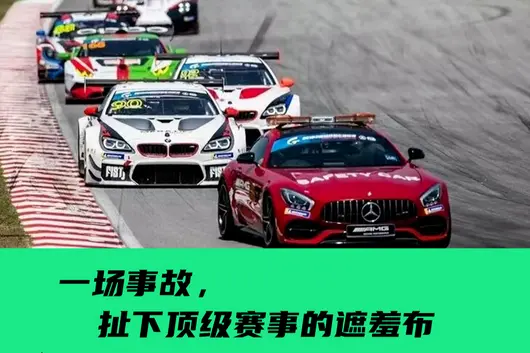

喺馬來西亞嘅 SUV 市場,好多買家喺揀車嘅時候都會拿 本田 CR-V 同 馬自達 CX-80 嚟做比較。呢兩款車喺價位同定位上都幾接近,今日我哋就從多個方面做一個詳細嘅對比,幫您省下做功課嘅時間。
本田 CR-V 喺馬來西亞嘅 OTR 售價係 RM 178,200 - 195,900,一共有 4 個版本,包括 2026 e:HEV 2.0L 2WD RS(RM 195,900)、2026 1.5T 4WD V(RM 181,900)、2026 e:HEV 2.0L 2WD E(RM 178,200) 等。
馬自達 CX-80 喺馬來西亞嘅 OTR 售價係 RM 296,610 - 296,610,一共有 1 個版本,包括 2025 2.5L 65km High Plus(RM 296,610) 等。
從價錢睇落,本田 CR-V 嘅起步價確實比 馬自達 CX-80 平咗 RM 118,410。如果你預算有限,本田嘅入門版已經可以滿足日常需求。但都要注意,平嗰幾千蚊,可能喺配備上有取捨,具體要看你嘅需求。
本田 CR-V 嘅安全評級係 5★ (ASEAN NCAP),主動安全系統包括 本田 SENSING (ACC, CMBS, LKAS, RDM)。
馬自達 CX-80 嘅安全評級係 5★ (ASEAN NCAP),主動安全系統包括 Brand ADAS。
兩款車嘅安全評級一樣,喺呢個級別入面安全配備都算俾好齊全。而家嘅新車安全性都不差,唔使太擔心呢一點。
本田 CR-V 車身長 4500 mm,後備箱 450 L。
馬自達 CX-80 車身長 4500 mm,後備箱 450 L。
兩款車嘅尺寸幾乎一樣,車內空間差別唔大。呢個級別嘅車,日常使用完全夠用。
本田 CR-V 採用 FWD 驅動方式。
馬自達 CX-80 採用 FWD 驅動方式。
兩款車嘅驅動方式一樣,都係 FWD,日常駕駛感受唔會有太大區別。

總體嚟講,本田 CR-V 同 馬自達 CX-80 都係馬來西亞市場好唔錯嘅車型。揀邊一輛,關鍵都要睇你嘅個人需求同預算。建議大家做好功課,多比較幾間車行嘅報價,再去試駕做最終決定。買車係件大事,花點時間做功課絕對唔會錯。

Di pasaran SUV Malaysia, ramai pembeli semasa memilih kereta akan membandingkan Honda CR-V dan Mazda CX-8. Kedua-dua kenderaan ini hampir sama dari segi harga dan kedudukan pasaran. Hari ini, kita akan buat perbandingan terperinci dari pelbagai aspek untuk membantu anda menjimatkan masa penyelidikan.
Harga OTR Honda CR-V di Malaysia adalah RM 178,200 - 195,900, terdapat 4 varian termasuk 2026 e:HEV 2.0L 2WD RS (RM 195,900), 2026 1.5T 4WD V (RM 181,900), 2026 e:HEV 2.0L 2WD E (RM 178,200) dan lain-lain.
Harga OTR Mazda CX-8 di Malaysia adalah RM 165,360 - 201,360, terdapat 5 varian termasuk 2025 2.5T 4WD High Plus Petrol (RM 201,360), 2025 2.2L 2WD High Plus Diesel (RM 193,123), 2025 2.5L 2WD High Plus Petrol (RM 186,360) dan lain-lain.
Dari segi harga, harga permulaan Mazda CX-8 adalah RM 12,840 lebih murah daripada Honda CR-V. Jujurnya, pada julat harga ini, perbezaan beberapa ribu sebenarnya tidak terlalu besar, yang penting adalah nilai keseluruhan dan kos penggunaan jangka panjang.
Honda CR-V dilengkapi enjin 2.0L 4-silinder, kuasa 170 hp. Penggunaan bahan api rasmi 8.0 L/100km.
Mazda CX-8 dilengkapi enjin 2.0L 4-silinder, kuasa 170 hp. Penggunaan bahan api rasmi 8.0 L/100km.
Kedua-dua kereta menggunakan sistem kuasa yang sama, perasaan semasa memandu harian hampir tiada perbezaan. Dari segi penggunaan bahan api juga serupa, tiada perlu terlalu risau tentang perkara ini.
Honda CR-V panjang kenderaan 4500 mm, kapasiti bagasi 450 L.
Mazda CX-8 panjang kenderaan 4500 mm, kapasiti bagasi 450 L.
Saiz kedua-dua kereta hampir sama, ruang dalam kenderaan tidak banyak perbezaan. Kereta dalam kelas ini, untuk penggunaan harian adalah cukup.
Honda CR-V waranti 5 tahun/jarak tanpa had, selang penyelenggaraan setiap 10,000km atau 6 bulan.
Mazda CX-8 waranti 5 tahun/150,000km, selang penyelenggaraan setiap 10,000km atau 6 bulan.

Secara keseluruhan, Honda CR-V dan Mazda CX-8 adalah model kereta yang sangat bagus di pasaran Malaysia. Memilih yang mana, yang penting adalah keperluan peribadi dan belanjawan anda. Disarankan untuk membuat penyelidikan, membandingkan beberapa tawaran daripada dealer, kemudian buat uji jalan untuk membuat keputusan akhir. Membeli kereta adalah perkara besar, meluangkan sedikit masa untuk penyelidikan tidak akan salah.

Di pasaran SUV di Malaysia, ramai pembeli semasa memilih kereta akan membandingkan Honda CR-V dengan Mazda CX-30. Kedua-dua kereta ini sangat serupa dari segi harga dan kedudukan. Hari ini, kami akan melakukan perbandingan terperinci dari pelbagai aspek untuk membantu anda menjimatkan masa membuat penyelidikan.
Honda CR-V mempunyai harga OTR di Malaysia dari RM 178,200 - 195,900, dengan一共 4 varian, termasuk 2026 e:HEV 2.0L 2WD RS (RM 195,900), 2026 1.5T 4WD V (RM 181,900), 2026 e:HEV 2.0L 2WD E (RM 178,200) dan lain-lain.
Mazda CX-30 mempunyai harga OTR di Malaysia dari RM 122,409 - 146,409, dengan一共 4 varian, termasuk 2025 2.0L High+ Premium (RM 146,409), 2025 2.0L High+ (RM 138,409), 2025 2.0L High (RM 130,409) dan lain-lain.
Dari segi harga, harga permulaan Mazda CX-30 lebih murah sebanyak RM 55,791 berbanding Honda CR-V. Jujur sekali, dalam kategori harga ini, jurang beberapa ribu sebenarnya tidak terlalu besar, yang penting adalah melihat nilai kos keseluruhan dan kos penggunaan jangka panjang.
Honda CR-V dilengkapi enjin 2.0L 4-cyl, kuasa 170 hp. Kecekapan bahan api rasmi 8.0 L/100km.
Mazda CX-30 dilengkapi enjin 1.5L Turbo, kuasa 140 hp. Kecekapan bahan api rasmi 7.0 L/100km.
Dari segi kuasa, enjin 2.0L 4-cyl Honda CR-V mempunyai 30 kuasa kuda lebih daripada 1.5L Turbo Mazda CX-30, akselerasi pertengahan lebih mantap, terutamanya semasa memintas di lebuh raya. Namun, penggunaan bahan api Mazda CX-30 mungkin lebih jimat, perbezaan semasa komuter harian di bandar tidak terlalu besar.
Pengkelasan keselamatan Honda CR-V ialah 5★ (ASEAN NCAP), sistem keselamatan aktif termasuk Honda SENSING (ACC, CMBS, LKAS, RDM).
Pengkelasan keselamatan Mazda CX-30 ialah 5★ (ASEAN NCAP), sistem keselamatan aktif termasuk i-Activsense.
Dua-dua kereta mempunyai pengkelasan keselamatan yang sama, dalam kelas ini peralatan keselamatan dianggap sangat lengkap. Keselamatan kereta baru sekarang tidak buruk, tidak perlu terlalu risau mengenai perkara ini.
Honda CR-V menggunakan cara pemacu FWD.
Mazda CX-30 menggunakan cara pemacu FWD.
Dua-dua kereta menggunakan cara pemacu yang sama, iaitu FWD, pengalaman memandu harian tidak akan terlalu berbeza.

Secara keseluruhan, Honda CR-V dan Mazda CX-30 adalah model yang sangat baik di pasaran Malaysia. Memilih yang mana satu, ia bergantung pada keperluan dan bajet peribadi anda. Kami menyarankan anda membuat kajian, bandingkan tawaran dari beberapa kedai kereta, kemudian buat ujian memandu untuk membuat keputusan akhir. Membeli kereta adalah perkara besar, meluangkan masa membuat kajian tidak akan salah.


從南京牛首山嘅希爾頓酒店到無想山 70 多公里嘅路程,我雖然坐喺駕駛座上,但開車嘅卻唔係我,智駕系統跑完咗全程,我只係喺中間通過收費站時臨時接管咗兩次——如果裝好 ETC 全程就可能零接管咗。
長安馬自達 EZ-60 激光版,搭載咗「以激光雷達為感知底座,搭配多感應器融合方案,實現高速、城區、泊車全場景覆蓋」嘅智駕系統。實際表現相當唔錯,喺城區道路上遇到佔道施工,佢唔會停喺度傻等,而係會提前借道繞行;喺高速上開得比老司機仲穩;喺無想山農家樂停車場,右側車輛壓線咗,佢唔單止停得入,仲會稍稍向左偏少少,為咗同右側車輛保持足夠空間……

EZ-60 激光版外觀、內飾同普通版都冇太大變化。
一天前我在廣州剛剛體驗咗搭載華為乾崑智駕 ADS 5 嘅另一台車,两台車高/快速路上嘅領航功能都好,市區複雜道路下也都能通過,喺我睇嚟佢哋嘅智駕能力基本冇區別,只係各自嘅策略唔一樣。
喺無想山嘅山路上,智駕系統都能開,但我果斷咁接管咗,這種山路當然要自己開,因為佢可係一台馬自達!
雖然長安馬自達 EZ-60 激光版最重要嘅升級係智駕,但對我而言,呢台車最大賣點都係佢嗰啲固有嘅優勢——好睇、好開、安全,以及作為馬自達品牌全球戰略車型嘅品質保證。
至於智駕,那只係錦上添花,當然,都可以話係如虎添翼。

EZ-60 激光版作為馬自達喺智駕領域嘅進階車型,搭配 1 顆激光雷達、3 顆毫米波雷達、11 顆高清攝像頭、12 顆超聲波雷達構建全域感知網絡,智能座艙配備 3nm 車規級晶片,實現「高速 + 城區」雙域領航全覆蓋、全場景泊車適配、全域主動安全防護三大核心能力。
無想山起伏而多彎嘅山路非常適合領略馬自達「人馬一體」嘅好開。
好開嘅重點唔係快,EZ-60 最大輸出 190 千瓦,喺同級新能源車裏並唔突出,「零至一百加速」比佢快嘅車多的是,但大馬力只係喺崩直線時有優勢,喺這種山路上好多車馬力越大越不好開——唔受控嘅動力,或者同車輛操穩極限唔匹配嘅動力,越大越係缺點。

駕駛過程中,車輛嘅速度、角度、車身姿態會響應唔同嘅操作指令而持續變化,對於一台普通家用车,所謂好開,就係車輛嘅呢啲響應要符合人嘅預期,也就係所謂嘅「聽話」,馬自達佢哋叫做「人馬一體」。
喺電動化時代,令一台車三四秒破百變得很容易,但係令一台車聽話卻變得更加難咗,因為新能源車普遍都太重咗——質量大慣性就大,而慣性係操控嘅大敵。說到呢度,青主不得不感慨,而家嘅車越做越大,越做越重,唔知究竟係市場嘅悲哀,定係行業嘅悲哀。
質量分佈比質量本身對操控嘅影響更大,呢點好容易理解,比如人,同樣嘅體重,頭重腳輕運動起來當然就更唔協調。EZ-60 車身配重均衡,實現咗 50:50 前後軸荷比,而且軸長比、寬高比、輪距車寬比,喺同級車中都顯著領先,亦就係話呢台車嘅質量相對更向質心集中,係一台車好開嘅前提。

好睇,好大原因喺比例,而比例背後卻遠唔止好睇,合理嘅質量分佈、優秀嘅空氣動力學性能,係好開嘅前提。
當然,更關鍵喺調校,長安馬自達 EZ-60 歷經全球 9 個國家、累計 900 萬公里全路況測試,200 多種調校方案驗證,側傾剛度提升 20%,俯仰抑制 10%,帶來「穩 - 準 - 快」嘅動態駕馭體驗。
動力輸出線性順暢,唔突兀、唔頓挫;懸掛阻尼可以根據路面狀況實時調整,轉向阻尼則隨方向盤嘅操作速度自適應調整;過彎時,受離心力影響,車輛內側輪胎壓力會下降,導致抓唔住地,EZ-60 通過控制車身姿態,增加內側輪胎嘅下壓力,帶來更穩嘅過彎……

長安馬自達 EZ-60 車身高強度鋼佔比高達 86.5%。
EZ-60 本來就好開,更強嘅智駕系統令呢台車更好開咗,用長安馬自達銷售分公司總經理藤橋稔嘅話說,就係帶來咗「進化嘅愉悅」。
智駕系統當然沒有進一步提高車輛嘅操穩極限,也永遠唔會具備老司機嘅靈活性同主動性,但佢哋永遠唔分心,永遠唔疲倦,佢哋可以令駕駛變得更加輕鬆、從容、愜意,自然,好大程度上也就提升咗安全餘度。
好多人可能以為汽車行業發展咗 100 幾年,各品牌之間喺安全、品質、操控上都差唔多咗,所以佢哋買車時更關注雪櫃、電視、梳化,更關注邊家嘅車機更流暢、邊家嘅智駕睇落嚟更牛,但事實恰恰相反,行業裏各家智駕水平正在快速趨同,今後,「智駕」本質上再唔會有水平高低嘅差別,只係作為一項配置有檔次上嘅差異而已。
唔同品牌之間真正嘅區別,還係設計同操控,係安全同品質,喺呢啲維度,唔同品牌之間嘅差異依然判若雲泥。
遺憾嘅係,呢啲並唔或者好難體現喺配置參數表上,如果你只根據配置參數表去選車,長安馬自達 EZ-60 大概率會被你 PASS 掉。

行業內捲到越來越沒底線,越來越多嘅消費者也都終於學會咗不再根據配置參數表選車。
令人欣慰嘅係,長安馬自達 EZ-60 上市快滿一年咗,銷量雖唔能同網紅車型相比,但係表現仲唔錯,曾連續 7 個月蟬聯合資新能源中型 SUV 銷量冠軍,而且喺今年極度內捲嘅市場環境下,銷量保持穩健向上嘅良好勢頭。呢點說明市場正在回歸理性,越來越多嘅消費者開始意識到,軟件並唔足以定義汽車,汽車也始終唔係消費電子品,更唔係咩快消品。

長安馬自達 EZ-60 嘅銷量曲線(藍色)走出咗同競爭對手完全唔同嘅趨勢。
今年國內乘用車市場銷量大幅下滑,連新能源車都唔例外,1-7 月國內新能源車總銷量同比下滑咗 12.5%,但「主流合資新能源」卻成咗唯一增長嘅板塊——而且係大幅增長咗 28.8%!
呢點並唔令人意外。當越來越多嘅用戶發現,連最基本嘅安全同品質原來並唔都唔能夠得到保障嘅時候,佢哋喺買車時一定會重新校准自己嘅價值座標。

今年 1-7 月,主流合資新能源車成咗新能源車市場唯一增長嘅板塊。
於是,「速成車」話題突然席捲咗整個汽車輿論場,「AI 測試造假」突然人人喊打,隱藏式把手、異型方向盤等種種腦殘設計被官方紛紛叫停……
劣幣唔會一直驅逐良幣,堅守自己品牌理念同價值主張嘅馬自達們終於熬過咗最艱難嘅時刻。
長安馬自達 EZ-60 激光版將於 9 月 26 日正式上市,比售價更值得關注嘅,係 EZ-60 也將陸續出口至全球 20 多個國家同地區,覆蓋歐洲、澳新、東南亞等市場,而且廠家承諾,國內銷售車型同出口車型同源同質,遵循馬自達全球統一製造標準同質檢流程,執行完全一致嘅生產標準同驗收要求。
此前,長安馬自達 EZ-6 喺海外市場嘅表現就相當亮眼,喺歐洲上市兩個月就斬獲 7000+ 訂單,「EZ-60 喺海外會更受歡迎」,長安馬自達汽車銷售分公司執行副總經理吳旭曦話,「今年單單一個泰國車展,EZ-60 嘅訂單就已經破萬。」

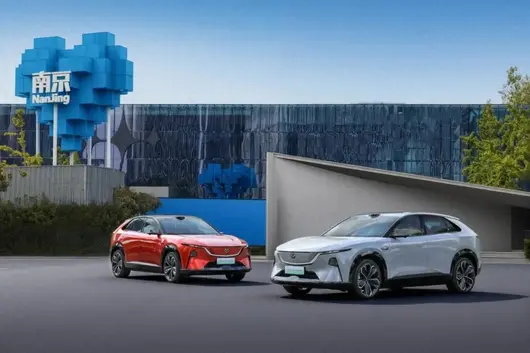
In the Malaysian SUV market, many buyers compare the Honda CR-V and Toyota Corolla Cross when choosing a car. Both vehicles are quite close in price and positioning, so today we will conduct a detailed comparison from multiple aspects to save you time on research.
The Honda CR-V OTR price in Malaysia is RM 178,200 - 195,900, with a total of 4 versions, including 2026 e:HEV 2.0L 2WD RS (RM 195,900), 2026 1.5T 4WD V (RM 181,900), 2026 e:HEV 2.0L 2WD E (RM 178,200), etc.
The Toyota Corolla Cross OTR price in Malaysia is RM 133,800 - 148,800, with a total of 3 versions, including 2026 HEV 1.8L GR Sport (RM 148,800), 2026 HEV 1.8L Standard (RM 140,800), 2026 1.8L Standard (RM 133,800), etc.
In terms of price, the Toyota Corolla Cross starts at RM 44,400 cheaper than the Honda CR-V. Honestly, at this price point, a difference of a few thousand is not significant; the key is to consider overall value for money and long-term ownership costs.
The Honda CR-V safety rating is 5★ (ASEAN NCAP), with active safety systems including Honda SENSING (ACC, CMBS, LKAS, RDM).
The Toyota Corolla Cross safety rating is 5★ (ASEAN NCAP), with active safety systems including TSS (PCS, LDA, ACC, LTA).
Both cars have the same safety rating, and safety features are quite comprehensive in this class. New cars generally do not have poor safety, so there is no need to worry too much about this.
The Honda CR-V body length is 4500 mm, trunk capacity 450 L.
The Toyota Corolla Cross body length is 4400 mm, trunk capacity 400 L.
Regarding space, the Honda CR-V body is 100 mm longer than the Toyota Corolla Cross, making the interior seating space slightly more spacious, especially the rear legroom. If you often carry family members or need to fit a stroller, a larger body is indeed more practical.
The Honda CR-V warranty is 5 years/unlimited mileage, maintenance interval every 10,000km or 6 months.
The Toyota Corolla Cross warranty is 5 years/unlimited mileage, maintenance interval every 10,000km or 6 months.
Both cars have the same warranty conditions, so no need to dwell on this aspect. Actual maintenance costs depend on the brand's service network and parts prices; it is recommended to ask real owners in car owner groups for their experiences.

Overall, the Honda CR-V and Toyota Corolla Cross are both excellent models in the Malaysian market. Choosing which one depends mainly on your personal needs and budget. We recommend doing your research, comparing quotes from several dealerships, and then test-driving to make the final decision. Buying a car is a major event; spending time doing research is never a mistake.

Pasar SUV di Malaysia, ramai pembeli membandingkan Honda CR-V dengan Toyota Harrier semasa memilih kereta. Kedua-dua kereta ini agak hampir dari segi harga dan penempatan. Hari ini kita buat perbandingan terperinci dari pelbagai aspek, membantu anda menjimatkan masa untuk mencari maklumat.
Honda CR-V di Malaysia dijual pada harga OTR RM 178,200 - 195,900, ada 4 varian, termasuk 2026 e:HEV 2.0L 2WD RS (RM 195,900), 2026 1.5T 4WD V (RM 181,900), 2026 e:HEV 2.0L 2WD E (RM 178,200) dan lain-lain.
Toyota Harrier di Malaysia dijual pada harga OTR RM 289,000 - 289,000, ada 1 varian, termasuk 2026 HEV 2.5L Standard (RM 289,000) dan lain-lain.
Dari segi harga, harga permulaan Honda CR-V memang lebih murah RM 110,800 berbanding Toyota Harrier. Jika bajet anda terhad, varian pemula Honda sudah cukup memenuhi keperluan harian. Tapi mesti berhati-hati, perbezaan harga kecil mungkin ada kompromi dalam kelengkapan, lihat keperluan anda.
Honda CR-V dilengkapi enjin 2.0L 4-cyl, kuasa 170 hp. Penggunaan bahan api rasmi 8.0 L/100km.
Toyota Harrier dilengkapi enjin 2.0L Turbo, kuasa 220 hp. Penggunaan bahan api rasmi 9.5 L/100km.
Dari segi kuasa, enjin 2.0L Turbo Toyota Harrier mempunyai 50 hp lebih daripada enjin 2.0L 4-cyl Honda CR-V. Tapi untuk memandu dalam bandar sehari-hari, kuasa kedua-dua kereta ini sudah cukup, tidak terasa kurang tenaga.
Penilaian keselamatan Honda CR-V ialah 5★ (ASEAN NCAP), sistem keselamatan aktif termasuk Honda SENSING (ACC, CMBS, LKAS, RDM).
Penilaian keselamatan Toyota Harrier ialah 5★ (ASEAN NCAP), sistem keselamatan aktif termasuk Brand ADAS.
Kedua-dua kereta ini mempunyai penilaian keselamatan yang sama, kelengkapan keselamatan dalam kelas ini dikira cukup lengkap. Keselamatan kereta baru sekarang tidak buruk, tidak perlu terlalu risau.
Panjang badan Honda CR-V 4500 mm, ruang bonet 450 L.
Panjang badan Toyota Harrier 4400 mm, ruang bonet 400 L.
Dari segi ruang, badan Honda CR-V 100 mm lebih panjang daripada Toyota Harrier, ruang duduk dalaman agak lebih lapang, terutamanya ruang kaki baris kedua. Jika anda kerap bawa keluarga atau perlu letak kerusi bayi, badan kereta yang lebih besar lebih praktikal.

Honda CR-V dan Toyota Harrier kedua-duanya pilihan utama pasaran Malaysia, sesuai untuk kegunaan keluarga, perjalanan harian. Jika anda lebih mementingkan reputasi jenama dan nilai jualan semula, utamakan yang mempunyai reputasi lebih baik; jika lebih mementingkan nilai wang dan kelengkapan, pilih yang lebih kaya dengan fitur. Akhir sekali disyorkan kedua-duanya dicuba memandu, pengalaman peribadi yang paling penting.

Secara keseluruhannya, Honda CR-V dan Toyota Harrier kedua-duanya model yang cukup baik di pasaran Malaysia. Memilih kereta mana, penting sekali lihat keperluan peribadi dan bajet anda. Disyorkan buat kajian, bandingkan banyak tawaran dealer, baru pergi memandu buat keputusan akhir. Membeli kereta adalah perkara besar, luangkan masa untuk riset tidak akan salah.

Di pasaran SUV di Malaysia, ramai pembeli semasa memilih kereta akan mengambil Honda CR-V dan Toyota Harrier untuk dibandingkan. Kedua-dua kereta ini berada pada harga dan kedudukan pasaran yang agak hampir. Hari ini kita akan membuat perbandingan terperinci dari pelbagai aspek untuk membantu anda menjimatkan masa membuat penyelidikan.
Harga OTR Honda CR-V di Malaysia adalah RM 178,200 - 195,900, terdapat jumlah 4 varian, termasuk 2026 e:HEV 2.0L 2WD RS (RM 195,900), 2026 1.5T 4WD V (RM 181,900), 2026 e:HEV 2.0L 2WD E (RM 178,200) dan lain-lain.
Harga OTR Toyota Harrier di Malaysia adalah RM 289,000 - 289,000, terdapat jumlah 1 varian, termasuk 2026 HEV 2.5L Standard (RM 289,000) dan lain-lain.
Dari segi harga, harga permulaan Honda CR-V memang lebih murah RM 110,800 berbanding Toyota Harrier. Jika bajet anda terhad, varian asas Honda sudah boleh memenuhi keperluan harian. Tetapi perlu diingat juga, perbezaan harga beberapa ribu ringgit itu mungkin mempunyai kompromi pada kelengkapan, bergantung pada keperluan anda.
Honda CR-V dilengkapi dengan enjin 2.0L 4-cyl, kuasa 170 hp. Penggunaan bahan api rasmi 8.0 L/100km.
Toyota Harrier dilengkapi dengan enjin 2.0L Turbo, kuasa 220 hp. Penggunaan bahan api rasmi 9.5 L/100km.
Dari segi kuasa, enjin 2.0L Turbo Toyota Harrier mempunyai 50 hp lebih daripada enjin 2.0L 4-cyl Honda CR-V. Namun untuk penggunaan harian di bandar, kuasa kedua-dua kereta sudah mencukupi, tidak akan terasa kurang bertenaga.
Penarafan keselamatan Honda CR-V adalah 5★ (ASEAN NCAP), sistem keselamatan aktif termasuk Honda SENSING (ACC, CMBS, LKAS, RDM).
Penarafan keselamatan Toyota Harrier adalah 5★ (ASEAN NCAP), sistem keselamatan aktif termasuk ADAS Jenama.
Penarafan keselamatan kedua-dua kereta sama, pada tahap ini kelengkapan keselamatan dianggap sangat lengkap. Kereta baru sekarang ini tidak mempunyai kekurangan dalam keselamatan, tidak perlu terlalu risau mengenai perkara ini.
Honda CR-V menggunakan cara pemanduan FWD.
Toyota Harrier menggunakan cara pemanduan FWD.
Cara pemanduan kedua-dua kereta sama, iaitu FWD, rasa memandu harian tidak akan berbeza banyak.
Honda CR-V dan Toyota Harrier adalah pilihan utama pasaran Malaysia, sesuai untuk kegunaan keluarga, perjalanan harian. Jika anda lebih mementingkan reputasi jenama dan harga kenderaan terpakai, anda boleh mempertimbangkan terlebih dahulu yang mempunyai reputasi lebih baik; jika anda lebih mementingkan nisbah harga-kelebihan dan kelengkapan, pilih yang mempunyai konfigurasi lebih lengkap. Akhirnya disyorkan untuk memandu uji kedua-dua kereta, pengalaman langsung adalah yang paling penting.
Secara keseluruhannya, Honda CR-V dan Toyota Harrier adalah model kereta yang sangat baik di pasaran Malaysia. Memilih mana satu, kuncinya bergantung pada keperluan dan bajet peribadi anda. Kami cadangkan anda membuat penyelidikan terlebih dahulu, bandingkan harga dari beberapa kedai kereta, kemudian lakukan ujian memandu untuk membuat keputusan akhir. Membeli kereta adalah perkara besar, meluangkan masa untuk penyelidikan tidak akan salah.

In the SUV market in Malaysia, many buyers compare Honda HR-V and Subaru Crosstrek when choosing a car. These two cars are quite close in price and positioning. Today we will make a detailed comparison from multiple aspects to help you save time on research.
The OTR price of Honda HR-V in Malaysia is RM 115,900 - 143,900, with a total of 4 versions, including 2026 e:HEV 1.5L RS (RM 143,900), 2026 1.5T V (RM 137,900), 2026 1.5T E (RM 130,900), etc.
The OTR price of Subaru Crosstrek in Malaysia is RM 145,000 - 160,000, with a total of 1 version, including 2.0L e-Boxer (RM 150,000), etc.
From a price perspective, Honda HR-V's starting price is indeed RM 29,100 cheaper than Subaru Crosstrek. If your budget is limited, Honda's entry-level version can already meet daily needs. However, be aware that the few thousand cheaper might involve compromises in features, it depends on your specific requirements.

Honda HR-V is equipped with 1.5L Turbo, 140 hp. Official fuel consumption 7.0 L/100km.
Subaru Crosstrek is equipped with 1.5L Turbo, 140 hp. Official fuel consumption 7.0 L/100km.
Both cars use the same powertrain system, the driving experience feels basically the same. Fuel consumption is also about the same, no need to overthink this point.

Honda HR-V body length 4500 mm, trunk 450 L.
Subaru Crosstrek body length 4400 mm, trunk 400 L.
In terms of space, Honda HR-V's body is 100 mm longer than Subaru Crosstrek, the interior seating space will be slightly more spacious, especially the rear legroom. If you often carry family or need to fit a stroller, a slightly larger body is indeed more practical.

Honda HR-V adopts FWD drive mode.
Subaru Crosstrek adopts FWD drive mode.
Both cars have the same drive mode, both are FWD, daily driving experience won't differ much.

Overall, Honda HR-V and Subaru Crosstrek are both very good models in the Malaysia market. Which one to choose depends mainly on your personal needs and budget. It is recommended to do your research, compare quotes from several dealerships, and then test drive to make the final decision. Buying a car is a major event, spending time on research will never be wrong.

© 2024 Bitauto.com. All Rights Reserved.
Bitauto (www.yiche.com and www.bitauto.com) is one of the most visited automotive websites in China. We provide detailed info on Chinese car brands available in your area. Please note that the information provided on this website is based on publicly available data and is for reference only. It may not be fully updated or accurate at all times.

Help us improve our website


