

HomeMercedes-Benz C-Class

Search History
Popular Searches
Dealer Login / Sign Up

导读:海外销量占比过半,利润短期承压。长城正在从“出口走量”转向“本地化经营”,方向清楚;但利润修复还要看高毛利基盘、本地化产能和费用摊薄。

长城汽车2026年三季报,呈现出一个明显的反差。
前三季度营收1598.69亿元,同比微增4.09%;归母净利润38.26亿元,同比下滑55.69%;扣非净利润25.90亿元,同比下滑52.69%。单看三季度,归母净利润13.62亿元,同比下滑40.75%。
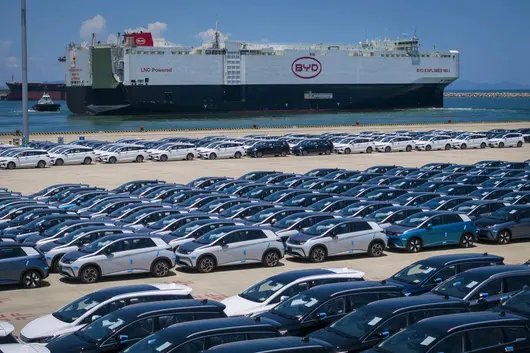
同期,海外销量47.60万辆,同比增长42.43%,占总销量51.7%;三季度海外销售18.46万辆,同比增长约35%,占比升至55%。
海外权重创新高,利润却短期承压。这两个事实同时存在,说明长城正处在一次利润结构的换挡期,海外从贸易出口走向本地经营,国内从高毛利单品依赖走向多产品接续。方向不差,但中间会有成本。
利润承压,先看结构

10月长城销量12.04万辆,同比下滑15.87%。分品牌看,哈弗71,027辆,同比下降19.5%;魏牌8,648辆,同比下降31.9%;坦克15,389辆,同比下降31.01%;皮卡13,050辆,同比下降7.37%。欧拉1.22万辆,同比增长115.78%,是唯一正增长的品牌。
欧拉增长是好事,说明全球车型在放量。但欧拉主销价格带偏低,坦克和魏牌所在的高毛利区间短期收缩,会稀释整体利润率。三季度单车ASP为17.2万元,环比减少0.9万元,产品结构变化是直接原因之一。

坦克的问题不只是单月下滑。坦克300从上市到换代间隔较长,坦克400、500、700系列月销量长期集中在2000至2500辆,还没形成第二根规模支柱。魏牌在售车型较少,品牌向上仍在爬坡。
高毛利基盘收缩,走量品牌增长,这是毛利率承压的第一层原因。
海外不是简单的高利润市场

“海外利润更高”需要更细地看。
长城海外业务毛利率2023年曾达到26.01%的高点,2024年降至18.76%,2025年进一步降至16.70%,同期国内业务毛利率为18.61%。海外销量占比在上升,海外毛利率却在回落,已经低于国内。
这背后有本地化投入和市场竞争的正常因素,也有补贴回款节奏的影响。2025年上半年长城计入“其他收益”的汽车报废补贴为22.74亿元,2026年同期为零。俄罗斯市场在前三季度贡献了长城海外销量的近三成,当地销售子公司的利润规模对集团利润影响较大。补贴延迟入账和汇率波动,会在短期内放大利润波动。
公司给出的解释有合理性,但还不能解释全部。海外业务正从整车出口转向本地制造,前期工厂改造、供应链搭建、渠道建设都要先投入,利润释放会滞后。
本地化方向是对的,但需要时间

长城在泰国、巴西、俄罗斯已有全工艺整车生产基地,保加利亚KD工厂正在推进,规划年产能5万辆,首款投产车型为欧拉5,预计2027年一季度下线。管理层预计2026年海外产能达到25万至30万辆,本地化生产目前约占海外交付的35%至45%。
从出口转向本地生产,能降低关税和物流成本,也更贴近区域市场做产品适配。这个方向是对的。但本地化在前期是投入项,不是利润项。工厂爬坡、本地供应链和合规成本,都会先于规模效应发生。
费用端也有类似逻辑。2025年长城销售费用112.73亿元,同比增长43.93%,主要来自直营渠道建设和新车、新技术投放。直营对魏牌品牌向上是必要投入,但在销量充分放量前,会先推高运营成本。
积极因素也在积累

不能只看利润下滑。
海外占比过半,说明长城已经不再依赖国内单一市场。欧拉5在哥伦比亚、巴西、西班牙、意大利等市场陆续铺开,归元平台兼容混动、插混、纯电、燃油和氢能,Coffee Pilot和Coffee OS在多款车型上规模化搭载。这些能力不会立刻反映在当月利润里,却决定未来两三年的产品竞争力。
国内前10个月累计销量104万辆,同比仅微降2.42%,规模基本稳住。哈弗H10、猛龙PLUS等新品正在补充矩阵,坦克在硬派越野领域仍有较强品牌认知。
林言以为,长城当下的利润压力,不能简单归因于“价格战”或“海外投入太大”。更客观的描述是:高毛利基盘短期收缩,走量品牌在稀释利润率,海外本地化正处在先投入、后收获的阶段。三者叠加,利润表自然不好看。
拐点看三个指标

第一,坦克和魏牌能否重新长出规模支柱,高毛利产品能否止住份额流失。
第二,海外本地化产量占比能否从35%—45%继续提升,本地生产车型的毛利率能否追上甚至超过整车出口。
第三,归元平台新车交付后,费用投入能否被规模摊薄,毛利能否修复。
在林言看来,海外过半是一个有分量的里程碑。它证明长城有能力把车卖到全球,也证明它没有选择用亏损换国内规模。但利润拐点的到来,不取决于海外占比再爬几个百分点,而取决于高毛利基盘、本地化产能和费用效率能否同时改善。
方向是清楚的,修复仍需交付验证。对一家志在全球的中国车企来说,海外过半不是终点,而是从“卖出去”走向“在当地赚到钱”的新起点。

Dalam pasaran SUV di Malaysia, ramai pembeli semasa memilih kereta akan membandingkan Mazda CX-3 dan Hyundai Tucson. Kedua-dua kereta ini sangat hampir dari segi harga dan kedudukan pasaran, hari ini kita akan membuat perbandingan terperinci dari pelbagai aspek untuk membantu anda menjimatkan masa yang diperlukan untuk membuat kajian.
Harga OTR Mazda CX-3 di Malaysia ialah RM 126,159 - 139,159, terdapat 2 varian, termasuk 2023 2.0L High (RM 139,159), 2023 2.0L Plus (RM 126,159), dan lain-lain.
Harga OTR Hyundai Tucson di Malaysia ialah RM 143,888 - 197,888, terdapat 5 varian, termasuk 2025 HEV 1.6T AT 2WD Prestige (RM 197,888), 2025 1.6T DCT 4WD Prestige (RM 186,888), 2025 1.6T DCT 2WD Prime (RM 164,888), dan lain-lain.
Dari segi harga, harga permulaan Mazda CX-3 memang RM 17,729 lebih murah daripada Hyundai Tucson. Jika bajet anda terhad, varian permulaan Mazda sudah boleh memenuhi keperluan harian. Tetapi berhati-hati, beberapa ribu lebih murah itu, mungkin ada kompromi pada peralatan, bergantung pada keperluan anda.

Penarafan Keselamatan Mazda CX-3 ialah 5★ (ASEAN NCAP), sistem keselamatan aktif termasuk i-Activsense.
Penarafan Keselamatan Hyundai Tucson ialah 5★ (ASEAN NCAP), sistem keselamatan aktif termasuk SmartSense.
Penarafan keselamatan kedua-dua kereta sama, dalam tahap ini peralatan keselamatan dianggap lengkap. Keselamatan kereta baharu sekarang tidak buruk, tidak perlu terlalu bimbang mengenai hal ini.

Panjang badan Mazda CX-3 4500 mm, kapasiti bagasi 450 L.
Panjang badan Hyundai Tucson 4400 mm, kapasiti bagasi 400 L.
Dari segi ruang, panjang badan Mazda CX-3 adalah 100 mm lebih panjang daripada Hyundai Tucson, ruang tempat duduk di dalam akan lebih luas, terutamanya ruang kaki kerusi belakang. Jika anda sering mengangkut keluarga atau perlu letak kereta bayi, badan kereta yang lebih besar memang lebih praktikal.

Mazda CX-3 menggunakan cara penggerak FWD.
Hyundai Tucson menggunakan cara penggerak FWD.
Cara penggerak kedua-dua kereta sama, iaitu FWD, pengalaman memandu harian tidak akan ada perbezaan besar.

Secara keseluruhannya, Mazda CX-3 dan Hyundai Tucson kedua-duanya adalah model kereta yang sangat baik di pasaran Malaysia. Memilih yang mana satu, kunci masih bergantung pada keperluan peribadi dan bajet anda. Kami menasihatkan anda membuat kajian yang betul, bandingkan harga daripada beberapa dealer kereta, kemudian buat keputusan akhir selepas ujian pemanduan. Membeli kereta adalah perkara besar, menghabiskan masa untuk membuat kajian tidak akan salah.


Dalam pasaran SUV di Malaysia, ramai pembeli membandingkan Mazda CX-3 dan Hyundai Tucson ketika memilih kereta. Kedua-dua kereta ini mempunyai harga dan penempatan yang agak dekat, hari ini kita akan buat perbandingan terperinci dari pelbagai aspek, membantu anda menjimatkan masa untuk membuat penyelidikan.
Harga OTR Mazda CX-3 di Malaysia ialah RM 126,159 - 139,159, mempunyai 2 varian, termasuk 2023 2.0L High (RM 139,159) dan 2023 2.0L Plus (RM 126,159) dan lain-lain.
Harga OTR Hyundai Tucson di Malaysia ialah RM 143,888 - 197,888, mempunyai 5 varian, termasuk 2025 HEV 1.6T AT 2WD Prestige (RM 197,888), 2025 1.6T DCT 4WD Prestige (RM 186,888), 2025 1.6T DCT 2WD Prime (RM 164,888) dan lain-lain.
Dari segi harga, harga permulaan Mazda CX-3 memang lebih murah RM 17,729 berbanding Hyundai Tucson. Jika bajet anda terhad, varian entry-level Mazda sudah cukup untuk keperluan harian. Tetapi perhatikan juga, beberapa ribu ringgit yang lebih murah itu, mungkin ada kompromi pada kelengkapan, ia bergantung pada keperluan anda.
Tahap keselamatan Mazda CX-3 ialah 5★ (ASEAN NCAP), sistem keselamatan aktif termasuk i-Activsense.
Tahap keselamatan Hyundai Tucson ialah 5★ (ASEAN NCAP), sistem keselamatan aktif termasuk SmartSense.
Tahap keselamatan kedua-dua kereta ini adalah sama, di kelas ini kelengkapan keselamatan dianggap cukup lengkap. Keselamatan kereta baharu sekarang tidak buruk, tidak perlu terlalu risau tentang hal ini.
Mazda CX-3 menggunakan cara pemacu FWD.
Hyundai Tucson menggunakan cara pemacu FWD.
Kaedah pemacu kedua-dua kereta ini adalah sama, semua FWD, pengalaman memandu harian tidak akan banyak berbeza.
Mazda CX-3 dan Hyundai Tucson adalah pilihan utama di pasaran Malaysia, sesuai untuk kegunaan keluarga dan perjalanan harian. Jika anda lebih memprioritaskan reputasi jenama dan nilai jual semula, pertimbangkan yang mempunyai reputasi lebih baik; jika anda lebih mementingkan nilai dan kelengkapan, pilih yang mempunyai konfigurasi lebih banyak. Pada akhirnya, disarankan untuk memandu kedua-dua kereta tersebut, pengalaman langsung adalah yang paling penting.
Secara keseluruhan, Mazda CX-3 dan Hyundai Tucson adalah model kereta yang sangat baik di pasaran Malaysia. Memilih mana satu, kunci utama masih bergantung pada keperluan dan bajet anda. Disarankan anda melakukan penyelidikan, bandingkan harga dari beberapa dealer, kemudian test drive untuk membuat keputusan akhir. Membeli kereta adalah urusan besar, mengambil masa untuk membuat penyelidikan tidak akan salah.





Recently, Chery released its performance results for the first three quarters of 2026. In the context of the industry's overall performance narrowing, Chery achieved industry benchmark revenue results by relying on a reasonable global layout.
According to Chery's official data, its revenue for the first three quarters reached 241.234 billion yuan, a year-on-year increase of 12.29%; gross profit was 39.004 billion yuan, a year-on-year increase of 32.28%; gross profit margin increased significantly from 13.6% at the same period last year to 16.17%, net profit was 14.595 billion yuan, and net profit margin reached 6.05%.

In the first three quarters of this year, the revenue profit margin of the domestic automotive manufacturing industry was 3.3%, the single-month profit margin in September dropped to 1.4%, and the total industry profit decreased by 22.8% year-on-year. In comparison, Chery's performance remained stable with an upward trend, proving that its current strategic approach is highly effective.
Overseas Markets Support the Overall Picture
In the first three quarters of this year, Chery's total passenger car sales were 2.0769 million units, of which 1.4991 million units were exported, accounting for over 70%. Chery is the only car company capable of having overseas sales double the domestic sales.
This is also the key for Chery to achieve high revenue and high profits. In the first half of the year, Chery's overseas market revenue was 98.968 billion yuan, a year-on-year increase of 51%, accounting for nearly 70% of total revenue. This proportion is absolutely leading among independent car manufacturers that have publicly disclosed data. More critically, Chery's overseas business profitability is far higher than domestic. The overseas fuel vehicle gross margin is stable at 18.1%, overseas new energy vehicle gross margin is about 20%, and hybrid product gross profit performance is even better.

It is not difficult to see that the key behind the crazy overseas expansion of Chinese car manufacturers in recent years is profit improvement. Chery has built a solid "profit moat" with the high gross margin of overseas markets. While most Chinese brands are still struggling against involution with domestic market profits, Chery has already formed a healthy cycle of "offsetting domestic low gross margin with overseas high gross margin". This advantage is difficult for other leading car companies to replicate in the short term.
As is well known, Chery's overseas business was not built in a day. Having cultivated the overseas market for more than 20 years, Chery has comprehensively upgraded from simple "product going global" to "Globalization 3.0", aiming to move R&D, manufacturing, supply chain, and decision-making power all to the overseas market in advance, becoming a truly global car company.
This year, Chery activated its first overseas regional operation center in Barcelona, Spain, and simultaneously launched the Spain Research Institute, placing all core decision-making links of the European market locally for completion. In South Africa, Chery acquired the Rosslyn Plant from a global large car manufacturer, launched a localization plan, and strives to achieve a target of 40% localization rate for passenger car production in South Africa before 2028.

Currently, Europe has become an important market for Chery. Data shows that Chery's sales in the EU + UK + EFTA market ranked first among Chinese brands in September. In addition, Chery has ranked first in new car brand sales in the UK for two consecutive months. For every 10 new cars sold locally, 1 comes from Chery. The European market has extremely high requirements for safety, compliance, and channels. Chery can stand firm and become mainstream, relying on Chery's globalization system capabilities.
According to the plan, the proportion of overseas-produced cars in Chery's exported cars will exceed 50% for the first time by the end of 2026, rise to 60% in 2027, and reach 70% in 2030. Behind these numbers is Chery's ambition to completely rewrite "going global" to "globalization".
Technology is King, Innovation Wins
Good performance relies on capabilities, and Chery is the same. An enterprise with a tag of "Science and Engineering Guy", values user recognition of product technology.
Chery's R&D expenditure for the first three quarters was 11.046 billion yuan, a year-on-year increase of 40.21%. The R&D growth speed is 3.3 times the revenue growth speed, and the proportion of R&D expenditure to revenue rose from 3.67% at the same period last year to 4.58%. In an environment where the whole industry is cutting back spending and protecting profits, Chery instead intensified technology investment against the trend.
These R&D funds were not all invested in short-term realization projects, but concentrated on basic technology directions such as electric drive, hybrid transmissions, batteries, solid-state batteries, and AI large models. Including CheryMind Physical AI Large Model, Xunlong Instant Charge, Rhino S Solid-State Battery, Ziwei Chip, V2G Vehicle-Grid Interaction and other frontier technologies. These layouts are redefining cars from traditional mechanical products to AI-driven energy terminals. Especially V2G Vehicle-Grid Interaction technology, which has extremely high commercial value in overseas markets with insufficient grid stability, turning vehicles from pure consumer goods into distributed energy storage nodes.
The impact of underlying technology on Chery products is far-reaching. Especially in the context of a market where new energy is mainstream, car companies that can connect the technology chain are more likely to gain discourse power in the next round of market competition.

Just like the current status of Chery New Energy, its wholesale volume has ranked in the top three of the industry for 6 consecutive months. The new QQ3 has broken through 10,000 units in sales for six consecutive months, and still has 100,000 units of global orders pending delivery; Fengyun A9 delivered over 7,000 units in September, with single-month orders breaking 20,000 units; Zhijie V9 has ranked first in the market for MPV above 400,000 yuan for 4 consecutive months since its launch. Simultaneous growth of multiple categories and price ranges is not propped up by a single hit product, but the full realization of a complete product matrix.
It is worth mentioning that Chery New Energy's profitability is gradually rising. In the first half of the year, the gross margin of the new energy business increased significantly from 5.2% at the same period last year to 12.8%, officially entering the profit realization cycle.
For every 7 new energy vehicles exported in China, 1 comes from Chery. Its new energy products have topped sales in multiple segments in Thailand, Malaysia, South Africa, and other places. The volume in the overseas market further amortized R&D and manufacturing costs, allowing Chery's new energy business to say goodbye to the stage of "exchanging price for volume".
More importantly, Chery did not get involved in the price war of "exchanging profit for sales". Currently, price wars in the domestic market have crushed single-vehicle profit to just over 1,000 yuan. Simply comparing who is better at involution and who can cut prices is no longer of much significance. Chery's financial report tells the whole industry that the next round of victory depends not on domestic involution, but on who can truly run through the globalization capability and who can establish a sustainable profit channel in the overseas market. Chery's globalization is also a benchmark for sustainable development needed by the current Chinese automotive industry.

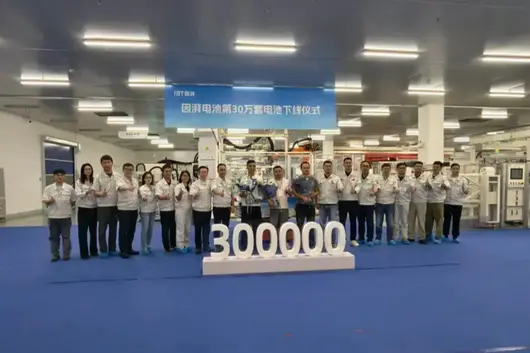
广汽集团旗下因湃电池宣布,其泰国工厂开业暨首套动力电池下线仪式将于 10 月 29 日正式举行。这一节点标志着因湃全球化战略迈出关键一步,广汽自研电池正式从"产品出海"进入"制造出海"的本地化制造新阶段。
过去,中国动力电池企业的出海多以产品出口为主,而因湃选择在泰国落地工厂并实现首套动力电池下线,意味着其将研发、制造、供应链能力整体向海外延伸。本地化制造不仅能够更贴近东南亚市场需求、缩短交付周期,也有助于规避贸易壁垒、降低物流成本,提升响应速度。
对广汽而言,泰国工厂是因湃全球化布局的重要支点。依托广汽在海外市场的整车布局,因湃电池可实现与整车业务的协同出海,形成"整车+电池"联动的出海模式。从产品输出到制造能力输出,因湃的这一步,折射出中国新能源产业链全球化正在从"卖产品"走向"建能力"的深层转变。


In the SUV market in Malaysia, many buyers compare Mazda CX-3 and GWM Haval H6 when choosing a car. Both cars are quite close in price and positioning. Today we will make a detailed comparison from multiple aspects to help you save time on research.
Mazda CX-3 OTR price in Malaysia is RM 126,159 - 139,159, with a total of 2 versions, including 2023 2.0L High (RM 139,159), 2023 2.0L Plus (RM 126,159), etc.
GWM Haval H6 OTR price in Malaysia is RM 139,750 - 139,750, with a total of 2 versions, including 1.5L Turbo Standard (RM 140,000), 1.5L Turbo Premium (RM 155,000), etc.
From the price perspective, the Mazda CX-3's starting price is indeed RM 13,591 cheaper than GWM Haval H6. If your budget is limited, Mazda's entry-level version can already meet daily needs. But also note, the difference of a few thousand, might have trade-offs in specifications, depending on your needs.
Mazda CX-3 is equipped with 1.5L Turbo, 140 hp. Official fuel consumption 7.0 L/100km.
GWM Haval H6 is equipped with Hybrid, 170 hp. Official fuel consumption 4.5 L/100km.
In terms of power, GWM Haval H6's Hybrid has 30 more horsepower than Mazda CX-3's 1.5L Turbo. However, for daily driving in the city, both cars have sufficient power, you won't feel lacking.
Mazda CX-3 uses FWD drive type.
GWM Haval H6 uses FWD drive type.
Both cars have the same drive type, both are FWD, daily driving experience won't have much difference.
Mazda CX-3 Warranty 5 years/150,000km, maintenance interval every 10,000km or 6 months.
GWM Haval H6 Warranty 7 years/150,000km, maintenance interval every 10,000km or 6 months.
Mazda CX-3 and GWM Haval H6 are both mainstream choices in the Malaysian market, suitable for family use, daily commuting. If you value brand reputation and resale price more, prioritize the one with better reputation; if you care more about cost-performance and specifications, choose the one with richer configurations. In the end, it is recommended to test drive both, personal experience is the most important.
Overall, Mazda CX-3 and GWM Haval H6 are both very good car models in the Malaysian market. Which one to choose, depends mainly on your personal needs and budget. We suggest doing your research, comparing quotes from several car dealers, then test driving to make the final decision. Buying a car is a big matter, spending some time on research will definitely not be wrong.

In the Malaysian SUV market, many buyers will compare Mazda CX-3 and GWM Haval H6 when choosing a car. These two cars are quite close in price and positioning. Today we will make a detailed comparison from multiple aspects to help you save time on research.
Mazda CX-3 OTR price in Malaysia is RM 126,159 - 139,159. There are a total of 2 versions, including 2023 2.0L High (RM 139,159), 2023 2.0L Plus (RM 126,159), etc.
GWM Haval H6 OTR price in Malaysia is RM 139,750 - 139,750. There are a total of 2 versions, including 1.5L Turbo Standard (RM 140,000), 1.5L Turbo Premium (RM 155,000), etc.
From a price perspective, the starting price of Mazda CX-3 is indeed RM 13,591 cheaper than GWM Haval H6. If your budget is limited, the Mazda entry-level can meet daily needs. However, note that the few thousand cheaper may involve trade-offs in features, depending on your specific needs.
Mazda CX-3 is equipped with 1.5L Turbo, 140 hp. Official fuel consumption 7.0 L/100km.
GWM Haval H6 is equipped with Hybrid, 170 hp. Official fuel consumption 4.5 L/100km.
In terms of power, GWM Haval H6's Hybrid has 30 more horsepower than Mazda CX-3's 1.5L Turbo. However, for daily city driving, both cars' power is sufficient, you won't feel a lack of power.
Mazda CX-3 body length 4500 mm, trunk 450 L.
GWM Haval H6 body length 4400 mm, trunk 400 L.
In terms of space, Mazda CX-3's body is 100 mm longer than GWM Haval H6, interior seating space will be slightly more spacious, especially rear legroom. If you frequently carry family or need to place a stroller, a slightly larger body is indeed more practical.
Mazda CX-3 adopts FWD drive method.
GWM Haval H6 adopts FWD drive method.
The drive methods of both cars are the same, both are FWD, daily driving experience will not have much difference.
Overall, Mazda CX-3 and GWM Haval H6 are both very good car models in the Malaysia market. Which one to choose depends mainly on your personal needs and budget. We suggest doing your homework well, comparing quotes from several dealerships, and then test driving to make a final decision. Buying a car is a big matter, spending some time on research will definitely not be wrong.

In Malaysia's SUV market, many buyers compare Mazda CX-3 and Chery Tiggo 9 when choosing a car. These two cars are quite close in price and positioning. Today we will make a detailed comparison from multiple aspects to help you save time doing research.
The OTR price of Mazda CX-3 in Malaysia is RM 126,159 - 139,159, with a total of 2 versions, including 2023 2.0L High (RM 139,159), 2023 2.0L Plus (RM 126,159), etc.
The OTR price of Chery Tiggo 9 in Malaysia is RM 166,800 - 179,800, with a total of 1 version, including 2026 2.0T Standard (RM 179,750), etc.
From the price perspective, Mazda CX-3's starting price is indeed RM 40,641 cheaper than Chery Tiggo 9. If your budget is limited, Mazda's entry-level version can already meet daily needs. But keep in mind, the few thousand cheaper may involve trade-offs in equipment, depending on your specific needs.
Mazda CX-3 is equipped with 1.5L Turbo, 140 hp. Official fuel consumption 7.0 L/100km.
Chery Tiggo 9 is equipped with 2.0L 4-cyl, 170 hp. Official fuel consumption 8.0 L/100km.
In terms of power, Chery Tiggo 9's 2.0L 4-cyl has 30 more horsepower than Mazda CX-3's 1.5L Turbo. However, for daily city driving, both cars have sufficient power, you won't feel underpowered.
Mazda CX-3 safety rating is 5★ (ASEAN NCAP), active safety systems include i-Activsense.
Chery Tiggo 9 safety rating is TBD, active safety systems include Basic.
In terms of safety equipment, both cars have received good ratings. However, there are some differences in functionality between Mazda CX-3's i-Activsense and Chery Tiggo 9's Basic, if you value active safety, you can compare their feature lists closely.
Mazda CX-3 body length 4500 mm, trunk 450 L.
Chery Tiggo 9 body length 4400 mm, trunk 400 L.
In terms of space, Mazda CX-3's body is 100 mm longer than Chery Tiggo 9, interior seating space will be slightly more spacious, especially rear legroom. If you often carry family or need to put a stroller, a slightly larger body is indeed more practical.

Mazda CX-3 adopts FWD drive mode.
Chery Tiggo 9 adopts FWD drive mode.
Both cars have the same drive mode, both are FWD, daily driving experience will not differ much.

Overall, Mazda CX-3 and Chery Tiggo 9 are both quite good car models in the Malaysia market. Which one to choose depends mainly on your personal needs and budget. We suggest doing your homework, comparing quotes from several car dealerships, then test driving to make the final decision. Buying a car is a big thing, spending some time doing research will definitely not be wrong.

In the Malaysian SUV market, many buyers compare Mazda CX-3 and Chery Tiggo 9 when choosing a car. These two cars are quite close in price and positioning, so today we will make a detailed comparison from multiple aspects to help you save time on research.
The OTR price for Mazda CX-3 in Malaysia is RM 126,159 - 139,159, with a total of 2 variants, including 2023 2.0L High (RM 139,159), 2023 2.0L Plus (RM 126,159), etc.
The OTR price for Chery Tiggo 9 in Malaysia is RM 166,800 - 179,800, with a total of 1 variant, including 2026 2.0T Standard (RM 179,750), etc.
In terms of price, the starting price of Mazda CX-3 is indeed RM 40,641 cheaper than Chery Tiggo 9. If your budget is limited, Mazda's entry-level version can already meet daily needs. But also note, the few thousand difference might involve trade-offs in features, specifically depending on your requirements.
The safety rating for Mazda CX-3 is 5★ (ASEAN NCAP), and the active safety system includes i-Activsense.
The safety rating for Chery Tiggo 9 is TBD, and the active safety system includes Basic.
Regarding safety features, both cars have received good ratings. However, there are some differences in functionality between Mazda CX-3's i-Activsense and Chery Tiggo 9's Basic. If you value active safety, you can carefully compare the feature lists of both.
Mazda CX-3 adopts FWD drive mode.
Chery Tiggo 9 adopts FWD drive mode.
Both cars have the same drive mode, both are FWD, and there won't be much difference in daily driving experience.
Mazda CX-3 warranty 5 years/150,000km, maintenance interval every 10,000km or 6 months.
Chery Tiggo 9 warranty 3 years/100,000km, maintenance interval every 10,000km or 6 months.
In general, Mazda CX-3 and Chery Tiggo 9 are both very good models in the Malaysian market. Which one to choose depends mainly on your personal needs and budget. We suggest doing your research, comparing quotes from several dealerships, and then test driving to make the final decision. Buying a car is a big matter, spending some time on research will never be wrong.

Dalam pasaran SUV di Malaysia, ramai pembeli membandingkan Mazda CX-3 dan GWM Haval H6 apabila memilih kereta. Kedua-dua kereta ini mempunyai harga dan pelarasan pasaran yang agak hampir, hari ini kita akan membandingkan secara terperinci dari pelbagai aspek, untuk membantu anda menjimatkan masa membuat kajian.
Mazda CX-3 di Malaysia harga OTR ialah RM 126,159 - 139,159, terdapat 2 versi, termasuk 2023 2.0L High (RM 139,159), 2023 2.0L Plus (RM 126,159) dan lain-lain.
GWM Haval H6 di Malaysia harga OTR ialah RM 139,750 - 139,750, terdapat 2 versi, termasuk 1.5L Turbo Standard (RM 140,000), 1.5L Turbo Premium (RM 155,000) dan lain-lain.
Dari segi harga, harga permulaan Mazda CX-3 memang lebih murah RM 13,591 berbanding GWM Haval H6. Jika bajet anda terhad, versi permulaan Mazda sudah boleh memenuhi keperluan harian. Namun, perhatikan, perbezaan harga beberapa ribu itu mungkin ada pengorbanan dari segi kelengkapan, bergantung kepada keperluan anda.
Mazda CX-3 dilengkapi enjin 1.5L Turbo, kuasa 140 hp. Penggunaan bahan api rasmi 7.0 L/100km.
GWM Haval H6 dilengkapi Hybrid, kuasa 170 hp. Penggunaan bahan api rasmi 4.5 L/100km.
Dari segi kuasa, Hybrid GWM Haval H6 mempunyai 30 hp lebih berbanding 1.5L Turbo Mazda CX-3. Namun, untuk pemanduan harian di bandar, kuasa kedua-dua kereta ini sudah memadai, anda tidak akan rasa kurang tenaga.
Markah keselamatan Mazda CX-3 ialah 5★ (ASEAN NCAP), sistem keselamatan aktif termasuk i-Activsense.
Markah keselamatan GWM Haval H6 ialah TBD, sistem keselamatan aktif termasuk Basic.
Dari segi kelengkapan keselamatan, kedua-dua kereta mendapat markah yang baik. Namun, terdapat sedikit perbezaan dari segi fungsi antara i-Activsense Mazda CX-3 dan Basic GWM Haval H6. Jika anda lebih mementingkan keselamatan aktif, anda boleh membandingkan senarai fungsi kedua-duanya dengan teliti.
Panjang kenderaan Mazda CX-3 4500 mm, ruang bonet 450 L.
Panjang kenderaan GWM Haval H6 4400 mm, ruang bonet 400 L.
Dari segi ruang, badan Mazda CX-3 lebih panjang 100 mm berbanding GWM Haval H6, ruang duduk dalam kereta agak lebih lapang, terutamanya ruang kaki bangku belakang. Jika anda kerap membawa keluarga atau perlu meletakkan kereta bayi, badan kereta yang lebih besar memang lebih praktikal.
Mazda CX-3 menggunakan pemacu FWD.
GWM Haval H6 menggunakan pemacu FWD.
Cara pemacu kedua-dua kereta sama, iaitu FWD, pengalaman pemanduan harian tidak akan berbeza banyak.
Secara keseluruhan, Mazda CX-3 dan GWM Haval H6 adalah model kereta yang sangat baik di pasaran Malaysia. Memilih yang mana, kunci utama bergantung kepada keperluan dan bajet peribadi anda. Disarankan membuat kajian dengan baik, bandingkan sebut harga beberapa kedai kereta, kemudian buat uji pemanduan untuk membuat keputusan akhir. Membeli kereta adalah perkara besar, mengambil masa untuk membuat kajian tidak akan salah.

核心产品力缺位,智驾出海需加速落地。
随着车企10月销量的公布,不出意外地,出口正在成为国内车企的核心销量,中国汽车出口呈现爆发式增长态势。
据中国汽车工业协会数据,2026年1-9月中国汽车出口总量已达863万辆,同比增长52%,10月单月新能源乘用车出口占比更达到44.2%。
与此同时,国内车企开始纷纷在海外车展上成为主力,座舱、智驾这些在国内车展上已经见怪不怪的卖点正常吸引着海外消费者。

在今年巴黎车展前,何小鹏将小鹏的NGP带到了欧洲市场,和特斯拉的FSD来了一场正面较量。
在最近,何小鹏更是给国内车企和智驾公司抛出了一个新比武场,称如果一家车企想证明自家智驾技术真正过硬,最直接的验证方式就是把产品开到海外市场,接受全球不同路况、不同交规场景的实际考验。
先不谈小鹏的智驾究竟表现如何,何小鹏的观点背后,是中国新能源出海所面临的共同现状,车出去了,智驾却不能用。
智驾洼地
随着价格战的白热化和供应链规模优势的显现,国内的新能源汽车智能辅助驾驶方案的价格在逐步下探,渗透率也在节节攀升,工信部数据显示,2026年搭载L2级组合驾驶辅助功能的乘用车新车渗透率已达70.5%,配备领航驾驶辅助功能(NOA)的车型渗透率也突破34.2%。
反观欧洲,虽然是汽车工业的发源地,也是最积极推动辅助驾驶的地区,但渗透率依然不高。
在L2层面,欧盟GSR2法规框架下,2026年L2级装配率被强制推至100%。但这100%主要对应智能限速辅助、紧急车道保持等基础ADAS功能,与国内消费者认知中的同时控制转向和加减速的L2并不完全等同。

JATO Dynamics统计的欧洲五国(德、法、意、西、英)数据显示,真正具备同时控制转速与加减速能力的L2新车渗透率约为35%,2022年这一数字为22%,五年仅提升13个百分点。
至于高阶的城区NOA在欧洲的渗透率则不足1%,欧盟的UN R171.02法规要求系统行为必须与制造商事先向监管部门提交的书面申报阈值100%完全一致,不允许出现任何超出报备范围的自主决策行为。
至于更近的东南亚市场,虽然增速加快,但在基础设施、法规和售后验证体系仍处于滞后。
数据上来看,东南亚ADAS整体渗透率从2025年的18%跃升至2026年一季度的24%,在纯电动车中前装搭载率已达42%,插混车型为29%。

背后的东南亚各国对法规的逐步完善,泰国率先规定2026年1月起新注册电动乘用车必须配备至少三项基础ADAS功能,印尼计划2027年跟进,法规是当前渗透率提升的第一驱动力。
然而,高阶功能依然只停留在验证阶段,测试车也主要集中在泰国、马来西亚的封闭测试园区内,面向消费者的量产城区NOA基本不存在。
至于中东和拉美地区,则还处在L2基础功能普及阶段,距离高阶智驾还有很长的路。
至于唯一实现NOA真正渗透的就只有北美市场,在特斯拉的带动下,北美NOA的搭载新车渗透率2026年预计突破45%,二季度数据显示,北美新交付特斯拉车辆中55%的用户在提车时开通了FSD订阅,至于真正能实现城区NOA的数据,也不足5%,全部由特斯拉贡献。

综合来看,目前主要新能源汽车出海的欧洲和东南亚市场在高阶辅助驾驶领域都存在空白,对于国内车企来说,无疑是另一块技术红利区,没有存量竞争,一旦成功将会成为绝对的技术壁垒。
但现实情况却是,智驾出海面临着法规与基建的双重压力,距离落地还有很长的路要走。
三种方式寻求破圈
当前国内主要的出海车企都已经在布局海外的智驾方案落点,实现在当地破圈,主要路径分为三类,对应这不同的方案模式。
首先是自研+本土化适配的方案,这也是目前主流的实现路径之一,特斯拉在全球的布局也是走同样的方案,一套核心模型结合当地数据理论上很快就能实现适配。
就以开头提到智驾出海的小鹏为例,采用“一套模型通吃全球”战略,第二代VLA模型通过世界模型和强化学习,以同一套架构支撑L2辅助驾驶和L4自动驾驶。
同时小鹏在欧洲建立本地数据中心,满足GDPR合规要求,并已通过德国TÜV莱茵UN R171认证,成为首个获此认证的中国智驾系统,计划于2027年向欧洲用户交付适配本地环境的智驾系统,也是国内车企中目前给出确定时间表的车企。

传统车企长安汽车也走的同样的方案,细节上长安汽车在欧洲采取"分层布局"策略欧洲版采用天枢系统+地平线芯片适配UN R171法规,计划2027年在欧洲推出高速NOA,至于城市NOA因本地验证不足暂缓。
同时,长安在慕尼黑设立研发中心,与高通合作开发欧洲数据训练体系,将加快城区NOA的验证落地。
第二条路径则是从零开始,在海外市场将国内的训练路线重新走一遍,目前主要是比亚迪采用这一方案,当前比亚迪的出海车型全部降级为基础的L2级功能,天神之眼并未在海外落地。
智驾技术则是通过与当地公司合作,在当地建设数据训练中心来适配还是市场,用物理隔离和全栈本地化策略应对GDPR合规要求,确保欧洲用户数据100%存储在欧盟境内数据中心,切断数据回传链路。

至于第三种路线,最容易实现,就是直接采用当地合规的智驾方案,就像问界出海版,问界车型在国内搭载的是华为乾崑的方案,但受限于法规,为了出海能尽快落地,欧洲版的问界车型计划将采用博世智驾方案,计划在2027年9月量产高速NOA功能。
这第三种路径也引出了方案供应商加速在海外落地的节奏,地平线通过与大众化合资的酷睿程(CARIZON)进入欧洲市场,同时地平线还在加速HSD的落地,目前已经获得11家车企,40余款出口车型的定点。
卓驭科技在今年5月启用了位于德国布伦瑞克的欧洲总部,推进“在欧洲,为欧洲”本地化战略,用ID.Buzz做高速NOA、城区NOA和自动泊车路试,计划2026年底完成验证。

智驾四强之一的Momenta则是落子最快的一家,一方面是在欧洲中东地区已经获得L4的测试许可,另一方面随着与欧洲本土车企的合作,Momenta的高阶方案也在加速落地,在与神龙科技签署全球战略合作协议,直接进入了Stellantis的全球供应链。
至于真正的落地,其实还是在数据本地化训练和多重法规认证的周期性上,面对欧盟的GDPR合规要求,无论是车企还方案供应商都只能选择在当地建设建立本地数据处理与训练能力,减缓了落地的速度。
另一方面,在海外的多国路况下,各种法规和认证体系才是当下最影响落地的问题,欧盟WVTA认证平均耗时12-18个月,这样漫长的时间下,智驾方案早已迭代数版,难以真正实现全球同步。
智驾出海的竞争,早已不是谁的技术更先进,而是谁能在目标市场的多重约束下,以可接受的成本和周期完成可量产的系统级闭环,智驾出海证明的不仅是技术实力,更是全球化策略下,对本地化布局的效率之争。


© 2024 Bitauto.com. All Rights Reserved.
Bitauto (www.yiche.com and www.bitauto.com) is one of the most visited automotive websites in China. We provide detailed info on Chinese car brands available in your area. Please note that the information provided on this website is based on publicly available data and is for reference only. It may not be fully updated or accurate at all times.

Help us improve our website


