

HomeMusic

Search History
Popular Searches
Dealer Login / Sign Up

喺馬來西亞嘅 SUV 市場,好多買家在揀車嘅時候都會拿豐田雅力士 Cross 同速霸陸森林人嚟做比較。呢兩款車喺價格同定位上都幾近,今日我哋就從多個方面做一個詳細嘅比較,幫你省下做功課嘅時間。
豐田雅力士 Cross 喺馬來西亞嘅 OTR 售價係 RM 99,900 - 109,900,一共 2 個版本,包括 2026 1.5L Standard(RM 99,900)、2026 HEV 1.5L Standard(RM 109,900) 等。
速霸陸森林人喺馬來西亞嘅 OTR 售價係 RM 174,000 - 197,000,一共 3 個版本,包括 2024 2.0L S EyeSight GT Edition(RM 189,538)、2024 2.0L S EyeSight(RM 177,538)、2024 2.0L L EyeSight(RM 167,538) 等。
從價錢嚟睇,豐田雅力士 Cross 嘅起價確實比速霸陸森林人平咗 RM 74,100。如果你預算有限,豐田嘅入門版已經可以滿足日常需求。但亦都要注意,平嗰啲幾千蚊,喺配備上可能有取捨,具體要看你嘅需求。

豐田雅力士 Cross 車身長 4,400 mm,行李廂 400 L。
速霸陸森林人車身長 4,400 mm,行李廂 400 L。
兩款車嘅尺寸幾近,車內空間分別唔大。呢個級別嘅車,日常使用完全夠用。

豐田雅力士 Cross 保用 5 年/無限里程,保養間隔 每 10,000km 或 6 個月。
速霸陸森林人保用 3 年/100,000km,保養間隔 每 10,000km 或 6 個月。

豐田雅力士 Cross 同速霸陸森林人都係馬來西亞市場嘅主流選擇,適合家庭用途、日常通勤。如果你更睇重品牌聲譽同二手價,可以優先考慮聲譽更好嗰款;如果你更在意性價比同配備,就揀配置更豐富嗰款。始終建議兩款都去試駕,親身體驗先至最重要。

總括嚟講,豐田雅力士 Cross 同速霸陸森林人都係馬來西亞市場幾唔錯嘅車型。揀邊一辆,關鍵都要睇你個人需求同預算。建議大家做好做功課,多比較幾間車行嘅報價,先去試駕做最終決定。買車係件大事,花啲時間做功課絕對無錯。


In the SUV market in Malaysia, many buyers tend to compare the Toyota Yaris Cross and the Chery Tiggo 7 PHEV when choosing a car.
The OTR price of the Toyota Yaris Cross in Malaysia is RM 99,900 - 109,900, with a total of 2 versions, including 2026 1.5L Standard (RM 99,900), 2026 HEV 1.5L Standard (RM 109,900), etc.
The OTR price of the Chery Tiggo 7 PHEV in Malaysia is RM 129,750 - 129,750, with a total of 2 versions, including 2025 1.5T 90km CSH (RM 129,750), What charging methods does the Tiggo 7 PHEV support? Can it be charged using a home power socket? (RM 117,478), etc.
In terms of price, the Toyota Yaris Cross is indeed RM 29,850 cheaper than the Chery Tiggo 7 PHEV as a starting price. If your budget is limited, Toyota's entry-level version is sufficient for daily needs. However, note that saving a few thousand might involve trade-offs in features, depending on your specific requirements.
The Toyota Yaris Cross is equipped with a 1.5L 4-cyl, 105 hp. Official fuel consumption is 6.0 L/100km.
The Chery Tiggo 7 PHEV is equipped with a Hybrid, 170 hp. Official fuel consumption is 4.5 L/100km.
In terms of power, the Chery Tiggo 7 PHEV's Hybrid has 65 more horsepower than the Toyota Yaris Cross's 1.5L 4-cyl. However, for daily driving in the city, the power of both cars is sufficient, and you won't feel like it's underpowered.
The safety rating of the Toyota Yaris Cross is 5★ (ASEAN NCAP), active safety systems include TSS.
The safety rating of the Chery Tiggo 7 PHEV is TBD, active safety systems include Basic.
In terms of safety features, both cars have received good ratings. However, there are some differences in function between the Toyota Yaris Cross's TSS and the Chery Tiggo 7 PHEV's Basic. If you value active safety highly, you can compare their feature lists in detail.
Toyota Yaris Cross warranty 5 years/unlimited mileage, maintenance interval every 10,000km or 6 months.
Chery Tiggo 7 PHEV warranty 3 years/100,000km, maintenance interval every 10,000km or 6 months.

Both the Toyota Yaris Cross and the Chery Tiggo 7 PHEV are mainstream choices in the Malaysian market, suitable for family use and daily commuting. If you value brand reputation and resale value more, you can prioritize the one with better reputation; if you care more about cost-performance and features, choose the one with richer configuration. Ultimately, it is recommended to test drive both, as personal experience is the most important.

Overall, both the Toyota Yaris Cross and the Chery Tiggo 7 PHEV are very good models in the Malaysian market. Which one to choose depends mainly on your personal needs and budget. We suggest doing your homework, comparing quotes from multiple car dealers, and then test driving to make the final decision. Buying a car is a big matter, taking time to do research will definitely not be wrong.

Dalam pasaran SUV di Malaysia, ramai pembeli akan membandingkan Toyota Yaris Cross dan Mitsubishi Xforce ketika memilih kereta. Kedua-dua kereta ini mempunyai harga dan pelasaran yang hampir sama. Hari ini, kita akan membuat perbandingan terperinci dari pelbagai aspek untuk membantu anda menjimatkan masa membuat kajian.
Toyota Yaris Cross dijual dengan harga OTR di Malaysia serendah RM 99,900 hingga RM 109,900, dengan sebanyak 2 varian, termasuk 2026 1.5L Standard (RM 99,900) dan 2026 HEV 1.5L Standard (RM 109,900) dan lain-lain.
Mitsubishi Xforce dijual dengan harga OTR di Malaysia serendah RM 109,930 hingga RM 119,930, dengan sebanyak 2 varian, termasuk 2026 1.5L Ultimate (RM 119,930) dan 2026 1.5L Urban (RM 109,930) dan lain-lain.
Dari segi harga, Toyota Yaris Cross memang lebih murah RM 10,030 berbanding Mitsubishi Xforce pada harga permulaan. Jika bajet anda terhad, varian asas Toyota sudah cukup untuk memenuhi keperluan harian. Tetapi, perhatikan bahawa perbezaan harga ribuan ringgit itu mungkin melibatkan kompromi pada kelengkapan, bergantung pada keperluan anda.
Toyota Yaris Cross mempunyai panjang badan 4400 mm dan bak bagasi 400 L.
Mitsubishi Xforce mempunyai panjang badan 4400 mm dan bak bagasi 400 L.
Saiz kedua-dua kereta ini hampir sama, ruang dalaman juga tidak banyak berbeza. Untuk kereta dalam kategori ini, ia sudah cukup untuk kegunaan harian.
Toyota Yaris Cross dijamin selama 5 tahun atau tanpa had jarak, selang penyelenggaraan adalah setiap 10,000 km atau 6 bulan.
Mitsubishi Xforce dijamin selama 3 tahun atau 100,000 km, selang penyelenggaraan adalah setiap 10,000 km atau 6 bulan.
Toyota Yaris Cross dan Mitsubishi Xforce sama-sama pilihan utama di pasaran Malaysia, sesuai untuk kegunaan keluarga dan perjalanan harian. Jika anda lebih mengutamakan reputasi jenama dan nilai reselling, anda boleh mempertimbangkan jenama yang lebih dihargai. Jika anda lebih mementingkan nilai harga dan kelengkapan, pilih yang lebih lengkap. Akhir sekali, cadangan kedua-dua kereta untuk dicuba di atas jalan, pengalaman langsung adalah yang paling penting.

Secara keseluruhan, Toyota Yaris Cross dan Mitsubishi Xforce adalah model kereta yang sangat bagus di pasaran Malaysia. Pilihan yang mana tergantung kepada keperluan peribadi dan bajet anda. Disarankan anda membuat kajian terlebih dahulu, bandingkan harga dari beberapa dealer kereta, kemudian buat keputusan akhir setelah uji jalan. Membeli kereta adalah perkara besar, mengambil masa untuk membuat kajian tidak akan salah.

喺馬來西亞嘅 SUV 市場,好多買家喺揀車嘅時候都會拿 Toyota Yaris Cross 同 Chery Tiggo 9 嚟做比較。這兩款車喺價位同定位上都好接近,今日我哋就從多個方面做一個詳細嘅比較,幫你省返做功課嘅時間。
Toyota Yaris Cross 喺馬來西亞嘅 OTR 售價係 RM 99,900 - 109,900,一共有 2 個版本,包括 2026 1.5L Standard(RM 99,900)、2026 HEV 1.5L Standard(RM 109,900) 等。
Chery Tiggo 9 喺馬來西亞嘅 OTR 售價係 RM 166,800 - 179,800,一共有 1 個版本,包括 2026 2.0T Standard(RM 179,750) 等。
從價錢嚟睇,Toyota Yaris Cross 嘅起步價確實比 Chery Tiggo 9 平咗 RM 66,900。如果你預算有限,Toyota 嘅入門版已經可以滿足日常需求。但都要注意,平嗰幾千蚊,可能喺配備上會有取舍,具體要睇你嘅需求。
Toyota Yaris Cross 配備 1.5L 4-cyl,馬力 105 hp。官方油耗 6.0 L/100km。
Chery Tiggo 9 配備 2.0L 4-cyl,馬力 170 hp。官方油耗 8.0 L/100km。
動力方面,Chery Tiggo 9 嘅 2.0L 4-cyl 比 Toyota Yaris Cross 嘅 1.5L 4-cyl 多咗 65 匹馬力。不過日常喺市區開,兩款車嘅動力都夠用,唔會覺得唔夠力。
Toyota Yaris Cross 嘅安全評級係 5★ (ASEAN NCAP),主動安全系統包括 TSS。
Chery Tiggo 9 嘅安全評級係 TBD,主動安全系統包括 Basic。
安全配備方面,兩款車都拿到唔錯嘅評級。不過 Toyota Yaris Cross 嘅 TSS 同 Chery Tiggo 9 嘅 Basic 喺功能上有些差異,如果你比較重視主動安全嘅話,可以仔細比較下兩者嘅功能列表。
Toyota Yaris Cross 保修 5 年/無限里程,保養間隔 每 10,000km 或 6 個月。
Chery Tiggo 9 保修 3 年/100,000km,保養間隔 每 10,000km 或 6 個月。

總體嚟講,Toyota Yaris Cross 同 Chery Tiggo 9 都係馬來西亞市場好唔錯嘅車型。揀邊一部,關鍵都係要睇你嘅個人需求同預算。建議大家做好功課,多比較下幾間車行嘅報價,再去試駕做最終決定。買車係件大事,花少少時間做功課絕對唔會錯。

喺馬來西亞嘅 SUV 市場,好多買家喺揀車嘅時候都會拎 Toyota Yaris Cross 同 Chery Tiggo 9 黎做比較。呢兩款車喺價位同定位上都好接近,今日我哋就由多個方面做一個詳細嘅對比,幫你慳咗做功課嘅時間。
Toyota Yaris Cross 喺馬來西亞嘅 OTR 售價係 RM 99,900 - 109,900,一共有 2 個版本,包括 2026 1.5L Standard(RM 99,900)、2026 HEV 1.5L Standard(RM 109,900) 等。
Chery Tiggo 9 喺馬來西亞嘅 OTR 售價係 RM 166,800 - 179,800,一共有 1 個版本,包括 2026 2.0T Standard(RM 179,750) 等。
從價錢黎睇,Toyota Yaris Cross 嘅起步價確實比 Chery Tiggo 9 平咗 RM 66,900。如果你預算有限,Toyota 嘅入門版已經可以滿足日常需要。但都要注意,平嗰幾千蚊,可能喺配備上有取舍,具體要睇你嘅需要。
Toyota Yaris Cross 配備 1.5L 4-cyl,馬力 105 hp。官方油耗 6.0 L/100km。
Chery Tiggo 9 配備 2.0L 4-cyl,馬力 170 hp。官方油耗 8.0 L/100km。
動力方面,Chery Tiggo 9 嘅 2.0L 4-cyl 比 Toyota Yaris Cross 嘅 1.5L 4-cyl 多咗 65 匹馬力。不過日常喺市區開,兩款車嘅動力都夠用,唔會覺得唔夠力。
Toyota Yaris Cross 嘅安全評級係 5★ (ASEAN NCAP),主動安全系統包括 TSS。
Chery Tiggo 9 嘅安全評級係 TBD,主動安全系統包括 Basic。
安全配備方面,兩款車都拿到唔錯嘅評級。不過 Toyota Yaris Cross 嘅 TSS 同 Chery Tiggo 9 嘅 Basic 喺功能上有些差異,如果你比較看重主動安全嘅話,可以仔細比較一下兩者嘅功能列表。
Toyota Yaris Cross 車身長 4400 mm,後備箱 400 L。
Chery Tiggo 9 車身長 4400 mm,後備箱 400 L。
兩款車嘅尺寸幾乎一樣,車內空間差別唔大。呢個級別嘅車,日常使用完全夠用。
Toyota Yaris Cross 保修 5 年/無限里程,保養間隔 每 10,000km 或 6 個月。
Chery Tiggo 9 保修 3 年/100,000km,保養間隔 每 10,000km 或 6 個月。

總計嚟講,Toyota Yaris Cross 同 Chery Tiggo 9 都係馬來西亞市場好唔錯嘅車型。揀邊輛,關鍵都要睇你嘅個人需要同預算。建議大家做好功課,多比較幾間車行嘅報價,然後去試駕做最終決定。買車係件大事,花少少時間做功課絕對唔會錯。

In Malaysia's SUV market, many buyers compare Toyota Yaris Cross and Chery Tiggo 8 PHEV when choosing a car. These two models are quite close in price and positioning. Today, we will make a detailed comparison from multiple aspects to help you save time on research.
The OTR price of Toyota Yaris Cross in Malaysia is RM 99,900 - 109,900, with a total of 2 versions, including 2026 1.5L Standard (RM 99,900), 2026 HEV 1.5L Standard (RM 109,900), etc.
The OTR price of Chery Tiggo 8 PHEV in Malaysia is RM 159,750 - 159,750, with a total of 2 versions, including 1.6L Turbo Standard (RM 130,000), 1.6L Turbo Premium (RM 145,000), etc.
From a price perspective, the starting price of Toyota Yaris Cross is indeed RM 59,850 cheaper than Chery Tiggo 8 PHEV. If your budget is limited, Toyota's entry-level version can already meet daily needs. However, also note that the cheaper few thousand might involve trade-offs in features, which depends on your specific needs.
Toyota Yaris Cross is equipped with 1.5L 4-cyl, 105 hp. Official fuel consumption is 6.0 L/100km.
Chery Tiggo 8 PHEV is equipped with Hybrid, 170 hp. Official fuel consumption is 4.5 L/100km.
In terms of power, Chery Tiggo 8 PHEV's Hybrid has 65 more horsepower than Toyota Yaris Cross's 1.5L 4-cyl. However, for daily city driving, both cars have sufficient power and won't feel underpowered.
Toyota Yaris Cross safety rating is 5★ (ASEAN NCAP), active safety system includes TSS.
Chery Tiggo 8 PHEV safety rating is TBD, active safety system includes Basic.
Regarding safety features, both cars have received good ratings. However, there are some differences in function between Toyota Yaris Cross's TSS and Chery Tiggo 8 PHEV's Basic. If you value active safety more, you can compare the feature lists of both carefully.
Toyota Yaris Cross adopts FWD drive mode.
Chery Tiggo 8 PHEV adopts FWD drive mode.
Both cars have the same drive mode, FWD, there will not be much difference in daily driving experience.
Both Toyota Yaris Cross and Chery Tiggo 8 PHEV are mainstream choices in the Malaysian market, suitable for family use and daily commuting. If you value brand reputation and resale value more, consider the one with better reputation; if you care more about cost-performance ratio and features, choose the one with richer configuration. Ultimately, it is recommended to test drive both models, as personal experience is the most important.
Overall, Toyota Yaris Cross and Chery Tiggo 8 PHEV are both very good models in the Malaysian market. Which one to choose depends mainly on your personal needs and budget. It is recommended to do your homework, compare quotes from several dealerships, and then test drive to make a final decision. Buying a car is a big matter, spending some time on research will never go wrong.

In the Malaysian SUV market, many buyers compare Toyota Yaris Cross and Chery Tiggo 8 PHEV when choosing a car. These two cars are quite close in price and positioning. Today, we will make a detailed comparison from multiple aspects to help you save time on research.
Toyota Yaris Cross OTR price in Malaysia is RM 99,900 - 109,900, with 2 versions in total, including 2026 1.5L Standard (RM 99,900), 2026 HEV 1.5L Standard (RM 109,900), etc.
Chery Tiggo 8 PHEV OTR price in Malaysia is RM 159,750 - 159,750, with 2 versions in total, including 1.6L Turbo Standard (RM 130,000), 1.6L Turbo Premium (RM 145,000), etc.
In terms of price, the starting price of Toyota Yaris Cross is indeed RM 59,850 cheaper than Chery Tiggo 8 PHEV. If your budget is limited, Toyota's entry-level version can already meet daily needs. But do note, the few thousand cheaper might involve compromises in features, it depends on your specific needs.
Toyota Yaris Cross body length 4400 mm, trunk 400 L.
Chery Tiggo 8 PHEV body length 4400 mm, trunk 400 L.
The dimensions of the two cars are almost the same, and the interior space is not much different. Cars of this level are fully adequate for daily use.
Toyota Yaris Cross Warranty 5 years / Unlimited mileage, Maintenance interval Every 10,000km or 6 months.
Chery Tiggo 8 PHEV Warranty 3 years / 100,000km, Maintenance interval Every 10,000km or 6 months.
Both Toyota Yaris Cross and Chery Tiggo 8 PHEV are mainstream choices in the Malaysian market, suitable for family use and daily commuting. If you value brand reputation and resale price more, you can prioritize the one with better reputation; if you care more about cost-effectiveness and features, then choose the model with richer configurations. Ultimately, it is recommended to test drive both, personal experience is the most important.
In general, both Toyota Yaris Cross and Chery Tiggo 8 PHEV are very good models in the Malaysian market. Which one to choose depends mainly on your personal needs and budget. It is recommended to do your research, compare quotes from multiple car dealerships, and then test drive before making a final decision. Buying a car is a big matter, spending time doing research will never be wrong.

In the SUV market in Malaysia, many buyers compare Toyota Yaris Cross and Chery Tiggo Cross when choosing a car. These two cars are quite close in terms of price and positioning. Today, we will make a detailed comparison from multiple aspects to help you save time doing research.
The OTR price of Toyota Yaris Cross in Malaysia is RM 99,900 - 109,900, with a total of 2 versions, including 2026 1.5L Standard (RM 99,900), 2026 HEV 1.5L Standard (RM 109,900), etc.
The OTR price of Chery Tiggo Cross in Malaysia is RM 88,750 - 99,750, with a total of 2 versions, including 2025 HEV 1.5L CSH (RM 99,750), 2025 1.5T Standard (RM 88,750), etc.
In terms of price, the starting price of Chery Tiggo Cross is RM 11,150 cheaper than Toyota Yaris Cross. Honestly, in this price range, a difference of a few thousand is actually not significant; the key is to look at overall cost-performance and long-term usage costs.
Toyota Yaris Cross comes equipped with a 1.5L 4-cyl, 105 hp. Official fuel consumption 6.0 L/100km.
Chery Tiggo Cross comes equipped with a 1.5L 4-cyl, 105 hp. Official fuel consumption 6.0 L/100km.
Both cars use the same powertrain system, and the driving experience is basically the same. Fuel consumption is also similar, so there is no need to worry too much about this point.
Toyota Yaris Cross body length 4400 mm, trunk 400 L.
Chery Tiggo Cross body length 4400 mm, trunk 400 L.
The dimensions of both cars are almost the same, and the interior space difference is not significant. For cars of this class, daily use is more than enough.
Toyota Yaris Cross warranty 5 years / unlimited mileage, maintenance interval every 10,000km or 6 months.
Chery Tiggo Cross warranty 3 years / 100,000km, maintenance interval every 10,000km or 6 months.

Overall, Toyota Yaris Cross and Chery Tiggo Cross are both very good models in the Malaysian market. Which one to choose mainly depends on your personal needs and budget. It is recommended to do your research, compare quotes from several car dealerships, and go for a test drive to make the final decision. Buying a car is a big matter, spending time doing research will never be wrong.

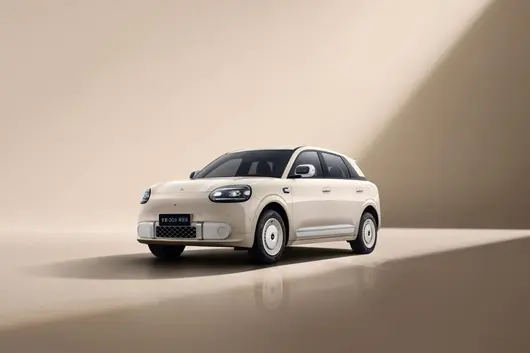
全新QQ3摩登版现已上市。全国建议零售价:8.89万元,置换价8.39万元。
4大上市权益,价值至高27000元。
快乐QQ,自有不同。小车市场最怕“便宜但将就”。QQ3摩登版想做的,是价格到位,快乐也到位。

【全球销量】
QQ系列累计销量160万+,畅销海内外100多个国家和地区。8月,全新QQ3销量19103辆,环比增长64.07%;连续5个月销量过万。泰国、印尼预售后累计订单突破2万;上市至今海内外订单破10万。一句话:国内热销,海外走红,全球小车也有中国速度。
【摩登颜值】
Neo Retro设计理念,方圆美学。摩登时代、安妮珍珠专属配色。全包覆同色漆面,6层2K高质感车漆,10年车身不褪色。红点设计大奖连续四次认可,全新QQ3获2026红点产品设计奖。小车也可以很有设计资产。开它出门,通勤是T台,露营是片场。

【安全与车身】
磐石车身,高强度钢占比82%,热成型钢占比16%。犀牛电池,宁德时代电芯,IP68,六维电安全认证。原生纯电平台,后置后驱,四轮独立悬架,50:50前后轴荷比,5.2米转弯半径。翻译:小车灵活,但不飘;尺寸小,安全不缩水。安全不分大小,只分认真不认真。

【智能舒适】
8155芯片+15.6英寸2.5K屏,Carmind大模型,CarPlay、HiCar、CarLink。540°全景影像、100+全场景自动泊车、L2级辅助驾驶。6大智能场景:小憩、宝宝、宠物、K歌、哨兵、露营。70L智能电动前备箱,8种开启方式;6.6kW外放电。接娃、通勤、露营、拍照,一车多用。它不只是一台车,是出行好搭子。

【驾控玩法】
原生智能纯电平台,十合一电驱,四轮独立悬架,后置后驱,50:50前后轴荷比,C-EPS无刷电机转向,5.2米转弯半径。
70L智能电动前备箱,8种开启方式;1/4生态螺纹接口;同级最大6.6kW外放电。2.11C快充,30%至80%充电最快16.5分钟;CLTC 420km。

【结语】
小车市场缺的不是又一台代步车,而是一台让人愿意开、愿意拍、愿意分享的车。
全新QQ3摩登版,摩登出行,让快乐更有型。价格已摆桌上,剩下的,交给用户体验。


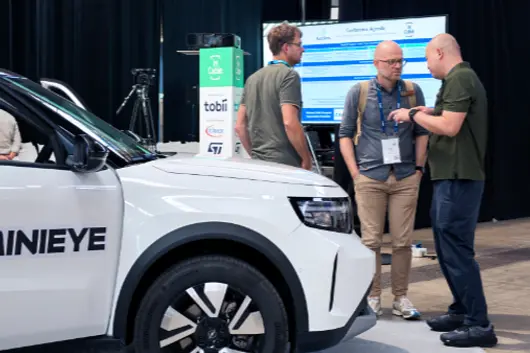
Apabila peraturan baharu E-NCAP 2026 mengangkat piawaian keselamatan kereta ke tahap baharu, apabila AI kabin bergerak daripada 'pelaksanaan arahan' menuju 'kecerdasan proaktif', bagaimana syarikat keselamatan dan kabin pintar China memberikan jawapan di pasaran Eropah yang paling ketat?
Pada 22 September waktu tempatan, di pameran InCabin Europe 2026 yang diadakan di Barcelona, Sepanyol, Youjia Innovation memberikan penyelesaian sendiri.
Sebagai syarikat yang tampil di pameran teknologi kabin terkemuka ini buat kali pertama, Youjia Innovation tidak hanya membawa model kabin pintar versi luar negara BamBam yang telah disesuaikan untuk pelokalan, malah secara eksklusif merilis model penilaian keselamatan dalaman kabin generasi seterusnya: DFR (Kesiapan Fungsian Pemandu).
Ini menandakan strategi keluar negara mereka telah bertingkat daripada sekadar pengeluaran produk, ke peringkat pelaksanaan piawaian teknikal dan sistem keselamatan secara global.
Pelancaran Model DFR: Menambah Baikan 'Kesiapan Fungsian' Pemandu
Secara jangka masa panjang, DMS (Sistem Pemantauan Pemandu) tradisional terjebak dalam kesilapan satu: terlalu bergantung pada ciri fisiologi permukaan seperti mata tertutup, menguap, untuk menentukan keletihan. Logik 'sebab sakit baru rawat' ini, sering kali sukar menggambarkan keupayaan alih tangan pemandu semasa secara sebenar.
Memandangkan masalah ini, model DFR yang dirilis oleh Youjia Innovation di pameran ini, cuba membina satu sistem keselamatan proaktif dalaman kabin ke arah generasi seterusnya. Berbeza dengan solusi tradisional, DFR tidak lagi terhad kepada pengesanan keletihan satu dimensi, malah menggabungkan input multimodal seperti tahap kesedaran, beban kognitif, waspada berterusan dan perilaku terganggu, menilaian keadaan kognitif dan keupayaan pelaksanaan tindakan pemandu secara komprehensif.

Model DFR dapat mengeluarkan strategi campur tangan berjenjang tertutup aras 0-3. Ini bermaksud sistem bukan lagi sekadar 'am atau tidak am', malah bertindak balas secara dinamik berdasarkan aras 'kesediaan fungsian' pemandu secara masa nyata. Selain itu, untuk senario berisiko tinggi mabuk, Youjia Innovation juga memperkenalkan solusi pengesanan berdasarkan garis dasar perilaku sedar peribadi, melalui gabungan ciri visual DMS dengan data keadaan perjalanan bus CAN, mengenal pasti kecederaan keupayaan memandu yang disebabkan oleh alkohol dengan tepat.
Perlu diperhatikan, Youjia Innovation telah selesai adaptasi peraturan E-NCAP 2026, fungsinya CPD (Pengesanan Kanak-Kanak Tertinggal) berasaskan visual dan radar yang dipadukan dapat merangkumi senario pelbagai seperti kerusi keselamatan dipasang depan, dipasang belakang. Dari mematuhi undang-undang sehingga jangkaan lebih awal, pelancaran model DFR, pada hakikatnya adalah langkah penting mendorong keselamatan kabin daripada 'tindak balas pasif' ke 'pengertian aktif peringkat sistem'.
Debut Versi Asing BamBam: Dari 'Pencarian Fungsi Oleh Manusia' ke 'Perkhidmatan Mencari Manusia'
Jika DFR menyelesaikan masalah 'garis dasar keselamatan', maka BamBam versi luar negara menepuk 'had pengalaman' pasaran Eropah.
Dalam ombak AI model besar membentuk semula interaksi kabin, soalan jawapan suara mudah tidak dapat memenuhi keperluan pengguna. BamBam versi luar negara yang mendebut Eropa ini, diletakkan sebagai agen pintar kabin dengan keupayaan berfikir autonomi. Dalam demonstrasi kereta sebenar di lokasi, BamBam memaparkan keupayaan menghubungkan manusia, kereta, rumah, pejabat empat senario: Pengguna boleh memproses mel, tempahan kapal terbang hotel dalam kereta melalui bahasa semula jadi; dalam perjalanan pulang ke rumah boleh menyahidupkan jauh peranti pintar rumah; malah dalam waktu tunggu pecah boleh berinteraksi permainan.

Yang lebih berbeza, BamBam versi luar negara menambah fungsi pengenal pasti sasaran luar kabin berasaskan pandangan pemandu. Memanfaatkan teknologi penjejakan pandangan dan VLM (Model Bahasa Visual), sistem boleh mengenal pasti bangunan atau sasaran jalan dalam kawasan pandangan pemandu, dan secara aktif menyediakan interaksi maklumat dan penerangan.
Di sebalik fungsi ini, terdapat perubahan asas logik interaksi kabin. Dengan perkembangan teknologi VLM, BamBam secara beransur-ansur membatalkan sempadan fungsi peringkat pengeluaran secara besar-besaran, berdasarkan profil perilaku pengguna mengoptimumkan strategi perkhidmatan secara dinamik, merealisasikan lonjakan daripada 'pencarian fungsi oleh manusia' ke 'perkhidmatan tiba secara aktif'. Selain itu, melalui pengenalan pengiraan emosi, sistem mula mengambil kira IQ dan EQ, menyediakan maklum balas antropomorfik yang mempunyai keupayaan empati, menjadikan kabin pintar lebih bersempena.
Ekspansi 2.0: Matriks Penuh Sokongan 'Layang Langsung'
Di sebalik pelancaran teknologi, adalah pemenuhan pantas pelan peluasan globalisasi Youjia Innovation.
Pada pameran ini, iPilot 4 Lite pengawal selia kawasan pemanduan bantu, iCabin 1X DMS semua dalam satu dan kamera OMS dan lain-lain matriks produk penuh turut tampil. Produk ini berorientasikan kepatuhan dan pelaksanaan sebagai teras, kini telah dipasang pada banyak model kereta eksport, dijual ke Eropah, Australia, Mexico, Singapura, Korea, Dubai dan Turki dan lain-lain tempat.
Sehingga separuh pertama tahun ini, Youjia Innovation telah mencapai kerjasama pengeluaran secara besar-besaran dengan lebih 40 buah syarikat automobil. Syarikat sedang dengan mantap memasuki fasa Ekspansi 2.0 'Layang Langsung', secara langsung menghadkan pembekal Tier 1 luar negara untuk meluahkan solusi matriks penuh.
Di Eropah yang merupakan puncak teknologi dan peraturan automobil global, Youjia Innovation mengekalkan strategi 'undang-undang dahulu, pelokalan adaptasi, pengeluaran dilaksanakan', dan melalui mengembangkan pasaran baharu seperti India, memperkayakan jenis projek luar negara dan model kerjasama.
Penutup
Dari pengembalian asas keselamatan model DFR, kepada BamBam terhadap penyusunan semula interaksi paradigma, penampilan Youjia Innovation di InCabin Europe, mencerminkan trend baru rantaian bekalan automobil pintar China keluar negara: tidak lagi hanya pengganti kos dan kecekapan, malah secara beransur-ansur menjadi penyertaan definisi piawaian keselamatan kabin generasi seterusnya dan pengalaman AI.
Di bawah keperluan tinggi berganda kepatuhan dan pengalaman pasaran Eropah, model penggerak roda ganda 'teknologi + pelokalan' ini, mungkin adalah kunci syarikat teknologi China melalui kitaran.
Tamat.

In the SUV market in Malaysia, many buyers compare Honda CR-V and Audi Q5 when choosing a car. These two cars are quite close in terms of price and positioning. Today we will make a detailed comparison from multiple aspects to help you save time on research.
The Honda CR-V OTR price in Malaysia is RM 178,200 - 195,900, with a total of 4 versions, including 2026 e:HEV 2.0L 2WD RS (RM 195,900), 2026 1.5T 4WD V (RM 181,900), 2026 e:HEV 2.0L 2WD E (RM 178,200), etc.
The Audi Q5 OTR price in Malaysia is RM 354,174 - 423,174, with a total of 2 versions, including 40 TDI (RM 320,000), 45 TFSI (RM 350,000), etc.
In terms of price, the starting price of Honda CR-V is indeed RM 175,974 cheaper than Audi Q5. If your budget is limited, Honda's entry-level version can already meet daily needs. But also note, the few thousand cheaper, there might be trade-offs in features, depending on your needs.

Honda CR-V is equipped with 2.0L 4-cyl, horsepower 170 hp. Official fuel consumption 8.0 L/100km.
Audi Q5 is equipped with 2.0L Turbo, horsepower 220 hp. Official fuel consumption 9.5 L/100km.
In terms of power, Audi Q5's 2.0L Turbo has 50 more horsepower than Honda CR-V's 2.0L 4-cyl. However, daily driving in the city, both cars have enough power, will not feel insufficient.
Honda CR-V body length 4500 mm, trunk 450 L.
Audi Q5 body length 4400 mm, trunk 400 L.
In terms of space, Honda CR-V's body is 100 mm longer than Audi Q5, interior seating space will be slightly more spacious, especially rear legroom. If you often carry family or need to put in a stroller, a slightly larger body is indeed more practical.

Honda CR-V and Audi Q5 are both mainstream choices in the Malaysian market, suitable for family use, daily commuting. If you value brand reputation and resale value more, you can prioritize the one with better reputation; if you care more about value for money and features, then choose the one with richer configuration. Finally, it is recommended to test drive both, personal experience is the most important.

Overall, Honda CR-V and Audi Q5 are both very good car models in the Malaysian market. Which one to choose, the key is to look at your personal needs and budget. It is recommended for everyone to do research, compare quotes from several dealers, and then test drive to make a final decision. Buying a car is a big matter, spending some time doing research will never be wrong.

In the Malaysia SUV market, many buyers compare the Honda CR-V and Mercedes-Benz GLC when choosing a car. These two models are quite close in price and positioning. Today, we will do a detailed comparison from multiple aspects to help you save time on research.
The OTR price of the Honda CR-V in Malaysia is RM 178,200 - 195,900. There are 4 versions in total, including 2026 e:HEV 2.0L 2WD RS (RM 195,900), 2026 1.5T 4WD V (RM 181,900), 2026 e:HEV 2.0L 2WD E (RM 178,200), etc.
The OTR price of the Mercedes-Benz GLC in Malaysia is RM 336,888 - 336,888. There are 2 versions in total, including GLC 200 (RM 290,000), GLC 300 (RM 340,000), etc.
Looking at the price, the starting price of the Honda CR-V is indeed RM 158,688 cheaper than the Mercedes-Benz GLC. If your budget is limited, the Honda entry-level version is already enough to meet daily needs. But be aware that the few thousand dollars saved might involve trade-offs in features, it depends on your specific needs.
The Honda CR-V safety rating is 5★ (ASEAN NCAP). Active safety systems include Honda SENSING (ACC, CMBS, LKAS, RDM).
The Mercedes-Benz GLC safety rating is 5★ (Euro NCAP). Active safety systems include Premium ADAS.
Regarding safety features, both cars received good ratings. However, there are some differences in function between the Honda CR-V's Honda SENSING (ACC, CMBS, LKAS, RDM) and the Mercedes-Benz GLC's Premium ADAS. If you value active safety highly, you can compare the feature lists of both in detail.
The Honda CR-V body length is 4500 mm, trunk capacity is 450 L.
The Mercedes-Benz GLC body length is 4400 mm, trunk capacity is 400 L.
In terms of space, the Honda CR-V's body is 100 mm longer than the Mercedes-Benz GLC, so the interior passenger space will be slightly more spacious, especially the rear seat legroom. If you frequently carry family members or need to fit a stroller, a larger body is indeed more practical.
Both the Honda CR-V and Mercedes-Benz GLC are mainstream choices in the Malaysia market, suitable for family use and daily commuting. If you value brand reputation and resale price more, you can prioritize the one with better reputation. If you care more about price-performance ratio and features, then choose the model with richer configurations. Ultimately, it is recommended to test drive both, as personal experience is the most important.
Overall, both the Honda CR-V and Mercedes-Benz GLC are very good models in the Malaysia market. Which one to choose mainly depends on your personal needs and budget. It is recommended to do your research, compare quotes from a few dealerships, and then test drive to make the final decision. Buying a car is a major matter, spending some time doing research will certainly not be wrong.

Dalam pasaran SUV di Malaysia, ramai pembeli yang membandingkan Honda CR-V dengan Audi Q5 semasa memilih kereta. Kedua-dua kereta ini hampir sama dari segi harga dan penarafan. Hari ini, kita akan membuat perbandingan terperinci dari pelbagai aspek untuk membantu anda menjimatkan masa mencari maklumat.
Harga OTR Honda CR-V di Malaysia adalah RM 178,200 - 195,900, dengan 4 varian, termasuk 2026 e:HEV 2.0L 2WD RS (RM 195,900), 2026 1.5T 4WD V (RM 181,900), 2026 e:HEV 2.0L 2WD E (RM 178,200) dan lain-lain.
Harga OTR Audi Q5 di Malaysia adalah RM 354,174 - 423,174, dengan 2 varian, termasuk 40 TDI (RM 320,000), 45 TFSI (RM 350,000) dan lain-lain.
Dari segi harga, harga permulaan Honda CR-V memang RM 175,974 lebih murah berbanding Audi Q5. Jika belanjawan anda terhad, versi asas Honda sudah boleh memenuhi keperluan harian. Namun, perlu diingat, beberapa ribu ringgit yang murah itu mungkin ada kompromi pada kelengkapan, bergantung pada keperluan anda.
Honda CR-V dilengkapi enjin 2.0L 4-cyl, kuasa 170 hp. Penggunaan minyak rasmi 8.0 L/100km.
Audi Q5 dilengkapi enjin 2.0L Turbo, kuasa 220 hp. Penggunaan minyak rasmi 9.5 L/100km.
Dari segi kuasa, 2.0L Turbo Audi Q5 mempunyai 50 kuasa kuda lebih daripada 2.0L 4-cyl Honda CR-V. Namun, semasa memandu dalam bandar pada masa biasa, kedua-dua kereta ini sudah cukup berkuasa, tidak akan rasa kurang kuasa.
Panjang badan Honda CR-V 4500 mm, bagasi 450 L.
Panjang badan Audi Q5 4400 mm, bagasi 400 L.
Dari segi ruang, badan Honda CR-V 100 mm lebih panjang daripada Audi Q5, ruang duduk dalaman sedikit lebih longgar, terutamanya ruang lutut kerusi belakang. Jika anda sering membawa keluarga atau perlu memuatkan kereta sorong bayi, badan yang lebih besar memang lebih praktikal.
Honda CR-V menggunakan cara pemanduan FWD.
Audi Q5 menggunakan cara pemanduan FWD.
Kedua-dua kereta ini mempunyai cara pemanduan yang sama, iaitu FWD, pengalaman memandu sehari-hari tidak akan berbeza banyak.
Secara keseluruhan, Honda CR-V dan Audi Q5 adalah model kereta yang sangat bagus di pasaran Malaysia. Memilih mana satu, penting terutamanya bergantung pada keperluan dan belanjawan peribadi anda. Kami mengesyorkan anda membuat persediaan dengan baik, bandingkan sebut harga di lebih banyak kedai kereta, kemudian buat keputusan akhir selepas ujian memandu. Membeli kereta adalah perkara besar, meluangkan masa membuat persediaan tidak akan salah.


On September 22, 2026, the New QQ3 Modern Edition was launched and released. Chery Brand Global Ambassador / Chery QQ Global Ambassador Sun Li, joined by stand-up comedian Feng Zihao and Bu Jingyun, witnessed the new car launch together. At the launch event, the New QQ3 Modern Edition showcased the global momentum of China's premium compact cars with continuously rising sales data.
Sales Exceed 10,000 for 5 Consecutive Months, Overseas and Domestic Orders Surpass 100,000

The launch of the New QQ3 Modern Edition is built upon the continuous hot sales of the New QQ3 and the global momentum of the QQ brand. In August, New QQ3 sales reached 19,103 units, with a month-on-month increase of 64.07%, forming a dual-line hot sales trend domestically and internationally. At this point, the New QQ3 has exceeded 10,000 sales for 5 consecutive months, continuously verifying market acceptance.
The overseas market also performed outstandingly. After presales in Thailand and Indonesia, cumulative orders quickly broke through 20,000, and since launch, overseas and domestic orders have surpassed 100,000. The QQ series cumulative sales have reached over 1.6 million, selling well in over 100 countries and regions worldwide. From domestic hot sales to international popularity, the New QQ3 is accelerating its globalization.
Global Quality Supports Global Hot Sales

Behind the rising sales, lies systematic global quality support. The New QQ3 has completed global road tests covering 9 major regions and 44 countries, with the longest single-vehicle test mileage reaching over 300,000 kilometers, undergoing over 1,000+ virtual validations, 2,000+ compliance validations, and over 3 million kilometers of whole vehicle validation. The launch event featured a technical exhibition area, displaying products such as Body-in-White, integrated hot-formed door rings, eco-friendly PU foam, and velvet headliners, presenting structure, materials, and design details to users, making high quality visible, touchable, and perceptible.
From the user profile perspective, QQ series users have distinct "self-pleasing" characteristics, and as of August, female users accounted for 56%. There are co-creation users who love modification, life explorers who take QQ3 outdoors, and quality experiencers who participate in OTA optimization feedback.
Sun Li Delivers New Cars On-site, Certifying Happiness

Sun Li came to the "QQ3 Happiness Showground", posing alongside the New QQ3 Modern Edition, and personally delivered new cars to fans. Her presented confidence, composure, and life quality naturally align with the refinement, self-pleasing, and modern attitude conveyed by the New QQ3 Modern Edition. Bu Jingyun, Feng Zihao, and the two stand-up comedians responded to the QQ brand's happiness gene with relaxed and hilarious language styles.
13 Same-class Uniques and Leaders, Defining Premium Compact Cars

The New QQ3 Modern Edition takes the Neo Retro design philosophy as its core, from full-wrap same-color paint processes to Time Badge Wheels, Wind Track Racing Decals, Golden Era Grille and other exclusive elements, reshaping the modern style of premium compact cars. "Modern Era" and "Anne Pearl" two exclusive color schemes create a relaxed, healing, and light-fashion visual temperament.
In terms of product capability, the New QQ3 Modern Edition possesses 13 same-class unique features and 13 same-class leading configurations. Same-class uniques include 70L smart electric front trunk, dual smart soft-light vanity mirrors for driver and passenger, four 1/4 ecological threaded interfaces, 1300MPa integrated hot-formed door rings, six-dimensional electric safety certification, external voice broadcast, velvet headliner, 10-layer Cloud Comfort seats, etc. Same-class leading includes native smart pure electric platform, ten-in-one electric drive and four-wheel independent suspension, 2.11C fast charging, 2700mm wheelbase, 82% high-strength steel body, Rhino Battery and liquid cooling system, 540° panoramic image, 15.6-inch 2.5K central control screen and 8155 chip, 100+ full-scenario automatic parking, 6 major smart scenarios, etc.
From city landmarks to the happiness showground, the New QQ3 Modern Edition connects with young users in a more open, participatory form. Sales exceeding 10,000 for 5 consecutive months, overseas and domestic orders surpassing 100,000—the launch of the New QQ3 Modern Edition is not only a product refresh, but also a concentrated display of the QQ brand's global acceleration. Modern travel, making happiness more stylish.


Overseas markets are carrying the weight.
Under the dual disturbance of domestic price wars and international currency fluctuations, BYD released a semi-annual report characterized by "short-term pressure and upward structural trends".
In the first half of this year, BYD's sales, revenue, and profit all saw year-on-year declines. Upon news breaking, BYD's HK shares and A-shares fell by 5.17% and 4.46% respectively in the first trading day.
However, securities firms are almost unanimously optimistic: overseas revenue surpassed domestic for the first time, premium brands accelerated volume growth, flash charging technology launched a new product cycle...
What exactly does this "financial report with pressure on the books and upgraded structure" tell us?
01
According to the report, in the first half of this year, BYD's sales reached 1.8085 million units, operating revenue was 344.815 billion yuan, and net profit attributable to the parent company was 12.325 billion yuan.
Whether it's revenue or profit, BYD is one of the top players.
It's worth mentioning that BYD is the only listed automaker with revenue exceeding 300 billion yuan, and its net profit attributable to the parent company is one of only two listed automakers to break the 10 billion yuan mark.

However, in terms of sales volume, BYD lost to SAIC Motor by a margin of 237,000 units, losing the title of sales champion among Chinese listed automakers.
However, with the launch of flash charging technology, starting from May, BYD reclaimed the title of monthly sales champion among listed automakers, and the cumulative gap between the two is quickly disappearing.
In addition, BYD's R&D investment is far ahead of other listed automakers. In the first half of this year, although its R&D investment fell 6.54% year-on-year to 28.861 billion yuan, it was still 3.6 times that of SAIC Motor (8.111 billion yuan).
As of the first half of this year, BYD's cumulative R&D investment exceeds 270 billion yuan.
02
Speaking of the most outstanding performance, it is undoubtedly the overseas market.
In the first half of this year, BYD's overseas sales reached 792,000 units, a year-on-year increase of 67.8%, accounting for 43.8% of total sales. In August alone, overseas sales surged to 189,500 units, a staggering 134.4% year-on-year increase, setting a new all-time high.
In the UK, Brazil, Thailand, and other places, BYD has topped the sales list of new energy brands. Its business footprint covers over 120 countries and regions worldwide.
More critically, the overseas business not only contributed to sales volume but also reshaped the profit structure.

[Image Source: BYD Semi-Annual Report]
In the first half of this year, BYD's overseas revenue was 181.268 billion yuan, a year-on-year increase of 33.92%, with its share of total revenue breaking 50% for the first time to reach 52.57%.
At the same time, the gross margin of overseas business reached 21.71%, significantly higher than the domestic 15.67%. This means that with 43.8% of sales volume and 52.57% of revenue, the overseas market contributed about 60% of the gross profit for BYD.
In other words, BYD's profit engine is shifting from domestic to overseas. This is also the most iconic change in this semi-annual report. "Autoskline" believes this will also firm up the implementation of overseas strategies for other Chinese listed automakers.
03
Premiumization is the second upward curve for BYD.
The Fang Cheng Bao, DENZA, and YANGWANG brands combined for 228,000 units in sales over the half-year, a year-on-year increase of 61.03%, raising their share of total sales to 12.61%.
Among them, Fang Cheng Bao contributed the most, with 159,500 units sold in the first half of the year, a surge of 162.53% year-on-year; however, DENZA and YANGWANG faced pressure. The former sold 66,500 units in the first half, a 16.65% year-on-year drop, while the latter grew 96.61% year-on-year but sales were only 1,972 units.

With the volume increase of premium models, BYD's profit structure is being reshaped. Premium brands bring not only higher unit prices but also the potential to improve gross margins and reduce reliance on low-price volume-selling models.
However, it should be noted that premium brands currently account for only 12.6% of total sales volume. Although the growth rate is fast, the volume is not yet sufficient to fully offset the slowdown in the domestic mass market.
It can be said that premiumization is currently only the starting point of the second curve.
04
Although BYD's performance is far ahead, underlying concerns should not be ignored either.
The most eye-catching is the significant evaporation of net profit attributable to the parent company. In the first half of last year, BYD's net profit attributable to the parent company was 15.511 billion yuan, while this year it is only 12.325 billion yuan, evaporating nearly 3.2 billion yuan, a year-on-year drop of 20.54%.
At the same time, daily profit dropped below the 100 million yuan benchmark, to about 6.809 million yuan.
There are two direct reasons.
First, the RMB appreciated against the USD in the first half of the year, and BYD recorded 4.703 billion yuan in exchange rate losses, compared to a gain of 3.16 billion yuan in the same period last year, a difference of 7.863 billion yuan in total.
BYD attributed the decline in net profit to this, but it exactly exposed the risks under the current international environment. The faster BYD expands overseas, the greater the impact of currency fluctuations on the income statement.

Second is the slowdown in the domestic market. In the first half of this year, BYD's domestic revenue was 163.547 billion yuan, a sharp decline of 30.68% year-on-year. Automotive business revenue was 275.341 billion yuan, a decrease of 8.98% year-on-year, which almost explains the reason for BYD's 7.13% revenue decline in the first half of the year.
Domestic sales faced pressure, and BYD's sales in the first half of the year dropped by 15.72%. Wang Chuanfu admitted that sales falling short of expectations were directly related to insufficient capacity of the second-generation Blade Battery.
A deeper concern lies in the continuous erosion of profits by the automotive price war.
In the first half of this year, the automotive industry's profit margin was only 3.76%, while the complete vehicle manufacturing profit margin was as low as 1.5%. BYD's average selling price per vehicle dropped from about 160,000 yuan in Q1 to 136,000 yuan in Q2.
In this bleeding-style competition across the entire industry, even the leader finds it difficult to stay unharmed.
05
Unlike short-term market sentiment, mainstream securities firms are almost unanimously optimistic about BYD's mid-to-long-term development, because after excluding exchange rate disturbances, the profitability quality of the main business is actually improving significantly.
Guojin Securities calculated that after restoring the post-tax exchange rate impact and excluding the contribution of BYD Electronic, actual Q2 profit was about 10.3 billion yuan, a surge of 182% year-on-year. Under this metric, profit per vehicle reached 9,300 yuan.
Huatai Securities believes that the strong rebound in Q2 earnings was benefited by the launch of the flash charging technology new product cycle and the continued high growth of overseas business, maintaining a "Buy" rating.

Kaiyuan Securities pointed out that Q2 gross margin saw significant year-on-year recovery, overseas markets continued to volume up, maintaining a "Buy" rating.
Orient Securities emphasized that August overseas sales of 189,500 units reached a new high again, expecting overseas markets to become a core growth pole, with a target price of 125.28 yuan.
BOCI expects BYD's export performance in the second half of the year to be good, maintaining a target price of 138.53 HKD.
Guotai Haitong Securities pointed out that overseas revenue surpassed domestic for the first time, and the flash charging ecosystem is accelerating its implementation, maintaining a "Overweight" rating.
Overall, exchange rate losses are paper losses, overseas business is the core growth engine, and flash charging technology + premiumization reshaping competitiveness is the concentrated consensus among institutions regarding their optimism for BYD.
06
When the automotive main business enters a period of deep adjustment, BYD's layout in other fields is also worth paying attention to.
The energy storage business has become a tangible landing project for BYD. In the first half of 2026, BYD's energy storage system shipments ranked first globally. Products entered over 110 countries and regions, covering scenarios such as source-grid-side energy storage, commercial and industrial energy storage, residential energy storage, and AIDC computing power energy storage.
Currently, BYD is seizing the dual strategic opportunities of global new energy transition and the release of AI computing power demand. However, price competition in the energy storage industry is also fierce. It is uncertain whether scale advantages can be converted into profit advantages.

Regarding semiconductors, the self-developed 4nm process intelligent driving chip "Xuanji A3" launched by BYD in May has been mass-produced on a large scale. In September, it launched a new generation 4D mmWave radar chip centered on Xuanji A3's computing power, fully covering L2-L4 level intelligent driving applications. Cumulative shipments of BMS AFE chips have broken through 100 million units.
In electronics and AI computing power, the AI computing infrastructure business continues to advance, and overseas customer liquid cold plate projects have entered the mass production ramp-up phase. BYD Electronic's revenue in the first half of the year was 82.234 billion yuan, a year-on-year increase of 2.02%; net profit attributable to the parent company was 426 million yuan, a year-on-year decline of 75.35%.
07
Robots are then more distant options.
Nowadays, more and more automakers are starting to "make humans", and BYD is no exception.
In August 2026, BYD's first humanoid robot "Xiao Di" completed its global debut at the World Robot Conference, and announced to directly transition to routine factory service. The first landing scenarios were parts handling and quality inspection on internal production lines.
It is reported that the project was initiated by the 15th Business Division in 2022, with an R&D cycle of about 4 years.

BYD Executive Vice President Li Ke publicly confirmed that the company is developing humanoid robots, and pointed out that "BYD's current focus is industrial robots, because BYD is originally the largest user".
In addition, BYD has invested in Agibot Robotics and signed a strategic cooperation agreement with tactile perception company Pasini. The future plan is to deploy robots in each dealer store to undertake tasks such as greeting reception and model explanation.
Of course, the robot business has little contribution to the current financial report, more of a layout for the next decade.
Its value lies in the fact that BYD itself is one of the largest users of industrial robots, and can use internal scenarios to feedback iteration. However, the commercialization pace, cost reduction curve, and external customer expansion still need time to verify.
08
From BYD's semi-annual report, it is in a period of structural gear shifting.
The old engine of the domestic mass market is slowing down under the dual squeezing of price wars and capacity bottlenecks. As new engines for overseas markets and premium brands are accelerating, but they are not yet sufficient to fully offset the slowdown of the old engine.
Overseas revenue surpassing domestic for the first time is a landmark node of this gear shift; the risks exposed by exchange rate losses are the inevitable cost of the gear shift process.

The key is whether the structural improvement of overseas and premium markets can offset the pressure of domestic price wars within a sufficiently short period of time?
There is no conclusion yet, but the direction is clear. BYD is evolving from a domestic-market-dependent hit-driven automaker into a globally distributed, technology-driven diversified technology group.
The layout of businesses such as energy storage, semiconductors, and robots is laying the groundwork for the next decade of this manufacturing giant. This process is destined not to be smooth.
Views of Autoskline:
The direction is clear, but the answer is still on the way. What BYD needs to do is not to prove that it will not decline, but to prove that it can complete evolution amidst decline.
Text is original by Autoskline, content reference materials come from listed company announcements and industry public information (relevant companies and institutions should have the obligation to be responsible for the authenticity); some images come from the internet, copyrights belong to the original owners.
Articles on this account cannot be reprinted without authorization, violators will be held accountable. At the same time, the article content does not constitute investment advice for anyone! The stock market risk is great, investment must be cautious!


喺馬來西亞嘅 SUV 市場,好多買家喺選車嗰陣都會拿本田 CR-V 同梅賽德斯 - 賓士 GLC 嚟做比較。這兩款車喺價位同定位上都差唔多,今日我哋就從多個角度做一個詳細比較,幫你節省做功課嘅時間。
本田 CR-V 喺馬來西亞嘅 OTR 售價係 RM 178,200 - 195,900,合共 4 個型號,包括 2026 e:HEV 2.0L 2WD RS(RM 195,900)、2026 1.5T 4WD V(RM 181,900)、2026 e:HEV 2.0L 2WD E(RM 178,200)等。
梅賽德斯 - 賓士 GLC 喺馬來西亞嘅 OTR 售價係 RM 336,888 - 336,888,合共 2 個型號,包括 GLC 200(RM 290,000)、GLC 300(RM 340,000)等。
從價錢睇,本田 CR-V 嘅起步價確實比梅賽德斯 - 賓士 GLC 平咗 RM 158,688。如果你預算唔多,本田嘅入門版已經可以滿足日常需要。但要留意,平嗰幾千蚊,可能喺配備上會有取捨,具體要視乎你嘅需求。
本田 CR-V 嘅安全評級係 5★ (ASEAN NCAP),主動安全系統包括本田 SENSING (ACC, CMBS, LKAS, RDM)。
梅賽德斯 - 賓士 GLC 嘅安全評級係 5★ (Euro NCAP),主動安全系統包括 Premium ADAS。
安全配備方面,兩款車都攞到唔錯嘅評級。不過本田 CR-V 嘅本田 SENSING (ACC, CMBS, LKAS, RDM) 同梅賽德斯 - 賓士 GLC 嘅 Premium ADAS 喺功能上有啲差異,如果你比較重視主動安全嘅話,可以仔細比較一下兩者嘅功能列表。
本田 CR-V 採 FWD 驅動方式。
梅賽德斯 - 賓士 GLC 採 FWD 驅動方式。
兩款車嘅驅動方式一樣,都係 FWD,日常駕駛感覺唔會有太大分別。
本田 CR-V 同梅賽德斯 - 賓士 GLC 都係馬來西亞市場嘅主流選擇,適合家庭使用、日常通勤。如果你更重視品牌口碑同二手價,可以優先考慮口碑好嗰一款;如果你更在意性價比同配備,嗰就揀配置更豐富嗰款。最終都係建議兩款都去試駕,親身經歷先係最緊要。
總括嚟講,本田 CR-V 同梅賽德斯 - 賓士 GLC 都係馬來西亞市場好唔錯嘅車款。揀邊一輛,關鍵都係要睇你嘅個人需求同預算。建议大家做好功課,多比較幾間車行嘅報價,先去試駕做最後決定。買車係件大事,花啲時間做功課絕對唔會錯。

喺馬來西亞嘅 SUV 市場,好多買家喺揀車嘅時候都會拿本田 CR-V 同梅賽德斯 - 賓士 GLC 嚟做比較。呢兩款車喺價位同定位上都蠻接近嘅,今日我哋就從多個方面做一個詳細嘅比較,幫你省下做功課嘅時間。
本田 CR-V 喺馬來西亞嘅 OTR 售價係馬幣 178,200 - 195,900,一共有 4 個版本,包括 2026 e:HEV 2.0L 2WD RS(馬幣 195,900)、2026 1.5T 4WD V(馬幣 181,900)、2026 e:HEV 2.0L 2WD E(馬幣 178,200)等。
梅賽德斯 - 賓士 GLC 喺馬來西亞嘅 OTR 售價係馬幣 336,888 - 336,888,一共有 2 個版本,包括 GLC 200(馬幣 290,000)、GLC 300(馬幣 340,000)等。
從價錢睇,本田 CR-V 嘅起步價確實比梅賽德斯 - 賓士 GLC 便宜咗馬幣 158,688。如果你預算有限,本田嘅入門版已經可以滿足日常需求。但都係要留意,平嗰幾千蚊,可能喺配備上會有取捨,具體要看你嘅需求。
本田 CR-V 搭載 2.0L 4 缸,馬力 170 匹。官方油耗 8.0 公升/100 公里。
梅賽德斯 - 賓士 GLC 搭載 2.0L 渦輪,馬力 220 匹。官方油耗 9.5 公升/100 公里。
動力方面,梅賽德斯 - 賓士 GLC 嘅 2.0L 渦輪比本田 CR-V 嘅 2.0L 4 缸多咗 50 匹馬力。不過日常喺市區行,兩款車嘅動力都夠用,唔會覺得唔夠力。
本田 CR-V 車身長 4500 毫米,行李箱 450 公升。
梅賽德斯 - 賓士 GLC 車身長 4400 毫米,行李箱 400 公升。
空間方面,本田 CR-V 嘅車身比梅賽德斯 - 賓士 GLC 長咗 100 毫米,車內乘坐空間會稍微寬裕少少,尤其係後座腿部空間。如果你經常載家人或者需要放嬰兒車,大少少嘅車身確實更實用。
本田 CR-V 保修 5 年/無限制里程,保養間隔 每 10,000 公里或 6 個月。
梅賽德斯 - 賓士 GLC 保修 3 年/100,000 公里,保養間隔 每 10,000 公里或 6 個月。
總體嚟講,本田 CR-V 同梅賽德斯 - 賓士 GLC 都係馬來西亞市場幾唔錯嘅車型。揀邊一部,關鍵仲係要睇你嘅個人需求同預算。建議大家做好功課,多比較幾間車行嘅報價,再去試駕做最終決定。買車係件大事,花少少時間做功課絕對唔會錯。

喺馬來西亞嘅 SUV 市場,好多買家喺揀車嗰陣都會拿本田 CR-V 同賓士 GLB 嚟比較。這兩款車喺價位同定位上都幾接近,今日我哋就從多個方面做一個詳細嘅對比,幫你節省做功課嘅時間。
本田 CR-V 喺馬來西亞嘅 OTR 售價係 RM 178,200 - 195,900,一共有 4 個版本,包括 2026 e:HEV 2.0L 2WD RS(RM 195,900)、2026 1.5T 4WD V(RM 181,900)、2026 e:HEV 2.0L 2WD E(RM 178,200) 等。
賓士 GLB 喺馬來西亞嘅 OTR 售價係 RM 299,888 - 352,888,一共有 1 個版本,包括 Standard(RM 299,888) 等。
從價錢嚟睇,本田 CR-V 嘅起步價確實比賓士 GLB 平咗 RM 121,688。如果你預算有限,本田嘅入門版已經可以滿足日常需求。但都要注意,平嗰幾千塊,可能喺配備上會有取捨,具體要看你嘅需求。
本田 CR-V 搭載 2.0L 4 缸,馬力 170 hp。官方油耗 8.0 L/100km。
賓士 GLB 搭載 2.0L 渦輪增壓,馬力 220 hp。官方油耗 9.5 L/100km。
動力方面,賓士 GLB 嘅 2.0L 渦輪增壓比本田 CR-V 嘅 2.0L 4 缸多咗 50 匹馬力。不過日常喺市區開,兩款車嘅動力都夠用,唔會覺得唔夠力。
本田 CR-V 車身長 4500 mm,行李廂 450 L。
賓士 GLB 車身長 4400 mm,行李廂 400 L。
空間方面,本田 CR-V 嘅車身比賓士 GLB 長咗 100 mm,車內乘坐空間會稍微寬鬆啲,尤其係後座腿部空間。如果你經常載家人或者需要放嬰兒車,大啲嘅車身確實更實用。
本田 CR-V 採用 FWD 驅動方式。
賓士 GLB 採用 FWD 驅動方式。
兩款車嘅驅動方式一樣,都係 FWD,日常駕駛感受唔會有太大分別。

本田 CR-V 保用 5 年/無限里程,保養間隔 每 10,000km 或 6 個月。
賓士 GLB 保用 3 年/100,000km,保養間隔 每 10,000km 或 6 個月。

總體嚟講,本田 CR-V 同賓士 GLB 都係馬來西亞市場好唔錯嘅車型。揀邊一輛,關鍵都要睇你嘅個人需求同預算。建議大家做好功課,多比較幾間車行嘅報價,再去試駕先做最後決定。買車係件大事,花少少時間做功課絕對無錯。

Di pasaran SUV Malaysia, ramai pembeli membandingkan Honda CR-V dan Mercedes-Benz GLB ketika memilih kereta. Kedua-dua kereta ini mempunyai harga dan penempatan yang agak hampir, hari ini kita akan membuat perbandingan terperinci dari pelbagai aspek untuk membantu anda menjimatkan masa yang perlu anda luangkan.
Honda CR-V dijual dengan harga OTR di Malaysia sebanyak RM 178,200 - 195,900, terdapat 4 versi, termasuk 2026 e:HEV 2.0L 2WD RS (RM 195,900), 2026 1.5T 4WD V (RM 181,900), 2026 e:HEV 2.0L 2WD E (RM 178,200) dan lain-lain.
Mercedes-Benz GLB dijual dengan harga OTR di Malaysia sebanyak RM 299,888 - 352,888, terdapat 1 versi, termasuk Standard (RM 299,888) dan lain-lain.
Dari segi harga, harga permulaan Honda CR-V memang lebih murah sebanyak RM 121,688 berbanding Mercedes-Benz GLB. Jika bajet anda terhad, versi pengenalan Honda sudah boleh memenuhi keperluan harian. Tetapi perlu diingat, ribuan ringgit yang lebih murah itu mungkin ada kompromi dalam kelengkapan, bergantung sepenuhnya pada keperluan anda.
Honda CR-V dikuasakan enjin 2.0L 4-silinder, kuasa 170 hp. Konsumsi bahan api rasmi 8.0 L/100km.
Mercedes-Benz GLB dikuasakan enjin 2.0L Turbo, kuasa 220 hp. Konsumsi bahan api rasmi 9.5 L/100km.
Dari segi kuasa, enjin 2.0L Turbo Mercedes-Benz GLB mempunyai 50 hp lebih daripada enjin 2.0L 4-silinder Honda CR-V. Namun untuk pemanduan harian di bandar, kedua-dua kereta mempunyai kuasa yang cukup, tidak berasa kurang kuasa.
Honda CR-V panjang kenderaan 4500 mm, ruang bonet 450 L.
Mercedes-Benz GLB panjang kenderaan 4400 mm, ruang bonet 400 L.
Dari segi ruang, badan Honda CR-V lebih panjang 100 mm daripada Mercedes-Benz GLB, ruang duduk dalam kenderaan sedikit lebih lapang, terutamanya ruang kaki kerusi belakang. Jika anda sering membawa keluarga atau perlu memuatkan kereta bayi, badan yang lebih besar lebih praktikal.
Honda CR-V waranti 5 tahun / tanpa had mil, selang penyelenggaraan setiap 10,000km atau 6 bulan.
Mercedes-Benz GLB waranti 3 tahun / 100,000km, selang penyelenggaraan setiap 10,000km atau 6 bulan.
Secara keseluruhan, Honda CR-V dan Mercedes-Benz GLB adalah model kereta yang sangat baik di pasaran Malaysia. Memilih mana satu, asas utamanya adalah keperluan dan bajet peribadi anda. Kami mengesyorkan anda buat kajian lanjut, bandingkan beberapa tawaran dari dealer kereta, kemudian uji pemanduan untuk membuat keputusan akhir. Membeli kereta adalah perkara besar, meluangkan masa untuk membuat kajian pasti tidak akan salah.

Dalam pasaran SUV di Malaysia, ramai pembeli membandingkan Honda CR-V dan BMW X1 ketika memilih kenderaan. Kedua-dua model ini agak hampir dari segi harga dan kedudukan pasaran, hari ini kita akan buat perbandingan terperinci dari pelbagai aspek, membantu anda menjimatkan masa membuat kajian.
Harga OTR Honda CR-V di Malaysia ialah RM 178,200 - 195,900, terdapat sebanyak 4 varian, termasuk 2026 e:HEV 2.0L 2WD RS (RM 195,900), 2026 1.5T 4WD V (RM 181,900), 2026 e:HEV 2.0L 2WD E (RM 178,200) dan lain-lain.
Harga OTR BMW X1 di Malaysia ialah RM 252,800 - 252,800, terdapat sebanyak 2 varian, termasuk sDrive18i (RM 220,000), sDrive20i (RM 250,000) dan lain-lain.
Dari segi harga, harga permulaan Honda CR-V memang lebih murah RM 74,600 berbanding BMW X1. Jika bajet anda terhad, model asas Honda sudah boleh memenuhi keperluan harian. Tetapi perlu diingat, beberapa ribu ringgit yang lebih murah ini mungkin ada pengorbanan dari segi kelengkapan, bergantung pada keperluan anda.
Honda CR-V dilengkapi enjin 2.0L 4-cyl, kuasa 170 hp. Penggunaan bahan api rasmi 8.0 L/100km.
BMW X1 dilengkapi enjin 2.0L Turbo, kuasa 220 hp. Penggunaan bahan api rasmi 9.5 L/100km.
Dari segi kuasa, 2.0L Turbo BMW X1 mempunyai 50 kuasa kuda lebih berbanding enjin 2.0L 4-cyl Honda CR-V. Walau bagaimanapun, untuk penggunaan harian di bandar, kuasa kedua-dua kereta cukup memadai, anda tidak akan rasa kurang tenaga.
Panjang badan Honda CR-V 4500 mm, ruang bagasi 450 L.
Panjang badan BMW X1 4400 mm, ruang bagasi 400 L.
Dari segi ruang, badan Honda CR-V 100 mm lebih panjang berbanding BMW X1, ruang penumpang dalam kenderaan sedikit lebih luas, terutamanya ruang kaki barisan belakang. Jika anda sering membawa keluarga atau perlu letak kereta bayi, badan kereta yang lebih besar memang lebih praktikal.
Honda CR-V dan BMW X1 kedua-duanya pilihan utama pasaran Malaysia, sesuai untuk kegunaan keluarga, perjalanan harian. Jika anda lebih mementingkan reputasi jenama dan harga jualan semula, boleh utamakan model yang reputasinya lebih baik; jika anda lebih mengutamakan nilai untuk harga dan kelengkapan, pilihlah model yang mempunyai konfigurasi lebih lengkap. Pada akhirnya disarankan untuk memandu ujian kedua-duanya, pengalaman sendiri adalah yang paling penting.

Secara keseluruhannya, Honda CR-V dan BMW X1 kedua-duanya model yang sangat baik di pasaran Malaysia. Memilih mana satu, kuncinya bergantung pada keperluan dan bajet peribadi anda. Disarankan untuk membuat kajian, bandingkan harga dari beberapa kedai kereta, kemudian buat ujian pandu untuk membuat keputusan akhir. Membeli kereta adalah perkara besar, mengambil masa untuk membuat kajian tidak akan salah.
© 2024 Bitauto.com. All Rights Reserved.
Bitauto (www.yiche.com and www.bitauto.com) is one of the most visited automotive websites in China. We provide detailed info on Chinese car brands available in your area. Please note that the information provided on this website is based on publicly available data and is for reference only. It may not be fully updated or accurate at all times.

Help us improve our website


