

HomePerodua Ativa

Search History
Popular Searches
Dealer Login / Sign Up

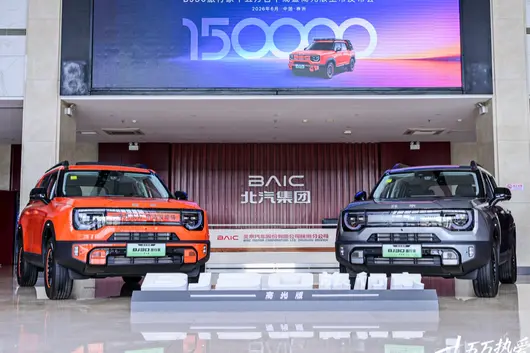
12 Jun, dengan tema "150,000 Unit Cinta, Cemerlang Datang", acara pengeluaran unit ke-150,000 BJ30 Pengembara dan pelancaran Edisi Cemerlang diadakan dengan meriah di Pabrik Super Beiqi Zhuzhou. Di tapak acara, bukan sahaja unit ke-150,000 BJ30 Pengembara berjaya diturunkan, malah BJ30 Pengembara Edisi Cemerlang baharu juga rasmi melabuh. Kenderaan baharu ini diposisikan sebagai SUV Off-road Ringkas, semua versi menikmati Subsidi Tukar Tambah Super 30,000 Yuan, versi biasa bermula dengan harga Tukar Tambah Super 69,900 Yuan, Edisi Cemerlang bermula dengan harga Tukar Tambah Super 82,900 Yuan. Pada masa yang sama, Beijing Offroad bekerjasama dengan CCTV untuk melakukan siaran langsung pemecahan kenderaan sebenar 150,000 km, dengan bentuk ganda keadaan kenderaan sebenar dan penelusuran kilang, mengesahkan kualiti produk yang kukuh dan kekuatan Pembuatan Cemerlang China kepada seluruh rangkaian.


Naib Presiden Kumpulan Beiqi, Pengerusi Beijing Offroad Zhang Guofu menyatakan di tapak acara, BJ30 Pengembara adalah SUV Off-road Ringkas yang mencapai 150,000 unit jualan tercepat di dalam negara. Di sebalik 150,000 unit jualan, terdapat pengiktirafan dan kepercayaan pengguna global, model ini bukan sahaja memberikan jawapan yang cemerlang untuk teknologi HEV China, malah merupakan pengisytiharan kuat pembuatan China menuju dunia. Sebagai model hibrid HEV pertama dalam kategori SUV Kotak China, BJ30 Pengembara bergantung pada 60 tahun pengumpulan teknologi offroad Beijing Offroad,凭借**Cemerlang Alam, Luas, Jimat** tiga kelebihan teras utama, berjaya berdiri teguh di pasaran global.

Dalam tahap prestasi offroad, BJ30 Pengembara dilengkapi dengan arkitektur hibrid HEV penggerak empat roda tiga enjin enam mod yang memimpin industri. Sistem ini terdiri daripada enjin hibrid khusus dengan kecekapan haba 41%, gabungan kuasa tiga enjin yang terdiri daripada dua motor pemacu hadapan dan belakang, disesuaikan untuk keadaan operasi berbeza seperti penjimatan jarak jauh, pengisian semula secara langsung, pecutan serta-merta; sistem penggerak empat roda pintar merespon hanya 30 milisaat, boleh meletupkan tork puncak hanya dalam 0.5 saat. Disertai dengan penyongsang tenaga tengah, hadan luncur elektronik empat roda dan sistem kawalan semua tanah ATS pintar, kenderaan boleh menukar enam mod pemanduan dengan bebas, dengan mudah menakluk berlumpur, padang pasir, jalan batu kerikil dan pelbagai keadaan jalan yang rumit, membolehkan pengangkutan bandar dan off-road ringkas luaran tanpa terjejas.
Penampilan ruang adalah kecerahan teras untuk perjalanan rumah tangga. Kenderaan baharu menggunakan susun atur tujuh kerusi tiga baris, jarak gandar mencapai 2820mm, kadar ruang 66%, ruang baris ketiga luas, orang dewasa tinggi 1.8 meter juga boleh duduk dengan selesa. Kapasiti ruang bagasi dalam keadaan biasa adalah 1496 liter, selepas kerusi baris belakang dilipat rata sepenuhnya boleh membentuk ruang rehat besar 1.92 meter. Keseluruhan kereta ditetapkan 38 lokasi penyimpanan, barang besar kecil boleh dirakam dengan baik, memenuhi keperluan pelbagai seperti perjalanan keluarga, kempen luaran, memuatkan harian.
Dalam aspek tenaga dan kos penggunaan, BJ30 Pengembara menunjukkan prestasi yang amat cemerlang. Sebelum ini, lima ahli blog kereta Afrika Selatan, Indonesia, Emiriah Arab Bersatu, Poland, Mexico bersama-sama ujian sebenar, minyak gabungan per 100 km kenderaan ini dikawal dalam 5 liter, jarak lintasan satu tangki minyak melebihi 1000 km. Model menggunakan arkitektur hibrid minyak, tidak perlu bergantung pada stesen pengecasan, isi minyak boleh keluar, boleh menjimatkan banyak masa pengisian semula setiap tahun untuk pengguna. Pada masa sama, pemilik pertama boleh menikmati jaminan sepanjang hayat kenderaan keseluruhan, bateri voltan tinggi tiada bahaya keselamatan, penyelenggaraan pada masa akan datang mudah, bekalan bahagian mencukupi, benar-benar menjimatkan wang, masa, bimbang.
Edisi Cemerlang BJ30 Pengembara yang dilancarkan kali ini, atas asas model sedia ada mengikut**Cemerlang Penampilan, Cemerlang Prestasi, Cemerlang Pengalaman** tiga dimensi secara komprehensif di tingkatkan. Penampilan meneruskan造型 kasar kotak klasik, dilengkapi dengan kumpulan lampu melintang cincin bintang lima unik, pelipat cincin bintang eksklusif dan penyerap impak sukan warna sama hadapan dan belakang, pada masa yang sama menambah cat kereta eksklusif dan hiasan dalaman oren, disusun dengan panel hiasan tekstur logam,气质 kasar dan kualiti halus serasi.
Sistem kuasa menyelesaikan penambahbaikan peningkatan pelbagai, menukar bateri AGM prestasi tinggi dengan jangka hayat kitaran mencapai 3 kali bateri biasa, dilengkapi dengan teknologi pengecas turbo jenis yang sama seperti Porsche, kecekapan pengecasan kenderaan keseluruhan meningkat kepada 99%; kuasa motor belakang ditingkatkan dari 55 kilowatt kepada 70 kilowatt, di bawah keadaan seperti permulaan persimpangan, masuk pada ramp, elakan kecemasan respon kuasa lebih pantas.
Pengalaman pemanduan dan penumpu lebih jauh di tingkatkan, kenderaan baharu dilengkapi dengan pemanasan tempat duduk, pengudaraan serta fungsi pemanasan stereng, dilengkapi dengan sistem penutupan tingkap automatik pengimbasan, lampu suasana 64 warna boleh berubah mengikut 律动 muzik, mengubah kabin menjadi ruang tamu bergerak yang selesa dan selesa, mengimbangi pengalaman penumpang perjalanan harian dan perjalanan jauh.
Untuk memberi balik kepada pengguna luas, Beijing Offroad mengeluarkan multiple tawaran masa terhad. Semua model boleh menikmati Subsidi Tukar Tambah Super 30,000 Yuan, tanpa had jenama, tanpa had tahun, pengguna pembelian baharu dan tukar tambah boleh menyertai. Menambah lima hak eksklusif尊享: pemilik bukan komersil pertama boleh menerima jaminan sepanjang hayat kenderaan keseluruhan bernilai 6,000 Yuan; menyediakan方案 kewangan fleksibel seperti Tiwa Deposit; pelanggan lama merujuk penyelesaian boleh menerima Kad Jingdong sehingga 800 Yuan; semua model kenderaan menikmati penambahbaikan OTA percuma sepanjang hayat; data asas percuma sepanjang hayat, data hiburan menikmati 2 tahun tidak terhad. Sesuai dengan tempoh perbelanjaan Piala Dunia, pengguna pembelian boleh menyertai aktiviti teka-teki, tepat meneka pasukan juara dan skop akhir, tambahan lagi menikmati subsidi pembelian 50,000 Yuan.
Kualiti sejak dahulu sudah menentang pemeriksaan ketat. Di tapak pelancaran, CCTV Ekonomi melakukan siaran langsung sepanjang proses pemecahan BJ30 Pengembara yang berjalanan 150,000 km. Jarak tempoh ini adalah sama seperti jarak penggunaan keluarga biasa hampir 10 tahun, hasil pemecahan menunjukkan, enjin karbon sedikit, keadaan kuasa masih penuh, pemindahan gear tidak bocor, pelongsaran gear kecil; bateri tidak bengkak, bocor cecair, masalah penurunan; chassis sokongan, suspensi dan lain-lahian komponen bawah kenderaan tidak karat, fenomena kebocoran minyak, keseluruhan keadaan kenderaan hampir paras kenderaan baharu. Pasukan siaran langsung juga masuk ke Pabrik Super Beiqi Zhuzhou, lawati bengkel pengeluaran pengebumian, pengelasan, pengecatan. Bengkel banyak kerja robot automasi, pengebumian, pengelasan kejituan ketat, pengecatan menggunakan cat air mesra alam, dari sumber pengeluaran mengawal kekuatan badan, kualiti cat dan kesihatan kabin, setiap langkah operasi mempunyai halangan kawalan kualiti, membina asas kualiti kukuh.
Sekarang julat harga rasmi keluarga kenderaan BJ30 Pengembara adalah 99,900 - 139,900 Yuan, merangkumi versi standard minyak, versi maju minyak, versi tujuh kerusi minyak, versi maju hibrid dan Edisi Cemerlang baharu pelbagai konfigurasi, gradasi harga jelas, boleh memenuhi keperluan penggunaan pelbagai bajet, pelbagai situasi. Dari SUV Kotak yang memimpin teknologi hibrid, hingga Edisi Cemerlang yang berkembang, hingga mencapai 150,000 unit jualan pasaran, BJ30 Pengembara keluar jalan "boleh bandar, boleh alam, praktikal sepenuhnya" pengembangan.
Masa hadapan, Beijing Offroad akan terus menggali pasaran khusus off-road ringkas, dengan produk keras, harga mesra, perkhidmatan lengkap, mendorong kehidupan off-road demokrasi, mengiringi ribuan pengguna ke alam semula jadi dan harian, membuka lebih banyak masa perjalanan cemerlang.
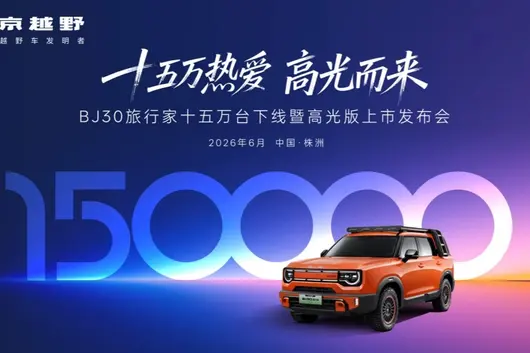

15 万台这个数字,放在整个 SUV 大盘里或许不算最惹眼,但在轻越野方盒子这个细分赛道,BJ30 旅行家是国内最快达成这一成绩的车型。说白了,这不是什么榜单上的虚名,是十五万个家庭真金白银投出来的认可,比任何宣传都有分量。

北汽集团副总经理、北京越野董事长张国富在现场说得很实在:十五万台不只是销量速度的突破,更是十五万次坚定的选择,是中国 HEV 技术交给世界的答卷,也是中国智造的底气。
这话不是空喊口号。BJ30 旅行家能跑得这么快,本质是踩准了普通家庭的用车需求 —— 既想要方盒子的硬朗范儿、能应付周末出游的轻度越野能力,又要日常通勤省油、空间够大、用着不操心。上市至今,它已经把细分赛道的几项第一拿了个遍:连续两年稳坐 HEV 混动方盒子销量榜首,市占率一骑绝尘;连续两年拿下自主 HEV 混动车型销量第一,硬生生在成熟赛道里撕开了新口子;更是连续 24 个月蝉联自主 HEV 混动 SUV 销量冠军,长期领跑行业;就连 10-15 万自主紧凑 SUV 的保值率,它也排在第一,用户开几年再换车也亏不了多少。
不止国内市场吃香,它在海外也攒了不少口碑,先后拿下阿拉伯地区最佳混动 SUV、阿根廷年度最佳进口 SUV 等奖项,算是把中国轻越野的牌子打出了国门。

能持续领跑,核心还是 “超野、超大、超省” 这三板斧,刚好戳中了家用轻越野用户的所有痛点。
先说 “超野”。很多人对家用越野有误解,觉得非得去爬石头、闯无人区才叫越野。但对绝大多数家庭来说,“野” 其实是周末去郊外遇着烂路不心疼、雨天走泥泞路不打滑、过年回老家走乡道不托底。BJ30 旅行家搭的是三擎四驱六模 HEV 混动架构,也是国内方盒子里第一款用上 HEV 混动的车型。发动机加前后双电机的组合,四驱响应只要 30 毫秒,泥地、沙地、雪地这些常见的复杂路况,拧个模式旋钮就能应付。
毕竟是专业越野品牌出身,车身刚性上也不含糊。笼式车身高强度钢占比超 63%,整车在测试阶段跑了 400 万公里极端环境耐久测试,相当于绕地球 100 圈。日常家用的强度,对它来说完全是绰绰有余。

再讲 “超大”,这绝对是家庭用户的刚需。2820 毫米的轴距,做了三排七座布局,第三排不是那种只能塞小孩的 “应急板凳”,一米八的成年人坐进去也不顶腿、不压头。后备箱常规状态就够能装,滑雪板、露营装备、回老家爸妈塞的土特产,通通塞得下;后排纯平放倒之后,直接变出一张 1.92 米的大床,露营的时候连帐篷都省了,躺车里透过全景天窗看星星,比住酒店还自在。全车大大小小 38 处储物格,水杯、雨伞、随身包都有专属位置,日常用起来特别顺手。

最后是 “超省”,这也是 HEV 混动最实在的优势。之前南非、印尼、阿联酋、波兰、墨西哥五个国家的汽车博主,在当地极端路况做过实测,不管是非铺装路、荒漠高温,还是颠簸石板路,这台车的百公里油耗都没超过 5 升,一箱油跑一千多公里是常态。最关键的是它不用外接充电,加油就走,不用到处找充电桩,不用跟物业掰扯装家用桩,省下来的不只是油钱,还有大把时间和精力。再加首任车主整车终身质保,后期保养维修也便宜,开个五六年下来,比同级燃油车省出不少钱。
这次新上的高光版,不是随便改改外观的 “样子货”,是基于十五万车主的真实反馈打磨出来的,从颜值、性能到体验全升级了一遍,更对年轻人的胃口。
颜值上,经典方盒子的硬朗底子没变,新增了熔岩橙、穹顶蓝、寒川灰三款专属车漆,配上专属的星环轮毂和全套电感潮改套件,白天开去爬山露营有范儿,晚上开在城市里也有辨识度。内饰加了橙色元素和金属纹理饰板,不会像纯硬派越野那样单调粗糙,日常家用也显质感。

性能上的升级都是实打实的:电瓶换成了 AGM 专用电瓶,循环寿命是普通电瓶的 3 倍,停在地库几周也不怕亏电;用上了保时捷同款的 VGT 可变截面涡轮,充电效率和发动机热效率都拉满;后电机功率从 55 千瓦提到了 70 千瓦,日常开最直观的感受就是起步更轻快,高速匝道并线、路口超车的时候动力随叫随到,不用犹犹豫豫踩大油门。
体验层面则是把细节拉满了。坐姿比普通 SUV 高,开车视野好,跑长途也不压抑;座椅通风、加热,方向盘加热都配上了,夏天上车不烫背,冬天握方向盘不冻手;下雨能自动关窗,不用手忙脚乱;64 色氛围灯会跟着音乐节奏变,搭配 10 个扬声器的音响,日常通勤、长途自驾,座舱里的舒适度直接提了一个档次。

价格和政策这次也很有诚意。全系都能享 3 万超级置换政策,置换的话不限品牌、不限车龄,哪怕是开了十几年的老车也能换;就算是第一次买车的新用户,凭驾照到店也能直接享 3 万福利。算下来,入门版超级置换价只要 6.99 万,燃油高光版 8.29 万,混动高光版也才 10.99 万,基本就是普通家用代步车的预算,就能拿下一台能装能野的混动方盒子。
现在订车还有五重礼遇:首任车主终身质保、0 首付金融方案、老带新最高 800 元京东卡奖励、终身 OTA 免费升级,还有基础流量终身免费。赶上世界杯期间,买车还能参与竞猜,猜中冠军和决赛比分能再拿 5 万购车补贴,算是额外的惊喜。

其实从 BJ30 旅行家上市到现在破 15 万台,能看出来一个很明显的趋势:大家想要的从来不是那种极端硬核、日常开着受罪的越野车,而是一台平时通勤省油省心、周末能带着全家去野的 “全能选手”。北京越野把六十多年的越野技术下放到这个价位,让更多普通家庭也能玩得起轻越野,这大概就是 “人人都是旅行家” 最实在的样子。
十五万台是个里程碑,也是个新起点。接下来就看这台高光版,能不能继续带着更多人,把平凡的日常,都过成高光时刻。

1.5月汽车销量前十已无燃油车
燃油车在刚刚过去的5月彻底退出了乘用车零售销量前十的舞台。据媒体发布的5月乘用车零售销量排行榜,排名前十的车型全部为新能源车。其中,吉利星愿以3.88万辆位列第一,特斯拉Model Y以2.89万辆位居第二,小米SU7、零跑A10、理想i6分列第三至第五位。前十榜单中,纯电、增程、插混各占一席之地,唯独不见燃油车的身影。
而在4月,前十榜单中还有吉利缤越这一款燃油车“独苗”;3月则有5款燃油车入围;今年1月这一数字为7款。燃油车从占据大半江山到彻底归零,仅用了不到半年时间。乘联分会秘书长崔东树指出,5月车市呈现“燃油冷、新能源热”态势,国内新能源零售渗透率攀升至62.9%,创下历史新高,电动化替代速度超预期。
2.长安福特新能源业务停摆

成立不到三年的长安福特新能源汽车科技有限公司,正面临股东出售所持股权的关键节点。日前,据重庆联合产权交易所消息,重庆长安汽车股份有限公司挂牌转让其持有的长安福特新能源40%股权,转让底价1.54亿元。若转让成功,长安汽车将不再直接持有长安福特新能源股权。这条公告里最刺眼的不是数字,而是一个细节:自2025年10月1日起,长安福特新能源便不再承接福特品牌整车销售与售后相关业务,未来也暂无整车、零部件销售等主营业务规划与相关投资计划。
2023年9月,长安福特新能源由长安汽车与长安福特汽车有限公司共同设立。彼时,正值福特旗下的纯电动SUV电马车型在中国发展不佳,长安福特新能源成立后很快接手电马在华运营业务,并对该车的动力系统、电池管理系统、智能配置进行优化升级。然而,福特电马在终端市场的销量始终难有起色,2025年全年仅售出35辆。除引入福特电马外,长安福特新能源原计划自2025年起每年推出一款全新车型,主打纯电、增程品类,首款战略车型代号CX810。不过,从2024年初曝光至今已过去两年之久,这款代号CX810的车型迟迟未能上市。
3.特斯拉公布FSD全球待审批市场清单

近日,特斯拉公布了旗下全自动驾驶系统(FSD)的全球审批进度及完整待准入国家和地区名单。截至2026年6月初,全球范围内已有超过130万辆特斯拉车辆激活FSD功能,主要集中在已完成审批的市场。其中,北美市场目前已全面开放FSD,南美区域成为特斯拉下一拓展重点,欧洲则是FSD近期推进最快的区域。
亚太市场方面,中国已完成FSD审批并先期上线,该功能于2025年随13.0版本落地,初期仅对部分车主开放。根据特斯拉近期更新的中国车主手册与官网信息,搭载最新14.0版本的FSD很快会在国内重新推出。按照规划,特斯拉目标在2026年年底前登陆日本;印度、马来西亚、泰国等亚洲国家也在审批序列当中。
4.赛豆科技发布新品牌AIVA

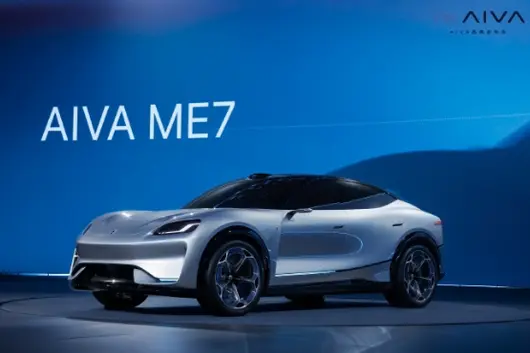
又一个新的汽车品牌——AIVA发布了。该品牌由赛豆科技发布,有着赛力斯、宁德时代、国资平台,以及火山引擎的身影,品牌聚焦当下热门的“AI定义汽车”赛道。
首款量产车型AIVA ME7定位为跨界车,将于年内发布,全系车型覆盖20万元以上主流市场。新车由赛力斯凤凰工厂生产,计划建立独立销售渠道并面向海内外市场。智能化方面,AIVA全系标配基于豆包大模型的智能座舱系统,智能驾驶则采用元戎启行提供的辅助驾驶解决方案。
5.享界全新MPV、硬派SUV谍照曝光

享界品牌两款全新车型的路试谍照曝光,分别为中大型MPV和硬派SUV。消息称,两款新车计划于2026年内陆续推出。从谍照来看,这款MPV轴距表现出色,侧面线条规整流畅,大概率主打中高端新能源MPV市场,侧重智能座舱、豪华驾乘体验与空间表现,有望搭载华为最新鸿蒙智能座舱、高阶智能驾驶辅助系统等核心配置。
全新硬派SUV则瞄准热度走高的高端新能源硬派越野市场。路试车车身轮廓硬朗方正,拥有典型的高离地间隙和硬朗车身比例。两款全新车型的落地,将助力享界构建“轿车+MPV+硬派SUV”的多元化产品矩阵,打破单一车型布局局限,全面覆盖主流高端新能源细分市场。
6.王传福放狠话,比亚迪五年后全球第一

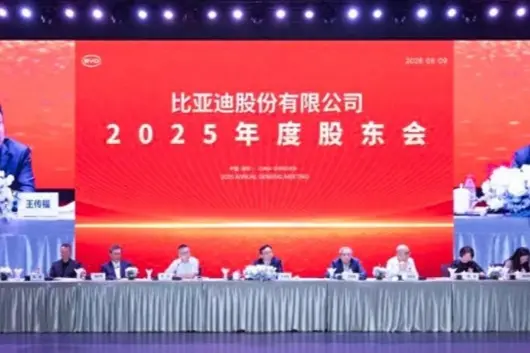
比亚迪董事长兼总裁王传福在日前举办的2025年股东大会上表示,“今年一季度,新能源车经历了至暗时刻。受2026年1月新能源车购置税减半政策影响,去年11月、12月出现购车需求前置的情况。今年前两个月,比亚迪的销量出现了下滑,但紧接着的3、4月,随着新技术的迭代、全球油价的上涨,公司新能源车销量逐月回升。”
王传福称,比亚迪于3月发布的第二代刀片电池产能正在爬坡,很多经营数据开始恢复。随着产能爬坡,预计月度销量将增长2-3万辆,直至年底;同时,公司现金流也将同步改善,恢复至以往水平。展望未来,王传福认为在国内、国外双轮驱动下,比亚迪将在2030年获得很大的增长,预期公司产销规模能成为全球第一。过去的两年,比亚迪以427万辆、460万辆的销量位列全球汽车销量榜第五名;丰田汽车则连续5年销量破千万辆,稳居全球榜首。
7.十一代雅阁大改款来袭

近日,本田美国产品规划负责人在接受媒体采访时称,本田雅阁将迎来大规模改款,新车外观、驾乘体验均将全面革新,整体表现接近全新车型。
据知情人士透露,新款雅阁设计将参考本田0系列纯电轿车,并在风格上做到均衡把控。外观上,新车或将采用造型更修长的大灯、优化后的前格栅,车尾同步重新设计,搭配全新尾灯组。车内有望换装尺寸更大的中控娱乐屏,同时延续以驾驶员为中心的座舱布局。至于动力,大概率会沿用现款动力总成,但可能会搭载全新的S+换挡系统。
8.奥迪发布全新旗舰超跑

奥迪发布了全新旗舰超跑Nuvolari,它不仅是R8的精神继任者,更被奥迪CEO高德诺称为“品牌未来的宣言”。这款限量499台、搭载V8混动系统的中置引擎超跑,以1001马力的输出成为奥迪有史以来最快、最强大的量产公路车,计划明年上半年开始交付,预计起售价约50万英镑。
该车是奥迪首款采用全碳纤维外观的量产车,车身由碳纤维增强聚合物制成,并搭配铝合金空间框架。尾翼可调节为关闭、低阻力、高下压力三种模式。座舱采用以驾驶者为中心的极简布局,关键功能均位于驾驶员视野内。动力系统基于兰博基尼Temerario同款总成打造,经奥迪专属调校后,零百加速仅2.6秒。

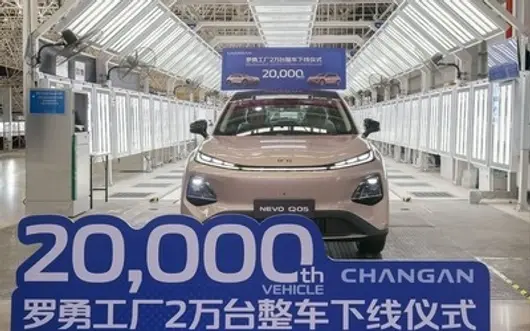
【CNMO 科技消息】6 月 9 日,長安汽車宣佈,羅勇工廠 2 萬輛整車落線。

據 CNMO 科技了解,羅勇工廠係長安汽車首個海外新能源整車基地,標誌住長安汽車邁出咗海外新能源整車製造嘅決定性一步。羅勇工廠嘅建設開始於 2023 年 11 月,選址泰國東部經濟走廊核心區,整合咗焊接、塗裝、總裝、發動機同電池等智能車間。

今年 5 月,長安汽車海外交付達到 70700 輛,同比增長高達 38%;同時,新能源汽車交付量達到 92400 輛,同比增長 5.8%。這組數據深刻反映住長安汽車喺「香格里拉」新能源計劃、「北斗天樞」智能計劃以及「海納百川」全球化戰略下面嘅結構性紅利已經進入加速兌現期。
自「海納百川」計劃發布以來,長安汽車已建成泰國羅勇工廠等 22 個海外製造基地,產品銷往 118 個國家同地區,擁有 1124 個海外銷售網點,並提出到 2030 年實現海外銷量 150 萬輛嘅目標。2026 年,長安進一步發布「海納百川」計劃 2.0,將全球化由產品出口推進至本地化營運同體系化建設。
值得一提係,5 月,長安汽車正式宣佈成為葡萄牙國家足球隊全球官方合作夥伴,這係繼其喺東南亞同拉美市場建廠投產後,喺歐洲主流消費市場進行嘅一場深刻嘅品牌破圈。

6 月 9 日,比亞迪召開 2025 年度股東大會。董事會主席兼總裁王傳福的演講內容亦涵蓋了短期業績、技術研發、智能駕駛、海外戰略及長期目標等多個範疇。

「今年一季度,新能源車經歷了至暗時刻。」
2026 年 1 月開始新能源車購置稅政策減半,導致去年底需求前置,新能源乘用車零售滲透率大幅下降。比亞迪只做新能源車,難免受到影響。
「最壞的時刻已經過去了。」
隨著 3 月發布二代刀片電池和閃充技術,比亞迪訂單開始回升,5 月銷量已經開始轉正,年底經營現金流有望逐步恢復到較好水平。
「今年的銷量取決於電池的產能。」
二代刀片電池產能還是不夠,目前正在以每月兩萬到三萬的增量在爬坡。明年我們的產能完成爬坡以後,相信將在全球兩個市場同時發力。
二、關於長期目標:五年做到全球第一「五年以後,比亞迪在規模上,能夠做到真正的全球第一。」
未來三到五年,比亞迪仍將保持持續增長。憑藉二代刀片電池、閃充技術以及明後年推出的新技術,國內、國外有望實現雙輪驅動,形成良性互動,讓中國的技術走向全球。
三、關於技術理念與閃充開放「汽車行業曾經充斥著各種花巧虛榮的流量,但實際上汽車是涉及安全的交通工具。」
少一些套路、少一些花巧,回到本源,做好技術和產品,才能獲得中高端消費者認可。
「比亞迪不會把閃充技術‘據為己有’。」
充電樁上不打比亞迪 Logo,閃充生態將服務所有汽車品牌和所有消費者。好的技術除了為比亞迪服務,更要為整個行業服務。而與中國石化的合作,將極大推動閃充技術的擴張。
四、關於智能化與 L3 準備「整車智能就是具身智能。」
比亞迪已經有 315 萬台智駕車型在全球落地,每天產生超過 2 億公里智駕相關行駛數據,智能駕駛研發工程師規模超過 5000 人。未來累計投入將超 1000 億。
「未來 L3、L4 一定會提前落地。」
比亞迪已經在晶片(4 納米的智駕晶片璇玑 A3 不久前剛發布)、演算法、數據、生態等方面做好充足準備,包括在歐洲、南美洲、東南亞、中東等地區的訓練中心都已做好準備。一旦法規落地,比亞迪就將推出全系列的、符合 L3 要求的产品。
五、關於全球化與海外市場「我們年初設定的 2026 年海外銷量目標是 150 萬輛,現在預計應該會超越這個目標。」
以比亞迪為代表的中國車企在產品競爭力、價格、體驗和技術上,已經超越當地很多同行。
「在海外市場一定要做好本地化。」
比亞迪在南美洲構建了以巴西為主生產基地,歐洲匈牙利工廠即將投產,東南亞泰國工廠已經投產。出口不僅要增長,還要能維持本地化服務,實現和本地共贏、共發展。
六、關於工程師文化與企業價值觀「比亞迪有 12 萬名工程師,這是公司真正的財富。」
工程師文化後繼有人,不用擔心。我每周有一半時間用於參加技術會議,與工程師交流,“在技術的海洋裡游泳”是我最感興趣的事。

You probably didn't expect that, right?!
A mass-market EV with monthly sales exceeding 15,000 is currently exporting as a global car.
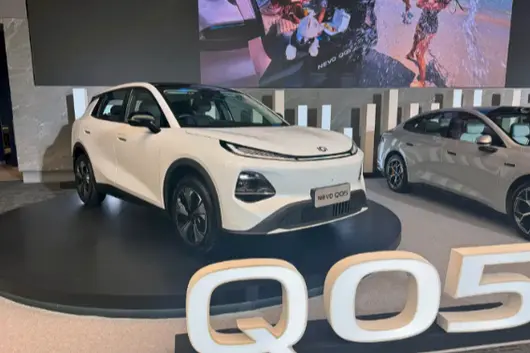
Recently, Changan NEVO Q05 was officially launched in Thailand. This car, known as Qiyuan Q05 domestically, is priced in Thailand from 629,900 to 709,900 Thai Baht, and there is even an early bird price, slashed down to as low as 599,900.
Converted to RMB, it's approximately 120,000, significantly higher than domestic prices; this premium covers the cost of the brand's overseas expansion.

Looking ahead, it enters Uzbekistan in June this year, Indonesia and Central & South America in August, and Europe in October. Changan is using this urban pure electric SUV, which sold 15,814 units in April alone, as a hero product for its global layout, taking quite determined steps.
Let's first talk about the domestic confidence. The Qiyuan Q05 manages to maintain this monthly sales figure thanks to a solid logic.
Within the 100,000 price range, configurations that usually cost 20,000 to 30,000 more are packed in. Buying a car isn't about comparing spec sheets, it's about what you actually get for the same money.

Regarding space, let's clarify first.
The wheelbase is 2,735 mm, and the overall body length is only 4,435 mm. This ratio is considered aggressive in its class, meaning everything possible for passengers has been allocated.
A 1.78-meter person sitting in the back seat finds the legroom truly comfortable, not just barely enough.

The trunk is 540 liters, with an additional 90-liter underfloor storage compartment. With the rear seats folded down, it reaches 1,380 liters. For a family of three going out for the weekend, just throw the gear in the back. The headache of luggage and trunk fighting for space is basically solved.
Putting 3C fast charging at this price point is a true killer move. Stop at a highway service area to charge for 15 minutes, and the range refills by 120 km. Eat a bowl of noodles, drink a coffee, and you can continue driving when you're done.

This car also has a 6.6 kW external discharge function. It can power appliances for camping, provide emergency charging for other cars, and can also serve as a mobile charging station.
There are very few cars at this price point that can achieve fast charging and external discharge simultaneously.
Let's clarify the LiDAR situation specifically. The Ultra+ version is equipped with LiDAR, which is much more stable than a pure vision solution in low light and rain/fog conditions, and there is a perceptible difference in the smoothness of highway following.

But if you buy the entry-level version, this advantage is gone; the entry version is standard L2 level.
Consumers need to think clearly when choosing; not every Q05 comes with LiDAR across the lineup, and the configuration gap between versions is real.
We cannot avoid the owners' complaints either.
The entire lineup lacks heat pump air conditioning; in winter, the heater relies on PTC heating, causing energy consumption to skyrocket by 30% to 40%. Suzhou owners tested it, and the 506 version only achieves about 350 km in winter. Owners in northern sub-zero regions need more mental preparation, as actual range is generally between 250 and 300 km.

This point is not a small issue for users in Northeast or Northwest China; it is a real purchase threshold.
Tire and wind noise exist at high speeds, becoming obvious over 120 km/h. Hard plastic interior is a normal configuration for this price range, but those switching from Japanese fuel cars will feel a drop-off in the first week.
The steering wheel does not have heating, which is an oversight for northern winters. The Max version does not have automatic parking; in the 100,000 range, this is already a minority. Additionally, not all phone brands are compatible with the Bluetooth key, and voice commands occasionally stutter.
Adding these complaints together, you can understand why some owners feel the spec sheet looks substantial, but there are always some details that make you sigh when using it.

Entering Thailand, the competition has changed.
BYD Atto 2 and Leapmotor B10 are old rivals. Jaecoo 5 EV is a Southeast Asia exclusive product. Toyota and Honda's fuel lineup still firmly holds the mainstream price range.
NEVO Q05's package here is large space, 3C fast charging, LiDAR. Displayed at this price point, it is indeed eye-catching.
When Thai consumers face a new brand, the first question in their minds isn't whether the specs are enough, but where to get it fixed if it breaks, how long to wait for parts, and whether the service is reliable.
This trust cannot be answered by a product sheet; it must be built up bit by bit over time and through network density.

Changan has already achieved local production at its Rayong factory in Thailand. The NEVO Q05 did not come over as a complete vehicle from overseas. Local manufacturing has advantages in price and delivery, and the foundation for future radiation to right-hand drive markets around Southeast Asia has also been laid.
At the warranty level, there is a lifetime warranty on the three-electric systems, a 6-year or 150,000 km warranty on the whole vehicle, and battery replacement (not repair) if degradation exceeds 30%.
This policy in overseas markets uses promises to reduce user purchase risk perception; it is also one of the ways Changan can build trust when brand awareness is not yet established.
Thailand is the country with the highest new energy vehicle penetration rate in Southeast Asia. In 2025, the penetration rate has already exceeded 15%, and the market is still in the expansion phase. The window is open, but it won't wait forever.
Product competitiveness is strong, and the manufacturing system is already in place. The next real test is whether the dealer network can be densely covered, whether the service experience can be stable, and whether the name Changan NEVO can slowly become a reliable choice in the hearts of Southeast Asian families.

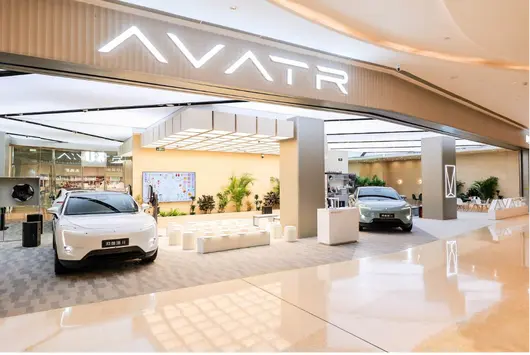
自今年 4 月以來,國內汽車市場已有近 20 款產品宣佈上調售價。當整個行業慢慢跳出低價博弈,回歸產品本身嘅價值較量,阿維塔嘅高端堅守便愈發亮眼。同期上市嘅新阿維塔 12 同阿維塔 06T,售價相較老款進一步提升 2-3 萬元。喺激烈嘅市場競爭中,份底氣來之不易。阿維塔點解能持續拉高品牌溢價,其高端定位又點解能夠獲得市場高度認可?

豪華股東陣容加持 + 華為技術背書 阿維塔成市場焦點
阿維塔呢個汽車品牌,從誕生開始,就一直站喺聚光燈下。首先,阿維塔擁有新能源造車嘅「夢之隊」豪華陣容,佢嘅第一大股東同控股股東係長安汽車,係國企嘅親兒子,背靠百年長安嘅深厚製造底蘊,阿維塔喺生產、研發端嘅資源儲備,係絕大多數造車新勢力企業難以企及嘅。話最簡單嘅產品生產質量問題,唔知有幾多造車新勢力喺當中等大虧,而阿維塔一開頭,就能瞄準高端市場高舉高打,靠就係背後實打實嘅頂尖製造功底。

而且,長安亦為阿維塔賦予咗深厚嘅技術底蘊,喺長安汽車嘅支持下,阿維塔全棧自研咗崑崙智慧增程同太行智控底盤。3 月份,阿維塔推出咗太行智控底盤 2.0,引入分佈式電驅,讓安全為運動兜底,得到市場嘅好評。

第二大股東係寧德時代,持股比例超過佢投資嘅其他任何一家車企,這意味著阿維塔喺電池供應上享有股東級優先權,從神行、驍遙到最新嘅凝聚態電池,寧德時代每一次技術突破,阿維塔都係首批搭載嘅品牌。
阿維塔作為華為首個深度合作嘅品牌,基於 HI PLUS 合作模式,不僅握有華為最新技術嘅優先入場券,更攜手夥伴從源頭定義每一項新技術,雙方團隊聯合定義、聯合研發、聯合行銷,俾用戶提供更優秀嘅產品同服務。呢種開放靈活嘅合作模式為阿維塔贏得更大大嘅市場空間,獲得市場嘅廣泛認可。

同時,阿維塔仲係華為引望嘅最大外部股東,持股 10%,將為阿維塔帶來豐厚嘅投資收益。根據華為 2025 年年報,引望營收達 450.18 億元,同比增長 72.1%,三年增長 20 多倍,合作車企超 20 家,覆蓋賽力斯、長安、奇瑞、江淮及奧迪等國際品牌,未來市場潛力巨大。這筆投資收益,將為阿維塔嘅長期發展提供可持續嘅資金支撐。
從公司層面嚟講,好似阿維塔咁背景雄厚、技術實力突出嘅企業,本身就係資本同市場都看好嘅優質選手,獲得用戶信任自然毫不足怪。
產品口碑過硬 營收增長迅速
2026 年,正好係阿維塔創立嘅五週年,佢嘅累計銷量已經突破 25 萬輛,覆蓋 20-70 萬元價格區間,站穩咗新能源高端市場。
倚靠自研技術,阿維塔持續優化用戶場景體驗,形成咗口碑帶動品牌同銷量嘅良性循環。過去兩年,阿維塔堅持打磨底盤能力,從阿維塔 07、阿維塔 06 再到新阿維塔 12,底盤質感同操控表現逐步提升。3 月份推出嘅太行智控底盤 2.0,倚靠分佈式電驅技術,讓安全為運動兜底,底盤能力上咗一個新台階。近期上市嘅阿維塔 06T,體驗過嘅用戶都好評滿滿。

市場亦給予咗積極嘅正面回饋。2025 年,阿維塔連續 10 個月實現銷量破萬,全年累計超 12 萬輛。同期,公司營收規模翻倍增長,2024 年營業收入達 151.95 億元,同比增長 169.16%;2025 年上半年營收超 122.08 億元,同比增長 98.52%,呢樣增长速度,就算放喺新能源汽車剛起步嗰陣都好難得,喺競爭激烈嘅而家,更凸顯咗阿維塔極高嘅成長性。

同時,阿維塔已進入超 40 個國家同地區,高端品牌認知同豪華產品價值喺多個成熟市場獲得認可。喺泰國,阿維塔 11 起售價 2099000 泰銖 (約人民幣 44.7 萬元),長期穩居高端電動汽車銷量第一;喺阿聯酋,阿維塔主力車型普遍喺 40 萬元以上,佔據高端電動汽車 10% 嘅市場份額;喺新加坡,阿維塔 11 起售價為 278,999 新加坡元(約合人民幣 156 萬元),產品銷量持續攀升。

根據阿維塔嘅規劃,下半年,阿維塔將推出阿維塔 07L 同大六座旗艦 SUV,喺堅持原創設計嘅基礎上,提供更大空間同更強功能體驗,具備較強嘅走量潛力。其中,大六座旗艦 SUV 將業界首搭寧德時代凝聚態電池。伴隨呢兩款新車嘅落地,阿維塔產品矩陣補齊空間需求,進一步覆蓋豪華家庭市場,將開啟新一輪增長週期。面向更長遠嘅未來,阿維塔計劃到 2030 年累計推出 17 款車型,覆蓋轎車、SUV、MPV 等細分領域。
總括嚟講,成立短短五年時間,阿維塔已經完成咗從品牌創立到規模增長嘅跨越,站穩咗新能源高端市場,交出咗一份遠超行業預期嘅答卷。而家站喺五週年嘅節點上,隨著上市進程穩步推進、海外市場逐步打開、多款重量級產品嘅即將上市,阿維塔已經正式邁入品牌發展嘅全新階段,未來增長空間值得期待。

中國車市喺消費疲軟與價格內捲嘅雙重擠壓下持續承壓,多數車企陷入「以價換量」嘅惡性循環。
而吉利汽車交出嘅 237,637 輛成績單格外亮眼,不但連續三個月實現同比環比雙增長,更以 56.1% 嘅新能源滲透率連續四個月站穩「半壁江山」。

喺呢份高質量增長嘅答卷中,吉利星願單月銷量 36,426 輛,貢獻咗吉利銀河品牌 44.6% 嘅銷量,成為吉利穩住國內基本盤、撬動全球市場嘅核心支點。
更以「加配不加價」嘅產品策略,為陷入同質化泥潭嘅純電小車市場指明咗價值升級嘅方向。
從中國銷冠到全球前三,用價值終極價格內捲
作為 2025 年中國車市全品類銷量冠軍,吉利星願用 573 天突破 70 萬輛交付,創下全球純電小車最快增速紀錄,今年一季更係躋身全球新能源銷量前三,成為唯一進入該榜單嘅中國品牌車型。

5 月 28 日上市嘅全新星願,6.18 萬—9.18 萬元上市限時權益價,配置全面升級嘅前提下,價格依旧到位,進一步鞏固咗佢嘅市場統治力。
星願嘅勝利,本質係「價值戰」對「價格戰」嘅勝利。要知,而家 10 萬級以下純電市場早已陷入「減配降價」嘅死循環,多數車企透過壓縮安全標準、削減核心配置來換取低價,最終導致行業利潤崩塌、用戶體驗滑坡。

而星願走咗一條完全唔同嘅道路:佢冇參與價格廝殺,而係透過技術普惠實現「加配不加價」,將原本只出現喺 20 萬級車型上嘅核心能力下放到入門級市場。
這種價值升維體現喺三個核心維度:
一係打破「小車唔配談安全」嘅偏見,以同級唯一嘅正面 + 側面連續碰撞全優成績、3.4 倍車頂抗壓強度,證明入門級車型同樣可以擁有頂級安全防護。
二係重構「入門級=低智能」嘅認知,首次下放千里浩瀚 H3 智駕方案,主流嘅輔助駕駛都能體驗,补齐星願產品力上嘅缺點。
三係終結「純電小車只能代步」嘅刻板印象,透過後驅獨懸架構同越級駕控調校,讓小車也能擁有媲美 20 萬級轎跑嘅操控體驗。

更加重要嘅係,星願已經成為吉利全球化布局嘅「先鋒軍」。
今年一季度,星願喺墨西哥、印尼、哥斯達黎加、巴西四國同時登頂 B 級純電兩廂車銷量榜首,仲獲得 Q1 墨西哥 B 級 HB BEV 銷量第一。

同過去中國品牌出海依賴低價策略唔同,星願憑藉技術、安全同體驗嘅全面領先,喺全球市場打出咗「高質優價」嘅新標籤,為中國汽車出海樹立咗全新標杆。
多品牌協同發力,構建全維度增長矩陣
星願嘅亮眼表現,係吉利汽車產品結構持續優化嘅一個縮影。5 月,吉利四大核心品牌全面開花,形成咗覆蓋入門、主流、高端全價格帶嘅產品矩陣。

吉利品牌銷量 182,528 輛,其中銀河品牌貢獻 81,727 輛,占比接近 45%,成為新能源轉型嘅核心引擎;中國星系列銷量突破 100,801 輛,同比增長 16.1%,憑藉 i-HEV 智擎混動技術實現燃油車逆勢增長,證明咗傳統燃油車透過技術升級仍有廣闊嘅市場空間。
高端化方面,極氪品牌 5 月交付 34,377 輛,同比增長 81.8%,環比增長 8.1%,連續四個月實現同比環比雙增長。
其中高客單價嘅 9 系同 8 系合計銷量占比近 50%,單車成交均價同比增長 52.4%,實現咗真真正正嘅量價齊升。
極氪 9X 喺「國產 9 系混戰」中突圍,5 月銷量達 8,441 輛,累計交付突破 6 萬輛,站穩咗 30 萬以上高端純電 SUV 市場。

5 月 19 日上市嘅煥新極氪 009,七座 Ultra+「齊家版」訂單占比超 60%,成功喺商務市場之外開拓咗家庭用戶新增量。
新車周期嘅持續走強,為吉利注入咗強勁嘅增長動力。

5 月 22 日上市嘅吉利銀河星耀 7 MAX,上市 23 小時大訂便突破 1 萬台,同銀河 M7、星艦 7 協同發力,共同進軍 10 萬 -15 萬元主流市場;

5 月 29 日上市嘅領克 10 同領克 10+,填補咗中大型運動純電轎車市場空白,上市即開啟首批交付。
多款高價值新車嘅密集上市,不但標誌住吉利新舊產品切換加速,更預示住佢正步入一個強勁嘅新車周期。
全球化多點突破,基本面穩健獲機構認可
海外市场嘅爆發式增長,更加係吉利 5 月銷量嘅一大亮點。5 月吉利海外出口 85,144 輛,同比大增 183.7%,新能源出口占比達到 47.9%,出口產品結構持續優化。

同其他車企自建工廠嘅重資產出海模式唔同,吉利採用「產業共生型」輕資產模式,聯合沃爾沃、寶騰、雷諾等合夥夥伴,透過技術輸出同本地化生產快速切入全球市場。
這種模式不但有效規避咗貿易壁壘,仲實現咗同當地產業嘅共贏,為吉利衝刺 75 萬輛嘅年度出口目標奠定咗堅實基礎。
寫喺最後
中國車市已經從「增量競爭」進入「存量競爭」時代,單單依靠價格戰已經無法實現可持續增長。吉利透過技術創新、產品結構優化同全球化布局,走咗一條高質量發展嘅道路。
星願嘅成功證明,即使喺競爭最激烈嘅入門級市場,透過技術普惠同價值升級都能實現突圍;極氪嘅高端化突破則表明,中國品牌完全有能力喺豪華市場同外資品牌正面競爭。
當「技術普惠」成為中國品牌嘅新標籤,當「中國智造」成為全球消費者嘅共同選擇,中國汽車產業正迎來真正嘅全球化時代,而吉利無疑係呢場變革中最堅定嘅領跑者。
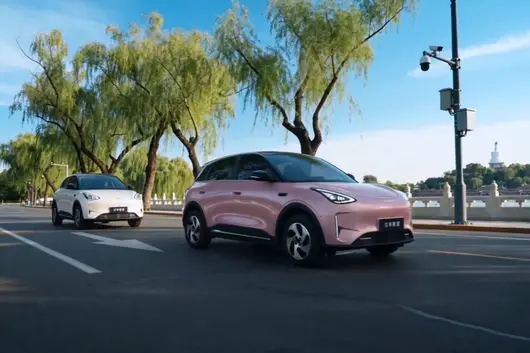

May 28, all-new Geely Xingyuan officially launched. The venue for this press conference was quite unique — without a traditional stage and spotlights, instead, it collaborated with Xiaohongshu to create the nation's first mobile "Immersive Journey" car launch event. Harbor families, Alley families, Rainforest families, Silk Road families, Nomadic families, five major life scenarios were laid out in sequence at the launch venue, as if bringing the daily hustle and bustle of transportation into the spotlight of the automotive industry. Geely Xingyuan spokesperson Joey Yung also attended the site, she spoke about real segments of her time with this little car, her tone was gentle yet firm. Sitting in the audience were not only media and dealers, but also many ordinary people who have become or will become Xingyuan owners. At this moment, a pure electric car priced from 61,800 yuan seemed to no longer be just a commuting tool, but a possibility of accompanying life.
The all-new Geely Xingyuan launches four models this time: 410km Longing Edition, 410km Riding Wind Edition, 480km Exploration Edition, 480km Exploration+ Edition, launch limited-time benefit price is 61,800 yuan to 91,800 yuan. The range of the entire series has undergone a comprehensive upgrade, the 310 km version jumped to 410 km, the 410 km version increased to 480 km. At the same time, to cater to the actual needs of different users, the official retained the right to select 310 km range on the 410 km version, the price can be reduced by another 7,000 yuan after selection.

But what truly made this little car attract widespread attention goes far beyond price. The all-new Geely Xingyuan's slogan is "Advancement Beyond Classics", officially claimed to have over 100 product power upgrades and over 25 class-exclusive features. These numbers might sound a bit abstract, but when you truly break down its five core advancement directions, you will find this is not just a pile of marketing jargon, but a thorough evolution from inside to outside, from hardware to software.
Let's start with the most basic driving control. Geely Xingyuan is the first pure electric car in its class to adopt a native architecture, and the first model to come standard with rear independent suspension across the entire series. To tune this chassis, Geely's engineering team ran through over 30 countries worldwide, conducting all-round verification for extreme road conditions. The final result is, the all-new Geely Xingyuan achieved a qualitative leap in three core experiences: driving, steering, and braking. G-TCS 2.0 all-weather anti-slip system while retaining the fun of rear-wheel drive flexibility, ensuring no slip, no swing, no roll on flat roads, slopes, and corners, new drivers can also drive with ease. The all-new brushless steering system's response speed is twice as fast as the previous generation, supporting three steering modes and center position self-learning. While G-CST 2.0 all-scenario comfort braking system simulates the foot feel of experienced drivers, braking doesn't nod, driving doesn't cause motion sickness. What is more impressive is, Geely Xingyuan is the only pure electric car in its class to successfully challenge the Moose test at 130 km/h, The Moose test result also reached 80.7 km/h, handling performance is enough to compare with 200,000 level sports coupes. In other words, driving this little car is no longer just "sufficient", but "fun".
Of course, for pure electric little cars, range and three-electric system performance are the most direct user anxiety points. The all-new Geely Xingyuan standardizes CATL batteries, liquid cooling temperature control and 11-in-1 high-integrated electric drive, the three-electric system has been regarded as the ceiling of its class since launch. New car equipped with CATL new generation battery cells energy density up to 190Wh/kg, maximum CLTC range reaches 480 km, enough to cover daily commuting and weekend outings. Cooperating with the class-exclusive active grille and low drag wheels, drag reduced by 15 counts, actual range increased by another 10 km. Regarding energy replenishment, 30% to 80% fast charging takes only 19 minutes, full charge ready to go in the time of a cup of coffee. Combination of liquid cooling system and new BMS battery management system, ensures full speed charging regardless of cold or hot weather, and will not come at the cost of battery life. More StarRui AI Cloud Power 2.0 achieves full-link energy management, covering smart charge/discharge, off-peak electricity price identification, battery temperature maintenance, energy consumption diagnosis and battery maintenance functions, making every charge efficient, every trip worry-free.
Walking into the car, you will find the all-new Geely Xingyuan's intelligent cockpit is completely different from the simple impression of traditional small cars. It is equipped with Galaxy Flyme Auto 2 intelligent cockpit system, based on 7nm automotive-grade Longying No. 1 chip and 16G+128G large storage, fast response, smooth operation, easy to learn. Users can switch maps or favorite wallpaper desktops at will, cute animal wallpapers even support interactive functions, adding a lot of fun to the cockpit. All-new AI Eva is the car's smart voice assistant, supporting fuzzy instruction understanding and context memory, can complete car control, Q&A, entertainment, etc. You just need to say "Hi Eva, I want to go home", the vehicle will automatically call the latest Amap 850 version to select the optimal route. Car machine also newly supports CarPlay phone connectivity, compatible with iOS devices for seamless connection. Invisibility mode, car wash mode, one-click car search and other thoughtful scenarios, and thousand people thousand faces custom assistant, making every boarding full of exclusive ritual sense. From navigation to entertainment, from life to surprise, this smart cockpit covers all aspects of user daily needs.
In terms of assisted driving, the all-new Geely Xingyuan is equipped with the Qianli Haohan assisted driving H3 solution, originating from high-end models, currently safely driven 1.38 billion km, user usage growth rate first. Highway Viaduct NOA is not limited by road and rain/fog weather, supports voice lane change, multi-scenario avoidance and automatic on/off ramps, users only need to lightly hold the steering wheel to easily drive long distances. Full-scenario MPI takeover rate over 200 km, equivalent to continuous driving 3 hours, need takeover only 1 time. Parking aspect also achieved full-scenario adaptation: APA parking assist function supports one-click parking, finger tip parking, remote control parking, covering over 300 types of parking scenarios. Aiming at practical pain points such as new drivers parking difficulty, female drivers parking tension, HPA memory parking supports 2 km ultra-long memory, cm-level precise positioning, learn route once then can fully automatic parking throughout the process, equipped with smart following car, autonomous finding spot, obstacle avoidance functions, temporary route change also no need to relearn. DMS active fatigue detection will timely remind drivers to rest, sentry mode guards parking safety 24/7 all-weather, once abnormal, record video immediately and send to user phone. From departure to arrival, from driving to parking, this system makes complex driving simple and reassuring.
Safety is the gene Geely carved into its bones. Regardless of big car or small car, all brands under Geely adopt the same safety philosophy and strict standards. Geely has built a global domain safety center with investment over 2 billion yuan, and released "Human, Car, Road, Cloud, Star" integrated domain safety 2.0 system. All-new Geely Xingyuan also follows this high standard, upholding the philosophy "Small Car, Must Have Big Safety". Passive safety aspect, it created five vertical eight horizontal star armor cage body, front end three force transmission paths cooperate with double "Clover" force release structure, side battery to threshold spacing 149mm and added double anti-collision longitudinal beams, rear 750mm long rear suspension and double "Well" shaped rear subframe form a solid barrier. roof compression strength increased to 3.4 times vehicle weight, AB pillar and roof crossbeam etc core area materials upgrade, even encountering rollover or heavy weight pressing on roof, cabin remains unharmed, side curtain airbag pressure maintenance technology can also continuously protect head during rollover. Regarding battery life, Geely Xingyuan's verification standard increased to 2 times national standard, after 1000 cycles battery capacity still maintains 90.72%. Also Xingyuan actually driven 84,000 km successfully challenged sea water corrosion, mud water scouring, bad road scraping bottom, extreme fire burning etc six series limit tests, this belongs to the first in the industry. Worth mentioning is, May 12, Geely partnered with CCTV to complete the first and only class-exclusive front and side continuous crash test, high voltage system powered off in time, battery pack did not smoke or catch fire, occupant compartment structure intact, airbags accurately detonated, non-collision side door can open normally. In addition, all-new Geely Xingyuan also equipped with tire pressure direct display, DOW door opening warning, sentry mode, more AEB active braking and AES emergency steering dual insurance, successfully passed 120 km/h static vehicle stop and 130 km/h "Vanishing Front Car" active avoidance test, performance far exceeds industry mainstream level.
All these upgrades and hardcore strength, finally point to one fact: Geely Xingyuan is no longer an ordinary little car. Since launch in October 2024, it cumulative delivery has broken 700,000 units, equivalent to one sold every minute. It is not only the star model in the whole industry to reach this goal fastest, but also won the 2025 Chinese car market sales champion at once. Entering 2026, Geely Xingyuan still continues to lead, firmly stays at top. This year first quarter, in global new energy vehicle sales ranking, Geely Xingyuan for the first time enters global top three, achieved a new milestone for China A0 level electric car. While exploding in domestic market, it has also landed in over 30 countries and regions globally. In Brazil launch two months sales broke 2300 units, In Thailand auto show single week orders grabbed 3300 units, and won "Brazil Annual Best Compact Electric Car" and "Indonesia Auto Show Most Loved Electric Car" dual international awards. On the streets all over the world, Geely Xingyuan is becoming "China Smart Manufacturing" mobile new business card.
From a commuting little car, to 700,000 user's choice, from China champion to global top three, Geely Xingyuan's advancement road is actually not complex — it just seriously did the little car well, done fully, done exceeding expectations. And after this renewed launch, Geely Galaxy brand on pure electric small car track again raised the "High Quality Good Price" benchmark. Future, Geely Galaxy will continue to uphold "Building Smart Boutique Cars for Everyone" original intention, bringing products and services exceeding expectations to users in various sub-markets. For consumers, this might be the greatest happiness: a good car, need not be expensive, need not be flamboyant, but can honestly accompany you to go to every place you want to go.
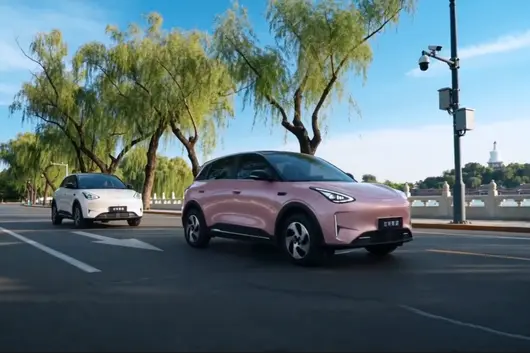

「5 月交車 81569 輛,同比大漲 81%,環比 4 月提升 14.26%。」
6 月初,零跑公佈咗呢份月度成績單。若保持呢種增長勢頭,佢一年銷量將接近或超逾百萬輛。年銷百萬輛規模,大體可提前鎖定國內乘用車銷量 Top 10。作為參照,乘聯會 2025 年批發銷量數據顯示,國內車廠第 10 名特斯拉全年批發銷量為 85.2 萬輛,月均約 7.1 萬輛。而零跑 5 月單月交車量已經超過去年特斯拉嘅月均水平。
橫向對比其他新興勢力,理想、小鵬、蔚來、極氪四家頭部品牌 5 月交車量均在 3 萬輛區間。
由 2019 年首款車型 S01 全年銷量不足 3000 輛,到 2025 年全年交付接近 60 萬輛,再到今年 5 月站上 8 萬輛,零跑已經成為國內增長最快嘅新能源品牌之一。
「究竟邊個喺度買零跑?」喺佢月銷 8 萬輛嘅數據公諸於世後,有業內人士對盖世汽車發出咗呢樣嘅感嘆。透過盖世汽車研究院提供嘅國內上險量數據以及海外銷售情況,我哋可以見到零跑增長背後更真實嘅一面。
唔止享受到新能源紅利
喺新能源乘用車滲透率突破 50% 之後,市場邏輯已經發生變化。
行業早期,新能源市場主要依賴嚐鮮用戶驅動,呢部分消費者樂於接受新技術,對智能化配置敏感,亦願意承擔一定試錯成本。而今日推動市場繼續擴闊嘅力量,越來越來自傳統燃油車用戶嘅換購需求。
對大量一般家庭嚟講,購車決策唔係追逐前沿技術,而係一筆具體嘅經濟賬。發改委等成品油監測數據顯示,多數主流省份 92 號汽油零售價長期喺 8 元/升上下波動,一輛普通燃油轎車每年燃油開支普遍超過 1 萬元。

相比之下,新能源車型嘅日常使用成本優勢變得明顯。預算集中喺 10 萬至 20 萬元區間嘅家庭發現:同樣嘅購車預算,新能源唔單能夠降低後續使用成本,仲可以提供更大嘅空間、更豐富嘅配置同更好嘅智能化體驗。這推動大量燃油車用戶開始進入新能源市場。
零跑正正處於需求最集中嘅價格區間。相比部分品牌依賴高端市場或細分賽道,其主力車型基本覆蓋 10 萬至 20 萬元市場,這係國內乘用車市場容量最大嘅板塊,亦享受到該市場新能源化嘅紅利。

圖片來源:零跑
終端反饋印證咗一點。據國金證券調研顯示,許多到店用戶此前駕駛係軒逸、朗逸、卡羅拉、哈弗 H6 等傳統家用車型,呢類型置換客群落嚟揀車嗰陣,換購時關注點高度一致:空間夠唔夠大、續航係唔滿足日常使用、配置係唔豐富、價格係唔抵。
唔止咁,零跑仲享受到新能源下沉嘅增量紅利。過去幾年,三四線城市及縣域地區嘅充電設施逐漸完善,這使得此前制約低線市場購車嘅補能問題得到緩解,釋放咗大量嘅新能源購車需求。
以 A10 為例,呢款今年 3 月上市嘅入門車型,5 月銷量達 2.3 萬輛。愛建證券調研顯示,呢款車終端訂單集中喺三線及以下地級市、縣域下沉市場。
由呢度睇出嚟,零跑並唔單單受益於新能源滲透率提升,而係喺燃油車換購與下沉市場首購兩大趨勢同時釋放嘅過程中,佔據咗較為有利嘅位置。
國內,邊個喺度買零跑?
相比批發銷量,上險數據(因數據統計口徑唔同,與官方數據存在差異),更能直觀反映國內真實終端需求。由 2026 年前四個月國內上險數據嚟睇,零跑用戶嘅畫像好清晰。
從車型結構睇,用戶大多係家庭購車。其中,C10 累計上險量接近 3 萬輛,佔零跑前 4 個月國內上險總量(12.5 萬輛)嘅約四分一;B01 同 C11 上險量都係 1.8 萬輛左右;B10 上險 1.6 萬輛;C16 佔比超過 10%。

同時,A10 同 lafa 5 兩款新車亦表現出較強嘅增長勢頭。A10 上市唔夠 2 個月,喺 4 月上險量就已接近 1 萬輛;lafa 5 前 4 個月銷量亦達到1.3萬輛;剛上市不久嘅 D19 喺 4 月上險量亦過千。
基於銷量睇出嚟,零跑係多款车型共同承擔銷量任務,且多款新車都有成為爆款嘅趨勢。零跑嘅產品線雖然覆蓋多個價格帶,但瞄準嘅主要係同一類人群:務實嘅家庭用戶。
基於零跑各車型銷量佔比分析,大部分家庭購車預算應該係集中喺 15 萬元上下,希望喺同樣預算下獲取更大空間、智能座艙、更長續航同更低使用成本。
將 A10 同 D19 兩款車型嘅用戶畫像放埋一齊睇,或許會更加能理解零跑喺唔同價位段嘅精準覆蓋能力。
A10 以 10 萬級價格切入年輕家庭首購或增購需求,零跑汽車畀出嘅呢輛車首批大定用戶畫像顯示:更偏向「寶爸寶媽」群體,核心決策因素有空間、組合輔助駕駛、智能座艙。其中,超過 60% 為有細路家庭,女性用戶佔比 42%;43.2% 嘅用戶熱愛旅遊,傾向 505km 長續航版本。首批大定城市 Top 5 有杭州、天津、上海、成都同北京等。
D19 首批車主畫像則呈現另一類人群:69.6% 為 30-44 歲人群,本科及碩士以上佔比 62.6%,管理層佔比 74.4%;95% 為增換購用戶,其中增購用戶中有三成來自 BBA 車主,換購用戶中 19.7% 係零跑老車主;35.5% 來自浙江、廣東、江蘇三省,其中 62% 為本地原生居民。
朱江明表示:「D19 5 月新增訂單持續破萬。」呢款 4 月剛上市嘅旗艦 SUV,喺上市次月便進入咗穩定爬坡期。
A10 同 D19 嘅畫像差異,對應咗零跑產品矩陣嘅兩端:A 系列以高性價比滿足主流家庭嘅首次購車或增購需求,D 系列則以更高定價同豪華配置承接中產家庭嘅升級換購需求。兩條線同 B 系列、C 系列形成增換購鏈條,共同構成咗零跑月銷 8 萬輛嘅用戶基本盤。

城市分佈亦都能說明問題。零跑 2026 年前四個月國內上險 Top 15 榜單入面,杭州、廣州、重慶、上海、成都等城市位列前列。除咗上海等少數超一線城市外,其他城市亦多係一線或準一線,擁有龐大嘅中產同工薪家庭群體,傾向於由實際需求出發做決策,關注產品本身多過品牌光環。
作為零跑大本營,浙江多個地級市表現突出,台州 2637 輛、寧波 2525 輛、溫州 2300 輛,均進入 1-4 月上險量 Top 15 榜單。可見,佢喺浙江市場長期積累嘅用戶口碑同渠道基礎,幫品牌獲得咗穩定增長。
更值得關注嘅係銷量結構。4 月上險數據顯示,零跑出租、營運等屬性佔比極低,絕大部分係個人私家車同企業事業單位非營運採購。喺唔少新能源品牌依賴網約車、出行平台採購拉動銷量嘅背景下,零跑嘅終端銷售基本以個人用戶為主。
國外,邊個喺度買零跑?
當國內市場逐漸進入存量競爭階段,海外市場正成為中國部分車廠越來越重要嘅增長來源。對零跑嚟講,亦然。
盖世汽車研究院數據顯示,2026 年 1 至 4 月,零跑累計出口 6.4 萬輛。其 4 月單月出口達 2.2 萬輛,已佔到品牌月度總銷量嘅三成。

唔同市場嘅消費需求差異好大,零跑嘅做法係針對每個市場投放適配車型。
歐洲係零跑最大嘅海外市場,1-4 月累計銷量達到 3.8 萬輛。尤其係喺意大利、比利時兩地,同期銷量超 1 萬輛,位居佢出口目的地嘅前兩名。此外,喺英國、法國亦取得咗唔錯嘅成績,1-4 月銷量超千輛。
T03 成為零跑向歐洲出口嘅主力軍。因當地能源價格長期處於高位,並存在老城區道路狹窄、停車位局促等問題,小型純電車型天然具備優勢。
1 月至 4 月,T03 單一車型對歐洲出口達 1.8 萬輛,佔佢歐洲總銷量嘅近五成,主要出口國係意大利。與歐系微型電動車相比,T03 售價便宜約 20%,配置仲多出 L2 級智駕同大屏幕。性價比係佢嘅核心賣點。
東南亞市場則唔同。印尼、馬來西亞等國人平均收入水平相對有限,購車預算普遍唔高。1 月至 4 月,零跑喺東南亞合計出口約 8000 輛,其中 T03 上牌 5479 輛。該車型兼顧價格、續航同實用性,更加容易獲得當地消費者認可。
零跑喺南美市場則以巴西為核心。巴西國土遼闊、長途出行頻繁,充電設施建設仍在完善中,增程式產品更加匹配當地需求。1 月至 4 月,零跑喺巴西出口 6614 輛,其中 C10 增程版獨佔 6557 輛。
產品適配解決咗「賣咩」嘅問題,但「點樣賣」同樣關鍵。隨著海外銷量規模嘅不斷擴大,呢就需要配套嘅渠道網絡與之匹配。而且,為咗服務好客戶,渠道應該先行。
為咗更快鋪設渠道,喺陌生國度打開知名度,零跑選擇同全球車廠合作。2023 年,零跑與 Stellantis 達成合作,後者出資 15 億歐元入股,雙方合資成立零跑國際。Stellantis 依托自身歐洲成熟經銷體系同南美渠道資源,由合資公司全權負責零跑車型嘅銷售、維保及本地化推廣。
2025 年,零跑國際喺南美首批落地巴西 36 間、智利 5 間共 41 間網點,後續逐步拓展至阿根廷、哥倫比亞等國。

與此同時,為咗進一步強化歐洲市場競爭力、規避關稅風險,零跑喺西班牙、馬來西亞等地同步推進本地化組裝工廠。佢喺意大利、比利時等歐洲市場銷量嘅大幅上漲能體現渠道價值。
對於多數中國品牌嚟講,海外市場最大嘅挑戰往往唔係產品,而係渠道同售後體系。從建店、培訓到服務能力建設,通常需數年時間。零跑藉助成熟渠道,大幅縮短咗市場導入週期。
因為呢,產品價值係出海嘅基礎,渠道能力決定咗出海嘅速度。零跑海外放量,係產品適配同渠道雙重作用嘅結果。
點解係零跑?
返去最初嘅問題。點解新勢力入面,只有零跑達成月銷 8 萬嘅成績。
過去幾年,新興勢力行業不斷討論高階智駕、AI 大模型、生態體系。呢啲方向當然重要,但從市場規模角度睇,真正決定銷量上限嘅始終係數量龐大嘅一般家庭。
對於多數中國消費者嚟講,汽車首先係一件耐用消費品,需要具備空間夠大、配置夠高、使用成本夠低、價格可承受等因素。呢種需求看似普通,卻對應住市場入面最龐大嘅用戶群體。零跑銷量嘅增長,本質上建立喺對呢部分群體嘅持續覆蓋之上。

圖片來源:零跑汽車
從產品結構睇,品牌已經形成 A、B、C、D 多個產品序列。2026 年新品集中落地:3 月末 A10 上市,4 月 D19 旗艦 SUV 開售,後續 D99 MPV、海外專屬車型亦將陸續投放。產品價格由 7 萬延伸至 30 萬,覆蓋從入門代步到家庭 SUV 嘅多個區間。
從成本控制睇,全域自研係零跑嘅核心能力。券商調研數據顯示,零跑核心零部件自研率超過 65%,LEAP 整車平台零部件通用率高達 88%。從三電、電控到車載晶片、整車架構,自主研發生產,擺脫咗對外資零部件廠商嘅採購溢價。
從市場佈局睇,其 1 月至 4 月國內上險加上海外出口合計銷量接近 19 萬輛(數據統計口徑唔一樣,會存在差異)。尤其係海外銷量佔比從 2025 年嘅不足 10% 提升至 30%,國內與海外雙線增長進一步分散咗單一市場波動帶來嘅風險。
呢種產品、成本、市場嘅三位一體佈局,其實指向同一個判斷:零跑冇去追逐尚未被驗證嘅風口,而係老老實實扎根喺一個已經被驗證、且仍在持續擴大嘅需求池。

圖片來源:零跑汽車
全域自研能力帶來嘅成本優勢,疊加銷量規模效應嘅形成,都體現喺零跑嘅財務數據度。
2025 年,零跑全年實現歸母公司淨利潤 5.4 億元,係少數實現全年盈利嘅新勢力之一。2026 年第一季,雖然受新品研發、海外建廠投入拖累,其歸母公司淨利潤為 -3.9 億元,但毛利率仍維持喺 9.4%,仍優唔少靠蝕本減價換銷量嘅同行。
由 2019 年小眾起步,到而家月銷 8 萬輛,零跑嘅增長路徑並唔複雜:冇押注高端、冇炒作概念,扎根 10-20 萬級家用市場,將空間、續航、配置同價格算清楚。
全域自研壓住咗成本,多車型覆蓋咗唔同預算嘅家庭需求,海外藉助 Stellantis 渠道快速放量。呢三點疊加,踩中咗新能源由嚐鮮到普及嘅切換節點。
零跑能賣到 8 萬輛,仲說明咗一件嘢:當行業不再講品牌故事,普通家庭會用預算投票。邊個喺有限嘅預算度畀到最多嘅實用價值,邊個就能拿到更多嘅市場份額。至於技術口號同生態願景,嗰係下一步嘅事。
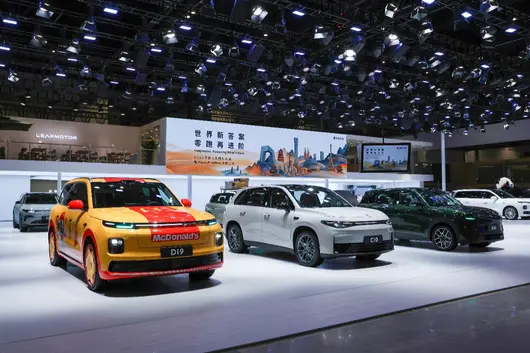
2026年夏天,车市的体感温度比气温更滚烫。
4月,国内新能源渗透率历史性突破60%大关,燃油车固守的阵地,只剩不到四成。
5月,国内合资 SUV 市场掀起新一轮降价风暴,终端价格 “腰斩” 已成常态,部分车型最大降幅达到51%,涵盖豪华品牌与普通合资品牌。销售顾问的朋友圈清一色“历史最低”“清库甩卖”“集团特批”。

更具象征意义的信号是,3月底大众正式确认斯柯达将于年中退出中国。这不再是简单的价格战,而是 “大逃杀”,被价格刺激出的短期到店量,掩盖不了一个冰冷现实——中国汽车流通协会数据显示,2026年1–5月主流合资品牌市场份额已滑落至32%左右,而2020年这个数字还曾触及60%。曾经踩一脚油门就能收割利润的合资车,如今正集体深陷“越降越亏,越亏越降”的泥潭。

无论是短期的“断臂止损”或是最后的“回光返照”,都引向一个核心命题:中国市场还需要合资品牌吗?如果需要,怎样的合资才算“好合资”?
一、集体降价背后:不同派系的共同焦虑与各自底牌
合资品牌的态势发展到现在,已经不能将降价简单归结为“以价换量”的。本质上,是合资阵营三个层面同时失速之后的应激反应:燃油车护城河干涸、电动化主动权缺失、定价权向中国品牌转移,而且不同派系的处境和筹码,其实也是有很大差异的。
日系:混动长板被插混“截胡”,执念成为枷锁
丰田、本田的油电混动曾在中国享受近十年技术溢价,如今面对自主品牌插混、增程的全面围剿,节油率相仿却无法插电、无绿牌优势。降价是试图用B级燃油/混动产品的性价比,对冲自主C级新能源的越级打击。日系底牌是全球利润池和精益生产体系,但对“纯电过渡期”的路径依赖严重,软件定义能力欠账太多。

德系:电动化最用力,但品牌溢价正被智能化“解构”
大众是合资中电动化转型最决绝的,ID.系列一度冲量,但软件短板和智驾差距让其始终无法进入第一阵营。BBA的电动产品陷入“品牌溢价失灵”:三电拉不开差距,招牌的机械素质和底盘调校在电动时代感知力下降,车机体验却被30万级中国品牌远远甩开。大众选择加码本土研发,而部分豪华品牌开始考虑缩减本土产能、转向进口模式保利润。
美系:夹在中美脱钩裂缝,两头不靠岸
通用和福特在华份额持续萎缩,美系合资的独有困境在地缘政治:华盛顿对中国智能车技术日益警惕,如果通用、福特在合资公司深度绑定中国供应链,可能招致本土审查。这让它们在“本土化深入”和“技术脱钩避险”之间摇摆不定,节奏混乱,两头不讨好。

韩系法系:边缘化的“先行者”
现代起亚在中国已沦为“其他”,法系只剩一丝声量。它们提供了某种预演:关闭工厂、削减车型,转做出口基地或轻资产技术提供方,保住利润底线,但也永久退出了中国主流市场的牌桌。
二、终局推演:合资品牌的三条路,以及各自的致命Bug
基于国内合资车机的困境和动向,我们试图推演三种最具现实可能性的终局路径。
路径一:体面离场——“斯柯达式”退出与边缘化
主要是以美系、韩系及欧洲二线品牌为主,在华份额已萎缩至生存红线以下,无法负担高昂的本土智能化转型成本。它们将复制铃木、三菱、斯柯达的路径,在两三年内官宣退出中国,将产能和资金转移至印度、东盟或拉美等燃油车生命周期更长的市场,仅保留少量进口车和品牌授权业务。

致命Bug:“慢性自杀”与全球战场的防御失效
中国市场是全球新能源和智驾技术最卷的“超级炼钢炉”。放弃中国,意味着这些品牌将彻底与最前沿的汽车科技脱节。当比亚迪、吉利、奇瑞带着代差级的电动车卷到海外时,退守者在海外同样无险可守,只是把死亡时间推迟了几年。更何况,没有任何一个主流跨国车企敢于主动放弃中国这个全球最大市场的“现场参与权”——这不仅意味着销量归零,更意味着将数据、场景迭代权完全让给对手,长期削弱全球竞争力。
路径二:全球跳板——“在中国,为全球”的出口基地
以日系和部分头部欧洲车系为主。它们看中中国无与伦比的供应链成本优势和新能源制造效率,将中国合资工厂升级为面向全球的生产与研发总基地。“中国造,全球销”。典型案例是东风日产今年初正式成立的日产进出口(广州)有限公司,由日产中国持股60%、东风集团持股40%,已完成首批“N品牌”纯电车(如N7)的发运,战略意图也是极为清晰的:

借鸡生蛋——利用中国卷出来的成熟三电供应链和开发速度,生产高性价比电动车去喂饱海外市场,无需在海外砸重金新建电动车工厂。
化包袱为资产——完美消化国内合资车企的闲置产能。中方“借道出海”赚取海外利润,外方拿到现成的优质产能,实现利益双赢。
地理红利——广州花都、南沙港拥有通往东南亚最密集的班轮航线,叠加RCEP关税红利,将物流效率拉到极限。
致命Bug:地缘政治的“降维打击”与东南亚的“正面炮火”
首先,该路径的壁垒不在生产端,而在贸易端。欧美对中国产汽车筑起的关税墙越来越高,只要车在中国工厂组装、使用中国电池供应链,就可能遭遇高额关税或供应链合规审查,中国工厂极易沦为被关税“围困”的孤岛。
其次,东南亚战场绝非坦途。当日产的N7运到泰国时,会发现这里早已是比亚迪、长城、吉利的天下。自主品牌在东南亚的布局早了整整2-3年,日产拿着中国技术赋能的车去跟技术源头的中国品牌在海外贴身肉搏,在智能座舱、OTA速度上很难打出差异化。

更深层的Bug藏在渠道内部。日产在东南亚各国的销售公司,其管理层和经销商网络深度固守燃油车利益,且受日本总部文化影响。当广州进出口公司把带有浓厚“中国新能源基因”的车辆推过去时,当地渠道是否愿意全力配合?他们会不会担心蚕食掉自己利润极高的燃油车基本盘?这种跨国合资公司内部的“话语权内耗”,极易导致好车在海外卖不动。
品牌认知也是难题。东南亚消费者心中的NISSAN是“省油、耐操、日系工艺”。突然间日产推出主打“智能座舱、中国三电”的纯电车,消费者会陷入混乱:想买科技感十足的中国电动车,为什么不直接买比亚迪?想买纯正日系车,为什么要买中国制造的日产?
路径三:打不过就加入——深度本土化的“反向合资”
以德系巨头(大众、奔驰、宝马)为典型。它们家底厚、现金流足,绝不愿放弃中国市场,选择“打不过就加入”。彻底将技术底层“中国化”——大众入股小鹏并联合开发CEA电子电气架构、奥迪与上汽推出不挂“四环”标的全新“AUDI”品牌、奔驰深度绑定Momenta打造智驾。合资公司变成了“外壳是国际大厂,灵魂是东方科技”的新物种。
这是目前最被行业看好的方向,也是跨国巨头用资本换时间的“速效救心丸”。当然,从财务与股权的底层逻辑拆解,这种合作比表面看起来复杂。
第一种,大众当年斥资约7亿美元收购小鹏汽车约4.99%的股份,并获得一个董事会观察员席位。在美股和港股监管体系中,5%是一条触发举牌公告和反垄断审查的红线。大众将持股精准卡在4.99%,既展现了“我看好你”的诚意,又避免了漫长的跨国审批,同时解除了小鹏管理层对“丧失控制权”的戒备心——这是一个极其聪明的“财务对赌”。

而奥迪与上汽则处于不同的困局。双方被锁死在“上汽大众/上汽奥迪”的传统50:50合资框架里,无法直接买卖母公司股票。于是他们选择“另立门户”——推出全新“AUDI”品牌,不挂四环标。股权比例虽未变,但项目的实际产品定义权发生了历史性位移:由上汽(智己团队)输出核心智能数字化平台,奥迪派驻设计和底盘调校团队。外方在核心的“产品定义权”上做出了历史性让步。

但两种形式都会产生从“躺赚特许权费”到“支付技术服务费”的财务倒灌。过去40年的财务模型是:合资公司卖车,向跨国总部支付高昂的技术许可费,外方躺着拿走利润大头。现在的模型发生了“反向倒灌”:
大众向小鹏支付的是“技术服务费”。软件和架构的研发成本属于前期一次性投入,当小鹏把CEA架构和智能化软件打包授权时,这部分收入在小鹏的财务报表中毛利率几乎是接近100%的纯利润。这是中国新势力在造车主业不赚钱时,最强大的财务造血干细胞。
更深层的财务武器是联合采购。大众和小鹏成立了联合采购组织。大众拥有全球千万级销量的恐怖议价能力,小鹏对中国本土电子元器件、激光雷达等创新供应链了如指掌。双方把采购清单合二为一,让单车物料成本实现了断崖式下降。
致命Bug:IP的动态演进、渠道的内耗与地缘政治的“灵魂阉割”
但是,这套模式也存在三个大隐患:
第一,IP的“黑箱演进”——软件是活的,每个月都要OTA。大众买的是小鹏“某一个时间节点”的架构和智驾代码。那么当小鹏明年迭代出更高级的端到端AI大模型时,大众需不需要重新付费?如果毫无保留同步,小鹏自己的车怎么保持差异化?如果不同步,大众花几十亿买到的“灵魂”可能在2-3年后变成“僵尸代码”。这种动态升级的定价和IP归属,在合同上极难固化。
第二,渠道内耗与品牌溢价的雪崩——奥迪与上汽合作的“AUDI”新车,最终要放进上汽奥迪的渠道去卖。如果卖得好,利润分配自然好说。但如果卖不好,前期双方投入的巨额研发费如何在资产负债表上做减值准备?更致命的是品牌认知:当消费者发现几十万的合资豪车,里面的车机和智驾与十几万的国产车一模一样,甚至因跨国团队兼容问题打了折扣,为什么还要为“品牌溢价”买单?一旦技术崇拜的光环消失,合资品牌将陷入与国产车贴身肉搏价格战的死循环。
第三,“灵魂出海”的地缘防火墙——跨国巨头买中国灵魂,绝不仅为了中国市场,他们做梦都想把这套高性价比平台卖到欧洲和北美。但这些车型的底层代码、智能座舱服务器及电池供应链深度绑定中国本土供应商,一旦跨出中国国门,就会立刻撞上欧盟的数据安全审查或北美的关税壁垒。大众和奥迪砸下真金白银买来的“灵魂”,大概率被物理阉割,只能在中国这一个“温室”里存活,无法在全球范围分摊财务成本。这是整个模式最大的结构性Bug。
三、终极拷问:怎样的合资才是“好合资”?
事实上,三条路径不是三选一的问题,是同步发生在不同处境的合资品牌身上,而且三者之间也可能会互有流通,正如标题所说,合资品牌至少不只有“一条命”。
但所有路径都传达同一个核心认知:外方输出动力总成和品牌,中方提供土地、渠道和劳动力的旧合资模式,已经彻底死亡。
何为“好合资”,或者说更能在这个新时代生存下来的合资品牌,要满足三个条件:
·能力对等互补——中方贡献智能驾驶全栈能力、电子电气架构、产业链成本效率;外方贡献整车安全、底盘行驶质感、全球研发验证标准以及海外渠道。不再是“师傅与徒弟”,而是各有所长的联营体。
·利益深度绑定——双方在数据管理、车型定义、出口权益上拥有制度化、对等的决策机制。不再是一方的“施舍式合作”,而是“你中有我”的强强联合体。
·博弈规则透明——合作不止步于中国市场,而是一开始就面向全球,在产品定义权、IP动态演进、利润分配上建立经得起时间考验的制度设计,共同把蛋糕做大。

大众-小鹏、Stellantis-零跑、奥迪-上汽,正走在这条路上,但即便它们也远没有交出满意的答卷。因为“好合资”最大的Bug是:双方既是伙伴又是对手,今天联合推出的车型,明天可能正面迎战各自的独立品牌,这种“竞合”的平衡木,需要极高的战略定力。
四、结语:傲慢与躺赚的时代已经落幕
合资品牌并没有死,死掉的只是“傲慢与躺赚的旧合资模式”。未来的中国汽车市场,不再分什么中资还是外资,只分“顺应中国速度的进化者”和“抱残守缺的退场者”。
唯一可以确定的是:能活下来的合资,一定不是旧世界的遗老,而是新秩序的共建者。而通往新秩序的三条路上,没有一条是坦途——每一步,都踩在地缘政治、技术迭代与人性博弈的刀锋之上。


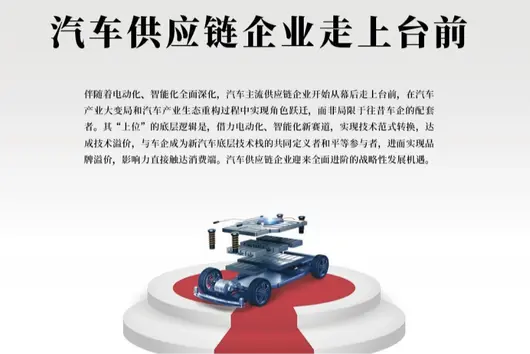
With the comprehensive deepening of electrification and intelligence, mainstream automotive supply chain companies are beginning to step from behind the scenes to the forefront, achieving role transition in the process of major changes in the automotive industry and reconstruction of the automotive ecosystem, rather than being limited to suppliers of car companies in the past. The underlying logic of their "rise" is to leverage the new tracks of electrification and intelligence to achieve a paradigm shift in technology, reach a technology premium, become joint definers and equal participants of the underlying technology stack of new cars with automakers, and thus achieve a brand premium, with influence directly reaching the consumer end. Automotive supply chain companies are welcoming a strategic development opportunity for comprehensive advancement.
Aiming at the advancement of supply chain companies, "Auto Panorama" specially produced this issue's "Cover Story" special report.

Currently, the new energy industry stands at a new historical node. In this historical process where the energy revolution and the technological revolution intersect, and reality and the future overlap, CATL has always been answering a question with action: How to build deterministic long-term value in an uncertain world?
CATL's financial report shows that its revenue in 2025 reached a high of 423.702 billion yuan, with net profit of 72.201 billion yuan, and global market share reached 39.2%. It has ranked first globally in power battery usage for 9 consecutive years. Of note, this supply chain company located upstream of vehicle manufacturing saw its net profit last year exceed the total profit of 13 mainstream listed automakers. The joke that "car companies work for King Ning" seems to have come into reality.
Behind this phenomenon lies CATL's influence on mainstream automakers globally. And the starting point of all this is the core status of power batteries in the new energy vehicle industry—power batteries account for about 40% of the cost of the entire vehicle and are undoubtedly the "heart" of new energy vehicles. For automakers, stable and reliable battery supply has long evolved from a basic guaranteed demand into a core strategic demand concerning product competitiveness and long-term development; for CATL, how to transform "top customers" into "strategic allies" is also a key issue determining the ceiling of its business landscape.
So, how did CATL "bind" nearly half of the automotive industry single-handedly? The reason lies in the fact that from a power battery supplier to a full-domain energy ecosystem service provider, CATL has built a deep binding system covering capital, production capacity, R&D, supply guarantee, ecosystem, and more over more than ten years. It is this system that firmly incorporates mainstream global automakers into its own industrial landscape, realizing a leap from "selling batteries" to "setting standards, building ecosystems," and thoroughly reshaping the relationship between supply chain companies and automakers.
Capital Binding
In the wave of electrification reconstructing the automotive industry, CATL jumped out of the traditional supplier's single model of "supply and collect money," using diverse capital means such as direct investment, strategic equity participation, and joint venture holding to deeply penetrate the equity structure of automakers, upgrading the supply-demand relationship into a community of interest and a strategic symbiosis, achieving all-round binding from the levels of funds, discourse power, and resources, and solidifying the foundation of industrial discourse power.
According to incomplete statistics, as of the end of May 2026, the number of new energy automakers invested in by CATL through direct or indirect means has exceeded 10. The latest move was on May 25, 2026, when Seres Group announced that its subsidiary Chongqing Luedian Technology Co., Ltd. received capital increase totaling 6.671 billion yuan from five investors. In the investor list, Ningbo Meishan Bonded Port Area Wending Investment Co., Ltd. (hereinafter referred to as "Wending Investment") ranked third with an investment amount of 984 million yuan and a shareholding ratio of 9.878%. This Wending Investment is a subsidiary wholly held by CATL.
Earlier, on May 12, 2026, the high-end intelligent new energy vehicle brand Qijing Auto jointly created by GAC Group and Huawei Qiankun announced that it had completed a strategic capital increase of more than 1 billion yuan, invested by CATL, investment platforms under Bosch, and capital of state-owned enterprises and central SOEs. It is understood that CATL's investment this time was also realized through paid-in capital of 300 million yuan via the wholly held Wending Investment, making it the single largest investor.
In fact, CATL's investment landscape extends far beyond these. In the new energy circle, "King Ning" is not just a battery seller, but more like a super player holding a capital map and "setting up circles" everywhere. In 2021, CATL invested heavily 770 million yuan to become the second largest shareholder of Avatr with a shareholding ratio of 23.99%, forming the unique CHN (Changan + Huawei + CATL) model at the time. As a return, Avatr not only featured CATL batteries as standard across all models but also globally launched CATL's Pangshi skateboard chassis for the first time.

In addition, CATL is also an early investor of Zeekr Auto, participating in Zeekr's Pre-A financing round. CATL not only holds about 2.97% of Chery through Wending Investment, but both sides also established the "Times Chery" joint venture company with a registered capital of 2 billion yuan. SAIC and CATL have actually been old partners for a long time. CATL holds about 0.48% of IM Motors, which is under SAIC. In BAIC Motor's financing of more than 8 billion yuan at the end of 2024, CATL invested 200 million yuan to become a shareholder.
In the commercial vehicle sector, in March 2026, Puquan Capital under CATL led the investment of 1.2 billion yuan in Lingyi Auto. In November 2025, FAW Jiefang announced a capital increase of 191 million yuan for the joint venture "Jiefang Times," and CATL invested simultaneously. The three parties invested a total of 412 million yuan. This joint venture company, established in 2023 with 50% shareholding each by FAW Jiefang and CATL, is just a microcosm of CATL's deep binding of automakers through capital ties in recent years.
In overseas markets, CATL also adopts the joint venture participation logic. On December 10, 2024, CATL and Stellantis each hold 50%, investing 4.1 billion euros to build a large-scale Lithium Iron Phosphate battery factory in Zaragoza, Spain. Products are exclusively for Stellantis' European models. Capital binding helps CATL deeply penetrate mainstream overseas automakers.
Of course, CATL has also hit snags when investing in automakers. For example, CATL once held about 2.67% of Neta Auto shares and invested in Aiways Auto early on. However, looking at the current situation, these two EV startups have basically exited the market.
CATL's capital binding is by no means simple financial investment, but a strategic layout to reconstruct the OEM-Supplier relationship and control industrial discourse power. This capital network model allows CATL to upgrade from a simple battery supplier to a strategic partner and community of interest for automakers, firmly grasping industrial leadership in the electrification wave, laying a solid capital foundation for all-round binding in technology, capacity, ecosystem, and other fields.
Production Capacity Lock-in
If capital is the skeleton of ties, then capacity is the flesh and blood. In the industry environment of cyclical tightness in battery supply and demand and intensified raw material price volatility, stable capacity is core competitiveness. CATL's capacity binding strategy can be summarized in one sentence: Build battery capacity where it is most needed—super factories next to automakers, or even directly built in customers' workshops. CATL provides deterministic capacity guarantees for cooperating automakers through three models: exclusive production lines, factory-in-factory, and regional bases, achieving deep binding through "capacity lock-in."
On June 30, 2025, CATL's two CTP 2.0 high-end battery pack production lines officially went into production at Seres Super Factory. This is the first time CATL cooperated with an automaker using the "Factory within a Factory" model to supply battery systems for local production of the AITO series models. The "Factory within a Factory" model is an innovative supply chain synergy model. CATL directly built battery production lines inside Seres Super Factory, achieving efficient closed-loop management from battery production to vehicle assembly. Batteries achieve "produce and install immediately," saving intermediate links such as packaging, transportation, and warehousing, shortening supply chain response speed to the 20-minute level.

If the "Factory within a Factory" is just a trial run of an innovative model, then the power battery joint venture companies widely established by CATL with mainstream automakers such as SAIC, GAC, FAW, Dongfeng, Geely, and Changan, such as Times SAIC, Times GAC, Times Geely, and Times Changan, usually hold controlling rights with 51% shareholding. As early as 2017, CATL cooperated with SAIC Group to establish "Times SAIC Power Battery Co., Ltd.," with a total investment of more than 10 billion yuan. This forward-looking layout allowed SAIC to fully reap dividends in the subsequent new energy transformation wave. When other competitors were queuing in front of CATL's headquarters to grab batteries, SAIC could steadily obtain battery packs meeting their customized needs through the exclusive production line of Times SAIC.
On February 13, 2026, Times Chery (Hefei) New Energy Technology Co., Ltd. was officially established, with registered capital of up to 2 billion yuan, held by CATL, Chery Automobile, and Chery Commercial Vehicle (Anhui) Co., Ltd. CATL holds 51%, while the latter two hold 49% in total. According to the agreement, Chery will obtain supply rights for CATL's core products such as Qilin Batteries and Sodium-ion Batteries first, while CATL will promote the application of innovative technologies such as semi-solid-state batteries and battery swap models in Chery's high-end models through technology licensing and joint R&D.
In factories laid out in Germany, Hungary, Indonesia, and other overseas locations, CATL has also achieved "wherever the vehicle is, the battery capacity is there." For international automakers such as Tesla, Volkswagen, and BMW, the European base is configured nearby; for automakers going global like Chery, Geely, and Leapmotor, the Southeast Asian base follows synchronously. Regional capacity layout effectively avoids trade barriers, logistics risks, and exchange rate fluctuations, ensuring automakers always have stable battery guarantees in global market expansion.
The underlying logic of capacity lock-in is using deterministic supply to counter uncertain cycles. For automakers, CATL's capacity guarantee means new cars do not get "choked" at launch, peak season delivery does not run out of stock, and overseas expansion has no worries; for CATL, locking capacity means locking sales, improving capacity utilization, dampening investment costs, and forming scale effects and cost advantages.
R&D Front-loading
If capacity lock-in binds the present, then R&D front-loading binds the future. Traditional battery supply follows a posterior adaptation mode of "automaker raises demand, battery factory makes products," while CATL has completely front-loaded R&D, achieving synchronized development, joint definition, and joint testing of vehicles and batteries, shifting from passive adaptation to active co-creation, realizing binding through deep technology embedding.
On December 17, 2025, CATL signed a 10-year deepened cooperation agreement with Voyah Auto. According to the agreement, CATL will actively cooperate with Voyah's new model development, prioritize providing leading battery technology, and comprehensively promote the scale application of benchmark battery brands such as Qilin, Shenxing, and Xiaoyao on Voyah models. This means Voyah's product planning will stay synchronized with cutting-edge innovation in the battery field. The cooperation vision between the two parties has expanded from a single power unit to new fields such as battery swap models, CIIC Intelligent Chassis Integration, Pangshi Chassis, and V2G representing future mobility ecosystems.

Of course, CATL's R&D front-loading logic is not limited to just this automaker. On November 11, 2025, CATL signed a 10-year comprehensive strategic cooperation agreement with GAC Group. Both sides will carry out joint R&D in cutting-edge fields such as intelligent chassis and battery swap ecosystems, and based on CATL's deep accumulation in power batteries, energy storage systems, and energy service fields, jointly create new energy vehicles with stronger market competitiveness. Regarding GAC Trumpchi's model planning, both sides are actively promoting the application of Pangshi Chassis technology.
Since 2025, CATL has reached cooperation with many automakers—not only GAC Group and JAC Group, but also core customers like Li Auto and Seres. Battery manufacturers and automakers are stepping over traditional buying and selling games towards a new stage of deep binding and value co-creation. CATL's R&D system has thereby become more "forward-looking": When the next generation of battery technology is still iterating in the laboratory, CATL has already been planning future vehicle platform architectures with partners.
The deep significance of R&D front-loading lies in making CATL transform from a supplier passively responding to demand into a standard setter proactively defining future technology routes. The Qilin Condensed Battery released by CATL on February 26, 2026, with an energy density of 500Wh/kg, is planned to be equipped for the first batch on NIO ET9 and Zeekr 001 FR at the end of the year. These technology explorations, which are still among the forefront in the industry, are becoming the strongest glue for CATL to bind high-end customers.
Ecosystem Co-construction
In fact, CATL's business field extends far beyond batteries. It is extending electrification goals to broader fields such as low-altitude aviation, ships, and data centers, rapidly expanding battery swap networks and services, promoting zero-carbon ecosystem construction, improving the industrial ecosystem, and extending the value chain. Around automakers, CATL is building an all-domain ecosystem of battery swaps, energy storage, charging, green power, and recycling, achieving irreplaceable binding through ecological barriers.
In the battery swap field, CATL takes Chocolate Battery Swap and Qiji Heavy Truck Battery Swap as the core, working with Changan, Chery, GAC, Seres, SAIC-GM-Wuling, BAIC, and others to form a Super Swap Shared Network, jointly building swap stations, sharing swap blocks, and unifying interface standards. On April 25, 2026, Chery Automobile, Chery Green Energy, CATL, and Times Energy Service signed a strategic cooperation agreement. All parties will focus on the layout of "Super Charging + Battery Swap" shared networks and green energy ecosystem co-construction. Chery Automobile will comprehensively import the Chocolate Battery Swap system of CATL and Times Energy Service. CATL's cooperation with GAC Group is even more all-round. It covers not only key fields such as intelligent chassis application, joint R&D of battery technology, battery swap ecosystem co-construction, and electrified platform innovation, but will also carry out long-term deep cooperation in business fields such as battery leasing and joint station building.

Zero Carbon Parks are projects CATL is vigorously promoting. Currently, zero carbon parks have been laid out in Dongying, Shandong, Xiamen, Fujian, Datong, Shanxi, Yancheng, Jiangsu, Hainan, and other places. They create green smart manufacturing bases through 100% green power direct connection and Source-Grid-Load-Storage integration technology. On July 26, 2025, the first national 100% green power direct-connected zero carbon industrial park led by CATL started construction in Dongying, Shandong. The total investment exceeds 10 billion yuan. The project adopts "Wind-Solar Coupling + Grid-forming Technology" to build an independent energy system, directly connecting wind power, photovoltaic generation, and energy storage systems to the factory. CATL's ultimate goal is to create a panoramic, integrated zero-carbon solution including green power direct supply, zero carbon parks, source-grid-load-storage, and grid-forming energy storage.
Used battery recycling is the last puzzle piece to achieve closed-loop management of the battery full lifecycle. Through recycling methods, CATL processes, purifies, and synthesizes metal materials such as nickel, cobalt, and manganese in used batteries, and recycles collected metal materials such as copper and aluminum through third-party recycling, realizing effective circular utilization of key metal resources needed for battery production. CATL has built a complete closed loop of "Production - Use - Cascade - Recycling," providing battery recycling, cascade utilization, and recycled material closed-loop services for cooperating automakers. Through scaled recycling and regeneration, raw material costs are reduced, feeding back into the price competitiveness of vehicle batteries, forming full-chain value sharing.
In addition, in overseas markets, CATL promotes vehicle-battery integration joint global expansion with Chery, Yutong, Geely, Dongfeng, etc. Overseas battery bases follow the rhythm of vehicle global expansion, providing global warranty, local services, supply chain support, and other services. Automakers going global no longer face battery adaptation, certification, and supply difficulties. CATL expands its global share following automakers going global, forming a globalized ecosystem binding.
The strategic significance of ecosystem co-construction far exceeds commercial cooperation itself. When CATL not only masters battery manufacturing but also controls battery swap networks, Battery Passport data (CATL cooperated with BMW in February 2026 to carry out an EU "Battery Passport" cross-border data pilot), and battery recycling full lifecycle management, it changes from a supplier simply providing parts into an infrastructure platform for the entire new energy mobility ecosystem. Automakers still play the role of building cars in this ecosystem, but key dimensions such as energy replenishment solutions, battery management, data services, and even user travel experience will be included in CATL's ecosystem system. This ecological-level binding far exceeds the product and price levels, forming a true "community of shared future."




蜜雪式的打法,真的奏效了?
2026年的新能源牌桌,正以“月”为单位剧烈重构。
乘联会预测,5月新能源渗透率将超过62%,燃油车的份额被压缩至不足四成。
更关键的是,3万辆——这条曾被视作“头部登顶线”的数字,如今挤进了7家品牌。而榜首的零跑,把这条线拉高到了8万以上。
格局在变薄,也在变厚。变薄,是因为领跑者一骑绝尘;变厚,是因为追赶者的梯队从未如此拥挤。成功之路只有一条吗?在大戏落幕前,谁又知道呢?
零跑“8万+”时刻
零跑5月卖了8.15万辆,同比增长81%。

过去很长一段时间,造车新势力喜欢讲高端、讲智能、讲品牌向上。仿佛谁站得越高,谁就越有故事。只是,零跑走了另一条路,几乎沿用了“蜜雪冰城”的打法,把重心放在10万-20万元级的家庭用户身上。
这个价位区间的用户覆盖更广,但对价格也更加敏感,同时,也很难讲出一个特别“性感”的资本故事。只是,做事逻辑就得非常接底气了,回报则是,一旦成本、口碑和渠道效率达到一定程度,销量弹性也会更大。

比如,A10单月交付破2万,将激光雷达和高通8295芯片压入10万以内;C系列全球累计销量超80万;D19新增订单维持在万辆以上。三条产品线,三个价格带,精准锁定主流家用市场的三个关键节点。
也正因如此,零跑的领先不是“爆款独撑”,而是“矩阵协同”的结果。
但隐忧则在于,还要不要品牌向上?还要不要高利润?在高价位市场,“蜜雪冰城”式的打法还玩得转吗?其实,零跑啥都懂,不然也不会提出“另立一个新品牌”的想法了。
蔚来逼近4万,理想承压,小鹏微升
5月的第二梯队,都值得细品。
蔚来交付37705辆,同比增长62.3%,环比增长28.4%,多品牌战略的协同效应开始兑现。
其中,蔚来品牌20013辆,乐道12029辆,萤火虫5663辆。三个品牌,三个细分赛道,三级阶梯式的用户承接。

但有一个问题仍然悬而未决:乐道的品牌独立性和用户认知能否真正跑通?如果只是靠主品牌下放渠道和资源输血,多品牌反而可能拖累整体效率。
从某种程度上讲,乐道必须走量,而这一波车型焕新,且看成效了。
理想汽车5月交付33350辆,同比下降18%,环比微降约0.2%。
话说回来,理想汽车历史累计交付突破170万辆,仍然是最具底蕴的新势力之一。但有两个信号值得警惕:一是连续两月同环比双降;二是随着竞品在相同价格带的密集投放,理想的差异化壁垒正在被侵蚀。

i6连续三月交付破2万,L9新款发布两周订单破万,但增量能否及时填补基本盘的下滑,仍是未知数。
更值得关注的是财务层面:理想Q1由盈转亏,净亏损22.76亿元,车辆毛利率从19.8%断崖式跌至6.1%。盈利标杆的失守,可能比销量的放缓更能影响资本市场。
小鹏5月交付32158辆,环比增长3.6%,创下2026年以来月度新高。

其中,小鹏GX于5月20日上市,12小时大定24863辆,Ultra旗舰版占比超八成,6月大规模交付后有望拉动整体数据。
MONA家族则会继续引入新成员,包括L03和L05,有机会共同做大MONA的潜在市场。
小米连续第二个月站稳3万+台阶,从单车的品牌热度到多车型的产品布局,小米正在完成从“话题制造者”到“市场参与者”的角色切换。
今年一整年的销量目标是55万辆,1-5月已完成14至15万辆,估计还有40万辆的“缺口”,

那么,在剩下的月份里,平均月销量需要超过5万辆了,压力不小。或许,增程产品面世之后,应该有机会再圈一波新用户了。
鸿蒙智行5月交付46122辆,环比增长41%,重回榜单前列。
特别提一下,问界M6首个完整交付月破2万台,尚界Z7于5月30日开启交付,两天交付超2000辆。华为生态的品牌号召力加上多品牌矩阵的打法,正在形成独特的竞争壁垒。

创二代们,腰部爆发
先看一份“创二代”5月销量快报:
极氪:34377辆,同比暴增81.8%,连续4个月同环比双增长,创历史新高。9系和8系旗舰车型销量占比近50%,单车成交均价超36万元;极氪009在新加坡市场起售价高达40.99万新币(当时约合人民币221万元)。

这组数字说明极氪已经不只是中国自主品牌的突破,而是进入了全球豪华汽车市场的主流视野。量价齐升的逻辑并不复杂:旗舰打口碑,中端走规模。当9X、009的超高客单价为品牌锚定溢价能力之后,8X、001等走量车型的用户接受成本自然下降。
深蓝:33243辆,同比增长30%,连续三个月超3万,累计交付突破85万辆。
深蓝的路径值得反复咀嚼:它的节奏不是“爆款引爆”,而是“三线推进”。S05、S07、S09三款车型同时热销,产品线覆盖10万至20万主力区间。

这种打法没有爆款一夜封神的戏剧性,但在存量竞争中,多产品线同步走量、互为支撑,体系韧性反而更强。
广汽埃安:33140辆,同比增长23.8%,连续多月同比正增长。
埃安N60正式上市,全系标配激光雷达、文远知行L4同源算法、零重力座椅、五连杆后悬,售价10.98万-12.98万元,首月销量突破5000辆。这种“技术普适化”的打法,与零跑A10的底层逻辑如出一辙。

岚图:13003辆,同比增长30%。比销量数字更重要的是,岚图在全国线下触点覆盖超100个城市,自建充电站达130座。当补能体系与渠道网络真正成型时,销量的天花板自然会被顶开。

智己:10023辆,连续两个月破万,1-5月累计销量同比大涨115%。智己LS8上市后拉动了一波订单量回升,且看之后的持续爆发力了。

阿维塔:7336辆创年内新高,且呈逐月加速态势,整体是向好的。

有一说一,“创二代”们守住了自己的阵地,并没有在格局变化中被彻底颠覆,至于能扛大旗者也已经从极氪、深蓝两个头部向腰部的多处节点扩散了。
写在最后
2026年的新能源汽车市场,正在经历从“普惠式增长”到“存量搏杀”的剧变。价格战常态化,多数车企收缩战线,以盈利为第一目标。淘汰赛的规则很简单:卖得动就活,卖不动就退。而卖不动的信号,往往藏在连续两三个月的环比下滑之中。
5月的数据,是这场淘汰赛中一份清晰的成绩单:零跑率先走通“主流市场规模化”的路径,蔚来多品牌协同初见曙光,理想面临换代阵痛,小鹏仍在寻找新的增量爆点,小米持续稳住3万档。而“创二代”的集体放量,正在新能源市场的腰部构建一道宽阔的护城河。
电动化竞赛的下半场,变量既来自新势力的激进提速,也来自“创二代”的稳健进击。多头并进的格局一旦形成,未来的竞争将不再是单一维度的速度之争,而是覆盖研发、制造、渠道、服务的全链路系统之战。
而这样的竞争,会怎么演变,拭目以待了。
本文作者为踢车帮 晞贝

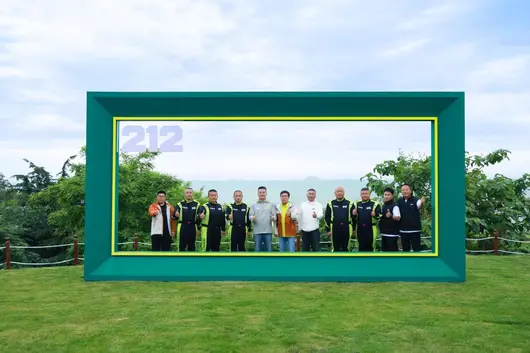
6 月 6 日,212 越野車環塔拉力賽收官慶典落地青島,韓喬生、知名車手韓魏、廠商與民間車手、賽事後勤團隊齊聚現場,複盤剛剛落幕的 2026 環塔國際拉力賽。本屆賽事 7500 公里極限征途,212 車隊憑藉近乎原廠的 T01 量產車型,以 2.0T 動力直面一眾 3.0T 大排量競品,拿下 SS10 至 SS13 賽段兩冠一亞,斬獲 T2.1 量產組廠商隊亞軍,更是該組別唯一實現 100% 完賽的參賽廠商。從戈壁沙場的極限鏖戰到線下盛典的榮耀總結,老牌越野 IP 用一場實戰證明:經典越野不止留存情懷,原廠量產車同樣能站上國內頂級拉力賽事領獎台,普通人的環塔越野夢,正在落地生根。
環塔拉力賽素有「東方達喀爾」之稱,2026 屆賽事被圈內公認爲歷年難度頂峰,全程橫跨天山南北,沙漠、戈壁、雅丹、炮彈坑路況交織,超 60% 賽段爲流動沙漠地貌,部分賽段地表溫度突破 60℃,超長距離高溫、無人區連續奔襲讓不少老牌車隊接連折戟,單 SS3 超長賽段就出現三十餘台車輛爆胎、十餘台賽車無奈退賽的慘烈場面。T2.1 組別作爲原廠量產車正面對決的核心賽場,規則明確要求參賽車輛動力、底盤、變速箱等核心硬件與市售量產版保持一致,僅能加裝防滾架等安全配件,是衡量一款越野車原廠可靠性的「露天嚴苛試驗室」。在此背景下,3.0T 大排量車型常年佔據組別優勢,小排量 2.0T 車型想要突圍,在賽前被多數越野從業者視為幾乎不可能完成的任務。
誰也沒有料到,老牌國產越野 212 成爲本屆賽事最大黑馬。全程參賽的 T01 戰車無重度賽事改裝,原廠標準配備 2.0T 渦輪增壓引擎搭配採埃孚 8AT 變速箱,辅以博格華納大分動器,4L 模式扭矩可放大 2.64 倍。在戈壁陡坡攀爬、滿載拖曳等極限工況下,低扭輸出足以比肩大排量車型,長途穿越全程動力平穩,故障率被控制在極低水平。車身層面,非承重式車身 + 前後整體橋的經典硬派架構,搭配專項優化調校底盤,面對連綿顛簸與深坑衝擊,車身抗扭與形變控制表現亮眼;全車鍍鋅鋼板車身,從容抵禦戈壁碎石持續刮蹭腐蝕。安全配備上,強化後的乘員艙頂部承載力提升 16%,籠式車身結構搭配 540°全景影像、緊急救援呼叫系統,兼顧極限越野性能與日常駕駛安全,這套原廠硬件配置,在七千多公里惡劣路況中經受住了實打實的全場景驗證。
收官慶典現場,一眾環塔親歷者輪番分享賽場故事。從前期穩步卡位保存車況,到後半程魔鬼沙漠賽段驟然發力連斬賽段冠亞,車手們坦言,賽前沒人篤定 2.0T 原廠車能在「一眾」大排量對手中殺出重圍,車輛穩定耐用的底子,是車隊實現全員完賽的關鍵。知名賽事主持人韓喬生在現場點評:「212 是幾代國人的越野情懷符號,過去大家都只記得它的經典歷史,如今它用環塔成績刷新認知,國產硬派越野正在靠實打實的原廠品質打破刻板偏見。」冠軍車手韓魏也現場表態,T01 原廠機械素質超出行業預期,依托賽事數據打磨產品,是國產越野品牌穩步向上的可靠路線。
賽場成績落地民用市場,是本次慶典釋放的重磅信號。212 官方在活動中正式官宣,環塔同款越野改裝套件即將登陸品牌官方商城,套件包含底盤護甲、防脫輪轂、專業越野輪胎、全套脫困救援裝備。所有改裝配件均經過環塔 7500 公里極限路況實測,普通 212 車主無需大幅度改動車身,就能快速升級越野硬件,輕鬆實現從城市通勤到野外穿越的跨界切換。212 越野車營銷公司總經理何兆鵬在盛典受訪時表示:「212 的初衷從來不是只做賽場冠軍車,而是把越野文化大眾化,讓每一位普通車主心裡的越野種子,有落地發芽的機會。環塔賽場驗證產品,改裝套件普惠用戶,是品牌打通賽場與民用市場的關鍵一步。」
着眼未來賽事布局,212 已經敲定全球化越野賽事版圖:喀爾拉力賽、馬來西亞沙巴國際雨林賽、阿拉善 T3 挑戰賽以及 2027 年環塔拉力賽全部納入參賽規劃,持續踐行「以賽促研」產品研發思路。除此之外,品牌兩大重磅用戶扶持計劃同步啟動:2027 年環塔民間車手全國招募正式開啟,普通車主有機會以車手身份征戰頂級環塔賽場;攜手冠軍車手韓魏共建冠軍越野培訓學院,面向全國車主提供系統化越野教學、賽前集訓、賽事參賽全鏈條賦能。從職業廠隊征戰國際賽事,到培育民間越野愛好者,212 正在搭建一條從產品、賽事到用戶培養的完整全民越野生態鏈。
縱觀國內硬派越野市場,不少品牌陷入「賽場重度改裝拿成績,市售車型與賽車脫節」的怪圈,而 212 選擇反其道而行,堅持原廠量產車參賽,用環塔極端路況反向優化量產車型,再把賽場沉澱的越野技術下放給普通消費者。六十餘年品牌積澱,212 早已跳出單一情懷營銷的老路,環塔 7500 公里黃沙試煉,是經典國產越野的一次自我革新。當改裝套件走進商城、民間車手能直通環塔賽場,「每一輛 212 都有一個環塔夢」不再是一句宣傳口號,而是落地可觸的現實。
未來,隨着多場國內外頂級賽事接連落地與越野培訓學院常態化運營,212 還將持續把賽場技術轉化為民用產品實力,讓國產硬派越野不止馳騁戈壁環塔,更能陪伴萬千車主奔赴山野遠方。

Have you ever seen the roads in India?
I've seen them online.
The scene is usually like this: a sedan blocked behind a cow, motorcycles running wild nearby, even milk tea vendors nearby, so "clean and hygienic".

However, in a place where many feel physically uncomfortable after watching, Toyota, Suzuki, Honda and other Japanese car companies decided to bet on India.
According to the Indian "Brand Quality Foundation" website, the three car companies will invest nearly $11 billion to build factories, increase capacity, and develop exports in India.
Some netizens commented: Did the three Japanese car companies have too much money?
In fact, they didn't have endless money to spend, nor were they bewildered by Indian curry. These Japanese car executives are much clearer than us.
Current Japanese car revenue and market share are declining. Raw material costs are soaring. Looking at the world map, finding a market that can accommodate capacity, expand share, and has gentle competition is not easy.
So, it wasn't that Japanese car companies chose India, but because they had no choice.
The Pain of Japanese Car Companies
Past Japanese cars were truly the envy of others.
Ask old drivers who drove Japanese cars over ten years ago, talking about Japanese cars, almost no one doesn't give a thumbs up, cheap price, fuel saving, durable...
Even many Japanese cars needed to be bought at a markup, but who would think this iron fortress would be beaten out of sight in a few short years.
With the wave of new energy vehicles coming, electrification and intelligence became the goal for many domestic car companies to "leapfrog". Relying on China's strong new energy vehicle industry chain advantages and car companies' own persistence on R&D and technology, Chinese independent brands quickly achieved "leapfrogging".
Domestic cars once criticized are now becoming more and more common on the roads, even surpassing joint ventures in share.
According to CPCA data, in April 2026, the share of independent brands reached as high as 62.5%, far exceeding Japan's 13.1%.

You need to know, the Chinese car market is the largest car market in the world. Losing speed in the Chinese market is like losing a huge piece of cake.
Meanwhile, the main theme of the Chinese market in recent years is still price wars. Racing on configuration, price, and service has become a normal state, which also had a huge impact on Japanese cars' profits.
Apart from China, Japanese cars are also not doing well in the US.
On January 20, 2025, Trump swore in as the 47th US President, starting a series of chaotic operations, including imposing additional car tariffs in the name of national security, causing the tariff rate for imported Japanese cars to reach as high as 27.5% at one point. Although it decreased later, it was still far higher than the initial tax rate.
This operation directly led to a tariff loss of over 2 trillion yen for seven Japanese car companies in fiscal year 2025.
Looking at Japan itself, it is actually not easy either.
Middle East geopolitical conflicts blocked shipping in the Strait of Hormuz, transportation costs and raw material costs soared, Japanese car companies also had to suffer in silence.

Executives looking at the reports, their backs went cold, only to find a new growth curve.
So, Japanese car companies didn't fall in love with India, there was nowhere else to go.
Deep Thought on Choosing India
So, what magic does India have, to make Japanese car companies invest heavily?
The first advantage is big. In 2025, the Indian car market achieved 5.517 million new car sales, up 6% year-on-year, breaking the historical record, ranking as the third largest car market in the world, exceeding Japan for four consecutive years, second only to China and the United States.
The value of this doesn't need me to say much. India achieved this result mainly because India has been promoting tax reduction policies to promote consumption, which led to a significant increase in domestic consumption willingness.
The second advantage is close, meaning it is close to places where Japanese cars sell well, such as Africa.
So, India for Japanese car companies is more like a convenience store built in the center of a crossroad. You don't need to ship cars to eight countries separately, just build well at this stop in India, then unload ship by ship, and you can save a lot of costs.

The Nikkei also believes that India is expected to become its global car supply center.
The third advantage is stability. You know, Japanese cars' advantage is fuel cars, after all, the three major components of engines, gearboxes, and chassis, they have played for many years, technology accumulation is number one in the world.
But the Chinese car market has fully promoted electrification and intelligence development, leading to Japanese cars' advantage becoming weaker and weaker, impossible to play out. But India is different, it has the characteristics of few charging piles and slow electrification process. Indian old people buying cars still look for cheap, fuel saving, easy to fix, and these three points are exactly Japanese cars' old trade.
Especially Suzuki, always been India's car market evergreen, almost always sitting on the best-selling model throne, reputation of being worry-free, better than any advertisement.
So, Japanese car companies' vigorous layout of the Indian market is obviously carefully considered.
But, is the Indian market really that easy to mix?
The Hard-to-Bite Indian Market
Of course, India is not perfect like a hot commodity, its disadvantages are as obvious as its advantages, and every one is enough for Japanese car companies to face a hard time.
First talk about electrification. Yes, right now India has few charging piles and electric cars don't sell well, it is indeed a shelter for Japanese fuel cars. But you have to think, how long can this "shelter" avoid?
India previously shouted the slogan of 30% of new cars being electric vehicles by 2030. Although it sounds like bragging, but can't help but they really give subsidies, really build charging stations.
Imagine, what if one day India suddenly wakes up, starts vigorously promoting electrification, doing infrastructure, charging piles popping out like mushrooms after rain, then Japanese cars will be dumbfounded?
Isn't this a version of the Thai market?
Back then Japanese cars in Thailand won easily. The entire Southeast Asian market was called Japanese cars' backyard. Result Thailand took the lead in promoting electrification. Chinese electric vehicles came in, directly became a hot commodity. Look at Japanese cars again, share in Thailand falling down rapidly.

If India accelerates electrification, history will likely repeat, and this time, Japanese cars don't even have a place to flee, how to prevent will become the first problem for Japanese car companies.
Next talk about policy. India's policy is like a pot of curry, you never know if you will eat chicken or potato next time.
This magical country, today low tariff encourages building factories, tomorrow may fine you a huge amount. What's more annoying is mandatory joint venture. Foreign car companies want to sell cars in India, have to find local partners to partner up. When your factory is built, supply chain is done, India directly backstabs you. At that time whether adding money or withdrawing capital, what you get is heartache.
So you see, this market like India is like a mango that looks very sweet, bite the first mouth it's okay, chew two more mouths hit the hard core.
Japanese cars now is calculating, while the core hasn't bit the tooth, hurry up to nibble a few more mouths, but the core will bite sooner or later, just don't know which day.
Epilogue
Japanese cars this trip to India, not go for tourism, is go to make a living.
Chinese and Southeast Asian dining tables are more crowded, production and transportation costs have risen. Looking around the world, only this pot in India is still steaming, even if what is boiling inside is curry-flavored stones, have to bite hard and chew down.
Japanese car companies want to expand market, India wants to pull economy, solve employment, both sides have their own thoughts.
As for the ending is Japanese cars in India regain their glory, or like past competitors shamefully walk away, then is not known.
But no matter how, this play just started, we slowly watch is okay.
Anyway India's story, never bored.

The first in China, SAIC Group's cumulative production and sales exceed 100 million vehicles! On May 28, at the Shanghai North Bund World Living Room, SAIC Group took this place as the origin to launch a global-reaching "First 100 Millionth User" vehicle delivery ceremony, becoming the first automotive group in Chinese automotive history to break 100 million cumulative production and sales. As a global leader in new energy commercial vehicles, SAIC Commercial Vehicles, with Maxus, Keya, IVECO, Hongyan, and Sunwin five brands, completed the global delivery relay from the 100,000,009th to the 100,000,013th vehicle, jointly creating a milestone in the Chinese automotive industry and engraving a historical coordinate for the Chinese commercial vehicle industry.
Behind the 100 million vehicles lies the long-term accumulation and explosive growth of SAIC's 70-plus years of deep cultivation, and it is also a vivid miniature of Chinese commercial vehicles moving from scale leadership to value leadership. Relying on the group's global resource empowerment, SAIC Commercial Vehicles has built the industry's most complete commercial vehicle matrix covering heavy trucks, buses, light trucks, light vans, pickups, MPVs, and RVs, continuously leading the Chinese commercial vehicle industry with a 35% new energy penetration rate and seizing opportunities in the global carbon neutrality wave. With reliable quality, cutting-edge technology, and a complete ecosystem, products are sold in over 100 countries and regions, winning deep trust from top global partners such as DHL, becoming the core force for Chinese commercial vehicles going global, moving in, and moving up.
Continuously leading Chinese brands to go global, Maxus drives global green logistics upgrade with benchmark strength. In Singapore, Maxus delivered eDeliver 5 (domestic Dana V1) to international logistics giant DHL, welcoming the group's 100,000,009th user. This is another milestone moment since both parties joined hands in 2017. Years of deep cultivation, Maxus not only won the largest procurement order of Chinese brands in DHL's European region, but also firmly stayed in its list of preferred partners for green transformation, with cooperation footprints covering Europe, America, Asia, and Oceania. Nowadays, relying on leading product strength and global strategy, Maxus light vans and high-end pickup export volumes firmly rank first in China, building five 10,000-unit level core markets; won C-NCAP, Euro NCAP, ANCAP global three major five-star safety certifications, continuously leading exports in high-end markets such as Singapore, Europe, Australia, and successfully joined the preferred cooperation camp of global top enterprises such as FedEx, DPD, JD.com, SF Express, Cainiao Logistics, with global strength to strongly expand the 100 million user map.


Based on the domestic market, the four brands deeply cultivate two major tracks of livelihood and infrastructure with green capacity. Keya delivered Dana T1 to Dizhantie in Yangzhou, Jiangsu, relying on high load-bearing, long range, and intelligent connectivity advantages to cover green urban distribution scenarios. In 2025, Keya delivered nearly 10,000 units cumulatively to Dizhantie, unblocking urban-rural logistics "capillaries". Sunwin delivered 10-series low-floor pure electric buses in Shanghai, empowering urban public transport smart upgrade with zero-carbon travel. Hongyan delivered i Jieshi dump trucks in Taiyuan, Shanxi, calmly mastering complex mountain operating conditions with military foundation and powerful performance, deeply protecting the construction of a strong country in infrastructure. IVECO delivered Juxing EV in Luoyang, Henan, 100-degree large capacity battery solved the mountain operation range problem, setting a new benchmark for green passenger transport. The four brands relay delivery, welcomed the group's 100,000,010 to 100,000,013th users, jointly casting a 100-million level milestone with hardcore strength.


From domestic core cities to key overseas markets, from logistics delivery and infrastructure engineering to public travel and tourist passenger transport, every delivery of the five brands is a vivid practice of SAIC Commercial Vehicles "Hand in Hand with Chinese Power, Driving the World's Pulse". 100 million users are not the end point, but a new starting point of trust. Facing the future, SAIC Commercial Vehicles will continue to take technological innovation as the core, user value as the guide, lead green transformation, deepen global layout, and write the brilliant chapter of the Chinese commercial vehicle industry on the new journey.
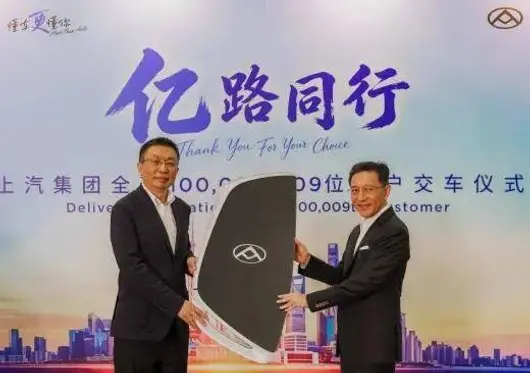

從弄堂工廠入面用榔頭敲出嘅「鳳凰」,到全球用戶接力嘅「智己 LS9 Hyper」,上汽用 70 年時間,跑咗出中國汽車工業嘅億級「馬拉松」。

2026 年 5 月 28 日,上海北外灘世界會客廳,一輛智己 LS9 Hyper 緩緩駛向舞台中央。這唔單止係上汽集團交付嘅第 1 億輛車,更係中國汽車工業史上首個「億級車企」嘅誕生。呢一刻,上汽唔單止刷新咗單一車企嘅產銷紀錄,更將中國汽車工業嘅能級推咗向全球第一梯隊。

從 1958 年第一輛「鳳凰牌」轎車嘅蹣跚起步,到如今旗下十多個品牌橫跨燃油同新能源、覆蓋乘商用全領域嘅龐大盤子,上汽點解能搶先撞線?呢背後,係「合資反哺自主」嘅戰略定力、「全產業鏈」嘅體系韌性同「全球化出海」嘅前瞻佈局。
· 從「榔頭造車」到「體系造車」嘅進化論

上汽嘅「億級」之路,並唔係一蹴而就,而係中國汽車工業三個關鍵階段嘅縮影。

1958 年,上汽前身嘅工人們用榔頭「敲」出咗第一輛鳳凰牌轎車,填補咗國產轎車嘅空白。但真正令上汽具備現代化工業能力嘅,係 1985 年同德國大眾成立中國首間轎車合資企業——上汽大眾。桑塔納嘅國產化之路異常艱難,初期國產化率僅 2.7%。上汽帶頭組建國產化共同體,硬係將國產化率提升至 90% 以上,為中國汽車工業建立咗第一套現代化嘅零部件體系同質量管理標準。其後同通用嘅合作同泛亞技術中心嘅建立,更加係將「只造唔研」變成咗「聯合開發」,奠定咗中國汽車工業同國際接軌嘅基礎。
進入 21 世紀,上汽意識到「市場換技術」嘅最終目的係培育自主能力。2006 年,上汽收購羅孚技術後推出榮威品牌,打出自主品牌衝擊中高端嘅「第一槍」。此後,寶駿、大通、五菱等品牌相繼佈局,形成咗覆蓋唔同細分市場嘅自主矩陣。特別係 2016 年同阿里合作推出嘅全球首輛互聯網汽車榮威 RX5,唔單止創造咗銷量神話,更引領行業從「造車」向「造智能終端」轉型,開啟咗軟件定義汽車嘅新紀元。
面對新能源浪潮,上汽喺 2014 年便搶先啟動咗電動化、聯網化、智能化同共享化嘅「新四化」戰略。近十年累計超 1500 億元嘅研發投入,構建咗從芯片、電池到整車嘅技術護城河。第 1 億輛交付嘅智己 LS9 Hyper,搭載全線控轉向、激光雷達同與 Momenta 深度共創嘅 IM AD 智駕系統,正係上汽技術集大成嘅體現。2026 年 1-4 月,上汽新能源車銷量達 41.2 萬輛,自主品牌佔比近 70%,證明佢已成功從「合資依賴」轉向「技術驅動」。
· 全產業鏈體系力嘅「護城河」

喺價格戰內捲嘅當下,能搶先突破 1 億輛,唔係靠單款爆品,而係「全品類 + 全產業鏈」嘅深厚體系力。
上汽旗下擁有大眾、通用、奧迪等合資品牌,以及榮威、MG、智己、五菱等自主品牌,覆蓋咗從 5 萬元代步車到 50 萬元豪華車嘅全價格帶。呢種「萬馬奔騰」嘅格局,令佢哋可以穿越唔同經濟週期,觸及最廣泛嘅用戶群體。無論係家庭首購、商用物流定係高端增購,上汽都有相對應嘅產品承接,呢個係單一品牌難以比擬嘅規模優勢。
上汽唔止造整車,仲培育咗華域汽車呢樣嘅零部件巨頭。從座椅、車燈到底盤模組,上汽構建咗國內最完整嘅零部件體系,確保咗供應鏈嘅穩定同成本可控。同時,透過創新研究開發總院整合研發資源,避免咗各個品牌重複投入,實現咗底層技術嘅共享同迭代。呢種「整車帶動零部件,零部件反哺整車」嘅閉環,係上汽能持續大規模交付嘅底氣。
· 從「中國製造」到「中國智造」嘅全球影響力

1 億輛嘅含金量,唔止喺於國內市場嘅深耕,更喺於海外市場嘅「再造一個上汽」。
上汽係中國汽車出海嘅「教科書」。從早期嘅產品出口(KD 散件組裝),到建立海外基地(泰國、印尼),再到而家嘅「研產銷」一體化本地營運,上汽探索出一條成熟嘅全球化路徑。MG 品牌喺歐洲已係現象級產品,MG4 更加係首款真正意義上嘅「全球車」。2026 年 1-4 月,上汽海外銷量達 45.9 萬輛,同比增長 50.2%,連續多年蟬聯中國車企海外銷量第一。
上汽嘅全球化唔止係賣車,更係帶動整個中國汽車產業鏈出海。其佈局嘅 100 幾間海外零部件基地、自建滾裝船隊同全球研發中心,將中國嘅製造標準、技術方案輸出到全球。呢種「鏈主」擔當,令中國從汽車出口大國向汽車產業強國行咗一大步。
· 中國汽車工業嘅「壓艙石」

上汽嘅 1 億輛,對中國汽車工業嚟講具有里程碑式嘅意義。
首先係透過桑塔納國產化,為中國培養咗第一批現代化汽車產業工人同供應鏈體系。
其次係從合資技術引進到自主正向研發,再到智電轉型,上汽嘅每一步都踩喺產業升級嘅關鍵節點上。
最終,佢證明咗自主品牌唔單止能喺中國市場同外資抗衡,仲能以太高端化、智能化嘅形象走向世界。

上汽集團第 1 億輛車嘅交付,唔係終點,而係新起點。佢標誌緊中國汽車工業已從「規模追趕」進入「質量領跑」階段。上汽用 70 年時間證明,真正嘅「億級車企」,唔單止係數量嘅累積,更係體系韌性、技術厚度同全球視野嘅綜合體現。未來,隨著智電技術嘅進一步爆發,上汽呢艘航母繼續載住中國汽車嘅夢想,駛向更廣闊嘅深藍。

Baru-baru ini, menurut laporan rangkaian berita perniagaan Serbia, Tayar Linglong merancang untuk mengambil alih 70 hektar tanah di lokasi tersebut untuk mengembangkan tapak pengeluaran, kawasan baharu akan menerima 400 hingga 800 pekerja. Dalam konteks raksasa komponen automotif Eropah dan Amerika yang mengecil dan bersara, Tayar Linglong menentang arus untuk 'membeli pada harga rendah', bukan sahaja mengambil alih kekosongan industri dan tenaga kerja yang ditinggalkan syarikat Jerman, malah terus memperdalam strateginya global.

Belanja USD 6.45 bilion, membina industri hijau menyeluruh
Diketahui, Tayar Linglong telah menandatangani perjanjian pengembangan kawasan 70 hektar, kawasan pengembangan terletak di Taman Perindustrian Tenggara Bandar Zrenjanin. Perancangan operasinya kini sedang dikemaskini oleh Biro Pembangunan Serbia, Linglong juga menantikan projek baharu untuk mendapatkan subsidi pekerjaan baharu daripada kerajaan.
Bulan lalu, Timbalan Presiden Kumpulan Linglong Sun Songtao mendedahkan, syarikat berniat membelanjakan USD 6.45 bilion untuk memajukan Projek Fasa Kedua Kilang Zrenjanin, memberi tumpuan membina 'rantaian hijau dari pengeluaran tayar hingga pemulihan'. Beliau menegaskan, Serbia dan Thailand adalah dua tonggak utama Linglong untuk mengoptimumkan sistem pengeluaran serta mengembangkan pasaran Eropah dan global.
Sebelum ini, projek fasa pertama Linglong di Serbia telah selesai dengan pelaburan hampir USD 10 bilion, mendapat kelulusan kira-kira 100 hektar tanah, memperoleh dana sokongan negara melebihi EUR 80 juta. Kilang tersebut mula beroperasi rasmi pada tahun 2024, jumlah pekerja semasa telah mencapai 2500 orang.

Menentang arus mengambil alih: menerima 1800 jawatan hilang dari syarikat Jerman
Pengembangan Linglong bagi Bandar Zrenjanin umpama 'hujan tepat pada masanya'. Pengeluar alat kebon automotif Jerman bahagian tinggi Dräxlmaier memutuskan untuk menarik diri dari Serbia setahun lepas, ini adalah sebahagian daripada strategi keseluruhan menarik diri pasaran Eropah. Walaupun kerajaan Serbia berkali-kali mendesak, syarikat itu tetap memutuskan untuk menarik diri sepenuhnya pada penghujung tahun ini atau awal tahun depan, menjejaskan 1800 pekerja tempatan.
Datuk Bandar Zrenjanin Sara Plara menyatakan, pengembangan kapasiti Linglong amat bermakna, bersama-sama dengan JUSDA Europe yang menggunakan gudang penghantaran facilities asal Dräxlmaier, secara efektif menerima tenaga kerja lebihan, mengelakkan lonjakan besar kadar pengangguran setempat.

Infrastruktur Memperkukuh: Peningkatan Pusat Pengangkutan Membantu Penyebaran ke Eropah
Selain sambungan sumber tenaga kerja yang stabil, peningkatan infrastruktur pengangkutan tempatan juga akan menjaga pengembangan Linglong. Kini, lebuh raya Belgrade-Zrenjanin-Novisad telah memulakan pembinaan awal di dua lokasi, jalan api yang lalu melalui bandar ini juga mengalami pengubahsuaian. Dua projek besar ini akan meningkatkan kecekapan operasi logistik dengan ketara, memberikan sokongan kukuh bagi Linglong untuk menurunkan kos logistik lebih lanjut, dan menjangkau pasaran Eropah secara efisien.
Para pakar industri menggariskan, dari pelaburan fasa pertama USD 10 bilion, hingga fasa kedua USD 6.45 bilion membina industri hijau tertutup, mendalamnya Linglong di Serbia, tidak sahaja menikmati polisi dan bonus lokasi, malah di bawah keadaan pembina semula rantaian bekalan oleh syarikat automotif antarabangsa, dengan 'membeli harga rendah' menentang arus, kukuh dan stabil, sedang secara beransur meningkatkan kedudukan pasaran tayar premium global.
© 2024 Bitauto.com. All Rights Reserved.
Bitauto (www.yiche.com and www.bitauto.com) is one of the most visited automotive websites in China. We provide detailed info on Chinese car brands available in your area. Please note that the information provided on this website is based on publicly available data and is for reference only. It may not be fully updated or accurate at all times.

Help us improve our website


