

HomePerodua Axia

Search History
Popular Searches
Dealer Login / Sign Up
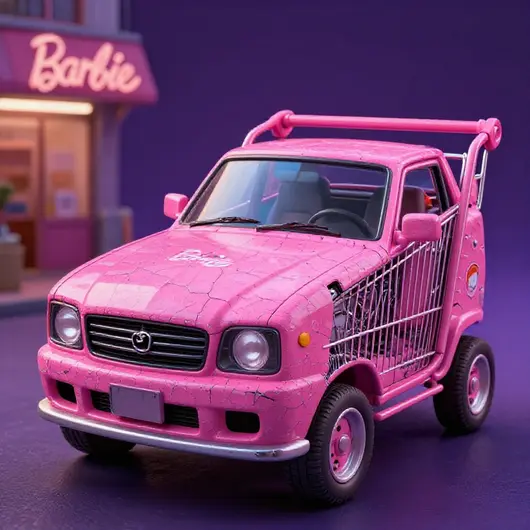
In Malaysia's SUV market, many buyers compare the Proton X50 and Chery Tiggo 8 Pro when shopping. These two cars are quite close in price and positioning. Today, we will make a detailed comparison from multiple aspects to help save you time on research.
The OTR selling price of the Proton X50 in Malaysia is RM 89,800 - 113,300, with a total of 4 versions, including 1.5T Executive (RM 89,800), 1.5T Premium (RM 101,800), 1.5T Flagship (RM 113,300) etc.
The OTR selling price of the Chery Tiggo 8 Pro in Malaysia is RM 159,750 - 159,750, with a total of 2 versions, including 1.6L Turbo Standard (RM 130,000), 1.6L Turbo Premium (RM 145,000) etc.
From a price perspective, the Proton X50's starting price is indeed RM 69,950 cheaper than the Chery Tiggo 8 Pro. If your budget is limited, the Proton's entry-level version is already sufficient for daily needs. But note also that the few thousand difference might have trade-offs in features, depending on your specific needs.

The Proton X50 is equipped with a 1.5L 4-cyl engine, with 105 hp. Official fuel consumption is 6.0 L/100km.
The Chery Tiggo 8 Pro is equipped with a 2.0L 4-cyl engine, with 170 hp. Official fuel consumption is 8.0 L/100km.
Regarding power, the 2.0L 4-cyl of the Chery Tiggo 8 Pro has 65 more horsepower than the 1.5L 4-cyl of the Proton X50. However, for daily city driving, the power of both cars is sufficient, you won't feel a lack of power.

The Proton X50 body length is 4400 mm, trunk space 400 L.
The Chery Tiggo 8 Pro body length is 4400 mm, trunk space 400 L.
The dimensions of both cars are almost the same, interior space difference is not significant. For this class of cars, it is fully sufficient for daily use.

The Proton X50 adopts a 4WD drive system.
The Chery Tiggo 8 Pro adopts an FWD drive system.
Proton's 4WD and Chery's FWD will feel different in handling, a test drive comparison is recommended.
Both the Proton X50 and Chery Tiggo 8 Pro are mainstream choices in the Malaysian market, suitable for family use and daily commuting. If you value brand reputation and resale value more, prioritize the one with better reputation; if you care more about value for money and features, choose the one with richer configuration. Ultimately, we recommend test driving both, personal experience is the most important.
Overall, both the Proton X50 and Chery Tiggo 8 Pro are very good models in the Malaysian market. Which one to choose depends mainly on your personal needs and budget. We suggest doing your research, compare quotes from several dealerships, then test drive to make a final decision. Buying a car is a big matter, spending time on research is never wrong.


Dalam pasaran SUV Malaysia, ramai pembeli semasa memilih kereta akan membandingkan Proton X70 dan Honda HR-V. Kedua-dua kereta ini sangat hampir dari segi harga dan penjenamaan, hari ini kita akan buat perbandingan terperinci dari pelbagai aspek untuk membantu anda menjimatkan masa menyiapkan kajian.
Proton X70 di Malaysia dengan harga OTR ialah RM 106,800 - 122,300, terdapat 3 versi, termasuk 1.5L Standard 2WD (RM 106,800), 1.5L Executive 2WD (RM 115,800), 1.5L Premium 2WD (RM 122,300) dan lain-lain.
Honda HR-V di Malaysia dengan harga OTR ialah RM 115,900 - 143,900, terdapat 4 versi, termasuk 2026 e:HEV 1.5L RS (RM 143,900), 2026 1.5T V (RM 137,900), 2026 1.5T E (RM 130,900) dan lain-lain.
Dari segi harga, harga permulaan Proton X70 memang lebih murah RM 9,100 berbanding Honda HR-V. Jika bajet anda terhad, versi pemula Proton sudah dapat memenuhi keperluan harian. Tetapi perhatikan juga, ribuan ringgit yang lebih murah itu, mungkin ada pengorbanan pada peralatan, bergantung pada keperluan anda.

Proton X70 dilengkapi 1.5L Turbo, kuasa 140 hp. Penggunaan minyak rasmi 7.0 L/100km.
Honda HR-V dilengkapi 1.5L Turbo, kuasa 140 hp. Penggunaan minyak rasmi 7.0 L/100km.
Kedua-dua kereta menggunakan sistem pemacu yang sama, rasa memandu harian pada dasarnya tidak berbeza. Dari segi penggunaan minyak juga hampir sama, tidak perlu terlalu bimbang mengenai perkara ini.

Proton X70 panjang badan 4400 mm, kapasiti bak bagasi 400 L.
Honda HR-V panjang badan 4500 mm, kapasiti bak bagasi 450 L.
Dari segi ruang, badan Honda HR-V lebih panjang 100 mm daripada Proton X70, ruang duduk lebih unggul. Namun Proton X70 lebih fleksibel untuk memarkir di bandar, kedua-duanya ada kelebihan masing-masing.

Proton X70 menggunakan cara pemacu FWD.
Honda HR-V menggunakan cara pemacu FWD.
Cara pemacu kedua-dua kereta sama, ialah FWD, rasa memandu harian tidak akan ada banyak perbezaan.
Secara keseluruhan, Proton X70 dan Honda HR-V adalah model kereta yang sangat bagus di pasaran Malaysia. Memilih yang mana, kunci utamanya bergantung pada keperluan dan bajet peribadi anda. Kami sarankan anda menyiapkan kajian, bandingkan harga di beberapa dealer kereta, kemudian buat ujian memandu untuk membuat keputusan akhir. Membeli kereta adalah perkara besar, meluangkan masa membuat kajian pasti tidak akan salah.


In the Malaysian SUV market, many buyers compare the Proton X50 and Chery Tiggo 7 PHEV when choosing a car. Both cars are quite close in price range and positioning. Today, we will make a detailed comparison from multiple aspects to save you time doing research.
Proton X50 in Malaysia's OTR price is RM 89,800 - 113,300, there are a total of 4 versions, including 1.5T Executive (RM 89,800), 1.5T Premium (RM 101,800), 1.5T Flagship (RM 113,300), etc.
Chery Tiggo 7 PHEV in Malaysia's OTR price is RM 129,750 - 129,750, there are a total of 2 versions, including 2025 1.5T 90km CSH (RM 129,750), What charging methods does the Tiggo 7 PHEV support? Can it be charged using a home power socket? (RM 117,478), etc.
From the price perspective, Proton X50's starting price is indeed RM 39,950 cheaper than Chery Tiggo 7 PHEV. If your budget is limited, Proton's entry-level version can already meet daily needs. But also note, the cheaper few thousand, might have trade-offs in features, it depends on your specific needs.
Proton X50 is equipped with 1.5L 4-cyl, 105 hp. Official fuel consumption 6.0 L/100km.
Chery Tiggo 7 PHEV is equipped with Hybrid, 170 hp. Official fuel consumption 4.5 L/100km.
In terms of power, Chery Tiggo 7 PHEV's Hybrid has 65 hp more than Proton X50's 1.5L 4-cyl. However, for daily city driving, both cars' power is sufficient, you won't feel underpowered.
Proton X50's safety rating is 5★ (ASEAN NCAP), active safety systems include ADAS (ACC, AEB, LKA, LDA, BSM, RCTA).
Chery Tiggo 7 PHEV's safety rating is TBD, active safety system includes Basic.
Regarding safety features, both cars have received decent ratings. However, Proton X50's ADAS (ACC, AEB, LKA, LDA, BSM, RCTA) and Chery Tiggo 7 PHEV's Basic differ somewhat in functionality. If you value active safety more, you can compare the feature lists of both carefully.
Proton X50 body length 4400 mm, trunk 400 L.
Chery Tiggo 7 PHEV body length 4400 mm, trunk 400 L.
The dimensions of both cars are almost the same, interior space difference is not significant. For this class of cars, daily use is completely sufficient.

Proton X50 and Chery Tiggo 7 PHEV are both mainstream choices in the Malaysian market, suitable for family use, daily commute. If you value brand reputation and resale value more, you can prioritize the one with better reputation; if you care more about value for money and features, then choose the one with richer configuration. Ultimately, it is recommended to test drive both, personal experience is the most important.

Overall, Proton X50 and Chery Tiggo 7 PHEV are both very good car models in the Malaysian market. Which one to choose depends on your personal needs and budget. It is recommended to do your homework, compare quotes from several car dealerships, then test drive to make a final decision. Buying a car is a major event, spending time doing homework will never be wrong.

In Hanoi, Vietnam, in July 2026, it was not just the weather that was hot. When Wang Zhijian, Chairman of the Board of Shandong Heavy Industry, along with nearly 1,600 partners from 62 countries worldwide, jointly released the "Initiative to Co-create a New Ecosystem for the Green Intelligent Equipment Industry", a clear signal was sent to the world: In the next five to ten years, the development trend of the global equipment manufacturing industry lies in Hanoi, Vietnam.
This global partner conference and green intelligent product exhibition, themed "Technology Empowering Beautiful Equipment", is the first international event held overseas by Shandong Heavy Industry in the fields of new energy and digital intelligence. In a 26,000-square-meter exhibition area, 13 major brands and 145 sets (pieces) of high-end products made their debut, covering full-scenario applications such as smart logistics, smart mines, smart construction, smart agriculture, and green energy — this is no longer a simple product exhibition, but a "comprehensive review of industrial capability" of China's high-end equipment manufacturing industry facing the world.

Spent 40 years in Vietnam, Shandong Heavy Industry treats this place as a second home
Placing such a heavyweight global premiere in Vietnam was by no means accidental. This year marks the 80th anniversary of Weichai, the core power brand under Shandong Heavy Industry, and also the 40th anniversary of Weichai serving the Vietnamese market. Over the past four decades, Weichai has deeply integrated into local industrial development, with power product sales in Vietnam exceeding 160,000 units, firmly holding the top position in Vietnam's bus power, ship power, and other sectors. Behind these numbers is the deep binding between Shandong Heavy Industry and the Vietnamese market for nearly four decades — it is not a short-term harvest of "doing the market, selling products", but truly taking root in this land, accompanying Vietnamese customers through entrepreneurship and growth.
But the reasons for choosing Vietnam go far beyond historical ties. Southeast Asia is one of the regions with the fastest growth in global new energy commercial vehicles, and countries such as Vietnam, Indonesia, and Thailand are introducing clean freight support policies in dense succession, while local charging infrastructure is not yet perfect. A single pure electric route may be unsuitable here; multi-technology combinations such as hybrid, alternative fuel, and microgrids find their place — and this is exactly the field Weichai has cultivated for many years. Vice Minister of the Ministry of Industry and Trade of Vietnam, Zhang Qinghuai, said in his address at the conference that the new technology solutions demonstrated by Shandong Heavy Industry correspond exactly to Vietnam's urgent needs in three directions: green transportation, digital transformation, and improving the quality of logistics infrastructure.

A deeper consideration lies in the significance of the strategic fulcrum. Starting from Astana in 2023, to Dubai, Jakarta, Mexico City, and then gathering globally in Qingdao, every switch of venue for Shandong Heavy Industry's Global Partner Conference corresponds to a clear strategic judgment. Now arriving in Hanoi, Vietnam, targeting the huge potential for new energy development in Southeast Asia. This is not only a strategic move by Shandong Heavy Industry to "deeply cultivate Southeast Asia and radiate globally", but also a key step in its transformation from "product going global" to "industry taking root".
Don't put all eggs in one basket, Shandong Heavy Industry brought all five technology routes here
If summarized in one sentence, the core message of this exhibition is: Shandong Heavy Industry does not bet on a single technology route, it bets on "having it all". The exhibition site specially established five core technology zones: pure electric, hybrid, proton exchange membrane fuel cell, alternative fuel internal combustion engine, and intelligent driving assistance system. The power core of these five technology routes can almost be seen with Weichai's presence — from traditional power such as diesel and gas to pure electric, hybrid, hydrogen energy, SOFC and alternative fuels, Weichai has established a complete power system layout covering diverse energy sources.
This is not a simple technology display, but a technology map covering all energy possibilities from "today" to "the day after tomorrow". The pure electric full-chain layout has achieved mass production and vehicle mounting; the WP3NNG natural gas range extender raises comprehensive range to over 1,000 kilometers in "short-distance pure electric, long-distance range extension" mode; the WEF300 hydrogen fuel cell engine is equipped with 49-ton class heavy trucks, adapting to long-distance trunk lines and port container transport scenarios; the Weichai WP15DI hydrogen internal combustion engine is the world's first product of its kind to pass China's National VI certification; unmanned mining achieves centimeter-level precise parking. In the distributed energy field, Weichai's independently developed SOFC solid oxide fuel cell products have achieved commercial application of 100kW products, accumulating nearly 70,000 hours of stable operation, becoming the core support for the group's power energy sector.

This confidence of "having it all" comes from Shandong Heavy Industry's systematic construction of core competitive advantages in the new energy industry chain. Taking Weichai as the technical foundation, from power batteries to complete vehicles and machines, from core three-electric systems to intelligent networking, this 600-billion multinational group has completed a complete industrial closed loop from diversified integrated power systems to full-scenario complete vehicles and machines. Among them, Weichai independently developed M series large cylinder diameter power generation products, the world's first 5-megawatt high-speed diesel power generating set 20M61, etc., have also become technical barrier-level products for the group's power energy sector.
Data is the best proof: In the first half of 2026, Shandong Heavy Industry's domestic new energy business revenue reached 24.4 billion yuan, a year-on-year increase of 57%. The new energy heavy trucks sales of Sinotruk under the group increased by 141% year-on-year, market share continues to climb, successfully jumping to the top of the industry. Currently, the global equipment industry is at a double turning point of energy transformation and intelligent upgrade, and the single electrification route is difficult to adapt to the differentiated needs of different regions and operating conditions globally. The answer given by Shandong Heavy Industry is a full-cycle power ecology covering "traditional low carbon, new energy transition, ultimate zero carbon, intelligent empowerment" — from Weichai's diversified power systems to full-scenario adaptation of complete vehicles and machines, constituting a complete closed loop interlinked step by step.
More notably, these technologies are not stuck on PPTs in the laboratory. Shacman heavy trucks equipped with Weichai WP13NG were delivered in batches to Nigeria's top FMCG logistics carriers; 4,950 buses equipped with Weichai WP8H, WP10 engines were delivered to Algeria, setting a new local record for bus power equipment batches; in the Brazilian market, heavy trucks equipped with Weichai WP15NG were delivered to customers in batches, becoming customers' first choice — behind each product is hardcore strength that has been widely verified by the global market. The market share of Weichai engines in Brazil and Africa continues to rise, and Weichai power systems are being tested and winning trust in every corner of the world.

Not only selling cars and engines, Shandong Heavy Industry is starting to "hand over the keys" in Vietnam
In traditional cognition, Chinese manufacturing going overseas is often equated with "cost-effectiveness" and "complete machine sales". But the Hanoi conference this time by Shandong Heavy Industry revealed a completely different narrative.
Weichai released its microgrid solution for the first time, deeply integrating mixed energy power stations, mobile photovoltaics, energy storage, storage and charging integrated machines, SOFC power generation systems, and other diverse core equipment, providing customers with low-cost, low-emission, and high-reliability one-stop closed-loop power energy services; at the same time, the mining scenario energy solution integrating "source-grid-load-storage-control" also made its debut, condensing Weichai's accumulation in the fields of power generating sets, new energy power, and intelligent control into a complete mining area energy management closed loop.
In the complete vehicle service field, Shandong Heavy Industry has built an integrated ecosystem solution of "vehicle + energy + digital + service", and in the warehousing and logistics link, its subsidiary AI intelligent warehouse uses intelligent algorithms to increase space utilization by about 30%. This is not selling a device, but delivering a system, a capability — from Weichai's power heart to the complete vehicle's intelligent brain, from single products to full-cycle services, Shandong Heavy Industry is completing the role leap from "manufacturer" to "solution provider".
Behind this "turnkey" capability is an industrial network spread across the globe. Currently, Shandong Heavy Industry has established 55 trading platform companies in 32 countries worldwide, over 60 overseas factories, and more than 2,000 employees stationed overseas. In the first half of 2026, the group's export income reached 62.4 billion yuan, a year-on-year increase of 33.4%.
When a company can autonomously complete full-cycle management from product definition to after-sales service overseas, what it outputs is no longer products, but a set of replicable industrial standards and a growth ecology rooted locally. As the power core of Shandong Heavy Industry's global layout, Weichai has always played the role of "technology engine" — from 160,000 power products in Vietnam to Weichai engines and power generating sets all over the world, Weichai's footprint extends in tandem with Shandong Heavy Industry's global map.

At the conference, projects such as SOFC, electric buses, electric heavy trucks, AI bulldozers, and intelligent agricultural machinery were signed in batches. The engineering machinery sector under Shandong Heavy Industry signed orders for 270 bulldozers with local agents. Behind these signings is the qualitative change of Shandong Heavy Industry and global partners upgrading from a "business field" to an "ecosystem" — a value community of co-creation, co-existence, and co-prosperity is taking shape.
The Hanoi conference is not the end, but a new starting point for Shandong Heavy Industry's "deeply cultivating Southeast Asia and radiating globally". When Europe and America are still discussing "who will pay for the transition", Shandong Heavy Industry has already packed the product matrix covering Weichai's diversified power systems and full-series new energy complete vehicles into containers.
From Astana to Hanoi, six conferences in four years, the world has seen the change in Shandong Heavy Industry. And the concentrated debut of 145 green intelligent equipment in Hanoi writes new coordinates of the leap from "Made in China" to "Created in China". The new decade of the global equipment industry, the positioning battle has begun, and Shandong Heavy Industry is already standing in the front row.
Dalam pasaran SUV di Malaysia, ramai pembeli semasa memilih kereta akan membandingkan Proton X70 dan Honda WR-V. Kedua-dua kereta ini hampir sama dari segi harga dan kedudukan pasaran, hari ini kita akan buat perbandingan terperinci dari pelbagai aspek untuk membantu anda menjimatkan masa membuat kajian.
Proton X70 di Malaysia mempunyai harga OTR sebanyak RM 106,800 - 122,300, terdapat 3 varian, termasuk 1.5L Standard 2WD (RM 106,800), 1.5L Executive 2WD (RM 115,800), 1.5L Premium 2WD (RM 122,300) dan lain-lain.
Honda WR-V di Malaysia mempunyai harga OTR sebanyak RM 89,900 - 107,900, terdapat 4 varian, termasuk 2023 1.5L V (RM 99,900), 2023 1.5L E (RM 95,900), 2023 1.5L S (RM 89,900) dan lain-lain.
Dari segi harga, harga permulaan Honda WR-V adalah RM 16,900 lebih murah daripada Proton X70. Sejujurnya, dalam segmen harga ini, perbezaan beribu ringgit sebenarnya tidak besar, penting melihat keseluruhan nilai untuk wang dan kos penggunaan jangka panjang.

Proton X70 dilengkapi enjin 1.5L Turbo, 140 hp. Penggunaan bahan api rasmi 7.0 L/100km.
Honda WR-V dilengkapi enjin 1.5L 4-cyl, 105 hp. Penggunaan bahan api rasmi 6.0 L/100km.
Dari segi kuasa, 1.5L Turbo Proton X70 mempunyai 35 hp lebih daripada 1.5L 4-cyl Honda WR-V, pecutan sederhana lebih yakin, terutamanya ketika memotong di lebuh raya. Namun, penggunaan bahan api Honda WR-V mungkin lebih jimat, perbezaan untuk pengangkutan harian di bandar tidak akan terlalu besar.
Proton X70 menggunakan sistem pemacu FWD.
Honda WR-V menggunakan sistem pemacu FWD.
Kedua-dua kereta mempunyai sistem pemacu yang sama, iaitu FWD, pengalaman memandu harian tidak akan berbeza banyak.
Proton X70 berjamin 5 tahun/150,000km, selang penyelenggaraan setiap 10,000km atau 6 bulan.
Honda WR-V berjamin 5 tahun/tanpa had jarak, selang penyelenggaraan setiap 10,000km atau 6 bulan.
Proton X70 dan Honda WR-V adalah pilihan utama pasaran Malaysia, sesuai untuk kegunaan keluarga, pengangkutan harian. Jika anda lebih menekankan reputasi jenama dan harga jualan semula, anda boleh beri keutamaan kepada yang mempunyai reputasi lebih baik; jika anda lebih menekankan nilai untuk wang dan kelengkapan, maka pilih model yang lebih lengkap. Akhir sekali, disyorkan untuk uji test kedua-dua model, pengalaman langsung adalah yang paling penting.
Secara keseluruhan, Proton X70 dan Honda WR-V adalah model yang sangat baik di pasaran Malaysia. Memilih mana satu, penting bergantung pada keperluan dan belanjawan peribadi anda. Disarankan membuat kajian terlebih dahulu, bandingkan tawaran daripada beberapa dealer, kemudian buat uji test untuk membuat keputusan akhir. Membeli kereta adalah perkara besar, meluangkan masa untuk membuat kajian pasti tidak salah.

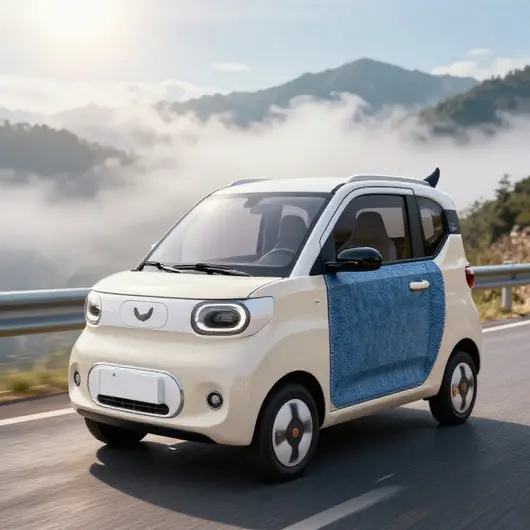
In the Malaysian SUV market, many buyers compare Proton X50 and Chery Tiggo 9 when choosing a car. These two cars are quite close in price and positioning. Today, we will make a detailed comparison from multiple aspects to help you save time on research.
Proton X50 OTR price in Malaysia is RM 89,800 - 113,300, with 4 variants in total, including 1.5T Executive (RM 89,800), 1.5T Premium (RM 101,800), 1.5T Flagship (RM 113,300), etc.
Chery Tiggo 9 OTR price in Malaysia is RM 166,800 - 179,800, with 1 variant in total, including 2026 2.0T Standard (RM 179,750), etc.
From the price perspective, the starting price of Proton X50 is indeed RM 77,000 cheaper than Chery Tiggo 9. If your budget is limited, Proton's entry-level version can already meet daily needs. But also note, the few thousand ringgit cheaper, there might be compromises in equipment, it depends on your specific needs.
Proton X50 is equipped with 1.5L 4-cyl, 105 hp. Official fuel consumption 6.0 L/100km.
Chery Tiggo 9 is equipped with 2.0L 4-cyl, 170 hp. Official fuel consumption 8.0 L/100km.
In terms of power, Chery Tiggo 9's 2.0L 4-cyl has 65 horsepower more than Proton X50's 1.5L 4-cyl. However, for daily driving in the city, both cars have sufficient power and won't feel underpowered.
Proton X50 safety rating is 5★ (ASEAN NCAP), active safety systems include ADAS (ACC, AEB, LKA, LDA, BSM, RCTA).
Chery Tiggo 9 safety rating is TBD, active safety systems include Basic.
In terms of safety features, both cars have received good ratings. However, there are some differences in function between Proton X50's ADAS (ACC, AEB, LKA, LDA, BSM, RCTA) and Chery Tiggo 9's Basic. If you value active safety, you can compare the function lists of both carefully.
Proton X50 adopts 4WD drive method.
Chery Tiggo 9 adopts FWD drive method.
Proton's 4WD and Chery's FWD will have different handling feelings, test drive comparison is recommended.

Overall, Proton X50 and Chery Tiggo 9 are both very good models in the Malaysian market. Which one to choose depends on your personal needs and budget. It is recommended to do research, compare quotes from several car dealerships, then test drive to make the final decision. Buying a car is a big matter, spending time on research will definitely not be wrong.
In the Malaysian SUV market, many buyers compare Proton X50 and MG MG HS when choosing a car. These two cars are quite close in price and positioning. Today, we will make a detailed comparison from multiple aspects to help you save time on research.
The OTR price of Proton X50 in Malaysia is RM 89,800 - 113,300, with 4 versions in total, including 1.5T Executive (RM 89,800), 1.5T Premium (RM 101,800), 1.5T Flagship (RM 113,300), etc.
The OTR price of MG MG HS in Malaysia is RM 130,450 - 146,450, with 2 versions in total, including 1.5L Standard (RM 105,000), 1.5L Executive (RM 115,000), etc.
In terms of price, Proton X50's starting price is indeed RM 40,650 cheaper than MG MG HS. If your budget is limited, Proton's entry-level version can already meet daily needs. But please note, the few thousand savings may involve trade-offs in features, depending on your specific needs.
Proton X50 is equipped with 1.5L 4-cyl, 105 hp. Official fuel consumption 6.0 L/100km.
MG MG HS is equipped with 1.5L Turbo, 140 hp. Official fuel consumption 7.0 L/100km.
In terms of power, MG MG HS's 1.5L Turbo has 35 more horsepower than Proton X50's 1.5L 4-cyl. However, for daily city driving, both cars have sufficient power, you won't feel a lack of power.
Proton X50 warranty 5 years/150,000km, service interval every 10,000km or 6 months.
MG MG HS warranty 7 years/150,000km, service interval every 10,000km or 6 months.
Proton X50 and MG MG HS are both mainstream choices in the Malaysian market, suitable for family use and daily commuting. If you value brand reputation and resale price more, you can prioritize the one with better reputation; if you care more about value for money and features, then choose the one with richer configuration. Ultimately, it is recommended to test drive both models, hands-on experience is the most important.
Overall, Proton X50 and MG MG HS are both very good car models in the Malaysian market. Choosing which one depends mainly on your personal needs and budget. It is recommended to do your homework, compare quotes from multiple dealers, and then test drive to make the final decision. Buying a car is a big matter, spending time on research will never go wrong.

Dalam pasaran SUV di Malaysia, ramai pembeli membandingkan Proton X50 dan Subaru Forester semasa memilih kereta. Kedua-dua kereta ini mempunyai harga dan kedudukan yang hampir serupa. Hari ini, kami akan membuat perbandingan terperinci dari pelbagai aspek untuk membantu anda menjimatkan masa membuat kajian.
Harga OTR Proton X50 di Malaysia ialah RM 89,800 - 113,300, terdapat 4 varian, termasuk 1.5T Executive (RM 89,800), 1.5T Premium (RM 101,800), 1.5T Flagship (RM 113,300) dan lain-lain.
Harga OTR Subaru Forester di Malaysia ialah RM 174,000 - 197,000, terdapat 3 varian, termasuk 2024 2.0L S EyeSight GT Edition (RM 189,538), 2024 2.0L S EyeSight (RM 177,538), 2024 2.0L L EyeSight (RM 167,538) dan lain-lain.
Dari segi harga, harga permulaan Proton X50 memang lebih murah RM 84,200 berbanding Subaru Forester. Jika bajet anda terhad, versi asas Proton sudah boleh memenuhi keperluan harian. Namun perlu diingat, berbeza beberapa ribu ringgit itu, mungkin ada kompromi dalam kelengkapan, bergantung pada keperluan anda.
Proton X50 dilengkapi enjin 1.5L 4-silinder, kuasa 105 hp. Penggunaan minyak rasmi 6.0 L/100km.
Subaru Forester dilengkapi enjin 2.0L 4-silinder, kuasa 170 hp. Penggunaan minyak rasmi 8.0 L/100km.
Dari segi kuasa, enjin 2.0L 4-silinder Subaru Forester mempunyai 65 hp lebih daripada 1.5L 4-silinder Proton X50. Walau bagaimanapun, untuk pemanduan harian di bandar, kuasa kedua-dua kereta ini sudah memadai dan tidak terasa lemah.
Penarafan keselamatan Proton X50 ialah 5★ (ASEAN NCAP), sistem keselamatan aktif termasuk ADAS (ACC, AEB, LKA, LDA, BSM, RCTA).
Penarafan keselamatan Subaru Forester ialah 5★ (Euro NCAP), sistem keselamatan aktif termasuk EyeSight.
Dari segi peralatan keselamatan, kedua-dua kereta mendapat penarafan yang baik. Namun, ADAS Proton X50 (ACC, AEB, LKA, LDA, BSM, RCTA) dan EyeSight Subaru Forester mempunyai perbezaan dari segi fungsi. Jika anda mengutamakan keselamatan aktif, anda boleh membandingkan senarai fungsi kedua-duanya secara teliti.
Proton X50 mempunyai jaminan 5 tahun/150,000km, jarak penyelenggaraan setiap 10,000km atau 6 bulan.
Subaru Forester mempunyai jaminan 3 tahun/100,000km, jarak penyelenggaraan setiap 10,000km atau 6 bulan.

Secara keseluruhan, Proton X50 dan Subaru Forester adalah model yang sangat bagus di pasaran Malaysia. Memilih mana satu, utama bergantung pada keperluan peribadi dan bajet anda. Kami sarankan anda membuat kajian terlebih dahulu, bandingkan lebih banyak tawaran daripada pengedar kereta, kemudian buat ujian memandu untuk keputusan akhir. Membeli kereta adalah perkara penting, meluangkan masa untuk kajian tidak akan meleset.

喺馬來西亞嘅 SUV 市場,好多買家在揀車嘅時候都會拎 寶騰 X50 同 起亞 Sportage 來做比較。呢兩款車喺價位同定位上都好接近,今日我哋就從多個方面做一個詳細嘅對比,幫下你撳走做功課嘅時間。
寶騰 X50 喺馬來西亞嘅 OTR 售價係 RM 89,800 - 113,300,一總有 4 個版本,包括 1.5T Executive(RM 89,800)、1.5T Premium(RM 101,800)、1.5T Flagship(RM 113,300) 等。
起亞 Sportage 喺馬來西亞嘅 OTR 售價係 RM 129,639 - 179,320,一總有 4 個版本,包括 2025 1.6T DCT 4WD High(RM 179,320)、2025 1.6T DCT 2WD High(RM 159,320)、2025 2.0L AT 2WD High(RM 139,639) 等。
從價錢來看,寶騰 X50 嘅起步價確實比 起亞 Sportage 平咗 RM 39,839。如果你預算有限,寶騰嘅入門版已經可以滿足日常需要。但都要注意,平咗嗰幾千蚊,可能喺配備上會有取舍,具體要睇你嘅需求。
寶騰 X50 配備 1.5L 4-cyl,馬力 105 hp。官方油耗 6.0 L/100km。
起亞 Sportage 配備 1.5L Turbo,馬力 140 hp。官方油耗 7.0 L/100km。
動力方面,起亞 Sportage 嘅 1.5L Turbo 比 寶騰 X50 嘅 1.5L 4-cyl 多咗 35 匹馬力。不過日常喺市區開,兩款車嘅動力都夠用,唔會覺得唔夠力。
寶騰 X50 車身長 4400 mm,後備箱 400 L。
起亞 Sportage 車身長 4400 mm,後備箱 400 L。
兩款車嘅尺寸差唔多一樣,車內空間分別唔大。呢個級別嘅車,日常使用完全夠用。
寶騰 X50 同 起亞 Sportage 都係馬來西亞市場嘅主流選擇,適合家庭使用、日常通勤。如果你更加重視品牌口碑同二手價,可以優先考慮口碑好啲嗰款;如果你更加在意性價比同配備,嗰就揀配備更豐富嗰款。最後始終建議兩款都去試駕,親身體驗先係最重要嘅。

總括嚟講,寶騰 X50 同 起亞 Sportage 都係馬來西亞市場好唔錯嘅車型。揀邊一輛,關鍵都要睇你嘅個人需求同預算。建議大家做好功課,多比較幾間車行嘅報價,再去試駕做最後決定。買車係件大事,花啲時間做功課絕對唔會錯。

喺马来西亚嘅 SUV 市場,好多買家喺揀車嘅時候都會拿住宝腾 X50 同起亚 Sportage 嚟做比較。呢兩款車喺價位同定位上都相當接近,今日我哋就從多個方面做一個詳細嘅比較,幫你節省咗做功課嘅時間。
宝腾 X50 喺马来西亚嘅 OTR 售價係 RM 89,800 - 113,300,一共有 4 個版本,包括 1.5T Executive(RM 89,800)、1.5T Premium(RM 101,800)、1.5T Flagship(RM 113,300)等等。
起亚 Sportage 喺马来西亚嘅 OTR 售價係 RM 129,639 - 179,320,一共有 4 個版本,包括 2025 1.6T DCT 4WD High(RM 179,320)、2025 1.6T DCT 2WD High(RM 159,320)、2025 2.0L AT 2WD High(RM 139,639)等等。
由價錢嚟睇,宝腾 X50 嘅起步價確實比起亚 Sportage 平咗 RM 39,839。如果你預算有限,宝腾嘅入門版已經可以滿足日常需要。但要留意,平嗰幾千蚊,喺配備上可能有取捨,具體要睇你嘅需要。
宝腾 X50 嘅安全評級係 5★ (ASEAN NCAP),主動安全系統包括 ADAS (ACC, AEB, LKA, LDA, BSM, RCTA)。
起亚 Sportage 嘅安全評級係 5★ (ASEAN NCAP),主動安全系統包括 Drive Wise。
呢兩款車嘅安全評級一樣,喺呢個級別入面安全配備都算係給得好齊全。而家嘅新車安全性都唔差,唔使太擔心呢一點。
宝腾 X50 保用 5 年/150,000km,保養間隔 每 10,000km 或 6 個月。
起亚 Sportage 保用 5 年/300,000km,保養間隔 每 10,000km 或 6 個月。
宝腾 X50 同起亚 Sportage 都係马来西亚市場嘅主流選擇,適合家庭使用、日常通勤。如果你更重視品牌口碑同二手價,可以優先考慮口碑更好嗰一款;如果你更在意性價比同配備,就揀配置更豐富嗰款。最終都係建議兩款都去試駕,親身體驗先至係最重要嘅。
總體嚟講,宝腾 X50 同起亚 Sportage 都係马来西亚市場好唔錯嘅車型。揀邊輛,關鍵都係要睇你嘅個人需要同預算。建議大家做好功課,多比較幾間車行嘅報價,先至去試駕做最終決定。買車係件大事,花啲時間做功課絕對唔會錯。

喺馬來西亞嘅 SUV 市場,好多買家揀車嘅時候都會拿 Proton X50 同 Kia Sportage 來比較。呢兩部車喺價錢同定位上都幾接近,今日我哋就由多個方面做詳細比較,幫你省咗做功課嘅時間。
Proton X50 喺馬來西亞嘅 OTR 售價係 RM 89,800 - 113,300,一共有 4 個版本,包括 1.5T Executive(RM 89,800)、1.5T Premium(RM 101,800)、1.5T Flagship(RM 113,300)等等。
Kia Sportage 喺馬來西亞嘅 OTR 售價係 RM 129,639 - 179,320,一共有 4 個版本,包括 2025 1.6T DCT 4WD High(RM 179,320)、2025 1.6T DCT 2WD High(RM 159,320)、2025 2.0L AT 2WD High(RM 139,639)等等。
由價錢睇,Proton X50 嘅起步價確實比 Kia Sportage 平咗 RM 39,839。如果你預算有限,Proton 嘅入門版已經滿足日常需要。不過都要注意,便宜嗰幾千蚊,可能喺配備上有取舍,具體睇你嘅需要。
Proton X50 嘅安全评分係 5★ (ASEAN NCAP),主動安全系統包括 ADAS (ACC, AEB, LKA, LDA, BSM, RCTA)。
Kia Sportage 嘅安全评分係 5★ (ASEAN NCAP),主動安全系統包括 Drive Wise。
兩部車嘅安全評級一樣,喺呢個級距入面安全配備都算係好齊全。而家嘅新車安全性都幾好,唔使太擔心呢一點。
Proton X50 車身長 4400 mm,後備箱 400 L。
Kia Sportage 車身長 4400 mm,後備箱 400 L。
兩部車嘅尺寸幾乎一樣,車內空間差別唔大。呢個級距嘅車,日常使用完全夠用。
Proton X50 保修 5 年/150,000km,保養間隔 每 10,000km 或 6 個月。
Kia Sportage 保修 5 年/300,000km,保養間隔 每 10,000km 或 6 個月。
總體嚟講,Proton X50 同 Kia Sportage 都係馬來西亞市場幾唔錯嘅車型。揀邊一部,關鍵始終係睇你嘅個人需要同預算。建議大家做好功課,多比較幾間車行嘅報價,再去試駕做最終決定。買車係件大事,花少少時間做功課絕對無錯。
In the Malaysia SUV market, many buyers compare Proton X50 and GWM Haval H6 when choosing a car. The price and positioning of these two cars are quite close. Today we will make a detailed comparison from multiple aspects to help you save time on research.
The OTR price of Proton X50 in Malaysia is RM 89,800 - 113,300, with a total of 4 versions, including 1.5T Executive (RM 89,800), 1.5T Premium (RM 101,800), 1.5T Flagship (RM 113,300) etc.
The OTR price of GWM Haval H6 in Malaysia is RM 139,750 - 139,750, with a total of 2 versions, including 1.5L Turbo Standard (RM 140,000), 1.5L Turbo Premium (RM 155,000) etc.
From the price perspective, the starting price of Proton X50 is indeed RM 49,950 cheaper than GWM Haval H6. If your budget is limited, Proton's entry-level version can already meet daily needs. But also note that the few thousand yuan difference might involve trade-offs in features, depending on your needs.
Proton X50 is equipped with 1.5L 4-cyl, power 105 hp. Official fuel consumption 6.0 L/100km.
GWM Haval H6 is equipped with Hybrid, power 170 hp. Official fuel consumption 4.5 L/100km.
Regarding power, the Hybrid of GWM Haval H6 has 65 more horsepower than the 1.5L 4-cyl of Proton X50. However, for daily city driving, the power of both cars is sufficient, you won't feel it lacks power.
Proton X50 body length 4400 mm, trunk 400 L.
GWM Haval H6 body length 4400 mm, trunk 400 L.
The dimensions of the two cars are almost the same, interior space difference is not significant. For this class of cars, daily use is fully sufficient.
Proton X50 warranty 5 years/150,000km, maintenance interval every 10,000km or 6 months.
GWM Haval H6 warranty 7 years/150,000km, maintenance interval every 10,000km or 6 months.
Overall, Proton X50 and GWM Haval H6 are both very good car models in the Malaysia market. Which one to choose depends mainly on your personal needs and budget. It is recommended to do your research, compare quotes from several dealerships, and then test drive to make a final decision. Buying a car is a big matter, spending some time on research will never go wrong.

喺馬來西亞嘅 SUV 市場,好多買家喺揀車嗰陣都會拿 Proton X70 同 Honda HR-V 嚟做比較。
Proton X70 喺馬來西亞嘅 OTR 售價係 RM 106,800 - 122,300,合共有 3 個版本,包括 1.5L Standard 2WD(RM 106,800)、1.5L Executive 2WD(RM 115,800)、1.5L Premium 2WD(RM 122,300)等。
Honda HR-V 喺馬來西亞嘅 OTR 售價係 RM 115,900 - 143,900,合共有 4 個版本,包括 2026 e:HEV 1.5L RS(RM 143,900)、2026 1.5T V(RM 137,900)、2026 1.5T E(RM 130,900)等。
從價錢嚟睇,Proton X70 嘅起步價確實比 Honda HR-V 平咗 RM 9,100。如果你預算有限,Proton 嘅入門版已經可以滿足日常需求。但都要留意,便宜嗰幾千蚊,喺配備方面可能會有些取捨,具體睇你嘅需求。
Proton X70 嘅安全評級係 5★ (ASEAN NCAP),主動安全系統包括 ADAS (ACC, AEB, LKA, LDA, BSM, RCTA)。
Honda HR-V 嘅安全評級係 5★ (ASEAN NCAP),主動安全系統包括 Honda SENSING (ACC, CMBS, LKAS, RDM)。
兩部車嘅安全評級一樣,喺呢個級別入面安全配備都算好齊全。而家嘅新車安全性都唔差,唔使太擔心呢一點。
Proton X70 保修 5 年/150,000km,保養間隔每 10,000km 或 6 個月。
Honda HR-V 保修 5 年/無限制里程,保養間隔每 10,000km 或 6 個月。
Proton X70 同 Honda HR-V 都係馬來西亞市場嘅主流選擇,適合家庭使用、日常通勤。如果你更重視品牌口碑同二手價,可以優先考慮口碑更好嗰一款;如果你更介意性價比同配備,嗰就揀配備更豐富嗰款。最終都建議兩部車都去試駕,親自體驗先係最重要嘅。
總嚟講,Proton X70 同 Honda HR-V 都係馬來西亞市場幾唔錯嘅車型。揀邊一輛,關鍵都係要睇你嘅個人需求同預算。建議大家做足功課,多比較幾間車行嘅報價,再嚟試駕先至做最終決定。買車係一件大事,花少少時間做功課絕對唔會錯。

喺馬來西亞嘅 SUV 市場,好多買家喺揀車嗰陣都會拿 Proton X70 同 Honda WR-V 嚟做比較。呢兩款車喺價位同定位上都幾近,今日我哋就由多個方面做一個詳細嘅比較,幫住你省返做功課嘅時間。
Proton X70 喺馬來西亞嘅 OTR 售價係 RM 106,800 - 122,300,總共有 3 個版本,包括 1.5L Standard 2WD(RM 106,800)、1.5L Executive 2WD(RM 115,800)、1.5L Premium 2WD(RM 122,300) 等。
Honda WR-V 喺馬來西亞嘅 OTR 售價係 RM 89,900 - 107,900,總共有 4 個版本,包括 2023 1.5L V(RM 99,900)、2023 1.5L E(RM 95,900)、2023 1.5L S(RM 89,900) 等。
從價錢睇,Honda WR-V 嘅起價比 Proton X70 平咗 RM 16,900。講真,喺呢個價位段,幾千蚊嘅差距其實唔算大,關鍵仲係要睇整體嘅性價比同長期使用成本。
Proton X70 搭載 1.5L Turbo,馬力 140 hp。官方油耗 7.0 L/100km。
Honda WR-V 搭載 1.5L 4-cyl,馬力 105 hp。官方油耗 6.0 L/100km。
動力方面,Proton X70 嘅 1.5L Turbo 比 Honda WR-V 嘅 1.5L 4-cyl 多咗 35 匹馬力,中段加速更有信心,尤其係跑高速超車嗰陣。不過 Honda WR-V 嘅油耗可能更抵,日常市區行車差別唔會太大。
Proton X70 採用 FWD 驅動方式。
Honda WR-V 採用 FWD 驅動方式。
兩款車嘅驅動方式一樣,都係 FWD,日常駕駛感受唔會有太大分別。
Proton X70 保用 5 年/150,000km,保養間隔 每 10,000km 或 6 個月。
Honda WR-V 保用 5 年/無限制里程,保養間隔 每 10,000km 或 6 個月。
Proton X70 同 Honda WR-V 都係馬來西亞市場嘅主流選擇,適合家庭用、日常行車。如果你更睇重品牌口碑同二手價,可以優先考慮口碑更好嗰款;如果你更重視性價比同配備,那就揀配備更豐富嗰款。最終都建議兩款都去試駕,親身體驗先係最緊要嘅。
總體嚟講,Proton X70 同 Honda WR-V 都係馬來西亞市場幾好嘅車型。揀邊輛,關鍵仲係要睇你嘅個人需求同預算。建議大家做足功課,多比較幾間車行嘅報價,先去試駕先做最終決定。買車係件大事,花少少時間做功課絕對唔錯。

In Malaysia's SUV market, many buyers compare Proton X50 and Hyundai Tucson when choosing a car. These two cars are quite close in price and positioning. Today we will make a detailed comparison from multiple aspects to help you save time doing research.
The OTR selling price of Proton X50 in Malaysia is RM 89,800 - 113,300, with a total of 4 versions, including 1.5T Executive (RM 89,800), 1.5T Premium (RM 101,800), 1.5T Flagship (RM 113,300), etc.
The OTR selling price of Hyundai Tucson in Malaysia is RM 143,888 - 197,888, with a total of 5 versions, including 2025 HEV 1.6T AT 2WD Prestige (RM 197,888), 2025 1.6T DCT 4WD Prestige (RM 186,888), 2025 1.6T DCT 2WD Prime (RM 164,888), etc.
In terms of price, the starting price of Proton X50 is indeed RM 54,088 cheaper than Hyundai Tucson. If your budget is limited, Proton's entry-level version is sufficient for daily needs. However, be aware that the several thousand cheaper might involve compromises on features, depending on your needs.
Proton X50 is equipped with a 1.5L 4-cyl, 105 hp power. Official fuel consumption 6.0 L/100km.
Hyundai Tucson is equipped with a 1.5L Turbo, 140 hp power. Official fuel consumption 7.0 L/100km.
In terms of power, Hyundai Tucson's 1.5L Turbo has 35 more horsepower than Proton X50's 1.5L 4-cyl. However, for daily city driving, the power of both cars is sufficient and won't feel lacking.
Proton X50 body length 4400 mm, trunk 400 L.
Hyundai Tucson body length 4400 mm, trunk 400 L.
The dimensions of both cars are almost identical, with little difference in interior space. Cars in this class are fully sufficient for daily use.
Proton X50 uses 4WD drive mode.
Hyundai Tucson uses FWD drive mode.
Proton's 4WD and Hyundai's FWD will feel different in handling, a test drive comparison is recommended.

Overall, Proton X50 and Hyundai Tucson are both very good models in the Malaysian market. Which one to choose depends mainly on your personal needs and budget. We suggest doing your homework, comparing quotes from several dealerships, and then test driving to make the final decision. Buying a car is a big matter, taking time to do your homework will never go wrong.
In the SUV market in Malaysia, many buyers compare Proton X50 and Hyundai Tucson when choosing a car. These two cars are quite close in price and positioning. Today we will do a detailed comparison from multiple aspects to save you the time of research.
The OTR price of Proton X50 in Malaysia is RM 89,800 - 113,300, with a total of 4 versions, including 1.5T Executive (RM 89,800), 1.5T Premium (RM 101,800), 1.5T Flagship (RM 113,300), etc.
The OTR price of Hyundai Tucson in Malaysia is RM 143,888 - 197,888, with a total of 5 versions, including 2025 HEV 1.6T AT 2WD Prestige (RM 197,888), 2025 1.6T DCT 4WD Prestige (RM 186,888), 2025 1.6T DCT 2WD Prime (RM 164,888), etc.
From a price perspective, the starting price of Proton X50 is indeed RM 54,088 cheaper than Hyundai Tucson. If your budget is limited, Proton's entry-level version can already meet daily needs. But note, the few thousand cheaper, there might be trade-offs in features, it depends on your needs.
Proton X50 comes with 1.5L 4-cyl, horsepower 105 hp. Official fuel consumption 6.0 L/100km.
Hyundai Tucson comes with 1.5L Turbo, horsepower 140 hp. Official fuel consumption 7.0 L/100km.
In terms of power, Hyundai Tucson's 1.5L Turbo has 35 more horsepower than Proton X50's 1.5L 4-cyl. However, for daily city driving, the power of both cars is sufficient, you won't feel lacking power.
Proton X50's safety rating is 5★ (ASEAN NCAP), active safety systems include ADAS (ACC, AEB, LKA, LDA, BSM, RCTA).
Hyundai Tucson's safety rating is 5★ (ASEAN NCAP), active safety systems include SmartSense.
Both cars have the same safety rating, safety features are quite complete in this class. New cars nowadays have no issues with safety, no need to worry too much about this.
Proton X50 warranty 5 years/150,000km, maintenance interval every 10,000km or 6 months.
Hyundai Tucson warranty 5 years/300,000km, maintenance interval every 10,000km or 6 months.
Overall, Proton X50 and Hyundai Tucson are both excellent models in the Malaysian market. Which one to choose depends on your personal needs and budget. We suggest doing your research, comparing quotes from multiple dealerships, and then test driving to make a final decision. Buying a car is a big deal, spending time researching is never wrong.

2026年7月23日,西班牙瓦伦西亚。这一天,吉利汽车与福特汽车——两家时隔16年再度握手的“老朋友”,在一座拥有近50年历史的工厂里,签下了一份意味深长的协议。
吉利汽车宣布以2.21亿欧元收购福特西班牙瓦伦西亚工厂34%的股权,双方成立合资公司,共享这座年产能约50万辆的欧洲最大汽车工厂之一。吉利将在这里投产两款新能源车型,首款车2028年下线;福特则继续生产Kuga等三款多能源车型。

这不仅是两家车企的产能共享,更是吉利全球化战略的一次关键落子——从“走出去”到“融进去”,从整车出口到本地化制造,吉利正在全球汽车产业的变局中,探索一条属于自己的道路。
16年前的“信任票”
要理解这次合作的渊源,得先把时间拨回2010年3月28日。
那一天,吉利控股集团以18亿美元从福特手中全资收购了沃尔沃轿车公司。彼时,吉利是名不见经传的中国民营车企,沃尔沃是知名的豪华品牌,这笔“蛇吞象”的交易震惊了全球汽车业。
但真正让这段故事延续至今的,不是交易本身,而是交易之后发生的事。
吉利接手沃尔沃后,没有急于整合,而是选择“放虎归山”——保留沃尔沃瑞典总部和比利时工厂,尊重其独立发展体系,兑现了收购时对品牌、员工和工会的所有承诺。福特作为曾经的母公司,全程见证了吉利如何用务实行动保护并复兴了一个经典品牌。

这份“说到做到”的商业诚信,为吉利赢得了福特的尊重与信任。16年后,当福特在欧洲面临产能效率与市场的难题——瓦伦西亚工厂年产能50万辆,2025年实际生产量不足10万辆,它选择再次向吉利伸出橄榄枝,通过产能共享,为欧洲市场打造吉利及福特品牌的新能源汽车产品,提高产能利用率的同时共同拓展区域市场。这背后,是跨越时间周期的信任积淀。
正如吉利控股集团董事长李书福多次在内部所言:商业的乐趣在于既交朋友又做交易,让每一次合作都实现共赢,留下愉快的回忆。这种理念,在这次合作中得到了具象化体现。

“轻资产”出海:不建工厂,建“朋友圈”
与多数中国车企出海选择“自建工厂”不同,吉利走了一条差异化的路。
今年4月,吉利控股集团明确了海外扩张新策略:不再新建生产工厂,转而通过合作、整合及盘活既有产能推进业务布局。对吉利而言,在地缘政治紧张与全球化格局变化的背景下,优先利用合作伙伴的现有工厂是更务实的选择。
这套“轻资产”逻辑在吉利此前的全球化布局中已经反复验证:
沃尔沃的欧洲工厂,为吉利提供了进入高端市场的制造支点;
宝腾的东南亚网络,让吉利在马来西亚丹戎马林打造了汽车高科技谷;
雷诺的巴西工厂与渠道,支撑了双方在拉美市场的新能源合作;
与雷诺成立的全球动力总成公司浩思动力(HORSE Powertrain),则实现了面向全球市场技术层面的深度协同。

这些现成的资源,吉利与合作伙伴共同使用,这套吉利式的本土化打法在提升出海与市场拓展效率的同时,也降低了区域壁垒风险。万联证券投资顾问屈放评价:“这属于轻资产、高效率的‘出海’布局模式,相较自建工厂投入更低、落地周期更短,还可灵活调整产能扩张节奏。”
西班牙合资公司正是这一模式的欧洲首秀。吉利仅用2.21亿欧元就拿下了34%的股权和稳定的代工产能,快速获得了一座适配欧盟标准的生产基地,依托福特积淀多年的欧洲供应链和本地运营经验,大幅降低了海外布局的成本和风险。
从“产品出口”到“体系出海”
2026年上半年,吉利汽车海外销量达到47.4万辆,同比增长158%,已超过2025年全年出口总量。其中新能源出口27.7万辆,同比激增585%,占比达58%。
这些数字背后,是吉利过去十几年在全球织就的一张网——收购沃尔沃、入股宝腾、控股莲花、与雷诺在韩国和巴西合作建厂。如今,这张网又添了一个关键节点:西班牙。
吉利汽车集团CEO淦家阅曾强调,吉利秉持“全球协同”和“区域深耕”的策略推进国际化发展。吉利已构建起由“五大造型中心、五大研发中心、五大试验区域、五大能源技术形式、五大AI智能生态圈”组成的全球化战略体系。
2026年1月,吉利控股发布“一个吉利,全面领先”2030战略目标:到2030年实现全球总销量突破650万辆、营收超1万亿元、跻身全球车企销量前五。新战略的核心是整合——在研发、制造、供应链和全球市场层面实现统一调度,减少内部重复投入,以规模化协同提升效率。
在海外市场布局上,吉利聚焦欧洲、东欧、东盟、拉美非、中东亚太的“3+2”五大市场。计划2026年底海外网点增至2200家。基于上半年的强劲表现,吉利已将全年出口目标上调至90万辆。
为什么是欧洲?为什么是现在?
欧洲是全球汽车产业的高地,也是吉利全球战略的关键市场。但欧洲市场的门槛正在抬高。
当前欧盟针对中国进口电动车设置了高额附加关税,直接出口会大幅压缩价格竞争力。吉利选择在西班牙本地化生产,本质上是在用“本地化制造”绕开关税壁垒。花旗研报指出,本地化生产基地有助公司规避欧盟对中国电动车可能征收的进口关税,并大幅提升价格竞争力。
这种策略,三十年前外资车企进入中国时也用过的——1990年代,大众、通用等国际巨头为了进入中国市场,纷纷与中国车企成立合资公司,通过本地化生产规避高额进口关税。当时的逻辑是“用技术换市场”。如今角色正在反转——在依法合规前提下,中国车企带着技术和产品,去欧洲“用产能换市场”。

福特欧洲区总裁吉姆·鲍姆比克在签约现场的一段话颇含深意。他评价吉利是“全球增长最快的汽车力量之一”,拥有世界级的电动化能力、速度和庞大的全球规模;而福特则有超过一个世纪的工程智慧、与欧洲用户牢不可破的纽带,以及最优秀的员工队伍。他相信两者结合,将形成无与伦比的竞争优势。这番表态,既是对吉利的认可,也折射出福特对这次合作的现实考量。
从“走出去”到“融进去”
吉利汽车集团副总裁南圣良将此次合作定义为“全球化发展的里程碑事件”。他表示,这将进一步夯实吉利在欧洲的本土化布局,让吉利以安全低碳的产品和领先的新能源技术,真正立足欧洲、深耕欧洲。
从2006年法兰克福车展上欧洲媒体用“中国人来了,但他们的车能开吗”作为标题,到2026年与福特在欧洲腹地共享工厂——20年间,吉利走过了从被质疑到被认可的完整周期。
这背后是吉利全球化战略的一次深层进化:从简单的产品出口,到“走出去”建立海外销售网络;从早期资本并购学习先进的品牌和技术,到“融进去”通过本地化制造深度融入区域市场。吉利正在探索的不是简单的产品输出,而是一套“以全球资源服务区域市场,以本土能力赢得全球竞争”的新范式。
写到最后
西班牙瓦伦西亚的这座工厂,曾是福特在欧洲的重要资产,如今正成为吉利全球化新棋局上的一枚关键棋子。从收购沃尔沃的“蛇吞象”到区域化拓展的“轻资产”——吉利用16年时间,书写了一部中国车企全球化的进阶史。而这部历史,还在继续书写。
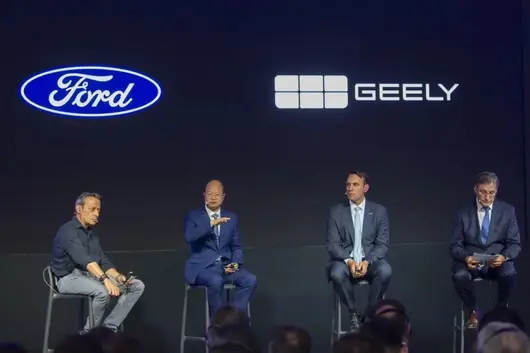

One was scolded for being locked, one was scolded for not being locked. Whose interests are the automakers' "digital fences" actually protecting?
Recently, two strange things happened in the automotive circle, and they must be viewed together.
A Zeekr, the owner drove abroad themselves, got locked for over 30 hours right after entering Kazakhstan. A Li Auto L9, the owner said the car was stolen domestically, but the location also appeared in Kazakhstan.
One actively locked, one not locked. Regarding vehicle cross-border, should automakers lock them?
Zeekr: Self-driving abroad, locked for 30 hours
On July 16, Henan owner Mr. Liu drove a Zeekr 9X to start a Eurasian self-driving tour. As soon as the car entered Kazakhstan, the next day the car system popped up a bunch of prompts——
Navigation unusable, music unplayable, storage box stuck, documents cannot be retrieved. 
Even more extreme, the fuel cap won't open, cannot refuel. This car only has one basic driving function remaining.
Lasting over 30 hours, the in-car screen repeatedly popped up prompts "Vehicle status abnormal, please contact official customer service", to unlock must return to domestic authorized store.
Mr. Liu told the store he was going abroad before departure, but no one reminded him about locking the car. 
Zeekr responded: Vehicles sold domestically only have authorization for use within the country, triggering security protection mechanisms after leaving the border to prevent theft, robbery, and illegal export. Car owner wants to unlock? Yes, submit passport, customs documents, purchase contract, invoice, driver's license, visa... full set of materials.
Netizens exploded: I spent 500,000 to buy this car, and going abroad I still have to report to you?
Li Auto: L9 disappears into thin air, theft or debt?
Look at Li Auto again.
Hangzhou owner Mr. Luo, received system notification in March this year: Li Auto L9 APP control permissions expired.
Where is the car? Car is gone. Location shows, this car appeared in Kazakhstan.
Owner questioned: Did Li Auto remotely unlock it and smuggle the car out of the country? Public opinion rapidly fermented, "Disappearing Li Auto" topped the hot searches.
Interestingly, this came out exactly on the day of the Li Auto L6 launch, the timing was quite delicate.
But the situation quickly reversed — police and media investigation found: This car was mortgaged three times.
First time mortgaged to WeBank, loaned 300,000; second time mortgaged to Zhenong Microcredit, loaned 200,000; third time directly pledged to private lending party, even the physical key was handed over. 
This isn't over. The owner also did something: Replaced the third physical key, causing the keys in the pledge party's hand to fail directly. Pledge party found car keys unusable, drove the car away overnight, transported all the way to Horgos, cleared customs overnight. Upon arriving in Kazakhstan, to allow local buyers to use it normally, the pledge party also applied to unbind the original owner's account permissions. This is not car theft, this is a debt dispute.
Li Auto legal department issued a statement on April 22: Never participated in illegal transfer, no hacker cracking involved, remote operations were all executed by the actual registered person's own account.
Locked or Not Locked, Both Scolded
Putting two things together for comparison, it's interesting.
Zeekr locked — scolded.
Owner went abroad for self-driving, inexplicably locked for 30 hours, even fuel cap won't open, experience extremely poor.
Li Auto didn't lock — also scolded. 
Some comments said: Geely too proactive, locked as soon as going abroad; Li Auto too passive, watched the car drag from Hangzhou to the seaside, transported to Horgos, exited country. Later, to let overseas buyers use it, even unbound the original owner account permissions.
Locked gets scolded, not locked also gets scolded. Whatever automakers do is wrong. But is the problem really that simple?
Why do automakers set up "digital fences"?
This thing really isn't automakers being idle. Behind it there are three layers of logic:
First, black and gray industries are rampant
The price difference between domestic and foreign new energy vehicles is huge.
Zeekr 009 domestic over 400,000, Singapore sells over 2 million; BYD Han domestic over 200,000, Europe sells to over 500,000. Smuggling cars abroad, profit space is how big, you calculate. One car smuggled out, profit can double or triple. The black industry chain behind this is far bigger than imagined.

Second, regulatory hard requirements
February this year, Ministry of Industry and Information Technology and other eight departments jointly issued "Safety Guidelines for Automotive Data Outbound (2026 Edition)", vehicle location, trajectory, mapping data, cannot be casually sent abroad. Automakers without geographic fences, they violate the law themselves first.
Third, industry common practice
Tesla, BMW, Mercedes-Benz have similar restrictions in border areas. Same logic as remote locking phones lost — not to harm you, but to protect you. Prevent vehicles from being illegally sold, or stolen and then sold abroad.
July 26, Zeekr announced emergency rectification:
First, APP launched "Cross-border Protection" function, one-click self-service unlock.
Second, develop "Cross-border Protection Function Switch", default off, owner decides to open or not before leaving country.
Third, 24-hour customer service priority channel.
Say simply — return the initiative of locking car back to owner.
As for Li Auto, legal department clarified in April, but public opinion storm continues. 
The core contradiction of these two things is actually just one:
Automakers' geographic fences, are they protecting owners, or restricting owners? The answer might be — both.
Without this mechanism, smuggling, theft, data violations would be rampant. But execution methods are too crude, indeed let compliant users suffer losses in silence. 
So Zeekr's rectification direction is right: default no lock, let owner choose before leaving country. Handing choice rights to users is more reliable than any "thinking for you". After all, car belongs to user, not automaker.
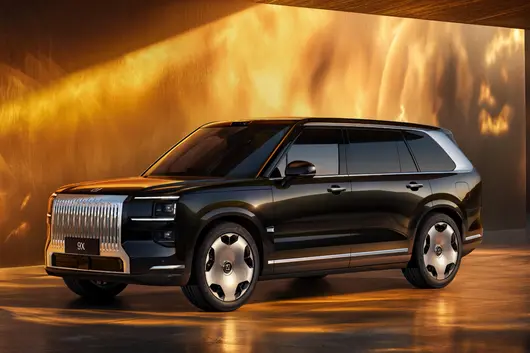

喺馬來西亞嘅 SUV 市場,好多買家喺揀車嗰陣都會拎住 現代 Santa Fe 同 賓士 GLC 嚟比較。呢兩款車喺價位同定位上都幾接近,今日我就由多個方面嚟做一个詳細嘅比較,幫你省返做功課嘅時間。
現代 Santa Fe 喺馬來西亞嘅 OTR 售價係 RM 225,000 - 270,000,合共 3 個版本,包括 2025 2.5T DCT 4WD Calligraphy 6 Seats(RM 270,000)、2025 HEV 1.6T AT 2WD Prestige 7 Seats(RM 245,000)、2025 HEV 1.6T AT 2WD Prime 7 Seats(RM 225,000) 等等。
賓士 GLC 喺馬來西亞嘅 OTR 售價係 RM 336,888 - 336,888,合共 2 個版本,包括 GLC 200(RM 290,000)、GLC 300(RM 340,000) 等等。
由價錢睇,現代 Santa Fe 嘅起步價確係比 賓士 GLC 平咗 RM 111,888。如果你預算有限,現代嘅入門版已經可以滿足日常需要。但要小心,平嗰幾千蚊,可能喺配備上要作取舍,具體要睇你嘅需要。

現代 Santa Fe 搭載 2.0L 4-cyl,馬力 170 hp。官方油耗 8.0 L/100km。
賓士 GLC 搭載 2.0L Turbo,馬力 220 hp。官方油耗 9.5 L/100km。
動力方面,賓士 GLC 嘅 2.0L Turbo 比 現代 Santa Fe 嘅 2.0L 4-cyl 多出 50 匹馬力。不過日常喺市區開,兩款車嘅動力都夠用,唔會覺得唔夠力。

現代 Santa Fe 車身長 4400 mm,行李箱 400 L。
賓士 GLC 車身長 4400 mm,行李箱 400 L。
兩款車嘅尺寸幾近一樣,車廂空間差別唔大。呢個級別嘅車,日常使用完全夠用。

現代 Santa Fe 採用 FWD 驅動方式。
賓士 GLC 採用 FWD 驅動方式。
兩款車嘅驅動方式一樣,都係 FWD,日常駕駛感受唔會有太大分別。
現代 Santa Fe 同 賓士 GLC 都係馬來西亞市場嘅主流選擇,適合家庭使用、日常通勤。如果你更看重品牌口碑同二手價,可以優先考慮口碑更好嗰一款;如果你更介意性價比同配備,就揀配備更豐富嗰款。最後始終建議兩款都去試車,親身體驗先至最重要。
總嚟講,現代 Santa Fe 同 賓士 GLC 都係馬來西亞市場好唔錯嘅車型。揀邊一輛,關鍵都要睇你嘅個人需要同預算。建議大家做好功課,多比較幾間車行嘅報價,再去試車先做最終決定。買車係一件大事,花啲時間做功課絕對唔會錯。


喺馬來西亞嘅 SUV 市場,好多買家喺選車嘅時候都會拿奔馳 GLS 同路虎攬勝運動版嚟做比較。呢兩款車喺價位同定位上都幾接近,今日我哋就從多個方面做一個詳細嘅比較,幫你省做功課嘅時間。
奔馳 GLS 喺馬來西亞嘅 OTR 售價係 RM 1,020,888 - 1,020,888,一共有 1 個版本,包括 Standard(RM 1,020,888)等。
路虎攬勝運動版喺馬來西亞嘅 OTR 售價係 RM 1,698,000 - 2,500,000,一共有 1 個版本,包括 Standard(RM 1,698,000)等。
從價錢睇,奔馳 GLS 嘅起步價確實比路虎攬勝運動版平咗 RM 677,112。如果你預算有限,奔馳嘅入門版已經可以滿足日常需求。但都要留意,平嗰幾千蚊,可能喺配備上會有取捨,具體要看你嘅需求。

奔馳 GLS 嘅安全評級係 5★ (Euro NCAP),主動安全系統包括 Premium ADAS。
路虎攬勝運動版嘅安全評級係 TBD,主動安全系統包括 Basic。
安全配備方面,兩款車都拿到唔錯嘅評級。不過奔馳 GLS 嘅 Premium ADAS 同路虎攬勝運動版嘅 Basic 喺功能上有些差異,如果你比較著重主動安全嘅話,可以仔細對比吓兩者嘅功能列表。

奔馳 GLS 車身長 4400 mm,後備箱 400 L。
路虎攬勝運動版車身長 4400 mm,後備箱 400 L。
兩款車嘅尺寸幾乎一樣,車內空間差別唔大。呢個級別嘅車,日常使用完全夠用。

奔馳 GLS 保修 3 年/100,000km,保養間隔 每 10,000km 或 6 個月。
路虎攬勝運動版保修 3 年/100,000km,保養間隔 每 10,000km 或 6 個月。
兩款車嘅保修條件一樣,呢方面唔使糾結。實際保養成本仲要看品牌嘅服務網絡同零件價格,建議去車友群問吓真實車主嘅經驗。

奔馳 GLS 同路虎攬勝運動版都係馬來西亞市場嘅主流選擇,適合家庭使用、日常通勤。如果你更著重品牌口碑同二手價,可以優先考慮口碑更好嗰一款;如果你更在意性價比同配備,那就選配置更豐富嗰款。最終都係建議兩款都去試駕,親身體驗先係最重要。

總嘅來說,奔馳 GLS 同路虎攬勝運動版都係馬來西亞市場幾唔錯嘅車型。揀邊一辆,關鍵都要睇你嘅個人需求同預算。建議大家做好功課,多比較幾間車行嘅報價,再去試駕做最終決定。買車係件大事,花啲時間做功課絕對唔會錯。

© 2024 Bitauto.com. All Rights Reserved.
Bitauto (www.yiche.com and www.bitauto.com) is one of the most visited automotive websites in China. We provide detailed info on Chinese car brands available in your area. Please note that the information provided on this website is based on publicly available data and is for reference only. It may not be fully updated or accurate at all times.

Help us improve our website


