

HomeProton Gen2

Search History
Popular Searches
Dealer Login / Sign Up

On August 21, the 2026 Chengdu International Auto Show officially opened. Chery Group showcased 38 models from its five major brands: Chery, Exeed, Jetour, iCAR, and Vantech. Among them, the Chery brand brought 12 models. Fengyun A9 and Fengyun T7, the "Visual Twin Stars", appeared on stage together; the QQ3 Modern Edition started its early tasting experience; the new benchmark for global quality family sedan, Arrizo 7, welcomed its global debut.
In 2026, Chery arrived at a new historical coordinate in the global automotive industry landscape. In the first half of 2026, Chery's global sales share jumped to 9th position globally. Among the top ten, Chinese brands occupied three spots. By the end of July, Chery's global cumulative car users broke 20.16 million, among which overseas cumulative users exceeded 6.99 million. It has ranked first in Chinese car brand exports for 23 consecutive years. From January to July this year, Chery's cumulative vehicle exports reached 1.146 million, with a year-on-year growth of 71.2%. In July, with an achievement of 202,533 vehicles, it became China's first automaker to break 200,000 vehicles in monthly exports.

Behind the sales numbers is Chery's re-anchoring of the definition of "Global Car". Li Xueyong, Executive Vice President of Chery Automobile Co., Ltd., stated that Chery firmly believes that real global cars are not developed domestically then modified for export, but are anchored to the global market from the start of R&D. Chery insists on creating true native global cars facing the global market from the initial product definition. At this Chengdu Auto Show, Chery presented a global model matrix of the new energy era with global same-spec models meeting diverse global needs, re-validating the new pattern of "Global cars have entered China Time".
As Chery's first native global model in the Smart Electrification Era, the global quality pure electric SUV Fengyun T7 is the absolute focus of this auto show. The new car adopts "Wind-riding Aesthetics" exterior design, integrating Eastern heritage with global mainstream aesthetics. In terms of power, it is equipped with a 65.05kWh Rhinoceros Battery, combined with a wide-temperature range heat pump air conditioning and high-voltage PTC system, achieving CLTC 600km pure electric range. In terms of safety, it relies on the Fortress Body, 9 airbags, and master-level tuned chassis to build a solid overall vehicle safety base; in terms of intelligence, it is equipped with an Integrated Cockpit and Driving 8775 Chip, Lingxi Smart Cockpit 2.0, and Falcon 500 Driver Assistance System.

In terms of market, Fengyun T7's pre-sale price is 109,900 yuan to 129,900 yuan. Within 9 days of pre-sale, orders broke 16,787 units. According to plans, the new car will officially launch on August 26. In addition, Fengyun T7 has already entered South Africa and Thailand markets. It will enter China and Indonesia markets in August, launch in the EU market in September, and enter the UK, Malaysia, Australia, and other places in October.
The True Global Class C Flagship — Fengyun A9L ULTRA 4WD Version appeared together. The car features Yunzheng Exterior, Fengchen Interior, three-color light-up grille, and electric speed-control spoiler, combined with Snow Leopard 4WD and Front double wishbone + Rear five-link suspension, meeting the dual pursuit of performance and looks by young users; meanwhile, it is equipped with Falcon 700 Driver Assistance, Lingxi Smart Cockpit 2.0, the overall vehicle high-strength steel and aluminum ratio reaches 88%, equipped with 9 airbags and Rhinoceros Battery.
Particularly worth noting is that the new benchmark for global quality family sedan Arrizo 7 welcomed its first public debut at this Chengdu Auto Show. This classic compact sedan that was silent for years officially completed its generation update and returned. Arrizo 7 draws inspiration from the dynamic changes of water, integrating the calmness of still water and the power of moving water into the overall vehicle design, forming a unique "Power of Moving Water" design language — when stationary, the body is relaxed and steady; when moving, the model surface flows dynamically. Besides global aesthetic design, the new car also provides C-DM Super Electric Hybrid and ICE Kunpeng Fuel Version two power choices, meeting differentiated needs of users in different global regions for performance and energy consumption.

In addition, the new QQ3's No. 001 official modification version — QQ3 Modern Edition also started early order taking at the auto show. The car incorporates Neo Retro design concept, paying tribute to classics with Retro-Futurism, integrating classic elements from 100 years of automotive industry with Smart Electrification era technology.
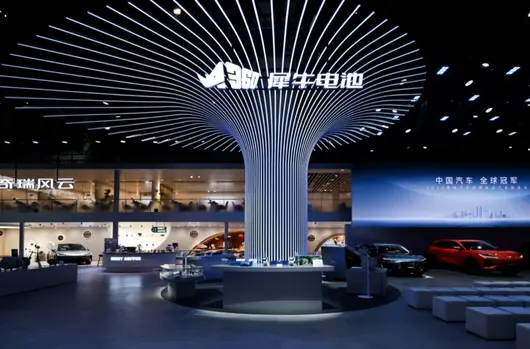
This year is Chery's "Electrification Transformation" product year, and also its technical year embracing Smart Electrification Era and continuously deepening new energy strategy. At this auto show, Chery brought frontier technology achievements in multiple fields such as Rhinoceros Battery, Kunpeng Power, AI Intelligence. As a major highlight of the booth, Chery created "Tech Ecology Island" themed booth, through forms of physical dismantling, immersive experiments, interactive participation, etc., transforming technical parameters into vivid experiences that audiences can see, touch, and perceive. A Rhinoceros Battery Safety Experience Line was set up on site. Visitors can observe solid-state battery exhibits up close, and watch extreme safety demonstrations of battery puncture, cell squeeze and water immersion.
At this Chengdu Auto Show, Chery presented a global model matrix of the new energy era with global same-spec models meeting diverse global needs, re-validating the new pattern of "Global cars have entered China Time".

Dalam pasaran SUV di Malaysia, ramai pembeli membandingkan Honda WR-V dan Chery Tiggo 8 semasa memilih kereta. Kedua-dua model ini agak hampir dari segi harga dan kedudukan pasaran. Hari ini kita akan membuat perbandingan terperinci dari pelbagai aspek untuk membantu anda menjimatkan masa membuat kajian.
Honda WR-V mempunyai harga OTR di Malaysia antara RM 89,900 hingga RM 107,900, dengan 4 varian termasuk 2023 1.5L V (RM 99,900), 2023 1.5L E (RM 95,900), 2023 1.5L S (RM 89,900) dan lain-lain.
Chery Tiggo 8 mempunyai harga OTR di Malaysia antara RM 129,750 hingga RM 129,750, dengan 1 varian termasuk 2026 1.6T Standard (RM 129,750) dan lain-lain.
Dari segi harga, harga permulaan Honda WR-V memang lebih murah RM 39,850 berbanding Chery Tiggo 8. Jika bajet anda terhad, varian asas Honda sudah boleh memenuhi keperluan harian. Tetapi perlu diperhatikan juga, perbezaan beberapa ribu ringgit itu mungkin melibatkan pilihan dalam kelengkapan, bergantung sepenuhnya pada keperluan anda.

Honda WR-V dilengkapi enjin 1.5L 4-silinder, dengan 105 hp. Konsumsi minyak rasmi 6.0 L/100km.
Chery Tiggo 8 dilengkapi enjin 1.5L Turbo, dengan 140 hp. Konsumsi minyak rasmi 7.0 L/100km.
Dari segi kuasa, enjin 1.5L Turbo pada Chery Tiggo 8 mempunyai 35 hp lebih banyak berbanding enjin 1.5L 4-silinder Honda WR-V. Namun untuk memandu di bandar, kedua-dua kereta ini mempunyai kuasa yang mencukupi dan tidak terasa kurang.

Penarafan keselamatan Honda WR-V adalah 5★ (ASEAN NCAP), sistem keselamatan aktif termasuk Honda SENSING.
Penarafan keselamatan Chery Tiggo 8 adalah TBD, sistem keselamatan aktif termasuk Basic.
Dari segi kelengkapan keselamatan, kedua-dua kereta mempunyai penarafan yang baik. Walau bagaimanapun, Honda SENSING pada Honda WR-V dan Basic pada Chery Tiggo 8 mempunyai perbezaan fungsi. Jika anda lebih mengutamakan keselamatan aktif, anda boleh bandingkan senarai fungsi kedua-duanya dengan teliti.

Honda WR-V mempunyai waranti 5 tahun/jarak tanpa had, selang servis setiap 10,000km atau 6 bulan.
Chery Tiggo 8 mempunyai waranti 3 tahun/100,000km, selang servis setiap 10,000km atau 6 bulan.

Secara keseluruhan, Honda WR-V dan Chery Tiggo 8 adalah model kereta yang sangat baik di pasaran Malaysia. Pilih mana satu, kuncinya bergantung pada keperluan dan bajet peribadi anda. Kami sarankan anda membuat kajian yang baik, bandingkan lebih banyak tawaran dari pelbagai kedai kereta, dan buat ujian memandu untuk membuat keputusan akhir. Membeli kereta adalah perkara besar, meluangkan masa untuk kajian tidak akan salah.


Di pasaran SUV di Malaysia, ramai pembeli sering membandingkan Honda WR-V dengan Chery Tiggo 7 Pro ketika memilih kereta. Kedua-dua model ini agak dekat dari segi harga dan posisi, hari ini kita akan membuat perbandingan terperinci dari pelbagai aspek, membantu anda menjimatkan masa membuat kajian.
Honda WR-V di Malaysia mempunyai harga OTR sebanyak RM 89,900 - 107,900, mempunyai 4 varian, termasuk 2023 1.5L V (RM 99,900), 2023 1.5L E (RM 95,900), 2023 1.5L S (RM 89,900) dan lain-lain.
Chery Tiggo 7 Pro di Malaysia mempunyai harga OTR sebanyak RM 123,750 - 123,750, mempunyai 2 varian, termasuk 1.6L Turbo Standard (RM 125,000), 1.6L Turbo Premium (RM 140,000) dan lain-lain.
Dari segi harga, harga permulaan Honda WR-V memang lebih murah RM 33,850 berbanding Chery Tiggo 7 Pro. Jika bajet anda terhad, model permulaan Honda sudah cukup memenuhi keperluan harian. Tetapi perlu diingat, perbezaan harga beribu ringgit ini mungkin mempunyai kompromi pada kelengkapan, bergantung pada keperluan anda.
Honda WR-V dilengkapi enjin 1.5L 4-silinder, kuasa kuda 105 hp. Jimat minyak rasmi 6.0 L/100km.
Chery Tiggo 7 Pro dilengkapi enjin 1.5L Turbo, kuasa kuda 140 hp. Jimat minyak rasmi 7.0 L/100km.
Dari segi kuasa, 1.5L Turbo Chery Tiggo 7 Pro mempunyai 35 bhp lebih berbanding 1.5L 4-silinder Honda WR-V. Namun untuk pemanduan harian di bandar, kuasa kedua-dua kereta sudah mencukupi, tidak terasa kurang tenaga.
Penarafan keselamatan Honda WR-V adalah 5★ (ASEAN NCAP), sistem keselamatan aktif termasuk Honda SENSING.
Penarafan keselamatan Chery Tiggo 7 Pro adalah TBD, sistem keselamatan aktif termasuk Basic.
Dari segi kelengkapan keselamatan, kedua-dua kereta mendapat penarafan yang baik. Namun Honda SENSING Honda WR-V dan Basic Chery Tiggo 7 Pro mempunyai perbezaan dari segi fungsi, jika anda mementingkan keselamatan aktif, boleh bandingkan senarai fungsi kedua-duanya dengan teliti.
Honda WR-V waranti 5 tahun/jarak tidak had, selang penyelenggaraan setiap 10,000km atau 6 bulan.
Chery Tiggo 7 Pro waranti 3 tahun/100,000km, selang penyelenggaraan setiap 10,000km atau 6 bulan.
Secara keseluruhannya, Honda WR-V dan Chery Tiggo 7 Pro adalah model yang sangat bagus di pasaran Malaysia. Memilih yang mana satu, utama bergantung pada keperluan dan bajet peribadi anda. Kami cadangkan anda membuat kajian, bandingkan harga lebih banyak dealer, kemudian buat ujian pemandu untuk membuat keputusan akhir. Membeli kereta adalah perkara besar, mengambil masa untuk membuat kajian tidak akan salah.

Di pasaran SUV Malaysia, ramai pembeli membandingkan Honda WR-V dan Chery Tiggo Cross ketika memilih kereta. Kedua-dua model ini agak hampir dari segi harga dan kedudukannya. Hari ini kita akan buat perbandingan terperinci dari pelbagai aspek untuk membantu anda menjimatkan masa penyelidikan.
Harga OTR Honda WR-V di Malaysia ialah RM 89,900 - 107,900, terdapat 4 versi, termasuk 2023 1.5L V (RM 99,900), 2023 1.5L E (RM 95,900), 2023 1.5L S (RM 89,900) dan lain-lain.
Harga OTR Chery Tiggo Cross di Malaysia ialah RM 88,750 - 99,750, terdapat 2 versi, termasuk 2025 HEV 1.5L CSH (RM 99,750), 2025 1.5T Standard (RM 88,750) dan lain-lain.
Dari segi harga, harga permulaan Chery Tiggo Cross adalah RM 1,150 lebih murah daripada Honda WR-V. Jujur berkata, pada julat harga ini, perbezaan beberapa ribu tidak terlalu besar, yang penting masih bergantung pada nilai kos keseluruhan dan kos penggunaan jangka panjang.
Gred keselamatan Honda WR-V ialah 5★ (ASEAN NCAP), sistem keselamatan aktif termasuk Honda SENSING.
Gred keselamatan Chery Tiggo Cross ialah TBD, sistem keselamatan aktif termasuk Basic.
Dari segi kelengkapan keselamatan, kedua-dua kereta mendapat gred yang baik. Namun, Honda SENSING pada Honda WR-V dan Basic pada Chery Tiggo Cross mempunyai perbezaan dalam fungsi. Jika anda lebih mengutamakan keselamatan aktif, anda boleh membandingkan senarai fungsi keduanya dengan teliti.
Panjang badan Honda WR-V 4400 mm, ruang muatan belakang 400 L.
Panjang badan Chery Tiggo Cross 4400 mm, ruang muatan belakang 400 L.
Saiz kedua-dua kereta hampir sama, ruang dalaman tidak banyak berbeza. Kereta pada tahap ini, penggunaan harian sudah cukup.
Honda WR-V menggunakan cara pemacu FWD.
Chery Tiggo Cross menggunakan cara pemacu FWD.
Cara pemacu kedua-dua kereta sama, semuanya FWD, rasa memandu harian tidak akan banyak berbeza.

Secara keseluruhannya, Honda WR-V dan Chery Tiggo Cross adalah model kereta yang sangat bagus di pasaran Malaysia. Memilih yang mana, yang penting adalah melihat keperluan peribadi dan bajet anda. Disarankan melakukan penyelidikan, membandingkan beberapa sebut harga daripada pengedar kereta, kemudian buat ujian memandu untuk membuat keputusan akhir. Membeli kereta adalah perkara besar, meluangkan masa untuk penyelidikan tidak akan salah.

喺馬來西亞嘅 SUV 市場,好多買家喺揀車嘅時候,都會拎 Honda WR-V 同 Chery Tiggo 7 Pro 嚟比較。呢兩款車喺價位同定位上都好接近,而家我哋就由多個角度做個詳細比較,幫你節省咗做功課嘅時間。
Honda WR-V 喺馬來西亞嘅 OTR 售價係 RM 89,900 - 107,900,合共 4 個版本,包括 2023 1.5L V(RM 99,900)、2023 1.5L E(RM 95,900)、2023 1.5L S(RM 89,900) 等。
Chery Tiggo 7 Pro 喺馬來西亞嘅 OTR 售價係 RM 123,750 - 123,750,合共 2 個版本,包括 1.6L Turbo Standard(RM 125,000)、1.6L Turbo Premium(RM 140,000) 等。
從價錢睇,Honda WR-V 嘅起步價確實比 Chery Tiggo 7 Pro 平咗 RM 33,850。如果你預算唔夠,Honda 嘅入門版已經可以滿足日常需要。但都要留意,平少少嘅幾千塊,可能喺配備上會有取舍,具體就要睇你嘅需要。
Honda WR-V 配備 1.5L 4-cyl,馬力 105 hp。官方油耗 6.0 L/100km。
Chery Tiggo 7 Pro 配備 1.5L Turbo,馬力 140 hp。官方油耗 7.0 L/100km。
動力方面,Chery Tiggo 7 Pro 嘅 1.5L Turbo 比 Honda WR-V 嘅 1.5L 4-cyl 多咗 35 匹馬力。不過日常喺市區開,兩款車嘅動力都夠用,唔會覺得冇咗力。
Honda WR-V 嘅安全評級係 5★ (ASEAN NCAP),主動安全系統包括 Honda SENSING。
Chery Tiggo 7 Pro 嘅安全評級係 TBD,主動安全系統包括 Basic。
安全配備方面,兩款車都攞到唔錯嘅評級。不過 Honda WR-V 嘅 Honda SENSING 同 Chery Tiggo 7 Pro 嘅 Basic 喺功能上有些分別,如果你比較重視主動安全嘅話,可以仔細比較下兩者嘅功能列表。
Honda WR-V 車身長度 4400 mm,行李箱 400 L。
Chery Tiggo 7 Pro 車身長度 4400 mm,行李箱 400 L。
兩款車嘅尺寸幾乎一樣,車內空間分別唔係好大。呢個級別嘅車,日常使用完全夠用。
Honda WR-V 保養 5 年/里程無限,保養間隔 每 10,000km 或 6 個月。
Chery Tiggo 7 Pro 保養 3 年/100,000km,保養間隔 每 10,000km 或 6 個月。
總嘅嚟講,Honda WR-V 同 Chery Tiggo 7 Pro 都係馬來西亞市場幾唔錯嘅車型。揀邊一輛,關鍵都要睇你嘅個人需求同預算。建議大家做好功課,多比較間幾間車行嘅報價,再去試駕做最終決定。買車係件大事,花少少時間做功課絕對唔會錯。

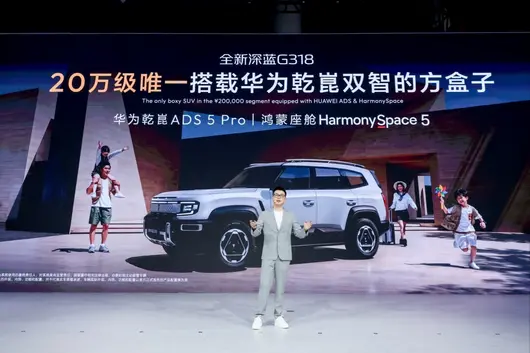
成都车展媒体日当天,深蓝汽车的展台被围得水泄不通。这种热度倒也不意外,毕竟全新G318拿出了两个硬核卖点:方盒子造型,加上20万级别唯一搭载华为乾崑双智系统。
先看价格。全新深蓝G318限时优惠价19.68万元-23.68万元,三款配置:四驱舒享天枢版、四驱舒享乾崑版、四驱空悬乾崑版。下订还有至高价值44159元的八大礼包。说实话,这个价格区间能买到带华为乾崑ADS 5 Pro和鸿蒙座舱的方盒子SUV,放在两年前想都不敢想。

从“越野玩具”到“家庭全能车”,G318重新定义了方盒子
全新G318的定位很有意思“9城1野”,90%时间在城市代步,10%时间出去撒野。这个定位精准切中了大多数家庭用户的真实需求:想要一台看着硬派、用着舒服、偶尔还能出去野的车,但又不愿意为了那10%的户外场景牺牲90%的城市舒适性。
超5米的车身、长轴距带来的宽适空间,后排纯平放倒能变成1.8米大床,这些细节都在传递一个信号:这台车首先服务于家庭日常。而双电机真四驱、两把差速锁、ET全地形系统,则保证了那10%的户外场景不会掉链子。450匹马力、552N·m峰值扭矩、5秒级零百加速,动力储备也足够应对各种路况。
华为乾崑双智下沉,20万级方盒子终于有了聪明大脑
这次全新G318最大的看点,是把华为乾崑ADS 5 Pro和鸿蒙座舱HarmonySpace 5带到了20万级方盒子市场。27个传感器融合感知,加上WEWA 2.0架构,城区领航NCA、高速领航NCA、全域智能泊车辅助全部安排上。

城区通勤最让人头疼的环岛通行、无保护左转、窄道防剐蹭、拥堵防加塞,系统都能自主应对。舱内激光Limera的布置位置也值得一说,装在舱内意味着没有风阻、不遮挡视线、不怕脏污,雨天、隧道、暗光、逆光环境下照样干活。提前116米识别30cm×30cm的小障碍物,这个感知距离已经超过大部分老司机的反应极限了。
全维防碰撞系统CAS把24项主动安全能力嵌进决策链路,4大核心安全场景做到了同级跨代领先。机器反应速度比人快,这是客观事实,尤其在紧急情况下,毫秒级的决策差异可能就是避险和事故的分界线。
鸿蒙座舱的体验不用过多赘述,登录同一华为账号后手机靠近车机屏幕自动连接,跨端内容无缝接力。15.6英寸华为智慧屏支持3D实时控车,操作丝滑不卡顿。MoLA大模型架构的语音交互支持十个指令混说,四川话、粤语等十大方言都能识别。导航Agent能听懂“机场旁边那家咖啡店”这种模糊表达,自动纠偏口误规划最优路线。这些细节才是日常使用中最能体现实用价值的地方。

“空悬+CDC+魔毯”舒适三件套,方盒子也能很舒服
底盘方面,全新G318配备了同级唯一的“空悬+CDC+魔毯”组合,加上双叉臂+多连杆独立悬架。这套系统的价值在于毫秒级阻尼调节,城市路况柔顺静谧,近郊非铺装路面更平顺。过去方盒子SUV被诟病最多的就是“硬桥硬马”的乘坐质感,G318这套底盘方案算是把舒适性补上了。

深蓝L06特别版首秀:1000N下压力的赛道玩具
展台上另一款值得关注的车型是深蓝L06全新特别版。这台车本身已经在15万级市场站稳了脚跟,7月销量7267辆,连续5个月破5000,稳坐20万内新能源中型车销冠。
这次特别版加了赛道化竞速套件:车头立体风刃加一体式前铲、侧裙风刃、碳纤维固定大尾翼。整车最高下压力达到1000N,过弯更爽、高速更稳。300万法拉利同款磁流变悬架是L06的核心底牌,这套套件进一步放大了运动基因。年轻人想要“日常舒适、赛道气场”的矛盾需求,L06特别版算是给了一个解。

深蓝S05和S07:把激光雷达和空悬打到更低价位
展台上还有刚焕新不久的全新深蓝S05,11.59万元起的限时优惠价,给了激光雷达、一段式端到端算法、3nm座舱芯片、FSD+HRS可变自适应悬架。这台车已经进入全球73个国家和地区,25万+用户,德国iF设计大奖、泰国年度汽车大奖拿到手软,是深蓝出海的销量担当。

全新S07则实现了“纯电+增程”双动力形式的激光智能辅助驾驶全覆盖,把30万级的智驾体验带到15万级市场。华为乾崑方案城区领航全覆盖,加上全系标配的FSD+HRS可变自适应底盘,这个配置方案在同价位里确实少见。

销量逼近百万,深蓝的技术底牌越来越厚
2026年1-7月,深蓝全球累计销量193369辆,同比增长13.48%。海外销量44508辆,同比猛增87.48%。截至7月累计销量突破91万辆,年内冲击百万里程碑基本没有悬念。
深蓝在技术层面的积累也在加厚。原力超集电驱累计45个月超百万台下线,系统总成工况效率94.13%全球第一。金钟罩电池两获国家科技进步二等奖,60万公里衰减无感知。微核高频脉冲加热拿了中国专利金奖。下半年纯电车型陆续上800V高压平台,支持6C超充,10分钟补能30%-80%。
结语:
过去方盒子要么是硬核越野玩家的小众玩具,要么是徒有其表的城市装饰品。全新深蓝G318选择了一条折中的路——用“9城1野”的产品逻辑,华为乾崑双智的智能化加持,再加上空悬CDC的舒适底盘,把这个品类真正推向了家庭用户。
当20万级的方盒子既能满足每天通勤的舒适和智能需求,又能在周末带全家去郊外撒野的时候,这个细分市场的天花板恐怕要重新审视了。科技平权也好,品类创新也罢,最终买单的是消费者,而市场会给出答案。8月21日到30日,成都西博城11号馆深蓝展台,感兴趣的可以去摸摸实车。

喺馬來西亞嘅 SUV 市場,好多買家喺揀車嘅時候都會拿 Honda WR-V 同 Chery Tiggo 7 Pro 嚟做比較。呢兩款車喺價位同定位上都幾相近嘅,今日我哋就從多個方面做一個詳細嘅比較,幫你攞返做功課嘅時間。
Honda WR-V 喺馬來西亞嘅 OTR 售價係 RM 89,900 - 107,900,總共 4 個版本,包括 2023 1.5L V(RM 99,900)、2023 1.5L E(RM 95,900)、2023 1.5L S(RM 89,900) 等。
Chery Tiggo 7 Pro 喺馬來西亞嘅 OTR 售價係 RM 123,750 - 123,750,總共 2 個版本,包括 1.6L Turbo Standard(RM 125,000)、1.6L Turbo Premium(RM 140,000) 等。
由價錢嚟睇,Honda WR-V 嘅起步價確實比 Chery Tiggo 7 Pro 平咗 RM 33,850。如果你預算有限,Honda 嘅入門版已經可以滿足日常需要。但亦要小心,平嗰幾千塊,可能喺配備上會有取舍,具體要看你嘅需要。
Honda WR-V 配備 1.5L 4-cyl,馬力 105 hp。官方油耗 6.0 L/100km。
Chery Tiggo 7 Pro 配備 1.5L Turbo,馬力 140 hp。官方油耗 7.0 L/100km。
由動力嚟講,Chery Tiggo 7 Pro 嘅 1.5L Turbo 比 Honda WR-V 嘅 1.5L 4-cyl 多咗 35 匹馬力。不過日常喺市區開,兩款車嘅動力都夠用,唔會覺得唔夠力。
Honda WR-V 嘅安全評級係 5★ (ASEAN NCAP),主動安全系統包括 Honda SENSING。
Chery Tiggo 7 Pro 嘅安全評級係 TBD,主動安全系統包括 Basic。
安全配備方面,兩款車都拿到唔錯嘅評級。不過 Honda WR-V 嘅 Honda SENSING 同 Chery Tiggo 7 Pro 嘅 Basic 喺功能上有啲分別,如果你比較睇重主動安全嘅話,可以詳細比較吓兩者嘅功能列表。
Honda WR-V 採用 FWD 驅動方式。
Chery Tiggo 7 Pro 採用 FWD 驅動方式。
兩款車嘅驅動方式一樣,都係 FWD,日常駕駛感覺唔會有太大分別。
總括嚟講,Honda WR-V 同 Chery Tiggo 7 Pro 都係馬來西亞市場好唔錯嘅車款。揀邊一輛,關鍵仲係要看你嘅個人需要同預算。建議大家做好功課,多比較幾間車行嘅報價,再去做試駕做最終決定。買車係件大事,花少少時間做功課絕對無錯。

21 Ogos, Pameran Auto Chengdu 2026 dimulakan, Kumpulan Chery dengan tema "Kereta China Juara Global", membawa 38 model dari lima jenama di bawahnya iaitu Chery, Exeed, Jetour, iCAR, dan Zhengheng untuk mendarat di Pavilion 5. Di antaranya, jenama Chery membawa 12 model, Fengyun A9 dan Fengyun T7 "Bintang Kembar Estetika" muncul serentak, QQ3 Edisi Moden membuka tempahan awal, penanda aras baharu sedan keluarga berkualiti global Arrizo 7 menyambut debut global.

"Kereta Global Sejati, bukan dibangunkan di dalam negara dahulu kemudian diubah keluar, tetapi dari permulaan penyelidikan dan pembangunan telah menjangkau global." Naib Presiden Eksekutif Chery Automobile Li Xueyong menyatakan di lokasi.
Laporan Prestasi Global: Bahagian Pasaran Melompat ke Tempat Kesembilan, Eksport Bulanan Pertama Kali Lebih 200,000 Unit
Tahun 2026, Kumpulan Chery menyambut "koordinat baharu" dalam格局 kereta global. Menurut Cui Dongshu, Ketua Setiausaha Persatuan Penjualan Kereta berdasarkan data statistik daripada organisasi seperti Pertubuhan Kereta Dunia, pada separuh pertama tahun 2026, bahagian jualan global Kumpulan Chery mencapai 4.1%, bersaing tempat kesembilan dunia bersama Ford Amerika Syarikat, bersama BYD dan Geely, menjadi "tiga kerusi China" yang muncul buat kali pertama dalam barisan sepuluh besar jualan global.
Hingga hujung Julai, pengguna kenderaan global terkumpul Chery telah melangkaui 20.16 Juta, di mana pengguna luar negara terkumpul melebihi 6.99 Juta, menduduki tempat teratas eksport jenama kenderaan China berturut-turut 23 tahun. Tahun ini Januari hingga Julai, Chery telah eksport terkumpul 1.146 Juta unit kenderaan, meningkat 71.2% berbanding tahun sebelumnya, Julai lebih-lebih lagi mencatatkan 202,533 unit, menjadi syarikat kenderaan pertama China yang menembusi 200,000 unit eksport bulanan.

Purata setiap 16 saat, sebuah "Kereta Buatan Chery" meluncur ke seluruh dunia. Eropah kini menjadi penggerak utama pertumbuhan global Chery — separuh pertama tahun ini Chery terkumpul jualan 174,000 unit di Eropah, meningkat 212%, di mana kenderaan tenaga baharu 86,000 unit, meningkat 385%. Setiap 5 kenderaan dieksport dari China, 1 unit datang dari Chery.
Fengyun T7: Tempahan Pra-jualan 9 Hari Pecah 16,000, Pelancaran 26 Ogos
Sebagai model global asli pertama Zaman Pintar Elektrik Chery, Fengyun T7 merupakan tumpuan Pameran Auto kali ini. Kereta baharu menggunakan reka bentuk luaran "Estetika Kawal Angin", dibenarkan bateri Rhino 65.05kWh, jauh laluan elektrik CLTC 600km (ujian sebenar tanpa konditioner udara boleh mencapai 647km), menyokong cukup pantas 40 minit ke 80%. Dari segi keselamatan bergantung pada Badan Kokoh dan 9 beg udara; dari segi kecerdasan dilengkapi cip satu badan kokpit dan pemanduan 8775, Kokpit Pintar Lingxi 2.0 serta sistem bantuan pemanduan Falcon 500.

Harga pra-jualan Fengyun T7 109,900 hingga 129,900 Yuan, tempahan pra-jualan 9 hari melangkaui 16,787 unit. Kereta ini kini telah dilancarkan di Afrika Selatan dan Thailand, Ogos akan mendarat di pasaran China dan Indonesia, September di Kesatuan Eropah, Oktober mendarat di United Kingdom, Australia dan lain-lain.
Chery juga memberikan dasar "jaminan": kerosakan haba bateri ganti kenderaan baharu, akuan pemanduan pintar paling tinggi ganti 5 Juta Yuan, ditambah jaminan sepanjang hayat keseluruhan badan kenderaan dan tiga sistem tenaga. Pengguna di bawah umur 35 tahun menduduki 65.2% — "kereta global asli" ini menepati pasaran pembelian pertama elektrik tulen keluarga belia.
Debut Global Arrizo 7: Satu "Kereta Keluarga Tumbuh dari Air"
Arrizo 7 merupakan model berat lagi di Pameran Auto kali ini. Kereta baharu mengambil inspirasi dari perubahan senyap dan gerak air, membentuk bahasa reka bentuk unik "Tenaga Air Bergerak". "Jejaring Gelombang" bahagian hadapan berasal dari gelombang air yang terbuka apabila batu dilemparkan, "Hadapan Mengikut Ombak" memasukkan tenaga ombak ke dalam postur kepala kereta, warna utama badan "Biru Malam Ekstrem Tromsø" diambil dari warna langit malam ekstrem Norway.

Dari segi kuasa, Arrizo 7 menyediakan C-DM Super Hybrid Elektrik dan ICE Kunpeng Petrol dua pilihan, satu kereta dua tenaga. Dari fasa penyelidikan dan pembangunan sudah diarahkan ke pasaran global, telah melakukan ujian had ekstrem ke atas semua suhu (-40°C hingga 50°C), semua bentuk jalan, semua kelembapan, semua ketinggian.
QQ3 Edisi Moden dan Pengalaman Kaunter
Sebagai Edisi Modifikasi Rasmi No. 001 QQ3 Baharu, QQ3 Edisi Moden membuka tempahan awal. Kereta baharu menggabungkan falsafah reka bentuk Neo Retro, menggabungkan elemen klasik dalam industri 100 tahun kenderaan dengan teknologi Zaman Pintar Elektrik.

Selain itu, kaunter Chery mewujudkan tema "Pulau Ekologi Teknologi", penonton boleh melihat demonstrasi keselamatan seperti tusukan bateri, penyempitan sel bateri dan celupan air dari dekat. 22 Ogos juga menganjurkan "Hari Tema Estetika Luar Biasa". Ruang Ekologi Rui Xiang mempunyai lima kawasan termasuk Jalan Modifikasi Moden, Kemping Semulajadi dan lain-lain.
Berlandaskan 20.16 Juta Pengguna Global titik permulaan baru, Chery terus memacu ke atas dari semua arah jenama dengan sistem globalisasi, teknologi berprospek dan ungkapan belia.

This year, China's auto export volume is expected to exceed 10 million vehicles, and it may enter a faster track in the future. August 20, at the Global New Energy Vehicle Cooperation and Development Forum (GNEV2026), Chebai International Chief Expert Zhang Yongwei stated as such.
He reminded that the global development of Chinese autos is no longer just China's own matter, but has largely become a matter of global concern. Doing this well requires internal and external linkage. Relying on a single party alone, this task cannot be done well.
The window period will not be long; differentiation has already begun
Chinese brands are growing rapidly in various major overseas markets.
It is worth noting that China's auto exports hovered around the 1 million vehicle mark for about ten years, after which the curve rose steeply: 4.91 million vehicles in 2023, 7.098 million in 2025, with growth accelerating continuously.
Data from the China Association of Automobile Manufacturers and the General Administration of Customs shows that in the first half of this year, China exported 5.096 million complete vehicles, a year-on-year increase of 65.3%. Single-month exports in June reached 1.037 million, breaking the 1 million mark for the first time in history. New energy vehicle exports reached 2.355 million, with a growth rate of 120%, accounting for 46% of total exports.
Multiple forecasts predict that complete vehicle exports will reach 10 million in 2026, with about 5 million being new energy vehicles.

The changes in the European market are very convincing. In June this year, Chinese brands' single-month market share in Europe exceeded 11%, with pure electric share at 15% and plug-in hybrid share at 34%, setting a historic high.
In the ranking of registration growth in Europe for the first six months, BYD grew 145%, Chery grew 305%, and Leapmotor even reached 558%. Chery Jaecoo 7 topped the UK monthly sales list in March; BYD's order schedules in Germany, France, and Spain have been extended.
Belt and Road Initiative countries form the basic foundation of exports, with 3.381 million vehicles exported in the first half of the year, growing at 48.1%.
In the Southeast Asian market, Chinese brands dominate the electric vehicle markets in Thailand and Indonesia, shifting from complete vehicle exports to building factories locally.
Latin America and the Middle East are quickly scaling up; Brazil has already become the largest overseas market for several Chinese automakers. BYD, Chery, and Leapmotor have all entered local best-selling lists in both mature markets and emerging countries.
Facing this speed, the world's attitudes are not unified. Zhang Yongwei categorized these reactions into three types.
One type is restriction. Some countries feel fear, believing Chinese autos entering will cause impact, so they use barriers to delay Chinese enterprises' entry. Means include increasing localization requirements, raising import tariffs, and imposing anti-subsidy taxes.
One type is embrace. Treat the rise of Chinese autos as an opportunity, attracting Chinese automakers to build factories locally, create regional export bases, and even undertake Chinese automaker capacity as a European Bridgehead to achieve mutual win-win.
Another is anxiety. Wanting cooperation but fearing being surpassed. Local automakers watch the market being diverted and cannot keep up with the pace. At the government level, there is worry about risks, yet there is a genuine need for industrial chain cooperation. The sense of anxiety is unprecedented.
"This is a dynamic attitude change. Restrictions today, opening up tomorrow. If you can't figure it out now, you will soon understand." Zhang Yongwei said. With three attitudes coexisting, using one strategy to cover the world is definitely not viable; policies must be tailored by country.

Image Source: BYD
It's not just that overseas attitudes are significantly diverging; Chinese automakers themselves stand at a crossroad of globalization.
One type of enterprise launched a globalization strategy years ago, now accelerating overseas layout and supply chain implementation, shifting from export-focused to localized operations, aiming to become global enterprises.
Another type saw the opportunity, realizing developing only domestically is becoming harder, but lacks international foundation. They have ideas but find it hard to decide. They worry about external environmental uncertainty, fear falling into the globalization trap if international capability is insufficient, and even some enterprises that have already gone overseas are starting to feel uneasy about overseas development.
Zhang Yongwei gave a direct reminder to this waiting mindset: This globalization window period will not be long because there are too many enterprises going global. Hesitation will likely cause loss of opportunity.
From 1.0 to 2.0, China Lacks No Hard Capital
Why can this round of going global trigger such a big global response? Zhang Yongwei summarizes it as China Opportunity 2.0.
The past forty years were the 1.0 era. China opened its market to multinational enterprises, becoming the world's auto manufacturing base, bringing in, doing well the local industrial chain. Global automakers enjoyed a 40-year dividend in the Chinese market. The essence of 1.0 is Building factories in China, For China in China. Multinational automakers were the protagonists, and China provided an open big market.
2.0 is unfolding. Doors must continue to open, global factors must continue to be introduced, but China must also go out, taking accumulated manufacturing, technology, and management experience out. In the past, we passively integrated into the world; now we must actively layout globally. The auto industry can at least undertake the mission of global strategy.
The players on the stage have also changed; Chinese enterprises and multinational enterprises act together. The typical model has changed from In China for China to Utilizing China's Capacity, In China for the World.
Grasping 1.0, sharing China's market growth; Grasping 2.0, sharing China's capacity dividend. Zhang Yongwei summarized the difference between the two stages this way.
Behind this is a resource pool accumulated by China's auto industry over the past decade or more, giving China the confidence to participate globally and layout globally.

The most focused is the supply chain. China's power battery and upstream materials global capacity share exceeds 60%, possessing the world's most complete electrified supply chain. The one question that overseas-going enterprises feel most deeply is I am out, can I take China's supply chain out. Being able to ask this question itself explains that this supply chain cannot find a second home worldwide. Conversely, this supply chain must also contribute to the global auto industry. Zhang Yongwei stated as such.
Technology is also concentrating in China. Frontiers of electrification and intelligence are increasingly born, original, and installed in China. AI large model integration is shifting from following to defining directions. Smart driving and intelligent cockpits are iterating rapidly. According to Zhang Yongwei, China is becoming the source of incremental automotive technology.
Changes in product development rhythm are more intuitive. Domestic new car development cycles have been compressed to 18 to 24 months; European automakers require about 45 months. Past conventions are being broken by the Chinese rhythm.
The manufacturing end is equally tough. Among the global 201 Lighthouse Factories, China accounts for 85. Digitalized line remote control and software upgrades, automated line robots and embodied robots, constitute a vast and efficient manufacturing system.
Zhang Yongwei emphasized, 2.0 is not a shock, but a win-win. Some regard China auto's globalization as a shock, this is a misreading. For the global industry, using China's capabilities well, docking well with its own development strategy, can achieve win-win; this is the most crucial point of 2.0. If not used well, one may lose China's opportunity, missing the development dividend of this round of electrification and intelligence.
For China's industry, itself must also change thinking, walking the path of win-win cooperation. He admitted that past win-win cooperation often had cooperation but not true win-win, unable to drive mutual development. If a truly win-win path cannot be found, 2.0's opportunity will be discounted. If the relationship between external environment and self-development is not handled well, the advantages in hand may not be realized.
Revitalizing Others Also Achieves Oneself
2.0 is two-way. The world must find the docking point with China's industry, and Chinese enterprises must also find the way of win-win cooperation.
Standing from the perspective of other countries, Zhang Yongwei believes finding strategic docking points is not difficult.
The premise is to thoroughly understand the latest changes in China's auto industry; there cannot be information gaps, let alone misjudgments. The depth of China's capacity, meaning cost, speed, and the pace of technology iteration, must be seen clearly. The width of China's industry, from complete vehicles, supply chain to software, ecosystem, must also be seen fully. Misjudgment or lack of understanding makes it easy to miss opportunities.
Based on this, accurately find the strategic docking point, docking the country's market, location, and industrial endowment with China's capacity.
There are many specific docking points. For example, at the market level, the two markets can be connected; this has many practices in emerging countries. At the industrial chain level, importing China's supply chain can achieve localized manufacturing. Some countries can leverage location advantages to act as transit hubs for trade exports and manufacturing, and can also undertake global capacity reshaping to create manufacturing bases. Finding the right docking point makes win-win easier.
Placing it on Chinese enterprises themselves, win-win cooperation also has several paths to walk, and there are already cases running.
Complete vehicle traction driving supporting parts is the most direct one. This round of going global coincides with the global reshuffling of manufacturing capacity; there is much idle capacity overseas. Using a global vision to revitalize this capacity benefits both sides, not necessarily building too much new. Building complete vehicle factories locally, supporting parts follow, prioritizing joint venture cooperation to revitalize local existing factories.

Geely and Ford's joint venture factory in Spain is a typical example; joint ventures revitalize European existing complete vehicle capacity, driving supply chain localization, expected to go into operation in 2027.
Overseas capacity of parts enterprises can also be used directly. Many enterprises completed overseas layout years ago, do not need too much new building; expanding capacity can connect with this round of complete vehicle going global. China's complete vehicle going global combined with parts globalization layout together, a batch of China's global parts enterprises may run out from here.
Yanfeng is the representative, ranking 15th in global auto parts, overseas layout over 220 institutions, overseas employees about 25,000.
The role of multinational parts enterprises is worth valuing. Almost all multinational parts enterprises have realized localized development in China. In the past it was outside in, now can turn around inside out, following or supporting China's 10 million level complete vehicles to go out.
They have ready-made global networks and certification channels, can achieve seamless connection. Magna is transforming into a global service provider for Chinese automakers, Autoliv is practicing In China for the World.
A higher level idea is to empower and transform overseas local enterprises. Using OEM to revitalize idle factories, output China's manufacturing capacity, form a shared supporting system.
Zhang Yongwei gave an analogy, overseas factories do limbs and hands factories, China does brain factories. Not making overseas partners disappear, but helping them meet Chinese automaker requirements on one hand, and transform and upgrade themselves, jump in place on the other, deeply participating in China's auto industry globalization. In this way, our partners will increase, and friends overseas will also increase.
He finally raised a few specific suggestions.
At the national level, a strategic docking mechanism for the auto industry must be established, doing well bilateral coordination around industrial planning, market access, and investment policies.
At critical points like tariffs and localization rate boundaries, standard mutual recognition, cross-border data, and carbon footprint, form predictable rules, so enterprises dare to invest and dare to invest long-term. This matter, ultimately still relies on national level strategic docking to underwrite.
Falling to enterprise level, must jointly shoulder China auto brands' global responsibility. In the past everyone was used to fighting alone, now must cooperate to go global, and cooperating to go global cannot stop at verbal, must be hard constraints. Do not cluster development, do not fight evil price wars in the same market, avoid Chinese enterprises' value devaluing in internal friction.
Enterprises must also root in the local, localized operations, contribute local employment and tax, do good local enterprises. In his view, individual enterprise reputation bias affects not just itself, but the entire China auto industry brand.
100-1=0, he advocates implementing global responsibility to every going global enterprise, every product, every destination market, establishing responsibility constraint mechanisms. Global responsibility has just started, already some potential, local negatives have emerged; preventing trouble before it happens is more important than anything.
In Zhang Yongwei's view, the core landing point of China Opportunity 2.0 is to bring advanced green intelligent mobility technologies and products globally, and achieve win-win with local industries.

你有無發現,而家買純電 SUV,越嚟越唔知點揀?
數據一個比一個靚,續航越標越長,晶片運算能力越堆越高。可係睇車嗰陣銷售講到天花龍咁,真係用到嗰陣——冬天續航打對折、夏天電池發燙、開咗兩年就異響不斷。點解?因為有啲車係「速成」嘅:開發週期由 36 個月壓縮到 18 個月甚至更短,用模擬數據取代實車路測、刪減極限工況驗證。行業質量問題數量上升,2025 年每百輛車故障數比前一年多咗 16 個。堆參數易,堆品質難。
不過純電賽道嘅競爭邏輯而家變咗。行業已經進入下半場,唔再單純比拼續航幾長、晶片幾快,重心轉咗向產品穩定性、可靠性同品質感。邊個能讓用戶長期用得安心,邊個先可以笑到最後。
嗰陣,一向被叫「老實理工男」嘅奇瑞,帶住風雲 T7 嚟咗。
呢台車由研發之初就鎖定咗全球標準、全球實測、全球用戶、全球耐久、全球質造五大體系。2 年策劃、3 年研發,5000 多組全球用戶調研、15 個典型國家深度走訪。唔係國內造好先改一改賣到國外,而係先讓全球用戶「驗貨」——同源車型已經喺南非預售、泰國上市。奇瑞連續 23 年出口第一、2000 萬全球用戶背書,呢套全球化體系,唔係一日建成嘅。
驗證環節更見真章。81 台專屬耐久車同步路試,整車累計測試超 600 萬公里,耐久專項實測 145 萬公里。覆蓋東南亞雨季、中東高溫暴曬、北歐極寒,-40℃到 55℃全域適應。德國高速彎道、墨西哥鵝卵石路、南非非鋪裝路面,全球 95% 以上嘅複雜路況都跑過一遍。呢樣唔係實驗室度算出嚟嘅,係一公里一公里跑出來嘅。

全系 600 公里續航 30%-80% 快充只需 22 分鐘;80% 高強鋼 +9 安全氣囊,對標 2026 版 E-NCAP 五星標準;4nm 8775 艙駕一體晶片 +15.6 吋 2.5K 大屏幕;2700mm 軸距 + 純平大床模式。呢啲配置,喺 10.99 萬到 12.99 萬嘅預售價入面,誠意已經好清楚咗。
講到底,一台車唔係用三年嘅,係要陪一個家庭行五年、八年、十年嘅。參數會過時,但品質唔會。風雲 T7 用一套完整嘅全球驗證閉環,由根源上解決咗你對電車可靠性、環境適應性、長期耐用性嘅所有焦慮。一台真正經過全球千錘百煉嘅純電 SUV,先值得全家長期信賴。
等咗好耐。去門市親身試下啦,呢台車值得。
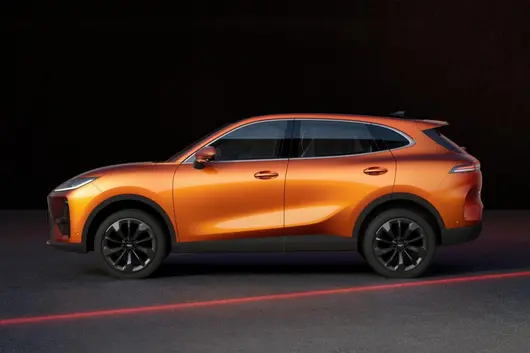

In the SUV market in Malaysia, many buyers compare Honda WR-V and Toyota Yaris Cross when choosing a car. These two cars are quite close in price and positioning. Today we will do a detailed comparison from multiple aspects to help you save time on research.
Honda WR-V's OTR price in Malaysia is RM 89,900 - 107,900, with a total of 4 versions, including 2023 1.5L V (RM 99,900), 2023 1.5L E (RM 95,900), 2023 1.5L S (RM 89,900) etc.
Toyota Yaris Cross's OTR price in Malaysia is RM 99,900 - 109,900, with a total of 2 versions, including 2026 1.5L Standard (RM 99,900), 2026 HEV 1.5L Standard (RM 109,900) etc.
From the price perspective, Honda WR-V's starting price is indeed RM 10,000 cheaper than Toyota Yaris Cross. If your budget is limited, Honda's entry-level version can already meet daily needs. But also note, that difference of a few thousand might involve trade-offs in features, it depends on your specific needs.
Honda WR-V is equipped with 1.5L 4-cyl, horsepower 105 hp. Official fuel consumption 6.0 L/100km.
Toyota Yaris Cross is equipped with 1.5L 4-cyl, horsepower 105 hp. Official fuel consumption 6.0 L/100km.
Both cars use the same powertrain, the driving experience feels basically the same. Fuel economy is also similar, no need to worry too much about this point.
Honda WR-V adopts FWD drive mode.
Toyota Yaris Cross adopts FWD drive mode.
Both cars have the same drive mode, both are FWD, daily driving experience will not be very different.
Honda WR-V warranty 5 years/unlimited mileage, maintenance interval every 10,000km or 6 months.
Toyota Yaris Cross warranty 5 years/unlimited mileage, maintenance interval every 10,000km or 6 months.
Warranty conditions for both cars are the same, no need to worry about this. Actual maintenance cost also depends on the brand's service network and parts prices, suggest asking real owners in car clubs for their experience.

Honda WR-V and Toyota Yaris Cross are both mainstream choices in the Malaysian market, suitable for family use and daily commuting. If you value brand reputation and resale value more, you can prioritize the one with better reputation; if you care more about cost-performance and features, choose the one with richer configuration. In the end, it is recommended to test drive both, personal experience is the most important.

Overall, Honda WR-V and Toyota Yaris Cross are both very good models in the Malaysian market. Choosing which one depends mainly on your personal needs and budget. We suggest doing your homework, comparing quotes from several dealers, and then test driving to make the final decision. Buying a car is a big matter, spending time doing homework will definitely not be wrong.

Dalam pasaran SUV di Malaysia, ramai pembeli ketika memilih kereta akan membandingkan Honda WR-V dan Toyota Corolla Cross. Kedua-dua kereta ini agak dekat dari segi harga dan kedudukan, hari ini kita akan membuat perbandingan mendetail dari pelbagai aspek untuk membantu anda menjimatkan masa membuat kajian.
Harga OTR Honda WR-V di Malaysia ialah RM 89,900 - 107,900, terdapat 4 varian, termasuk 2023 1.5L V (RM 99,900), 2023 1.5L E (RM 95,900), 2023 1.5L S (RM 89,900) dan lain-lain.
Harga OTR Toyota Corolla Cross di Malaysia ialah RM 133,800 - 148,800, terdapat 3 varian, termasuk 2026 HEV 1.8L GR Sport (RM 148,800), 2026 HEV 1.8L Standard (RM 140,800), 2026 1.8L Standard (RM 133,800) dan lain-lain.
Dari segi harga, harga permulaan Honda WR-V memang lebih murah RM 43,900 berbanding Toyota Corolla Cross. Jika bajet anda terhad, versi asas Honda sudah memadai untuk keperluan harian. Namun, perlu diingat juga, beribu-ribu ringgit yang lebih murah itu mungkin melibatkan kompromi dari segi peralatan, bergantung pada keperluan anda.
Penggredan keselamatan Honda WR-V ialah 5★ (ASEAN NCAP), sistem keselamatan aktif termasuk Honda SENSING.
Penggredan keselamatan Toyota Corolla Cross ialah 5★ (ASEAN NCAP), sistem keselamatan aktif termasuk TSS (PCS, LDA, ACC, LTA).
Kedua-dua kereta ini mempunyai penggredan keselamatan yang sama, peralatan keselamatan pada tahap ini adalah cukup lengkap. Keselamatan kereta baharu sekarang tiada masalah, tidak perlu risau tentang perkara ini.
Panjang badan Honda WR-V 4400 mm, ruang bagasi 400 L.
Panjang badan Toyota Corolla Cross 4400 mm, ruang bagasi 400 L.
Saiz kedua-dua kereta ini hampir sama, ruang dalaman tidak banyak berbeza. Kereta pada tahap ini memadai sepenuhnya untuk penggunaan harian.
Honda WR-V dan Toyota Corolla Cross adalah pilihan utama di pasaran Malaysia, sesuai untuk kegunaan keluarga dan perjalanan harian. Jika anda mengutamakan reputasi jenama dan nilai jual semula, utamakan yang mempunyai reputasi lebih baik; jika anda lebih mengutamakan kos berbanding faedah serta kelengkapan, pilih yang mempunyai kelengkapan lebih kaya. Pada akhirnya, disyorkan untuk mencuba kedua-duanya, pengalaman sendiri adalah yang paling penting.

Secara keseluruhannya, Honda WR-V dan Toyota Corolla Cross adalah model kereta yang sangat bagus di pasaran Malaysia. Memilih mana satu, kunci utamanya bergantung pada keperluan dan bajet peribadi anda. Disarankan untuk melakukan kajian, bandingkan penawaran harga dari beberapa pengedar, kemudian buat ujian pemandu untuk membuat keputusan akhir. Membeli kereta adalah perkara besar, meluangkan masa untuk membuat kajian tidak akan salah.

Di pasaran SUV di Malaysia, ramai pembeli semasa memilih kereta akan membandingkan Honda WR-V dengan Toyota Yaris Cross. Kedua-dua kereta ini hampir sama dari segi harga dan kedudukan pasaran, hari ini kita akan buat perbandingan terperinci dari pelbagai aspek, membantu anda menjimatkan masa melakukan penyelidikan.
Harga OTR Honda WR-V di Malaysia ialah RM 89,900 - 107,900, terdapat keseluruhan 4 varian, termasuk 2023 1.5L V (RM 99,900), 2023 1.5L E (RM 95,900), 2023 1.5L S (RM 89,900) dan lain-lain.
Harga OTR Toyota Yaris Cross di Malaysia ialah RM 99,900 - 109,900, terdapat keseluruhan 2 varian, termasuk 2026 1.5L Standard (RM 99,900), 2026 HEV 1.5L Standard (RM 109,900) dan lain-lain.
Dari segi harga, harga permulaan Honda WR-V memang RM 10,000 lebih murah berbanding Toyota Yaris Cross. Jika bajet anda terhad, varian asas Honda sudah boleh memenuhi keperluan harian. Tetapi perhatikan juga, perbezaan ribuan ringgit itu mungkin melibatkan kompromi pada ciri-ciri, bergantung pada keperluan anda.
Honda WR-V dilengkapi enjin 1.5L 4-silinder, kuasa 105 hp. Penggunaan bahan api rasmi 6.0 L/100km.
Toyota Yaris Cross dilengkapi enjin 1.5L 4-silinder, kuasa 105 hp. Penggunaan bahan api rasmi 6.0 L/100km.
Kedua-dua kereta menggunakan sistem enjin yang sama, perasaan memandu sehari-hari secara asasnya tiada perbezaan. Dari segi penggunaan bahan api juga hampir sama, tidak perlu terlalu bimbang tentang perkara ini.
Penilaian keselamatan Honda WR-V ialah 5★ (ASEAN NCAP), sistem keselamatan aktif termasuk Honda SENSING.
Penilaian keselamatan Toyota Yaris Cross ialah 5★ (ASEAN NCAP), sistem keselamatan aktif termasuk TSS.
Penilaian keselamatan kedua-dua kereta sama, dalam tahap ini perlengkapan keselamatan dianggap cukup lengkap. Kereta baru sekarang keselamatannya tidak kurang, tidak perlu terlalu bimbang tentang perkara ini.
Panjang badan Honda WR-V 4400 mm, ruang bagasi 400 L.
Panjang badan Toyota Yaris Cross 4400 mm, ruang bagasi 400 L.
Saiz kedua-dua kereta hampir sama, perbezaan ruang dalaman tidak besar. Kereta tahap ini, penggunaan harian sudah cukup memadai.
Honda WR-V dan Toyota Yaris Cross kedua-duanya pilihan utama pasaran Malaysia, sesuai untuk kegunaan keluarga, komuter harian. Jika anda lebih menghargai reputasi jenama dan nilai jualan semula, bolehutamakan model yang lebih terkenal; jika anda lebih mementingkan nilai berbanding harga dan ciri-ciri, maka pilih model yang ciri lebih lengkap. Akhir sekali disarankan kedua-dua model untuk diuji pemanduan, pengalaman peribadi adalah paling penting.
Secara keseluruhan, Honda WR-V dan Toyota Yaris Cross kedua-duanya model yang sangat bagus di pasaran Malaysia. Memilih yang mana satu, kunci utama masih bergantung pada keperluan peribadi dan bajet anda. Disarankan anda membuat penyelidikan, membandingkan lebih banyak sebutan harga daripada kedai kereta, kemudian uji pemanduan untuk buat keputusan akhir. Membeli kereta adalah perkara besar, meluangkan masa melakukan penyelidikan pasti tidak akan salah.

Di pasaran SUV Malaysia, ramai pembeli membandingkan Proton X90 dan Volkswagen Tiguan ketika memilih kereta. Kedua-dua kereta ini agak hampir dari segi harga dan sasaran. Hari ini, kita akan buat perbandingan terperinci dari pelbagai aspek, membantu anda menjimatkan masa membuat kajian.
Proton X90 dijual dengan harga OTR di Malaysia sebanyak RM 106,800 - 122,800, terdapat 4 varian termasuk 2026 1.5T Prime X (RM 122,800), 2026 1.5T Prime (RM 116,800), 2026 1.5T Lite (RM 106,800), dan lain-lain.
Volkswagen Tiguan dijual dengan harga OTR di Malaysia sebanyak RM 206,540 - 260,024, terdapat 2 varian termasuk 2025 Allspace 2.0T R-Line (RM 260,024), 2025 Allspace 1.4T Elegance (RM 206,540), dan lain-lain.
Dari segi harga, harga permulaan Proton X90 memang lebih murah RM 99,740 berbanding Volkswagen Tiguan. Jika bajet anda terhad, versi permulaan Proton sudah boleh memenuhi keperluan harian. Tetapi perlu diingat, perbezaan harga beberapa ribu itu, mungkin ada penyesuaian dari segi kelengkapan, ia bergantung pada keperluan anda.

Proton X90 dilengkapi dengan Turbo 1.5L, kuasa 140 hp. Konsumsi bahan api rasmi 7.0 L/100km.
Volkswagen Tiguan dilengkapi dengan 4-silinder 2.0L, kuasa 170 hp. Konsumsi bahan api rasmi 8.0 L/100km.
Dari segi kuasa, 2.0L 4-silinder Volkswagen Tiguan mempunyai 30 kuasa kuda lebih banyak berbanding Turbo 1.5L Proton X90. Namun untuk memandu harian di bandar, kedua-dua kereta ini mempunyai kuasa yang mencukupi, anda tidak akan rasa kurang kuasa.

Penilaian keselamatan Proton X90 ialah 5★ (ASEAN NCAP), sistem keselamatan aktif termasuk ADAS (ACC, AEB, LKA, LDA, BSM, RCTA).
Penilaian keselamatan Volkswagen Tiguan ialah 5★ (Euro NCAP), sistem keselamatan aktif termasuk IQ.Drive.
Dari segi kelengkapan keselamatan, kedua-dua kereta ini mendapat penilaian yang baik. Namun ADAS (ACC, AEB, LKA, LDA, BSM, RCTA) Proton X90 dan IQ.Drive Volkswagen Tiguan mempunyai perbezaan dalam fungsi. Jika anda mengutamakan keselamatan aktif, anda boleh bandingkan senarai fungsi kedua-duanya dengan teliti.

Proton X90 panjang 4400 mm, but 400 L.
Volkswagen Tiguan panjang 4400 mm, but 400 L.
Saiz kedua-dua kereta ini hampir sama, ruang dalaman tidak banyak bezanya. Kereta dalam kelas ini, cukup untuk penggunaan harian.

Proton X90 waranti 5 tahun/150,000km, jarak penyelenggaraan setiap 10,000km atau 6 bulan.
Volkswagen Tiguan waranti 3 tahun/100,000km, jarak penyelenggaraan setiap 10,000km atau 6 bulan.

Secara keseluruhannya, Proton X90 dan Volkswagen Tiguan adalah model kereta yang sangat baik di pasaran Malaysia. Memilih yang mana, terutamanya bergantung pada keperluan dan bajet peribadi anda. Kami cadangkan anda buat kajian, bandingkan beberapa dealer, kemudian uji pemandu untuk membuat keputusan akhir. Membeli kereta adalah perkara besar, tidak salah untuk meluangkan masa membuat kajian.


8 月 17 日,吉利汽車(0175.HK)率先交出 2026 年中期業績報。喺汽车行业遭遇增长挑战之时,吉利汽车逆势领跑,数据惊艳。根据中期业绩报,上半年,吉利汽车总营收 1736 億,同比增長 15%;核心歸屬母公司股東之淨利潤 96.8 億,同比勁增 46%。

在汽车行业一季度利润率跌至 3.2% 的历史冰点、行业整体承压的大背景下,呢份成績單顯得格外搶眼。
量价利齐升,吉利用五个字给行业打了个样:如何穿越周期。
而就在半年报发布的同时,吉利汽车控股有限公司(0175.HK)宣佈咗一项重大人事调整:李书福辞任董事会主席及执行董事,获任终身荣誉主席;安聰慧接任董事会主席,淦家閱出任行政總裁。消息公布嘅时机耐人寻味——业绩兑现的同时完成权力交接,呢个本身就係一份信心宣言:新管理层接手嘅,係一家基本面扎实、战略路径清晰嘅公司。
回歸「一個吉利」 開啟增長新路径
把時間拉回 2024 年 9 月。李书福喺台州发布《台州宣言》,提出「战略聚焦、战略整合」。彼时,好多人可能都仲未意識到呢句话嘅分量。毕竟,从 2007 年嘅《寧波宣言》開始,吉利走咗一條「買買買」嘅路——沃爾沃、寶騰、路特斯、戴姆勒……多品牌矩阵铺得滿滿噹噹。
彼时,多品牌之間定位重疊、資源內耗、利益衝突,呢啲「成長嘅煩惱」喺行業上行期可以被掩蓋,一旦進入存量競爭,就必須果斷變革。今年 6 月嘅重慶論壇上,李書福把話說得好直白:將有序關停併轉吉利汽車集團有限公司相關冗餘主體,集中優勢資源做强核心上市平台。翻译成大白話——唔好再「各佔山頭」啦,勁往一處使。

呢份半年報,就係「一個吉利」戰略嘅第一份答卷。四大品牌唔再各自為戰,而係各自守好一段賽道:極氪往上攻,領克往寬走,銀河穩主流,中國星守基盤。上半年 142 萬輛嘅總銷量,就係咁打出嚟嘅。
而此次管理層調整,本質上就係「一個吉利」戰略喺管治層面嘅最後一環。
李書福喺業績發布會上講:「汽車產業係冇盡頭嘅馬拉松,企業傳承與價值觀取向決定企業嘅可持續發展能力。」辭任董事會主席、讓位畀吉利體系內培養出來嘅安聰慧,正正係李書福為呢場馬拉松做嘅交棒安排。安聰慧接任董事會主席、淦家閱出任行政總裁,新一屆董事會與管理層嘅核心任務已經明確——強化企業協同效應,做實做強「一個吉利」。
估值之變:從折價到溢價嘅邏輯切換
過去幾年,資本市場畀吉利嘅一個核心困擾係:多品牌戰略帶來咗規模,但冇帶來估值溢價。原因好簡單——品牌之間定位模糊、資源分散,投資者睇唔清吉利到底係邊個。極氪、領克、幾何、銀河……每個品牌都像獨立作戰,但合埋一齊,反而模糊咗集團嘅整體敘事。

呢背後嘅核心矛盾喺於,資本市場對於「大而全」嘅企業往往好難畀出高估值,因為利潤來源唔清晰,增長驅動力唔明確。相比下,理想、賽力斯等新勢力車企雖然規模遠不及吉利,但通過品牌定位、敘事路徑等方式,反而快速獲得咗更高估值。
而吉利汽車(0175,HK)呢份半年報正喺改變呢個敘事。四大品牌喺「一個吉利」框架下完成咗清晰嘅定位切割,投資者終於可以畀吉利算一筆明白數:極氪貢獻品牌溢價同利潤天花板,銀河同中國星貢獻規模基數同現金流,海外貢獻增量彈性。三個增長引擎各自可計算、可追蹤,估值嘅不確定性大幅降低。
摩根士丹利喺 7 月嘅報告中將吉利海外業務單獨拆出嚟估值,呢個做法本身就說明問題——吉利已經從「一個難以定價嘅汽車集團」,變咗「可以分業務線性估值嘅成長標的」。花旗、美銀、招商國際等機構連續上調目標價嘅背後,係「一個吉利」令估值邏輯從混沌走向清晰。

管理層調整進一步強化咗呢個敘事。李書福辭任董事會主席但繼續擔任吉利控股集團有限公司董事長、作為控股股東全力支持公司發展,桂生悅由行政總裁轉任副主席以提升董事會同管理層溝通效率——呢套安排嘅本質,係喺「創辦人退後、職業經理人向前」嘅同時,確保管治結構嘅三層有效透明運行。對於資本市場而言,清晰嘅管治架構同職業化嘅管理團隊,係「一個吉利」戰略得以長期執行嘅制度保障。
資本市場嘅定價從來唔係基於過去,而係基於未來。當吉利唔再係一個「分散嘅汽車集團」,而係一個「定位清晰、增長可測嘅科技出行企業」,估值體系嘅重構先至開始。
出海:第二曲線已經爆發
如果講國內係基本盤,嗰海外就係今年最大嘅變數。
上半年,吉利汽車海外銷量 47.4 萬輛,同比增長 158%,半年就超過咗去年全年嘅出口總量。6 月、7 月連超 10 萬輛,排名躍居中國車企出海第三。呢份成績,係喺全球貿易壁壘抬頭、合規成本攀升嘅背景下拿到嘅,含金量唔低。

更值得關注嘅,係出海嘅結構喺變。上半年新能源產品出口 27.7 萬輛,同比激增 585%,佔比達到 58%。極氪喺泰國、馬來西亞、墨西哥等市場細分領域奪冠,吉利銀河穩居多國頭部陣營。
吉利嘅出海路徑,已經從「整車拉出去賣」進化到咗「體系出海」。海外投產工廠 12 座、產能超 65 萬輛,覆蓋 114 個核心市場,渠道突破 2000 家。正如李書福喺重慶論壇上所講——「單靠滾裝船拉貨出海嘅時代已經過去,真正嘅全球化必須踐行合作共贏嘅理念」。
新管理層接棒後,出海嘅戰略優先級唔會改變。安聰慧長期主導吉利嘅產品研發同戰略執行,淦家閱此前執掌極氪期間積累咗豐富嘅海外市場拓展經驗——呢套組合喺出海上嘅執行力,或許比創辦人時代嘅「戰略佈局」更具落地效率。
全域 AI:唔止係「車上裝個軟件」
講到智能化,好多車企仲喺比「邊個嘅智駕能開更多城」。但吉利諗住嘅係另一件事:全域 AI。
乜嘢叫全域?設計、研發、製造、售後,全鏈路都被 AI 滲透一遍。吉利手頭握緊咗由芯片到大模型到衛星嘅「天地一體化」科技生態——呢個係全球唯一一家能做到呢點嘅車企。上半年研發投入 90.6 億,同比增長 8%,呢啲錢砸落去,換嚟嘅唔係幾個炫技嘅功能,而係一套「1+2+N」嘅多智能體協同框架。簡單嚟講就係,別人喺車上裝 AI,吉利喺用 AI 造車。

從 WAM 世界行為模型到千里浩瀚 G-ASD 智駕,從雷神 AI 電混 2.0 到神盾金磚電池,再到即將發佈嘅 AI 越野架構同全地形 AI 數字底盤,吉利嘅邏輯係——技術唔能夠只喺實驗室入面,得落到車上、落到用戶手裡。
新一屆董事會嘅任務之一,係確保呢套技術戰略嘅延續性同執行效率。李書福喺業績發布會上面特別提到,「喺企業管治維度方面,我哋首先帶頭嚴格執行落實,積極培養職業人才,積極打造職業化團隊,為企業文化健康發展營造良好管治氛圍。」安聰慧接棒後嘅首要挑戰,正係將吉利嘅全域 AI 戰略從「佈局期」推進到「變現期」。
下注嘅底气
如果講呢份半年報有咩「潛台詞」,嗰大概係:吉利已經唔再係嗰個靠「多生細路好打架」跑馬圈地嘅中國品牌 1.0 時代嘅樣貌啦。
吉利汽車更係一家成熟嘅科技公司——擁有 695.6 億現金儲備,上半年回購 18.85 億港元,派息 53.9 億港元、同比提升 51.5%。喺行業寒氣未散嘅時候,仲有底气俾股東分錢,係真底气。

當一家公司同時喺規模、利潤、技術、出海四個維度上都在加速,並喺管治層面完成咗從創辦人到職業經理人嘅平穩交接,資本市場給予嘅唔只係估值修復,而係對整個敘事邏輯嘅重置。如果講過去幾年吉利喺資本市場經歷嘅係「估值折價」嘅煎熬,咁 2026 年可能就係「估值溢價」嘅起點。
喺 2026 年呢個汽车行业「三重回落」嘅年份入面,吉利汽車用一份亮眼嘅中期業績報、一次大刀闊斧嘅管理層調整,證明咗一件事:聚焦,從來唔係收縮,而係為咗更好地发力。而一家企業嘅代際傳承,從來唔係權力嘅更替,而係價值觀嘅延續。
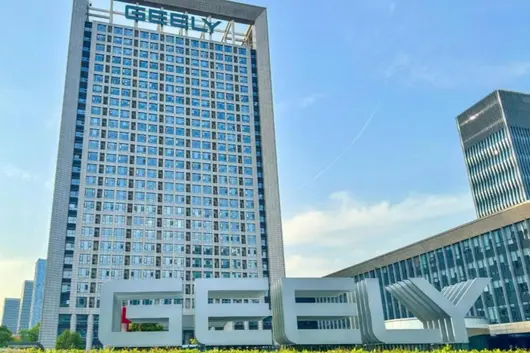


After the industry moved from scale competition to profit competition, from price competition to value competition, from single product competition to system competition, the factor determining a car company's ceiling has shifted from a single blockbuster model, a single capital operation, or sales sprint in a unit of time, to organizational efficiency, strategic focus, technology reusability, and global operational capability. Li Shufu completed another "strategic transformation" in his unique way — from entrepreneur to system designer.
Written by | Smart Driving Network, Ling Jiang
Edited by | Lang Lang Mountain and Ming Zhi Mountain
63-year-old Li Shufu took a step ahead on August 17 again.
On the 21st anniversary of Geely Automobile's listing on the Hong Kong Stock Exchange, he announced his retreat to the background, handing the baton to An Conghui, a successor cultivated by Geely. An Conghui was born in 1970 and is 56 years old this year.
One of China's largest private automotive groups, Geely, has taken a historic step in completing the de-familyization management.
01.
Li Shufu's Performance Report
Known as the "Car Maniac", Li Shufu gave a simple summary of his performance in his speech upon stepping down as chairman of Geely Holdings:
May 19, 2005, Geely Automobile officially listed on the Hong Kong Stock Exchange. Stock price rose from 0.4 HKD on May 19, 2005, to 18.06 HKD on August 12, 2026. Market cap grew from 1.6 billion HKD to 194.8 billion HKD on August 12, 2026. Dividends increased from 40 million HKD in 2005 to 5.4 billion HKD in 2025.
Li Shufu implied that Geely's performance was worthy of shareholders and investors.

After resigning from Chairman and Executive Director of Geely Automobile Holdings Board, Li Shufu retained the title of Lifetime Honorary Chairman. Meanwhile, An Conghui succeeded as Board Chairman, Gui Shengyue became Vice Chairman, and Gan Jiayue became CEO.

Regarding Li Shufu's departure, Geely Automobile Board Vice Chairman Gui Shengyue defined it as a "Strategic-level organizational evolution manifesto for Geely Automobile":
"Li Shufu's resignation (Board Chairman) and An Conghui's succession is a manifesto of de-familyization, marking that Geely Automobile has moved from the startup and development phase driven by founders to the mature phase driven by systems and teams."
"Enterprises will no longer rely on personal charm and authority, but on organizational systems and talent pipelines. It means Geely Automobile's future governance will be more transparent and management more scientific. For internal talents, it is also a signal to break through the ceiling. It benefits bringing greater returns to shareholders and making greater contributions to the country."
Of course, 63-year-old Li Shufu did not leave completely.
He will continue to serve as Chairman of Zhejiang Geely Holding Group, while other positions under the group remain temporarily unchanged.
On why choose to withdraw from the frontline at this time, Li Shufu plainly stated, "The automotive industry is a marathon without end, enterprise succession and value orientation determine the enterprise's sustainable development capability," and "People are the core elements determining corporate culture inheritance and value orientation."
For a large automotive company spanning multiple brands, multiple technology routes, and multiple overseas markets, strategic focus still requires a strong center, and operational execution requires professional decentralization.
Geely's current structure is closer to "Founders set direction, Managers run systems", ensuring the continuity of corporate strategy while freeing up sufficient operational autonomy for professional manager teams.
A deeper background is that Li Shufu believes, "The era of global economic integration and investment trade liberalization has ended. The new era of economic globalization is forming. Geely must take root in the Chinese market and accelerate layout of the global market."
And to realize 2/3 of sales from overseas, Li Shufu left An Conghui with a localized production network distributed in EU, UK, Malaysia, etc., but completing this vision requires the new generation.
As Gui Shengyue said:
"Any career needs a younger body and even younger wisdom."
Toyota and Volkswagen used to be Geely's targets for chasing and learning, but Li Shufu went further than Kiichiro Toyota. During his tenure, he completed the de-familyization of the company; at the beginning of 2024, after An Conghui shouted "Become the Volkswagen of the new energy era", in September of that year, Li Shufu sensibly and alertly published the deafening "Taizhou Declaration", initiating strategic integration and contraction of expansion, reflecting on and adjusting the multi-brand model to the ongoing "One Geely".

Li Shufu's resignation choice selected an appropriate timing, wrapping up with Geely's best semi-annual report since listing:
First half of year, Geely Automobile achieved revenue of 173.6 billion yuan, year-on-year growth 15%; core net profit attributable to parent company 9.68 billion yuan, year-on-year growth 46%; gross margin increased to 17.9%; overseas sales 474,000 vehicles, year-on-year growth 158%.
This semi-annual report "Quantity, Price, and Profit all rising" is exactly the first report card handed in after Li Shufu gradually exited daily management and professional managers took over comprehensively.
Performance realization and governance switching at the same time window landed and verified a key proposition: When the founder voluntarily cedes management power and the enterprise completes the transformation from "Family Driven" to "System Driven", operating quality actually achieves a leap.
02.
"Li Shufu's Geely" Becomes "System Geely"
According to data from the All-China Federation of Industry and Commerce, about 80% of Chinese private enterprises are family enterprises, and the first-generation entrepreneurs of Reform and Opening Up have generally entered the 60 to 70-year-old age range, "Founders" to "Enterprises Second Generation" power transition is happening in batches.
In private enterprises, "Founder Exit" often accompanies the "Second Generation Succession" script, but Geely chose a completely different path.
Li Shufu's son Li Xingxing is a supervisor and shareholder of Geely Holdings, but has not appeared in the core of Geely system in recent years; daughter Li Ni also did not enter Geely core management layer, main operation revolves around Geely's supporting business.
This means, Li Shufu chose not the "Son Inherits Father's Business" traditional path, but relied on professional manager teams to realize enterprise's modern governance and sustainable development.
In fact, Geely's de-familyization started twenty years ago.
May 2002, Geely Group underwent company system reform, Li Shufu's three brothers completely exited the decision layer, professional managers started entering senior management. March 2003, Zhejiang Geely Holding Group Co., Ltd. was formally established.
And Li Shufu's own exit path also presented clear "from shallow to deep, from local to global" characteristics.
July 2021, Li Shufu resigned as Chairman of Geely Automobile Group Co., Ltd.
March 2022, exited as Director of Zhejiang Geely Automobile Co., Ltd.
June 2026, Li Shufu at Chongqing Forum once systematically elaborated enterprise succession concepts, clearly stated building "Governance structure clearer, rights and responsibilities clearer, operation efficient, global compliant modern enterprise operation system", from governance structure, personnel adjustment, internal talent training to "Taizhou Declaration" release, succession work has been proceeding in an orderly manner.
Li Shufu resigned as Chairman of Zeekr Intelligent Technology in the same month, Lynk & Co Chairman changed simultaneously.
From family enterprise to modern joint-stock enterprise, Geely walked for more than twenty years, until today finally completed the most critical step, and also the most symbolic step.
03.
Platform Enterprise under "One Geely"
In Geely's official announcement, this management layer adjustment is defined as:
"According to corporate governance requirements and cadre pipeline construction plan, further improve professional manager authorization operating mechanism, promote company sustainable healthy development", goal is "Strengthen 'One Geely' with modern enterprise governance system".
That is to say, Founder Exit and "One Geely" strategy are two sides of the same coin.
Geely's "One Geely" launch, started from "Taizhou Declaration" released in September 2024.
At that time, the core of this declaration was not simply retreating the frontline, but facing industry price war, technology route overlap and multi-brand parallel coming resource dispersion, started systematically promoting strategic focus, internal integration and synergy efficiency.
By January 2025, Geely further concretized "Taizhou Declaration" into "One Three Three" ideas and "Two Horizontal Seven Vertical" architecture:
Geely Automobile Group integrates Geely, Galaxy, Radar, Ezda, etc. mainstream businesses, Zeekr Technology Group integrates Zeekr and Lynk & Co, high-end new energy sector thus returns into same subject, technology, product, supply chain and organization system starts reorganizing according to unified logic.
Subsequently, Zeekr and Lynk & Co equity integration landed, marking "One Geely" from business synergy promotion to capital level substantive integration; later, Zeekr privatization, delisting from NYSE and re-returning to Geely Automobile main platform, further gathered scattered high-end new energy assets in external capital market back into unified listing system.
After entering 2026, Geely also proposed "One Geely, Comprehensive Leading" 2030 strategic goal, and started straightening Geely Automobile Group and Geely Automobile Holding relationship, closing and transferring redundant subjects.
Before today, "One Geely" experienced from strategic declaration, brand integration, equity restructuring and capital gathering, and up to this year's semi-annual report and management layer adjustment this time point, it started showing clearer system meaning:
Only when founders no longer insist on direct control of each subsidiary, system integration can truly land.
Geely is becoming a unified platform with more concentrated resource allocation, higher synergy efficiency, and stronger global capability.
It chose to complete the most strategic organizational adjustment at the best time.

First half of 2026, Geely Automobile's business scale and profit quality improved synchronously, total sales broke 1.42 million vehicles creating same-period new high; total revenue exceeded 170 billion yuan, year-on-year growth 15%, continuous six years positive growth; core net profit attributable to parent company reached 9.68 billion yuan, year-on-year growth 46%, significantly outperforming revenue growth; gross margin increased to 17.9%, vehicle core net profit attributable to parent company year-on-year increased 45% to 6,806 yuan.
Zeekr first half year sales exceeded 178,000 vehicles, only accounting for 12.5% of total sales, but contributed 31.7% of operating revenue, average transaction price about 350,000 yuan, already exceeding BBA and other traditional luxury brands.
Geely Galaxy first half year sales nearly 520,000 vehicles, ranked top three in global new energy; China Star first half year sales exceeded 580,000 vehicles, consecutive 10th year reigning champion of China brand fuel passenger car sales.
This "High-end builds brand, mainstream drives scale" dual-wheel drive pattern is exactly the result of professional manager team coordinating resources under "One Geely" framework.
And accompanying "One Geely" strategy deepening implementation, administrative expense ratio year-on-year decreased 0.2 percentage points to 1.7%, R&D investment ratio decreased 0.3 percentage points to 5.2%, while R&D investment absolute value year-on-year increased 8% to 9.06 billion yuan, while increasing technology investment, through platform synergy and procurement concentration significantly improved resource usage efficiency.
High-quality growth brought Geely sufficient capital reserves, as of end of June 2026, capital reserves reached 69.56 billion yuan.
But Geely management themselves did not package this financial report as a wild victory, on performance conference, Gui Shengyue defined it as "Bright but not stunning financial report".
Behind this positioning, first half of 2026, China new energy vehicle sales reached 7.446 million vehicles, car exports reached 5.096 million vehicles, scale still expanding; but industry profit continues to bear pressure.
National Bureau of Statistics data shows, first half of year automotive industry operating revenue about 5.19 trillion yuan, year-on-year growth 1.8%; operating cost about 4.61 trillion yuan, year-on-year growth 2.8%; total profit about 195.4 billion yuan, year-on-year decline 20%, sales profit margin only 3.8%.
And according to China Association of Automobile Distributors public analysis, 2026 January-5 months automotive industry profit margin only 3.4%, located at low level.
CAAM data is even more eye-catching:First half of year industry average profit margin has been pressed to 1.6%.
Although there are statistical scope and time window differences between several calibers, but conclusion consistent:
China automotive industry still growing, but earning money difficulty significantly increased.
In management view, 2026 Geely although outperformed industry, but did not depart from cycle; profit quality improving, but industry downward pressure, domestic demand bearing pressure, chip and raw material price rising, competition white-hot, these variables still exist.
At mid-year performance conference, Geely management identified AI strength as Geely responding to market change latest grip, all-domain AI will empower Intelligent Propulsion Hybrid, Digital Chassis, Electric Drive, Energy Storage and multiple links, promoting car towards "Intelligent Life Form" evolution.

AI will become a long enough technology main line for Geely, gathering Galaxy, Zeekr, Lynk & Co different brands, and R&D, manufacturing, supply chain and overseas business organizations to same platform framework, forming cross-brand, cross-business, cross-market capability reuse, thus more opportunity to hold profit and valuation.
"One Geely" is officially the most underlying scale foundation of this set of platforms.
04.
"Never Failed" An Conghui
If Li Shufu is "One Geely" strategic designer, then An Conghui is this blueprint most loyal executor and most firm promoter.
Joined Geely in 1996, starting from auditor, An Conghui used thirty years time to walk complete path from grassroots to Board Chairman:
He personally created Hycan EC7 cumulative sales exceeded 3.8 million vehicles, took lead completed Geely acquisition Volvo after "digestion" process, led R&D SEA Ocean Architecture, created Lynk & Co and Zeekr two high-end brands.
Such resume, made him in Geely internal not only a manager, but more familiar with this company past twenty-plus years capability accumulation formation process.
Li Shufu once evaluated this successor like this:
"An Conghui always challenges the hardest tasks, and never fails."

Today, successor An Conghui took over, not only a annual sales 1.42 million vehicles, revenue 173.6 billion yuan automotive group, but a share of "Globalization" and "Intelligentization" strategic heritage.
In overseas export dimension, Li Shufu used twenty years time to pave Geely "Industry Symbiosis" globalization roadbed: from acquiring Volvo to obtain European manufacturing and brand genes, to building partner relationships with Proton, Renault, Ford, to 12 overseas factories, 2000 overseas channels, 114 core markets layout.
An Conghui to do, is to push this strategic heritage from "Layout Period" to "Harvest Period".
He clearly stated at performance press conference, Geely future over 60% sales will come from overseas markets, Volvo European factory will from 2028 onwards undertake Geely system within high-end luxury cars production, Ford joint venture Spain factory also will from 2028 start production.
An Conghui is turning Li Shufu "Bought" global assets, into Geely "Going Out" manufacturing capability and brand capability.

And in relatively abstract technology field, Li Shufu built for Geely sky-earth integrated technology ecosystem, including chip, large model, satellite, embodied intelligent robot, WAM World Behavior Model, 1+2+N multi-agent coordination framework, completed technology "From 0 to 1" and ecosystem "From 1 to N".
An Conghui needs to push these N many technology ecosystems to market: make Qianli Haohan G-ASD intelligent driving capability, WAM World Behavior Model AI foundation, 2030 Laboratory forward technology, truly embedded into every mass production model, transformed into user payment willingness and capital market valuation recognition.
At performance conference, Gui Shengyue also represented management team to shareholders statement:
"Geely Automobile will be An Conghui's only listed company he serves as Chairman, this means Geely will further implement "Taizhou Declaration", implement "One Geely" strategy."
This on-site interpretation transmitted two signals to outside world: one is An Conghui will fully focus on 0175.HK, two is Geely all automotive main business resources will further concentrate to HK listed subject.
An Conghui this professional manager who grew from auditor to Board Chairman, is always "One Geely" most firm operator — he is both beneficiary of this strategy (from Zeekr CEO promoted to Holding Group CEO then listed company Board Chairman), also most thorough executor of this strategy.
He might be proving: Li Shufu's best strategic heritage, not one brand, one technology or one factory, but a modern enterprise governance system able to self-evolve, self-inherit.
And himself, is exactly this system cultivated first "Finished Product".
"Make 0175 solid, strong and big."
This is new captain's first Flag, hope Li Shufu judgment still accurate, An Conghui "Never Failed".
Written at the End:
2026 is Geely Holding Group founding 40th anniversary.
Forty years, from Taizhou a private small factory to annual sales 1 million vehicle class global automotive group, Geely growth history is China automotive industry rising microcosm.
Nowadays, when Li Shufu hands management baton to An Conghui, Gan Jiayue etc. professional manager team, Geely is completing a more profound transformation:
From "Li Shufu's Geely" becomes "System Geely", from "China's Geely" becomes "World's Geely".
Of course, regarding current industry situation view, full year 3.45 million vehicle sales target, sprint 1 million vehicle overseas target, all-domain AI technology commercialization landing, Geely second half year challenge still arduous.
And in industry from scale competition into profit competition, from price competition into value competition, from single product competition into system competition, the factor determining a car company ceiling, already from single blockbuster, single capital operation or unit time sales sprint, shifted to organizational efficiency, strategic focus, technology reuse capability and global operation capability.
Geely in this round handed answer, use a profit quality improving semi-annual report, to lift a governance reorganization; then use a governance reorganization, to clear more stable organizational chassis for next round growth.
For Li Shufu, this means he used Chinese private enterprise rare way completed from entrepreneur to system designer another "Strategic Transformation".
For Geely, this means "One Geely" starts from strategic slogan enters system stage.
And for industry, this means China top private car enterprise competition, starting from product and market level, further extended to governance and organization level.
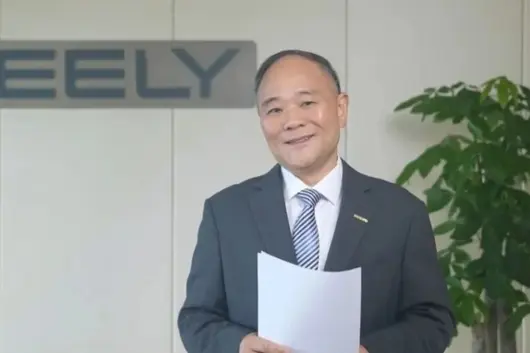

In Malaysia's SUV market, many buyers compare the Proton X90 and Hyundai Tucson when choosing a car. These two models are quite close in terms of price and positioning. Today, we will conduct a detailed comparison from multiple aspects to help you save time doing research.
The Proton X90 OTR price in Malaysia is RM 106,800 - 122,800, with 4 variants in total, including 2026 1.5T Prime X (RM 122,800), 2026 1.5T Prime (RM 116,800), 2026 1.5T Lite (RM 106,800), etc.
The Hyundai Tucson OTR price in Malaysia is RM 143,888 - 197,888, with 5 variants in total, including 2025 HEV 1.6T AT 2WD Prestige (RM 197,888), 2025 1.6T DCT 4WD Prestige (RM 186,888), 2025 1.6T DCT 2WD Prime (RM 164,888), etc.
In terms of price, the Proton X90 starting price is indeed RM 37,088 cheaper than the Hyundai Tucson. If your budget is limited, the Proton entry-level version can already meet daily needs. However, be aware that the cheaper few thousand might involve compromises in features, depending on your specific needs.
The Proton X90 safety rating is 5★ (ASEAN NCAP), and active safety systems include ADAS (ACC, AEB, LKA, LDA, BSM, RCTA).
The Hyundai Tucson safety rating is 5★ (ASEAN NCAP), and active safety systems include SmartSense.
Both cars have the same safety rating; safety features in this segment are quite comprehensive. New cars nowadays generally have good safety, so there is no need to worry too much about this.
The Proton X90 body length is 4400 mm, trunk 400 L.
The Hyundai Tucson body length is 4400 mm, trunk 400 L.
The dimensions of both cars are almost identical, and interior space differences are minimal. Cars in this segment are sufficient for daily use.
Proton X90 warranty 5 years/150,000km, maintenance interval every 10,000km or 6 months.
Hyundai Tucson warranty 5 years/300,000km, maintenance interval every 10,000km or 6 months.

Overall, both the Proton X90 and Hyundai Tucson are excellent models in the Malaysian market. Which one to choose depends mainly on your personal needs and budget. It is recommended to do research, compare quotes from several dealers, and then test drive to make the final decision. Buying a car is a major decision; spending time on research will never be wrong.

In the Malaysian SUV market, many buyers compare Proton X90 and Mitsubishi Xforce when choosing a car. These two models are quite close in price and positioning. Today, we will make a detailed comparison from multiple aspects to save you time on research.
The OTR price of Proton X90 in Malaysia is RM 106,800 - 122,800, with a total of 4 versions, including 2026 1.5T Prime X (RM 122,800), 2026 1.5T Prime (RM 116,800), 2026 1.5T Lite (RM 106,800), etc.
The OTR price of Mitsubishi Xforce in Malaysia is RM 109,930 - 119,930, with a total of 2 versions, including 2026 1.5L Ultimate (RM 119,930), 2026 1.5L Urban (RM 109,930), etc.
From a price perspective, the starting price of Proton X90 is indeed RM 3,130 cheaper than Mitsubishi Xforce. If your budget is limited, Proton's entry-level version can already meet daily needs. But note that the few thousand ringgit cheaper might involve trade-offs in features, depending on your specific needs.
The safety rating of Proton X90 is 5★ (ASEAN NCAP), with active safety systems including ADAS (ACC, AEB, LKA, LDA, BSM, RCTA).
The safety rating of Mitsubishi Xforce is 5★ (ASEAN NCAP), with active safety systems including MI-PILOT.
Both cars have the same safety rating, and safety features in this segment are quite comprehensive. New cars nowadays generally have good safety, so no need to worry too much about this point.
Proton X90 body length is 4400 mm, trunk is 400 L.
Mitsubishi Xforce body length is 4400 mm, trunk is 400 L.
The dimensions of both cars are almost identical, and the difference in interior space is small. For this class of cars, it is more than enough for daily use.
Proton X90 warranty is 5 years/150,000km, maintenance interval is every 10,000km or 6 months.
Mitsubishi Xforce warranty is 3 years/100,000km, maintenance interval is every 10,000km or 6 months.

Both Proton X90 and Mitsubishi Xforce are mainstream choices in the Malaysian market, suitable for family use and daily commuting. If you value brand reputation and resale value more, you can prioritize the one with better reputation; if you care more about cost-performance ratio and features, choose the one with richer configuration. Ultimately, it is recommended to test drive both, as personal experience is the most important.
Overall, both Proton X90 and Mitsubishi Xforce are quite good models in the Malaysian market. Which one to choose mainly depends on your personal needs and budget. We recommend doing your research, comparing quotes from multiple dealerships, and then test driving before making a final decision. Buying a car is a big deal, spending some time researching is never wrong.

Pada pasaran SUV di Malaysia, ramai pembeli membandingkan Proton X90 dan Kia Sportage semasa memilih kereta. Kedua-dua kereta ini harganya dan penempatannya agak hampir, hari ini kita akan membuat perbandingan terperinci dari pelbagai aspek, membantu anda menjimatkan masa membuat kajian.
Harga OTR Proton X90 di Malaysia ialah RM 106,800 - 122,800, mempunyai 4 versi, termasuk 2026 1.5T Prime X (RM 122,800), 2026 1.5T Prime (RM 116,800), 2026 1.5T Lite (RM 106,800), dan lain-lain.
Harga OTR Kia Sportage di Malaysia ialah RM 129,639 - 179,320, mempunyai 4 versi, termasuk 2025 1.6T DCT 4WD High (RM 179,320), 2025 1.6T DCT 2WD High (RM 159,320), 2025 2.0L AT 2WD High (RM 139,639), dan lain-lain.
Dari segi harga, harga permulaan Proton X90 memang lebih murah RM 22,839 berbanding Kia Sportage. Jika bajet anda terhad, versi permulaan Proton sudah boleh memenuhi keperluan harian. Tetapi perhatikan juga, ribuan ringgit yang lebih murah ini mungkin ada pengorbanan dari segi kelengkapan, bergantung pada keperluan anda.
Proton X90 dilengkapi enjin 1.5L Turbo, kuasa 140 hp. Penggunaan minyak rasmi 7.0 L/100km.
Kia Sportage dilengkapi enjin 1.5L Turbo, kuasa 140 hp. Penggunaan minyak rasmi 7.0 L/100km.
Kedua-dua kereta menggunakan sistem penggerak yang sama, rasa memandu harian pada dasarnya tiada beza. Dari segi penggunaan minyak juga hampir sama, tidak perlu terlalu bimbang tentang hal ini.
Taraf keselamatan Proton X90 ialah 5★ (ASEAN NCAP), sistem keselamatan aktif termasuk ADAS (ACC, AEB, LKA, LDA, BSM, RCTA).
Taraf keselamatan Kia Sportage ialah 5★ (ASEAN NCAP), sistem keselamatan aktif termasuk Drive Wise.
Taraf keselamatan kedua-dua kereta sama, dalam kelas ini kelengkapan keselamatan dianggap sangat lengkap. Keselamatan kereta baru masa ini tidak terlalu rendah, tidak perlu terlalu bimbang tentang hal ini.
Proton X90 menggunakan cara penggerak FWD.
Kia Sportage menggunakan cara penggerak FWD.
Kedua-dua kereta menggunakan cara penggerak yang sama, semuanya FWD, rasa memandu harian tidak akan terlalu berbeza.

Proton X90 dan Kia Sportage adalah pilihan utama pasaran Malaysia, sesuai untuk kegunaan keluarga, perjalanan harian. Jika anda lebih menitikberatkan reputasi jenama dan harga jualan semula, anda boleh mengutamakan model yang mempunyai reputasi lebih baik; jika anda lebih prihatin dengan nilai dan kelengkapan, pilih model yang lebih banyak kelengkapan. Akhir sekali, disarankan untuk memandu kedua-dua model tersebut, pengalaman langsung adalah yang paling penting.

Secara keseluruhannya, Proton X90 dan Kia Sportage adalah model yang sangat baik di pasaran Malaysia. Memilih yang mana, ia bergantung pada keperluan dan bajet peribadi anda. Disarankan anda membuat kajian, membandingkan lebih banyak tawaran dari agensi jualan, kemudian memandu untuk membuat keputusan akhir. Membeli kereta adalah perkara besar, meluangkan masa membuat kajian tidak akan salah.
In Malaysia's SUV market, many buyers compare Proton X90 and Chery Tiggo 9 when choosing a car. These two cars are quite close in price and positioning. Today we will make a detailed comparison from multiple aspects to help you save time on research.
Proton X90's OTR price in Malaysia is RM 106,800 - 122,800, with a total of 4 versions, including 2026 1.5T Prime X (RM 122,800), 2026 1.5T Prime (RM 116,800), 2026 1.5T Lite (RM 106,800), etc.
Chery Tiggo 9's OTR price in Malaysia is RM 166,800 - 179,800, with a total of 1 version, including 2026 2.0T Standard (RM 179,750), etc.
From a price perspective, the starting price of Proton X90 is indeed RM 60,000 cheaper than Chery Tiggo 9. If your budget is limited, Proton's entry-level version can already meet daily needs. However, note that the savings of a few thousand may involve trade-offs in features, depending on your specific needs.
Proton X90's safety rating is 5★ (ASEAN NCAP), active safety systems include ADAS (ACC, AEB, LKA, LDA, BSM, RCTA).
Chery Tiggo 9's safety rating is TBD, active safety systems include Basic.
Regarding safety features, both cars have received good ratings. However, there are some differences in functionality between Proton X90's ADAS (ACC, AEB, LKA, LDA, BSM, RCTA) and Chery Tiggo 9's Basic. If you value active safety, you can compare the feature lists of both carefully.
Proton X90 uses FWD drive train.
Chery Tiggo 9 uses FWD drive train.
Both cars have the same drive method, both are FWD, daily driving experience will not be much different.
Proton X90 warranty 5 years / 150,000 km, service interval every 10,000 km or 6 months.
Chery Tiggo 9 warranty 3 years / 100,000 km, service interval every 10,000 km or 6 months.

Both Proton X90 and Chery Tiggo 9 are mainstream choices in the Malaysia market, suitable for family use and daily commuting. If you value brand reputation and resale value more, consider the one with better reputation first; if you care more about value for money and features, choose the one with richer configurations. Ultimately, it is recommended to test drive both, as hands-on experience is the most important.

Overall, both Proton X90 and Chery Tiggo 9 are very good models in the Malaysia market. Choosing which one mainly depends on your personal needs and budget. It is recommended to do your research, compare quotes from several dealerships, and then test drive to make the final decision. Buying a car is a major decision, taking time to research will definitely not go wrong.
© 2024 Bitauto.com. All Rights Reserved.
Bitauto (www.yiche.com and www.bitauto.com) is one of the most visited automotive websites in China. We provide detailed info on Chinese car brands available in your area. Please note that the information provided on this website is based on publicly available data and is for reference only. It may not be fully updated or accurate at all times.

Help us improve our website


