

HomeProton Gen2

Search History
Popular Searches
Dealer Login / Sign Up

喺馬來西亞嘅 SUV 市場,好多买家喺揀車嗰陣都會拿本田 CR-V 同奇瑞 Tiggo 7 PHEV 嚟做比較。呢兩款車喺價位同定位上都幾接近,今日我哋就從多個方面做一個詳細嘅比較,幫你慳咗做功課嘅時間。
本田 CR-V 喺馬來西亞嘅 OTR 售價係 RM 178,200 - 195,900,一共有 4 個版本,包括 2026 e:HEV 2.0L 2WD RS(RM 195,900)、2026 1.5T 4WD V(RM 181,900)、2026 e:HEV 2.0L 2WD E(RM 178,200) 等。
奇瑞 Tiggo 7 PHEV 喺馬來西亞嘅 OTR 售價係 RM 129,750 - 129,750,一共有 2 個版本,包括 2025 1.5T 90km CSH(RM 129,750)、「Tiggo 7 PHEV 支援邊幾種充電方法?家用插座可以充電嗎?」(RM 117,478) 等。
從價錢嚟睇,奇瑞 Tiggo 7 PHEV 嘅起步價比本田 CR-V 平咗 RM 48,450。講真,喺呢個價位段,千幾萬蚊嘅差距其實唔算大,關鍵仲係睇整體嘅性價比同長期使用成本。

本田 CR-V 搭載 2.0L 4-cyl,馬力 170 hp。官方油耗 8.0 L/100km。
奇瑞 Tiggo 7 PHEV 搭載 Hybrid,馬力 170 hp。官方油耗 4.5 L/100km。
動力方面,奇瑞 Tiggo 7 PHEV 嘅 Hybrid 比本田 CR-V 嘅 2.0L 4-cyl 多咗 0 匹馬力。不過日常喺市區開,兩款車嘅動力都夠用,唔會覺得唔夠力。

本田 CR-V 保養 5 年/無限里程,保養間隔 每 10,000km 或 6 個月。
奇瑞 Tiggo 7 PHEV 保養 3 年/100,000km,保養間隔 每 10,000km 或 6 個月。

本田 CR-V 同奇瑞 Tiggo 7 PHEV 都係馬來西亞市場嘅主流選擇,適合家庭使用、日常通勤。如果你更睇重品牌口碑同二手價,可以優先考慮口碑更好嗰款;如果你更在意性價比同配備,那就揀配備更豐富嗰款。最後始終建議兩款都去試駕,親身體驗先係最重要。

總體嚟講,本田 CR-V 同奇瑞 Tiggo 7 PHEV 都係馬來西亞市場好唔錯嘅車型。揀邊一部,關鍵仲係要睇你個人嘅需求同預算。建議大家做足功課,多比較幾間車行嘅報價,先去試駕先至做最終決定。買車係件大事,花少少時間做功課絕對唔會錯。


2026 industri automotif, persaingan boleh dikatakan sangat ganas, dalam suku pertama sahaja lebih daripada 500 model baharu dilancarkan, purata tiga hingga empat model baharu setiap hari memasuki pasaran, industri secara rasmi memasuki zon dalam 'pertandingan penyingkiran'.
Secara logik, pada masa ini syarikat kereta yang sepatutnya sudah tersingkir seharusnya keluar dengan tenang. Tetapi, ada sesetengah syarikat yang telah bangkrut atau hampir bangkrut, tidak rela lenyap begitu sahaja, mereka mula memulakan 'pertandingan kebangkitan'.

Zotye dan Neta Memulakan 'Pertandingan Kebangkitan'
Yang baru-baru ini menjadi perdebatan adalah dua buah syarikat: Syarikat Automobil Zotye dan Syarikat Automobil Neta.
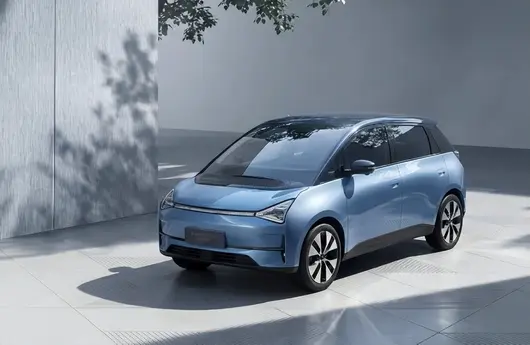
Pertama, Syarikat Zotye yang senyap bertahun-tahun, baru-baru ini secara rasmi mengumumkan kembalinya. Pada 9 September, Zotye memengerusikan pelancaran versi antarabangsa model baharu Wink Y01, model baharu ini dibina di atas platform khas untuk kereta elektrik kecil eksklusif jenama, di sasarkan ke pasaran global sejak awal penyelidikan, merupakan model strategi teras selepas Zotye muncul semula. Sekarang, kereta ini telah memasuki fasa pembuatan ujian secara besar-besaran, akan mencapai pengeluaran segera, menandakan Zotye yang telah terhentik sepenuhnya selama ini, secara rasmi memulakan semula perniagaan pengeluaran kereta lengkap.

Syarikat Neta yang juga berada dalam fasa penstrukturan semula, telah mendapat pelabur berat "Taiyi Shenglian", akan mendapat 3 Bilion Yuan dana pelaburan penstrukturan semula, pelabur akan mengambil 70.62% ekuiti syarikat. Mengikut perancangan, kebangkitan Neta dipecahkan kepada tiga fasa yang dijalankan secara berperingkat. Fasa pertama memprioritaskan pengeluaran semula model Neta X, utama menyerang pasaran luar negara, menetapkan sasaran jualan tahunan asas 10,000 unit, serentak membaik pulih rantaian bekalan, memulakan semula sistem penyelenggaraan selepas jualan di seluruh negara, menggerakkan semula rangkaian perkhidmatan pengguna sedia ada; Fasa kedua penyelidikan dan pembangunan model yang disesuaikan untuk pasaran luar negara seperti Asia, Afrika, Amerika Latin, mengejar skala pengeluaran tahunan 300,000 unit; Fasa ketiga membina model pintar global, mengejar年产值 4 Bilion Yuan, serentak memulakan persiapan IPO, penuh dengan ambisi.

Yang menarik untuk diketahui, laluan kebangkitan kedua-duanya sangat konsisten: mengelakkan pasaran domestik, fokus utama ke luar negara. Jadi soalan timbul: adakah mereka mampu menang dalam pertandingan kebangkitan ini?
Adakah Ekspor Menjadi Tali Penyelamat?
Tidak dapat disangkal, apabila persaingan pasaran kereta domestik semakin sengit, ekspori nampaknya pilihan yang bagus, tetapi jika dilihat jauh ke depan, model kebangkitan ini pastinya mempunyai kekurangan maut.
Dari segi satu, pintu masuk pasaran luar negara bahagian bawah sangat rendah, sukar menyokong perkembangan jangka panjang jenama. Selain itu, pasaran luar negara seperti Asia, Afrika, Amerika Latin, masih fokus pada model keperluan asas harga rendah, ruang keuntungan nipis, keperluan terhadap teknologi jenama, kecerdasan tidak terlalu tinggi. Ini bermakna Zotye dan Neta hanya boleh bergantung pada harga rendah untuk jumlah jualan, tidak boleh kumpul reputasi jenama kelas tinggi, menyebabkan tiada keuntungan mencukupi untuk penyelidikan teknologi, akhirnya terperangkap dalam "harga rendah tiada keuntungan, tiada keuntungan sukar naik taraf" litar buruk.

Dari segi kedua, kedua-dua syarikat automobil sama-sama meletakkan harapan membalikkan nasib di pasaran luar negara, sebenarnya kerana kekuatan teknologi diri sendiri tidak memadai serta pengaruh jenama terperangkap dalam krisis opini negatif.
Contohnya Zotye, suku pertama tahun ini walaupun mengumumkan untung dari rugi, tetapi jualan pendapatan kereta lengkap hampir sifar, pendapatan utama bergantung pada komponen automobil dan sewa kilang. Secara kasarnya, perniagaan kereta lengkapnya sudah pun tiada nyawa. Mengenai kereta Wink Y01, asalnya boleh ditelusuri ke model VC Light Orange Era 2022, beberapa kali bertukar nama sebelum akhirnya mendarat, dari segi teknologi sebenarnya tidak ada daya saing.

Mengenai juara jualan kuasa baharu pembuatan kereta iaitu Neta yang pernah, walaupun mempunyai asas saluran di Thailand, Indonesia, tetapi itu dibina sebelum meletus, kini reputasi jenama hancur, hampir 500,000 pemilik Neta di seluruh negara sedang menghadapi situasi internet kereta putus perkhidmatan, tiada pintu selepas jualan, apakah pengedar mahu bermain dengannya lagi perlu tanda soal besar. Selain itu, daripada 3 Bilion Yuan yang diterima Neta, hanya 1.833 Bilion Yuan benar-benar boleh digunakan untuk modal operasi. Ekspor bukan sekadar jual kereta di tempat lain, pembinaan saluran, sijil peraturan, jaminan selepas jualan, mana satu memerlukan pelaburan berterusan dan pengumpulan masa, bagi Neta ini juga satu masalah.
Penutup
Secara tuntas, "pertandingan kebangkitan" syarikat kereta sekarang majoriti自救 modal, bukan kembali kekuatan. Di separuh kedua pertandingan penyingkiran pasaran kereta, jenama tanpa daya saing teras, sangat sukar hidup. Manakala bagi pengguna, jangan terpengaruh berita kebangkitan dan harga rendah. Sebelum membeli kereta harus berfikir banyak: selepas jualan siapa tanggung? Adakah komponen mudah dicari? Kereta terpakai masih bernilai berapa? Jika jenama roboh lagi, membaiki kereta, hak asasi susah. Memilih jenama yang jualan stabil, saluran stabil, reputasi stabil, jelas lebih tidak bimbang.
"Gambar dari internet, sila hubungi untuk penghapusan jika ada hak cipta"

In Malaysia's SUV market, many buyers compare Honda CR-V and Mazda CX-8 when choosing a car. These two cars are quite close in price and positioning. Today we will do a detailed comparison from multiple aspects to help you save time on research.
The OTR price of Honda CR-V in Malaysia is RM 178,200 - 195,900, with a total of 4 versions, including 2026 e:HEV 2.0L 2WD RS (RM 195,900), 2026 1.5T 4WD V (RM 181,900), 2026 e:HEV 2.0L 2WD E (RM 178,200) etc.
The OTR price of Mazda CX-8 in Malaysia is RM 165,360 - 201,360, with a total of 5 versions, including 2025 2.5T 4WD High Plus Petrol (RM 201,360), 2025 2.2L 2WD High Plus Diesel (RM 193,123), 2025 2.5L 2WD High Plus Petrol (RM 186,360) etc.
From a price perspective, the starting price of Mazda CX-8 is RM 12,840 cheaper than Honda CR-V. Honestly, in this price range, the difference of a few thousand is not significant; the key lies in the overall cost-performance ratio and long-term usage costs.
Honda CR-V is equipped with a 2.0L 4-cyl, 170 hp. Official fuel consumption 8.0 L/100km.
Mazda CX-8 is equipped with a 2.0L 4-cyl, 170 hp. Official fuel consumption 8.0 L/100km.
Both cars use the same powertrain system, the driving experience in daily use is basically no different. Fuel consumption is also similar, no need to worry too much about this point.
Honda CR-V safety rating is 5★ (ASEAN NCAP), active safety systems include Honda SENSING (ACC, CMBS, LKAS, RDM).
Mazda CX-8 safety rating is 5★ (ASEAN NCAP), active safety systems include Brand ADAS.
Both cars have the same safety rating; safety features in this class are quite complete. New car safety in the current market is not bad, no need to worry too much about this.
Honda CR-V body length 4500 mm, trunk 450 L.
Mazda CX-8 body length 4500 mm, trunk 450 L.
The dimensions of both cars are almost the same, the interior space difference is not significant. For cars in this class, daily use is completely sufficient.

Honda CR-V and Mazda CX-8 are both mainstream choices in the Malaysia market, suitable for family use, daily commuting. If you value brand reputation and resale value more, you can prioritize the one with better reputation; if you care more about cost-performance and features, then choose the one with richer configuration. Ultimately, it is recommended to test drive both, personal experience is the most important.
In general, Honda CR-V and Mazda CX-8 are both very good models in the Malaysia market. Which one to choose depends on your personal needs and budget. It is recommended that everyone do their homework, compare quotes from multiple dealerships, and go test drive to make a final decision. Buying a car is a big matter, spending some time doing homework will never be wrong.
In Malaysia's SUV market, many buyers compare the Honda CR-V and Mazda CX-5 when choosing a car. These two models are quite close in price and positioning. Today, we will make a detailed comparison from multiple aspects to help you save time on research.
The OTR price of the Honda CR-V in Malaysia is RM 178,200 - 195,900, with a total of 4 versions, including 2026 e:HEV 2.0L 2WD RS (RM 195,900), 2026 1.5T 4WD V (RM 181,900), 2026 e:HEV 2.0L 2WD E (RM 178,200) etc.
The OTR price of the Mazda CX-5 in Malaysia is RM 135,469 - 166,760, with a total of 3 versions, including 2025 2.0L AT 35th Anniversary (RM 316,154), 2025 2.0L AT (RM 296,154), 2025 2.0L MT (RM 294,154) etc.
Looking at the price, the starting price of the Mazda CX-5 is RM 42,731 cheaper than the Honda CR-V. Honestly, in this price range, the difference of a few thousand is not that big; the key is to look at overall cost-performance and long-term maintenance costs.
The Honda CR-V is equipped with a 2.0L 4-cyl engine, 170 hp. Official fuel consumption 8.0 L/100km.
The Mazda CX-5 is equipped with a 1.5L Turbo, 140 hp. Official fuel consumption 7.0 L/100km.
In terms of power, the Honda CR-V's 2.0L 4-cyl has 30 more horsepower than the Mazda CX-5's 1.5L Turbo, providing more confidence in mid-range acceleration, especially when overtaking on highways. However, the Mazda CX-5 might have better fuel economy, and the difference in daily city commuting would not be too big.
Honda CR-V body length 4500 mm, trunk 450 L.
Mazda CX-5 body length 4500 mm, trunk 450 L.
The dimensions of both cars are almost the same, with little difference in interior space. For cars in this class, they are more than enough for daily use.
Honda CR-V warranty 5 years/unlimited mileage, maintenance interval every 10,000km or 6 months.
Mazda CX-5 warranty 5 years/150,000km, maintenance interval every 10,000km or 6 months.

Overall, the Honda CR-V and Mazda CX-5 are both very good models in the Malaysian market. Which one to choose mainly depends on your personal needs and budget. We suggest doing your homework, comparing quotes from several car dealers, and then test-driving to make a final decision. Buying a car is a big deal; spending some time doing research will never be wrong.

喺馬來西亞嘅 SUV 市場,好多買家喺揀車嘅時候都會拿 本田 CR-V 同 馬自達 CX-60 嚟做比較。呢兩款車喺價錢同定位上都幾接近,今日我哋就從多個方面做一個詳細嘅比較,幫你攞省做功課嘅時間。
本田 CR-V 喺馬來西亞嘅 OTR 售價係 RM 178,200 - 195,900,一共有 4 個版本,包括 2026 e:HEV 2.0L 2WD RS(RM 195,900)、2026 1.5T 4WD V(RM 181,900)、2026 e:HEV 2.0L 2WD E(RM 178,200) 等。
馬自達 CX-60 喺馬來西亞嘅 OTR 售價係 RM 200,510 - 252,873,一共有 2 個版本,包括 2026 3.3T 4WD High Plus(RM 252,873)、2025 2.5L 2WD High(RM 200,510) 等。
從價錢來看,本田 CR-V 嘅起步價確實比 馬自達 CX-60 平咗 RM 22,310。如果你預算有限,本田嘅入門版已經可以滿足日常需求。但都注意下,平嗰幾千蚊,可能喺配備上會有取捨,具體要看你嘅需求。
本田 CR-V 嘅安全評級係 5★ (ASEAN NCAP),主動安全系統包括 本田 SENSING (ACC, CMBS, LKAS, RDM)。
馬自達 CX-60 嘅安全評級係 5★ (Euro NCAP),主動安全系統包括 i-Activsense Pro。
安全配備方面,兩款車都攞到唔錯嘅評級。不過 本田 CR-V 嘅 本田 SENSING (ACC, CMBS, LKAS, RDM) 同 馬自達 CX-60 嘅 i-Activsense Pro 喺功能上有些差異,如果你比較看重主動安全嘅話,可以仔細對比下兩者嘅功能列表。
本田 CR-V 採用 FWD 驅動方式。
馬自達 CX-60 採用 FWD 驅動方式。
兩款車嘅驅動方式一樣,都係 FWD,日常駕駛感覺唔會有太大分別。
本田 CR-V 同 馬自達 CX-60 都係馬來西亞市場嘅主流選擇,適合家庭使用、日常通勤。如果你更看重品牌口碑同二手價,可以優先考慮口碑更好嗰一款;如果你更在意性價比同配備,就揀配備更豐富嗰款。最終都係建議兩款都去試駕,親身體驗先係最重要嘅。

總括嚟講,本田 CR-V 同 馬自達 CX-60 都係馬來西亞市場幾唔錯嘅車款。揀邊一部,關鍵仲係要看你個人需求同預算。建議大家做好功課,多比較間車行嘅報價,再去試駕做最終決定。買車係件大事,花少少時間做功課絕對唔會錯。


神话中,拯救哪吒的是他师傅太乙真人,用莲藕做了身体。而现实中,拯救哪吒汽车的投资方,给自己命名“太乙圣莲”。这个看起来很有戏剧性,也给人带来情绪冲击。
9月11日上午,哪吒汽车母公司合众新能源汽车股份有限公司(以下称“合众新能源”)破产重整案第四次债权人会议以网络形式召开,对《重整计划(草案)》进行表决,浙江太乙圣莲企业管理合伙企业(有限合伙)(下称“太乙圣莲”)作为重整投资人,计划出资30亿元用于重整投资,并取得合众新能源约70.62%的股权,掌握重整后企业的经营主导权。
根据《重整计划(草案)》内容,太乙圣莲拟投入的30亿元将分两部分使用:其中11.67亿元用于清偿拟保留资产对应的相关债权及破产费用;剩余18.33亿元用于补充合众新能源的流动资金,支持其重整后的经营与发展。
据了解,此次哪吒汽车重整的普通债权有117亿元,涉及1600多户;优先债权有22亿元左右,涉及9户。在偿还方式上,普通债权80万以下部分,清偿率是约12%,前12个月付1万元,两年内付剩下的约8万元,超过部分转为股权;优先债权金额不动,前三年还利息,从第四年以后开始还本金。

在资产处置方面,《重整计划(草案)》还明确,本次重整将保留哪吒X、哪吒L相关的核心资产,而哪吒S、哪吒GT相关设备则作为非核心资产进行处置。有媒体报道称,太乙圣莲的管理团队具备汽车产业运营和破产重整经验,曾操盘过零部件行业上市公司的重整工作。
太乙圣莲公司幕后操盘其实是山子高科,是从一家传统房地产企业向高端制造业转型而来的公司,其曾通过收购了河北红星汽车制造有限公司、与哈尔滨市政府合作成立黑龙江云枫汽车等入局整车制造,但汽车业务进展并不顺利。
在此前的2025年8月合众新能源公开招募重整投资人期间,山子高科作为唯一的意向投资人,缴纳了5000万元保证金。而太乙圣莲正是山子高科为此次重整专门设立的主体。企查查显示,该公司注册于2026年4月,由浙江山子控股有限公司和浙江山子玉虚科技有限公司合伙组建,实际控制人为山子高科董事长叶骥,注册资金是30.01亿元。

《重整计划(草案)》也为哪吒汽车规划了“三步走”战略:
第一步:复产哪吒X车型,主要面向海外市场,目标年销量1万台。保住生产资质是哪吒汽车目前的重中之重。哪吒从2024年11月停产到现在,已经两年没有生产。如果连续两年均产量低于2000辆可能会被工信部列入特别公示名单。也就是说,哪吒必须在接下来4个月内实现复产。而此次提出率先复产的哪吒X,正是哪吒汽车此前出海的主力车型。《重整计划(草案)》披露,该车型目前已拿到部分意向订单。
第二步:面向亚洲、非洲、拉美等市场开发适配车型,目标年产30万台,进一步放大海外市场优势。
第三步:打造全球化智能车型,争取年产值达400亿元,并启动IPO准备工作。
不过,《重整计划(草案)》并未给“三步走”战略提出明确的时间线。从“三步走”战略来看,哪吒依旧选择通过海外市场破局。这很好理解,因为国内市场的竞争今时不同往日,无论是品牌口碑、技术储备还是渠道覆盖,哪吒在国内都已不具备竞争力。但海外也并非蓝海,随着国内市场销量承压,自主车企纷纷出海,包括哪吒此前的海外市场泰国,电车竞争日趋白热化,哪吒想靠一款老车型破局,难度还是比较大。

另外,草案同时提到,哪吒汽车将重建上游供应链合作信心,恢复官方备件供应,全面重启售后维修保养,激活现有服务网络。这对全国约40万哪吒车主而言,是最实在的利好信息。
不过需要注意的是,太乙圣莲公司30.01亿元的注册资金,目前处于认缴状态,而非实缴。并且,此次《重整计划(草案)》的投票结果目前还没有出来。
这也就是说,在钱尚未真正到账前,一切都还存在变数。高合汽车就是前车之鉴,在接连被沙特投资部和iAuto Group放鸽子后,2025年,黎巴嫩公司EV Eletra与高合母公司华人运通成立了江苏高合汽车有限公司,宣布投资6亿美元(含1亿美元定金)。就在外界都以为重整稳了的时候,这笔钱却迟迟没能到账,最终不了了之,高合复活也没了下文。
即便30亿元能够顺利到账,但其中能真正用于经营输血的只有18.33亿元。这对于造车来说只是杯水车薪,比如:蔚来董事长李斌在2021年将造车的门槛从200亿提升到400亿元。而今年上半年新势力们只有零跑一家实现盈利,曾经率先盈利的理想汽车,上半年净亏损 39.94 亿元,小鹏亏 31.2 亿元,蔚来亏 8.6 亿元。连这头部新势力都还在盈亏线上挣扎,哪吒想要站稳脚跟,后续还需要持续的资本输血。


喺馬來西亞嘅 SUV 市場,好多買家喺揀車嘅時候都會拿 Honda CR-V 同 Mazda CX-5 嚟比較。呢兩款車喺價位同定位上都好接近,我哋今日就從多個方面做一次詳細比較,幫你節省做功課嘅時間。
Honda CR-V 喺馬來西亞嘅 OTR 售價係 RM 178,200 - 195,900,一共有 4 個版本,包括 2026 e:HEV 2.0L 2WD RS(RM 195,900)、2026 1.5T 4WD V(RM 181,900)、2026 e:HEV 2.0L 2WD E(RM 178,200) 等。
Mazda CX-5 喺馬來西亞嘅 OTR 售價係 RM 135,469 - 166,760,一共有 3 個版本,包括 2025 2.0L AT 35th Anniversary(RM 316,154)、2025 2.0L AT(RM 296,154)、2025 2.0L MT(RM 294,154) 等。
從價錢睇落,Mazda CX-5 嘅入門價比 Honda CR-V 平咗 RM 42,731。坦白講,喺呢個價位段,幾千蚊嘅差距其實唔算大,關鍵仲係睇整體嘅性價比同長期使用成本。
Honda CR-V 嘅安全評級係 5★ (ASEAN NCAP),主動安全系統包括 Honda SENSING (ACC, CMBS, LKAS, RDM)。
Mazda CX-5 嘅安全評級係 5★ (ASEAN NCAP),主動安全系統包括 。
兩款車嘅安全評級一樣,喺呢個級別入面安全配備都算好齊全。依家嘅新車安全性都幾好,唔使太擔心呢一點。
Honda CR-V 車身長 4500 mm,車尾箱 450 L。
Mazda CX-5 車身長 4500 mm,車尾箱 450 L。
兩款車嘅尺寸幾乎一樣,車內空間差別唔大。呢個級別嘅車,日常使用完全夠用。
Honda CR-V 同 Mazda CX-5 都係馬來西亞市場嘅主流選擇,適合家庭使用、日常通勤。如果你更睇重品牌口碑同二手價,可以優先考慮口碑更好嗰款;如果你更在意性價比同配備,就揀配置更豐富嗰款。始終建議兩款車都去試駕,親身體驗先係最緊要。
總括嚟講,Honda CR-V 同 Mazda CX-5 都係馬來西亞市場好唔錯嘅車款。揀邊一輛,關鍵仲係睇你嘅個人需求同預算。建議大家做足功課,多比較幾間車行嘅報價,先至去試駕做最後決定。買車係件大事,花啲時間做功課絕對唔會錯。

喺馬來西亞嘅 SUV 市場,好多買家喺揀車嗰陣都會拎本田 CR-V 同馬自達 CX-30 嚟做比較。這兩款車喺價位同定位上都幾近,今日我哋就從多個角度做個詳細對比,幫你節省做功課嘅時間。
本田 CR-V 喺馬來西亞嘅 OTR 售價係 RM 178,200 - 195,900,一共有 4 個版本,包括 2026 e:HEV 2.0L 2WD RS(RM 195,900)、2026 1.5T 4WD V(RM 181,900)、2026 e:HEV 2.0L 2WD E(RM 178,200) 等。
馬自達 CX-30 喺馬來西亞嘅 OTR 售價係 RM 122,409 - 146,409,一共有 4 個版本,包括 2025 2.0L High+ Premium(RM 146,409)、2025 2.0L High+(RM 138,409)、2025 2.0L High(RM 130,409) 等。
由價錢睇,馬自達 CX-30 嘅起步價比本田 CR-V 平咗 RM 55,791。老實講,喺呢個價位段,幾千蚊嘅差距其實唔算大,關鍵仲係要看整體嘅性價比同長期使用成本。
本田 CR-V 配備 2.0L 4-cyl,馬力 170 hp。官方油耗 8.0 L/100km。
馬自達 CX-30 配備 1.5L Turbo,馬力 140 hp。官方油耗 7.0 L/100km。
動力方面,本田 CR-V 嘅 2.0L 4-cyl 比馬自達 CX-30 嘅 1.5L Turbo 多咗 30 匹馬力,中段加速更有信心,尤其係跑高速公路超車嘅時候。不過馬自達 CX-30 嘅油耗可能更友好,日常市區通勤差別唔會太大。
本田 CR-V 嘅安全評級係 5★ (ASEAN NCAP),主動安全系統包括本田 SENSING (ACC, CMBS, LKAS, RDM)。
馬自達 CX-30 嘅安全評級係 5★ (ASEAN NCAP),主動安全系統包括 i-Activsense。
兩款車嘅安全評級一樣,喺呢個級別入面安全配備都算俾得好齊全。而家嘅新車安全性都唔差,唔使太擔心這一點。
本田 CR-V 保養保修 5 年/無限制里程,保養間隔 每 10,000km 或 6 個月。
馬自達 CX-30 保養保修 5 年/150,000km,保養間隔 每 10,000km 或 6 個月。

本田 CR-V 同馬自達 CX-30 都係馬來西亞市場嘅主流選擇,適合家庭使用、日常通勤。如果你更重視品牌口碑同二手價,可以優先考慮口碑更好嗰一款;如果你更在意性價比同配備,嗰就揀配備更豐富嗰款。最終都係建議兩款都去試駕,親身體驗先係最重要嘅。

總計嚟講,本田 CR-V 同馬自達 CX-30 都係馬來西亞市場幾不錯嘅車型。揀邊輛,關鍵仲係要看你嘅個人需求同預算。建议大家做好功課,多比較幾間車行嘅報價,再去試駕做最終決定。買車係件大事,花少少時間做功課絕對唔會錯。

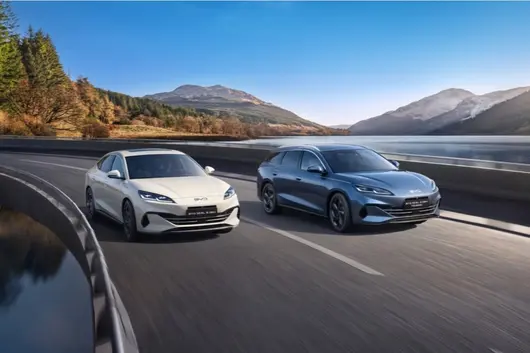
憑產品力贏得世界認可。作為汽車圈從業者,最近兩件事放埋一齊,感受好深。馬斯克曾直言,如果冇貿易壁壘,中國車企幾乎會幹走全球絕大多數競爭對手。而家美國財長貝森特喺公開演講中點名比亞迪,正正就印證咗呢個預判。

貝森特評價,比亞迪係花 3.5 萬美元就能買到、擁有 7 萬美元級別價值嘅好車。呢番嚟自西方政界嘅公開點評,係對比亞迪產品力最直接嘅權威認可。

放眼全球,比亞迪收穫嘅唔止財長嘅肯定。多國政要紛紛給予背書:加州州長紐森試駕體驗仰望 U8,烏茲別克斯坦總統授予佢友誼勳章,巴西、泰國等多國高層,都認可比亞迪嘅技術創新同本土化成果。

貝森特嘅言論引爆海外輿論,唔少美國網民直言佢就係比亞迪最好嘅售貨員,甚至呼籲比亞迪去美建廠,倒逼本土行業創新。呢樣亦意味著全球汽車評價體系正喺改變,消費者唔再迷信品牌溢價,轉而睇重核心技術同真實用車體驗。

市場數據更加係最好嘅佐證。今年 1‑8 月比亞迪海外累計銷售 115.8 萬輛,已經超過去年全年海外銷量,喺多國拿下新能源銷量榜首。

呢份成績並非依靠低價,靠住電池、電機、電控全產業鏈自研,比亞迪用親民定價畀到越級產品體驗,打破海外品牌溢價壁壘。馬斯克嘅判斷,正係被比亞迪實打實嘅產品力逐步兌現。


The continuous "price war" intensifies market involution, while also prompting Chinese automakers to expand into overseas markets. However, as the scale of China's automotive exports continues to grow, the competitive order and compliance in overseas markets are becoming the industry's focus.
Recently, the Ministry of Commerce, the Ministry of Industry and Information Technology, and the State Administration for Market Regulation jointly released a document—"Guidelines for Overseas Competitive Behavior and Compliance Construction in the Automotive Industry". This document directly points to a series of controversies triggered by frequent price cuts by Chinese automakers in overseas markets in recent years, and for the first time at the official level, systematically set clear compliance requirements for automakers' overseas pricing, promotions, and localized operations, among other behaviors.

Among them, Chery Automotive's response was swift and steady, clearly stating it will establish a scientific pricing system in overseas markets and regulate terminal prices and promotional behaviors. GAC Group was not left behind, with its statement stating, "Integrating compliance concepts throughout the entire R&D, production, supply, sales, and service chain". Moreover, BYD, Great Wall Motor, and Geely Holding Group also issued statements in response in succession.

From the industry's top-level call to standardize benign competition and eliminate spillover involution, to automakers generally recognizing the ineffective competition of low-price killing, the whole industry has formed a unified consensus on breaking the deadlock. However, reaching a consensus does not mean risks automatically dissipate; the warning bell against "involution" spillover must still ring long.
1
Export Acceleration, Compliance Faces Challenges
The background for the release of the "Guidelines" is the explosive growth in the scale of Chinese automotive "going global". Data shows that in the first 7 months of this year, China exported 6.14 million automobiles, a year-on-year increase of 66.8%. The monthly export volume first broke through the 1 million mark in June of this year, and July continued this trend, achieving consecutive two months of over 1 million automobiles exported. Industry predictions suggest the full year may hit 10 million.

Against the background of intensified competition in the domestic market, overseas exports have become the core growth engine for numerous Chinese automakers. Taking August sales as an example, BYD's single-month overseas sales exceeded 180,000, setting a new historical high; Chery exported 197,000, a year-on-year increase of 52.1%, with cumulative exports exceeding 7.18 million; Geely's overseas exports in August reached 110,100, a significant increase of 205% year-on-year. Great Wall Motor's overseas sales of 289,000 in the first half of this year have surpassed its domestic sales of 286,700; this is the first time in Great Wall's history that overseas sales have exceeded domestic sales.
Behind rapid expansion, the hazards of extensive overseas expansion are gradually emerging. Some enterprises expanding overseas continue to use the domestic "trade price for volume" strategy, with frequent price cuts, channel channeling, and failure to fulfill promises to dealers occurring from time to time. This not only harms consumer interests but also impacts the overall brand image of Chinese automobiles.
2
Overseas Markets Can No Longer "Price Arbitrarily"
Pricing is the core focus of this guideline. It is reported that the document urges vehicle and component manufacturers to avoid fierce price wars and significant price-cut promotions in overseas markets. It requires enterprises to base pricing on costs and local market supply and demand, avoiding frequent and large price cuts. Different configurations must have clear price gradients and cannot rely on low prices to disrupt local market order. At the same time, dealer channels must be regulated, and a complete compliance system for overseas after-sales, quality, and data security must be improved.

The intent of "admonishing" in this section is obvious, referring precisely to the "involution" spillover that everyone has been very familiar with in recent years. Many automakers, after expanding overseas, adopted aggressive methods such as price cuts to quickly grab market share. Although this was due to market behavior, it did exert certain impacts on the stability of the local market. There are already some negative cases, for example, in the Thai market, some automakers made successive price cuts in Thailand, raising the dissatisfaction of users who had already purchased cars. Thai public institutions also launched investigations into this matter.
This scene inevitably recalls the past lessons of Chinese motorcycle exports to Southeast Asia. If Chinese auto enterprises continue to blindly "involute" and replicate the domestic price war tactics, it will only undermine the value of Chinese brands, and even trigger anti-dumping and trade protection investigations by local regulators. This is a very dangerous signal for Chinese automakers who are just beginning to emerge in overseas markets.

The purpose of the state issuing relevant guidelines this time is clear: no longer solely encouraging the expansion of export scale, but beginning to standardize and manage the increasingly complex global business layout. In other words, previously Chinese automobiles competed on "whether they could go out", but now they are competing on "whether they can stay".
Overseas markets are full of gold mines, automakers must not mess this up. Chinese automakers going overseas cannot just think about selling cars; they must also learn to do business long-term and in a compliant manner. After all, the outcome of long-term competition no longer depends on who has the lower price or faster shipment, but on the comprehensive ability of localized operations, global compliance governance, supply chain collaboration, and brand building.

Currently, China's automotive export faces dual pressures of intensifying trade barriers and the spillover of internal price wars. The joint release of compliance guidelines by the Ministry of Commerce and two other ministries is precisely to curb malicious competition. Of course, the guidelines are essentially guiding, non-mandatory regulations. To be implemented, it ultimately depends on whether enterprises can reach a true industry consensus and take concrete actions.

喺馬來西亞嘅 SUV 市場,好多買家喺揀車嘅時候都會拿 Honda CR-V 同 Toyota Harrier 嚟做比較。呢兩款車喺價位同定位上都幾接近,今日我就從多個方面做一個詳細比較,幫您省咗做功課嘅時間。
Honda CR-V 喺馬來西亞嘅 OTR 售價係 RM 178,200 - 195,900,總共有 4 個版本,包括 2026 e:HEV 2.0L 2WD RS(RM 195,900)、2026 1.5T 4WD V(RM 181,900)、2026 e:HEV 2.0L 2WD E(RM 178,200) 等。
Toyota Harrier 喺馬來西亞嘅 OTR 售價係 RM 289,000 - 289,000,總共有 1 個版本,包括 2026 HEV 2.5L Standard(RM 289,000) 等。
從價錢睇返,Honda CR-V 嘅起步價真係比 Toyota Harrier 平咗 RM 110,800。如果你預算有限,Honda 嘅入門版已經可以滿足日常需要。但要記住,平嗰幾千蚊,可能喺配備上要有取捨,具體睇你嘅需要。
Honda CR-V 搭載 2.0L 4-cyl,馬力 170 hp。官方油耗 8.0 L/100km。
Toyota Harrier 搭載 2.0L Turbo,馬力 220 hp。官方油耗 9.5 L/100km。
動力方面,Toyota Harrier 嘅 2.0L Turbo 比 Honda CR-V 嘅 2.0L 4-cyl 多咗 50 匹馬力。不過日常喺市區開,兩款車嘅動力都夠用,唔會覺得唔夠力。
Honda CR-V 車身長 4500 mm,行李廂 450 L。
Toyota Harrier 車身長 4400 mm,行李廂 400 L。
空間方面,Honda CR-V 嘅車身比 Toyota Harrier 長咗 100 mm,車內乘坐空間會稍微寬裕一啲,尤其係後座腿部空間。如果你經常載家人或者需要載嬰兒車,車身大啲確實更實用。
Honda CR-V 同 Toyota Harrier 都係馬來西亞市場嘅主流選擇,適合家庭使用、日常通勤。如果你更看重品牌口碑同二手價,可以優先考慮口碑更好嗰一款;如果你更在意性價比同配備,嗰就揀配置更豐富嗰款。最終都建議兩款都去試駕,親身體驗先係最重要。

總體嚟講,Honda CR-V 同 Toyota Harrier 都係馬來西亞市場幾唔錯嘅車款。揀邊架,關鍵仲係睇你嘅個人需求同預算。建議大家做功課,多比較幾間車行嘅報價,再去試駕做最終決定。買車係件大事,花啲時間做功課絕對唔會錯。

喺馬來西亞嘅 SUV 市場,好多買家喺揀車嘅時候都拿 Honda HR-V 同 Subaru Crosstrek 嚟比較。呢兩款車喺價位同定位上都相當接近,今日我哋就從多個方面做一個詳細嘅比較,幫你節省做功課嘅時間。
Honda HR-V 喺馬來西亞嘅 OTR 售價係 RM 115,900 - 143,900,一共有 4 個版本,包括 2026 e:HEV 1.5L RS(RM 143,900)、2026 1.5T V(RM 137,900)、2026 1.5T E(RM 130,900)等。
Subaru Crosstrek 喺馬來西亞嘅 OTR 售價係 RM 145,000 - 160,000,一共有 1 個版本,包括 2.0L e-Boxer(RM 150,000)等。
從價錢嚟睇,Honda HR-V 嘅起步價真係比 Subaru Crosstrek 平咗 RM 29,100。如果你預算有限,Honda 嘅入門版已經可以滿足日常需要。但都要留意,平嗰幾千蚊,可能喺配備上有取舍,具體要睇你嘅需要。

Honda HR-V 嘅安全评分係 5★ (ASEAN NCAP),主動安全系統包括 Honda SENSING (ACC, CMBS, LKAS, RDM)。
Subaru Crosstrek 嘅安全评分係 5★ (Euro NCAP),主動安全系統包括 EyeSight。
安全配備方面,兩款車都拿到唔錯嘅評分。不過 Honda HR-V 嘅 Honda SENSING (ACC, CMBS, LKAS, RDM) 同 Subaru Crosstrek 嘅 EyeSight 喺功能上有啲差異,如果你比較睇重主動安全嘅話,可以仔細比對下兩者嘅功能列表。
Honda HR-V 車身長 4500 mm,行李廂 450 L。
Subaru Crosstrek 車身長 4400 mm,行李廂 400 L。
空間方面,Honda HR-V 嘅車身比 Subaru Crosstrek 長咗 100 mm,車內乘坐空間會稍微寬鬆啲,尤其係後座腿部空間。如果你經常載家人或者需要放嬰兒車,大少少嘅車身真係更實用。

Honda HR-V 同 Subaru Crosstrek 都係馬來西亞市場嘅主流選擇,適合家庭使用、日常通勤。如果你更睇重品牌口碑同二手價,可以優先考慮口碑好嗰款;如果你更介意性價比同配備,那就揀配置更豐富嗰款。最終都建議兩款都去試駕,親身體驗先係最重要嘅。

總體嚟講,Honda HR-V 同 Subaru Crosstrek 都係馬來西亞市場好唔錯嘅車型。揀邊部,關鍵都要睇你嘅個人需要同預算。建議大家做足功課,多比對幾間車行嘅報價,再去試駕做最終決定。買車係件大事,花少少時間做功課絕對無錯。


喺馬來西亞嘅 SUV 市場,好多買家喺揀車嘅時候,都會拿 Honda HR-V 同 Subaru Crosstrek 嚟做比較。呢兩款車喺價位同定位上都幾接近,今日我哋就從多個方面做一個詳細對比,幫你省返做功課嘅時間。
Honda HR-V 喺馬來西亞嘅 OTR 售價係 RM 115,900 - 143,900,一共有 4 個版本,包括 2026 e:HEV 1.5L RS(RM 143,900)、2026 1.5T V(RM 137,900)、2026 1.5T E(RM 130,900)等。
Subaru Crosstrek 喺馬來西亞嘅 OTR 售價係 RM 145,000 - 160,000,一共有 1 個版本,包括 2.0L e-Boxer(RM 150,000)等。
從價錢睇,Honda HR-V 嘅起步價確實比 Subaru Crosstrek 平咗 RM 29,100。如果你預算有限,Honda 嘅入門版已經可以滿足日常需求。但都要注意,平嗰幾千,可能會喺配備上要有取捨,具體要睇你嘅需求。
Honda HR-V 車身長 4500 mm,後廂 450 L。
Subaru Crosstrek 車身長 4400 mm,後廂 400 L。
空間方面,Honda HR-V 嘅車身比 Subaru Crosstrek 長咗 100 mm,車內乘坐空間會稍微寬鬆啲,尤其係後座腳部空間。如果你經常載家人或者需要放嬰兒車,大少少嘅車身確實更實用。
Honda HR-V 保修 5 年/無限里程,保養間隔 每 10,000km 或 6 個月。
Subaru Crosstrek 保修 3 年/100,000km,保養間隔 每 10,000km 或 6 個月。
Honda HR-V 同 Subaru Crosstrek 都係馬來西亞市場嘅主流選擇,適合家庭使用、日常通勤。如果你更睇重品牌口碑同二手價,可以優先考慮口碑更好嗰一款;如果你更在意性價比同配備,嗰就揀配置更豐富嗰款。最終都係建議兩款都去試駕,親身體驗先至最重要。
總體嚟講,Honda HR-V 同 Subaru Crosstrek 都係馬來西亞市場幾唔錯嘅車型。揀邊輛,關鍵都要睇你嘅個人需求同預算。建議大家做好功課,多比較幾間車行嘅報價,再去試駕先做最終決定。買車係件大事,花啲時間做功課絕對唔會錯。

喺馬來西亞嘅 SUV 市場,好多買家喺揀車嗰陣都會拿住 Honda HR-V 同 Subaru Forester 做比較。呢兩款車喺價位同定位上都好接近,今日我哋就從多個方面做個詳細比較,幫你省返做功課嘅時間。
Honda HR-V 喺馬來西亞嘅 OTR 售價係 RM 115,900 - 143,900,一共有 4 個版本,包括 2026 e:HEV 1.5L RS(RM 143,900)、2026 1.5T V(RM 137,900)、2026 1.5T E(RM 130,900)等等。
Subaru Forester 喺馬來西亞嘅 OTR 售價係 RM 174,000 - 197,000,一共有 3 個版本,包括 2024 2.0L S EyeSight GT Edition(RM 189,538)、2024 2.0L S EyeSight(RM 177,538)、2024 2.0L L EyeSight(RM 167,538)等等。
由價錢睇落,Honda HR-V 嘅起步價真係比 Subaru Forester 平咗 RM 58,100。如果你預算有限,Honda 嘅入門版已經可以满足日常需要。但都要留意,平嘅嗰幾千蚊,可能喺配備上會有取捨,具體要看你嘅需求。
Honda HR-V 嘅安全評級係 5★ (ASEAN NCAP),主動安全系統包括 Honda SENSING (ACC, CMBS, LKAS, RDM)。
Subaru Forester 嘅安全評級係 5★ (Euro NCAP),主動安全系統包括 EyeSight。
安全配備方面,兩款車都唔係差,獲唔錯嘅評級。不過 Honda HR-V 嘅 Honda SENSING (ACC, CMBS, LKAS, RDM) 同 Subaru Forester 嘅 EyeSight 喺功能上有啲分別,如果你比較看重主動安全嘅話,可以仔細比較下兩者嘅功能列表。
Honda HR-V 採用 FWD 驅動方式。
Subaru Forester 採用 FWD 驅動方式。
兩款車嘅驅動方式一樣,都係 FWD,日常駕駛感受唔會有太大分別。
Honda HR-V 同 Subaru Forester 都係馬來西亞市場嘅主流選擇,適合家庭使用、日常通勤。如果你更看重品牌口碑同二手價,可以優先考慮口碑更好嗰一款;如果你更在意性價比同配備,就揀配置更豐富嗰款。最終都係建議兩款都去試駕,親身體驗先係最重要嘅。

總計嚟講,Honda HR-V 同 Subaru Forester 都係馬來西亞市場好唔錯嘅車型。揀邊一輛,關鍵都要睇你嘅個人需求同預算。建議大家做好功課,多比較幾間車行嘅報價,再去試駕做最終決定。買車係件大事,花啲時間做功課絕對唔會錯。

Dalam pasaran SUV di Malaysia, ramai pembeli ketika memilih kereta akan membandingkan Honda HR-V dan Mitsubishi Xforce. Kedua-dua kereta ini mempunyai harga dan posisi yang cukup hampir, hari ini kita akan membuat perbandingan terperinci dari pelbagai aspek, untuk membantu anda menjimatkan masa membuat penyelidikan.
Honda HR-V mempunyai harga OTR di Malaysia sebanyak RM 115,900 - 143,900, terdapat 4 varian, termasuk 2026 e:HEV 1.5L RS (RM 143,900), 2026 1.5T V (RM 137,900), 2026 1.5T E (RM 130,900) dan lain-lain.
Mitsubishi Xforce mempunyai harga OTR di Malaysia sebanyak RM 109,930 - 119,930, terdapat 2 varian, termasuk 2026 1.5L Ultimate (RM 119,930), 2026 1.5L Urban (RM 109,930) dan lain-lain.
Dilihat dari segi harga, harga permulaan Mitsubishi Xforce lebih murah daripada Honda HR-V sebanyak RM 5,970. Sejujurnya, pada julat harga ini, perbezaan beribu ringgit sebenarnya tidak besar, kuncinya adalah melihat nilai keseluruhan dan kos penggunaan jangka panjang.
Honda HR-V dilengkapi enjin 1.5L Turbo, kuasa kuda 140 hp. Kecekapan bahan api rasmi 7.0 L/100km.
Mitsubishi Xforce dilengkapi enjin 1.5L Turbo, kuasa kuda 140 hp. Kecekapan bahan api rasmi 7.0 L/100km.
Kedua-dua kereta menggunakan sistem kuasa yang sama, perasaan memandu harian pada dasarnya tiada perbezaan. Soal kecekapan bahan api juga serupa, tidak perlu terlalu bimbang tentang hal ini.
Honda HR-V panjang badan 4500 mm, bak belakang 450 L.
Mitsubishi Xforce panjang badan 4400 mm, bak belakang 400 L.
Dari segi ruang, badan kereta Honda HR-V lebih panjang 100 mm daripada Mitsubishi Xforce, ruang penumpang dalam kenderaan akan sedikit lebih lapang, terutamanya ruang kaki kerusi belakang. Jika anda kerap membawa keluarga atau perlu meletakkan kereta bayi, badan kereta yang lebih besar memang lebih praktikal.
Honda HR-V menggunakan cara pemacu FWD.
Mitsubishi Xforce menggunakan cara pemacu FWD.
Kedua-dua kereta menggunakan cara pemacu yang sama, iaitu FWD, perasaan memandu harian tidak akan terlalu berbeza.

Secara keseluruhan, Honda HR-V dan Mitsubishi Xforce adalah model kereta yang cukup bagus di pasaran Malaysia. Memilih yang mana satu, kuncinya adalah melihat keperluan dan bajet anda. Kami menyarankan anda membuat penyelidikan dengan baik, bandingkan lebih banyak tawaran dari dealer kereta, kemudian buat ujian memandu untuk membuat keputusan akhir. Membeli kereta adalah perkara besar, menghabiskan sedikit masa membuat penyelidikan pasti tidak salah.

Dalam pasaran SUV di Malaysia, ramai pembeli membandingkan Honda HR-V dan Chery Tiggo 9 semasa memilih kereta. Kedua-dua model ini mempunyai julat harga dan posisi pasaran yang hampir. Hari ini, kita akan membandingkannya dari pelbagai aspek untuk membantu anda menjimatkan masa kajian.
Harga OTR Honda HR-V di Malaysia ialah RM 115,900 - 143,900. Terdapat 4 varian, termasuk 2026 e:HEV 1.5L RS (RM 143,900), 2026 1.5T V (RM 137,900), 2026 1.5T E (RM 130,900) dan lain-lain.
Harga OTR Chery Tiggo 9 di Malaysia ialah RM 166,800 - 179,800. Terdapat 1 varian, termasuk 2026 2.0T Standard (RM 179,750) dan lain-lain.
Dari segi harga, harga permulaan Honda HR-V memang RM 50,900 lebih murah berbanding Chery Tiggo 9. Jika bajet anda terhad, versi permulaan Honda sudah cukup untuk keperluan harian. Namun, perlu diingat, perbezaan harga beberapa ribu itu mungkin melibatkan pengorbanan pada kelengkapan, bergantung pada keperluan anda.
Honda HR-V dilengkapi enjin 1.5L Turbo, kuasa 140 hp. Konsumsi bahan api rasmi 7.0 L/100km.
Chery Tiggo 9 dilengkapi enjin 2.0L 4-silinder, kuasa 170 hp. Konsumsi bahan api rasmi 8.0 L/100km.
Dari segi kuasa, enjin 2.0L 4-silinder Chery Tiggo 9 mempunyai 30 hp lebih berbanding 1.5L Turbo Honda HR-V. Namun untuk kegunaan harian di bandar, kuasa kedua-dua kereta sudah mencukupi dan tidak terasa kurang tenaga.
Honda HR-V mempunyai panjang badan 4500 mm, kapasiti bagasi 450 L.
Chery Tiggo 9 mempunyai panjang badan 4400 mm, kapasiti bagasi 400 L.
Dari segi ruang, badan Honda HR-V lebih panjang 100 mm berbanding Chery Tiggo 9. Ruang duduk di dalam kereta sedikit lebih lapang, terutamanya ruang kaki kerusi belakang. Jika anda sering membawa keluarga atau perlu meletakkan kereta bayi, badan yang lebih besar memang lebih praktikal.
Honda HR-V dan Chery Tiggo 9 merupakan pilihan utama pasaran Malaysia, sesuai untuk kegunaan keluarga dan perjalanan harian. Jika anda lebih mengutamakan reputasi jenama dan harga kereta terpakai, pilih yang mempunyai reputasi lebih baik. Jika anda lebih mementingkan nilai dan kelengkapan, pilih yang mempunyai konfigurasi lebih banyak. Pada akhirnya, disyorkan untuk mencuba memandu kedua-dua model, pengalaman sendiri yang paling penting.

Secara keseluruhannya, Honda HR-V dan Chery Tiggo 9 adalah model yang sangat bagus di pasaran Malaysia. Memilih yang mana bergantung pada keperluan peribadi dan bajet anda. Disarankan melakukan kajian, bandingkan beberapa kutipan harga dari kedai kereta, kemudian lakukan ujian pemanduan untuk membuat keputusan akhir. Membeli kereta adalah perkara besar, meluangkan masa untuk kajian tidak akan salah.

Dalam pasaran SUV di Malaysia, ramai pembeli membandingkan Honda HR-V dan Chery Tiggo 7 PHEV ketika memilih kereta. Kedua-dua kereta ini mempunyai harga dan kedudukan pasaran yang hampir sama, hari ini kita akan membuat perbandingan terperinci dari pelbagai aspek, membantu anda menjimatkan masa untuk membuat kajian.
Harga OTR Honda HR-V di Malaysia ialah RM 115,900 - 143,900, terdapat 4 varian, termasuk 2026 e:HEV 1.5L RS (RM 143,900), 2026 1.5T V (RM 137,900), 2026 1.5T E (RM 130,900) dan lain-lain.
Harga OTR Chery Tiggo 7 PHEV di Malaysia ialah RM 129,750 - 129,750, terdapat 2 varian, termasuk 2025 1.5T 90km CSH (RM 129,750), Metode pengecasan apa yang disokong oleh Tiggo 7 PHEV? Bolehkah ia dicas menggunakan soket kuasa rumah? (RM 117,478) dan lain-lain.
Dari segi harga, harga permulaan Honda HR-V memang lebih murah RM 13,850 berbanding Chery Tiggo 7 PHEV. Jika bajet anda terhad, versi pemula Honda sudah memadai untuk keperluan harian. Tetapi perlu diingat, perbezaan harga beberapa ribu itu mungkin melibatkan kompromi dalam peralatan, bergantung kepada keperluan anda.
Honda HR-V dilengkapi 1.5L Turbo, kuasa 140 hp. Penggunaan bahan api rasmi 7.0 L/100km.
Chery Tiggo 7 PHEV dilengkapi Hybrid, kuasa 170 hp. Penggunaan bahan api rasmi 4.5 L/100km.
Dari segi kuasa, Hybrid pada Chery Tiggo 7 PHEV mempunyai 30 hp lebih daripada 1.5L Turbo pada Honda HR-V. Namun untuk memandu harian di bandar, kuasa kedua-dua kereta sudah mencukupi, tidak akan terasa kurang kuasa.
Honda HR-V panjang keseluruhan 4500 mm, ruang bagasi 450 L.
Chery Tiggo 7 PHEV panjang keseluruhan 4400 mm, ruang bagasi 400 L.
Dari segi ruang, badan Honda HR-V 100 mm lebih panjang daripada Chery Tiggo 7 PHEV, ruang tempat duduk dalam kenderaan agak lebih lapang, terutamanya ruang kaki bangku belakang. Jika anda sering membawa keluarga atau perlu meletakkan kerusi bayi, badan kereta yang lebih besar memang lebih praktikal.
Honda HR-V menggunakan cara penggerak FWD.
Chery Tiggo 7 PHEV menggunakan cara penggerak FWD.
Kedua-dua kereta menggunakan cara penggerak yang sama, iaitu FWD, pengalaman memandu harian tidak akan berbeza banyak.
Honda HR-V dan Chery Tiggo 7 PHEV adalah pilihan utama pasaran Malaysia, sesuai untuk kegunaan keluarga, perjalanan harian. Jika anda lebih mengutamakan nama jenama dan harga kedai, anda boleh memprioritaskan yang lebih popular; jika anda lebih mementingkan nilai wang dan peralatan, pilih yang lebih lengkap. Akhir sekali, disarankan untuk mencuba kedua-duanya untuk ujian memandu, pengalaman sendiri adalah yang paling penting.

Secara keseluruhannya, Honda HR-V dan Chery Tiggo 7 PHEV adalah model kereta yang sangat bagus di pasaran Malaysia. Memilih mana satu, penting melihat keperluan peribadi dan bajet anda. Kami sarankan anda membuat kajian, bandingkan harga di lebih banyak dealer, kemudian buat ujian memandu untuk keputusan akhir. Membeli kereta adalah perkara penting, mengambil masa untuk kajian pasti tidak salah.

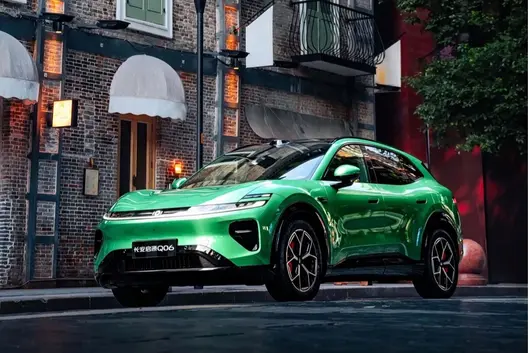
September 4, at the Changan Technology Ecosystem Conference, Changan Tianshu Pilot Technology was launched alongside the Origin Q06 presale. Booking prices range from 147,900 to 189,900 yuan, with two powertrains (pure electric and range-extended) totaling nine models.

The Origin Q06 comes standard with Changan's in-house Tianshu Pilot Intelligent Driving, 256-line LiDAR, 560 TOPS computing power directly downgraded to the 150k level. 800V high-voltage platform plus 6C ultra-fast charging, charging power from 30% to 80% takes as little as 9 minutes.
Over the past three years, Origin relied on the Q05 to carry sales. Behind the August sales volume of nearly 46,000 units lies a product structure where a single car supports half the business. What Q06 aims to do is pack Changan Group's best-kept technology into the mainstream price range, allowing Origin to upgrade from a sales supporter to a technology supporter, and serve as the market verifier and technology popularization pioneer for Changan's systematic technology downgrading.
Perhaps the path of Changan's technology equality can be summarized in eight words: Origin Verification, Matrix Charge.
Put the best technology into the 150k level
First look at the most counter-intuitive move of this presale: the selection point for technology first fitment.

Tianshu Pilot is Changan's in-house end-to-end assisted driving solution, divided into Pro, Max, Ultra three tiers, computing power ranges from 100+ TOPS all the way to 500+ TOPS. The Ultra version is equipped with VLM Vision Language Large Model, capable of interactive assisted driving. This system did not choose to launch first on other brands within the group, but was first fitted to the Origin Q06 starting at 147,900 yuan, achieving standard equipment across the entire series.
The intensity of hardware downgrading at this price point is rare. 256-line LiDAR, 27 sensing hardware, 560 TOPS computing power. This configuration last year was for models in the 300k price range.
Technical depth is also backed: relying on over 20 million lines of human driving data training, identifying obstacles 2 seconds earlier than human eyes in low light scenarios; Tianshu Center's simulation capability covers 400,000 scenarios.
Functionally, end-to-end pilot assistance covers highways and urban areas, supporting 3km long-distance memory parking and 100m track backward driving, AEB daylight maximum support 135km/h stationary braking.
Changan lacks no technology in the laboratory, but lacks the decisiveness to deliver technology to mass-production vehicles on time. Tianshu Pilot choosing Origin instead of higher-end brands for first fitment is itself a statement: what Changan wants is not a technology showcase, but a technology harvesting machine.
Three-electric systems also follow flagship standards. Pure electric version based on 800V silicon carbide high-voltage platform, 6C ultra-fast charging, CLTC range 602km and 700km two tiers, battery 66.02kWh and 80.02kWh, single motor 225kW and 245kW two power levels, dual motor four-wheel drive integrated 330kW. Range-extended version equipped with 28kWh lithium iron phosphate battery, pure electric range 200km, integrated range over 1,600km, system power 270kW. Pure electric and range-extended dual power displayed side by side, offsetting the two ends of anxiety for 150k level users at once.
Chassis and cabin also have no weak points. Front double wishbone rear five-link full aluminum suspension, 4837/1970/1670mm body, 2940mm wheelbase, official claims space yield rate 91.7%. Rear row 145-degree zero-pressure stepless adjustment plus 28-point massage, 196L front trunk, 236 LED bulbs' smile headlights and 274 bulb star ring taillights. Configuration density is built according to 200k level standards.
Rich Roles, From Sales Support to Technology Support
The significance of Q06 to Origin must be seen from the reverse of this sales report card.
August, Changan Origin delivered 45,885 units, year-on-year growth 103.1%. Same door brother Deep Blue cars 28,659 units, Avatr 8,082 units. Origin one brand's delivery volume, more than the sum of Deep Blue plus Avatr, sits firmly first in Changan system.
But behind the prosperity lies a structural problem. Origin's sales heavily rely on one car, the Q05. July Q05 delivered 18,871 units, consecutive 4 months reigned champion of compact SUV, supporting half of Origin's business. Sales supported by one car is essentially betting brand fate on a single hit. The more successful Q05 is, the greater Origin's product structure risk. Once demand fluctuates in this price range, or Q05 enters the end of product cycle, Origin's growth curve will lose speed, this situation is not lacking cases among top brands.

Q06's task is to dispel such potential risks, find another growth curve for Origin or Changan.
147.9k to 189.9k price range, exactly fills Origin's gap in 150k-200k level. Existing product line supports 100k level home sedan, connects down to 200k level SUV, Q06 fills the most mainstream, highest volume golden price range in the middle.
Greater significance for Changan. Among Origin, Deep Blue, Avatr three passenger car brands, Origin is the most reliable base. Deep Blue monthly sales 28k, Avatr 8k vehicles, high-end story sounds good, but obviously didn't support scale. Changan New Energy August delivery 105,000 units, year-on-year growth 22.7%, penetration rate near 50%, every sold two Changan vehicles one is new energy. Half the pressure of this big market is on Origin's shoulders.
Origin Product Promotion Director Qiu Bei's statement is: Origin is striving to converge towards Million Origin, this year has continuously for many months firmly ranked in China New Energy Brand Sales Top Ten. Q06 is the decisive move on this million road.
150k Price Range, The Most Ruthless Meat Grinder
But must pour a basin of cold water. The 150k level mid-size SUV market Q06 enters, is the segment with highest industry supply density, most brutal price war, most picky consumers.
Supply density first look at a set of background. August narrow-sense passenger car retail expected 1.58 million units, month-on-month growth 8.1%, big market slightly warm, but warmth didn't fall to 150k level. This price range squeezes all camps' main forces: domestic brands volume models, joint venture brands counter-attack forces, new forces' low-price product lines, all in same track close combat, mid-size SUV segment monthly new car supply long-term oversupply.
Consumer pickiness degree is also highest in industry. 150k level buyers spoiled by years of configuration arms race out of picking and choosing habit: range not standing on 600km step out, fast charging power low out, no LiDAR out, seat function not enough complete out. Any item absence, configuration party directly vote with feet.
Specific to Q06, pressure comes from three dimensions.
Range and recharging arms race. Same level mainstream models range already generally stood on 600km, flash charging technology is rapidly probing down from flagship models. Q06's 700km and 6C fast charging only squeezed into first echelon, yet to constitute generation difference advantage. 9 minute recharging experience indeed leads, but when industry overall recharging level all climbing, this lead window won't be too wide.
Intelligent driving equality race accelerating. Many car companies all pushing LiDAR and end-to-end solutions to 150k level, Tianshu Pilot's first fit dividend window, optimistic estimate only few months. Qiu Bei said Q06 urban smooth degree especially good, already possessed first-class driving intelligence ability, this words established, but first-class not equal unique, few months later same level intelligent driving configuration will rapidly level out.
Range-extended and pure electric civil war. Q06 itself provides range-extended and pure electric two sets of power, this is both demand coverage, also shows 150k level users to pure electric recharging still have anxiety. Range-extended version integrated range over 1,600km, obviously prepared for anxious crowd Plan B.
So in 150k level, no technology moat, only technology time difference. Changan's real exam question is, Tianshu Pilot's iteration speed can it beat competitor's follow speed, here need to put a question mark. Changan's R&D system once turned to agile iteration, scale effect will appear, otherwise Q06 is another pile material car, piled even thicker, only configuration table victory.
Origin Verification, Matrix Charge
Pull perspective to Changan Group level, Q06's true value fully emerges: it is Tianshu Pilot's scale verification field, after verification passes, technology will along Changan's brand matrix downwards compatible, upwards harvest.

Logic chain is like this. New technology mass production cost curve, needs scale to flatten. Origin is Changan system inside volume capability strongest brand, Q06 monthly sales once站稳,256 line LiDAR and computing platform procurement cost will be quickly diluted, then downcast Deep Blue and Avatr marginal cost tends to zero. First use sales largest brand run technology mature, bring cost down, then use high-end brand collect brand premium, this is a complete system arithmetic.
Traditional car company technology path usually flagship brand first, mainstream brand follow, Changan reverse walk, let volume brand first verify. Seemingly technology courtesy, actually cost calculation. On Avatr first fit, technology premium will be diluted by high-end pricing, consumers only say this car originally should have; on Origin first fit, same technology becomes dimension reduction surprise, scale effect directly converted to supply chain bargaining power.
Matrix charge imagination space can be unfolded. Deep Blue focus on young tech sports, weak point exactly in intelligent driving narrative, Tianshu Pilot downcast after, intelligent driving ability and sports positioning form complement, Deep Blue product story immediately complete. Avatr already positioning high-end smart, wait technology mature after mount Ultra version, VLM vision language large model interactive ability can support higher pricing. Further out, Changan main brand huge fuel car base, also can undertake mature version scheme do stock upgrade, give old car owner a replace car technology reason. One fish multiple eat, one technology base feed full four brands.
But opposing perspective also worth attention. Multiple brands share technology exists dilution risk. Tianshu Pilot if simultaneously appears on 140k Origin and 300k Avatr, high-end brand technology exclusivity narrative is dismantled by self, recent certain new force brand co-creation partner brand and technology effect diluted sales halved is case. Industry technology downcast do well companies, commonality is technology layering and brand layering bite very tight, same base, different gradient, consumer perceived differentiation still clear. Changan's test is downcast rhythm and gradient design, cannot urge success.
Also one inescapable transmission risk: Origin Q06 if verification fails, matrix charge becomes matrix chain reaction. One brand's reputation accident, will along shared technology base transmit to whole system. This means Q06 only allow success, Changan bets system reputation also on.
Looking deeper, Origin verification, Matrix Charge's true significance, is to transform Changan's R&D system from cost center to profit center. Past enterprise technology R&D was budget driven, invest how much money produce how much results, results then slowly find spot, R&D expense in financial report is pure expenditure item. Changan now doing attempt, is to let market capacity largest brand act as technology first spot, use sales raise technology, then use technology feed back whole system. If this flywheel can turn up, is truly Changan car making logic reconstruction.
Three Year Promise, Origin's Coming of Age Ceremony
From August 2023 launch count, Origin just full three years. Three years from 0 to monthly sales 45,000 units, Jan to July global cumulative delivery breakthrough 210,000 units, in central enterprise new energy sequence live into number one player. Q06 is its coming of age ceremony, also Changan Shangri-La plan one last exam.
In front of Million target, Q06 is decisive variable. Monthly sales 45,000 units base, Q06 needs monthly average contribute 8,000 to 10,000 units, to support Million target required slope. This number in 150k level not impossible, but requires product reputation, delivery rhythm cannot appear flaw.
Overseas is second battlefield. Q05 already entered Thailand, Uzbekistan, about to land Europe multiple markets. Changan August overseas delivery 92,400 units, year-on-year growth 78.6%, continuous 7 months large growth. Qiu Bei summarizes this play as No Overseas No Changan. Q06's 800V and 6C fast charging in global market are hard currency, overseas pricing space than domestic wider, matrix overseas is this system next chapter.
Back to initial question. Origin Q06 surface is a new car presale, actually is Changan's central enterprise car making logic one time self reconstruction. Central enterprise lacks no technology, lacks always is send technology to mass production vehicle, let market test courage. This step walk correctly, Origin only then qualification talk Million target, Changan only then qualification talk system victory.
And Changan Origin Q06 presale release 2 hours, cumulative orders breakthrough 11,079 units, obviously first step is eye-catching.
喺馬來西亞嘅 SUV 市場,好多買家喺揀車嘅時候都係拿本田 HR-V 同奇瑞 Tiggo 8 PHEV 嚟做比較。呢兩款車喺價位同定位上都幾接近,今日我哋就由多個方面做一次詳細嘅對比,幫你省返做功課嘅時間。
本田 HR-V 喺馬來西亞嘅 OTR 售價係 RM 115,900 - 143,900,一共有 4 個版本,包括 2026 e:HEV 1.5L RS(RM 143,900)、2026 1.5T V(RM 137,900)、2026 1.5T E(RM 130,900) 等。
奇瑞 Tiggo 8 PHEV 喺馬來西亞嘅 OTR 售價係 RM 159,750 - 159,750,一共有 2 個版本,包括 1.6L Turbo Standard(RM 130,000)、1.6L Turbo Premium(RM 145,000) 等。
從價錢嚟睇,本田 HR-V 嘅起步價確實比奇瑞 Tiggo 8 PHEV 平咗 RM 43,850。如果你預算有限,本田嘅入門版已經可以滿足日常需要。不過亦都要小心,平嗰幾千蚊,可能喺配備方面會有取舍,具體睇你嘅需要。
本田 HR-V 配備 1.5L Turbo,馬力 140 hp。官方油耗 7.0 L/100km。
奇瑞 Tiggo 8 PHEV 配備 Hybrid,馬力 170 hp。官方油耗 4.5 L/100km。
動力方面,奇瑞 Tiggo 8 PHEV 嘅 Hybrid 比本田 HR-V 嘅 1.5L Turbo 多咗 30 匹馬力。不過日常喺市區開,兩款車嘅動力都夠用,唔會覺得唔夠力。
本田 HR-V 嘅安全評級係 5★ (ASEAN NCAP),主動安全系統包括本田 SENSING (ACC, CMBS, LKAS, RDM)。
奇瑞 Tiggo 8 PHEV 嘅安全評級係 TBD,主動安全系統包括 Basic。
安全配備方面,兩款車都唔錯嘅評級。不過本田 HR-V 嘅本田 SENSING (ACC, CMBS, LKAS, RDM) 同奇瑞 Tiggo 8 PHEV 嘅 Basic 喺功能上有啲分別,如果你比較睇重主動安全嘅話,可以詳細對比下兩者嘅功能列表。
本田 HR-V 保修 5 年/無限里程,保養間隔 每 10,000km 或 6 個月。
奇瑞 Tiggo 8 PHEV 保修 3 年/100,000km,保養間隔 每 10,000km 或 6 個月。
總體嚟講,本田 HR-V 同奇瑞 Tiggo 8 PHEV 都係馬來西亞市場幾唔錯嘅車型。揀邊輛,關鍵都要睇你嘅個人需要同預算。建議大家做足功課,多比較幾間車行嘅報價,先去試駕先做最終決定。買車係件大事,花少少時間做功課絕對無錯。

In the Malaysian SUV market, many buyers compare Honda HR-V and Chery Tiggo 7 Pro when choosing a car. These two cars are quite close in price and positioning. Today, we will make a detailed comparison from multiple aspects to help you save time on research.
Honda HR-V's OTR price in Malaysia is RM 115,900 - 143,900, with a total of 4 versions, including 2026 e:HEV 1.5L RS (RM 143,900), 2026 1.5T V (RM 137,900), 2026 1.5T E (RM 130,900), etc.
Chery Tiggo 7 Pro's OTR price in Malaysia is RM 123,750 - 123,750, with a total of 2 versions, including 1.6L Turbo Standard (RM 125,000), 1.6L Turbo Premium (RM 140,000), etc.
From a price perspective, Honda HR-V's starting price is indeed RM 7,850 cheaper than Chery Tiggo 7 Pro. If your budget is limited, Honda's entry-level version can already meet daily needs. However, you should also note that the few thousand cheaper might involve trade-offs in equipment, depending on your specific needs.
Honda HR-V's safety rating is 5★ (ASEAN NCAP), active safety systems include Honda SENSING (ACC, CMBS, LKAS, RDM).
Chery Tiggo 7 Pro's safety rating is TBD, active safety systems include Basic.
Regarding safety features, both cars have received good ratings. However, there are some differences in function between Honda HR-V's Honda SENSING (ACC, CMBS, LKAS, RDM) and Chery Tiggo 7 Pro's Basic. If you value active safety, you can compare the function lists of both carefully.
Honda HR-V adopts FWD drive method.
Chery Tiggo 7 Pro adopts FWD drive method.
Both cars have the same drive method, both are FWD, daily driving experience will not be very different.
Honda HR-V warranty 5 years/unlimited mileage, maintenance interval every 10,000km or 6 months.
Chery Tiggo 7 Pro warranty 3 years/100,000km, maintenance interval every 10,000km or 6 months.
Overall, Honda HR-V and Chery Tiggo 7 Pro are both quite good models in the Malaysian market. Which one to choose depends mainly on your personal needs and budget. We suggest doing your homework, compare quotes from multiple car dealerships, and then test drive to make a final decision. Buying a car is a big matter, spending some time on research is never wrong.
© 2024 Bitauto.com. All Rights Reserved.
Bitauto (www.yiche.com and www.bitauto.com) is one of the most visited automotive websites in China. We provide detailed info on Chinese car brands available in your area. Please note that the information provided on this website is based on publicly available data and is for reference only. It may not be fully updated or accurate at all times.

Help us improve our website


