

HomeProton Saga

Search History
Popular Searches
Dealer Login / Sign Up
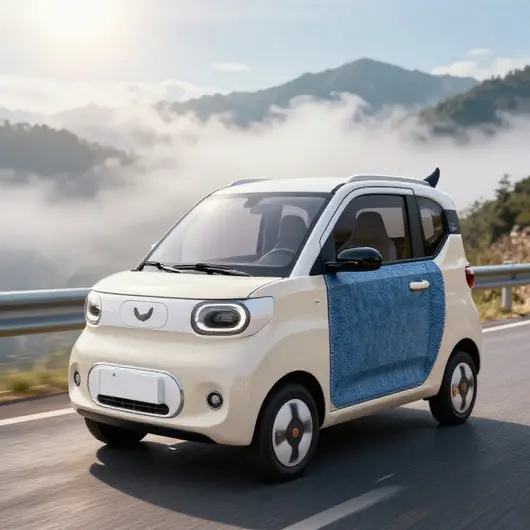
In the Malaysian SUV market, many buyers compare Proton X50 and Mazda CX-5 when choosing a car. The two cars are quite close in price and positioning. Today we will make a detailed comparison from multiple aspects to save you time on research.
Proton X50 OTR price in Malaysia is RM 89,800 - 113,300, there are a total of 4 versions, including 1.5T Executive (RM 89,800), 1.5T Premium (RM 101,800), 1.5T Flagship (RM 113,300) etc.
Mazda CX-5 OTR price in Malaysia is RM 135,469 - 166,760, there are a total of 3 versions, including 2025 2.0L AT 35th Anniversary (RM 316,154), 2025 2.0L AT (RM 296,154), 2025 2.0L MT (RM 294,154) etc.
From a price perspective, the starting price of Proton X50 is indeed RM 45,669 cheaper than Mazda CX-5. If your budget is limited, Proton's entry-level version can already meet daily needs. But also note, the savings of a few thousand ringgit, there might be trade-offs in specifications, it depends on your needs.

Proton X50 is equipped with 1.5L 4-cyl, horsepower 105 hp. Official fuel consumption 6.0 L/100km.
Mazda CX-5 is equipped with 1.5L Turbo, horsepower 140 hp. Official fuel consumption 7.0 L/100km.
In terms of power, Mazda CX-5's 1.5L Turbo has 35 more horsepower than Proton X50's 1.5L 4-cyl. However, in daily city driving, the power of both cars is sufficient, you won't feel it's not powerful enough.

Proton X50 body length 4400 mm, trunk 400 L.
Mazda CX-5 body length 4500 mm, trunk 450 L.
In terms of space, Mazda CX-5's body is 100 mm longer than Proton X50, passenger space has more advantage. However, Proton X50 is more flexible for parking in the city, each has trade-offs.

Proton X50 adopts 4WD drive mode.
Mazda CX-5 adopts FWD drive mode.
Proton's 4WD and Mazda's FWD will have different handling experiences, recommended to test drive for comparison.

Proton X50 and Mazda CX-5 are both mainstream choices in the Malaysian market, suitable for family use, daily commuting. If you value brand reputation and resale value more, you can prioritize the one with better reputation; If you care more about value for money and specifications, then choose the one with richer configuration. Finally, it is recommended to test drive both models, personal experience is the most important.

In general, Proton X50 and Mazda CX-5 are both very good models in the Malaysian market. Which one to choose, it mainly depends on your personal needs and budget. It is recommended to do your homework, compare quotes from several car dealerships, and then test drive to make the final decision. Buying a car is a big matter, spending time on research will definitely not be wrong.


Dalam pasaran SUV di Malaysia, ramai pembeli membandingkan Proton X70 dan Honda CR-V apabila memilih kereta. Kedua-dua kereta ini sangat hampir dari segi harga dan kedudukan pasaran. Hari ini, kami akan membuat perbandingan terperinci daripada pelbagai aspek untuk membantu anda menjimatkan masa membuat kajian.
Harga OTR Proton X70 di Malaysia adalah RM 106,800 - 122,300, terdapat 3 varian, termasuk 1.5L Standard 2WD (RM 106,800), 1.5L Executive 2WD (RM 115,800), 1.5L Premium 2WD (RM 122,300) dan lain-lain.
Harga OTR Honda CR-V di Malaysia adalah RM 178,200 - 195,900, terdapat 4 varian, termasuk 2026 e:HEV 2.0L 2WD RS (RM 195,900), 2026 1.5T 4WD V (RM 181,900), 2026 e:HEV 2.0L 2WD E (RM 178,200) dan lain-lain.
Dari segi harga, harga permulaan Proton X70 memang lebih murah RM 71,400 berbanding Honda CR-V. Jika bajet anda terhad, versi asas Proton sudah boleh memenuhi keperluan harian. Tetapi perlu diingat, beberapa ribu Ringgit yang lebih murah itu mungkin melibatkan pengurangan kelengkapan, ia bergantung pada keperluan anda.

Proton X70 dilengkapi 1.5L Turbo, kuasa 140 hp. Penggunaan minyak rasmi 7.0 L/100km.
Honda CR-V dilengkapi 2.0L 4-silinder, kuasa 170 hp. Penggunaan minyak rasmi 8.0 L/100km.
Dari segi kuasa, 2.0L 4-silinder Honda CR-V mempunyai 30 kuasa kuda lebih berbanding 1.5L Turbo Proton X70. Namun untuk penggunaan harian di bandar, kedua-dua kereta mempunyai kuasa yang mencukupi dan tidak berasa kurang tenaga.

Penilaian keselamatan Proton X70 ialah 5★ (ASEAN NCAP), sistem keselamatan aktif termasuk ADAS (ACC, AEB, LKA, LDA, BSM, RCTA).
Penilaian keselamatan Honda CR-V ialah 5★ (ASEAN NCAP), sistem keselamatan aktif termasuk Honda SENSING (ACC, CMBS, LKAS, RDM).
Kedua-dua kereta mempunyai penilaian keselamatan yang sama, kelengkapan keselamatan dalam kategori ini dianggap lengkap. Keselamatan kereta baharu semasa tidak kurang bagus, tidak perlu bimbang mengenai hal ini.

Proton X70 menggunakan cara pemacu FWD.
Honda CR-V menggunakan cara pemacu FWD.
Kedua-dua kereta mempunyai cara pemacu yang sama, iaitu FWD, pengalaman memandu harian tidak akan banyak berbeza.
Secara keseluruhan, Proton X70 dan Honda CR-V adalah model yang cukup baik dalam pasaran Malaysia. Pilihan kereta bergantung pada keperluan dan bajet peribadi anda. Disarankan untuk membuat kajian, membandingkan sebut harga daripada beberapa pengedar kereta, kemudian buat ujian memandu untuk keputusan akhir. Membeli kereta adalah perkara besar, meluangkan masa membuat kajian tidak akan salah.


In the Malaysian SUV market, many buyers compare the Proton X50 and Chery Tiggo Cross when choosing a car. These two models are quite close in price and positioning. Today, we will make a detailed comparison from multiple aspects to help you save time on research.
The OTR price of Proton X50 in Malaysia is RM 89,800 - 113,300, with a total of 4 versions, including 1.5T Executive (RM 89,800), 1.5T Premium (RM 101,800), 1.5T Flagship (RM 113,300), etc.
The OTR price of Chery Tiggo Cross in Malaysia is RM 88,750 - 99,750, with a total of 2 versions, including 2025 HEV 1.5L CSH (RM 99,750), 2025 1.5T Standard (RM 88,750), etc.
Looking at the price, the starting price of Chery Tiggo Cross is RM 1,050 cheaper than Proton X50. Honestly, at this price range, a difference of a few thousand is not really significant; the key is to look at overall value for money and long-term usage costs.
The safety rating of Proton X50 is 5★ (ASEAN NCAP), active safety systems include ADAS (ACC, AEB, LKA, LDA, BSM, RCTA).
The safety rating of Chery Tiggo Cross is TBD, active safety systems include Basic.
In terms of safety features, both cars have received good ratings. However, there are some differences in functionality between Proton X50's ADAS (ACC, AEB, LKA, LDA, BSM, RCTA) and Chery Tiggo Cross's Basic. If you value active safety more, you can carefully compare the feature lists of both.
Proton X50 uses 4WD drive system.
Chery Tiggo Cross uses FWD drive system.
Proton's 4WD and Chery's FWD will feel different in handling, it is recommended to test drive and compare.
Proton X50 warranty 5 years/150,000km, service interval every 10,000km or 6 months.
Chery Tiggo Cross warranty 3 years/100,000km, service interval every 10,000km or 6 months.

Overall, both Proton X50 and Chery Tiggo Cross are very good models in the Malaysian market. Which one to choose ultimately depends on your personal needs and budget. It is recommended to do your homework, compare quotes from several car dealerships, and then test drive to make the final decision. Buying a car is a big matter, taking time to do research will never be wrong.

In the Malaysia SUV market, many buyers compare Proton X50 and Chery Tiggo Cross when choosing a car. These two cars are quite close in price and positioning. Today we will make a detailed comparison from multiple aspects to help you save time on research.
Proton X50 OTR price in Malaysia is RM 89,800 - 113,300, there are a total of 4 versions, including 1.5T Executive (RM 89,800), 1.5T Premium (RM 101,800), 1.5T Flagship (RM 113,300), etc.
Chery Tiggo Cross OTR price in Malaysia is RM 88,750 - 99,750, there are a total of 2 versions, including 2025 HEV 1.5L CSH (RM 99,750), 2025 1.5T Standard (RM 88,750), etc.
From a price perspective, Chery Tiggo Cross's starting price is RM 1,050 cheaper than Proton X50. Honestly, at this price point, a difference of a few thousand is not really big, the key is to look at the overall value for money and long-term usage cost.
Proton X50 is equipped with 1.5L 4-cyl, horsepower 105 hp. Official fuel consumption 6.0 L/100km.
Chery Tiggo Cross is equipped with 1.5L 4-cyl, horsepower 105 hp. Official fuel consumption 6.0 L/100km.
Both cars use the same powertrain, the driving feel is basically no difference in daily use. Fuel consumption is also about the same, no need to worry too much about this point.
Proton X50 adopts 4WD drive system.
Chery Tiggo Cross adopts FWD drive system.
Proton's 4WD and Chery's FWD will have different handling feelings, test drive comparison is recommended.
Proton X50 warranty 5 years/150,000km, maintenance interval every 10,000km or 6 months.
Chery Tiggo Cross warranty 3 years/100,000km, maintenance interval every 10,000km or 6 months.
Proton X50 and Chery Tiggo Cross are both mainstream choices in the Malaysia market, suitable for family use and daily commuting. If you value brand reputation and resale value more, you can prioritize the one with better reputation; if you care more about value for money and features, choose the one with richer configuration. Ultimately, it is recommended to test drive both models, personal experience is the most important.
Overall, Proton X50 and Chery Tiggo Cross are both very good car models in the Malaysia market. Which one to choose depends on your personal needs and budget. We recommend doing your research well, compare quotes from multiple car dealers, and then test drive to make a final decision. Buying a car is a big matter, spending time on research is never wrong.
In Malaysia's SUV market, many buyers compare Proton X50 and Chery Tiggo Cross when choosing a car. These two cars are quite close in price and positioning. Today, we will make a detailed comparison from multiple aspects to help you save time on research.
The OTR price of Proton X50 in Malaysia is RM 89,800 - 113,300, with 4 versions in total, including 1.5T Executive (RM 89,800), 1.5T Premium (RM 101,800), 1.5T Flagship (RM 113,300), etc.
The OTR price of Chery Tiggo Cross in Malaysia is RM 88,750 - 99,750, with 2 versions in total, including 2025 HEV 1.5L CSH (RM 99,750), 2025 1.5T Standard (RM 88,750), etc.
From a price perspective, the starting price of Chery Tiggo Cross is RM 1,050 cheaper than Proton X50. To be honest, in this price range, a difference of a few thousand is not significant; the key is to look at overall cost-performance and long-term usage costs.
Proton X50 is equipped with a 1.5L 4-cyl, 105 hp. Official fuel consumption is 6.0 L/100km.
Chery Tiggo Cross is equipped with a 1.5L 4-cyl, 105 hp. Official fuel consumption is 6.0 L/100km.
Both cars use the same powertrain system, and the driving experience is basically the same. Fuel consumption is also similar, so there is no need to worry too much about this point.
The safety rating of Proton X50 is 5★ (ASEAN NCAP), active safety systems include ADAS (ACC, AEB, LKA, LDA, BSM, RCTA).
The safety rating of Chery Tiggo Cross is TBD, active safety systems include Basic.
Regarding safety features, both cars have received good ratings. However, the ADAS (ACC, AEB, LKA, LDA, BSM, RCTA) of Proton X50 and the Basic system of Chery Tiggo Cross have some differences in functionality. If you value active safety, you can compare the feature lists of both carefully.
Proton X50 warranty is 5 years/150,000km, maintenance interval 10,000km or 6 months.
Chery Tiggo Cross warranty is 3 years/100,000km, maintenance interval 10,000km or 6 months.
Proton X50 and Chery Tiggo Cross are both mainstream choices in the Malaysian market, suitable for family use and daily commuting. If you value brand reputation and resale value more, you can prioritize the one with better reputation; if you care more about cost-performance and features, choose the one with richer configuration. In the end, it is recommended to test drive both, as personal experience is the most important.
Overall, Proton X50 and Chery Tiggo Cross are both very good car models in the Malaysian market. Which one to choose mainly depends on your personal needs and budget. It is recommended to do your homework, compare quotes from several car dealers, and then test drive to make a final decision. Buying a car is a major matter, spending some time on research is definitely not wrong.

喺馬來西亞嘅 SUV 市場,好多買家喺揀車嘅時候都會拿 Proton X70 同 Toyota Fortuner 做比較。呢兩款車喺價位同定位上都幾接近,今日我哋就從多個方面做一個詳細嘅對比,幫你節省做功課嘅時間。
Proton X70 喺馬來西亞嘅 OTR 售價係 RM 106,800 - 122,300,一共有 3 個版本,包括 1.5L Standard 2WD(RM 106,800)、1.5L Executive 2WD(RM 115,800)、1.5L Premium 2WD(RM 122,300)等。
Toyota Fortuner 喺馬來西亞嘅 OTR 售價係 RM 195,880 - 241,880,一共有 3 個版本,包括 2024 2.8T VRZ Diesel(RM 241,880)、2024 2.7L SRZ Petrol(RM 202,880)、2024 2.4L Standard Diesel(RM 195,880)等。
從價錢來看,Proton X70 嘅起步價的確比 Toyota Fortuner 平咗 RM 89,080。如果你預算有限,Proton 嘅入門版已經可以滿足日常需求。但都要注意,平嘅嗰幾千塊,可能喺配備上會有取捨,具體要看你嘅需求。

Proton X70 搭載 1.5L Turbo,馬力 140 hp。官方油耗 7.0 L/100km。
Toyota Fortuner 搭載 2.5L Diesel,馬力 187 hp。官方油耗 8.5 L/100km。
動力方面,Toyota Fortuner 嘅 2.5L Diesel 比 Proton X70 嘅 1.5L Turbo 多咗 47 匹馬力。不過日常喺市區開,兩款車嘅動力都夠用,唔會覺得唔夠力。

Proton X70 嘅安全評級係 5★ (ASEAN NCAP),主動安全系統包括 ADAS (ACC, AEB, LKA, LDA, BSM, RCTA)。
Toyota Fortuner 嘅安全評級係 5★ (ASEAN NCAP),主動安全系統包括 。
兩款車嘅安全評級一樣,喺呢個級數入面安全配備都算好齊全嘞。而家嘅新車安全性都唔差,唔使太擔心這一點。

Proton X70 車身長 4400 mm,後備廂 400 L。
Toyota Fortuner 車身長 4400 mm,後備廂 400 L。
兩款車嘅尺寸幾乎一樣,車內空間差別唔大。呢個級數嘅車,日常使用完全夠用。
Proton X70 保修 5 年/150,000km,保養間隔 每 10,000km 或 6 個月。
Toyota Fortuner 保修 5 年/無限制里程,保養間隔 每 10,000km 或 6 個月。
總嚟講,Proton X70 同 Toyota Fortuner 都係馬來西亞市場幾唔錯嘅車型。揀邊一輛,關鍵都要睇你個人需求同預算。建議大家做好功課,多比較幾間車行嘅報價,再去試駕做最終決定。買車係件大事,花少少時間做功課絕對唔會錯。



In recent years, Chinese automakers have accelerated their efforts to explore overseas markets, reaching from Southeast Asia in the east, Russia and Northern Europe in the north, to the heart of Europe in the west, and South America and Australia in the south. This export map covering five continents gives today's Chinese automakers a formidable momentum of "conquering territory".
Of course, the results are also quite encouraging. According to June data, Chinese automakers have taken 13% of the European market share. The "main force" including BYD, Chery, Leapmotor, as well as SAIC MG and Geely, have surpassed Japanese car brands in one fell swoop with advantages in technology and price, becoming the fastest-growing new force in the European market.
However, facing the pressing advances of Chinese automakers, European automakers are even more vigilant than Japanese brands.Currently, Europe is discussing imposing additional tariffs on hybrid vehicles imported from China to Europe.
It is understood that in the first half of this year, Chinese automakers captured nearly one-third of the plug-in hybrid market in Europe, undoubtedly further intensifying the sense of crisis among Volkswagen. They stated that without intervention, once consumers form new brand preferences, reversing the situation will become even more difficult!

Relevant information indicates that after receiving the request, the EU has already initiated preparatory work and plans to launch an anti-subsidy investigation against Chinese plug-in hybrid models. From the perspective of Chinese automakers, this investigation means an extremely severe challenge.
Behind this变相 "ban", not only does it reflect the apprehension of the European automotive industry, but it should also trigger a rethinking and judgment by Chinese automakers regarding their overseas strategies.
Chinese Automakers' Flank Tactics Strike at Europe's Weakness
In fact, previously when the EU was preparing to impose aggressive tariffs on Chinese new energy vehicles, Volkswagen had raised objections, worrying that it might suffer counter-retaliation from China's tariff policies, putting Volkswagen China in a passive position. Ultimately, the EU decided to impose additional anti-subsidy tariffs only on pure electric vehicles from China.
But nobody expected that Chinese automakers quickly switched to the plug-in hybrid track and exported heavily to Europe. By now, they have already formed a "suppression" on local enterprises.
From Volkswagen's perspective, European automakers have invested huge funds to meet emission regulations, while Chinese automakers can obtain local policy support; the two are not equal.They emphasized that they only wanted a fair competitive environment, not pure trade protection.
In other words, the reason Volkswagen and other European automakers suffered shock from Chinese new energy vehicles is because they received different treatment; Chinese automakers enjoyed more support brought by policy tilt.

But in reality, such an explanation is somewhat far-fetched. If it were purely because of subsidy issues, the breakthrough of Chinese automakers in the European market would only be temporary and unsustainable. They could not have reached today to form a momentum that even makes Volkswagen "fearful".
Therefore, the progress of Chinese automobiles in technology, supply chain, intelligence, etc., is the real "protective charm". Additionally, it must be admitted that Chinese automakers have been more wise in judging new energy technology routes.
Compared to European automakers placing their transformation focus entirely in the pure electric field, Chinese automakers did not put all eggs in one basket. Instead, they took two routes: "Pure Electric + Plug-in Hybrid". The strategy is more flexible. If Plan A doesn't work, they can bring out Plan B to respond quickly. There will always be a way to succeed.
Perhaps initially, Volkswagen believed that by imposing additional tariffs on pure electric cars produced in China, it would not interfere with the pure electric transformation of European local automakers. But what they didn't expect was that the originally underestimated Chinese automakers used another set of plans to complete a "flanking attack" on the European automotive industry.
Nowadays, the situation of Volkswagen and a bunch of European automakers is not optimistic. They are already experiencing unprecedented pressure in China, the world's largest single automotive market. If even the European home base starts to lose ground, these enterprises that once defined the global automotive industry structure will lose the initiative of future competition faster.

For Chinese automakers, the fierce reaction of European automakers proves on one hand that Chinese automakers have made traditional giants feel panicked, but on the other hand, it also raises the alarm for Chinese automakers going overseas.
Will future exports of Chinese automakers to the European market face greater obstacles? Will Europe gradually evolve into a market similar to Thailand, protecting local automotive industries through policy tools? These issues need serious attention.
In the Second Half of Globalization, Chinese Automakers Need to Change Tactics
After all, in the past few years, the rapid growth of Chinese automakers in overseas markets relied not only on product competitiveness but also benefited from a relatively open market environment.Taking Europe as an example, to promote new energy transformation, it actively opened the market, forcing local automotive upgrades. This actually provided a chance for Chinese automakers to show their strength.
However, as Chinese brands continuously break through, they inevitably touch the core interests of local automotive industries. At this time, it is no longer just about whose product is better or whose price is lower, but it further creates a new issue: how to transform from a competitor who only "grabs share" into a true "symbiote" who integrates into the local industrial system and creates value.
In the Thailand market, Chinese automakers once faced a similar soul-searching question.

Originally, Thailand was also one of the most open markets for Chinese new energy vehicles. Under policy support and market demand promotion, Chinese brands streamed in, quickly realizing the occupation of market share within a few years.But ultimately, it triggered serious dissatisfaction in the Thai automotive industry, urging the Thai government to tighten policies, strengthening the management of imported electric vehicles from aspects such as tax incentives, localization ratios, and investment rules.
For example, currently any electric vehicle enterprise enjoying Thai government subsidies must fulfill production compensation agreements. In other words, while exporting cars to Thailand, they must also produce cars locally. In 2026, this ratio is 1:2, and in 2027 it will become 1:3.
The meaning conveyed by this move is very clear: it wants Chinese automakers to increase investment in the Thai market, rather than just selling cars and leaving. In the future, only by taking an attitude of rooting locally can they be recognized and accepted by locals.
Actually, the idea in Europe is roughly the same. Executives of the German Volkswagen Group once stated that they are not opposed to carrying out targeted cooperation with Chinese automakers, including discussing shared capacity to produce vehicles in Europe. To put it simply, Chinese automakers are not banned from making money in Europe, but the prerequisite is to earn money together.
Actually, top automakers like BYD, Geely, Chery, etc., thought of this step early and are gradually speeding up local factory building plans. Once formal production starts, it will reduce the scale of direct imports to a certain extent and lower tariff impact. However, in this process, Chinese automakers still need to pay attention to how to integrate more deeply with the local industry. Besides creating output, can they create employment opportunities and cultivate supply chain systems to contribute to local industrial upgrades?

From Thailand to Europe, on the surface, everyone seems to be guarding against a large-scale "invasion" by Chinese automakers, but it also provides assistance for the "role transition" of Chinese automakers in the globalization process.After all, true "gold content" globalization is not just about how many cars are sold, but must grow from an outsider competitor to an industry participant. Only then can they, like those traditional multinational automakers, become an indispensable part of the global automotive industry.

In Malaysia's SUV market, many buyers compare the Proton X50 and Chery Tiggo 7 Pro when choosing a car. These two cars are quite close in price and positioning. Today, we will do a detailed comparison from multiple aspects to help you save time on research.
The Proton X50 is priced at RM 89,800 - 113,300 OTR in Malaysia, with a total of 4 versions, including 1.5T Executive (RM 89,800), 1.5T Premium (RM 101,800), 1.5T Flagship (RM 113,300), etc.
The Chery Tiggo 7 Pro is priced at RM 123,750 - 123,750 OTR in Malaysia, with a total of 2 versions, including 1.6L Turbo Standard (RM 125,000), 1.6L Turbo Premium (RM 140,000), etc.
From a price perspective, the starting price of the Proton X50 is indeed RM 33,950 cheaper than the Chery Tiggo 7 Pro. If your budget is limited, the Proton's entry-level version can already meet daily needs. However, keep in mind that the few thousand cheaper might involve trade-offs in features, depending on your specific needs.
Proton X50 is equipped with a 1.5L 4-cyl, horsepower 105 hp. Official fuel consumption 6.0 L/100km.
Chery Tiggo 7 Pro is equipped with a 1.5L Turbo, horsepower 140 hp. Official fuel consumption 7.0 L/100km.
In terms of power, the Chery Tiggo 7 Pro's 1.5L Turbo has 35 more horsepower than the Proton X50's 1.5L 4-cyl. However, for daily city driving, both cars have sufficient power and won't feel underpowered.
Proton X50 adopts 4WD drive mode.
Chery Tiggo 7 Pro adopts FWD drive mode.
Proton's 4WD and Chery's FWD will have different handling feelings, test driving is recommended for comparison.
Proton X50 warranty 5 years/150,000km, maintenance interval every 10,000km or 6 months.
Chery Tiggo 7 Pro warranty 3 years/100,000km, maintenance interval every 10,000km or 6 months.
Both Proton X50 and Chery Tiggo 7 Pro are mainstream choices in the Malaysian market, suitable for family use and daily commuting. If you value brand reputation and resale value more, prioritize the one with better reputation; if you care more about cost-performance and features, choose the one with richer configuration. Ultimately, it is recommended to test drive both, as personal experience is the most important.
Overall, both Proton X50 and Chery Tiggo 7 Pro are very good models in the Malaysian market. Which one to choose depends on your personal needs and budget. We suggest doing your homework, comparing quotes from several car dealers, and then test driving to make a final decision. Buying a car is a big matter, spending some time on research is never wrong.

喺馬來西亞嘅 SUV 市場,好多買家喺揀車嗰陣都會拿 Proton X50 同 Chery Tiggo 8 Pro 嚟做比較。呢兩部車喺價位同定位上都幾接近,今日我哋就從多個方面做一個詳細嘅比較,幫你節省做功課嘅時間。
Proton X50 喺馬來西亞嘅 OTR 售價係 RM 89,800 - 113,300,一總有 4 個版本,包括 1.5T Executive(RM 89,800)、1.5T Premium(RM 101,800)、1.5T Flagship(RM 113,300) 等。
Chery Tiggo 8 Pro 喺馬來西亞嘅 OTR 售價係 RM 159,750 - 159,750,一總有 2 個版本,包括 1.6L Turbo Standard(RM 130,000)、1.6L Turbo Premium(RM 145,000) 等。
從價錢嚟睇,Proton X50 嘅起步價確實比 Chery Tiggo 8 Pro 平咗 RM 69,950。如果你預算有限,Proton 嘅入門版已經可以滿足日常需要。但都要留意,平嗰幾千蚊,可能喺配備上會有所取捨,具體要睇你嘅需要。
Proton X50 採用 4WD 驅動方式。
Chery Tiggo 8 Pro 採用 FWD 驅動方式。
Proton 嘅 4WD 同 Chery 嘅 FWD 喺操控上會會有唔同感受,建議試駕比較。
Proton X50 保修 5 年/150,000km,保養間隔 每 10,000km 或 6 個月。
Chery Tiggo 8 Pro 保修 3 年/100,000km,保養間隔 每 10,000km 或 6 個月。
Proton X50 同 Chery Tiggo 8 Pro 都係馬來西亞市場嘅主流選擇,適合家庭使用、日常通勤。如果你更睇重品牌口碑同二手價,可以優先考慮口碑更好嗰一款;如果你更在意性價比同配備,那就揀配備更豐富嗰款。最後都係建議兩部都去試駕,親身體驗先至最重要。
總體嚟講,Proton X50 同 Chery Tiggo 8 Pro 都係馬來西亞市場幾唔錯嘅車型。揀邊一部,關鍵都要睇你個人需要同預算。建議大家做好功課,多比較幾間車行嘅報價,先去試駕做最後決定。買車係件大事,花少少時間做功課絕對無錯。

喺馬來西亞嘅 SUV 市場,好多買家喺揀車嘅時候都會拿 Proton X50 同 Chery Tiggo 8 Pro 嚟做比較。呢兩款車喺價位同定位上都幾近,今日我哋就從多個方面做一個詳細嘅比較,幫你攞省做功課嘅時間。
Proton X50 喺馬來西亞嘅 OTR 售價係 RM 89,800 - 113,300,一共有 4 個版本,包括 1.5T Executive(RM 89,800)、1.5T Premium(RM 101,800)、1.5T Flagship(RM 113,300) 等。
Chery Tiggo 8 Pro 喺馬來西亞嘅 OTR 售價係 RM 159,750 - 159,750,一共有 2 個版本,包括 1.6L Turbo Standard(RM 130,000)、1.6L Turbo Premium(RM 145,000) 等。
從價錢嚟睇,Proton X50 嘅起步價確實比 Chery Tiggo 8 Pro 平咗 RM 69,950。如果你預算有限,Proton 嘅入門版已經可以滿足日常需求。但都要注意,平嗰幾千蚊,可能喺配備上會有取舍,具體要睇你嘅需求。
Proton X50 搭載 1.5L 4-cyl,馬力 105 hp。官方油耗 6.0 L/100km。
Chery Tiggo 8 Pro 搭載 2.0L 4-cyl,馬力 170 hp。官方油耗 8.0 L/100km。
動力方面,Chery Tiggo 8 Pro 嘅 2.0L 4-cyl 比 Proton X50 嘅 1.5L 4-cyl 多咗 65 匹馬力。不過日常喺市區開,兩款車嘅動力都夠力,唔會覺得唔夠力。
Proton X50 嘅安全評級係 5★ (ASEAN NCAP),主動安全系統包括 ADAS (ACC, AEB, LKA, LDA, BSM, RCTA)。
Chery Tiggo 8 Pro 嘅安全評級係 TBD,主動安全系統包括 Basic。
安全配備方面,兩款車都拿到唔錯嘅評級。不過 Proton X50 嘅 ADAS (ACC, AEB, LKA, LDA, BSM, RCTA) 同 Chery Tiggo 8 Pro 嘅 Basic 喺功能上有些差異,如果你比較重視主動安全嘅話,可以仔細比較下兩者嘅功能列表。
Proton X50 保修 5 年/150,000km,保養間隔 每 10,000km 或 6 個月。
Chery Tiggo 8 Pro 保修 3 年/100,000km,保養間隔 每 10,000km 或 6 個月。
Proton X50 同 Chery Tiggo 8 Pro 都係馬來西亞市場嘅主流選擇,適合家庭使用、日常通勤。如果你更重視品牌口碑同二手價,可以優先考慮口碑更好嗰一款;如果你更在意性價比同配備,就選配備更豐富嗰款。最終都係建議兩款都去試駕,親身體驗先係最重要。
總括嚟講,Proton X50 同 Chery Tiggo 8 Pro 都係馬來西亞市場幾好嘅車型。揀邊一輛,關鍵都係要睇你嘅個人需求同預算。建議大家做好功課,多比較幾間車行嘅報價,再去做試駕做最終決定。買車係件大事,花啲時間做功課絕對無錯。

In Malaysia's SUV market, many buyers compare Proton X70 and Honda HR-V when choosing a car. These two cars are quite close in price and positioning. Today we will make a detailed comparison from multiple aspects to help you save time on research.
Proton X70 OTR price in Malaysia is RM 106,800 - 122,300, there are 3 versions in total, including 1.5L Standard 2WD (RM 106,800), 1.5L Executive 2WD (RM 115,800), 1.5L Premium 2WD (RM 122,300), etc.
Honda HR-V OTR price in Malaysia is RM 115,900 - 143,900, there are 4 versions in total, including 2026 e:HEV 1.5L RS (RM 143,900), 2026 1.5T V (RM 137,900), 2026 1.5T E (RM 130,900), etc.
From a price perspective, Proton X70's starting price is indeed RM 9,100 cheaper than Honda HR-V. If your budget is limited, Proton's entry-level version can already meet daily needs. But also note, the few thousand difference in price might involve compromises in features, depending on your specific requirements.

Proton X70 safety rating is 5★ (ASEAN NCAP), active safety systems include ADAS (ACC, AEB, LKA, LDA, BSM, RCTA).
Honda HR-V safety rating is 5★ (ASEAN NCAP), active safety systems include Honda SENSING (ACC, CMBS, LKAS, RDM).
The safety ratings of both cars are the same. In this class, safety features are quite comprehensive. New cars nowadays are safe, no need to worry too much about this.

Proton X70 uses FWD drive mode.
Honda HR-V uses FWD drive mode.
Both cars have the same drive mode, both are FWD, daily driving experience will not differ much.

Proton X70 warranty 5 years/150,000km, maintenance interval every 10,000km or 6 months.
Honda HR-V warranty 5 years/unlimited mileage, maintenance interval every 10,000km or 6 months.
Overall, Proton X70 and Honda HR-V are both very good models in the Malaysian market. Choosing which one depends mainly on your personal needs and budget. We suggest doing your research, comparing quotes from several dealerships, and then test driving to make the final decision. Buying a car is a big deal, spending time on research will never be wrong.


In the Malaysian SUV market, many buyers compare the Proton X70 and Honda HR-V when choosing a car. These two models are quite close in price and positioning. Today, we will do a detailed comparison from multiple aspects to help you save time on research.
The Proton X70 OTR price in Malaysia is RM 106,800 - 122,300, with a total of 3 variants, including 1.5L Standard 2WD (RM 106,800), 1.5L Executive 2WD (RM 115,800), 1.5L Premium 2WD (RM 122,300), etc.
The Honda HR-V OTR price in Malaysia is RM 115,900 - 143,900, with a total of 4 variants, including 2026 e:HEV 1.5L RS (RM 143,900), 2026 1.5T V (RM 137,900), 2026 1.5T E (RM 130,900), etc.
From a price perspective, the Proton X70 starting price is indeed RM 9,100 cheaper than the Honda HR-V. If your budget is limited, the Proton entry-level version can already meet daily needs. However, also note that the few thousand ringgit savings might involve trade-offs in features, depending on your specific needs.
The Proton X70 safety rating is 5★ (ASEAN NCAP), with active safety systems including ADAS (ACC, AEB, LKA, LDA, BSM, RCTA).
The Honda HR-V safety rating is 5★ (ASEAN NCAP), with active safety systems including Honda SENSING (ACC, CMBS, LKAS, RDM).
Both cars have the same safety rating, and safety features in this class are considered quite comprehensive. New cars nowadays generally have good safety, so there is no need to worry too much about this.
The Proton X70 uses FWD drive mode.
The Honda HR-V uses FWD drive mode.
Both cars have the same drive mode, which is FWD, so there won't be much difference in the daily driving experience.
Both the Proton X70 and Honda HR-V are mainstream choices in the Malaysian market, suitable for family use and daily commuting. If you value brand reputation and resale value more, you can prioritize the one with the better reputation; if you care more about cost-performance and features, choose the one with richer configurations. Ultimately, it is recommended to test drive both, as personal experience is the most important.
Overall, the Proton X70 and Honda HR-V are both very good models in the Malaysian market. Which one to choose mainly depends on your personal needs and budget. We suggest everyone do their research, compare quotes from several dealerships, and then go for a test drive to make a final decision. Buying a car is a big matter, taking some time to do your research will absolutely not go wrong.

日前,深藍汽車正式公布了全新升級的深藍 S05。作為一款已經在全球累計收穫超過 24 萬用戶、連續多月蟬聯細分市場銷量冠軍的明星車型,S05 的今次煥新登場,顯然不僅僅是一次例行的產品迭代。
在競爭已進入白熱化的 2026 年中國新能源市場,一款「爆款」車型如何保持生命力?深藍 S05 的升級邏輯,或許給出了一個值得深思的答案。而這款車的意義,也早已超出了產品本身——它既是深藍汽車從「爆款」走向「常青樹」的關鍵落子,也是長安汽車在新能源戰略整合窗口期的一塊重要壓艙石。

從夠用到吸睛
回顧現款深藍 S05,其成功的关键在於精準卡位——在 11.99 萬至 14.99 萬元的價格區間,以純電 + 增程的雙動力佈局、2880mm 的超長軸距以及後置後驅的駕駛樂趣,精準切入了年輕家庭用戶的痛點。上市以來月均銷量穩定破萬,足以證明其產品定義的成功。
而全新深藍 S05 的升級,核心思路可以概括為一句話:在既有優勢之上,把「智能」這塊短板補齊,把「設計」這張長板拉長。
智能駕駛是此次升級最引人注目的變化。新車首次搭載了激光雷達,配合升級後的駕駛輔助「小藍燈」,在感知硬體層面實現了質的飛躍。在 10-15 萬元級的緊湊型 SUV 市場中,激光雷達的搭載目前仍屬稀缺配置。深藍 S05 此舉,實質上是将高階智能驾驶的硬件門檻大幅拉低,让更多主流用户能够享受到更精准的风险预判和更安心的驾驶辅助体验。這不僅是產品力的提升,更是对「科技平權」理念的一次實質性落地。
設計層面,全新 S05 延續了品牌「共生美學」的核心理念,並深化演繹了「星際飛翼」設計語言。封閉式前格柵搭配狹長燈組與「深藍之眼」花瓣燈,辨識度進一步提升。無框車門、半隱藏式門把手、1.9㎡全景天幕等年輕化配置的保留與優化,則繼續強化了其「潮電 SUV」的產品標籤。
內飾方面,全新「懸浮星艦」設計語言帶來了更具科技感的座艙氛圍。256 色懸浮式環抱氛圍燈支持隨情景模式律動,大尺寸懸浮中控屏與 HUD 抬頭顯示的搭配,進一步強化了人車交互的沉浸感。而 2880mm 軸距所帶來的寬敞後排空間、492L 雙層後備廂與 159L 前備箱的儲物組合,則讓這台緊湊型 SUV 在實用層面依然保持着越級的競爭力。
動力層面,新車繼續提供純電與增程雙動力選擇。純電版搭載 272 馬力後置單電機,提供 520km 與 620km 兩種 CLTC 續航版本;增程版 CLTC 純電續航 215km,綜合續航達 1310km。值得注意的是,新車搭載的寧德時代金鐘罩電池組與 3C 超級快充技術,在補能效率和電池安全層面均為同級領先水平。

從「爆款」到「常青樹」,S05 對深藍舉足輕重
全新深藍 S05 的登場,恰逢深藍品牌發展的關鍵節點。
從銷量數據來看,深藍汽車 2026 年上半年全球累計銷量已達 164,156 輛,同比增長 14.6%,其中 6 月單月銷量 33,625 輛,連續 4 個月突破 3 萬輛大關。海外市場表現尤為亮眼,上半年海外累計銷售 35,795 輛,同比增長 141%。而深藍 S05 一款車型,6 月全球銷量就達到 18,369 輛,佔品牌總銷量的半數以上,是深藍当之无愧的「銷量擔當」。
對於任何一個汽車品牌而言,單一車型的過度依賴既是榮耀也是風險。深藍汽車顯然意識到了這一點——L06、S07 等車型正在快速成長,但 S05 作為品牌「基本盤」的地位短期內難以被撼動。全新 S05 的推出,正是為了鞏固這一基本盤:通過激光雷達的上車和設計的迭代,讓這款已經證明自己的車型在智能駕駛浪潮中不掉隊,繼續保持對競品的領先優勢。
從品牌定位來看,深藍一直強調「年輕、科技、運動」的品牌調性。全新 S05 在外觀、內飾、智能三個維度的同步升級,恰好與這一調性形成了深度呼應。它不僅是深藍產品陣列中最走量的車型,更是品牌理念最直接的載體——讓年輕用戶以觸手可及的價格,享受到前沿的智能電動體驗。

從單打獨鬥到戰略協同
把視角拉高到長安汽車的層面,全新深藍 S05 的意義更加深遠。
2026 年,長安汽車正在推進一項重要的戰略調整——對阿維塔與深藍汽車進行戰略性整合與協同發展。整合後的兩大品牌將形成 150 萬 + 級的中高端品牌群,其中深藍的目標是 2030 年年銷 100 萬輛。在這一宏大目標面前,深藍需要一款足夠能打、足夠持久的核心車型來支撐銷量基盤——而 S05 正是這個角色最合适的人選。
與此同時,中國新能源市場的競爭格局正在發生深刻變化。2026 年上半年,純電市場已進入存量競爭階段,增程賽道也面臨結構性調整的壓力。在這樣的大環境下,一款月銷穩定過萬、且能通過持續迭代保持產品競爭力的車型,其戰略價值怎麼強調都不為過。全新 S05 的推出,不僅為深藍的銷量增長提供了持續動能,也為長安新能源矩陣的穩定運行提供了重要支撐。
更值得關注的是 S05 在全球化佈局中的角色。目前深藍 S05 已熱銷全球 73 個國家和地區,並斬獲了德國 iF 設計大獎等國際榮譽。深藍汽車已進入全球 110 多個國家和地區,在泰國建立了右舵車工廠。全新 S05 的升級,無疑將進一步提升這款「全球車」在國際市場的競爭力,為長安汽車的「海納百川」全球化戰略添上重要的一塊拼圖。

汽車網評:全新深藍 S05 的登場,表面上看是一次產品的中期改款,實則是深藍汽車從「爆款驅動」走向「體系化競爭」的關鍵一步。激光雷達的下放、設計的進化、空間的越級——這些產品力的升級背後,是一套完整的產品定義邏輯:在主流價格區間內,把用戶最在意的智能化、設計感和實用性做到極致。
對於深藍汽車而言,S05 是穩住基本盤的定海神針;對於長安汽車而言,S05 是新能源戰略整合期的重要支撐。在 2026 年這個行業關鍵分化期,全新深藍 S05 的登場,或許正是深藍從「中國主流」駛向「全球主場」道路上,最堅實的那一步。
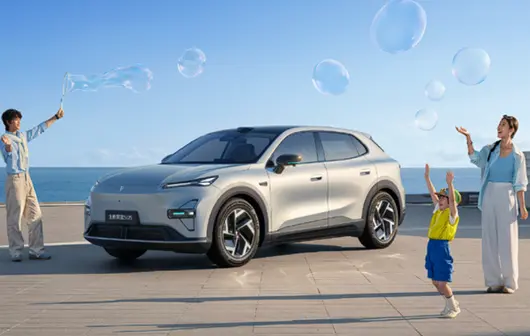

喺馬來西亞嘅 SUV 市場,好多買家喺揀車嘅時候都會拿 Proton X50 同 MG MG HS 做比較。呢兩款車喺價位同定位上都幾接近嘅,而家我哋由多個方面做個詳細比較,幫你省返做功課嘅時間。
Proton X50 喺馬來西亞嘅 OTR 售價係 RM 89,800 - 113,300,一共有 4 個版本,包括 1.5T Executive(RM 89,800)、1.5T Premium(RM 101,800)、1.5T Flagship(RM 113,300) 等。
MG MG HS 喺馬來西亞嘅 OTR 售價係 RM 130,450 - 146,450,一共有 2 個版本,包括 1.5L Standard(RM 105,000)、1.5L Executive(RM 115,000) 等。
由價錢睇,Proton X50 嘅入門價確實係比 MG MG HS 平咗 RM 40,650。如果你預算有限,Proton 嘅入門版已經可以滿足日常需要。不過都要注意,平嗰幾千蚊,可能會喺配備上有取捨,具體要看你嘅需要。
Proton X50 配備 1.5L 4-cyl,馬力 105 hp。官方油耗 6.0 L/100km。
MG MG HS 配備 1.5L Turbo,馬力 140 hp。官方油耗 7.0 L/100km。
動力方面,MG MG HS 嘅 1.5L Turbo 比 Proton X50 嘅 1.5L 4-cyl 多咗 35 匹馬力。不過日常喺市區開,兩款車嘅動力都夠用,唔會覺得唔夠力。
Proton X50 嘅安全評級係 5★ (ASEAN NCAP),主動安全系統包括 ADAS (ACC, AEB, LKA, LDA, BSM, RCTA)。
MG MG HS 嘅安全評級係 TBD,主動安全系統包括 Basic。
安全配備方面,兩款車都拿到唔錯嘅評級。不過 Proton X50 嘅 ADAS (ACC, AEB, LKA, LDA, BSM, RCTA) 同 MG MG HS 嘅 Basic 喺功能上有啲分別,如果你好重視主動安全嘅話,可以仔細比較下兩者嘅功能列表。
Proton X50 保修 5 年/150,000km,保養間隔 每 10,000km 或 6 個月。
MG MG HS 保修 7 年/150,000km,保養間隔 每 10,000km 或 6 個月。
總體嚟講,Proton X50 同 MG MG HS 都係馬來西亞市場幾唔錯嘅車款。揀邊一輛,關鍵都要睇你嘅個人需要同預算。建議大家做足功課,多比較幾間車行嘅報價,再去試車做最終決定。買車係件大事,花少少時間做功課絕對唔會錯。

Di pasaran SUV Malaysia, ramai pembeli membandingkan Proton X70 dan Honda HR-V ketika memilih kereta. Kedua-dua model ini mempunyai harga dan posisi yang hampir sama. Hari ini kita akan membuat perbandingan terperinci dari pelbagai aspek untuk membantu anda menjimatkan masa mencari maklumat.
Proton X70 dijual dengan harga OTR di Malaysia antara RM 106,800 - 122,300, dengan 3 varian, termasuk 1.5L Standard 2WD (RM 106,800), 1.5L Executive 2WD (RM 115,800), 1.5L Premium 2WD (RM 122,300) dan lain-lain.
Honda HR-V dijual dengan harga OTR di Malaysia antara RM 115,900 - 143,900, dengan 4 varian, termasuk 2026 e:HEV 1.5L RS (RM 143,900), 2026 1.5T V (RM 137,900), 2026 1.5T E (RM 130,900) dan lain-lain.
Dari segi harga, Proton X70 mempunyai harga asas yang RM 9,100 lebih murah daripada Honda HR-V. Jika bajet anda terhad, varian masuk Proton sudah boleh memenuhi keperluan harian. Tetapi berhati-hati, perbezaan ribuan ringgit ini mungkin mempunyai kompromi pada kelengkapan, bergantung pada keperluan anda.
Proton X70 dilengkapi enjin 1.5L Turbo, kuasa 140 hp. Penggunaan bahan api rasmi 7.0 L/100km.
Honda HR-V dilengkapi enjin 1.5L Turbo, kuasa 140 hp. Penggunaan bahan api rasmi 7.0 L/100km.
Kedua-dua kereta menggunakan sistem kuasa yang sama, pengalaman memandu harian adalah hampir sama. Dari segi penggunaan bahan api pun hampir sama, tiada perlu terlalu bimbang tentang hal ini.
Proton X70 panjang badan 4400 mm, ruang bagasi 400 L.
Honda HR-V panjang badan 4500 mm, ruang bagasi 450 L.
Dari segi ruang, badan Honda HR-V lebih panjang 100 mm daripada Proton X70, ruang penumpang lebih menguntungkan. Namun Proton X70 lebih mudah diparkir di bandar, setiap ada kompromi.
Proton X70 jaminan 5 tahun/150,000km, selang servis setiap 10,000km atau 6 bulan.
Honda HR-V jaminan 5 tahun/milej tanpa had, selang servis setiap 10,000km atau 6 bulan.
Secara keseluruhan, Proton X70 dan Honda HR-V adalah model yang sangat baik di pasaran Malaysia. Memilih yang mana bergantung pada keperluan dan bajet peribadi anda. Disarankan membuat penyelidikan, membandingkan beberapa tawaran dari dealer kereta yang berbeza, kemudian buat ujian memandu sebelum membuat keputusan akhir. Membeli kereta adalah perkara penting, meluangkan masa mencari maklumat pasti tidak salah.

近日,上汽 MG4 Urban(內地型號 MG4)登陸巴西市場,上市前 24 小時便收到 2436 份購車意向。
喺巴西純電動車市場,首發熱度係後續銷量走勢嘅先行指標。如今位列當地純電車銷量前三嘅比亞迪 Dolphin Mini、比亞迪 Dolphin 同吉利 EX2,進入巴西市場時均交出了強勢答卷,此次 MG4 Urban 首發成績同樣優秀,意味著佢已獲得進入頭部陣營嘅入場券。

其實,MG4 Urban 出海並非凡新品試水。2025 年 8 月,全新 MG4 喺國內首發後迅速打開銷量空間,目前已經連續 9 個月銷量破萬,並一度奪得國內緊湊型車銷冠。換句話話,喺走向海外之前,MG4 Urban 已喺競爭激烈嘅中國市場經歷咗充分檢驗。
2026 年初,MG4 Urban 隨即啟動出海,率先进入英國,隨後登陸歐洲大陸、澳洲、新加坡等市場,近期又將版圖拓展至巴西。從歐洲、澳洲、東南亞到南美,一條橫跨多個核心市場嘅產品投放路線已經成型。
MG4 Urban 喺全球多點開花,係上汽海外業務強勁增長嘅縮影。2026 年上半年,上汽海外銷量達到 73.5 萬輛,同比增長 48.7%,創下歷史新高。其背後,係上汽建立全球化產品矩陣、覆蓋多元市場嘅體系能力,這意味著上汽出海正由銷量規模嘅擴張,進一步邁向產品、品牌與體系協同驅動嘅價值增長。
唔止一輛全球車
作為上汽全球化產品佈局嘅最新落子,MG4 Urban 登陸多個海外市場後,接連獲得各國權威專業媒體嘅認可。
英國權威汽車媒體《What Car?》小型純電車橫評中,MG4 Urban 擊敗雷諾 5、現代 Inster 登頂;澳洲《CarExpert》評價其定價親切,卻喺駕乘質感、配置水準與空間表現上無「廉價感」;德國《世界報》則稱其為「緊湊型空間奇蹟」,充分認可佢嘅空間效率、能耗表現與日常實用性。

除咗媒體口碑,MG4 Urban 都通過咗國際權威安全體系嘅檢驗。佢車先後斬獲歐洲 Euro NCAP 與澳新 ANCAP 雙五星安全評級。喺正面偏置、全寬正碰、側面碰撞等核心測試場景中,車乘員艙結構完整性與乘員關鍵部位防護表現穩定,安全實力得到兩大市場嘅權威背書。
MG4 Urban 喺多國市場、多維度評價體系中收穫嘅一致肯定,印證咗上汽已具備定義與打造「全球車」嘅成熟能力。呢種能力既依托產品與技術層面嘅硬實力,更得益於上汽喺法規適配、安全標準、市場導入等領域長期沉澱嘅全球化體系能力。
而呢種全球化體系能力,並唔只體現喺 MG4 Urban 一款產品上。
今年上半年,上汽圍繞歐洲、澳新、東南亞、中東非等核心潛力市場,持續擴充全球化產品矩陣:一方面,加快 MG4 Urban、MG S5 EV、MG S6 EV 等主力車型嘅投放;另一方面,同步推出 MG S9 PHEV、MG3 Hybrid+ 等年度升級產品,新車投放與存量車型升級同步推進。

從純電、混動到燃油,從兩廂車、轎車、SUV 到 MPV、皮卡,上汽針對不同國家喺能源結構、消費層級同用車場景上嘅差異,通過多技術路線並行、多品類協同佈局,構建起咗全球產品艦隊。呢套不斷擴容、持續進化嘅產品矩陣,正成為上汽深入全球市場、應對多元需求嘅重要支撐。
為中國汽車出海
貼上技術標籤
隨著中國汽車出海進入新階段,出口規模再唔係衡量全球化能力嘅唯一標尺。技術同品牌能否植入當地消費者嘅認知,研發、生產、銷售、服務能否融入當地產業體系,決定咗企業喺海外能夠走多遠。
2026 年,MG 品牌圍繞「全球化佈局、本土化深耕、技術化賦能」展開海外營銷,先後喺法蘭克福同倫敦舉辦兩場技術日,集中展示 Hybrid+ 油電混動、Plug-in Hybrid+ 插電混動、SolidCore 半固態電池、智能座艙同輔助駕駛等技術成果。

呢啲技術展示並唔係脫離市場需求「秀肌肉」,而係針對歐洲電動化轉型痛點給出嘅解決方案。喺法蘭克福,MG 宣佈啟用歐洲工程中心,將當地氣候、法規與用戶習慣深度納入產品開發流程,同步發布 SolidCore 半固態電池方案;到咗倫敦,上汽公布新一代 Plug-in Hybrid+ 插電混動技術,並針對歐洲真實道路環境推進輔助駕駛技術。
透過技術日主動發聲,搭配全球化產品矩陣攻勢,上汽 MG 逐漸建立起「全球化技術平權」嘅品牌標籤。所謂全球化技術平權,唔單止係將中國市場驗證成熟嘅技術推向海外,仲要结合當地需求做本地化開發,令先進用車體驗觸達更廣泛嘅大眾消費市場,MG4 Urban 正係呢一理念嘅代表性產品。
喺建立技術認知之外,上汽亦喺借助全球汽車文化舞臺重塑 MG 嘅品牌表達。今年嘅古德伍德速度節上,MG 全球首發 MG GO!同 Cyber Concept 兩款概念車。兩款產品從 MGB GT、MG 6R4 拉力賽車、MG EX181 等經典車型中汲取設計靈感,喺延續品牌歷史基因嘅同時,展現出 MG 面向新能源時代嘅創新能力。

技術大會建立技術認知,文化舞臺強化品牌厚度。如今嘅 MG 品牌正將百年品牌積澱同上汽電動化、智能化技術優勢深度融合。佢向全球消費者傳遞嘅不再係單一嘅產品,更係品牌嘅技術底蘊、個性主張同長期願景。
扎根全球
邁向價值增長
而家,上汽正將產品導入、品牌建設、用戶服務同本地化經營更緊密地結合埋一齊,喺更多海外市場形成長期運營能力。
喺泰國,MG 持續完善新能源車服務體系,推出 MG SMILE 服務戰略,並繼續為純電車提供三電終身質保,將服務從購車環節延伸至用車全週期;喺印度,MG Windsor 穩居當地純電市場第一梯隊,透過本地化生產、渠道鋪設同充電設施佈局,持續完善新能源車生態;喺中東,MG 推出首款採用阿拉伯語命名嘅越野車 RAKAN,令本地化從產品適配進一步走向文化認同。

從歐洲嘅技術研發,到巴西嘅產品導入;從東南亞嘅服務升級,到印度嘅新能源車生態建設,上汽嘅全球化已超越整車出口嘅傳統模式,逐步形成研發、生產、銷售、服務與品牌建設協同推進嘅完整體系。目前,上汽嘅產品同服務已經進入全球 170 多個國家同地區,海外累計銷量突破 700 萬輛,構建起以歐洲為核心,澳新、東盟、南亞、中東、美洲多點支撐嘅全球市場格局。
從「把車賣到全球」到「喺全球經營品牌」,上汽出海正由規模增長邁向價值增長。銷量規模仍係基礎,但更具長期價值嘅,係技術同產品不斷獲得認可、品牌形象持續深入人心、本地運營體系不斷完善。隨著更多全球車型進入不同市場,一個技術體系更成熟、產品矩陣更豐富、品牌影響力更強嘅上汽,正喺全球汽車產業版圖中打開新嘅增長空間。
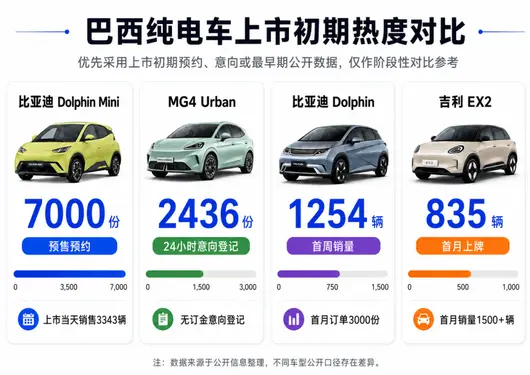

In the Malaysian SUV market, many buyers compare the Proton X50 and Chery Tiggo 9 when choosing a car. These two models are quite close in price and positioning. Today, we will make a detailed comparison from multiple aspects to help you save time on research.
The OTR price of the Proton X50 in Malaysia is RM 89,800 - 113,300, with a total of 4 variants, including 1.5T Executive (RM 89,800), 1.5T Premium (RM 101,800), 1.5T Flagship (RM 113,300), etc.
The OTR price of the Chery Tiggo 9 in Malaysia is RM 166,800 - 179,800, with a total of 1 variant, including 2026 2.0T Standard (RM 179,750), etc.
Looking at the price, the starting price of the Proton X50 is indeed RM 77,000 cheaper than the Chery Tiggo 9. If you are on a budget, the entry-level Proton can already meet daily needs. But be aware, the cheaper few thousand ringgit might involve trade-offs in features, depending on your specific needs.
The safety rating of the Proton X50 is 5★ (ASEAN NCAP), with active safety systems including ADAS (ACC, AEB, LKA, LDA, BSM, RCTA).
The safety rating of the Chery Tiggo 9 is TBD, with active safety systems including Basic.
Regarding safety features, both cars have received decent ratings. However, the ADAS (ACC, AEB, LKA, LDA, BSM, RCTA) of the Proton X50 and the Basic system of the Chery Tiggo 9 have some differences in functionality. If you value active safety, you can compare their feature lists closely.
The Proton X50 adopts a 4WD drive system.
The Chery Tiggo 9 adopts a FWD drive system.
The 4WD of Proton and the FWD of Chery will feel different in handling; test driving for comparison is recommended.
Both the Proton X50 and Chery Tiggo 9 are mainstream choices in the Malaysian market, suitable for family use and daily commuting. If you value brand reputation and resale value more, prioritize the one with better reputation; if you care more about cost-performance ratio and features, choose the one with richer configuration. Ultimately, it is recommended to test drive both; personal experience is the most important.

Overall, both the Proton X50 and Chery Tiggo 9 are quite good models in the Malaysian market. Which one to choose mainly depends on your personal needs and budget. We suggest doing your homework, comparing quotes from several dealerships, and then test driving to make the final decision. Buying a car is a major decision; spending time on research will never be a mistake.
In the Malaysian SUV market, many buyers compare the Proton X50 and MG MG HS when choosing a car. These two models are quite close in price and positioning. Today, we will make a detailed comparison from multiple aspects to help you save time doing research.
The Proton X50 OTR selling price in Malaysia is RM 89,800 - 113,300, with a total of 4 versions, including 1.5T Executive (RM 89,800), 1.5T Premium (RM 101,800), 1.5T Flagship (RM 113,300), etc.
The MG MG HS OTR selling price in Malaysia is RM 130,450 - 146,450, with a total of 2 versions, including 1.5L Standard (RM 105,000), 1.5L Executive (RM 115,000), etc.
From a price perspective, the starting price of the Proton X50 is indeed RM 40,650 cheaper than the MG MG HS. If your budget is limited, the Proton entry-level version can already meet daily needs. But be aware that the few thousand cheaper might involve trade-offs in equipment, depending on your specific needs.
Proton X50 body length is 4400 mm, trunk 400 L.
MG MG HS body length is 4400 mm, trunk 400 L.
The dimensions of both cars are almost identical, and the interior space difference is not significant. For cars in this class, daily use is more than enough.
The Proton X50 uses 4WD drive system.
The MG MG HS uses FWD drive system.
The Proton's 4WD and MG's FWD will have different handling experiences, a test drive comparison is recommended.
Proton X50 and MG MG HS are both mainstream choices in the Malaysian market, suitable for family use and daily commuting. If you value brand reputation and resale value more, you can prioritize the one with the better reputation; if you care more about cost-performance ratio and equipment, choose the one with richer configuration. Ultimately, it is recommended to test drive both models; personal experience is the most important.
In general, Proton X50 and MG MG HS are both very good models in the Malaysian market. Which one to choose depends on your personal needs and budget. We suggest doing your homework, comparing quotes from multiple dealerships, and then test driving to make the final decision. Buying a car is a major matter; spending time doing homework will certainly not be wrong.

喺馬來西亞嘅 SUV 市場,好多買家揀車嗰陣都會拿 寶騰 X50 同 長城 哈弗 H6 做比較。呢兩款車喺價格同定位上都幾接近,今日我哋就從多個方面做一個詳細嘅比較,幫你省返做功課嘅時間。
寶騰 X50 喺馬來西亞嘅 OTR 售價係 RM 89,800 - 113,300,一共有 4 個版本,包括 1.5T Executive(RM 89,800)、1.5T Premium(RM 101,800)、1.5T Flagship(RM 113,300) 等。
長城 哈弗 H6 喺馬來西亞嘅 OTR 售價係 RM 139,750 - 139,750,一共有 2 個版本,包括 1.5L Turbo Standard(RM 140,000)、1.5L Turbo Premium(RM 155,000) 等。
從價格嚟睇,寶騰 X50 嘅起步價確實比 長城 哈弗 H6 平咗 RM 49,950。如果你預算有限,寶騰嘅入門版已經可以滿足日常需求。但都要注意,平嗰幾千蚊,可能喺配備上會有取捨,具體要睇你嘅需求。
寶騰 X50 車身長 4400 mm,後廂 400 L。
長城 哈弗 H6 車身長 4400 mm,後廂 400 L。
兩款車嘅尺寸幾乎一樣,車內空間差別唔大。呢個級別嘅車,日常使用完全夠用。
寶騰 X50 採用 4WD 驅動方式。
長城 哈弗 H6 採用 FWD 驅動方式。
寶騰嘅 4WD 同 長城嘅 FWD 喺操控上會有唔同感受,建議試駕比較。
寶騰 X50 同 長城 哈弗 H6 都係馬來西亞市場嘅主流選擇,適合家庭使用、日常通勤。如果你更睇重品牌口碑同二手價,可以優先考慮口碑更好嗰一款;如果你更在意性價比同配備,就揀配備更豐富嗰款。最後都係建議兩款都去試駕,親身體驗先至係最緊要嘅。
總嚟講,寶騰 X50 同 長城 哈弗 H6 都係馬來西亞市場好唔錯嘅車型。揀邊一部,關鍵都要睇你嘅個人需求同預算。建議大家做好功課,多比較幾間車行嘅報價,再去試駕做最後決定。買車係件大事,花少少時間做功課絕對無錯。
喺馬來西亞嘅 SUV 市場,好多買家喺揀車嘅時候都會拿 Proton X50 同 GWM Haval H6 嚟做比較。呢兩款車喺價位同定位上都幾接近,今日我哋就從多個方面做一個詳細嘅對比,幫你省下做功課嘅時間。
Proton X50 喺馬來西亞嘅 OTR 售價係 RM 89,800 - 113,300,一共有 4 個版本,包括 1.5T Executive(RM 89,800)、1.5T Premium(RM 101,800)、1.5T Flagship(RM 113,300) 等。
GWM Haval H6 喺馬來西亞嘅 OTR 售價係 RM 139,750 - 139,750,一共有 2 個版本,包括 1.5L Turbo Standard(RM 140,000)、1.5L Turbo Premium(RM 155,000) 等。
從價錢來看,Proton X50 嘅起步價確實比 GWM Haval H6 平咗 RM 49,950。如果你預算有限,Proton 嘅入門版已經可以滿足日常需求。但要留意,平嗰幾千蚊,可能在配備上會有取捨,具體要看你嘅需求。
Proton X50 嘅安全評級係 5★ (ASEAN NCAP),主動安全系統包括 ADAS (ACC, AEB, LKA, LDA, BSM, RCTA)。
GWM Haval H6 嘅安全評級係 TBD,主動安全系統包括 Basic。
安全配備方面,兩款車都拿到唔錯嘅評級。不過 Proton X50 嘅 ADAS (ACC, AEB, LKA, LDA, BSM, RCTA) 同 GWM Haval H6 嘅 Basic 喺功能上有啲分別,如果你比較睇重主動安全嘅話,可以仔細對比吓兩者嘅功能列表。
Proton X50 車身長 4400 mm,後備箱 400 L。
GWM Haval H6 車身長 4400 mm,後備箱 400 L。
兩款車嘅尺寸幾乎一樣,車內空間分別唔大。呢個級別嘅車,日常使用完全夠用。
Proton X50 保修 5 年/150,000km,保養間隔 每 10,000km 或 6 個月。
GWM Haval H6 保修 7 年/150,000km,保養間隔 每 10,000km 或 6 個月。
總括嚟講,Proton X50 同 GWM Haval H6 都係馬來西亞市場幾唔錯嘅車型。揀邊一輛,關鍵就係要睇你嘅個人需求同預算。建議大家做好功課,多比較幾間車行嘅報價,再去試駕做最終決定。買車係件大事,花少少時間做功課絕對無錯。
© 2024 Bitauto.com. All Rights Reserved.
Bitauto (www.yiche.com and www.bitauto.com) is one of the most visited automotive websites in China. We provide detailed info on Chinese car brands available in your area. Please note that the information provided on this website is based on publicly available data and is for reference only. It may not be fully updated or accurate at all times.

Help us improve our website


