

HomeProton Wira

Search History
Popular Searches
Dealer Login / Sign Up

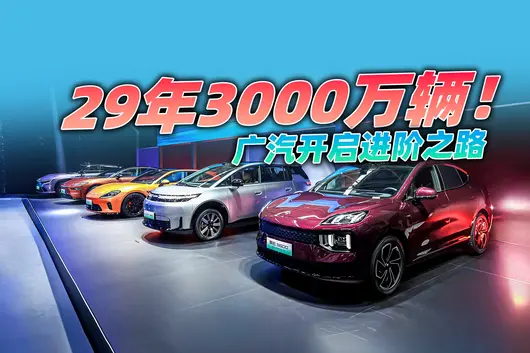
On July 16, 2026, GAC Group officially welcomed the milestone of cumulative production and sales reaching 30 million units, simultaneously launching the 30 Million User Gratitude Event, rewarding global million owners' trust with 29 years of craftsmanship achievements, #30MillionTrustWithQuality #GACGroupDelivers30000000thVehicle #GACGroup30MillionUserGratitudeEvent three topics launched online simultaneously for full network dissemination.

Since its founding in 1997, GAC has achieved a bright "GAC Speed": the first 20 years completed the first 10 million vehicle delivery, the second 2000 million vehicles took only 9 years. Relying on the "Panyu Action" to fully turn to user thinking, superimposed with full-link strict quality control and global system overseas layout, GAC smoothly achieved a 30 million user volume, becoming a benchmark for high-quality development of China's automotive industry.
Quality is the core confidence behind 30 million choices. All new GAC vehicles must undergo "two winters and one summer" ultra-long cycle validation, "five highs, one mountain, one dust" full-environment extreme testing; Magazine Battery and Xingling Safety Guard System continuously ensure travel safety; industry-first "Three Responsibilities" service commitment, providing comprehensive backing for three-electric systems and smart parking vehicle usage risks; AION took the top spot in new energy quality for three consecutive years, and multiple models under its brand lead the sub-segment resale value list for years.
This celebration breaks the convention of single model production line stop. GAC Honda P7, GAC Toyota Platinum 7, Trumpchi M8 PHEV, AION N600, Hyper S600, and Qijing GT7 six main force models went offline simultaneously in 7 domestic and overseas factories. Among them, Qijing GT7 jointly created by GAC and Huawei Qiankun, as a high-end intelligent shooting brake equipped with Huawei Qiankun Intelligent Driving ADS 5, received extremely high order attention upon listing, representing GAC's top-tier strength in intelligent transformation.

To reward global owners, July 16 – August 31 GAC Renewal Gratitude Season majorly launched three benefits online, covering GAC Honda, GAC Toyota, Trumpchi, AION, Hyper, and Qijing six brands: New purchase enjoys direct price reduction subsidy, 0% interest financing plan; Existing owners trade-in extra added subsidy; Family additional purchase of Qijing GT7 enjoys exclusive benefits, covering fuel, hybrid, pure electric, extended range models, lowering the threshold for public car buying.
Globalization layout continues to release growth momentum. Relying on the One GAC 2.0 system overseas strategy, GAC business covers 110 countries and regions, built 746 overseas outlets, 7 overseas factories; H1 2026 independent brand exports reached 121,500 vehicles, surging 132% year-on-year, Thailand, Europe, America markets sales all went high, 2030 target entering 120 countries, 1 million annual sales, creating a benchmark for Chinese intelligent manufacturing globalization.

From starting with joint ventures to independent rise, from domestic deepening to global layout, 30 million is not the end, but a brand new starting point. GAC stated that in the future it will continue to increase R&D investment, deepen county-level channels, and perfect the national "9 Verticals 10 Horizontals" charging and energy supply network, with long-termism quality and full-cycle warm service, accompanying every user to embark on life's journey.

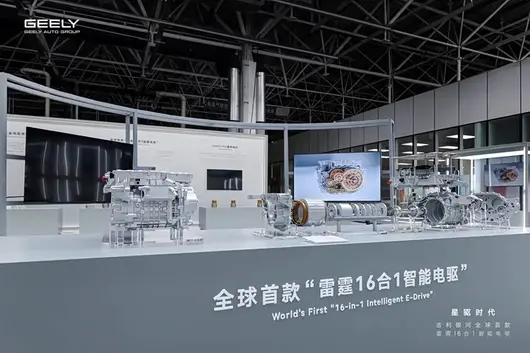
July 16, 2026, Geely Automobile officially launched the world's first Thunder 16-in-1 intelligent eDrive, relying on its Star Drive Technology full-stack self-developed technology foundation, achieving generational innovation in three dimensions: energy consumption, performance, and reliability. This new eDrive system was first equipped with Geely Galaxy TT, winning two Guinness World Records, proving the hardcore strength of domestic eDrive in balancing energy saving and performance with actual test data, officially kicking off the "Star Drive Era" of the global eDrive industry.

Extreme Integration Reshapes Efficiency Ceiling, 8.20 kWh/100km Refreshes Ring-Lake Energy Consumption Record
Currently, the new energy industry普遍 suffers from insufficient integration and high energy loss pain points. The Thunder 16-in-1 intelligent eDrive achieves new levels of industry integration through deep fusion of 12 hardware modules plus 4 sets of intelligent control algorithms. The entire assembly adopts a lightweight magnesium alloy integrated structure, with a total weight of only 75 kg, reducing weight by over 15% compared to mainstream products on the market; redundant components such as casings, wiring harnesses, and connectors were simplified by over 180, reducing the vehicle body vertical height to 325 mm, while simultaneously releasing 28 L of practical storage space in the trunk, maximizing both lightweighting and space utilization.
The entire system is built on an 800V high-voltage platform, comprehensively optimizing energy consumption from three dimensions: conduction, electromagnetic, and mechanical losses. The high-voltage architecture significantly reduces line current, paired with a shortened 30% high-voltage wiring harness, directly cutting conduction losses by 80%; silicon carbide power devices, 0.2mm ultra-thin low-loss silicon steel sheets, Umini-Pin short扁线 windings, and high-precision honed inverted-V gear combinations work together to reduce switching, core, copper losses, and mechanical friction losses respectively; supplemented by Geely Star Rui AI Cloud Power Large Model, equipped with multiple sets of intelligent energy algorithms, dynamically matching optimal working intervals for different road conditions such as harsh winters, high-speed, and urban congestion.

Under the superposition of multiple technologies, the Thunder 16-in-1 eDrive CLTC comprehensive efficiency reaches 93.8%, the highest level for current mass-produced 800V eDrives. For every 1% increase in efficiency, vehicle electricity consumption can decrease by 1.5%. In actual testing on all roads around Qinghai Lake, the Galaxy TT equipped with this eDrive delivered an ultra-low electricity consumption of 8.20 kWh/100km, successfully certified the "Mass-Produced Pure Electric Sedan Lowest Energy Consumption Around Qinghai Lake" Guinness Record, breaking the global energy efficiency upper limit of pure electric models.
All-Domain Performance No Degradation, 46 km Continuous Drift Establishes Performance Benchmark
Breaking the inherent bias that "energy saving must sacrifice power", the Thunder 16-in-1 four-wheel-drive version dual-motor combined power output reaches 425 kW, 0-100 km/h acceleration in only 3.8 seconds, balancing daily commuting economy with the explosive power of intense driving.
Performance core advantages come from a fully self-developed one-chip integrated control architecture, compressing the traditional multi-chip 40 ms signal transmission link to 2 ms ultra-fast response, throttle instructions immediately follow the press; equipped with AI adaptive torque correction algorithm, converging power output deviation from 3% to 1%, coupled with motion posture prediction model, dynamically allocating front and rear axle torque in milliseconds, body slip control is precise and delicate.

Aiming at the extreme working condition high temperature degradation problem, the industry first 54-channel directional centrifugal oil cooling system, wrapping the motor windings 360 degrees, doubling the cooling contact area, reducing motor peak working temperature directly by 15℃, insulation life simultaneously increases by 10%, long-time high-speed rotation, full-torque output will not trigger power limit protection.
Relying on this stable and controllable power system, Galaxy TT completed super 46 km continuous two-car drift on wet roads at Dongying Intelligent Networked Testing Ground, surpassing the Porsche record held in 2020, winning the Guinness Certification for the Longest Continuous Drift for Electric Vehicles. Pure electric drift has strict requirements for instantaneous torque explosion, posture control, and continuous heat dissipation. The performance of no power degradation and no body loss of control throughout the process fully confirms the stability of this eDrive under extreme working conditions.

Full-Link Strict Trials, 5 Million km Durability Builds Safe and Reliable Bottom Line
High integration architecture reduces failure-prone points such as lines and joints from the source, paired with micron-level precision manufacturing technology, the Thunder 16-in-1 eDrive inherently possesses higher reliability. Production end full-line automation rate can reach up to 95%, MES, QMS digital systems connect the full process, every part, every assembly can be traced, eliminating quality control differences.
In the vehicle usage phase, the eDrive carries AI smart health management system, equivalent to a dedicated power online doctor, real-time monitoring of core parameters such as bearings, power modules, lubricating oil, motor temperature, relying on digital twin models to predict potential failures, realizing active warning, maintenance in advance, saying goodbye to the traditional passive mode of vehicle failure repair.
To adapt to global diverse usage environments, Star Drive Technology built a verification system covering 15 major fields, over 9,000 test items. Products underwent extreme tests including -60℃ to 140℃ ultra-large temperature difference cycle, high temperature and high humidity 300,000 km equivalent aging, 60 times gravity acceleration vibration, 1,512 hours salt fog corrosion, 24 hours 900mm deep water immersion, etc., whole vehicle road durability cumulative completed 5 million km actual test, successfully obtained CATARC "High Quality eDrive" official certification.

The launch of the Thunder 16-in-1 eDrive relies on the full industry chain support of Star Drive Technology, Geely's "hidden champion" in the eDrive field. Star Drive integrates multiple eDrive R&D and manufacturing sub-brands, building a global network covering five domestic intelligent manufacturing bases, Swedish Gothenburg overseas R&D center, Malaysian overseas factory, holding over a thousand patents, among which invention patents account for over 60%, owning the world's first 30,000rpm high-power motor test bench, laboratory passed CNAS authoritative certification, can independently complete all eDrive full items test.
On the production capacity level, Star Drive Technology eDrive total annual production capacity 3 million units, first half of 2026 motor electronic control installation volume ranks in the top three of the industry, products not only match Geely Galaxy, Zeekr, Lynk & Co, Volvo and other self-owned brands, also bulk supply Jaguar Land Rover, Renault, Lotus and other overseas car companies, signed long-term supply orders with leading car companies in many European countries, continuously outputting Chinese power technology to the global market.
Looking at Geely's complete new energy layout, in the hybrid field Haosi Power, in the battery field JiYao Power, in the eDrive field Star Drive Technology, the three hidden champions form a complete three-electric closed loop: Haosi Power owns world-top hybrid thermal efficiency technology, matching 25 whole-vehicle enterprises globally; JiYao Power layouts ten battery factories, planning total capacity 150 GWh, Divine Shield Gold Brick Battery achieves 12C ultra-high rate fast charging; Star Drive Technology launched from 400V to 900V full voltage platform eDrive products, Thunder 16-in-1 is the work of current technology collection of excellence.
From low energy consumption hybrid system, safe fast charging battery, to the ultra-high integration intelligent eDrive released this time, Geely completed three-electric core technology full-stack autonomous controllable, completely got rid of overseas parts technology dependence. The eDrive industry standards and underlying technology logic previously dominated by European and American enterprises are being rewritten by Chinese brands.

Conclusion: Leading China's New Energy to Go Global with Technology Autonomy
The launch of Thunder 16-in-1 intelligent eDrive is not just the iteration of a single power product, but the concentrated release of Geely's full industry chain self-research system strength. Relying on Star Drive Technology's global R&D, intelligent manufacturing, verification system, Geely achieved breakthroughs from materials, processes, hardware to intelligent algorithms in an all-round way, proving with two world-class records that domestic eDrive has already stood in the world technology first echelon.
In the future, Geely will continue to deepen the R&D of three-electric core technologies, relying on the industry advantages of the three hidden champion enterprises, continuously outputting high-performance, high-reliability, high-energy-saving new energy power solutions to the global market, promoting the domestic automotive industry from scale expansion to high-quality technology leadership, continuously consolidating the core discourse power of Chinese automotive brands in the global electrification reform wave.
据统计,2026年上半年,国内累计上市新车约630款,平均每天3.5款——新车发布规模是同期手机的3倍有余。7月16日一天,8家车企扎堆开发布会,6款重磅新车集中上市,被网友戏称车圈"疯狂星期四"。

然而630款新车中,月销过万的仅30款(占比5.5%),真正全新架构或垂直换代产品仅107款(不到两成)——八成多是年度改款、配置微调、新配色、联名版。供给端的狂热与终端的清冷,形成中国车市最刺眼的裂痕。

车市竞争激烈,为何车企热衷推新车,主要有三层驱动叠加:

3.资本逻辑要求"增长曲线"。资本市场看增长不看利润,新车上市制造短期流量和销量脉冲,支撑估值——即使单车亏损,只要销量曲线还在涨,股价就有支撑。
频繁推新车对买车人:短期利好,长期隐患短期来说,消费者选择更多——同一价位段可选车型从5款变成15款,消费者议价空间增大;其次是配置下放加速——12万级标配800V、22万级配齐智驾、24万级标配空悬,以前30万才有的配置现在15万就有;最后是价格持续下探——新车抢份额必降价,消费者短期买到更便宜的车。

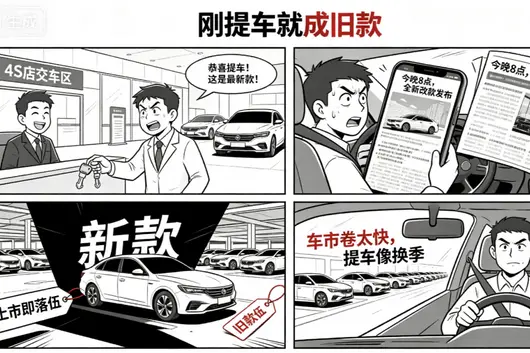
长期来说,消费者"刚提车就成旧款"——麦肯锡调研显示,超三成购车者对"新车太多不知道怎么选"感到困扰,决策周期被拉长;其次,车型生命周期缩短——一款车热销期从12-18个月缩至6-8个月,随后被更新的新品淹没,保值率加速下跌;最后,品质耐久性风险——研发周期压缩后验证时间不足,"赶工出厂"的隐患在使用3-5年后才暴露。
同质化恶性循环:车企的自我消耗630款新车并未覆盖所有价格带和品类,而是扎堆挤在同几个赛道——大五座/大六座SUV成为2026年布局重心,配置上去、辨识度下来。续航从700km到1000km用户无感,算力从30TOPS到1000TOPS体验差异远小于参数差异——"参数竞赛的尽头是无感,最终只能拼价格"(零跑副总裁徐军)。

同质化的成本代价:一款新车研发+营销+渠道铺设成本动辄数亿元,但月销不足万辆的车型无法覆盖这些成本——"脉冲式传播"(上市热销→产能上来需求下滑)造成极大浪费,厂家没赚到、供应链没赚到、用户也没赚到。17家上市车企半年市值蒸发超1.1万亿,赛力斯跌51%、长安跌40%+、比亚迪蒸发1900亿——推新车越多,市值蒸发越猛,这是"卷"的自我反噬。
对零部件供应商:规模化与碎片化的撕裂新车推得太频繁,对供应商造成三重压力:


3.品质与耐久性是否下降?答案是有风险但尚未全面恶化——目前主流车企的核心零部件(电池/电机/电控)仍由头部供应商提供,品质底线有保障。但非核心零部件(内饰件、小电机、密封件)确实存在降本降质趋势——部分车企为压缩成本,从Tier1切换至Tier2/Tier3供应商,价格降低15-20%但耐久性标准同步下调。工信部和市场监管总局6月约谈车企,明确要求"不得削减配置降品质"——这说明监管部门已意识到品质风险。
频繁推新车对中国汽车行业的影响在正面方面,中国车企频繁推新车的确卷出了全球竞争力——中国新能源车技术迭代速度全球最快,800V/3C快充/城市NOA/6座布局的普及速度远超欧美日;其次,卷出了出海势能——上半年汽车出口509.6万辆同比增加65.3%,6月单月出口首破百万辆,新能源出口同比+124.3%;最后卷出了供应链升级——宁德时代/速腾聚创/禾赛等头部供应商在全球份额持续扩大。

在不好的方面,中国车企频繁推新车导致行业利润率跌至4.1%创十年新低,三年价格战累计损失4712亿——"增收不增利"已成全行业常态;其次,经销商库存预警指数57.9%连续三月走高,17个主流品牌库存超两个月,返利兑现周期超70天——线下渠道根基在松动;最后,艾睿铂预测未来30家新能源车企到2030年可能仅7家盈亏平衡——绝大多数推新车的企业将在洗牌中出局。
海外:卷能力出海,但卷价格遇壁垒中国车企的"卷能力"(技术迭代+产品密度+成本控制)出海后确实具备竞争力——小鹏MONA L03在64国同步上市、比亚迪5月德国销量6168辆超越特斯拉。但"卷价格"出海正在遭遇越来越强的贸易壁垒反击!

欧盟MIP最低进口价格机制(替代7.8%-35.3%反补贴关税)——限制了中国品牌低价竞争策略;美国25%汽车关税——丰田因关税减少85亿美元营业利润,中国品牌更难承受;东南亚本土化要求——泰国、印尼要求零部件本土比例超40%,否则加征关税;中国车企海外"内卷外溢"——部分品牌在同一海外市场非理性降价,透支"中国新能源"集体品牌资产,引发更多关税和审查壁垒。
零跑副总裁徐军坦言:"认同出海是跳出内卷最核心出路,但海外内卷正在悄然弥漫。"
写在最后:对产业链、买车人和世界汽车工业的影响
上半年推出630款新车,以及"疯狂星期四"是中国车市卷到极致的缩影——短期给消费者更多选择和更低价格,但长期正在反噬整条产业链:车企利润蒸发、供应商碎片化、经销商库存危机、品质耐久性隐患、海外贸易壁垒升级。工信部和市场监管总局的约谈释放了明确信号:"堆数量、压价格的老路走不通了。"中国车市的下一步不是继续卷更多新车,而是从"量"转向"质"——少推车、推好车、推长寿车。一款经典车的研发需要5-6年,特斯拉Model 3上市7年仍是标杆——"慢"的价值,才是长跑的底气。630款新车的喧嚣之后,中国车市需要的不是更多的"疯狂星期四",而是更少的浮躁、更深的沉淀。
7月15日盘后,鹏辉能源(300438.SZ)披露2026年半年度业绩预告,公司预计上半年实现归母净利润8亿元至8.66亿元,上年同期亏损8,822.67万元,同比实现扭亏为盈;扣非净利润预计7.92亿元至8.56亿元,上年同期亏损1.59亿元。
业绩同环比双炸裂:从单季亏损4300万到单季净利超5亿一年之隔,天壤之别。2025年上半年,鹏辉能源还在亏损8,822万元的泥淖中挣扎;2026年上半年,公司预计净利润高达8亿元至8.66亿元——绝对值改善超9亿元,同比增幅实现超1000%的惊人逆转!
进入2026年后,鹏辉能源的业绩呈现逐季加速的爆发态势!
2026年Q1,公司营收47.68亿元,同比暴增182.14%;归母净利润3.23亿元,同比暴增819.09%,单季净利已超过2025年全年总和。进入Q2,公司预计净利润达4.77亿元至5.43亿元,环比Q1最高增67%,与2025年Q2亏损4,324万元相比,单季同比改善幅度高达12倍。
从单季亏4,300万到单季赚超5亿,鹏辉能源仅用了一年。这家深耕锂电产业二十五年、储能赛道十五年的电池企业,正以惊人的速度兑现盈利弹性。
储能赛道持续高景气,鹏辉产品产销两旺对于业绩大幅增长的原因,公司在公告中表示,主要系“行业向好,公司产品产销两旺,销售订单增加,营业收入增长”。
从行业层面看,储能已从“转瞬即逝的风口”演变为“未来十年最确定的产业浪潮”。
随着全球能源转型向纵深推进,特别是在AI(人工智能)大模型训练带动算力需求激增的情况下,以打造“更安全、更持久、更经济”为目标的新型储能技术热潮持续升温,电化学储能作为当前新型储能的主导力量,全球市场规模也迎来高爆发增长,独立储能/户储/AIDC等下游场景需求火爆,国内外储能电池需求爆发式增长。液态锂离子电池凭借高能量密度和成熟产业链,主导着电化学储能市场,在新型储能中占比超过96%。据SPIR统计,2026年上半年全球锂离子储能电芯达523.6GWh,同比70%;SPIR上调2026年全球锂离子储能电池出货量预测至1263GWh,同比增长有望达到100%。
主要原因是1)中国出口退税政策调整:中国储能锂电池出口退税退坡,2026年下半年出口出现"抢装"效应;中国国内独立储能市场抢装:各省份独立储能补贴政策预计2027年退坡,2026年独立储能项目抢装效应明显;
2)美国AIDC(AI数据中心)储能需求超预期:AI算力驱动下,数据中心储能装机量大幅增长;
3)欧盟新电池法案实施在即:欧盟锂电池市场将于2027年实施新电池法案,要求碳足迹全生命周期追踪,大幅提高市场准入门槛和合规成本,2026年出现提前布局的"抢装"潮。
鹏辉能源作为国内最早迈入储能行业的电池企业之一,充分受益于这一轮景气上行。在产品端,鹏辉能源已构建电力大储、工商储、户储、便携储以及AIDC等新型储能的全场景覆盖。
其中主推的风鹏588Ah/587Ah卷绕储能大电芯,全面提升安全与循环、效益性能,预计在2026年下半年投产;面向 AIDC 储能的瀚海 85Ah 高倍率电芯,10C 放电、峰值 12C,毫秒级响应,脉冲循环超 60000 次,支持分钟级大功率备电。2025 年 4 月送样,客户认可度高,订单持续增加。
在市场端,公司已在应急电池高倍率电池/户储电池/工商业储能电池等多个细分赛道确立全球领先的头部市场地位,另根据SPIR数据,鹏辉能源位列2026上半年全球锂离子储能电芯出货量top8,排名占比2025大幅提高。
全球化加速:剑指海外细分区域TOP1业绩高增长的背后,是鹏辉能源全球化战略的加速落地。
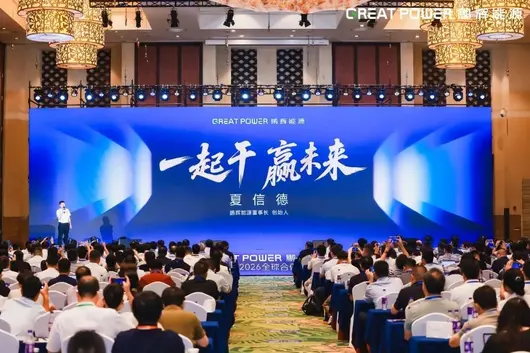
就在业绩预告发布次日(7月16日),鹏辉能源在广州长隆召开了2026全球合作伙伴大会,邀请全球500余位合作伙伴齐聚广州。大会主题为“一起干,赢未来”——这不仅是鹏辉能源对时代的回应,更是向全球合作伙伴发出的号召。

鹏辉能源董事长创始人夏信德在大会会场
总裁甄少强在大会上表示,公司正全面推进“海外跃升”战略,已在全球建立十大海外办事处。从具体布局来看,鹏辉能源在美国、德国、日本、新加坡、印度等储能核心市场均设有海外分支机构,全球化服务网络与本地化运营能力日益成熟。
2025年,公司海外大储业绩取得突破性增长,客户认可度较高。进入2026年,海外大储订单实现显著增长,多个全球标杆大储项目相继落地,2026年,鹏辉能源海外市场业绩始终保持高增长态势。公司目标是剑指海外市场更多细分区域TOP1。
前沿技术布局领先,固态/钠电放量在即正如鹏辉所言,其优势更加凸显在产品的全面性上。
除了锂电池产品外,鹏辉前瞻性在固态及钠电领域的布局,更是其面对行业周期的主要底气。
针对固态电池,鹏辉采用氧化物技术路线。在其看来,氧化物固态电解质具有结构稳定性好、热稳定性高和化学稳定性好的优势,最重要的是其低成本且易于大批量制备,这是鹏辉选择该路线的原因之一。
去年鹏辉已建成固态电池中试线,研发的新一代氧化物路线固态电池能量密度≥360Wh/kg,工作温度范围在-20°C~85°C,并通过针刺测试,未来主要面向对安全性、耐温性及续航要求严苛的高端应用领域。
针对钠电池,鹏辉能源认为钠电具备良好的成本竞争力和丰富的商业应用潜质,在未来有望与锂电一同成为储能领域的重要技术选择。
鹏辉能源自2019年启动钠电技术研究,布局层状氧化物与聚阴离子两大技术路线,2023年正式进入商用阶段,也是全国首批钠离子电池评测通过单位。产品层面,鹏辉能源为储能应用打造了方形钠电产品180Ah,产品0.5P能效水平≥95.5%,循环寿命可达10000次,并且已通过针刺等安规测试,高度适配储能需求。
项目层面,鹏辉能源已成功落地青岛北岸5.39MWh钠离子储能项目,目前已完成并网,正常运行中。
从价格竞争到价值竞争,鹏辉以生态共赢穿越产业周期在7月16日的合作伙伴大会上,鹏辉能源董事长夏信德向全球合作伙伴致以诚挚敬意,感恩各界伙伴一路相伴、携手走过产业起伏发展的历程。
伴随着行业发展迭代,市场竞争彻底告别“有产能就有市场”的粗放时代,迈入技术、品质、成本与服务综合能力比拼的全新阶段,对此夏信德明确提出,企业必须完成从“价格竞争”到“价值竞争”的核心转型,而这一升级变革绝非鹏辉能源一己之力可以实现,需要产业链上下游同步研发、同步技改、同步迭代,联动攻克各类技术难题。
面向全球合作伙伴,鹏辉能源坚定表态,唯有合力创新方能筑牢产品领先优势,唯有协同升级才能实现并肩领跑,在风云变幻的市场环境中,企业将始终与合作伙伴并肩同行,以极致产品实力赋能客户发展,锚定行业发展的确定性未来。
秉持“企业的终极价值不在于参数的堆砌,在于创造真实的社会效益”的发展理念,深耕行业二十五载、从传统电池制造成长为全球领先智慧能源服务商的鹏辉能源,始终立足产业真实需求延伸核心能力、布局长远发展,也因此实现了跨越式的业绩突破,在2025年全年营收119.44亿元、归母净利润2.06亿元实现扭亏的基础上,2026年上半年净利润预计超8亿元,顺利完成从“扭亏”到“高增”的华丽跨越。
站在2026年发展中场,鹏辉能源始终坚守“让更多人用得起安全稳定的清洁能源”的企业使命,携手全球合作伙伴深耕价值赛道、共建产业生态,以生态共赢构筑长期发展壁垒,稳步穿越行业周期、奔赴产业价值深海,而半年8亿+的亮眼净利润成绩单,正是企业长期主义发展道路上最有力的实力佐证。

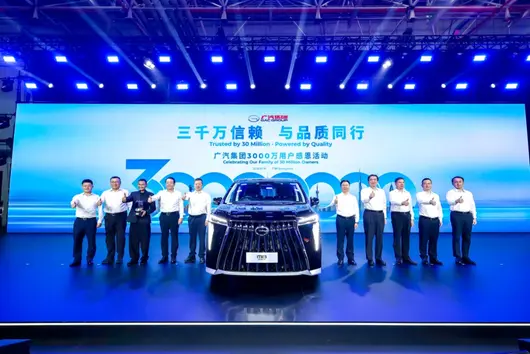
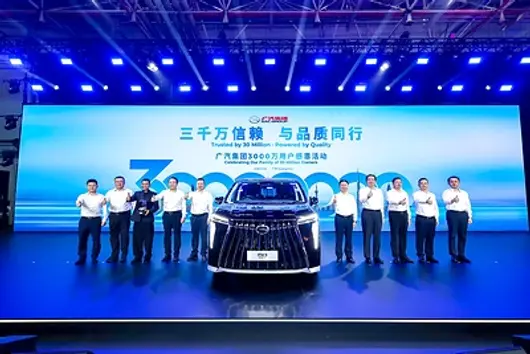
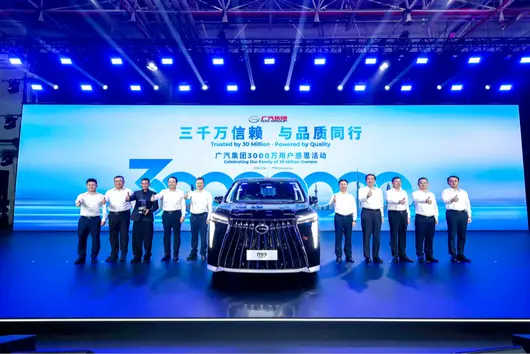
广州2026年7月17日 /美通社/ -- 三千万信赖,与品质同行!7月16日,广汽集团3000万用户感恩活动在广汽传祺工厂举行。广东省、广州市、番禺区有关领导,中国汽车工业协会常务副会长兼秘书长付炳锋,广汽集团董事长冯兴亚、总经理閤先庆等领导班子成员,行业合作伙伴、供应商和经销商代表以及海内外车主代表、员工代表、媒体代表等共同出席,一起见证广汽迎来第3000万位用户的里程碑时刻。

活动现场,广汽全球多座生产基地同步连线,泰国工厂迎来第10000辆整车下线;印尼工厂实现新车型下线;奥地利格拉茨工厂正式启动AION UT批量生产。最后,右舵版广汽传祺M8 PHEV(海外命名为GN8)作为第3000万辆整车在现场舞台闪亮登场,冯兴亚将第3000万辆车的车钥匙交到泰国车主Tony Jaa先生的手中,这一刻定格的不只是一个数字,更是广汽与全球用户"双向奔赴"的温情见证。
从首辆整车下线到第3000万辆交付,广汽历经29年发展历程。3000万这个数字背后,是千万用户的选择与信任,是广汽长期坚守品质和安全的定力,是向电动化、智能化转型的决心,也是中国汽车工业从大到强、从规模扩张到价值跃升的一面缩影。
中国汽车出海,广汽是先行者之一。早在2013年,广汽就开始走出国门。2026年上半年,广汽累计出口超12万台,同比增长132%。截至目前,广汽国际化业务已完成全球五大板块、110个国家和地区的市场布局,建成超746家销售服务网点、7座海外生产工厂与9个海外零部件仓库,建立起覆盖全球的产供销服体系,广汽累计海外出口总量突破54万辆,全球品牌影响力持续攀升。
为回馈全球3000万用户长久以来的信赖,广汽正式启动"3000万辆下线•焕新感恩季"活动,全球各区域都将陆续推出相关的优惠政策,以实实在在的行动致谢全球每一位用户。

Di pasaran SUV di Malaysia, ramai pembeli membandingkan Perodua Aruz dan MG MG HS ketika memilih kereta. Kedua-dua kereta ini mempunyai harga dan pelarasan yang agak hampir, hari ini kita akan membuat perbandingan terperinci dari pelbagai aspek untuk membantu anda menjimatkan masa membuat kajian.
Perodua Aruz dijual dengan harga OTR di Malaysia sebanyak RM 72,900 - 77,900, terdapat 2 varian, termasuk 1.5L X (RM 72,900), 1.5L AV (RM 77,900) dan lain-lain.
MG MG HS dijual dengan harga OTR di Malaysia sebanyak RM 130,450 - 146,450, terdapat 2 varian, termasuk 1.5L Standard (RM 105,000), 1.5L Executive (RM 115,000) dan lain-lain.
Dari segi harga, harga permulaan Perodua Aruz memang lebih murah RM 57,550 berbanding MG MG HS. Jika bajet anda terhad, varian pemula Perodua sudah boleh memenuhi keperluan harian. Tetapi anda juga perlu berhati-hati, perbezaan harga beberapa ribu itu mungkin mempunyai kompromi dari segi spesifikasi, bergantung pada keperluan anda.

Perodua Aruz dilengkapi enjin 1.5L 4-cyl, kuasa 105 hp. Penggunaan bahan api rasmi 6.0 L/100km.
MG MG HS dilengkapi enjin 1.5L Turbo, kuasa 140 hp. Penggunaan bahan api rasmi 7.0 L/100km.
Dari segi prestasi, 1.5L Turbo pada MG MG HS mempunyai 35 hp lebih daripada 1.5L 4-cyl pada Perodua Aruz. Namun untuk memandu harian di kawasan bandar, prestasi kedua-dua kereta ini sudah mencukupi, anda tidak akan berasa kurang kuasa.

Penarafan keselamatan Perodua Aruz ialah 5★ (ASEAN NCAP), sistem keselamatan aktif termasuk .
Penarafan keselamatan MG MG HS ialah TBD, sistem keselamatan aktif termasuk Basic.

Panjang badan Perodua Aruz ialah 4400 mm, ruang trunk 400 L.
Panjang badan MG MG HS ialah 4400 mm, ruang trunk 400 L.
Saiz kedua-dua kereta ini hampir sama, ruang dalaman juga tidak banyak perbezaan. Kereta pada tahap ini sudah cukup untuk kegunaan harian.
Perodua Aruz menggunakan cara pemanduan FWD.
MG MG HS menggunakan cara pemanduan FWD.
Cara pemanduan kedua-dua kereta ini sama, keduanya FWD, rasa memandu harian tidak akan banyak berbeza.
Secara keseluruhannya, Perodua Aruz dan MG MG HS adalah model kereta yang sangat baik di pasaran Malaysia. Memilih mana satu, kunci utama tetap melihat keperluan dan bajet peribadi anda. Kami cadangkan anda membuat kajian, membandingkan sebut harga beberapa kedai kereta, kemudian buat ujian memandu sebelum membuat keputusan akhir. Membeli kereta ialah perkara besar, meluangkan masa membuat kajian tidak akan salah.

Di pasaran SUV di Malaysia, ramai pembeli yang membandingkan Perodua Aruz dan MG MG HS semasa memilih kereta. Kedua-dua kereta ini mempunyai harga dan kedudukan yang agak hampir, hari ini kita akan buat perbandingan terperinci dari pelbagai aspek untuk membantu anda menjimatkan masa membuat kajian.
Harga OTR Perodua Aruz di Malaysia ialah RM 72,900 - 77,900, terdapat sebanyak 2 varian, termasuk 1.5L X (RM 72,900), 1.5L AV (RM 77,900) dan lain-lain.
Harga OTR MG MG HS di Malaysia ialah RM 130,450 - 146,450, terdapat sebanyak 2 varian, termasuk 1.5L Standard (RM 105,000), 1.5L Executive (RM 115,000) dan lain-lain.
Dari segi harga, harga permulaan Perodua Aruz memang lebih murah RM 57,550 berbanding MG MG HS. Jika bajet anda terhad, versi permulaan Perodua sudah boleh memenuhi keperluan harian. Tetapi perlu diingat, perbezaan harga beberapa ribu itu mungkin melibatkan kompromi pada kelengkapan, bergantung pada keperluan anda.
Pemarkahan keselamatan Perodua Aruz ialah 5★ (ASEAN NCAP), sistem keselamatan aktif termasuk.
Pemarkahan keselamatan MG MG HS ialah TBD, sistem keselamatan aktif termasuk Basic.
Perodua Aruz berjamin 5 tahun/150,000km, jarak servis setiap 10,000km atau 6 bulan sekali.
MG MG HS berjamin 7 tahun/150,000km, jarak servis setiap 10,000km atau 6 bulan sekali.
Perodua Aruz dan MG MG HS kedua-duanya merupakan pilihan utama di pasaran Malaysia, sesuai untuk kegunaan keluarga dan perjalanan harian. Jika anda lebih mementingkan reputasi jenama dan harga kereta terpakai, pertimbangkan dulu yang mempunyai reputasi lebih baik; jika anda lebih mengutamakan nilai dan kelengkapan, pilih yang mempunyai konfigurasi lebih lengkap. Akhir sekali, disyorkan untuk memandu uji kedua-dua model tersebut, pengalaman langsung adalah yang paling penting.
Secara keseluruhan, Perodua Aruz dan MG MG HS adalah model kereta yang sangat baik di pasaran Malaysia. Memilih yang mana, kuncinya adalah keperluan dan bajet peribadi anda. Disarankan untuk membuat kajian terlebih dahulu, bandingkan beberapa tawaran dari dealer kereta, kemudian buat keputusan akhir setelah memandu uji. Membeli kereta adalah perkara besar, mengambil masa membuat kajian tidak akan mendatangkan salah.

GAC Group factory viewing platform, a right-hand drive M8 PHEV slowly drove out and was revealed to everyone. 29 years, 30 million vehicles. This number was not achieved overnight; it witnessed the development of the Guangzhou automotive industry and also promoted the development of China's automotive industry.

I noticed at the press conference venue that GAC Group received congratulatory messages from the upstream and downstream supply chains, as well as from many competitors. The highlight was that sitting below the stage were GAC engineers, frontline assemblers, and even owner friends from abroad.
Seeing this scene, my heart was indeed stirred at this moment.
1. 30 Million is a Witness of Quality
GAC Group's 30 million vehicles recorded the journey from the past to "learning to walk" to today, where six major brands — GAC Honda, GAC Toyota, GAC Trumpchi, AION, Hyper, and Qijing — shine brilliantly.

In the first half of this year, GAC Group sold 773,100 units, a year-on-year increase of 2.35%, with new energy vehicle sales increasing by 68.8% year-on-year. This demonstrates GAC Group's determination to transform toward electrification and intelligence.
Not only that, GAC Group also exceeded 120,000 units in overseas exports, a 132% year-on-year surge. From "bringing in" before to "going out" now, it reflects a microcosm of moving from scale expansion to value leap, becoming bigger and stronger.
If asked what leaves the deepest impression of GAC, I believe it is quality.

The 30 millionth vehicle rolled off the line today was chosen as a right-hand drive M8 PHEV; this car was not picked at random. On one hand, the M8 has already made a name for itself in overseas markets; even Thai martial arts superstar Tony Jaa was influenced by it, becoming the 30 millionth owner.
It was unthinkable ten years ago that a Chinese MPV would make overseas celebrities willingly pay for it.
2. What does GAC's "Quality" rely on?
I believe GAC's quality relies on methods and practice. If absorbing the essence of Honda's Total Quality Management (TQM) and Toyota's Lean Production System (TPS) is the methodology, then requiring every new car to undergo "Five Highs, One Mountain, One Dust" extreme tests and "Two Winters, One Summer" on-site road trials before launch is clearly a guarantee of good quality.

Everyone can see that Danxia batteries have been installed in 1.5 million vehicles cumulatively, with safe driving exceeding 160 billion kilometers. The Xingling Safety Guardian System served nearly 2 million users and prevented 6.28 million potential accidents. These are solid performances.
Not only that, quality is also reflected in the confidence of possessing the "Three Responsibilities" policy. GAC was the first in the industry to launch the "Three Responsibilities" policy for its own brands — spontaneous battery combustion replaced with a new car, degradation beyond limits replaced for free, and smart parking accidents covered by the manufacturer.

Daring to make such a promise indicates confidence in their own products. This practice of extending quality assurance from the moment of delivery to the entire vehicle usage lifecycle holds benchmark significance in the industry.
3. Full of Expectations for the Future
Watching GAC Group grow from nothing to something, from small to large. 30 million is not just a number — it is the choice of 30 million families.

According to the plan, by 2030, GAC aims to enter 120 countries and regions globally, build over 2,000 overseas outlets, and achieve an annual overseas sales volume of 1 million vehicles.
In the second half of the year, there are also major models such as the hard-core off-road SUV Trumpchi "Yue 7", AION smart coupes, and Qijing GX7.
For the next 30 million, we look forward to watching it grow big, and more importantly, watching it grow strong.

16 Julai, Panyu, Guangzhou. Di dalam kilang GAC Trumpchi, satu unit GAC Trumpchi M8 PHEV versi steran kanan perlahan-lahan meluncur turun dari talian pengeluaran. Tiada upacara perasmian yang rumit dengan karpet merah, tiada bising promosi, namun kehadirannya, telah memberi satu jenis berat kepada suasana seluruh lokasi.
Ini adalah kenderaan ke-30 juta yang dihasilkan oleh GAC Group.

Apabila Presiden GAC Group, Feng Xingya, menyerahkan kunci kepada pemilik Thailand, Tony Jaa, momen kehangatan antara pekerja GAC dan pengguna yang terakum dalam lensa kamera bukan sahaja itu. Pada tahun 2026, di mana industri automotif penuh dengan perang harga yang ganas, dan persaingan dalaman telah naik taraf dari 'bersaingan harga' kepada 'bersaingan pemimpin', GAC memberikan versi cerita yang berbeza menggunakan angka 29 tahun.
30 Juta, Bukan Hanya Angka
Dari penubuhan pada 1997 sehingga kini, GAC mengambil masa 29 tahun untuk mencapai tonggak ini. Antaranya, dari 10 juta hingga 30 juta, hanya mengambil masa 9 tahun.
29 tahun, 30 juta kenderaan — ini bermaksud purata sehari hampir 3000 pengguna memilih produk GAC. Dalam pasaran automotif yang sangat kompetitif sekarang, beratnya angka ini sangat ketara.

Namun GAC tidak menjadikan acara ini sebagai maraton ucapan pemimpin yang membosankan. Sebaliknya, lokasi hadir dengan romantisme keras aliran teknikal. GAC menghubungkan secara serentak beberapa lokasi pengeluaran global: GAC Honda P7, GAC Toyota Zhi 7, Qijing GT7, GAC Aion N60, GAC Hyper S600 keluar dari talian satu demi satu, menyelesaikan penghantaran masing-masing sebagai kenderaan ke-29999995 hingga ke-29999999. Persembahan bersama semua model baharu sepenuhnya, menjadi pengesahan jelas usaha GAC memacu transisi elektrik dan kecerdasan pantas.
Memilih M8 PHEV steran kanan sebagai model ke-30 juta, adalah satu isyarat yang kuat — Ambisi GAC telah lama tidak terhad kepada pasaran domestik.
“Operasi Panyu”: Memindahkan pejabat ke tempat terdekat dengan medan perang
Pencapaian 30 juta kenderaan bukan jalan yang licin. Telah melalui pengembaraan sukar zaman perkongsian, telah melalui kesakitan keluar pupu inovasi autonomi, dan lebih daripada itu, pilihan dan pembinaan semula yang pedih dalam reformasi “Operasi Panyu” dua tahun lepas.

November 2024, GAC Group memindahkan ibu pejabat dari Zhujiang New Town yang sibuk di Guangzhou ke Perbandaran Automotif Panyu yang jarak puluhan kilometer. Pada masa itu, industri automotif berada di persimpangan sejarah di mana empat era bertindih: transformasi industri mendalam, pembaruan teknologi pantas, pembinaan semula proses pengurusan, dan penyesuaian struktur persaingan. GAC memilih untuk mengubah model pengurusan jenama autonomi dari kawalan strategik kepada kawalan operasi, menghancurkan struktur organisasi, memecahkannya, dan membentuk semula menjadi bentuk yang lebih agile.
Feng Xingya membandingkan reformasi ini dengan "membina sebuah rumah dalam tiga tahun". Tiga sektor operasi utama BU Trumpchi, BU Aion Hyper, dan BU Kuasa Penggerak disusun dan beroperasi secara bebas, membina mekanisme koordinasi baharu yang terintegrasi R&D, pembuatan dan jualan. “Kami memindahkan pejabat ke tempat terdekat dengan bunyi tembakan, agar mereka yang mendengar bunyi tembakan yang memanggil tembakan。”

Perubahan mekanisme “kembali ke garis depan” ini memberikan lebih banyak autonomi kepada pasukan garis depan, mengurangkan rantai keputusan dengan ketara. Sementara itu, GAC melaksanakan sepenuhnya sistem DSTE, IPD, dan IPMS untuk membina semula proses perniagaan — asas pembuatan kenderaan bukan lagi jurutera melukis pelan, tetapi memahami dan bertindak balas pantas terhadap keperluan sebenar pengguna.
Perubahan yang tidak kelihatan ini akhirnya berubah menjadi kehangatan sebenar di pasaran. Paruh pertama 2026, jualan jenama autonomi GAC mencecah 346,000 unit, meningkat 35.69% berbanding tahun sebelumnya, mengangkat bendera pertumbuhan dengan kadar pertumbuhan melebihi 35%; jualan eksport jenama autonomi mencecah 121,500 unit, meningkat 132% berbanding tahun sebelumnya, hampir sama dengan tahap keseluruhan tahun lalu.
Kualiti, adalah had yang tidak pernah dipertaruhkan
“Kualiti adalah had yang tidak pernah dipertaruhkan oleh GAC,” kata Feng Xingya dalam perkongsian utama.

Perkataan ini dikeluarkan dari mulut GAC, memang mempunyai kekuatan meyakinkan. Dalam gelombang industri mengejar "mengurangkan kos meningkatkan kecekapan", sejumlah syarikat automotif membuat pengurangan di tempat yang tidak kelihatan untuk memampatkan kos, tetapi GAC masih membuat penambahan dalam pengesahan kualiti. Sebelum setiap model baharu dilancarkan, GAC menuntut ia mesti melalui ujian jalan sebenar "Dua Musim Sejuk Satu Musim Panas", dari panas 60℃ di Turpan ke beku -40℃ di Hulunbuir, dari kelembapan tinggi, kabut garam tinggi ke pergunungan, pasir debu. Ujian persekitaran lengkap "Lima Tinggi, Satu Gunung, Satu Debu" menutup pelbagai senario ekstrem yang mungkin dihadapi pengguna.

Usaha yang kukuh ini juga nampak dalam data: Bateri Slate kumulatif dipasangkan 1.5 juta unit, jarak pemanduan selamat lebih 160 bilion kilometer; Sistem Perlindungan Keselamatan Bintang telah melayani hampir 2 juta pengguna, secara kumulatif mencegah 6.28 juta kejadian kecelakaan berpotensi. GAC juga memperkenalkan dasar "Tiga Tanggungjawab" jenama autonomi terdahulu dalam industri, secara proaktif menanggung masalah bateri dan bantuan pemanduan pintar.

Menurut Feng Xingya, 30 juta kenderaan bermaksud "pustaka masalah" yang besar — "Kesalahan yang pernah berlaku, lubang yang pernah dituruni, semuanya menjadi data. Gaya baharu mungkin hanya mempunyai sampel masalah 10,000, GAC mempunyai tahap jutaan, ia boleh menutup senario tahap jutaan." Pembangunan produk bukan sahaja mengenai inovasi, tetapi lebih kepada pengesahan menyeluruh terhadap masalah lepas.
30 juta kenderaan GAC tidak disiapkan bergantung kepada satu jenama atau satu produk sahaja, melainkan hasil berjalan dengan dua kaki iaitu perkongsian (Toyota, Honda) dan autonomi (Trumpchi, Aion, Qijing). Model "Autonomi + Perkongsian" yang digerakkan dua roda ini, dalam amalan GAC terbukti boleh berterusan.

Kini, perniagaan antarabangsa GAC telah merangkumi 110 negara dan wilayah di seluruh dunia. Berhadapan fasa seterusnya, GAC akan meneruskan "Operasi Panyu" selama tiga tahun, menggalakkan perubahan minda jurutera kepada minda pengguna bagi pengembangan organisasi dan produk. Mengikut pelan, hingga tahun 2030, GAC merancang memasuki 120 negara dan wilayah global, membina lebih 2,000 tapak asing, merealisasikan jualan tahunan asing 1 juta unit.
Di bawah keadaan banyak orang menjerit "Prinsip Jangka Panjang" tetapi melakukan pertaruhan jangka pendek sekarang, 30 juta GAC ini, mungkin merupakan penjelasan paling nyata bagi empat perkataan ini.

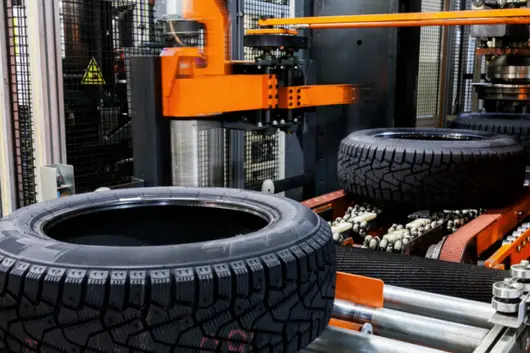
July, the European Tire Association released a position paper targeting the EU's "Industrial Acceleration Act". The Association welcomes the EU's recognition of tire manufacturing as a "strategic, energy-intensive industry", but believes the draft has critical gaps in "market scope, demand-side incentives, investment support, and regulatory coordination".

The core message of this statement from the Association is clear: the European tire industry is using policy tools to "de-Chinese" this product.
Continued Loss of Market Share, Import Surge is the Main Cause
The data provided by the Association is quite direct. Since 2018, EU tire manufacturers have lost over 12% of their domestic market share.
Regarding passenger car tires, the EU domestic share dropped from 71% in 2018 to 59.6% in 2025; truck and bus tire share dropped from 72% to 60.8%. However, imports surged by 195%, mainly driven by China.

A number often overlooked is: replacement tires account for 75% of total tire sales in the EU, but the current "Industrial Acceleration Act" draft offers no support for the replacement market.
The Association's logic is that the Original Equipment (OE) market is bound to car manufacturers, while the replacement market is the core base for European tire companies. If policies only protect OE but not replacement, the resilience of the European automotive value chain cannot be built.
The main breakthrough point for Chinese tires in the EU is precisely the replacement market. The Association elevated the replacement market to the level of a "strategic component", aiming to pave the way for subsequent demand-side incentives.
The Association's Five Policy Demands
At the same time, the Association proposed a set of targeted demands regarding the draft's gaps, essentially adding a protective layer for European manufacturing.
The first is identity upgrading. Recognizing tires as "strategic components" in both OE and replacement markets, not just as ancillary parts for car manufacturers. This step is to let tires hitch a ride on the industrial support of the "Industrial Acceleration Act".

The second is rules of origin plus procurement priority. The Association supports current customs rules, but requires priority layering on top of this—in public procurement and public support programs, prioritize EU manufacturing, followed by customs union countries, then followed by countries meeting equivalent trade and procurement standards.
This means that even if vulcanized in Vietnam or Thailand, as long as it is not in the EU, customs union, or equivalent country, it is ranked third.
The third is support for retreaded tires. In the commercial vehicle sector, the Association calls for support for EU-manufactured retreaded truck and bus tires. Retreading reduces emissions by 52% compared to new tires, allowing it to carry a decarbonization label while protecting the truck and bus tire industry chain in Europe. Chinese truck and bus tires remain a main import source in the EU; retread support is a lever for European companies to fight the new tire price war.

The fourth is upgrading tire labels and linking them to public procurement. The Association cites Commission data stating that EU tire labels save 45 terawatt-hours of electricity annually and reduce 15 million tons of CO2 emissions. Tires account for only 2% to 3% of the value of a complete vehicle, yet affect vehicle energy efficiency by 20% to 30%. The subtext is: public procurement should prioritize buying high-performance labeled tires and European tires, using demand-side boosting to drive European manufacturing.
The fifth is decarbonization funding and permitting acceleration. The Association demands stronger fiscal support for industrial decarbonization projects, accelerate permitting procedures, and clarify governance rules for "Industrial Manufacturing Acceleration Zones". These are hard requirements for European tire plants to cope with high energy and carbon costs.
This Strategy Aligns with Anti-Dumping Measures
The EU "Industrial Acceleration Act" was originally positioned as a pan-industrial policy, and the tire industry wants to fit itself into a strategic cage, getting decarbonization funds, procurement preferences, and rules of origin protection. This strategy aligns with the EU's implemented anti-dumping and pending anti-subsidy measures on tires from China—trade relief manages "blocking", industrial policy manages "supporting".
But this European self-rescue also has hard constraints. First is cost. European energy, labor, and compliance costs are what they are; policies can boost demand and provide funds, but it is hard to level manufacturing costs to the level of China and Southeast Asia.

Second is the spillover form of Chinese capacity. The Association's "priority layering" can block some, but not all. If Chinese companies build plants in regions with EU tariff preferences such as Serbia and Morocco, the rules of origin issue becomes more complex.
Third is how much the draft will ultimately concede is still unknown. Car manufacturers within the EU may not be willing to be bound by "European priority procurement", and cost pressure will be passed back to vehicles. The Tire Association and vehicle manufacturing interests are not fully aligned.
For Chinese companies, several things need to be done in advance. Overseas origins must withstand scrutiny, and supply chains must withstand tracing. High-end performance, green indicators, and new energy vehicle support are the only viable currency to bypass discrimination. Retreading and service systems can be looked at in advance; once the European truck and bus tire retreading loop is leveraged by policy, tire body supply and retreading cooperation might be new entry points.

This statement from the European Tire Association is not the end of the trade war, it is the prologue to industrial policy wars. For Chinese tires, the EU, this largest export market, the game has upgraded from competing on price to competing on origin, green, and high-end.

In 2026, domestic passenger cars may say goodbye to the high-growth era, officially entering an adjustment phase characterized by deep competition in the stock market and dual pressure from supply and demand. Slowing growth and profit contraction are stage challenges faced by the entire industry. Latest data from CPCA shows that in June, domestic passenger car retail sales reached 1.602 million units, down 23.2% year-on-year; cumulative retail sales from January to June were 8.701 million units, down 20.2% year-on-year. The entire product category market weakened synchronously, fuel vehicle retail sales plummeted 39% year-on-year. Domestic sales of joint ventures, luxury, and independent brands generally faced pressure. Most automakers saw varying degrees of decline in domestic terminal sales. Increasing revenue without increasing profit has become the industry norm.
Looking at the market performance from the first half of 2026, the automotive industry shows typical cycle adjustment characteristics. Whether traditional independent, leading new forces, or mainstream joint venture brands, all face varying degrees of operational pressure.

Seres Zhang Xinghai revealed at the Chongqing Auto Forum that the price of storage chips rose by more than 400%, and lithium carbonate prices doubled year-on-year. The unit cost for all AITO models under the brand increased by 15,000-20,000 yuan. Cost pressure directly led to the company's H1 performance forecasted loss of 1.05 billion to 1.3 billion yuan. Chips and battery materials are the core sources of cost increases. Voyah Lu Fang publicly stated that chip cost increases for high-end smart models broke through 300% at most. Basic consumables such as copper, aluminum, and plastics rose in price synchronously. The added cost per smart vehicle exceeded 12,000 yuan. The industry generally faces a dilemma of 'rising costs, dare not raise prices'.

Terminal market demand is weak, price wars are fierce. Automakers dare not easily increase selling prices. Upstream raw materials and chip costs rose rigidly. Profit margins are squeezed from both sides. This round of industry downturn is industrial periodical pain formed by the superposition of multiple pressures: weak consumption, skyrocketing upstream costs, overcapacity, and normalization of price wars.
This round of adjustment is a necessary stage of industry development. Short-term pressure will force the industry to eliminate inefficient capacity and homogeneous products, accelerating high-quality enterprises to complete value upgrades. Facing a unified cycle dilemma, domestic leading automakers have escaped the mindset of passively responding to price wars. They have formed systematic, long-term breakthrough strategies, focusing on four core main lines: Opening a second growth curve through global overseas expansion to offset domestic stock bottlenecks; Escaping homogeneous price involution through differentiated new product matrices; Building long-term barriers with full-stack technology self-research to stabilize cost advantages; Achieving cost reduction and efficiency gains through channel model iteration, digging deep into user value.

In sharp contrast to the domestic market downturn, automotive exports have become the core engine for industry growth against the trend. CAAM data shows that in June, domestic automotive vehicle exports reached 1.037 million units, up 11.6% month-on-month and surged 75.1% year-on-year. Monthly export volume exceeded one million units for the first time. Cumulative exports in the first half reached 5.096 million units, up 65.3% year-on-year. Among them, new energy exports grew by more than 120%. Overseas markets effectively offset domestic demand gaps, forming a new industry pattern of 'domestic pressure, overseas volume'.
Opening a second growth curve through global overseas expansion to offset domestic stock bottlenecks:
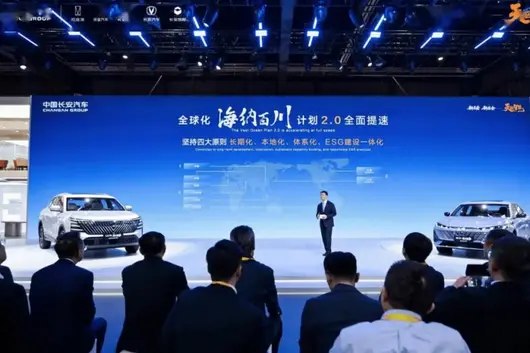
Chery maintains its position in the first tier of independent overseas exports. Cumulative exports in the first half reached 943,800 units, up 71.5% year-on-year. Exports accounted for nearly 70% of total sales. Relying on local factories in Southeast Asia and South Africa, it digs deep into emerging mass markets, effectively offsetting the pressure of domestic market involution. BYD exported 789,000 units in the first half, up 70.5% year-on-year. Overseas sales accounted for 43.6% of the group's total sales. Relying on localized capacity in Hungary and Thailand to layout European and Southeast Asian markets, it aims to achieve balanced domestic and overseas sales development, effectively offsetting domestic price war profit pressure, and relying on scaled industrial output to establish global cost and channel advantages. Changan Automobile delivered 402,000 units overseas in the first half, up 35.1% year-on-year. Relying on the 'Hai Na Bai Chuan 2.0' strategy to dig deep into emerging markets, Thai and Brazilian local factories continue to go into production. Building overseas localized operation teams and after-sales systems, focusing on exporting hybrid and smart models, using highly adaptable products to seize incremental markets in Southeast Asia and South America. Overseas sales continue to grow steadily, becoming a stable second growth curve;

Escaping homogeneous price involution through differentiated new product matrices:
In a cycle environment of severe overcapacity and product homogenization, automakers generally abandoned 'full-line low-price involution', turning to multi-brand layering, precise positioning in niche tracks, and product strategies where new and old technologies run in parallel, improving overall profit quality through structural optimization.
BYD insists on full price range coverage. Relying on the Dynasty, Ocean, Denza, Yangwang matrix, it covers household mainstream, mid-to-high-end, ultra-luxury markets. Fuel, hybrid, and pure electric are fully iterated. Solidifying the basic board with an extreme product matrix, it increases the proportion of high-margin products through vehicle structure upgrades. Changan Automobile builds a five-brand collaborative system. Qiyuan focuses on affordable hybrid home markets. Deep Blue focuses on mainstream pure electric. Avatr positions itself in high-end smart pure electric. Changan Passenger Cars stabilizes the fuel basic board. Kaiceng digs deep into commercial markets. Full price range differentiated layout, avoiding internal involution, precisely matching different segmented user demands. Geely relies on Thor Hybrid and Galaxy Pure Electric dual product lines, focusing on high cost-performance home new energy markets. Continuously iterating energy-saving hybrid models, seizing fuel vehicle replacement space. At the same time breaking through upwards with Lynk & Co luxury, optimizing overall product structure.

Building long-term barriers with full-stack technology self-research to stabilize cost advantages:
Second half of industry cycle, short-term competing on cost, mid-term competing on products, long-term competing on technology. Leading automakers continue to increase investment in core technology self-research, achieving autonomy and controllability in three-electric systems, smart driving, chips, and hybrid platforms. Offsetting cost volatility from the root and building differentiated competitiveness.
BYD insists on full industrial chain self-research and self-production. Second-generation Blade Battery, high-voltage flash charging technology fully iterated, achieving fuel and electric same-speed refueling experience. Relying on vertical integrated supply chain advantages, it stabilizes cost advantage during raw material fluctuation cycles, forming unreplicable industrial barriers. Xpeng focuses on full-stack smart driving self-research. Continuously optimizing urban NGP, full-domain intelligent assist driving system. Using smart technology as core label, building differentiated product competitiveness, escaping specification involution. Li Auto focuses on vehicle-mounted large models, self-researched computing power chips. Focusing on smart cockpit and whole vehicle smart interaction upgrades. Relying on high computing power hardware and localized smart ecosystem, building high-end smart experience barriers, supporting brand premium. Changan Automobile continues high R&D investment. Digging deep into three core technologies: Blue Whale Super Engine Hybrid, self-researched Tianshu Smart, Golden Bell Shield Solid-state Battery, achieving autonomy and controllability in hybrid, smart, and battery technologies. Both supporting domestic product differentiated upgrades, also providing core technology endorsement for overseas models.

Comprehensive mainstream automaker cycle response actions show that the current domestic automotive industry is experiencing a round of deep adjustment. This is a natural periodic correction after years of scaled expansion. Narrowed profit space and slowed market sales growth are stage problems faced by the entire industry. This does not mean the development momentum of leading automakers has stalled. Need to view the industry status objectively with a long-term industrial perspective.
Through short-term market pain, the automotive industry's three long-term upward development trends remain stable and unchanging. First, electrification and intelligence transformation are already irreversible core main lines of the industry. New energy and smart cars will continue to replace traditional fuel vehicles, reshaping market patterns. Secondly, the trend of Chinese car exports is strong. Overseas market share steadily climbing. Globalization development dividends are still being released continuously. Finally, industry reshuffling accelerates. Market resources are concentrating on leading enterprises with complete overseas layouts, core self-research technologies, and multi-brand differentiated product matrices. Advantaged automakers will continue to seize the market at the bottom of the cycle.
Leading automakers represented by BYD, Geely, Changan did not passively respond to short-term market pressure. Instead, treated this round of cycle as a key window for strategic power accumulation. Synchronously increasing global layout, new product launch, and underlying core technology R&D. Solidifying long-term competition foundations. Price competition and profit pressure are just inevitable pains of industry survival of the fittest. High-quality automakers with global strategies, full-stack self-research technologies, and layered differentiated product systems possess strong risk resistance capabilities. They are able to safely traverse the industry downturn cycle, welcome greater development opportunities in the next round of industry upswing.
Dalam pasaran SUV di Malaysia, ramai pembeli membandingkan Perodua Aruz dan Chery Tiggo Cross ketika memilih kenderaan. Kedua-dua kereta ini mempunyai julat harga dan penjenamaan yang hampir sama. Hari ini kita akan membuat perbandingan terperinci dari pelbagai aspek, membantu anda menjimatkan masa membuat penyelidikan.
Harga OTR Perodua Aruz di Malaysia adalah RM 72,900 - 77,900, terdapat 2 varian, termasuk 1.5L X (RM 72,900), 1.5L AV (RM 77,900) dan lain-lain.
Harga OTR Chery Tiggo Cross di Malaysia adalah RM 88,750 - 99,750, terdapat 2 varian, termasuk 2025 HEV 1.5L CSH (RM 99,750), 2025 1.5T Standard (RM 88,750) dan lain-lain.
Daripada segi harga, harga permulaan Perodua Aruz memang lebih murah RM 15,850 berbanding Chery Tiggo Cross. Jika bajet anda terhad, versi asas Perodua sudah memadai untuk keperluan harian. Tetapi perlu diingatkan, perbezaan harga beberapa ribu ringgit ini mungkin melibatkan pengorbanan pada kelengkapan, lihat keperluan anda secara spesifik.
Panjang kenderaan Perodua Aruz 4400 mm, ruang bagasi 400 L.
Panjang kenderaan Chery Tiggo Cross 4400 mm, ruang bagasi 400 L.
Saiz kedua-dua kereta hampir sama, ruang dalaman tidak banyak berbeza. Untuk kereta dalam julat ini, sudah cukup untuk penggunaan harian.
Waranti Perodua Aruz 5 tahun/150,000km, selang penyelenggaraan setiap 10,000km atau 6 bulan.
Waranti Chery Tiggo Cross 3 tahun/100,000km, selang penyelenggaraan setiap 10,000km atau 6 bulan.
Perodua Aruz dan Chery Tiggo Cross adalah pilihan utama di pasaran Malaysia, sesuai untuk kegunaan keluarga, perjalanan harian. Jika anda lebih mengutamakan reputasi jenama dan nilai jualan semula, pilihlah yang mempunyai reputasi lebih baik; jika anda lebih memberi perhatian pada nilai wang dan kelengkapan, pilihlah yang memiliki konfigurasi lebih lengkap. Akhir sekali disarankan untuk memandu uji kedua-dua kenderaan ini, pengalaman langsung adalah yang paling penting.

Secara keseluruhan, Perodua Aruz dan Chery Tiggo Cross adalah model yang sangat baik di pasaran Malaysia. Memilih mana-mana satu, kuncinya masih pada keperluan peribadi dan bajet anda. Disarankan kepada semua untuk membuat penyelidikan terlebih dahulu, bandingkan tawaran harga dari beberapa kedai kereta, kemudian buat ujian pusing untuk membuat keputusan akhir. Membeli kereta adalah perkara besar, meluangkan masa untuk membuat penyelidikan tidak akan salah.
Dalam pasaran SUV Malaysia, ramai pembeli membandingkan Perodua Aruz dan Mazda CX-30 semasa memilih kereta. Dua model ini mempunyai harga dan penempatan yang hampir sama. Hari ini kita akan membuat perbandingan terperinci dari pelbagai aspek, membantu anda menjimatkan masa membuat kajian.
Perodua Aruz dijual dengan harga OTR di Malaysia sebanyak RM 72,900 - 77,900, terdapat 2 varian, termasuk 1.5L X (RM 72,900), 1.5L AV (RM 77,900) dan lain-lain.
Mazda CX-30 dijual dengan harga OTR di Malaysia sebanyak RM 122,409 - 146,409, terdapat 4 varian, termasuk 2025 2.0L High+ Premium (RM 146,409), 2025 2.0L High+ (RM 138,409), 2025 2.0L High (RM 130,409) dan lain-lain.
Dari segi harga, harga permulaan Perodua Aruz memang lebih murah RM 49,509 berbanding Mazda CX-30. Jika bajet terhad, versi permulaan Perodua sudah boleh memenuhi keperluan harian. Tetapi berhati-hati, perbezaan harga beberapa ribu ini mungkin melibatkan penyesuaian pada kelengkapan, bergantung pada keperluan anda.
Perodua Aruz dilengkapi enjin 1.5L 4-cyl, kuasa 105 hp. Jimat minyak rasmi 6.0 L/100km.
Mazda CX-30 dilengkapi enjin 1.5L Turbo, kuasa 140 hp. Jimat minyak rasmi 7.0 L/100km.
Dari segi kuasa, 1.5L Turbo Mazda CX-30 memiliki 35 hp lebih banyak berbanding 1.5L 4-cyl Perodua Aruz. Namun untuk memandu harian di bandar, kuasa kedua-dua kereta sudah mencukupi, tidak berasa kurang kuasa.
Panjang badan Perodua Aruz 4400 mm, ruang bagasi 400 L.
Panjang badan Mazda CX-30 4500 mm, ruang bagasi 450 L.
Dari segi ruang, badan Mazda CX-30 lebih panjang 100 mm berbanding Perodua Aruz, ruang duduk lebih unggul. Namun Perodua Aruz lebih mudah diparkir di bandar, masing-masing ada kelebihan.
Perodua Aruz menggunakan cara pemanduan FWD.
Mazda CX-30 menggunakan cara pemanduan FWD.
Kedua-dua kereta mempunyai cara pemanduan yang sama, iaitu FWD, pengalaman memandu harian tidak akan terlalu berbeza.

Perodua Aruz dan Mazda CX-30 merupakan pilihan utama pasaran Malaysia, sesuai untuk kegunaan keluarga, perjalanan harian. Jika anda lebih mementingkan reputasi jenama dan harga kedua, prioritaskan yang mempunyai reputasi lebih baik; jika anda lebih mementingkan nilai harga dan kelengkapan, pilih yang mempunyai kelengkapan lebih. Akhir sekali, disarankan untuk memandu kedua-dua kereta, pengalaman sendiri adalah yang paling penting.

Secara keseluruhannya, Perodua Aruz dan Mazda CX-30 adalah model kereta yang sangat baik di pasaran Malaysia. Memilih mana satu, kuncinya masih bergantung pada keperluan dan bajet peribadi anda. Disarankan untuk melakukan kajian terlebih dahulu, bandingkan beberapa tawaran dari dealer kereta, kemudian lakukan ujian memandu untuk membuat keputusan akhir. Membeli kereta adalah perkara besar, meluangkan masa membuat kajian tidak akan salah.
Dalam pasaran SUV di Malaysia, ramai pembeli membandingkan Perodua Aruz dan Mazda CX-30 ketika memilih kereta. Kedua-dua kereta ini hampir sama dari segi harga dan kedudukan, hari ini kita akan membuat perbandingan terperinci dari pelbagai aspek, membantu anda menjimatkan masa membuat kaji selidik.
Harga OTR Perodua Aruz di Malaysia ialah RM 72,900 - 77,900, ada 2 varian, termasuk 1.5L X (RM 72,900), 1.5L AV (RM 77,900) dan lain-lain.
Harga OTR Mazda CX-30 di Malaysia ialah RM 122,409 - 146,409, ada 4 varian, termasuk 2025 2.0L High+ Premium (RM 146,409), 2025 2.0L High+ (RM 138,409), 2025 2.0L High (RM 130,409) dan lain-lain.
Dari segi harga, harga permulaan Perodua Aruz memang lebih murah RM 49,509 berbanding Mazda CX-30. Jika bajet anda terhad, versi permulaan Perodua sudah boleh memuaskan keperluan harian. Tetapi perhatikan juga, beberapa ribu ringgit yang lebih murah mungkin memerlukan kompromi dari segi kelengkapan, bergantung pada keperluan anda.
Perodua Aruz dilengkapi enjin 1.5L 4-silinder, kuasa 105 hp. Penggunaan minyak rasmi 6.0 L/100km.
Mazda CX-30 dilengkapi enjin 1.5L Turbo, kuasa 140 hp. Penggunaan minyak rasmi 7.0 L/100km.
Dari segi kuasa, Turbo 1.5L Mazda CX-30 mempunyai 35 hp lebih berbanding 1.5L 4-silinder Perodua Aruz. Namun untuk memandu harian di bandar, kuasa kedua-dua kereta adalah mencukupi, tidak akan rasa kurang tenaga.
Taraf keselamatan Perodua Aruz adalah 5★ (ASEAN NCAP), sistem keselamatan aktif termasuk .
Taraf keselamatan Mazda CX-30 adalah 5★ (ASEAN NCAP), sistem keselamatan aktif termasuk i-Activsense.
Taraf keselamatan kedua-dua kereta sama, dalam kategori ini kelengkapan keselamatan dianggap sangat lengkap. Keselamatan kereta baru sekarang tidak buruk, tidak perlu risau tentang perkara ini.
Perodua Aruz panjang kenderaan 4400 mm, ruang bagasi 400 L.
Mazda CX-30 panjang kenderaan 4500 mm, ruang bagasi 450 L.
Dari segi ruang, badan Mazda CX-30 lebih panjang 100 mm berbanding Perodua Aruz, ruang penumpang lebih unggul. Namun Perodua Aruz lebih fleksibel untuk parkir di bandar, masing-masing ada kompromi.
Perodua Aruz menggunakan cara pemacu FWD.
Mazda CX-30 menggunakan cara pemacu FWD.
Cara pemacu kedua-dua kereta sama, iaitu FWD, rasa memandu harian tidak akan berbeza terlalu banyak.
Secara umumnya, Perodua Aruz dan Mazda CX-30 adalah model kereta yang sangat baik di pasaran Malaysia. Memilih mana satu, kuncinya bergantung pada keperluan dan bajet peribadi anda. Disyorkan agar anda melakukan kaji selidik, bandingkan lebih banyak kutipan harga dari beberapa kedai kereta, kemudian buat ujian memandu untuk membuat keputusan akhir. Membeli kereta adalah perkara besar, menghabiskan masa untuk membuat kaji selidik tidak akan salah.

Di pasaran SUV Malaysia, ramai pembeli membandingkan Perodua Aruz dan Mazda CX-3 apabila memilih kereta. Kedua-dua kereta ini mempunyai harga dan segmen yang hampir sama. Hari ini, kami akan membuat perbandingan terperinci dari pelbagai aspek untuk membantu anda menjimatkan masa membuat kajian.
Harga OTR Perodua Aruz di Malaysia ialah RM 72,900 - 77,900, terdapat sebanyak 2 varian, termasuk 1.5L X (RM 72,900), 1.5L AV (RM 77,900) dan lain-lain.
Harga OTR Mazda CX-3 di Malaysia ialah RM 126,159 - 139,159, terdapat sebanyak 2 varian, termasuk 2023 2.0L High (RM 139,159), 2023 2.0L Plus (RM 126,159) dan lain-lain.
Dari segi harga, harga permulaan Perodua Aruz memang lebih murah RM 53,259 berbanding Mazda CX-3. Jika bajet anda terhad, varian asas Perodua sudah boleh memenuhi keperluan harian. Namun, perlu diingat, perbezaan harga beberapa ribu itu mungkin melibatkan kompromi dari segi kelengkapan, bergantung pada keperluan anda.
Perodua Aruz dilengkapi enjin 1.5L 4-silinder, kuasa 105 hp. Konsumsi bahan api rasmi 6.0 L/100km.
Mazda CX-3 dilengkapi enjin 1.5L Turbo, kuasa 140 hp. Konsumsi bahan api rasmi 7.0 L/100km.
Dari segi kuasa, enjin 1.5L Turbo Mazda CX-3 mempunyai 35 hp lebih berbanding enjin 1.5L 4-silinder Perodua Aruz. Namun, untuk memandu harian di kawasan bandar, kuasa kedua-dua kereta ini sudah mencukupi dan tidak akan terasa kurang.
Penilaian keselamatan Perodua Aruz ialah 5★ (ASEAN NCAP), sistem keselamatan aktif termasuk .
Penilaian keselamatan Mazda CX-3 ialah 5★ (ASEAN NCAP), sistem keselamatan aktif termasuk i-Activsense.
Penilaian keselamatan kedua-dua kereta ini sama, kelengkapan keselamatan dalam kelas ini dianggap cukup lengkap. Keselamatan kereta baru sekarang tidak buruk, jadi tidak perlu terlalu risau mengenai hal ini.
Panjang badan Perodua Aruz ialah 4400 mm, ruang bagasi 400 L.
Panjang badan Mazda CX-3 ialah 4500 mm, ruang bagasi 450 L.
Dari segi ruang, badan Mazda CX-3 adalah 100 mm lebih panjang daripada Perodua Aruz, ruang duduk mempunyai kelebihan. Namun, Perodua Aruz lebih fleksibel untuk diparkir di bandar, setiap satu mempunyai kelebihan tersendiri.

Perodua Aruz menggunakan cara pemacu FWD.
Mazda CX-3 menggunakan cara pemacu FWD.
Cara pemacu kedua-dua kereta ini sama, iaitu FWD, pengalaman memandu harian tidak akan berbeza banyak.

Secara keseluruhannya, Perodua Aruz dan Mazda CX-3 adalah model kereta yang sangat baik di pasaran Malaysia. Memilih mana satu, kunci utamanya bergantung pada keperluan dan bajet peribadi anda. Disarankan untuk membuat kajian terlebih dahulu, bandingkan beberapa sebut harga dari beberapa showroom, kemudian buat ujian memandu untuk membuat keputusan akhir. Membeli kereta adalah urusan besar, meluangkan masa membuat kajian tidak akan salah.



Over 70 years ago, six British youths drove two Land Rover Series I vehicles, completing the first London-to-Singapore Eurasian overland expedition in human history, traversing countless extreme terrains to forge a legendary adventure story.

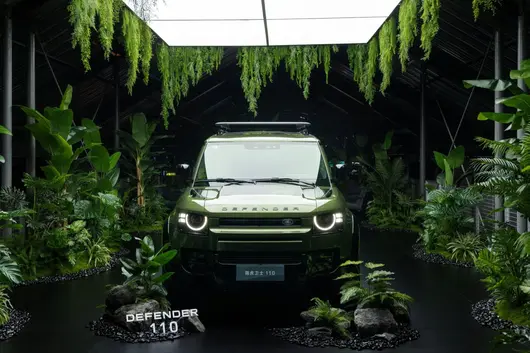
Today, this epic model is displayed at the West Bund Star Art Museum in Shanghai, debuting at the Defender Urban Camping Space by the Huangpu River.

Living in the urban cage surrounded by towering buildings, modern people always hold the original intention to break free from mediocrity and rush into the mountains and wilderness, and this exhibition perfectly interprets: there is no boundary between city and wild; one Land Rover Defender can connect the urban hustle with the freedom of the wilderness.


With a century of heritage, the Defender possesses innate avant-garde aesthetics. The boxy shape of the first-generation model, forged in extreme exploration, abandons redundant decorations, forming a unique visual language with minimalist angles and rugged structures.

This native aesthetics born from pragmatism has remained enduring for decades. Amidst city traffic with similar designs, the highly recognizable boxy outline allows the Defender to escape urban aesthetic homogenization, becoming a concrete expression of the owner's unique taste.


Beneath the good-looking exterior lies hard-core wildness carved into the brand's genes. At the world's most rigorous Dakar Rally, the Land Rover Defender took all 14 stage championships on its debut. Relying on the OCTA octahedron high-strength body and SV-exclusive tuned 4.4T V8 powertrain, it possesses off-road capability to crush complex road conditions. Powerful performance is never limited to wilderness journeys; daily city driving is calm and stable, ready to rush to wilderness secrets at any time, using top-tier strength to back up the urbanite's distant ideals.


Beyond the sharp wildness lies the Land Rover brand's unchanging sense of responsibility. The Defender participated in "No Time to Die" with its fierce form, stunning the urban screen before its launch; the proceeds from the auction of the iconic VIN 007 prototype were entirely donated to the Red Cross. After years of deep cultivation in the Chinese market, the brand has invested over 50 million in public welfare projects such as adolescent vision care and rural education assistance, mobilizing owners to spread kindness. From an off-road tool conquering nature to a city sedan coexisting with goodness, the Defender has completed a dual evolution of product and value.

This urban camp along the West Bund waterfront condenses the Defender's century of exploration, championships, and humanistic original intentions. On the wilderness, people are addicted to its surging power galloping through mountains and rivers; in the city, one can better understand its core of accommodating daily life and distant ideals.

The city never stands opposed to the wilderness. Contemporary urban life needs a Defender like this: breaking secular mediocrity with classic aesthetics, defending the confidence of life with hard-core performance, and aligning with spiritual pursuit through a responsible perspective. Boundaries between city and wild do not exist, and the Defender is unstoppable; this is the ultimate answer to owning a Defender in the city.
© 2024 Bitauto.com. All Rights Reserved.
Bitauto (www.yiche.com and www.bitauto.com) is one of the most visited automotive websites in China. We provide detailed info on Chinese car brands available in your area. Please note that the information provided on this website is based on publicly available data and is for reference only. It may not be fully updated or accurate at all times.

Help us improve our website


