

HomeProton Wira

Search History
Popular Searches
Dealer Login / Sign Up

Selepas pelaksanaan fahaman bersama antara China dan Eropah mengenai kenderaan hibrid, Eropah telah memberi ruang eksport yang positif kepada kenderaan hibrid China. Namun, terdapat satu masalah yang mudah diabaikan, walaupun diberikan tambahan sedikit di atas asas 302,000 unit tahun lalu, apabila dikongsi kepada setiap syarikat automotif, bahagian yang diterima tidak akan banyak. Menurut laporan media, beberapa syarikat automotif baru-baru ini pergi ke Beijing untuk berunding dengan pihak berkuasa mengenai bagaimana kuota eksport diagihkan.
"Memperebut kuota" pada permukaannya ialah manifestasi semangat syarikat automotif untuk melangkah ke luar negara, tetapi jika dipikirkan dengan teliti, ia sangat bernilai untuk digalakkan. Pada masa lalu, apabila syarikat automotif China melangkah ke luar negara, persaingan ialah siapa yang harga lebih rendah dan siapa yang peredaran lebih pantas. Kini pasaran Eropah semakin menyempit, tiket masuk adalah terhad, siapa yang mampu mendapatkannya dan selepas mendapatkannya adakah mampu mengendalikannya, tidak lagi semata-mata masalah jumlah jualan, tetapi adakah anda memegang kad teknologi teras, sama ada anda boleh menyesuaikan produk secara fleksibel dan menyesuaikan piawaian undang-undang dengan pantas dalam peraturan yang ditetapkan oleh orang lain. Dengan kata lain, ekspansi automotif China ke luar negara sedang berubah daripada "menjual kenderaan sahaja" kepada fasa yang lebih kukuh.
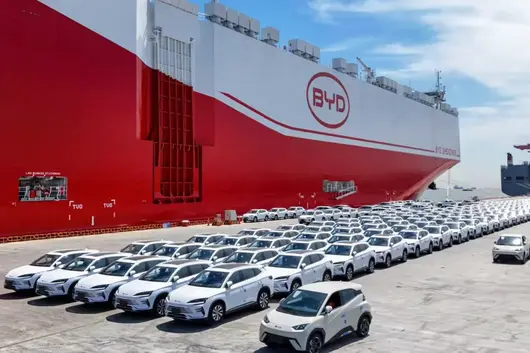
Penilaian ini dilihat dalam data jualan Oktober akan lebih spesifik. Contohnya BYD, terjual 490,168 unit pada Oktober, kembali menjadi juara jualan, sepatutnya tiada sebarang keraguan. Jumlah jualan luar negerinya ialah 169,564 unit, nisbah daripada jumlah jualan keseluruhannya hampir 35%, pertumbuhan tahun ke tahun 103%. Jika dilihat beberapa tahun lalu, nisbah luar negara dan kadar pertumbuhan ini hampir tidak dapat difikirkan.

Selain itu, BYD tidak memindahkan model domestik ke Eropah begitu sahaja, tetapi mengubah produk dan pelan berdasarkan piawaian, keadaan jalan raya, dan tabiat pengguna di pasaran yang berbeza. Ini membawa kepada fakta mengenai BYD yang kurang dibincangkan dengan teliti, iaitu kedalaman penyelidikan sendiri jauh melebihi lapisan "hibrid + bateri bilah".

Dalam imej kebanyakan orang, kelebihan BYD ialah teknologi bateri dan hibrid. Ini betul, tetapi ini hanyalah sebahagian daripada "ikan besar" yang ditangkap daripada "kolam teknologi". Motor, kawalan elektrik, semikonduktor kuasa, dan cip tahap kenderaan semuanya sentiasa dibuat sendiri, mampu menghasilkan secara bebas bateri bilah, motor sinkron magnit kekal, kawalan elektrik dan modul kuasa IGBT/SiC. Kadar kecukupan sendiri dalam bahagian teras adalah sangat tinggi.
Lebih menarik untuk disebutkan ialah cip. BYD telah membentuk Jabatan Reka Bentuk IC sendiri, adalah syarikat automotif pertama di negara ini yang menghasilkan secara kuantiti cip kuasa IGBT dan SiC tahap kenderaan. Dari segi kecerdasan, cip pemanduan pintar tahap kenderaan 4nm Xuanji A3 telah dicapai pengeluaran berskala besar, daya pengiraan tunggal melebihi 700 TOPS, tiga berkerjasama melebihi 2100 TOPS, menyokong bantuan pemanduan autonomi L3, L4. Yang lebih penting, cipnya dan algoritma penyelidikan sendiri direka bentuk secara bersesuaian, bukan seperti ramai syarikat automotif yang membeli cip orang lain dahulu kemudian menyesuaikannya.

Penjumlahan keupayaan ini tidak lagi kepimpinan dalam teknologi tertentu sahaja, tetapi merupakan kepimpinan berstruktur. Dari semikonduktor kuasa hingga ke sistem tiga elektrik, dari sistem hibrid hingga ke cip pemanduan pintar, bahagian penting tidak bergantung pada pembelian luar, kebanyakan komponen kenderaan penuh boleh dihasilkan sendiri. Ketika UBS menganalisis BYD Seal sebelum ini, pernah mengira satu perhitungan, lebih daripada tujuh puluh peratus komponen adalah pengeluaran BYD, nisbah ini adalah dua kali ganda lebih daripada Tesla. Secara mudahnya, ramai syarikat automotif mengambil jalan "mereka bentuk kenderaan, membeli komponen, menghantar selepas dipasang", manakala BYD telah memasang sebahagian besar rantaian bekalan di dalam badannya sendiri.
Struktur ini pada waktu biasa menunjukkan kelebihan kos dan rentak, di pasaran luar negara menunjukkan fleksibiliti mengubah pelan. Jika Eropah tiba-tiba menukar sesuatu standard pelepasan, atau meminta nisbah penglokaluan komponen kuasa, kawalan elektrik dan cip kuasa jika dibeli luar, mengubah satu parameter perlu melalui satu kitaran semula dengan pembekal, manakala komponen yang terlibat adalah penyelidikan dan pengeluaran sendiri, rantai penyesuaian sememangnya menjadi lebih pendek. Membina kilang di luar negara juga mempunyai logik yang sama, kilang BYD di Thailand, Brazil, dan Uzbekistan telah mula beroperasi, kilang Hungary juga sedang diperbaiki, pengeluaran lokal bukan sahaja mengelakkan cukai, tetapi juga memindahkan rantaian bekalan yang boleh dikawal sendiri terus ke tempat yang lebih dekat dengan pasaran.
Tentu saja, ini tidak bermaksud penyelidikan sendiri secara menegak adalah satu-satunya jalan. Model pembelian luar mempunyai fleksibiliti pembelian luar, kitaran penyelidikan dan pembangunan pendek, model kenderaan cepat dilancarkan, ini berkesan dalam pembaruan pantas di pasaran domestik. Tetapi peraturan pasaran global berubah, pelbagai pembolehubah seperti kuota, undang-undang, penyemakan paten, nisbah penglokaluan, syarikat automotif tidak boleh mengawal. Jika tangan tidak mempunyai teknologi teras, apabila peraturan berubah hanya boleh menanti pembekal, tetapi jika anda memilikinya, anda boleh mengubah dan menyesuaikan secara bebas.

Sebenarnya, disebabkan alasan seperti laluan teknologi, prestasi pasaran, dll, BYD secara semulajadi menjadi contoh yang berbaloi dan mudah untuk diperhatikan. Dalam syarikat automotif China, bukan sahaja satu yang mengambil jalan penyelidikan sendiri, hanya perbezaan dalam kedalaman dan tumpuan. Tetapi apabila ekspansi ke luar negara sampai ke tahap kuota perlu "pergi ke Beijing untuk menuntut", menunjukkan persaingan sudah bukan di Dewan Pameran lagi, tetapi siapakah yang boleh menggunakan sistem teknologinya untuk menangkap pasaran global yang sentiasa berubah. Dalam jangka masa pendek lihat jualan, jangka masa panjang melihat sama ada apabila peraturan dalam dan luar negara berubah, anda masih ada kad dalam tangan untuk dimainkan.

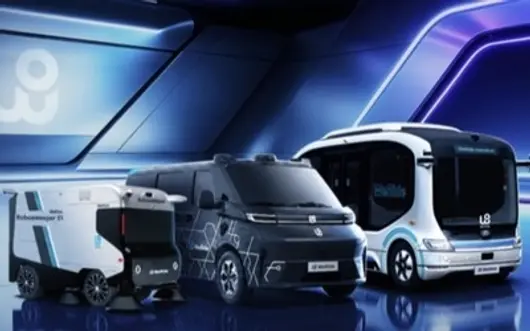
[Maklumat Teknologi CNMO] 5 November, Pengasas dan CEO WeRide Dr. Han Xu telah memperoleh "Anugerah Kemajuan Sains dan Teknologi Persatuan Kejuruteraan Automotif China Tahun 2026" Hadiah Pertama. Berdasarkan laporan, Han Xu adalah dalam senarai pemenang kali ini wakil pengurus tunggal dari syarikat pemanduan automatik L4 , label identiti ini menyebabkan makna anugerah tersebut melampaui kategori kehormatan peribadi, menuju kepada pengiktirafan industri yang sedang diterima oleh syarikat pemanduan automatik tahap L4 dari segi pengurusan keselamatan dan pelaksanaan kejuruteraan.

Produk WeRide

Projek pemenang hadiah kali ini ialah "Sistem Automasi Memandu Tahap L2-L4: Pengurusan Keselamatan, Teknologi Kritikal dan Aplikasinya" . Menurut pendedahan rasmi, projek ini dipengerusikan oleh Pusat Pembangunan Industri Kelengkapan, Kementerian Perindustrian dan Maklumat , Kumpulan GAC, Xiaomi Auto, Kumpulan FAW sebagai unit pelaksanaan bersama juga memenangi hadiah. Projek meliputi rangka kerja pengurusan keselamatan merentasi tahap dari pemandu bantu L2 sehingga pemanduan automatik L4, pihak yang terlibat merangkumi penyelidikan di bawah jabatan industri, kumpulan automotif besar tradisional dan syarikat automotif baharu, WeRide sebagai wakil tunggal syarikat pemanduan automatik L4 di dalamnya, memegang peranan kritikal dalam pengesahan keselamatan pemanduan automatik kelas tinggi dan amalan kejuruteraan.

WeRide Robotaxi
Dasar anugerah ini adalah fakta operasi berskala besar yang telah dibentuk oleh WeRide dalam bidang pemanduan automatik L4. Berdasarkan maklumat rasmi dan laporan kewangan WeRide, saiz pasukan L4 globalnya adalah kira-kira 3600 kenderaan . Perkhidmatan Robotaxi telah memasuki global lebih 13 bandar utama , dan telah Guangzhou, Beijing, Abu Dhabi dan Dubai melaksanakan operasi berseorangan tanpa pemandu secara komersial sepenuhnya. Di rantau Timur Tengah, operasi berseorangan tanpa pemandu di Abu Dhabi dan Dubai telah merangkumi lebih 70% kawasan bandar utama, saiz pasukan tempatan kira-kira 400 kenderaan; Di Eropah, WeRide memasuki Madrid Sepanyol dan Zurich Switzerland melalui kerjasama dengan Uber; Di Asia, bekerjasama dengan Grab melancarkan operasi terbuka di Singapura. Perniagaan keseluruhan telah dikembangkan ke 13 negara, lebih 60 bandar , merangkumi kawasan utama seperti Timur Tengah, Eropah, Asia.

喺馬來西亞嘅 SUV 市場,好買家揀車嗰陣都會揀 Mazda CX-3 同 Mitsubishi Xforce 來比較。呢兩款車喺價錢同定位都幾接近,今日我哋就由多個方面做一次詳細比較,幫手節省做功課嘅時間。
Mazda CX-3 喺馬來西亞嘅 OTR 售價係 RM 126,159 - 139,159,合共有 2 個型號,包括 2023 2.0L High(RM 139,159)、2023 2.0L Plus(RM 126,159) 等。
Mitsubishi Xforce 喺馬來西亞嘅 OTR 售價係 RM 109,930 - 119,930,合共有 2 個型號,包括 2026 1.5L Ultimate(RM 119,930)、2026 1.5L Urban(RM 109,930) 等。
由價錢睇,Mitsubishi Xforce 嘅起價比 Mazda CX-3 平咗 RM 16,229。坦白講,喺呢個價位段,幾千蚊嘅差異其實唔算大,關鍵仲係睇整體嘅性價比同埋長期使用成本。

Mazda CX-3 嘅安全评分係 5★ (ASEAN NCAP),主動安全系統包括 i-Activsense。
Mitsubishi Xforce 嘅安全评分係 5★ (ASEAN NCAP),主動安全系統包括 MI-PILOT。
兩款車嘅安全评分一樣,喺呢個級數入面安全配備都算好齊全。而家嘅新車安全性都唔差,唔使太擔心呢一點。

Mazda CX-3 車身長 4500 mm,車尾箱 450 L。
Mitsubishi Xforce 車身長 4400 mm,車尾箱 400 L。
空間方面,Mazda CX-3 嘅車身比 Mitsubishi Xforce 長咗 100 mm,車內坐位空間會稍微寬鬆啲,尤其係後座腿部空間。如果你經常載家人或者需要放手推車,大少少嘅車身確實更實用。

Mazda CX-3 保養保證 5 年/150,000km,保養間隔 每 10,000km 或 6 個月。
Mitsubishi Xforce 保養保證 3 年/100,000km,保養間隔 每 10,000km 或 6 個月。

Mazda CX-3 同 Mitsubishi Xforce 都係馬來西亞市場嘅主流選擇,適合家庭用途、日常通勤。如果你更睇重品牌口碑同埋二手價,可以優先考慮口碑更好嗰款;如果你更在意性價比同埋配備,嗰就揀配置更豐富嗰款。最後始終建議兩款都去試駕,親身體驗先係最重要嘅。

總體嚟講,Mazda CX-3 同 Mitsubishi Xforce 都係馬來西亞市場幾唔錯嘅車型。揀邊輛,關鍵仲係睇你個人需求同埋預算。建議大家做好功課,多比較幾間車行嘅報價,先去試駕先做最後決定。買車係件大事,花少少時間做功課絕對無錯。


In the SUV market in Malaysia, many buyers compare Mazda CX-3 and MG MG HS when choosing a car.
The OTR price of Mazda CX-3 in Malaysia is RM 126,159 - 139,159, with a total of 2 versions, including 2023 2.0L High (RM 139,159), 2023 2.0L Plus (RM 126,159), etc.
The OTR price of MG MG HS in Malaysia is RM 130,450 - 146,450, with a total of 2 versions, including 1.5L Standard (RM 105,000), 1.5L Executive (RM 115,000), etc.
Looking at the price, the starting price of Mazda CX-3 is indeed RM 4,291 cheaper than MG MG HS. If your budget is limited, Mazda's entry-level version can already meet daily needs. But keep in mind, the few thousand cheaper might have trade-offs in features, it depends on your specific needs.
Mazda CX-3 comes with 1.5L Turbo, 140 hp. Official fuel consumption 7.0 L/100km.
MG MG HS comes with 1.5L Turbo, 140 hp. Official fuel consumption 7.0 L/100km.
Both cars use the same powertrain system, the driving experience in daily use is basically no different. Fuel consumption is also about the same, no need to worry too much about this.
Mazda CX-3 adopts FWD drive method.
MG MG HS adopts FWD drive method.
Both cars have the same drive method, both are FWD, daily driving experience will not be too different.
Mazda CX-3 warranty 5 years/150,000km, maintenance interval every 10,000km or 6 months.
MG MG HS warranty 7 years/150,000km, maintenance interval every 10,000km or 6 months.
Mazda CX-3 and MG MG HS are both mainstream choices in the Malaysian market, suitable for family use and daily commuting. If you value brand reputation and resale value more, you can prioritize the one with better reputation; if you care more about cost-performance ratio and features, choose the one with richer configuration. Ultimately, it is recommended to test drive both, personal experience is the most important.
Overall, Mazda CX-3 and MG MG HS are both quite good models in the Malaysian market. Choosing which one depends mainly on your personal needs and budget. It is recommended to do your research, compare quotes from several car dealers, and then test drive to make the final decision. Buying a car is a big matter, spending time doing research is never wrong.

In Malaysia's SUV market, many buyers compare the Mazda CX-3 and MG MG HS when choosing a car. These two models are quite close in price and positioning. Today, we will make a detailed comparison from multiple aspects to help you save time on research.
The Mazda CX-3 OTR price in Malaysia is RM 126,159 - 139,159, with a total of 2 versions, including 2023 2.0L High (RM 139,159), 2023 2.0L Plus (RM 126,159), etc.
The MG MG HS OTR price in Malaysia is RM 130,450 - 146,450, with a total of 2 versions, including 1.5L Standard (RM 105,000), 1.5L Executive (RM 115,000), etc.
From a price perspective, the starting price of the Mazda CX-3 is indeed RM 4,291 cheaper than the MG MG HS. If your budget is limited, Mazda's entry-level version is already sufficient for daily needs. But also note that the few thousand cheaper might have trade-offs in features, it depends on your specific needs.
Mazda CX-3 is equipped with 1.5L Turbo, 140 hp. Official fuel consumption 7.0 L/100km.
MG MG HS is equipped with 1.5L Turbo, 140 hp. Official fuel consumption 7.0 L/100km.
Both cars use the same powertrain, the driving experience is basically the same daily. Fuel consumption is also similar, no need to worry too much about this.
Mazda CX-3 Warranty 5 years/150,000km, maintenance interval every 10,000km or 6 months.
MG MG HS Warranty 7 years/150,000km, maintenance interval every 10,000km or 6 months.
Mazda CX-3 and MG MG HS are both mainstream choices in the Malaysian market, suitable for family use and daily commuting. If you value brand reputation and resale price more, you can prioritize the one with better reputation; if you care more about value for money and features, choose the one with richer configurations. In the end, it is recommended to test drive both, hands-on experience is the most important.
Overall, Mazda CX-3 and MG MG HS are both very good models in the Malaysian market. Which one to choose depends mainly on your personal needs and budget. We suggest doing your homework, compare quotes from several dealerships, and then test drive to make a final decision. Buying a car is a big matter, spending time doing research will never be wrong.

In the Malaysian SUV market, many buyers compare the Mazda CX-3 and the Chery Tiggo 7 PHEV when choosing a car. Both cars are quite close in price and positioning. Today, we will make a detailed comparison from multiple aspects to help you save time on research.
The Mazda CX-3 OTR price in Malaysia is RM 126,159 - 139,159, with a total of 2 versions, including 2023 2.0L High (RM 139,159), 2023 2.0L Plus (RM 126,159), etc.
The Chery Tiggo 7 PHEV OTR price in Malaysia is RM 129,750 - 129,750, with a total of 2 versions, including 2025 1.5T 90km CSH (RM 129,750), What charging methods does the Tiggo 7 PHEV support? Can it be charged using a home power socket? (RM 117,478), etc.
Looking at the price, the Mazda CX-3 starting price is indeed RM 3,591 cheaper than the Chery Tiggo 7 PHEV. If your budget is limited, the Mazda entry-level version can already meet daily needs. But also note, those few thousand cheaper, there might be trade-offs in features, it depends on your specific needs.
Mazda CX-3 safety rating is 5★ (ASEAN NCAP), active safety system includes i-Activsense.
Chery Tiggo 7 PHEV safety rating is TBD, active safety system includes Basic.
Regarding safety features, both cars have received good ratings. However, Mazda CX-3's i-Activsense and Chery Tiggo 7 PHEV's Basic have some differences in functionality. If you value active safety, you can compare the feature lists of both in detail.
Mazda CX-3 body length 4500 mm, trunk 450 L.
Chery Tiggo 7 PHEV body length 4400 mm, trunk 400 L.
In terms of space, the Mazda CX-3 body is 100 mm longer than the Chery Tiggo 7 PHEV, the interior seating space will be slightly more spacious, especially the rear legroom. If you often carry family or need to put in a stroller, the larger body is indeed more practical.
Mazda CX-3 warranty 5 years/150,000km, maintenance interval every 10,000km or 6 months.
Chery Tiggo 7 PHEV warranty 3 years/100,000km, maintenance interval every 10,000km or 6 months.

Both the Mazda CX-3 and Chery Tiggo 7 PHEV are mainstream choices in the Malaysian market, suitable for family use and daily commuting. If you value brand reputation and second-hand price more, you can prioritize the one with better reputation; if you care more about cost-performance ratio and features, then choose the one with richer configurations. Finally, it is recommended to test drive both, personal experience is the most important.

Overall, both the Mazda CX-3 and Chery Tiggo 7 PHEV are very good models in the Malaysian market. Which one to choose, the key still depends on your personal needs and budget. It is recommended to do your research, compare quotes from multiple dealerships, then go for a test drive to make the final decision. Buying a car is a big thing, spending time on research is never wrong.

In the Malaysian SUV market, many buyers compare Mazda CX-3 and Chery Tiggo 7 PHEV when choosing a car. These two models are quite close in price and positioning. Today, we will make a detailed comparison from multiple aspects to help you save time on research.
The OTR price of Mazda CX-3 in Malaysia is RM 126,159 - 139,159, with a total of 2 versions, including 2023 2.0L High (RM 139,159), 2023 2.0L Plus (RM 126,159), etc.
The OTR price of Chery Tiggo 7 PHEV in Malaysia is RM 129,750 - 129,750, with a total of 2 versions, including 2025 1.5T 90km CSH (RM 129,750), What charging methods does the Tiggo 7 PHEV support? Can it be charged using a home power socket? (RM 117,478), etc.
From the price perspective, the starting price of Mazda CX-3 is indeed RM 3,591 cheaper than Chery Tiggo 7 PHEV. If your budget is limited, Mazda's entry-level version can already meet daily needs. But also note, the few thousand RM difference might involve trade-offs in equipment, specifically depending on your needs.
Mazda CX-3 comes with 1.5L Turbo, 140 hp. Official fuel consumption 7.0 L/100km.
Chery Tiggo 7 PHEV comes with Hybrid, 170 hp. Official fuel consumption 4.5 L/100km.
In terms of power, Chery Tiggo 7 PHEV's Hybrid has 30 more hp than Mazda CX-3's 1.5L Turbo. However, for daily city driving, the power of both cars is sufficient, you won't feel it's underpowered.
Mazda CX-3 safety rating is 5★ (ASEAN NCAP), active safety system includes i-Activsense.
Chery Tiggo 7 PHEV safety rating is TBD, active safety system includes Basic.
Regarding safety equipment, both cars have received good ratings. However, Mazda CX-3's i-Activsense and Chery Tiggo 7 PHEV's Basic have some differences in functionality. If you value active safety, you can compare the function lists of both in detail.
Mazda CX-3 body length 4500 mm, trunk 450 L.
Chery Tiggo 7 PHEV body length 4400 mm, trunk 400 L.
In terms of space, Mazda CX-3's body is 100 mm longer than Chery Tiggo 7 PHEV, the interior seating space will be slightly more spacious, especially the rear legroom. If you often carry family members or need to fit a stroller, a larger body is indeed more practical.
Mazda CX-3 uses FWD drive mode.
Chery Tiggo 7 PHEV uses FWD drive mode.
The drive mode of both cars is the same, both are FWD, daily driving experience will not differ much.
Overall, Mazda CX-3 and Chery Tiggo 7 PHEV are both very good models in the Malaysian market. Which one to choose, the key is still your personal needs and budget. We suggest you do your research, compare quotes from several car dealers, then go for a test drive to make the final decision. Buying a car is a big matter, spending time on research will definitely not be wrong.

In the Malaysian SUV market, many buyers compare the Mazda CX-3 and Chery Tiggo 7 PHEV when choosing a car. These two cars are quite close in price and positioning. Today, we will make a detailed comparison from multiple aspects to save you time on research.
The OTR price for Mazda CX-3 in Malaysia is RM 126,159 - 139,159, with a total of 2 variants, including 2023 2.0L High (RM 139,159), 2023 2.0L Plus (RM 126,159), etc.
The OTR price for Chery Tiggo 7 PHEV in Malaysia is RM 129,750 - 129,750, with a total of 2 variants, including 2025 1.5T 90km CSH (RM 129,750), What charging methods does the Tiggo 7 PHEV support? Can it be charged using a home power socket? (RM 117,478), etc.
In terms of price, the starting price of Mazda CX-3 is indeed RM 3,591 cheaper than Chery Tiggo 7 PHEV. If your budget is limited, Mazda's entry-level version is sufficient for daily needs. However, be aware that the few thousand ringgit cheaper might involve trade-offs in equipment, it depends on your specific needs.
Mazda CX-3 safety rating is 5★ (ASEAN NCAP), active safety system includes i-Activsense.
Chery Tiggo 7 PHEV safety rating is TBD, active safety system includes Basic.
Regarding safety features, both cars have received good ratings. However, there are some differences in functionality between Mazda CX-3's i-Activsense and Chery Tiggo 7 PHEV's Basic. If you value active safety, you can compare the feature lists of both in detail.
Mazda CX-3 body length is 4500 mm, trunk is 450 L.
Chery Tiggo 7 PHEV body length is 4400 mm, trunk is 400 L.
In terms of space, Mazda CX-3's body is 100 mm longer than Chery Tiggo 7 PHEV, the interior seating space is slightly more spacious, especially the rear legroom. If you often carry family members or need to place a stroller, a larger body is indeed more practical.
Mazda CX-3 warranty is 5 years/150,000km, maintenance interval is every 10,000km or 6 months.
Chery Tiggo 7 PHEV warranty is 3 years/100,000km, maintenance interval is every 10,000km or 6 months.
Overall, both Mazda CX-3 and Chery Tiggo 7 PHEV are very good models in the Malaysian market. Which one to choose depends mainly on your personal needs and budget. We recommend doing your research, compare quotes from several car dealers, and then test drive to make a final decision. Buying a car is a big decision, taking time to do research will never be wrong.

In Malaysia's SUV market, many buyers compare Mazda CX-3 and Chery Tiggo 7 PHEV when choosing a car. These two cars are quite close in price and positioning, so today we will make a detailed comparison from multiple aspects to help you save time on research.
The Mazda CX-3 OTR price in Malaysia is RM 126,159 - 139,159. There are a total of 2 versions, including 2023 2.0L High (RM 139,159), 2023 2.0L Plus (RM 126,159), etc.
The Chery Tiggo 7 PHEV OTR price in Malaysia is RM 129,750 - 129,750. There are a total of 2 versions, including 2025 1.5T 90km CSH (RM 129,750), What charging methods does the Tiggo 7 PHEV support? Can it be charged using a home power socket? (RM 117,478), etc.
Looking at the price, the starting price of Mazda CX-3 is indeed RM 3,591 cheaper than Chery Tiggo 7 PHEV. If your budget is limited, Mazda's entry-level version can already meet daily needs. But keep in mind, the few thousand cheaper might involve trade-offs in features, depending on your specific needs.
Mazda CX-3 body length is 4500 mm, trunk space 450 L.
Chery Tiggo 7 PHEV body length is 4400 mm, trunk space 400 L.
Regarding space, the Mazda CX-3 body is 100 mm longer than the Chery Tiggo 7 PHEV, offering slightly more spacious interior seating, especially rear legroom. If you often carry family members or need to fit a stroller, a larger body is indeed more practical.
Mazda CX-3 adopts FWD drive method.
Chery Tiggo 7 PHEV adopts FWD drive method.
Both cars use the same drive method, both are FWD, so there should not be a significant difference in daily driving feel.
Mazda CX-3 and Chery Tiggo 7 PHEV are both mainstream choices in the Malaysian market, suitable for family use and daily commuting. If you value brand reputation and resale value more, you can prioritize the one with better reputation. If you care more about cost-performance ratio and features, choose the one with richer configuration. In the end, it is recommended to test drive both; personal experience is the most important.
Overall, Mazda CX-3 and Chery Tiggo 7 PHEV are both very good car models in the Malaysian market. Which one to choose depends on your personal needs and budget. We recommend doing your homework, comparing quotes from several dealerships, and then test driving to make a final decision. Buying a car is a big matter, spending some time on research will never be wrong.

Dalam pasaran SUV di Malaysia, ramai pembeli membandingkan Mazda CX-3 dan GWM Haval H6 ketika memilih kereta. Kedua-dua kereta ini berada pada harga dan kedudukan yang agak dekat, hari ini kita akan membuat perbandingan terperinci dari pelbagai aspek, membantu anda menjimatkan masa membuat kajian.
Harga OTR Mazda CX-3 di Malaysia ialah RM 126,159 - 139,159, terdapat 2 varian, termasuk 2023 2.0L High (RM 139,159), 2023 2.0L Plus (RM 126,159) dan lain-lain.
Harga OTR GWM Haval H6 di Malaysia ialah RM 139,750 - 139,750, terdapat 2 varian, termasuk 1.5L Turbo Standard (RM 140,000), 1.5L Turbo Premium (RM 155,000) dan lain-lain.
Dari segi harga, harga permulaan Mazda CX-3 memang lebih murah RM 13,591 berbanding GWM Haval H6. Jika bajet anda terhad, varian asas Mazda sudah boleh memenuhi keperluan harian. Namun perlu diingat, ribuan ringgit yang lebih murah itu mungkin melibatkan kompromi dalam peralatan, bergantung pada keperluan anda.
Mazda CX-3 dilengkapi enjin 1.5L Turbo, kuasa 140 hp. Penggunaan minyak rasmi 7.0 L/100km.
GWM Haval H6 dilengkapi Hybrid, kuasa 170 hp. Penggunaan minyak rasmi 4.5 L/100km.
Dari segi kuasa, Hybrid GWM Haval H6 mempunyai 30 hp lebih berbanding 1.5L Turbo Mazda CX-3. Namun untuk memandu sehari-hari di bandar, kuasa kedua-dua kereta sudah mencukupi, tidak terasa kurang tenaga.
Panjang badan Mazda CX-3 4500 mm, ruang bagasi 450 L.
Panjang badan GWM Haval H6 4400 mm, ruang bagasi 400 L.
Dari segi ruang, badan Mazda CX-3 lebih panjang 100 mm daripada GWM Haval H6, ruang penumpang dalam kereta sedikit lebih lapang, terutamanya ruang kaki baris belakang. Jika anda sering membawa keluarga atau perlu meletakkan kereta bayi, badan yang sedikit lebih besar memang lebih praktikal.
Mazda CX-3 menggunakan cara pemacu FWD.
GWM Haval H6 menggunakan cara pemacu FWD.
Cara pemacu kedua-dua kereta adalah sama, iaitu FWD, rasa memandu sehari-hari tidak akan banyak perbezaan.
Jaminan Mazda CX-3 5 tahun/150,000km, selang servis setiap 10,000km atau 6 bulan.
Jaminan GWM Haval H6 7 tahun/150,000km, selang servis setiap 10,000km atau 6 bulan.
Secara keseluruhannya, Mazda CX-3 dan GWM Haval H6 adalah model kereta yang sangat baik di pasaran Malaysia. Memilih yang mana, kunci utama masih bergantung pada keperluan dan bajet peribadi anda. Cadangan, pastikan anda membuat kajian, bandingkan harga beberapa dealer kereta, kemudian buat ujian memandu untuk membuat keputusan akhir. Membeli kereta adalah perkara besar, menghabiskan sedikit masa untuk kajian pasti tidak akan rugi.

Dalam pasaran SUV Malaysia, ramai pembeli ketika memilih kereta akan membandingkan Mazda CX-3 dan GWM Haval H6. Kedua-dua kereta ini mempunyai harga dan kedudukan pasaran yang agak hampir, hari ini kita akan buat perbandingan terperinci dari pelbagai aspek untuk membantu anda menjimatkan masa membuat kajian.
Mazda CX-3 mempunyai harga jualan OTR di Malaysia sebanyak RM 126,159 - 139,159, terdapat sebanyak 2 varian, termasuk 2023 2.0L High (RM 139,159), 2023 2.0L Plus (RM 126,159) dan lain-lain.
GWM Haval H6 mempunyai harga jualan OTR di Malaysia sebanyak RM 139,750 - 139,750, terdapat sebanyak 2 varian, termasuk 1.5L Turbo Standard (RM 140,000), 1.5L Turbo Premium (RM 155,000) dan lain-lain.
Dari segi harga, harga permulaan Mazda CX-3 memang lebih murah RM 13,591 berbanding GWM Haval H6. Jika bajet anda terhad, versi permulaan Mazda sudah boleh memenuhi keperluan harian. Namun, perlu diingat, ribuan ringgit yang lebih murah itu, mungkin ada kompromi pada kelengkapan, bergantung pada keperluan anda.
Mazda CX-3 ditenagai 1.5L Turbo, kuasa kuda 140 hp. Penggunaan minyak rasmi 7.0 L/100km.
GWM Haval H6 ditenagai Hibrid, kuasa kuda 170 hp. Penggunaan minyak rasmi 4.5 L/100km.
Dari segi kuasa, Hibrid GWM Haval H6 mempunyai 30 kuasa kuda lebih berbanding 1.5L Turbo Mazda CX-3. Namun, untuk penggunaan harian di bandar, kuasa kedua-dua kereta ini sudah cukup, tidak berasa kekurangan tenaga.
Peringkat keselamatan Mazda CX-3 ialah 5★ (ASEAN NCAP), sistem keselamatan aktif termasuk i-Activsense.
Peringkat keselamatan GWM Haval H6 ialah TBD, sistem keselamatan aktif termasuk Basic.
Dari segi kelengkapan keselamatan, kedua-dua kereta ini telah memperoleh penilaian yang baik. Namun, i-Activsense Mazda CX-3 dan Basic GWM Haval H6 mempunyai sedikit perbezaan dari segi fungsi, jika anda lebih menitikberatkan keselamatan aktif, boleh bandingkan senarai fungsi kedua-duanya.
Mazda CX-3 menggunakan cara pemacu FWD.
GWM Haval H6 menggunakan cara pemacu FWD.
Kedua-dua kereta ini menggunakan cara pemacu yang sama, iaitu FWD, pengalaman memandu harian tidak akan mempunyai perbezaan besar.
Secara keseluruhan, Mazda CX-3 dan GWM Haval H6 adalah model kereta yang cukup bagus di pasaran Malaysia. Memilih mana satu, terutamanya bergantung pada keperluan peribadi dan bajet anda. Kami cadangkan anda membuat kajian terlebih dahulu, bandingkan beberapa tawaran harga dari pelbagai dealer, barulah buat ujian jalan untuk membuat keputusan akhir. Membeli kereta adalah urusan besar, meluangkan masa untuk membuat kajian tidak akan sesat.

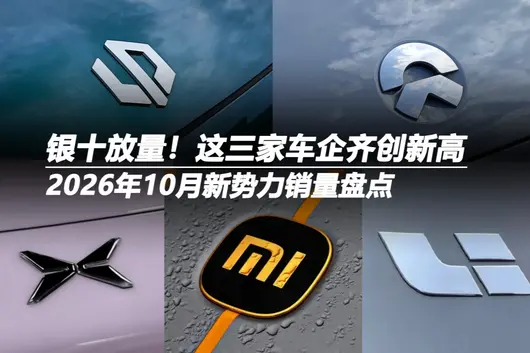
进入四季度,车市迎来“银十”销售旺季。新车扎堆上市、终端优惠加码,各大车企纷纷加速冲量。在这场销量争夺战中,新势力车企表现不一,10月交付成绩可谓几家欢喜几家愁。
从新势力销量数据来看,零跑以超10万辆的成绩断层领跑,稳坐新势力销量头把交椅;小鹏、小米则双双突破5万辆大关,势头强劲;相比之下,蔚来、理想则出现不同程度的下滑。曾经的“蔚小理”格局早已被打破,头部阵营的座次也在不断改写。

第一名:零跑汽车 106127辆
10月,零跑汽车交付106127辆,同比增长51%,连续四个月站稳10万辆大关,月销量再创新高。
如此亮眼的成绩,离不开零跑在国内外市场的共同发力。国内市场上,A、B、C、D四大产品系列覆盖不同价位,为销量提供了支撑。与此同时,海外市场同样表现亮眼,前三季度零跑累计出口超15万辆,提前完成全年出口目标。国内外市场“两条腿走路”,成为零跑销量持续增长的重要原因。
此外,零跑还计划通过新品进一步拉动销量。新车Lafa5将于11月底广州车展上市,B系列全新两厢车型B05也将同期开启预售,为冲刺全年百万辆销量目标再添一把力。
不过,零跑距离全年百万辆目标仍有一定距离。前十个月零跑已完成全年目标的77.3%,最后两个月还需交付约22.74万辆,这么看来,其冲刺压力依然不小。

第二名:小鹏汽车 50237辆
10月,小鹏汽车交付新车50237辆,同比、环比双增长,首次突破5万辆大关,刷新单月交付纪录。
这得益于小鹏的绝对销量支柱MONA系列。其中,MONA L03从8月交付8424辆,到9月突破1.4万辆,10月更是超过2万辆,增长势头明显。MONA M03则连续24个月蝉联10万-20万元纯电轿车销冠,带动MONA系列累计交付超36万辆。
除了国内市场,本月海外市场也贡献不少销量。10月,小鹏海外交付了13326辆,同比增长166%,占总交付量的26.5%。接下来,小鹏还将加快海外市场布局。G9L计划11月陆续在瑞士、泰国开启预订,有望为后续销量增长增添动力。
不过,单月销量虽然创下新高,但小鹏距离全年55万辆目标仍有不小差距。即便有新品和海外市场助力,小鹏想在最后两个月补齐缺口也并不容易。

第三名:小米汽车 50000+辆
10月,小米汽车交付超5万辆,创下今年单月新高。从9月超4万辆到10月超5万辆,小米汽车年底冲量的步伐明显加快。
这轮增长,新上市的澎程系列贡献不小。9月上市的N70、N90在10月迎来首个完整交付月,首销月锁单超7万辆。随着产能逐步跟上,小米的订单也加快转化为实际交付。加上SU7、YU7的销量维持在30000辆左右,小米接下来的销量仍有一定增长空间。
不过,小米月销量势头虽好,但全年55万辆目标却并不好追。眼下只剩两个月,新车交付能否继续提速还是未知数,想在年底补齐销量缺口,压力依然不小。

第四名:蔚来汽车 34246辆
10月,蔚来汽车交付了34246辆,虽然较9月的37408辆有所回落,但整体仍保持在3万辆以上。作为高端纯电品牌,蔚来近两个月的销量表现还算平稳。
从旗下三大品牌来看,蔚来品牌交付18125辆,乐道交付8383辆,均较9月有所下滑;萤火虫则交付7738辆,连续两个月创下新高,成为本月为数不多的亮点。不过,萤火虫的增长难以抵消另外两大品牌的下滑。而本月销量同比下降15.23%,也与去年同期乐道L90上市后迎来交付高峰有关。
随着“银十”销量回落,蔚来完成全年目标的希望也变得渺茫。前十个月,蔚来累计交付约33.45万辆,仅完成全年45.6万辆目标下限的73%。如今只剩两个月,以蔚来目前的销量水平来看,想要如期达标已十分困难。

第五名:理想汽车 29025辆
曾几何时,理想还是“蔚小理”中的销量冠军,如今却有些掉队。10月,理想汽车交付29025辆,同比下降8.63%,环比下滑8.78%。继8月短暂回升后,理想销量再度回落。
从车型来看,曾经撑起销量的L系列,如今面对问界、零跑等增程竞品,原有的家庭用车优势逐渐减弱,而销量重担也逐渐转向纯电i系列。虽然10月各车型销量尚未公布,但从前三季度数据来看,i6一款车型贡献了超五成销量,理想对其依赖可见一斑。
值得一提的是,10月底上市的2026款理想i6,在上市72小时内的订单表现超过去年同期,也让理想后续的销量增长多了一些期待。
不过,临近年底,留给理想冲刺全年目标的时间已经不多。今年理想至少要交付约48.8万辆,前十个月仅完成了目标的66%。以目前不足3万辆的销量来看,即便新款i6带来增长,年底完成目标也基本无望。

写在最后:
整体来看,10月新势力车企销量差距明显。零跑以超10万辆的成绩断层领先,小鹏、小米双双突破5万辆,位于第二梯队;蔚来、理想则徘徊在3万辆左右,销量双双下滑。面对激烈的市场竞争,有的车企顶住压力继续增长,有的则增长乏力,此消彼长间差距进一步拉大。
眼下,距离年底仅剩两个月,各家车企也进入最后的冲刺阶段。接下来,新车能否快速放量、海外市场能否贡献更多增量,将成为各家缩小目标缺口的关键。至于谁能在年终收官战中笑到最后,这场新势力销量争夺战依然悬念丛生。

喺馬來西亞嘅 SUV 市場,好多買家喺揀車嗰陣都會拿 Mazda CX-3 同 Chery Tiggo 9 嚟比較。呢兩部車喺價位同定位上都好接近,今日我就從多個方面做個詳細比較,幫你攞返做功課嘅時間。
Mazda CX-3 喺馬來西亞嘅 OTR 售價係 RM 126,159 - 139,159,一共有 2 個版本,包括 2023 2.0L High(RM 139,159)、2023 2.0L Plus(RM 126,159) 等。
Chery Tiggo 9 喺馬來西亞嘅 OTR 售價係 RM 166,800 - 179,800,一共有 1 個版本,包括 2026 2.0T Standard(RM 179,750) 等。
從價錢嚟睇,Mazda CX-3 嘅起步價真係比 Chery Tiggo 9 平咗 RM 40,641。如果你預算有限,Mazda 嘅入門版已經可以滿足日常需要。但都要留神,平嗰幾千蚊,可能喺配備上會有取舍,具體要睇你嘅需要。
Mazda CX-3 嘅安全評級係 5★ (ASEAN NCAP),主動安全系統包括 i-Activsense。
Chery Tiggo 9 嘅安全評級係 TBD,主動安全系統包括 Basic。
安全配備方面,兩部車都拿到唔錯嘅評級。不過 Mazda CX-3 嘅 i-Activsense 同 Chery Tiggo 9 嘅 Basic 喺功能上有啲分別,如果你比較重視主動安全嘅話,可以仔細睇下兩者嘅功能列表。
Mazda CX-3 採用 FWD 驅動方式。
Chery Tiggo 9 採用 FWD 驅動方式。
兩部車嘅驅動方式一樣,都係 FWD,日常駕駛感受唔會有太大分別。
Mazda CX-3 保養保用 5 年/150,000km,保養間隔 每 10,000km 或 6 個月。
Chery Tiggo 9 保養保用 3 年/100,000km,保養間隔 每 10,000km 或 6 個月。

Mazda CX-3 同 Chery Tiggo 9 都係馬來西亞市場嘅主流選擇,適合家庭使用、日常通勤。如果你更加重視品牌口碑同二手價,可以优先考虑口碑更好嗰款;如果你更加在意性價比同配備,就揀配備更豐富嗰款。最終都係建議兩部都去試駕,親身體驗先至最重要。

總括嚟講,Mazda CX-3 同 Chery Tiggo 9 都係馬來西亞市場幾唔錯嘅車型。揀邊一輛,關鍵始終係要睇你嘅個人需要同預算。建议大家做好功課,多比較幾間車行嘅報價,再去試駕先做最終決定。買車係件大事,花少少時間做功課絕對唔會錯。

喺馬來西亞嘅 SUV 市場,好多買家喺揀車嗰陣都會拿 Mazda CX-3 同 Chery Tiggo 9 做比較。呢兩款車喺價位同定位上都幾接近,今日我哋就由多個方面做個詳細比較,幫你省返做功課嘅時間。
Mazda CX-3 喺馬來西亞嘅 OTR 售價係 RM 126,159 - 139,159,一共有 2 個版本,包括 2023 2.0L High(RM 139,159)、2023 2.0L Plus(RM 126,159) 等。
Chery Tiggo 9 喺馬來西亞嘅 OTR 售價係 RM 166,800 - 179,800,一共有 1 個版本,包括 2026 2.0T Standard(RM 179,750) 等。
由價錢睇,Mazda CX-3 嘅起步價確實比 Chery Tiggo 9 平咗 RM 40,641。如果你預算有限,Mazda 嘅入門版已經可以滿足日常需要。但都要注意下,平嗰幾千蚊,可能喺配備上有取捨,具體要看你嘅需要。
Mazda CX-3 採用 FWD 驅動方式。
Chery Tiggo 9 採用 FWD 驅動方式。
兩款車嘅驅動方式一樣,都係 FWD,日常駕駛感覺唔會有太大分別。
Mazda CX-3 保修 5 年/150,000km,保養間隔 每 10,000km 或 6 個月。
Chery Tiggo 9 保修 3 年/100,000km,保養間隔 每 10,000km 或 6 個月。
Mazda CX-3 同 Chery Tiggo 9 都係馬來西亞市場嘅主流選擇,適合家庭使用、日常通勤。如果你更看重品牌口碑同二手價,可以優先考慮口碑更好嗰款;如果你更在意性價比同配備,那就揀配置更豐富嗰款。最終都係建議兩款都去試駕,親身體驗先係最重要。
總括嚟講,Mazda CX-3 同 Chery Tiggo 9 都係馬來西亞市場好唔錯嘅車款。揀邊一輛,關鍵都要睇你嘅個人需求同預算。建議大家做好功課,多比較幾間車行嘅報價,再去試駕做最終決定。買車係件大事,花啲時間做功課絕對唔會錯。

喺馬來西亞嘅 SUV 市場,好多買家喺揀車嘅時候都會拿 Mazda CX-3 同 Chery Tiggo 9 嚟做比較。這兩款車喺價位同定位上都好接近,今日我哋就從多個方面做詳細嘅對比,幫你省返做功課嘅時間。
Mazda CX-3 喺馬來西亞嘅 OTR 售價係 RM 126,159 - 139,159,一共有 2 個版本,包括 2023 2.0L High(RM 139,159)、2023 2.0L Plus(RM 126,159) 等。
Chery Tiggo 9 喺馬來西亞嘅 OTR 售價係 RM 166,800 - 179,800,一共有 1 個版本,包括 2026 2.0T Standard(RM 179,750) 等。
由價錢睇落,Mazda CX-3 嘅起步價確實比 Chery Tiggo 9 平咗 RM 40,641。如果你預算有限,Mazda 嘅入門版已經可以滿足日常需求。但都要留意,平幾千蚊嗰啲錢,可能喺配備上有取捨,具體就要睇你嘅需求。
Mazda CX-3 搭載 1.5L Turbo,馬力 140 hp。官方油耗 7.0 L/100km。
Chery Tiggo 9 搭載 2.0L 4-cyl,馬力 170 hp。官方油耗 8.0 L/100km。
動力方面,Chery Tiggo 9 嘅 2.0L 4-cyl 比 Mazda CX-3 嘅 1.5L Turbo 多咗 30 匹馬力。不過日常喺市區開,兩款車嘅動力都夠用,唔會覺得唔夠力。
Mazda CX-3 車身長 4500 mm,尾箱 450 L。
Chery Tiggo 9 車身長 4400 mm,尾箱 400 L。
空間方面,Mazda CX-3 嘅車身比 Chery Tiggo 9 長咗 100 mm,車內乘坐空間會稍為闊落一啲,尤其係後座腳部空間。如果你經常載家人或者需要放手推車,大一點嘅車身確實更實用。
Mazda CX-3 採用 FWD 驅動方式。
Chery Tiggo 9 採用 FWD 驅動方式。
兩款車嘅驅動方式一樣,都係 FWD,日常駕駛感受唔會有太大分別。
總括嚟講,Mazda CX-3 同 Chery Tiggo 9 都係馬來西亞市場幾唔錯嘅車款。揀邊一部,關鍵都要睇你嘅個人需求同預算。建議大家做足功課,多比較幾間車行嘅報價,再去做試駕做最後決定。買車係件大件事,花少少時間做功課絕對唔會錯。

In the Malaysian SUV market, many buyers compare the Mazda CX-3 and Chery Tiggo 8 PHEV when choosing a car.
The Mazda CX-3 OTR price in Malaysia is RM 126,159 - 139,159, with a total of 2 variants, including 2023 2.0L High (RM 139,159), 2023 2.0L Plus (RM 126,159), etc.
The Chery Tiggo 8 PHEV OTR price in Malaysia is RM 159,750 - 159,750, with a total of 2 variants, including 1.6L Turbo Standard (RM 130,000), 1.6L Turbo Premium (RM 145,000), etc.
Looking at the price, the Mazda CX-3 starting price is indeed RM 33,591 cheaper than the Chery Tiggo 8 PHEV. If your budget is limited, the Mazda entry-level version can already meet daily needs. But also note, the few thousand cheaper might have trade-offs in equipment, depending on your specific needs.
The Mazda CX-3 is equipped with a 1.5L Turbo, 140 hp. Official fuel consumption 7.0 L/100km.
The Chery Tiggo 8 PHEV is equipped with Hybrid, 170 hp. Official fuel consumption 4.5 L/100km.
In terms of power, the Chery Tiggo 8 PHEV Hybrid has 30 more horsepower than the Mazda CX-3 1.5L Turbo. However, for daily city driving, both cars have enough power and won't feel sluggish.
The Mazda CX-3 safety rating is 5★ (ASEAN NCAP), active safety systems include i-Activsense.
The Chery Tiggo 8 PHEV safety rating is TBD, active safety systems include Basic.
Regarding safety equipment, both cars have received good ratings. However, the Mazda CX-3 i-Activsense and Chery Tiggo 8 PHEV Basic differ in functionality. If you value active safety, you can compare their feature lists carefully.
Mazda CX-3 Warranty 5 years/150,000km, maintenance interval every 10,000km or 6 months.
Chery Tiggo 8 PHEV Warranty 3 years/100,000km, maintenance interval every 10,000km or 6 months.
Both the Mazda CX-3 and Chery Tiggo 8 PHEV are mainstream choices in the Malaysian market, suitable for family use and daily commuting. If you value brand reputation and resale value more, prioritize the one with better reputation; if you care more about cost-performance ratio and equipment, choose the one with richer configurations. Ultimately, it is recommended to test drive both, as personal experience is the most important.
Overall, both the Mazda CX-3 and Chery Tiggo 8 PHEV are very good models in the Malaysian market. Which one to choose depends mainly on your personal needs and budget. It is recommended to do your homework, compare quotes from several dealers, and then test drive to make the final decision. Buying a car is a big matter, spending time doing homework will never be wrong.


Chinese auto overseas expansion has been the hottest topic in the industry in recent years. Now that China has become the world's largest auto exporter, what challenges does Chinese auto overseas expansion face?
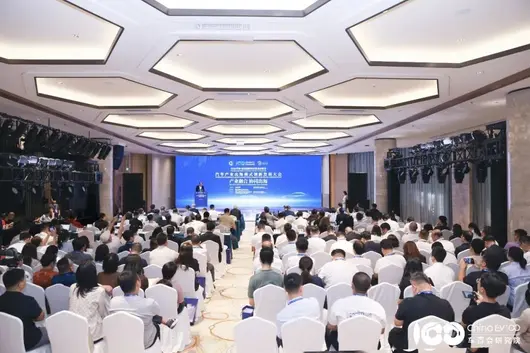
On November 1, 2026, the conference on innovation and development of auto industry overseas expansion models, jointly organized by the Chaihui Institute and Hainan Qinglan ZhiLian Technology Co., Ltd., was held in Chengmai, Hainan. From export situation, overseas after-sales, cross-border data to insurance pricing, the judgments of eight speakers point to the same conclusion: Chinese autos have passed the scale threshold. The next thing to prove is whether they can exist long-term overseas, while after-sales, parts, data, insurance and these 'invisible capabilities' determine this matter.
After 8 Million Units, A New Threshold Appears
Sun Xiaohong, former Secretary-General of the Automotive Branch of the China Council for the Promotion of International Trade in Machinery and Electronic Products, provided the following data: Customs data (excluding low-speed electric vehicles) showed China's auto exports reached 7.89 million units in 2025, nearing 8 million, with new energy vehicles accounting for over 35% of the total export volume. From January to September 2026, auto exports were about 8.63 million units, a year-on-year increase of over 50%; new energy passenger vehicles were nearly 4 million units, with an increase of over 70%; commercial vehicles were 1.15 million units, with an increase of 35%-40%.

However, if calculated by cargo value, Germany remained first in 2025, China second, surpassing Japan to move up one rank. Sun Xiaohong reminded that although Germany's quantity is lower than China's, its unit price is higher, and its overall strength is still stronger than China's. In terms of export region ranking (January to August), the EU, Latin America, Eurasian Economic Union, ASEAN, Africa, Middle East, US-Canada-Mexico, and Oceania were listed in order. He predicted that commercial vehicle exports in 2026 could reach 1.5 million units, and including passenger vehicles, total vehicle exports would exceed 10 million units.
Sun Xiaohong compressed the focus of the '15th Five-Year Plan' into six words: 'Stand Firm, Return Successfully'. 'Stand Firm' means holding onto the markets opened up during the '14th Five-Year Plan', not letting them slip and be regained; 'Return Successfully' means overseas revenue flowing back domestically to form a closed loop with R&D investment. Compared to 'Going Global 1.0' (2021-2025, from 1 million to 8 million), the new stage is shifting from selling products to whole industry chain overseas expansion and ecological overseas expansion.
Tariffs and Localization Under the Tripartite Balance
Trade barriers are cutting the global market into separate, non-interconnected blocks.
Mexico's tariffs rose to 50% this year, Brazil restored to 35% and required localization layout. Indonesia requires reaching an 80% localization rate before 2030 and must adopt nickel-containing batteries. Thailand's EV 3.5 regulation stipulates for every one imported, two must be locally produced, rising to three by 2027; the Gulf Cooperation Council six countries have tariffs around 5%, and Australia has zero tariffs due to free trade agreements.
Besides the 2024 EV countervailing duties, the EU formally filed an investigation on safeguard measures for hybrid cars on October 30, determining that hybrid exports to Europe grew 49% from 2023 to 2025, and feedback must be given within 21 days. China proposed three principles: using 2025 year-end export volume as the base, measures must not target only China, and retaining countermeasure capabilities under the WTO framework.
Sun Xiaohong stated that the greatest uncertainty impact comes from the Foreign Subsidy Regulation (FSR), 'investigation interference when business promotion is smooth, the situation is very serious'. He also reminded of the EU anti-evasion red line: relying on local assembly and OEM to avoid taxes, the origin country proportion must not exceed 60%.
After-sales is the First Link to Have Problems
Zhang Yanhua, President of the China Automotive Maintenance Industry Association, judged: the speed of after-sales capability accumulation lags behind the speed of sales expansion. This contradiction was previously covered up by the relatively stable initial quality of Chinese cars. As stock accumulates, pressure will concentrate and show up in two to three years.

The gap is significant: Chinese automakers have about 30 overseas spare parts warehouses, international brands have 600, a 20-fold difference; service network density is about 1/8 to 1/10 of major competitors, and the industry hopes to catch up in five years. He advocates exploring a multi-brand shared regional spare parts guarantee system, operated by professional supply chain service providers, and emphasizes that 'sharing does not mean merging', enterprises still need to bear product quality and service management responsibilities.

Wen Hua, Deputy General Manager of Dongfeng Liuzhou Automobile Import & Export Company, has years of overseas front-line experience. He added some details: the company shrank its overseas service radius from 160 kilometers to 102 kilometers over the past three years, 106 kilometers in 2026, with a goal to continue shrinking to 65 kilometers.
He opposes using one platform for the whole world. In Thailand, heavy rain and maximum A/C power will suck rainwater into the car. For Kuwait customers with A/C failure, designers need to go to the site to feel 60+ degrees high temperature to understand the problem. He mentioned Brazil has no more than 10 high-voltage charging stations nationwide, so they developed range-extender trucks; right-hand drive products are not modifications but redesigns.
He also proposed a common industry bottleneck: damaged parts need to be sent back to China for analysis, but importing old parts is controlled.

'Trust is never advertised, trust is cultivated.' Zhang Xiaodong, Deputy Director of the Technical Management Center of Geely Auto Group, stated that exports of 472,000 units in the first half of the year were already equivalent to the full year of last year. The first issues exposed were spare parts prediction and scheduling. The company responds with a Dutch central warehouse plus regional warehouses in key countries, and established Geely CARE service standards and technician certification systems.
Data Has Become the Second Supply Chain
Chu Huabin, General Manager of Qindarui (China) Information Technology Co., Ltd., proposed that the product supply chain determines whether cars can go overseas, and the data supply chain determines whether they can maintain continuous leadership.

Intelligent driving road tests in multiple Southeast Asian cities generate hundreds of G of street scene images and decision logs daily, which are key assets for optimizing overseas intelligent driving models. However, raw images of privacy data such as faces and license plates must not leave the country, requiring irreversible blurring and tokenization to be completed locally. The company's approach strings together local preprocessing, compliance assessment, cross-border transmission, Chengmai processing, and R&D feedback into a link. Currently, 8 types of trusted data subspaces in the automotive industry have been built locally, and 86 automotive industry data scenarios have been sorted out.

Hou Weiqiang, China Sales Vice President of LexisNexis Risk Solutions, provided insurance-side evidence: the UK market average premium is 646 pounds (about 5000-6000 yuan), insuring Chinese exported cars is 901 pounds (about 8000 yuan). The population and environment remain unchanged, the difference comes from insufficient information from overseas underwriting institutions.
He pointed out an anti-intuitive phenomenon: many intelligent driving hardware, computing power chips and complex cameras, overseas insurance companies will judge higher maintenance costs, the ability that could lower accident rates instead became a deduction point.
Hainan Free Trade Port 'One-Stop Bridgehead'
Zhang Xiaodong suggested Hainan build an auto overseas expansion service middle platform, a one-stop inspection and certification system, connect the Southeast Asia mutual recognition, cross-border data chain (including overseas OTA updates), and spare parts warehousing and bonded maintenance under zero tariff and low tax rates.

Linglong Tire President Zhou Lingkun proposed doing container splicing and value-added manufacturing centers, global service and compliance digital hubs, three-port linkage combining sea and air transport, and suggested building a global testing and certification center relying on Hainan's unique tropical region conditions.

Thailand's investment attraction logic has also shifted from complete vehicles to the whole value chain. Chen Weili, Director of the Guangzhou Office of the Thailand Board of Investment, introduced that from 2021 to the first half of 2026, China's investment declaration projects exceeded 2,700, with a total amount of 136 billion yuan. The number of projects increased from 108 in 2022 to 970 in 2025. She mentioned that the Thai local association is worried about an 'industrial cliff' appearing after EV policies expire in 2027, as automakers switch to import substitution causing local supply chains to idle.
The final judgment given by Sun Xiaohong is that price wars have no way out, competition must shift to whole lifecycle cost management, including residual value guarantee, TCO transparency, intelligent driving reducing accidents thereby lowering premiums, financial guarantees, etc.
Big Company Perspectives
Chinese autos have already proved they can sell to the whole world. The next thing to prove is that if cars break, there is someone to fix them, parts arrive quickly, data flows compliantly, and insurance pricing is clear. None of these four things can be completed independently by a single enterprise, which is also the reason this conference turns 'going overseas' from a trade topic into a systematic topic.

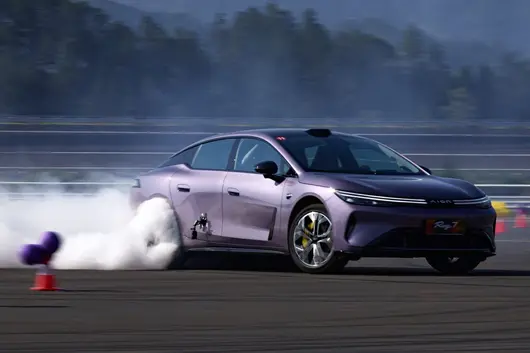
10 月歷來是車市旺季,但今年「金九銀十」成色不足。乘聯會預估數據顯示,10 月終端銷量同比大幅下滑 28%。在市埸壓力與上一年高基數雙重疊加下,昊鉑埃安卻交出一份逆勢答卷:10 月銷量達 42357 輛,同比大漲 56.79%,刷新年內新高,並創下「同比八連漲」紀錄。

對正在經歷價格戰、淘汰賽和增長焦慮的汽車行業而言,這一數字的意義不只是一次月度衝高,更係對「靠什麼贏得市場」的一次正面回答。
逆勢八連漲
在行業大盤整體下行時實現連續八個月同比增長,說明昊鉑埃安嘅增長並非單純踩中旺季節奏,而是體系能力喺釋放。
當前唔少車企為搶份額壓縮開發週期、堆配置、打價格戰,短期能換來訂單,卻容易透支品牌信任。昊鉑埃安嘅選擇相反:唔靠短期價格戰衝量,而係依托廣汽全棧自研體系,把核心三電技術、安全能力同能耗效率做紮實,將行業寒冬轉化為加速超車嘅窗口期。

這種逆勢增長會形成一種壓力傳導:當「速成車」靠營銷噱頭爭奪注意力時,真正影響用戶復購同口碑嘅仍係安全、耐久、能耗同體驗。
昊鉑埃安 10 月成績單嘅市場影響喺佢,為下行週期提供咗一個可參照嘅樣本——價格戰可以刺激一時銷量,但技術沉澱同產品持續進化,先係穿越週期嘅確定性。
技術要變成用戶可感知嘅安全同效率
用戶選購新能源車,首要顧慮仍係電池安全同耐久。
昊鉑埃安搭載嘅廣汽自研因湃電池近日下線第 30 萬套,泰國工廠開業並下線首套動力電池,規模化同海外應用共同印證其安全可靠。配套彈匣電池安全技術首創「槍擊不起火」,即便電池被擰成麻花仍能正常使用,截至目前已累計裝車 162 萬輛、安全行駛 1627 億公里。
對消費者而言,這唔係實驗室入面嘅技術名詞,而係每天出行時少一分顧慮、多一分安心。

續航焦慮同樣係行業痛點。簡單堆大電池雖能推高續航數字,卻會推高成本、增加車重、影響操控同能耗。昊鉑埃安選擇更难嘅技術路線:把非晶合金電驅從實驗室推向市場,核心薄帶厚度僅 0.025 毫米,由廣汽同中國科學院東莞材料所聯合攻關,突破車規級量產壁壘,相關工藝列入國家《禁止出口限制出口技術目錄》,並獲第 51 屆日內瓦國際發明展「評審團特別嘉許金獎」。
經中國汽研認證,佢最高峰值效率達 99.03%,CLTC 工況效率 94.184%。落到用戶端,就係同樣電池容量下多跑 30 至 50 公里。第 50 萬套夸克電驅即將下線,亦說明高效電驅正從技術長板變成市場共識。

這種技術普惠嘅思路,喺 Ray7 上體現得更直觀。佢冇靠盲目堆電池拉長續航,而係通過華為 DriveONE 多合一電驅、智能熱管理、EMB 全線電控制動、0.22Cd 風阻同輕量化車身等系統性優化,把能耗壓到 CLTC 百公里 9.7 度電,最高續航 702 公里,成為全球首輛將大 5 米純電轎車電耗帶入「9 字頭」嘅車型。
對用戶來說,同等續航條件下購車成本可直降約 1 萬元。Ray7 預售價 12.88 萬元至 15.88 萬元,預售 2 小時訂單突破 6817 單,將於 11 月 12 日正式上市。這說明技術只有轉化為可感知嘅成本、續航同體驗,先能夠真正打動年輕用戶。

產品同出海雙線拉動
紮實技術最終要轉化為產品價值。埃安 i60 近日迎來第 10 萬輛交付,創下雙動力 SUV 最快達成 10 萬輛交付新紀錄,連續月銷破萬,印證咗「以用戶反饋驅動產品迭代」路線嘅有效性。
國內多點開花嘅同時,海外市場正成為重要增長極。埃安 UT、AION V 等產品持續登陸新加坡、泰國、哥倫比亞、沙特、阿聯酋等國家同地區,市場排名穩居當地前列。今年前三季度,廣汽累計出口 197701 輛,同比增長 138.9%,正全力衝擊 30 萬輛年度目標,國內海外雙向拉動嘅增長格局已經成型。

從因湃電池、非晶合金電驅等底層技術攻關,到 i60 持續月銷破萬、Ray7 預售即熱銷,再到海外市場貢獻增量,一條以技術驅動產品、以產品贏得口碑、以口碑反哺銷量嘅正向循環正喺昊鉑埃安體系內加速運轉。
喺「番禺行動」指引下,昊鉑埃安以連續八個月逆勢增長證明咗一個樸素嘅市場邏輯:行業可以下行,好產品永遠有自己嘅上行通道。對汽車行業而言,10 月銷量新高唔係終點,而係對長期主義嘅一次市場確認;當浮躁嘅價格戰退潮,真正決定競爭格局嘅,仍係沉得住氣、打好基礎嘅戰略定力。

In the Malaysian SUV market, many buyers compare the Mazda CX-3 and Chery Tiggo 7 Pro when choosing a car. These two cars are quite close in price and positioning, so today we will make a detailed comparison from multiple aspects to help you save time on research.
The Mazda CX-3 has an OTR price in Malaysia of RM 126,159 - 139,159, with a total of 2 versions, including the 2023 2.0L High (RM 139,159), 2023 2.0L Plus (RM 126,159), etc.
The Chery Tiggo 7 Pro has an OTR price in Malaysia of RM 123,750 - 123,750, with a total of 2 versions, including the 1.6L Turbo Standard (RM 125,000), 1.6L Turbo Premium (RM 140,000), etc.
From a price perspective, the Chery Tiggo 7 Pro's starting price is RM 2,409 cheaper than the Mazda CX-3. Honestly, in this price range, a difference of a few thousand is actually not that big; the key lies in overall cost-effectiveness and long-term usage costs.
The Mazda CX-3 is equipped with a 1.5L Turbo, 140 hp. Official fuel consumption is 7.0 L/100km.
The Chery Tiggo 7 Pro is equipped with a 1.5L Turbo, 140 hp. Official fuel consumption is 7.0 L/100km.
Both cars use the same powertrain, and the driving feel in daily use is basically no difference. Fuel consumption is also about the same, no need to worry too much about this.
The Mazda CX-3 body length is 4500 mm, trunk is 450 L.
The Chery Tiggo 7 Pro body length is 4400 mm, trunk is 400 L.
In terms of space, the Mazda CX-3 body is 100 mm longer than the Chery Tiggo 7 Pro, so the passenger cabin space will be slightly more spacious, especially the rear seat legroom. If you often carry family members or need to place a stroller, a slightly larger body is indeed more practical.
The Mazda CX-3 adopts FWD drive configuration.
The Chery Tiggo 7 Pro adopts FWD drive configuration.
Both cars have the same drive configuration, both are FWD, there will not be a big difference in daily driving feel.
Both Mazda CX-3 and Chery Tiggo 7 Pro are mainstream choices in the Malaysian market, suitable for family use and daily commuting. If you value brand reputation and resale value more, you can prioritize the one with better reputation; if you care more about cost-effectiveness and features, choose the one with richer configuration. Ultimately, we recommend test driving both models; personal experience is the most important.
Overall, both Mazda CX-3 and Chery Tiggo 7 Pro are very good models in the Malaysian market. Which one to choose depends on your personal needs and budget. We suggest doing your research well, comparing quotes from multiple dealerships, and then test driving to make a final decision. Buying a car is a major matter; spending some time doing research will never be wrong.

In the Malaysian SUV market, many buyers compare Mazda CX-3 and Chery Tiggo 7 Pro when choosing a car. The price and positioning of these two cars are quite close. Today we will make a detailed comparison from multiple aspects to help you save time on research.
The OTR price of Mazda CX-3 in Malaysia is RM 126,159 - 139,159, with 2 versions in total, including 2023 2.0L High (RM 139,159), 2023 2.0L Plus (RM 126,159), etc.
The OTR price of Chery Tiggo 7 Pro in Malaysia is RM 123,750 - 123,750, with 2 versions in total, including 1.6L Turbo Standard (RM 125,000), 1.6L Turbo Premium (RM 140,000), etc.
In terms of price, the starting price of Chery Tiggo 7 Pro is RM 2,409 cheaper than Mazda CX-3. Honestly, in this price range, a difference of a few thousand is actually not significant; the key is to look at overall cost-effectiveness and long-term usage costs.
The safety rating of Mazda CX-3 is 5★ (ASEAN NCAP), and the active safety system includes i-Activsense.
The safety rating of Chery Tiggo 7 Pro is TBD, and the active safety system includes Basic.
Regarding safety features, both cars have received decent ratings. However, there are some functional differences between Mazda CX-3's i-Activsense and Chery Tiggo 7 Pro's Basic. If you value active safety, you can compare the feature lists of both in detail.
Mazda CX-3 warranty 5 years / 150,000km, maintenance interval every 10,000km or 6 months.
Chery Tiggo 7 Pro warranty 3 years / 100,000km, maintenance interval every 10,000km or 6 months.
Both Mazda CX-3 and Chery Tiggo 7 Pro are mainstream choices in the Malaysian market, suitable for family use and daily commuting. If you value brand reputation and resale value more, you can prioritize the one with better reputation; if you care more about cost-effectiveness and features, then choose the one with richer configuration. Ultimately, it is recommended to test drive both, as personal experience is the most important.
Overall, both Mazda CX-3 and Chery Tiggo 7 Pro are very good models in the Malaysian market. Which one to choose depends on your personal needs and budget. It is recommended to do your research, compare quotes from multiple car dealerships, and then test drive to make the final decision. Buying a car is a major decision; spending some time on research will definitely not be wrong.
© 2024 Bitauto.com. All Rights Reserved.
Bitauto (www.yiche.com and www.bitauto.com) is one of the most visited automotive websites in China. We provide detailed info on Chinese car brands available in your area. Please note that the information provided on this website is based on publicly available data and is for reference only. It may not be fully updated or accurate at all times.

Help us improve our website


