

HomeProton X70

Search History
Popular Searches
Dealer Login / Sign Up

From complete vehicle trade to full value chain output, Deepal S05 paves a new path for high-quality global expansion
The Deepal S05's ability to smoothly cross the 300,000 unit sales milestone relies on the stability of its domestic market foundation and the long-term deep cultivation of its global layout. As a pioneer of Deepal Automotive's "Inclusive" global plan, Deepal S05's market territory is no longer confined to the domestic market; currently, the product is exported to 76 countries and regions globally, including Thailand, the UK, and Spain, truly realizing a dual-wheel driven growth pattern between domestic and overseas markets.
Unlike many brands going global that remain stuck in the single complete vehicle trade model of "selling cars overseas," Deepal Automotive's globalization process has already entered a new stage of systematic deep cultivation. It is implementing a "full value chain output" mode to land complete capabilities such as product R&D, supply chain adaptation, localized services, and user operations into different overseas markets. Every time Deepal S05 enters a new country or region, it does not simply copy the domestic version to market; instead, it makes targeted adaptation adjustments based on local road conditions, climate, and user usage habits, ensuring the product truly fits the travel needs of local users.
This solid local deep cultivation has also earned professional recognition for Deepal S05 on a global scale: not only winning the No. 1 spot in the J.D. Power 2026 China New Energy Vehicle New Vehicle Quality Study Compact Pure Electric SUV category and prestigious awards like the German iF Design Award, but also garnering consistent praise from top global automotive media such as Top Gear and Autocar. These authoritative recognitions from different countries and industry dimensions make Deepal S05's positioning as the "First Choice SUV for Young Families Globally" more than just a marketing slogan, backed by tangible quality credentials.
In the industry's new phase where domestic new energy vehicle exports shift from "going out" to "going deep," Deepal S05's globalization path not only sets a benchmark for high-quality global expansion for itself but also acts as a key booster for Chinese new energy vehicles entering the global market, providing a practical reference sample for the global layout of subsequent Chinese brands.


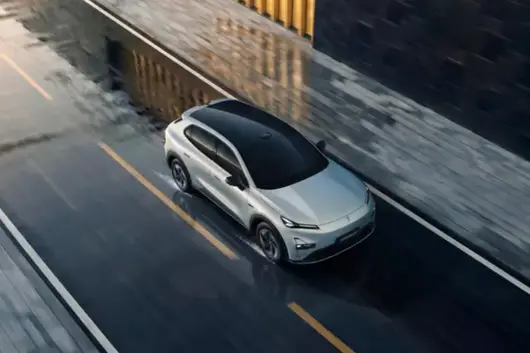

After the implementation of the China-Europe understanding on hybrid vehicles, Europe provided an upward export space for Chinese hybrids. However, an easily overlooked issue is that even adding a bit to last year's 302,000 vehicles, the share per manufacturer won't be much. Media reports suggest that recently several automakers have been going to Beijing to negotiate with competent authorities on how to distribute export quotas.
"Fighting for quotas" superficially reflects the enthusiasm of automakers going global, but upon deeper thought, it is worth pondering. In the past, Chinese automakers competing overseas focused on lower prices and faster market penetration. Now the European market is shrinking, with limited entry tickets. Whether one can secure them and sustain after securing them is no longer just a sales volume issue, but about having technical cards up your sleeve, whether you can flexibly adjust products and rapidly adapt to regulations within rules set by others. In other words, Chinese car exports are moving from "selling cars abroad" to a much more hardcore stage.
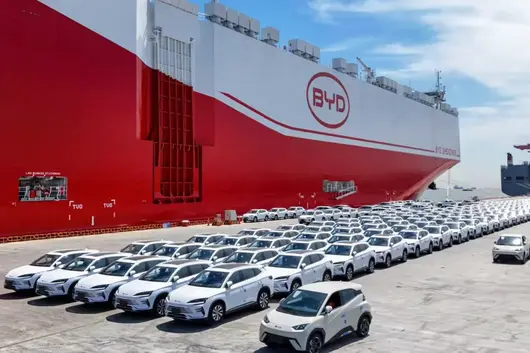
This judgment becomes more concrete when looking at the sales data from October. For instance, BYD sold 490,168 units in October, becoming the sales leader again, which is no surprise. Among them, its overseas sales reached 169,564 units, accounting for nearly 35% of its total sales, a year-on-year increase of 103%. A few years ago, this overseas proportion and growth rate would have been almost unimaginable.

Moreover, BYD does not simply transplant domestic models to Europe. Instead, it modifies products and adjusts strategies based on the regulations, road conditions, and consumer habits of different markets. This highlights a fact about BYD that hasn't been fully discussed: its R&D depth goes far beyond just the "Hybrid + Blade Battery" layer.

In most people's impressions, BYD's strengths lie in batteries and hybrid technology. That's correct, but this is just part of the "big fish" harvested from its "technology pond". Its motors, electronic control systems, power semiconductors, and automotive-grade chips have all been developed in-house. It can independently produce blade batteries, permanent magnet synchronous motors, electronic controls, and IGBT/silicon carbide power modules, etc., with a very high self-sufficiency rate in core areas.
More worth mentioning is its chip technology. BYD established its own IC design department and was the first domestic automaker to mass-produce automotive-grade IGBT and SiC power chips. At the intelligence level, the 4nm automotive-grade intelligent driving chip "Xuanji A3" has achieved mass production. Single chip computing power exceeds 700 TOPS, and three chips working together exceed 2100 TOPS, supporting L3 and L4 autonomous driving assistance. More importantly, its chips and self-developed algorithms are designed collaboratively, unlike many automakers who buy chips and then adapt them later.

Summed up, these capabilities are no longer just leading in a single technology, but a structural leadership. From power semiconductors to the "Three Electric" systems, from hybrid systems to intelligent driving chips, key links do not rely on external procurement, and most parts of the vehicle can be manufactured in-house. UBS (UBS) previously calculated when tearing down a BYD Seal, over 70% of the parts were produced by BYD itself, a ratio more than twice that of Tesla. To put it plainly, many automakers follow the path of "design the car, procure parts, assemble for delivery", whereas BYD has installed a significant portion of its supply chain within itself.
This structure manifests as cost and rhythm advantages during normal times, and flexibility in modifying strategies in overseas markets. If Europe suddenly changes emission standards for a certain category, or imposes requirements on the localization ratio of power devices, if electronic control and power chips are externally purchased, changing a parameter requires going through another cycle with the supplier; whereas if the parts involved are self-developed and self-produced, the adjustment chain is naturally much shorter. Building factories overseas follows the same logic. BYD's factories in Thailand, Brazil, and Uzbekistan are already operational, and the Hungary factory is also being advanced. Localized production is not just about circumventing tariffs, but also about moving the controllable supply chain directly to locations closer to the market.
Of course, this doesn't mean vertical self-research is the only path. The external procurement model has its own flexibility, short R&D cycles, quick model launches, and is effective for rapid iteration in the domestic market. But global market rules are changing. Variables like quotas, regulations, patent reviews, and localization ratios are beyond the control of automakers. Without core technology in hand, encountering rule adjustments means relying on suppliers; but if one has it in hand, one can independently modify and adjust.

In fact, due to reasons like technical routes and market performance, BYD naturally becomes a sample worth and convenient to observe. Among Chinese automakers, multiple are walking the self-research path, just with different depths and focuses. However, the fact that going overseas reaches a point where quotas require "going to Beijing to fight for" indicates that competition is no longer in the showroom, but about who can use their own technical systems to grasp a constantly changing global market. Short-term looks at sales volume, but long-term looks at whether you still have cards in hand to play when domestic and international rules change.

Dalam pasaran SUV di Malaysia, ramai pembeli yang membandingkan Mazda CX-3 dan Kia Sportage ketika memilih kereta. Kedua-dua kereta ini mempunyai harga dan pasaran sasaran yang hampir sama, hari ini kita akan membuat perbandingan terperinci dari pelbagai aspek, membantu anda menjimatkan masa untuk membuat kajian.
Harga OTR Mazda CX-3 di Malaysia adalah RM 126,159 - 139,159, terdapat 2 versi, termasuk 2023 2.0L High (RM 139,159), 2023 2.0L Plus (RM 126,159) dan lain-lain.
Harga OTR Kia Sportage di Malaysia adalah RM 129,639 - 179,320, terdapat 4 versi, termasuk 2025 1.6T DCT 4WD High (RM 179,320), 2025 1.6T DCT 2WD High (RM 159,320), 2025 2.0L AT 2WD High (RM 139,639) dan lain-lain.
Dilihat dari segi harga, harga asas Mazda CX-3 memang lebih murah RM 3,480 berbanding Kia Sportage. Jika bajet anda terhad, versi permulaan Mazda sudah mencukupi untuk keperluan harian. Tetapi perlu diingat, beberapa ribu ringgit yang lebih murah itu, mungkin ada pertimbangan pada peralatan, bergantung pada keperluan anda.

Mazda CX-3 dilengkapi enjin 1.5L Turbo, kuasa 140 hp. Penggunaan bahan api rasmi 7.0 L/100km.
Kia Sportage dilengkapi enjin 1.5L Turbo, kuasa 140 hp. Penggunaan bahan api rasmi 7.0 L/100km.
Kedua-dua kereta menggunakan sistem pemacu yang sama, perasaan semasa memandu harian hampir tiada perbezaan. Penggunaan bahan api juga hampir sama, tidak perlu terlalu bimbang tentang hal ini.

Mazda CX-3 panjang badan 4500 mm, bagasi 450 L.
Kia Sportage panjang badan 4400 mm, bagasi 400 L.
Dari segi ruang, badan Mazda CX-3 lebih panjang 100 mm berbanding Kia Sportage, ruang dalam kenderaan sedikit lebih lapang, terutama ruang kaki baris belakang. Jika anda kerap mengangkut keluarga atau perlu meletakkan kereta bayi, badan yang lebih besar lebih praktikal.

Mazda CX-3 menggunakan sistem pemacu FWD.
Kia Sportage menggunakan sistem pemacu FWD.
Sistem pemacu kedua-dua kereta sama, sama-sama FWD, tiada perbezaan besar semasa memandu harian.

Mazda CX-3 dan Kia Sportage adalah pilihan utama pasaran Malaysia, sesuai untuk penggunaan keluarga, perjalanan harian. Jika anda lebih menghargai reputasi jenama dan harga jualan semula, boleh utamakan yang lebih terkenal; jika anda lebih mengambil berat tentang nilai dan ciri-ciri, pilih yang lebih lengkap ciri-ciri. Akhirnya disyorkan untuk mencuba kedua-duanya, pengalaman sendiri adalah yang paling penting.
Secara keseluruhan, Mazda CX-3 dan Kia Sportage adalah model kereta yang sangat baik di pasaran Malaysia. Memilih yang mana, bergantung pada keperluan peribadi dan bajet anda. Disarankan untuk membuat kajian terlebih dahulu, bandingkan harga dari beberapa dealer kereta, lalu uji memandu untuk membuat keputusan akhir. Membeli kereta adalah perkara besar, meluangkan masa membuat kajian pasti tidak salah.


Di pasaran SUV Malaysia, ramai pembeli semasa memilih kereta akan membandingkan Mazda CX-3 dan Kia Sportage. Kedua-dua kereta ini dalam segi harga dan kedudukan pasaran agak hampir, hari ini kita akan buat perbandingan terperinci dari pelbagai aspek, membantu anda menjimatkan masa membuat penyelidikan.
Mazda CX-3 di Malaysia harga OTR adalah RM 126,159 - 139,159, terdapat 2 varian, termasuk 2023 2.0L High (RM 139,159), 2023 2.0L Plus (RM 126,159) dan lain-lain.
Kia Sportage di Malaysia harga OTR adalah RM 129,639 - 179,320, terdapat 4 varian, termasuk 2025 1.6T DCT 4WD High (RM 179,320), 2025 1.6T DCT 2WD High (RM 159,320), 2025 2.0L AT 2WD High (RM 139,639) dan lain-lain.
Dari segi harga, harga permulaan Mazda CX-3 memang lebih murah RM 3,480 berbanding Kia Sportage. Jika bajet anda terhad, versi asas Mazda sudah boleh memenuhi keperluan harian. Tetapi perlu diingat, perbezaan harga beberapa ribu itu, mungkin ada kompromi dalam kelengkapan, ia bergantung pada keperluan anda.
Taraf keselamatan Mazda CX-3 adalah 5★ (ASEAN NCAP), sistem keselamatan aktif termasuk i-Activsense.
Taraf keselamatan Kia Sportage adalah 5★ (ASEAN NCAP), sistem keselamatan aktif termasuk Drive Wise.
Taraf keselamatan kedua-dua kereta adalah sama, dalam kelas ini kelengkapan keselamatan dikira sangat lengkap. Kereta baru sekarang keselamatan tidak teruk, tiada terlalu bimbang mengenai perkara ini.
Mazda CX-3 menggunakan cara pemacu FWD.
Kia Sportage menggunakan cara pemacu FWD.
Cara pemacu kedua-dua kereta adalah sama, semua FWD, pengalaman memandu harian tidak akan ada perbezaan besar.
Mazda CX-3 waranti 5 tahun/150,000km, selang servis setiap 10,000km atau 6 bulan.
Kia Sportage waranti 5 tahun/300,000km, selang servis setiap 10,000km atau 6 bulan.
Secara keseluruhannya, Mazda CX-3 dan Kia Sportage adalah model yang sangat baik di pasaran Malaysia. Memilih mana satu, kuncinya masih melihat keperluan dan bajet peribadi anda. Disarankan membuat penyelidikan, membandingkan beberapa tawaran harga dari beberapa dealer, kemudian ujian memandu untuk keputusan akhir. Membeli kereta adalah perkara penting, meluangkan masa membuat penyelidikan tidak akan salah.

Di pasaran SUV di Malaysia, ramai pembeli semasa memilih kereta akan membandingkan Mazda CX-3 dan Mitsubishi Xforce. Kedua-dua kereta ini berada agak dekat dari segi harga dan segment, hari ini kita akan buat perbandingan terperinci dari pelbagai aspek untuk membantu anda menjimatkan masa membuat kajian.
Mazda CX-3 di Malaysia harga OTR ialah RM 126,159 - 139,159, terdapat 2 varian, termasuk 2023 2.0L High (RM 139,159), 2023 2.0L Plus (RM 126,159) dan lain-lain.
Mitsubishi Xforce di Malaysia harga OTR ialah RM 109,930 - 119,930, terdapat 2 varian, termasuk 2026 1.5L Ultimate (RM 119,930), 2026 1.5L Urban (RM 109,930) dan lain-lain.
Dari segi harga, harga mula Mitsubishi Xforce adalah RM 16,229 lebih murah daripada Mazda CX-3. Jujur berkata, pada julat harga ini, jurang ribuan ringgit sebenarnya tidak besar, penting sebenarnya melihat keseluruhan nilai berbanding harga dan kos penggunaan jangka panjang.
Mazda CX-3 dilengkapi enjin 1.5L Turbo, kuasa kuda 140 hp. Penggunaan minyak rasmi 7.0 L/100km.
Mitsubishi Xforce dilengkapi enjin 1.5L Turbo, kuasa kuda 140 hp. Penggunaan minyak rasmi 7.0 L/100km.
Kedua-dua kereta menggunakan sistem kuasa yang sama, pengalaman memandu harian pada dasarnya tiada bezanya. Dari segi penggunaan minyak juga hampir sama, tidak perlu terlalu bimbang mengenainya.
Panjang badan Mazda CX-3 4500 mm, bak 450 L.
Panjang badan Mitsubishi Xforce 4400 mm, bak 400 L.
Dari segi ruang, panjang badan Mazda CX-3 adalah 100 mm lebih panjang daripada Mitsubishi Xforce, ruang duduk di dalam akan sedikit lebih lapang, terutamanya ruang kaki di barisan belakang. Jika anda kerap membawa keluarga atau perlu letak kereta bayi, badan kereta yang sedikit lebih besar memang lebih praktikal.
Mazda CX-3 menggunakan sistem penggerak FWD.
Mitsubishi Xforce menggunakan sistem penggerak FWD.
Cara penggerak kedua-dua kereta sama, semuanya FWD, pengalaman memandu harian tidak akan terlalu berbeza.

Secara keseluruhan, Mazda CX-3 dan Mitsubishi Xforce adalah model kereta yang sangat baik di pasaran Malaysia. Memilih mana-mana, bergantung pada keperluan dan bajet peribadi anda. Kami cadangkan anda membuat kajian terlebih dahulu, bandingkan sebut harga daripada lebih banyak dealer, kemudian buat uji memandu untuk membuat keputusan akhir. Membeli kereta adalah perkara besar, meluangkan masa untuk kajian tidak akan pernah salah.

喺馬來西亞嘅 SUV 市場,好多買家喺揀車嘅時候都會拿 馬自達 CX-3 同 現代 Santa Fe 黎做比較。呢兩款車喺價位同定位上都幾近,今日我哋就由多個方面做一個詳細嘅比較,幫你慳返做功課嘅時間。
馬自達 CX-3 喺馬來西亞嘅 OTR 售價係 RM 126,159 - 139,159,一共有 2 個版本,包括 2023 2.0L High(RM 139,159)、2023 2.0L Plus(RM 126,159) 等。
現代 Santa Fe 喺馬來西亞嘅 OTR 售價係 RM 225,000 - 270,000,一共有 3 個版本,包括 2025 2.5T DCT 4WD Calligraphy 6 座位(RM 270,000)、2025 HEV 1.6T AT 2WD Prestige 7 座位(RM 245,000)、2025 HEV 1.6T AT 2WD Prime 7 座位(RM 225,000) 等。
由價錢嚟睇,馬自達 CX-3 嘅起步價確實比 現代 Santa Fe 平咗 RM 98,841。如果你預算有限,馬自達嘅入門版已經可以滿足日常需求。但都要注意,平嘅嗰幾千蚊,可能喺配備上會有取舍,具體就要睇你嘅需求。
馬自達 CX-3 裝 1.5L Turbo,馬力 140 hp。官方油耗 7.0 L/100km。
現代 Santa Fe 裝 2.0L 4-cyl,馬力 170 hp。官方油耗 8.0 L/100km。
動力方面,現代 Santa Fe 嘅 2.0L 4-cyl 比 馬自達 CX-3 嘅 1.5L Turbo 多咗 30 匹馬力。不過日常喺市區行,兩款車嘅動力都夠用,唔會覺得唔夠力。
馬自達 CX-3 車身長 4500 mm,尾箱 450 L。
現代 Santa Fe 車身長 4400 mm,尾箱 400 L。
空間方面,馬自達 CX-3 嘅車身比 現代 Santa Fe 長咗 100 mm,車內坐位空間會稍微寬鬆少少,尤其係後座腳位空間。如果你經常載家人或者需要放嬰兒車,車身大少少確實更實用。
馬自達 CX-3 同 現代 Santa Fe 都係馬來西亞市場嘅主流選擇,適合家庭使用、日常通勤。如果你更重視品牌口碑同二手價,可以優先考慮口碑更好嗰款;如果你更在意性價比同配備,就揀配備更豐富嗰款。始終都建議兩款都去試駕,親身體驗先係最重要嘅。

總體嚟講,馬自達 CX-3 同 現代 Santa Fe 都係馬來西亞市場幾唔錯嘅車型。揀邊輛,關鍵始終係睇你嘅個人需求同預算。建議大家做好功課,多比較幾間車行嘅報價,先去試駕做最終決定。買車係件大事,花少少時間做功課絕對唔會錯。

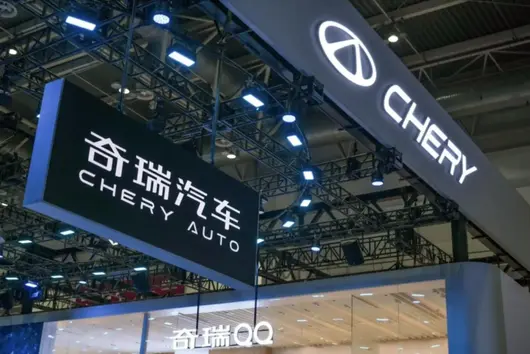
近日,奇瑞公佈了 2026 年前三季度業績,在行業整體業績收窄的情況之下,奇瑞憑藉合理的全球化佈局,實現了行業標桿級的營收成績。
奇瑞官方數據顯示,其前三季度實現營收 2412.34 億元,同比增長 12.29%;毛利 390.04 億元,同比增長 32.28%;毛利率從去年同期的 13.6% 大幅增長至 16.17%,凈利潤 145.95 億元,凈利潤率達 6.05%。

今年前三季度,國內汽車製造業營收利潤率為 3.3%,九月單月利潤率跌至 1.4%,全行業利潤總額同比下滑 22.8%。相比之下,奇瑞業績穩中有升,證明其目前的戰略打法非常奏效。
海外市場撐起大盤
今年前三季度,奇瑞乘用車總銷量 207.69 萬輛,其中出口 149.91 萬輛,佔比超過 70%。能夠實現海外銷量比國內銷量高出一倍的車企,僅奇瑞一家。
而這,也是奇瑞能夠實現高營收高利潤的關鍵。上半年奇瑞海外市場收入 989.68 億元,同比增長 51%,在總營收中的佔比接近 70%,這個比例在已經公開披露數據的自主車企中處於絕對領先地位。更關鍵的是,奇瑞海外業務的盈利能力遠高於國內,海外燃油車毛利率穩定在 18.1%,海外新能源毛利率約 20%,混合動力產品的毛利表現甚至更好。

不難看出,近兩年來中國車企瘋狂出海的背後,是利潤提升的關鍵。奇瑞用海外市場的高毛利構建了一道堅實的「利潤護城河」。當多數中國品牌還在用國內市場的利潤硬撐內捲時,奇瑞已經形成了「用海外高毛利對沖國內低毛利」的健康循環。這種優勢,是其他頭部車企短期內難以複製的。
眾所周知,奇瑞的海外業務並不是「一日建成的」,深耕海外市場 20 餘年,奇瑞已從單純的「產品出海」,全面升級為「全球化 3.0」,旨在將研發、製造、供應鏈、決策權全部前置到海外市場,成為真正的全球化車企。
今年奇瑞在西班牙巴塞隆納啟用了首個海外區域運營中心,同步啟動西班牙研究院,把歐洲市場的核心決策環節全部放在本地完成。在南非,奇瑞從全球大型車企手中收購了羅斯林工廠,啟動本土化計劃,力爭 2028 年前實現南非整車生產本土化率 40% 的目標。

目前,歐洲已經成為奇瑞重要的市場。數據顯示,奇瑞九月在歐盟 + 英國 +EFTA 市場的銷量位居中國品牌第一。此外,奇瑞已經連續兩個月位居英國新車品牌銷量榜首,當地每銷售 10 輛新車,就有 1 輛來自奇瑞。歐洲市場對安全、合規、渠道要求極高,奇瑞能穩紮腳跟且成為主流,靠的是奇瑞的全球化體系能力。
按照規劃,到 2026 年底奇瑞出口汽車中海外生產的比例將首次超過 50%,2027 年提升至 60%,2030 年達到 70%。這個數字背後,是奇瑞把「出海」徹底改寫為「全球化」的野心。
技術為王,創新制勝
好的業績靠的是能力,奇瑞同樣如此。一個以「理工男」為標籤的企業,看重的正是用戶對產品技術的認可。
奇瑞前三季度研發開支 110.46 億元,同比增長 40.21%,研發增速是營收增速的 3.3 倍,研發開支佔收入比重從去年同期的 3.67% 升至 4.58%。在全行業都在收縮開支、守住利潤的環境下,奇瑞反而在逆勢加大技術投入。
這些研發資金沒有全部投向短期變現的項目,而是集中在電驅、混合動力變速箱、電池、固態電池、AI 大模型等底層技術方向。包括 CheryMind 物理 AI 大模型、迅龍秒充、犀牛 S 固態電池、紫微芯片、V2G 車網互動等前沿技術,這些佈局正在把汽車從傳統機械產品,重新定義為 AI 驅動的能源終端。尤其是 V2G 車網互動技術,在電網穩定性不足的海外市場擁有極高的商業價值,讓車輛從單純的消費品,變成了分佈式儲能節點。
底層技術對於奇瑞產品的影響甚遠,尤其是在新能源佔主流的大市場環境下,能打通技術鏈路的車企,更容易在接下來的市場競爭中獲得話語權。

就如奇瑞新能源的現狀,其批發量已經連續 6 個月位居行業前三,全新 QQ3 連續六個月銷量破萬,仍有 10 萬輛全球訂單待交付;風雲 A9 在 9 月交付超 7000 輛,單月訂單突破 2 萬輛;智界 V9 上市以來連續 4 個月位居 40 萬元以上 MPV 市場銷冠。多品類、多價位段同時起量,不是靠單一爆款硬撐,而是完整產品矩陣的全面兌現。
值得一提的是,奇瑞新能源的盈利能力正逐步走高,上半年新能源業務毛利率從上年同期的 5.2% 大幅提升至 12.8%,正式進入盈利兌現週期。
中國每出口 7 輛新能源車,就有 1 輛來自奇瑞,其新能源產品在泰國、馬來西亞、南非等多個細分市場登頂銷冠。海外市場的放量進一步攤薄了研發和製造成本,讓奇瑞的新能源業務告別了「以價換量」的階段。
更重要的是,奇瑞並沒有捲入「利潤換銷量」的價格戰中。當前,國內市場的價格戰把單車利潤碾到了千元出頭,單純比拼誰更會內捲、誰更能降價,已經沒有多少意義。奇瑞這份財報告訴整個行業,下一階段的勝負手,根本不在國內市場的內捲裡,而在誰能真正把全球化能力跑通,誰能在海外市場建立可持續的盈利通道。奇瑞的全球化,也是當下中國汽車行業需要的可持續發展的標竿。

In the Malaysian SUV market, many buyers compare Mazda CX-3 and Mitsubishi Xforce when choosing a car. These two cars are quite close in price and positioning. Today, we will make a detailed comparison from multiple aspects to help you save time on research.
The Mazda CX-3 OTR price in Malaysia is RM 126,159 - 139,159, with a total of 2 versions, including 2023 2.0L High (RM 139,159), 2023 2.0L Plus (RM 126,159), etc.
The Mitsubishi Xforce OTR price in Malaysia is RM 109,930 - 119,930, with a total of 2 versions, including 2026 1.5L Ultimate (RM 119,930), 2026 1.5L Urban (RM 109,930), etc.
Looking at the price, the Mitsubishi Xforce entry price is RM 16,229 cheaper than the Mazda CX-3. Honestly, in this price range, the difference of a few thousand isn't really that big. The key is to look at the overall value for money and long-term usage costs.
The Mazda CX-3 adopts FWD drive mode.
The Mitsubishi Xforce adopts FWD drive mode.
The drive modes of both cars are the same, both are FWD, so there won't be much difference in daily driving feel.
Mazda CX-3 Warranty 5 years/150,000km, Service Interval every 10,000km or 6 months.
Mitsubishi Xforce Warranty 3 years/100,000km, Service Interval every 10,000km or 6 months.
Mazda CX-3 and Mitsubishi Xforce are both mainstream choices in the Malaysian market, suitable for family use and daily commuting. If you value brand reputation and resale value more, you can prioritize the one with better reputation; if you care more about value for money and features, choose the one with richer configuration. Ultimately, it is recommended to test drive both, experiencing it personally is the most important.
Overall, Mazda CX-3 and Mitsubishi Xforce are both very good car models in the Malaysian market. Which one to choose depends mainly on your personal needs and budget. We suggest doing your research, comparing quotes from several car dealerships, and then test driving to make a final decision. Buying a car is a big matter, spending some time doing research will never be wrong.

In the Malaysian SUV market, many buyers compare Mazda CX-3 and GWM Haval H6 when choosing a car. Both cars are quite close in price and positioning; today we will make a detailed comparison from multiple aspects to help you save time on research.
Mazda CX-3 OTR price in Malaysia is RM 126,159 - 139,159, with a total of 2 versions, including 2023 2.0L High (RM 139,159), 2023 2.0L Plus (RM 126,159), etc.
GWM Haval H6 OTR price in Malaysia is RM 139,750 - 139,750, with a total of 2 versions, including 1.5L Turbo Standard (RM 140,000), 1.5L Turbo Premium (RM 155,000), etc.
Looking at the price, the starting price of Mazda CX-3 is indeed RM 13,591 cheaper than GWM Haval H6. If your budget is limited, Mazda's entry-level version is already sufficient for daily needs. However, note that the savings of a few thousand ringgit may involve trade-offs in equipment, depending on your specific needs.
Mazda CX-3 safety rating is 5★ (ASEAN NCAP), active safety systems include i-Activsense.
GWM Haval H6 safety rating is TBD, active safety systems include Basic.
Regarding safety features, both cars received good ratings. However, there are some differences in functionality between Mazda CX-3's i-Activsense and GWM Haval H6's Basic. If you value active safety, you can carefully compare their feature lists.
Mazda CX-3 body length 4500 mm, trunk 450 L.
GWM Haval H6 body length 4400 mm, trunk 400 L.
In terms of space, Mazda CX-3's body is 100 mm longer than GWM Haval H6, interior seating space is slightly more spacious, especially rear legroom. If you frequently carry family or need to fit a stroller, a larger body is indeed more practical.
Mazda CX-3 and GWM Haval H6 are both mainstream choices in the Malaysian market, suitable for family use and daily commuting. If you value brand reputation and resale value more, consider the one with better reputation; if you care more about price-performance ratio and features, choose the one with richer configuration. Ultimately, it is recommended to test drive both models; personal experience is the most important.
Overall, Mazda CX-3 and GWM Haval H6 are both very good models in the Malaysian market. Choosing which one depends mainly on your personal needs and budget. We recommend doing your homework, compare quotes from several dealers, then test drive to make the final decision. Buying a car is a big matter; spending time on research will never go wrong.


In the Malaysia SUV market, many buyers compare Mazda CX-3 and MG MG HS when choosing a car. These two models are quite close in price and positioning. Today we will make a detailed comparison from multiple aspects to help you save time on research.
The OTR price of Mazda CX-3 in Malaysia is RM 126,159 - 139,159, with a total of 2 versions, including 2023 2.0L High (RM 139,159), 2023 2.0L Plus (RM 126,159), etc.
The OTR price of MG MG HS in Malaysia is RM 130,450 - 146,450, with a total of 2 versions, including 1.5L Standard (RM 105,000), 1.5L Executive (RM 115,000), etc.
In terms of price, the starting price of Mazda CX-3 is indeed RM 4,291 cheaper than MG MG HS. If your budget is limited, the entry-level Mazda can already meet daily needs. However, you should also note that the few thousand dollars cheaper may involve trade-offs in features, depending on your needs.
Mazda CX-3 is equipped with 1.5L Turbo, 140 hp. Official fuel consumption 7.0 L/100km.
MG MG HS is equipped with 1.5L Turbo, 140 hp. Official fuel consumption 7.0 L/100km.
Both cars use the same powertrain, the driving experience is basically the same. Fuel consumption is also similar, no need to worry too much about this point.
Mazda CX-3 body length 4500 mm, trunk 450 L.
MG MG HS body length 4400 mm, trunk 400 L.
In terms of space, the Mazda CX-3 body is 100 mm longer than MG MG HS, the interior seating space will be slightly more spacious, especially the rear legroom. If you often carry family members or need to put in a stroller, the larger body is indeed more practical.
Mazda CX-3 warranty 5 years/150,000km, maintenance interval every 10,000km or 6 months.
MG MG HS warranty 7 years/150,000km, maintenance interval every 10,000km or 6 months.
Overall, Mazda CX-3 and MG MG HS are both very good models in the Malaysia market. Which one to choose depends on your personal needs and budget. We suggest doing your research, compare quotes from several car dealers, and then go for a test drive to make the final decision. Buying a car is a big matter, spending time on research will definitely not be wrong.

In the Malaysian SUV market, many buyers compare the Mazda CX-3 and Chery Tiggo 9 when choosing a car. These two models are quite close in price and positioning. Today, we will make a detailed comparison from multiple aspects to help you save time on research.
The Mazda CX-3 on-the-road price in Malaysia is RM 126,159 - 139,159, with a total of 2 versions, including 2023 2.0L High (RM 139,159), 2023 2.0L Plus (RM 126,159), etc.
The Chery Tiggo 9 on-the-road price in Malaysia is RM 166,800 - 179,800, with a total of 1 version, including 2026 2.0T Standard (RM 179,750), etc.
Looking at the price, the starting price of the Mazda CX-3 is indeed RM 40,641 cheaper than the Chery Tiggo 9. If your budget is limited, the Mazda entry-level version can already meet daily needs. But be aware, saving that few thousand might involve trade-offs in features, depending on your needs.
The Mazda CX-3 comes with a 1.5L Turbo, 140 hp. Official fuel consumption 7.0 L/100km.
The Chery Tiggo 9 comes with a 2.0L 4-cyl, 170 hp. Official fuel consumption 8.0 L/100km.
In terms of power, the Chery Tiggo 9's 2.0L 4-cyl has 30 more horsepower than the Mazda CX-3's 1.5L Turbo. However, for daily city driving, the power of both cars is sufficient, you won't feel underpowered.
The Mazda CX-3 safety rating is 5★ (ASEAN NCAP), active safety systems include i-Activsense.
The Chery Tiggo 9 safety rating is TBD, active safety systems include Basic.
Regarding safety features, both cars have received good ratings. However, there are some differences in functionality between Mazda CX-3's i-Activsense and Chery Tiggo 9's Basic. If you value active safety, you can compare the feature lists of both in detail.
Mazda CX-3 body length 4500 mm, trunk 450 L.
Chery Tiggo 9 body length 4400 mm, trunk 400 L.
In terms of space, the Mazda CX-3's body is 100 mm longer than the Chery Tiggo 9, making the interior seating space slightly more spacious, especially the rear legroom. If you often carry family members or need to put in a stroller, a larger body is indeed more practical.

Mazda CX-3 warranty 5 years/150,000km, service interval every 10,000km or 6 months.
Chery Tiggo 9 warranty 3 years/100,000km, service interval every 10,000km or 6 months.

Overall, the Mazda CX-3 and Chery Tiggo 9 are both excellent models in the Malaysian market. Which one to choose depends on your personal needs and budget. It is recommended to do your research, compare quotes from several dealerships, and test drive to make a final decision. Buying a car is a significant matter, taking time to research will definitely not be a mistake.

Di pasaran SUV di Malaysia, ramai pembeli semasa memilih kereta akan menggunakan Mazda CX-3 dan GWM Haval H6 untuk dibandingkan. Kedua-dua kereta ini sangat hampir dari segi harga dan pengkhususan, hari ini kami akan membuat perbandingan terperinci dari pelbagai aspek, membantu anda menjimatkan masa membuat kajian.
Mazda CX-3 di Malaysia mempunyai harga OTR serendah RM 126,159 hingga RM 139,159, dengan sejumlah 2 varian, termasuk 2023 2.0L High (RM 139,159), 2023 2.0L Plus (RM 126,159) dan lain-lain.
GWM Haval H6 di Malaysia mempunyai harga OTR serendah RM 139,750 hingga RM 139,750, dengan sejumlah 2 varian, termasuk 1.5L Turbo Standard (RM 140,000), 1.5L Turbo Premium (RM 155,000) dan lain-lain.
Dari segi harga, harga permulaan Mazda CX-3 memang lebih murah RM 13,591 berbanding GWM Haval H6. Jika anda mempunyai bajet terhad, model asas Mazda sudah cukup untuk memenuhi keperluan harian. Tetapi perlu diingat, beberapa ribu ringgit yang lebih murah, mungkin ada kompromi dalam kelengkapan, bergantung pada keperluan anda.
Mazda CX-3 dilengkapi enjin 1.5L Turbo, kuasa 140 hp. Penggunaan minyak rasmi 7.0 L/100km.
GWM Haval H6 dilengkapi enjin Hybrid, kuasa 170 hp. Penggunaan minyak rasmi 4.5 L/100km.
Dari segi kuasa, enjin Hybrid GWM Haval H6 mempunyai 30 kuasa kuda lebih banyak berbanding 1.5L Turbo Mazda CX-3. Tetapi untuk penggunaan harian di bandar, kuasa kedua-dua kereta sudah cukup, tidak akan terasa kurang bertenaga.
Penilaian keselamatan Mazda CX-3 adalah 5★ (ASEAN NCAP), sistem keselamatan aktif termasuk i-Activsense.
Penilaian keselamatan GWM Haval H6 adalah TBD, sistem keselamatan aktif termasuk Basic.
Dari segi kelengkapan keselamatan, kedua-dua kereta mendapat penilaian yang baik. Namun, i-Activsense Mazda CX-3 dan Basic GWM Haval H6 mempunyai perbezaan dalam fungsi, jika anda mengutamakan keselamatan aktif, anda boleh membandingkan senarai fungsi kedua-duanya dengan teliti.
Mazda CX-3 panjang badan 4500 mm, kapasiti bagasi 450 L.
GWM Haval H6 panjang badan 4400 mm, kapasiti bagasi 400 L.
Dari segi ruang, badan Mazda CX-3 100 mm lebih panjang daripada GWM Haval H6, ruang duduk dalam kenderaan akan lebih luas, terutamanya ruang kaki kerusi belakang. Jika anda sering mengangkut ahli keluarga atau perlu meletakkan kereta bayi, badan kenderaan yang lebih besar memang lebih praktikal.
Mazda CX-3 jaminan 5 tahun/150,000km, selang penjagaan setiap 10,000km atau 6 bulan.
GWM Haval H6 jaminan 7 tahun/150,000km, selang penjagaan setiap 10,000km atau 6 bulan.
Secara keseluruhan, Mazda CX-3 dan GWM Haval H6 adalah model yang sangat baik di pasaran Malaysia. Memilih yang mana satu, kuncinya bergantung pada keperluan dan bajet peribadi anda. Kami cadangkan anda membuat kajian yang teliti, bandingkan tawaran harga daripada beberapa kedai kereta, kemudian buat ujian jalan untuk membuat keputusan akhir. Membeli kereta adalah perkara besar, meluangkan masa untuk mencari maklumat pasti tidak salah.

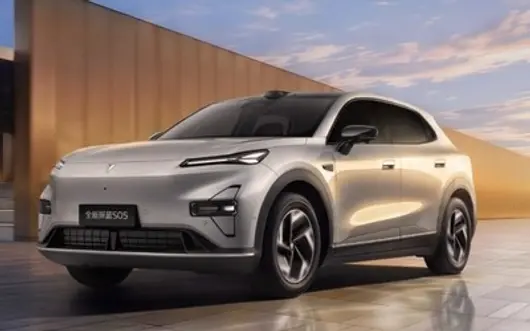
【CNMO 科技消息】11 月 4 日,深藍汽車 CEO 姜海榮透過微博正式宣佈,北京冬季奧運會速度滑冰冠軍高亭宇成為深藍 S05 嘅第三十萬位車主。據悉,高亭宇喺 2022 年北京冬季奧運會速度滑冰男子 500 米比賽中,以 34 秒 32 嘅成績打破奧運紀錄,為中國贏得首枚冬季奧運會男子速度滑冰金牌。

全新深藍 S05

CNMO 科技了解到,2026 年 10 月,深藍 S05 全球銷量達 20151 輛,全球累計銷量正式突破三十萬輛。該車款於 2024 年 8 月 6 日上市,迄今滿兩週年,月均銷量超過 1.2 萬輛,成為長安汽車旗下最快突破三十萬輛銷量嘅新能源單品。目前,深藍 S05 已遠銷泰國、英國、西班牙等全球 76 個國家同地區,係深藍汽車推進全球化佈局嘅重要車款。

深藍 S05 全球累計銷量突破三十萬輛
值得一提嘅係,全新深藍 S05 搭載天樞領航智能駕駛輔助系統,配備 1 顆頂置激光雷達及全車 27 個高精度感測傳感器,結合雙地平線 J6M 晶片與一段式端到端算法,支援全場景遊覽輔助等功能。智能座艙採用 3nm 車規級座艙晶片,配備 15.6 吋 2.5K 向日葵螢幕與四圖融合實景車道級導航。三電方面,全系標配寧德時代電芯與金鐘罩電池,支援 3C 超充,SOC 30%-80% 充電時間≤15 分鐘;全系標配 FSD+HRS 高階可變自適應懸架,軸距達 2880mm。

Dalam pasaran SUV di Malaysia, ramai pembeli semasa memilih kereta akan mengambil Mazda CX-3 dan MG MG HS untuk dibandingkan. Kedua-dua kereta ini dalam harga dan penarafan agak hampir, hari ini kita akan buat perbandingan terperinci dari pelbagai aspek, membantu anda menjimatkan masa untuk membuat kajian.
Mazda CX-3 di Malaysia OTR berharga RM 126,159 - 139,159, terdapat 2 varian, termasuk 2023 2.0L High (RM 139,159), 2023 2.0L Plus (RM 126,159) dan lain-lain.
MG MG HS di Malaysia OTR berharga RM 130,450 - 146,450, terdapat 2 varian, termasuk 1.5L Standard (RM 105,000), 1.5L Executive (RM 115,000) dan lain-lain.
Dari segi harga, harga permulaan Mazda CX-3 memang lebih murah RM 4,291 berbanding MG MG HS. Jika bajet anda terhad, varian asas Mazda sudah boleh memuaskan keperluan harian. Tetapi perlu juga ambil perhatian, ribuan ringgit yang murah itu, mungkin ada pengorbanan dalam kelengkapan, bergantung pada keperluan anda.
Mazda CX-3 dilengkapi enjin 1.5L Turbo, kuasa kuda 140 hp. Penggunaan minyak rasmi 7.0 L/100km.
MG MG HS dilengkapi enjin 1.5L Turbo, kuasa kuda 140 hp. Penggunaan minyak rasmi 7.0 L/100km.
Kedua-dua kereta menggunakan sistem kuasa yang sama, perasaan memandu dalam harian hampir tiada perbezaan. Penggunaan minyak juga hampir sama, tidak perlu terlalu bimbang tentang hal ini.
Penilaian keselamatan Mazda CX-3 ialah 5★ (ASEAN NCAP), sistem keselamatan aktif termasuk i-Activsense.
Penilaian keselamatan MG MG HS ialah Masih belum ditentukan, sistem keselamatan aktif termasuk Basic.
Dari segi peralatan keselamatan, kedua-dua kereta mendapat penilaian yang baik. Walau bagaimanapun, i-Activsense Mazda CX-3 dan Basic MG MG HS mempunyai sedikit perbezaan dari segi fungsi, jika anda lebih mengutamakan keselamatan aktif, boleh membandingkan senarai fungsi antara keduanya dengan teliti.
Mazda CX-3 jaminan 5 tahun/150,000km, selang penyelenggaraan setiap 10,000km atau 6 bulan.
MG MG HS jaminan 7 tahun/150,000km, selang penyelenggaraan setiap 10,000km atau 6 bulan.
Secara keseluruhan, Mazda CX-3 dan MG MG HS adalah model kereta yang sangat baik di pasaran Malaysia. Memilih mana satu, ia bergantung pada keperluan dan bajet peribadi anda. Kami cadangkan anda membuat kajian terlebih dahulu, bandingkan lebih banyak tawaran dari dewan kereta, kemudian buat ujian memandu untuk membuat keputusan akhir. Membeli kereta adalah perkara besar, meluangkan masa untuk membuat kajian tidak akan salah.


Di pasaran SUV Malaysia, ramai pembeli membandingkan Mazda CX-3 dan Chery Tiggo 9 ketika memilih kenderaan. Kedua-dua model ini hampir sama dari segi harga dan posisi pasaran. Hari ini kita akan membuat perbandingan terperinci dari pelbagai aspek untuk membantu anda menjimatkan masa menyiapkan kajian.
Harga OTR Mazda CX-3 di Malaysia ialah RM 126,159 - 139,159, terdapat 2 varian, termasuk 2023 2.0L High (RM 139,159), 2023 2.0L Plus (RM 126,159) dan lain-lain.
Harga OTR Chery Tiggo 9 di Malaysia ialah RM 166,800 - 179,800, terdapat 1 varian, termasuk 2026 2.0T Standard (RM 179,750) dan lain-lain.
Dari segi harga, harga permulaan Mazda CX-3 memang lebih murah RM 40,641 berbanding Chery Tiggo 9. Jika bajet anda terhad, varian dasar Mazda sudah memadai untuk keperluan harian. Namun, perlu diingat, perbezaan harga yang murah itu mungkin mempunyai kompromi dari segi kelengkapan, ia bergantung sepenuhnya pada keperluan anda.
Mazda CX-3 dilengkapi enjin 1.5L Turbo, kuasa 140 hp. Konsumsi bahan api rasmi 7.0 L/100km.
Chery Tiggo 9 dilengkapi enjin 2.0L 4-silinder, kuasa 170 hp. Konsumsi bahan api rasmi 8.0 L/100km.
Dari segi kuasa, enjin 2.0L 4-silinder Chery Tiggo 9 mempunyai 30 kuasa kuda lebih daripada 1.5L Turbo Mazda CX-3. Namun untuk pemanduan harian di bandar, kedua-dua kereta mempunyai kuasa yang cukup dan tidak terasa kekurangan tenaga.
Penilaian keselamatan Mazda CX-3 ialah 5★ (ASEAN NCAP), sistem keselamatan aktif termasuk i-Activsense.
Penilaian keselamatan Chery Tiggo 9 ialah TBD, sistem keselamatan aktif termasuk Basic.
Dari segi peralatan keselamatan, kedua-dua kereta telah mendapat penilaian yang baik. Walau bagaimanapun, i-Activsense Mazda CX-3 dan Basic Chery Tiggo 9 mempunyai perbezaan dari segi fungsi. Jika anda mengutamakan keselamatan aktif, anda boleh membandingkan senarai fungsi kedua-dua sistem ini dengan teliti.
Mazda CX-3 menggunakan cara penggerak FWD.
Chery Tiggo 9 menggunakan cara penggerak FWD.
Kedua-dua kereta mempunyai cara penggerak yang sama, iaitu FWD, pengalaman memandu harian tidak akan berbeza banyak.
Secara keseluruhannya, Mazda CX-3 dan Chery Tiggo 9 adalah model kereta yang sangat baik di pasaran Malaysia. Memilih mana satu, kunci utama adalah melihat keperluan dan bajet peribadi anda. Kami sarankan anda melakukan penyelidikan terlebih dahulu, membandingkan beberapa tawaran dari kedai kereta berbeza, kemudian buat keputusan akhir selepas memandu ujian. Membeli kereta adalah perkara besar, meluangkan masa untuk membuat kajian tidak akan salah.


喺馬來西亞嘅 SUV 市場,好多買家喺揀車嘅時候都會拎 Mazda CX-3 同 MG MG HS 嚟做比較。呢兩款車喺價位同定位上都幾近嘅,今日我哋就從多個方面做一個詳細嘅對比,幫你省返做功課嘅時間。
Mazda CX-3 喺馬來西亞嘅 OTR 售價係 RM 126,159 - 139,159,一總共有 2 個版本,包括 2023 2.0L High(RM 139,159)、2023 2.0L Plus(RM 126,159)等。
MG MG HS 喺馬來西亞嘅 OTR 售價係 RM 130,450 - 146,450,一總共有 2 個版本,包括 1.5L Standard(RM 105,000)、1.5L Executive(RM 115,000)等。
由價錢嚟睇,Mazda CX-3 嘅起步價確實比 MG MG HS 平咗 RM 4,291。如果你預算有限,Mazda 嘅入門版已經可以滿足日常需求。但都要注意,平嗰幾千蚊,可能喺配備上會有取舍,具體要睇你嘅需求。
Mazda CX-3 配備 1.5L Turbo,馬力 140 hp。官方油耗 7.0 L/100km。
MG MG HS 配備 1.5L Turbo,馬力 140 hp。官方油耗 7.0 L/100km。
兩款車用緊係同一套動力系統,日常行起嚟嘅感覺基本冇分別。油耗方面都差唔多,唔使太糾結呢點。
Mazda CX-3 嘅安全評級係 5★ (ASEAN NCAP),主動安全系統包括 i-Activsense。
MG MG HS 嘅安全評級係 TBD,主動安全系統包括 Basic。
安全配備方面,兩款車都攞到唔錯嘅評級。不過 Mazda CX-3 嘅 i-Activsense 同 MG MG HS 嘅 Basic 喺功能上有少少分別,如果你比較睇重主動安全嘅話,可以仔細對比一下兩個嘅功能列表。
Mazda CX-3 採用 FWD 驅動方式。
MG MG HS 採用 FWD 驅動方式。
兩款車嘅驅動方式一樣,都係 FWD,日常駕駛感覺唔會有太大分別。
Mazda CX-3 同 MG MG HS 都係馬來西亞市場嘅主流選擇,適合家庭使用、日常通勤。如果你更睇重品牌口碑同二手價,可以優先考慮口碑更好嗰一款;如果你更在意性價比同配備,就揀配置更豐富嗰款。最終仲係建議兩款都去試駕,親身體驗先係最重要嘅。
總體嚟講,Mazda CX-3 同 MG MG HS 都係馬來西亞市場幾唔錯嘅車型。揀邊架,關鍵都要睇你嘅個人需求同預算。建議大家做好功課,多比較幾間車行嘅報價,先去試駕做最終決定。買車係件大事,花少少時間做功課絕對唔會錯。

喺馬來西亞嘅 SUV 市場,好多買家喺揀車嗰陣都會拿 Mazda CX-3 同 Chery Tiggo 9 做比較。這兩款車喺價位同定位上都幾接近,今日我哋就從多個方面做一個詳細嘅比較,幫你節省做功課嘅時間。
Mazda CX-3 喺馬來西亞嘅 OTR 售價係 RM 126,159 - 139,159,一共有 2 個版本,包括 2023 2.0L High(RM 139,159)、2023 2.0L Plus(RM 126,159) 等。
Chery Tiggo 9 喺馬來西亞嘅 OTR 售價係 RM 166,800 - 179,800,一共有 1 個版本,包括 2026 2.0T Standard(RM 179,750) 等。
從價錢嚟睇,Mazda CX-3 嘅起步價確係比 Chery Tiggo 9 平咗 RM 40,641。如果你預算有限,Mazda 嘅入門版已經可以滿足日常需要。但都要注意,平嗰幾千蚊,可能喺配備上會有取捨,具體要睇你嘅需要。
Mazda CX-3 嘅安全評級係 5★ (ASEAN NCAP),主動安全系統包括 i-Activsense。
Chery Tiggo 9 嘅安全評級係 TBD,主動安全系統包括 Basic。
安全配備方面,兩款車都拿到唔錯嘅評級。不過 Mazda CX-3 嘅 i-Activsense 同 Chery Tiggo 9 嘅 Basic 喺功能上有啲差異,如果你比較睇重主動安全嘅話,可以仔細對比下兩者嘅功能列表。
Mazda CX-3 保修 5 年/150,000km,保養間隔 每 10,000km 或 6 個月。
Chery Tiggo 9 保修 3 年/100,000km,保養間隔 每 10,000km 或 6 個月。
Mazda CX-3 同 Chery Tiggo 9 都係馬來西亞市場嘅主流選擇,適合家庭使用、日常通勤。如果你更睇重品牌口碑同二手價,可以優先考慮口碑更好嗰款;如果你更在意性價比同配備,那就選配置更豐富嗰款。最終仲係建議兩款都去試駕,親身體驗先至係最重要嘅。
總嘅嚟講,Mazda CX-3 同 Chery Tiggo 9 都係馬來西亞市場好唔錯嘅車型。邊邊揀,關鍵仲係要睇你嘅個人需要同預算。建議大家做好功課,多比較間車行嘅報價,再去試駕做最終決定。買車係件大事,花少少時間做功課絕對唔會錯。
© 2024 Bitauto.com. All Rights Reserved.
Bitauto (www.yiche.com and www.bitauto.com) is one of the most visited automotive websites in China. We provide detailed info on Chinese car brands available in your area. Please note that the information provided on this website is based on publicly available data and is for reference only. It may not be fully updated or accurate at all times.

Help us improve our website


