

HomeToyota Crown

Search History
Popular Searches
Dealer Login / Sign Up

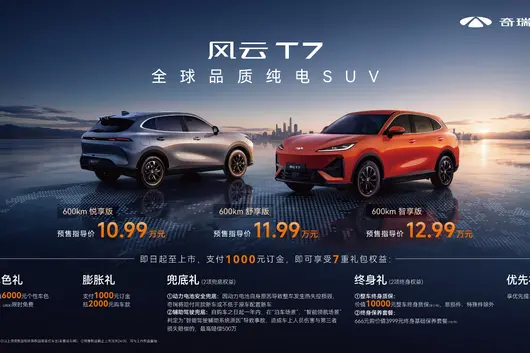
8 月 12 日,奇瑞風雲 T7 開啟預售,10.99 萬至 12.99 萬元。喺呢場以「慢功造好車」為主題嘅發布會上,奇瑞傳遞咗一個喺當下略顯另類嘅信號——唔捲速度,捲標準。

風雲 T7 嘅研發路徑好有意思:反向出海試煉。倚靠奇瑞 23 年全球化技術積累,呢台車喺東南亞雨季、中東高溫、印尼高濕等全球極端環境完成驗證,整車測試超 600 萬公里,耐用專項 145 萬公里。這種「先出海、再返屋企」嘅開發邏輯,喺 10 萬級純電 SUV 入面確實少見。

產品力層面,六大剛需嘅定位清晰務實。全系標配 65.05kWh 電池,CLTC 續航 600km,實測 667km——反向虛標係奇瑞嘅慣用操作,但對用戶嚟講,呢種「超預期」恰恰係最實在嘅。30%-80% 快充 20 分鐘,配合 -30°C 到 55°C 寬域熱泵,南北用戶都係可以放心用。

安全係風雲 T7 嘅重頭戲。對標 2026 版 E-NCAP 五星標準、ASILD 最高功能安全等級、80% 高強度鋼 +18.84% 熱成型鋼籠式車身、9 安全氣囊(含雙腔遠端氣囊同後排側氣囊)、IP68 級犀牛電池——喺 10 萬級 SUV 上見到呢套配置,說明奇瑞把安全優先級放得好高。

艙駕一體 8775 晶片、15.6 吋 2.5K 屏、獵鷹 500 智駕、300+ 場景泊車,智能層面冇明顯短板。空間方面得房率 84%、後排放倒秒變 1.95 米純平大牀,瑪莎拉蒂前底盤專家調校嘅懸掛——呢啲係家庭用戶感知明顯嘅加分項。
兩項兜底權益值得注意:電池熱失控換新車、智駕事故最高賠償 500 萬——呢啲唔單止係誠意,更係對產品自信嘅量化表達。
風雲 T7 嘅「慢」,換來咗一台唔需要用戶妥協嘅 10 萬級純電 SUV。佢唔係最快嘅,但係可能係喺呢個價位入面最讓人放心嘅。
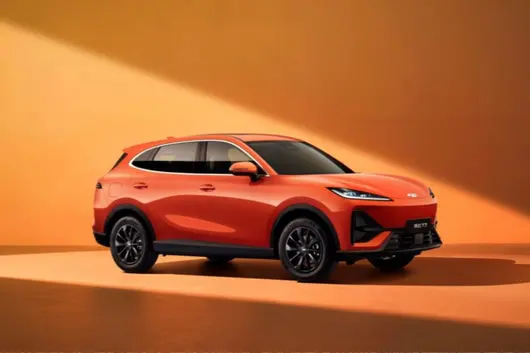

8 月 12 日,奇瑞風雲 T7 正式開啟預售,預售價區間為 10.99 萬 -12.99 萬元。在新能源市場競爭日趨白熱化的當下,風雲 T7 以“慢功造好車,久等了”為預售主題,憑藉全球標準研發、全球路況驗證的硬核實力,以及極具誠意的國民級定價,為十萬級純電 SUV 市場注入了“長期主義”的新活力,成為品質家庭安心出行的超值之選。

全球標準淬煉,鑄就越級品質護城河
風雲 T7 的超值定價,並非以犧牲品質為代價,而是源於奇瑞強大的全球質造體系與深厚的全球化積澱。作為一台真正的“全球車”,風雲 T7 從策劃之初便錨定全球標準,歷經 2 年策劃、3 年潛心研發,嚴格按照 2026 版 E-NCAP 五星安全標準開發,功能安全達到 ASIL D 最高等級,並滿足全球數據合規要求。

為確保車輛在全球各種複雜環境下的可靠性,奇瑞開展了 5000+ 全球用戶調研,深度走訪 15 個典型國家,精準洞察不同地域用戶的真實需求。在環境適應性上,風雲 T7 實現了 -40℃至 55℃的全域環境適配,同級首發搭載雙源寬溫域熱泵+PTC 系統,從容應對極寒與酷暑。同時,車輛完成了覆蓋 95% 全球道路類型的極限測試,無論是巴西的高減速坎、墨西哥的鵝卵石路,還是德國高速的大曲率彎道、南非的非鋪裝泥路,風雲 T7 均用百萬公里耐久路試的扎實數據,交出了經得起全球市場檢驗的品質答卷。

拒絕速成造車,堅守家庭六大核心剛需
在行業普遍追求“速成造車”的浪潮下,風雲 T7 選擇了一條“慢下來”的長期主義路徑。這種“慢”,是對產品品質的極致苛求,更是對家庭用戶核心期待的尊重。風雲 T7 拒絕配置分級套路,一站式覆蓋品質家庭在顏值、出行、安全、智能、舒享、安心六大維度的核心剛需。

在預售價格區間內,風雲 T7 展現出了極強的市場競爭力。其同源車型 Lepas L6 已在南非、泰國等海外市場率先上市並收穫廣泛認可,如今帶著全球市場的真实反馈回歸國內,將全球頂級的造車標準與國民級的親民價格完美融合。這不僅打破了十萬級純電 SUV“低配低質”的刻板印象,更讓普通家庭無需承擔高昂溢價,即可擁有一台對標國際嚴苛標準的安心純電座駕。

從全球研發體系的底層支撐,到百萬公里極限路況的嚴苛驗證,風雲 T7 用實打實的“慢功夫”詮釋了何為真正的“全球品質”。10.99 萬起的預售價格,不僅是對市場誠意滿滿的回饋,更是奇瑞以全球標準重塑國民純電 SUV 價值標尺的有力宣言。隨著預售的正式開啟,這台歷經全球淬煉的高品質純電 SUV,必將為更多品質家庭帶來安心、舒享的出行新體驗。


In the SUV market in Malaysia, many buyers compare Proton X90 and Chery Tiggo 7 Pro when choosing a car. These two cars are quite close in price range and positioning. Today we will make a detailed comparison from multiple aspects to help you save research time.
Proton X90 OTR price in Malaysia is RM 106,800 - 122,800, there are 4 versions in total, including 2026 1.5T Prime X (RM 122,800), 2026 1.5T Prime (RM 116,800), 2026 1.5T Lite (RM 106,800), etc.
Chery Tiggo 7 Pro OTR price in Malaysia is RM 123,750 - 123,750, there are 2 versions in total, including 1.6L Turbo Standard (RM 125,000), 1.6L Turbo Premium (RM 140,000), etc.
From a price perspective, Proton X90's starting price is indeed RM 16,950 cheaper than Chery Tiggo 7 Pro. If your budget is limited, Proton's entry-level version can already meet daily needs. But be aware, the few thousand difference might involve trade-offs in features, it depends on your specific needs.

Proton X90 body length 4400 mm, trunk 400 L.
Chery Tiggo 7 Pro body length 4400 mm, trunk 400 L.
The dimensions of both cars are almost identical, interior space difference is not large. For this class of cars, daily use is completely sufficient.

Proton X90 adopts FWD drive method.
Chery Tiggo 7 Pro adopts FWD drive method.
Both cars have the same drive method, both are FWD, daily driving experience will not differ much.

Proton X90 and Chery Tiggo 7 Pro are both mainstream choices in the Malaysia market, suitable for family use, daily commuting. If you value brand reputation and resale value more, prioritize the one with better reputation; if you care more about value for money and features, choose the one with richer configuration. Ultimately it is suggested to test drive both, experiencing it personally is the most important.
Overall, Proton X90 and Chery Tiggo 7 Pro are both very good models in the Malaysia market. Which one to choose, the key is still to look at your personal needs and budget. It is recommended to do your research, compare quotes from more dealerships, then test drive to make the final decision. Buying a car is a big matter, spending some time on research will definitely not be wrong.


Di pasaran SUV di Malaysia, ramai pembeli semasa memilih kereta akan membandingkan Proton X90 dengan Chery Tiggo 8 PHEV. Kedua-dua kereta ini mempunyai harga dan kedudukan pasaran yang cukup hampir, hari ini kita akan membuat perbandingan terperinci dari pelbagai aspek untuk membantu anda menjimatkan masa membuat kajian.
Harga OTR Proton X90 di Malaysia adalah RM 106,800 - 122,800, terdapat 4 varian, termasuk 2026 1.5T Prime X (RM 122,800), 2026 1.5T Prime (RM 116,800), 2026 1.5T Lite (RM 106,800) dan lain-lain.
Harga OTR Chery Tiggo 8 PHEV di Malaysia adalah RM 159,750 - 159,750, terdapat 2 varian, termasuk 1.6L Turbo Standard (RM 130,000), 1.6L Turbo Premium (RM 145,000) dan lain-lain.
Dari segi harga, harga permulaan Proton X90 memang lebih murah RM 52,950 berbanding Chery Tiggo 8 PHEV. Jika bajet anda terhad, varian asas Proton sudah cukup untuk keperluan harian. Tetapi perlu diperhatikan, perbezaan harga beberapa ribu itu, mungkin ada pertimbangan dalam spesifikasi, bergantung kepada keperluan anda.
Penilaian keselamatan Proton X90 adalah 5★ (ASEAN NCAP), sistem keselamatan aktif termasuk ADAS (ACC, AEB, LKA, LDA, BSM, RCTA).
Penilaian keselamatan Chery Tiggo 8 PHEV adalah TBD, sistem keselamatan aktif termasuk Basic.
Dari segi kelengkapan keselamatan, kedua-dua kereta mendapat penilaian yang bagus. Walau bagaimanapun, ADAS (ACC, AEB, LKA, LDA, BSM, RCTA) Proton X90 dan Basic Chery Tiggo 8 PHEV mempunyai perbezaan dari segi fungsi, jika anda lebih mementingkan keselamatan aktif, anda boleh membandingkan senarai fungsi kedua-duanya dengan teliti.
Panjang badan Proton X90 4400 mm, ruang bagasi 400 L.
Panjang badan Chery Tiggo 8 PHEV 4400 mm, ruang bagasi 400 L.
Saiz kedua-dua kereta hampir sama, ruang dalaman tidak banyak perbezaan. Kereta dalam kelas ini, penggunaannya untuk harian sudah memadai.
Proton X90 dan Chery Tiggo 8 PHEV adalah pilihan utama pasaran Malaysia, sesuai untuk kegunaan keluarga dan perjalanan harian. Jika anda lebih mementingkan reputasi jenama dan harga pasaran kedua, anda boleh mengutamakan yang mempunyai reputasi lebih baik; jika anda lebih menitikberatkan nisbah harga dan spesifikasi, pilih yang mempunyai konfigurasi lebih lengkap. Akhir sekali, disyorkan untuk mencuba kedua-dua model, pengalaman peribadi adalah yang paling penting.
Secara keseluruhannya, Proton X90 dan Chery Tiggo 8 PHEV adalah model kereta yang sangat baik di pasaran Malaysia. Memilih yang mana, kuncinya adalah melihat keperluan dan bajet peribadi anda. Disarankan untuk membuat kajian dengan baik, bandingkan harga beberapa dealer, kemudian pergi uji pemanduan untuk membuat keputusan akhir. Membeli kereta adalah perkara besar, meluangkan masa membuat kajian pasti tidak akan salah.

喺馬來西亞嘅 SUV 市場,好多買家喺選車嘅時候都會拿 Proton X90 同 Chery Tiggo 7 Pro 嚟比較。呢兩部車喺價錢同定位上都幾相近,今日我哋就會從多個方面做一個詳細嘅比較,幫你省咗做功課嘅時間。
Proton X90 喺馬來西亞嘅 OTR 售價係 RM 106,800 - 122,800,合共 4 個版本,包括 2026 1.5T Prime X(RM 122,800)、2026 1.5T Prime(RM 116,800)、2026 1.5T Lite(RM 106,800) 等。
Chery Tiggo 7 Pro 喺馬來西亞嘅 OTR 售價係 RM 123,750 - 123,750,合共 2 個版本,包括 1.6L Turbo Standard(RM 125,000)、1.6L Turbo Premium(RM 140,000) 等。
從價錢嚟睇,Proton X90 嘅起步價的確比 Chery Tiggo 7 Pro 平咗 RM 16,950。如果你預算有限,Proton 嘅入門版已經可以滿足日常需求。但都要注意,平嗰幾千蚊,可能喺配備上會有取捨,具體要看你嘅需求。
Proton X90 嘅安全評級係 5★ (ASEAN NCAP),主動安全系統包括 ADAS (ACC, AEB, LKA, LDA, BSM, RCTA)。
Chery Tiggo 7 Pro 嘅安全評級係 TBD,主動安全系統包括 Basic。
安全配備方面,兩部車都拿到唔錯嘅評級。不過 Proton X90 嘅 ADAS (ACC, AEB, LKA, LDA, BSM, RCTA) 同 Chery Tiggo 7 Pro 嘅 Basic 喺功能上有啲差異,如果你比較重視主動安全嘅話,可以仔細對比吓兩者嘅功能列表。
Proton X90 採用 FWD 驅動方式。
Chery Tiggo 7 Pro 採用 FWD 驅動方式。
兩部車嘅驅動方式一樣,都係 FWD,日常駕駛感受唔會有太大分別。
Proton X90 同 Chery Tiggo 7 Pro 都係馬來西亞市場嘅主流選擇,適合家庭使用、日常通勤。如果你更重視品牌口碑同二手價,可以優先考慮口碑更好嗰一款;如果你更在意性價比同配備,那就選配備更豐富嗰款。最終都係建議兩部車都去試駕,親身體驗先係最重要嘅。
總體嚟講,Proton X90 同 Chery Tiggo 7 Pro 都係馬來西亞市場幾唔錯嘅車款。選擇邊輛車,關鍵都係要看你嘅個人需求同預算。建議大家做好功課,多比較幾間車行嘅報價,再去試駕做最終決定。買車係件大事,花少少時間做功課絕對唔會錯。

Dalam pasaran SUV Malaysia, ramai pembeli yang akan membandingkan Proton X90 dan Mazda CX-60 ketika memilih kereta. Kedua-dua kereta ini agak dekat dari segi harga dan kedudukan, hari ini kita akan buat perbandingan terperinci dari banyak aspek, membantu anda menjimatkan masa membuat kajian.
Harga OTR Proton X90 di Malaysia ialah RM 106,800 - 122,800, jumlahnya ada 4 varian, termasuk 2026 1.5T Prime X (RM 122,800), 2026 1.5T Prime (RM 116,800), 2026 1.5T Lite (RM 106,800) dan sebagainya.
Harga OTR Mazda CX-60 di Malaysia ialah RM 200,510 - 252,873, jumlahnya ada 2 varian, termasuk 2026 3.3T 4WD High Plus (RM 252,873), 2025 2.5L 2WD High (RM 200,510) dan sebagainya.
Dari segi harga, harga permulaan Proton X90 memang lebih murah RM 93,710 berbanding Mazda CX-60. Jika bajet anda terhad, varian asas Proton sudah boleh memenuhi keperluan harian. Namun perlu juga ambil kira, beberapa ribu ringgit yang murah itu, mungkin ada pertukaran dari segi kelengkapan, ia bergantung pada keperluan anda.
Penarafan keselamatan Proton X90 ialah 5★ (ASEAN NCAP), sistem keselamatan aktif termasuk ADAS (ACC, AEB, LKA, LDA, BSM, RCTA).
Penarafan keselamatan Mazda CX-60 ialah 5★ (Euro NCAP), sistem keselamatan aktif termasuk i-Activsense Pro.
Dari segi kelengkapan keselamatan, kedua-dua kereta mendapat penarafan yang baik. Namun ADAS (ACC, AEB, LKA, LDA, BSM, RCTA) Proton X90 dan i-Activsense Pro Mazda CX-60 ada beberapa perbezaan dari segi fungsi, jika anda lebih mengutamakan keselamatan aktif, boleh buat perbandingan terperinci sekali pada senarai fungsi kedua-duanya.
Panjang badan Proton X90 4400 mm, bak bagasi 400 L.
Panjang badan Mazda CX-60 4500 mm, bak bagasi 450 L.
Dari segi ruang, badan Mazda CX-60 lebih panjang 100 mm berbanding Proton X90, ruang penumpang lebih unggul. Namun Proton X90 lebih fleksibel untuk memarkir di bandar, ada kelebihan dan kekurangannya masing-masing.
Proton X90 menggunakan sistem penggerak FWD.
Mazda CX-60 menggunakan sistem penggerak FWD.
Sistem penggerak kedua-dua kereta sama, sama-sama FWD, pengalaman memandu harian tidak akan berbeza banyak.

Secara keseluruhan, Proton X90 dan Mazda CX-60 sama-sama model kereta yang sangat baik di pasaran Malaysia. Memilih yang mana, kunci utamanya bergantung pada keperluan dan bajet peribadi anda. Disarankan melakukan kajian mendalam, bandingkan harga dari beberapa pengedar, baru buat ujian jalan untuk membuat keputusan akhir. Membeli kereta adalah perkara besar, meluangkan masa mengkaji tidak akan salah.

Di pasaran SUV Malaysia, ramai pembeli semasa memilih kereta akan membandingkan Proton X90 dan Honda HR-V. Kedua-dua kereta ini mempunyai harga dan kedudukan pasaran yang agak hampir, hari ini kita akan buat perbandingan terperinci dari pelbagai aspek, membantu anda menjimatkan masa membuat kajian.
Proton X90 di Malaysia harga OTR adalah RM 106,800 - 122,800, ada 4 versi, termasuk 2026 1.5T Prime X (RM 122,800), 2026 1.5T Prime (RM 116,800), 2026 1.5T Lite (RM 106,800) dan lain-lain.
Honda HR-V di Malaysia harga OTR adalah RM 115,900 - 143,900, ada 4 versi, termasuk 2026 e:HEV 1.5L RS (RM 143,900), 2026 1.5T V (RM 137,900), 2026 1.5T E (RM 130,900) dan lain-lain.
Dari segi harga, harga permulaan Proton X90 memang lebih murah RM 9,100 berbanding Honda HR-V. Jika bajet anda terhad, versi permulaan Proton sudah boleh memenuhi keperluan harian. Tetapi mesti ingat, ribu ringgit yang murah itu, mungkin ada kompromi dalam kelengkapan, bergantung pada keperluan anda.
Proton X90 menggunakan enjin Turbo 1.5L, kuasa 140 hp. Penggunaan bahan api rasmi 7.0 L/100km.
Honda HR-V menggunakan enjin Turbo 1.5L, kuasa 140 hp. Penggunaan bahan api rasmi 7.0 L/100km.
Kedua-dua kereta menggunakan set sistem kuasa yang sama, rasa memandu harian pada dasarnya tiada perbezaan. Penggunaan bahan api juga hampir sama, tidak perlu terlalu bimbang tentang hal ini.
Pengkelasan keselamatan Proton X90 ialah 5★ (ASEAN NCAP), sistem keselamatan aktif termasuk ADAS (ACC, AEB, LKA, LDA, BSM, RCTA).
Pengkelasan keselamatan Honda HR-V ialah 5★ (ASEAN NCAP), sistem keselamatan aktif termasuk Honda SENSING (ACC, CMBS, LKAS, RDM).
Pengkelasan keselamatan kedua-dua kereta sama, dalam tahap ini kelengkapan keselamatan dikira cukup lengkap. Kereta baru masa ini keselamatan tidak buruk, tidak perlu terlalu risau tentang hal ini.
Panjang badan Proton X90 4400 mm, ruang bagasi 400 L.
Panjang badan Honda HR-V 4500 mm, ruang bagasi 450 L.
Dari segi ruang, badan Honda HR-V 100 mm lebih panjang daripada Proton X90, ruang penumpang lebih baik. Tetapi Proton X90 lebih mudah diparkir di bandar, masing-masing ada kompromi.

Jaminan Proton X90 5 tahun/150,000km, selang penyelenggaraan setiap 10,000km atau 6 bulan.
Jaminan Honda HR-V 5 tahun/milej tanpa had, selang penyelenggaraan setiap 10,000km atau 6 bulan.
Secara keseluruhan, Proton X90 dan Honda HR-V adalah model kereta yang sangat baik di pasaran Malaysia. Pilih yang mana, penting lihat keperluan dan bajet peribadi anda. Disarankan buat kajian rapi, bandingkan banyak tawaran dealer, baru test drive buat keputusan akhir. Membeli kereta adalah perkara besar, luangkan masa buat kajian tiada salahnya.

喺馬來西亞嘅 SUV 市場,好多買家喺揀車嘅時候都會拿 寶騰 X70 同 起亞 Sportage 嚟做比較。呢兩款車喺價位同定位上都幾接近,今日我哋就從多幾個方面做一個詳細比較,幫你省返做功課嘅時間。
寶騰 X70 喺馬來西亞嘅 OTR 售價係 RM 106,800 - 122,300,總共有 3 個版本,包括 1.5L Standard 2WD(RM 106,800)、1.5L Executive 2WD(RM 115,800)、1.5L Premium 2WD(RM 122,300)等。
起亞 Sportage 喺馬來西亞嘅 OTR 售價係 RM 129,639 - 179,320,總共有 4 個版本,包括 2025 1.6T DCT 4WD High(RM 179,320)、2025 1.6T DCT 2WD High(RM 159,320)、2025 2.0L AT 2WD High(RM 139,639)等。
由價錢嚟睇,寶騰 X70 嘅起步價確實比 起亞 Sportage 平咗 RM 22,839。如果你預算唔夠,寶騰嘅入門版已經可以滿足日常需要。但都要留意,平嗰幾千蚊,可能喺配備上會有取捨,具體要睇你嘅需要。

寶騰 X70 車身長 4400 mm,車廂 400 L。
起亞 Sportage 車身長 4400 mm,車廂 400 L。
兩款車嘅尺寸幾乎一樣,車內空間分別唔大。呢個級別嘅車,日常使用完全夠用。
寶騰 X70 採用 FWD 驅動形式。
起亞 Sportage 採用 FWD 驅動形式。
兩款車嘅驅動形式一樣,都係 FWD,日常駕駛感覺唔會有太大分別。

寶騰 X70 同 起亞 Sportage 都係馬來西亞市場嘅主流選擇,適合家用、日常通勤。如果你更重視品牌聲譽同二手價,可以優先考慮聲譽更好嗰款;如果你更在意性價比同配備,那就揀配置更豐富嗰款。最終都建議兩部都去試駕,親身試先係最緊要。
總括嚟講,寶騰 X70 同 起亞 Sportage 都係馬來西亞市場幾唔錯嘅車型。揀邊部,關鍵都係要睇你嘅個人需要同預算。建議大家做足功課,多問幾間車行嘅報價,先去試駕做最終決定。買車係件大件事,花少少時間做功課絕對唔會錯。


喺馬來西亞嘅 SUV 市場,好多買家喺揀車嘅時候都會拿 Perodua Aruz 同 Proton X90 嚟做比較。呢兩款車喺價位同定位上都幾接近,今日我哋就由多個方面嚟做詳細比較,幫你節省咗做功課嘅時間。
Perodua Aruz 喺馬來西亞嘅 OTR 售價係 RM 72,900 - 77,900,一共有 2 個版本,包括 1.5L X(RM 72,900)、1.5L AV(RM 77,900) 等。
Proton X90 喺馬來西亞嘅 OTR 售價係 RM 106,800 - 122,800,一共有 4 個版本,包括 2026 1.5T Prime X(RM 122,800)、2026 1.5T Prime(RM 116,800)、2026 1.5T Lite(RM 106,800) 等。
由價錢嚟睇,Perodua Aruz 嘅起步價確實比 Proton X90 平咗 RM 33,900。如果你預算有限,Perodua 嘅入門版已經可以滿足日常需要。但亦都要注意,平嗰幾千蚊,可能喺配備上有取舍,具體要看你嘅需求。

Perodua Aruz 搭載 1.5L 4-cyl,馬力 105 hp。官方油耗 6.0 L/100km。
Proton X90 搭載 1.5L Turbo,馬力 140 hp。官方油耗 7.0 L/100km。
動力方面,Proton X90 嘅 1.5L Turbo 比 Perodua Aruz 嘅 1.5L 4-cyl 多咗 35 匹馬力。不過日常喺市區開,兩款車嘅動力都夠用,唔會覺得唔夠力。

Perodua Aruz 嘅安全評級係 5★ (ASEAN NCAP),主動安全系統包括。
Proton X90 嘅安全評級係 5★ (ASEAN NCAP),主動安全系統包括 ADAS (ACC, AEB, LKA, LDA, BSM, RCTA)。
兩款車嘅安全評級一樣,喺呢個級別入面安全配備都算好齊全。而家嘅新車安全性都唔差,唔使太擔心呢一點。

Perodua Aruz 採用 FWD 驅動方式。
Proton X90 採用 FWD 驅動方式。
兩款車嘅驅動方式一樣,都係 FWD,日常駕駛感受唔會有太大分別。
Perodua Aruz 同 Proton X90 都係馬來西亞市場嘅主流選擇,適合家庭使用、日常通勤。如果你更睇重品牌口碑同二手價,可以優先考慮口碑好嗰款;如果你更在意性價比同配備,就揀配備更豐富嗰款。最終都建議兩款都去試駕,親自體驗先至最重要。
總括嚟講,Perodua Aruz 同 Proton X90 都係馬來西亞市場幾唔錯嘅車型。揀邊架,關鍵都係睇你嘅個人需求同預算。建議大家做好功課,多比較幾間車行嘅報價,再去試駕做最終決定。買車係件大事,花少少時間做功課絕對唔會錯。


In Malaysia's SUV market, many buyers compare Proton X70 and Chery Tiggo 8 PHEV when choosing a car.
The Proton X70 OTR price in Malaysia is RM 106,800 - 122,300, with a total of 3 versions, including 1.5L Standard 2WD (RM 106,800), 1.5L Executive 2WD (RM 115,800), 1.5L Premium 2WD (RM 122,300), etc.
The Chery Tiggo 8 PHEV OTR price in Malaysia is RM 159,750 - 159,750, with a total of 2 versions, including 1.6L Turbo Standard (RM 130,000), 1.6L Turbo Premium (RM 145,000), etc.
From a price perspective, the starting price of Proton X70 is indeed RM 52,950 cheaper than Chery Tiggo 8 PHEV. If your budget is limited, Proton's entry-level version can already meet daily needs. However, also note that the cheaper few thousand ringgit might involve trade-offs in features, depending on your specific needs.
Proton X70 comes equipped with 1.5L Turbo, 140 hp. Official fuel consumption 7.0 L/100km.
Chery Tiggo 8 PHEV comes equipped with Hybrid, 170 hp. Official fuel consumption 4.5 L/100km.
In terms of power, the Hybrid of Chery Tiggo 8 PHEV has 30 more horsepower than the 1.5L Turbo of Proton X70. However, for daily city driving, the power of both cars is sufficient, you won't feel underpowered.
The safety rating of Proton X70 is 5★ (ASEAN NCAP), active safety systems include ADAS (ACC, AEB, LKA, LDA, BSM, RCTA).
The safety rating of Chery Tiggo 8 PHEV is TBD, active safety systems include Basic.
Regarding safety features, both cars received decent ratings. However, there are some differences in functions between Proton X70's ADAS (ACC, AEB, LKA, LDA, BSM, RCTA) and Chery Tiggo 8 PHEV's Basic. If you value active safety, you can compare their feature lists carefully.
Proton X70 body length 4400 mm, trunk 400 L.
Chery Tiggo 8 PHEV body length 4400 mm, trunk 400 L.
The dimensions of both cars are almost the same, with little difference in interior space. For cars of this class, it is fully sufficient for daily use.
Proton X70 warranty 5 years/150,000km, maintenance interval every 10,000km or 6 months.
Chery Tiggo 8 PHEV warranty 3 years/100,000km, maintenance interval every 10,000km or 6 months.
Overall, both Proton X70 and Chery Tiggo 8 PHEV are excellent models in the Malaysian market. Which one to choose depends on your personal needs and budget. We recommend doing your research, compare quotes from several dealerships, and then test drive to make the final decision. Buying a car is a big deal, spending some time on research is never wrong.

In Malaysia's SUV market, many buyers compare Perodua Aruz and Honda WR-V when choosing a car. These two cars are quite close in price and positioning, so today we will conduct a detailed comparison from multiple aspects to save you the time of doing research.
The OTR price of Perodua Aruz in Malaysia is RM 72,900 - 77,900, with a total of 2 versions, including 1.5L X (RM 72,900), 1.5L AV (RM 77,900), etc.
The OTR price of Honda WR-V in Malaysia is RM 89,900 - 107,900, with a total of 4 versions, including 2023 1.5L V (RM 99,900), 2023 1.5L E (RM 95,900), 2023 1.5L S (RM 89,900), etc.
From a price perspective, the starting price of Perodua Aruz is indeed RM 17,000 cheaper than Honda WR-V. If your budget is limited, Perodua's entry-level version can already meet daily needs. But be aware, the few thousand cheaper might involve trade-offs in features, depending on your specific needs.
Perodua Aruz body length is 4400 mm, trunk 400 L.
Honda WR-V body length is 4400 mm, trunk 400 L.
The dimensions of both cars are almost the same, and the interior space difference is not significant. For cars in this class, it is completely sufficient for daily use.
Perodua Aruz warranty 5 years / 150,000km, maintenance interval every 10,000km or 6 months.
Honda WR-V warranty 5 years / unlimited mileage, maintenance interval every 10,000km or 6 months.
Perodua Aruz and Honda WR-V are both mainstream choices in the Malaysian market, suitable for family use and daily commuting. If you value brand reputation and resale price more, you can prioritize the one with a better reputation; if you care more about cost-effectiveness and features, then choose the one with more configurations. Ultimately, it is recommended to test drive both, and the personal experience is the most important.

Overall, Perodua Aruz and Honda WR-V are both very good models in the Malaysian market. Which one to choose mainly depends on your personal needs and budget. It is recommended that you do your research, compare quotes from several car dealerships, and then test drive to make a final decision. Buying a car is a big deal, spending some time doing research will never be wrong.

喺馬來西亞嘅 SUV 市場,好多買家喺揀車嘅時候都會拿 Perodua Aruz 同 Toyota Corolla Cross 做比較。呢兩款車喺價位同定位上都相當接近,而家我哋就從多個方面做一個詳細嘅比較,幫你省返做足功課嘅時間。
Perodua Aruz 喺馬來西亞嘅 OTR 售價係 RM 72,900 - 77,900,合共 2 個版本,包括 1.5L X(RM 72,900)、1.5L AV(RM 77,900) 等。
Toyota Corolla Cross 喺馬來西亞嘅 OTR 售價係 RM 133,800 - 148,800,合共 3 個版本,包括 2026 HEV 1.8L GR Sport(RM 148,800)、2026 HEV 1.8L Standard(RM 140,800)、2026 1.8L Standard(RM 133,800) 等。
睇返價錢,Perodua Aruz 嘅起步價確實比 Toyota Corolla Cross 平咗 RM 60,900。如果你預算有限,Perodua 嘅入門版已經可以滿足日常需求。但都要留意,平嗰幾千蚊,可能喺配備上會有所取捨,具體就要睇你嘅需求。
Perodua Aruz 嘅安全評級係 5★ (ASEAN NCAP),主動安全系統包括 。
Toyota Corolla Cross 嘅安全評級係 5★ (ASEAN NCAP),主動安全系統包括 TSS (PCS, LDA, ACC, LTA)。
兩款車嘅安全評級一樣,喺呢個級數入面安全配備都算給好齊全。而家嘅新車安全性都唔差,唔使太擔心呢一點。
Perodua Aruz 車身長 4400 mm,行李廂 400 L。
Toyota Corolla Cross 車身長 4400 mm,行李廂 400 L。
兩款車嘅尺寸幾乎一樣,車內空間差別唔大。呢個級數嘅車,日常使用完全夠用。
Perodua Aruz 採用 FWD 驅動方式。
Toyota Corolla Cross 採用 FWD 驅動方式。
兩款車嘅驅動方式一樣,都係 FWD,日常駕駛感受唔會太大分別。

總括嚟講,Perodua Aruz 同 Toyota Corolla Cross 都係馬來西亞市場幾唔錯嘅車型。揀邊一輛,關鍵都要睇你個人嘅需求同預算。建議大家做足功課,多比較幾間車行嘅報價,先至去試駕做最終決定。揀車係件大事,花少少時間做功課絕對唔會錯。

In Malaysia's SUV market, many buyers compare Perodua Aruz and Toyota Corolla Cross when choosing a car. These two models are quite similar in price and positioning. Today, we will make a detailed comparison from multiple aspects to help you save time on research.
The OTR price of Perodua Aruz in Malaysia is RM 72,900 - 77,900, with a total of 2 versions, including 1.5L X (RM 72,900), 1.5L AV (RM 77,900), etc.
The OTR price of Toyota Corolla Cross in Malaysia is RM 133,800 - 148,800, with a total of 3 versions, including 2026 HEV 1.8L GR Sport (RM 148,800), 2026 HEV 1.8L Standard (RM 140,800), 2026 1.8L Standard (RM 133,800), etc.
In terms of price, the starting price of Perodua Aruz is indeed RM 60,900 cheaper than Toyota Corolla Cross. If your budget is limited, Perodua's entry-level version can already meet daily needs. But note that the few thousand cheaper might involve trade-offs in features, depending on your specific needs.
Perodua Aruz safety rating is 5★ (ASEAN NCAP), active safety systems include .
Toyota Corolla Cross safety rating is 5★ (ASEAN NCAP), active safety systems include TSS (PCS, LDA, ACC, LTA).
Both cars have the same safety rating, and safety features are quite comprehensive in this class. New cars nowadays generally have good safety, so no need to worry too much about this point.
Perodua Aruz body length 4400 mm, trunk 400 L.
Toyota Corolla Cross body length 4400 mm, trunk 400 L.
Both cars have almost identical dimensions, and the interior space difference is not significant. For this class of cars, it is completely sufficient for daily use.
Perodua Aruz warranty 5 years/150,000km, maintenance interval every 10,000km or 6 months.
Toyota Corolla Cross warranty 5 years/unlimited mileage, maintenance interval every 10,000km or 6 months.
Both Perodua Aruz and Toyota Corolla Cross are mainstream choices in the Malaysian market, suitable for family use and daily commuting. If you value brand reputation and resale value more, you can prioritize the one with better reputation; if you care more about cost-performance ratio and features, choose the one with richer configuration. Ultimately, it is suggested to test drive both, as experiencing them personally is the most important.
Overall, both Perodua Aruz and Toyota Corolla Cross are quite good models in the Malaysian market. Which one to choose depends mainly on your personal needs and budget. It is recommended to do your research, compare quotes from several dealerships, and then test drive to make the final decision. Buying a car is a big matter, spending some time researching will definitely not be wrong.

喺馬來西亞嘅 SUV 市場,好多買家喺揀車嗰陣都會拿 Perodua Aruz 同 Chery Tiggo Cross 做比較。佢哋兩款車喺價位同定位上都好接近,今日我哋就從多個方面做詳細比較,幫你省卻做功課嘅時間。
Perodua Aruz 喺馬來西亞嘅 OTR 售價係 RM 72,900 - 77,900,總共有 2 個版本,包括 1.5L X(RM 72,900)、1.5L AV(RM 77,900) 等。
Chery Tiggo Cross 喺馬來西亞嘅 OTR 售價係 RM 88,750 - 99,750,總共有 2 個版本,包括 2025 HEV 1.5L CSH(RM 99,750)、2025 1.5T Standard(RM 88,750) 等。
從價錢睇,Perodua Aruz 嘅起步價確實比 Chery Tiggo Cross 平咗 RM 15,850。如果你預算有限,Perodua 嘅入門版已經可以滿足日常需要。但要留意,平嗰幾千塊,可能喺配備上有取舍,具體要睇你嘅需求。
Perodua Aruz 嘅安全評級係 5★ (ASEAN NCAP),主動安全系統包括 。
Chery Tiggo Cross 嘅安全評級係 TBD,主動安全系統包括 基本。
Perodua Aruz 保修 5 年/150,000km,保養間隔 每 10,000km 或 6 個月。
Chery Tiggo Cross 保修 3 年/100,000km,保養間隔 每 10,000km 或 6 個月。
Perodua Aruz 同 Chery Tiggo Cross 都係馬來西亞市場嘅主流選擇,適合家庭使用、日常通勤。如果你更看重品牌口碑同二手價,可以優先考慮口碑更好嗰一款;如果你更在意性價比同配備,那就揀配置更豐富嗰款。最終都係建議兩款都去試駕,親身體驗先至最重要嘅。

總括嚟講,Perodua Aruz 同 Chery Tiggo Cross 都係馬來西亞市場幾唔錯嘅車型。揀邊台,關鍵始終係要睇你嘅個人需求同預算。建議大家做好功課,多比較幾間車行嘅報價,再去試駕做最終決定。買車係件大事,花少少時間做功課絕對無錯。

In the Malaysian SUV market, many buyers compare the Proton X70 and Mazda CX-8 when choosing a car. Both vehicles are quite close in terms of price and positioning. Today, we will conduct a detailed comparison from multiple aspects to help you save time on research.
The OTR price for the Proton X70 in Malaysia is RM 106,800 - 122,300, with a total of 3 versions, including 1.5L Standard 2WD (RM 106,800), 1.5L Executive 2WD (RM 115,800), 1.5L Premium 2WD (RM 122,300), etc.
The OTR price for the Mazda CX-8 in Malaysia is RM 165,360 - 201,360, with a total of 5 versions, including 2025 2.5T 4WD High Plus Petrol (RM 201,360), 2025 2.2L 2WD High Plus Diesel (RM 193,123), 2025 2.5L 2WD High Plus Petrol (RM 186,360), etc.
From a price perspective, the Proton X70's starting price is indeed RM 58,560 cheaper than the Mazda CX-8. If your budget is limited, Proton's entry-level version can already meet daily needs. However, keep in mind that the few thousand difference in price might involve compromises on features, depending on your specific requirements.

The Proton X70's safety rating is 5★ (ASEAN NCAP), and active safety systems include ADAS (ACC, AEB, LKA, LDA, BSM, RCTA).
The Mazda CX-8's safety rating is 5★ (ASEAN NCAP), and active safety systems include Brand ADAS.
Both cars have the same safety rating, and safety features are quite comprehensive within this class. New cars today generally have good safety, so there is no need to worry too much about this aspect.

The Proton X70 body length is 4400 mm, and the trunk is 400 L.
The Mazda CX-8 body length is 4500 mm, and the trunk is 450 L.
In terms of space, the Mazda CX-8 body is 100 mm longer than the Proton X70, offering an advantage in passenger space. However, the Proton X70 is slightly more flexible for parking in the city, each has its trade-offs.

Proton X70 warranty is 5 years/150,000km, maintenance interval every 10,000km or 6 months.
Mazda CX-8 warranty is 5 years/150,000km, maintenance interval every 10,000km or 6 months.
The warranty conditions for both cars are the same, so no need to worry about this aspect. Actual maintenance costs depend on the brand's service network and part prices; it is recommended to ask real owners in car owner groups for their experience.
Both the Proton X70 and Mazda CX-8 are mainstream choices in the Malaysian market, suitable for family use and daily commuting. If you value brand reputation and resale value more, prioritize the one with better reputation; if you care more about cost-performance ratio and features, choose the one with richer configurations. Ultimately, it is recommended to test drive both; experiencing it personally is the most important.
Overall, both the Proton X70 and Mazda CX-8 are very good car models in the Malaysian market. Which one to choose mainly depends on your personal needs and budget. We suggest doing your research, compare quotes from multiple car dealerships, and then test drive to make a final decision. Buying a car is a big matter, spending time doing research will definitely not be wrong.


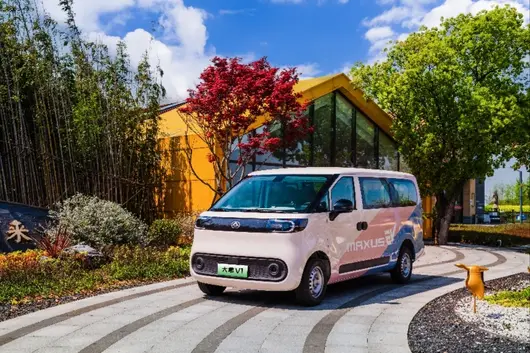
Melanjutkan potensi pertumbuhan, kejayaan bulan pertama setengah tahun kedua.Pada Julai, SAIC Maxus menjual cemerlang 25,050 unit keseluruhan, meningkat 35% berbanding tahun lepas. Kenderaan tenaga baharu menjual cemerlang 10,602 unit, meningkat mendadak 140% berbanding tahun sebelumnya, kadar penembusan kenderaan tenaga baharu domestik setinggi 70%, model terlarik 'DANA' pada Julai menjual 5,310 unit, terus memimpin sektor kenderaan ringan tenaga baharu. Penjualan luar negara 13,984 unit, meningkat 69% berbanding tahun lepas, tenaga baharu meningkat 989%, peta globalisasi terus berkembang. Kedudukan sebagai pemimpin kenderaan ringan kukuh, jualan pikap terus meningkat tinggi, sektor trak ringan tenaga baharu Jinyue memimpin, tiga talian perniagaan berkerjasama, melancarkan 'tembakan pertama' setengah tahun kedua.


[SAIC Maxus Jualan Julai]
Kedudukan sebagai pemimpin kenderaan ringan kukuh, 'model terlarik' DANA memimpin sektor kenderaan ringan tenaga baharu.Selepas meraih gelaran 'Raja Dua Mahkota' jualan sebulan dan kumulatif, kenderaan ringan Maxus pada Julai menjual 9,619 unit, meningkat 22% berbanding tahun lepas. Di antaranya, siri DANA menjual 5,310 unit pada bulan yang sama, meningkat mendadak 134%, mengukuhkan kedudukan sebagai teladan kenderaan ringan tenaga baharu. 'Kenderaan ringan range terpanjang pertama industri' DANA Super Range dengan 'Tiga Besar' saiz besar, kuasa besar, jarak jauh, dan 'Tiga Kecil' saiz kecil, berat kecil, penggunaan bahan api kecil, mendefinisikan teladan range komersial, sejak pelancaran terus mendapat kegemaran pengguna logistik bandar dan antara bandar; DANA V1 (Bateri Tianxing CATL 50 kWh) mencapai penambahbaikan menyeluruh dari segi jarak, pengisian tenaga, dan jaminan kualiti, tepat pada keutamaan logistik bandar dan penubuhan usahawan kecil dan sederhana, kejujuran menambah kuota tanpa menaikkan harga mendapat pengiktirafan meluas dari pasaran.

[DANA V1]
Pikap 'Cuba dahulu, beli kemudian', jualan terus meningkat tinggi.Pikap Maxus pada Julai menjual 7,678 unit, meningkat 41%, kadar pertumbuhan memimpin sektor khusus. Model Starland L baharu, Model 2026 Star EV, Model 2026 T60 yang terdiri daripada matriks produk semua skenario terus berdaya, merangkumi sepenuhnya keperluan penggunaan pelbagai seperti komersial, santai keluarga, off-road teguh. Model 'Uji Percuma 7 Hari' yang pertama dalam industri, membolehkan pengguna menguji prestasi pikap Maxus secara mendalam dalam operasi sebenar dan skenario kehidupan, mengurangkan ambang keputusan pembelian kenderaan dengan berkesan.

[Starland Baharu L]
Transformasi Jinyue dipercepatkan, kejayaan baharu dalam pasaran logistik sejuk.Merek Jinyue SAIC Maxus pada Julai menjual 3,621 unit. Di antaranya, model tenaga baharu menjual 3,056 unit, meningkat mendadak 117%, bahagian jualan mencapai 85%, transformasi tenaga baharu terus dipercepatkan. Kejayaan baharu dalam pasaran logistik sejuk, kenderaan sejuk DANA T1 berjaya menghantar secara besar-besaran di Shanghai, Changzhou, Nanjing dan tempat lain, mendapat pengiktirafan meluas daripada pelanggan korporat dengan prestasi yang boleh dipercayai.

[DANA T1]
Luasan luar negara terus berkembang, pendalaman globalisasi diteruskan.Pada Julai, jualan luar negara SAIC Maxus 13,984 unit, meningkat 69% berbanding tahun lepas, tenaga baharu meningkat 989%, produk terus laris di lebih 100 negara dan wilayah di seluruh dunia. Di pasaran matang, status jenama terus diperkukuh: Pada Jun, dalam pasaran kenderaan komersial ringan Greece, jenama MAXUS mencapai nombor satu di kalangan jenama China, terus menjadi nombor satu di pasaran kenderaan komersial ringan Greece selama 6 bulan berturut-turut, menandakan daya produk dan daya jenama dalam pasaran maju mendapat pengiktirafan lanjut, langkah penetrasi di pasaran Eropah terus dipercepatkan. Pasaran baru dan skenario khusus juga mencapai kejayaan berterusan: Pada Julai, syarikat petroleum Venezuela membeli 200 unit pikap Maxus T60 pertama, berbekalkan kualiti produk yang boleh dipercayai dan prestasi teguh yang sesuai dengan perlombongan kawasan dan infrastruktur, pengaruh jenama di bidang operasi profesional seperti tenaga dan kejuruteraan tempatan terus meluas; ditambah lagi pesanan pukal perlombongan Cili yang dilaksanakan dengan mantap, nilai komersial pikap premium mendapat pengiktirafan tinggi daripada pelanggan perusahaan luar negara. Dari output produk ke pelaksanaan perkhidmatan berperingkat, SAIC Maxus kini beroperasi secara mendalam secara tempatan, terus memperluas sempadan pertumbuhan pasaran global.

[Produk Maxus di Singapura]
Kejayaan pada bulan pertama setengah tahun kedua, asas kenderaan ringan Maxus kukuh, potensi pertumbuhan pikap dan trak ringan terus berterusan, mengukuhkan asas untuk pertumbuhan berkualiti tinggi setengah tahun kedua. Berdiri pada titik permulaan baharu, SAIC Maxus akan terus menepati 'Pemimpin Kenderaan Komersial Ringan Global' visi strategik, menambah pelaburan tenaga baharu dan布局 globalisasi, terus membantu transformasi dan peningkatan industri kenderaan komersial China.


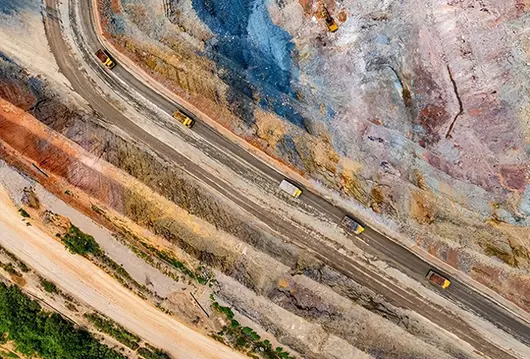
African resource countries tighten raw mineral exports, domestic new energy industry chains face supply challenges directly.
Author | Zhang Heng
Since 2026, major African mineral countries such as Zimbabwe, Democratic Republic of the Congo, Mozambique, and Malawi have successively introduced policies to tighten exports of new energy core minerals such as lithium, cobalt, and graphite.
The simultaneous policy shifts in multiple countries clearly indicate preparation, with the goal being the Chinese new energy industry chain.
Multiple African Countries Tighten Mineral Exports
This signal of policy tightening was first released by Zimbabwe. In February 2026, the country suddenly issued an emergency suspension on raw lithium and lithium concentrate exports, even intercepting some cargo that was already loaded and about to be shipped. At that time, market analysts judged that this was not a short-term temporary control.
As expected, by May, Zimbabwe officially designated 14 categories of minerals including lithium, cobalt, and graphite as national strategic resources, mandating foreign-funded mining enterprises to introduce local shareholders, while simultaneously requiring the construction of deep processing projects within the country to firmly lock the value added by the industry chain.
Following closely, the Democratic Republic of the Congo set an export quota of 96,600 tons for cobalt ore over two years, directly significantly reducing the outflow of low-end cobalt raw materials.

This wave of resource protection policies quickly spread to East Africa and Southern Africa, with multiple countries forming a consensus to unify restrictions on exporting raw ores and coarse concentrates without smelting and processing.
The highly consistent policy steps of multiple African countries have brought severe challenges to China's new energy industry chain.
Looking back at the past decade-plus of development, the heat of African resource development was highly synchronized with the rise of China's new energy vehicle industry, deeply bundled.
China's new energy industry broke out from scratch, with power batteries and complete vehicle capacity expanding at high speed year after year, but domestic reserves of lithium and cobalt resources were insufficient and mining costs were high, making it difficult to meet demand. Africa possesses world-class new energy mineral endowments, but is constrained by insufficient funds, technology, and infrastructure, unable to develop and realize value.
Under this complementarity, China and Africa formed a mature and stable industry chain division. Chinese enterprises went overseas to improve local infrastructure and invested in mines, putting funds and complete sets of mining technology into place, helping Africa's mineral development; Africa provided stable and low-cost coarse mineral raw materials to support China's new energy industry in growing stronger.
In terms of data, the Democratic Republic of the Congo contributes 76% of global cobalt production, and over 90% of China's ternary battery cobalt raw materials rely on African imports; Zimbabwe's lithium concentrates over 90% are exported to China, accounting for 15.5% of China's total imports; Mozambique and Madagascar natural graphite continue to supply China's anode materials, which are essential raw materials for power batteries.

Relying on Africa's large-volume, stable, and reliable primary mineral supply, China mastered over 80% of global cobalt smelting and over 70% of lithium salt processing capacity, building the world's largest scale power battery and new energy vehicle manufacturing system. It can be said that the rapid development of China's new energy industry in the past decade relied on resource strategic cooperation between China and Africa.
As China's new energy industry gradually matures, the attitude of overseas partners seems to have changed.
In the past decade-plus, African mineral resource countries mostly stayed in ore mining, initial classification, warehousing, and logistics links, only earning basic labor and resource mining revenue; China undertook mineral deep processing, covering downstream links such as smelting, cathode materials, and battery manufacturing.
After China's new energy industry chain became increasingly mature, African resource countries were no longer satisfied with simply exporting low-value-added primary raw ores. Countries drew lessons from Indonesia's governance of the nickel industry chain, recognized China's import dependency on their mineral resources, successively tightened raw mineral export controls and set quota thresholds, mandated foreign capital to implement deep processing factories locally, and incorporate local capital participation, forcing industry chain value-added revenue to remain in the local jurisdiction.

The bilateral mutual-benefit cooperation pattern maintained for over a decade has been broken. African resource countries attempt to reshape the distribution of industry chain interests from the upstream resource end; this move is no different from a major blow to China's new energy supply chain.
Car Manufacturer Profit Pressures Mount
Currently, profits in the domestic complete vehicle industry are extremely thin. Data from the China Association of Automobile Manufacturers shows that the average net profit margin of complete vehicle manufacturing in the first half of 2026 was only 1.5%, reaching a ten-year low.
For a vehicle with an average price of 200,000 yuan, the car manufacturer's average net profit was only 3,000 yuan, far below the average profitability level of large-scale industrial enterprises in the country. Continuous price wars for several years have compressed pricing space, leaving the industry little room to buffer cost fluctuations.
The earnings forecasts released in the second quarter of 2026 directly revealed cost pressures. Seres expects a net loss attributable to the parent company of 1.5 billion to 1.8 billion yuan in the first half of the year, while Beijing Automotive Group Blue Valley expects a net profit loss attributable to the parent company of 1.77 billion to 1.97 billion yuan in the first half of the year. Terminal market competition is fiercely intensified, car manufacturers dare not easily raise selling prices, and new costs brought by raw material price increases must be absorbed internally by the enterprise.
The rise in lithium carbonate prices is one reason for the pressure on car manufacturer profits. Battery-grade lithium carbonate has been rising from 70,000 to 100,000 yuan/ton at the end of 2025, reaching close to 200,000 yuan/ton in May 2026, with prices nearly doubling.
The industry standard calculation is that for every 10,000 yuan/ton increase in lithium carbonate, the battery cost of a pure electric vehicle with 60 kWh increases by 300 yuan; the cost increase per vehicle for long-range models can reach 400 yuan. Compared to the early year low, the rigid cost increase for large-capacity pure electric vehicles is 2,000 to 3,000 yuan, and ternary lithium battery models are burdened even heavier with the added cobalt price fluctuations.

If various African countries continue to ramp up export restrictions, and lithium and cobalt raw material prices remain at high levels, the car manufacturer's situation will further deteriorate. Weak manufacturers with insufficient capacity utilization will continue to amplify loss pressure.
Facing the hazards upstream, China's industry chain did not choose to sit idle.
On one hand, leading mining companies and car manufacturers complied with African localization requirements and implemented smelting capacity locally. Huayou Cobalt laid out lithium sulfate production lines in Zimbabwe, processing minerals locally to meet local policy requirements; China Molybdenum expanded local cobalt smelting capacity in the Democratic Republic of the Congo to avoid raw mineral export quota constraints. This kind of heavy asset investment cycle is long.
On the other hand, the sourcing layout moves towards diversification, with some companies accelerating the development of Australian and South American lithium mine resources, simultaneously exploring the potential of lithium resources in domestic Qinghai and Western Sichuan, creating a "double insurance" of "overseas multi-point supply + domestic owned minerals". BYD, CATL, Geely, and other companies broadened overseas mineral cooperation to disperse geopolitical policy risks.
In addition, reducing dependence on rare metals through technology iteration has also become an industry R&D trend. Low-cobalt and cobalt-free solutions continue to be popularized, and mid-range models are equipped with Lithium Iron Phosphate (LFP) batteries on a large scale, reducing the demand for Democratic Republic of the Congo cobalt mines. At the same time, the battery recycling system continues to improve, refining and regenerating lithium and cobalt from retired batteries, gradually forming urban mines, alleviating pressure from importing raw minerals overseas.

Multiple African countries tightening mineral exports aims to redistribute the interests of the new energy industry chain. The domestic industry chain wants to resist external resource fluctuations, cannot rely on low-price imported minerals for the long term, and must continuously advance supply chain diversification and material technology iteration to gradually get rid of constraints from overseas resources. [Copyright Notice] This article is an original work of "Auto People", copyright belongs to the publisher, unauthorized reproduction or partial copying is prohibited, violators will be held liable.
喺馬來西亞嘅 SUV 市場,好多買家喺揀車嗰陣都會拿 Perodua Aruz 同 Hyundai Tucson 做比較。這兩款車喺價位同定位上都好接近,今日我哋就從多個方面做一個詳細嘅比較,幫你省做功課嘅時間。
Perodua Aruz 喺馬來西亞嘅 OTR 售價係 RM 72,900 - 77,900,一共有 2 個型號,包括 1.5L X(RM 72,900)、1.5L AV(RM 77,900) 等。
Hyundai Tucson 喺馬來西亞嘅 OTR 售價係 RM 143,888 - 197,888,一共有 5 個型號,包括 2025 HEV 1.6T AT 2WD Prestige(RM 197,888)、2025 1.6T DCT 4WD Prestige(RM 186,888)、2025 1.6T DCT 2WD Prime(RM 164,888) 等。
由價錢睇,Perodua Aruz 嘅起步價確實比 Hyundai Tucson 平咗 RM 70,988。如果你預算有限,Perodua 嘅入門版已經可以滿足日常需要。但都要注意,平嗰幾千蚊,可能喺配備上有取舍,具體要看你嘅需要。
Perodua Aruz 嘅安全評級係 5★ (ASEAN NCAP),主動安全系統包括 。
Hyundai Tucson 嘅安全評級係 5★ (ASEAN NCAP),主動安全系統包括 SmartSense。
兩款車嘅安全評級一樣,喺呢個級距裡面安全配備都算好齊全。而家嘅新車安全性都好唔錯,唔使太擔心呢一點。
Perodua Aruz 採用 FWD 驅動方式。
Hyundai Tucson 採用 FWD 驅動方式。
兩款車嘅驅動方式一樣,都係 FWD,日常駕駛感受唔會有太大分別。
Perodua Aruz 保養 5 年/150,000km,保養間隔 每 10,000km 或 6 個月。
Hyundai Tucson 保養 5 年/300,000km,保養間隔 每 10,000km 或 6 個月。

總體嚟講,Perodua Aruz 同 Hyundai Tucson 都係馬來西亞市場好唔錯嘅車型。揀邊一輛,關鍵始終係睇你嘅個人需求同預算。建議大家做好功課,多比較幾間車行嘅報價,先至去試車做最後決定。買車係件大事,花少少時間做功課肯定無錯。

喺馬來西亞嘅 SUV 市場,好多買家喺揀車嘅時候都會將寶騰 X50 同豐田 Yaris Cross 嚟比較。這兩款車喺價位同定位上都幾接近嘅,而家我哋就從多方面做一個詳細比較,幫你省低做功課嘅時間。
寶騰 X50 喺馬來西亞嘅 OTR 售價係 RM 89,800 - 113,300,總共 4 個版本,包括 1.5T Executive(RM 89,800)、1.5T Premium(RM 101,800)、1.5T Flagship(RM 113,300) 等。
豐田 Yaris Cross 喺馬來西亞嘅 OTR 售價係 RM 99,900 - 109,900,總共 2 個版本,包括 2026 1.5L Standard(RM 99,900)、2026 HEV 1.5L Standard(RM 109,900) 等。
從價錢睇,寶騰 X50 嘅入場價確實比豐田 Yaris Cross 平咗 RM 10,100。如果你預算有限,寶騰嘅入門版已經可以應付日常需要。不過都要留意,平嗰幾千蚊,可能在配備上要有取捨,具體視乎你嘅需要。

寶騰 X50 配備 1.5L 4-cyl,馬力 105 hp。官方油耗 6.0 L/100km。
豐田 Yaris Cross 配備 1.5L 4-cyl,馬力 105 hp。官方油耗 6.0 L/100km。
兩款車用緊同一套動力系統,日常駕駛嘅感受基本冇咩分別。油耗方面亦都差不多,唔使太糾結呢點。
寶騰 X50 採用 4WD 驅動方式。
豐田 Yaris Cross 採用 FWD 驅動方式。
寶騰嘅 4WD 同豐田嘅 FWD 喺操控上會有唔同感受,建議試駕比較。

寶騰 X50 保用 5 年/150,000km,保養間隔 每 10,000km 或 6 個月。
豐田 Yaris Cross 保用 5 年/無限里程,保養間隔 每 10,000km 或 6 個月。

寶騰 X50 同豐田 Yaris Cross 都係馬來西亞市場嘅主流選擇,適合家庭用、日常通勤。如果你更看重品牌口碑同二手價,可以優先考慮口碑好啲嗰款;如果你更在意性價比同配備,就揀配備更豐富嗰款。最後始終建議兩款都去試駕,親身體驗先係最重要。
總括嚟講,寶騰 X50 同豐田 Yaris Cross 都係馬來西亞市場幾唔錯嘅車款。揀邊一部,關鍵係睇你嘅個人需要同預算。建議大家做好功課,多比較幾間車行嘅報價,先至做最終決定。買車係件大事,花啲時間做功課絕對唔會錯。

喺馬來西亞嘅 SUV 市場,好多買家喺揀車嘅時候都會拿 Proton X50 同 Mazda CX-5 嚟做比較。呢兩款車喺價位同定位上都幾接近,而家我哋就從多個方面做一個詳細嘅比較,幫你省咗做功課嘅時間。
Proton X50 喺馬來西亞嘅 OTR 售價係 RM 89,800 - 113,300,一共有 4 個版本,包括 1.5T Executive(RM 89,800)、1.5T Premium(RM 101,800)、1.5T Flagship(RM 113,300) 等。
Mazda CX-5 喺馬來西亞嘅 OTR 售價係 RM 135,469 - 166,760,一共有 3 個版本,包括 2025 2.0L AT 35th Anniversary(RM 316,154)、2025 2.0L AT(RM 296,154)、2025 2.0L MT(RM 294,154) 等。
從價錢嚟睇,Proton X50 嘅起步價確實比 Mazda CX-5 便宜咗 RM 45,669。如果你預算有限,Proton 嘅入門版已經可以滿足日常需求。但都要注意,便宜嗰幾千塊,可能喺配備上會有取捨,具體要看你嘅需求。
Proton X50 搭載 1.5L 4-cyl,馬力 105 hp。官方油耗 6.0 L/100km。
Mazda CX-5 搭載 1.5L Turbo,馬力 140 hp。官方油耗 7.0 L/100km。
動力方面,Mazda CX-5 嘅 1.5L Turbo 比 Proton X50 嘅 1.5L 4-cyl 多咗 35 匹馬力。不過日常喺市區開,兩款車嘅動力都夠用,唔會覺得唔夠力。
Proton X50 嘅安全評級係 5★ (ASEAN NCAP),主動安全系統包括 ADAS (ACC, AEB, LKA, LDA, BSM, RCTA)。
Mazda CX-5 嘅安全評級係 5★ (ASEAN NCAP),主動安全系統包括 。
兩款車嘅安全評級一樣,喺呢個級別入面安全配備都算畀得好齊全。而家嘅新車安全性都唔差,唔使太擔心這一點。
Proton X50 車身長 4400 mm,後備箱 400 L。
Mazda CX-5 車身長 4500 mm,後備箱 450 L。
空間方面,Mazda CX-5 嘅車身比 Proton X50 長咗 100 mm,乘坐空間更有優勢。不過 Proton X50 喺城市入面泊車會靈活啲,各有取捨。

Proton X50 同 Mazda CX-5 都係馬來西亞市場嘅主流選擇,適合家庭使用、日常通勤。如果你更睇重品牌口碑同二手價,可以優先考慮口碑更好嗰一款;如果你更在意性價比同配備,就揀配置更豐富嗰款。最終都係建議兩款都去試駕,親身體驗先係最重要。

總體嚟講,Proton X50 同 Mazda CX-5 都係馬來西亞市場好唔錯嘅車型。揀邊一輛,關鍵都係要看你嘅個人需求同預算。建議大家做足功課,多比較幾間車行嘅報價,再去試駕做最終決定。買車係件大事,花點時間做功課絕對唔會錯。
© 2024 Bitauto.com. All Rights Reserved.
Bitauto (www.yiche.com and www.bitauto.com) is one of the most visited automotive websites in China. We provide detailed info on Chinese car brands available in your area. Please note that the information provided on this website is based on publicly available data and is for reference only. It may not be fully updated or accurate at all times.

Help us improve our website


