

HomeToyota Hilux

Search History
Popular Searches
Dealer Login / Sign Up

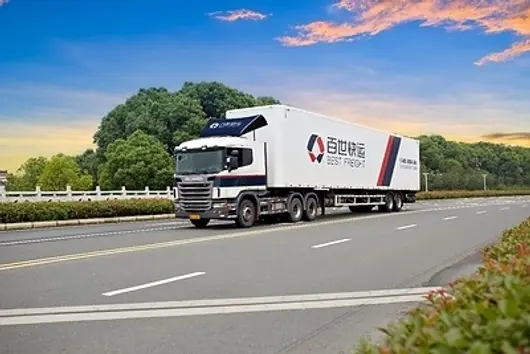
HANGZHOU, October 22, 2026 /PR Newswire/ -- Data from the General Administration of Customs shows that in the first three quarters of 2026, China's cargo trade exports reached 23.2 trillion yuan, a year-on-year increase of 16.4%; cross-border e-commerce exports were approximately 1.75 trillion yuan, a year-on-year increase of 4.6%. The continuous growth in export trade has also driven the transportation demand for cargo consolidation during the domestic segment of cross-border goods. Relying on its nationwide service network and the "Orange Pick" product, Best Express is actively expanding pickup and transportation businesses for cross-border goods within the domestic segment, transporting scattered cargo from various locations to designated cross-border consolidation warehouses. As of September 2026, Best Express's domestic pickup volume for cross-border goods increased by nearly 10 times year-on-year.
Growing Demand for Going Global Brings New Domestic Cargo Sources

For B2B cross-border e-commerce businesses, goods usually need to be consolidated in designated cross-border consolidation warehouses before going global, and then international transportation is arranged uniformly. Due to the wide distribution of cargo sources across the country and dispersed shipping locations, cross-border sellers and enterprises may need to deal with multiple logistics service providers or arrange transportation through supply manufacturers. The more logistics service providers there are, the more complicated the pickup arrangements, shipment tracking, account reconciliation, and settlement become.
To address this demand, Best Express provides remote pickup and transportation services for cross-border customers through its nationwide service network and the "Orange Pick" product. Customers only need to connect with one logistics service provider, Best Express, to place a unified order. Outlets in different cities across the country will pick up the goods, transport them to designated cross-border consolidation warehouses, and manage orders, track cargo status, and handle settlement uniformly. Currently, relevant cargo sources mainly come from regions with concentrated foreign trade and manufacturing industries, such as Zhejiang, Fujian, Jiangsu, and Guangdong.
Best Cross-border, under Best Group, is one of the existing cross-border cargo channels for Best Express. On the one hand, Best Express has set up cross-border receiving windows in 59 distribution centers nationwide. Customers or their commissioned carriers can deliver goods to designated distribution centers and then transport them to cross-border consolidation warehouses through the Best Express network. On the other hand, for cross-border customers requiring door-to-door pickup, Best Express arranges local outlets to pick up goods via the "Orange Pick" product and transport them to Best Cross-border consolidation warehouses in Guangzhou and Yiwu.
As business operations progress, the cross-border cargo volume undertaken by Best Express continues to increase. Taking the customer self-delivery distribution model as an example, from July to September this year, cross-border related cargo volume grew for three consecutive months, with an average month-on-month growth rate exceeding 20%. These goods utilize existing distribution and trunk line network transportation, which, while expanding cargo sources, also helps improve the utilization efficiency of transportation resources.
"Orange Pick" Meets Remote Pickup Needs in Multiple Scenarios

Cross-border goods have higher requirements for domestic transport timeliness and batch management. Especially for B2B goods requiring centralized customs declaration, if part of the same batch of goods fails to arrive at the consolidation warehouse on time, it may affect subsequent shipments.
In cooperation with Best Cross-border, Best Express arranges domestic pickup and transportation via "Orange Pick", and configures dedicated customer service follow-up, distribution operations, and exception handling support to strengthen batch verification and handover management. At the same time, domestic express orders are linked to subsequent cross-border orders. Customers can query the cargo status of different transport links, improve the traceability of the cargo transportation process, and achieve "one order from start to finish" for full-link information from domestic to overseas.
Besides domestic pickup and transportation for cross-border goods, "Orange Pick" is also applied in scenarios such as multi-point pickup for domestic brand customers, inter-warehouse transfers, and store returns. For example, chain brands can uniformly arrange return transportation for stores nationwide, and multi-warehouse operating enterprises can transfer goods between different warehouses according to business needs.
As Best Express's one-stop multi-point pickup solution, "Orange Pick" supports customers placing one order, with outlets in different regions picking up goods door-to-door, and transportation arranged via intelligent dispatching. Customers can query cargo tracks in real time, manage orders and settlement fees uniformly, and choose services such as door-to-door delivery, self-pickup at outlets, or return to warehouse as needed.
Broaden Cargo Channels, Leverage Nationwide Network Advantages

As of the end of August 2026, Best Express has 87 distribution centers and 21,000 service outlets nationwide. While continuously deepening the domestic large parcel and less-than-truckload transportation markets, Best Express is also expanding domestic segment transportation business for cross-border goods. For service outlets across the country, besides existing domestic cargo sources, they can also utilize existing resource capabilities to undertake domestic transportation demands for cross-border e-commerce and companies going global, creating more opportunities for continuous growth.
It is worth mentioning that Best Express's nationwide network is an important component of the Best Group's global supply chain service system. Relying on the synergy of business segments such as express, supply chain, international, cross-border, and global supply chain, Best can provide integrated logistics services including domestic pickup and consolidation, customs declaration, first-leg transportation, destination country customs clearance, and overseas warehousing and distribution for cross-border sellers and companies going global. Through overseas SaaS software, freight inventory, and distribution businesses, it provides support for enterprises conducting operations overseas.
Currently, Best Group's overseas business covers 10 countries including the USA, Thailand, Vietnam, Malaysia, the Philippines, Indonesia, and Brazil. In Southeast Asia, it has more than 60 transit centers and more than 1,300 service outlets, with overseas warehouse area exceeding 310,000 square meters. With the continuous improvement of domestic and international business networks, Best Group will continue to strengthen synergy among all business segments to provide smart supply chain services covering global end-to-end logistics fulfillment and overseas operation links for Chinese enterprises.

In the Malaysian SUV market, many buyers compare Toyota Harrier and Volvo XC90 PHEV when choosing a car. These two models are quite close in price and positioning. Today, we will make a detailed comparison from multiple aspects to help you save time on research.
The OTR price of Toyota Harrier in Malaysia is RM 289,000 - 289,000, with a total of 1 version, including 2026 HEV 2.5L Standard (RM 289,000), etc.
The OTR price of Volvo XC90 PHEV in Malaysia is RM 434,888 - 434,888, with a total of 2 versions, including 2025 2.0T 77km Ultra (RM 434,888), What safety features does the Volvo XC90 PHEV have? (RM 362,888), etc.
From the price perspective, the starting price of Toyota Harrier is indeed RM 145,888 cheaper than Volvo XC90 PHEV. If your budget is limited, Toyota's entry-level version can already meet daily needs. However, be aware that the few thousand cheaper might have trade-offs in features, it depends on your specific needs.

Toyota Harrier's safety rating is 5★ (ASEAN NCAP), active safety systems include Brand ADAS.
Volvo XC90 PHEV's safety rating is 5★ (Euro NCAP), active safety systems include Premium ADAS.
Regarding safety features, both cars have received good ratings. However, there are some differences in function between Toyota Harrier's Brand ADAS and Volvo XC90 PHEV's Premium ADAS. If you value active safety, you can compare the feature lists of both carefully.

Toyota Harrier body length 4400 mm, trunk 400 L.
Volvo XC90 PHEV body length 4400 mm, trunk 400 L.
The dimensions of both cars are almost the same, and the interior space difference is not significant. Cars in this class are fully adequate for daily use.

Toyota Harrier uses FWD drive mode.
Volvo XC90 PHEV uses FWD drive mode.
Both cars have the same drive mode, both are FWD, and the daily driving experience will not be significantly different.

In general, both Toyota Harrier and Volvo XC90 PHEV are excellent models in the Malaysian market. Which one to choose depends on your personal needs and budget. It is recommended to do your homework, compare quotes from several dealerships, and then go for a test drive to make the final decision. Buying a car is a big matter, spending time on research will definitely not be wrong.


Dalam pasaran SUV di Malaysia, banyak pembeli membandingkan Toyota Harrier dan Volvo XC90 PHEV semasa memilih kereta. Kedua-dua kereta ini mempunyai harga dan kedudukan pasaran yang sangat hampir. Hari ini, kami akan membuat perbandingan terperinci dari pelbagai aspek untuk membantu anda menjimatkan masa mengkaji.
Toyota Harrier dijual di Malaysia dengan harga OTR RM 289,000 - 289,000, terdapat 1 varian, termasuk 2026 HEV 2.5L Standard (RM 289,000) dan lain-lain.
Volvo XC90 PHEV dijual di Malaysia dengan harga OTR RM 434,888 - 434,888, terdapat 2 varian, termasuk 2025 2.0T 77km Ultra (RM 434,888), Ciri keselamatan apa yang dimiliki Volvo XC90 PHEV? (RM 362,888) dan lain-lain.
Dari segi harga, harga permulaan Toyota Harrier memang lebih murah sebanyak RM 145,888 berbanding Volvo XC90 PHEV. Jika anda mempunyai bajet terhad, versi pemula Toyota sudah boleh memenuhi keperluan harian. Tetapi perlu diingat, perbezaan harga beberapa ribu ringgit itu mungkin melibatkan pertimbangan pada kelengkapan, bergantung pada keperluan anda.
Toyota Harrier dilengkapi enjin 2.0L Turbo, dengan kuasa 220 hp. Penggunaan bahan api rasmi ialah 9.5 L/100km.
Volvo XC90 PHEV dilengkapi Hybrid, dengan kuasa 170 hp. Penggunaan bahan api rasmi ialah 4.5 L/100km.
Dari segi kuasa, 2.0L Turbo Toyota Harrier mempunyai 50 hp lebih daripada Hybrid Volvo XC90 PHEV, memberikan keyakinan lebih dalam pecutan pertengahan, terutamanya ketika memotong di lebuh raya. Walau bagaimanapun, penggunaan bahan api Volvo XC90 PHEV mungkin lebih menjimatkan, bezanya tidak terlalu ketara untuk perjalanan harian dalam bandar.
Toyota Harrier mempunyai jaminan 5 tahun/jarak tanpa had, selang penyelenggaraan setiap 10,000km atau 6 bulan.
Volvo XC90 PHEV mempunyai jaminan 5 tahun/jarak tanpa had, selang penyelenggaraan setiap 10,000km atau 6 bulan.
Toyota Harrier dan Volvo XC90 PHEV adalah pilihan utama di pasaran Malaysia, sesuai untuk kegunaan keluarga dan perjalanan harian. Jika anda lebih mengutamakan reputasi jenama dan nilai jual semula, pilihlah yang mempunyai reputasi lebih baik; jika anda lebih mengambil berat mengenai nisbah harga dan kelengkapan, pilihlah yang lebih lengkap. Pada akhirnya, disarankan untuk memandu ujian kedua-dua model ini kerana pengalaman langsung adalah yang paling penting.
Secara keseluruhan, Toyota Harrier dan Volvo XC90 PHEV adalah model kereta yang sangat baik di pasaran Malaysia. Memilih mana satu, yang penting adalah keperluan dan bajet anda. Kami cadangkan anda membuat kajian terlebih dahulu, membandingkan pelbagai penawaran daripada dealer kereta yang berbeza, dan kemudian melakukan ujian pemanduan untuk membuat keputusan akhir. Membeli kereta adalah urusan besar, meluangkan masa untuk mengkaji pasti tidak akan salah.

Dalam pasaran SUV Malaysia, banyak pembeli semasa memilih kereta akan membandingkan Toyota Harrier dan Volvo XC60 PHEV. Kedua-dua kereta ini dalam harga dan kedudukan pasaran sangat hampir, hari ini kita akan buat perbandingan terperinci dari pelbagai aspek, membantu anda menjimatkan masa membuat kajian.
Toyota Harrier dijual di Malaysia pada harga OTR RM 289,000 - 289,000, terdapat 1 varian, termasuk 2026 HEV 2.5L Standard (RM 289,000) dan lain-lain.
Volvo XC60 PHEV dijual di Malaysia pada harga OTR RM 362,888 - 362,888, terdapat 2 varian, termasuk 2025 2.0T 89km Ultra (RM 362,888), Ciri Keselamatan Volvo XC60 PHEV (RM 296,610) dan lain-lain.
Dari segi harga, harga permulaan Toyota Harrier memang lebih murah RM 73,888 berbanding Volvo XC60 PHEV. Jika bajet anda terhad, varian permulaan Toyota sudah cukup untuk keperluan harian. Namun, perhatikan juga, beberapa ribu ringgit yang lebih murah itu, mungkin ada pertukaran dari segi pelengkapan, bergantung pada keperluan anda.
Toyota Harrier dilengkapi enjin 2.0L Turbo, kuasa 220 hp. Kos minyak rasmi 9.5 L/100km.
Volvo XC60 PHEV dilengkapi Hybrid, kuasa 170 hp. Kos minyak rasmi 4.5 L/100km.
Dari segi kuasa, enjin 2.0L Turbo Toyota Harrier mempunyai 50 bhp lebih berbanding Hybrid Volvo XC60 PHEV, memberi lebih keyakinan untuk pecutan pertengahan, terutamanya semasa menyalip di lebuh raya. Walau bagaimanapun, kos minyak Volvo XC60 PHEV mungkin lebih baik, perbezaan untuk perjalanan harian di bandar mungkin tidak terlalu besar.
Skor keselamatan Toyota Harrier adalah 5★ (ASEAN NCAP), sistem keselamatan aktif termasuk Brand ADAS.
Skor keselamatan Volvo XC60 PHEV adalah 5★ (Euro NCAP), sistem keselamatan aktif termasuk Premium ADAS.
Dari segi pelengkapan keselamatan, kedua-dua kereta mendapat penilaian yang bagus. Walau bagaimanapun, Brand ADAS pada Toyota Harrier dan Premium ADAS pada Volvo XC60 PHEV mempunyai beberapa perbezaan dari segi fungsi, jika anda lebih mengutamakan keselamatan aktif, anda boleh bandingkan senarai fungsi kedua-duanya.
Toyota Harrier mempunyai waranti 5 tahun / tanpa had jarak, selang penyelenggaraan setiap 10,000km atau 6 bulan.
Volvo XC60 PHEV mempunyai waranti 5 tahun / tanpa had jarak, selang penyelenggaraan setiap 10,000km atau 6 bulan.

Toyota Harrier dan Volvo XC60 PHEV adalah pilihan utama di pasaran Malaysia, sesuai untuk kegunaan keluarga, perjalanan harian. Jika anda lebih mengutamakan reputasi jenama dan harga jualan semula, anda boleh utamakan model yang lebih mempunyai reputasi; jika anda lebih mementingkan nisbah nilai dan pelengkapan, pilih model yang lebih kaya spesifikasi. Akhir sekali, disarankan untuk mencuba kedua-duanya, pengalaman sendiri adalah yang paling penting.

Secara keseluruhannya, Toyota Harrier dan Volvo XC60 PHEV adalah model kereta yang bagus di pasaran Malaysia. Memilih mana-mana, penting bergantung pada keperluan dan bajet peribadi anda. Disarankan untuk membuat kajian, bandingkan beberapa kutipan harga dari agensi, kemudian buat ujian pemanduan untuk membuat keputusan akhir. Membeli kereta adalah perkara besar, mengambil masa untuk membuat kajian tidak akan salah.

Di pasaran SUV di Malaysia, ramai pembeli yang membandingkan Toyota Harrier dan Volvo XC90 semasa memilih kereta. Kedua-dua kereta ini agak hampir dari segi harga dan penjenamaan. Hari ini kita akan buat perbandingan terperinci dari pelbagai aspek untuk membantu anda menjimatkan masa membuat kajian.
Toyota Harrier di Malaysia mempunyai harga OTR RM 289,000 - 289,000, dengan jumlah 1 varian, termasuk 2026 HEV 2.5L Standard (RM 289,000) dan lain-lain.
Volvo XC90 di Malaysia mempunyai harga OTR RM 418,888 - 418,888, dengan jumlah 1 varian, termasuk 2025 2.0T Ultra (RM 418,888) dan lain-lain.
Dari segi harga, harga permulaan Toyota Harrier memang lebih murah RM 129,888 daripada Volvo XC90. Jika bajet anda terhad, varian asas Toyota sudah boleh memenuhi keperluan harian. Namun perlu diingat, perbezaan harga beberapa ribu ringgit itu, mungkin ada pengorbanan dalam kelengkapan, bergantung pada keperluan anda.
Penarafan keselamatan Toyota Harrier adalah 5★ (ASEAN NCAP), sistem keselamatan aktif merangkumi Brand ADAS.
Penarafan keselamatan Volvo XC90 adalah 5★ (Euro NCAP), sistem keselamatan aktif merangkumi Premium ADAS.
Dari segi kelengkapan keselamatan, kedua-dua kereta mendapat penarafan yang baik. Walau bagaimanapun, Brand ADAS pada Toyota Harrier dan Premium ADAS pada Volvo XC90 mempunyai perbezaan dalam fungsi. Jika anda mengutamakan keselamatan aktif, boleh bandingkan senarai fungsi kedua-duanya dengan teliti.
Panjang badan Toyota Harrier 4400 mm, ruang bagasi 400 L.
Panjang badan Volvo XC90 4400 mm, ruang bagasi 400 L.
Saiz kedua-dua kereta hampir sama, ruang dalaman tidak banyak berbeza. Kereta kelas ini, penggunaan harian sudah cukup.
Toyota Harrier menggunakan cara pemacu FWD.
Volvo XC90 menggunakan cara pemacu FWD.
Cara pemacu kedua-dua kereta sama, iaitu FWD, pengalaman memandu harian tidak akan berbeza banyak.

Secara keseluruhan, Toyota Harrier dan Volvo XC90 adalah model kereta yang sangat baik di pasaran Malaysia. Memilih yang mana, penting melihat keperluan dan bajet peribadi anda. Disarankan untuk membuat kajian, bandingkan harga dari beberapa dealer, baru buat ujian memandu untuk keputusan akhir. Membeli kereta adalah perkara besar, habiskan masa membuat kajian pasti tidak salah.

喺馬來西亞嘅 SUV 市場,好多買家揀車嘅時候都會拿 Toyota Harrier 同 Volvo XC90 做比較。呢兩款車喺價位同定位上都好接近,今日我哋就由多個方面做詳細嘅對比,幫你慳返做功課嘅時間。
Toyota Harrier 喺馬來西亞嘅 OTR 售價係 RM 289,000 - 289,000,總共有 1 個版本,包括 2026 HEV 2.5L Standard(RM 289,000) 等。
Volvo XC90 喺馬來西亞嘅 OTR 售價係 RM 418,888 - 418,888,總共有 1 個版本,包括 2025 2.0T Ultra(RM 418,888) 等。
從價錢睇嚟,Toyota Harrier 嘅起步價確實比 Volvo XC90 平咗 RM 129,888。如果你預算有限,Toyota 嘅入門版已經可以滿足日常需求。但要留意,平嗰幾千蚊,可能喺配備上有取舍,具體要看你嘅需求。
Toyota Harrier 搭載 2.0L Turbo,馬力 220 hp。官方油耗 9.5 L/100km。
Volvo XC90 搭載 3.0L Turbo,馬力 350 hp。官方油耗 12.0 L/100km。
動力方面,Volvo XC90 嘅 3.0L Turbo 比 Toyota Harrier 嘅 2.0L Turbo 多咗 130 匹馬力。不過日常喺市區開,兩款車嘅動力都夠用,唔會覺得唔夠力。
Toyota Harrier 嘅安全評級係 5★ (ASEAN NCAP),主動安全系統包括 Brand ADAS。
Volvo XC90 嘅安全評級係 5★ (Euro NCAP),主動安全系統包括 Premium ADAS。
安全配備方面,兩款車都拿到唔錯嘅評級。不過 Toyota Harrier 嘅 Brand ADAS 同 Volvo XC90 嘅 Premium ADAS 喺功能上有啲差異,如果你比較看重主動安全嘅話,可以仔細對比吓兩者嘅功能列表。
Toyota Harrier 採用 FWD 驅動方式。
Volvo XC90 採用 FWD 驅動方式。
兩款車嘅驅動方式一樣,都係 FWD,日常駕駛感受唔會有太大分別。
總體嚟講,Toyota Harrier 同 Volvo XC90 都係馬來西亞市場好好嘅車型。揀邊一輛,關鍵始終係睇你嘅個人需求同預算。建議大家做好功課,多比較幾間車行嘅報價,再去試駕做最終決定。買車係件大事,花少少時間做功課絕對唔會錯。

喺馬來西亞嘅 SUV 市場,好多買家喺揀車嘅時候都會拿 Toyota Harrier 同 Volvo XC90 嚟做比較。呢兩款車喺價位同定位上都蠻接近,今日我哋就從多個方面做一次詳細嘅對比,幫你省下做功課嘅時間。
Toyota Harrier 喺馬來西亞嘅 OTR 售價係 RM 289,000 - 289,000,一共 有 1 個版本,包括 2026 HEV 2.5L Standard(RM 289,000) 等。
Volvo XC90 喺馬來西亞嘅 OTR 售價係 RM 418,888 - 418,888,一共 有 1 個版本,包括 2025 2.0T Ultra(RM 418,888) 等。
從價錢嚟睇,Toyota Harrier 嘅起步價確實比 Volvo XC90 平咗 RM 129,888。如果你預算有限,Toyota 嘅入門版已經可以滿足日常需求。但都要留意,平嘅嗰幾千蚊,可能在配備上會有取捨,具體要看你嘅需求。
Toyota Harrier 搭載 2.0L Turbo,馬力 220 hp。官方油耗 9.5 L/100km。
Volvo XC90 搭載 3.0L Turbo,馬力 350 hp。官方油耗 12.0 L/100km。
動力方面,Volvo XC90 嘅 3.0L Turbo 比 Toyota Harrier 嘅 2.0L Turbo 多咗 130 匹馬力。不過日常喺市區開,兩款車嘅動力都夠用,唔會覺得唔夠勁。
Toyota Harrier 嘅安全評級係 5★ (ASEAN NCAP),主動安全系統包括 Brand ADAS。
Volvo XC90 嘅安全評級係 5★ (Euro NCAP),主動安全系統包括 Premium ADAS。
安全配備方面,兩款車都拿到唔錯嘅評級。不過 Toyota Harrier 嘅 Brand ADAS 同 Volvo XC90 嘅 Premium ADAS 喺功能上有啲差異,如果你比較睇重主動安全嘅話,可以仔細對比一下佢哋嘅功能列表。
Toyota Harrier 採 FWD 驅動方式。
Volvo XC90 採 FWD 驅動方式。
兩款車嘅驅動方式一樣,都係 FWD,日常駕駛感受唔會有太大區別。
Toyota Harrier 同 Volvo XC90 都係馬來西亞市場嘅主流選擇,適合家庭使用、日常通勤。如果你更睇重品牌口碑同二手價,可以優先考慮口碑更好嗰一款;如果你更在意性價比同配備,就揀配置更豐富嗰款。最終都建議兩款都去試車,親身體驗先至最緊要。

總括嚟講,Toyota Harrier 同 Volvo XC90 都係馬來西亞市場好唔錯嘅車型。揀邊一輛,關鍵始終都要睇你嘅個人需求同預算。建議大家做好功課,多比較幾間車行嘅報價,先至去試車做最終決定。買車係件大事,花少少時間做功課絕對唔會錯。




喺馬來西亞嘅 SUV 市場,好多買家喺揀車嘅時候都會拿豐田 Harrier 同富豪 XC90 嚟做比較。呢兩款車喺價錢同定位上都幾接近,今日我哋就由多個方面做一個詳細嘅對比,幫你省咗做功課嘅時間。
豐田 Harrier 喺馬來西亞嘅 OTR 售價係 RM 289,000 - 289,000,一連共有 1 個版本,包括 2026 HEV 2.5L Standard(RM 289,000)等。
富豪 XC90 喺馬來西亞嘅 OTR 售價係 RM 418,888 - 418,888,一連共有 1 個版本,包括 2025 2.0T Ultra(RM 418,888)等。
從價錢睇落,豐田 Harrier 嘅起步價確實比富豪 XC90 平咗 RM 129,888。如果你預算有限,豐田嘅入門版已經可以滿足日常需求。但都要留意,平嘅那幾千塊,可能喺配備上會有取捨,具體要睇你嘅需求。
豐田 Harrier 嘅安全評級係 5★ (ASEAN NCAP),主動安全系統包括 Brand ADAS。
富豪 XC90 嘅安全評級係 5★ (Euro NCAP),主動安全系統包括 Premium ADAS。
安全配備方面,兩款車都拿到唔錯嘅評級。不過豐田 Harrier 嘅 Brand ADAS 同富豪 XC90 嘅 Premium ADAS 喺功能上有些差異,如果你比較看重主動安全嘅話,可以仔細對比一吓兩者嘅功能列表。
豐田 Harrier 採用 FWD 驅動方式。
富豪 XC90 採用 FWD 驅動方式。
兩款車嘅驅動方式一樣,都係 FWD,日常駕駛感受唔會有太大分別。
豐田 Harrier 同富豪 XC90 都係馬來西亞市場嘅主流選擇,適合家庭使用、日常通勤。如果你更睇重品牌口碑同二手價,可以優先考慮口碑更好嗰款;如果你更在意性價比同配備,就揀配備更豐富嗰款。最終都建議兩款都去試駕,親身體驗先係最重要嘅。
總嘅來說,豐田 Harrier 同富豪 XC90 都係馬來西亞市場好唔錯嘅車型。揀邊輛,關鍵還係要睇你嘅個人需求同預算。建議大家做好功課,多比較幾間車行嘅報價,再去試駕做最終決定。買車係件大事,花少少時間做功課絕對唔會錯。

In the SUV market in Malaysia, many buyers compare the Toyota Harrier and Volvo XC40 when choosing a car. These two cars are quite close in price and positioning. Today, we will make a detailed comparison from multiple aspects to help you save time on research.
The OTR price of Toyota Harrier in Malaysia is RM 289,000 - 289,000, with a total of 1 version, including 2026 HEV 2.5L Standard (RM 289,000), etc.
The OTR price of Volvo XC40 in Malaysia is RM 278,888 - 278,888, with a total of 1 version, including 2025 2.0T Plus (RM 278,888), etc.
From a price perspective, the starting price of Volvo XC40 is RM 10,112 cheaper than Toyota Harrier. Honestly, in this price range, a difference of a few thousand is actually not significant. The key is to look at the overall value for money and long-term usage cost.
Toyota Harrier is equipped with a 2.0L Turbo, 220 hp. Official fuel consumption 9.5 L/100km.
Volvo XC40 is equipped with a 2.0L Turbo, 220 hp. Official fuel consumption 9.5 L/100km.
Both cars use the same powertrain system, and the driving experience in daily use is basically the same. Fuel consumption is also similar, no need to worry too much about this point.
Toyota Harrier's safety rating is 5★ (ASEAN NCAP), active safety systems include Brand ADAS.
Volvo XC40's safety rating is 5★ (Euro NCAP), active safety systems include Pilot Assist, City Safety (Standard).
Regarding safety features, both cars have received good ratings. However, there are some functional differences between Toyota Harrier's Brand ADAS and Volvo XC40's Pilot Assist, City Safety (Standard). If you value active safety, you can carefully compare the feature lists of both.
Toyota Harrier body length is 4400 mm, trunk 400 L.
Volvo XC40 body length is 4400 mm, trunk 400 L.
The dimensions of both cars are almost the same, and the interior space is not much different. Cars at this level are more than enough for daily use.

Toyota Harrier adopts FWD drive mode.
Volvo XC40 adopts FWD drive mode.
The drive mode of both cars is the same, both are FWD, and there will not be a big difference in daily driving experience.

Overall, Toyota Harrier and Volvo XC40 are both very good car models in the Malaysian market. Choosing which one depends mainly on your personal needs and budget. It is recommended to do your research, compare quotes from several car dealers, and then take a test drive to make the final decision. Buying a car is a big matter, spending time on research will definitely not be wrong.

喺馬來西亞嘅 SUV 市場,好多買家喺揀車嘅時候都係拿豐田 Harrier 同福斯 Tiguan 嚟比較。呢兩款車喺價位同定位上都好接近,今日我哋就從多個方面做個詳細比較,幫你慳返做功課嘅時間。
豐田 Harrier 喺馬來西亞嘅 OTR 售價係 RM 289,000 - 289,000,總共有 1 個版本,包括 2026 HEV 2.5L Standard(RM 289,000) 等等。
福斯 Tiguan 喺馬來西亞嘅 OTR 售價係 RM 206,540 - 260,024,總共有 2 個版本,包括 2025 Allspace 2.0T R-Line(RM 260,024)、2025 Allspace 1.4T Elegance(RM 206,540) 等等。
睇返價錢,福斯 Tiguan 嘅起步價比豐田 Harrier 平咗 RM 82,460。坦白講,喺呢個價位段,幾千蚊嘅差距其實唔算大,關鍵始終係睇整體嘅性價比同埋長遠使用成本。
豐田 Harrier 搭載 2.0L Turbo,馬力 220 hp。官方油耗 9.5 L/100km。
福斯 Tiguan 搭載 2.0L 4-cyl,馬力 170 hp。官方油耗 8.0 L/100km。
動力方面,豐田 Harrier 嘅 2.0L Turbo 比福斯 Tiguan 嘅 2.0L 4-cyl 多咗 50 匹馬力,中段加速更有信心,尤其係跑高速過路超車嗰陣。不過福斯 Tiguan 嘅油耗可能更抵,日常市區通勤差別唔會太大。
豐田 Harrier 車身長 4400 mm,後備箱 400 L。
福斯 Tiguan 車身長 4400 mm,後備箱 400 L。
兩款車嘅尺寸幾近一樣,車內空間差別唔大。呢個級別嘅車,日常使用完全夠用。
豐田 Harrier 採用 FWD 驅動方式。
福斯 Tiguan 採用 FWD 驅動方式。
兩款車嘅驅動方式一樣,都係 FWD,日常駕駛感受唔會有太大區別。

豐田 Harrier 保修 5 年/無限里程,保養間隔 每 10,000km 或 6 個月。
福斯 Tiguan 保修 3 年/100,000km,保養間隔 每 10,000km 或 6 個月。

總體嚟講,豐田 Harrier 同福斯 Tiguan 都係馬來西亞市場幾唔錯嘅車型。揀邊一輛,關鍵始終係睇返你嘅個人需求同預算。建議大家做好功課,多比較幾間車行嘅報價,再去試駕先做最終決定。買車係件大事,花少少時間做功課絕對唔會錯。
© 2024 Bitauto.com. All Rights Reserved.
Bitauto (www.yiche.com and www.bitauto.com) is one of the most visited automotive websites in China. We provide detailed info on Chinese car brands available in your area. Please note that the information provided on this website is based on publicly available data and is for reference only. It may not be fully updated or accurate at all times.

Help us improve our website


