

Homediversity

Search History
Popular Searches
Dealer Login / Sign Up

Dalam pasaran SUV di Malaysia, ramai pembeli membandingkan Mazda CX-3 dan Hyundai Santa Fe semasa memilih kereta. Kedua-dua kereta ini mempunyai harga dan lokasi pasaran yang agak dekat, hari ini kita akan melakukan perbandingan terperinci dari pelbagai aspek untuk membantu anda menjimatkan masa membuat kajian.
Mazda CX-3 mempunyai harga OTR di Malaysia sebanyak RM 126,159 - 139,159, terdapat 2 versi secara keseluruhan, termasuk 2023 2.0L High (RM 139,159), 2023 2.0L Plus (RM 126,159) dan lain-lain.
Hyundai Santa Fe mempunyai harga OTR di Malaysia sebanyak RM 225,000 - 270,000, terdapat 3 versi secara keseluruhan, termasuk 2025 2.5T DCT 4WD Calligraphy 6 Seats (RM 270,000), 2025 HEV 1.6T AT 2WD Prestige 7 Seats (RM 245,000), 2025 HEV 1.6T AT 2WD Prime 7 Seats (RM 225,000) dan lain-lain.
Dari segi harga, harga permulaan Mazda CX-3 memang lebih murah RM 98,841 berbanding Hyundai Santa Fe. Jika bajet anda terhad, versi permulaan Mazda sudah boleh memenuhi keperluan harian. Tetapi perlu diingat, perbezaan harga ribuan itu mungkin mempunyai kompromi dari segi pelengkapan, ia bergantung pada keperluan anda.

Penarafan keselamatan Mazda CX-3 adalah 5★ (ASEAN NCAP), sistem keselamatan aktif termasuk i-Activsense.
Penarafan keselamatan Hyundai Santa Fe adalah TBD, sistem keselamatan aktif termasuk Basic.
Dari segi peralatan keselamatan, kedua-dua kereta telah mendapat penarafan yang baik. Walau bagaimanapun, terdapat beberapa perbezaan dari segi fungsi antara i-Activsense Mazda CX-3 dan Basic Hyundai Santa Fe, jika anda lebih mengutamakan keselamatan aktif, anda boleh membandingkan senarai fungsi keduanya dengan teliti.

Panjang kenderaan Mazda CX-3 4500 mm, ruang bonet 450 L.
Panjang kenderaan Hyundai Santa Fe 4400 mm, ruang bonet 400 L.
Dari segi ruang, badan Mazda CX-3 lebih panjang 100 mm berbanding Hyundai Santa Fe, ruang duduk di dalam kenderaan akan agak lebih lapang, terutamanya ruang kaki di tempat duduk belakang. Jika anda kerap membawa keluarga atau perlu meletakkan kereta bayi, badan kereta yang lebih besar memang lebih praktikal.

Mazda CX-3 menggunakan sistem pemacu FWD.
Hyundai Santa Fe menggunakan sistem pemacu FWD.
Kedua-dua kereta menggunakan cara pemacu yang sama, iaitu FWD, pengalaman memandu harian tidak akan berbeza terlalu banyak.

Secara keseluruhannya, Mazda CX-3 dan Hyundai Santa Fe adalah model kereta yang sangat baik di pasaran Malaysia. Memilih yang mana, yang utama bergantung pada keperluan peribadi dan bajet anda. Kami menyarankan anda membuat penyelidikan, bandingkan beberapa harga daripada dealer kereta yang berbeza, kemudian buat uji jalan untuk membuat keputusan akhir. Membeli kereta adalah perkara besar, meluangkan masa untuk membuat penyelidikan pasti tidak akan salah.


In the first three quarters of this year, BYD, Geely, Chery (collectively known as BGC) submitted different answers regarding going global. But what is more worth paying attention to than export numbers is, Chinese car companies going global have surpassed the extensive product output phase of "selling whatever cars we have domestically abroad". In the first three quarters, the core question BGC is truly answering is: besides selling cars, who can leave irreplaceable long-term value locally?

BYD: Building Another BYD Abroad
The most substantial change in BYD's global expansion this year is not that 1.343 million vehicles were exported in the first three quarters, but that the management's phrase "Building Another BYD Abroad" is becoming reality. In the first three quarters, overseas sales share of the group's total sales exceeded 40%, overseas revenue share exceeded half for the first time, and the overseas market has truly become BYD's first revenue source.
On what basis? It relies not on simply moving domestic models abroad, but on precisely cutting into local markets and achieving localized adaptation.
A typical example is the Shark pickup truck in Australia: this car does not exist domestically at all, it was developed separately for the overseas market; upon arriving in Brazil, BYD also adapted for ethanol fuel, this hybrid system supports direct ethanol use in addition to conventional fuel modes. This is called "Platform Globalization + Detail Localization", using products with a dimensional advantage to adapt to local scenarios.
In Europe, BYD did not choose to compete in the market at low prices, but chose a high-profile, high-end approach. Denza Z9GT European starting price is about €115,000, Sea Lion series directly benchmarks against Audi, BMW. BYD even rented the former Tesla store on the UK financial district, right next to it is a Land Rover showroom. It brings the "Flash Charging" technology polished through full competition in the domestic market, completed its European premiere at the Paris Opera House, first establish a technology leadership label in the European market, then promote vehicle sales accordingly.
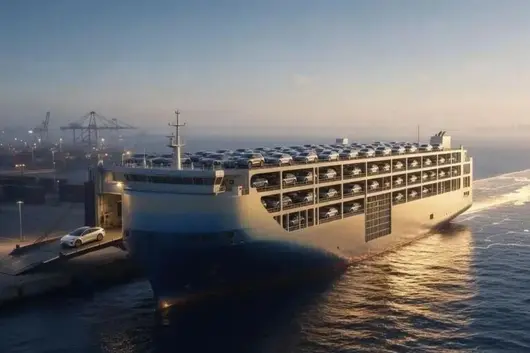
The deeper move lies in manufacturing. BYD invested over 7 billion yuan to build a factory in Brazil, planned annual capacity of 150,000 vehicles, absorbing over 5,000 local jobs. Brazilian President Lula personally endorsed it, even pushing to rename "Ford Road" at the factory entrance to "BYD Road". From Brazil to Thailand, Uzbekistan, Hungary, Turkey, plus 8 owned car car carriers launched and put into service sequentially, what BYD leaves globally is capacity, employment, and technology labels.
Geely: Building a Localized Operational System
Compared to BYD's product output, Geely's biggest highlight in going global this year in the first three quarters is using capital cooperation to directly build a complete localized operational system in Europe.
Geely did not choose to build a factory from scratch, but directly acquired 34% equity of Ford's Valencia, Spain factory, forming a joint venture to produce Geely brand new energy vehicles using mature capacity. In Europe, Geely reuses Volvo's channel resources, starting from January 2027, Volvo will become Lynk & Co's exclusive distributor in Europe; in R&D, Geely integrated business in Gothenburg and Frankfurt, compressing the time gap for model launches between China and Europe.
In technical certification, Qianli Haohuo G-ASD obtained UN R171 certification, becoming China's first assisted driving system to go global. In addition, Geely also started localized production in Brazil through Renault's factory, and promoted the AHTV (High-tech Valley) project in Malaysia.
The return of this system is directly reflected in the structure: in the third quarter, Geely's export share of total sales surged from 14.7% to 39.8% year-on-year. What Geely leaves is not just sales volume, but a localized operational system centered on Europe and extending globally.
Chery: From "Export Champion" to "Full Industry Chain Collaborative Going Global"
In the first three quarters of this year, Chery exported 1.4991 million vehicles, up 65.6% year-on-year, firmly ranking first among Chinese brands; domestic sales share is now less than 30%, overseas market has become the absolute main force. Revenue in the first three quarters was 241.234 billion yuan, gross margin increased to 16.17%, high-margin overseas business pulled up overall operating quality.
But Chery's real going global narrative is converting the stock of "Export Champion" into landing capabilities of manufacturing and operating locally. This year, Chery explicitly promoted "Globalization 3.0 Strategy", the core is pushing global business to transform from product exports to collaborative transformation across R&D, production, supply chain, and sales services.
Chery's going global path walked very steadily: from early "Going Out" (vehicle export) to "Going In" (channels and after-sales first), then to now "Going Up" (brand elevation). Its trump card is "Platform Globalization + Detail Localization". 70% of parts in a single vehicle achieve global commonality, remaining 30% customized for local regulations, climate, and usage scenarios. Verified domestically first, then output modularly, forming a layered "Technology Shelf". R&D expenditure in the first three quarters reached 11.046 billion yuan, up over 40% year-on-year, providing solid support for this technology shelf.
At the brand level, Chery's operation is extremely pragmatic. OMODA and JAECOO, these two overseas exclusive brands, originally were just names of a car. Because this car became a hit locally, Chery then upgraded the car name to an independent brand. Not pushing the brand hard, but letting the hit product bring out brand awareness on its own. Currently, OMODA and JAECOO have entered markets in 79 countries and regions globally.
The landing in manufacturing and operation is even more substantial. In Europe, Chery activated its first overseas regional operation center in Barcelona and launched the Spanish Research Institute, extending functions like R&D, manufacturing, supply chain, compliance to the local front-end; the joint venture factory with Spanish Ebro Group plans an annual capacity of 50,000 vehicles. In South Africa, Chery acquired the Roslyn Plant and launched a localization production plan, striving to achieve an initial target of 40% vehicle production localization by 2028. Chery's globalization is no longer just selling cars overseas, but growing organizations overseas, building capabilities locally, and leaving contributions locally.
Chinese car companies going global are moving from "Product Going Global" to "Global Operations". In the first three quarters of this year, BGC proved one thing: Chinese car companies are no longer just selling cars overseas, but accelerating towards building systems, factories, and brands locally. This path is harder than pure export, but also more worth walking.
Honestly, after reading the 2026 Q3 reports of listed Chinese automakers, Xiao Feng's first reaction was not surprise, but recalling an old saying: no comparison, no harm.
Don't rush to see who rises or falls, let's clarify the metric first: This article refers to the net profit attributable to the parent company for Q3 2026 alone, and only takes the book profit data of the top six passenger car companies. Totaling 23.521 billion yuan among the six. The top three BYD, Chery, Geely totaling 20.253 billion yuan, taking 86.1% of the profit pie of these six, among which BYD accounted for 42.6%.
As a reference, in 2025 Q3, the combined net profit of these six profitable companies was about 16.2 billion, with BYD, Chery, Geely totaling about 12.4 billion, accounting for 76.5%. In just one year, profit concentration rose from 76.5% to 86%. Money is increasingly concentrating in the hands of the top three.

On the other side of the pie: GAC's losses are still expanding, Changan turned from profit to loss, Li Auto, XPeng, NIO financial reports not out, looking at industry trends, high possibility of continued losses for these three in Q3.
Same quarter, same market. Some earn thicker, some sell more lose more, the gap is all written in the structure.

Need to clarify, the six mentioned in the article are just a sample of top passenger car companies in Q3, not all industry profit pie. If looking at cumulative first three quarters, listed companies realizing profits also include Yutong Bus, Sinotruk, Foton Motor, JMC and many other enterprises.
The top three profitable companies, approaches surprisingly consistentPutting the top three together, the common points in single quarter structure are obvious: Exports and High-end.
BYD Q3 exports 550,700 vehicles, YoY increase about 137%, proportion of total sales rose to 42%; First three quarters Fang Cheng Bao, Denza, Yangwang three high-end brands totaling 410,000, growth 75%, high-end domestic sales is the profit base, exports are the increment.
Geely Q3 exports 323,000 vehicles, YoY +188.8%, accounting for 40% of single quarter sales, export proportion MoM increase, directly pushed Q3 gross margin to 18.0%; Although first three quarters overall sales only grew 3%, single quarter export volume surge let profit elasticity run ahead of sales.
Chery Q3 exports 554,000 vehicles, YoY +50%, export proportion 76%, is the most reliant on complete vehicle trade export among the three. Silently worked over twenty years of overseas channels, Q3 single quarter profit estimated 5.396 billion yuan, export price difference is still the most direct profit source.

But even so exporting, the three make money in different ways.
BYD is complete vehicle export plus overseas self-built factory parallel. Hungary base is about to mass produce, transitioning from trade export to local production, short term sacrificing profit margin, avoiding tariff barriers, betting on long term regional share. High-end relies on Denza, Fang Cheng Bao, Yangwang, high-end domestic sales contribute profit base, exports are increment.
Geely is M&A platform plus KD semi-knocked down parts mainly, relying on Volvo, Zeekr overseas channels and Renault joint venture project. Many overseas earnings are not just selling cars, but also technology licensing, supply chain profit sharing, so first three quarters total sales only grew 3%, profit elasticity is still very strong. High-end relies on Zeekr, Lynk & Co overseas pricing.
Chery is pure trade export foundation, overseas dealer system is core asset, local factory construction promotion rhythm is relatively lagging among the top three, now accelerating catch-up. Advantage is global sinking market channels, disadvantage is tariffs and localization rules in various countries tighten, profit elasticity is easiest to hit.
Middle three companies, recovering, holding ground, living off past reservesSeres Q3 net profit attributable to parent company 1.42 billion yuan, MoM turn profit. AITO M9 consecutive four months took 500,000 yuan plus model sales first, product is truly successful. But noteworthy, adjusted net profit is negative 1.365 billion yuan, turn profit relies on asset disposal.
Car prices high, single car gross margin also high, why is adjusted net profit still negative?
Expense side pressure has two sources. One is Huawei system's rigid cut; Two is raw material cost concentrated impact. Affected by bulk commodity price rise and vehicle-grade storage chip supply tight, high-end models in relevant categories usage and technical level higher, cost pressure more outstanding.

Great Wall Q3 net profit attributable to parent company 1.362 billion yuan, YoY drop 40%. Overseas sales proportion first time over half, profit didn't follow.
Domestic sales shrink, high gross margin Tank model proportion decline, overseas subsidy withdraw deferral plus exchange loss, several reasons all hold, but together cannot answer that fundamental question: When off-road moat is eroded by new energy and lower thresholds one by one, Tank share repeatedly declines, what does Great Wall use to maintain high profit?

SAIC Q3 net profit attributable to parent company 0.486 billion yuan, adjusted net profit 69.5373 million yuan, difference between the two about 416 million yuan, all from non-recurring gains and losses. Split open, mainly two entries: Government subsidy 246 million yuan, non-liquid asset disposal gains and losses 157 million yuan.
SAIC's income statement has a special structure: Joint venture segment profit long-term returns to parent company in form of "investment income". Q3 problem lies exactly here. SAIC Q3 investment income loss 243 million yuan, same period last year profit 3.429 billion yuan. Among them, company associated enterprises and joint venture enterprises investment income loss 1.425 billion yuan, same period last year profit 1.782 billion yuan.
Independent segment indeed moving up, but in profit end, currently not yet reached filling joint venture hole degree, still needs a little time.
Loss side: Some lack capacity utilization, some in heavy investmentGAC's dilemma, many people simply attribute to joint venture dividend ending. Actually, auto manufacturing is heavy asset business, break-even line highly bound to capacity utilization rate. Top three domestic main factory capacity utilization maintained over 80%, plus overseas factory continuous ramp-up, fixed cost diluted. GAC independent segment factory utilization rate not high. Even if single car gross margin positive, as long as cannot dilute factory, production line, R&D team fixed expenses, financial report still loss.
Price war essence is fighting for capacity utilization. Get order fill production line, only then have qualification talk profit; Can't get capacity utilization, every car is sharing heavy sunk cost. GAC exists selling models too many, single car sales few problem.

Changan Q3 turn from profit to loss, but overseas 270,000 new high. Company says R&D and overseas investment increased, belongs to active choice.
Xiao Feng agrees this saying: Q3 single quarter R&D investment 3.55 billion yuan, YoY growth 11.6%; First three quarters overseas strategic resource cumulative investment 5.46 billion yuan. After Thailand Rayong factory Phase 1 100,000 capacity landing, Brazil Anapolis factory already this year March formal production, first phase planning annual capacity 90,000, first local made UNI-T synchronous off line, from "product export" to "industry overseas" took a step. Thailand Rayong factory also not idle, 2026 promote full production, and plan to double annual capacity from 100,000 to 200,000. Rhythm not slow, but capacity ramp-up and channel paving money, indeed must fall on report before profit.
Conclusion: Don't rush to open champagne for exportsQ3 profit more or less, largely depends on how many exports.
However, when everyone is cheering for 2026 first three quarters 8.2 million exports, Ministry of Finance poured cold water: From April 2027, new energy export tax rebate rate adjusted from 13% to 9%.
This means, relying on tax rebate propped up overseas profit, from April 2027 will gradually be thinned. Chinese automakers have to make changes, and BYD Hungary factory, Leapmotor Spain production line these localization projects promotion, is exactly changing overseas going from "shipping whole car from China to sell", to "directly building factory making locally", however, this will also lead to capital occupation double, return on investment cycle extended.
Actually, this lesson, Japanese automakers in 1970s already fully went through once. Chinese automakers now start to walk again. (Written by | Li Jianbo)


In the Malaysia SUV market, many buyers compare the Mazda CX-3 and Chery Tiggo Cross when choosing a car. These two cars are quite close in price and positioning. Today, we will make a detailed comparison from multiple aspects to help you save time on research.
The Mazda CX-3 OTR price in Malaysia is RM 126,159 - 139,159, with a total of 2 versions, including 2023 2.0L High (RM 139,159), 2023 2.0L Plus (RM 126,159), etc.
The Chery Tiggo Cross OTR price in Malaysia is RM 88,750 - 99,750, with a total of 2 versions, including 2025 HEV 1.5L CSH (RM 99,750), 2025 1.5T Standard (RM 88,750), etc.
Looking at the price, the starting price of the Chery Tiggo Cross is RM 37,409 cheaper than the Mazda CX-3. Honestly, in this price range, a difference of a few thousand is actually not significant. The key is to look at the overall value for money and long-term usage costs.
The Mazda CX-3 is equipped with a 1.5L Turbo, 140 hp. Official fuel consumption 7.0 L/100km.
The Chery Tiggo Cross is equipped with a 1.5L 4-cyl, 105 hp. Official fuel consumption 6.0 L/100km.
In terms of power, the Mazda CX-3's 1.5L Turbo has 35 more horsepower than the Chery Tiggo Cross's 1.5L 4-cyl, offering more confidence in mid-range acceleration, especially when overtaking on highways. However, the Chery Tiggo Cross may have more friendly fuel consumption, and the difference in daily city commuting would not be very large.
The Mazda CX-3 safety rating is 5★ (ASEAN NCAP), active safety systems include i-Activsense.
The Chery Tiggo Cross safety rating is TBD, active safety systems include Basic.
In terms of safety features, both cars received good ratings. However, there are some differences in function between Mazda CX-3's i-Activsense and Chery Tiggo Cross's Basic. If you value active safety, you can compare the feature lists of both carefully.
The Mazda CX-3 adopts FWD drive mode.
The Chery Tiggo Cross adopts FWD drive mode.
Both cars have the same drive mode, which is FWD. There will not be much difference in daily driving experience.

Mazda CX-3 and Chery Tiggo Cross are mainstream choices in the Malaysia market, suitable for family use and daily commuting. If you value brand reputation and resale value more, you can prioritize the one with better reputation; if you care more about cost-performance ratio and features, choose the one with richer configuration. Ultimately, it is recommended to test drive both, personal experience is the most important.

In general, Mazda CX-3 and Chery Tiggo Cross are both very good car models in the Malaysia market. Which one to choose depends mainly on your personal needs and budget. We suggest doing your homework, comparing quotes from several dealerships, and then test driving to make a final decision. Buying a car is a big matter, spending some time doing research will never be wrong.

Di pasaran SUV di Malaysia, ramai pembeli semasa memilih kereta akan membandingkan Mazda CX-3 dan Chery Tiggo Cross. Kedua-dua kereta ini mempunyai harga dan penempatan yang agak hampir, hari ini kita akan buat perbandingan terperinci dari pelbagai aspek untuk membantu anda menjimatkan masa mencari maklumat.
Harga OTR Mazda CX-3 di Malaysia ialah RM 126,159 - 139,159, terdapat keseluruhan 2 varian, termasuk 2023 2.0L High (RM 139,159), 2023 2.0L Plus (RM 126,159) dan lain-lain.
Harga OTR Chery Tiggo Cross di Malaysia ialah RM 88,750 - 99,750, terdapat keseluruhan 2 varian, termasuk 2025 HEV 1.5L CSH (RM 99,750), 2025 1.5T Standard (RM 88,750) dan lain-lain.
Dari segi harga, harga permulaan Chery Tiggo Cross lebih murah RM 37,409 berbanding Mazda CX-3. Sejujurnya, dalam julat harga ini, perbezaan beberapa ribu sebenarnya tidak begitu besar, yang penting adalah melihat keseluruhan nilai dan kos penggunaan jangka panjang.
Mazda CX-3 dilengkapi enjin 1.5L Turbo, kuasa 140 hp. Penggunaan minyak rasmi 7.0 L/100km.
Chery Tiggo Cross dilengkapi enjin 1.5L 4-cyl, kuasa 105 hp. Penggunaan minyak rasmi 6.0 L/100km.
Dari segi kuasa, 1.5L Turbo pada Mazda CX-3 mempunyai 35 kuasa kuda lebih berbanding 1.5L 4-cyl pada Chery Tiggo Cross, memberikan keyakinan lebih dalam pecutan pertengahan, terutamanya ketika memotong di lebuh raya. Namun penggunaan minyak Chery Tiggo Cross mungkin lebih efisien, perbezaan untuk perjalanan bandar harian tidak akan terlalu besar.
Mazda CX-3 panjang badan 4500 mm, ruang bagasi 450 L.
Chery Tiggo Cross panjang badan 4400 mm, ruang bagasi 400 L.
Dari segi ruang, badan kereta Mazda CX-3 100 mm lebih panjang daripada Chery Tiggo Cross, ruang duduk di dalam kenderaan sedikit lebih lapang, terutamanya ruang kaki untuk baris belakang. Jika anda kerap mengangkut ahli keluarga atau perlu meletakkan kereta bayi, badan kereta yang lebih besar sememangnya lebih praktikal.
Mazda CX-3 menggunakan cara pemacu FWD.
Chery Tiggo Cross menggunakan cara pemacu FWD.
Kedua-dua kereta menggunakan cara pemacu yang sama, iaitu FWD, pengalaman memandu harian tidak akan berbeza banyak.
Secara keseluruhannya, Mazda CX-3 dan Chery Tiggo Cross adalah model kereta yang sangat baik di pasaran Malaysia. Memilih mana satu, penting untuk melihat keperluan dan bajet anda sendiri. Kami menyarankan anda membuat kajian terlebih dahulu, membandingkan sebut harga daripada beberapa dealer, sebelum melakukan ujian memandu untuk membuat keputusan akhir. Membeli kereta adalah urusan besar, meluangkan sedikit masa untuk membuat kajian pasti tidak salah.

喺馬來西亞嘅 SUV 市場,好多買家喺揀車嗰陣都會拿 Toyota Harrier 同 Audi Q7 做比較。這兩款車喺價位同定位上都幾接近,今日我哋就由多個方面做個詳細比較,幫你節省做功課嘅時間。
Toyota Harrier 喺馬來西亞嘅 OTR 售價係 RM 289,000 - 289,000,一共有 1 個版本,包括 2026 HEV 2.5L Standard(RM 289,000) 等等。
Audi Q7 喺馬來西亞嘅 OTR 售價係 RM 462,222 - 462,222,一共有 1 個版本,包括 Standard(RM 462,222) 等等。
從價錢嚟睇,Toyota Harrier 嘅起步價的確比 Audi Q7 平咗 RM 173,222。如果你預算有限,Toyota 嘅入門版已經滿足日常需要。不過都要注意,平嗰幾千蚊,可能喺配備上會有取捨,具體睇你嘅需要。

Toyota Harrier 搭載 2.0L Turbo,馬力 220 hp。官方油耗 9.5 L/100km。
Audi Q7 搭載 3.0L Turbo,馬力 350 hp。官方油耗 12.0 L/100km。
動力方面,Audi Q7 嘅 3.0L Turbo 比 Toyota Harrier 嘅 2.0L Turbo 多出 130 匹馬力。不過日常喺市區行,兩款車嘅動力都夠用,唔會覺得唔夠力。

Toyota Harrier 嘅安全評級係 5★ (ASEAN NCAP),主動安全系統包括 Brand ADAS。
Audi Q7 嘅安全評級係 5★ (Euro NCAP),主動安全系統包括 Premium ADAS。
安全配備方面,兩款車都拿到唔錯嘅評級。不過 Toyota Harrier 嘅 Brand ADAS 同 Audi Q7 嘅 Premium ADAS 喺功能上有少少差異,如果你比較重視主動安全嘅話,可以仔細比較下兩者嘅功能列表。

Toyota Harrier 採用 FWD 驅動方式。
Audi Q7 採用 FWD 驅動方式。
兩款車嘅驅動方式一樣,都係 FWD,日常駕駛感受唔會有太大分別。

Toyota Harrier 同 Audi Q7 都係馬來西亞市場嘅主流選擇,適合家庭使用、日常通勤。如果你更重視品牌口碑同二手價,可以優先考慮口碑更好嗰一款;如果你更在意性價比同配備,就揀配置更豐富嗰款。最終都建議兩款都去試車,親身體驗先係最重要。

總體嚟講,Toyota Harrier 同 Audi Q7 都係馬來西亞市場好唔錯嘅車型。揀邊一輛,關鍵始終係睇你個人嘅需要同預算。建議大家做好功課,多比較幾間車行嘅報價,再去試車做最終決定。買車係件大件事,花少少時間做功課絕對唔會錯。


In the Malaysian SUV market, many buyers compare Toyota Harrier and Mercedes-Benz GLB when choosing a car. These two cars are quite close in price and positioning. Today we will make a detailed comparison from multiple aspects to help you save time on research.
The OTR price of Toyota Harrier in Malaysia is RM 289,000 - 289,000, with 1 version in total, including 2026 HEV 2.5L Standard (RM 289,000), etc.
The OTR price of Mercedes-Benz GLB in Malaysia is RM 299,888 - 352,888, with 1 version in total, including Standard (RM 299,888), etc.
From a price perspective, Toyota Harrier's starting price is indeed RM 10,888 cheaper than Mercedes-Benz GLB. If your budget is limited, Toyota's entry-level version can already meet daily needs. However, be aware that the cheaper few thousand might involve trade-offs in features, depending on your specific needs.
Toyota Harrier is equipped with a 2.0 L Turbo, 220 hp. Official fuel consumption 9.5 L/100 km.
Mercedes-Benz GLB is equipped with a 2.0 L Turbo, 220 hp. Official fuel consumption 9.5 L/100 km.
Both cars use the same powertrain, the driving experience is basically the same. Fuel consumption is also similar, no need to worry too much about this.
Toyota Harrier uses FWD drive system.
Mercedes-Benz GLB uses FWD drive system.
Both cars have the same drive system, both are FWD, daily driving experience will not be much different.
Toyota Harrier warranty 5 years/unlimited mileage, maintenance interval every 10,000 km or 6 months.
Mercedes-Benz GLB warranty 3 years/100,000 km, maintenance interval every 10,000 km or 6 months.

Toyota Harrier and Mercedes-Benz GLB are both mainstream choices in the Malaysian market, suitable for family use and daily commuting. If you value brand reputation and resale value more, prioritize the one with better reputation; if you care more about value for money and features, choose the one with richer configuration. Ultimately, it is recommended to test drive both, personal experience is the most important.

Overall, Toyota Harrier and Mercedes-Benz GLB are both very good models in the Malaysian market. Which one to choose depends on your personal needs and budget. We recommend doing your research, comparing quotes from multiple dealerships, and then test driving to make the final decision. Buying a car is a big matter, spending time on research will definitely not go wrong.

Di pasaran SUV Malaysia, ramai pembeli ketika memilih kereta sering membandingkan Toyota Harrier dan Mercedes-Benz GLE. Kedua-dua kereta ini sangat hampir dari segi harga dan kedudukan, hari ini kita akan buat perbandingan terperinci dari pelbagai aspek, untuk membantu anda menjimatkan masa membuat kajian.
Harga OTR Toyota Harrier di Malaysia adalah RM 289,000 - 289,000, terdapat 1 versi, termasuk 2026 HEV 2.5L Standard (RM 289,000) dan sebagainya.
Harga OTR Mercedes-Benz GLE di Malaysia adalah RM 544,888 - 544,888, terdapat 1 versi, termasuk Standard (RM 544,888) dan sebagainya.
Dari segi harga, harga permulaan Toyota Harrier memang lebih murah RM 255,888 berbanding Mercedes-Benz GLE. Jika bajet anda terhad, versi masuk Toyota sudah boleh memenuhi keperluan harian. Namun perlu diingat, beberapa ribu ringgit yang lebih murah, mungkin ada kompromi dari segi kelengkapan, bergantung pada keperluan anda.
Toyota Harrier dilengkapi 2.0L Turbo, kuasa 220 hp. Konsumsi minyak rasmi 9.5 L/100km.
Mercedes-Benz GLE dilengkapi 3.0L Turbo, kuasa 350 hp. Konsumsi minyak rasmi 12.0 L/100km.
Dari segi kuasa, 3.0L Turbo Mercedes-Benz GLE lebih tinggi 130 kuasa kuda berbanding 2.0L Turbo Toyota Harrier. Walau bagaimanapun untuk pemanduan harian di bandar, kuasa kedua-dua kereta sudah mencukupi, tidak akan rasa kurang tenaga.
Toyota Harrier panjang kenderaan 4400 mm, kompartemen bagasi 400 L.
Mercedes-Benz GLE panjang kenderaan 4400 mm, kompartemen bagasi 400 L.
Saiz kedua-dua kereta hampir sama, ruang dalaman tidak banyak perbezaan. Kereta kelas ini, untuk penggunaan harian sudah cukup.
Toyota Harrier menggunakan cara pemacu FWD.
Mercedes-Benz GLE menggunakan cara pemacu FWD.
Cara pemacu kedua-dua kereta sama, iaitu FWD, pengalaman pemanduan harian tidak akan ada perbezaan besar.

Toyota Harrier garanti 5 tahun/tanpa had jarak, jarak servis setiap 10,000km atau 6 bulan.
Mercedes-Benz GLE garanti 3 tahun/100,000km, jarak servis setiap 10,000km atau 6 bulan.

Secara keseluruhannya, Toyota Harrier dan Mercedes-Benz GLE adalah model kereta yang sangat bagus di pasaran Malaysia. Memilih yang mana, kuncinya adalah lihat keperluan dan bajet peribadi anda. Kami sarankan anda membuat kajian, bandingkan banyak penawaran dari kedai kereta, baru uji road dan buat keputusan akhir. Membeli kereta adalah perkara besar, belanjakan masa membuat kajian pasti tidak salah.

文|金融街老李
10 月 29 日,吉利汽車發布咗 2026 年三季報,財報發布後,資本市場嘅關注度好高,產業內嘅討論都好多,特別係收入同利潤喺今年嘅行業環境入面表現亮眼。
相比財報,大家更值得探討嘅係,環境不好嘅時候,企業到底該點樣做。今日老李就同大家傾下吉利三季報嘅表現,傾下三季報背後嘅經營運作以及吉利未來嘅發展趨勢。
亮眼嘅三季報
眾所周知,今年係中國汽車市場大轉型嘅一年,無論過去幾困難,但係今年,國內市場銷量係實打實地喺調整,海外銷量持續上升。老李前段時間參加一個行業研討會,有機構提到,今年行業入面有相當一部分車企處於增量唔增收嘅狀態,銷量睇住仲算幾好,利潤卻俾人壓得好薄,少數企業嘅部分車型甚至係賣一輛虧一輛。

從行業角度看,價格戰打到而家,大家嘅平均利潤率已經降到好低嘅水平,年中以來關於反內捲、治理低價無序競爭嘅討論明顯多咗。喺一個轉折嘅時候,汽車行業或者說汽車企業更加應該回歸商業嘅本質,睇一家企業嘅財務健康度,睇企業是否經營得穩。
從呢個層面睇,大家認為吉利三季報表現係唔錯嘅,如果對比同行業車企,吉利嘅表現應該更加突出,我哋而先來看看財務數字:
前三季度,總銷量 223.5 萬輛,同比增長 3%;總收入 2726 億元,同比增長 13%;核心歸屬母公司股東淨利潤 149 億元,同比增長 41%,銷量增速最低,收入增速居中,利潤增速最高。
如果拆解看趨勢,第三季度單季收入約 990 億元,同比增長 10%,環比增長 11%,創下同期新高,同期核心歸屬母公司股東淨利潤 52.1 億元,同比增長 32%,同樣係歷史新高。

為咩吉利嘅利潤增速咁快,我哋仲要去看嗰兩個最關鍵嘅指標,一個係車單價格,一個係車單利潤。
我哋而先睇車單價格,前三季度車單平均銷售收入 11.2 萬元,同比增長 12%,主要係品牌向上同海外喺發力。從高端化嚟睇,極氪銷量佔比 12.9%,收入佔比卻達到 31.3%,高價值車型把整體售價拉咗上去;二係出海,出口車型單價同毛利都高於國內,海外業務拉動明顯。

從車單利潤嚟睇,前三季度車單核心歸屬母公司股東淨利潤約 6,664 元,同比增長 37%,呢個增速遠高於車單價格嘅 12%,主要係車單成本同公司運營成本控制得好,呢個離唔開一個吉利嘅整合。雖然吉利嘅絕對數值也不高,但要知道乘聯會發布嘅前三季度行業平均車單利潤係 1145 元。
喺二級市場,呢兩個指標大家都最看重,因為車單價格同車單利潤考驗係企業嘅定價權、產品結構同成本管控,喺當前嘅市場環境入面,比任何增量都重要。
更加重要係,利潤趨勢係可持續,有機構提示,大家後續需重點關注幾個核心數據,包括四季度銷量及全年銷量、目標完成度、稅率波動對海外業務盈利嘅影響等。其實通過三季報我哋可以判斷,吉利嘅經營質量已經喺行業內部拉開咗差距,但呢種經營表現唔代表市值嘅直接提升,畢竟目前嘅資本市場大環境擺喺度。
財報背後嘅經營
對任何一家上市公司嚟講,財報只係結果,本質嘅原因或者核心推動力仲要從經營層面搵。有機構提到,行業從增量轉入存量之後,多品牌並行、各自為戰嘅打法成本太高,整合係必然選擇。
其實今年以來,汽車行業已經開始整合,壓縮層級、合併品牌、重排供應鏈,新勢力同傳統集團都在收縮戰線。呢個階段,決定一家車企能走幾遠係研發、供應鏈、製造同銷售體系嘅內力以及組織效率有冇跟得上市場變化。

應該說,吉利嘅調整係好迅速嘅,從 2024 年發布《台州宣言》開始,先後完成極氪與領克合併、吉利汽車與極氪合併,同時喺研發、供應鏈、製造、銷售等環節做減法,關停並轉、消除冗餘。
今年 8 月仲組裝咗銷售總公司,把各品牌嘅營銷資源收攏到一齊。調整嘅效果喺隨後幾個月就顯現出來,8 月到 10 月,領克銷量企穩,銀河銷量往上走,極氪持續放量,中國星亦喺穩步提升,喺無傳統金九銀十嘅情況下,係嚟自體系優化嘅結果。
品牌佈局亦喺調整,正如安聰慧之前提到,吉利有基盤產品亦都係有高端產品,但腰部產品相對弱啲。有朋友可能會話,多品牌同聚焦係衝突,大家都喺收縮,點解仲要多品牌,其實呢個係市場環境導致嘅,現在嘅用戶分層必須要求大家分品牌,車嘅研產供必須整合,但係銷服一定要有好差異化,所以好多車企都在推出新品牌或者新品系。
現階段,銀河負責拓品類同守基盤,星艦 7 喺 9 月突破 2.2 萬輛,銀河 TT 上市 30 天交付破萬,戰艦 700 上市 12 分鐘大定破萬,腰部產品線補齊唔少。極氪主打豪華,前三季度交付 28.8 萬輛,全年 30 萬輛目標已完成 96%,呢個係超預期嘅表現。領克走向寬嘅路子,堅持潮流、運動、個性嘅調性,中國星則喺燃油車大盤下滑嘅背景下逆勢增長。

其實,整合唔係目的,優化經營先係目的,整合省下嘅錢最終要體現喺報表上。前三季度,喺海外業務快速擴張嘅同時,吉利行政費用率降到 1.6%,同比下降 0.1 個百分點;銷售費用率降到 5.6%,下降 0.1 個百分點。研發投入比降到 5.5%,下降 0.7 個百分點,需要說明嘅係,研發費用率下降嘅同時,研發總投入同比基本持平,說明企業運作效率喺提高。
老李認為,吉利今年嘅盈利改善,嚟自組織整合、品牌分工、成本控制,通過體系能力變咗成利潤,利潤再投回研發同技術,呢個循環轉起嚟,增長嘅持續性先有保證。老李仲有少少同大家分享,其實對於任何企業,調整係常態,唔調整先係病態,所以大家要充分認識調整嘅意義。
未來趨勢喺邊度
今年後半年,行業嘅活動明顯變少咗,因為行業存在嘅問題大家都好清楚,關鍵係邊個能改變並且尋找到新嘅增量。喺國內存量市場情況下,增長嘅下一站係海外,邊個有第二增長曲線,邊個就有估值溢價,但無論係國內定係海外,長期發展嘅核心競爭力依舊係技術。
吉利嘅出海速度係超出大家想像嘅,前三季度出口 79.8 萬輛,同比增長 169%,遠高於行業 71% 嘅平均水平,增速喺主流車企入面排第一。其中新能源出口 48.4 萬輛,同比增長 531%。第三季度單季出口 32.3 萬輛,同比增長 189%,環比增長 19%,9 月已經係連續第四個月月銷超過 10 萬輛,全年好可能超過 100 萬輛。

其實從出海就能看出嚟,吉利嘅資本全球化佈局已經開展轉為產業全球化佈局,呢個係吉利嘅優勢,老李記得多年前,李書福提到吉利嘅全球化係資本嘅全球化,今日,資本嘅全球化已經完全可以為產業全球化賦能。
具體嚟睇,吉利喺歐洲同福特、沃爾沃合作,圍繞 GEA、SEA 架構做產能佈局;喺東南亞依托馬來西亞寶騰工廠做產業樞紐,各國採取唔同嘅 KD 組裝方式;喺拉美綁定雷諾資源,雷諾吉利巴西公司首個本地化成果 Geely EX5 EM-i 已經落咗線;沃爾沃則成為領克喺歐洲嘅獨家經銷商。截至三季度,吉利已投產 13 座海外工廠,海外產能超過 84 萬輛,同時佈局咗全球五大設計中心同五大工程研發中心。
關稅同貿易壁壘抬高嘅環境入面,呢種共建產能、共享渠道嘅做法,比單純把車運出去賣更加抗壓,亦都更容易被當地市場接受。實際上,歐洲對中國電動車嘅政策呢幾年一直在調整,邊個能把研發、產能同渠道落咗到當地,邊個嘅壓力就細好多。

技術層面,老李唔做過多闡述,其實吉利一直喺投入,構建咗以 "1+2+N" 為核心嘅全域 AI 技術體系,基於 WAM 世界行為模型打通智駕、座艙同底盤域,三季度落地兆瓦級智充、高壓平台等技術。但需要留意嘅係,技術對吉利嘅價值更多體現喺產品力支撐與出海准入上。
整體看,吉利三季報反映出一条與行業主流唔同嘅路線,用高端化同出海換單價同利潤,而唔係用降價換銷量。但歸結到底,吉利呢份財報體現係體系能力同調整能力,尤其係調整能力。
行業環境劇烈變化時,公司喺數月內完成組織換屆同銷售體系重組,並快速轉化為各品牌嘅銷量回暖,呢種自我調整嘅能力構成咗企業最底層嘅基礎。產品同技術會隨週期更替,但持續糾偏、持續提效嘅機制唔會,正係商業最本質嘅部分。
Di pasaran SUV Malaysia, ramai pembeli ketika memilih kereta akan membandingkan Toyota Harrier dan BMW X5 PHEV. Kedua-dua kereta ini agak hampir dari segi harga dan penstrataaan, hari ini kita akan membuat perbandingan terperinci dari pelbagai aspek, membantu anda menjimatkan masa membuat kajian.
Toyota Harrier di Malaysia mempunyai harga OTR ialah RM 289,000 - 289,000, terdapat 1 varian, termasuk 2026 HEV 2.5L Standard (RM 289,000) dan lain-lain.
BMW X5 PHEV di Malaysia mempunyai harga OTR ialah RM 486,800 - 494,800, terdapat 2 varian, termasuk xDrive20i (RM 420,000), xDrive30e (RM 480,000) dan lain-lain.
Dari segi harga, Toyota Harrier mempunyai harga permulaan yang lebih murah RM 197,800 berbanding BMW X5 PHEV. Jika bajet anda terhad, versi permulaan Toyota sudah cukup untuk memenuhi keperluan harian. Tetapi perlu diingat, perbezaan harga beribu-ribu ini mungkin melibatkan kompromi dalam kelengkapan, bergantung pada keperluan anda.
Toyota Harrier mempunyai enjin 2.0L Turbo, kuasa 220 hp. Kecekapan bahan api rasmi 9.5 L/100km.
BMW X5 PHEV mempunyai enjin Hybrid, kuasa 170 hp. Kecekapan bahan api rasmi 4.5 L/100km.
Dari segi kuasa, 2.0L Turbo Toyota Harrier mempunyai 50 hp lebih daripada Hybrid BMW X5 PHEV, pecutan pertengahan lebih yakin, terutamanya ketika memotong di lebuh raya. Namun kecekapan bahan api BMW X5 PHEV mungkin lebih mesra, perbezaan harian di bandar tidak terlalu besar.
Penarafan keselamatan Toyota Harrier ialah 5★ (ASEAN NCAP), sistem keselamatan aktif termasuk Brand ADAS.
Penarafan keselamatan BMW X5 PHEV ialah 5★ (Euro NCAP), sistem keselamatan aktif termasuk Premium ADAS.
Dari segi kelengkapan keselamatan, kedua-dua kereta mendapat penarafan yang baik. Namun Brand ADAS Toyota Harrier dan Premium ADAS BMW X5 PHEV ada perbezaan dari segi fungsi, jika anda lebih mengutamakan keselamatan aktif, anda boleh membandingkan senarai fungsi keduanya dengan teliti.
Toyota Harrier panjang badan 4400 mm, kapasiiti bagasi 400 L.
BMW X5 PHEV panjang badan 4400 mm, kapasiiti bagasi 400 L.
Ukuran kedua-dua kereta hampir sama, ruang dalam kereta tidak banyak perbezaan. Kereta dalam kelas ini, penggunaan harian sudah memadai.

Toyota Harrier jaminan 5 tahun/jarak tanpa had, selang penyelenggaraan setiap 10,000km atau 6 bulan.
BMW X5 PHEV jaminan 5 tahun/jarak tanpa had, selang penyelenggaraan setiap 10,000km atau 6 bulan.

Secara keseluruhannya, Toyota Harrier dan BMW X5 PHEV adalah model yang sangat baik di pasaran Malaysia. Memilih mana-mana, penting untuk melihat keperluan peribadi dan bajet anda. Kami sarankan anda membuat kajian, membandingkan beberapa kedai kereta, kemudian buat ujian memandu untuk membuat keputusan akhir. Membeli kereta adalah perkara besar, meluangkan masa membuat kajian tidak akan salah.

喺馬來西亞嘅 SUV 市場,好多買家喺揀車嗰陣都會拿 Toyota Harrier 同 BMW X5 嚟做比較。呢兩款車喺價位同定位上都幾接近,今日我哋就從多個方面做一個詳細嘅對比,幫你省咗做功課嘅時間。
Toyota Harrier 喺馬來西亞嘅 OTR 售價係 RM 289,000 - 289,000,一共有 1 個版本,包括 2026 HEV 2.5L Standard(RM 289,000) 等。
BMW X5 喺馬來西亞嘅 OTR 售價係 RM 470,800 - 470,800,一共有 3 個版本,包括 1.5L Standard(RM 86,300)、1.5L Executive(RM 95,300)、1.5L Premium(RM 103,300) 等。
從價錢嚟睇,Toyota Harrier 嘅起步價確實比 BMW X5 平咗 RM 181,800。如果你預算有限,Toyota 嘅入門版已經可以滿足日常需求。但都要注意,嗰幾千塊,可能在配備上會有取舍,具體要睇你嘅需求。
Toyota Harrier 嘅安全評級係 5★ (ASEAN NCAP),主動安全系統包括 Brand ADAS。
BMW X5 嘅安全評級係 5★ (ASEAN NCAP),主動安全系統包括 ADAS (ACC, AEB, LKA, LDA, BSM, RCTA)。
兩款車嘅安全評級一樣,喺呢個級別入面安全配備都算畀得好齊全。而家嘅新車安全性唔差,唔使太擔心呢一點。
Toyota Harrier 採用 FWD 驅動方式。
BMW X5 採用 4WD 驅動方式。
Toyota 嘅 FWD 同 BMW 嘅 4WD 喺操控上會有唔同感覺,建議試駕對比。
Toyota Harrier 同 BMW X5 都係馬來西亞市場嘅主流選擇,適合家庭使用、日常通勤。如果你更看重品牌口碑同二手價,可以優先考慮口碑好嗰一款;如果你更在意性價比同配備,嗰就揀配置更豐富嗰款。最後都係建議兩款都去試駕,親身體驗先係最重要。

總嘅嚟講,Toyota Harrier 同 BMW X5 都係馬來西亞市場好唔錯嘅車型。揀邊一輛,關鍵都要睇你嘅個人需求同預算。大家要做好功課,多比較幾間車行嘅報價,先至去試駕做最後決定。買車係件大事,花少少時間做功課絕對唔會錯。

In Malaysia's SUV market, many buyers compare the Toyota Harrier and Subaru Crosstrek when choosing a car. These two cars are quite close in price and positioning. Today, we will do a detailed comparison from multiple aspects to help you save time on research.
The OTR price of the Toyota Harrier in Malaysia is RM 289,000 - 289,000. There is a total of 1 version, including the 2026 HEV 2.5L Standard (RM 289,000) etc.
The OTR price of the Subaru Crosstrek in Malaysia is RM 145,000 - 160,000. There is a total of 1 version, including the 2.0L e-Boxer (RM 150,000) etc.
From a price perspective, the starting price of the Subaru Crosstrek is RM 144,000 cheaper than the Toyota Harrier. Honestly, in this price range, a difference of a few thousand is not really significant; the key is to look at the overall cost-performance ratio and long-term usage costs.
The Toyota Harrier is equipped with a 2.0L Turbo, 220 hp. Official fuel consumption is 9.5 L/100km.
The Subaru Crosstrek is equipped with a 1.5L Turbo, 140 hp. Official fuel consumption is 7.0 L/100km.
In terms of power, the Toyota Harrier's 2.0L Turbo has 80 more horsepower than the Subaru Crosstrek's 1.5L Turbo, providing more confidence in mid-range acceleration, especially when overtaking on highways. However, the Subaru Crosstrek's fuel consumption might be more friendly, and there won't be a huge difference in daily city commuting.
The Toyota Harrier's safety rating is 5★ (ASEAN NCAP). Active safety systems include Brand ADAS.
The Subaru Crosstrek's safety rating is 5★ (Euro NCAP). Active safety systems include EyeSight.
Regarding safety features, both cars have received good ratings. However, there are some differences in functionality between the Toyota Harrier's Brand ADAS and the Subaru Crosstrek's EyeSight. If you value active safety highly, you can carefully compare the feature lists of both.
The Toyota Harrier body length is 4400 mm, trunk 400 L.
The Subaru Crosstrek body length is 4400 mm, trunk 400 L.
The dimensions of both cars are almost the same, and the interior space differences are not significant. For cars of this class, daily use is fully sufficient.

The Toyota Harrier adopts FWD drive configuration.
The Subaru Crosstrek adopts FWD drive configuration.
Both cars have the same drive configuration, both are FWD, so there won't be much difference in daily driving experience.

Overall, both the Toyota Harrier and Subaru Crosstrek are very good models in the Malaysian market. Choosing which one depends on your personal needs and budget. We suggest doing your research, comparing quotes from several car dealers, and then test driving to make a final decision. Buying a car is a big matter, spending time doing research will definitely not be wrong.

Pada pasaran SUV di Malaysia, ramai pembeli yang membandingkan Toyota Harrier dan BMW X3 ketika memilih kereta. Kedua-dua kereta ini agak rapat dari segi harga dan kedudukan, hari ini kita akan buat perbandingan terperinci dari pelbagai aspek, membantu anda menjimatkan masa membuat kajian.
Harga OTR Toyota Harrier di Malaysia adalah RM 289,000 - 289,000, terdapat 1 varian termasuk 2026 HEV 2.5L Standard (RM 289,000) dan lain-lain.
Harga OTR BMW X3 di Malaysia adalah RM 325,800 - 358,800, terdapat 2 varian termasuk xDrive20i (RM 320,000), xDrive30e (RM 360,000) dan lain-lain.
Dari segi harga, harga permulaan Toyota Harrier memang lebih murah RM 36,800 berbanding BMW X3. Jika bajet terhad, versi asas Toyota sudah cukup memenuhi keperluan harian. Namun perlu diingat, beza harga beberapa ribu ringgit itu mungkin ada pertimbangan pada kelengkapan, bergantung pada keperluan anda.
Taraf keselamatan Toyota Harrier ialah 5★ (ASEAN NCAP), sistem keselamatan aktif termasuk Brand ADAS.
Taraf keselamatan BMW X3 ialah 5★ (Euro NCAP), sistem keselamatan aktif termasuk Premium ADAS.
Dari segi kelengkapan keselamatan, kedua-dua kereta telah mendapat taraf yang baik. Namun Brand ADAS pada Toyota Harrier dan Premium ADAS pada BMW X3 mempunyai sedikit perbezaan fungsi. Jika anda mengutamakan keselamatan aktif, anda boleh membandingkan senarai fungsi keduanya dengan teliti.
Toyota Harrier menggunakan cara pemacu FWD.
BMW X3 menggunakan cara pemacu FWD.
Kedua-dua kereta mempunyai cara pemacu yang sama, iaitu FWD, pengalaman memandu sehari-hari tidak akan berbeza banyak.
Toyota Harrier dan BMW X3 adalah pilihan utama di pasaran Malaysia, sesuai untuk kegunaan keluarga dan perjalanan harian. Jika anda lebih mengutamakan reputasi jenama dan nilai jualan semula, pertimbangkan yang mempunyai reputasi lebih baik; jika anda lebih mementingkan nisbah harga dan kelengkapan, pilih yang lebih kaya dengan konfigurasi. Akhir sekali, disarankan untuk memandu kedua-dua kereta, pengalaman langsung adalah yang paling penting.

Secara keseluruhannya, Toyota Harrier dan BMW X3 adalah model yang sangat bagus di pasaran Malaysia. Memilih yang mana, penting melihat keperluan peribadi dan bajet anda. Kami menyarankan supaya melakukan kajian, bandingkan sebutan harga di beberapa kedai kereta, kemudian memandu untuk membuat keputusan akhir. Membeli kereta adalah perkara besar, meluangkan masa membuat kajian tidak akan salah.

Dalam pasaran SUV di Malaysia, banyak pembeli semasa memilih kereta akan membandingkan Toyota Harrier dan BMW X1. Kedua-dua kereta ini mempunyai harga dan kedudukan yang cukup hampir. Hari ini, kita akan membuat perbandingan terperinci dari pelbagai aspek untuk membantu anda menjimatkan masa melakukan kajian.
Harga OTR Toyota Harrier di Malaysia adalah RM 289,000 - 289,000, dengan jumlah 1 variasi, termasuk 2026 HEV 2.5L Standard (RM 289,000) dan lain-lain.
Harga OTR BMW X1 di Malaysia adalah RM 252,800 - 252,800, dengan jumlah 2 variasi, termasuk sDrive18i (RM 220,000), sDrive20i (RM 250,000) dan lain-lain.
Dilihat dari segi harga, harga permulaan BMW X1 lebih murah RM 36,200 berbanding Toyota Harrier. Jujurnya, pada julat harga ini, jurang beberapa ribu sebenarnya tidak besar. Kuncinya adalah melihat kecekapan nilai keseluruhan dan kos penggunaan jangka panjang.
Toyota Harrier dilengkapi enjin 2.0L Turbo, kuasa 220 hp. Penggunaan bahan api rasmi 9.5 L/100km.
BMW X1 dilengkapi enjin 2.0L Turbo, kuasa 220 hp. Penggunaan bahan api rasmi 9.5 L/100km.
Kedua-dua kereta menggunakan sistem pemacu yang sama, perasaan memandu harian pada dasarnya tiada perbezaan. Dari segi penggunaan bahan api juga hampir sama, tidak perlu terlalu bimbang tentang perkara ini.
Pencapaian keselamatan Toyota Harrier adalah 5★ (ASEAN NCAP), sistem keselamatan aktif termasuk Brand ADAS.
Pencapaian keselamatan BMW X1 adalah 5★ (Euro NCAP), sistem keselamatan aktif termasuk Premium ADAS.
Dari segi kelengkapan keselamatan, kedua-dua kereta menerima评级 yang baik. Namun, Brand ADAS pada Toyota Harrier dan Premium ADAS pada BMW X1 mempunyai beberapa perbezaan dari segi fungsi. Jika anda lebih mementingkan keselamatan aktif, anda boleh membandingkan senarai fungsi kedua-duanya dengan teliti.
Toyota Harrier jaminan 5 tahun/milej tidak terhad, selang penyelenggaraan setiap 10,000km atau 6 bulan.
BMW X1 jaminan 5 tahun/milej tidak terhad, selang penyelenggaraan setiap 10,000km atau 6 bulan.

Secara keseluruhan, Toyota Harrier dan BMW X1 adalah model kereta yang sangat baik di pasaran Malaysia. Memilih mana-mana, kuncinya bergantung kepada keperluan dan bajet peribadi anda. Disarankan membuat kajian dengan baik, membandingkan lebih banyak tawaran daripada kedai kereta, kemudian membuat ujian memandu sebelum membuat keputusan akhir. Membeli kereta adalah perkara besar, meluangkan masa untuk membuat kajian pasti tidak akan salah.

Dalam pasaran SUV di Malaysia, ramai pembeli membandingkan Toyota Harrier dan Subaru Crosstrek ketika memilih kereta.
Harga OTR Toyota Harrier di Malaysia ialah RM 289,000 - 289,000, terdapat 1 versi, termasuk 2026 HEV 2.5L Standard (RM 289,000) dan lain-lain.
Harga OTR Subaru Crosstrek di Malaysia ialah RM 145,000 - 160,000, terdapat 1 versi, termasuk 2.0L e-Boxer (RM 150,000) dan lain-lain.
Dari segi harga, harga permulaan Subaru Crosstrek adalah RM 144,000 lebih murah daripada Toyota Harrier. Jujur kata, pada julat harga ini, jurang beberapa ribu tidak terlalu besar, yang penting ialah melihat nisbah harga dan prestasi serta kos penggunaan jangka panjang secara keseluruhan.
Toyota Harrier dilengkapi enjin 2.0L Turbo, kuasa 220 hp. Penggunaan minyak rasmi 9.5 L/100km.
Subaru Crosstrek dilengkapi enjin 1.5L Turbo, kuasa 140 hp. Penggunaan minyak rasmi 7.0 L/100km.
Dari segi kuasa, 2.0L Turbo pada Toyota Harrier mempunyai 80 kuasa kuda lebih daripada 1.5L Turbo pada Subaru Crosstrek, percubaan pecutan bahagian tengah lebih yakin, terutamanya ketika menyalip di lebuh raya. Namun, penggunaan minyak Subaru Crosstrek mungkin lebih mesra, perbezaan untuk perjalanan harian di bandar tidak akan terlalu besar.
Penarafan keselamatan Toyota Harrier ialah 5★ (ASEAN NCAP), sistem keselamatan aktif termasuk Brand ADAS.
Penarafan keselamatan Subaru Crosstrek ialah 5★ (Euro NCAP), sistem keselamatan aktif termasuk EyeSight.
Dari segi peralatan keselamatan, kedua-dua kereta mendapat penarafan yang baik. Namun, Brand ADAS pada Toyota Harrier dan EyeSight pada Subaru Crosstrek mempunyai perbezaan dari segi fungsi, jika anda lebih mengutamakan keselamatan aktif, anda boleh membandingkan senarai fungsi kedua-duanya dengan teliti.
Toyota Harrier mempunyai waranti 5 tahun/jarak tanpa had, selang penyelenggaraan setiap 10,000km atau 6 bulan.
Subaru Crosstrek mempunyai waranti 3 tahun/100,000km, selang penyelenggaraan setiap 10,000km atau 6 bulan.
Toyota Harrier dan Subaru Crosstrek kedua-duanya merupakan pilihan utama dalam pasaran Malaysia, sesuai untuk kegunaan keluarga dan perjalanan harian. Jika anda lebih mengutamakan reputasi jenama dan harga kedua, boleh memberi keutamaan kepada yang mempunyai reputasi lebih baik; jika anda lebih prihatin tentang nilai wang dan kelengkapan, maka pilih yang lebih kaya dengan kelengkapan. Pada akhirnya, disyorkan untuk uji kendaraan kedua-duanya, pengalaman peribadi adalah yang paling penting.
Secara keseluruhan, Toyota Harrier dan Subaru Crosstrek adalah model kereta yang sangat baik dalam pasaran Malaysia. Memilih mana satu, kuncinya ialah melihat keperluan dan bajet anda sendiri. Kami menyarankan anda membuat kajian terlebih dahulu, membandingkan beberapa sebut harga dari kedai kereta yang berbeza, kemudian uji kendaraan untuk membuat keputusan akhir. Membeli kereta adalah perkara besar, mengambil masa untuk membuat kajian pasti tidak akan salah.

喺馬來西亞嘅 SUV 市場,好多買家喺揀車嗰陣都會拿 Toyota Harrier 同 BMW X1 嚟比較。呢兩部車喺價位同定位上都幾接近嘅,今日我哋就由多個方面做一個詳細比較,幫你節省咗做功課嘅時間。
Toyota Harrier 喺馬來西亞嘅 OTR 售價係 RM 289,000 - 289,000,總共 1 個版本,包括 2026 HEV 2.5L Standard(RM 289,000) 等。
BMW X1 喺馬來西亞嘅 OTR 售價係 RM 252,800 - 252,800,總共 2 個版本,包括 sDrive18i(RM 220,000)、sDrive20i(RM 250,000) 等。
由價格嚟睇,BMW X1 嘅起步價比 Toyota Harrier 平咗 RM 36,200。老實講,喺呢個價位段,幾千塊嘅差距其實唔算大,關鍵仲係睇整體嘅性價比同長期使用成本。
Toyota Harrier 搭載 2.0L Turbo,馬力 220 hp。官方油耗 9.5 L/100km。
BMW X1 搭載 2.0L Turbo,馬力 220 hp。官方油耗 9.5 L/100km。
兩部車用咗同一套動力系統,日常開起嚟嘅感覺基本冇分別。油耗方面都差不多,唔使太糾結這一點。
Toyota Harrier 車身長 4400 mm,車尾箱 400 L。
BMW X1 車身長 4400 mm,車尾箱 400 L。
兩部車嘅尺寸幾乎一樣,車廂空間差別唔大。呢個級別嘅車,日常使用完全夠用。
Toyota Harrier 採用 FWD 驅動方式。
BMW X1 採用 FWD 驅動方式。
兩部車嘅驅動方式一樣,都係 FWD,日常駕駛感覺唔會有太大分別。
Toyota Harrier 保修 5 年/無限里程,保養間隔 每 10,000km 或 6 個月。
BMW X1 保修 5 年/無限里程,保養間隔 每 10,000km 或 6 個月。

總括嚟講,Toyota Harrier 同 BMW X1 都係馬來西亞市場幾唔錯嘅車型。揀邊部,關鍵仲係睇你嘅個人需求同預算。建議大家做好功課,多比較幾間車行嘅報價,再去做試駕做最終決定。買車係件大事,花少少時間做功課絕對唔會錯。

喺馬來西亞嘅 SUV 市場,好多買家在揀車嘅時候都會拿 豐田 Harrier 同 富士 Outback 來做比較。這兩款車喺價位同定位上都好接近,而家我哋就從多個方面做一個詳細比較,幫你省返做功課嘅時間。
豐田 Harrier 喺馬來西亞嘅 OTR 售價係 RM 289,000 - 289,000,合共 1 個版本,包括 2026 HEV 2.5L Standard(RM 289,000)等。
富士 Outback 喺馬來西亞嘅 OTR 售價係 RM 260,000 - 280,000,合共 2 個版本,包括 2025 2.4T R-Touring EyeSight(RM 310,340)、2025 2.5L Touring EyeSight(RM 280,340)等。
由價錢睇,富士 Outback 嘅起步價比 豐田 Harrier 平咗 RM 29,000。老實講,喺呢個價位段,幾千蚊嘅差距其實唔算大,關鍵依然睇整體嘅性價比同長期使用成本。
豐田 Harrier 配備 2.0L Turbo,馬力 220 hp。官方油耗 9.5 L/100km。
富士 Outback 配備 2.0L Turbo,馬力 220 hp。官方油耗 9.5 L/100km。
兩款車用緊同一套動力系統,日常開起嚟嘅感覺基本無差別。油耗方面都差唔多,唔使太糾結呢一點。
豐田 Harrier 嘅安全評級係 5★ (ASEAN NCAP),主動安全系統包括 Brand ADAS。
富士 Outback 嘅安全評級係 TBD,主動安全系統包括 Basic。
安全配備方面,兩款車都拿到唔錯嘅評級。不過 豐田 Harrier 嘅 Brand ADAS 同 富士 Outback 嘅 Basic 喺功能上有啲分別,如果你比較重視主動安全嘅話,可以仔細比較下兩者嘅功能列表。
豐田 Harrier 車身長 4400 mm,行李箱 400 L。
富士 Outback 車身長 4400 mm,行李箱 400 L。
兩款車嘅尺寸幾乎一樣,車廂空間分別唔大。呢個級別嘅車,日常使用完全够用。

豐田 Harrier 同 富士 Outback 都係馬來西亞市場嘅主流選擇,適合家庭使用、日常通勤。如果你更重視品牌口碑同二手價,可以優先考慮口碑更佳嗰一款;如果你更重視性價比同配備,就揀配置更豐富嗰款。最終依然建議兩款都去試車,親身感受先係最重要嘅。

總嚟講,豐田 Harrier 同 富士 Outback 都係馬來西亞市場幾唔錯嘅車型。揀邊一輛,關鍵都要睇你嘅個人需求同預算。建議大家做好功課,多比較幾間車行嘅報價,先去試車先做最終決定。買車係件大事,花少少時間做功課絕對唔會錯。

In the Malaysian SUV market, many buyers compare Toyota Harrier and Volvo XC60 when choosing a car. These two cars are quite close in price and positioning, so today we will make a detailed comparison from multiple aspects to help you save time on preparation.
The Toyota Harrier OTR price in Malaysia is RM 289,000 - 289,000, with a total of 1 version, including 2026 HEV 2.5L Standard (RM 289,000) etc.
The Volvo XC60 OTR price in Malaysia is RM 328,888 - 328,888, with a total of 1 version, including 2025 2.0T Core (RM 328,888) etc.
In terms of price, the Toyota Harrier starting price is indeed RM 39,888 cheaper than Volvo XC60. If your budget is limited, the Toyota entry-level version can already meet daily needs. But keep in mind, the savings of a few thousand might involve trade-offs in equipment, depending on your specific needs.
The Toyota Harrier safety rating is 5★ (ASEAN NCAP), active safety systems include Brand ADAS.
The Volvo XC60 safety rating is 5★ (Euro NCAP), active safety systems include.
The Toyota Harrier adopts FWD drivetrain.
The Volvo XC60 adopts FWD drivetrain.
Both cars have the same drivetrain, both are FWD, daily driving experience won't differ much.
Toyota Harrier Warranty 5 years/unlimited mileage, maintenance interval every 10,000km or 6 months.
Volvo XC60 Warranty 5 years/unlimited mileage, maintenance interval every 10,000km or 6 months.

Overall, Toyota Harrier and Volvo XC60 are both very good models in the Malaysian market. Which one to choose mainly depends on your personal needs and budget. We recommend doing your research, comparing quotes from multiple dealerships, then test driving to make the final decision. Buying a car is a big matter, spending some time on research is never wrong.

In Malaysia's SUV market, many buyers compare the Toyota Harrier and Volkswagen Tiguan when choosing a car. These two models are quite close in price and positioning. Today, we will make a detailed comparison from multiple aspects to help you save time on research.
The Toyota Harrier's OTR price in Malaysia is RM 289,000 - 289,000, with a total of 1 variant, including 2026 HEV 2.5L Standard (RM 289,000) etc.
The Volkswagen Tiguan's OTR price in Malaysia is RM 206,540 - 260,024, with a total of 2 variants, including 2025 Allspace 2.0T R-Line (RM 260,024), 2025 Allspace 1.4T Elegance (RM 206,540) etc.
From a price perspective, the Volkswagen Tiguan's starting price is RM 82,460 cheaper than the Toyota Harrier. To be honest, in this price range, a difference of a few thousand isn't significant. The key is the overall cost-effectiveness and long-term usage costs.
The Toyota Harrier is equipped with a 2.0L Turbo, 220 hp. Official fuel consumption 9.5 L/100km.
The Volkswagen Tiguan is equipped with a 2.0L 4-cyl, 170 hp. Official fuel consumption 8.0 L/100km.
In terms of power, the Toyota Harrier's 2.0L Turbo has 50 more horsepower than the Volkswagen Tiguan's 2.0L 4-cyl, offering more confidence in mid-range acceleration, especially when overtaking on highways. However, the Volkswagen Tiguan's fuel consumption might be more favorable, and the difference in daily city commuting won't be too large.
The Toyota Harrier's safety rating is 5★ (ASEAN NCAP), active safety systems include Brand ADAS.
The Volkswagen Tiguan's safety rating is 5★ (Euro NCAP), active safety systems include IQ.Drive.
Regarding safety features, both cars have received good ratings. However, there are some differences in functionality between the Toyota Harrier's Brand ADAS and the Volkswagen Tiguan's IQ.Drive. If you value active safety, you can compare their feature lists carefully.
Toyota Harrier warranty 5 years/unlimited mileage, maintenance interval every 10,000km or 6 months.
Volkswagen Tiguan warranty 3 years/100,000km, maintenance interval every 10,000km or 6 months.

Overall, both the Toyota Harrier and Volkswagen Tiguan are excellent models in the Malaysian market. Which one to choose depends mainly on your personal needs and budget. We suggest doing your research, comparing quotes from several dealerships, and then test driving to make the final decision. Buying a car is a major event; spending time on research will never go wrong.

In the Malaysian SUV market, many buyers compare the Toyota Harrier and the Ford Everest when choosing a car.
Toyota Harrier's OTR price in Malaysia is RM 289,000 - 289,000, with a total of 1 version, including 2026 HEV 2.5L Standard (RM 289,000), etc.
Ford Everest's OTR price in Malaysia is RM 266,338 - 430,838, with a total of 6 versions, including 2026 3.0T 4WD Platinum (RM 430,838), 2026 2.0T 4WD Platinum (RM 348,838), 2026 2.0T 4WD Sport (RM 316,838), etc.
In terms of price, the Ford Everest's starting price is RM 22,662 cheaper than the Toyota Harrier. Honestly, in this price segment, a difference of a few thousand is actually not that big; the key is to look at the overall value for money and long-term ownership costs.
Toyota Harrier's safety rating is 5★ (ASEAN NCAP), and the active safety system includes Brand ADAS.
Ford Everest's safety rating is 5★ (ASEAN NCAP), and the active safety system includes Co-Pilot360.
Both cars have the same safety rating; safety features are very comprehensive in this class. New cars nowadays generally have good safety, so there is no need to worry too much about this.
Toyota Harrier adopts FWD drive configuration.
Ford Everest adopts FWD drive configuration.
Both cars have the same drive configuration, both are FWD, so there won't be much difference in the daily driving experience.
Toyota Harrier has a 5-year/unlimited mileage warranty, maintenance interval every 10,000km or 6 months.
Ford Everest has a 3-year/100,000km warranty, maintenance interval every 10,000km or 6 months.

Both the Toyota Harrier and Ford Everest are mainstream choices in the Malaysian market, suitable for family use and daily commuting. If you value brand reputation and resale value more, you can prioritize the one with better reputation; if you care more about value for money and features, then choose the one with more configurations. Ultimately, it is recommended to test drive both, as personal experience is the most important.
Overall, both the Toyota Harrier and Ford Everest are very good models in the Malaysian market. Choosing which one depends mainly on your personal needs and budget. It is recommended to do your research, compare quotes from several dealerships, and then test drive to make a final decision. Buying a car is a major decision, spending time researching will never be wrong.
© 2024 Bitauto.com. All Rights Reserved.
Bitauto (www.yiche.com and www.bitauto.com) is one of the most visited automotive websites in China. We provide detailed info on Chinese car brands available in your area. Please note that the information provided on this website is based on publicly available data and is for reference only. It may not be fully updated or accurate at all times.

Help us improve our website


