

Homediversity

Search History
Popular Searches
Dealer Login / Sign Up

Dari bayang-bayang penumpang komuter di setiap sudut kota, hingga teman setia harian di setiap rumah tangga, kenderaan Wuling sedang menyambut tanda aras penting miliknya sendiri — jumlah pengguna hampir mencecah 3 juta. Angka yang bernilai ini bukan sekadar pengiktirafan pasaran terhadap produk Wuling, malah merupakan reputasi terbaik yang ditulis oleh jutaan keluarga biasa melalui kehidupan perjalanan sebenar mereka untuk 'kenderaan rakyat'. Berpegang pada prinsip asal 'Apa yang rakyat perlukan, Wuling akan buat', Wuling sentiasa berakar pada keperluan perjalanan jarak pendek orang ramai, menggunakan produk yang mesra, boleh dipercayai dan penuh kasih sayang, menjaga kehidupan harian orang biasa.
 Kini, Wuling telah membina matriks produk lengkap merangkumi dua keluarga besar MINI EV dan Bingo, meliputi pelbagai harga dan pelbagai senario, menjadi pilihan boleh dipercayai untuk perjalanan jarak pendek rakyat. Menepati keperluan penggunaan kereta pelbagai golongan, Wuling telah menyusun layout tepat, memastikan setiap jenis pengguna dapat menemui rakan perjalanan yang sesuai. Pekerja yang sibuk dan pengguna komuter bandar, sentiasa menyertai generasi kelima Hongguang MINI EV dengan selaras, badan yang lincah mudah dikawal dan diparkir, kos penggunaan yang sangat rendah menjadikan perjalanan harian tanpa tekanan, operasi yang mudah dipelajari, walaupun pemula juga boleh menguasainya dengan mudah, sesuai sempurna untuk perjalanan jarak pendek bandar yang kerap.
 Bagi keluarga yang mengutamakan kualiti hidup dan kegunaan praktikal rumah tangga, Bingo Pro adalah pilihan yang bijak. Reka bentuk klasik yang modis menggabungkan suasana yang mesra, skrin pintar yang besar dan interaksi suara yang responsif menjadikan pengendalian lebih mudah, imej panorama 540° dan bantuan parkir menyelesaikan masalah parkir, ruang penyimpanan yang ditingkatkan seperti kotak hadapan 30L dan konfigurasi tempat duduk yang selesa, menggabungkan perjalanan membawa anak dan kegunaan harian rumah, mengintegrasikan kehalusan dan kegunaan ke dalam setiap sesi perjalanan. Bagi pengguna yang mengejar julat jauh dan keselamatan tinggi, Bingo S dengan struktur badan yang kukuh dan prestasi julat sehingga 525 km, boleh memenuhi keperluan perjalanan harian, juga boleh menangani perjalanan luar bandar dengan mudah, menghapuskan kebimbangan pengisian tenaga, mencapai perjalanan merentas pelbagai senario.
 Lebih membanggakan, penyelesaian perjalanan dari China ini sedang melangkah menuju ke peringkat global. Baru-baru ini, Generasi Kelima Hongguang MINI EV telah dilancarkan secara rasmi di Indonesia, membolehkan pengguna di seluruh dunia merasakan kekuatan dan daya tarikan kenderaan rakyat China, serta membawa 'kenderaan rakyat' dari jalan raya dalam negara ke pasaran antarabangsa, menunjukkan daya saing global kenderaan kecil tenaga baharu China. Skala pengguna 3 juta yang akan dicapai ini adalah teman sejuta rumah tangga dari hari ke hari, adalah reputasi yang terkumpul daripada pujian pemilik kereta yang ramai. Wuling tidak mengejar slogan yang mewah, tetapi sentiasa menumpukan pada keperluan penggunaan kereta sebenar orang biasa, dengan pengalaman penggunaan kereta yang mudah diakses dan tanpa tekanan, menjadi pelindung senyap dalam perjalanan rakyat.
 Untuk memperingati kepercayaan berharga ini, pihak rasmi akan menganjurkan Pesta Pengguna 3 Juta Hongguang MINI EV Hari Jadi Ke-6 di Chengdu pada 7 Ogos, bersama ribuan pemilik kereta menyaksikan saat keagungan ini. Dari pelancaran model pertama hingga susunan globalisasi sekarang, dari produk generasi pertama hingga matriks keluarga yang kaya sekarang, Wuling sentiasa mempertahankan kehangatan dan tanggungjawab jenama rakyat. Wuling adalah kehidupan, tidak bising, tidak bermegah, menjaga perjalanan harian orang biasa dengan senyap. Dan 3 juta pengguna yang akan dilepasi ini adalah titik permulaan baru, masa depan Wuling juga akan terus mendalami jalur kenderaan komuter, dengan produk yang lebih sesuai keperluan, menemani lebih ramai orang menuju kehidupan perjalanan yang ringan dan bebas.
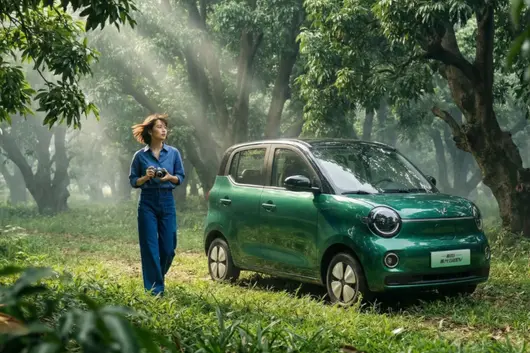

In the SUV market in Malaysia, many buyers compare the Proton X50 and Honda WR-V when choosing a car. These two models are quite close in price and positioning. Today we will make a detailed comparison from multiple aspects to help you save time on research.
The OTR price of Proton X50 in Malaysia is RM 89,800 - 113,300, with a total of 4 versions, including 1.5T Executive (RM 89,800), 1.5T Premium (RM 101,800), 1.5T Flagship (RM 113,300), etc.
The OTR price of Honda WR-V in Malaysia is RM 89,900 - 107,900, with a total of 4 versions, including 2023 1.5L V (RM 99,900), 2023 1.5L E (RM 95,900), 2023 1.5L S (RM 89,900), etc.
In terms of price, Proton X50's starting price is indeed RM 100 cheaper than Honda WR-V. If your budget is limited, Proton's entry-level version can already meet daily needs. But also note, the difference of a few thousand might involve trade-offs in features, depending on your specific needs.

Proton X50 features a 1.5L 4-cyl, 105 hp power. Official fuel consumption 6.0 L/100km.
Honda WR-V features a 1.5L 4-cyl, 105 hp power. Official fuel consumption 6.0 L/100km.
Both cars use the same powertrain system, so the driving experience in daily use is basically the same. Fuel consumption is also similar, so there is no need to worry too much about this point.

Proton X50's safety rating is 5★ (ASEAN NCAP), active safety systems include ADAS (ACC, AEB, LKA, LDA, BSM, RCTA).
Honda WR-V's safety rating is 5★ (ASEAN NCAP), active safety systems include Honda SENSING.
Both cars have the same safety rating, and safety features are quite comprehensive within this class. New car safety nowadays is not poor, so no need to worry too much about this.

Proton X50 adopts 4WD drive configuration.
Honda WR-V adopts FWD drive configuration.
Proton's 4WD and Honda's FWD will feel different in handling, it is recommended to test drive and compare.

Overall, Proton X50 and Honda WR-V are both very good models in the Malaysian market. Which one to choose mainly depends on your personal needs and budget. It is recommended to do research, compare quotes from several car dealers, and then test drive to make the final decision. Buying a car is a big matter, spending time on research will definitely not be wrong.


喺馬來西亞嘅 SUV 市場,好多買家喺揀車嘅時候都會拿 寶騰 X50 同 本田 CR-V 嚟做比較。這兩款車喺價位同定位上都幾近,而家我哋就由多個角度做一個詳細比較,幫你慳返做功課嘅時間。
寶騰 X50 喺馬來西亞嘅 OTR 售價係 RM 89,800 - 113,300,一共有 4 個版本,包括 1.5T Executive(RM 89,800)、1.5T Premium(RM 101,800)、1.5T Flagship(RM 113,300) 等。
本田 CR-V 喺馬來西亞嘅 OTR 售價係 RM 178,200 - 195,900,一共有 4 個版本,包括 2026 e:HEV 2.0L 2WD RS(RM 195,900)、2026 1.5T 4WD V(RM 181,900)、2026 e:HEV 2.0L 2WD E(RM 178,200) 等。
從價錢嚟睇,寶騰 X50 嘅起步價確實比本田 CR-V 平咗 RM 88,400。如果你預算有限,寶騰嘅入門版已經可以滿足日常需要。但要留意,嗰幾千蚊嘅差價,可能在配備上會有取舍,具體要睇你嘅需求。
寶騰 X50 嘅安全評級係 5★ (ASEAN NCAP),主動安全系統包括 ADAS (ACC, AEB, LKA, LDA, BSM, RCTA)。
本田 CR-V 嘅安全評級係 5★ (ASEAN NCAP),主動安全系統包括 Honda SENSING (ACC, CMBS, LKAS, RDM)。
兩款車嘅安全評級一樣,喺呢個級別入面安全配備都算好齊全。而家嘅新車安全性都唔差,唔使太擔心這一點。
寶騰 X50 車身長 4400 mm,尾箱 400 L。
本田 CR-V 車身長 4500 mm,尾箱 450 L。
空間方面,本田 CR-V 嘅車身比寶騰 X50 長咗 100 mm,乘坐空間更有優勢。不過寶騰 X50 喺城市入面停車會靈活啲,各有取舍。
寶騰 X50 保用 5 年/150,000km,保養間隔 每 10,000km 或 6 個月。
本田 CR-V 保用 5 年/無限制里程,保養間隔 每 10,000km 或 6 個月。

寶騰 X50 同本田 CR-V 都係馬來西亞市場嘅主流選擇,適合家庭使用、日常通勤。如果你更重視品牌口碑同二手價,可以優先考慮口碑更好嗰款;如果你更在意性價比同配備,就揀配置更豐富嗰款。最終都係建議兩款都去試駕,親身體驗先係最重要。

總體嚟講,寶騰 X50 同本田 CR-V 都係馬來西亞市場好唔錯嘅車款。揀邊一輛,關鍵始終要睇你嘅個人需要同預算。希望大家做足功課,多比較幾間車行之報價,再去試駕做最終決定。買車係件大事,花少少時間做功課絕對唔會錯。

Dalam pasaran SUV di Malaysia, ramai pembeli membandingkan Proton X70 dan Mazda CX-3 semasa memilih kereta. Kedua-dua kereta ini mempunyai harga dan posisi pasaran yang agak hampir. Hari ini, kita akan membuat perbandingan terperinci dari pelbagai aspek untuk membantu anda menjimatkan masa membuat kajian.
Proton X70 di Malaysia mempunyai harga OTR RM 106,800 - 122,300, terdapat 3 varian, termasuk 1.5L Standard 2WD (RM 106,800), 1.5L Executive 2WD (RM 115,800), 1.5L Premium 2WD (RM 122,300) dan lain-lain.
Mazda CX-3 di Malaysia mempunyai harga OTR RM 126,159 - 139,159, terdapat 2 varian, termasuk 2023 2.0L High (RM 139,159), 2023 2.0L Plus (RM 126,159) dan lain-lain.
Dari segi harga, harga permulaan Proton X70 memang lebih murah RM 19,359 berbanding Mazda CX-3. Jika bajet anda terhad, varian permulaan Proton sudah boleh memenuhi keperluan harian. Namun, berhati-hatilah, beribu ringgit yang lebih murah itu mungkin ada pengorbanan pada kelengkapan, bergantung pada keperluan anda.

Proton X70 dilengkapi enjin 1.5L Turbo, kuasa 140 hp. Penggunaan minyak rasmi 7.0 L/100km.
Mazda CX-3 dilengkapi enjin 1.5L Turbo, kuasa 140 hp. Penggunaan minyak rasmi 7.0 L/100km.
Kedua-dua kereta menggunakan sistem pemacu yang sama, pengalaman memandu harian pada asasnya tiada perbezaan. Penggunaan minyak juga hampir sama, tidak perlu terlalu bimbang mengenai perkara ini.

Panjang badan Proton X70 ialah 4400 mm, ruang bagasi 400 L.
Panjang badan Mazda CX-3 ialah 4500 mm, ruang bagasi 450 L.
Dari segi ruang, badan Mazda CX-3 lebih panjang 100 mm berbanding Proton X70, ruang penumpang lebih unggul. Namun, Proton X70 lebih mudah diparkir di bandar, masing-masing ada kelebihan.

Proton X70 menggunakan cara pemacu FWD.
Mazda CX-3 menggunakan cara pemacu FWD.
Cara pemacu kedua-dua kereta sama, iaitu FWD, pengalaman memandu harian tidak akan terlalu berbeza.
Proton X70 dan Mazda CX-3 adalah pilihan utama dalam pasaran Malaysia, sesuai untuk kegunaan keluarga dan perjalanan harian. Jika anda lebih mementingkan reputasi jenama dan harga jualan semula, utamakan model yang mempunyai reputasi lebih baik; jika anda lebih mementingkan nilai dan kelengkapan, pilih model yang lebih kaya. Pada akhirnya, disyorkan untuk memandu uji kedua-duanya, pengalaman peribadi adalah yang paling penting.
Secara keseluruhannya, Proton X70 dan Mazda CX-3 adalah model kereta yang cukup bagus dalam pasaran Malaysia. Memilih mana satu, penentu utamanya adalah keperluan dan bajet anda. Disarankan untuk membuat kajian, bandingkan beberapa sebut harga dari kedai kereta, kemudian uji drive sebelum membuat keputusan akhir. Membeli kereta adalah perkara besar, meluangkan masa membuat kajian tidak akan salah.

Dalam pasaran SUV di Malaysia, banyak pembeli membandingkan Proton X70 dan Toyota Fortuner ketika memilih kereta. Kedua-dua kereta ini mempunyai harga dan penempatan pasaran yang hampir sama. Hari ini, kita akan membuat perbandingan terperinci dari pelbagai aspek untuk membantu anda menjimatkan masa penyelidikan.
Harga OTR Proton X70 di Malaysia ialah RM 106,800 - 122,300, dengan jumlah 3 varian, termasuk 1.5L Standard 2WD (RM 106,800), 1.5L Executive 2WD (RM 115,800), 1.5L Premium 2WD (RM 122,300) dan lain-lain.
Harga OTR Toyota Fortuner di Malaysia ialah RM 195,880 - 241,880, dengan jumlah 3 varian, termasuk 2024 2.8T VRZ Diesel (RM 241,880), 2024 2.7L SRZ Petrol (RM 202,880), 2024 2.4L Standard Diesel (RM 195,880) dan lain-lain.
Dari segi harga, harga permulaan Proton X70 memang RM 89,080 lebih murah daripada Toyota Fortuner. Jika bajet anda terhad, varian asas Proton sudah boleh memenuhi keperluan harian. Tetapi perlu diingat, perbezaan harga beberapa ribu ringgit itu mungkin melibatkan pilihan pada kelengkapan, bergantung pada keperluan anda.

Proton X70 dilengkapi enjin 1.5L Turbo, kuasa 140 hp. Penggunaan bahan api rasmi 7.0 L/100km.
Toyota Fortuner dilengkapi enjin 2.5L Diesel, kuasa 187 hp. Penggunaan bahan api rasmi 8.5 L/100km.
Dari segi kuasa, 2.5L Diesel Toyota Fortuner mempunyai 47 kuasa kuda lebih banyak daripada 1.5L Turbo Proton X70. Namun, untuk memandu dalam bandar, kedua-dua kereta ini mempunyai kuasa yang mencukupi, tidak terasa kurang tenaga.

Proton X70 panjang badan 4400 mm, bak bagasi 400 L.
Toyota Fortuner panjang badan 4400 mm, bak bagasi 400 L.
Saiz kedua-dua kereta ini hampir sama, ruang dalaman perbezaan tidak banyak. Untuk kereta kelas ini, penggunaan harian sudah mencukupi.

Proton X70 menggunakan sistem pemanduan FWD.
Toyota Fortuner menggunakan sistem pemanduan FWD.
Sistem pemanduan kedua-dua kereta ini sama, semuanya FWD, pengalaman memandu harian tidak akan berbeza banyak.
Proton X70 waranti 5 tahun/150,000km, selang servis setiap 10,000km atau 6 bulan.
Toyota Fortuner waranti 5 tahun/jarak tanpa had, selang servis setiap 10,000km atau 6 bulan.
Secara keseluruhan, Proton X70 dan Toyota Fortuner adalah model kereta yang sangat bagus di pasaran Malaysia. Memilih yang mana satu, kunci utama masih bergantung pada keperluan dan bajet peribadi anda. Kami cadangkan anda membuat kajian dengan baik, bandingkan beberapa sebut harga dari beberapa kedai kereta, kemudian buat ujian memandu untuk membuat keputusan akhir. Membeli kereta adalah perkara besar, meluangkan masa untuk membuat penyelidikan pasti tidak akan salah.


喺馬來西亞嘅 SUV 市場,好多買家喺揀車嘅時候都會拿 寶騰 X70 同 馬自達 CX-3 嚟做比較。呢兩款車喺價位同定位上都幾接近,今日我就從多個方面做一次詳細嘅比較,幫你省咗做功課嘅時間。
寶騰 X70 喺馬來西亞嘅 OTR 售價係 RM 106,800 - 122,300,一共有 3 個版本,包括 1.5L Standard 2WD(RM 106,800)、1.5L Executive 2WD(RM 115,800)、1.5L Premium 2WD(RM 122,300) 等。
馬自達 CX-3 喺馬來西亞嘅 OTR 售價係 RM 126,159 - 139,159,一共有 2 個版本,包括 2023 2.0L High(RM 139,159)、2023 2.0L Plus(RM 126,159) 等。
從價錢嚟睇,寶騰 X70 嘅起步價確實比 馬自達 CX-3 平咗 RM 19,359。如果你預算有限,寶騰嘅入門版已經可以滿足日常需要。但都要注意,平嗰幾千蚊,可能喺配備上會有取舍,具體要睇你嘅需要。
寶騰 X70 嘅安全評級係 5★ (ASEAN NCAP),主動安全系統包括 ADAS (ACC, AEB, LKA, LDA, BSM, RCTA)。
馬自達 CX-3 嘅安全評級係 5★ (ASEAN NCAP),主動安全系統包括 i-Activsense。
兩款車嘅安全評級一樣,喺呢個級別裡面安全配備都算好齊全啦。而家嘅新車安全性都唔差,唔使太擔心呢一點。
寶騰 X70 車身長 4400 mm,行李廂 400 L。
馬自達 CX-3 車身長 4500 mm,行李廂 450 L。
空間方面,馬自達 CX-3 嘅車身比 寶騰 X70 長咗 100 mm,乘坐空間更有優勢。不過 寶騰 X70 喺城市入面停車會靈活啲,各有取舍。
寶騰 X70 採用 FWD 驅動方式。
馬自達 CX-3 採用 FWD 驅動方式。
兩款車嘅驅動方式一樣,都係 FWD,日常駕駛感受唔會有太大分別。
總括嚟講,寶騰 X70 同 馬自達 CX-3 都係馬來西亞市場好唔錯嘅車型。揀邊一辆,關鍵始終要睇你嘅個人需要同預算。建議大家做好功課,多比較幾間車行之報價,先去試駕先做最終決定。買車係件大事,花少少時間做功課絕對唔會錯。
Dalam pasaran SUV di Malaysia, ramai pembeli semasa memilih kereta akan membandingkan Proton X70 dengan Toyota Corolla Cross. Kedua-dua kereta ini mempunyai harga dan kedudukan yang agak hampir, hari ini kita akan membuat perbandingan terperinci dari pelbagai aspek untuk membantu anda menjimatkan masa membuat kajian.
Proton X70 memiliki harga OTR di Malaysia sebanyak RM 106,800 - 122,300, terdapat 3 varian, termasuk 1.5L Standard 2WD (RM 106,800), 1.5L Executive 2WD (RM 115,800), 1.5L Premium 2WD (RM 122,300) dan lain-lain.
Toyota Corolla Cross memiliki harga OTR di Malaysia sebanyak RM 133,800 - 148,800, terdapat 3 varian, termasuk 2026 HEV 1.8L GR Sport (RM 148,800), 2026 HEV 1.8L Standard (RM 140,800), 2026 1.8L Standard (RM 133,800) dan lain-lain.
Dari segi harga, harga permulaan Proton X70 memang lebih murah RM 27,000 berbanding Toyota Corolla Cross. Jika bajet anda terhad, varian asas Proton sudah dapat memenuhi keperluan harian. Namun perlu diingat, perbezaan harga beberapa ribu ringgit itu mungkin memerlukan pengorbanan pada kelengkapan, bergantung sepenuhnya pada keperluan anda.

Penilaian keselamatan Proton X70 ialah 5★ (ASEAN NCAP), sistem keselamatan aktif termasuk ADAS (ACC, AEB, LKA, LDA, BSM, RCTA).
Penilaian keselamatan Toyota Corolla Cross ialah 5★ (ASEAN NCAP), sistem keselamatan aktif termasuk TSS (PCS, LDA, ACC, LTA).
Penilaian keselamatan kedua-dua kereta adalah sama, dalam kategori ini kelengkapan keselamatan dianggap sangat lengkap. Keselamatan kereta baharu semasa tidak kurang, tidak perlu terlalu bimbang mengenai hal ini.
Panjang keseluruhan Proton X70 ialah 4400 mm, stor belakang 400 L.
Panjang keseluruhan Toyota Corolla Cross ialah 4400 mm, stor belakang 400 L.
Saiz kedua-dua kereta hampir sama, ruang dalaman tidak banyak berbeza. Untuk kereta kelas ini, ruang cukup untuk penggunaan harian.
Proton X70 dan Toyota Corolla Cross adalah pilihan utama di pasaran Malaysia, sesuai untuk kegunaan keluarga dan pengangkutan harian. Jika anda lebih menghargai reputasi jenama dan harga jual semula, utamakan yang mempunyai reputasi lebih baik. Jika anda lebih mengutamakan nilai harga dan kelengkapan, pilih yang konfigurasi lebih lengkap. Akhir sekali, cadangkan untuk uji jalan kedua-dua kereta, pengalaman sendiri yang paling penting.
Secara keseluruhannya, Proton X70 dan Toyota Corolla Cross adalah model kereta yang sangat baik di pasaran Malaysia. Memilih yang mana satu, utama tergantung kepada keperluan dan bajet peribadi anda. Kami sarankan anda buat kajian, bandingkan tawaran harga dari beberapa pengedar kereta, baru buat uji jalan untuk membuat keputusan akhir. Membeli kereta adalah perkara penting, meluangkan masa membuat kajian tidak akan salah.

In the SUV market in Malaysia, many buyers compare Proton X50 and Mazda CX-8 when choosing a car. The prices and positioning of these two cars are quite close. Today, we will make a detailed comparison from multiple aspects to help you save time on research.
The OTR price of Proton X50 in Malaysia is RM 89,800 - 113,300, with a total of 4 versions, including 1.5T Executive (RM 89,800), 1.5T Premium (RM 101,800), 1.5T Flagship (RM 113,300), etc.
The OTR price of Mazda CX-8 in Malaysia is RM 165,360 - 201,360, with a total of 5 versions, including 2025 2.5T 4WD High Plus Petrol (RM 201,360), 2025 2.2L 2WD High Plus Diesel (RM 193,123), 2025 2.5L 2WD High Plus Petrol (RM 186,360), etc.
From a price perspective, the starting price of Proton X50 is indeed RM 75,560 cheaper than Mazda CX-8. If your budget is limited, Proton's entry-level version can already meet daily needs. But be aware, the few thousand dollars saved might involve trade-offs in equipment, it depends on your specific needs.
The safety rating of Proton X50 is 5★ (ASEAN NCAP), active safety systems include ADAS (ACC, AEB, LKA, LDA, BSM, RCTA).
The safety rating of Mazda CX-8 is 5★ (ASEAN NCAP), active safety systems include Brand ADAS.
Both cars have the same safety rating, safety features in this class are quite comprehensive. New cars nowadays generally have good safety, no need to worry too much about this point.
Proton X50 adopts 4WD drive mode.
Mazda CX-8 adopts FWD drive mode.
Proton's 4WD and Mazda's FWD will have different feelings in handling, test drives are recommended for comparison.
Proton X50 warranty 5 years/150,000km, maintenance interval every 10,000km or 6 months.
Mazda CX-8 warranty 5 years/150,000km, maintenance interval every 10,000km or 6 months.
The warranty conditions for both cars are the same, no need to stress over this. Actual maintenance costs depend on the brand's service network and parts prices, it is suggested to ask real car owners in car clubs for their experience.

Overall, Proton X50 and Mazda CX-8 are both very good car models in the Malaysian market. Which one to choose depends mainly on your personal needs and budget. It is recommended to do your homework, compare quotes from several car dealerships, and then go for a test drive to make the final decision. Buying a car is a big matter, spending time on research will definitely not be wrong.

喺馬來西亞嘅 SUV 市場,好多買家喺揀車嗰陣都會拿 寶騰 X50 同 奇瑞瑞虎 7 Pro 嚟比較。呢兩款車喺價位同定位上都好接近,今日我哋就由多個方面嚟做詳細對比,幫你省咗做功課嘅時間。
寶騰 X50 喺馬來西亞嘅 OTR 售價係 RM 89,800 - 113,300,一共有 4 個版本,包括 1.5T Executive(RM 89,800)、1.5T Premium(RM 101,800)、1.5T Flagship(RM 113,300) 等。
奇瑞瑞虎 7 Pro 喺馬來西亞嘅 OTR 售價係 RM 123,750 - 123,750,一共有 2 個版本,包括 1.6L Turbo Standard(RM 125,000)、1.6L Turbo Premium(RM 140,000) 等。
從價錢嚟睇,寶騰 X50 嘅起步價的確比 奇瑞瑞虎 7 Pro 平咗 RM 33,950。如果你預算有限,寶騰嘅入門版已經可以滿足日常需求。但都要注意,平嗰幾千蚊,可能喺配備上面會有取舍,具體要睇你嘅需求。
寶騰 X50 嘅安全評級係 5★ (ASEAN NCAP),主動安全系統包括 ADAS (ACC, AEB, LKA, LDA, BSM, RCTA)。
奇瑞瑞虎 7 Pro 嘅安全評級係 TBD,主動安全系統包括 Basic。
安全配備方面,兩款車都拿到唔錯嘅評級。不過 寶騰 X50 嘅 ADAS (ACC, AEB, LKA, LDA, BSM, RCTA) 同 奇瑞瑞虎 7 Pro 嘅 Basic 喺功能上有些差異,如果你比較看重主動安全嘅話,可以仔細對比下兩者嘅功能列表。
寶騰 X50 車身長 4400 mm,行李廂 400 L。
奇瑞瑞虎 7 Pro 車身長 4400 mm,行李廂 400 L。
兩款車嘅尺寸幾乎一樣,車內空間差別唔大。呢個級別嘅車,日常使用完全夠用。
寶騰 X50 同 奇瑞瑞虎 7 Pro 都係馬來西亞市場嘅主流選擇,適合家庭使用、日常通勤。如果你更看重品牌口碑同二手價,可以優先考慮口碑更好嗰一款;如果你更介意性價比同配備,就揀配置更豐富嗰款。最終都係建議兩款都去試駕,親身體驗先係最重要嘅。
總體嚟講,寶騰 X50 同 奇瑞瑞虎 7 Pro 都係馬來西亞市場好唔錯嘅車型。揀邊輛,關鍵都要睇你嘅個人需求同預算。建議大家做好功課,多比較間車行嘅報價,先去試駕做最終決定。買車係件大事,花少少時間做功課絕對唔會錯。
Dalam pasaran SUV di Malaysia, ramai pembeli semasa memilih kereta sering membandingkan Proton X70 dan Toyota Yaris Cross. Kedua-dua kereta ini sangat hampir dari segi harga dan kedudukan pasaran. Hari ini kita akan membuat perbandingan terperinci dari pelbagai aspek untuk membantu anda menjimatkan masa membuat kajian.
Proton X70 di Malaysia mempunyai harga jualan OTR sebanyak RM 106,800 - 122,300, dengan jumlah 3 varian, termasuk 1.5L Standard 2WD (RM 106,800), 1.5L Executive 2WD (RM 115,800), 1.5L Premium 2WD (RM 122,300) dan lain-lain.
Toyota Yaris Cross di Malaysia mempunyai harga jualan OTR sebanyak RM 99,900 - 109,900, dengan jumlah 2 varian, termasuk 2026 1.5L Standard (RM 99,900), 2026 HEV 1.5L Standard (RM 109,900) dan lain-lain.
Dari segi harga, harga permulaan Toyota Yaris Cross lebih murah RM 6,900 berbanding Proton X70. Jujur berkata, dalam julat harga ini, perbezaan ribuan ringgit sebenarnya tidak terlalu besar, yang utama adalah melihat nisbah harga dan prestasi keseluruhan serta kos penggunaan jangka panjang.

Proton X70 dilengkapi enjin 1.5L Turbo, kuasa kuda 140 hp. Penggunaan minyak rasmi 7.0 L/100km.
Toyota Yaris Cross dilengkapi enjin 1.5L 4-silinder, kuasa kuda 105 hp. Penggunaan minyak rasmi 6.0 L/100km.
Dari segi prestasi, enjin 1.5L Turbo Proton X70 mempunyai 35 hp lebih berbanding enjin 1.5L 4-silinder Toyota Yaris Cross, memberikan keyakinan lebih baik pada pecutan pertengahan, terutamanya ketika memotong kenderaan lain di lebuh raya. Namun, penggunaan minyak Toyota Yaris Cross mungkin lebih jimat, perbezaan untuk perjalanan bandar harian tidak terlalu ketara.

Proton X70 panjang badan 4400 mm, bak bagasi 400 L.
Toyota Yaris Cross panjang badan 4400 mm, bak bagasi 400 L.
Saiz kedua-dua kereta adalah hampir sama, ruang dalam kenderaan tidak berbeza banyak. Kereta dalam kategori ini cukup untuk penggunaan harian.

Proton X70 jaminan 5 tahun/150,000km, selang penyelenggaraan setiap 10,000km atau 6 bulan.
Toyota Yaris Cross jaminan 5 tahun/jarak tanpa had, selang penyelenggaraan setiap 10,000km atau 6 bulan.
Secara keseluruhannya, Proton X70 dan Toyota Yaris Cross adalah model kereta yang sangat bagus di pasaran Malaysia. Memilih mana satu, yang utama adalah melihat keperluan peribadi dan bajet anda. Kami cadangkan anda membuat kajian yang baik, bandingkan beberapa sebut harga dari kedai kereta yang berbeza, sebelum melakukan ujian drive untuk membuat keputusan akhir. Membeli kereta adalah perkara besar, meluangkan sedikit masa untuk membuat kajian pasti tidak salah.


In the Malaysia SUV market, many buyers compare Proton X50 and Chery Tiggo Cross when choosing a car. These two cars are quite close in price and positioning. Today we will make a detailed comparison from multiple aspects to help you save time on research.
Proton X50 OTR price in Malaysia is RM 89,800 - 113,300, there are a total of 4 versions, including 1.5T Executive (RM 89,800), 1.5T Premium (RM 101,800), 1.5T Flagship (RM 113,300), etc.
Chery Tiggo Cross OTR price in Malaysia is RM 88,750 - 99,750, there are a total of 2 versions, including 2025 HEV 1.5L CSH (RM 99,750), 2025 1.5T Standard (RM 88,750), etc.
From a price perspective, Chery Tiggo Cross's starting price is RM 1,050 cheaper than Proton X50. Honestly, at this price point, a difference of a few thousand is not really big, the key is to look at the overall value for money and long-term usage cost.
Proton X50 is equipped with 1.5L 4-cyl, horsepower 105 hp. Official fuel consumption 6.0 L/100km.
Chery Tiggo Cross is equipped with 1.5L 4-cyl, horsepower 105 hp. Official fuel consumption 6.0 L/100km.
Both cars use the same powertrain, the driving feel is basically no difference in daily use. Fuel consumption is also about the same, no need to worry too much about this point.
Proton X50 adopts 4WD drive system.
Chery Tiggo Cross adopts FWD drive system.
Proton's 4WD and Chery's FWD will have different handling feelings, test drive comparison is recommended.
Proton X50 warranty 5 years/150,000km, maintenance interval every 10,000km or 6 months.
Chery Tiggo Cross warranty 3 years/100,000km, maintenance interval every 10,000km or 6 months.

Proton X50 and Chery Tiggo Cross are both mainstream choices in the Malaysia market, suitable for family use and daily commuting. If you value brand reputation and resale value more, you can prioritize the one with better reputation; if you care more about value for money and features, choose the one with richer configuration. Ultimately, it is recommended to test drive both models, personal experience is the most important.
Overall, Proton X50 and Chery Tiggo Cross are both very good car models in the Malaysia market. Which one to choose depends on your personal needs and budget. We recommend doing your research well, compare quotes from multiple car dealers, and then test drive to make a final decision. Buying a car is a big matter, spending time on research is never wrong.
In the SUV market in Malaysia, many buyers tend to compare Proton X50 and Chery Tiggo 7 Pro when choosing a car. These two cars are quite close in price and positioning. Today we will make a detailed comparison from multiple aspects to help you save time on research.
The OTR price of Proton X50 in Malaysia is RM 89,800 - 113,300, with a total of 4 versions, including 1.5T Executive (RM 89,800), 1.5T Premium (RM 101,800), 1.5T Flagship (RM 113,300) etc.
The OTR price of Chery Tiggo 7 Pro in Malaysia is RM 123,750 - 123,750, with a total of 2 versions, including 1.6L Turbo Standard (RM 125,000), 1.6L Turbo Premium (RM 140,000) etc.
From a price perspective, the Proton X50 starting price is indeed RM 33,950 cheaper than the Chery Tiggo 7 Pro. If your budget is limited, the Proton entry-level version can already meet daily needs. However, note that the few thousand ringgit saved might involve trade-offs in features, depending on your specific needs.
Proton X50 is equipped with a 1.5L 4-cyl engine, with 105 hp. Official fuel consumption is 6.0 L/100km.
Chery Tiggo 7 Pro is equipped with a 1.5L Turbo engine, with 140 hp. Official fuel consumption is 7.0 L/100km.
Regarding power, the Chery Tiggo 7 Pro 1.5L Turbo has 35 more horsepower than the Proton X50 1.5L 4-cyl. However, for daily city driving, the power of both cars is sufficient, you won't feel a lack of power.
Proton X50 safety rating is 5★ (ASEAN NCAP), active safety systems include ADAS (ACC, AEB, LKA, LDA, BSM, RCTA).
Chery Tiggo 7 Pro safety rating is TBD, active safety systems include Basic.
Regarding safety features, both cars have achieved good ratings. However, the Proton X50 ADAS (ACC, AEB, LKA, LDA, BSM, RCTA) and Chery Tiggo 7 Pro Basic differ in functionality. If you value active safety, you can compare the feature lists of both carefully.
Proton X50 uses 4WD drive system.
Chery Tiggo 7 Pro uses FWD drive system.
Proton's 4WD and Chery's FWD will provide different handling experiences, test drive comparison is recommended.
Overall, Proton X50 and Chery Tiggo 7 Pro are both very good models in the Malaysian market. Which one to choose depends on your personal needs and budget. It is recommended to do your research, compare quotes from several car dealers, and then go for a test drive to make the final decision. Buying a car is a major decision, spending time on research will never be wrong.

(Warm reminder: The following transcript has not been reviewed by the speaker for publication. It is for media reference only and should not be disseminated. If quoting the transcript, please indicate the occasion as "2026 China Automotive Forum".)
Wang Hui: Anchoring Development Direction with Four Transformations, Competing for Globalization through Industrial Synergy
From July 21-23, 2026, the 2026 China Automotive Forum was held in Jiading, Shanghai. This forum was organized by the China Automotive Industry Association. With the theme "New Starting Point, New Opportunities, New Journey — Drawing a New Blueprint for High-Quality Development of the Automotive Industry", it consisted of 16 sessions and several supporting events, including "1 closed-door summit, 1 main forum, 1 technology leader summit, 13 thematic forums, N industry launches". Each session revolved around hot topics in the automotive industry to explore directions and lead the future. Among them, at the "Main Forum" held on the morning of July 22, Wang Hui, Executive Vice President of Chongqing Changan Automobile Co., Ltd., and Chairman of Avatr Technology (Chongqing) Co., Ltd., delivered a speech titled "Anchoring Development Direction with Four Transformations, Competing for Globalization through Industrial Synergy". The following is the on-site speech transcript:

Distinguished leaders, colleagues, and media friends, good morning. It is a pleasure to meet everyone at the 2026 China Automotive Forum. This year marks the beginning of the 15th Five-Year Plan. China's automotive industry stands at a new historical starting point, in a critical transition period from scale expansion to high-quality development. How to open the new period well, take the first step well, and achieve a leapfrog transformation from large to strong in the new five-year plan is the era's required question in front of the entire industry. Today, I would like to share some observations and thoughts on the global automotive industry with you, focusing on two core keywords: "Situation" and "Path".
First, let's look at the future trend. I believe most brands in China's automotive industry are currently at a crossroads of a brutal reshuffle. We must clearly realize that China's automotive industry has entered the deep waters of survival of the fittest. Industry competition is shifting from price comparison to value competition centered on user experience. The financial impact and operational pressure brought by this change are unprecedented, forcing all participants to re-examine their leadership models, R&D systems, and revenue strategies. This is no longer conventional product iteration and upgrade, but an in-depth competition covering the entire system capability.
Secondly, from the industry characteristics perspective, I believe there are four major reshapes.
The first reshape is the reshaping of the market landscape. Development models have shifted from a single engine to dual polarization. Domestic demand pressure and breakthrough in overseas expansion have become the new normal for industry development. In the first half of the year, domestic automotive production and sales declined year-on-year, domestic demand growth was weak, and the market entered a white-hot stage of stock game. At the same time, automotive exports achieved growth exceeding expectations, becoming the core driver supporting stable industry development. A set of data can be referenced: In the first half of this year, the total domestic automotive wholesale volume decreased by 21% year-on-year, while automotive exports increased significantly by 65% year-on-year, with the growth rate of new energy vehicle exports reaching 122%. The domestic market is an elimination race where stagnation leads to retreat, while the overseas market is a rally race of incremental expansion. China's automotive globalization journey has been fully launched. I just returned from abroad last week, and my itinerary for the next three months is scheduled for 20 overseas countries. I also want to share frontline experiences with you. Accompanied by Chinese brands going global collectively, the work pressure for external market cultivation has greatly decreased. All overseas markets have very high acceptance and recognition for Chinese brands. As we enter every country overseas, we can fully feel this confidence. For Chinese automotive brands, this is indeed a very precious opportunity.
The second reshape is the reshaping of technical routes. Industry development has moved from the first half of electrification to the second half of intelligence. The core track of industry competition is switching rapidly. Software-defined vehicles are accelerating towards AI-defined vehicles. Vehicles are no longer simple transportation tools, but super intelligent terminals with deep integration of driving cockpits, chassis, power, and other intelligent systems. At the same time, embodied intelligence represented by robots has gradually become a new direction for the industry. 2026 is the key window for various technologies to move from conceptual expectations to scale implementation. If the first half of the industry competition is about battery capacity, the second half is about computing power. Whoever can establish a generational advantage in the field of artificial intelligence and intelligent driving will be able to grasp the definition right of the next generation of mobile mobility.
Regarding this point, I share frontline experiences. Now when visiting overseas, overseas partners no longer focus on our next generation of vehicle planning, but on how we layout our next generation of artificial intelligence technology. This is a very prominent change this year. In previous years, overseas partners focused more on new generation product planning, but now the focus has shifted to automakers' artificial intelligence layout.
The third reshape is the reshaping of supply chain value. Development focus has shifted from vehicle supremacy to ecosystem synergy. The industry's value focus and power center are undergoing transfer. The linear supply chain relationship between traditional OEMs and suppliers has been thoroughly broken. In the fields of batteries and intelligent driving, domestic supply chain enterprises are upgrading from traditional parts suppliers to system-level solution providers. Local supply chain enterprises are beginning to lead the underlying technology architecture of global intelligent vehicles. Cross-border integration has become the norm for the industry. Future industry competition will no longer be confrontation between single enterprises, but comparison between different ecosystem systems.
The fourth reshape is the reshaping of competition mode. That is, moving from product globalization to industrial globalization. Currently, China's automotive globalization has entered the deep waters, shifting from simple complete vehicle product exports to a new stage of industrial globalization featuring local brands paired with local supply chains. Overseas capacity layout has also upgraded from early spot testing to the construction of regional manufacturing centers.
2026 to 2027 will be a critical period for Chinese automakers' overseas factories to concentrate on production and capacity ramp-up. At the same time, Chinese automakers, relying on leading energy technology and intelligent technology, will accelerate brand image upgrade. Relying on differentiated technical advantages, they will establish the brand perception of high-tech Chinese vehicles in high-end mature markets such as Europe, promoting the leap of China's automotive exports from scale leadership to quality leadership.
In the era of great change, I personally believe that only by firmly promoting the transformation of intelligence, green, fusion, and globalization can we turn challenges into opportunities in this round of industry change. With this opportunity, I want to share Changan Automobile's practice. Under the guidance of China's Changan Automobile "1445" Global Strategy, Changan Automobile closely adheres to the high-quality development route, accelerates the transformation of intelligence, green, fusion, and globalization, and steadily moves towards a world-class automotive brand.
First is to continuously promote the Beidou Tianshu Plan to accelerate the transformation to intelligence. We always take intelligence as the core engine of transformation and upgrading. Since the intelligence team was established in 2009, the team size has grown to over 7,500. We own the industry's only National Key Laboratory of Intelligent Vehicle Safety Technology. We have built over 200 laboratories, including the industry-leading Changan Automobile Tianshu Intelligent Test Center, which can support global collaboration and all-weather uninterrupted testing. Virtual simulation test scenarios exceed 400,000. The software test drive site can simulate a mileage of 3.3 million kilometers daily. Changan's self-developed one-stage end-to-end driving assistance system — Changan Tianshu Pilot, revolves around user travel physical, psychological, and emotional three core needs, builds three safety defense lines, and achieves a full-dimension experience upgrade from bottom-line protection, stress relief and peace of mind to tacit companionship. In the second half of the year, the Tianshu Pilot Value Assistance System will be mounted on Changan Qiyuan Q06 for mass production and listing.
Second is to deeply implement the Shangri-La Plan to accelerate the transformation to new energy. At the brand level, we have built the Avatr, Deep Blue, and Changan Qiyuan three major global digital new energy brand matrix. The three brands have also promoted overseas layout in different overseas countries respectively.
At the technical level, relying on Changan's six-country, ten-location global R&D layout, we built the Golden Bell Battery, achieving long life, high safety, ultra-high efficiency, and fast recharging through innovation. We have completed the technology verification of 20 Ah-level sulfide and polymer composite solid-state batteries, with single-cell energy density reaching 400Wh/kg. This July, the thermal battery project won the Second Class Prize of National Science and Technology Progress Award again after 2024.
In the field of product innovation, we have successively launched models such as Avatr 06, Deep Blue S05, and Qiyuan Q05, gaining widespread user recognition. In the third quarter, heavyweights such as the Smart and Beautiful 5-Seater Luxury SUV Avatr 07L, and the New Wave Dynamic SUV Qiyuan Q06, which have been heavily created, will be listed. Welcome to continue to pay attention.
In the next five years, we will further focus on the global single product strategy to create one global blockbuster model with annual sales of 500,000 level, and five global blockbuster models with annual sales of 300,000 level. Here I want to share, based on the current industry development trend, all our new product development is based on a global perspective. If global consideration is missing, product development work will basically be suspended directly.
The third key strategy is to fully implement the "Hainabai Chuan" Plan to accelerate the transformation to globalization. We released the "Hainabai Chuan" Strategy 1.0 version in April 2023. Relying on the 1.0 plan, business expansion covered more than 70 countries. This April, we officially released the Overseas Strategy 2.0 to drive the upgrade of globalization development. Development models have upgraded from product trade dominated to a comprehensive business model that coordinated promotion of manufacturing, trade, investment, service, and ESG construction. To this end, we carried out comprehensive upgrades around seven major directions.
First is technology dimension upgrade. In the energy saving field, we created the Blue Whale Super Engine Hybrid System, breaking the Japanese brand technical route dominated by fuel, and creating a new hybrid model with equal emphasis on fuel and electricity, wisdom integration. In the chassis field, we have completed the development of 63 integrated functions including tire blowout stable driving, active crosswind stability system, etc., among which 8 are industry premieres, 12 are industry leading. In the intelligence field, we continue to iterate the one-stage end-to-end technology architecture, integrating VLA large model and World Model, so that vehicles can better identify road conditions and adapt to drivers' driving habits.
Second is product dimension upgrade. Promoting the development model to upgrade from global synchronous development to global native development superimposed with regional customization. Persist in global platform generalization, regional product differentiation, and firmly create global single products.
Third is brand dimension upgrade. We take Blue Whale Super Engine Power, Tianshu Intelligence as the technical core. Taking global single products such as Deep Blue S05, Qiyuan Q05, and Changan CS55 as carriers, relying on DNA Design 5.0 design language to convey brand value, letting global users truly feel tech care, making every travel safer, smarter, and greener.
Fourth is cooperation model dimension upgrade. In the next three years, we advocate for global partners to jump out of simple parts supply and marketing collaboration, and deepen technical synergy, product co-creation, brand mutual aid, and capacity sharing, to build a user-first, partner-priority, long-term stable global ecosystem.
Fifth is investment dimension upgrade. In the next three years, resources will fully focus on product R&D, brand upgrade, service upgrade, and ecosystem construction in four directions, persisting in putting resources into the areas most needed by users.
Sixth is service dimension upgrade. We are accelerating the construction of a global efficient service network and agile spare parts system. In the core areas of the world, we layout spare parts centers, service centers, and call centers, realizing all-time response. With efficient support, achieving zero distance service. Sharing the reason among them, I visited Thailand and multiple Southeast Asian countries last week, and found that the overseas market's demand for automotive service is higher than domestic. Overseas users naturally believe that the overseas Chinese new energy brands are positioned as high-end, so supporting service standards should be higher. Many domestic general service standards are not applicable when placed in the overseas market, which also requires us to complete the service system dimension upgrade as soon as possible.
Seventh is team dimension upgrade. In the next three years, our overseas employee scale will break through 4,600 people, with localization employee percentage exceeding 70%, driving the total employment scale of upstream and downstream supply chains to break through 15,000 people.
Relying on the seven major directions for comprehensive dimension upgrade measures, we are fully sprinting towards the 2030 overseas sales doubling goal, striving to reach 1.5 million to 1.8 million units. After this round of overseas market field visits and internal seminars, we judge that by 2030, the overseas market still harbors greater development opportunities.
Facing 2030, Changan Automobile will firmly promote integration development. On one hand integrating high-quality industry resources, on the other hand actively integrating into the industry big ecosystem.
To talk about some personal feelings, I have been working at Changan for over twenty years, witnessing Changan from micro vehicle manufacturing, walking into independent passenger car track, and then completing electrification and new energy transformation. This round of overseas market expansion made me, as an automotive practitioner, feel for the first time, that Chinese automotive brands have the opportunity to stand on the peak of the world. This is a historic major opportunity. Whether it is overseas brand premium capability, product supply capability, or the whole supply chain system, relying on the national new energy development strategy, this might be a rare era opportunity for automotive people in our life. Facing the future, Changan Automobile is willing to join hands with industry colleagues to run the acceleration of China's automobiles on the high-quality development track, and jointly contribute Changan's strength to the prosperity and progress of the automotive industry. Tech Changan, Smart Partner. Thank you all.
(Note: This article is organized based on the on-site transcript and has not been reviewed by the speaker)

Dalam pasaran SUV di Malaysia, ramai pembeli yang membandingkan Proton X70 dan Honda HR-V semasa memilih kereta. Kedua-dua kereta ini mempunyai harga dan penjenamaan yang agak hampir, hari ini kita akan membuat perbandingan terperinci dari pelbagai aspek, membantu anda menjimatkan masa untuk membuat riset.
Harga OTR Proton X70 di Malaysia adalah RM 106,800 - 122,300, terdapat 3 varian, termasuk 1.5L Standard 2WD (RM 106,800), 1.5L Executive 2WD (RM 115,800), 1.5L Premium 2WD (RM 122,300) dan lain-lain.
Harga OTR Honda HR-V di Malaysia adalah RM 115,900 - 143,900, terdapat 4 varian, termasuk 2026 e:HEV 1.5L RS (RM 143,900), 2026 1.5T V (RM 137,900), 2026 1.5T E (RM 130,900) dan lain-lain.
Dari segi harga, harga permulaan Proton X70 memang lebih murah RM 9,100 berbanding Honda HR-V. Jika bajet anda terhad, varian asas Proton sudah cukup untuk keperluan harian. Namun perlu diingat, beribu ringgit yang lebih murah itu mungkin ada kompromi dari segi kelengkapan, bergantung pada keperluan anda.

Proton X70 dilengkapi enjin 1.5L Turbo, kuasa kuda 140 hp. Konsumsi bahan api rasmi 7.0 L/100km.
Honda HR-V dilengkapi enjin 1.5L Turbo, kuasa kuda 140 hp. Konsumsi bahan api rasmi 7.0 L/100km.
Kedua-dua kereta menggunakan sistem kuasa yang sama, rasa semasa memandu harian adalah hampir tiada perbezaan. Dari segi konsumsi bahan api juga hampir sama, tidak perlu terlalu bimbang tentang hal ini.
Penilaian keselamatan Proton X70 adalah 5★ (ASEAN NCAP), sistem keselamatan aktif termasuk ADAS (ACC, AEB, LKA, LDA, BSM, RCTA).
Penilaian keselamatan Honda HR-V adalah 5★ (ASEAN NCAP), sistem keselamatan aktif termasuk Honda SENSING (ACC, CMBS, LKAS, RDM).
Penilaian keselamatan kedua-dua kereta adalah sama, dalam kategori ini peralatan keselamatan dianggap sangat lengkap. Keselamatan kereta baharu sekarang tidak buruk, tidak perlu terlalu risau tentang hal ini.
Panjang badan Proton X70 4400 mm, ruang bagasi 400 L.
Panjang badan Honda HR-V 4500 mm, ruang bagasi 450 L.
Dari segi ruang, badan Honda HR-V lebih panjang 100 mm daripada Proton X70, ruang duduk lebih menguntungkan. Namun Proton X70 lebih fleksibel ketika memandu di bandar, setiap ada kompromi.
Proton X70 dan Honda HR-V adalah pilihan utama di pasaran Malaysia, sesuai untuk kegunaan keluarga dan perjalanan harian. Jika anda lebih mengutamakan reputasi jenama dan nilai jualan semula, utamakan model yang mempunyai reputasi lebih baik; jika anda lebih mementingkan nisbah harga dan nilai serta kelengkapan, maka pilih model yang mempunyai kelengkapan lebih banyak. Akhir sekali disyorkan untuk memandu ujian kedua-dua model, pengalaman langsung adalah yang paling penting.
Secara keseluruhan, Proton X70 dan Honda HR-V adalah model yang sangat bagus di pasaran Malaysia. Memilih yang mana satu, utama adalah melihat keperluan dan bajet peribadi anda. Kami cadangkan anda membuat riset terlebih dahulu, bandingkan beberapa tawaran harga daripada kedai kereta, kemudian buat keputusan akhir selepas memandu ujian. Membeli kereta adalah perkara besar, meluangkan masa membuat riset tidak akan salah.

In the Malaysian SUV market, many buyers compare Proton X50 and Chery Tiggo 9 when choosing a car. These two models are quite close in price and positioning. Today, we will make a detailed comparison from multiple aspects to save you time on research.
The OTR price of Proton X50 in Malaysia is RM 89,800 - 113,300, with a total of 4 variants, including 1.5T Executive (RM 89,800), 1.5T Premium (RM 101,800), 1.5T Flagship (RM 113,300), etc.
The OTR price of Chery Tiggo 9 in Malaysia is RM 166,800 - 179,800, with a total of 1 variant, including 2026 2.0T Standard (RM 179,750), etc.
Looking at the price, the entry price of Proton X50 is indeed RM 77,000 cheaper than Chery Tiggo 9. If you have a limited budget, the Proton entry-level version can already meet daily needs. But be aware, that savings of a few thousand ringgit might involve trade-offs in equipment, depending on your specific needs.
Proton X50's safety rating is 5★ (ASEAN NCAP), active safety systems include ADAS (ACC, AEB, LKA, LDA, BSM, RCTA).
Chery Tiggo 9's safety rating is TBD, active safety systems include Basic.
In terms of safety features, both cars received good ratings. However, there are some differences in functionality between Proton X50's ADAS (ACC, AEB, LKA, LDA, BSM, RCTA) and Chery Tiggo 9's Basic. If you value active safety highly, you can compare the feature lists of both carefully.
Proton X50 warranty 5 years/150,000km, maintenance interval every 10,000km or 6 months.
Chery Tiggo 9 warranty 3 years/100,000km, maintenance interval every 10,000km or 6 months.
Both Proton X50 and Chery Tiggo 9 are mainstream choices in the Malaysian market, suitable for family use and daily commuting. If you value brand reputation and resale value more, you can prioritize the one with a better reputation; if you care more about value for money and features, choose the one with richer configurations. Ultimately, it is recommended to test drive both, as experiencing it firsthand is the most important.

Overall, both Proton X50 and Chery Tiggo 9 are very good models in the Malaysian market. Which one to choose mainly depends on your personal needs and budget. We suggest doing your homework, comparing quotes from several dealerships, and then test driving to make a final decision. Buying a car is a big deal, spending some time researching will never be wrong.

Dalam pasaran SUV di Malaysia, ramai pembeli membandingkan Proton X50 dan Subaru Forester semasa memilih kereta. Kedua-dua kereta ini mempunyai harga dan penentuan pasaran yang agak hampir, hari ini kami akan membuat perbandingan terperinci dari pelbagai aspek untuk membantu anda menjimatkan masa membuat kajian.
Harga OTR Proton X50 di Malaysia ialah RM 89,800 - 113,300, terdapat 4 varian, termasuk 1.5T Executive (RM 89,800), 1.5T Premium (RM 101,800), 1.5T Flagship (RM 113,300) dan lain-lain.
Harga OTR Subaru Forester di Malaysia ialah RM 174,000 - 197,000, terdapat 3 varian, termasuk 2024 2.0L S EyeSight GT Edition (RM 189,538), 2024 2.0L S EyeSight (RM 177,538), 2024 2.0L L EyeSight (RM 167,538) dan lain-lain.
Dari segi harga, harga permulaan Proton X50 memang lebih murah RM 84,200 berbanding Subaru Forester. Jika bajet anda terhad, varian masuk Proton sudah boleh memenuhi keperluan harian. Tetapi perlu diingat, berbeza ribuan ringgit itu mungkin ada perbezaan dalam kelengkapan, bergantung kepada keperluan anda.
Proton X50 dilengkapi enjin 1.5L 4-silinder, kuasa 105 hp. Penggunaan bahan api rasmi 6.0 L/100km.
Subaru Forester dilengkapi enjin 2.0L 4-silinder, kuasa 170 hp. Penggunaan bahan api rasmi 8.0 L/100km.
Dari segi kuasa, 2.0L 4-silinder Subaru Forester mempunyai 65 hp lebih daripada 1.5L 4-silinder Proton X50. Namun, untuk penggunaan harian di bandar, kuasa kedua-dua kereta sudah mencukupi, tidak akan berasa kurang tork.
Gred keselamatan Proton X50 ialah 5★ (ASEAN NCAP), sistem keselamatan aktif termasuk ADAS (ACC, AEB, LKA, LDA, BSM, RCTA).
Gred keselamatan Subaru Forester ialah 5★ (Euro NCAP), sistem keselamatan aktif termasuk EyeSight.
Dari segi kelengkapan keselamatan, kedua-dua kereta mendapat gred yang baik. Namun, ADAS Proton X50 (ACC, AEB, LKA, LDA, BSM, RCTA) dan EyeSight Subaru Forester mempunyai perbezaan fungsi tertentu. Jika anda mengutamakan keselamatan aktif, anda boleh membandingkan senarai fungsi kedua-duanya dengan teliti.
Panjang badan Proton X50 4400 mm, ruang bagasi 400 L.
Panjang badan Subaru Forester 4400 mm, ruang bagasi 400 L.
Saiz kedua-dua kereta hampir sama, ruang dalam kenderaan tidak banyak berbeza. Untuk kelas kereta ini, ia sudah cukup untuk penggunaan harian.

Proton X50 menggunakan sistem pemanduan 4WD.
Subaru Forester menggunakan sistem pemanduan FWD.
Sistem 4WD Proton dan FWD Subaru memberikan pengalaman pengendalian yang berbeza, disarankan untuk uji pandu membandingkan.
Secara keseluruhan, Proton X50 dan Subaru Forester kedua-duanya adalah model kereta yang sangat bagus di pasaran Malaysia. Memilih mana satu, ia bergantung kepada keperluan peribadi dan bajet anda. Kami mengesyorkan membuat kajian, bandingkan beberapa tawaran kedai kereta, kemudian buat ujian pandu untuk keputusan akhir. Membeli kereta adalah perkara penting, mengambil masa membuat kajian tidak akan salah.

In the Malaysian SUV market, many buyers compare the Proton X50 and Mitsubishi Xforce when choosing a car. These two models are quite close in price and positioning. Today, we will make a detailed comparison from multiple aspects to help you save time on research.
The OTR price of the Proton X50 in Malaysia is RM 89,800 - 113,300, with a total of 4 variants, including 1.5T Executive (RM 89,800), 1.5T Premium (RM 101,800), 1.5T Flagship (RM 113,300), etc.
The OTR price of the Mitsubishi Xforce in Malaysia is RM 109,930 - 119,930, with a total of 2 variants, including 2026 1.5L Ultimate (RM 119,930), 2026 1.5L Urban (RM 109,930), etc.
In terms of price, the starting price of the Proton X50 is indeed RM 20,130 cheaper than the Mitsubishi Xforce. If your budget is limited, the Proton entry-level version is already sufficient for daily needs. However, also note that the few thousand difference might involve trade-offs in features, depending on your specific needs.
Proton X50 features a 1.5L 4-cyl engine, 105 hp. Official fuel consumption 6.0 L/100km.
Mitsubishi Xforce features a 1.5L Turbo engine, 140 hp. Official fuel consumption 7.0 L/100km.
In terms of power, the Mitsubishi Xforce's 1.5L Turbo has 35 more horsepower than the Proton X50's 1.5L 4-cyl. However, for daily city driving, both cars have enough power and won't feel underpowered.
The safety rating of the Proton X50 is 5★ (ASEAN NCAP), active safety systems include ADAS (ACC, AEB, LKA, LDA, BSM, RCTA).
The safety rating of the Mitsubishi Xforce is 5★ (ASEAN NCAP), active safety systems include MI-PILOT.
Both cars have the same safety rating, and safety features are quite comprehensive for this class. New car safety is generally good nowadays, so there's no need to worry too much about this.
Proton X50 warranty 5 years/150,000km, service interval every 10,000km or 6 months.
Mitsubishi Xforce warranty 3 years/100,000km, service interval every 10,000km or 6 months.

Overall, both the Proton X50 and Mitsubishi Xforce are excellent models in the Malaysian market. Which one to choose depends mainly on your personal needs and budget. We recommend doing your research, comparing quotes from several dealerships, and test-driving before making a final decision. Buying a car is a big matter, spending time on research will never be wrong.

In Malaysia's SUV market, many buyers compare the Proton X50 and Hyundai Tucson when choosing a car. These two vehicles are quite close in price and positioning. Today, we will conduct a detailed comparison from multiple aspects to help you save time on research.
The Proton X50 OTR price in Malaysia is RM 89,800 - 113,300, with a total of 4 versions, including 1.5T Executive (RM 89,800), 1.5T Premium (RM 101,800), 1.5T Flagship (RM 113,300) , etc.
The Hyundai Tucson OTR price in Malaysia is RM 143,888 - 197,888, with a total of 5 versions, including 2025 HEV 1.6T AT 2WD Prestige (RM 197,888), 2025 1.6T DCT 4WD Prestige (RM 186,888), 2025 1.6T DCT 2WD Prime (RM 164,888) , etc.
From a price perspective, the starting price of the Proton X50 is indeed RM 54,088 cheaper than the Hyundai Tucson. If your budget is limited, the Proton entry-level version can already meet daily needs. However, be aware that the cheaper thousands might involve trade-offs in features, which depends on your specific requirements.
Proton X50 is equipped with 1.5L 4-cyl, 105 hp. Official fuel consumption 6.0 L/100km.
Hyundai Tucson is equipped with 1.5L Turbo, 140 hp. Official fuel consumption 7.0 L/100km.
Regarding performance, the Hyundai Tucson's 1.5L Turbo has 35 more horsepower than the Proton X50's 1.5L 4-cyl. However, for daily city driving, the power of both cars is sufficient, and you won't feel underpowered.
Proton X50 warranty 5 years/150,000km, maintenance interval every 10,000km or 6 months.
Hyundai Tucson warranty 5 years/300,000km, maintenance interval every 10,000km or 6 months.
Both the Proton X50 and Hyundai Tucson are mainstream choices in the Malaysian market, suitable for family use and daily commuting. If you value brand reputation and resale value more, consider the one with better reputation first; if you care more about value for money and features, choose the one with richer configurations. Ultimately, it is recommended to test drive both, as personal experience is the most important.

Overall, the Proton X50 and Hyundai Tucson are both very good models in the Malaysian market. Choosing which one depends on your personal needs and budget. It is recommended that you do your research, compare quotes from several car dealers, and then test drive to make a final decision. Buying a car is a big matter, taking time to research will definitely not be wrong.

在马来西亚的轿车市场,很多买家在选车的时候都会拿 Honda Civic Type R 和 Mercedes-Benz C-Class AMG 来做比较。这两款车在价位和定位上都蛮接近的,今天我们就从多个方面做一个详细的对比,帮你省下做功课的时间。
Honda Civic Type R 在马来西亚的 OTR 售价是 RM 399,900 - 399,900,一共有 3 个版本,包括 2023 2.0T Standard(RM 399,900)、OTR NI(RM 399,900)、Volvo ES90(RM 339,888) 等。
Mercedes-Benz C-Class AMG 在马来西亚的 OTR 售价是 RM 443,888 - 443,888,一共有 2 个版本,包括 C 200 Avantgarde(RM 260,000)、C 300 AMG Line(RM 310,000) 等。
从价钱来看,Honda Civic Type R 的起步价确实比 Mercedes-Benz C-Class AMG 便宜了 RM 43,988。如果你预算有限,Honda 的入门版已经可以满足日常需求。但也要注意,便宜的那几千块,可能在配备上会有取舍,具体要看你的需求。

Honda Civic Type R 的安全评级是 5★ (ASEAN NCAP),主动安全系统包括 Brand ADAS。
Mercedes-Benz C-Class AMG 的安全评级是 5★ (Euro NCAP),主动安全系统包括 Premium ADAS。
安全配备方面,两款车都拿到了不错的评级。不过 Honda Civic Type R 的 Brand ADAS 和 Mercedes-Benz C-Class AMG 的 Premium ADAS 在功能上有些差异,如果你比较看重主动安全的话,可以仔细对比一下两者的功能列表。

Honda Civic Type R 车身长 4450 mm,后备箱 470 L。
Mercedes-Benz C-Class AMG 车身长 4400 mm,后备箱 400 L。
空间方面,Honda Civic Type R 的车身比 Mercedes-Benz C-Class AMG 长了 50 mm,车内乘坐空间会稍微宽裕一些,尤其是后座腿部空间。如果你经常载家人或者需要放婴儿车,大一点的车身确实更实用。

Honda Civic Type R 采用 FWD 驱动方式。
Mercedes-Benz C-Class AMG 采用 FWD 驱动方式。
两款车的驱动方式一样,都是 FWD,日常驾驶感受不会有太大区别。

总的来说,Honda Civic Type R 和 Mercedes-Benz C-Class AMG 都是马来西亚市场很不错的车型。选择哪一辆,关键还是要看你的个人需求和预算。建议大家做好功课,多比较几间车行的报价,再去试驾做最终决定。买车是件大事,花点时间做功课绝对不会错。


在马来西亚的SUV市场,很多买家在选车的时候都会拿 Mercedes-Benz GLS 和 Land Rover Range Rover Sport 来做比较。这两款车在价位和定位上都蛮接近的,今天我们就从多个方面做一个详细的对比,帮你省下做功课的时间。
Mercedes-Benz GLS 在马来西亚的 OTR 售价是 RM 1,020,888 - 1,020,888,一共有 1 个版本,包括 Standard(RM 1,020,888) 等。
Land Rover Range Rover Sport 在马来西亚的 OTR 售价是 RM 1,698,000 - 2,500,000,一共有 1 个版本,包括 Standard(RM 1,698,000) 等。
从价钱来看,Mercedes-Benz GLS 的起步价确实比 Land Rover Range Rover Sport 便宜了 RM 677,112。如果你预算有限,Mercedes-Benz 的入门版已经可以满足日常需求。但也要注意,便宜的那几千块,可能在配备上会有取舍,具体要看你的需求。

Mercedes-Benz GLS 车身长 4400 mm,后备箱 400 L。
Land Rover Range Rover Sport 车身长 4400 mm,后备箱 400 L。
两款车的尺寸几乎一样,车内空间差别不大。这个级别的车,日常使用完全够用。

Mercedes-Benz GLS 保修 3年/100,000km,保养间隔 每10,000km或6个月。
Land Rover Range Rover Sport 保修 3年/100,000km,保养间隔 每10,000km或6个月。
两款车的保修条件一样,这方面不用纠结。实际保养成本还要看品牌的服务网络和零件价格,建议去车友群问问真实车主的经验。

Mercedes-Benz GLS 和 Land Rover Range Rover Sport 都是马来西亚市场的主流选择,适合家庭使用、日常通勤。如果你更看重品牌口碑和二手价,可以优先考虑口碑更好的那一款;如果你更在意性价比和配备,那就选配置更丰富的那款。最终还是建议两款都去试驾,亲身体验才是最重要的。

总的来说,Mercedes-Benz GLS 和 Land Rover Range Rover Sport 都是马来西亚市场很不错的车型。选择哪一辆,关键还是要看你的个人需求和预算。建议大家做好功课,多比较几间车行的报价,再去试驾做最终决定。买车是件大事,花点时间做功课绝对不会错。

© 2024 Bitauto.com. All Rights Reserved.
Bitauto (www.yiche.com and www.bitauto.com) is one of the most visited automotive websites in China. We provide detailed info on Chinese car brands available in your area. Please note that the information provided on this website is based on publicly available data and is for reference only. It may not be fully updated or accurate at all times.

Help us improve our website


