

Homeequator

Search History
Popular Searches
Dealer Login / Sign Up

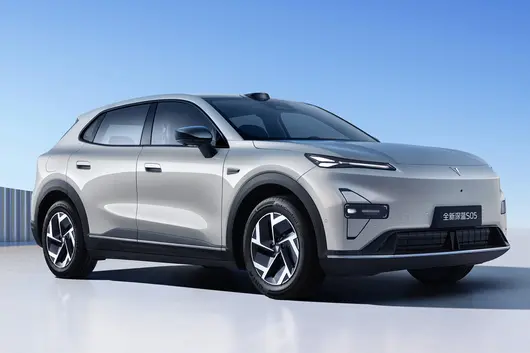
August 6, the new Deepal S05 was launched. Five models, limited-time discounted price ranging from 115,900 to 144,900 RMB.

Olympic Champion He Kexin stood on the launch event stage, supporting this car as an owner. But what truly makes people remember this car is not the spokesperson, but a set of numbers: "150,000 RMB L2-3", meaning one LiDAR, two Horizon Robotics J6M chips, one-segment end-to-end algorithm, 3nm automotive-grade cockpit chip, FSD+HRS variable adaptive suspension, all packed into a car under 150,000.
One year ago, this configuration belonged only to flagship models above 250,000. Now, the new Deepal S05 packs technology previously exclusive to high-end cars into the mainstream price range all at once.
Intelligent Driving is Moving from "Optional" to "Standard"
The strongest card of the new Deepal S05 is the Tianshu Pilot Intelligent Driving Assistance System. 27 perception sensors on the entire vehicle, including 1 LiDAR. Two Horizon Robotics J6M chips provide 256 TOPS computing power, running the one-segment end-to-end algorithm.

What is the difference between end-to-end algorithms and traditional intelligent driving? Traditional systems rely on engineers writing rules, while end-to-end allows the car to learn driving strategies directly from sensor data, shifting from "machine execution" to "human-like decision making". 90-plus lane assist functions cover 99% of daily high-frequency road conditions. More worth mentioning is the full-scenario roaming assistance, which does not require high-precision maps and can find its own way in parks and country roads.
The cockpit is no slouch either. The 3nm automotive-grade cockpit chip allows the infotainment chip and top-tier mobile phone chip to use the same process for the first time. The industry is generally still using 7nm or even more backward processes. Coupled with the 15.6-inch 2.5K Sunflower Screen, 18-speaker audio system, and four-map fusion real-scene navigation, this cockpit is indeed a bit "above standard" for the 150,000 class.

Regarding the chassis, the FSD+HRS high-order variable adaptive suspension is standard across the entire range. FSD adjusts damping hardness in real-time, and HRS uses hydraulic rebound buffering to eliminate small bumps. In actual driving: no head dip during braking, no body roll in corners, and no bumpiness on rough roads.
Range offers two versions, 520 km and 620 km. Zero-to-hundred acceleration is 6.28 seconds. The 3C Super Charging is standard across the range, charging from 30% to 80% takes only 15 minutes. Home charging costs 6 cents per km. The battery uses CATL cells and the Golden Shield Battery, with imperceptible degradation over 600,000 km.

Space does not lag behind either. The 2,880 mm wheelbase is more than 100 mm longer than mainstream competitors in the same class. 4,620 mm length, 1,900 mm width. A compact size delivers mid-size space. 159 L front trunk, 492 L double-layer trunk, 37 storage spaces throughout the car. Passengers can cross their legs in the rear seat. A family of five can go out without feeling cramped.
150,000-class SUV Market is Being Reshuffled
In 2026, the compact pure electric SUV market has split into two camps.
On one side are the "Hardware Aggressive Camp" represented by Aion N60 and Leapmotor C10, packing LiDAR, 600 km range, and Zero Gravity Seats into the configuration list. On the other side is the "Prudent and Practical Camp" represented by BYD Yuan PLUS and Sea Lion 05 EV, defending the basic market with mature three-electric systems, after-sales service outlets, and resale value.
Deepal S05 takes the third path. It did not overturn the original product skeleton, but rather on the "Large Space + Long Range" hit formula, pulled intelligent driving capabilities to the forefront of the class. This strategy is smart. S05 already has a good foundation: 2,880 mm wheelbase, 620 km range, 3C Super Charging. Facelift upgrades need only target three areas where consumers complain most: is the intelligent driving hardware top-tier enough, is the cockpit chip new enough, and is the suspension shock absorption refined enough.

In comparison, the BYD Yuan PLUS 2026 model 630 km Excellent Edition has a guide price of 149,900 RMB. Its three-electric system is mature, outlets are numerous, and resale value is high, but intelligent driving configuration is relatively basic. The Aion N60 has LiDAR standard across the range, but cockpit materials involve compromises. Deepal S05, with a starting price of 115,900 RMB, packages LiDAR, end-to-end algorithm, 3nm cockpit chip, and variable suspension all at once. In the same price range, this combination has almost no competitors.
Competition in the 150,000-class pure electric SUV market is shifting from "Range & Space" to "Intelligent Driving & Chassis". LiDAR, adaptive suspension, and other configurations previously belonging to 300,000-class models are accelerating downward. In this window period, whoever solidifies the experience and reputation of high-order intelligent driving first will establish cognitive first-mover advantages in the 150,000-class market.
One Car Supports Half a Brand
S05's significance to Deepal goes far beyond being a key model.
According to public data, S05 accounts for about 57% of Deepal brand sales. In the first half of 2026, Deepal's monthly sales were stable at around 30,000 units. One car, S05, supports half the market. Deepal's global sales target for 2026 is 480,000 units, with 340,000 domestic and 140,000 overseas. Whether S05 can continue to perform well largely determines whether this target can be achieved.

More crucially, Deepal is undergoing a brand-level integration. Changan Automobile has announced a strategic integration of the Avatr and Deepal two brands, expected to be completed by the end of 2026. After integration, Deepal will focus on the 150,000-300,000 RMB mainstream new energy market, aiming for 1 million annual sales by 2030. Deepal is Changan's vanguard in the mainstream electric market, and S05 is the sharpest knife in that vanguard's hand.
At the same time, Deepal S05 is also the pioneer of Changan's Open & Inclusive Plan 2.0. The first new car to roll off the line from the Rayong Factory, Thailand, was the Deepal S05 Right-hand drive version. It has already entered 73 countries and regions globally. This is not a new car starting from zero, but a product already verified in the global market.

Final Thoughts
The launch of the new Deepal S05, on the surface, is a product facelift, but essentially it is a strategic positioning by Deepal in the wave of intelligent driving democratization.
LiDAR costs are dropping rapidly, and end-to-end algorithms are becoming an industry standard rather than a unique skill. What seems like an "above standard" config today might be an entry ticket in six months. What Deepal S05 does is, before the window period closes, pull the experience threshold of high-order intelligent driving to the lowest level, allowing more people to experience cross-level technology at mainstream prices.
This is not defense, it is offense. Using a hit model with monthly sales exceeding 10,000 units to redefine what a 150,000-class SUV should have. When LiDAR, end-to-end algorithms, and 3nm cockpit chips shift from high-end exclusive to mainstream standard, the entire industry's value anchor is being rewritten.

In Malaysia's SUV market, many buyers compare the Proton X90 and Mazda CX-30 when choosing a car. These two models are quite close in price and positioning. Today, we will make a detailed comparison from multiple aspects to help you save time on research.
The OTR price of Proton X90 in Malaysia is RM 106,800 - 122,800. There are 4 versions in total, including 2026 1.5T Prime X (RM 122,800), 2026 1.5T Prime (RM 116,800), 2026 1.5T Lite (RM 106,800), etc.
The OTR price of Mazda CX-30 in Malaysia is RM 122,409 - 146,409. There are 4 versions in total, including 2025 2.0L High+ Premium (RM 146,409), 2025 2.0L High+ (RM 138,409), 2025 2.0L High (RM 130,409), etc.
From a price perspective, the starting price of the Proton X90 is indeed RM 15,609 cheaper than the Mazda CX-30. If your budget is limited, the Proton entry-level model can already meet daily needs. However, it is also worth noting that the few thousand cheaper price may involve trade-offs in equipment, depending on your specific needs.

The Proton X90 is equipped with a 1.5L Turbo, 140 hp. Official fuel consumption 7.0 L/100km.
The Mazda CX-30 is equipped with a 1.5L Turbo, 140 hp. Official fuel consumption 7.0 L/100km.
Both cars use the same powertrain, and the driving experience is basically the same. Fuel consumption is also similar, so there is no need to dwell too much on this.

The safety rating of the Proton X90 is 5★ (ASEAN NCAP), with active safety systems including ADAS (ACC, AEB, LKA, LDA, BSM, RCTA).
The safety rating of the Mazda CX-30 is 5★ (ASEAN NCAP), with active safety systems including i-Activsense.
Both cars have the same safety rating. In this class, safety features are quite comprehensive. New cars these days generally have good safety, so there is no need to worry too much about this.

Proton X90 comes with a 5-year/150,000km warranty, maintenance interval every 10,000km or 6 months.
Mazda CX-30 comes with a 5-year/150,000km warranty, maintenance interval every 10,000km or 6 months.
The warranty conditions for both cars are the same, so there is no need to dwell on this aspect. Actual maintenance costs depend on the brand's service network and parts prices. It is recommended to ask real owners in car owner groups for their experiences.

In general, both the Proton X90 and Mazda CX-30 are excellent models in the Malaysian market. Choosing which one depends mainly on your personal needs and budget. We suggest doing your research, comparing quotes from several dealerships, and test driving before making a final decision. Buying a car is a major event; spending some time on research will never be wrong.


In the SUV market in Malaysia, many buyers compare Proton X90 and Mazda CX-3 when choosing a car. These two cars are quite close in price and positioning. Today we will do a detailed comparison from multiple aspects to help you save time on research.
The OTR price of Proton X90 in Malaysia is RM 106,800 - 122,800. There are 4 versions in total, including 2026 1.5T Prime X (RM 122,800), 2026 1.5T Prime (RM 116,800), 2026 1.5T Lite (RM 106,800), etc.
The OTR price of Mazda CX-3 in Malaysia is RM 126,159 - 139,159. There are 2 versions in total, including 2023 2.0L High (RM 139,159), 2023 2.0L Plus (RM 126,159), etc.
From a price perspective, the starting price of Proton X90 is indeed RM 19,359 cheaper than Mazda CX-3. If your budget is limited, Proton's entry-level version can already meet daily needs. But keep in mind, the few thousand dollars cheaper might involve trade-offs in features, depending on your specific needs.
Proton X90's safety rating is 5★ (ASEAN NCAP). Active safety systems include ADAS (ACC, AEB, LKA, LDA, BSM, RCTA).
Mazda CX-3's safety rating is 5★ (ASEAN NCAP). Active safety systems include i-Activsense.
Both cars have the same safety rating. In this class, safety features are quite comprehensive. New cars nowadays generally have good safety, so don't worry too much about this.
Proton X90 body length is 4400 mm, trunk 400 L.
Mazda CX-3 body length is 4500 mm, trunk 450 L.
In terms of space, the Mazda CX-3 body is 100 mm longer than Proton X90, offering an advantage in seating space. However, Proton X90 is a bit more flexible for parking in the city. Each has its trade-offs.
Proton X90 adopts FWD drive system.
Mazda CX-3 adopts FWD drive system.
Both cars have the same drive system, both are FWD. There won't be a big difference in daily driving experience.

Overall, Proton X90 and Mazda CX-3 are both very good models in the Malaysian market. Which one to choose mainly depends on your personal needs and budget. It is recommended to do your research, compare quotes from several car dealerships, and then go for a test drive to make a final decision. Buying a car is a big matter; spending time on research will definitely not go wrong.

Dalam pasaran SUV Malaysia, ramai pembeli membandingkan Proton X90 dan Mazda CX-3 semasa memilih kereta. Kedua-dua kereta ini hampir sama dari segi harga dan segment, hari ini kita akan membuat perbandingan terperinci dari pelbagai aspek untuk membantu anda menjimatkan masa membuat kajian.
Harga OTR Proton X90 di Malaysia ialah RM 106,800 - 122,800, terdapat 4 versi, termasuk 2026 1.5T Prime X (RM 122,800), 2026 1.5T Prime (RM 116,800), 2026 1.5T Lite (RM 106,800) dan lain-lain.
Harga OTR Mazda CX-3 di Malaysia ialah RM 126,159 - 139,159, terdapat 2 versi, termasuk 2023 2.0L High (RM 139,159), 2023 2.0L Plus (RM 126,159) dan lain-lain.
Dari segi harga, harga permulaan Proton X90 memang RM 19,359 lebih murah berbanding Mazda CX-3. Jika bajet anda terhad, versi permulaan Proton sudah boleh memenuhi keperluan harian. Namun perlu diingat, perbezaan harga beberapa ribu ringgit ini mungkin melibatkan kompromi dari segi kelengkapan, bergantung pada keperluan anda.
Penarafan keselamatan Proton X90 ialah 5★ (ASEAN NCAP), sistem keselamatan aktif termasuk ADAS (ACC, AEB, LKA, LDA, BSM, RCTA).
Penarafan keselamatan Mazda CX-3 ialah 5★ (ASEAN NCAP), sistem keselamatan aktif termasuk i-Activsense.
Penarafan keselamatan kedua-dua kereta ini sama, kelengkapan keselamatan dalam kelas ini dianggap sangat lengkap. Keselamatan kereta baharu sekarang tidak buruk, tidak perlu risau tentang perkara ini.
Panjang badan Proton X90 4400 mm, ruang bagasi 400 L.
Panjang badan Mazda CX-3 4500 mm, ruang bagasi 450 L.
Dari segi ruang, badan Mazda CX-3 lebih panjang 100 mm berbanding Proton X90, ruang duduk mempunyai kelebihan. Namun Proton X90 lebih fleksibel untuk diparkir di bandar, masing-masing ada kompromi.
Proton X90 jaminan 5 tahun/150,000km, selang penyelenggaraan setiap 10,000km atau 6 bulan.
Mazda CX-3 jaminan 5 tahun/150,000km, selang penyelenggaraan setiap 10,000km atau 6 bulan.
Syarat jaminan kedua-dua kereta ini sama, tidak perlu bimbang tentang hal ini. Kos penyelenggaraan sebenar bergantung kepada rangkaian perkhidmatan jenama dan harga spare part, cadangkan bertanya pengalaman pemilik sebenar dalam komuniti pemilik kereta.
Secara keseluruhan, Proton X90 dan Mazda CX-3 adalah model kereta yang sangat baik di pasaran Malaysia. Memilih mana satu, penting bergantung pada keperluan peribadi dan bajet anda. Disarankan melakukan kajian terlebih dahulu, bandingkan beberapa kuotasi dari beberapa dealer kereta, kemudian buat ujian pemanduan untuk membuat keputusan akhir. Membeli kereta adalah perkara besar, meluangkan masa untuk membuat kajian tidak akan salah.

In Malaysia's SUV market, many buyers compare Proton X70 and Volkswagen Tiguan when choosing a car. These two cars are quite close in price and positioning. Today, we will make a detailed comparison from multiple aspects to help you save time on research.
The OTR price of Proton X70 in Malaysia is RM 106,800 - 122,300, with a total of 3 versions, including 1.5L Standard 2WD (RM 106,800), 1.5L Executive 2WD (RM 115,800), 1.5L Premium 2WD (RM 122,300), etc.
The OTR price of Volkswagen Tiguan in Malaysia is RM 206,540 - 260,024, with a total of 2 versions, including 2025 Allspace 2.0T R-Line (RM 260,024), 2025 Allspace 1.4T Elegance (RM 206,540), etc.
In terms of price, Proton X70's starting price is indeed RM 99,740 cheaper than Volkswagen Tiguan. If your budget is limited, Proton's entry-level version can already meet daily needs. However, keep in mind that the lower cost of a few thousand might involve trade-offs in features, depending on your specific requirements.

Proton X70 uses FWD drive system.
Volkswagen Tiguan uses FWD drive system.
Both cars have the same drive system, both are FWD, there won't be much difference in daily driving feel.

Proton X70 warranty is 5 years/150,000km, maintenance interval every 10,000km or 6 months.
Volkswagen Tiguan warranty is 3 years/100,000km, maintenance interval every 10,000km or 6 months.

Proton X70 and Volkswagen Tiguan are both mainstream choices in the Malaysian market, suitable for family use and daily commuting. If you value brand reputation and resale value more, prioritize the one with better reputation; if you care more about value for money and features, choose the one with richer configuration. Finally, it is recommended to test drive both, personal experience is the most important.
In general, Proton X70 and Volkswagen Tiguan are both very good car models in the Malaysian market. Which one to choose depends mainly on your personal needs and budget. It is recommended to do your research, compare quotes from several car dealerships, and then test drive to make a final decision. Buying a car is a big matter, spending some time researching will definitely not be wrong.


August 4, CPCA released the global automaker sales ranking for the first half of 2026, a historic moment was born here.
The list shows Toyota still ranks first with 11% of the global market share, Volkswagen and Hyundai Kia in second and third. Chinese automakers see a collective breakthrough: BYD ranks 6th globally with 4.8% share, Geely 7th with 4.6%, Chery ties with Ford for 9th with 4.1% share. For the first time, three Chinese automakers appear simultaneously on the global top 10 sales list.
This not only means Chinese cars take root in the top global tier for the first time, but also means the global automotive industry's competitive landscape begins to truly change.

For the past few decades, the global auto industry was long dominated by European, American, Japanese, and Korean brands, with Chinese automakers mostly catching up in the local market. Now, with BYD, Geely, and Chery entering the global top 10 simultaneously, it shows Chinese cars are no longer just participants in the new energy vehicle sector, but an important competitive force in the global automotive industry.
But if we observe these three companies closely, we will find their paths to the global top 10 are not the same.
BYD achieved a rapid rise relying on new energy. Relying on Three-Electric technology and scale advantages, BYD not only firmly holds first place in domestic new energy vehicles, but the overseas market has also become a new growth pole. In the first half of this year, BYD's global sales were about 1.8 million units, of which overseas sales reached 789,000 units, accounting for over 43%, a year-on-year increase of 145%. The overseas market is no longer just a supplementary market, but an important support for enterprise growth.
Geely relies on global layout. Brands such as Volvo, Zeekr, Lynk & Co form a brand matrix covering different markets and price points, giving Geely stronger global competitiveness.
Chery represents another path. Although domestic attention is less than BYD, relying on years of persistent exports, Chery has entered over 130 countries and regions, accumulating stable channels and brand foundations overseas, which is also an important reason for its first entry into the global top 10.

However, sales entering the global top 10 does not mean Chinese cars have truly won the global market.
In fact, Chinese cars going global have begun to enter a new stage.
In the first half of this year, China's automotive exports reached 5.096 million units, up 65.3% year-on-year; single-month exports in June broke through 1 million units for the first time, with annual exports potentially aiming for 10 million units. Numbers remain bright, but more and more companies realize that relying solely on selling cars out is no longer enough to support development in the next stage.
The China Association of Automobile Manufacturers divides Chinese automotive going global into three stages: The first stage is "Going Out" of complete vehicle exports, the second stage is "Going In" of capacity exports, and the third stage is brands truly "Going Up". Currently, Chinese automakers are at a critical period transitioning from the first stage to the second stage.
On one hand, trade barriers in various countries are rising. The EU imposed additional anti-subsidy tariffs up to 37.6% on Chinese EVs, Brazil raised complete vehicle tariffs to 35%, Mexico increased to 50%. The cost advantage relying solely on complete vehicle exports is rapidly shrinking.
On the other hand, more and more countries begin to require local production, local R&D, local procurement. If Chinese automakers want to stay in overseas markets long-term, they must truly integrate into local industrial chains.

Therefore, we see more and more enterprises beginning to change tactics.
Geely cooperates with Ford, jointly operating the Valencia plant in Spain, leveraging existing capacity to quickly achieve European local manufacturing.
BYD's Rayong plant in Thailand has achieved localization production of five models, local employee share about 93%, local parts procurement ratio reached 50%, and is building an overseas capacity network covering Europe, Southeast Asia, Latin America.
XPeng completed Turing AI intelligent driving localization testing in Germany, established data centers and R&D capabilities in Europe, rather than simply moving Chinese software overseas.
These changes show that the focus of Chinese automotive going global is shifting from "selling cars" to "building ecosystems". However, precisely at this stage, automakers need to remain clear-headed even more.

At this year's China Auto Forum, multiple industry figures mentioned a warning-worthy issue -- "Involution Spillover".
Geely Automobile Holdings Chief Product Strategy Officer Tang Liming pointed out that the industry currently faces multiple challenges such as tariffs, financing, and technical barriers, and the "Involution Spillover" of domestic price wars spreading overseas is also overdrawing the overall brand image of Chinese cars. He proposed that enterprises should strengthen price self-discipline, channel self-discipline, compliance self-discipline, and brand self-discipline, to achieve benign competition.
Wang Xia, Chairman of the Automotive Industry Committee of China Council for the Promotion of International Trade, also emphasized that the overseas market should become a new height for brand value addition, not a new battlefield for price wars. Enterprises should quickly realize the strategic shift from "selling out" to "integrating in", achieving joint project construction, value sharing, and risk sharing with localities, rather than copying domestic low-price competition overseas.
This reminder is precisely worth serious thought for all Chinese automakers.

Editor's Commentary
The entry of three Chinese automakers into the global top 10 is indeed a memorable step, but this is more like getting a ticket to enter the global top arena, rather than the competition having ended.
What truly determines future rankings is not just sales growth speed, but who can establish overseas R&D systems, local manufacturing capabilities, complete supply chain networks, and gain long-term trust from local consumers.
Global top 10 is a new height for Chinese cars. But true global brands still need time to build.
Only when Chinese automakers can not only sell cars overseas but also truly take root overseas and integrate overseas, can Chinese cars truly move from "Top 10 Global Sales" to "Global Automotive Powerhouse".

喺馬來西亞嘅 SUV 市場,好多買家喺揀車嘅時候都會拿寶騰 X70 同福斯 Tiguan 做比較。這兩款車喺售價同定位上都幾接近,今日我哋就由多個方面做一個詳細比較,幫你省返做功課嘅時間。
寶騰 X70 喺馬來西亞嘅 OTR 售價係 RM 106,800 - 122,300,一共有 3 個版本,包括 1.5L Standard 2WD(RM 106,800)、1.5L Executive 2WD(RM 115,800)、1.5L Premium 2WD(RM 122,300)等。
福斯 Tiguan 喺馬來西亞嘅 OTR 售價係 RM 206,540 - 260,024,一共有 2 個版本,包括 2025 Allspace 2.0T R-Line(RM 260,024)、2025 Allspace 1.4T Elegance(RM 206,540)等。
從價錢嚟睇,寶騰 X70 嘅起步價確實比福斯 Tiguan 平咗 RM 99,740。如果你預算有限,寶騰嘅入門版已經可以滿足日常需求。但都要留意,平嗰幾千蚊,可能係配備上要有取舍,具體睇你嘅需求。
寶騰 X70 配備 1.5L Turbo,馬力 140 hp。官方油耗 7.0 L/100km。
福斯 Tiguan 配備 2.0L 4-cyl,馬力 170 hp。官方油耗 8.0 L/100km。
動力方面,福斯 Tiguan 嘅 2.0L 4-cyl 比寶騰 X70 嘅 1.5L Turbo 多咗 30 匹馬力。不過日常喺市區行,兩款車嘅動力都夠用,唔會覺得唔夠力。
寶騰 X70 嘅安全評級係 5★ (ASEAN NCAP),主動安全系統包括 ADAS (ACC, AEB, LKA, LDA, BSM, RCTA)。
福斯 Tiguan 嘅安全評級係 5★ (Euro NCAP),主動安全系統包括 IQ.Drive。
安全配備方面,兩款車都拿到唔錯嘅評級。不過寶騰 X70 嘅 ADAS (ACC, AEB, LKA, LDA, BSM, RCTA) 同福斯 Tiguan 嘅 IQ.Drive 喺功能上有些分別,如果你比較重視主動安全嘅話,可以仔細比較一下兩者嘅功能列表。
寶騰 X70 保固 5 年/150,000km,保養間隔 每 10,000km 或 6 個月。
福斯 Tiguan 保固 3 年/100,000km,保養間隔 每 10,000km 或 6 個月。
總體嚟講,寶騰 X70 同福斯 Tiguan 都係馬來西亞市場幾唔錯嘅車型。揀邊部車,關鍵係要睇你嘅個人需求同預算。建議大家做好功課,多比較幾間車行嘅報價,再去試駕先做最後決定。買車係件大事,花少少時間做功課絕對唔會錯。

In the Malaysian SUV market, many buyers compare the Perodua Ativa and Toyota Yaris Cross when choosing a car. These two cars are quite close in price and positioning. Today we will make a detailed comparison from multiple aspects to help you save time on research.
Perodua Ativa's OTR price in Malaysia ranges from RM 62,500 to 73,400, with a total of 3 versions, including 1.0L Turbo X (RM 62,500), 1.0L Turbo H (RM 67,300), 1.0L Turbo AV (RM 73,400), etc.
Toyota Yaris Cross's OTR price in Malaysia ranges from RM 99,900 to 109,900, with a total of 2 versions, including 2026 1.5L Standard (RM 99,900), 2026 HEV 1.5L Standard (RM 109,900), etc.
In terms of price, the starting price of the Perodua Ativa is indeed RM 37,400 cheaper than the Toyota Yaris Cross. If your budget is limited, Perodua's entry-level version can already meet daily needs. However, note that the difference of a few thousand ringgit might involve trade-offs in features, depending on your specific requirements.

Perodua Ativa's safety rating is 5★ (ASEAN NCAP), active safety systems include ASA 3.0 + ACC + LDA + LKA + BSM + RCTA.
Toyota Yaris Cross's safety rating is 5★ (ASEAN NCAP), active safety systems include TSS.
Both cars have the same safety rating, and safety features are quite comprehensive in this class. New cars nowadays generally do not have poor safety, so there is no need to worry too much about this.

Perodua Ativa warranty is 5 years/150,000km, servicing interval every 10,000km or 6 months.
Toyota Yaris Cross warranty is 5 years/unlimited mileage, servicing interval every 10,000km or 6 months.

Both Perodua Ativa and Toyota Yaris Cross are mainstream choices in the Malaysian market, suitable for family use and daily commuting. If you value brand reputation and resale price more, prioritize the one with the better reputation; if you care more about value for money and features, choose the one with richer configuration. Ultimately, it is recommended to test drive both, as personal experience is the most important.

Overall, both Perodua Ativa and Toyota Yaris Cross are excellent models in the Malaysian market. Which one to choose depends mainly on your personal needs and budget. It is suggested to do your research, compare quotes from several dealerships, and then test drive to make the final decision. Buying a car is a major matter, spending some time doing research will never be wrong.


Dalam pasaran SUV di Malaysia, ramai pembeli membandingkan Proton X70 dan Chery Tiggo 7 PHEV semasa memilih kereta.
Proton X70 dijual dengan harga OTR di Malaysia dari RM 106,800 - 122,300, terdapat 3 varian, termasuk 1.5L Standard 2WD (RM 106,800), 1.5L Executive 2WD (RM 115,800), 1.5L Premium 2WD (RM 122,300) dan lain-lain.
Chery Tiggo 7 PHEV dijual dengan harga OTR di Malaysia dari RM 129,750 - 129,750, terdapat 2 varian, termasuk 2025 1.5T 90km CSH (RM 129,750), Apakah kaedah pengecasan yang disokong oleh Tiggo 7 PHEV? Bolehkah ia dicas menggunakan soket kuasa rumah? (RM 117,478) dan lain-lain.
Dari segi harga, harga permulaan Proton X70 memang RM 22,950 lebih murah daripada Chery Tiggo 7 PHEV. Jika bajet anda terhad, versi permulaan Proton sudah boleh memenuhi keperluan harian. Tetapi perlu diingat, perbezaan beberapa ribu ringgit itu mungkin mempunyai pertukaran dari segi kelengkapan, bergantung pada keperluan anda.

Proton X70 dilengkapi enjin 1.5L Turbo, kuasa 140 hp. Kecekapan minyak rasmi 7.0 L/100km.
Chery Tiggo 7 PHEV dilengkapi sistem Hybrid, kuasa 170 hp. Kecekapan minyak rasmi 4.5 L/100km.
Dari segi kuasa, sistem Hybrid Chery Tiggo 7 PHEV mempunyai 30 hp lebih daripada 1.5L Turbo Proton X70. Namun untuk penggunaan harian di bandar, kedua-dua kereta ini mempunyai kuasa yang mencukupi, tidak berasa kurang tenaga.

Proton X70 mendapat penarafan keselamatan 5★ (ASEAN NCAP), sistem keselamatan aktif termasuk ADAS (ACC, AEB, LKA, LDA, BSM, RCTA).
Chery Tiggo 7 PHEV mendapat penarafan keselamatan TBD, sistem keselamatan aktif termasuk Basic.
Dari segi kelengkapan keselamatan, kedua-dua kereta mendapat penarafan yang baik. Walau bagaimanapun, terdapat beberapa perbezaan dari segi fungsi antara ADAS (ACC, AEB, LKA, LDA, BSM, RCTA) pada Proton X70 dan Basic pada Chery Tiggo 7 PHEV. Jika anda lebih mengutamakan keselamatan aktif, anda boleh bandingkan senarai fungsi antara keduanya.

Proton X70 menggunakan cara pemanduan FWD.
Chery Tiggo 7 PHEV menggunakan cara pemanduan FWD.
Kedua-dua kereta ini menggunakan cara pemanduan yang sama, iaitu FWD, pengalaman memandu harian tidak akan berbeza banyak.
Secara keseluruhan, Proton X70 dan Chery Tiggo 7 PHEV adalah model kereta yang sangat bagus di pasaran Malaysia. Pilihan yang mana satu, penting untuk lihat keperluan dan bajet peribadi anda. Disarankan membuat kajian, bandingkan beberapa tawaran daripada kedai kereta yang berbeza, kemudian buat ujian memandu untuk keputusan akhir. Membeli kereta adalah perkara besar, mengambil masa untuk membuat kajian tidak akan pernah salah.


喺馬來西亞嘅 SUV 市場,好多買家喺揀車嘅時候都會拿 Perodua Aruz 同 Toyota Yaris Cross 嚟比較。這兩款車喺價位同定位上都幾接近,今日我哋就從多個方面做一個詳細嘅對比,幫你省做功課嘅時間。
Perodua Aruz 喺馬來西亞嘅 OTR 售價係 RM 72,900 - 77,900,一共有 2 個版本,包括 1.5L X(RM 72,900)、1.5L AV(RM 77,900) 等。
Toyota Yaris Cross 喺馬來西亞嘅 OTR 售價係 RM 99,900 - 109,900,一共有 2 個版本,包括 2026 1.5L Standard(RM 99,900)、2026 HEV 1.5L Standard(RM 109,900) 等。
從價錢嚟睇,Perodua Aruz 嘅起步價真係比 Toyota Yaris Cross 平咗 RM 27,000。如果你預算有限,Perodua 嘅入門版已經可以滿足日常需要。但都要注意,平嗰幾千蚊,可能喺配備上會有取捨,具體睇你嘅需求。

Perodua Aruz 嘅安全評級係 5★ (ASEAN NCAP),主動安全系統包括。
Toyota Yaris Cross 嘅安全評級係 5★ (ASEAN NCAP),主動安全系統包括 TSS。
兩款車嘅安全評級一樣,喺呢個級別入面安全配備都算好齊全。而家嘅新車安全性都唔差,唔使太擔心呢一點。

Perodua Aruz 車身長 4400 mm,后备廂 400 L。
Toyota Yaris Cross 車身長 4400 mm,后备廂 400 L。
兩款車嘅尺寸幾乎一樣,車內空間差別唔大。呢個級別嘅車,日常使用完全夠用。
Perodua Aruz 保養 5 年/150,000km,保養間隔 每 10,000km 或 6 個月。
Toyota Yaris Cross 保養 5 年/無限制里程,保養間隔 每 10,000km 或 6 個月。
總嚟講,Perodua Aruz 同 Toyota Yaris Cross 都係馬來西亞市場幾唔錯嘅車款。揀邊輛,關鍵都要睇你嘅個人需要同預算。建議大家做好功課,多比較幾間車行嘅報價,再去試車做最終決定。買車係件大事,花少少時間做功課絕對唔會錯。


In Malaysia's SUV market, many buyers compare the Perodua Aruz and Toyota Corolla Cross when choosing a car. These two models are quite close in price and positioning. Today, we will make a detailed comparison from multiple aspects to save you time doing research.
The OTR price of the Perodua Aruz in Malaysia is RM 72,900 - 77,900, with a total of 2 versions, including the 1.5L X (RM 72,900), 1.5L AV (RM 77,900), etc.
The OTR price of the Toyota Corolla Cross in Malaysia is RM 133,800 - 148,800, with a total of 3 versions, including the 2026 HEV 1.8L GR Sport (RM 148,800), 2026 HEV 1.8L Standard (RM 140,800), 2026 1.8L Standard (RM 133,800), etc.
In terms of price, the starting price of the Perodua Aruz is indeed RM 60,900 cheaper than the Toyota Corolla Cross. If your budget is limited, the entry-level version of Perodua can already meet daily needs. However, keep in mind that the few thousand ringgit difference might involve trade-offs in features, depending on your specific needs.
The Perodua Aruz is equipped with a 1.5L 4-cylinder engine, producing 105 hp. Official fuel consumption is 6.0 L/100km.
The Toyota Corolla Cross is equipped with a 1.5L Turbo engine, producing 140 hp. Official fuel consumption is 7.0 L/100km.
Regarding power, the 1.5L Turbo in the Toyota Corolla Cross has 35 more horsepower than the 1.5L 4-cylinder in the Perodua Aruz. However, for daily driving in the city, the power of both cars is sufficient, and you won't feel like it lacks power.
The Perodua Aruz body length is 4400 mm, and the trunk is 400 L.
The Toyota Corolla Cross body length is 4400 mm, and the trunk is 400 L.
The dimensions of both cars are almost identical, with little difference in interior space. For this class of cars, it is more than enough for daily use.
Both the Perodua Aruz and Toyota Corolla Cross are mainstream choices in the Malaysian market, suitable for family use and daily commuting. If you value brand reputation and resale value more, you can prioritize the one with a better reputation; if you care more about price-performance ratio and features, choose the one with richer configurations. Ultimately, it is recommended to test drive both, as personal experience is the most important.

Overall, both the Perodua Aruz and Toyota Corolla Cross are very good models in the Malaysian market. Which one to choose depends on your personal needs and budget. It is recommended that everyone do their homework, compare quotes from several car dealerships, and then test drive before making a final decision. Buying a car is a major matter; spending some time on research will definitely not go wrong.

喺馬來西亞嘅 SUV 市場,好多買家喺揀車嘅時候都會拿 Proton X70 同 Chery Tiggo 8 Pro 嚟做比較。這兩款車喺價位同定位上都好接近,今日我哋就從多個方面做一個詳細嘅對比,幫你省返做功課嘅時間。
Proton X70 喺馬來西亞嘅 OTR 售價係 RM 106,800 - 122,300,一共有 3 個版本,包括 1.5L Standard 2WD(RM 106,800)、1.5L Executive 2WD(RM 115,800)、1.5L Premium 2WD(RM 122,300)等等。
Chery Tiggo 8 Pro 喺馬來西亞嘅 OTR 售價係 RM 159,750 - 159,750,一共有 2 個版本,包括 1.6L Turbo Standard(RM 130,000)、1.6L Turbo Premium(RM 145,000)等等。
由價錢睇,Proton X70 嘅起步價確實比 Chery Tiggo 8 Pro 平咗 RM 52,950。如果你預算有限,Proton 嘅入門版已經足夠日常需要。但亦要留意,平嗰幾千蚊,可能喺配備上會有所取舍,具體要看你嘅需要。
Proton X70 車身長度 4400 mm,後尾箱 400 L。
Chery Tiggo 8 Pro 車身長度 4400 mm,後尾箱 400 L。
兩款車嘅尺寸幾乎一樣,車內空間分別唔大。呢個級別嘅車,日常使用完全夠用。
Proton X70 採用 FWD 驅動方式。
Chery Tiggo 8 Pro 採用 FWD 驅動方式。
兩款車嘅驅動方式一樣,都係 FWD,日常駕駛感覺唔會有太大分別。
Proton X70 同 Chery Tiggo 8 Pro 都係馬來西亞市場嘅主流選擇,適合家庭使用、日常通勤。如果你更重視品牌口碑同二手價,可以優先考慮口碑好嗰一款;如果你更重視性價比同配備,那就揀配備更豐富嗰款。最終都建議兩款都去試車,親自體驗先至係最重要嘅。
總括嚟講,Proton X70 同 Chery Tiggo 8 Pro 都係馬來西亞市場好唔錯嘅車型。揀邊一輛,關鍵仲係要看你嘅個人需要同預算。建議大家做好功課,多比較幾間車行嘅報價,再去試車做最終決定。買車係一件大事,花啲時間做功課絕對無錯。

喺馬來西亞嘅 SUV 市場,好多買家喺揀車嘅時候都會拿 寶騰 X70 同 奇瑞 Tiggo 8 Pro 黎做比較。呢兩款車喺價位同定位上都幾近嘅,今日我哋就從多個方面做一個詳細嘅比較,幫你省咗做功課嘅時間。
寶騰 X70 喺馬來西亞嘅 落地價係 馬幣 106,800 - 122,300,一共有 3 個版本,包括 1.5 公升 標準 2 驅(馬幣 106,800)、1.5 公升 行政 2 驅(馬幣 115,800)、1.5 公升 豪華 2 驅(馬幣 122,300) 等。
奇瑞 Tiggo 8 Pro 喺馬來西亞嘅 落地價係 馬幣 159,750 - 159,750,一共有 2 個版本,包括 1.6 公升 渦輪 標準(馬幣 130,000)、1.6 公升 渦輪 豪華(馬幣 145,000) 等。
由價錢睇,寶騰 X70 嘅起步價確實比 奇瑞 Tiggo 8 Pro 平咗 馬幣 52,950。如果你預算有限,寶騰嘅入門版已經可以滿足日常需求。不過要注意,平嗰幾千塊,喺配備上會有取捨,具體要睇你嘅需求。
寶騰 X70 搭載 1.5 公升 渦輪,馬力 140 匹。官方油耗 7.0 公升/100 公里。
奇瑞 Tiggo 8 Pro 搭載 2.0 公升 4 缸,馬力 170 匹。官方油耗 8.0 公升/100 公里。
動力方面,奇瑞 Tiggo 8 Pro 嘅 2.0 公升 4 缸 比 寶騰 X70 嘅 1.5 公升 渦輪 多咗 30 匹馬力。不過日常喺市區開,兩款車嘅動力都夠用,唔會覺得唔夠力。
寶騰 X70 車身長 4400 毫米,車尾箱 400 公升。
奇瑞 Tiggo 8 Pro 車身長 4400 毫米,車尾箱 400 公升。
兩款車嘅尺寸幾乎一樣,車內空間差別唔大。呢級別嘅車,日常使用完全夠用。
寶騰 X70 採用 前輪驅動 方式。
奇瑞 Tiggo 8 Pro 採用 前輪驅動 方式。
兩款車嘅驅動方式一樣,都係 前輪驅動,日常駕駛感受唔會有太大分別。
總嚟講,寶騰 X70 同 奇瑞 Tiggo 8 Pro 都係馬來西亞市場幾唔錯嘅車型。揀邊一輛,關鍵始終要睇你嘅個人需求同預算。建議大家做足功課,多比較幾間車行嘅報價,再去試駕做最終決定。買車係件大事,花點時間做功課絕對唔會錯。

喺馬來西亞嘅 SUV 市場,好多買家喺揀車嗰陣都會拿 Perodua Aruz 同 Mazda CX-5 嚟做比較。呢兩款車喺價位同定位上都幾近,今日我哋就從多個方面做一個詳細比較,幫你節省做功課嘅時間。
Perodua Aruz 喺馬來西亞嘅 OTR 售價係 RM 72,900 - 77,900,合共有 2 個版本,包括 1.5L X(RM 72,900)、1.5L AV(RM 77,900) 等。
Mazda CX-5 喺馬來西亞嘅 OTR 售價係 RM 135,469 - 166,760,合共有 3 個版本,包括 2025 2.0L AT 35th Anniversary(RM 316,154)、2025 2.0L AT(RM 296,154)、2025 2.0L MT(RM 294,154) 等。
由價錢睇,Perodua Aruz 嘅入門價確係比 Mazda CX-5 平咗 RM 62,569。如果你預算有限,Perodua 嘅入門版已經可以滿足日常需求。但亦都要注意,平嗰幾千蚊,可能喺配備上會有取舍,具體就要睇你嘅需求。
Perodua Aruz 搭載 1.5L 4-cyl,馬力 105 hp。官方油耗 6.0 L/100km。
馬自達 CX-5 搭載 1.5L Turbo,馬力 140 hp。官方油耗 7.0 L/100km。
動力方面,馬自達 CX-5 嘅 1.5L Turbo 比 Perodua Aruz 嘅 1.5L 4-cyl 多咗 35 匹馬力。不過日常喺市區開,呢兩款車嘅動力都夠用,唔會覺得唔夠力。
Perodua Aruz 保養保修 5 年/150,000km,保養間隔 每 10,000km 或 6 個月。
馬自達 CX-5 保養保修 5 年/150,000km,保養間隔 每 10,000km 或 6 個月。
兩款車嘅保養保修條件一樣,呢方面唔使糾結。實際保養成本仲要睇品牌嘅服務網絡同零件價格,建議去車友群問下真實車主嘅經驗。
Perodua Aruz 同 馬自達 CX-5 都係馬來西亞市場嘅主流選擇,適合家庭用途、日常通勤。如果你更睇重品牌口碑同二手價,可以優先考慮口碑更好嗰款;如果你更在意性價比同配備,就揀配備更豐富嗰款。最終都建議兩款都去試駕,親身體驗先係最重要。

總體嚟講,Perodua Aruz 同 馬自達 CX-5 都係馬來西亞市場幾好嘅車款。揀邊一輛,關鍵仲係睇你個人需求同預算。建議大家做足功課,多比較幾間車行嘅報價,再去試駕做最終決定。買車係件大事,花少少時間做功課絕對無錯。

In Malaysia's SUV market, many buyers compare Proton X70 and Chery Tiggo 7 Pro when choosing a car. These two models have very similar pricing and positioning. Today, we will conduct a detailed comparison from multiple aspects to help you save time on research.
Proton X70 OTR selling price in Malaysia is RM 106,800 - 122,300, with a total of 3 versions, including 1.5L Standard 2WD (RM 106,800), 1.5L Executive 2WD (RM 115,800), 1.5L Premium 2WD (RM 122,300) etc.
Chery Tiggo 7 Pro OTR selling price in Malaysia is RM 123,750 - 123,750, with a total of 2 versions, including 1.6L Turbo Standard (RM 125,000), 1.6L Turbo Premium (RM 140,000) etc.
From a price perspective, the starting price of Proton X70 is indeed RM 16,950 cheaper than Chery Tiggo 7 Pro. If your budget is limited, Proton's entry-level version can already meet daily needs. However, also note that the few thousand RM saved might involve compromises in features, depending on your specific needs.
Proton X70 safety rating is 5★ (ASEAN NCAP), active safety systems include ADAS (ACC, AEB, LKA, LDA, BSM, RCTA).
Chery Tiggo 7 Pro safety rating is TBD, active safety system includes Basic.
Regarding safety features, both cars received good ratings. However, there are some functional differences between Proton X70's ADAS (ACC, AEB, LKA, LDA, BSM, RCTA) and Chery Tiggo 7 Pro's Basic. If you value active safety more, you can compare the feature lists of both carefully.
Proton X70 body length 4400 mm, trunk 400 L.
Chery Tiggo 7 Pro body length 4400 mm, trunk 400 L.
The dimensions of both cars are almost the same, with little difference in interior space. Cars of this class are fully sufficient for daily use.
Proton X70 warranty 5 years/150,000 km, service interval every 10,000 km or 6 months.
Chery Tiggo 7 Pro warranty 3 years/100,000 km, service interval every 10,000 km or 6 months.
Proton X70 and Chery Tiggo 7 Pro are both mainstream choices in the Malaysian market, suitable for family use and daily commuting. If you value brand reputation and resale price more, you can prioritize the one with better reputation; if you care more about value for money and features, choose the one with richer specifications. Ultimately, it is recommended to test drive both, as personal experience is the most important.
Overall, Proton X70 and Chery Tiggo 7 Pro are both very good car models in the Malaysian market. Which one to choose depends mainly on your personal needs and budget. It is recommended to do your research, compare quotes from several dealerships, and then test drive to make a final decision. Buying a car is a big matter, spending some time on research will never go wrong.

In Malaysia's SUV market, many buyers tend to compare Proton X70 and Mazda CX-8 when selecting a car. These two cars are quite close in price and positioning. Today we will make a detailed comparison from multiple aspects to help you save time doing research.
Proton X70's OTR selling price in Malaysia is RM 106,800 - 122,300, with a total of 3 versions, including 1.5L Standard 2WD (RM 106,800), 1.5L Executive 2WD (RM 115,800), 1.5L Premium 2WD (RM 122,300) etc.
Mazda CX-8's OTR selling price in Malaysia is RM 165,360 - 201,360, with a total of 5 versions, including 2025 2.5T 4WD High Plus Petrol (RM 201,360), 2025 2.2L 2WD High Plus Diesel (RM 193,123), 2025 2.5L 2WD High Plus Petrol (RM 186,360) etc.
From a price perspective, Proton X70's starting price is indeed RM 58,560 cheaper than Mazda CX-8. If your budget is limited, Proton's entry-level version can already meet daily needs. But please also note that the thousands saved may have compromises in features, it depends on your specific requirements.

Proton X70 body length 4400 mm, trunk 400 L.
Mazda CX-8 body length 4500 mm, trunk 450 L.
In terms of space, Mazda CX-8's body is 100 mm longer than Proton X70, offering an advantage in seating space. However, Proton X70 will be more flexible when parking in the city, each has its own compromises.

Proton X70 adopts FWD drive system.
Mazda CX-8 adopts FWD drive system.
Both cars have the same drive system, both are FWD, there won't be much difference in daily driving feel.

Proton X70 and Mazda CX-8 are both mainstream choices in the Malaysian market, suitable for family use and daily commuting. If you value brand reputation and resale value more, you can prioritize the one with better reputation; if you care more about value for money and features, then choose the model with richer configurations. Ultimately it is recommended to test drive both, personal experience is the most important.
Overall, Proton X70 and Mazda CX-8 are both very good car models in the Malaysian market. Which one to choose depends on your personal needs and budget. We suggest doing your homework, comparing quotes from several dealerships, and then test driving to make the final decision. Buying a car is a major matter, spending some time doing research will definitely not be wrong.

Dalam pasaran SUV di Malaysia, banyak pembeli semasa memilih kereta sering membandingkan Proton X70 dan Chery Tiggo 8. Kedua-dua kereta ini sangat hampir dari segi harga dan sasaran pasaran. Hari ini kita akan membuat perbandingan terperinci dari pelbagai aspek untuk membantu anda menjimatkan masa membuat kajian.
Harga OTR Proton X70 di Malaysia ialah RM 106,800 - 122,300, terdapat 3 variasi, termasuk 1.5L Standard 2WD (RM 106,800), 1.5L Executive 2WD (RM 115,800), 1.5L Premium 2WD (RM 122,300) dan lain-lain.
Harga OTR Chery Tiggo 8 di Malaysia ialah RM 129,750 - 129,750, terdapat 1 variasi, termasuk 2026 1.6T Standard (RM 129,750) dan lain-lain.
Dari segi harga, harga permulaan Proton X70 memang lebih murah RM 22,950 berbanding Chery Tiggo 8. Jika bajet anda terhad, varian asas Proton sudah boleh memenuhi keperluan harian. Namun, perlu diperhatikan, perbezaan harga beberapa ribu ringgit itu mungkin melibatkan pertukaran dari segi kelengkapan, bergantung kepada keperluan anda.

Proton X70 dilengkapi enjin 1.5L Turbo, kuasa 140 hp. Penggunaan minyak rasmi 7.0 L/100km.
Chery Tiggo 8 dilengkapi enjin 1.5L Turbo, kuasa 140 hp. Penggunaan minyak rasmi 7.0 L/100km.
Kedua-dua kereta menggunakan sistem kuasa yang sama, rasa memandu harian pada dasarnya tiada perbezaan. Dari segi penggunaan minyak juga hampir sama, tidak perlu terlalu bimbang tentang perkara ini.
Paras keselamatan Proton X70 ialah 5★ (ASEAN NCAP), sistem keselamatan aktif termasuk ADAS (ACC, AEB, LKA, LDA, BSM, RCTA).
Paras keselamatan Chery Tiggo 8 ialah TBD, sistem keselamatan aktif termasuk Basic.
Dari segi kelengkapan keselamatan, kedua-dua kereta mendapat paras yang baik. Namun, ADAS (ACC, AEB, LKA, LDA, BSM, RCTA) pada Proton X70 dan Basic pada Chery Tiggo 8 mempunyai perbezaan dari segi fungsi, jika anda lebih mengambil berat tentang keselamatan aktif, anda boleh membandingkan senarai fungsi kedua-duanya dengan teliti.

Proton X70 mempunyai garansi 5 tahun/150,000km, selang penyelenggaraan setiap 10,000km atau 6 bulan.
Chery Tiggo 8 mempunyai garansi 3 tahun/100,000km, selang penyelenggaraan setiap 10,000km atau 6 bulan.
Secara keseluruhannya, Proton X70 dan Chery Tiggo 8 adalah model kereta yang sangat baik di pasaran Malaysia. Memilih mana satu, penting bergantung kepada keperluan dan bajet peribadi anda. Disyorkan untuk membuat kajian terlebih dahulu, bandingkan beberapa tawaran dari dealer kereta berbeza, kemudian buat uji kenderaan untuk membuat keputusan akhir. Membeli kereta adalah perkara besar, meluangkan masa membuat kajian tidak akan pernah salah.


喺馬來西亞嘅 SUV 市場,好多買家喺揀車嘅時候都會拎 波迪華阿魯斯 同 名爵 HS 嚟做比較。這兩款車喺價位同定位上都好接近,今日我就哋從多個方面做一個詳細嘅對比,幫你節省做功課嘅時間。
波迪華阿魯斯喺馬來西亞嘅 OTR 售價係 RM 72,900 - 77,900,一共有 2 個版本,包括 1.5L X(RM 72,900)、1.5L AV(RM 77,900) 等。
名爵 HS 喺馬來西亞嘅 OTR 售價係 RM 130,450 - 146,450,一共有 2 個版本,包括 1.5L Standard(RM 105,000)、1.5L Executive(RM 115,000) 等。
從價錢來看,波迪華阿魯斯嘅起步價確實比名爵 HS 平咗 RM 57,550。如果你預算有限,波迪華嘅入門版已經可以滿足日常需求。但都要注意,平嗰幾千蚊,可能喺配備上會有取舍,具體要睇你嘅需求。
波迪華阿魯斯嘅安全評級係 5★ (ASEAN NCAP),主動安全系統包括 。
名爵 HS 嘅安全評級係 TBD,主動安全系統包括 Basic。
波迪華阿魯斯採用 FWD 驅動方式。
名爵 HS 採用 FWD 驅動方式。
兩款車嘅驅動方式一樣,都係 FWD,日常駕駛感受唔會有太大分別。
波迪華阿魯斯同名爵 HS 都係馬來西亞市場嘅主流選擇,適合家庭使用、日常通勤。如果你更看重品牌聲譽同二手價,可以首選聲譽更好嗰一款;如果你更在意性價比同配備,那就揀配備更豐富嗰款。最終都係建議兩款都去試駕,親身試先係最重要嘅。
總嘅嚟講,波迪華阿魯斯同名爵 HS 都係馬來西亞市場好唔錯嘅車型。揀邊台,關鍵仲係要睇你嘅個人需求同預算。建議大家做功課好點,多比較幾間車行嘅報價,再去試駕做最終決定。買車係件大事,花少少時間做功課絕對唔會錯。

Di pasaran SUV Malaysia, ramai pembeli membandingkan Proton X70 dan Mazda CX-8 ketika memilih kereta. Kedua-dua kereta ini mempunyai kedudukan dan julat harga yang hampir sama, hari ini kita akan membuat perbandingan terperinci dari pelbagai aspek untuk membantu anda menjimatkan masa membuat kajian.
Harga OTR Proton X70 di Malaysia ialah RM 106,800 - 122,300, terdapat 3 varian, termasuk 1.5L Standard 2WD (RM 106,800), 1.5L Executive 2WD (RM 115,800), 1.5L Premium 2WD (RM 122,300) dan lain-lain.
Harga OTR Mazda CX-8 di Malaysia ialah RM 165,360 - 201,360, terdapat 5 varian, termasuk 2025 2.5T 4WD High Plus Petrol (RM 201,360), 2025 2.2L 2WD High Plus Diesel (RM 193,123), 2025 2.5L 2WD High Plus Petrol (RM 186,360) dan lain-lain.
Dari segi harga, harga permulaan Proton X70 memang lebih murah RM 58,560 berbanding Mazda CX-8. Jika bajet anda terhad, varian asas Proton sudah boleh memenuhi keperluan harian. Tetapi perlu diingat, perbezaan harga beberapa ribu itu mungkin melibatkan pengorbanan pada kelengkapan, ia bergantung pada keperluan anda.
Pemeriksaan keselamatan Proton X70 ialah 5★ (ASEAN NCAP), sistem keselamatan aktif termasuk ADAS (ACC, AEB, LKA, LDA, BSM, RCTA).
Pemeriksaan keselamatan Mazda CX-8 ialah 5★ (ASEAN NCAP), sistem keselamatan aktif termasuk Brand ADAS.
Pemeriksaan keselamatan kedua-dua kereta adalah sama, pada tahap ini kelengkapan keselamatan dianggap cukup lengkap. Keselamatan kereta baharu sekarang tidak buruk, tiada perlu bimbang terlalu banyak mengenai hal ini.
Proton X70 panjang badan 4400 mm, stor belakang 400 L.
Mazda CX-8 panjang badan 4500 mm, stor belakang 450 L.
Dari segi ruang, badan Mazda CX-8 lebih panjang 100 mm berbanding Proton X70, ruang penumpang lebih unggul. Namun Proton X70 lebih fleksibel untuk parkir di bandar, kedua-duanya ada kompromi masing-masing.
Proton X70 jaminan 5 tahun/150,000km, selang penyelenggaraan setiap 10,000km atau 6 bulan.
Mazda CX-8 jaminan 5 tahun/150,000km, selang penyelenggaraan setiap 10,000km atau 6 bulan.
Syarat jaminan kedua-dua kereta adalah sama, tidak perlu bimbang mengenai hal ini. Kos penyelenggaraan sebenar bergantung pada rangkaian servis jenama dan harga bahagian, disarankan bertanya pengalaman pemilik sebenar dalam komuniti kereta.
Proton X70 dan Mazda CX-8 adalah pilihan utama di pasaran Malaysia, sesuai untuk kegunaan keluarga, perjalanan harian. Jika anda lebih mengutamakan reputasi jenama dan harga terpakai, boleh pertimbangkan model dengan reputasi lebih baik; jika anda lebih mementingkan nisbah harga dan kelengkapan, pilih model yang lebih lengkap. Akhir sekali disarankan untuk memandu kedua-duanya, pengalaman sendiri adalah yang paling penting.
Secara umumnya, Proton X70 dan Mazda CX-8 adalah model kereta yang sangat bagus di pasaran Malaysia. Memilih mana satu, kunci utamanya bergantung pada keperluan peribadi dan bajet anda. Disarankan untuk membuat kajian, membandingkan sebut harga di lebih banyak showroom, kemudian memandu untuk membuat keputusan akhir. Membeli kereta adalah perkara besar, mengambil masa untuk membuat kajian pasti tidak salah.
喺馬來西亞嘅 SUV 市場,好多買家喺揀車嘅時候都會拿 Proton X70 同 Chery Tiggo 7 Pro 嚟比較。呢兩部車喺價位同定位上都幾接近,今日我哋就由多個方面做一個詳細對比,幫你省下做功課嘅時間。
Proton X70 喺馬來西亞嘅 OTR 售價係 RM 106,800 - 122,300,合共有 3 個版本,包括 1.5L Standard 2WD(RM 106,800)、1.5L Executive 2WD(RM 115,800)、1.5L Premium 2WD(RM 122,300) 等。
Chery Tiggo 7 Pro 喺馬來西亞嘅 OTR 售價係 RM 123,750 - 123,750,合共有 2 個版本,包括 1.6L Turbo Standard(RM 125,000)、1.6L Turbo Premium(RM 140,000) 等。
從價錢嚟睇,Proton X70 嘅起步價確實比 Chery Tiggo 7 Pro 平咗 RM 16,950。如果你預算有限,Proton 嘅入門版已經能夠滿足日常需要。但都係要小心,平嗰啲幾千元,可能會喺配備上有取舍,具體睇你嘅需要。
Proton X70 搭載 1.5L Turbo,馬力 140 hp。官方油耗 7.0 L/100km。
Chery Tiggo 7 Pro 搭載 1.5L Turbo,馬力 140 hp。官方油耗 7.0 L/100km。
兩款車用緊同一套動力系統,日常開起嚟嘅感覺基本無差別。油耗方面都差唔多,唔使太糾結這一點。
Proton X70 車身長 4400 mm,車尾箱 400 L。
Chery Tiggo 7 Pro 車身長 4400 mm,車尾箱 400 L。
兩款車嘅尺寸幾乎一模一樣,車內空間分別唔大。呢個級別嘅車,日常使用完全夠用。
Proton X70 採用 FWD 驅動方式。
Chery Tiggo 7 Pro 採用 FWD 驅動方式。
兩款車嘅驅動方式一樣,都係 FWD,日常駕駛感覺唔會有太大區別。
總括嚟講,Proton X70 同 Chery Tiggo 7 Pro 都係馬來西亞市場幾不錯嘅車型。揀邊一部,關鍵仲要睇你嘅個人需要同預算。建議大家做好功課,多比較幾間車行嘅報價,再跟住去試駕先做最終決定。買車係件大事,花少少時間做功課絕對唔會錯。
© 2024 Bitauto.com. All Rights Reserved.
Bitauto (www.yiche.com and www.bitauto.com) is one of the most visited automotive websites in China. We provide detailed info on Chinese car brands available in your area. Please note that the information provided on this website is based on publicly available data and is for reference only. It may not be fully updated or accurate at all times.

Help us improve our website


