

Homeevents

Search History
Popular Searches
Dealer Login / Sign Up

喺馬來西亞嘅 SUV 市場,好多買家喺揀車嗰陣都會拿 Proton X50 同 Mazda CX-30 做比較。呢兩款車喺價位同定位上都幾相近,今日我哋就從多個方面做一個詳細嘅比較,幫你省返做功課嘅時間。
Proton X50 喺馬來西亞嘅 OTR 售價係 RM 89,800 - 113,300,一共有 4 個版本,包括 1.5T Executive(RM 89,800)、1.5T Premium(RM 101,800)、1.5T Flagship(RM 113,300)等。
Mazda CX-30 喺馬來西亞嘅 OTR 售價係 RM 122,409 - 146,409,一共有 4 個版本,包括 2025 2.0L High+ Premium(RM 146,409)、2025 2.0L High+(RM 138,409)、2025 2.0L High(RM 130,409)等。
從價錢來看,Proton X50 嘅起步價確實比 Mazda CX-30 平咗 RM 32,609。如果你預算有限,Proton 嘅入門版已經可以滿足日常需求。但都要注意,平嗰幾千蚊,可能喺配備上會有取舍,具體要看你嘅需求。

Proton X50 搭載 1.5L 4-cyl,馬力 105 hp。官方油耗 6.0 L/100km。
Mazda CX-30 搭載 1.5L Turbo,馬力 140 hp。官方油耗 7.0 L/100km。
動力方面,Mazda CX-30 嘅 1.5L Turbo 比 Proton X50 嘅 1.5L 4-cyl 多咗 35 匹馬力。不過日常喺市區開,兩款車嘅動力都夠用,唔會覺得唔夠力。

Proton X50 車身長 4400 mm,行李箱 400 L。
Mazda CX-30 車身長 4500 mm,行李箱 450 L。
空間方面,Mazda CX-30 嘅車身比 Proton X50 長咗 100 mm,乘坐空間更有優勢。不過 Proton X50 喺城市入面停車會靈活啲,各有取舍。

Proton X50 採用 4WD 驅動方式。
Mazda CX-30 採用 FWD 驅動方式。
Proton 嘅 4WD 同 Mazda 嘅 FWD 喺操控上會有唔同感受,建議試駕比較。

Proton X50 同 Mazda CX-30 都係馬來西亞市場嘅主流選擇,適合家庭使用、日常通勤。如果你更睇重品牌口碑同二手價,可以優先考慮口碑更好嗰款;如果你更在意性價比同配備,那就揀配置更豐富嗰款。最終都係建議兩款都去試駕,親身體驗先係最重要嘅。

總嘅嚟講,Proton X50 同 Mazda CX-30 都係馬來西亞市場好唔錯嘅車型。揀邊一輛,關鍵都要睇你嘅個人需求同預算。建議大家做好功課,多比較幾間車行嘅報價,再去試駕做最終決定。買車係件大事,花少少時間做功課絕對唔會錯。


喺馬來西亞嘅 SUV 市場,好多買家喺揀車嗰陣都會拎 Proton X50 同 Mazda CX-5 嚟做比較。呢兩款車喺價位同定位上都幾接近,今日我哋就從多個方面做一次詳細嘅比較,幫你節省做功課嘅時間。
Proton X50 喺馬來西亞嘅 OTR 售價係 RM 89,800 - 113,300,合共 4 個版本,包括 1.5T Executive(RM 89,800)、1.5T Premium(RM 101,800)、1.5T Flagship(RM 113,300) 等。
Mazda CX-5 喺馬來西亞嘅 OTR 售價係 RM 135,469 - 166,760,合共 3 個版本,包括 2025 2.0L AT 35th Anniversary(RM 316,154)、2025 2.0L AT(RM 296,154)、2025 2.0L MT(RM 294,154) 等。
從價錢嚟睇,Proton X50 嘅起步價的確比 Mazda CX-5 平咗 RM 45,669。如果你預算有限,Proton 嘅入門版已經可以滿足日常需求。但都要留意,平嗰幾千蚊,可能喺配備上會有取舍,具體要睇你嘅需求。
Proton X50 車身長 4400 mm,車尾箱 400 L。
Mazda CX-5 車身長 4500 mm,車尾箱 450 L。
空間方面,Mazda CX-5 嘅車身比 Proton X50 長咗 100 mm,乘坐空間更有優勢。不過 Proton X50 喺城市入面泊車會靈活啲,各有取舍。
Proton X50 採用 4WD 驅動方式。
Mazda CX-5 採用 FWD 驅動方式。
Proton 嘅 4WD 同 Mazda 嘅 FWD 喺操控上會有唔同感受,建議試駕比較。
Proton X50 同 Mazda CX-5 都係馬來西亞市場嘅主流選擇,適合家庭使用、日常通勤。如果你更睇重品牌口碑同二手價,可以優先考慮口碑更好嗰一款;如果你更在意性價比同配備,就選配置更豐富嗰款。最終都建議兩款都去試駕,親身體驗先至係最重要。

總括嚟講,Proton X50 同 Mazda CX-5 都係馬來西亞市場好唔錯嘅車型。揀邊輛,關鍵都要睇你嘅個人需求同預算。建議大家做好功課,多比較幾間車行嘅報價,先至去試駕做最終決定。買車係件大事,花少少時間做功課絕對唔會錯。

In the Malaysian SUV market, many buyers compare Proton X50 and Mazda CX-5 when choosing a car. These two models are quite close in price and positioning. Today, we will do a detailed comparison from multiple aspects to help you save time on research.
The OTR price of Proton X50 in Malaysia is RM 89,800 - 113,300, with a total of 4 versions, including 1.5T Executive (RM 89,800), 1.5T Premium (RM 101,800), 1.5T Flagship (RM 113,300) etc.
The OTR price of Mazda CX-5 in Malaysia is RM 135,469 - 166,760, with a total of 3 versions, including 2025 2.0L AT 35th Anniversary (RM 316,154), 2025 2.0L AT (RM 296,154), 2025 2.0L MT (RM 294,154) etc.
From a price perspective, the starting price of Proton X50 is indeed RM 45,669 cheaper than Mazda CX-5. If your budget is limited, Proton's entry-level version is enough to meet daily needs. But be aware, the difference of a few thousand might involve trade-offs in features, it depends on your specific needs.
Proton X50 adopts 4WD drive mode.
Mazda CX-5 adopts FWD drive mode.
Proton's 4WD and Mazda's FWD will have different handling sensations, test drive comparison is recommended.
Proton X50 warranty 5 years/150,000km, maintenance interval every 10,000km or 6 months.
Mazda CX-5 warranty 5 years/150,000km, maintenance interval every 10,000km or 6 months.
The warranty conditions for both cars are the same, no need to worry about this. Actual maintenance costs also depend on the brand's service network and parts prices, it is recommended to ask real owners in car owner groups for experience.
Both Proton X50 and Mazda CX-5 are mainstream choices in the Malaysian market, suitable for family use and daily commuting. If you value brand reputation and resale value more, you can prioritize the one with better reputation; if you care more about cost-performance ratio and features, then choose the one with richer configuration. Ultimately it is recommended to test drive both, personal experience is the most important.
Overall, Proton X50 and Mazda CX-5 are both very good models in the Malaysian market. Which one to choose depends on your personal needs and budget. It is recommended that everyone do their research, compare quotes from several car dealerships, and then test drive to make the final decision. Buying a car is a big matter, spending time on research is never wrong.

In Malaysia's SUV market, many buyers compare Proton X50 and Mazda CX-8 when choosing a car. These two models are quite close in price and positioning. Today, we will make a detailed comparison from multiple aspects to save you time on research.
The OTR price of Proton X50 in Malaysia is RM 89,800 - 113,300. There are 4 versions in total, including 1.5T Executive (RM 89,800), 1.5T Premium (RM 101,800), 1.5T Flagship (RM 113,300), etc.
The OTR price of Mazda CX-8 in Malaysia is RM 165,360 - 201,360. There are 5 versions in total, including 2025 2.5T 4WD High Plus Petrol (RM 201,360), 2025 2.2L 2WD High Plus Diesel (RM 193,123), 2025 2.5L 2WD High Plus Petrol (RM 186,360), etc.
In terms of price, Proton X50's starting price is indeed RM 75,560 cheaper than Mazda CX-8. If your budget is limited, Proton's entry-level version can already meet daily needs. However, note that the few thousand dollars cheaper might involve trade-offs in equipment, which depends on your specific needs.
Proton X50 is equipped with a 1.5L 4-cylinder engine, 105 hp. Official fuel consumption is 6.0 L/100km.
Mazda CX-8 is equipped with a 2.0L 4-cylinder engine, 170 hp. Official fuel consumption is 8.0 L/100km.
In terms of power, the Mazda CX-8's 2.0L 4-cyl has 65 more horsepower than the Proton X50's 1.5L 4-cyl. However, for daily city driving, both cars have enough power and won't feel underpowered.
Proton X50 safety rating is 5★ (ASEAN NCAP), active safety systems include ADAS (ACC, AEB, LKA, LDA, BSM, RCTA).
Mazda CX-8 safety rating is 5★ (ASEAN NCAP), active safety systems include Brand ADAS.
Both cars have the same safety rating; safety features are quite comprehensive for this class. New cars nowadays generally have good safety, so there is no need to worry too much about this.
Proton X50 adopts 4WD drive configuration.
Mazda CX-8 adopts FWD drive configuration.
Proton's 4WD and Mazda's FWD will feel different in handling; a test drive comparison is recommended.

Proton X50 and Mazda CX-8 are both mainstream choices in the Malaysian market, suitable for family use and daily commuting. If you value brand reputation and resale value more, prioritize the one with better reputation; if you care more about price-performance ratio and features, choose the one with richer configuration. Ultimately, it is recommended to test drive both; experiencing it personally is the most important.

Overall, Proton X50 and Mazda CX-8 are both very good models in the Malaysian market. Which one to choose depends mainly on your personal needs and budget. It is recommended to do your research, compare quotes from several car dealerships, and then test drive to make the final decision. Buying a car is a big matter; spending time on research will never go wrong.

In the Malaysian SUV market, many buyers compare the Proton X50 and Chery Tiggo 7 Pro when choosing a car. Both cars are quite close in terms of price and positioning. Today we will make a detailed comparison from multiple aspects to help you save time on research.
The Proton X50 OTR price in Malaysia is RM 89,800 - 113,300, with a total of 4 versions, including 1.5T Executive (RM 89,800), 1.5T Premium (RM 101,800), 1.5T Flagship (RM 113,300), etc.
The Chery Tiggo 7 Pro OTR price in Malaysia is RM 123,750 - 123,750, with a total of 2 versions, including 1.6L Turbo Standard (RM 125,000), 1.6L Turbo Premium (RM 140,000), etc.
From a price perspective, the starting price of the Proton X50 is indeed RM 33,950 cheaper than the Chery Tiggo 7 Pro. If your budget is limited, the Proton's entry-level version can already meet daily needs. However, also note that the few thousand cheaper may involve trade-offs in features, which depends on your specific needs.
The Proton X50 safety rating is 5★ (ASEAN NCAP), active safety systems include ADAS (ACC, AEB, LKA, LDA, BSM, RCTA).
The Chery Tiggo 7 Pro safety rating is TBD, active safety systems include Basic.
In terms of safety features, both cars have received good ratings. However, there are some differences in functionality between the Proton X50's ADAS (ACC, AEB, LKA, LDA, BSM, RCTA) and the Chery Tiggo 7 Pro's Basic. If you value active safety highly, you can compare the feature lists of both carefully.
The Proton X50 adopts a 4WD drive mode.
The Chery Tiggo 7 Pro adopts a FWD drive mode.
Proton's 4WD and Chery's FWD will feel different in handling, test driving and comparing is recommended.
The Proton X50 warranty is 5 years/150,000km, service interval every 10,000km or 6 months.
The Chery Tiggo 7 Pro warranty is 3 years/100,000km, service interval every 10,000km or 6 months.
Overall, the Proton X50 and Chery Tiggo 7 Pro are both very good models in the Malaysian market. Choosing which one depends mainly on your personal needs and budget. It is recommended to do your homework, compare quotes from multiple car dealerships, and then test drive to make the final decision. Buying a car is a major matter, spending time on research is definitely not a mistake.

In the Malaysian SUV market, many buyers compare the Proton X70 and Honda HR-V when choosing a vehicle. These two models are quite close in price and positioning. Today, we will make a detailed comparison from multiple aspects to help you save time on research.
The Proton X70 OTR price in Malaysia is RM 106,800 - 122,300, with a total of 3 versions, including 1.5L Standard 2WD (RM 106,800), 1.5L Executive 2WD (RM 115,800), and 1.5L Premium 2WD (RM 122,300), among others.
The Honda HR-V OTR price in Malaysia is RM 115,900 - 143,900, with a total of 4 versions, including 2026 e:HEV 1.5L RS (RM 143,900), 2026 1.5T V (RM 137,900), and 2026 1.5T E (RM 130,900), among others.
Looking at the price, the Proton X70's starting price is indeed RM 9,100 cheaper than the Honda HR-V. If your budget is limited, Proton's entry-level version can already meet daily needs. However, keep in mind that the few thousand less in price may involve trade-offs in features, which depends on your specific needs.

The Proton X70 is equipped with a 1.5L Turbo, 140 hp. Official fuel consumption 7.0 L/100km.
The Honda HR-V is equipped with a 1.5L Turbo, 140 hp. Official fuel consumption 7.0 L/100km.
Both cars use the same powertrain, and the driving feel is basically the same in daily use. Fuel consumption is also similar, so there is no need to worry too much about this.
The Proton X70 safety rating is 5★ (ASEAN NCAP), with active safety systems including ADAS (ACC, AEB, LKA, LDA, BSM, RCTA).
The Honda HR-V safety rating is 5★ (ASEAN NCAP), with active safety systems including Honda SENSING (ACC, CMBS, LKAS, RDM).
Both cars have the same safety rating, and safety features are quite comprehensive within this class. Safety of new cars nowadays is not poor, so there is no need to worry too much about this.

Proton X70 warranty 5 years/150,000km, maintenance interval every 10,000km or 6 months.
Honda HR-V warranty 5 years/unlimited mileage, maintenance interval every 10,000km or 6 months.
Overall, both the Proton X70 and Honda HR-V are excellent models in the Malaysian market. Choosing which one depends on your personal needs and budget. We recommend doing thorough research, comparing quotes from several dealerships, and then test driving to make a final decision. Buying a car is a major matter; spending some time doing research will never be wrong.


喺馬來西亞嘅 SUV 市場,好多買家喺揀車嘅時候都仲會揸 Proton X70 同 Honda CR-V 嚟做比較。呢兩款車喺價位同定位上都幾接近,今日我哋就從多個方面做一個詳細嘅比較,幫你慳返做功課嘅時間。
Proton X70 喺馬來西亞嘅 OTR 售價係 RM 106,800 - 122,300,一總共有 3 個版本,包括 1.5L Standard 2WD(RM 106,800)、1.5L Executive 2WD(RM 115,800)、1.5L Premium 2WD(RM 122,300) 呢啲。
Honda CR-V 喺馬來西亞嘅 OTR 售價係 RM 178,200 - 195,900,一總共有 4 個版本,包括 2026 e:HEV 2.0L 2WD RS(RM 195,900)、2026 1.5T 4WD V(RM 181,900)、2026 e:HEV 2.0L 2WD E(RM 178,200) 呢啲。
從價錢睇落,Proton X70 嘅起步價確實比 Honda CR-V 平咗 RM 71,400。如果你預算有限,Proton 嘅入門版已經可以滿足日常需求。但都要留意,平咗嘅嗰幾千蚊,可能喺配備上有取舍,具體就要睇你嘅需求啦。

Proton X70 車身長 4400 mm,尾箱 400 L。
Honda CR-V 車身長 4500 mm,尾箱 450 L。
空間方面,Honda CR-V 嘅車身比 Proton X70 長咗 100 mm,乘坐空間更有優勢。不過 Proton X70 喺城市入面泊車會靈活啲,各有取舍。
Proton X70 採用 FWD 驅動方式。
Honda CR-V 採用 FWD 驅動方式。
兩款車嘅驅動方式一樣,都係 FWD,日常駕駛感受唔會太大分別。

Proton X70 同 Honda CR-V 都係馬來西亞市場嘅主流選擇,適合家庭使用、日常通勤。如果你更睇重品牌口碑同二手價,可以優先考慮口碑更好嗰一款;如果你更介意性價比同配備,咁就揀配置更豐富嗰款。最後都係建議兩款都去試駕,親身體驗先係最重要嘅。
總括嚟講,Proton X70 同 Honda CR-V 都係馬來西亞市場好唔錯嘅車型。揀邊一部,關鍵仲係要睇你嘅個人需求同預算。建議大家做好功課,多比較幾間車行嘅報價,先去試駕先做最後決定。買車係一件大事,花少少時間做功課絕對唔會錯。

In Malaysia's SUV market, many buyers compare the Proton X50 and Chery Tiggo 8 Pro when choosing a car. The pricing and positioning of these two models are quite close. Today, we will conduct a detailed comparison from multiple aspects to save you time doing your homework.
The OTR price of the Proton X50 in Malaysia is RM 89,800 - 113,300, with a total of 4 versions, including 1.5T Executive (RM 89,800), 1.5T Premium (RM 101,800), 1.5T Flagship (RM 113,300), etc.
The OTR price of the Chery Tiggo 8 Pro in Malaysia is RM 159,750 - 159,750, with a total of 2 versions, including 1.6L Turbo Standard (RM 130,000), 1.6L Turbo Premium (RM 145,000), etc.
From a pricing perspective, the Proton X50's starting price is indeed RM 69,950 cheaper than the Chery Tiggo 8 Pro. If your budget is limited, the Proton's entry-level version can already meet daily needs. However, keep in mind that the few thousand cheaper might involve trade-offs in features, depending on your specific needs.
The Proton X50 is powered by a 1.5L 4-cyl engine, horsepower 105 hp. Official fuel consumption 6.0 L/100km.
The Chery Tiggo 8 Pro is powered by a 2.0L 4-cyl engine, horsepower 170 hp. Official fuel consumption 8.0 L/100km.
In terms of power, the Chery Tiggo 8 Pro's 2.0L 4-cyl has 65 more horsepower than the Proton X50's 1.5L 4-cyl. However, for daily city driving, both cars have sufficient power, and you won't feel it's lacking.
The Proton X50 safety rating is 5★ (ASEAN NCAP), active safety systems include ADAS (ACC, AEB, LKA, LDA, BSM, RCTA).
The Chery Tiggo 8 Pro safety rating is TBD, active safety systems include Basic.
Regarding safety features, both cars have achieved good ratings. However, the Proton X50's ADAS (ACC, AEB, LKA, LDA, BSM, RCTA) and the Chery Tiggo 8 Pro's Basic system have some functional differences. If you value active safety, you can carefully compare the feature lists of both.
The Proton X50 uses 4WD drive mode.
The Chery Tiggo 8 Pro uses FWD drive mode.
There will be different handling experiences with Proton's 4WD and Chery's FWD. A test drive comparison is recommended.
Both Proton X50 and Chery Tiggo 8 Pro are mainstream choices in the Malaysian market, suitable for family use and daily commuting. If you value brand reputation and resale value more, you can prioritize the one with better reputation; if you care more about cost-performance ratio and features, choose the one with richer configurations. Ultimately, it is recommended to test drive both, as personal experience is most important.
In general, both Proton X50 and Chery Tiggo 8 Pro are very good models in the Malaysian market. Choosing which one depends mainly on your personal needs and budget. We suggest doing your homework well, comparing quotes from several car dealerships, and then test driving to make a final decision. Buying a car is a major event, taking time to do research will definitely not be a mistake.

In the Malaysian SUV market, many buyers compare the Proton X50 and Chery Tiggo 7 PHEV when choosing a car. Both cars are quite close in price range and positioning. Today, we will make a detailed comparison from multiple aspects to save you time doing research.
Proton X50 in Malaysia's OTR price is RM 89,800 - 113,300, there are a total of 4 versions, including 1.5T Executive (RM 89,800), 1.5T Premium (RM 101,800), 1.5T Flagship (RM 113,300), etc.
Chery Tiggo 7 PHEV in Malaysia's OTR price is RM 129,750 - 129,750, there are a total of 2 versions, including 2025 1.5T 90km CSH (RM 129,750), What charging methods does the Tiggo 7 PHEV support? Can it be charged using a home power socket? (RM 117,478), etc.
From the price perspective, Proton X50's starting price is indeed RM 39,950 cheaper than Chery Tiggo 7 PHEV. If your budget is limited, Proton's entry-level version can already meet daily needs. But also note, the cheaper few thousand, might have trade-offs in features, it depends on your specific needs.
Proton X50 is equipped with 1.5L 4-cyl, 105 hp. Official fuel consumption 6.0 L/100km.
Chery Tiggo 7 PHEV is equipped with Hybrid, 170 hp. Official fuel consumption 4.5 L/100km.
In terms of power, Chery Tiggo 7 PHEV's Hybrid has 65 hp more than Proton X50's 1.5L 4-cyl. However, for daily city driving, both cars' power is sufficient, you won't feel underpowered.
Proton X50's safety rating is 5★ (ASEAN NCAP), active safety systems include ADAS (ACC, AEB, LKA, LDA, BSM, RCTA).
Chery Tiggo 7 PHEV's safety rating is TBD, active safety system includes Basic.
Regarding safety features, both cars have received decent ratings. However, Proton X50's ADAS (ACC, AEB, LKA, LDA, BSM, RCTA) and Chery Tiggo 7 PHEV's Basic differ somewhat in functionality. If you value active safety more, you can compare the feature lists of both carefully.
Proton X50 body length 4400 mm, trunk 400 L.
Chery Tiggo 7 PHEV body length 4400 mm, trunk 400 L.
The dimensions of both cars are almost the same, interior space difference is not significant. For this class of cars, daily use is completely sufficient.

Proton X50 and Chery Tiggo 7 PHEV are both mainstream choices in the Malaysian market, suitable for family use, daily commute. If you value brand reputation and resale value more, you can prioritize the one with better reputation; if you care more about value for money and features, then choose the one with richer configuration. Ultimately, it is recommended to test drive both, personal experience is the most important.

Overall, Proton X50 and Chery Tiggo 7 PHEV are both very good car models in the Malaysian market. Which one to choose depends on your personal needs and budget. It is recommended to do your homework, compare quotes from several car dealerships, then test drive to make a final decision. Buying a car is a major event, spending time doing homework will never be wrong.

Dalam pasaran SUV Malaysia, ramai pembeli yang membandingkan Proton X70 dan Honda WR-V semasa memilih kereta. Kedua-dua kereta ini hampir sama dari segi harga dan penstratakan. Hari ini, kita akan buat perbandingan terperinci daripada pelbagai aspek untuk membantu anda menjimatkan masa membuat penyelidikan.
Harga OTR Proton X70 di Malaysia ialah RM 106,800 - 122,300, terdapat 3 varian, termasuk 1.5L Standard 2WD (RM 106,800), 1.5L Executive 2WD (RM 115,800), 1.5L Premium 2WD (RM 122,300) dan lain-lain.
Harga OTR Honda WR-V di Malaysia ialah RM 89,900 - 107,900, terdapat 4 varian, termasuk 2023 1.5L V (RM 99,900), 2023 1.5L E (RM 95,900), 2023 1.5L S (RM 89,900) dan lain-lain.
Dari segi harga, harga permulaan Honda WR-V lebih murah RM 16,900 berbanding Proton X70. Jujurnya, dalam segmen harga ini, perbezaan beberapa ribu sebenarnya tidak besar, yang penting masih bergantung pada nilai keseluruhan dan kos penggunaan jangka panjang.

Proton X70 dilengkapi enjin 1.5L Turbo, kuasa 140 hp. Penggunaan bahan api rasmi 7.0 L/100km.
Honda WR-V dilengkapi enjin 1.5L 4-silinder, kuasa 105 hp. Penggunaan bahan api rasmi 6.0 L/100km.
Dari segi kuasa, 1.5L Turbo Proton X70 mempunyai 35 hp lebih berbanding 1.5L 4-silinder Honda WR-V, lebih yakin dalam pecutan pertengahan, terutamanya apabila memotong di lebuh raya. Namun, penggunaan bahan api Honda WR-V mungkin lebih baik, perbezaan semasa penggunaan harian di bandar tidak terlalu besar.
Penilaian keselamatan Proton X70 ialah 5★ (ASEAN NCAP), sistem keselamatan aktif termasuk ADAS (ACC, AEB, LKA, LDA, BSM, RCTA).
Penilaian keselamatan Honda WR-V ialah 5★ (ASEAN NCAP), sistem keselamatan aktif termasuk Honda SENSING.
Penilaian keselamatan kedua-dua kereta adalah sama, kelengkapan keselamatan dalam tahap ini dianggap lengkap. Keselamatan kereta baru sekarang tidak buruk, tidak perlu risau terlalu banyak tentang hal ini.
Proton X70 menggunakan sistem penggerak FWD.
Honda WR-V menggunakan sistem penggerak FWD.
Kedua-dua kereta menggunakan sistem penggerak yang sama, iaitu FWD, rasa pemanduan harian tidak akan terlalu berbeza.
Secara keseluruhannya, Proton X70 dan Honda WR-V adalah model kereta yang sangat bagus di pasaran Malaysia. Memilih salah satu, terasnya masih bergantung pada keperluan peribadi dan bajet anda. Disarankan anda buat penyelidikan terlebih dahulu, bandingkan banyak tawaran daripada banyak dealer, kemudian buat uji memandu untuk membuat keputusan akhir. Membeli kereta adalah perkara besar, mengambil sedikit masa untuk membuat penyelidikan pasti tidak salah.

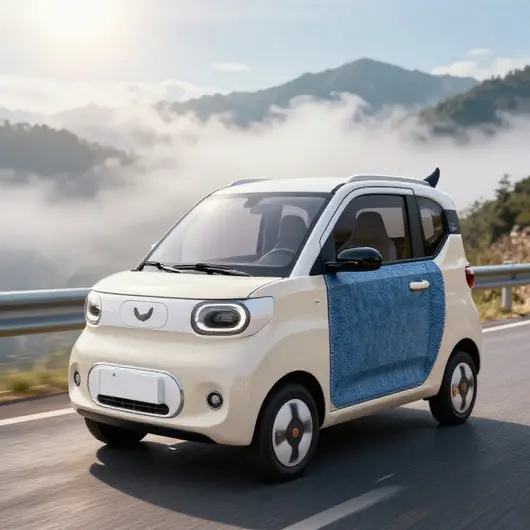
In Malaysia's SUV market, many buyers compare Proton X50 and Chery Tiggo 9 when choosing a car. These two cars are quite close in price and positioning. Today, we will make a detailed comparison from multiple aspects to help you save time on research.
The OTR price of Proton X50 in Malaysia is RM 89,800 - 113,300, with a total of 4 versions, including 1.5T Executive (RM 89,800), 1.5T Premium (RM 101,800), 1.5T Flagship (RM 113,300), etc.
The OTR price of Chery Tiggo 9 in Malaysia is RM 166,800 - 179,800, with a total of 1 version, including 2026 2.0T Standard (RM 179,750), etc.
In terms of price, the starting price of Proton X50 is indeed RM 77,000 cheaper than Chery Tiggo 9. If your budget is limited, Proton's entry-level version can already meet daily needs. However, be aware that the few thousand dollars saved might involve trade-offs in features, depending on your needs.
Proton X50 is equipped with a 1.5L 4-cyl engine, 105 hp. Official fuel consumption is 6.0 L/100km.
Chery Tiggo 9 is equipped with a 2.0L 4-cyl engine, 170 hp. Official fuel consumption is 8.0 L/100km.
In terms of power, Chery Tiggo 9's 2.0L 4-cyl has 65 more horsepower than Proton X50's 1.5L 4-cyl. However, for daily city driving, both cars have sufficient power and won't feel underpowered.
Proton X50's safety rating is 5★ (ASEAN NCAP), active safety systems include ADAS (ACC, AEB, LKA, LDA, BSM, RCTA).
Chery Tiggo 9's safety rating is TBD, active safety systems include Basic.
Regarding safety features, both cars have received good ratings. However, Proton X50's ADAS (ACC, AEB, LKA, LDA, BSM, RCTA) and Chery Tiggo 9's Basic have some functional differences. If you value active safety, you can compare the feature lists of both carefully.
Proton X50 warranty 5 years/150,000km, maintenance interval every 10,000km or 6 months.
Chery Tiggo 9 warranty 3 years/100,000km, maintenance interval every 10,000km or 6 months.

Both Proton X50 and Chery Tiggo 9 are mainstream choices in the Malaysian market, suitable for family use and daily commuting. If you value brand reputation and resale value more, you can prioritize the one with better reputation; if you care more about cost-effectiveness and features, choose the one with richer configuration. Ultimately, it is recommended to test drive both, as personal experience is the most important.
In general, both Proton X50 and Chery Tiggo 9 are quite good car models in the Malaysian market. Choosing which one depends mainly on your personal needs and budget. It is recommended that everyone do their homework, compare quotes from several dealerships, and then test drive to make a final decision. Buying a car is a big matter, spending time on research will never go wrong.

喺馬來西亞嘅 SUV 市場,好多車客喺揀車嗰陣都會拿寶騰 X50 同 GWM 哈弗 H6 黎做比較。呢兩款車喺價位同定位上都幾接近,今日我哋就從多個方面做一次詳細對比,幫你省返做功課嘅時間。
寶騰 X50 喺馬來西亞嘅 OTR 售價係 RM 89,800 - 113,300,總共有 4 個版本,包括 1.5T Executive(RM 89,800)、1.5T Premium(RM 101,800)、1.5T Flagship(RM 113,300) 等。
GWM 哈弗 H6 喺馬來西亞嘅 OTR 售價係 RM 139,750 - 139,750,總共有 2 個版本,包括 1.5L Turbo Standard(RM 140,000)、1.5L Turbo Premium(RM 155,000) 等。
由價錢睇落,寶騰 X50 嘅起步價確實比 GWM 哈弗 H6 平咗 RM 49,950。如果你預算有限,寶騰嘅入門版已經可以應付日常需要。但都要留意,平嗰幾千蚊,可能喺配備上要有取舍,具體要睇你嘅需要。
寶騰 X50 搭載 1.5L 4-cyl,馬力 105 hp。官方油耗 6.0 L/100km。
GWM 哈弗 H6 搭載 Hybrid,馬力 170 hp。官方油耗 4.5 L/100km。
動力方面,GWM 哈弗 H6 嘅 Hybrid 比寶騰 X50 嘅 1.5L 4-cyl 多咗 65 匹馬力。不過日常喺市區開,兩款車嘅動力都夠用,唔會覺得唔夠力。
寶騰 X50 車身長 4400 mm,尾箱 400 L。
GWM 哈弗 H6 車身長 4400 mm,尾箱 400 L。
兩款車嘅尺寸幾乎一樣,車內空間差別唔大。呢個級別嘅車,日常使用完全夠用。
寶騰 X50 採用 4WD 驅動方式。
GWM 哈弗 H6 採用 FWD 驅動方式。
寶騰嘅 4WD 同 GWM 嘅 FWD 喺操控上會有唔同感受,建議試駕比較。
總括嚟講,寶騰 X50 同 GWM 哈弗 H6 都係馬來西亞市場幾不錯嘅車型。揀邊一輛,關鍵都係睇你個人需要同預算。建議大家做好功課,多比較幾間車行嘅報價,再去做試駕做最終決定。買車係件大事,花少少時間做功課絕對唔會錯。

喺馬來西亞嘅 SUV 市場,好多買家喺揀車嘅時候都會拿 寶騰 X50 同 三菱 Xforce 嚟做比較。呢兩部車喺價位同定位上都幾接近,今日我哋就從多個方面做一次詳細嘅對比,幫你去咗做功課嘅時間。
寶騰 X50 喺馬來西亞嘅 OTR 售價係 RM 89,800 - 113,300,一係有 4 個版本,包括 1.5T 行政(RM 89,800)、1.5T 尊貴(RM 101,800)、1.5T 旗艦(RM 113,300) 等等。
三菱 Xforce 喺馬來西亞嘅 OTR 售價係 RM 109,930 - 119,930,一係有 2 個版本,包括 2026 1.5L 巔峰(RM 119,930)、2026 1.5L 都會(RM 109,930) 等等。
由價錢睇,寶騰 X50 嘅起步價確實比 三菱 Xforce 平咗 RM 20,130。如果你預算有限,寶騰嘅入門版已經可以滿足日常需求。但都要記住,平嗰幾千蚊,可能喺配備上會有取舍,具體睇你嘅需求。
寶騰 X50 搭載 1.5L 4-cyl,馬力 105 hp。官方油耗 6.0 公升/100 公里。
三菱 Xforce 搭載 1.5L Turbo,馬力 140 hp。官方油耗 7.0 公升/100 公里。
動力方面,三菱 Xforce 嘅 1.5L Turbo 比 寶騰 X50 嘅 1.5L 4-cyl 多咗 35 匹馬力。不過日常喺市區開,兩部車嘅動力都夠用,唔會覺得唔夠力。
寶騰 X50 車身長 4400 mm,尾箱 400 L。
三菱 Xforce 車身長 4400 mm,尾箱 400 L。
兩部車嘅尺寸幾近一樣,車內空間差別唔大。呢個級別嘅車,日常使用完全夠用。
寶騰 X50 採用 4WD 四驅驅動方式。
三菱 Xforce 採用 FWD 前驅驅動方式。
寶騰嘅 4WD 同 三菱嘅 FWD 喺操控上會有唔同感受,建議試駕對比。

寶騰 X50 保修 5 年/150,000km,保養間隔 每 10,000km 或 6 個月。
三菱 Xforce 保修 3 年/100,000km,保養間隔 每 10,000km 或 6 個月。
總嘅嚟講,寶騰 X50 同 三菱 Xforce 都係馬來西亞市場好唔錯嘅車型。揀邊一部,關鍵仲係要睇你嘅個人需求同預算。建議大家做好功課,多比較幾間車行嘅報價,再去試駕先做最後決定。買車係件大事,花少少時間做功課絕對唔會錯。
In the Malaysian SUV market, many buyers compare the Proton X50 and GWM Haval H6 when choosing a car. These two cars are quite close in price and positioning. Today, we will make a detailed comparison from multiple aspects to save you time on research.
The OTR price of Proton X50 in Malaysia is RM 89,800 - 113,300, with a total of 4 versions, including 1.5T Executive (RM 89,800), 1.5T Premium (RM 101,800), 1.5T Flagship (RM 113,300), etc.
The OTR price of GWM Haval H6 in Malaysia is RM 139,750 - 139,750, with a total of 2 versions, including 1.5L Turbo Standard (RM 140,000), 1.5L Turbo Premium (RM 155,000), etc.
Looking at the price, the starting price of Proton X50 is indeed RM 49,950 cheaper than GWM Haval H6. If your budget is limited, Proton's entry-level version can already meet daily needs. But also note, the few thousand saved might have trade-offs in equipment, it depends on your specific needs.
Proton X50 is equipped with 1.5L 4-cyl, 105 hp. Official fuel consumption 6.0 L/100km.
GWM Haval H6 is equipped with Hybrid, 170 hp. Official fuel consumption 4.5 L/100km.
In terms of power, GWM Haval H6's Hybrid has 65 more horsepower than Proton X50's 1.5L 4-cyl. However, for daily driving in the city, both cars have enough power and you won't feel underpowered.
Proton X50 body length 4400 mm, trunk 400 L.
GWM Haval H6 body length 4400 mm, trunk 400 L.
The dimensions of the two cars are almost the same, and the interior space difference is not significant. For cars of this level, daily use is completely sufficient.
Both Proton X50 and GWM Haval H6 are mainstream choices in the Malaysian market, suitable for family use and daily commuting. If you value brand reputation and resale value more, you can prioritize the one with better reputation; if you care more about cost-performance and equipment, then choose the one with richer configuration. Ultimately, it is recommended to test drive both, personal experience is the most important.
Overall, Proton X50 and GWM Haval H6 are both very good car models in the Malaysian market. Which one to choose depends on your personal needs and budget. It is recommended to do your research, compare quotes from multiple dealerships, and then test drive to make the final decision. Buying a car is a big matter, taking some time to do research is never wrong.

喺馬來西亞嘅 SUV 市場,好多買家喺揀車嗰陣都會拿 寶騰 X70 同 本田 WR-V 嚟做比較。呢兩款車喺價位同定位上都幾接近,今日我哋就從多個方面一個詳細嘅對比,幫到你節省做功課嘅時間。
寶騰 X70 喺馬來西亞嘅 OTR 售價係 RM 106,800 - 122,300,一共有 3 個版本,包括 1.5L Standard 2WD(RM 106,800)、1.5L Executive 2WD(RM 115,800)、1.5L Premium 2WD(RM 122,300) 等。
本田 WR-V 喺馬來西亞嘅 OTR 售價係 RM 89,900 - 107,900,一共有 4 個版本,包括 2023 1.5L V(RM 99,900)、2023 1.5L E(RM 95,900)、2023 1.5L S(RM 89,900) 等。
由價錢睇,本田 WR-V 嘅起步價比 寶騰 X70 平咗 RM 16,900。老實講,喺呢個價位段,幾千蚊嘅差距其實唔算大,關鍵仲係睇整體嘅性價比同長期使用成本。
寶騰 X70 嘅安全評級係 5★ (ASEAN NCAP),主動安全系統包括 ADAS (ACC, AEB, LKA, LDA, BSM, RCTA)。
本田 WR-V 嘅安全評級係 5★ (ASEAN NCAP),主動安全系統包括 Honda SENSING。
兩款車嘅安全評級一樣,喺呢個級別入面安全配備都算好齊全。而家嘅新車安全性都唔差,唔使太擔心呢一點。
寶騰 X70 保養保修 5 年/150,000km,保養間隔 每 10,000km 或 6 個月。
本田 WR-V 保養保修 5 年/無限制里程,保養間隔 每 10,000km 或 6 個月。
寶騰 X70 同 本田 WR-V 都係馬來西亞市場嘅主流選擇,適合家庭使用、日常通勤。如果你更睇重品牌口碑同二手價,可以優先考慮口碑更好嗰款;如果你更在意性價比同配備,就揀配置更豐富嗰款。最終都係建議兩款都去試駕,親身體驗先至最緊要。
總體嚟講,寶騰 X70 同 本田 WR-V 都係馬來西亞市場幾唔錯嘅車型。揀邊一輛,關鍵仲係睇你嘅個人需求同預算。建議大家做好功課,多比較幾間車行嘅報價,再去試駕做最終決定。买车係件大事,花少少時間做功課絕對無錯。

喺馬來西亞嘅 SUV 市場,好多買家喺揀車嗰陣都會拿 Proton X50 同 Subaru Forester 嚟做比較。呢兩款車喺價位同定位上都蠻接近,今日我哋就從多個方面做一個詳細嘅對比,幫你省下做功課嘅時間。
Proton X50 喺馬來西亞嘅 OTR 售價係 RM 89,800 - 113,300,一共有 4 個版本,包括 1.5T Executive(RM 89,800)、1.5T Premium(RM 101,800)、1.5T Flagship(RM 113,300) 等。
Subaru Forester 喺馬來西亞嘅 OTR 售價係 RM 174,000 - 197,000,一共有 3 個版本,包括 2024 2.0L S EyeSight GT Edition(RM 189,538)、2024 2.0L S EyeSight(RM 177,538)、2024 2.0L L EyeSight(RM 167,538) 等。
從價錢嚟睇,Proton X50 嘅起步價確實比 Subaru Forester 平咗 RM 84,200。如果你預算有限,Proton 嘅入門版已經可以滿足日常需求。但都要注意,平嗰幾千蚊,可能會喺配備上有取捨,具體要看你嘅需求。
Proton X50 配備 1.5L 4-cyl,馬力 105 hp。官方油耗 6.0 L/100km。
Subaru Forester 配備 2.0L 4-cyl,馬力 170 hp。官方油耗 8.0 L/100km。
動力方面,Subaru Forester 嘅 2.0L 4-cyl 比 Proton X50 嘅 1.5L 4-cyl 多咗 65 匹馬力。不過日常喺市區開,兩款車嘅動力都夠用,唔會覺得唔夠力。
Proton X50 嘅安全評級係 5★ (ASEAN NCAP),主動安全系統包括 ADAS (ACC, AEB, LKA, LDA, BSM, RCTA)。
Subaru Forester 嘅安全評級係 5★ (Euro NCAP),主動安全系統包括 EyeSight。
安全配備方面,兩款車都拿到唔錯嘅評級。不過 Proton X50 嘅 ADAS (ACC, AEB, LKA, LDA, BSM, RCTA) 同 Subaru Forester 嘅 EyeSight 喺功能上有啲差異,如果你比較重視主動安全嘅話,可以仔細對比吓兩者嘅功能列表。
Proton X50 車身長 4400 mm,尾箱 400 L。
Subaru Forester 車身長 4400 mm,尾箱 400 L。
兩款車嘅尺寸幾乎一樣,車內空間分別唔大。呢個級別嘅車,日常使用完全夠用。

Proton X50 採用 4WD 驅動方式。
Subaru Forester 採用 FWD 驅動方式。
Proton 嘅 4WD 同 Subaru 嘅 FWD 喺操控上會有唔同感受,建議試駕對比。
總嘅嚟講,Proton X50 同 Subaru Forester 都係馬來西亞市場好唔錯嘅車型。選擇邊一輛,關鍵都要睇你個人需求同預算。建議大家做好功課,多比較間車行嘅報價,再去試駕做最終決定。買車係件大事,花少少時間做功課絕對唔會錯。
In Malaysia's SUV market, many buyers will compare Proton X50 and Kia Sportage when choosing a car. These two cars are quite close in price and positioning. Today, we will make a detailed comparison from multiple aspects to help you save time on research.
The OTR price of Proton X50 in Malaysia is RM 89,800 - 113,300. There are 4 versions in total, including 1.5T Executive (RM 89,800), 1.5T Premium (RM 101,800), 1.5T Flagship (RM 113,300), etc.
The OTR price of Kia Sportage in Malaysia is RM 129,639 - 179,320. There are 4 versions in total, including 2025 1.6T DCT 4WD High (RM 179,320), 2025 1.6T DCT 2WD High (RM 159,320), 2025 2.0L AT 2WD High (RM 139,639), etc.
From a price perspective, the starting price of Proton X50 is indeed RM 39,839 cheaper than Kia Sportage. If your budget is limited, Proton's entry-level version can already meet daily needs. But also note, the few thousand difference may involve trade-offs in features; it depends on your specific needs.
Proton X50 is equipped with 1.5L 4-cyl, 105 hp. Official fuel consumption 6.0 L/100km.
Kia Sportage is equipped with 1.5L Turbo, 140 hp. Official fuel consumption 7.0 L/100km.
In terms of power, Kia Sportage's 1.5L Turbo has 35 more horsepower than Proton X50's 1.5L 4-cyl. However, for daily city driving, the power of both cars is sufficient and won't feel underpowered.
Proton X50 warranty 5 years/150,000km, service interval every 10,000km or 6 months.
Kia Sportage warranty 5 years/300,000km, service interval every 10,000km or 6 months.
Proton X50 and Kia Sportage are both mainstream choices in the Malaysian market, suitable for family use and daily commuting. If you value brand reputation and resale value more, you can prioritize the one with the better reputation; if you care more about value for money and features, then choose the one with richer specifications. Ultimately, it is recommended to test drive both, as personal experience is the most important.

In summary, Proton X50 and Kia Sportage are both very good models in the Malaysian market. Choosing which one mainly depends on your personal needs and budget. We suggest doing your homework, comparing quotes from several dealerships, and then test driving to make the final decision. Buying a car is a major decision; spending time on research will never be wrong.

Dalam pasaran SUV di Malaysia, banyak pembeli yang membandingkan Proton X50 dan Hyundai Tucson semasa memilih kereta. Kedua-dua kereta ini mempunyai harga dan posisi yang agak hampir, hari ini kita akan melakukan perbandingan terperinci dari pelbagai aspek untuk membantu anda menjimatkan masa menyediakan maklumat.
Proton X50 mempunyai harga OTR di Malaysia ialah RM 89,800 - 113,300, ada 4 varian, termasuk 1.5T Executive (RM 89,800), 1.5T Premium (RM 101,800), 1.5T Flagship (RM 113,300) dan lain-lain.
Hyundai Tucson mempunyai harga OTR di Malaysia ialah RM 143,888 - 197,888, ada 5 varian, termasuk 2025 HEV 1.6T AT 2WD Prestige (RM 197,888), 2025 1.6T DCT 4WD Prestige (RM 186,888), 2025 1.6T DCT 2WD Prime (RM 164,888) dan lain-lain.
Dari segi harga, harga permulaan Proton X50 memang lebih murah RM 54,088 berbanding Hyundai Tucson. Jika bajet anda terhad, varian permulaan Proton sudah boleh memenuhi keperluan harian. Tetapi perlu diingatkan, ribuan ringgit yang lebih murah itu, mungkin ada pilihan dalam kelengkapan, bergantung pada keperluan anda.
Proton X50 dilengkapi enjin 1.5L 4-cyl, kuasa 105 hp. Penggunaan bahan api rasmi 6.0 L/100km.
Hyundai Tucson dilengkapi enjin 1.5L Turbo, kuasa 140 hp. Penggunaan bahan api rasmi 7.0 L/100km.
Dari segi kuasa, 1.5L Turbo Hyundai Tucson mempunyai 35 hp lebih berbanding 1.5L 4-cyl Proton X50. Namun dalam penggunaan harian di bandar, kuasa kedua-dua kereta sudah mencukupi, tidak terasa kurang tenaga.
Proton X50 panjang badan 4400 mm, ruang bagasi 400 L.
Hyundai Tucson panjang badan 4400 mm, ruang bagasi 400 L.
Saiz kedua-dua kereta hampir sama, ruang dalaman kenderaan tiada beza besar. Kelas kereta ini, penggunaan harian sudah cukup.
Proton X50 menggunakan mod penggerak 4WD.
Hyundai Tucson menggunakan mod penggerak FWD.
4WD Proton dan FWD Hyundai akan memberi pengalaman pengendalian yang berbeza, disarankan buat ujian pemanduan untuk perbandingan.

Proton X50 jaminan 5 tahun/150,000km, selang penyelenggaraan setiap 10,000km atau 6 bulan.
Hyundai Tucson jaminan 5 tahun/300,000km, selang penyelenggaraan setiap 10,000km atau 6 bulan.

Secara keseluruhannya, Proton X50 dan Hyundai Tucson adalah model yang sangat baik dalam pasaran Malaysia. Memilih kereta mana, kunci utamanya ialah keperluan dan bajet peribadi anda. Disarankan membuat kajian, bandingkan banyak tawaran harga di dealer kereta, kemudian buat ujian pemanduan untuk keputusan akhir. Membeli kereta adalah perkara besar, meluangkan masa untuk kajian pasti tidak salah.

喺馬來西亞嘅汽車市場,好多買家在揀車嘅時候都會拿 BMW M5 PHEV 同 Porsche 911 嚟比較。而家我哋從多個方面做一個詳細比較,幫你攞返做功課嘅時間。


BMW M5 PHEV 喺馬來西亞嘅 OTR 售價係 RM 1,200,800 - 1,200,800,一共有 1 個版本,包括 Standard(RM 1,200,800)等。
Porsche 911 喺馬來西亞嘅 OTR 售價係 RM 1,430,000 - 2,630,000,一共有 10 個版本,包括 2025 2.0T S line(RM 340,112)、PMT 1874, Lorong IKS BukitTengah 14000 Bukit Mertajam(RM 294,800)、2026 GT3 RS 4.0L DCT(RM 2,630,000)等。
從價錢嚟睇,BMW M5 PHEV 嘅起步價確實比 Porsche 911 平咗 RM 229,200。如果你預算有限,BMW 嘅入門版已經可以滿足日常需要。但亦要注意,平嘅嗰幾千蚊,可能喺配備上會有取舍,具體要看你嘅需要。

BMW M5 PHEV 嘅安全評級係 5★ (Euro NCAP),主動安全系統包括 Premium ADAS。
Porsche 911 嘅安全評級係 TBD,主動安全系統包括 Basic。
安全配備方面,兩款車都拿到唔錯嘅評級。不過 BMW M5 PHEV 嘅 Premium ADAS 同 Porsche 911 嘅 Basic 喺功能上有啲分別,如果你比較睇重主動安全嘅話,可以仔細對比起佢哋嘅功能列表。

BMW M5 PHEV 車身長 4400 mm,行李箱 400 L。
Porsche 911 車身長 4400 mm,行李箱 400 L。
兩款車嘅尺寸幾乎一樣,車內空間差別唔大。呢個級別嘅車,日常使用完全夠用。

BMW M5 PHEV 同 Porsche 911 都係馬來西亞市場嘅主流選擇,適合家庭使用、日常通勤。如果你更睇重品牌口碑同二手價,可以優先考慮口碑更好嗰一款;如果你更在意性價比同配備,那就揀配置更加豐富嗰款。最後都係建議兩款都去試駕,親身體驗先最重要。

總括嚟講,BMW M5 PHEV 同 Porsche 911 都係馬來西亞市場好唔錯嘅車型。揀邊一輛,關鍵都要睇你嘅個人需要同預算。建議大家做好功課,多比較幾間車行嘅報價,再去試駕做最終決定。買車係件大事,花少少時間做功課絕對唔會錯。

在马来西亚的汽车市场,很多买家在选车的时候都会拿 Volkswagen Golf GTI 和 Mercedes-Benz C-Class AMG 来做比较。今天我们从多个方面做一个详细的对比,帮你省下做功课的时间。


Volkswagen Golf GTI 在马来西亚的 OTR 售价是 RM 256,962 - 256,962,一共有 3 个版本,包括 2025 2.0T Sepang Edition(RM 262,990)、2025 2.0T Standard(RM 256,962)、DCT(RM 219,800) 等。
Mercedes-Benz C-Class AMG 在马来西亚的 OTR 售价是 RM 443,888 - 443,888,一共有 2 个版本,包括 C 200 Avantgarde(RM 260,000)、C 300 AMG Line(RM 310,000) 等。
从价钱来看,Volkswagen Golf GTI 的起步价确实比 Mercedes-Benz C-Class AMG 便宜了 RM 186,926。如果你预算有限,Volkswagen 的入门版已经可以满足日常需求。但也要注意,便宜的那几千块,可能在配备上会有取舍,具体要看你的需求。

Volkswagen Golf GTI 的安全评级是 5★ (Euro NCAP),主动安全系统包括 IQ.Drive。
Mercedes-Benz C-Class AMG 的安全评级是 5★ (Euro NCAP),主动安全系统包括 Premium ADAS。
两款车的安全评级一样,在这个级别里面安全配备都算给得很齐全了。现在的新车安全性都不差,不用太担心这一点。

Volkswagen Golf GTI 车身长 4400 mm,后备箱 400 L。
Mercedes-Benz C-Class AMG 车身长 4400 mm,后备箱 400 L。
两款车的尺寸几乎一样,车内空间差别不大。这个级别的车,日常使用完全够用。

Volkswagen Golf GTI 和 Mercedes-Benz C-Class AMG 都是马来西亚市场的主流选择,适合家庭使用、日常通勤。如果你更看重品牌口碑和二手价,可以优先考虑口碑更好的那一款;如果你更在意性价比和配备,那就选配置更丰富的那款。最终还是建议两款都去试驾,亲身体验才是最重要的。

总的来说,Volkswagen Golf GTI 和 Mercedes-Benz C-Class AMG 都是马来西亚市场很不错的车型。选择哪一辆,关键还是要看你的个人需求和预算。建议大家做好功课,多比较几间车行的报价,再去试驾做最终决定。买车是件大事,花点时间做功课绝对不会错。

© 2024 Bitauto.com. All Rights Reserved.
Bitauto (www.yiche.com and www.bitauto.com) is one of the most visited automotive websites in China. We provide detailed info on Chinese car brands available in your area. Please note that the information provided on this website is based on publicly available data and is for reference only. It may not be fully updated or accurate at all times.

Help us improve our website


