

Homeevents

Search History
Popular Searches
Dealer Login / Sign Up

8月17日,吉利汽车控股有限公司(0175.HK)发布2026年中期业绩。上半年总营收达1736亿元,同比增长15%,创历史新高。核心归母净利润达96.8亿元,同比劲增46%,增速跑赢营收增长;核心归母净利率5.6%。在行业价格战持续、多数车企盈利承压的背景下,近百亿的核心利润引发市场关注。

前插行后插行
同日,吉利汽车控股有限公司宣布了一项引发行业关注的管理层调整:创始人李书福辞任吉利汽车控股有限公司董事会主席及执行董事职务,由在吉利体系工作三十年的安聪慧接任。业绩与人事的双重消息叠加,吉利汽车午后股价拉升超5%。
现任董事会副主席桂生悦在业绩会上将此次调整定性为:“这次大幅度人事变动并非简单的人事更替,而是吉利汽车战略级的组织进化宣言。”这标志着吉利汽车已从“创始人驱动”的创业期和发展期,迈向了由“制度与团队驱动”的成熟期。
量价利齐升
2026年上半年,中国汽车市场“以价换量”仍是主旋律,吉利汽车却实现了量、价、利齐升。
财报显示,吉利汽车上半年总销量突破142万辆,创同期新高。单车核心归母净利润达6806元,同比提升45%——反推去年同期约4700元,同样是卖一辆车,今年比去年多赚约2100元。单车收入同比提升16%至11.2万元。
利润提升的直接原因是产品结构优化。极氪品牌上半年销量17.8万辆,仅占总销量12.5%,却贡献了31.7%的收入,平均客单价约35万元。银河以近52万辆守住主流新能源基本盘,中国星超58万辆蝉联中国品牌燃油乘用车销冠。高端向上、主流守稳、燃油输血——“一个吉利”战略整合两年后,四大品牌首次如此清晰地各就其位。
与此同时,费用端没有跟着规模膨胀。行政费用率同比下降0.2个百分点至1.7%,研发投入比下降0.3个百分点至5.2%,销售费用率在海外大扩张之下仍与上年持平。研发投入绝对值增长8%至90.6亿元。上半年毛利率提升至17.9%。
桂生悦在业绩会上给出了一个层层递进的判断:这份财报“预料之中”——近几年吉利销量和利润大概率都将创历史新高;也“亮眼”——行业平均利润率仅1.6%,吉利净利率达5.6%;但“并不惊艳”——国内汽车总销量同比双位数下滑,芯片和大宗原材料价格飞速上涨。他同时表示:“我相信在不远的将来,会有令人惊艳的财报出现。”
上市21年,分红远超融资
利润增长的同时,吉利汽车持续加码股东回报。上半年累计回购股份18.85亿港元,7月30日实施每股派息0.5港元,同比提升51.5%,派息总额达53.9亿港元。这是吉利汽车连续第五年核心利润派息率超过30%。
浙江吉利控股集团董事长、吉利汽车控股有限公司终身荣誉主席李书福在中期业绩发布会上披露了一组对比数据:2005年5月19日吉利汽车股票在港交所上市时,股价0.4港元、市值16亿港元;至2026年8月12日,股价18.06港元、市值1948亿港元。每年分红从2005年的4000万港元到2025年的54亿港元。“公司从资本市场上融资的金额远远少于公司分红给股东的金额,我们坚持每年分红,回报股东。”李书福说,“我们基本上说到做到,用人格信守诺言,用能力兑现承诺。”
截至6月末,吉利汽车资金储备达695.6亿元,居于历史高位。
“一个吉利”深化
李书福辞任后,获委任为终身荣誉主席。他对接任者、吉利汽车控股有限公司董事会主席安聪慧的评价用词颇为罕见——“德才兼备,品学兼优,事业心坚定,意志力超强”。他特意强调:“安聪慧是吉利体系内培养出来的优秀职业人才。”
公开资料显示,安聪慧1996年加入吉利控股集团,从审计员开始职业生涯。此后三十年的履历几乎覆盖了吉利汽车产业扩张的每一个关键节点:从审计员到工程总指挥,从总经理到集团总裁,主导CVVT发动机项目,参与沃尔沃收购整合,一手创建领克。2021年,他主动请缨卸任吉利汽车集团CEO,从零起步打造极氪品牌——不到三年推动极氪登陆纽交所。2026年初,他出任浙江吉利控股集团首席执行官。
此次调整并非“一上一下”的简单替换,而是一场四人联动的精密调整。李书福辞任吉利汽车控股有限公司董事会主席和执行董事,继续担任浙江吉利控股集团董事长。安聪慧接任吉利汽车控股有限公司董事会主席。李东辉辞任董事会副主席职务,继续担任执行董事。桂生悦辞任行政总裁职务,转任董事会副主席,继续担任执行董事。淦家阅获任行政总裁,负责日常运营。
四人各挪一步,董事会、战略层、执行层三级治理架构一次理顺。桂生悦在业绩会上进一步阐释:吉利汽车将是安聪慧担任主席的吉利体系内唯一一家上市公司。这意味着吉利将继续落实《台州宣言》,集中集团所有优质资源,做大、做实、做强上市公司。
李书福在视频中阐述了吉利的核心价值观:“用户至上、战略引领、元动力保障”。他特别解释:“元动力是企业的元气,是员工的心气,我们一定要让员工的心与企业在一起。”吉利专门成立了人才集团,2026年发起“跨时代跃迁人才培养计划”和“跨时代实战专业能力培养计划”。从基石计划到跨时代跃迁计划,吉利正在构建从高中毕业生到高管的全链条培养体系。
海外提速与技术转身
海外市场成为第二增长曲线。上半年海外销量超47.4万辆,已超2025年全年出口总量,同比大增158%。6月和7月海外销量连超10万辆,排名升至中国车企出海销量第三位。吉利汽车据此将全年海外销量目标由64万辆上调至92万辆,冲刺年销100万辆。
安聪慧在业绩会上透露,吉利自成立之初就确立了“让三分之二的汽车销往海外”的长期战略。具体落地为“123456”框架——打造1个海外吉利体系,欧洲60万级、东盟50万级、拉美非40万级、东欧30万级、中东亚20万级,合计200万辆规划。海外本地化产能布局首次系统披露:沃尔沃欧洲工厂将承接吉利体系内豪华车生产,2028年投产;宝腾马来西亚工厂从20万辆提升至50万辆;福特西班牙工厂50万辆产能;雷诺巴西项目30万辆产能;雷诺韩国工厂已投产。
在燃油车领域,淦家阅透露了一个重大战略转向:“未来我们不再研发传统燃油汽车,而是将所有燃油汽车全部转向i-HEV。这是经营管理班子和产品战略委员会做出的重大决定。”i-HEV智擎混动技术油耗比日系混动标杆低12%,零百加速快1秒以上。下半年将推出星越、星瑞、博越L等i-HEV车型。
2026年开年至今,吉利汽车是A股和H股中唯一股价正增长的中国乘用车整车股。花旗、摩根士丹利、摩根大通等数十家国内外投行给予“增持”“买入”等评级。
在行业价格战白热化、中国汽车业平均利润率持续承压的背景下,这份近百亿核心利润的成绩单,为这场酝酿多年的交接提供了最坚实的底气。从1996年安聪慧加入吉利,到2026年他接任吉利汽车控股有限公司董事会主席,整整三十年。李书福继续在浙江吉利控股集团层面掌舵全局,安聪慧及其职业经理人团队操盘上市公司,权责清晰,各守其位。李书福在中期业绩发布会上说:“公司从资本市场上融资的金额远远少于公司分红给股东的金额,我们坚持每年分红,回报股东。我们基本上说到做到,用人格信守诺言,用能力兑现承诺。”
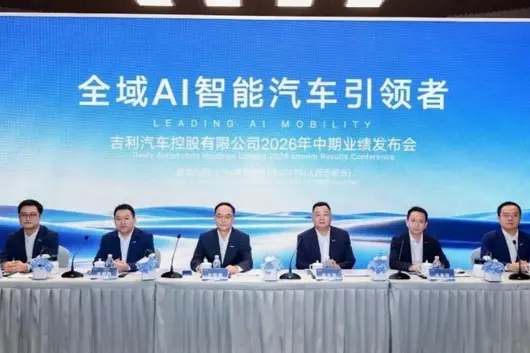

喺馬來西亞嘅 SUV 市場,好多買家喺揀車嗰陣都會拿本田 WR-V 同馬自達 CX-8 嚟做比較。呢兩款車喺價位同定位上都蠻接近嘅,今日我哋就從多個方面做一個詳細嘅對比,幫你省做功課嘅時間。
本田 WR-V 喺馬來西亞嘅 O T R 售價係 RM 89,900 - 107,900,合共有 4 個版本,包括 2023 1.5L V(RM 99,900)、2023 1.5L E(RM 95,900)、2023 1.5L S(RM 89,900) 等。
馬自達 CX-8 喺馬來西亞嘅 O T R 售價係 RM 165,360 - 201,360,合共有 5 個版本,包括 2025 2.5T 4WD High Plus Petrol(RM 201,360)、2025 2.2L 2WD High Plus Diesel(RM 193,123)、2025 2.5L 2WD High Plus Petrol(RM 186,360) 等。
由價錢嚟睇,本田 WR-V 嘅起步價確實比馬自達 CX-8 平咗 RM 75,460。如果你預算有限,本田嘅入門版已經可以滿足日常需要。但都要留意,平嗰幾千塊,可能喺配備上有取舍,具體要睇你嘅需要。

本田 WR-V 裝載 1.5L 4-cyl,馬力 105 hp。官方油耗 6.0 L/100km。
馬自達 CX-8 裝載 2.0L 4-cyl,馬力 170 hp。官方油耗 8.0 L/100km。
動力方面,馬自達 CX-8 嘅 2.0L 4-cyl 比本田 WR-V 嘅 1.5L 4-cyl 多咗 65 匹馬力。不過日常喺市區開,兩款車嘅動力都夠用,唔會覺得唔夠力。

本田 WR-V 車身長 4400 mm,車尾箱 400 L。
馬自達 CX-8 車身長 4500 mm,車尾箱 450 L。
空間方面,馬自達 CX-8 嘅車身比本田 WR-V 長咗 100 mm,乘坐空間更有優勢。不過本田 WR-V 喺城市入面停車會靈活啲,各有取舍。

本田 WR-V 同馬自達 CX-8 都係馬來西亞市場嘅主流選擇,適合家庭使用、日常通勤。如果你更睇重品牌口碑同二手價,可以優先考慮口碑更好嗰一款;如果你更在意性價比同配備,就揀配置更豐富嗰款。最終都係建議兩款都去試駕,親身體驗先係最緊要嘅。

總括嚟講,本田 WR-V 同馬自達 CX-8 都係馬來西亞市場幾唔錯嘅車型。揀邊一輛,關鍵始終都要睇你嘅個人需要同預算。建議大家做好功課,多比較幾間車行嘅報價,再去試駕做最終決定。買車係件大事,花少少時間做功課絕對唔會錯。

In the Malaysian SUV market, many buyers compare Honda WR-V and Toyota Corolla Cross when choosing a car. These two cars are quite close in terms of price and positioning. Today, we will make a detailed comparison from multiple aspects to help you save time on research.
The OTR price of Honda WR-V in Malaysia is RM 89,900 - 107,900, with a total of 4 versions, including 2023 1.5L V (RM 99,900), 2023 1.5L E (RM 95,900), 2023 1.5L S (RM 89,900), etc.
The OTR price of Toyota Corolla Cross in Malaysia is RM 133,800 - 148,800, with a total of 3 versions, including 2026 HEV 1.8L GR Sport (RM 148,800), 2026 HEV 1.8L Standard (RM 140,800), 2026 1.8L Standard (RM 133,800), etc.
In terms of price, the starting price of Honda WR-V is indeed RM 43,900 cheaper than Toyota Corolla Cross. If your budget is limited, Honda's entry-level version is sufficient for daily needs. However, note that the few thousand cheaper might involve trade-offs in features, depending on your specific needs.
Honda WR-V safety rating is 5★ (ASEAN NCAP), active safety system includes Honda SENSING.
Toyota Corolla Cross safety rating is 5★ (ASEAN NCAP), active safety system includes TSS (PCS, LDA, ACC, LTA).
Both cars have the same safety rating, safety features are quite comprehensive for this class. New cars nowadays generally have good safety, no need to worry too much about this point.
Honda WR-V body length is 4400 mm, trunk is 400 L.
Toyota Corolla Cross body length is 4400 mm, trunk is 400 L.
The dimensions of both cars are almost the same, with little difference in interior space. For this class of cars, it is fully sufficient for daily use.
Honda WR-V uses FWD drive type.
Toyota Corolla Cross uses FWD drive type.
Both cars have the same drive type, both are FWD, there will not be much difference in daily driving experience.

Overall, Honda WR-V and Toyota Corolla Cross are both very good models in the Malaysian market. Which one to choose depends on your personal needs and budget. We suggest doing your research well, compare quotes from several dealerships, and then test drive to make the final decision. Buying a car is a big matter, spending time on research is never wrong.

In the Malaysian SUV market, many buyers compare the Honda WR-V and Toyota Yaris Cross when choosing a car. These two cars are quite close in price and positioning. Today, we will do a detailed comparison from multiple aspects to help you save time on research.
The Honda WR-V OTR price in Malaysia is RM 89,900 - 107,900, with a total of 4 versions, including 2023 1.5L V (RM 99,900), 2023 1.5L E (RM 95,900), 2023 1.5L S (RM 89,900), etc.
The Toyota Yaris Cross OTR price in Malaysia is RM 99,900 - 109,900, with a total of 2 versions, including 2026 1.5L Standard (RM 99,900), 2026 HEV 1.5L Standard (RM 109,900), etc.
From a price perspective, the Honda WR-V's starting price is indeed RM 10,000 cheaper than the Toyota Yaris Cross. If your budget is limited, Honda's entry-level version can already meet daily needs. But also note, the few thousand difference might involve trade-offs in features, depending on your needs.
The Honda WR-V safety rating is 5★ (ASEAN NCAP), active safety systems include Honda SENSING.
The Toyota Yaris Cross safety rating is 5★ (ASEAN NCAP), active safety systems include TSS.
The safety ratings of both cars are the same. Safety features in this class are quite comprehensive. New car safety in general is not bad, no need to worry too much about this.
The Honda WR-V uses FWD drive mode.
The Toyota Yaris Cross uses FWD drive mode.
Both cars have the same drive mode, both are FWD, there won't be much difference in daily driving experience.
Honda WR-V warranty 5 years/unlimited mileage, maintenance interval every 10,000km or 6 months.
Toyota Yaris Cross warranty 5 years/unlimited mileage, maintenance interval every 10,000km or 6 months.
The warranty conditions for both cars are the same, no need to fret about this. Actual maintenance costs depend on the brand's service network and parts prices, suggested to ask real owners in car clubs for experience.

In general, the Honda WR-V and Toyota Yaris Cross are both excellent models in the Malaysian market. Which one to choose depends mainly on your personal needs and budget. We suggest doing your research, comparing quotes from several dealerships, and then test driving to make a final decision. Buying a car is a big thing, spending time on research will never be wrong.

喺馬來西亞嘅 SUV 市場,好多買家喺揀車嘅時候都會拎本田 WR-V 同 豐田 Yaris Cross 做比較。呢兩部車喺價錢同定位上都幾接近,今日我哋就從多個方面做個詳細比較,幫你節省咗做功課嘅時間。
本田 WR-V 喺馬來西亞嘅 OTR 售價係令吉 89,900 - 107,900,總共係 4 個版本,包括 2023 1.5L V(令吉 99,900)、2023 1.5L E(令吉 95,900)、2023 1.5L S(令吉 89,900) 等。
豐田 Yaris Cross 喺馬來西亞嘅 OTR 售價係令吉 99,900 - 109,900,總共係 2 個版本,包括 2026 1.5L Standard(令吉 99,900)、2026 HEV 1.5L Standard(令吉 109,900) 等。
由價錢睇,本田 WR-V 嘅起步價確實比 豐田 Yaris Cross 平咗 令吉 10,000。如果你預算有限,本田嘅入門版已經可以滿足日常需要。但亦都要注意,平嗰幾千蚊,可能喺配備上要有取舍,具體就要睇你嘅需要。
本田 WR-V 配備 1.5L 4 汽缸,馬力 105 馬力。官方油耗 6.0 公升/100 公里。
豐田 Yaris Cross 配備 1.5L 4 汽缸,馬力 105 馬力。官方油耗 6.0 公升/100 公里。
呢兩部車用嘅係同一套動力系統,日常開落去嘅感覺基本冇分別。油耗方面都差不多,唔使太糾結呢一點。
本田 WR-V 嘅安全評級係 5★ (ASEAN NCAP),主動安全系統包括 本田 SENSING。
豐田 Yaris Cross 嘅安全評級係 5★ (ASEAN NCAP),主動安全系統包括 TSS。
呢兩部車嘅安全評級一樣,喺呢個級別入面,安全配備都算好齊全。而家嘅新車安全性都唔差,唔使太擔心呢一點。
本田 WR-V 採用 FWD 驅動方式。
豐田 Yaris Cross 採用 FWD 驅動方式。
呢兩部車嘅驅動方式一樣,都係 FWD,日常駕駛感受唔會有太大分別。
本田 WR-V 同 豐田 Yaris Cross 都係馬來西亞市場嘅主流選擇,適合家庭使用、日常通勤。如果你更睇重品牌口碑同二手價,可以優先考慮口碑更好嗰一款;如果你更在意性價比同配備,那就揀配置更豐富嗰款。最終都係建議兩部都去試駕,親身經歷先係最重要。

總括嚟講,本田 WR-V 同 豐田 Yaris Cross 都係馬來西亞市場幾不錯嘅車型。揀邊一部,關鍵都要睇你嘅個人需要同預算。建議大家做好功課,多比較幾間車行嘅報價,再去試駕先做最終決定。買車係件大事,花啲時間做功課絕對唔錯。

In the Malaysian SUV market, many buyers compare the Proton X90 and Volkswagen Tiguan when choosing a car. These two cars are quite close in price and positioning. Today, we will do a detailed comparison from multiple aspects to help you save time on research.
Proton X90 OTR price in Malaysia is RM 106,800 - 122,800, totaling 4 versions, including 2026 1.5T Prime X (RM 122,800), 2026 1.5T Prime (RM 116,800), 2026 1.5T Lite (RM 106,800), etc.
Volkswagen Tiguan OTR price in Malaysia is RM 206,540 - 260,024, totaling 2 versions, including 2025 Allspace 2.0T R-Line (RM 260,024), 2025 Allspace 1.4T Elegance (RM 206,540), etc.
From a price perspective, Proton X90's starting price is indeed RM 99,740 cheaper than Volkswagen Tiguan. If your budget is limited, Proton's entry-level version is already sufficient for daily needs. But note, the few thousand ringgit difference might involve trade-offs in features, depends on your specific needs.

Proton X90 body length 4400 mm, trunk 400 L.
Volkswagen Tiguan body length 4400 mm, trunk 400 L.
The dimensions of both cars are almost the same, interior space difference is not significant. For this level of cars, daily use is more than enough.

Proton X90 Warranty 5 years/150,000km, Maintenance interval Every 10,000km or 6 months.
Volkswagen Tiguan Warranty 3 years/100,000km, Maintenance interval Every 10,000km or 6 months.

Proton X90 and Volkswagen Tiguan are both mainstream choices in the Malaysian market, suitable for family use and daily commuting. If you value brand reputation and resale value more, prioritize the one with better reputation; if you care more about cost-performance and features, choose the one with richer configuration. Finally, it is recommended to test drive both, personal experience is the most important.

Overall, Proton X90 and Volkswagen Tiguan are both quite good models in the Malaysian market. Which one to choose mainly depends on your personal needs and budget. It is recommended to do research, compare quotes from several dealerships, then test drive to make the final decision. Buying a car is a big matter, spending time on research will never be wrong.


Di pasaran SUV Malaysia, ramai pembeli membandingkan Proton X90 dan Hyundai Tucson ketika memilih kereta. Kedua-dua kereta ini mempunyai kedudukan harga dan sasaran yang agak hampir, hari ini kami akan buat perbandingan terperinci dari pelbagai aspek untuk membantu anda menjimatkan masa membuat riset.
Harga OTR Proton X90 di Malaysia ialah RM 106,800 - 122,800, terdapat 4 varian, termasuk 2026 1.5T Prime X (RM 122,800), 2026 1.5T Prime (RM 116,800), 2026 1.5T Lite (RM 106,800) dan lain-lain.
Harga OTR Hyundai Tucson di Malaysia ialah RM 143,888 - 197,888, terdapat 5 varian, termasuk 2025 HEV 1.6T AT 2WD Prestige (RM 197,888), 2025 1.6T DCT 4WD Prestige (RM 186,888), 2025 1.6T DCT 2WD Prime (RM 164,888) dan lain-lain.
Dari segi harga, harga permulaan Proton X90 memang lebih murah RM 37,088 berbanding Hyundai Tucson. Jika bajet anda terhad, varian permulaan Proton sudah boleh memenuhi keperluan harian. Tetapi harap ambil tahu, bezannya beberapa ribu ringgit itu, mungkin ada kompromi pada kelengkapan, bergantung pada keperluan anda.
Proton X90 dilengkapi enjin Turbo 1.5L, kuasa 140 hp. Konsumsi bahan api rasmi 7.0 L/100km.
Hyundai Tucson dilengkapi enjin Turbo 1.5L, kuasa 140 hp. Konsumsi bahan api rasmi 7.0 L/100km.
Kedua-dua kereta menggunakan sistem kuasa yang sama, perbezaan perasaan apabila memandu harian adalah hampir tiada. Konsumsi bahan api juga hampir sama, tidak perlu terlalu bimbang tentang perkara ini.
Penilaian keselamatan Proton X90 ialah 5★ (ASEAN NCAP), sistem keselamatan aktif termasuk ADAS (ACC, AEB, LKA, LDA, BSM, RCTA).
Penilaian keselamatan Hyundai Tucson ialah 5★ (ASEAN NCAP), sistem keselamatan aktif termasuk SmartSense.
Kedua-dua kereta mempunyai penilaian keselamatan yang sama, dalam kelas ini, perlengkapan keselamatan diberi dengan cukup lengkap. Keselamatan kereta baru sekarang tidak buruk, tidak perlu terlalu risau tentang perkara ini.
Proton X90 menggunakan cara pemacu FWD.
Hyundai Tucson menggunakan cara pemacu FWD.
Kedua-dua kereta mempunyai cara pemacu yang sama, iaitu FWD, perasaan memandu harian tidak akan ada perbezaan besar.

Secara keseluruhannya, Proton X90 dan Hyundai Tucson adalah model kereta yang sangat bagus di pasaran Malaysia. Memilih yang mana, yang penting adalah melihat keperluan dan bajet peribadi anda. Kami cadangkan anda buat riset, bandingkan beberapa tawaran dari dealer kereta, kemudian buat ujian memandu untuk membuat keputusan akhir. Membeli kereta adalah perkara besar, meluangkan masa untuk membuat riset pasti tidak salah.

12 Ogos, Chery Fengyun T7 secara rasmi membuka pra-jualan, 3 model kenderaan harga ditetapkan 109,900 - 129,900 Yuan. Tema perhimpunan ditetapkan "Bina kereta baik dengan kerja teliti, sudah lama ditunggu" — Dalam latar belakang industri kenderaan baharu yang umum memendekkan kitaran penyelidikan, irama pelancaran kereta baharu semakin pantas, frasa slogan ini sebaliknya seperti satu penyataan industri yang terbuka: Di antara pantas dan stabil, Chery memilih yang kedua.
Kenderaan ini paling istimewa, adalah ia berjalan di lalasan 'luar dulu, baru dalam'. Berbeza dengan kebanyakan model pelancaran domestik dahulu, kemudian bertahap keluar ke luar negara irama biasa, Fengyun T7 model sama Lepas L6 telah terlebih dahulu mendarat Thailand, Indonesia, dan lain-lain pasaran Asia Tenggara, selepas ujian sebenar pasaran dan laluan di banyak kawasan dunia, barulah secara rasmi kembali ke pasaran domestik menjual. Berterusan aset teknologi globalisasi Chery selama 23 tahun, ia dari penyelidikan mula-mula telah dengan piawaian global dibina, umpama menjadikan pengujian tegas pasaran luar, menjadi pengesahan kualiti untuk pengguna domestik.

5 Tahun Memperhalus Satu Produk, Kerjakan Usaha di Tempat yang Tidak Terlihat
Baru-baru ini, "kereta pantas jadi" menjadi topik perbualan hangat industri. Era kenderaan bahan api konvensional, satu kereta penyelidikan biasa memakan masa 3-4 tahun, sedangkan sekarang不少 baru kenderaan pembangunan kitaran telah dikompres kepada kurang 18 bulan, parameter bersaing dengan cepat, juga menanam kerisauan ketahanan, kebolehpercayaan. Chery Timbalan Ketua Pegawai Eksekutif Li Xueyong secara jujur mengakui, "Chery bina kereta lambat" penilaian telah dengar banyak, tetapi ada masa yang benar-benar tidak berani menjimatkan — penyelidikan tidak boleh pantas, pengujian tidak boleh pantas, kolaborasi pengguna tidak boleh pantas.

"Keperlahan" ini jatuh pada angka spesifik: Fengyun T7 hadapan dan belakang melalui 2 tahun perancangan, 3 tahun penyelidikan, jumlah pelaburan 81 unit kenderaan ketahanan khas serentak ujian jalan, keseluruhan kenderaan ujian jarak melebihi 6 juta kilometer, hanya ketahanan khusus ujian nyata sudah mencapai 1.45 juta kilometer. Ia bukan hanya di dalam makmal menjalankan siasat piawai, malah dibawa ke seluruh dunia kawasan berlainan melakukan ujian sempadan: tahan panas terik Timur Tengah, lintasi air bertakung musim hujan Asia Tenggara, adaptasi persekitaran kelembapan tinggi Indonesia, membawa senario ekstrem yang pengguna negara berlainan akan bertemu, sebelumnya semuanya mengesahkan sekali.

Piawaian keselamatan juga selaras global. Badan kenderaan menyetarafkan 2026 edisi E-NCAP piawaian keselamatan lima bintang dibina, menggunakan 80% keluli tinggi kekuatan, 18.84% keluli formasi haba 9 melintang 5 memanjang struktur sangkar,搭配 9 baris hadapan + 6 baris sisi perlanggaran laluan pemindahan daya, memelihara ruang nyawa penumpang sebanyak mungkin. Keseluruhan kenderaan 9 beg udara keselamatan, mengandungi 48L beg udara dwi rongga jauh dengan belakang samping beg udara, 360 darjah liputan perlindungan. Keselamatan tiga elektrik, seluruh siri dilengkapi Rhinoceros baterai memiliki 6D sistem perlindungan, IP68 gred kalis air mencapai piawaian negara 96 kali ganda, walaupun mengalami banjir hujan lebat, air jalan, juga boleh elak risiko litar pintas baterai.
Tidak menjadi pelajar tidak seimbang, 6 keperluan penting menyentuh kelemahan rumah tangga
Tingkat 100,000 SUV elektrik adalah persaingan paling sengit laluan, juga paling mudah muncul "tidak seimbang": ada bersaing jarak memotong konfigurasi, ada menimbun pintar turunkan kualiti, nampak parameter cemerlang, sebenarnya penggunaan rumah tangga aspek semua kelemahan. Fengyun T7 pendekatan sangat jelas: mengelilingi keluarga pengguna 6 keperluan teras buat liputan semua, tidak buat gaya palsu, hanya menyelesaikan kelemahan sebenar.
Jarak pemanduan terus ketuk "kesetaraan untuk semua model", tidak menggunakan jarak pendek model masuk menurunkan harga mula. Tiga konfigurasi semuanya piawai 65.05kWh Bateri Rhinoceros, CLTC jarak pemanduan 600km, ujian sebenar jarak pemanduan melebihi 667km, dengan "penandaan palsu songsang" terus menghapuskan kegelisahan jarak pemanduan. 30%-80% pengecasan pantas hanya 20 minit,配合双源宽热泵空调, -30℃kepada 55℃sempadan suhu sangat lebar boleh lari stabil, utara musim sejuk jarak pemanduan diskaun, selatan panas tinggi tenaga pembaziran cepat masalah, semua sudah buat sasaran penambahbaikan.

Dalam aspek pintar berjalan "guna mudah tanpa hiasan" laluan realistik. Ruang dan memandu gabungan 8775 cip membawa lancar asas pengalaman, 15.6 inci 2.5K skrin besar menyokong 3 sambungan telefon pintar utama, naik kereta terus sambungan tanpa henti. Ruang Pintar Lingxi 2.0 telah buat 6 model personalisasi pembantu suara,配合 kecil rehat, kemping, haiwan peliharaan mod skenario, berbanding seragam interaksi mekanikal menambah banyak suasana kehidupan. Memandu pembantu fokus menumpu skenario parkir, 22 unit pengesan ketepatan tinggi sokongan, menyokong 300+ skenario parkir automatik, jalan buntu parkir, lintas tingkat parkir, satu butang memandu belakang menjejak semuanya boleh realisasi, secara nyata memecahkan masalah parkir pengguna bandar.
Ruang dan keselesaan merupakan kereta rumah asas. 2700mm paksi membawa 84% penggunaan ruang dalam kenderaan, lantai belakang rata tulen ditambah 911mm ruang kaki, penuh tiga orang tidak sempit. Belakang duduk bongkok boleh mengembangkan 1955mm ruang rata tulen, dari komuter harian hingga kemping luar boleh disesuaikan. 9 lapisan kerusi rasa awan menyokong pengudaraan pemanasan, musim sejuk 5 minit pemanasan cepat, musim sejuk sedut angin tidak pekat; keseluruhan kenderaan 38 tempat ruang simpanan ditambah kemping khas cincin paku pengait, di bahagian terperinci semuanya menajuk pada tabiat penggunaan keluarga pengguna. Sasis diterajui pasukan antarabangsa penyetelan, nisbah gandar dan beban emas membawa stabil pemanduan kualiti, membelok tidak melayang, menapis getaran lembut, menggabungkan memandu perasa tangan dengan penumpang keselesaan.
Perlindungan Asas Hak, Letak Kebimbangan Pengguna Di Atas Meja Selesaikan
Ramai beli kenderaan baharu, selain produk itu sendiri, paling bimbang adalah jaminan kemudian. Kali ini Fengyun T7 tidak mainkan permainan kata, terus keluarkan "dua perlindungan utama + dua jangka masa seumur hidup" hak rancangan, letak pengguna paling kebimbangan masalah satu satu menjawab.

Dua perlindungan utama umpama industri jarang kesungguhan: pertama baterai kuasa keselamatan perlindungan, jika kerana baterai sendiri sebab menyebabkan lari terma menyebabkan keseluruhan kenderaan kerosakan, terus pampasan model sama atau konfigurasi lebih tinggi kenderaan baharu; kedua pembantu memandu perlindungan, pembelian kenderaan satu tahun dalam, parkir dan pintar memandu skenario bawah kerana sistem sebab menyebabkan kemalangan, tertinggi pampasan 5 juta Yuan. Iaitu terus letak pengguna paling takut dua risiko, memberi sebenarnya pegang kuat.
Jangka masa seumur hidup hak meliputi penggunaan jangka panjang kos: keseluruhan kenderaan jangka masa seumur hidup jaminan (termasuk tiga sistem elektrik), memecahkan kemudian penyelenggaraan kebimbangan; 666 Yuan boleh beli nilai 3999 Yuan jangka masa seumur hidup asas penyelenggaraan pakej, setahun sekali, membawa kereta rumah memelihara kenderaan kos tekan ke tahap terendah. Ditambah pra-jualan tempoh 7 set pembelian hak, dari tempoh kenderaan sehingga penggunaan seluruh kitaran semua sudah buat liputan.

Dari Minggu Reka Bentuk Milan terima anugerah global reka bentuk, hingga meliputi banyak kawasan ujian sempadan laluan, lagi hingga seluruh siri setaraf jarak pemanduan konfigurasi, perlindungan asas jualan hak, Fengyun T7 logik teras sentiasa tidak berubah: dengan piawaian global bina satu kereta sesuai keluarga China realistik kereta rumah.
Sekarang China kenderaan baharu industri telah masuk "masa global", China kereta syarikat keluar ke luar negara bukan lagi perkara baharu, tetapi seperti Fengyun T7 ini, terlebih dahulu melalui pasaran luar dicuci, kemudian memberi semula pasaran domestik produk, tetap tidak banyak. Ia membawa 另一种造车思路:tidak mengejar jangka pendek aliran populariti, tidak buat parameter di atas permukaan pekerjaan, letak kos pada ketahanan, keselamatan, kebolehpercayaan ini tempat yang tidak terlihat, berikan pengguna satu kereta yang boleh lama jangka masa yakin.

Tingkat 100,000 elektrik pasaran tidak pernah kekurangan produk baharu, kekurangan yang benar-benar faham rumah tangga kelemahan tegas produk. Fengyun T7 ini "kereta bina teliti" jawapan, boleh boleh menggugah mengejar kestabilan keluarga pengguna, pasaran akan segera berikan jawapan.
Naskah ini kenderaan baharu pra-jualan artikel milik tipikal media baharu kandungan, mod tugas kerja boleh membantu anda lengkapkan banyak versi alternatif tajuk, gambar rancangan, susun atur penambahbaikan dan bahan terbitan, mahu jangan tukar ke sana terus sempurnakan?
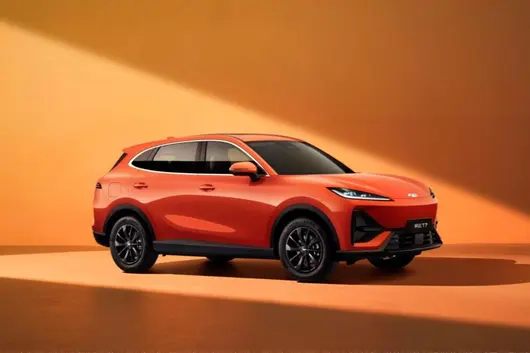

喺馬來西亞嘅 SUV 市場,好多買家喺揀車嘅時候都會拿 Proton X90 同 Mitsubishi Xforce 嚟做比較。這兩款車喺價位同定位上都幾近,今日我哋就從多個方面做一個詳細嘅對比,幫你省返做功課嘅時間。
Proton X90 喺馬來西亞嘅 OTR 售價係 RM 106,800 - 122,800,一共有 4 個版本,包括 2026 1.5T Prime X(RM 122,800)、2026 1.5T Prime(RM 116,800)、2026 1.5T Lite(RM 106,800)等。
Mitsubishi Xforce 喺馬來西亞嘅 OTR 售價係 RM 109,930 - 119,930,一共有 2 個版本,包括 2026 1.5L Ultimate(RM 119,930)、2026 1.5L Urban(RM 109,930)等。
睇番價錢,Proton X90 嘅起步價確實比 Mitsubishi Xforce 平咗 RM 3,130。如果你預算有限,Proton 嘅入門版已經可以滿足日常需要。但亦都要留意,平啲嗰幾千蚊,可能喺配備上有取舍,具體要睇返你嘅需要。
Proton X90 採用 FWD 驅動方式。
Mitsubishi Xforce 採用 FWD 驅動方式。
兩款車嘅驅動方式一樣,都係 FWD,日常駕駛感受唔會有太大分別。
Proton X90 保修 5 年/150,000km,保養間隔 每 10,000km 或 6 個月。
Mitsubishi Xforce 保修 3 年/100,000km,保養間隔 每 10,000km 或 6 個月。
Proton X90 同 Mitsubishi Xforce 都係馬來西亞市場嘅主流選擇,適合家庭使用、日常通勤。如果你更加看重品牌口碑同二手價,可以優先考慮口碑好嗰一款;如果你更加在意性價比同配備,就揀配備豐富嗰款。最終都建議兩款都去試駕,親身體驗先係最重要。

總體嚟講,Proton X90 同 Mitsubishi Xforce 都係馬來西亞市場好唔錯嘅車型。揀邊輛,關鍵都要睇返你嘅個人需要同預算。建議大家做功課,多比較幾間車行嘅報價,再去試駕先做最終決定。買車係件大事,花啲時間做功課絕對唔會錯。

喺馬來西亞嘅 SUV 市場,好多買家喺揀車嗰陣都會拿 寶騰 X90 同 三菱 Xforce 嚟做比較。呢兩款車喺價位同定位上都幾接近,今日我哋就從多個方面做一個詳細對比,幫你節省做功課嘅時間。
寶騰 X90 喺馬來西亞嘅 OTR 售價係 RM 106,800 - 122,800,一共有 4 個版本,包括 2026 1.5T Prime X(RM 122,800)、2026 1.5T Prime(RM 116,800)、2026 1.5T Lite(RM 106,800) 等。
三菱 Xforce 喺馬來西亞嘅 OTR 售價係 RM 109,930 - 119,930,一共有 2 個版本,包括 2026 1.5L Ultimate(RM 119,930)、2026 1.5L Urban(RM 109,930) 等。
從價錢來看,寶騰 X90 嘅起步價確實比 三菱 Xforce 平咗 RM 3,130。如果你預算有限,寶騰嘅入門版已經可以滿足日常需要。但都要注意,便宜嗰幾千蚊,可能喺配備上會有取捨,具體要睇你嘅需要。
寶騰 X90 嘅安全評級係 5★ (ASEAN NCAP),主動安全系統包括 ADAS (ACC, AEB, LKA, LDA, BSM, RCTA)。
三菱 Xforce 嘅安全評級係 5★ (ASEAN NCAP),主動安全系統包括 MI-PILOT。
兩款車嘅安全評級一樣,喺呢個級別入面安全配備都算係好齊全。而家嘅新車安全性都不錯,唔使太擔心呢一點。
寶騰 X90 採用 FWD 驅動方式。
三菱 Xforce 採用 FWD 驅動方式。
兩款車嘅驅動方式一樣,都係 FWD,日常駕駛感受唔會有太大分別。
寶騰 X90 同 三菱 Xforce 都係馬來西亞市場嘅主流選擇,適合家庭使用、日常通勤。如果你更睇重品牌口碑同二手價,可以優先考慮口碑更好嗰一款;如果你更在意性價比同配備,就選配置更豐富嗰款。最後仲係建議兩款都去試駕,親身體驗先係最重要。
總體嚟講,寶騰 X90 同 三菱 Xforce 都係馬來西亞市場幾唔錯嘅車型。邊揀邊架,關鍵仲係要睇你嘅個人需要同預算。大家建議做好功課,多比較幾間車行嘅報價,再去試駕做最終決定。買車係件大事,花少少時間做功課絕對唔會錯。

Di pasaran SUV Malaysia, ramai pembeli membandingkan Proton X90 dan MG HS semasa memilih kereta. Kedua-dua kereta ini sangat hampir dari segi harga dan pelan penempatan, hari ini kita akan buat perbandingan terperinci dari pelbagai aspek untuk bantu anda jimat masa membuat kajian.
Harga OTR Proton X90 di Malaysia adalah RM 106,800 - 122,800, ada 4 varian termasuk 2026 1.5T Prime X (RM 122,800), 2026 1.5T Prime (RM 116,800), 2026 1.5T Lite (RM 106,800) dan lain-lain.
Harga OTR MG HS di Malaysia adalah RM 130,450 - 146,450, ada 2 varian termasuk 1.5L Standard (RM 105,000), 1.5L Executive (RM 115,000) dan lain-lain.
Dari segi harga, harga permulaan Proton X90 memang RM 23,650 lebih murah daripada MG HS. Jika bajet terhad, varian asas Proton sudah cukup untuk keperluan harian. Tetapi perlu diingat, perbezaan harga ribuan yang murah itu mungkin melibatkan kompromi dalam kelengkapan, lihat keperluan anda.
Rating Keselamatan Proton X90 adalah 5★ (ASEAN NCAP), sistem keselamatan aktif termasuk ADAS (ACC, AEB, LKA, LDA, BSM, RCTA).
Rating Keselamatan MG HS adalah TBD, sistem keselamatan aktif termasuk Basic.
Dari segi kelengkapan keselamatan, kedua-dua kereta mendapat rating yang baik. Namun perbezaan fungsi antara ADAS (ACC, AEB, LKA, LDA, BSM, RCTA) Proton X90 dan Basic MG HS, jika anda mementingkan keselamatan aktif, boleh bandingkan senarai fungsi kedua-duanya.
Proton X90 waranti 5 tahun / 150,000km, selang penyelenggaraan setiap 10,000km atau 6 bulan.
MG HS waranti 7 tahun / 150,000km, selang penyelenggaraan setiap 10,000km atau 6 bulan.
Proton X90 dan MG HS adalah pilihan utama pasaran Malaysia, sesuai untuk kegunaan keluarga dan perjalanan harian. Jika anda mementingkan reputasi jenama dan harga pasaran kedua, utamakan yang lebih popular; jika lebih mementingkan nilai berbanding harga dan kelengkapan, pilih yang pakej lebih lengkap. Akhir sekali disarankan kedua-dua kereta dicuba, pengalaman langsung paling penting.
Secara keseluruhan, Proton X90 dan MG HS adalah model yang sangat baik di pasaran Malaysia. Pilihan yang tepat bergantung pada keperluan peribadi dan bajet anda. Disarankan buat kajian, bandingkan tawaran pelbagai dealer, dan uji pemanduan untuk keputusan akhir. Membeli kereta adalah perkara besar, luangkan masa membuat kajian pasti tidak salah.
In the SUV market in Malaysia, many buyers compare the Proton X90 and Chery Tiggo 8 Pro when choosing a car. These two cars are quite close in price and positioning. Today, we will make a detailed comparison from multiple aspects to help you save time on research.
The OTR price of Proton X90 in Malaysia is RM 106,800 - 122,800, with a total of 4 versions, including 2026 1.5T Prime X (RM 122,800), 2026 1.5T Prime (RM 116,800), 2026 1.5T Lite (RM 106,800), etc.
The OTR price of Chery Tiggo 8 Pro in Malaysia is RM 159,750 - 159,750, with a total of 2 versions, including 1.6L Turbo Standard (RM 130,000), 1.6L Turbo Premium (RM 145,000), etc.
From a price perspective, the starting price of Proton X90 is indeed RM 52,950 cheaper than Chery Tiggo 8 Pro. If your budget is limited, the Proton entry-level version can already meet daily needs. But be aware, the difference of a few thousand might mean trade-offs in features, it depends on your specific needs.
Proton X90 is equipped with 1.5L Turbo, 140 hp. Official fuel consumption 7.0 L/100km.
Chery Tiggo 8 Pro is equipped with 2.0L 4-cyl, 170 hp. Official fuel consumption 8.0 L/100km.
Regarding power, Chery Tiggo 8 Pro's 2.0L 4-cyl has 30 hp more than Proton X90's 1.5L Turbo. However, for daily driving in the city, both cars have enough power, you won't feel it lacks power.
Proton X90's safety rating is 5★ (ASEAN NCAP), active safety systems include ADAS (ACC, AEB, LKA, LDA, BSM, RCTA).
Chery Tiggo 8 Pro's safety rating is TBD, active safety systems include Basic.
In terms of safety features, both cars received good ratings. However, the ADAS (ACC, AEB, LKA, LDA, BSM, RCTA) of Proton X90 and the Basic of Chery Tiggo 8 Pro have some differences in functionality. If you value active safety, you can compare their feature lists carefully.
Proton X90 body length 4400 mm, trunk 400 L.
Chery Tiggo 8 Pro body length 4400 mm, trunk 400 L.
The dimensions of the two cars are almost the same, the interior space difference is not significant. For cars in this class, it is completely sufficient for daily use.
Proton X90 warranty 5 years/150,000km, service interval every 10,000km or 6 months.
Chery Tiggo 8 Pro warranty 3 years/100,000km, service interval every 10,000km or 6 months.
Overall, Proton X90 and Chery Tiggo 8 Pro are both very good models in the Malaysian market. Which one to choose depends mainly on your personal needs and budget. We suggest doing your research, compare quotes from several dealerships, and then go for a test drive to make the final decision. Buying a car is a big matter, spending time on research is never wrong.

Pada 12 Ogos, SUV Elektrik Murni Berkualiti Global Baharu Siri Fengyun Chery, Fengyun T7, secara rasmi memulakan pra-jualan. Sidang media pra-jualan ini menggunakan tema utama "Membuat Kenderaan Baik Secara Perlahan, Sudah Lama Ditunggu", menyampaikan sepenuhnya teras pembuatan Fengyun yang berpegang pada jangka masa panjang: menolak pemikiran persaingan jangka pendek yang tergesa-gesa dalam industri, mengasah setiap butiran produk dengan piawaian penyelidikan dan pembuatan global yang seragam, membina model rumah berkualiti tinggi yang sesuai untuk pasaran global dengan kukuh; Ayat "Sudah Lama Ditunggu" adalah juga balas tulus jenama terhadap jangkaan dan kesabaran puluhan ribu pengguna rumah tangga. Model baharu merancang tiga versi konfigurasi, julat harga panduan pra-jualan 109,900 - 129,900 Yuan, serentak menyediakan 7 hak istimewa pembelian kenderaan khusus, mengurangkan ambang masuk SUV Elektrik Murni Berkualiti, memberikan faedah pembelian kenderaan yang nyata kepada pengguna rumah tangga.

Industri automoter global kini memasuki "Masa China", pembuatan pintar baharu Cina terus memimpin pasaran luar negara. Berasaskan 23 tahun penumpuan teknologi globalisasi Chery, Fengyun T7 menempuh laluan ujian "keluar negeri secara balas", menolak pemikiran membuat kenderaan pantas dalam industri, mengasah kekuatan keseluruhan kenderaan dengan piawaian ketat global sepanjang rantaian. Berpusat pada enam keperluan asas baharu kehidupan berkualiti, menyatukan estetika, keselamatan, perjalanan, kecerdasan, keselesaan, dan ketenangan, membina SUV Elektrik Murni Berkualiti Global, sesuai untuk pelbagai senario seperti komuter, perjalanan jauh, luar bandar, dan perjalanan ramai orang.
Keperluan Estetika | Gabungan Estetika Global dan Akasia Timur, Kualiti Jangka Panjang TerjaminBerdasarkan 10 Pusat Reka Bentuk Global Chery, lebih 5000 pengguna domestik dan antarabangsa bekerjasama sepanjang proses, model asal Lepas L6 muncul di Minglan Design Week meraih pengiktirafan antarabangsa, Fengyun T7 merangkumi estetika global, rupa kekal menarik. Hadapan menyerupai angin, badan seperti sutera bentuk angin, pintu belakang cahaya ufuk, menyeimbangkan estetika minimalis antarabangsa dengan nuansa elegan Timur. Piawaian cat keseluruhan kenderaan serentak dengan keperluan ketahanan luar negara yang ketat, menyediakan 6 warna: Oren Api, Ungu Asap Gunung, Krem Awan, Perak Bercahaya, Kelabu Bambu, Hitam Batu.

Hiasan dalaman dibahagikan kepada gaya Coklat Hitam Hangat dan Hitam Obsidian Malam Sempurna, kabin sayap awan dipadankan dengan pelapik lembut kawasan luas, pembesar suara gantung batu sungai, butiran quilting berlian yang halus; semua kulit dalaman, jalur getah, dan komponen plastik sukar keras atau pudar, sepanjang tahun kekal kelihatan baharu dan tahan lama, menyeimbangkan rupa dan kualiti.

Fengyun T7 direka bentuk berdasarkan piawaian keselamatan lima bintang E-NCAP versi 2026, fungsi keselamatan ASILD peringkat tertinggi. Dua tahun perancangan, tiga tahun penyelidikan dan pembangunan, bersama melabur 81 kenderaan ketahanan khas untuk ujian jalan serentak, jarak ujian keseluruhan kenderaan melebihi 6 juta kilometer, ujian ketahanan khas mencapai 1.45 juta kilometer, serentak terhadap musim hujan Asia Tenggara, panas terik Timur Tengah, kelembapan tinggi Indonesia dan pelbagai kawasan global untuk ujian kenderaan nyata secara ekstrim.
Badan menggunakan 80% keluli kekuatan tinggi, 18.84% keluli bentuk panas membina badan sangkar 9 mendatar 5 menegak, menggunakan struktur shotgun, bingkai sub-frame ganda + barantiimpak Pack, rangka besi menjamin keselamatan kabin penumpang, 9 laluan pemindahan perlanggaran depan + 6 sisi memaksimumkan penyebaran tenaga perlanggaran, mengekalkan ruang nyawa penumpang; Selain itu, dilengkapi 9 beg udara keselamatan, termasuk 48L beg udara jauh dua rongga dan beg udara sisi barisan belakang, perlindungan 360° menyeluruh keselamatan penumpang. Fengyun T7 semua siri memasang Bateri Rino, perlindungan 6D super kuat membina benteng keselamatan bateri menghadapi sepenuhnya tekanan, tusukan, hentakan, membina penghalang keselamatan berlapisan tiga dimensi untuk bateri tenaga. Berhadapan hujan lebat musim panas sering berlaku, kalis air IP68 Bateri Rino 96 kali piawaian negara, tidak takut banjir musim hujan, air bertakung di jalan, merentas air luar, mencegah secara efektif kecederaan kemasukan air dan pintas arus bateri.
Keperluan Perjalanan | Sama Hak Jarak 600km Semua Siri, Sesuai Pelbagai Iklim dan Keadaan Operasi GlobalBerdasarkan keperluan tenaga dan iklim di pelbagai kawasan global, Fengyun T7 mencapai kesamaan konfigurasi jarak untuk semua siri, semua siri dilengkapi Bateri Rino kapasiti besar 65.05kWh secara standard, jarak CLTC 600km, jarak ujian sebenar 667+km, "pembidaan palsu balasan" menyelesaikan kebimbangan. Cas bateri dari 30% ke 80% hanya mengambil masa 20 minit, dalam masa secawan kopi boleh berlepas semula.

Fengyun T7 dilengkapkan dengan pengurusan haba integral seluruh wilayah pengudaraan pam haba dua sumber + PTC voltan tinggi, pengguna di kawasan Utara juga boleh memandu dengan yakin pada musim sejuk. -30°C-55°C beroperasi stabil dalam lingkungan suhu super lebar, memanaskan lebih jimat tenaga dalam persekitaran suhu rendah, penyejukan lebih efisien dalam persekitaran suhu tinggi. Disertakan semua siri standard AGS gril masuk pintar dan 14 optima rintangan angin, penggunaan tenaga kelajuan rendah dan tinggi lebih stabil.
Keperluan Kecerdasan | Chip 8775 Kabin & Memandu Terintegrasi, Separuh Memahami Anda, Separuh Melindungi AndaDi zaman tenaga baharu, tiada kecerdasan tiada kualiti. Fengyun T7 dilengkapi chip terintegrasi Kabin-Memudi 8775, mencapai keutamaan ganda kabin dan memandu, dua wilayah bekerjasama tanpa henti, separuh memahami anda, separuh melindungi anda. Chip ini mempunyai proses 4nm, 72TOPS kuasa pengiraan tinggi, masa respon hanya 80ms, kelajuan permulaan sistem naik 33%, kelajuan permulaan lebih pantas, operasi skrin lebih lancar, respon interaksi pintar lebih cekap.
Dari segi kabin pintar, skrin besar HD 15.6 inci 2.5K menampilkan gambar halus dan asali, menolak silau, tahan pantulan, tahan cap jari, menyokong CarPlay, HUAWEI HiCar, CarLink sambungan tanpa wayar, menampung lebih daripada 99% model telefon di pasaran untuk penyiaran skrin, sambungan tanpa henti boleh dicapai selepas naik kenderaan. Kabin Pintar Lingxi 2.0 membawa rakan pendamping serba boleh, mempunyai enam pengalaman pendamping persona sebenar: Siswa Xiaoqi, Tante Timur Laut, Pakar Perbincangan, Guru Bahasa Lisan, Raja Cerita, Pembela Profesional. Mod senario dalaman termasuk rehat singkat, kempen, haiwan peliharaan, bersantai, dan enam senario lain, menjadikan kereta sebagai ruang bergerak yang benar-benar memahami anda.

Fengyun T7 dilengkapi Sistem Bantu Memandu Falcon 500, mengintegrasikan 3 radar gelombang milimeter, 7 kamera prestasi tinggi, 12 radar ultrasonik, jumlah 22 sensor presisi tinggi (3R7V12U), melihat jauh, melihat jelas, mengukur tepat. Mampu melakukan parkir automatik di lebih 300+ senario, liputan industri paling lengkap. Parkir di jalan buntu, undur satu butang, parkir merentas tingkat semua boleh dicapai, sejak ini berpisah "sukar parkir", capai kebebasan parkir.
Keperluan Keselesaan | Ruang Kabin Super Besar, Penalaan Chassis Tahap Pakar, Perjalanan StabilDimensi keseluruhan kenderaan 4570×1852×1694mm, jarak roda 2700mm, kadar ruang dalam 84%, lantai belakang rata, ruang kaki 911mm teraju sebaya, kerusi belakang direbahkan kembangan 1955mm katil rata besar, bakul belakang standard 450L, kembangan hingga 1550L, ruang cas mencukupi sesuai untuk pengembaraan luar, perjalanan ramai orang.

Bangku 9 lapisan rasa awan, lembut tidak kempis, duduk lama tidak penat, bangku juga mempunyai fungsi pengudaraan dan pemanasan. Dari segi pemanasan, capai 3 tahap kawalan suhu, dalam persekitaran -20℃, 5 minit pemanasan pantas ke 30℃, cepat menghangatkan badan; pengudaraan bangku menggunakan reka bentuk sedutan angin, musim panas belakang tidak berpeluh, memenuhi keperluan keselesaan pengguna. Dari segi butiran, Fengyun T7 juga cemerlang. 38 tempat simpanan kreatif seluruh kenderaan, kemas teratur, nikmati kehidupan halus. Empat cincin rivet berat maksimum 300kg dan dua cangkuk berat maksimum 3kg, peralatan kempen, barang besar boleh diikat teguh.

Perjalanan yang selesa dan memandu, tidak boleh terlepas daripada sokongan chassis yang luar biasa. Chassis Fengyun T7 digali oleh pasukan chassis antarabangsa yang dipimpin oleh pakar penalaan chassis bekas Maserati, nisbah beban gandar emas 50.8:49.2 boleh berkesan menekan fenomena understeer dan oversteer, meningkatkan kestabilan pusingan dan ketepatan laluan lurus. Sejak tahun 2009, Chery telah mereka sendiri meja uji K&C paksi dua pergerakan tanah pertama China. 26 tahun asas reka membina prestasi chassis, membawa pengalaman kualiti memandu yang lebih unggul.
Keperluan Ketenangan | 2 Hak Sepanjang Hayat + 2 Hak Jaminan, Penggunaan Kenderaan Sepanjang Kitaran Tanpa KekhawatiranChery bukan hanya memberi produk dengan kekuatan sebenar kepada pengguna, tetapi berdiri dari sudut pandang pengguna, mempertimbangkan sepenuhnya pengalaman penggunaan kenderaan selepas pembelian kenderaan, menghadapi kebimbangan sebenar pengguna mengenai kerosakan kenderaan, kos penyelenggaraan kenderaan. Oleh itu Fengyun T7 melancarkan dua jaminan sandaran, dua hak sepanjang hayat, menjaga dari pembelian kenderaan hingga penggunaan jangka panjang.
Dua Jaminan Sandaran: ① Sandaran Keselamatan Bateri Tenaga: Jika bateri tenaga menyebabkan kerosakan terma runaway pada kenderaan keseluruhan, Chery akan mengganti dengan kenderaan baru model yang sama atau kenderaan baru konfigurasi tidak kurang daripada kenderaan asal; ② Sandaran Bantuan Memandu: Dalam tempoh setahun dari tarikh pembelian, di dalam "senario parkir", "senario bimbingan pintar" yang disahkan disebabkan oleh "sistem bantuan memandu pintar" menyebabkan kemalangan, menyebabkan kecederaan penumpang dalam kenderaan dan kerugian pihak ketiga, ganti rugi maksimum 5 juta.
Dua Hak Sepanjang Hayat: ① Jaminan Keseluruhan Kenderaan Sepanjang Hayat: Nilai 10,000 Yuan jaminan kenderaan sepanjang hayat (merangkumi bateri, motor, kawalan), komponen mudah rosak, komponen khas tidak termasuk; ② Paket Servis Sepanjang Hayat: 666 Yuan beli paket servis asas sepanjang hayat bernilai 3,999 Yuan (1 kali/tahun).
Kesimpulan:
Pada masa ini, persaingan dalam laluan SUV Elektrik Murni 100,000-130,000 Yuan menjadi sangat sengit, kebanyakan jenama terjerumus dalam persaingan dalaman semata-mata harga dan parameter perkakasan, industri lama wujud model pembangunan kasar "harga rendah pengurangan persediaan, pemasaran berat kawalan kualiti". Fengyun T7 memasuki pasaran dengan "Piawaian Global + Jangka Masa Panjang", memberikan pemikiran baharu untuk laluan berspesifik: Pertama, berasaskan sistem kenderaan globalisasi yang matang, guna model output "pembuktian luar negara, pelaksanaan dalam negara", dengan kawalan kualiti seragam menyeimbangkan ujian pasaran luar negara dan keperluan keluarga dalam, menerobos kelemahan tetap "khusus dalam negara, standar dikurang" bagi model SUV Elektrik kelas seratus ribu; Kedua, logik pengguna industri telah berubah secara asas, pengguna keluarga tidak hanya memperhatikan parameter tunggal jarak dan harga, tetapi lebih mengutamakan kualiti komprehensif seperti ketahanan keseluruhan kenderaan, keselesaan semua senario, keselamatan penggunaan jangka panjang, enam keperluan asas Fengyun T7 seimbang布局 tepat memacu tren perubahan permintaan pasaran; Ketiga, seiring peningkatan barisan dasar tenaga baharu, pembeli kenderaan menjadi lebih rasional, perang harga semata-mata sukar mengekalkan keupayaan jenama, masa depan hanya syarikat kereta yang mampu mempertahankan penyelidikan dan pembangunan piawaian tinggi seluruh proses, menyeimbangkan kekuatan pembuatan global dan keperluan pengguna tempatan, boleh melompat dari persaingan homogen. Pelancaran Fengyun T7 juga menandakan pasaran SUV Elektrik Rumah Kelas 100,000 Yuan akan beralih dari "Zaman Pengangkutan Harga Rendah" ke "Zaman Nilai Kualiti Global", jangka masa panjang, kawalan kualiti seluruh wilayah, kekuatan produk berasaskan senario, akan menjadi pemisah utama dalam pasaran persaingan seterusnya Minglan Weekly.
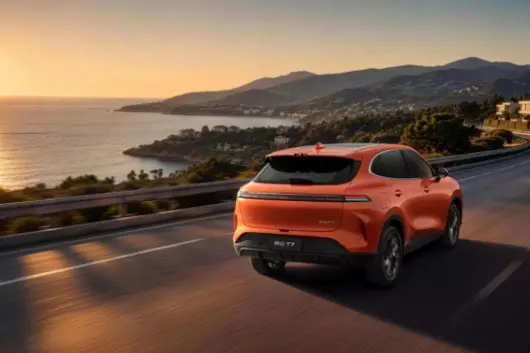

[Car Media | New Car] Slow work builds good cars, we've kept you waiting! This slogan from the Chery Fengyun T7 pre-sale launch meeting just hit the core contradiction in the current new energy industry: the industry is fiercely competing, mass production is rampant, yet Chery chose to calm down and build a true home-use pure electric SUV that can withstand global tests. When the global new energy track falls into "speed production competition", many brands pursue quick launches and feature stacking, yet ignore the underlying quality of a car spanning regions and withstanding the test of time. On August 12, the global quality pure electric SUV Fengyun T7 officially opened pre-sales. 3 versions have pre-sale guide prices of 109,900 Yuan - 129,900 Yuan, and bring 7 sets of car buying rights.

Relying on 23 years of Chery's globalized technology accumulation, Fengyun T7 has carved out a unique reverse overseas trial path: first R&D according to global standards, journeying to diverse regions for extreme verification, then returning to the domestic market after enduring world refining. It breaks out of pure parameter competition, focusing on the six core necessities of contemporary family quality life, landing global car manufacturing standards into home-use scenarios, verifying what is "Born Global, Refined to Return".

Long-termism Car Building: Abandoning Fast-Track Logic, Polishing a Good Car with Global End-to-End Standards
Today, the global automotive industry has entered "China Time", China's new energy intelligent manufacturing continues to move towards the world, but "going overseas" cannot stay only at product output. A true global car must match global strict requirements from the R&D source. Different from the industry's short-term rapid iteration approach, Fengyun T7 adheres to long-termism, taking 2 years for planning and 3 years for R&D, building a global standard system covering design, testing, manufacturing, and verification.

The project invested 81 exclusive durability test cars for parallel road testing. Total vehicle test mileage exceeded 6 million km, with durability special testing reaching 1.45 million km. The R&D team traveled to many global locations for extreme trials, facing complex working conditions such as Southeast Asian rainy season humidity, Middle East continuous high-temperature sun exposure, Indonesian high-humidity environments, continuously optimizing overall vehicle stability in diverse climates and road conditions.

Relying on 10 of Chery's global design center resources, co-created with over 5,000 domestic and international users, the same-source model Lepas L6 debuted at Milan Design Week winning international recognition, verifying design strength withstands global aesthetic scrutiny. From the wind-riding front face, wind-shaped satin body, to the skyline glow tailgate, Fengyun T7 integrates international minimalist fashion and Oriental elegance; 6 body color schemes synchronize with overseas weather-resistant paint standards, interior materials strictly control aging and fading issues, ensuring long-term visual appeal.
A model targeting the globe is never just about meeting a single market demand. Fengyun T7 anchored on global user common needs from its inception, putting long tests and strict standards forward, refusing rushed market entry. This is the most intuitive embodiment of "Slow Work Builds Good Cars".
Six Core Necessities Landing: Global Technology Goes Home, Directly Hitting Pain Points of Chinese Family Travel
Globalized R&D ultimately serves real users. Fengyun T7 did not blindly pile up high-end configurations, but accurately transformed technologies sedimented from global trials into six core necessities perceptible to ordinary families, covering all scenarios like commuting, long-distance, camping, multi-person travel.

In terms of safety necessities, it builds an all-area protection system benchmarked against the 2026 version E-NCAP five-star standard. The vehicle body uses 80% high-strength steel, 18.84% hot-formed steel to construct a nine-cross five-long cage body, paired with shotgun structures and double-frame subframes, multiple collision force transmission paths maximize protection for the passenger cabin. The full series has 9 airbags, Rhino Battery 6D 3D protection support, battery reaches IP68 water resistance grade, fearless of wading and waterlogging hazards, multiple barriers resolve users' most concerned safety anxiety.
The full series is equipped with 65.05kWh Rhino Battery, CLTC range 600km, actual test range exceeds 667km, achieving rare "reverse mislabeling" in the industry; 30%-80% fast charging takes only 20 minutes. Equipped with dual-source wide heat pump air conditioning, stable work in ultra-wide temperature range of -30°C to 55°C, balancing northern winter range and southern high-temperature heat dissipation, adapting to global diverse climates, realizing range equality for travel necessities, breaking high-low configuration range discrimination.

Smart necessities are taken to the extreme, equipped with cabin-driving integrated 4nm 8775 high computing power chip, 72TOPS computing power, 80ms ultra-fast response, balancing cabin interaction and driving assistance. 15.6 inches 2.5K anti-glare large screen supports multi-brand mobile phone wireless interconnection, Lingxi Smart Cockpit 2.0 brings humanized interaction; Falcon 500 driving assistance carries 22 high-precision sensors, 300+ scenarios automatic parking, tracking reversing, inter-floor parking are all available.

At the same time, relying on 2700mm wheelbase to achieve 84% cabin space utilization rate, rear row pure flat floor, expandable 1955mm pure flat large bed, paired with 9-layer cloud-feel ventilated heated seats; Adjusted chassis by international team led by ex-Maserati chassis expert, 50.8:49.2 golden axle load ratio, balancing urban commuting smoothness and cornering stability.
From appearance, safety, range, smart to space comfort, Fengyun T7 transforms globally verified mature technologies into product power that 100,000 level family users can truly enjoy, realizing the democratization of global technology.
Breaking the Value Ceiling: Establishing a New Global Pure Electric SUV Value Benchmark with Full-Cycle Peace of Mind Protection
A qualified global car tests not only hardware strength, but also brands' responsibility and sincerity towards users' long-term usage cycles. Currently, many new energy models focus heavily on pre-sales and lightly on after-sales. Usage hazards, maintenance costs, and ADAS controversies continue to plague consumers. Fengyun T7 breaks out of the "only selling products" traditional thinking, launches two lifetime rights plus two bottom-line guarantees, reconstructing the service baseline for home-use pure electricity.

The rights plan is extremely sincere: whole vehicle lifetime warranty (including three-electricity), 666 Yuan can purchase lifetime basic maintenance package; Two bottom-line policies hit industry pain points directly -- if the power battery suffers thermal runaway damage due to its own reasons, a same-model new car can be compensated; if an accident is caused by the intelligent driving assistance system within 1 year, claims coverage up to 5 million is guaranteed. This protection system, not only for domestic users, but also originates from Chery's service thinking accumulated over many years of overseas market operations, dispelling buying concerns with long-term commitments.
Looking at the 100,000-level pure electric SUV market, many products are limited to domestic condition development, difficult to balance long-term reliability. Fengyun T7 walks out of a unique path of "Trial Globally First, Then Return Locally": forging the product with international safety standards and global extreme road conditions, then completing localization adaptation combined with Chinese family travel habits. 109,900 Yuan pre-sale price, allowing ordinary consumers to not pay high costs, but buy a pure electric SUV built according to global standards and subjected to strict trials.
Editor's Review:
The so-called "Born Global, Refined to Return", essentially is a brand new car building value system: Product R&D is based on global vision, quality accepts world test, finally returns to local users. In the current of Chinese new energy vehicles moving from scale expansion to high-quality development, Fengyun T7 proved with action that independent brands do not need to rely on low-price fierce competition to win.
Persisting in long-termism, adhering to global quality standards, focusing on users' real necessities, Fengyun T7 is not just a pure electric SUV, but also a concentrated release of Chery's globalized technology deposition towards the home market. With the pre-sale officially opening, this global quality SUV that has undergone sea and mountain trials, is about to receive comprehensive inspection by the domestic market, we look forward to it together.
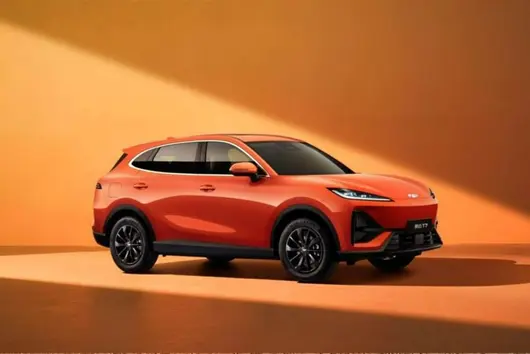

Another globally-focused domestic car is here. Fengyun T7 officially starts pre-sale. With a price just over 100,000 RMB, you can get the standard large-capacity Rhino Battery across the entire line. The CLTC range reaches 600km. Such a globally quality all-electric SUV is absolutely not to be missed! What other hardcore strengths does it have?
On August 12, the globally quality all-electric SUV Fengyun T7 officially starts pre-sale. This pre-sale launch event takes the theme "Slow work makes a good car, we've kept you waiting," conveying Fengyun T7's car-making philosophy of adhering to long-termism, polishing products with global standards, and persisting in building quality global cars, while expressing sincere gratitude for the brand's long-term expectation from users. The new car launches 3 trims, with pre-sale guidance prices ranging from 109,900 RMB to 129,900 RMB, and enjoying 7 layers of car-buying benefits.

Today, the global automotive industry enters "China Time", with China's new energy intelligent manufacturing continuing to lead overseas markets. Relying on Chery's 23 years of global technology accumulation, Fengyun T7 walks the reverse overseas testing path, refusing industry crash-course car-making concepts, and polishes overall vehicle strength with full-link global stringent standards.

Around the 6 core new essentials of quality life, blending aesthetics essential, safety essential, mobility essential, smart tech essential, comfort essential, and peace of mind essential into one, creating a globally quality all-electric SUV, adapted for commuting, long-distance travel, outdoors, multi-person travel, and other diverse scenarios.

Aesthetics Essential | Global aesthetics blend with Eastern grace, lasting quality maintained
Relying on Chery's 10 Global Design Centers and co-creation by over 5,000 domestic and international users throughout the process, the same-source model Lepas L6 appeared at Milan Design Week gaining international recognition. Fengyun T7 blends global aesthetics, keeping aesthetics online for the long term. Wind-riding front fascia, Wind-sculpted satin body, Skyline Glow Tailgate balance international minimalist aesthetics with Eastern elegant temperament. Whole vehicle paint standard syncs with overseas strict weather resistance requirements, providing 6 color options: Blazing Orange, Mountain Smoke Purple, Cloud Pink Beige, Flux Silver, Green Bamboo Grey, Inkstone Black.

The interior features two styles: Warm Black-Brown and Polar Night Obsidian. Cloud Wing Wrap-around Cabin matches large area soft wrapping. Pebble floating speakers and diamond quilting details are exquisite. All interior leather, seals, and plastic parts do not harden or fade easily, remaining new and attractive with long-term use, balancing aesthetics and quality.
Safety Essential | All-domain 5-star protection system, all-dimension support for global road conditions
Fengyun T7 is designed to benchmark the 2026 Edition E-NCAP 5-star safety standard and functional safety ASILD highest level. 2 years planning, 3 years R&D, investing a total of 81 dedicated durability cars for simultaneous road testing, whole vehicle cumulative test mileage exceeds 6 million km, durability special test 1.45 million km. Simultaneously, extreme real-vehicle testing is conducted for Southeast Asian rainy season, Middle East high heat exposure, Indonesian high humidity, and other global multiple regions.

The body is made of 80% high-strength steel and 18.84% hot-formed steel to create a 9 horizontal 5 vertical cage body. It adopts shotgun structure, double-frame subframe + Pack anti-collision beam. Steel and iron skeleton guarantees occupant cabin safety. The 9 front + 6 side collision force transmission paths maximize dispersion of collision energy, retaining occupant survival space. In addition, 9 airbags are equipped, including 48L dual-chamber far-side airbags and rear side airbags, providing 360° all-around protection for occupants.
All models come with Rhino Battery. Super strong 6D protection builds a battery safety fortress to resist extrusion, piercing, and impact from all directions, constructing a multi-layer stereo safety barrier for power batteries. Facing frequent summer thunderstorms, Rhino Battery IP68 waterproofing is 96 times the national standard, fearless of rainy season flooding, road water accumulation, outdoor wading, effectively preventing battery water ingress short circuit hazards.

Mobility Essential | All-trim 600km range equality, adapted for global diverse climate conditions
Based on global multiple region energy and climate demands, Fengyun T7 achieves range configuration standardized across all trims. All models come with standard large-capacity Rhino Battery 65.05kWh. CLTC 600km range, actual range 667+ km. "Real range exceeds claims" solves anxiety. Charging from 30% to 80% takes only 20 minutes. You can set off again in a cup of coffee's time.

Fengyun T7 is equipped with All-domain integrated thermal management dual-source wide heat pump AC + high-voltage PTC. Northern users can drive with peace of mind in winter. Stable operation in -30°C to 55°C ultra-wide temperature range. Heating in low-temp environment is more power-efficient, cooling in high-temp environment is more efficient. Coupled with standard AGS intelligent grille and 14 low-aerodynamic resistance optimizations across all trims, high and low speed energy consumption is more stable.

Smart Tech Essential | Integrated Cockpit-Driving 8775 Chip, Half understands you, half protects you
In the new energy era, no intelligence means no quality. Fengyun T7 is equipped with Integrated Cockpit-Driving 8775 Chip. Achieves optimization of both cockpit and driving. Two domains collaborate seamlessly. Half understands you, half protects you. This chip features 4nm process, 72 TOPS high computing power. Response takes only 80ms. Boot-up speed up by 33%. Booting is faster, screen operation is smoother, smart interaction response is faster.

Regarding smart cockpit, 15.6-inch 2.5K HD large screen displays delicate and true images. Anti-glare, anti-reflection, anti-fingerprint. CarPlay, HUAWEI HiCar, CarLink wireless connection cover over 99% of phone screen casting on the market. Achieve seamless connection as soon as you get on board. Lingxi Smart Cockpit 2.0 brings an all-around companion. Has 6 real-person guided companion experiences: Xiao Qi Classmate, Northeast Auntie, Debating Master, Oral Teacher, Story King, Pro Debater. Built-in Napping, Camping, Pet, Refreshing, and 3 other scene modes. Let the car truly become a mobile space that understands you.
Fengyun T7 is equipped with Falcon 500 Driving Assistance System. Integrates 3 mm-wave radars, 7 high-performance cameras, 12 ultrasonic radars. Total 22 high-precision sensors (3R7V12U). Sees far, sees clear, measures accurately. Can handle 300+ full-scenario automatic parking, covering the most complete in the industry. Dead-end parking, one-button trail reversing, multi-floor parking can all be realized. Say goodbye to parking difficulty from now on and achieve parking freedom.

Comfort Essential | Ultra-large cabin space, Master-level chassis tuning for stable travel
Overall dimensions 4570×1852×1694mm, wheelbase 2700mm. Interior space efficiency 84%. Flat rear floor. Class-leading 911mm legroom. Rear seats folded expands to 1955mm flat bed. Standard trunk 450L, expandable to 1550L. Sufficient loading space adapted for outdoor cross-country, multi-person travel.
9-layer Cloud-feel Seats, soft but not sagging, fatigue-free with long sitting. In addition, seats also have ventilation and heating functions. For heating, achieve 3-level temperature control adjustment. At -20°C environment, heated to 30°C quickly in 5 minutes, quickly warming the whole body. Seat ventilation adopts suction design. Back not stuffy/sweaty in summer, meeting user comfort needs. Regarding details, Fengyun T7 is also commendable. Whole car 38 thoughtful storage spaces. Organized storage, enjoy exquisite life. Four D-rings with max load 300kg and two hooks with max load 3kg. Camping equipment, large cargo can be firmly fixed.

Comfortable driving is inseparable from excellent chassis support. Fengyun T7 chassis is polished by Chery's chassis team led by Maserati former chassis tuning experts. 50.8:49.2 golden axle load ratio can effectively suppress understeer and oversteer phenomena, improving turning stability and straight-line tracking ability.
As early as 2009, Chery independently designed China's first ground mobile dual-axle K&C test bench. 26 years of design foundation empowers chassis performance, bringing a more excellent driving quality experience.
Peace of Mind Essential | 2 Lifetime Benefits + 2 Safety Net Benefits, Worry-free Use Throughout the Cycle
Chery not only brings users hard-core strength products, but also stands from user perspective, comprehensively consider the usage experience throughout the entire cycle after purchasing, facing everyone's actual concerns about vehicle faults, later maintenance costs, etc. For this reason, Fengyun T7 launches 2 safety net guarantees and 2 lifetime benefits, guarding from purchase to long-term use.
Two safety nets: ① Power Battery Safety Safety Net: If whole vehicle thermal runaway damage is caused by power battery self-reasons, Chery will compensate with a new car of the same model or a new car not lower than original configuration. ② Assisted Driving Safety Net: Within one year from the date of purchase, in "Parking Scene" or "Intelligent Piloting Scene", if determined as "Intelligent Driving Assistance System reason" causing accident, resulting in injury to personnel on board and third party loss compensation, maximum compensation 5 million.

Two Lifetime Benefits: ① Whole Vehicle Lifetime Warranty: Value 10,000 RMB Whole Vehicle Lifetime Warranty (Including Powertrain), excluding wear-and-tear parts, special parts. ② Lifetime Maintenance Package: 666 RMB to purchase 3,999 RMB Lifetime Basic Maintenance Package (1 time/year).
From global standard R&D, global aesthetics design, global craftsmanship manufacturing, to global road condition verification, Fengyun T7 establishes the value benchmark for all-electric SUVs with full-link global quality. It undergoes worldly tempering and finally heads to Chinese users. With full satisfaction of 6 essentials: Aesthetics, Mobility, Safety, Intelligence, Comfort, Peace of Mind, responding to all expectations of quality families. Fengyun T7 is not only a vehicle condensing global technology and quality, but also the choice of the era resonating deeply between global standards and Chinese family needs. Now on position, waiting for every one of you who loves life.
Chery Fengyun T7, as a globally quality SUV, responds to 100,000 RMB budget families with hardcore all-around strength. Stunning looks, Safety, Intelligence, Comfort fully loaded. Warranty benefits give users a peace of mind guarantee. Range exceeds class, fully meeting the car-buying needs of segment users. It is reported that Fengyun T7 has reached dealerships. Interested friends can go to nearby stores to feel and experience the charm of this global car up close!
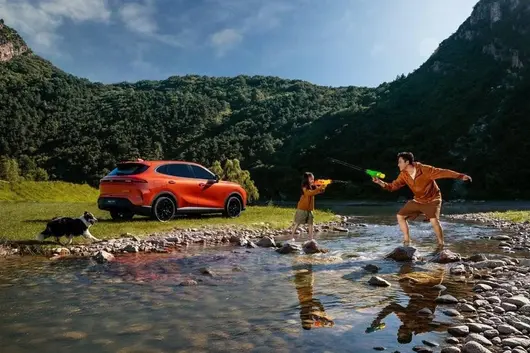

12 Ogos 2026, Chery Fengyun T7 secara rasmi mula menawarkan pra-jualan. Kereta baharu ini ditawarkan dalam 3 variasi konfigurasi, dengan julat harga pra-jualan dari RM109,900 hingga RM129,900. Antara itu, versi Nikmat RM109,900, versi Selesa RM119,900, versi Pintar RM129,900, kereta baharu dijangka dilancarkan secara rasmi pada penghujung bulan Ogos.
Tema perasmian pra-jualan kali ini ialah "Kerja Perlahan Membina Kereta Baik, Telah Lama Ditunggu". Sebagai model global yang telah dilancarkan terlebih dahulu di pasaran antarabangsa dengan nama "LEPAS L6", Fengyun T7 kembali ke pasaran domestik kali ini, cuba membina daya saing dalam pasaran SUV elektrik penuh kelas 100,000 dengan dua ciri pembezaan utama iaitu jarak pemanduan 600km untuk semua model dan fungsi parking memori merentas tingkat.

Fengyun T7 diletakkan sebagai SUV elektrik penuh kompak, ukuran badan 4570×1852×1694mm, paksi 2700mm. Keseluruhan kereta menggunakan bahasa reka bentuk "Mengurus Angin", bahagian hadapan dilengkapi lampu siang berbentuk L, garisan sisi lancar, bahagian belakang kumpulan lampu bersambung. Tersedia dua saiz rim 17 dan 18 inci.

Keunikan kereta ini terletak pada status "Kereta Global"nya. Fengyun T7 dicipta bersama oleh 8 pusat penyelidikan dan reka bentuk global Chery bersama lebih 5000 pengguna dari dalam dan luar negara, model asal LEPAS L6 telah dilancarkan terlebih dahulu di pasaran luar negara seperti Thailand, Afrika Selatan. Kitaran penyelidikan dan pembangunan memakan masa 2 tahun perancangan, 3 tahun pembangunan, jumlah ujian jarak kumulatif melebihi 6 juta km. Mengikut kenyataan rasmi, ini adalah model "Jual Luar Dulu, Kemudian Dalam" — membandingkan kualiti di pasaran luar negara terlebih dahulu, kemudian kembali ke negara untuk bersaing.

Dari segi luar, tersedia enam warna: Oren Api Pekat, Ungu Rokok Gunung, Krem Merah Jambu Awan, Perak Cahaya Mengalir, Kelabu Bambu Hijau, Hitam Batu Tinta. Untuk dalaman, tersedia dua gaya: Hitam Coklat, Hitam Murni, menggunakan susun atur merangkumi, menggunakan bahan pembalut lembut dalam kawasan besar.
Dari segi kuasa, dilengkapi satu motor di bahagian belakang, kuasa maksimum 178kW, tork puncak 275N·m, kelajuan maksimum 180km/h. Caisis menggunakan McPherson depan + gantung multi-link belakang, disetel oleh pasukan antarabangsa yang diketuai oleh pakar chassis Maserati yang pernah bertugas. Rasmi menyatakan capai nisbah beban paksi depan dan belakang 50.8:49.2.

Dari segi jarak, semua model standard dilengkapi bateri Rhinos 65.05kWh, jarak CLTC 600km, jarak ujian sebenar rasmi menyatakan boleh melebihi 667km. Cas cepat 30%-80% perlu sekitar 20 minit. Dilengkapi AC pam haba suhu luas sumber dwi + PTC voltan tinggi, suhu operasi -30°C ke 55°C. Semua model standard AGS gril masuk udara aktif, 14 reka bentuk rintangan angin rendah.

Pemanduan pintar adalah titik jualan utama. Fengyun T7 dilengkapi sistem bantuan memandu Falcon 500, mengintegrasikan 3 radar gelombang milimeter, 7 kamera prestasi tinggi, 12 radar ultrasonik, jumlah 22 sensor ketepatan tinggi. Dari segi cip, menggunakan cip integrasi kabin dan pemanduan Qualcomm SA8775 proses 4nm, kuasa NPU 72TOPS, latensi respons sistem 80ms.

Dari segi fungsi, versi Pintar dilengkapi parkir memori merentas tingkat tanpa had tingkat sehingga 2km paling lama, serta fungsi parkir automatik meliputi 300+ situasi. Versi Nikmat dan Versi Selesa dalam fungsi memandu pintar ada ringkasan, standard semua fungsi asas seperti Cruise Adaptif Kelajuan Penuh, konfigurasi spesifik mengikut jadual konfigurasi rasmi pelancaran akhir. Versi tinggi tambahan sokong NOA pemanduan laju, parkir jauh, parkir lepas kereta, 100 meter undur laluan fungsi. Logik teras kombinasi konfigurasi ini ialah: menurunkan fungsi parkir memori merentas tingkat yang sebelumnya hanya pada model di atas RM200,000 ke kelas RM100,000.

Dari segi keselamatan, Fengyun T7 mematuhi standard keselamatan 5 bintang E-NCAP versi 2026. Badan menggunakan 80% keluli kekuatan tinggi, 18.84% keluli bentuk panas, dilengkapi 9 beg udara (termasuk 48L beg udara dwi-kamar jauh dan beg udara sisi belakang). Bateri mempunyai tahap kalis air IP68 (96 kali standard negara) dan struktur perlindungan perisai 6D 31 lapisan.

Dari segi kabin, dilengkapi skrin kawalan tengah terapung 15.6 inci 2.5K (kecerahan 1000nit, lapisan anti-glare/anti sidik jari), menyokong CarPlay, HUAWEI HiCar, sambungan wayless CarLink. Kadar penggunaan ruang keseluruhan kereta 84%, ruang belakang biasa 450L, maksimum boleh dilanjutkan ke 1550L. Kerusi belakang dilipat boleh membentuk katil rata 1955mm.

Pra-jualan Chery Fengyun T7 adalah percubaan pembezaan syarikat kereta tradisional ini dalam pasaran SUV elektrik penuh kelas 100,000. Dari segi strategi produk, strategi Fengyun T7 sangat jelas: jarak standard untuk semua model + fungsi memandu pintar konfigurasi tinggi diturunkan. Jarak 600km tidak kira konfigurasi tinggi rendah, versi tertinggi RM129,900 boleh membeli parkir memori merentas tingkat, dua perkara ini dalam SUV elektrik penuh harga RM100,000-RM130,000 sememangnya jarang ditemui.

Untuk pengguna keluarga sensitif jarak, belanjawan RM100,000-RM120,000, Fengyun T7 layak dimasukkan pilihan. Tetapi disarankan fokus utama: pertama, kadar pencapaian jarak 600km dalam penggunaan sebenar (terutama musim sejuk), kedua, keadaan liputan sebenar parkir memori merentas tingkat di pusat beli-belah tempatan, ketiga, adaptasi susun atur penggerak belakang di kawasan iklim. Pengguna yang tidak tergesa-gesa, boleh tunggu maklum balas jarak sebenar dan memandu pintar pemilik pertama sebelum buat keputusan. Untuk pengguna yang mempunyai keperluan terhadap pengendalian chassis, disarankan uji jalan sebenar kemudian lihat prestasi sebenar gantung multi-link.
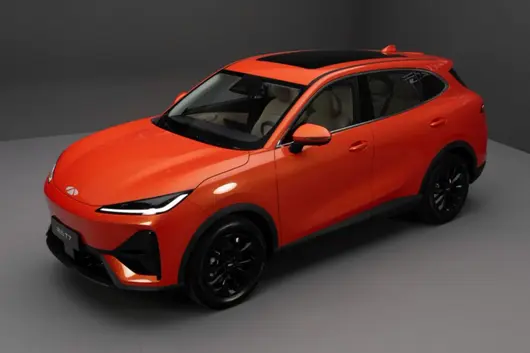

Selamat sejahtera, saya Li Besar. Sejujurnya, dalam era berkecepatan tinggi ini, Chery secara tiba-tiba mengeluarkan sebuah SUV elektrik tulen—Fengyun T7 yang direka dari pelancaran sehingga ujian R&D tepat empat tahun, dan harga pra-jualan berada dalam lingkungan 109,900 sehingga 129,900. Pada pandangan pertama, anda mungkin akan berfikir, di zaman sekarang ini, kereta yang direka selama empat tahun, tidak adakah ia akan ketinggalan apabila dilancarkan? Untuk jujur, pada mulanya saya juga berfikir demikian. Tetapi selepas menyiasat spesifikasi konfigurasi dan melihat R&D di sebalik kereta ini, saya mendapati permainan Chery ini agak berbeza dari kebiasaan.
Marilah kita utamakan dahulu spekulasi tersebut, dan lihat kad keras yang dikeluarkan oleh kereta ini.
Yang paling mengejutkan ialah strategi jangkaan bateri. Banyak model dalam kelas yang sama hanya menawarkan julat 400 lebih atau 500 km untuk versi permulaan, jika mahu julat jauh terpaksa membeli model tahap pertengahan atau tinggi. Tetapi Fengyun T7 ini mempunyai bateri LFP Rhinoceros 65.05kWh untuk semua versi, terus memberikan jangkaan CLTC sebanyak 600km! Semua versi adalah 600km, digabungkan dengan rintangan angin 0.286Cd, kuasa maksimum satu motor 178kW, pengecasan pantas dari 30% ke 80% hanya mengambil masa 20 minit. Ini bermaksud apa? Anda membeli versi permulaan 109,900, jangkaannya sama persis dengan versi tertinggi 129,900, tiada perlu bimbang mengenai jangkaan bateri.
Untuk dalaman dan teknologi, Chery kali ini memberikan bahan yang kukuh. Konsool bersepadu ditambah reka bentuk dua warna minimalis, kualitinya kelihatan kemas. Ia menggunakan cip Qualcomm Snapdragon 8775 satu kabin-sejurus proses 4nm, kuasa pengiraan 72TOPS, dan mempunyai model interaksi suara AI besar Doubao terbina. Misalnya audio SONY, pengecasan pantas wayarles telefon 50W, tingkap langit-langit panorama, kerusi selesa sensasi awan, malah di hadapan penahan cawan, ia sengaja mengekalkan satu barisan butang fizikal untuk fungsi biasa, ini saya harus beri pujian, pengoperasian buta jauh lebih mudah.
Walau bagaimanapun, saiz badannya adalah sederhana, panjang, lebar, tinggi 4,570 x 1,852 x 1,694 mm, paksi 2,700 mm, walaupun lantai belakang rata sepenuhnya, bilik muatan biasa 450 L (lantai belakang dilipat boleh dikembangkan ke 1,550 L, di bawahnya ada ruang tenggelam 99 L), tetapi berbanding kompetitor yang sering mempunyai paksi 2,750 mm atau lebih 2,800 mm, Fengyun T7 pada paparan ruang memang tidak begitu menonjol.
Lalu di mana Chery membelanjakan masa empat tahun ini?
Rupanya Fengyun T7 adalah sebuah "kereta global"! Ia direka dengan ketat mengikut piawaian keselamatan lima bintang E-NCAP edisi 2026, melakukan ujian ketat di seluruh dunia. Malah sebelum pelancaran di negara kita, versi luar negara (Jaecoo J6/Pass L6, dll) telah dijual di pasaran luar negara seperti Afrika Selatan, Thailand, boleh dikatakan, model dalam negara pada dasarnya telah sempurna.

Katanya semula, bolehkah kereta ini berdiri tegak dengan cepat? Jujur, tidak semudah itu.
Pasaran SUV elektrik tulen 100,000-150,000 sekarang sangat kompetitif. Contohnya, Geely Galaxy E5 menunggu dengan tajam, Changan Deep Blue S05 lebih mempunyai saiz sangat besar, konfigurasi tingkat paling, bukan sahaja paksi 2,880 mm yang sangat besar, malah LiDAR telah disediakan. Dalam perbandingan, Fengyun T7 tidak mempunyai kelebihan mendesak dari segi ruang dan had maksimum pemanduan pintar.
Berdasarkan pandangan saya, pendekatan Chery Fengyun T7 sangat jelas: ia meninggalkan strategi yang bergantung pada konfigurasi pelik untuk menarik perhatian, sebaliknya menggunakan "Semua versi mempunyai bateri 600km besar piawai + kualiti mekanikal disahkan globalisasi" untuk bermain kad kepercayaan.
Tetapi saya rasa, harga pra-jualan Chery sekarang (109,900-129,900) sebenarnya masih membawa kehati-hatian syarikat automotif tradisional untuk menguji pasaran. Bagi pembeli permulaan, 109,900 untuk mendapatkan jangkaan 600km memang sangat bernilai, tetapi saya cadangkan versi keselesaan pertengahan dengan konfigurasi sederhana adalah pilihan lebih baik berbaloi, memandangkan tingkap langit-langit panorama, audio Sony ini boleh membawa banyak pengalaman selesa; bagi versi tertinggi dengan pemanduan pintar tingkat tinggi, dalam tahap ini tidak dianggap keperluan mutlak.
Adakah Chery boleh menggugat lawan bergantung pada karya "empat tahun mengasah satu pedang" ini, pada akhirnya adalah bergantung pada bila pelancaran rasmi, bolehkah harga ditekan dengan lebih keras. Jika harga rasmi boleh memberikan kejutan beberapa ribu lagi, berdasarkan niat baik julat 600km semua versi piawai, ia pasti akan menjadi pemecah pasaran dalam SUV elektrik tulen tahap 100,000.
Jika anda, adakah anda akan memilih Chery kerana jangkaan piawai 600km dan piawaian keselamatan global? Selamat datang untuk berbincang pandangan anda di ruang komen! Ikuti Li Besar, berbincang dinamika pasaran kereta setiap hari.

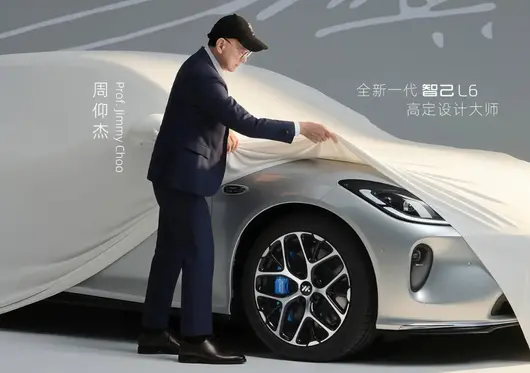
On August 10, IM Motors announced that the all-new IM L6 x Prof. Jimmy Choo Bespoke Limited Edition will be unveiled on August 18. On August 7, IM officially announced that Jimmy Choo, a Chinese-British footwear designer and recipient of the Order of the British Empire, has joined to serve as the bespoke design master.

Jimmmy Choo, originally from Meixian, Guangdong, received the Knight Bachelor of the Order of the British Empire from the British Queen in 2003, was awarded the Datuk title in Malaysia in 2004, was recognized as one of the World's Outstanding Chinese Designers in 2011, and won the Cultural and Artistic award at the 'Influential Chinese People Ceremony' in 2012. Based on the teaser posters, the Bespoke Limited Edition will feature a multi-faceted finely polished 'Crystal Badge', a crystal camera cover, 'Dream Blue' precision-sprayed brake calipers, and 40 years of pearl and shell craftsmanship.
In the Malaysian SUV market, many buyers will compare Proton X90 and Mazda CX-8 when choosing a car. These two cars are quite close in price and positioning, so today we will make a detailed comparison from multiple aspects to help you save time on research.
Proton X90's OTR price in Malaysia is RM 106,800 - 122,800. There are 4 versions in total, including 2026 1.5T Prime X (RM 122,800), 2026 1.5T Prime (RM 116,800), 2026 1.5T Lite (RM 106,800), etc.
Mazda CX-8's OTR price in Malaysia is RM 165,360 - 201,360. There are 5 versions in total, including 2025 2.5T 4WD High Plus Petrol (RM 201,360), 2025 2.2L 2WD High Plus Diesel (RM 193,123), 2025 2.5L 2WD High Plus Petrol (RM 186,360), etc.
In terms of price, Proton X90's starting price is indeed RM 58,560 cheaper than Mazda CX-8. If your budget is limited, Proton's entry-level version can already meet daily needs. But also note, the few thousand difference in price might involve compromises in equipment, it depends on your specific needs.
Proton X90 is equipped with 1.5L Turbo, 140 hp. Official fuel consumption is 7.0 L/100km.
Mazda CX-8 is equipped with 2.0L 4-cyl, 170 hp. Official fuel consumption is 8.0 L/100km.
Regarding power, Mazda CX-8's 2.0L 4-cyl has 30 more horsepower than Proton X90's 1.5L Turbo. However, for daily city driving, both cars have sufficient power, you won't feel it's underpowered.
Proton X90's safety rating is 5★ (ASEAN NCAP). Active safety systems include ADAS (ACC, AEB, LKA, LDA, BSM, RCTA).
Mazda CX-8's safety rating is 5★ (ASEAN NCAP). Active safety systems include Brand ADAS.
Both cars have the same safety rating. For this class, safety features are quite comprehensive. Safety of new cars nowadays is not poor, no need to worry too much about this.
Proton X90 uses FWD drivetrain.
Mazda CX-8 uses FWD drivetrain.
Both cars have the same drivetrain, both are FWD. There won't be a huge difference in daily driving feel.
In general, both Proton X90 and Mazda CX-8 are very good models in the Malaysian market. Which one to choose mainly depends on your personal needs and budget. We suggest doing your research, comparing quotes from several dealerships, and then test driving to make a final decision. Buying a car is a big deal, spending some time researching will never be wrong.

In the Malaysian SUV market, many buyers compare the Proton X90 and Mazda CX-60 when choosing a car. These two cars are quite close in price and positioning. Today, we will make a detailed comparison from multiple aspects to help you save time on research.
The OTR price for Proton X90 in Malaysia is RM 106,800 - 122,800, with a total of 4 versions, including 2026 1.5T Prime X (RM 122,800), 2026 1.5T Prime (RM 116,800), 2026 1.5T Lite (RM 106,800), etc.
The OTR price for Mazda CX-60 in Malaysia is RM 200,510 - 252,873, with a total of 2 versions, including 2026 3.3T 4WD High Plus (RM 252,873), 2025 2.5L 2WD High (RM 200,510), etc.
From a price perspective, the starting price of the Proton X90 is indeed RM 93,710 cheaper than the Mazda CX-60. If your budget is limited, Proton's entry-level version can already meet daily needs. But also note, the difference of a few thousand might mean trade-offs in features, depending on your specific needs.
The safety rating for Proton X90 is 5★ (ASEAN NCAP), with active safety systems including ADAS (ACC, AEB, LKA, LDA, BSM, RCTA).
The safety rating for Mazda CX-60 is 5★ (Euro NCAP), with active safety systems including i-Activsense Pro.
In terms of safety features, both cars received good ratings. However, there are some differences in function between the Proton X90's ADAS (ACC, AEB, LKA, LDA, BSM, RCTA) and Mazda CX-60's i-Activsense Pro. If you value active safety more, you can compare the feature lists of both in detail.
The Proton X90 uses FWD drive system.
The Mazda CX-60 uses FWD drive system.
Both cars use the same drive system, both are FWD, so daily driving experience won't differ much.
Proton X90 warranty is 5 years/150,000km, maintenance interval every 10,000km or 6 months.
Mazda CX-60 warranty is 5 years/150,000km, maintenance interval every 10,000km or 6 months.
The warranty conditions for both cars are the same, no need to worry about this. Actual maintenance costs depend on the brand's service network and parts prices. It is recommended to ask real owners in car owner groups for their experiences.

Both Proton X90 and Mazda CX-60 are mainstream choices in the Malaysian market, suitable for family use and daily commuting. If you value brand reputation and resale value more, you can prioritize the one with a better reputation; if you care more about cost-performance ratio and features, choose the one with richer configurations. Ultimately, it is recommended to test drive both, as personal experience is the most important.

Overall, both Proton X90 and Mazda CX-60 are quite good car models in the Malaysian market. Which one to choose depends mainly on your personal needs and budget. It is recommended to do your research, compare quotes from several dealerships, and then go for a test drive to make a final decision. Buying a car is a big thing, spending time doing research will definitely not go wrong.
© 2024 Bitauto.com. All Rights Reserved.
Bitauto (www.yiche.com and www.bitauto.com) is one of the most visited automotive websites in China. We provide detailed info on Chinese car brands available in your area. Please note that the information provided on this website is based on publicly available data and is for reference only. It may not be fully updated or accurate at all times.

Help us improve our website


