

Homefitness

Search History
Popular Searches
Dealer Login / Sign Up

Facing age-grade teams from European clubs like Barcelona, Atletico Madrid, and Espanyol, how far can a Chinese team with an average age of only 8 years go?
The answer given by the Chinese Football Youths 2018 team is winning all nine matches and taking the championship.
On September 12th to 13th, at the Spanish Brava Cup venue, the Chinese Football Youths broke through from 67 participating teams. Four consecutive wins in the group stage were just an appetizer; once the knockout stage began, the real challenges were just starting. In the semi-final against the Espanyol age-grade team, the young players completed a comeback while trailing by two goals; in the final against Messi's Cornellà age-grade team, the match was tied 2:2 after regular time, eventually securing the victory through a penalty shootout 5:4.

When the children held the trophy and celebrated with the national flag, the moment that Chinese football youths shone on the world stage had the most concrete imagery. The core player of the team, Han Chengjun, also known as "Little George", scored 17 goals in 9 matches and also won the tournament MVP and Golden Boot. Of course, this achievement is eye-catching, but what is more exciting than the goal numbers is the resilience of this team in adversity. Dare to push forward when behind, dare to handle key balls, dare to stand on the penalty spot for a penalty shootout victory, these match qualities are more precious than a single win or loss.

One year ago, at the same tournament, the Chinese Football Youths stopped at the quarter-finals; a year later, they stood on the highest podium. The change did not happen suddenly.

Since 2024, BYD has continuously supported football youths to go to Germany, Japan, Spain, Thailand, Italy, Brazil, etc. for exchange matches, totaling over 200 participations. Go to play against more mature youth training systems, experience high-intensity schedules, and also recognize gaps through wins and losses time and again.

From winning the Asian youth tournament in Thailand, to lifting the cup in Italy, to this time winning all nine matches in Spain, the overseas journey of the Chinese Football Youths is beginning to show a clearer growth trajectory. Players such as Li Haoyan, Liu Kaiyuan, and Lv Mengyang have already signed with Spanish professional club age-grade teams, which also indicates that these cross-border exchanges are leaving longer-term value.

Building cars requires long-term R&D, and youth training has no quick answer. BYD supports these children; the significance is not only in accompanying them to win so many trophies, but more importantly in still willing to provide opportunities to go out and compete when results have not yet appeared and attention has not yet arrived.

This Brava Cup belongs to the little players who dare to fight and strive, and also to every training session that persisted even when no one cheered. The future of Chinese football is far away, but these children have already taken a step forward.


喺馬來西亞嘅 SUV 市場,好多買家喺揀車嗰陣都會拎 Honda CR-V 同 Hyundai Tucson 嚟做比較。呢兩部車喺價錢同定位上都幾近,今日我哋就從多個方面做一次詳細嘅比較,幫你省咗做功課嘅時間。
Honda CR-V 喺馬來西亞嘅 OTR 售價係 RM 178,200 - 195,900,一共有 4 個版本,包括 2026 e:HEV 2.0L 2WD RS(RM 195,900)、2026 1.5T 4WD V(RM 181,900)、2026 e:HEV 2.0L 2WD E(RM 178,200) 等。
Hyundai Tucson 喺馬來西亞嘅 OTR 售價係 RM 143,888 - 197,888,一共有 5 個版本,包括 2025 HEV 1.6T AT 2WD Prestige(RM 197,888)、2025 1.6T DCT 4WD Prestige(RM 186,888)、2025 1.6T DCT 2WD Prime(RM 164,888) 等。
從價錢嚟睇,Hyundai Tucson 嘅起步價比 Honda CR-V 平咗 RM 34,312。老實講,喺呢個價錢位,幾千蚊嘅差距其實唔算大,關鍵仲係睇整體嘅性價比同長期使用成本。

Honda CR-V 搭載 2.0L 4-cyl,馬力 170 hp。官方油耗 8.0 L/100km。
Hyundai Tucson 搭載 1.5L Turbo,馬力 140 hp。官方油耗 7.0 L/100km。
動力方面,Honda CR-V 嘅 2.0L 4-cyl 比 Hyundai Tucson 嘅 1.5L Turbo 多咗 30 匹馬力,中段加速更有信心,尤其係行高速路超車嗰陣。不過 Hyundai Tucson 嘅油耗可能更抵,日常市區通勤分別唔會太大。

Honda CR-V 嘅安全評級係 5★ (ASEAN NCAP),主動安全系統包括 Honda SENSING (ACC, CMBS, LKAS, RDM)。
Hyundai Tucson 嘅安全評級係 5★ (ASEAN NCAP),主動安全系統包括 SmartSense。
兩款車嘅安全評級一樣,喺呢個級數入面安全配備都算好齊全。而家嘅新車安全性都唔差,唔使太擔心呢一點。

Honda CR-V 保修 5 年/無限里程,保養間隔 每 10,000km 或 6 個月。
Hyundai Tucson 保修 5 年/300,000km,保養間隔 每 10,000km 或 6 個月。

Honda CR-V 同 Hyundai Tucson 都係馬來西亞市場嘅主流選擇,適合家庭使用、日常通勤。如果你更睇重品牌口碑同二手價,可以優先考慮口碑更好嗰款;如果你更重視性價比同配備,那就揀配備更豐富嗰款。最後都係建議兩款都去試駕,親身體驗先係最重要。

總體嚟講,Honda CR-V 同 Hyundai Tucson 都係馬來西亞市場幾唔錯嘅車型。揀邊一部,關鍵都係要睇你個人嘅需求同預算。建议大家做好功課,多比較幾間車行嘅報價,再去試駕先做最終決定。買車係件大事,花少少時間做功課絕對唔會錯。


喺馬來西亞嘅 SUV 市場,好多買家喺揀車嘅時候都會拿 Honda CR-V 同 Mitsubishi Xforce 嚟做比較。這兩款車喺價位同定位上都好接近,今日我哋就從多個方面做一個詳細嘅比較,幫你節省做功課嘅時間。
Honda CR-V 喺馬來西亞嘅 OTR 售價係 RM 178,200 - 195,900,合共 4 個版本,包括 2026 e:HEV 2.0L 2WD RS(RM 195,900)、2026 1.5T 4WD V(RM 181,900)、2026 e:HEV 2.0L 2WD E(RM 178,200)等。
Mitsubishi Xforce 喺馬來西亞嘅 OTR 售價係 RM 109,930 - 119,930,合共 2 個版本,包括 2026 1.5L Ultimate(RM 119,930)、2026 1.5L Urban(RM 109,930)等。
單睇價錢,Mitsubishi Xforce 嘅起步價比 Honda CR-V 平咗 RM 68,270。講真個,喺呢個價位段,幾千蚊嘅差距其實唔算大,關鍵仲係睇整體嘅性價比同長期使用成本。
Honda CR-V 嘅安全評級係 5★ (ASEAN NCAP),主動安全系統包括 Honda SENSING (ACC, CMBS, LKAS, RDM)。
Mitsubishi Xforce 嘅安全評級係 5★ (ASEAN NCAP),主動安全系統包括 MI-PILOT。
兩款車嘅安全評級一樣,喺呢個級別裡面安全配備都算好齊全。而家嘅新車安全性都唔差,唔使太擔心這一點。
Honda CR-V 車身長度 4500 mm,尾箱 450 L。
Mitsubishi Xforce 車身長度 4400 mm,尾箱 400 L。
空間方面,Honda CR-V 嘅車身比 Mitsubishi Xforce 長咗 100 mm,車內乘坐空間會稍微寬鬆少少,尤其係後座腿部空間。如果你經常載家人或者需要放嬰兒車,大少少嘅車身確實更實用。
Honda CR-V 保養 5 年/無限制里程,保養間隔 每 10,000km 或 6 個月。
Mitsubishi Xforce 保養 3 年/100,000km,保養間隔 每 10,000km 或 6 個月。

總體嚟講,Honda CR-V 同 Mitsubishi Xforce 都係馬來西亞市場好唔錯嘅車型。揀邊一輛,關鍵仲係要睇你嘅個人需求同預算。建議大家做功課,多比較幾間車行嘅報價,再去做試駕做最後決定。買車係件大事,花啲時間做功課絕無可能錯。

In the Malaysian SUV market, many buyers tend to compare the Honda CR-V and the Chery Tiggo 7 PHEV when choosing a car. These two models have quite similar price ranges and positioning. Today, we will make a detailed comparison from multiple aspects to save you time on your research.
The Honda CR-V OTR price in Malaysia is RM 178,200 - 195,900, with a total of 4 versions, including 2026 e:HEV 2.0L 2WD RS (RM 195,900), 2026 1.5T 4WD V (RM 181,900), 2026 e:HEV 2.0L 2WD E (RM 178,200), etc.
The Chery Tiggo 7 PHEV OTR price in Malaysia is RM 129,750 - 129,750, with a total of 2 versions, including 2025 1.5T 90km CSH (RM 129,750), What charging methods does the Tiggo 7 PHEV support? Can it be charged using a home power socket? (RM 117,478), etc.
From a price perspective, the starting price of the Chery Tiggo 7 PHEV is RM 48,450 cheaper than the Honda CR-V. To be honest, in this price range, a difference of a few thousand is not actually that big; the key is still to look at the overall value for money and long-term usage costs.
The Honda CR-V safety rating is 5★ (ASEAN NCAP), with active safety systems including Honda SENSING (ACC, CMBS, LKAS, RDM).
The Chery Tiggo 7 PHEV safety rating is TBD, with active safety systems including Basic.
Regarding safety features, both cars have received good ratings. However, there are some differences in functionality between the Honda CR-V's Honda SENSING (ACC, CMBS, LKAS, RDM) and the Chery Tiggo 7 PHEV's Basic. If you value active safety more, you can carefully compare the feature lists of both.
Honda CR-V body length is 4500 mm, trunk is 450 L.
Chery Tiggo 7 PHEV body length is 4400 mm, trunk is 400 L.
Regarding space, the Honda CR-V body is 100 mm longer than the Chery Tiggo 7 PHEV, making the interior seating space slightly more spacious, especially the rear legroom. If you often carry family members or need to fit a stroller, a slightly larger body is indeed more practical.
Honda CR-V warranty is 5 years/unlimited mileage, maintenance interval every 10,000 km or 6 months.
Chery Tiggo 7 PHEV warranty is 3 years/100,000km, maintenance interval every 10,000 km or 6 months.

In general, the Honda CR-V and Chery Tiggo 7 PHEV are both very good models in the Malaysian market. Which one to choose ultimately depends on your personal needs and budget. We suggest doing your homework, comparing quotes from several car dealers, and then test driving to make the final decision. Buying a car is a big matter; spending some time on research is never wrong.

Di pasaran SUV di Malaysia, ramai pembeli semasa memilih kereta akan membandingkan Honda CR-V dan Chery Tiggo 9. Kedua-dua model ini berada dekat dari segi harga dan kedudukan. Hari ini kita akan membuat perbandingan terperinci dari pelbagai aspek, membantu anda menjimatkan masa melakukan kajian.
Harga OTR Honda CR-V di Malaysia ialah RM 178,200 - 195,900, mempunyai 4 varian, termasuk 2026 e:HEV 2.0L 2WD RS (RM 195,900), 2026 1.5T 4WD V (RM 181,900), 2026 e:HEV 2.0L 2WD E (RM 178,200) dan lain-lain.
Harga OTR Chery Tiggo 9 di Malaysia ialah RM 166,800 - 179,800, mempunyai 1 varian, termasuk 2026 2.0T Standard (RM 179,750) dan lain-lain.
Dari segi harga, harga permulaan Chery Tiggo 9 adalah RM 11,400 lebih murah daripada Honda CR-V. Jujur berkata, pada julat harga ini, perbezaan ribuan ringgit sebenarnya tidak besar, yang penting adalah melihat kos faedah keseluruhan dan kos penggunaan jangka panjang.
Honda CR-V dilengkapi enjin 2.0L 4-silinder, 170 hp. Penggunaan bahan api rasmi 8.0 L/100km.
Chery Tiggo 9 dilengkapi enjin 2.0L 4-silinder, 170 hp. Penggunaan bahan api rasmi 8.0 L/100km.
Kedua-dua kereta menggunakan sistem pemacu yang sama, perasaan memandu harian pada dasarnya tiada perbezaan. Dari segi penggunaan bahan api juga hampir sama, tidak perlu terlalu bimbang mengenai hal ini.
Honda CR-V panjang badan 4500 mm, bagasi 450 L.
Chery Tiggo 9 panjang badan 4400 mm, bagasi 400 L.
Dari segi ruang, badan Honda CR-V adalah 100 mm lebih panjang daripada Chery Tiggo 9, ruang duduk di dalam kereta akan sedikit lebih lapang, terutamanya ruang kaki barisan belakang. Jika anda sering membawa keluarga atau perlu meletakkan kerusi bayi, badan kereta yang lebih besar memang lebih praktikal.
Honda CR-V dan Chery Tiggo 9 adalah pilihan utama di pasaran Malaysia, sesuai untuk kegunaan keluarga, perjalanan harian. Jika anda lebih mengutamakan jenama dan harga jualan semula, boleh berikan prioritas pada yang mempunyai reputasi lebih baik; jika anda lebih mengutamakan kos faedah dan kelengkapan, maka pilih yang mempunyai konfigurasi lebih kaya. Akhir sekali, dicadangkan kedua-dua model dicuba untuk memandu, pengalaman langsung adalah yang paling penting.

Secara keseluruhan, Honda CR-V dan Chery Tiggo 9 adalah model yang cukup baik di pasaran Malaysia. Memilih yang mana satu, yang utama adalah melihat keperluan dan bajet peribadi anda. Kami sarankan anda menyiapkan kajian, bandingkan harga dari beberapa agensi kereta, kemudian pergi memandu untuk membuat keputusan akhir. Membeli kereta adalah perkara besar, meluangkan masa membuat kajian tidak akan salah.

Amerika Syarikat sekali lagi bertindak tegas. Kali ini, mereka tidak lagi hanya memfokuskan diri kepada China. Satu siasatan import besar yang merangkumi seluruh dunia dan meliputi semua kategori tayar, kini sedang dibawa ke meja perundingan. Bagi syarikat tayar domestik yang menganggap "membina kilang di luar negara" sebagai strategi cerdik mengelakkan cukai, ini mungkin hambatan paling berbahaya dalam hampir satu dekad.
Amerika Syarikat Menasar Kilang Tayar China di Luar Negara
14 September, Presiden Antarabangsa Kesatuan Pekerja Keluli Amerika (USW) Roxanne Brown menghantar surat kepada Wakil Perdagangan Amerika Jamie Greer, secara rasmi mengemukakan permohonan berat: mengikut Seksyen 201 Akta Perdagangan 1974, melancarkan siasatan jaminan perlindungan global untuk import tayar semua kategori.
Berbeza dengan anti-dumping dan anti-subsidi, serta jaminan khas yang sudah biasa diketahui, perubahan terbesar dalam permohonan kali ini ialah melupakan idea tradisional "menyasar negara tertentu", mencakupi Tayar Kereta Persendirian&Tayar Truk Ringan, Tayar Truk & Bas, Tayar Off-Road, dan Tayar Kapal Terbang ke dalam lingkaran siasatan.
Serikat pekerja secara terang-terangan, langkah perlindungan perdagangan yang berselerak dan terfragmentasi pada masa lalu, sudah tidak mampu mengikuti realiti pemindahan industri.

Ringkasnya: Dulu Amerika Syarikat mengenakan cukai ke atas tayar Negara A, syarikat kemudian memindahkan kapasiti produksi ke Negara B yang tidak terikat cukai, menukar tempat asal untuk terus eksport ke Amerika. Penghalang cukai dapat mengelakkan pemindahan kapasiti dengan mudah.
Data surat tersebut menunjukkan, peningkatan tertinggi dalam eksport tayar ke Amerika dari negara seperti Serbia, Kemboja, Peru, mencapai 429%. Inilah "kitaran kekosongan" yang paling ditakuti oleh USW.
Terutamanya, banyak syarikat tayar China memilih membina kilang di luar negara untuk mengelakkan penghalang perdagangan asal. Dan permohonan Klausul 201 kali ini, menyasar laluan keluar tidak langsung ini.
Krisis Industri dalam Perkataan Serikat Pekerja Amerika
USW dalam surat terbuka berulang kali menekankan, industri tayar domestik Amerika Syarikat telah terjerumus dalam krisis, malah mengiktiraf pembuatan tayar kepada tahap keselamatan negara. Tayar adalah jaminan asas bagi pengangkutan, pertanian, perlombongan, dan operasi industri, penurunan kapasiti domestik berterusan akan terus menggugat keselamatan rantaian bekalan.
Satu set data teras perlu diberi perhatian:
China adalah teras hujah serikat pekerja. Menurut surat USW, kapasiti China terus membesar – pada tahun 2025 output tayar kereta dianggarkan 865 juta helai, kapasiti keseluruhan melebihi 1,000 juta helai.

Melihat semula sejarah, seawal tahun 2009 USW telah memacu kes Jaminan Khas 421 menentang tayar China, juga satu-satunya kes berjayaan klausa ini, tetapi langkah itu tamat tempoh pada tahun 2012. Kes anti-dumping yang dikemukakan selepas ini, semuanya menghadapi satu masalah yang sama: membatasi eksport satu negara, kapasiti berpindah dengan cepat, kesan sekatan perdagangan berkurang secara ketara.
Sebab itulah, serikat pekerja tidak lagi berpuas hati dengan serangan titik tunggal, tuntutan disingkatkan ke had global had import berperingkat, serentak menyokong pelan industri domestik, termasuk subsidi modal pengeluaran domestik, kerajaan membeli tayar domestik secara keutamaan, dll.
Kesan Import Tayar Turun Sedikit, Tetapi Risiko Bukan Jangka Pendek
Statistik kastam terkini, 7 bulan pertama tahun 2026 import tayar Amerika Syarikat jumlah keseluruhan 162.34 juta helai, turun 3.9% dari tahun ke tahun.
Tayar Kereta Persendirian: 98.02 juta helai, turun 2%
Tayar Truk & Bas: 34.52 juta helai, turun 8%
Tayar Kapal Terbang: 183,000 helai, naik 18%
Tayar Motosikal: 2.07 juta helai, turun 9%
Tayar Basikal: 4.67 juta helai, naik 20%
Persatuan Pengeluar Tayar Amerika (USTMA) ramalan Julai, tahun 2026 jumlah eksport tayar Amerika Syarikat 330.3 juta helai, turun 1.8% dari tahun ke tahun, permintaan pasaran sendiri agak lemah.
USW juga faham, data import jangka pendek ada turun, tetapi yang mereka perhatikan ialah goncangan bekalan jangka panjang yang dibawa oleh pemindahan kapasiti, bukan naik turun tahun tunggal. Selagi kapasiti berlebihan global boleh terus berpindah ke negara tanpa penghalang, trend penutupan kilang domestik Amerika Syarikat sukar diubah.
Kesan ke atas Syarikat Tayar Domestik, Mesti Faham
Kini siasatan hanya permohonan serikat pekerja, belum masuk kes secara rasmi. Seterusnya perlu melalui penilaian USTR, siasatan kerosakan industri ITC, langkah akhir dilaksanakan oleh Presiden Amerika Syarikat, keseluruhan mempunyai ketidakpastian yang besar.
Tetapi jika masuk kes dan dilaksanakan langkah jaminan, kesan jauh melebihi geseran perdagangan sebelum ini. Berbeza dengan anti-dumping antarabangsa, jaminan khas, Klausul 201 adalah jaminan perlindungan global, tidak mengira tempat asal, tayar China domestik, tayar yang dihasilkan di tapak luar negara China seperti Thailand/Kamboja/Serbia, eksport ke Amerika semuanya akan dibatasi seragam, menggangu teruk model teras "membina kilang di luar negara, elakan cukai peralihan" yang diikuti industri selama sepuluh tahun.
Kilang tayar domestik yang sudah terhad dengan cukai tinggi China, kesan langsung terhad; kapasiti luar negara milik China akan menjadi subjek tertekan utama.

Lebih penting, siasatan 201 kali ini adalah selepas 232 (Cukai 25%), 301 cukai, alat teras ketiga dalam penghalang perdagangan tayar Amerika. Jika USTR memproses masuk kes, akan membentuk struktur penghalang cukai 232+301+201 tiga kali, menyebabkan eksport tayar domestik dan luar negara ke Amerika terjebak risiko sistematik.
Sebab itu Mexico, Kanada bergantung perjanjian USMCA menikmati kelebihan豁免 perdagangan, corak bekalan tayar Amerika Utara atau akan diulang susun semula. Keputusan masuk kes USTR 30 hari akan datang, adalah pemboleh ubah penting utama menentukan arah perdagangan tayar global.
Penutup
Dari tahun 2009 jaminan khas satu negara sahaja, kini merancang siasatan jaminan tayar semua kategori di seluruh dunia, lagi ke kemungkinan "struktur tiga kali cukai", rangkaian perlindungan perdagangan tayar Amerika, semakin diperluas rapat.
Ini bukan lagi geseran perdagangan mudah menyasar negara tertentu, tetapi cuba membina satu rangkaian perlindungan merangkumi global, menyekat lubang pemindahan kapasiti. Bagi industri tayar domestik, ini satu amaran berat. Pelan ke luar negara, tidak boleh lagi hanya menganggap "menukar tempat asal" sebagai satu-satunya langkah mengelak risiko.
Pertarungan pasaran masih berterusan, langkah masuk kes, siasatan, putusan seterusnya, setiap langkah, patut pemantau tayar terus memantau rapat.

In Malaysia's SUV market, many buyers compare Honda CR-V and Chery Tiggo 8 when selecting a car. These two cars are quite similar in price and positioning. Today we will conduct a detailed comparison from multiple aspects to save you time doing research.
The Honda CR-V OTR price in Malaysia is RM 178,200 - 195,900, with a total of 4 versions, including 2026 e:HEV 2.0L 2WD RS (RM 195,900), 2026 1.5T 4WD V (RM 181,900), 2026 e:HEV 2.0L 2WD E (RM 178,200), etc.
The Chery Tiggo 8 OTR price in Malaysia is RM 129,750 - 129,750, with a total of 1 version, including 2026 1.6T Standard (RM 129,750), etc.
From a price perspective, the Chery Tiggo 8 starting price is RM 48,450 cheaper than the Honda CR-V. Honestly, in this price segment, a difference of a few thousand is not significant; the key is to look at overall value for money and long-term usage costs.
Honda CR-V is equipped with 2.0L 4-cyl, horsepower 170 hp. Official fuel consumption 8.0 L/100km.
Chery Tiggo 8 is equipped with 1.5L Turbo, horsepower 140 hp. Official fuel consumption 7.0 L/100km.
In terms of power, Honda CR-V's 2.0L 4-cyl has 30 more horsepower than Chery Tiggo 8's 1.5L Turbo, providing more confidence in mid-range acceleration, especially when overtaking on highways. However, Chery Tiggo 8's fuel consumption might be more favorable, and the difference in daily city commuting will not be too large.
Honda CR-V's safety rating is 5★ (ASEAN NCAP), active safety systems include Honda SENSING (ACC, CMBS, LKAS, RDM).
Chery Tiggo 8's safety rating is TBD, active safety systems include Basic.
Regarding safety equipment, both cars have received good ratings. However, Honda CR-V's Honda SENSING (ACC, CMBS, LKAS, RDM) and Chery Tiggo 8's Basic have some differences in functionality. If you value active safety more, you can compare the feature lists of both carefully.
Honda CR-V adopts FWD drive type.
Chery Tiggo 8 adopts FWD drive type.
Both cars have the same drive type, both are FWD, there will not be a huge difference in daily driving experience.

Honda CR-V and Chery Tiggo 8 are both mainstream choices in the Malaysian market, suitable for family use and daily commuting. If you value brand reputation and resale value more, you can prioritize the one with better reputation; if you care more about value for money and features, choose the one with richer configuration. Finally, it is recommended to test drive both models; personal experience is the most important.

Overall, Honda CR-V and Chery Tiggo 8 are both very good models in the Malaysian market. Which one to choose depends mainly on your personal needs and budget. We suggest doing your research, compare quotes from several dealerships, and then test drive to make a final decision. Buying a car is a big matter; spending some time doing research will definitely not be wrong.

Di pasaran SUV di Malaysia, ramai pembeli apabila memilih kereta akan membandingkan Honda CR-V dan Mazda CX-9. Kedua-dua kereta ini agak dekat dari segi harga dan penempatan, hari ini kita akan membuat perbandingan terperinci dari pelbagai aspek untuk membantu anda menjimatkan masa membuat kajian.
Honda CR-V mempunyai harga OTR di Malaysia sebanyak RM 178,200 - 195,900, terdapat 4 varian, termasuk 2026 e:HEV 2.0L 2WD RS (RM 195,900), 2026 1.5T 4WD V (RM 181,900), 2026 e:HEV 2.0L 2WD E (RM 178,200) dan lain-lain.
Mazda CX-9 mempunyai harga OTR di Malaysia sebanyak RM 328,810 - 345,810, terdapat 2 varian, termasuk 2023 2.5T 4WD (RM 345,810), 2023 2.5T 2WD (RM 328,810) dan lain-lain.
Dari segi harga, harga permulaan Honda CR-V memang lebih murah RM 150,610 berbanding Mazda CX-9. Jika bajet anda terhad, varian asas Honda sudah boleh memenuhi keperluan harian. Tetapi perlu diingat, beberapa ribu yang lebih murah ini, mungkin ada pengorbanan dari segi peralatan, bergantung pada keperluan anda.
Gred keselamatan Honda CR-V adalah 5★ (ASEAN NCAP), sistem keselamatan aktif termasuk Honda SENSING (ACC, CMBS, LKAS, RDM).
Gred keselamatan Mazda CX-9 adalah 5★ (ASEAN NCAP), sistem keselamatan aktif termasuk Brand ADAS.
Gred keselamatan kedua-dua kereta adalah sama, peralatan keselamatan dalam kategori ini dianggap cukup lengkap. Keselamatan kereta baru masa ini tidak buruk, tidak perlu terlalu risau tentang perkara ini.
Honda CR-V pemjaminan 5 tahun/tanpa had jarak, selang penyelenggaraan setiap 10,000km atau 6 bulan.
Mazda CX-9 pemjaminan 5 tahun/150,000km, selang penyelenggaraan setiap 10,000km atau 6 bulan.
Honda CR-V dan Mazda CX-9 adalah pilihan utama di pasaran Malaysia, sesuai untuk kegunaan keluarga, perjalanan harian. Jika anda lebih mengutamakan reputasi jenama dan harga kedua, boleh utamakan model yang lebih mempunyai reputasi; jika anda lebih mengambil berat tentang nilai dan peralatan, pilihlah model yang lebih lengkap konfigurasinya. Akhirnya disarankan untuk memandu kedua-dua model, pengalaman langsung adalah yang paling penting.

Secara keseluruhannya, Honda CR-V dan Mazda CX-9 adalah model kereta yang cukup baik di pasaran Malaysia. Memilih mana satu, utama adalah bergantung pada keperluan peribadi dan bajet anda. Disarankan untuk membuat kajian, bandingkan harga dari beberapa kedai kereta, kemudian test drive untuk membuat keputusan akhir. Membeli kereta adalah perkara besar, menghabiskan masa membuat kajian pasti tidak akan salah.

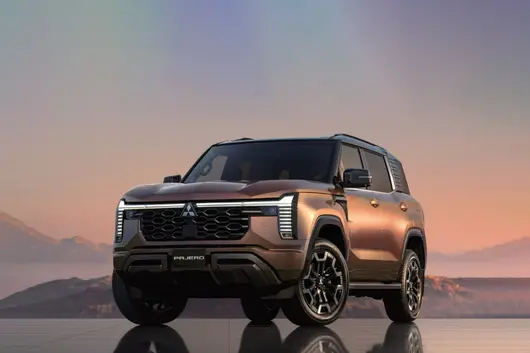
2021年,最后一台第四代帕杰罗在岐阜工厂下线,纵横全球近40年、总销量超329万台的日系硬派越野标杆,进入长达5年蛰伏期。
近期,三菱汽车正式发布全新帕杰罗,第五代产品在泰国制造并登陆日本、澳洲市场,明年还将在超100个国家和地区销售——其中大概率不包括中国。除了三菱首发的柴油引擎不合国情,海外预计33万左右的起售价,叠加关税和运费后,超40万价格在国内也将面临同级产品的严峻挑战。
比如广汽就积累了曾先后和三菱、Jeep合资的经验,推出预售17.98万起的传祺越7,两款车型用了相仿的金色涂装作为广告色,但全新帕杰罗尺寸、动力、配置皆落下风,唯有时隔27年后重归非承载式底盘,让三菱新车有重新挑战丰田LC250普拉多的底气。
01
非承载底盘复兴,硬指标不如越7
把关注点回到全新帕杰罗,首先要谈及的还是它的底盘。从1999年出品的第三代帕杰罗开始,三菱改用内置梯形车架的承载式车身,这次新车基于最新Triton皮卡平台开发,一方面算是拨乱反正、回归祖训,把V97的接力棒给到传祺越7,另一方面也解决了帕杰罗独立开发的成本难题,为它的复活提供物质基础。

这也解释了全新帕杰罗为什么在泰国制造——毕竟这里是东南亚版L200的故乡。不过全新帕杰罗并非简单理解为Triton的越野版,三菱只在前悬和前部地板沿用皮卡设计,其它底盘部件都重新打造。新车采用传统的独立大梁车架,高强度钢和加大的截面,让它的抗扭、抗弯刚性会有进步。
全新帕杰罗前悬是双叉臂结构,后悬架则由带螺旋弹簧的五连杆整体桥组成,相比前两代车型的四轮独立悬架,它在公路行驶时的舒适性可能会有所打折,但运动行程和抗冲击性都会更好,加上提升载重能力,全新帕杰罗在越野场景下的表现大概率强于旧款。
在现有平台基础上,三菱无法像广汽传祺越7那样赋予全新帕杰罗双腔空气悬架、可变阻尼减震等底盘硬件,这让它的离地间隙固定在230mm,不像越7可以做到230-310mm的调整,甚至比上代车型还略低5mm,但高于普拉多的221mm,加上800mm左右的涉水深度,已经足够全新帕杰罗吹嘘。

至于30.4°接近角、25.8°离去角和22.6°纵向通过角,相比V97没有进步,对比普拉多优势不大,更无法和可升高的传祺越7相比。追求极致通过性的朋友,后期需要经过改装达成目标。
02
主推柴油动力,插混还在路上
动力总成的选择,局限了全新帕杰罗在中国市场的未来。目前三菱仅会沿用Triton的4N16柴油引擎,全新帕杰罗搭载的是双涡轮增压的2.4L版本,具备可变截面涡轮技术,经过尾气后处理系统,它是首款满足欧6d排放标准的三菱柴油发动机。
而且全新帕杰罗能输出150kW峰值功率,480N.m扭矩则相比皮卡版提升10N.m,表现优于上代帕杰罗的3.2T柴油引擎,与LC250普拉多的2.8T功率一致,只是扭矩低20N.m。
选择2.4T柴油引擎,全新帕杰罗的优势在于广泛的适用性,虽然光看账面数值不仅大幅低于越7双电机的550kW,加速性能更是差距明显,但三菱越野车能实现3.5吨的拖拽能力,这是传祺无法具备的能力。
而且从发布会后透露的信息来看,全新帕杰罗后续还会有HEV和PHEV的车型,其中三菱很可能把欧蓝德PHEV的动力总成移植到全新帕杰罗,2.4L汽油引擎和双电机的组合,会更适合中国车主的需求,也能在海外市场与坦克500 PHEV正面对抗。

在变速箱的选择上,全新帕杰罗也没有沿用Triton的6速变速箱,而是改为三菱最新开发的8前速自动变速箱。
它可能是在帕杰罗劲畅、普拉多的那套爱信AL80F基础上进行优化,对比旧款的5AT变速箱,用更密的齿比在平顺和效率上有更出色的表现,同时也强化了油冷散热,满足柴油引擎长时间的大扭矩负荷,从容应对全新帕杰罗的7种驾驶模式变化。
而且全新帕杰罗的变速箱也能和S-AWC全轮控制系统、SS4-II超选四驱系统协同,利用新增的AYC主动偏航控制,帮助它达成更稳定的行驶性能。这个功能主要是通过前轮制动对左右轮扭矩进行矢量分配,在弯道和湿滑路面修正行驶姿态和轨迹。

而三菱招牌的SS4-II也没有缺席,它有四种模式:2H、4H、4HLc和4LLc,既能通过行星齿轮中差锁,在100km/h内实现两驱和全时四驱的铺装道路行驶切换,也能进行扭矩感应式中央差速锁止和低速四驱的独立控制,达成更好的越野性能。

03
尺寸不如中国越野,设计追上主流审美
从非承载底盘、柴油动力到超选四驱系统,三菱都给予全新帕杰罗同级领先的性能,而在尺寸方面,就更能看出它想抢普拉多生意的野心。
全新帕杰罗的长宽高分别为4920mm、1925mm和1910mm,轴距2870mm,对比V97小幅加码,而除了轴距多20mm外,三菱新车的每项三围数据都比普拉多短一点,对苦于丰田长期提车排队的日本消费者而言,更小的尺寸反而会是全新帕杰罗的优势,若是和传祺越7、坦克500这样5米级的中国制造相比,更能看出三菱的克制。
至于设计部分,三菱在Triton基础上大幅改进,保持越野车较高车身姿态的同时,在细节处致敬经典,让全新帕杰罗追随主流审美,也不会让越野玩家失望。

从车身线条和型面上,我们能感受到三菱对硬朗的理解,从机盖两侧的隆起、上下腰线的折痕,到高昂的车头、外扩的轮眉和侧面踏板,全新帕杰罗都很有硬汉气质,前后保险杠衔接到轮拱的黑色包围护板,三菱则选用稍带亮面的黑色塑料件,提升了整车精致感。
全新帕杰罗的前脸辨识度颇高,它没有沿用Triton的造型,方正的车头具备力量感,T字型日行灯结合贯穿灯带,将六道横条的格栅融入其中,与车尾的灯组造型遥相呼应,细节很丰富,双色拼接的车身则流露出三菱过去缺失的时尚气息。

让老车迷遗憾的是,全新帕杰罗取消背挂式备胎,改为平庸的上开尾门,三菱为了挽尊,刻意利用上下腰线收拢,结合尾门外凸造型,形成了六边形的轮廓向曾经的自己致敬。至于设计师强调在C柱位置的装饰源自初代帕杰罗敞篷版的防滚架,就更是内部梗才懂的元素。

同样向初代帕杰罗致敬的还有新车的内饰,三菱主要想从横向布局的仪表台上找到当年的风采。空调出风口下方类似地铁座椅一样的驼色皮质包覆装饰,确实有点复古的意味,大量软包缝线采用日本传统木目込人形工艺,A柱和副驾的拉手很有越野风味,但集成两块14.3英寸屏幕的一体式大屏还是把人拉回2026年。

中控屏能数字化复刻三菱越野车经典的三联表,并显示海拔、航向、俯仰角、倾斜角等越野信息,还能根据驾驶模式切换动态效果。新车的中控屏则提供无线的手车互联能力,并能让16套背景主题随时间自动切换,也可以显示带透视底盘的3D多视角全景影像系统。

三菱在全新帕杰罗上首次搭载前排远端气囊在内的8气囊,配合前方碰撞缓解和前碰撞预警,以及首次搭载可进行偏移修正的车道保持辅助系统,让它的主动安全能力有所强化。至于智能辅助驾驶部分,全新帕杰罗的MI-PILOT只有带车道保持的自适应巡航能力,和国产车型差距明显。
全新帕杰罗的用户可能对智能化需求不大,舒适性配置也许是更能打动他们。三菱为新车准备前后侧窗的隔音玻璃,配合车身的降噪升级,以及带主动降噪的雅马哈12扬声器+双功放音响系统,全新帕杰罗对于引擎噪音和风噪会有更好的抑制。

全新帕杰罗这次主打七座布局,通过二排座椅150mm滑动翻折,优化了第三排乘客进出的便利性。三菱在改善前两排座椅人机工程体验的基础上,配置了座椅加热和通风功能,第三排则调整了坐姿,加上第二排座椅抬高后留出的脚尖放置空间,以及可以独立调节的三区空调,全新帕杰罗的第三排也能满足成年人的乘坐。根据目前信息来看,日本市场仅有七座版本,而澳洲版是有五座和七座可选。

04
驾仕总结
三菱目前只在澳大利亚公布了全新帕杰罗的售价——入门级GLS的五座版和七座版分别为6.849万澳元和6.999万澳元,顶配GSR则要8.499万澳元,约合人民币33-41万元左右。相比V97停售前的5.499万澳元,全新帕杰罗涨价幅度很大,和同配置的Triton比则贵了8000多澳元,但依然低于丰田LC250普拉多柴油版GX的7.25万起售价——这个价格在当地应该能买到坦克500的Vanta顶配版,就看消费者对帕杰罗这个名字有没有执念。
国内越野玩家也不用绝望,虽然三菱没有官方引入全新帕杰罗的动力,但平行进口的渠道依然存在,至少我听闻现在还有商家手中有库存V97。如果市场需求规模足够大、客户群体能接受40万以上的起售价,未来我们依然有机会在国内道路上看到全新帕杰罗奔跑的身影——只是,它再也无法回到20年前的风光,毕竟现在国产普拉多月销量也只是刚上四位数。

在三菱的规划中,帕杰罗可能会像揽胜、卫士一样独立成车系,未来或许还有SUV风格的中号帕杰罗、双门纯电的小号帕杰罗。希望在新能源统治市场的时代,国内车迷们还有机会玩到“小众”的车型,在同质化的产品中找到不一样的乐趣。
(END)

喺馬來西亞嘅 SUV 市場,好多買家喺揀車嘅時候都會拿本田 CR-V 同馬自達 CX-30 嚟比較。呢兩款車喺價位同定位上都好接近,今日我哋就由多個方面做一個詳細嘅比較,幫您省下做功課嘅時間。
本田 CR-V 喺馬來西亞嘅 OTR 售價係 RM 178,200 - 195,900,一共有 4 個版本,包括 2026 e:HEV 2.0L 2WD RS(RM 195,900)、2026 1.5T 4WD V(RM 181,900)、2026 e:HEV 2.0L 2WD E(RM 178,200)等。
馬自達 CX-30 喺馬來西亞嘅 OTR 售價係 RM 122,409 - 146,409,一共有 4 個版本,包括 2025 2.0L High+ Premium(RM 146,409)、2025 2.0L High+(RM 138,409)、2025 2.0L High(RM 130,409)等。
由價錢嚟睇,馬自達 CX-30 嘅起步價比本田 CR-V 平咗 RM 55,791。坦白講,喺呢個價位段,幾千塊嘅差距其實唔算大,關鍵仲係睇整體嘅性價比同長期使用成本。
本田 CR-V 配備 2.0L 4-cyl,馬力 170 hp。官方油耗 8.0 L/100km。
馬自達 CX-30 配備 1.5L Turbo,馬力 140 hp。官方油耗 7.0 L/100km。
動力方面,本田 CR-V 嘅 2.0L 4-cyl 比馬自達 CX-30 嘅 1.5L Turbo 多咗 30 匹馬力,中段加速更有信心,尤其係跑高速公路超車嘅時候。不過馬自達 CX-30 嘅油耗可能更友好,日常市區通勤差別唔會太大。
本田 CR-V 車身長 4500 mm,行李廂 450 L。
馬自達 CX-30 車身長 4500 mm,行李廂 450 L。
兩款車嘅尺寸幾乎一樣,車內空間分別唔大。呢個級別嘅車,日常使用完全夠用。
本田 CR-V 採用 FWD 驅動方式。
馬自達 CX-30 採用 FWD 驅動方式。
兩款車嘅驅動方式一樣,都係 FWD,日常駕駛感受唔會有太大分別。

本田 CR-V 保修 5 年/無限制里程,保養間隔 每 10,000km 或 6 個月。
馬自達 CX-30 保修 5 年/150,000km,保養間隔 每 10,000km 或 6 個月。

總體嚟講,本田 CR-V 同馬自達 CX-30 都係馬來西亞市場好唔錯嘅車款。揀邊一輛,關鍵仲係要睇你嘅個人需求同預算。建議大家做好功課,多比較幾間車行嘅報價,先去試駕做最終決定。買車係件大事,花少少時間做功課絕對唔會錯。

In Malaysia's SUV market, many buyers compare Honda CR-V and Toyota Harrier when choosing a car. These two models are quite similar in price and positioning. Today, we will make a detailed comparison from multiple aspects to save you the time of doing research.
The OTR price of Honda CR-V in Malaysia is RM 178,200 - 195,900, with a total of 4 versions, including 2026 e:HEV 2.0L 2WD RS (RM 195,900), 2026 1.5T 4WD V (RM 181,900), 2026 e:HEV 2.0L 2WD E (RM 178,200), etc.
The OTR price of Toyota Harrier in Malaysia is RM 289,000 - 289,000, with a total of 1 version, including 2026 HEV 2.5L Standard (RM 289,000), etc.
From a price perspective, Honda CR-V's starting price is indeed RM 110,800 cheaper than Toyota Harrier. If your budget is limited, Honda's entry-level version can already meet daily needs. But also note, the savings of a few thousand might involve compromises in features, it depends on your specific needs.
Honda CR-V comes with a 2.0L 4-cyl, 170 hp. Official fuel consumption 8.0 L/100km.
Toyota Harrier comes with a 2.0L Turbo, 220 hp. Official fuel consumption 9.5 L/100km.
In terms of power, Toyota Harrier's 2.0L Turbo has 50 more horsepower than Honda CR-V's 2.0L 4-cyl. However, for daily city driving, both cars have enough power, you won't feel it's lacking.
Honda CR-V warranty 5 years/unlimited mileage, service interval every 10,000km or 6 months.
Toyota Harrier warranty 5 years/unlimited mileage, service interval every 10,000km or 6 months.
Warranty conditions for both cars are the same, no need to worry about this aspect. Actual maintenance costs depend on the brand's service network and parts prices, it is recommended to ask real owners in car owner groups about their experience.
Honda CR-V and Toyota Harrier are both mainstream choices in the Malaysian market, suitable for family use and daily commuting. If you value brand reputation and resale value more, you can prioritize the one with better reputation; if you care more about value for money and features, choose the one with more features. Ultimately, it is recommended to test drive both, personal experience is the most important.

Overall, Honda CR-V and Toyota Harrier are both very good models in the Malaysian market. Choosing which one depends mainly on your personal needs and budget. It is recommended that you do your research, compare quotes from several car dealerships, and then test drive to make the final decision. Buying a car is a big matter, spending time doing research will definitely not be wrong.

悦达起亚近期公布了其2026年8月的市场表现,当月销量达到19588辆,而1月至8月的累计销量则攀升至162734辆。与此同时,该品牌在8月份生产了20600辆整车,前八个月的总产量稳定在167600辆。这一成绩的背后,是悦达起亚长期秉持的“以用户为中心”的发展理念,以及针对中国消费者实际需求不断进行的产品迭代与优化。


在深耕本土市场的同时,悦达起亚也在加速推进海外出口战略,形成了内外销协同并进的良好格局。自2018年11月启动出口业务以来,该品牌累计出口整车数量已超过65.06万辆,创造出口销售额逾72.2亿美元。其出口产品矩阵由EV5、狮铂拓界、赛图斯、K5、索奈、焕驰六款车型构成,市场版图覆盖了澳大利亚、墨西哥、沙特阿拉伯等全球92个国家和地区。此外,悦达起亚在零部件出口领域也有所建树,累计出口发动机达544,110台,主要销往韩国、俄罗斯、捷克、斯洛伐克、越南、马来西亚、印度、哈萨克斯坦、土耳其和乌兹别克斯坦等国家。


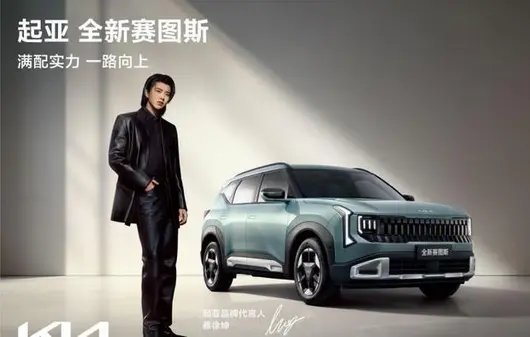
值得关注的是,全新一代起亚赛图斯已于近期正式推向市场,该车型共提供六款配置选择,官方指导价格区间为10.99万元至14.99万元,并推出一口价优惠活动,售价降至7.99万元至11.99万元。新车基于先进的第三代i-GMP平台打造,在动力系统上提供了两种前驱选项:其一为1.5L自然吸气发动机配合IVT智能无级变速箱,能够输出最大功率115马力,峰值扭矩达到144牛·米;另一种则是1.5T涡轮增压发动机与8AT自动变速箱的组合,其最大功率提升至200马力,峰值扭矩可达253牛·米,以满足不同消费者对驾驶性能的需求。

The continuous "price war" intensifies market involution, while also prompting Chinese automakers to expand into overseas markets. However, as the scale of China's automotive exports continues to grow, the competitive order and compliance in overseas markets are becoming the industry's focus.
Recently, the Ministry of Commerce, the Ministry of Industry and Information Technology, and the State Administration for Market Regulation jointly released a document—"Guidelines for Overseas Competitive Behavior and Compliance Construction in the Automotive Industry". This document directly points to a series of controversies triggered by frequent price cuts by Chinese automakers in overseas markets in recent years, and for the first time at the official level, systematically set clear compliance requirements for automakers' overseas pricing, promotions, and localized operations, among other behaviors.

Among them, Chery Automotive's response was swift and steady, clearly stating it will establish a scientific pricing system in overseas markets and regulate terminal prices and promotional behaviors. GAC Group was not left behind, with its statement stating, "Integrating compliance concepts throughout the entire R&D, production, supply, sales, and service chain". Moreover, BYD, Great Wall Motor, and Geely Holding Group also issued statements in response in succession.

From the industry's top-level call to standardize benign competition and eliminate spillover involution, to automakers generally recognizing the ineffective competition of low-price killing, the whole industry has formed a unified consensus on breaking the deadlock. However, reaching a consensus does not mean risks automatically dissipate; the warning bell against "involution" spillover must still ring long.
1
Export Acceleration, Compliance Faces Challenges
The background for the release of the "Guidelines" is the explosive growth in the scale of Chinese automotive "going global". Data shows that in the first 7 months of this year, China exported 6.14 million automobiles, a year-on-year increase of 66.8%. The monthly export volume first broke through the 1 million mark in June of this year, and July continued this trend, achieving consecutive two months of over 1 million automobiles exported. Industry predictions suggest the full year may hit 10 million.

Against the background of intensified competition in the domestic market, overseas exports have become the core growth engine for numerous Chinese automakers. Taking August sales as an example, BYD's single-month overseas sales exceeded 180,000, setting a new historical high; Chery exported 197,000, a year-on-year increase of 52.1%, with cumulative exports exceeding 7.18 million; Geely's overseas exports in August reached 110,100, a significant increase of 205% year-on-year. Great Wall Motor's overseas sales of 289,000 in the first half of this year have surpassed its domestic sales of 286,700; this is the first time in Great Wall's history that overseas sales have exceeded domestic sales.
Behind rapid expansion, the hazards of extensive overseas expansion are gradually emerging. Some enterprises expanding overseas continue to use the domestic "trade price for volume" strategy, with frequent price cuts, channel channeling, and failure to fulfill promises to dealers occurring from time to time. This not only harms consumer interests but also impacts the overall brand image of Chinese automobiles.
2
Overseas Markets Can No Longer "Price Arbitrarily"
Pricing is the core focus of this guideline. It is reported that the document urges vehicle and component manufacturers to avoid fierce price wars and significant price-cut promotions in overseas markets. It requires enterprises to base pricing on costs and local market supply and demand, avoiding frequent and large price cuts. Different configurations must have clear price gradients and cannot rely on low prices to disrupt local market order. At the same time, dealer channels must be regulated, and a complete compliance system for overseas after-sales, quality, and data security must be improved.

The intent of "admonishing" in this section is obvious, referring precisely to the "involution" spillover that everyone has been very familiar with in recent years. Many automakers, after expanding overseas, adopted aggressive methods such as price cuts to quickly grab market share. Although this was due to market behavior, it did exert certain impacts on the stability of the local market. There are already some negative cases, for example, in the Thai market, some automakers made successive price cuts in Thailand, raising the dissatisfaction of users who had already purchased cars. Thai public institutions also launched investigations into this matter.
This scene inevitably recalls the past lessons of Chinese motorcycle exports to Southeast Asia. If Chinese auto enterprises continue to blindly "involute" and replicate the domestic price war tactics, it will only undermine the value of Chinese brands, and even trigger anti-dumping and trade protection investigations by local regulators. This is a very dangerous signal for Chinese automakers who are just beginning to emerge in overseas markets.

The purpose of the state issuing relevant guidelines this time is clear: no longer solely encouraging the expansion of export scale, but beginning to standardize and manage the increasingly complex global business layout. In other words, previously Chinese automobiles competed on "whether they could go out", but now they are competing on "whether they can stay".
Overseas markets are full of gold mines, automakers must not mess this up. Chinese automakers going overseas cannot just think about selling cars; they must also learn to do business long-term and in a compliant manner. After all, the outcome of long-term competition no longer depends on who has the lower price or faster shipment, but on the comprehensive ability of localized operations, global compliance governance, supply chain collaboration, and brand building.

Currently, China's automotive export faces dual pressures of intensifying trade barriers and the spillover of internal price wars. The joint release of compliance guidelines by the Ministry of Commerce and two other ministries is precisely to curb malicious competition. Of course, the guidelines are essentially guiding, non-mandatory regulations. To be implemented, it ultimately depends on whether enterprises can reach a true industry consensus and take concrete actions.

喺馬來西亞嘅 SUV 市場,好多買家喺揀車嘅時候都會拿 Honda CR-V 同 Toyota Harrier 嚟做比較。這兩款車喺價位同定位上都幾接近,今日我哋就從多個方面做一個詳細嘅對比,幫你慳做功課嘅時間。
Honda CR-V 喺馬來西亞嘅 OTR 售價係 RM 178,200 - 195,900,一共有 4 個版本,包括 2026 e:HEV 2.0L 2WD RS(RM 195,900)、2026 1.5T 4WD V(RM 181,900)、2026 e:HEV 2.0L 2WD E(RM 178,200)等等。
Toyota Harrier 喺馬來西亞嘅 OTR 售價係 RM 289,000 - 289,000,一共有 1 個版本,包括 2026 HEV 2.5L Standard(RM 289,000)等等。
從價錢來看,Honda CR-V 嘅起步價確實比 Toyota Harrier 便宜咗 RM 110,800。如果你預算有限,Honda 嘅入門版已經可以滿足日常需求。但都要注意,便宜嗰幾千蚊,可能喺配備上會有取捨,具體要看你嘅需求。
Honda CR-V 搭載 2.0L 4-cyl,馬力 170 hp。官方油耗 8.0 L/100km。
Toyota Harrier 搭載 2.0L Turbo,馬力 220 hp。官方油耗 9.5 L/100km。
動力方面,Toyota Harrier 嘅 2.0L Turbo 比 Honda CR-V 嘅 2.0L 4-cyl 多咗 50 匹馬力。不過日常喺市區開,兩款車嘅動力都夠用,唔會覺得唔夠力。
Honda CR-V 保修 5 年/無限制里程,保養間隔 每 10,000km 或 6 個月。
Toyota Harrier 保修 5 年/無限制里程,保養間隔 每 10,000km 或 6 個月。
兩款車嘅保修條件一樣,呢方面唔使糾結。實際保養成本仲要睇品牌嘅服務網絡同零件價格,建議去車友群問問真實車主嘅經驗。
Honda CR-V 同 Toyota Harrier 都係馬來西亞市場嘅主流選擇,適合家庭使用、日常通勤。如果你更睇重品牌口碑同二手價,可以優先考慮口碑更好嗰一款;如果你更在意性價比同配備,嗰就揀配置更豐富嗰款。最終都係建議兩款都去試駕,親身體驗先係最重要嘅。
總嘅嚟講,Honda CR-V 同 Toyota Harrier 都係馬來西亞市場好唔錯嘅車型。揀邊一輛,關鍵仲要睇你嘅個人需求同預算。建議大家做好功課,多比較幾間車行之嘅報價,再去試駕做最終決定。買車係件大事,花少少時間做功課絕對唔會錯。

喺馬來西亞嘅 SUV 市場,好多買家揀車嘅時候都會拿本田 CR-V 同豐田 Fortuner 做比較。呢兩款車喺價位同定位上都幾接近,今日我哋就從多個方面做一個詳細嘅對比,幫你省返做功課嘅時間。
本田 CR-V 喺馬來西亞嘅 OTR 售價係 RM 178,200 - 195,900,一共有 4 個版本,包括 2026 e:HEV 2.0L 2WD RS(RM 195,900)、2026 1.5T 4WD V(RM 181,900)、2026 e:HEV 2.0L 2WD E(RM 178,200) 等。
豐田 Fortuner 喺馬來西亞嘅 OTR 售價係 RM 195,880 - 241,880,一共有 3 個版本,包括 2024 2.8T VRZ Diesel(RM 241,880)、2024 2.7L SRZ Petrol(RM 202,880)、2024 2.4L Standard Diesel(RM 195,880) 等。
從價錢嚟睇,本田 CR-V 嘅起步價確實比豐田 Fortuner 平咗 RM 17,680。如果你預算有限,本田嘅入門版已經可以滿足日常需求。但都要注意,平嗰幾千蚊,可能喺配備上有取捨,具體就要睇你嘅需求。
本田 CR-V 車身長 4500 mm,後備箱 450 L。
豐田 Fortuner 車身長 4400 mm,後備箱 400 L。
空間方面,本田 CR-V 嘅車身比豐田 Fortuner 長咗 100 mm,車內乘坐空間會稍微闊少少,尤其係後排腿部空間。如果你經常載家人或者需要放嬰兒車,大啲嘅車身確實更實用。
本田 CR-V 採用 FWD 驅動方式。
豐田 Fortuner 採用 FWD 驅動方式。
兩款車嘅驅動方式一樣,都係 FWD,日常駕駛感受唔會有太大分別。
本田 CR-V 同豐田 Fortuner 都係馬來西亞市場嘅主流選擇,適合家庭使用、日常通勤。如果你更睇重品牌口碑同二手價,可以優先考慮口碑更好嗰款;如果你更在意性價比同配備,就揀配備更豐富嗰款。最終都係建議兩款都去試駕,親身體驗先係最重要嘅。

總括嚟講,本田 CR-V 同豐田 Fortuner 都係馬來西亞市場幾唔錯嘅車型。揀邊一輛,關鍵都要睇你嘅個人需求同預算。建議大家做足功課,多比較幾間車行嘅報價,先至去試駕做最終決定。買車係件大事,花少少時間做功課絕對無錯。

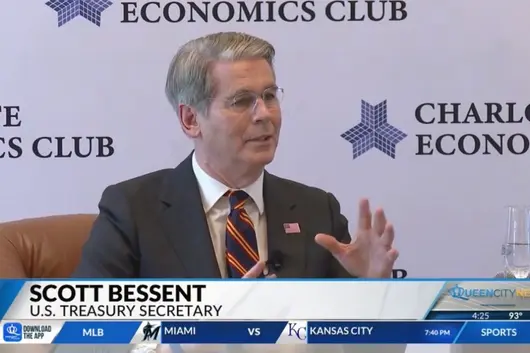
In a major speech at the Charlotte Economics Club (Charlotte Economics Club) in the US, US Treasury Secretary Scott Bessent (Scott Bessent) focused his attention on the Chinese automotive brand BYD. This move itself sends a strong signal: in the current landscape of drastic restructuring of the global automotive industry, Chinese brands can no longer be ignored.

Bessent bluntly pointed out in the speech that BYD is an excellent car that consumers can buy for $35,000 with a 70,000-level experience value. This public evaluation from a senior US official quickly sparked widespread attention in the international public opinion arena. It is not only an endorsement of a single brand's product power, but also reflects the global market's re-examination of Chinese new energy vehicle technology accumulation and manufacturing standards.
This evaluation is not an isolated praise but is based on solid market performance. Data shows that as of August, BYD passenger car and pickup overseas sales reached 189,000 units, a year-on-year increase of 134.6%, adding more than 100,000 units compared to the same period last year, breaking overseas sales records for five consecutive months. More notably, cumulative overseas sales of BYD from January to August reached 1.158 million units, a number that has already surpassed the overseas sales expectation target of 1.0496 million units for the full year of 2025. Models such as Yuan UP, Dolphin family, Song PLUS, etc., have become the main force in the overseas market, demonstrating strong market penetration power in multiple regions such as Southeast Asia, Europe, South America, etc.
Why can BYD stand out in fierce international competition? The core lies in its deep technological moat. BYD has achieved full independence and controllability in three core technologies: batteries, motors, and electronic control. This ability of full industry chain self-research enables BYD to control cost and quality at the source. Through large-scale precision manufacturing, it converts technological advantages into product advantages. In the overseas market, the high-end driving experience marked at about $70,000, BYD offers it to global consumers at a price of $35,000. This is not a simple price war, but a rewriting of the traditional overseas brand premium logic.

In the global automotive value chain long dominated by traditional European and American automakers, brand premiums are often built on decades of history. However, with the promotion of electrification and intelligence waves, the core elements of competition have shifted fundamentally. Consumers no longer pay for the brand logo alone, but pay more attention to the three-electric efficiency of the vehicle, intelligent assisted driving capabilities, space utilization, and overall vehicle ownership costs. BYD, relying on the safety of Blade Battery, the low fuel consumption of the DM-i super hybrid system, and the efficient integration of e-Platform 3.0, provides a user experience surpassing traditional fuel cars of the same price level.
The "value 70,000-level" mentioned by Bessent refers to BYD's level in terms of configuration richness, power performance, quietness, and technology configuration, reaching the standard of medium-to-high-priced models of traditional luxury brands. For example, its equipped DiSus system can significantly improve driving quality, and the DiLink intelligent connected system provides a smooth human-machine interaction experience. These functions once considered exclusive to luxury cars have now become standard features on BYD models, greatly enhancing the product's cost-performance perception.
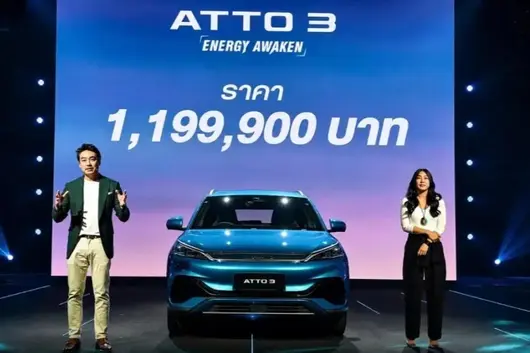
Facing the stereotype of "low price low quality" from the outside, BYD gave a strong response with real delivery results. In the European market, BYD ATTO 3 (i.e., domestic Yuan PLUS) has topped the sales list of pure electric SUVs in multiple countries many times; in emerging markets such as Thailand and Brazil, BYD has quickly taken a leading position in market share. The achievement of these results is inseparable from BYD's strategic determination to persist in compliance and deepen the overseas market. From establishing a localized sales network to improving the after-sales service system, from participating in local infrastructure construction to complying with laws and regulations of various countries, BYD is gradually building up global operational capabilities.
Chinese new energy vehicles run towards the new global track with hard strength. This track is no longer a simple scale expansion, but a comprehensive competition of technology, brand, and services in all aspects. BYD's successful case shows that Chinese manufacturing is accelerating its transformation to "Chinese Intelligent Manufacturing", enhancing value-added through technological innovation, and enhancing risk resistance capabilities through global layout.
It is worth noting that BYD's rapid expansion overseas has also triggered anxiety among some traditional stakeholders. Non-market means such as trade barriers and anti-subsidy investigations have emerged one after another. However, market laws are ultimately decided by consumer voting. When a product can provide higher value at a lower cost, any administrative means are difficult to long-term block its trend of popularity. Bessent's remarks, although made by a US official, reflect the global rational consumers' desire for quality products.
In the future, BYD will continue to increase investment in the overseas market. In addition to whole vehicle exports, BYD is also building production bases in Hungary, Thailand, Brazil, etc., promoting localized production. This "Global Manufacturing, Global Sales" model will further reduce logistics costs, shorten delivery cycles, and better adapt to local market needs. At the same time, BYD is also strengthening cooperation with well-known international component suppliers, integrating into the global supply chain system, and achieving mutual benefit and win-win.
Starting from Shenzhen to walking into the world, the growth trajectory of BYD is a microcosm of the rise of China's automotive industry. It proves that as long as you persist in technological innovation, stick to quality bottom lines, and respect market rules, Chinese brands have the ability to win respect on the global stage. Bessent's mention is just the beginning. As more Chinese enterprises like BYD go overseas, the map of the global automotive industry will be redrawn. For global consumers, this means more choices, better prices, and better experiences. And this, is exactly the huge dividend brought by free trade and technological progress.

喺馬來西亞嘅 SUV 市場,好多買家喺揀車嗰陣都會拿本田 HR-V 同速霸陸 Forester 嚟比較。呢兩款車喺價位同定位上都幾接近,今日我哋就從多方面做一個詳細嘅比較,幫你省咗做功課嘅時間。
本田 HR-V 喺馬來西亞嘅 OTR 售價係 RM 115,900 - 143,900,一共有 4 個版本,包括 2026 e:HEV 1.5L RS(RM 143,900)、2026 1.5T V(RM 137,900)、2026 1.5T E(RM 130,900) 等。
速霸陸 Forester 喺馬來西亞嘅 OTR 售價係 RM 174,000 - 197,000,一共有 3 個版本,包括 2024 2.0L S EyeSight GT Edition(RM 189,538)、2024 2.0L S EyeSight(RM 177,538)、2024 2.0L L EyeSight(RM 167,538) 等。
從價錢來看,本田 HR-V 嘅起步價確實比速霸陸 Forester 平咗 RM 58,100。如果你預算有限,本田嘅入門版已經可以滿足日常需求。但都要注意,平嗰幾千塊,可能喺配備上會有取舍,具體要看你嘅需求。

本田 HR-V 配備 1.5L Turbo,馬力 140 hp。官方油耗 7.0 L/100km。
速霸陸 Forester 配備 2.0L 4-cyl,馬力 170 hp。官方油耗 8.0 L/100km。
動力方面,速霸陸 Forester 嘅 2.0L 4-cyl 比本田 HR-V 嘅 1.5L Turbo 多咗 30 匹馬力。不過日常喺市區開,兩款車嘅動力都夠用,唔會覺得唔夠力。
本田 HR-V 車身長 4500 mm,尾箱 450 L。
速霸陸 Forester 車身長 4400 mm,尾箱 400 L。
空間方面,本田 HR-V 嘅車身比速霸陸 Forester 長咗 100 mm,車內乘坐空間會稍微闊落啲,尤其係後座腿部空間。如果你經常載家人或者需要放嬰兒車,大少少嘅車身確實更實用。
本田 HR-V 同速霸陸 Forester 都係馬來西亞市場嘅主流選擇,適合家庭用途、日常通勤。如果你更重視品牌口碑同二手價,可以優先考慮口碑更好嗰款;如果你更在乎性價比同配備,就揀配備更豐富嗰款。最終都建議兩款都去試駕,親自體驗先至最重要。

總括嚟講,本田 HR-V 同速霸陸 Forester 都係馬來西亞市場幾唔錯嘅車款。揀邊一輛,關鍵都係睇你嘅個人需求同預算。建議大家做好功課,多比較幾間車行嘅報價,再去試駕做最終決定。買車係件大事,花啲時間做功課絕對唔會錯。


喺馬來西亞嘅 SUV 市場,好多買家喺揀車嗰陣都會拿 Honda HR-V 同 Volkswagen Tiguan 嚟做比較。呢兩款車喺價位同定位上都幾接近,今日我哋就從多個方面做一個詳細嘅比較,幫你省下做功課嘅時間。
Honda HR-V 喺馬來西亞嘅 OTR 售價係 RM 115,900 - 143,900,一共有 4 個版本,包括 2026 e:HEV 1.5L RS(RM 143,900)、2026 1.5T V(RM 137,900)、2026 1.5T E(RM 130,900)等。
Volkswagen Tiguan 喺馬來西亞嘅 OTR 售價係 RM 206,540 - 260,024,一共有 2 個版本,包括 2025 Allspace 2.0T R-Line(RM 260,024)、2025 Allspace 1.4T Elegance(RM 206,540)等。
由價錢嚟睇,Honda HR-V 嘅起步價真係比 Volkswagen Tiguan 平咗 RM 90,640。如果你預算有限,Honda 嘅入門版已經足夠應付日常需要。不過都留意,平嗰幾千蚊,可能喺配備上會有取舍,具體要睇返你嘅需求。
Honda HR-V 搭載 1.5L Turbo,馬力 140 hp。官方油耗 7.0 L/100km。
Volkswagen Tiguan 搭載 2.0L 4-cyl,馬力 170 hp。官方油耗 8.0 L/100km。
動力方面,Volkswagen Tiguan 嘅 2.0L 4-cyl 比 Honda HR-V 嘅 1.5L Turbo 多咗 30 匹馬力。不過日常喺市區行,兩款車嘅動力都夠用,唔會覺得唔夠力。
Honda HR-V 嘅安全評級係 5★ (ASEAN NCAP),主動安全系統包括 Honda SENSING (ACC, CMBS, LKAS, RDM)。
Volkswagen Tiguan 嘅安全評級係 5★ (Euro NCAP),主動安全系統包括 IQ.Drive。
安全配備方面,兩款車都揾到唔錯嘅評級。不過 Honda HR-V 嘅 Honda SENSING (ACC, CMBS, LKAS, RDM) 同 Volkswagen Tiguan 嘅 IQ.Drive 喺功能上有少少分別,如果你比較重視主動安全嘅話,可以仔細比下兩者嘅功能列表。
Honda HR-V 保養 5 年/無限里程,保養間隔 每 10,000km 或 6 個月。
Volkswagen Tiguan 保養 3 年/100,000km,保養間隔 每 10,000km 或 6 個月。

總括嚟講,Honda HR-V 同 Volkswagen Tiguan 都係馬來西亞市場好唔錯嘅車型。揀邊一輛,關鍵仲係要睇返你嘅個人需要同預算。建議大家做好功課,多比下幾間車行嘅報價,再去試駕先決定。買車係件大事,花少少時間做功課絕對唔會錯。

In Malaysia's SUV market, many buyers compare Honda HR-V and Kia Sportage when choosing a car. These two cars are quite close in price and positioning, so today we will make a detailed comparison from multiple aspects to help you save time on research.
Honda HR-V's OTR price in Malaysia is RM 115,900 - 143,900, with a total of 4 versions, including 2026 e:HEV 1.5L RS (RM 143,900), 2026 1.5T V (RM 137,900), 2026 1.5T E (RM 130,900), etc.
Kia Sportage's OTR price in Malaysia is RM 129,639 - 179,320, with a total of 4 versions, including 2025 1.6T DCT 4WD High (RM 179,320), 2025 1.6T DCT 2WD High (RM 159,320), 2025 2.0L AT 2WD High (RM 139,639), etc.
From the price perspective, Honda HR-V's starting price is indeed RM 13,739 cheaper than Kia Sportage. If your budget is limited, Honda's entry-level version can already meet daily needs. However, note that the few thousand difference may involve trade-offs in features, depending on your specific requirements.
Honda HR-V's safety rating is 5★ (ASEAN NCAP), active safety systems include Honda SENSING (ACC, CMBS, LKAS, RDM).
Kia Sportage's safety rating is 5★ (ASEAN NCAP), active safety systems include Drive Wise.
Both cars have the same safety rating, and safety features are quite comprehensive in this segment. New car safety is generally not poor nowadays, so there is no need to worry too much about this point.
Honda HR-V warranty 5 years/unlimited mileage, maintenance interval every 10,000km or 6 months.
Kia Sportage warranty 5 years/300,000km, maintenance interval every 10,000km or 6 months.
Honda HR-V and Kia Sportage are both popular choices in the Malaysian market, suitable for family use and daily commuting. If you value brand reputation and resale value more, you can prioritize the one with better reputation; if you care more about value for money and features, choose the one with richer configuration. Ultimately, it is recommended to test drive both, as personal experience is the most important.

Overall, Honda HR-V and Kia Sportage are both very good models in the Malaysian market. Which one to choose ultimately depends on your personal needs and budget. It is recommended to do your homework, compare quotes from multiple dealers, and then test drive to make the final decision. Buying a car is a major matter, spending some time on research will never be wrong.

喺馬來西亞嘅SUV市場,好多買家喺揀車嗰陣都會揸 Honda HR-V 同 Hyundai Santa Fe 嚟比較。呢兩款車喺價位同定位上都幾接近,而家我哋就由多個方面嚟做一個詳細比較,幫你節省做功課嘅時間。
Honda HR-V 喺馬來西亞嘅 OTR 售價係 RM 115,900 - 143,900,一係 4 個版本,包括 2026 e:HEV 1.5L RS(RM 143,900)、2026 1.5T V(RM 137,900)、2026 1.5T E(RM 130,900) 等。
Hyundai Santa Fe 喺馬來西亞嘅 OTR 售價係 RM 225,000 - 270,000,一係 3 個版本,包括 2025 2.5T DCT 4WD Calligraphy 6 Seats(RM 270,000)、2025 HEV 1.6T AT 2WD Prestige 7 Seats(RM 245,000)、2025 HEV 1.6T AT 2WD Prime 7 Seats(RM 225,000) 等。
從價錢來看,Honda HR-V 嘅入門價確實比 Hyundai Santa Fe 平咗 RM 109,100。如果你預算有限,Honda 嘅入門版已經可以滿足日常需要。但都要留意,平嗰幾千塊,可能喺配備方面要有取舍,具體要看你嘅需要。
Honda HR-V 搭載 1.5L Turbo,馬力 140 hp。官方油耗 7.0 L/100km。
Hyundai Santa Fe 搭載 2.0L 4-cyl,馬力 170 hp。官方油耗 8.0 L/100km。
動力方面,Hyundai Santa Fe 嘅 2.0L 4-cyl 比 Honda HR-V 嘅 1.5L Turbo 多咗 30 匹馬力。不過日常喺市區開,兩部車嘅動力都夠用,唔會覺得唔夠力。
Honda HR-V 車身長 4500 mm,尾箱 450 L。
Hyundai Santa Fe 車身長 4400 mm,尾箱 400 L。
空間方面,Honda HR-V 嘅車身比 Hyundai Santa Fe 長咗 100 mm,車內坐空間會稍微寬鬆啲,尤其係後座腿部空間。如果你經常載家人或者需要放嬰兒車,大少少嘅車身確實更實用。
Honda HR-V 保修 5 年/無限里程,保養間隔 每 10,000km 或 6 個月。
Hyundai Santa Fe 保修 5 年/300,000km,保養間隔 每 10,000km 或 6 個月。

總體嚟講,Honda HR-V 同 Hyundai Santa Fe 都係馬來西亞市場好唔錯嘅車型。揀邊部,關鍵都要睇你嘅個人需要同預算。建議大家做好功課,多比較幾間車行嘅報價,再去試駕做最終決定。買車係件大事,花啲時間做功課絕對唔會錯。
© 2024 Bitauto.com. All Rights Reserved.
Bitauto (www.yiche.com and www.bitauto.com) is one of the most visited automotive websites in China. We provide detailed info on Chinese car brands available in your area. Please note that the information provided on this website is based on publicly available data and is for reference only. It may not be fully updated or accurate at all times.

Help us improve our website


