

Homemodern

Search History
Popular Searches
Dealer Login / Sign Up

Dalam pasaran SUV di Malaysia, ramai pembeli semasa memilih kereta akan membandingkan Mazda CX-3 dan Hyundai Tucson. Kedua-dua kereta ini agak hampir dari segi harga dan kedudukan. Hari ini, kita akan buat perbandingan terperinci dari pelbagai aspek, membantu anda menjimatkan masa melakukan kajian.
Harga OTR Mazda CX-3 di Malaysia ialah RM 126,159 - 139,159, terdapat jumlah 2 varian, termasuk 2023 2.0L High (RM 139,159), 2023 2.0L Plus (RM 126,159) dan lain-lain.
Harga OTR Hyundai Tucson di Malaysia ialah RM 143,888 - 197,888, terdapat jumlah 5 varian, termasuk 2025 HEV 1.6T AT 2WD Prestige (RM 197,888), 2025 1.6T DCT 4WD Prestige (RM 186,888), 2025 1.6T DCT 2WD Prime (RM 164,888) dan lain-lain.
Dari segi harga, harga permulaan Mazda CX-3 memang lebih murah RM 17,729 berbanding Hyundai Tucson. Jika bajet anda terhad, model asas Mazda sudah boleh memenuhi keperluan harian. Tetapi juga perlu ambil perhatian, perbezaan harga yang lebih murah itu mungkin ada kompromi dalam kelengkapan, bergantung kepada keperluan anda.

Mazda CX-3 dilengkapi enjin 1.5L Turbo, kuasa kuda 140 hp. Penggunaan bahan api rasmi 7.0 L/100km.
Hyundai Tucson dilengkapi enjin 1.5L Turbo, kuasa kuda 140 hp. Penggunaan bahan api rasmi 7.0 L/100km.
Kedua-dua kereta menggunakan sistem kuasa yang sama, rasa semasa memandu harian hampir tiada perbezaan. Dari segi penggunaan bahan api juga sama, tidak perlu terlalu bimbang mengenai hal ini.

Gred Keselamatan Mazda CX-3 ialah 5★ (ASEAN NCAP), sistem keselamatan aktif termasuk i-Activsense.
Gred Keselamatan Hyundai Tucson ialah 5★ (ASEAN NCAP), sistem keselamatan aktif termasuk SmartSense.
Gred Keselamatan kedua-dua kereta sama, dalam kelas ini kelengkapan keselamatan dianggap cukup lengkap. Keselamatan kereta baharu sekarang tidak buruk, tidak perlu terlalu bimbang mengenai hal ini.

Mazda CX-3 Waranti 5 tahun/150,000km, selang penyelenggaraan setiap 10,000km atau 6 bulan.
Hyundai Tucson Waranti 5 tahun/300,000km, selang penyelenggaraan setiap 10,000km atau 6 bulan.

Secara keseluruhannya, Mazda CX-3 dan Hyundai Tucson adalah model kereta yang sangat baik di pasaran Malaysia. Memilih yang mana, kuncinya masih bergantung kepada keperluan dan bajet peribadi anda. Kami mengesyorkan anda melakukan kajian, bandingkan lebih banyak harga dari dealer kereta, kemudian buat ujian pemanduan untuk membuat keputusan akhir. Membeli kereta adalah perkara besar, meluangkan masa untuk melakukan kajian pasti tidak salah.


The current Chinese automotive industry is at a historical juncture full of tension. Data from the China Association of Automobile Manufacturers shows that in 2025, total vehicle exports reached 7.098 million units, a year-on-year increase of 21.1%; in the first three quarters of 2026, it climbed to 8.205 million units, a year-on-year increase of 65.8%, while domestic sales declined by more than 20% year-on-year. "Cool domestic market, hot overseas market" reveals a new reality: Chinese automobiles have bid farewell to the chasing phase and entered an era of competing on the same platform with European, American, Japanese, and Korean established industrial powers, while overseas markets are no longer simply incremental space.
A simple linear narrative has long been popular in the industry: electrification in the first half, intelligence in the second half, going overseas in the first half. Such staged discourse has a low barrier to dissemination, but subtly distorts the industry's strategic judgment, simplifying the global process of layered interweaving and multi-party gaming into a race proceeding in sequence. From a political economy perspective, electrification, intelligence, and globalization resemble three long-term parallel, mutually constrained systems; every country is an independent political economy with exclusive industrial rhythms, labor structures, energy routes, and electoral politics, with no unified global schedule. Going overseas has no clear stage switching point, only continuous adaptation, negotiation, and gaming.
The deep reason for the change lies in the nature of this industry. Automotive manufacturing is an industrial sector with extremely high externalities. It carries a country's manufacturing employment base, tax sources, parts clusters, energy transition routes, mineral distribution, and data security, and is deeply bound to local votes and the interests of local capital. When Chinese automobiles transform from supplementary imported goods into forces that replace original local industries, market competition will escalate into a game of benefit distribution.

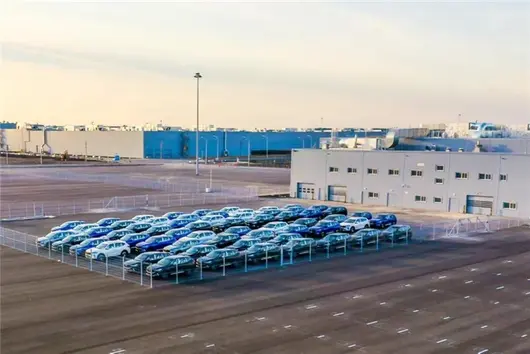
▲Fig: Shanghai Waigaoqiao Automotive Ro-Ro Terminal, export-bound vehicles parked densely, waiting to drive onto a Ro-Ro ship for shipment overseas. Image source: Xinhua News Agency
The following four groups of observations constitute the basic framework for understanding the political economy of going global.
The Vote Logic Behind Trade Tools
No economy is willing to publicly accept the shrinkage of its local automotive industry, the loss of blue-collar jobs, and the decline of supporting supply chains. The EU's final anti-subsidy ruling on Chinese electric vehicles landed in October 2024, with countries adding layers to local content requirements—on paper, these are trade rules; at the core, they are industrial protections oriented towards employment and votes. Understanding this layer, one will notice a frequently overlooked share phenomenon: when market share is still small, foreign brands are viewed as supplements; after shares continue to expand, if communication still revolves around low-price advantages, it is easy to be shaped into a predator of local industries and become the priority target of trade protection. This is a narrative turning point, unrelated to price itself.
Companies already in action have made jobs into verifiable local commitments. After Great Wall Motor acquired the former Mercedes-Benz factory in Iracema, Brazil, it rehired about 10% of the original factory's technical backbone and co-established technician training projects with SENAI, Brazil's national industrial training agency; Chery's communication focus in South Africa is industrial revitalization and inclusive employment.

▲Fig: Employees at Great Wall Motor's Iracema plant in Brazil pose for a group photo in the workshop. Image source: Great Wall Motor (republished by Ifeng)
Factory Implementation and Equity Arrangements are Both Risk Assessments
Host countries accepting foreign investment to build factories usually do not want just one more factory, but the retention of high-value-added segments—local procurement, R&D implementation, battery recycling, and continued tax and reinvestment. "Enclave factories" (island-style factories with almost no industrial connection to the local economy) that only do simple assembly, import all core components externally, and prioritize profit repatriation to the home country are easily recorded as disguised exports in the host country's ledger; policy tightening is only a matter of time. Equating "building factories overseas, completing assembly" with localization is the most common cognitive misalignment of the past few years.
Another approach is to truly bring down the industrial chain. BYD's bases in Rayong, Thailand, and Brazil, offer value beyond complete vehicle capacity; they are deeply embedded in local energy planning, drive the growth of supporting clusters, and align with the host country's carbon neutrality goals. There isn't much difference between the two types of projects in good times; when protectionist sentiments rise, subsidies are cancelled, thresholds raised, and profit repatriation restricted, they will first land on the former type.
Automakers' heavy asset investments have a ten-year cycle, but many countries' industrial policies sway with election cycles and may turn in three to five years; static commercial calculations are hard to cover this dynamic risk. Looking back at equity choices in this context leads to a judgment contrary to intuition: insisting on wholly-owned holdings in high-sensitivity markets, intended to firmly grasp technology and management rights, actually results in bearing all political risks alone, lacking the buffer of local shareholders in lobbying, communication, and public opinion. Equity arrangements themselves are risk hedging tools; blindly pursuing complete control is sometimes equivalent to going global naked.
The variable distinguishing joint ventures from high holdings is, less so whether "policy is stable or not"—according to the above logic, no market is called stable—than exit costs: heavy asset, long cycle, deeply embedded projects tend towards joint venture sharing; light asset, parts assembly (KD), and easily exitable businesses often retain higher holdings. Chery's Spain project provides a sample of the former: cooperating with local enterprises to revitalize idle complete vehicle assets, retaining the local brand Ebro (Ebro), allowing local capital and teams to share returns, the oppositional color of foreign capital fades accordingly.

▲Fig: On November 23, 2024, the first model S700 of the Chery and Spanish Ebro joint venture factory rolled off the line in Barcelona. Image source: Xinhua News Agency
Standards and Data are Both Political Variables
New energy vehicles are deeply bound to national energy strategies. Europe builds new trade thresholds with carbon neutrality—the Carbon Border Adjustment Mechanism (CBAM) enters the implementation period in 2026, and the EU Battery Regulation's "Battery Passport" (digital record of the battery's full lifecycle) becomes applicable starting February 2027. Carbon footprint, mineral tracing, and scrapping recycling appear as technical standards, but essentially they are tools for a new round of global industrial value distribution.
During the stage of dense rule generation, the inertia of most automakers is to wait for finalization before passive adaptation, long absent from the agenda table. Local established enterprises and parts alliances, however, have sufficient motivation to promote standards favorable to themselves—the compliance cost and defensive position of absentees are structural. Some top automakers are also starting to change participation methods: partnering with local universities, think tanks, and industry associations, conducting joint research around carbon accounting, battery standards, and intelligent connectivity access, putting forward solutions that balance emission reduction, industrial development, and supply chain security on the table first. Whether participating or not, the cost curve after two or three years will give the answer.
Intelligent vehicles are mobile data terminals; road conditions, driving, maps, user information, and even algorithm training data all touch upon national security and privacy sovereignty. Many access restrictions targeting intelligent models are not product defects but direct manifestations of digital geopolitical gaming. Treating data compliance as ordinary legal processes, feeling relieved upon meeting basic filing requirements, underestimates the sovereignty attribute of this issue; copying the domestic data closed-loop model easily touches the red line.
XPeng's practice in Europe provides an observation sample: completing localization verification with the same set of models, publicly conducting intelligent driving tests in Germany and the Netherlands (European regulatory approval expected to land in the first half of 2027), while clearly distinguishing from the industry's routine route of "data localization, model localization". How to draw the boundary between output capability and surrendering sovereignty, various solutions have not yet converged; this case is worth watching.
Brands are Trust Precipitated from Symbiosis
The accounts of political economy must ultimately be calculated within the enterprise. Local talent cultivation, industrial chain support, industry co-construction, and community investment take time to show results, but exactly these are the foundation of long-term resilience. When headquarters only assess overseas business based on short-term sales and profits, overseas teams' behavior will naturally tilt towards volume pushing; when budgets tighten, these long-term efforts are the first to be cut. The mismatch between assessment cycles and investment cycles is the root of many "knowing what to do, but unable to do it within the organization"—writing localization rates, local employment, and supply chain cultivation into assessment indicators, essentially gives long-term commitments an anchor within the organization.

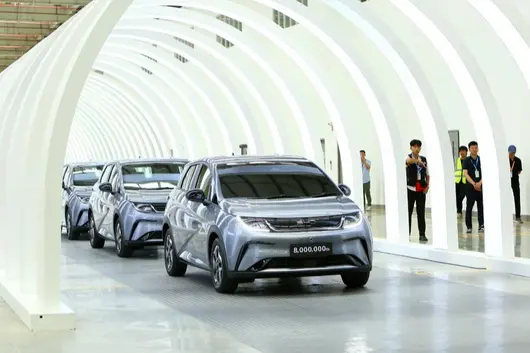
▲Fig: On July 4, 2024, the BYD Rayong Province factory in Thailand was completed, and the 8 millionth new energy vehicle rolled off the line on site. Image source: Xinhua News Agency
The industry often equates brand global expansion with advertising placement, auto show hype, and traffic marketing; the actual logic is exactly the opposite: advertising can quickly create awareness, but only continuous interest compatibility can shape public credibility. Lynk & Co's trajectory in Europe is a mirror—once entered with a subscription mobility model, due to high customer acquisition costs and low repurchase rates, abandoned pure subscription for traditional distribution at the end of 2024, further signed in September 2026, with Volvo serving as the exclusive distributor in Europe starting January 2027. Single-point business model innovation cannot replace the embedding of interest structures. BYD obtaining positive endorsements from governments and industry associations in multiple countries, Chery breaking through European protection barriers, Great Wall rooting and producing in Brazil, all explain the same thing: overseas brand influence is social trust precipitated from long-term interest symbiosis. Brands lacking a foundation in political economy are just castles in the air.
What needs a fraction of restraint is that the above framework comes from the induction of recent cases, the sample is still expanding, and explanatory power must be left to time for testing. Fluctuations in election cycles, sudden turns in geopolitical relationships, could all rewrite the direction of individual cases.
In the coming years, this is the deep water zone and watershed of Chinese automotive globalization. Products are the entry ticket, technology is the foundation, business is the surface, political economy is the base for long-term development. Chinese automobiles have already obtained the entry ticket to go global; next, they must read, understand, and master this course on political economy. It determines how far and how stably we can go in this round of automotive industry globalization.

Dalam medan pendapat awam automotif beberapa tahun ini, satu pola "Separuh Pertama/Separuh Kedua" pembahagian sedang terus disalin: Pertama Elektrifikasi Separuh Pertama, Kecerdasan Separuh Kedua, seterusnya kecerdasan dalaman lagi dibahagi dua, kini beralih ke pasar luar negara — perdagangan eksport ialah Separuh Pertama, akar sistem ialah Separuh Kedua.Tiga set kenyataan, tema berbeza, teras sama.Mengapa walaupun pakar autoriti, penanggungjawab industri, tidak secara seragam memilih rangka kerja ringkas yang sama? Di sebalik ini terpantul, kekurangan pemikiran teori dan bekalan pemikiran sistem industri automotif China.
Pemulangan templat peringkat masa: Dari Elektrifikasi, ke Kecerdasan, kemudian ke Pasar Luar Negara
Terawal yang popular, adalah "Elektrifikasi sebagai Separuh Pertama, Kecerdasan sebagai Separuh Kedua". Ia lahir di awal letupan tenaga baru, namun dari saat kelahiran sudah membenamkan kelemahan: Memproses satu sistem teknologi yang wujud selari dan saling menyokong, menjadi litar perlumbaan seterusnya. Kadar penembusan hampir ke separuh (sepanjang tahun 2025 47.9%, Persatuan Pengeluar Kereta China), tidak bermaksud Elektrifikasi diisytihar selesai, menyingkir dan memberi tempat — keselamatan bateri, kos, sistem pengecasan sehingga kini masih menjadi kekangan asas, hanya fokus beralih ke kabin pintar dan pemanduan automatik. Naratif ini segera menjadi templat yang boleh disalin: Di dalam kecerdasan dengan cepat dibahagikan lagi ke atas dan bawah, tumpukan perkakasan, parameter keupayaan pengiraan ialah Separuh Pertama, model besar hujung-ke-hujung (AI memaparkan terus data sensor kepada keputusan pemanduan), NOA Bandar (pemanduan bantu navigasi bandar), litar data dipecahkan ke Separuh Kedua. Namun elemen ini sentiasa wujud bersama, pada 2026 sudah menjadi realiti pengeluaran berantai — NOA Bandar sudah ke bawah kepada kenderaan kelas 120,000 hingga 130,000 Yuan.Fokus boleh dipindahkan, tetapi tidak ada garis sempadan, mengklasifikasikan semalam sebagai Separuh Pertama, hari ini sebagai Separuh Kedua.

▲Gambar: Kenderaan pemanduan automatik memandu di jalanan Guangzhou. Sumber Gambar: Agensi Berita Xinhua
Templat diteruskan luaran, menjadi kaedah dua hala pasar luar negara yang diperbincangkan kini. Pada forum industri sebelum ini, seorang pakar pemikir autoriti提出: "Industri automotif China keluar negara kini dari Separuh Pertama yang tertumpu pada perdagangan dan pembuatan, menuju Separuh Kedua yang tertumpu pada sistem dan ekosistem."

▲Gambar: Pabrik Great Wall Motor di Tula, Rusia — Pabrik milik tunggal pertama syarikat China di luar negara dengan proses lengkap. Sumber Gambar: Great Wall Motor
Sebenarnya, Chery pada 2001 sudah melangkah ke luar negara, Great Wall sejak 2019 di Rusia, Thailand, Brazil membina pabrik proses lengkap (penempaan, pengelasan, pengecatan, perakaman lengkap), Volkswagen mengamalkan di China lebih empat dekad, Toyota juga lebih dua dekad — pengglobalan tidak mempunyai laluan progres linear seragam. Perdagangan kereta lengkap, perakaman KD (eksport komponen ke perakaman tempatan), pabrik proses lengkap, penyelidikan dan pembangunan tempatan, adalah pakej strategi yang disusun secara fleksibel mengikut dasar dan pasaran setiap negara, bukan proses yang mesti diikuti secara berurutan.

▲Gambar: 31 Mei 2026, kapal Ro-Ro "Jinan" memuatkan 7,273 kenderaan tenaga baru berlepas dari Pelabuhan Nantong, Jiangsu, terus ke Eropah. Sumber Gambar: Agensi Berita Xinhua
Tiga kumpulan "Separuh Pertama/Separuh Kedua" ini bukan pandangan terpencil, melainkan salinan model pemikiran yang sama — memampatkan sistem kompleks pelbagai subjek dan laluan menjadi garis masa linear progres tunggal. Yang berubah hanyalah label isu, yang tidak berubah adalah tabiat "pemotongan peringkat masa".

▲Gambar: Gawai utama di kedai las kilang Tula, kadar automasi mencapai 100%. Sumber Gambar: Great Wall Motor
Tidak wujud "Separuh Kedua Keseluruhan": Pelbagai transformasi adalah sistem bersarang selari
Tertumpuk tiga "Separuh Kedua", masalah muncul: Industri automotif China sebenarnya berada di separuh kedua mana? Jawapannya, tiada "Separuh Kedua Keseluruhan" yang merangkumi ketiga-tiganya. Tiga kumpulan pembahagian peringkat masa ini tergolong dalam tiga dimensi, bukan litar relay yang dibuka secara berurutan, melainkan sistem terbuka bersarang tiga lapisan — Elektrifikasi sebagai asas, Kecerdasan dibina di atasnya, Pasar Luar Negara menerima ujian, ketiganya tiada urut-urutan, tumbuh serentak, saling membentuk.
Mengikut logik "Separuh Pertama/Separuh Kedua", sepatutnya selesaikan Elektrifikasi dahulu, kemudian rebut Kecerdasan, akhirnya ke Global. Realiti berbeza sepenuhnya: Apabila kadar penembusan elektrifikasi meningkat dengan cepat, penyelidikan Kecerdasan telah dikembangkan serentak; beberapa tahun panas dalam Kecerdasan, tepatlah jendela peningkatan eksport — 2025 eksport 7.098 juta kenderaan, pertama dunia selama tiga tahun berturut-turut (data Persatuan Pengeluar Kereta China). Industri automotif China kini berada dalam tempoh transformasi kompleks berlapis berbilang fokus: Elektrifikasi dari pengembangan skala beralih ke kos, keselamatan dan pentadbiran karbon sepanjang kitaran hayat, Kecerdasan dari persaingan parameter beralih ke kejuruteraan algoritma dan pemenuhan nilai, Pasar Luar Negara dari eksport peningkatan beralih ke berakar di bawah gangguan geopolitik.

▲Gambar: Eksport automotif China 2023—2025 melangkah tangga berturutan, pertama dunia selama tiga tahun berturut-turut. Sumber Data: Persatuan Pengeluar Kereta China; Grafik: Institut Penilaian Automotif
Naratif "Separuh Pertama/Separuh Kedua" yang paling mengakar, adalah andaian bahawa seluruh industri serentak mencapai titik belok, secara kolektif masuk fasa baru. Namun industri automotif China yang besar sendiri adalah kelompok ekologi pelbagai sifat. Daripada terus terikat pada kami berada di separuh kedua mana, lebih baik sedar dengan jelas: Evolusi berbilang garisan, berterusan, tanpa akhir sedang berkembang serentak, fokus dalam aliran, kekangan berubah, laluan sentiasa pelbagai.
Kesan nyata naratif: Dari kekeliruan kognitif tercondong ke strategi dan taktikal syarikat
Di peringkat kognisi awam, tiga skala "Separuh Pertama/Separuh Kedua" tidak serasi: Tiga jenis syarat pencetus titik belok berbeza, namun berkongsi satu set wacana "progres". Syarikat yang sama, dalam satu sistem sudah masuk tingkat tinggi, dimasukkan dalam satu lagi masih kekal peringkat rendah; memaksa label separuh kedua seragam, yang dipadamkan tepat ialah perbezaan laluan antara syarikat dan pasaran. Di bawah standard berayun, perbalahan konsep mengambil ruang analisis yang kukuh, nampak seperti dialog, tetapi sebenarnya bukan pada premis logik yang sama.
Kekeliruan kognitif seterusnya tercondong ke strategi atas: Apabila pemikiran litar perlumbaan popular, ilusi "barisan tugas" memunculkan dua jenis kesilapan — sebahagian syarikat menganggap kerja asas seperti pengasasan platform, pembuatan asas sebagai "perniagaan Separuh Pertama" yang ketinggalan, sumber condong besar ke litar "Separuh Kedua", lupa bahawa keupayaan asas tepat ialah asas keupayaan atas; yang lain tertekan dengan naratif, tidak kisah aliran tunai dan kelebihan, dengan tergesa-gesa melabur aset berat, menambah kecerdasan pemanduan tingkat tinggi, tindakan strategik menjadi pernyataan menyesuaikan wacana, bukan keputusan berhati-hati.
Di peringkat taktikal, mengelirukan lebih spesifik: Jika默认 semua serentak masuk sama Separuh Kedua, syarikat meninggalkan kelebihan berbanding, berkerumun mengejar "pihak standard Separuh Kedua" — syarikat yang membangunkan kelebihan melalui eksport matang tercekik memaksa perakaman aset berat tempatan, syarikat yang mempunyai platform boleh dipercayai dipaksa masuk dalam litar persaingan kecerdasan jangka panjang, kerja nilai jangka panjang seperti kebolehpercayaan bateri, teknik asas, rangkaian bekalan luar negara juga dilekatkan label lama."Keupayaan Separuh Pertama" tidak akan secara automatik tidak berfungsi, mereka adalah dasar ekosistem Kecerdasan dan tempatan — apabila dasar dilemahkan, lagi cantik "projek Separuh Kedua" mudah menjadi menara di udara. Premis mengelirukan yang boleh dikawal litar perlumbaan, juga akan tumpul persepsi syarikat terhadap ketidakpastian: Undang-undang perdagangan berubah, konflik geopolitik, peralihan subsidi, apabila persekitaran berubah, keseluruhan strategi disusun mengikuti "lalat Separuh Kedua" akan cepat kehilangan kecekapan.
Mengapa wacana ini diteruskan: Bekalan pemikiran industri ketinggalan di belakang pertumbuhan skala
Kita tidak boleh ekstrem, menafikan semua pemerhatian peringkat masa. Industri pada kala berbeza, memang akan berlaku peralihan konflik utama dan fokus persaingan. Boleh membincangkan "fokus persaingan semasa sedang berpindah", tetapipindahan fokus tidak sama dengan pemotongan fasa: "Pindahan fokus" mengakui unsur selari, laluan berpecah; wacana "Separuh Pertama/Separuh Kedua" memaksa memberi eksklusiviti masa, menunjukkan model lama luput, fasa baru dibuka seragam. Satu perbezaan huruf, arah kognitif berbeza sepenuhnya.
Lebih berfikir mendalam ialah, pem输出 wacana ini kebanyakannya pakar autoriti diakui industri, ketua pemikir, pengurus institusi utama. Kumpulan autoriti bergantung pada satu rangka kerja, kesan negatif berlapis membesar: Pengurus mengikut ini, mudah salah tafsir, modal pasaran mengejar "konsep Separuh Kedua", perbincangan sistem terikat, banyak laluan wujud, sebaliknya suka masuk wacana utama.
Sebab tidak boleh dipulihkan mudah kepada "mencapai kesan komunikasi", pada lapisan lebih dalam, ialah bekalan pemikiran industri jangka lama ketinggalan di belakang pengembangan skala. Industri automotif China menggunakan lebih sepuluh tahun selesaikan pembangunan keupayaan elektrifikasi dan rantaian bekalan syarikat luar negara puluhan tahun, teori industri merangkumi keseluruhan tidak berkembang serentak; industri tidak kekurangan penilaian titik tunggal, kurang sistem pemikiran menggabungkan teknologi, modal, organisasi, geopolitik, sistem, pengguna bersama, naratif peringkat masa linear tepat mengisi kekosongan ini.
"Naratif mengejar" juga menumbuhkan pemikiran ini. "Menyelesaikan tikungan untuk mengejar" asas ialah memahami persaingan industri sebagai satu perlumbaan, secara semula jadi sesuai ditukar kepada pembahagian separuh: Di atas isu Elektrifikasi diterima, kemudian disalin ke Kecerdasan, kemudian ke luar negara, sangat sedikit orang memeriksa sama ada ia sesuai dengan objek kajian.
Penutup: Di luar kepimpinan skala, lebih perlukan ketebalan pemikiran
Ini membawa kepada persoalan tajam: Jualan dan pengeluaran, kadar penembusan, skala eksport berdiri pertama dunia, mengapa pemikiran industri begitu tipis? Kepimpinan skala tidak sama dengan kepimpinan pemikiran. Keupayaan kejuruteraan dan pembuatan boleh mengejar dengan cepat, pemikiran sistem, falsafah industri, persepsi peraturan kompleks pengglobalan, memerlukan pengendapan jangka panjang dan perbezaan berterusan, perlu berani menolak metafora cantik tetapi ringkas, menghadap realiti kekacauan dan ketidakpastian.
Proses nyata industri, tidak pernah satu permainan bola mengikut suling. Elektrifikasi tidak akan tamat, Kecerdasan tiada akhir, pengglobalan lebih tidak wujud penukaran separuh masa. Kognisi industri matang, perlu meninggalkan mencari "titik belok" dan "litar perlumbaan" yang seragam, lihat industri sebagai sistem terbuka berkembang berterusan: Mengakui pecahan laluan syarikat, mengakui pelbagai keadaan pasaran, mengakui selari laluan teknologi, mengakui risiko sebarang masa boleh struktur semula logik persaingan. Tiga set naratif "Separuh Kedua" yang berurutan muncul, jika dikira sebagai pertimbangan industri, lebih baik lihat sebagai satu pengingat: Selepas skala industri tahap dunia, yang paling perlu ditambah adalah ketebalan pemikiran yang sepadan dengannya.

In the Malaysian SUV market, many buyers compare the Mazda CX-3 and GWM Haval H6 when choosing a car. These two cars are quite close in price and positioning. Today we will make a detailed comparison from multiple aspects to save you time doing research.
The OTR price of the Mazda CX-3 in Malaysia is RM 126,159 - 139,159. There are 2 versions in total, including 2023 2.0L High (RM 139,159), 2023 2.0L Plus (RM 126,159), etc.
The OTR price of the GWM Haval H6 in Malaysia is RM 139,750 - 139,750. There are 2 versions in total, including 1.5L Turbo Standard (RM 140,000), 1.5L Turbo Premium (RM 155,000), etc.
From a price perspective, the starting price of the Mazda CX-3 is indeed RM 13,591 cheaper than the GWM Haval H6. If your budget is limited, the entry-level version of Mazda can already meet daily needs. However, note that the lower price might involve trade-offs in equipment, depending on your needs.
The safety rating of the Mazda CX-3 is 5★ (ASEAN NCAP). Active safety systems include i-Activsense.
The safety rating of the GWM Haval H6 is TBD. Active safety systems include Basic.
In terms of safety features, both cars have received good ratings. However, there are some differences in functions between the i-Activsense of the Mazda CX-3 and the Basic of the GWM Haval H6. If you value active safety more, you can compare the function lists of both in detail.
The body length of the Mazda CX-3 is 4500 mm, and the trunk is 450 L.
The body length of the GWM Haval H6 is 4400 mm, and the trunk is 400 L.
In terms of space, the body of the Mazda CX-3 is 100 mm longer than that of the GWM Haval H6, so the interior seating space will be slightly more spacious, especially the rear legroom. If you frequently carry family members or need to put in a stroller, a slightly larger body is indeed more practical.
The Mazda CX-3 warranty is 5 years/150,000km, and the maintenance interval is every 10,000km or 6 months.
The GWM Haval H6 warranty is 7 years/150,000km, and the maintenance interval is every 10,000km or 6 months.
Overall, the Mazda CX-3 and GWM Haval H6 are both very good models in the Malaysian market. Which one to choose mainly depends on your personal needs and budget. It is recommended that you do your homework, compare quotes from several dealerships, and then test drive to make the final decision. Buying a car is a big deal, spending some time doing research will never be wrong.

In the Malaysian SUV market, many buyers often compare the Mazda CX-3 and Chery Tiggo 9 when choosing a car. These two cars are quite close in price and positioning. Today, we will make a detailed comparison from multiple aspects to help you save time on research.
The OTR price of the Mazda CX-3 in Malaysia is RM 126,159 - 139,159, with a total of 2 versions, including the 2023 2.0L High (RM 139,159), 2023 2.0L Plus (RM 126,159), etc.
The OTR price of the Chery Tiggo 9 in Malaysia is RM 166,800 - 179,800, with a total of 1 version, including the 2026 2.0T Standard (RM 179,750), etc.
In terms of price, the starting price of the Mazda CX-3 is indeed RM 40,641 cheaper than the Chery Tiggo 9. If your budget is limited, Mazda's entry-level version can already meet daily needs. But also note, the few thousand RM cheaper might involve compromises on features, it depends on your specific needs.
The safety rating of Mazda CX-3 is 5★ (ASEAN NCAP), active safety systems include i-Activsense.
The safety rating of Chery Tiggo 9 is TBD, active safety systems include Basic.
Regarding safety features, both cars have received good ratings. However, Mazda CX-3's i-Activsense and Chery Tiggo 9's Basic have some differences in functions. If you value active safety highly, you can compare their feature lists carefully.
Mazda CX-3 uses FWD drive type.
Chery Tiggo 9 uses FWD drive type.
Both cars have the same drive type, both are FWD, so there won't be much difference in daily driving experience.
Mazda CX-3 warranty 5 years/150,000km, maintenance interval every 10,000km or 6 months.
Chery Tiggo 9 warranty 3 years/100,000km, maintenance interval every 10,000km or 6 months.

Mazda CX-3 and Chery Tiggo 9 are both mainstream choices in the Malaysian market, suitable for family use and daily commuting. If you value brand reputation and resale value more, prioritize the one with better reputation; if you care more about cost-performance ratio and features, choose the one with richer configuration. Ultimately, it is recommended to test drive both models, personal experience is the most important.

Overall, Mazda CX-3 and Chery Tiggo 9 are both very good models in the Malaysian market. Which one to choose mainly depends on your personal needs and budget. It is recommended to do your homework, compare quotes from several dealerships, and then test drive to make the final decision. Buying a car is a big deal, spending time on research will definitely not go wrong.

In the Malaysian SUV market, many buyers compare the Mazda CX-3 and the Chery Tiggo 7 PHEV when choosing a car. Both cars are quite close in price and positioning. Today, we will make a detailed comparison from multiple aspects to help you save time on research.
The Mazda CX-3 OTR price in Malaysia is RM 126,159 - 139,159, with a total of 2 versions, including 2023 2.0L High (RM 139,159), 2023 2.0L Plus (RM 126,159), etc.
The Chery Tiggo 7 PHEV OTR price in Malaysia is RM 129,750 - 129,750, with a total of 2 versions, including 2025 1.5T 90km CSH (RM 129,750), What charging methods does the Tiggo 7 PHEV support? Can it be charged using a home power socket? (RM 117,478), etc.
Looking at the price, the Mazda CX-3 starting price is indeed RM 3,591 cheaper than the Chery Tiggo 7 PHEV. If your budget is limited, the Mazda entry-level version can already meet daily needs. But also note, those few thousand cheaper, there might be trade-offs in features, it depends on your specific needs.
Mazda CX-3 safety rating is 5★ (ASEAN NCAP), active safety system includes i-Activsense.
Chery Tiggo 7 PHEV safety rating is TBD, active safety system includes Basic.
Regarding safety features, both cars have received good ratings. However, Mazda CX-3's i-Activsense and Chery Tiggo 7 PHEV's Basic have some differences in functionality. If you value active safety, you can compare the feature lists of both in detail.
Mazda CX-3 body length 4500 mm, trunk 450 L.
Chery Tiggo 7 PHEV body length 4400 mm, trunk 400 L.
In terms of space, the Mazda CX-3 body is 100 mm longer than the Chery Tiggo 7 PHEV, the interior seating space will be slightly more spacious, especially the rear legroom. If you often carry family or need to put in a stroller, the larger body is indeed more practical.
Mazda CX-3 warranty 5 years/150,000km, maintenance interval every 10,000km or 6 months.
Chery Tiggo 7 PHEV warranty 3 years/100,000km, maintenance interval every 10,000km or 6 months.

Both the Mazda CX-3 and Chery Tiggo 7 PHEV are mainstream choices in the Malaysian market, suitable for family use and daily commuting. If you value brand reputation and second-hand price more, you can prioritize the one with better reputation; if you care more about cost-performance ratio and features, then choose the one with richer configurations. Finally, it is recommended to test drive both, personal experience is the most important.

Overall, both the Mazda CX-3 and Chery Tiggo 7 PHEV are very good models in the Malaysian market. Which one to choose, the key still depends on your personal needs and budget. It is recommended to do your research, compare quotes from multiple dealerships, then go for a test drive to make the final decision. Buying a car is a big thing, spending time on research is never wrong.

喺馬來西亞嘅 SUV 市場,好多買家喺揀車嘅時候都會拿 Mazda CX-3 同 GWM Haval H6 嚟做比較。呢兩款車喺價位同定位上都幾接近,今日我哋就從多個方面做一個詳細嘅對比,幫你省下做功課嘅時間。
Mazda CX-3 喺馬來西亞嘅 OTR 售價係 RM 126,159 - 139,159,一共有 2 個版本,包括 2023 2.0L High(RM 139,159)、2023 2.0L Plus(RM 126,159)等。
GWM Haval H6 喺馬來西亞嘅 OTR 售價係 RM 139,750 - 139,750,一共有 2 個版本,包括 1.5L Turbo Standard(RM 140,000)、1.5L Turbo Premium(RM 155,000)等。
從價錢嚟睇,Mazda CX-3 嘅起步價確實比 GWM Haval H6 便宜咗 RM 13,591。如果你預算有限,Mazda 嘅入門版已經可以滿足日常需求。但都要注意,便宜嗰幾千蚊,可能喺配備上有取舍,具體要睇你嘅需求。
Mazda CX-3 嘅安全評級係 5★ (ASEAN NCAP),主動安全系統包括 i-Activsense。
GWM Haval H6 嘅安全評級係 TBD,主動安全系統包括 Basic。
安全配備方面,兩款車都拿到唔錯嘅評級。不過 Mazda CX-3 嘅 i-Activsense 同 GWM Haval H6 嘅 Basic 喺功能上有啲差異,如果你比較看重主動安全嘅話,可以仔細對比一下兩者嘅功能列表。
Mazda CX-3 車身長 4500 mm,尾箱 450 L。
GWM Haval H6 車身長 4400 mm,尾箱 400 L。
空間方面,Mazda CX-3 嘅車身比 GWM Haval H6 長咗 100 mm,車內乘坐空間會稍微寬裕少少,尤其係後座腳部空間。如果你經常載家人或者需要放嬰兒車,大一點嘅車身確實更實用。
Mazda CX-3 保養 5 年/150,000km,保養間隔 每 10,000km 或 6 個月。
GWM Haval H6 保養 7 年/150,000km,保養間隔 每 10,000km 或 6 個月。
Mazda CX-3 同 GWM Haval H6 都係馬來西亞市場嘅主流選擇,適合家庭使用、日常通勤。如果你更看重品牌口碑同二手價,可以優先考慮口碑更好嗰款;如果你更在意性價比同配備,嗰就揀配備更豐富嗰款。最終都係建議兩款都去試駕,親身體驗先係最重要嘅。
總體嚟講,Mazda CX-3 同 GWM Haval H6 都係馬來西亞市場幾唔錯嘅車型。揀邊一輛,關鍵都係要睇你嘅個人需求同預算。建議大家做好功課,多比較幾間車行之嘅報價,再去試駕做最終決定。買車係件大事,花少少時間做功課絕對唔會錯。

In the SUV market in Malaysia, many buyers compare the Toyota Harrier and Land Rover Discovery Sport when choosing a car. Both cars are quite close in price and positioning. Today we will make a detailed comparison from multiple aspects to help you save time on research.
The Toyota Harrier in Malaysia has an OTR price of RM 289,000 - 289,000, with a total of 1 version, including 2026 HEV 2.5L Standard (RM 289,000) etc.
The Land Rover Discovery Sport in Malaysia has an OTR price of RM 499,800 - 499,800, with a total of 1 version, including Standard (RM 499,800) etc.
Looking at the price, the Toyota Harrier's starting price is indeed RM 210,800 cheaper than the Land Rover Discovery Sport. If your budget is limited, Toyota's entry-level version can already meet daily needs. But be aware, the few thousand cheaper, there might be compromises on features, depends on your needs.

Toyota Harrier is equipped with 2.0L Turbo, 220 hp. Official fuel consumption 9.5 L/100km.
Land Rover Discovery Sport is equipped with 3.0L Turbo, 350 hp. Official fuel consumption 12.0 L/100km.
In terms of power, the Land Rover Discovery Sport's 3.0L Turbo has 130 more horsepower than the Toyota Harrier's 2.0L Turbo. However, daily driving in the city, both cars have sufficient power, will not feel weak.

Toyota Harrier warranty 5 years/unlimited mileage, maintenance interval every 10,000km or 6 months.
Land Rover Discovery Sport warranty 3 years/100,000km, maintenance interval every 10,000km or 6 months.

Toyota Harrier and Land Rover Discovery Sport are both mainstream choices in the Malaysian market, suitable for family use, daily commute. If you value brand reputation and resale price more, you can prioritize the one with better reputation; if you care more about value for money and features, then choose the one with richer configuration. In the end it is recommended to test drive both, personal experience is the most important.

Overall, Toyota Harrier and Land Rover Discovery Sport are both very good models in the Malaysian market. Which one to choose, key is still to look at your personal needs and budget. Suggest everyone do research, compare quotes from several dealerships, then go test drive to make final decision. Buying a car is a big matter, spending time doing research will never be wrong.


Di pasaran SUV Malaysia, ramai pembeli membandingkan Toyota Harrier dan Land Rover Discovery Sport ketika memilih kereta. Kedua-dua kenderaan ini agak rapat dari segi harga dan segmen pasaran, hari ini kita akan melakukan perbandingan terperinci dari pelbagai aspek untuk membantu anda menjimatkan masa melakukan kajian.
Toyota Harrier dijual di Malaysia dengan harga OTR RM 289,000 - 289,000, terdapat 1 varian, termasuk 2026 HEV 2.5L Standard (RM 289,000) dan lain-lain.
Land Rover Discovery Sport dijual di Malaysia dengan harga OTR RM 499,800 - 499,800, terdapat 1 varian, termasuk Standard (RM 499,800) dan lain-lain.
Dari segi harga, Toyota Harrier memiliki harga permulaan yang lebih murah RM 210,800 berbanding Land Rover Discovery Sport. Jika bajet anda terhad, versi permulaan Toyota sudah cukup memenuhi keperluan harian. Namun perlu diingat, perbezaan harga beberapa ribu ringgit itu mungkin melibatkan pertimbangan pada kelengkapan, perlu lihat keperluan anda sendiri.
Toyota Harrier dilengkapi enjin 2.0L Turbo, kuasa 220 hp. Penggunaan bahan api rasmi 9.5 L/100km.
Land Rover Discovery Sport dilengkapi enjin 3.0L Turbo, kuasa 350 hp. Penggunaan bahan api rasmi 12.0 L/100km.
Dari segi kuasa, 3.0L Turbo Land Rover Discovery Sport mempunyai 130 hp lebih daripada 2.0L Turbo Toyota Harrier. Namun dalam penggunaan harian di bandar, kuasa kedua-dua kereta sudah mencukupi, tidak akan terasa kurang kuasa.
Toyota Harrier mempunyai tahap keselamatan 5★ (ASEAN NCAP), sistem keselamatan aktif termasuk Brand ADAS.
Land Rover Discovery Sport mempunyai tahap keselamatan TBD, sistem keselamatan aktif termasuk Basic.
Dari segi kelengkapan keselamatan, kedua-dua kereta telah mendapat penilaian yang baik. Namun Brand ADAS Toyota Harrier dan Basic Land Rover Discovery Sport mempunyai perbezaan dalam fungsi. Jika anda mengutamakan keselamatan aktif, boleh bandingkan senarai fungsi keduanya.
Toyota Harrier menggunakan cara pemanduan FWD.
Land Rover Discovery Sport menggunakan cara pemanduan 4WD.
FWD Toyota dan 4WD Land Rover akan memberikan rasa pengendalian yang berbeza, disarankan untuk ujian test drive membandingkan.
Toyota Harrier dan Land Rover Discovery Sport adalah pilihan utama di pasaran Malaysia, sesuai untuk kegunaan keluarga, perjalanan harian. Jika anda lebih mengutamakan nama jenama dan harga jualan semula, boleh pilih dahulu yang mempunyai nama jenama lebih baik; jika anda lebih mengutamakan nisbah harga-kegunaan dan kelengkapan, maka pilih versi yang lebih banyak kelengkapan. Akhir sekali disarankan membandingkan kedua-dua model dengan ujian test drive, pengalaman peribadi adalah yang paling penting.

Secara keseluruhan, Toyota Harrier dan Land Rover Discovery Sport adalah model kereta yang sangat baik di pasaran Malaysia. Memilih yang mana, kunci utama bergantung pada keperluan dan bajet peribadi anda. Kita semua disarankan membuat kajian, bandingkan tawaran harga dari beberapa kedai kereta, kemudian buat ujian test drive untuk keputusan akhir. Membeli kereta adalah perkara penting, meluangkan masa membuat kajian pasti tidak salah.

In the Malaysian SUV market, many buyers compare the Toyota Harrier and Audi Q7 when choosing a car. These two cars are quite close in price and positioning. Today, we will make a detailed comparison from multiple aspects to help you save time on research.
The OTR price of the Toyota Harrier in Malaysia is RM 289,000 - 289,000, with a total of 1 version, including 2026 HEV 2.5L Standard (RM 289,000), etc.
The OTR price of the Audi Q7 in Malaysia is RM 462,222 - 462,222, with a total of 1 version, including Standard (RM 462,222), etc.
From the price perspective, the starting price of the Toyota Harrier is indeed RM 173,222 cheaper than the Audi Q7. If your budget is limited, Toyota's entry-level version can already meet daily needs. But please note, the few thousand bucks saved might involve compromises in specifications, depending on your specific needs.
The Toyota Harrier is equipped with a 2.0L Turbo, 220 hp. Official fuel consumption 9.5 L/100km.
The Audi Q7 is equipped with a 3.0L Turbo, 350 hp. Official fuel consumption 12.0 L/100km.
In terms of power, the Audi Q7's 3.0L Turbo has 130 more horsepower than the Toyota Harrier's 2.0L Turbo. However, for daily city driving, both cars have sufficient power and won't feel underpowered.
The Toyota Harrier body length is 4400 mm, trunk 400 L.
The Audi Q7 body length is 4400 mm, trunk 400 L.
The dimensions of the two cars are almost the same, and the interior space difference is not significant. Cars in this class are more than enough for daily use.
Toyota Harrier warranty 5 years/unlimited mileage, maintenance interval every 10,000km or 6 months.
Audi Q7 warranty 5 years/150,000km, maintenance interval every 10,000km or 6 months.

Overall, both the Toyota Harrier and Audi Q7 are very good models in the Malaysian market. Which one to choose depends mainly on your personal needs and budget. We suggest doing your homework, comparing quotes from several dealerships, and then test driving to make a final decision. Buying a car is a big matter, spending some time on research is never wrong.

Dalam pasaran SUV di Malaysia, ramai pembeli membandingkan Toyota Harrier dan Audi Q5 apabila memilih kereta. Kedua-dua kereta ini mempunyai harga dan penstran yang agak hampir, hari ini kita akan membuat perbandingan terperinci dari pelbagai aspek, membantu anda menjimatkan masa membuat kajian.
Harga Toyota Harrier OTR di Malaysia ialah RM 289,000 - 289,000, terdapat keseluruhan 1 varian, termasuk 2026 HEV 2.5L Standard (RM 289,000) dan lain-lain.
Harga Audi Q5 OTR di Malaysia ialah RM 354,174 - 423,174, terdapat keseluruhan 2 varian, termasuk 40 TDI (RM 320,000), 45 TFSI (RM 350,000) dan lain-lain.
Dari segi harga, harga permulaan Toyota Harrier memang lebih murah RM 65,174 berbanding Audi Q5. Jika bajet anda terhad, model asas Toyota sudah cukup untuk memenuhi keperluan harian. Tetapi perlu diingat, perbezaan harga yang kecil itu, mungkin ada kompromi dari segi kelengkapan, bergantung pada keperluan anda.
Penarafan keselamatan Toyota Harrier ialah 5★ (ASEAN NCAP), sistem keselamatan aktif termasuk Brand ADAS.
Penarafan keselamatan Audi Q5 ialah 5★ (Euro NCAP), sistem keselamatan aktif termasuk Pre Sense + ACC.
Dari segi kelengkapan keselamatan, kedua-dua kereta mendapat penarafan yang baik. Walau bagaimanapun, Brand ADAS pada Toyota Harrier dan Pre Sense + ACC pada Audi Q5 mempunyai perbezaan dari segi fungsi. Jika anda lebih mementingkan keselamatan aktif, anda boleh membandingkan senarai fungsi kedua-duanya dengan teliti.
Toyota Harrier menggunakan cara pemacu FWD.
Audi Q5 menggunakan cara pemacu FWD.
Cara pemacu kedua-dua kereta sama, iaitu FWD, rasa pemanduan harian tidak akan mempunyai perbezaan yang besar.
Toyota Harrier mempunyai waranti 5 tahun / jarak tanpa had, selang penyelenggaraan setiap 10,000km atau 6 bulan.
Audi Q5 mempunyai waranti 5 tahun / 150,000km, selang penyelenggaraan setiap 10,000km atau 6 bulan.

Secara keseluruhannya, Toyota Harrier dan Audi Q5 adalah model kereta yang sangat baik di pasaran Malaysia. Pilihan mana yang perlu dipilih, bergantung pada keperluan dan bajet individu anda. Kami mencadangkan anda membuat kajian terlebih dahulu, bandingkan beberapa sebut harga dari dealer kereta, kemudian uji memandu untuk membuat keputusan akhir. Membeli kereta adalah perkara besar, meluangkan masa membuat kajian tidak akan merugikan anda.

In the Malaysian SUV market, many buyers compare the Toyota Harrier and BMW X5 when choosing a car. These two cars are quite close in price and positioning, so today we will make a detailed comparison from multiple aspects to help you save time on research.
The OTR price of the Toyota Harrier in Malaysia is RM 289,000 - 289,000, with a total of 1 version, including 2026 HEV 2.5L Standard (RM 289,000), etc.
The OTR price of the BMW X5 in Malaysia is RM 470,800 - 470,800, with a total of 3 versions, including 1.5L Standard (RM 86,300), 1.5L Executive (RM 95,300), 1.5L Premium (RM 103,300), etc.
From a price perspective, the starting price of the Toyota Harrier is indeed RM 181,800 cheaper than the BMW X5. If your budget is limited, Toyota's entry-level version can already meet daily needs. But also note, the cheaper few thousand might have trade-offs in features, it depends on your specific needs.
The Toyota Harrier uses FWD drive mode.
The BMW X5 uses 4WD drive mode.
Toyota's FWD and BMW's 4WD will feel different in handling, a test drive comparison is recommended.
Toyota Harrier warranty 5 years/unlimited mileage, maintenance interval every 10,000km or 6 months.
BMW X5 warranty 5 years/unlimited mileage, maintenance interval every 10,000km or 6 months.
Both Toyota Harrier and BMW X5 are mainstream choices in the Malaysian market, suitable for family use and daily commuting. If you value brand reputation and resale value more, you can prioritize the one with better reputation; if you care more about value for money and equipment, then choose the one with richer configuration. Finally, it is suggested to test drive both models, experiencing it firsthand is the most important.

In general, both Toyota Harrier and BMW X5 are quite good models in the Malaysian market. Which one to choose depends mainly on your personal needs and budget. It is recommended to do your research well, compare quotes from several car dealers, and then test drive to make a final decision. Buying a car is a major matter, spending some time doing research will never be wrong.

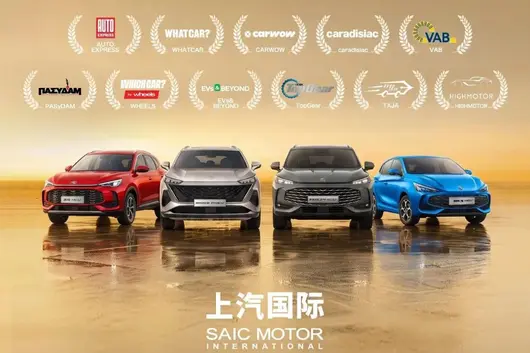
蓋世汽車獲悉,上汽集團最新公佈嘅經營數據顯示,今年首九個月集團累計銷售汽車 314.7 萬輛,繼續位列國內車企首位。海外業務方面,1 至 9 月海外銷量合計 116.6 萬輛,按年增長 52.4%,呢一規模已經超過咗 2025 年全年嘅海外銷售總量。

圖片來源:上汽集團
由商用車板塊方面睇,9 月上汽商用車海外銷量達 18395 輛,按年增長 120%,創下歷史新高。目前上汽已成為中國輕型商用車對歐出口量最大嘅企業,近十萬台車輛喺歐洲投入營運。喺澳洲、阿根廷、新加坡、埃及等區域市場,上汽商用車均實現咗銷量增長。
乘用車出海主力 MG 品牌方面,前三季度 MG 喺歐洲累計銷量超 28 萬輛,同比增幅 23%。當中英國市場 9 月單月銷量達 1.8 萬輛,刷新品牌當地單月紀錄,電動車型占比超過九成。波蘭市場 9 月 MG 市佔率升至 4.38%,躋身當地乘用車品牌銷量榜第七。
新興市場方面,MG 喺中美洲及加勒比地區 18 個市場嘅銷量按年增長 86%,透過區域總代理模式整合分散市場資源,同時攜多款混能及純電車型亮相布宜諾斯艾利斯中國汽車博覽會。
此外,合資品牌出口亦喺同步擴容。上汽大眾凌渡 L 首批出口墨西哥,整車出口版圖首次延伸至北美市場;別克至境 E7 則已率先出口韓國。

Di pasaran SUV Malaysia, ramai pembeli semasa memilih kereta sering membandingkan Toyota Harrier dengan Subaru Outback. Kedua-dua kereta ini sangat hampir dari segi harga dan kedudukan pasaran, hari ini kami akan melakukan perbandingan terperinci dari pelbagai aspek, membantu anda menjimatkan masa membuat penyelidikan.
Toyota Harrier mempunyai harga OTR di Malaysia ialah RM 289,000 - 289,000, terdapat 1 varian, termasuk 2026 HEV 2.5L Standard (RM 289,000) dan lain-lain.
Subaru Outback mempunyai harga OTR di Malaysia ialah RM 260,000 - 280,000, terdapat 2 varian, termasuk 2025 2.4T R-Touring EyeSight (RM 310,340), 2025 2.5L Touring EyeSight (RM 280,340) dan lain-lain.
Dari segi harga, harga permulaan Subaru Outback adalah RM 29,000 lebih murah berbanding Toyota Harrier. Jujur berkata, dalam kategori harga ini, perbezaan beberapa ribu sebenarnya tidak terlalu besar, kuncinya adalah melihat nisbah harga berbanding nilai keseluruhan dan kos penggunaan jangka panjang.
Toyota Harrier dilengkapi enjin 2.0L Turbo, 220 hp. Kadar penggunaan bahan api rasmi 9.5 L/100km.
Subaru Outback dilengkapi enjin 2.0L Turbo, 220 hp. Kadar penggunaan bahan api rasmi 9.5 L/100km.
Kedua-dua kereta menggunakan sistem pengecasan yang sama, pengalaman memandu sehari-hari pada asasnya tiada perbezaan. Penggunaan bahan api juga sama, tidak perlu terlalu bimbang tentang hal ini.
Penilaian keselamatan Toyota Harrier ialah 5★ (ASEAN NCAP), sistem keselamatan aktif termasuk Brand ADAS.
Penilaian keselamatan Subaru Outback ialah TBD, sistem keselamatan aktif termasuk Basic.
Dari segi peralatan keselamatan, kedua-dua kereta telah mendapat penilaian yang baik. Namun, Brand ADAS pada Toyota Harrier dan Basic pada Subaru Outback mempunyai beberapa perbezaan dalam fungsi, jika anda lebih mengutamakan keselamatan aktif, anda boleh membandingkan senarai fungsi kedua-duanya dengan teliti.
Toyota Harrier panjang badan 4400 mm, bak bagasi 400 L.
Subaru Outback panjang badan 4400 mm, bak bagasi 400 L.
Saiz kedua-dua kereta hampir sama, ruang dalaman tidak banyak perbezaan. Kereta dalam kategori ini, penggunaan harian sepenuhnya mencukupi.

Toyota Harrier dan Subaru Outback kedua-duanya merupakan pilihan utama di pasaran Malaysia, sesuai untuk kegunaan keluarga, perjalanan harian. Jika anda lebih mengutamakan reputasi jenama dan harga kenderaan terpakai, pertimbangkan terdahulu model yang mempunyai reputasi lebih baik; jika anda lebih prihatin dengan nisbah harga dan perlengkapan, pilih model yang lebih lengkap. Akhir sekali, disarankan untuk uji memandu kedua-dua model, pengalaman peribadi adalah yang paling penting.

Secara keseluruhannya, Toyota Harrier dan Subaru Outback kedua-duanya merupakan model yang sangat baik di pasaran Malaysia. Memilih yang mana, kuncinya adalah melihat keperluan peribadi dan belanjawan anda. Kami cadangkan untuk membuat penyelidikan, bandingkan tawaran harga daripada beberapa dealer, kemudian uji memandu untuk membuat keputusan akhir. Membeli kereta ialah perkara besar, meluangkan masa untuk membuat penyelidikan sama sekali tidak akan salah.


Pada tahun 2026, eksport kenderaan baharu elektrik China telah lama meninggalkan 'era perintis liar' di mana 'jika boleh hantar kereta keluar, pasti boleh jual'. Apabila pasaran popular seperti Asia Tenggara, Eropah mula tenggelam dalam pertarungan rapat mengenai harga dan saluran, siapa yang mampu terlebih dahulu mencapai kitaran perniagaan 'pendalaman tempatan' di pasaran baharu, dialah yang akan memegang tiket untuk separuh kedua pertandingan.
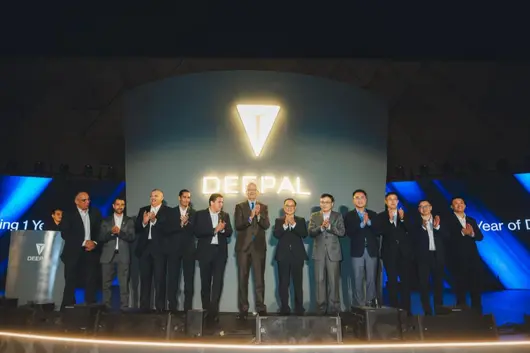
Pada 25 Oktober waktu tempatan, di Muzium Mesir Agung, ibu kota Mesir, Kaherah, Deep Blue Auto menganjurkan acara jenama ulang tahun pertama memasuki pasaran Mesir, semua model Deep Blue S05, S07, G318, S09 yang dijual di sana turut ditampilkan. Dibandingkan dengan lokasi pelancaran yang meriah, apa yang lebih menarik perhatian industri ialah rekod pencapaian tahun pertama Deep Blue di sana: sejak secara rasmi masuk ke Mesir pada Ogos 2025, Deep Blue Auto hanya menggunakan masa beberapa bulan sahaja, telah dengan cepat meraih tempat pertama dalam jualan segmen pasaran kereta elektrik range extender Mesir.
Dalam pasaran teras Afrika Utara yang budaya, dasar, dan infrastrukturnya berbeza jauh dengan China, bagaimana Deep Blue berjaya memecahkan keadaan dengan pantas? Melalui acara ulang tahun pertama kali ini, kita dapat dengan jelas membongkar strategi dan logik Deep Blue Auto dalam pasaran Timur Tengah dan Afrika.
Mesir terletak di persimpangan tiga benua Asia, Afrika, dan Eropah, bukan sahaja negara terbesar populasi di Afrika Utara, malah merupakan pintu gerbang yang merangkumi pasaran kereta keseluruhan Timur Tengah dan Afrika. Dalam beberapa tahun kebelakangan ini, kerajaan Mesir giat memacu pemindahan hijau, keperluan tenaga baharu mula dilepaskan. Tetapi satu realiti objektif yang tidak boleh diabaikan ialah: infrastruktur pengecasan tempatan masih dalam peringkat permulaan, dan pengguna secara amnya mempunyai keperluan perjalanan jauh merentasi bandar. Jika menyalin strategi EV tulen dari negara asal terus, mudah sekali gagal menyesuaikan diri disebabkan kelemahan infrastruktur.
Deep Blue Auto dengan teliti menangkap kesakitan pasaran ini. Di antara model yang laris di Mesir kali ini, teknologi 'Super Range Extender' yang menjadi tumpuan Deep Blue menjadi senjata utama untuk memecahkan keadaan. Model range extender yang 'boleh minyak boleh elektrik, tanpa kebimbangan jarak, menggabungkan pengalaman memandu EV tulen dan penggunaan tenaga rendah', tepat sekali memotong psikologi pengguna di Mesir semasa yang 'mahu beli tenaga baharu tetapi takut sukar mengecas'. Ditambah pula dengan keupayaan penyesuaian tinggi model SUV kukuh dan SUV seperti G318 terhadap keadaan jalan tempatan yang kompleks, Deep Blue menggunakan laluan teknologi yang paling sesuai, dalam masa singkat telah membina dominasi dalam segmen pasaran.
Tentu saja, produk hebat hanya batu loncatan, untuk meningkatkan kuantiti dengan cepat di pasaran luar negara, keupayaan saluran sering menentukan hidup atau mati. Pada masa lalu, banyak syarikat kereta China yang keluar ke luar negara, terbiasa berjuang seorang diri atau mencari pedagang kecil untuk menjual, sering menghadapi keadaan sukar seperti kesedaran jenama rendah, pengedaran produk perlahan, dan perkhidmatan selepas jual tidak dapat mengikut.

Dari segi ini, apa yang dilalui Deep Blue di Mesir ialah laluan 'perpaduan dua kuasa' yang amat praktikal. Partner strategik pilihannya GB Auto (Kumpulan GB), merupakan antara kumpulan jualan kereta terbesar di Mesir malah Afrika Utara, dan juga satu-satunya syarikat kereta tersenarai di sana. Dengan bergantung kepada rangkaian jualan tempatan GB Group yang rumit di Mesir, sistem perkhidmatan kewangan yang matang, serta sumber politik, perniagaan dan pasaran yang mendalam, Deep Blue Auto terus melangkaui tempoh pencarian saluran yang panjang, mencapai operasi cekap dari pengenalan produk hingga penghantaran akhir. Menggunakan orang tempatan yang paling faham kereta untuk menjual kenderaan tenaga baharu China yang paling maju, inilah asas perniagaan yang membolehkan Deep Blue menduduki puncak jualan segmen pasaran dalam masa beberapa bulan sahaja.
Walau bagaimanapun, memecahkan jualan hanyalah langkah pertama, bagaimana untuk mengelakkan eksport menjadi 'transaksi satu kali'? Di lokasi acara, Pengerusi Changan Auto, Zhu Huarong, menekankan satu perkataan teras — 'Di Mesir, Untuk Mesir', dan mengulang tegas arah pembangunannya 'Jangka Panjang, Tempatan, Sistematik, Integrasi Pembinaan ESG'.
Dalam industri kereta, 'prinsip jangka panjang' bukanlah sekadar slogan, tetapi pelaburan sistem wang sebenar. Pada titik ulang tahun kali ini, Deep Blue meluluskan dua perkara strategik yang sangat penting. Satu pihak dengan bersatu GB Auto menubuhkan 'Pusat Latihan Afrika Utara Changan Auto'. Penyelenggaraan kenderaan tenaga baharu berbeza dengan kenderaan minyak tradisional, Deep Blue terus membina pusat latihan di sana, melatih bakat teknik dan perkhidmatan tenaga baharu tempatan Mesir, ini bukan sahaja menyelesaikan halangan teknik penyelenggaraan selepas jual, malah mencipta peluang pekerjaan untuk belia tempatan, memenangkan pengiktirafan mendalam daripada kerajaan dan masyarakat setempat. Pihak lain pula menubuhkan Kelab Pemilik Deep Blue Mesir, meniru pemikiran operasi pengguna yang matang dari dalam negara ke luar negara, membolehkan pemilik pertama menerima hak perkhidmatan khusus pada masa yang sama, menggunakan perkhidmatan selepas jual bertaraf tinggi dan ekosistem komuniti untuk memperkukuh parit perlindungan jenama. Seperti yang dikatakan oleh industri, Mesir bukanlah 'ladang percubaan' Deep Blue dalam pasaran Timur Tengah dan Afrika, malah 'rumah' yang benar-benar merancang untuk mengakar secara jangka panjang.
Sebenarnya, kejayaan tahun pertama pasaran Mesir juga merupakan cerminan pelan globalisasi 'Menerima Segala Arah' Changan Auto yang melaju ke tanah. Sebagai peneroka terawal pelan tersebut, potensi globalisasi Deep Blue Auto kini sedang memasuki tempoh meletup terkumpul.

Data terkini menunjukkan, sehingga September 2026, pengeluaran terkumpul global Deep Blue Auto telah secara rasmi melepasi ambang 1 juta unit; tahun ini Januari - September, penjualan terkumpul globalnya mencapai 252,213 unit, pertumbuhan sama tahun 8.59%, kadar pertumbuhan kekal di hadapan kem eksport kenderaan tenaga baharu China. Di sebalik penjualan 'keras', ada sokongan rangkap rangkaian global dan reputasi produk. Pada masa ini, Deep Blue Auto telah memasuki lebih 100 negara dan wilayah global, menubuhkan 4 pangkalan pengeluaran global dan 1796 pusat perkhidmatan global; model-model bawahnya berturut-turut mendapat anugerah bertauliah seperti Anugerah Reka Bentuk iF Jerman, Anugerah Kereta Tahunan Thailand, daya saing produk telah menghadapi pengujian ketat pasaran pelbagai dimensi global.
Daripada perdagangan produk tunggal pada awal, hingga kini 'eksport sistematik' yang mengeluarkan standard teknik, budaya jenama, sistem bakat dan ekosistem perkhidmatan sepenuhnya, amalan satu tahun Deep Blue Auto di Mesir, memberikan sampel rujukan yang cemerlang kepada syarikat kereta China bagaimana untuk menakluk pasaran baharu. Apabila semakin banyak jenama China belajar 'ikut adat setempat, mengakar dan membentuk sumber' di pasaran luar negara, jalan globalisasi kenderaan elektrik pintar berhubung jaring China, baru benar-benar memasuki tahap sukar.


In Malaysia's SUV market, many buyers compare Toyota Harrier and Subaru Forester when choosing a car. These two cars are quite close in price and positioning. Today, we will make a detailed comparison from multiple aspects to help you save time on research.
The OTR price of Toyota Harrier in Malaysia is RM 289,000 - 289,000, with a total of 1 version, including 2026 HEV 2.5L Standard (RM 289,000), etc.
The OTR price of Subaru Forester in Malaysia is RM 174,000 - 197,000, with a total of 3 versions, including 2024 2.0L S EyeSight GT Edition (RM 189,538), 2024 2.0L S EyeSight (RM 177,538), 2024 2.0L L EyeSight (RM 167,538), etc.
In terms of price, the starting price of Subaru Forester is RM 115,000 cheaper than Toyota Harrier. Honestly, in this price range, a difference of a few thousand is not actually that big; the key is still looking at overall value for money and long-term usage costs.
Toyota Harrier is equipped with 2.0L Turbo, 220 hp. Official fuel consumption 9.5 L/100km.
Subaru Forester is equipped with 2.0L 4-cyl, 170 hp. Official fuel consumption 8.0 L/100km.
In terms of power, Toyota Harrier's 2.0L Turbo has 50 more horsepower than Subaru Forester's 2.0L 4-cyl, providing more confidence in mid-range acceleration, especially when overtaking on highways. However, Subaru Forester's fuel consumption might be more friendly, and there won't be a huge difference in daily city commuting.
Toyota Harrier body length 4400 mm, trunk 400 L.
Subaru Forester body length 4400 mm, trunk 400 L.
The dimensions of both cars are almost the same, with little difference in interior space. Cars in this class are fully sufficient for daily use.
Toyota Harrier warranty 5 years/unlimited mileage, service interval every 10,000km or 6 months.
Subaru Forester warranty 3 years/100,000km, service interval every 10,000km or 6 months.

Overall, Toyota Harrier and Subaru Forester are both very good models in the Malaysia market. Which one to choose depends mainly on your personal needs and budget. We suggest doing your homework well, comparing quotes from several car dealerships, and then test driving to make the final decision. Buying a car is a big matter; spending time doing homework will definitely not be wrong.

In the SUV market in Malaysia, many buyers compare Toyota Harrier and Volvo XC60 PHEV when choosing a car. These two cars are quite close in price and positioning. Today we will do a detailed comparison from multiple aspects to help you save time doing homework.
The OTR price of Toyota Harrier in Malaysia is RM 289,000 - 289,000, with a total of 1 version, including 2026 HEV 2.5L Standard (RM 289,000), etc.
The OTR price of Volvo XC60 PHEV in Malaysia is RM 362,888 - 362,888, with a total of 2 versions, including 2025 2.0T 89km Ultra (RM 362,888), What safety features does the Volvo XC60 PHEV have? (RM 296,610), etc.
In terms of price, the starting price of Toyota Harrier is indeed RM 73,888 cheaper than Volvo XC60 PHEV. If your budget is limited, Toyota's entry-level version can already meet daily needs. However, note that the few thousand savings might involve trade-offs in features, depending on your specific needs.
Toyota Harrier is equipped with 2.0L Turbo, 220 hp. Official fuel consumption 9.5 L/100km.
Volvo XC60 PHEV is equipped with Hybrid, 170 hp. Official fuel consumption 4.5 L/100km.
In terms of power, Toyota Harrier's 2.0L Turbo has 50 more horsepower than Volvo XC60 PHEV's Hybrid, with more confidence in mid-range acceleration, especially when overtaking on highways. However, Volvo XC60 PHEV's fuel consumption might be friendlier, and the difference in daily city commuting won't be too large.
The safety rating of Toyota Harrier is 5★ (ASEAN NCAP), active safety systems include Brand ADAS.
The safety rating of Volvo XC60 PHEV is 5★ (Euro NCAP), active safety systems include Premium ADAS.
Regarding safety features, both cars have received good ratings. However, there are some differences between Toyota Harrier's Brand ADAS and Volvo XC60 PHEV's Premium ADAS in functions. If you value active safety highly, you can compare the function lists of both carefully.
Toyota Harrier body length 4400 mm, trunk 400 L.
Volvo XC60 PHEV body length 4400 mm, trunk 400 L.
The dimensions of both cars are almost the same, with little difference in interior space. For this class of cars, it is fully sufficient for daily use.

Toyota Harrier adopts FWD drive mode.
Volvo XC60 PHEV adopts FWD drive mode.
Both cars have the same drive mode, both FWD, daily driving experience will not differ too much.

Overall, Toyota Harrier and Volvo XC60 PHEV are both very good models in the Malaysian market. Which one to choose depends on your personal needs and budget. We recommend doing your homework, compare quotes from several car dealers, and then test drive to make the final decision. Buying a car is a big matter, spending time doing research will never be wrong.

In Malaysia's SUV market, many buyers compare the Toyota Harrier and Volvo XC60 PHEV when choosing a car. Both models are quite close in price and positioning. Today, we will conduct a detailed comparison from multiple aspects to help you save time on research.
The OTR price for the Toyota Harrier in Malaysia is RM 289,000 - 289,000. There is a total of 1 version, including the 2026 HEV 2.5L Standard (RM 289,000), etc.
The OTR price for the Volvo XC60 PHEV in Malaysia is RM 362,888 - 362,888. There are a total of 2 versions, including the 2025 2.0T 89km Ultra (RM 362,888), What safety features does the Volvo XC60 PHEV have? (RM 296,610), etc.
Looking at the price, the Toyota Harrier's starting price is indeed RM 73,888 cheaper than the Volvo XC60 PHEV. If your budget is limited, the Toyota's entry-level version can already meet daily needs. However, also note that the few thousand cheaper might involve trade-offs in features, it depends on your specific needs.
Toyota Harrier body length is 4400 mm, trunk space is 400 L.
Volvo XC60 PHEV body length is 4400 mm, trunk space is 400 L.
The dimensions of both cars are almost the same, and the interior space difference is not significant. For cars at this level, daily use is completely sufficient.
Toyota Harrier warranty is 5 years/unlimited mileage, service interval is every 10,000km or 6 months.
Volvo XC60 PHEV warranty is 5 years/unlimited mileage, service interval is every 10,000km or 6 months.
Both the Toyota Harrier and Volvo XC60 PHEV are mainstream choices in the Malaysian market, suitable for family use and daily commuting. If you value brand reputation and resale value more, you can prioritize the one with better reputation; if you care more about cost-effectiveness and features, choose the model with richer configurations. Ultimately, it is recommended to test drive both models; experiencing it in person is the most important.
Overall, both the Toyota Harrier and Volvo XC60 PHEV are very good models in the Malaysian market. Which one to choose depends mainly on your personal needs and budget. It is recommended to do your homework, compare quotes from a few dealerships, and then test drive to make the final decision. Buying a car is a major matter; spending some time doing research will definitely not be a mistake.

In Malaysia's SUV market, many buyers compare Toyota Harrier and Volvo XC90 when choosing a car. These two cars are quite close in price and positioning. Today we will do a detailed comparison from multiple aspects to help you save time on research.
The OTR price of Toyota Harrier in Malaysia is RM 289,000 - 289,000, with a total of 1 version, including 2026 HEV 2.5L Standard (RM 289,000), etc.
The OTR price of Volvo XC90 in Malaysia is RM 418,888 - 418,888, with a total of 1 version, including 2025 2.0T Ultra (RM 418,888), etc.
From a price perspective, Toyota Harrier's starting price is indeed RM 129,888 cheaper than Volvo XC90. If your budget is limited, Toyota's entry-level version can already meet daily needs. But be aware, the savings of a few thousand might involve trade-offs in features, depending on your specific needs.
Toyota Harrier is equipped with 2.0L Turbo, 220 hp. Official fuel consumption 9.5 L/100km.
Volvo XC90 is equipped with 3.0L Turbo, 350 hp. Official fuel consumption 12.0 L/100km.
In terms of power, Volvo XC90's 3.0L Turbo has 130 more horsepower than Toyota Harrier's 2.0L Turbo. However, for daily city driving, both cars have enough power and won't feel underpowered.
Toyota Harrier body length 4400 mm, trunk 400 L.
Volvo XC90 body length 4400 mm, trunk 400 L.
The dimensions of both cars are almost the same, with little difference in interior space. Cars at this level are more than enough for daily use.
Toyota Harrier and Volvo XC90 are both mainstream choices in the Malaysia market, suitable for family use and daily commuting. If you value brand reputation and resale value more, you can prioritize the one with better reputation; if you care more about value for money and features, choose the one with richer configuration. Ultimately, it is recommended to test drive both, as personal experience is the most important.

Overall, Toyota Harrier and Volvo XC90 are both very good models in the Malaysia market. Which one to choose depends on your personal needs and budget. It is recommended to do your homework, compare quotes from several dealerships, and then test drive to make a final decision. Buying a car is a big matter, spending some time on research will never be wrong.

In the SUV market in Malaysia, many buyers compare Toyota Harrier and Volvo XC60 when choosing a car. These two models are quite close in price and positioning. Today, we will conduct a detailed comparison from multiple aspects to help you save time on research.
The OTR price of Toyota Harrier in Malaysia is RM 289,000 - 289,000, with a total of 1 version, including 2026 HEV 2.5L Standard (RM 289,000) etc.
The OTR price of Volvo XC60 in Malaysia is RM 328,888 - 328,888, with a total of 1 version, including 2025 2.0T Core (RM 328,888) etc.
From a price perspective, the starting price of Toyota Harrier is indeed RM 39,888 cheaper than Volvo XC60. If your budget is limited, Toyota's entry-level version can already meet daily needs. But be aware that the few thousand cheaper might involve trade-offs in features, depending on your specific needs.
Toyota Harrier is equipped with 2.0L Turbo, 220 hp. Official fuel consumption 9.5 L/100km.
Volvo XC60 is equipped with 2.0L Turbo, 220 hp. Official fuel consumption 9.5 L/100km.
Both cars use the same powertrain, the driving experience is basically the same. Fuel consumption is also similar, no need to worry too much about this point.
Toyota Harrier's safety rating is 5★ (ASEAN NCAP), active safety systems include Brand ADAS.
Volvo XC60's safety rating is 5★ (Euro NCAP), active safety systems include.
Toyota Harrier uses FWD drive type.
Volvo XC60 uses FWD drive type.
Both cars have the same drive type, both are FWD, the daily driving experience will not be much different.

Overall, Toyota Harrier and Volvo XC60 are both quite good models in the Malaysian market. Which one to choose depends on your personal needs and budget. It is recommended to do your research, compare quotes from several dealers, and then test drive to make a final decision. Buying a car is a big matter, spending some time doing research will definitely not go wrong.
© 2024 Bitauto.com. All Rights Reserved.
Bitauto (www.yiche.com and www.bitauto.com) is one of the most visited automotive websites in China. We provide detailed info on Chinese car brands available in your area. Please note that the information provided on this website is based on publicly available data and is for reference only. It may not be fully updated or accurate at all times.

Help us improve our website


