

Homemodern

Search History
Popular Searches
Dealer Login / Sign Up

喺馬來西亞嘅 SUV 市場,好多買家喺揀車嗰陣都會拎 Proton X50 同 Chery Tiggo 8 嚟比較。呢兩部車喺價格同定位上嚟講都幾接近,今日我哋就由多個角度做個詳細比較,幫你省咗做功課嘅時間。
Proton X50 喺馬來西亞嘅 OTR 售價係 RM 89,800 - 113,300,總共 4 個款式,包括 1.5T Executive(RM 89,800)、1.5T Premium(RM 101,800)、1.5T Flagship(RM 113,300) 等等。
Chery Tiggo 8 喺馬來西亞嘅 OTR 售價係 RM 129,750 - 129,750,總共 1 個款式,包括 2026 1.6T Standard(RM 129,750) 等等。
由價錢嚟睇,Proton X50 嘅起步價真係比 Chery Tiggo 8 平咗 RM 39,950。如果你預算有限,Proton 嘅入門版已經可以應付日常需要。但都要留意,平嗰幾千蚊,可能在配備上會有取捨,具體睇你嘅需要。

Proton X50 配備 1.5L 4-cyl,馬力 105 hp。官方油耗 6.0 L/100km。
Chery Tiggo 8 配備 1.5L Turbo,馬力 140 hp。官方油耗 7.0 L/100km。
動力方面,Chery Tiggo 8 嘅 1.5L Turbo 比 Proton X50 嘅 1.5L 4-cyl 多咗 35 匹馬力。不過日常喺市區行,兩部車嘅動力都夠用,唔會覺得唔夠力。

Proton X50 採用 4WD 驅動方式。
Chery Tiggo 8 採用 FWD 驅動方式。
Proton 嘅 4WD 同 Chery 嘅 FWD 喺操控上會有唔同感受,建議試駕比較。

Proton X50 保修 5 年/150,000km,保養間隔 每 10,000km 或 6 個月。
Chery Tiggo 8 保修 3 年/100,000km,保養間隔 每 10,000km 或 6 個月。

Proton X50 同 Chery Tiggo 8 都係馬來西亞市場嘅主流選擇,適合家庭使用、日常通勤。如果你更睇重品牌口碑同二手價,可以優先考慮口碑好嗰一款;如果你更在意性價比同配備,就揀配置豐富嗰款。最終都係建議兩款都去試駕,親自體驗先係最重要。

總括嚟講,Proton X50 同 Chery Tiggo 8 都係馬來西亞市場幾好嘅車型。揀邊一輛,關鍵都係要睇你個人需要同預算。建議大家做足功課,多比較幾間車行嘅報價,先去試駕先做最終決定。買車係件大事,花少少時間做功課絕對唔會錯。


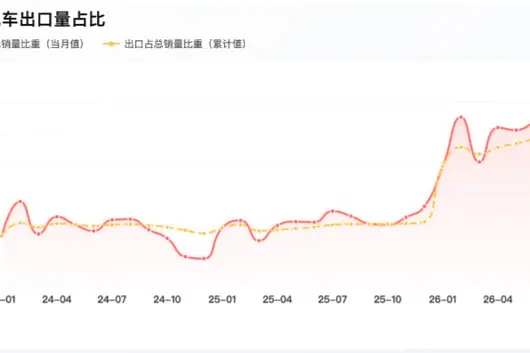
Persaingan pasaran kereta domestik semakin sengit, ruang keuntungan pengeluar kereta terus tertekan, membuka pasaran luar negeri telah berubah daripada pilihan kepada jalan wajib untuk kewujudan dan pembangunan. Data industri terkini menunjukkan, semakan pertama 2026, eksport kereta negara kita mengalami pertumbuhan letupan, jumlah eksport dan jumlah keseluruhan eksport sama-sama memecahkan rekod tinggi, namun halangan perdagangan luar negara terus bertambah, pengeluaran tempatan menjadi strategi teras untuk pengeluar kereta melonjak keluar. 
Menurut statistik berkaitan Persatuan Automotif China, Jun 2026 eksport kereta domestik 1.04 juta unit, meningkat 75% berbanding tahun sebelumnya, kali pertama mencapai eksport sebulan melebihi satu juta. Eksport kumulatif kereta pada semakan pertama 5.1 juta unit, meningkat 65% berbanding tahun sebelumnya, jumlah eksport setengah tahun kali pertama melebihi 5 juta unit; nilai eksport kenderaan lengkap melebihi 600 bilion Renminbi. Sekarang, porsen eksport kereta dalam jumlah jualan domestik telah meningkat kepada 35%. Berbanding keuntungan tipis domestik, pasaran luar negara memiliki margin kasar yang lebih tinggi, banyak pengeluar kereta bergantung pada keuntungan luar negara untuk menyokong semula perniagaan domestik, mengimbangi tekanan keuntungan yang dibawa oleh persaingan harga rendah tempatan. 
Pada semakan pertama, tangga jualan luar negara bagi pelbagai pengeluar kereta adalah jelas. Chery menduduki tempat pertama dengan 939,000 unit eksport, jualan luar negara mewakili 74% daripada jumlah jualan; BYD dengan 792,000 unit mengikuti rapat, pengeluaran tempatan di kilang luar negara dapat meningkatkan keuntungan setiap kenderaan dengan berkesan; SAIC dan Geely masing-masing menempati tempat ketiga dan keempat. Di mana eksport kenderaan baharu elektrik Geely meningkat dengan pesat, kenderaan baharu elektrik mewakili 60% daripada jumlah eksportnya. Changan dan Great Wall juga mengekalkan pengeluaran luar negara yang stabil. Pelbagai pengeluar kereta terus menambah pembinaan kapasiti luar negara, mengukuhkan pangsa pasaran melalui pembinaan kilang luar negara, menghadapi persekitaran dasar luar negara yang berterusan berubah. 
Di sebalik prestasi eksport yang cemerlang, cabaran luar datang berturut-turut. Kesatuan Eropah mengenakan cukai anti subsidi terhadap kereta elektrik China, dan merancang untuk meluaskan ruang sekatan kepada model hibrida penyambung, serta mengemukakan undang-undang berkaitan untuk menaikkan ambang pelaburan asing. Brazil menaikkan cukai pintu kenderaan elektrik import, Thailand melaksana dasar komitmen prestasi pengeluaran, berbilang peraturan meningkatkan kos eksport langsung kenderaan lengkap secara besar-besaran. Model yang hanya bergantung pada eksport kenderaan lengkap semakin berisiko tinggi.
Mempercepat Pembinaan Kilang Tempatan, Pengeluar Kereta Mencari Jalan PenyelesaianBerhadapan dengan sekatan perdagangan, pengeluar kereta domestik memilih mempercepatkan pengeluaran tempatan luar negara, membentuk dua laluan pembangunan. Chery menggunakan model perkongsian songsang, membantu menggunakan jenama tempatan untuk mendapatkan kelayakan pengeluaran, mengurangkan penolakan pasaran; BYD memilih membina kilang sendiri secara penuh, mengawal sepenuhnya rantaian bekalan dan proses pengeluaran. Banyak perusahaan merebut tempoh window membeli kilang Eropah, mengelak sekatan dasar.
Eksport Kereta China datang ke kitar pertumbuhan tinggi, namun cabaran jalan depan wujud secara jangka panjang. Pasaran luar negara bukan sahaja lautan biru tambahan, tetapi juga medan strategi. Pelbagai pengeluar kereta terus memantapkan pelaburan industri luar negara, bergantung pada pengeluaran tempatan untuk menyelesaikan halangan perdagangan. Pada masa hadapan, siapa yang lebih baik mengakar di pasaran luar negara, menyeimbangkan dasar dan pengurusan, harap-harap dapat merebut lebih banyak kerusi dalam persaingan automotif global.

喺馬來西亞嘅 SUV 市場,好多人揀車嗰陣都會拿寶騰 X70 同豐田 Corolla Cross 嚟做比較。這兩款車喺價位同定位上都好接近,今日我哋就從多個方面做一個詳細比較,幫你省返做功課嘅時間。
寶騰 X70 喺馬來西亞嘅 OTR 售價係 RM 106,800 - 122,300,合共有 3 個版本,包括 1.5L Standard 2WD(RM 106,800)、1.5L Executive 2WD(RM 115,800)、1.5L Premium 2WD(RM 122,300) 等。
豐田 Corolla Cross 喺馬來西亞嘅 OTR 售價係 RM 133,800 - 148,800,合共有 3 個版本,包括 2026 HEV 1.8L GR Sport(RM 148,800)、2026 HEV 1.8L Standard(RM 140,800)、2026 1.8L Standard(RM 133,800) 等。
睇落價錢,寶騰 X70 嘅起步價的確比豐田 Corolla Cross 便宜咗 RM 27,000。如果你預算有限,寶騰嘅入門版已經可以滿足日常需要。不過都要留意,平啲嗰幾千蚊,可能喺配備上會有取舍,具體睇你嘅需要。

寶騰 X70 嘅安全評級係 5★ (ASEAN NCAP),主動安全系統包括 ADAS (ACC, AEB, LKA, LDA, BSM, RCTA)。
豐田 Corolla Cross 嘅安全評級係 5★ (ASEAN NCAP),主動安全系統包括 TSS (PCS, LDA, ACC, LTA)。
兩款車嘅安全評級一樣,喺呢個級別入面安全配備都算好齊全。而家嘅新車安全性都好,唔使太擔心呢一點。
寶騰 X70 車身長 4400 mm,後備箱 400 L。
豐田 Corolla Cross 車身長 4400 mm,後備箱 400 L。
兩款車嘅尺寸幾乎一樣,車內空間差別唔大。呢個級別嘅車,日常使用完全夠用。

寶騰 X70 採用 FWD 驅動方式。
豐田 Corolla Cross 採用 FWD 驅動方式。
兩款車嘅驅動方式一樣,都係 FWD,日常駕駛感受唔會有太大分別。
總括嚟講,寶騰 X70 同豐田 Corolla Cross 都係馬來西亞市場好正嘅車型。揀邊一輛,關鍵仲係睇你嘅個人需要同預算。建議大家做足功課,多比較幾間車行嘅報價,先至去試駕做最後決定。買車係件大事情,花少少時間做功課絕對唔會錯。


In the SUV market in Malaysia, many buyers compare Proton X50 and Chery Tiggo 7 Pro when choosing a car. These two cars are quite close in price and positioning. Today we will make a detailed comparison from multiple aspects to save you time doing research.
Proton X50's OTR selling price in Malaysia is RM 89,800 - 113,300, there are a total of 4 versions, including 1.5T Executive (RM 89,800), 1.5T Premium (RM 101,800), 1.5T Flagship (RM 113,300), etc.
Chery Tiggo 7 Pro's OTR selling price in Malaysia is RM 123,750 - 123,750, there are a total of 2 versions, including 1.6L Turbo Standard (RM 125,000), 1.6L Turbo Premium (RM 140,000), etc.
From a price perspective, the starting price of Proton X50 is indeed RM 33,950 cheaper than Chery Tiggo 7 Pro. If your budget is limited, Proton's entry-level version can already meet daily needs. But also note that the few thousand cheaper might have trade-offs in features, depending on your needs.
Proton X50 is equipped with 1.5L 4-cyl, 105 hp. Official fuel consumption 6.0 L/100km.
Chery Tiggo 7 Pro is equipped with 1.5L Turbo, 140 hp. Official fuel consumption 7.0 L/100km.
In terms of power, the 1.5L Turbo in Chery Tiggo 7 Pro has 35 more horsepower than the 1.5L 4-cyl in Proton X50. However, for daily city driving, both cars have enough power, you won't feel underpowered.
Proton X50 body length 4400 mm, trunk 400 L.
Chery Tiggo 7 Pro body length 4400 mm, trunk 400 L.
The dimensions of both cars are almost the same, interior space difference is not significant. For cars of this level, it is fully sufficient for daily use.
Proton X50 uses 4WD drive system.
Chery Tiggo 7 Pro uses FWD drive system.
The 4WD from Proton and FWD from Chery will have different handling feels, test drive comparison is recommended.
Proton X50 warranty 5 years/150,000km, maintenance interval every 10,000km or 6 months.
Chery Tiggo 7 Pro warranty 3 years/100,000km, maintenance interval every 10,000km or 6 months.
Overall, Proton X50 and Chery Tiggo 7 Pro are both very good models in the Malaysia market. Which one to choose depends mainly on your personal needs and budget. We suggest doing your research, compare quotes from several dealerships, and then go for a test drive to make the final decision. Buying a car is a major matter, spending time on research will definitely not go wrong.
喺馬來西亞嘅 SUV 市場,好多買家喺揀車嘅時候都會拿 Proton X50 同 Chery Tiggo 9 嚟做比較。呢兩款車喺價位同定位上都好接近,今日我哋就從多個方面做一個詳細嘅對比,幫你省咗做功課嘅時間。
Proton X50 喺馬來西亞嘅 OTR 售價係 RM 89,800 - 113,300,一共有 4 個版本,包括 1.5T Executive(RM 89,800)、1.5T Premium(RM 101,800)、1.5T Flagship(RM 113,300) 等。
Chery Tiggo 9 喺馬來西亞嘅 OTR 售價係 RM 166,800 - 179,800,一共有 1 個版本,包括 2026 2.0T Standard(RM 179,750) 等。
從價錢睇嚟,Proton X50 嘅起步價確實比 Chery Tiggo 9 平咗 RM 77,000。如果你預算有限,Proton 嘅入門版已經可以滿足日常需求。但都要注意,平嗰幾千蚊,可能喺配備上會有取捨,具體要看你嘅需求。
Proton X50 採用 4WD 驅動方式。
Chery Tiggo 9 採用 FWD 驅動方式。
Proton 嘅 4WD 同 Chery 嘅 FWD 喺操控上會有唔同感受,建議試駕比較。
Proton X50 保修 5 年/150,000km,保養間隔 每 10,000km 或 6 個月。
Chery Tiggo 9 保修 3 年/100,000km,保養間隔 每 10,000km 或 6 個月。
Proton X50 同 Chery Tiggo 9 都係馬來西亞市場嘅主流選擇,適合家庭使用、日常通勤。如果你更睇重品牌口碑同二手價,可以優先考慮口碑更好嗰款;如果你更在意性價比同配備,那就揀配置更豐富嗰款。最終都係建議兩款都去試駕,親身體驗先至最重要。

總嘅嚟講,Proton X50 同 Chery Tiggo 9 都係馬來西亞市場幾唔錯嘅車型。揀邊一輛,關鍵都要睇你嘅個人需求同預算。建議大家做好功課,多比較幾間車行嘅報價,再去試駕做最終決定。買車係件大事,花啲時間做功課絕對唔會錯。

In the Malaysian SUV market, many buyers often compare Proton X50 and Chery Tiggo 8 PHEV when choosing a car. These two cars are quite close in terms of price and positioning, so today we will make a detailed comparison from multiple aspects to help you save time doing research.
Proton X50's OTR price in Malaysia is RM 89,800 - 113,300, with a total of 4 versions, including 1.5T Executive (RM 89,800), 1.5T Premium (RM 101,800), 1.5T Flagship (RM 113,300), etc.
Chery Tiggo 8 PHEV's OTR price in Malaysia is RM 159,750 - 159,750, with a total of 2 versions, including 1.6L Turbo Standard (RM 130,000), 1.6L Turbo Premium (RM 145,000), etc.
In terms of price, Proton X50's starting price is indeed RM 69,950 cheaper than Chery Tiggo 8 PHEV. If your budget is limited, Proton's entry-level version can already meet daily needs. But also note, the difference in price of a few thousand might involve trade-offs in specifications, depending on your specific needs.
Proton X50 comes with a 1.5L 4-cyl, 105 hp. Official fuel consumption 6.0 L/100km.
Chery Tiggo 8 PHEV comes with Hybrid, 170 hp. Official fuel consumption 4.5 L/100km.
In terms of power, Chery Tiggo 8 PHEV's Hybrid has 65 more horsepower than Proton X50's 1.5L 4-cyl. However, for daily city driving, both cars have enough power and won't feel insufficient.
Proton X50 warranty 5 years/150,000km, maintenance interval every 10,000km or 6 months.
Chery Tiggo 8 PHEV warranty 3 years/100,000km, maintenance interval every 10,000km or 6 months.
Both Proton X50 and Chery Tiggo 8 PHEV are mainstream choices in the Malaysian market, suitable for family use and daily commuting. If you value brand reputation and resale value more, you can prioritize the one with better reputation; if you care more about cost-performance ratio and specifications, then choose the one with richer configurations. Ultimately it is recommended to test drive both models, as experiencing it personally is the most important.
In general, Proton X50 and Chery Tiggo 8 PHEV are both quite good models in the Malaysian market. Which one to choose, the key still depends on your personal needs and budget. It is recommended that everyone do their research, compare quotes from several car dealers, and then test drive to make a final decision. Buying a car is a big deal, spending some time doing research will never be wrong.
In the Malaysian SUV market, many buyers compare the Proton X50 and the Chery Tiggo 7 PHEV when choosing a car. These two cars are quite close in price and positioning. Today, we will make a detailed comparison from multiple aspects to help you save time on research.
The Proton X50's OTR price in Malaysia is RM 89,800 - 113,300, with 4 versions in total, including 1.5T Executive (RM 89,800), 1.5T Premium (RM 101,800), 1.5T Flagship (RM 113,300), etc.
The Chery Tiggo 7 PHEV's OTR price in Malaysia is RM 129,750 - 129,750, with 2 versions in total, including 2025 1.5T 90km CSH (RM 129,750), What charging methods does the Tiggo 7 PHEV support? Can it be charged using a home power socket? (RM 117,478), etc.
From a price perspective, the starting price of the Proton X50 is indeed RM 39,950 cheaper than the Chery Tiggo 7 PHEV. If your budget is limited, the entry-level Proton is enough to meet daily needs. However, note that the savings might involve compromises in equipment, depending on your needs.
The Proton X50 is powered by a 1.5L 4-cylinder engine with 105 hp. Official fuel consumption is 6.0 L/100km.
The Chery Tiggo 7 PHEV is equipped with a Hybrid system, 170 hp. Official fuel consumption is 4.5 L/100km.
In terms of power, the Chery Tiggo 7 PHEV's Hybrid has 65 more horsepower than the Proton X50's 1.5L 4-cylinder. However, for daily city driving, the power of both cars is sufficient and you won't feel any lack of power.
The Proton X50 body length is 4400 mm, boot capacity 400 L.
The Chery Tiggo 7 PHEV body length is 4400 mm, boot capacity 400 L.
The dimensions of both cars are almost identical, with little difference in interior space. For this class of vehicles, it is more than enough for daily use.
Both the Proton X50 and Chery Tiggo 7 PHEV are mainstream choices in the Malaysian market, suitable for family use and daily commuting. If you value brand reputation and resale value more, prioritize the one with better reputation; if you care more about value for money and features, choose the one with richer configuration. Ultimately, it is recommended to test drive both, as experiencing it firsthand is the most important.

Overall, both the Proton X50 and Chery Tiggo 7 PHEV are excellent models in the Malaysian market. Which one to choose depends mainly on your personal needs and budget. It is recommended that you do your research, compare quotes from several dealerships, and then test drive to make a final decision. Buying a car is a major event, and taking time to research is never wrong.

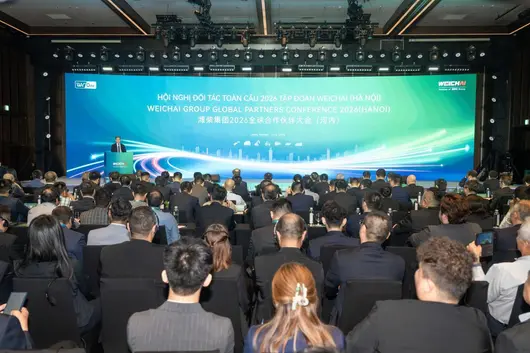
21 hingga 22 Julai 2026, Persidangan Rakan Kongsi Global Kumpulan Shandong Heavy Industry dan Pameran Produk Hijau Pintar diadakan di Pusat Pameran Kebangsaan Vietnam (VEC). Sebagai penyokong utama sektor tenaga elektrik dan tenaga dalam kumpulan, semasa persidangan, Weichai melancarkan secara besar-besaran penyelesaian tenaga mikrogrid bersepadu, menggunakan teknologi teras yang kukuh untuk menyokong keperluan mendesak pasaran rantau, merebut peluang baharu dalam tenaga elektrik Asia Tenggara, dan memberi dorongan baharu bagi pembangunan hijau dan rendah karbon rantau.

Memfokuskan cabaran utama rantau Asia Tenggara, melancarkan penyelesaian tenaga mikrogrid bersepadu
Dari segi trend industri, Asia Tenggara kini menjadi enjin utama bagi pertumbuhan permintaan tenaga elektrik global, pembangunan ekonomi rantau memacu permintaan tenaga elektrik meningkat secara letupan, tetapi cabaran ganda daripada kelewatan infrastruktur grid dan peralihan rendah karbon menjadi hambatan utama kepada pembangunan tenaganya. Menurut laporan 'Prospek Tenaga Asia Tenggara 2026' yang diterbitkan oleh Agensi Tenaga Antarabangsa (IEA), sejak 2015, kadar pertumbuhan tahunan permintaan tenaga elektrik Asia Tenggara mencecah 6 peratus, hampir dua kali ganda purata global, dijangka pada 2050, jumlah keseluruhan permintaan tenaga elektrik rantau akan meningkat 2 hingga 3 kali ganda di atas asas sedia ada. Namun infrastruktur grid rantau ini lemah, sedang menghadapi cabaran ganda kelewatan infrastruktur grid dan peralihan rendah karbon, mikrogrid terdistribusi sebagai laluan utama menyelesaikan masalah bekalan kuasa dan memacu pembangunan rendah karbon, pasaran menghadapi pertumbuhan letupan.

Semasa persidangan kali ini, Weichai melancarkan secara besar-besaran penyelesaian mikrogrid. Ini adalah hasil teras pengusahaan mendalam Weichai di bidang tenaga elektrik dan tenaga, dan juga perancangan proaktif yang tepat memfokuskan cabaran utama pasaran tenaga elektrik Asia Tenggara. Penyelesaian ini memfokuskan kepada peningkatan infrastruktur pengkomputeran, penyebaran taman sifar karbon, pengoptimuman pintar perombongan dan industri terpencil dan keperluan mendesak pasaran lain, menggabungkan stesen kuasa hibrid, fotovoltaik mudah alih, sistem penyimpanan tenaga, stesen cas dan penyimpanan terpadu, sistem penjanaan kuasa sel bahan api oksida pepejal SOFC, unit janaan (diesel, gas, minyak berat, dll) dan perkakasan teras lain, boleh secara efektif menyelesaikan pelbagai masalah seperti bekalan kuasa tidak stabil dalam pelbagai senario, penggunaan tenaga tinggi, dan kelengkapan tidak mencukupi.
Berbeza dengan peralatan penjanaan kuasa tunggal tradisional, penyelesaian tenaga mikrogrid Weichai menonjolkan 'semua dalam satu, boleh dilaksanakan, litar penuh', merangkumi senario seperti pulau, taman, pusat data, boleh membekalkan kuasa secara berasingan untuk kawasan terpencil, dan juga boleh mencapai janakuasa dan haba bersama rendah karbon untuk taman bandar.
Pelancaran ini bukan sahaja langkah penting Weichai melaksanakan strategi kumpulan, tetapi juga menandakan pengubahsuai bentuk perniagaan bertaraf tinggi daripada 'menjual produk' ke 'penyelesaian sistem + perkhidmatan seluruh wilayah + perkongsian ekosistem'. Penyelesaian ini juga akan menyediakan model tenaga set rendah karbon dan efisien untuk Asia Tenggara, membantu tempatan menyelesaikan masalah pembangunan tenaga rantau, memacu transformasi dan pengoptimuman industri tenaga Asia Tenggara ke arah pembersihan, kecerdasan, dan kecekapan.
Teknologi tenaga elektrik dan tenaga terus ditingkatkan, membina pusat pertumbuhan transformasi strategi kumpulan
Pada Januari 2026, Kumpulan Shandong Heavy Industry secara rasmi menamakan tenaga elektrik dan tenaga sebagai unit perniagaan ketujuh kumpulan, Weichai dengan cepat menukar pelan strategi kumpulan kepada kesan pembangunan, menjadi kutub pertumbuhan baharu bagi pembangunan berkualiti tinggi perusahaan. Pada 2025, jualan global produk penjanaan kuasa Weichai melebihi 100,000 unit, masuk dalam 3 teratas dunia; Semester pertama 2026, pendapatan hasil tenaga elektrik dan tenaga Weichai meningkat 30 peratus pada tahun yang sama, di mana pendapatan produk pusat data meningkat 140 peratus pada tahun yang sama, produk merangkumi secara menyeluruh pasaran utama global seperti Asia Tenggara, Eropah dan Amerika, Timur Tengah.

Di sebalik prestasi cemerlang ini, adalah pelaburan berterusan Weichai terhadap penyelidikan dan pembangunan teknologi tenaga elektrik dan tenaga selama bertahun-tahun, terobosan berterusan terhadap teknologi teras, tepat sejajar dengan trend letupan keperluan kuasa bagi senario global baharu.
Di jalan peningkatan teknologi, Weichai berpegang pada 'tenaga tradisional efisien, tenaga baharu rendah karbon' pemacu roda ganda, dua barisan produk teras terus dipermudahkan dan dioptimumkan, bersama-sama membentuk asas perkakasan kukuh penyelesaian mikrogrid. Dalam bidang penjanaan kuasa tradisional diesel, gas, Weichai pada 2009 melakukan penggabungan strategik dengan Borduan Perancis, mengembangkan sepenuhnya produk penjanaan kuasa bore besar Siri M, membentuk sistem produk unit janaan merangkumi julat kuasa 1250kWe-5000kWe, di mana unit janaan diesel kelajuan tinggi 5 megawatt pertama di dunia 20M61 kemampuan permulaan, kemampuan beban dan lain-lah indikator teras mencapai tahap pertama dunia. Pada masa yang sama, Weichai juga melakukan upgrade pintar ke unit janaan unit diesel, gas sedia ada, dilengkapi dengan sistem pemantauan jarak jauh yang dibangunkan sendiri, boleh mencapai pemantauan keadaan operasi unit secara masa nyata, amaran kerosakan, operasi dan penyelenggaraan jarak jauh, secara drastik meningkatkan kebolehpercayaan dan kecekapan operasi dan penyelenggaraan peralatan, disesuaikan dengan keperluan kuasa senario berbeza Asia Tenggara.
Dalam bidang penjanaan kuasa tenaga baharu rendah karbon, Weichai melakukan perancangan awal dan serangan berterusan, mencapai pecahan besar dalam teknologi sel bahan api oksida pepejal SOFC. Weichai pada 2018 melakukan perancangan teknologi SOFC, pada 2022 melancarkan produk komersial SOFC sokongan logam kuasa besar pertama di dunia, 92.55% kecekapan penjanaan haba bersama mencipta rekod global, projek perintis produk penjanaan kuasa SOFC komersial 100kW beroperasi stabil terkumpul hampir 70,000 jam, kebolehpercayaan teknologi disahkan secara mencukupi, memberikan sokongan teras untuk pelaksanaan penyelesaian mikrogrid.
Sistem penjanaan kuasa SOFC WES600 Weichai yang dipamerkan dalam persidangan ini adalah salah satu peranti penting dalam penyelesaian mikrogrid, dan juga produk teras kerjasama kedua belah pihak kali ini. Sistem ini menggunakan teknologi tumpukan sel sokongan logam canggih, kuasa sistem boleh mencecah 600kW, boleh mencapai pengembangan kuasa tahap megawatt mengikut keperluan pelanggan, menyediakan penyelesaian kuasa berkesan rendah karbon, operasi senyap, stabil berterusan dan penyusunan pantas untuk pusat data, taman perindustrian, tenaga terdistribusi dan mikrogrid.
Selain itu, Weichai juga terus mengoptimumkan prestasi teknikal peralatan pelengkap seperti fotovoltaik mudah alih, sistem penyimpanan tenaga, stesen cas dan penyimpanan terpadu, meningkatkan kecekapan penukaran komponen fotovoltaik, kecekapan pengecasan dan pelepasan sistem penyimpanan tenaga dan keselamatan, mencapai penyesuaian berkesan dan pengoperasian serasi pelbagai peralatan dengan sistem mikrogrid, seterusnya melengkapkan sistem teknologi penyelesaian tenaga mikrogrid bersepadu.

Peningkatan berterusan teknologi juga memberikan sokongan kukuh kepada aplikasi praktikal Weichai di pasaran Asia Tenggara, selama bertahun-tahun, Weichai telah melancarkan pelbagai projek contoh di Asia Tenggara, dengan teknologi teras yang kukuh meraih pengiktirafan tinggi pelanggan tempatan, dan juga mengumpulkan pengalaman praktikal yang kaya untuk promosi penyelesaian mikrogrid. Sebagai contoh, di sebuah stesen kuasa pulau tertentu di Thailand, unit janaan diesel Weichai 12M33 sejak beroperasi pada 2019, operasi selamat melebihi 30,000 jam, menjadi 'batu penstabil' bekalan kuasa tempatan; 8 unit unit janaan gas Kontena Weichai Borduan, beroperasi stabil dalam persekitaran suhu tinggi dan lembap Asia Tenggara, membekalkan kuasa bersih untuk taman dan komuniti, meraih pengiktirafan tinggi pelanggan tempatan.
Pelancaran di pameran Vietnam kali ini, adalah pameran terpusat teknologi tenaga elektrik dan tenaga Weichai dan penyelesaian mikrogrid, dan juga langkah penting pengusahaan mendalam Weichai di pasaran Asia Tenggara. Pada masa ini pasaran mikrogrid Asia Tenggara mempunyai dua peluang positif daripada dasar dan permintaan, Weichai akan memanfaatkan pameran sebagai peluang, memperdalam kerjasama global, bergantung pada penyelesaian teras mikrogrid membantu transformasi tenaga rantau, memacu blok tenaga elektrik dan tenaga kumpulan mencapai pertumbuhan berkualiti lebih tinggi, menyumbang kekuatan Weichai dalam gelombang transformasi tenaga global.

Dalam pasaran SUV Malaysia, ramai pembeli membandingkan Proton X50 dan Subaru Crosstrek semasa memilih kereta. Kedua-dua kereta ini mempunyai harga dan posisi yang agak hampir. Hari ini, kita akan membuat perbandingan terperinci dari pelbagai aspek untuk membantu anda menjimatkan masa membuat penyelidikan.
Harga OTR Proton X50 di Malaysia ialah RM 89,800 - 113,300, terdapat 4 varian, termasuk 1.5T Executive (RM 89,800), 1.5T Premium (RM 101,800), 1.5T Flagship (RM 113,300) dan lain-lain.
Harga OTR Subaru Crosstrek di Malaysia ialah RM 145,000 - 160,000, terdapat 1 varian, termasuk 2.0L e-Boxer (RM 150,000) dan lain-lain.
Dari segi harga, harga permulaan Proton X50 memang lebih murah RM 55,200 berbanding Subaru Crosstrek. Jika bajet anda terhad, varian permulaan Proton sudah cukup untuk keperluan harian. Tetapi perlu diingat, perbezaan beberapa ribu itu mungkin ada pengorbanan dari segi kelengkapan, bergantung pada keperluan anda.
Proton X50 dilengkapi enjin 1.5L 4-silinder, kuasa 105 hp. Penggunaan minyak rasmi 6.0 L/100km.
Subaru Crosstrek dilengkapi enjin 1.5L Turbo, kuasa 140 hp. Penggunaan minyak rasmi 7.0 L/100km.
Dari segi kuasa, 1.5L Turbo Subaru Crosstrek mempunyai 35 kuasa kuda lebih daripada enjin 1.5L 4-silinder Proton X50. Namun, untuk pemanduan harian di kawasan bandar, kedua-dua kereta ini mempunyai kuasa yang cukup dan tidak akan terasa lemah.
Proton X50 panjang badan 4400 mm, bak muatan 400 L.
Subaru Crosstrek panjang badan 4400 mm, bak muatan 400 L.
Saiz kedua-dua kereta ini hampir sama, ruang dalaman tidak banyak berbeza. Untuk kereta kelas ini, penggunaan harian sudah cukup.
Proton X50 menggunakan sistem penggerak 4WD.
Subaru Crosstrek menggunakan sistem penggerak FWD.
4WD Proton dan FWD Subaru akan memberikan pengalaman memandu yang berbeza, disyorkan untuk ujian pemanduan perbandingan.

Proton X50 dan Subaru Crosstrek adalah pilihan utama di pasaran Malaysia, sesuai untuk kegunaan keluarga dan perjalanan harian. Jika anda lebih mementingkan reputasi jenama dan harga kedua, anda boleh utamakan yang mempunyai reputasi lebih baik; Jika anda lebih mementingkan nilai kos dan kelengkapan, pilih varian yang lebih kaya. Akhir sekali, disyorkan kedua-dua model untuk ujian pemanduan, pengalaman sendiri adalah yang paling penting.

Secara keseluruhannya, Proton X50 dan Subaru Crosstrek adalah model kereta yang cukup bagus di pasaran Malaysia. Memilih yang mana, utama bergantung pada keperluan peribadi dan bajet anda. Kami cadangkan anda membuat penyelidikan, membandingkan beberapa tawaran daripada pusat jualan kereta, kemudian lakukan ujian pemanduan untuk keputusan akhir. Membeli kereta adalah perkara besar, meluangkan masa untuk membuat penyelidikan pasti tidak salah.


Unleashing 40 Billion for Buyback
”
Author | Wang Lei
Editor | Qin Zhangyong
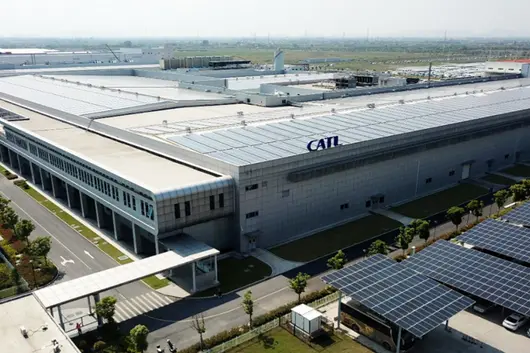
Every time CATL releases its financial report, it refreshes industry perception.
In the first half of the year, revenue reached 276.917 billion yuan, nearly 100 billion more than the 178.9 billion yuan of the same period last year. Net profit was 43.284 billion yuan, a year-on-year increase of 41.98%.
That means daily earnings of 240 million yuan, nearly 10 million earned in an hour.... Last year's same period, King Ning was only earning 170 million a day. A year later, King Ning's money-making ability is still running wild.
In stark contrast, multiple new energy vehicle manufacturers have successively released semi-annual performance forecasts, many facing profitability pressure, which actually has clear economic logic behind it:
From January to May 2026, the automotive industry's profit margin in China was only 3.4%. The vehicle manufacturing segment's profit margin was down to just 1.5%. Power batteries account for 30% to 40% of total vehicle costs, an absolute "major cost factor".
Industry chain profits are visibly concentrating on the battery segment, which is indeed an important source of CATL's profitability. However, if you turn to the details in CATL's financial report, even a strong King Ning cannot remain unaffected in the face of rising raw material prices upstream.
01
Absolute "King Ning"
In the first half of this year, CATL posted the highest first-half revenue in its company history: 276.917 billion yuan. Correspondingly, the second quarter also contributed a quarterly record high of 147.786 billion yuan.
This growth rate is already quite outrageous for CATL's super huge scale.
Net profit attributable to the parent company reached 43.28 billion yuan, a year-on-year increase of 41.98%; Net profit attributable to parent after deducting non-recurring gains and losses was 39.01 billion yuan, a year-on-year increase of 43.44%. Daily net earnings were about 240 million yuan in the first half. In the time it takes for others to bend down and pick up money, King Ning has already earned 3,000 yuan.

How is this money earned? CATL has a clear business ledger.
Among them, power batteries remain CATL's core base. In the first half of the year, revenue reached 192.12 billion yuan, a year-on-year increase of 46.02%, accounting for approximately 69.38% of total revenue.
Matching revenue, CATL's total battery system capacity is 525GWh. Production reached 498GWh in the first half of the year, with capacity utilization rate climbing to 94.86%. This means the company's production lines were almost fully open in the first half of this year, with absolutely no shortage of orders. Moreover, the 498GWh capacity corresponds to revenue of 276.917 billion yuan, with an output value of about 560 million yuan per GWh, higher than the industry average.
More importantly, market share is back.
According to global power battery installation statistics by well-known institution SNE Research, CATL's global market share from January to May this year was 40.2%, a year-on-year increase of 2.2 percentage points. Sitting in the first place globally for the eighth consecutive year, market share in overseas markets outside China also increased by 3.7 percentage points to 33.7%.

Looking at the domestic market, statistics from the China Automotive Power Battery Industry Innovation Alliance show that CATL's share in passenger vehicle installation volume in the first half of this year was 46.7%, an increase of 5.6 percentage points year-on-year, a rebound for the first time in nearly three years. Especially for ternary lithium batteries, the share reached 75.2%. That is, for every 4 ternary batteries sold, 3 are from CATL.
Except for power batteries, CATL's energy storage battery revenue began to catch up in the first half of the year, reaching 53.26 billion yuan, surging 87.5% year-on-year, accounting for 19.2% of total revenue, already close to its full-year revenue last year. It has become the fastest-growing segment for CATL in the first half of the year, also becoming the second growth curve pulling CATL's revenue growth.
This also aligns with industry conditions. According to SMM data cited in CATL's semi-annual report, global energy storage cell shipment volume was about 486GWh in the first half of the year, a 93% year-on-year increase, with AI data centers becoming new demand.

In CATL's three major main businesses, the most eye-catching one in the first half of this year was actually the "recycling business" which is most easily overlooked by outsiders. Although the scale was not large at only 18.81 billion yuan, it grew by 67.2% year-on-year, and the gross margin reached the highest of the three businesses at 27.0%, an increase of 5.8 percentage points year-on-year.
With good performance on core indicators, CATL's other financial data is basically all profitable.
Net operating cash flow in the first half of the year was 60.217 billion yuan, higher than net profit attributable to parent of 43.284 billion yuan. This point is very important, indicating that company profits are not "paper profits". Company inventory was 130.819 billion yuan, with the beginning balance being 94.526 billion yuan, a half-year increase of about 38.39%. Combined with capacity utilization rate, it also explains that CATL currently has ample cash reserves.
02
King Ning Also Has A Temper
Aside from having ample reserves, the financial foundation is also thick. While releasing the semi-annual report, CATL also launched a buyback plan.
It announced the largest single share buyback plan in A-share history, planning to spend 20 billion to 40 billion yuan to buy back A-shares and cancel them all. The upper limit of the buyback price is 573 yuan/share, a premium of nearly 50% over the closing price of the day.
This amount upper limit also set the record for the largest single buyback plan in A-share history, with the previous record held by Gree Electric Appliances' 15 billion yuan in 2021. The 40 billion yuan upper limit is nearly equal to CATL's entire net profit in the first half of the year.

And unlike previous corporate stock buyback operations, a cancelled buyback means reducing registered capital. The bought-back shares will no longer circulate. Total share capital actually becomes less, directly enhancing EPS and net asset value per share for remaining shareholders. Calculating with the upper limit 40 billion and 573 yuan, the maximum buyback is about 69.808 million shares, accounting for 1.5% of total share capital. EPS enhancement is about 1.5%.
From an accounting perspective, CATL indeed can afford this money. Monetary funds on hand were 372.05 billion yuan. Even with the upper limit of 40 billion fully bought back, it only accounts for 10.8% of monetary funds. Calculated based on total assets of 1.13888 trillion yuan, 40 billion only accounts for 3.5%.
At the performance briefing, the reason for discussing buyback was very straightforward — its value was undervalued.
On the day the financial report was released, CATL A-share closing price was 383.01 yuan, while the 52-week high was 468.75 yuan. Performance hit a new high, yet stock price fell nearly 20% over half a year.
Under these premises, the 40 billion yuan buyback of real money is CATL's attitude to the market. That is I earn enough, have enough money, and have full confidence in the future. But the market's pricing for CATL is clearly too low.
03
Upstream Pressure Transmission
Despite the revenue running wild, CATL's profitability level has declined somewhat. Compared to the profit growth far exceeding revenue growth of the same period last year, this year King Ning's profit can no longer catch up to revenue growth. Revenue year-on-year increase in the first half was 54.8%, net profit attributable to parent grew 41.98%, nearly 13 percentage points slower than revenue.
The core reason is that overall gross margin dropped from 25.02% in the same period last year to 23.93%, down about 1.1 percentage points.
Broken down by business, power batteries as the core main force had the most severe gross margin decline, dropping 1.78 percentage points to 20.63%. Energy storage gross margin dropped 1.56 percentage points to 23.96%. Only the recycling business with the smallest scale saw an increase.
Management attributed the gross margin decline at the performance meeting to a "math problem". Gross margin = Gross Profit / Total Revenue. Unit gross profit remained unchanged, denominator revenue increased, gross margin got diluted.

The reason for gross profit decline is not hard to guess. Public data shows that since the beginning of this year, prices for both lithium iron phosphate and ternary materials have risen.
In January, lithium iron phosphate price was 50,000 yuan/ton, but by May, at the peak price, it exceeded 60,000 yuan, rising over 20%. And compared to the same period last year, the increase is even larger.
But raw material price hikes cannot be immediately transferred to customers because auto orders are generally long-term supply prices and cannot be adjusted in time. So this part of the cost pressure can only be borne by CATL temporarily.
Therefore, at the performance meeting, it emphasized suggesting investors pay more attention to unit net profit rather than gross margin, i.e., deduct taxes and three major expenses from gross profit. The remaining core operating profit is closer to the actual profitability of the main business.
By this standard, core operating profit in the first half of the year was 45.377 billion yuan, a year-on-year increase of 70.1%. Core operating profit margin rose from 14.91% to 16.39%. From this perspective, the state of the main business is better than what the balance sheet gross margin appears to be.
In addition, there is another detail easily overlooked but sufficient to affect overall profit. CATL's financial expenses in the first half of this year were -631 million yuan, while the same period last year was -5.822 billion yuan.

The main reason is foreign currency monetary items held incurred exchange losses due to exchange rate fluctuations. That is, simply due to exchange rate volatility, CATL earned 5.2 billion yuan less, and this part is a real profit increment.
In addition, car companies fleeing CATL is also starting to turn from rumors into reality. In the semi-annual report submitted by CATL, the 46.7% domestic passenger vehicle installation share, although still industry number one.
But looking at a longer time line, CATL's share in the domestic passenger vehicle market has long since dropped from a peak of over 50% in 2021, fluctuating back and forth in the range of 43% to 48% in recent years. And looking at newly launched cars recently, CATL is indeed slowly degenerating from "the only option" in car company purchase lists to "one of multiple options".
So under this trend, overseas has become the next key direction for King Ning. And the overseas performance shown in the semi-annual report corroborates that King Ning's judgment is correct.

In the first half of this year, overseas revenue reached 87.129 billion yuan, accounting for 31.46%, a year-on-year increase of 42.35%. What was eye-catching was the gross margin, as high as 29.97%, nearly 9 percentage points higher than the 21.16% in China. Factories in Hungary, the US, and Indonesia went into production successively. The customer list includes Volkswagen, BMW, Toyota, these global mainstream car companies.
From the perspective of "profit-making efficiency", overseas is clearly better. This is also why CATL is willing to spend tens of billions of euros to build factories in Europe and Southeast Asia.
However, overseas is both opportunity and variable. While business and profit space are large, tariffs, exchange rates, and geopolitical risks are more. But it is also the starting point of CATL's next round of scale expansion.

喺馬來西亞嘅 SUV 市場,好多買家喺揀車嘅時候都揾 Proton X70 同 Honda WR-V 嚟比較。呢兩款車喺價錢同埋定位上都幾接近,今日我哋就從多個方面做一個詳細嘅比較,幫你節省做功課嘅時間。
Proton X70 喺馬來西亞嘅 OTR 售價係 RM 106,800 - 122,300,總共有 3 個版本,包括 1.5L Standard 2WD(RM 106,800)、1.5L Executive 2WD(RM 115,800)、1.5L Premium 2WD(RM 122,300)等。
Honda WR-V 喺馬來西亞嘅 OTR 售價係 RM 89,900 - 107,900,總共有 4 個版本,包括 2023 1.5L V(RM 99,900)、2023 1.5L E(RM 95,900)、2023 1.5L S(RM 89,900)等。
由價錢睇,Honda WR-V 嘅起步價比 Proton X70 平咗 RM 16,900。實講,喺呢個價位段,幾千蚊嘅差距其實唔算大,關鍵始終係睇整體嘅性價比同埋長期使用成本。

Proton X70 配備 1.5L Turbo,馬力 140 hp。官方油耗 7.0 L/100km。
Honda WR-V 配備 1.5L 4-cyl,馬力 105 hp。官方油耗 6.0 L/100km。
動力方面,Proton X70 嘅 1.5L Turbo 比 Honda WR-V 嘅 1.5L 4-cyl 多咗 35 匹馬力,中段加速更有信心,尤其係跑高速路超車嘅時候。不過 Honda WR-V 嘅油耗可能更加友好,日常市區通勤差別唔會太大。
Proton X70 保用 5 年/150,000km,保養間隔 每 10,000km 或 6 個月。
Honda WR-V 保用 5 年/無限制里程,保養間隔 每 10,000km 或 6 個月。
Proton X70 同 Honda WR-V 都係馬來西亞市場嘅主流選擇,適合家庭使用、日常通勤。如果你更睇重品牌口碑同埋二手價,可以優先考慮口碑更好嗰一款;如果你更介意性價比同配備,那就揀配備更豐富嗰款。最終始終建議兩款都去試駕,親自體驗先至最緊要。
總括嚟講,Proton X70 同 Honda WR-V 都係馬來西亞市場幾好嘅車型。揀邊架,關鍵始終係睇你嘅個人需求同埋預算。建議大家做好功課,多比較幾間車行嘅報價,再去試駕先做最終決定。買車係件大嚟嘅事,花啲時間做功課絕對無錯。


In the Malaysian SUV market, many buyers compare the Proton X50 and Mitsubishi Xforce when choosing a car. Both vehicles are quite close in price and positioning. Today we will make a detailed comparison from multiple aspects to help you save time on research.
The Proton X50 OTR price in Malaysia is RM 89,800 - 113,300. There are 4 versions in total, including 1.5T Executive (RM 89,800), 1.5T Premium (RM 101,800), 1.5T Flagship (RM 113,300) etc.
The Mitsubishi Xforce OTR price in Malaysia is RM 109,930 - 119,930. There are 2 versions in total, including 2026 1.5L Ultimate (RM 119,930), 2026 1.5L Urban (RM 109,930) etc.
From a price perspective, the Proton X50's starting price is indeed RM 20,130 cheaper than the Mitsubishi Xforce. If your budget is limited, Proton's entry-level version can already meet daily needs. But keep in mind, the few thousand difference in price may involve trade-offs in features, depending on your needs.
The Proton X50 safety rating is 5★ (ASEAN NCAP). Active safety system includes ADAS (ACC, AEB, LKA, LDA, BSM, RCTA).
The Mitsubishi Xforce safety rating is 5★ (ASEAN NCAP). Active safety system includes MI-PILOT.
Both cars have the same safety rating. Safety features in this class are considered quite comprehensive. New cars nowadays have good safety, no need to worry too much about this.
Proton X50 body length 4400 mm, trunk 400 L.
Mitsubishi Xforce body length 4400 mm, trunk 400 L.
Dimensions of both cars are almost the same, interior space difference is not large. Cars in this class are fully sufficient for daily use.
Proton X50 and Mitsubishi Xforce are both mainstream choices in the Malaysian market, suitable for family use and daily commuting. If you value brand reputation and resale price more, you can prioritize the one with better reputation. If you care more about value for money and features, then choose the model with richer configuration. Ultimately it is suggested to test drive both models, personal experience is the most important.

Overall, Proton X50 and Mitsubishi Xforce are very good models in the Malaysian market. Which one to choose depends on your personal needs and budget. We suggest doing research, comparing quotes from several dealers, and then test driving to make the final decision. Buying a car is a big matter, spending time on research will never be wrong.

喺馬來西亞嘅 SUV 市場,好多買家揀車嘅時候都會拿 寶騰 X50 同 斯巴魯 Crosstrek 嚟比較。呢兩款車喺價錢同定位上都幾接近,今日我哋就由多方面做詳細對比,幫你節省做功課嘅時間。
寶騰 X50 喺馬來西亞嘅 OTR 售價係 RM 89,800 - 113,300,一共有 4 個版本,包括 1.5T Executive(RM 89,800)、1.5T Premium(RM 101,800)、1.5T Flagship(RM 113,300) 等。
斯巴魯 Crosstrek 喺馬來西亞嘅 OTR 售價係 RM 145,000 - 160,000,一共有 1 個版本,包括 2.0L e-Boxer(RM 150,000) 等。
從價錢嚟睇,寶騰 X50 嘅入門價確實比 斯巴魯 Crosstrek 平咗 RM 55,200。如果你預算有限,寶騰嘅入門版已經可以滿足日常需求。但都要注意,平嗰幾千蚊,可能會喺配備上有所取捨,具體睇你嘅需求。
寶騰 X50 搭載 1.5L 4-cyl,馬力 105 hp。官方油耗 6.0 L/100km。
斯巴魯 Crosstrek 搭載 1.5L Turbo,馬力 140 hp。官方油耗 7.0 L/100km。
動力方面,斯巴魯 Crosstrek 嘅 1.5L Turbo 比 寶騰 X50 嘅 1.5L 4-cyl 多咗 35 匹馬力。不過日常喺市區開,呢兩款車嘅動力都夠用,唔會覺得唔夠力。
寶騰 X50 嘅安全評級係 5★ (ASEAN NCAP),主動安全系統包括 ADAS (ACC, AEB, LKA, LDA, BSM, RCTA)。
斯巴魯 Crosstrek 嘅安全評級係 5★ (Euro NCAP),主動安全系統包括 EyeSight。
安全配備方面,呢兩款車都拿到唔錯嘅評級。不過 寶騰 X50 嘅 ADAS (ACC, AEB, LKA, LDA, BSM, RCTA) 同 斯巴魯 Crosstrek 嘅 EyeSight 喺功能上有少少分別,如果你比較睇重主動安全嘅話,可以仔細對比吓兩者嘅功能清單。
寶騰 X50 車身長 4400 mm,後備箱 400 L。
斯巴魯 Crosstrek 車身長 4400 mm,後備箱 400 L。
呢兩款車嘅尺寸差唔多,車內空間差別唔大。呢個級別嘅車,日常使用完全夠用。
寶騰 X50 採用 4WD 驅動方式。
斯巴魯 Crosstrek 採用 FWD 驅動方式。
寶騰嘅 4WD 同 斯巴魯嘅 FWD 喺操控上會有唔同感受,建議試駕對比。
總嚟講,寶騰 X50 同 斯巴魯 Crosstrek 都係馬來西亞市場幾唔錯嘅車型。揀邊一輛,關鍵都要睇你嘅個人需求同預算。建議大家做足功課,多比較幾間車行嘅報價,再跟住去試駕做最終決定。買車係件大事,花少少時間做功課絕對唔會錯。
In the Malaysian SUV market, many buyers compare the Proton X50 and Mitsubishi Xforce when choosing a car. These two models are quite close in price and positioning. Today, we will make a detailed comparison from multiple aspects to help you save time on research.
The OTR price of the Proton X50 in Malaysia is RM 89,800 - 113,300, with a total of 4 variants, including 1.5T Executive (RM 89,800), 1.5T Premium (RM 101,800), 1.5T Flagship (RM 113,300), etc.
The OTR price of the Mitsubishi Xforce in Malaysia is RM 109,930 - 119,930, with a total of 2 variants, including 2026 1.5L Ultimate (RM 119,930), 2026 1.5L Urban (RM 109,930), etc.
In terms of price, the starting price of the Proton X50 is indeed RM 20,130 cheaper than the Mitsubishi Xforce. If your budget is limited, the Proton entry-level version is already sufficient for daily needs. However, also note that the few thousand difference might involve trade-offs in features, depending on your specific needs.
Proton X50 features a 1.5L 4-cyl engine, 105 hp. Official fuel consumption 6.0 L/100km.
Mitsubishi Xforce features a 1.5L Turbo engine, 140 hp. Official fuel consumption 7.0 L/100km.
In terms of power, the Mitsubishi Xforce's 1.5L Turbo has 35 more horsepower than the Proton X50's 1.5L 4-cyl. However, for daily city driving, both cars have enough power and won't feel underpowered.
The safety rating of the Proton X50 is 5★ (ASEAN NCAP), active safety systems include ADAS (ACC, AEB, LKA, LDA, BSM, RCTA).
The safety rating of the Mitsubishi Xforce is 5★ (ASEAN NCAP), active safety systems include MI-PILOT.
Both cars have the same safety rating, and safety features are quite comprehensive for this class. New car safety is generally good nowadays, so there's no need to worry too much about this.
Proton X50 warranty 5 years/150,000km, service interval every 10,000km or 6 months.
Mitsubishi Xforce warranty 3 years/100,000km, service interval every 10,000km or 6 months.
Overall, both the Proton X50 and Mitsubishi Xforce are excellent models in the Malaysian market. Which one to choose depends mainly on your personal needs and budget. We recommend doing your research, comparing quotes from several dealerships, and test-driving before making a final decision. Buying a car is a big matter, spending time on research will never be wrong.
Di pasaran SUV Malaysia, ramai pembeli membandingkan Proton X50 dengan Mitsubishi Xforce apabila memilih kereta. Kedua-dua kereta ini mempunyai harga dan kedudukan pasaran yang hampir sama, hari ini kita akan membuat perbandingan terperinci dari pelbagai aspek, membantu anda menjimatkan masa untuk membuat kajian.
Harga OTR Proton X50 di Malaysia ialah RM 89,800 - 113,300, terdapat 4 varian, termasuk 1.5T Executive (RM 89,800), 1.5T Premium (RM 101,800), 1.5T Flagship (RM 113,300) dan lain-lain.
Harga OTR Mitsubishi Xforce di Malaysia ialah RM 109,930 - 119,930, terdapat 2 varian, termasuk 2026 1.5L Ultimate (RM 119,930), 2026 1.5L Urban (RM 109,930) dan lain-lain.
Dari segi harga, harga permulaan Proton X50 memang RM 20,130 lebih murah daripada Mitsubishi Xforce. Jika bajet anda terhad, versi permulaan Proton sudah boleh memenuhi keperluan harian. Namun, perlu berhati-hati, perbezaan harga tersebut mungkin melibatkan kompromi pada kelengkapan, bergantung pada keperluan anda.
Penilaian keselamatan Proton X50 ialah 5 Bintang (ASEAN NCAP), sistem keselamatan aktif termasuk ADAS (ACC, AEB, LKA, LDA, BSM, RCTA).
Penilaian keselamatan Mitsubishi Xforce ialah 5 Bintang (ASEAN NCAP), sistem keselamatan aktif termasuk MI-PILOT.
Penilaian keselamatan kedua-dua kereta adalah sama, di kelas ini kelengkapan keselamatan dianggap sangat lengkap. Keselamatan kereta baharu semasa tidak buruk, tidak perlu risau terlalu banyak mengenainya.
Panjang badan Proton X50 adalah 4400 mm, ruang muatan 400 L.
Panjang badan Mitsubishi Xforce adalah 4400 mm, ruang muatan 400 L.
Saiz kedua-dua kereta hampir sama, ruang dalaman tidak banyak berbeza. Untuk kereta di kelas ini, penggunaan harian sudah cukup.
Proton X50 jaminan 5 tahun/150,000km, selang penyelenggaraan setiap 10,000km atau 6 bulan.
Mitsubishi Xforce jaminan 3 tahun/100,000km, selang penyelenggaraan setiap 10,000km atau 6 bulan.
Proton X50 dan Mitsubishi Xforce adalah pilihan utama di pasaran Malaysia, sesuai untuk kegunaan keluarga dan perjalanan harian. Jika anda lebih mengutamakan reputasi jenama dan harga jual semula, pertimbangkan yang mempunyai reputasi lebih baik; jika anda lebih mengutamakan nilai dan kelengkapan, pilih varian dengan kelengkapan lebih banyak. Pada akhirnya, disarankan untuk memandu uji kedua-dua kereta, pengalaman sendiri adalah yang paling penting.

Secara keseluruhannya, Proton X50 dan Mitsubishi Xforce adalah model kereta yang sangat baik di pasaran Malaysia. Memilih yang mana, kuncinya bergantung pada keperluan dan bajet peribadi anda. Kami sarankan anda buat kajian, bandingkan banyak sebut harga dari dealer kereta yang berbeza, kemudian buat ujian memandu untuk membuat keputusan akhir. Membeli kereta adalah perkara penting, meluangkan masa untuk membuat kajian tidak akan salah.

在马来西亚的汽车市场,很多买家在选车的时候都会拿 Mercedes-Benz Maybach GLS 和 Land Rover Range Rover 来做比较。今天我们从多个方面做一个详细的对比,帮你省下做功课的时间。


Mercedes-Benz Maybach GLS 在马来西亚的 OTR 售价是 RM 1,918,888 - 1,918,888,一共有 1 个版本,包括 Standard(RM 1,918,888) 等。
Land Rover Range Rover 在马来西亚的 OTR 售价是 RM 2,488,000 - 2,798,000,一共有 1 个版本,包括 Standard(RM 2,488,000) 等。
从价钱来看,Mercedes-Benz Maybach GLS 的起步价确实比 Land Rover Range Rover 便宜了 RM 569,112。如果你预算有限,Mercedes-Benz 的入门版已经可以满足日常需求。但也要注意,便宜的那几千块,可能在配备上会有取舍,具体要看你的需求。

Mercedes-Benz Maybach GLS 的安全评级是 5★ (Euro NCAP),主动安全系统包括 Premium ADAS。
Land Rover Range Rover 的安全评级是 TBD,主动安全系统包括 Basic。
安全配备方面,两款车都拿到了不错的评级。不过 Mercedes-Benz Maybach GLS 的 Premium ADAS 和 Land Rover Range Rover 的 Basic 在功能上有些差异,如果你比较看重主动安全的话,可以仔细对比一下两者的功能列表。

Mercedes-Benz Maybach GLS 采用 FWD 驱动方式。
Land Rover Range Rover 采用 4WD 驱动方式。
Mercedes-Benz Maybach GLS 的 FWD 和 Land Rover Range Rover 的 4WD 在操控上会有不同感受,建议试驾对比。

Mercedes-Benz Maybach GLS 和 Land Rover Range Rover 都是马来西亚市场的主流选择,适合家庭使用、日常通勤。如果你更看重品牌口碑和二手价,可以优先考虑口碑更好的那一款;如果你更在意性价比和配备,那就选配置更丰富的那款。最终还是建议两款都去试驾,亲身体验才是最重要的。
总的来说,Mercedes-Benz Maybach GLS 和 Land Rover Range Rover 都是马来西亚市场很不错的车型。选择哪一辆,关键还是要看你的个人需求和预算。建议大家做好功课,多比较几间车行的报价,再去试驾做最终决定。买车是件大事,花点时间做功课绝对不会错。


在马来西亚的轿车市场,很多买家在选车的时候都会拿 Volkswagen Golf GTI 和 Mercedes-Benz C-Class AMG 来做比较。这两款车在价位和定位上都蛮接近的,今天我们就从多个方面做一个详细的对比,帮你省下做功课的时间。
Volkswagen Golf GTI 在马来西亚的 OTR 售价是 RM 256,962 - 256,962,一共有 3 个版本,包括 2025 2.0T Sepang Edition(RM 262,990)、2025 2.0T Standard(RM 256,962)、DCT(RM 219,800) 等。
Mercedes-Benz C-Class AMG 在马来西亚的 OTR 售价是 RM 443,888 - 443,888,一共有 2 个版本,包括 C 200 Avantgarde(RM 260,000)、C 300 AMG Line(RM 310,000) 等。
从价钱来看,Volkswagen Golf GTI 的起步价确实比 Mercedes-Benz C-Class AMG 便宜了 RM 186,926。如果你预算有限,Volkswagen 的入门版已经可以满足日常需求。但也要注意,便宜的那几千块,可能在配备上会有取舍,具体要看你的需求。

Volkswagen Golf GTI 搭载 2.0L Turbo,马力 220 hp。官方油耗 9.5 L/100km。
Mercedes-Benz C-Class AMG 搭载 3.0L Turbo,马力 350 hp。官方油耗 12.0 L/100km。
动力方面,Mercedes-Benz C-Class AMG 的 3.0L Turbo 比 Volkswagen Golf GTI 的 2.0L Turbo 多了 130 匹马力。不过日常在市区开,两款车的动力都够用,不会觉得不够力。

Volkswagen Golf GTI 的安全评级是 5★ (Euro NCAP),主动安全系统包括 IQ.Drive。
Mercedes-Benz C-Class AMG 的安全评级是 5★ (Euro NCAP),主动安全系统包括 Premium ADAS。
两款车的安全评级一样,在这个级别里面安全配备都算给得很齐全了。现在的新车安全性都不差,不用太担心这一点。

Volkswagen Golf GTI 采用 FWD 驱动方式。
Mercedes-Benz C-Class AMG 采用 FWD 驱动方式。
两款车的驱动方式一样,都是 FWD,日常驾驶感受不会有太大区别。

Volkswagen Golf GTI 和 Mercedes-Benz C-Class AMG 都是马来西亚市场的主流选择,适合家庭使用、日常通勤。如果你更看重品牌口碑和二手价,可以优先考虑口碑更好的那一款;如果你更在意性价比和配备,那就选配置更丰富的那款。最终还是建议两款都去试驾,亲身体验才是最重要的。

总的来说,Volkswagen Golf GTI 和 Mercedes-Benz C-Class AMG 都是马来西亚市场很不错的车型。选择哪一辆,关键还是要看你的个人需求和预算。建议大家做好功课,多比较几间车行的报价,再去试驾做最终决定。买车是件大事,花点时间做功课绝对不会错。


在马来西亚的轿车市场,很多买家在选车的时候都会拿 Volkswagen Golf GTI 和 Mercedes-Benz C-Class AMG 来做比较。这两款车在价位和定位上都蛮接近的,今天我们就从多个方面做一个详细的对比,帮你省下做功课的时间。
Volkswagen Golf GTI 在马来西亚的 OTR 售价是 RM 256,962 - 256,962,一共有 3 个版本,包括 2025 2.0T Sepang Edition(RM 262,990)、2025 2.0T Standard(RM 256,962)、DCT(RM 219,800) 等。
Mercedes-Benz C-Class AMG 在马来西亚的 OTR 售价是 RM 443,888 - 443,888,一共有 2 个版本,包括 C 200 Avantgarde(RM 260,000)、C 300 AMG Line(RM 310,000) 等。
从价钱来看,Volkswagen Golf GTI 的起步价确实比 Mercedes-Benz C-Class AMG 便宜了 RM 186,926。如果你预算有限,Volkswagen 的入门版已经可以满足日常需求。但也要注意,便宜的那几千块,可能在配备上会有取舍,具体要看你的需求。
Volkswagen Golf GTI 的安全评级是 5★ (Euro NCAP),主动安全系统包括 IQ.Drive。
Mercedes-Benz C-Class AMG 的安全评级是 5★ (Euro NCAP),主动安全系统包括 Premium ADAS。
两款车的安全评级一样,在这个级别里面安全配备都算给得很齐全了。现在的新车安全性都不差,不用太担心这一点。
Volkswagen Golf GTI 车身长 4400 mm,后备箱 400 L。
Mercedes-Benz C-Class AMG 车身长 4400 mm,后备箱 400 L。
两款车的尺寸几乎一样,车内空间差别不大。这个级别的车,日常使用完全够用。
Volkswagen Golf GTI 保修 3年/100,000km,保养间隔 每10,000km或6个月。
Mercedes-Benz C-Class AMG 保修 3年/100,000km,保养间隔 每10,000km或6个月。
两款车的保修条件一样,这方面不用纠结。实际保养成本还要看品牌的服务网络和零件价格,建议去车友群问问真实车主的经验。
总的来说,Volkswagen Golf GTI 和 Mercedes-Benz C-Class AMG 都是马来西亚市场很不错的车型。选择哪一辆,关键还是要看你的个人需求和预算。建议大家做好功课,多比较几间车行的报价,再去试驾做最终决定。买车是件大事,花点时间做功课绝对不会错。

在马来西亚的轿车市场,很多买家在选车的时候都会拿 Honda Civic Type R 和 Mercedes-Benz E-Class PHEV 来做比较。这两款车在价位和定位上都蛮接近的,今天我们就从多个方面做一个详细的对比,帮你省下做功课的时间。
Honda Civic Type R 在马来西亚的 OTR 售价是 RM 399,900 - 399,900,一共有 3 个版本,包括 2023 2.0T Standard(RM 399,900)、OTR NI(RM 399,900)、Volvo ES90(RM 339,888) 等。
Mercedes-Benz E-Class PHEV 在马来西亚的 OTR 售价是 RM 427,888 - 427,888,一共有 2 个版本,包括 E 200 Avantgarde(RM 350,000)、E 300 AMG Line(RM 400,000) 等。
从价钱来看,Honda Civic Type R 的起步价确实比 Mercedes-Benz E-Class PHEV 便宜了 RM 27,988。如果你预算有限,Honda 的入门版已经可以满足日常需求。但也要注意,便宜的那几千块,可能在配备上会有取舍,具体要看你的需求。

Honda Civic Type R 搭载 2.0L Turbo,马力 220 hp。官方油耗 9.5 L/100km。
Mercedes-Benz E-Class PHEV 搭载 Hybrid,马力 170 hp。官方油耗 4.5 L/100km。
动力方面,Honda Civic Type R 的 2.0L Turbo 比 Mercedes-Benz E-Class PHEV 的 Hybrid 多了 50 匹马力,中段加速更有信心,尤其是跑高速公路超车的时候。不过 Mercedes-Benz E-Class PHEV 的油耗可能更友好,日常市区通勤差别不会太大。
Honda Civic Type R 的安全评级是 5★ (ASEAN NCAP),主动安全系统包括 Brand ADAS。
Mercedes-Benz E-Class PHEV 的安全评级是 5★ (Euro NCAP),主动安全系统包括 Premium ADAS。
安全配备方面,两款车都拿到了不错的评级。不过 Honda Civic Type R 的 Brand ADAS 和 Mercedes-Benz E-Class PHEV 的 Premium ADAS 在功能上有些差异,如果你比较看重主动安全的话,可以仔细对比一下两者的功能列表。

Honda Civic Type R 车身长 4450 mm,后备箱 470 L。
Mercedes-Benz E-Class PHEV 车身长 4400 mm,后备箱 400 L。
空间方面,Honda Civic Type R 的车身比 Mercedes-Benz E-Class PHEV 长了 50 mm,车内乘坐空间会稍微宽裕一些,尤其是后座腿部空间。如果你经常载家人或者需要放婴儿车,大一点的车身确实更实用。

Honda Civic Type R 保修 5年/无限制里程,保养间隔 每10,000km或6个月。
Mercedes-Benz E-Class PHEV 保修 3年/100,000km,保养间隔 每10,000km或6个月。

总的来说,Honda Civic Type R 和 Mercedes-Benz E-Class PHEV 都是马来西亚市场很不错的车型。选择哪一辆,关键还是要看你的个人需求和预算。建议大家做好功课,多比较几间车行的报价,再去试驾做最终决定。买车是件大事,花点时间做功课绝对不会错。


在马来西亚的SUV市场,很多买家在选车的时候都会拿 Mercedes-Benz Maybach GLS 和 Land Rover Range Rover 来做比较。这两款车在价位和定位上都蛮接近的,今天我们就从多个方面做一个详细的对比,帮你省下做功课的时间。
Mercedes-Benz Maybach GLS 在马来西亚的 OTR 售价是 RM 1,918,888 - 1,918,888,一共有 1 个版本,包括 Standard(RM 1,918,888) 等。
Land Rover Range Rover 在马来西亚的 OTR 售价是 RM 2,488,000 - 2,798,000,一共有 1 个版本,包括 Standard(RM 2,488,000) 等。
从价钱来看,Mercedes-Benz Maybach GLS 的起步价确实比 Land Rover Range Rover 便宜了 RM 569,112。如果你预算有限,Mercedes-Benz 的入门版已经可以满足日常需求。但也要注意,便宜的那几千块,可能在配备上会有取舍,具体要看你的需求。
Mercedes-Benz Maybach GLS 的安全评级是 5★ (Euro NCAP),主动安全系统包括 Premium ADAS。
Land Rover Range Rover 的安全评级是 TBD,主动安全系统包括 Basic。
安全配备方面,两款车都拿到了不错的评级。不过 Mercedes-Benz Maybach GLS 的 Premium ADAS 和 Land Rover Range Rover 的 Basic 在功能上有些差异,如果你比较看重主动安全的话,可以仔细对比一下两者的功能列表。
Mercedes-Benz Maybach GLS 采用 FWD 驱动方式。
Land Rover Range Rover 采用 4WD 驱动方式。
Mercedes-Benz 的 FWD 和 Land Rover 的 4WD 在操控上会有不同感受,建议试驾对比。
Mercedes-Benz Maybach GLS 保修 3年/100,000km,保养间隔 每10,000km或6个月。
Land Rover Range Rover 保修 3年/100,000km,保养间隔 每10,000km或6个月。
两款车的保修条件一样,这方面不用纠结。实际保养成本还要看品牌的服务网络和零件价格,建议去车友群问问真实车主的经验。
总的来说,Mercedes-Benz Maybach GLS 和 Land Rover Range Rover 都是马来西亚市场很不错的车型。选择哪一辆,关键还是要看你的个人需求和预算。建议大家做好功课,多比较几间车行的报价,再去试驾做最终决定。买车是件大事,花点时间做功课绝对不会错。
© 2024 Bitauto.com. All Rights Reserved.
Bitauto (www.yiche.com and www.bitauto.com) is one of the most visited automotive websites in China. We provide detailed info on Chinese car brands available in your area. Please note that the information provided on this website is based on publicly available data and is for reference only. It may not be fully updated or accurate at all times.

Help us improve our website


