

Homenatural

Search History
Popular Searches
Dealer Login / Sign Up

In the SUV market in Malaysia, many buyers tend to compare Honda CR-V and Kia Sportage when choosing a car. These two cars are quite close in price and positioning. Today, we will make a detailed comparison from multiple aspects to help you save time on research.
Honda CR-V OTR price in Malaysia is RM 178,200 - 195,900, totaling 4 versions, including 2026 e:HEV 2.0L 2WD RS (RM 195,900), 2026 1.5T 4WD V (RM 181,900), 2026 e:HEV 2.0L 2WD E (RM 178,200), etc.
Kia Sportage OTR price in Malaysia is RM 129,639 - 179,320, totaling 4 versions, including 2025 1.6T DCT 4WD High (RM 179,320), 2025 1.6T DCT 2WD High (RM 159,320), 2025 2.0L AT 2WD High (RM 139,639), etc.
In terms of price, the starting price of Kia Sportage is RM 48,561 cheaper than Honda CR-V. Honestly, in this price range, a difference of a few thousand is not really significant; the key is to look at the overall value for money and long-term ownership costs.

Honda CR-V body length is 4500 mm, trunk 450 L.
Kia Sportage body length is 4400 mm, trunk 400 L.
In terms of space, the Honda CR-V body is 100 mm longer than Kia Sportage, the interior seating space will be slightly more spacious, especially the rear legroom. If you frequently carry family members or need to store a stroller, a larger body is indeed more practical.

Honda CR-V adopts FWD drive mode.
Kia Sportage adopts FWD drive mode.
The drive modes of both cars are the same, both are FWD, daily driving experience will not have a major difference.

Honda CR-V and Kia Sportage are both mainstream choices in the Malaysian market, suitable for family use and daily commuting. If you value brand reputation and resale value more, you can prioritize the one with better reputation; if you care more about value for money and features, then choose the one with richer features. In the end, it is recommended to test drive both models; experiencing it firsthand is the most important.

Overall, Honda CR-V and Kia Sportage are both very good models in the Malaysian market. Which one to choose mainly depends on your personal needs and budget. It is recommended to do your research, compare quotes from several car dealers, and then test drive to make the final decision. Buying a car is a big deal, spending time on research will definitely not be wrong.



从"借船出海”,到“全链条生态”出海。9月17日,在南宁举办的第23届中国—东盟博览会上,上汽通用五菱正式发布Global 5全球战略,并为这个转变画了一个明确的刻度:3年深化布局150个国家、拓展500家战略合作伙伴、年销量年均增长50%。

发布会现场,五菱与马来西亚陈唱集团签署电池本地化CKD项目协议,成为新战略落地的第一个成果。
详解Global 5全球战略。 其一是五大实力底座:覆盖SUV、MPV、微型代步、城市新能源和商用车的全品类产品,"天、灵、神"技术体系,全球首创的MS智能岛制造体系,"智造链、供应链、销售链、人才链、金融链"五链协同,再加上68年造车、全球累计产销3200万台的口碑。

其二是五大合作模式:面向不同市场,开放贸易、经销、产销、全产业链和技术授权五种路径,由浅入深、按需选择——其中"技术授权"意味着五菱不只输出产品,也开始输出制造与技术能力。
此外,该战略还配套了覆盖合作全生命周期的五大服务保障,以东盟为桥头堡、辐射亚洲、非洲、美洲、欧洲、大洋洲的五大市场,以及一组有底盘支撑的目标:五菱产品目前已销往110余个国家和地区、海外营销网点超230家,未来3年要把布局深化到150个国家、拓展500家战略合作伙伴、年销量年均增长50%——相当于在现有版图上再拿下近40个新市场。

上汽通用五菱副总经理赵肖斌给出了Global 5战略的底盘数据:全球累计产销突破3200万台,新能源销量超400万台,海外出口连续10年增长、累计突破160万台/套。海外事业部副总经理石建功表示,五菱要把全链路自研自建能力,系统性转化为海外市场竞争力。
这套战略的分量,要放在中国汽车出海的大盘里看。中汽协数据显示,2026年前8个月中国汽车出口715.3万辆,同比增长66.7%,已超过去年全年总量,月度出口连续3个月站上百万辆台阶;新能源汽车出口343.5万辆,占比连续3个月过半。中汽协副秘书长陈士华判断,中国汽车出口正从短期销量扩张转向更稳定的规模化阶段,企业需要从"卖产品"走向"建体系"。

五菱的选择恰好踩在这个节点上。它没有把战略停留在出口目标,而是把制造、供应链、金融、人才和售后整体打包,再用从贸易到技术授权的五级阶梯,适配不同发展阶段的市场,这正是"生态出海"的典型打法。
东盟是最现实的样板:五菱2017年进入印尼,芝卡朗工厂九年累计生产20万辆,带动16家国内三电企业落地、培育本地供应商超百家;今年1至7月企业海外销量已突破20万台/套,连续4个月单月破3万。此次马来西亚CKD项目签约,则是把这套本地化打法再复制一国。

当关税壁垒和本地化要求成为出海新常态,单纯把车运出去的窗口正在收窄。Global 5全球战略的意义,在于给五菱海外业务装上一套可复制的"体系化操作系统"——东盟打底,五链护航,三年为期。中国汽车全球化的下半场,比的不再是谁卖得多,而是谁能在海外真正扎下根。五菱这一步,是冲着"扎根"去的。


In Malaysia's SUV market, many buyers compare the Honda CR-V and Hyundai Tucson when choosing a car. These two cars are quite close in price and positioning. Today we will make a detailed comparison from multiple aspects to help you save time on research.
The OTR price of Honda CR-V in Malaysia is RM 178,200 - 195,900, with a total of 4 versions, including 2026 e:HEV 2.0L 2WD RS (RM 195,900), 2026 1.5T 4WD V (RM 181,900), 2026 e:HEV 2.0L 2WD E (RM 178,200), etc.
The OTR price of Hyundai Tucson in Malaysia is RM 143,888 - 197,888, with a total of 5 versions, including 2025 HEV 1.6T AT 2WD Prestige (RM 197,888), 2025 1.6T DCT 4WD Prestige (RM 186,888), 2025 1.6T DCT 2WD Prime (RM 164,888), etc.
From a price perspective, the starting price of Hyundai Tucson is RM 34,312 cheaper than Honda CR-V. To be honest, in this price range, a difference of a few thousand is not actually that big, the key is still looking at overall value for money and long-term usage costs.
Honda CR-V is equipped with a 2.0L 4-cyl, horsepower 170 hp. Official fuel consumption 8.0 L/100km.
Hyundai Tucson is equipped with a 1.5L Turbo, horsepower 140 hp. Official fuel consumption 7.0 L/100km.
In terms of power, the 2.0L 4-cyl of Honda CR-V has 30 more horsepower than Hyundai Tucson's 1.5L Turbo, providing more confidence in mid-range acceleration, especially when overtaking on highways. However, Hyundai Tucson's fuel consumption might be more friendly, and there won't be a huge difference in daily city commuting.
Honda CR-V body length 4500 mm, trunk 450 L.
Hyundai Tucson body length 4400 mm, trunk 400 L.
In terms of space, Honda CR-V's body is 100 mm longer than Hyundai Tucson, the interior passenger space will be slightly more spacious, especially rear legroom. If you often carry family or need to place a stroller, a larger body is indeed more practical.
Honda CR-V uses FWD drive system.
Hyundai Tucson uses FWD drive system.
Both cars have the same drive system, both are FWD, daily driving experience will not have too big of a difference.

Overall, Honda CR-V and Hyundai Tucson are both very good car models in the Malaysian market. Which one to choose depends on your personal needs and budget. We suggest doing your homework, compare quotes from several car dealerships, and then take a test drive to make a final decision. Buying a car is a big matter, spending some time doing homework will absolutely not be wrong.

喺馬來西亞嘅 SUV 市場,好多買家喺揀車嗰陣,都會拿本田 CR-V 同三菱 Xforce 比較。呢兩部車喺價位同定位上都好接近,今日我哋就從多個方面做詳細對比,幫你攞返做功課嘅時間。
本田 CR-V 喺馬來西亞嘅 OTR 售價係 RM 178,200 - 195,900,總共 4 個版本,包括 2026 e:HEV 2.0L 2WD RS(RM 195,900)、2026 1.5T 4WD V(RM 181,900)、2026 e:HEV 2.0L 2WD E(RM 178,200) 等。
三菱 Xforce 喺馬來西亞嘅 OTR 售價係 RM 109,930 - 119,930,總共 2 個版本,包括 2026 1.5L Ultimate(RM 119,930)、2026 1.5L Urban(RM 109,930) 等。
從價錢嚟睇,三菱 Xforce 嘅起步價比本田 CR-V 平咗 RM 68,270。老實講,喺呢個價位段,幾千蚊嘅差距其實唔算大,關鍵仲係睇整體嘅性價比同長期使用成本。
本田 CR-V 嘅安全評級係 5★ (ASEAN NCAP),主動安全系統包括 Honda SENSING (ACC, CMBS, LKAS, RDM)。
三菱 Xforce 嘅安全評級係 5★ (ASEAN NCAP),主動安全系統包括 MI-PILOT。
兩部車嘅安全評級一樣,喺呢個級別入面安全配備都算給得好齊全。現在嘅新車安全性都好,唔使太擔心呢一點。
本田 CR-V 車身長 4500 mm,尾箱 450 L。
三菱 Xforce 車身長 4400 mm,尾箱 400 L。
空間方面,本田 CR-V 嘅車身比三菱 Xforce 長咗 100 mm,車內乘坐空間會稍微闊少少,尤其係後座腿部空間。如果你經常載家人或者需要放嬰兒車,大少少嘅車身的確更實用。
本田 CR-V 同三菱 Xforce 都係馬來西亞市場嘅主流選擇,適合家庭使用、日常通勤。如果你更睇重品牌口碑同二手價,可以優先考慮口碑好嗰一款;如果你更在意性價比同配備,就揀配置更豐富嗰款。最終仲係建議兩部都去試駕,親身體驗先至最重要。

總體嚟講,本田 CR-V 同三菱 Xforce 都係馬來西亞市場好唔錯嘅車型。揀邊一部,關鍵仲係睇你嘅個人需求同預算。建議大家做好功課,多比較幾間車行之報價,再去做試駕做最終決定。買車係件大事,花少少時間做功課絕對唔會錯。
In the Malaysian SUV market, many buyers compare Honda CR-V and Chery Tiggo 8 PHEV when choosing a car. These two models are quite close in price and positioning. Today, we will make a detailed comparison from multiple aspects to help you save time doing research.
The OTR selling price of Honda CR-V in Malaysia is RM 178,200 - 195,900, with a total of 4 versions, including 2026 e:HEV 2.0L 2WD RS (RM 195,900), 2026 1.5T 4WD V (RM 181,900), 2026 e:HEV 2.0L 2WD E (RM 178,200), etc.
The OTR selling price of Chery Tiggo 8 PHEV in Malaysia is RM 159,750 - 159,750, with a total of 2 versions, including 1.6L Turbo Standard (RM 130,000), 1.6L Turbo Premium (RM 145,000), etc.
In terms of price, the starting price of Chery Tiggo 8 PHEV is RM 18,450 cheaper than Honda CR-V. Honestly, in this price range, a difference of a few thousand is not really that big; the key is to look at the overall cost-effectiveness and long-term usage cost.
Honda CR-V is equipped with 2.0L 4-cyl, 170 hp. Official fuel consumption 8.0 L/100km.
Chery Tiggo 8 PHEV is equipped with Hybrid, 170 hp. Official fuel consumption 4.5 L/100km.
In terms of power, the Hybrid in Chery Tiggo 8 PHEV has 0 more horsepower than the 2.0L 4-cyl in Honda CR-V. However, for daily driving in the city, the power of both cars is sufficient, and you won't feel it lacks power.
The safety rating of Honda CR-V is 5★ (ASEAN NCAP). Active safety systems include Honda SENSING (ACC, CMBS, LKAS, RDM).
The safety rating of Chery Tiggo 8 PHEV is TBD. Active safety systems include Basic.
Regarding safety features, both cars have received decent ratings. However, there are some differences in functionality between Honda CR-V's Honda SENSING (ACC, CMBS, LKAS, RDM) and Chery Tiggo 8 PHEV's Basic. If you value active safety, you can compare the feature lists of both in detail.
Honda CR-V warranty 5 years/unlimited mileage, service interval every 10,000km or 6 months.
Chery Tiggo 8 PHEV warranty 3 years/100,000km, service interval every 10,000km or 6 months.
Honda CR-V and Chery Tiggo 8 PHEV are both mainstream choices in the Malaysian market, suitable for family use and daily commuting. If you value brand reputation and resale value more, consider the one with the better reputation first; if you care more about cost-effectiveness and features, choose the one with richer specifications. Ultimately, we recommend test driving both; experiencing it firsthand is the most important.
Overall, Honda CR-V and Chery Tiggo 8 PHEV are both very good models in the Malaysian market. Which one to choose depends mainly on your personal needs and budget. We recommend doing your research, comparing quotes from several dealerships, and then test driving to make the final decision. Buying a car is a big matter; spending some time doing research will definitely not go wrong.

The domestic new energy passenger car market structure is stabilizing, with multiple independent automakers continuing to expand their overseas market layout. July China new energy passenger car export destination data objectively presents the current overseas layout status of domestic new energy vehicles. The top ten export destinations this time cover five major regions: Europe, Oceania, Southeast Asia, East Asia, and Latin America, showing obvious characteristics of a diversified market layout.

From export data, the UK is the top destination for China's new energy passenger car exports in July, with monthly exports reaching 51,300 vehicles, representing a significant overseas market scale. The UK continues to promote the replacement of fuel vehicles, with steady release of demand for new energy passenger cars. Local consumer groups are gradually increasing their acceptance of pure electric and plug-in hybrid vehicle models.

Exports to the UK primarily consist of home-use pure electric SUVs and mid-size new energy sedans. Domestic common models such as the BYD Dolphin and Yuan Plus enter local channels, supplementing the mid-range new energy passenger car market supply. Compared to domestic European automaker products, domestic models differ in cockpit configuration and basic function layout, adaptable to the regular vehicle needs of ordinary families.
Belgium ranks second on the list with an export volume of 48,600 vehicles, with a relatively small sales gap compared to the UK. Affected by geographic location, the Port of Antwerp in Belgium is a major automotive transit hub in Europe. Domestic new energy vehicles arriving there are partially used for local terminal sales, while the rest are diverted to neighboring EU countries. This is the main reason for the relatively large volume of imported Chinese new energy vehicles in the country.
Models exported to the European region are mainly long-range pure electric passenger cars, suitable for long-distance travel across cities and regions in Europe. This includes many XPeng pure electric sedans and SUVs with moderate domestic retention. Currently, many European countries have implemented new energy transformation-related policies, providing a basic market environment for imported new energy models. Dynamic adjustments to regional trade rules and carbon emission standards will increase the overseas operating costs of domestic automakers, and long-term expansion of the European market involves certain uncertainties. Apart from the UK and Belgium, Spain and Italy also make the top ten export list. Europe remains the core region for domestic new energy passenger cars going global.
Oceania market expands steadilyAustralia ranks third on the list, importing 39,700 Chinese new energy passenger vehicles in July. Australia's traditional automotive market has long been dominated by large-displacement fuel SUVs, with new energy model penetration rates generally lower than in Europe. In recent years, local consumption structure has gradually adjusted, and new energy model market capacity has increased.

Domestic models exported to Australia are concentrated in large-space pure electric SUVs. Models on sale such as the BYD Tang and Haval Xilong have batched into the local market, fitting local consumer preferences for large-size vehicles. Vehicle range parameters can meet the needs of long-distance travel between Australian cities, and the overall export scale maintains steady growth. Compared to the European market, Australia's vehicle import access rules are relatively relaxed, belonging to an overseas market with growth potential.
Currently, multiple domestic automakers have included Australia in their overseas layout scope, continuously investing in models on sale. As the local market's understanding of new energy models gradually improves, the subsequent capacity changes in this market have continuous observation value.
The Southeast Asia region showed stable growth in this export list. The Philippines, Thailand, and Indonesia all made the top ten exports. Among them, the Philippines imported 36,400 units in July, ranking fourth. Sales volume was higher than Thailand and Indonesia.

Southeast Asia has a huge population base, and the automotive consumption market is in a growth phase. Local fuel vehicle usage costs are relatively high, while new energy passenger cars have certain advantages in usage costs. The Philippines focuses on short-distance urban commuting. Imported models are mainly small and medium-sized pure electric sedans and small SUVs. Models like the BYD Seagull fit the local mainstream travel needs.
Thailand, as an automotive industry gathering place in Southeast Asia, imported 27,200 Chinese new energy passenger vehicles in July. Local authorities continuously issued new energy industry support policies to promote electrification. Multiple domestic automakers have established local production systems in Thailand, reducing tariff costs and expanding the Southeast Asia market through local production and sales models. Released models cover mainstream categories on sale such as MG and Neta brand home sedans and mid-size SUVs.
Indonesia imported 15,400 units in July. The country has abundant upstream resources for power batteries. The local government relies on the new energy vehicle industry to improve the local industrial chain, attracting overseas automakers to invest locally. As local charging infrastructure continues to improve, the Indonesian new energy vehicle consumption market has expansion potential. The hot and rainy climate characteristics of Southeast Asia place higher requirements on vehicle battery protection and body sealing processes. Overseas automakers need to complete targeted vehicle calibration to ensure stable product operation.
East Asian and Latin American markets achieve breakthroughsSouth Korea ranks sixth on the list, importing 17,800 Chinese new energy passenger vehicles in July. South Korea has a complete vehicle manufacturing industry. The new energy passenger car market competition atmosphere is strong. Domestic models achieving stable batch exports reflect the phased progress of independent brands in this overseas market.

Domestic models exported to South Korea are mostly high-spec pure electric SUVs. NIO and XPeng SUV models gradually enter local channels, cutting into the local market relying on basic configurations and reasonable pricing systems. At the same time, South Korean vehicle safety standards and import certification systems are relatively strict. Market access thresholds are high, and subsequent market development involves certain difficulties.
Mexico ranks tenth on the list with an import volume of 12,100 vehicles, and is the only Latin American country in the top ten list this time. Mexico is adjacent to the North American market. The regional circulation conditions are special. In addition to local terminal consumption, imported vehicles have certain cross-regional circulation space. Models exported to Mexico are mainly compact pure electric passenger cars. Multiple domestic home-use models enter local channels, adaptable to urban commuting, suburban travel, and other diverse scenarios. The popularization progress of new energy vehicles in Latin America is relatively slow. Mexico is an important node for domestic new energy vehicles entering the Latin American continent, with the possibility of radiating surrounding areas.

Comprehensive July overall export data shows that dependence on a single market for domestic new energy passenger cars going global continues to decrease. Europe maintains a stable export volume. Southeast Asia and Oceania market sales steadily increase. East Asia and Latin American markets gradually open up. The going-global pattern of multiple regions in parallel gradually takes shape.
At the same time, vehicle usage habits and travel scenarios differ in different regions. Domestic-adapted vehicle configurations and functions cannot fully adapt to overseas market needs. Automakers need to complete localized adaptation of infotainment system languages, maps, chassis calibration, and basic driving assistance functions based on local road conditions and needs. In addition, the global trade environment has fluctuations. Some regional trade protection tendencies have risen. Tariff adjustments, trade investigations, and other factors continuously impact automaker export business. The construction cycle of overseas after-sales service systems is relatively long. Repair outlets and parts supply chain construction speeds are difficult to match sales growth speeds. Terminal service breakdowns may easily occur, affecting the market reputation of domestic cars abroad.
The journey towards globalization continuesThe global automotive electrification transformation trend remains stable. Overseas traditional fuel automakers' transformation rhythm is relatively slow, leaving corresponding market space for domestic new energy automakers going global. Domestic new energy vehicles have a complete industrial chain covering batteries, motors, electronic controls, and vehicle manufacturing. Perfect industrial supporting conditions constitute the basic support for automakers' layout of overseas markets.

If automakers want to carry out overseas business stably, they need to shift from single-product output to full-dimension localized layout, perfecting the overseas R&D, production, sales, and after-sales full-chain system. Currently, multiple automakers have launched overseas factory construction. Through local production to reduce the impact of tariffs and adapt to local policies and consumer culture, it is the main direction for domestic automakers' global development.
July new energy passenger car export data shows the UK and Belgium support the core European market. Oceania and Southeast Asia sales grow steadily. Mexico becomes an important channel to enter the Latin American market. Cross-continental export sales networks are preliminarily formed.
For domestic new energy automakers, overseas markets are no longer just a supplement to the domestic market, but will form an impact on corporate long-term operations. Subsequent monthly export data, regional market sales fluctuations, overseas access rule adjustments, are all worth the industry's continuous tracking to observe the long-term trend of domestic new energy vehicle global development.
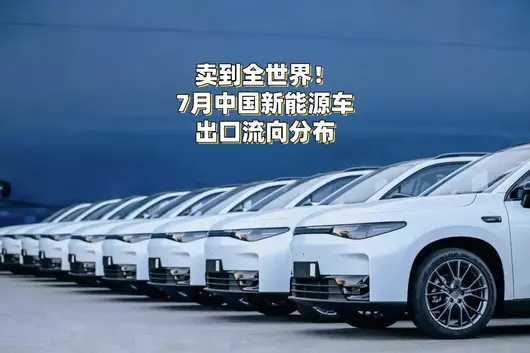

Pasaran kenderaan penumpang tenaga baharu domestik stabil, dengan banyak pengeluar automotif tempatan terus mengembangkan pelusunan pasaran luar negara. Data arus eksport kenderaan penumpang tenaga baharu China pada Julai, secara objektif menunjukkan keadaan semasa pelusunan luar negara kenderaan tenaga baharu buatan negara. 10 destinasi eksport kali ini, merangkumi lima kawasan utama Eropah, Oceania, Asia Tenggara, Asia Timur, Amerika Latin, dengan ciri ciri pelarasan pasaran pelbagai yang jelas.
Berdasarkan data eksport, United Kingdom adalah destinasi utama eksport kenderaan penumpang tenaga baharu China pada Julai, dengan jumlah eksport bulan itu mencecah 51,300 unit, sebagai pasaran luar negara dengan skala eksport tinggi pada tempoh tersebut. United Kingdom berterusan memajukan kerja ganti kenderaan minyak, keperluan pasaran kenderaan penumpang tenaga baharu keluar secara stabil, penerimaan kumpulan pengguna setempat terhadap model elektrom penuh, hibrid sambungan semakin meningkat.
Kenderaan buatan negara yang dieksport ke United Kingdom, utamanya SUV elektrom penuh untuk kegunaan rumah, sedan tenaga baharu sederhana, model biasa seperti BYD Dolphin, Yuan PLUS masuk ke saluran tempatan, melengkapi bekalan pasaran kenderaan penumpang tenaga baharu pertengahan setempat. Berbanding produk pengeluar automotif tempatan Eropah, model buatan negara mempunyai perbezaan dalam konfigurasi kokpit, susunan fungsi asas, boleh menyesuaikan dengan keperluan penggunaan kenderaan biasa bagi keluarga biasa.
Belgium dengan jumlah eksport 48,600 unit menduduki tempat kedua dalam senarai, jurang jualan dengan United Kingdom agak kecil. Disebabkan pengaruh kedudukan geografi, Pelabuhan Antwerp Belgium adalah pusat transit kereta utama Eropah, kenderaan tenaga baharu buatan negara yang tiba di situ, sebahagian untuk jualan hujung tempatan, kenderaan lain dibelokkan ke negara EU sekitar, ini sebab utama mengapa jumlah import kenderaan tenaga baharu China di negara ini agak besar.
Model yang dieksport ke kawasan Eropah, kebanyakannya kenderaan penumpang elektrom penuh jangka panjang, sesuai untuk senario perjalanan jauh merentasi bandar, merentasi rantau di Eropah, di mana termasuk beberapa model sedan elektrom, SUV XPeng dan lain-lain yang mempunyai jumlah simpanan sederhana di negara asal. Sekarang ramai negara Eropah melaksanakan dasar peralihan tenaga baharu, memberikan persekitaran pasaran asas untuk model import tenaga baharu. Penyesuaian dinamik peraturan perdagangan dalam kawasan, piawaian pelepasan karbon, akan meningkatkan kos operasi luar negara pengeluar kereta domestik, pengembangan jangka panjang pasaran Eropah mempunyai ketidakpastian tertentu. Selain United Kingdom, Belgium, Sepanyol, Itali juga masuk dalam senarai 10 teratas eksport kali ini, Eropah masih merupakan wilayah teras untuk kenderaan penumpang tenaga baharu buatan negara keluar laut.
Pasaran Oceania berkembang secara stabilAustralia menduduki tempat ketiga dalam senarai, import 39,700 unit kenderaan penumpang tenaga baharu China pada Julai. Pasaran kereta tradisional Australia selama ini didominasi oleh SUV minyak enjin besar, penetrasi model tenaga baharu keseluruhan lebih rendah daripada pasaran Eropah, dalam dua tahun kebelakangan ini struktur pengangkutan tempatan pelan disesuaikan, kapasiti pasaran model tenaga baharu telah meningkat.
Kenderaan buatan negara yang dieksport ke Australia tertumpu kepada SUV elektrom penuh ruang besar, model yang dijual seperti BYD Tang, Haval Xiaolong memasuki pasaran tempatan secara pukal, selaras dengan kebiasaan penggunaan kenderaan saiz besar yang disukai pengguna tempatan, parameter ketahanan kenderaan boleh memenuhi keperluan perjalanan jarak jauh antara bandar di Australia, skala eksport keseluruhan mengekalkan pertumbuhan stabil. Berbanding pasaran Eropah, peraturan masuk import kenderaan Australia agak longgar, termasuk pasaran luar negara yang mempunyai ruang pertumbuhan.
Sekarang beberapa pengeluar kereta domestik telah memasukkan Australia ke dalam skop pelusunan luar negara, sentiasa melabur model yang dijual, dengan peningkatan pemahaman pasaran tempatan terhadap model tenaga baharu, perubahan kapasiti seterusnya pasaran ini mempunyai nilai untuk diperhatikan secara berterusan.
Rantau Asia Tenggara mempunyai peningkatan stabil dalam senarai eksport kali ini, Filipina, Thailand, Indonesia tiga negara semuanya masuk 10 teratas eksport. Di mana Filipina import Julai 36,400 unit, menduduki tempat keempat, skala jualan lebih tinggi daripada Thailand, Indonesia.
Asas penduduk Asia Tenggara sangat besar, pasaran pengguna kereta berada dalam fasa pertumbuhan, kos penggunaan kenderaan minyak tempatan agak tinggi, kenderaan penumpang tenaga baharu mempunyai kelebihan tertentu pada层面 kos penggunaan. Filipina dengan pengangkutan bandar jarak pendek sebagai situasi utama penggunaan kereta, model import kebanyakannya sedan elektrom saiz sederhana-kecil, SUV kecil, model rumah seperti BYD Seagull menyesuaikan dengan keperluan perjalanan utama tempatan.
Thailand sebagai tempat pengumpulan industri automotif Asia Tenggara, import 27,200 unit kenderaan penumpang tenaga baharu China pada Julai. Tempat berterusan mengeluarkan dasar sokongan industri tenaga baharu, mendorong普及 elektrik. Beberapa pengeluar kereta domestik telah membina sistem pengeluaran tempatan di Thailand, melalui model pengeluaran dan jualan tempatan mengurangkan kos cukai, mengembangkan pasaran Asia Tenggara, model yang dilancarkan merangkumi model rumah dan SUV sederhana merek seperti MG, Neta.
Indonesia import Julai 15,400 unit, negara ini mempunyai sumber hulu bateri kuasa yang kaya, kerajaan tempatan bergantung industri kereta tenaga baharu untuk melengkapkan rantaian industri tempatan, menarik pelaburan pengeluar kereta luar negara. Dengan penambahbaikan terus infrastruktur pengecasan tempatan, pasaran pengguna kereta tenaga baharu Indonesia mempunyai ruang pengukuhan. Ciri iklim panas dan hujan di Asia Tenggara, meletakkan keperluan lebih tinggi untuk perlindungan bateri kenderaan, pengikatan badan kenderaan, pengeluar kereta yang keluar laut perlu melaraskan kenderaan secara khusus, memastikan produk beroperasi secara stabil.
Pasaran Asia Timur dan Amerika Latin mencapai lompatanKorea Selatan menduduki tempat keenam dalam senarai, import 17,800 unit kenderaan penumpang tenaga baharu China pada Julai. Korea tempatan mempunyai industri pembuatan kenderaan lengkap, persaingan pasaran kenderaan penumpang tenaga baharu agak kuat, model buatan negara boleh mencapai eksport pukal stabil, menunjukkan kemajuan peringkat merek自主 di pasaran luar negara tersebut.
Model buatan negara yang dieksport ke Korea kebanyakannya SUV elektrom penuh konfigurasi tinggi, sesetengah model SUV Nio, XPeng secara beransur masuk ke saluran tempatan, menggunakan konfigurasi asas biasa, sistem harga yang munasabah untuk memasuki pasaran tempatan. Selain itu, piawaian keselamatan kenderaan Korea, sistem pensijilan import agak ketat, ambang masuk pasaran agak tinggi, pengembangan pasaran seterusnya mempunyai kesukaran tertentu.
Mexico dengan import 12,100 unit menduduki tempat kesepuluh dalam senarai, juga satu-satunya negara pasaran Amerika Latin dalam 10 teratas kali ini. Mexico bersempadan dengan pasaran Amerika Utara, keadaan peredaran lokasi adalah istimewa, selain pengguna hujung tempatan, ada ruang peredaran merentasi kawasan bagi kenderaan yang masuk, model yang dieksport ke Mexico kebanyakannya kenderaan penumpang elektrom penuh kompak, pelbagai model rumah domestik masuk ke saluran tempatan, menyesuaikan kegunaan pelbagai seperti pengangkutan bandar, perjalanan luar bandar dekat. Kemajuan普及an kereta tenaga baharu di kawasan Amerika Latin agak perlahan, Mexico adalah nod penting bagi kereta tenaga baharu buatan negara memasuki benua Amerika Latin, ada kemungkinan meresap ke kawasan sekitarnya.
Berdasarkan data eksport keseluruhan Julai dilihat, ketergantungan kenderaan penumpang tenaga baharu buatan negara keluar laut ke pasaran tunggal terus menurun. Eropah mengekalkan jumlah eksport stabil, pasaran Asia Tenggara dan Oceania jualan meningkat stabil, pasaran Asia Timur dan Amerika Latin secara beransur dibuka, corak eksport pelbagai rantau selari secara beransur terbentuk.
Selain itu, kebiasaan penggunaan kereta, situasi perjalanan berbeza mengikut rantau, konfigurasi kenderaan dan fungsi yang disesuaikan domestik, tidak boleh sepenuhnya menyesuaikan keperluan pasaran luar negara. Pengeluar kereta perlu melaraskan terma mesin kereta, peta, laras底盘, fungsi bantuan pemanduan asas secara tempatan berdasarkan keadaan jalan dan keperluan setempat. Selain itu, persekitaran perdagangan global mempunyai variasi, kecenderungan perlindungan perdagangan di beberapa kawasan meningkat, faktor seperti penyesuaian cukai, siasatan perdagangan, terus mempengaruhi urusan eksport pengeluar kereta. Tempoh pembinaan sistem pasca jualan luar negara agak lama, kecepatan pembinaan rangkaian pembetulan, rantaian bekalan配件 sukar padankan kadar pertumbuhan jualan, mudah berlaku jurang perkhidmatan hujung, mempengaruhi reputasi pasaran kereta buatan negara di luar negara.
Perjalanan globalisasi masih berterusanTrend peralihan elektrik automotif global mengekalkan kestabilan, laju peralihan pengeluar kereta minyak tradisional luar negara agak perlahan, memberi ruang pasaran yang sesuai untuk pengeluar kereta tenaga baharu domestik keluar laut. Kenderaan tenaga baharu domestik mempunyai rantaian industri lengkap merangkumi bateri, motor, kawalan elektronik, pembuatan kenderaan lengkap, keadaan sokongan industri yang lengkap, membina sokongan asas bagi pelusunan pasaran luar negara pengeluar kereta.
Jika pengeluar kereta ingin menjalankan urusan luar negara secara stabil, perlu daripada output produk tunggal, beralih ke pelusunan tempatan dimensi penuh, melengkapkan sistem rantaian penuh penyelidikan pembangunan luar negara, pengeluaran, jualan, pasca jualan. Sekarang beberapa pengeluar kereta telah memulakan pembinaan kilang luar negara, melalui pengeluaran tempatan mengurangkan kesan cukai, menyesuaikan dengan dasar dan budaya pengangkutan tempatan, adalah arah utama pembangunan globalisasi pengeluar kereta domestik.
Data eksport kenderaan penumpang tenaga baharu Julai, United Kingdom, Belgium sokong pasaran teras Eropah, Oceania, Asia Tenggara jualan meningkat stabil, Mexico menjadi laluan penting untuk memasuki pasaran Amerika Latin, rangkaian penjualan eksport merentasi benua terbentuk secara awal.
Bagi pengeluar kereta tenaga baharu domestik, pasaran luar negara bukan lagi hanya tambahan pasaran domestik, ia akan memberi kesan kepada operasi jangka panjang syarikat. Data eksport bulan seterusnya, jangkauan pasaran wilayah, penyesuaian peraturan masuk luar negara, semua layak dipantau secara berterusan oleh industri, dengan itu memerhatikan trend jangka panjang pembangunan globalisasi kenderaan tenaga baharu buatan negara.

Dalam pasaran SUV di Malaysia, banyak pembeli akan membandingkan Honda CR-V dan Chery Tiggo 8 PHEV semasa memilih kereta. Kedua-dua kereta ini agak hampir dari segi harga dan kedudukan pasaran, hari ini kita akan membuat perbandingan terperinci dari pelbagai aspek untuk membantu anda menjimatkan masa untuk penelitian.
Honda CR-V dijual dengan harga OTR di Malaysia dari RM 178,200 hingga 195,900, ada total 4 varian, termasuk 2026 e:HEV 2.0L 2WD RS (RM 195,900), 2026 1.5T 4WD V (RM 181,900), 2026 e:HEV 2.0L 2WD E (RM 178,200) dan lain-lain.
Chery Tiggo 8 PHEV dijual dengan harga OTR di Malaysia dari RM 159,750 hingga 159,750, ada total 2 varian, termasuk 1.6L Turbo Standard (RM 130,000), 1.6L Turbo Premium (RM 145,000) dan lain-lain.
Dari segi harga, harga permulaan Chery Tiggo 8 PHEV adalah RM 18,450 lebih murah daripada Honda CR-V. Jujur cakap, dalam julat harga ini, perbezaan beberapa ribu sebenarnya tidak besar, yang penting adalah lihat nilai harga keseluruhan serta kos penggunaan jangka panjang.
Honda CR-V dilengkapi enjin 2.0L 4-silinder, kuasa 170 hp. Penggunaan bahan api rasmi 8.0 L/100km.
Chery Tiggo 8 PHEV dilengkapi Hybrid, kuasa 170 hp. Penggunaan bahan api rasmi 4.5 L/100km.
Dari segi kuasa, Hybrid pada Chery Tiggo 8 PHEV mempunyai 0 hp lebih daripada 2.0L 4-silinder Honda CR-V. Tetapi untuk memandu sehari-hari di bandar, kuasa kedua-dua kereta ini mencukupi, tidak akan rasa kurang tenaga.
Honda CR-V menggunakan cara pemacu FWD.
Chery Tiggo 8 PHEV menggunakan cara pemacu FWD.
Cara pemacu kedua-dua kereta sama, semuanya FWD, pengalaman memandu sehari-hari tidak akan ada perbezaan yang besar.
Honda CR-V jaminan 5 tahun / tanpa had jarak, selang penyelenggaraan setiap 10,000km atau 6 bulan.
Chery Tiggo 8 PHEV jaminan 3 tahun/100,000km, selang penyelenggaraan setiap 10,000km atau 6 bulan.
Honda CR-V dan Chery Tiggo 8 PHEV adalah pilihan utama pasaran Malaysia, sesuai untuk kegunaan keluarga, perjalanan harian. Jika anda lebih mengutamakan reputasi jenama dan harga jual semula, boleh pertimbangkan yang mempunyai reputasi lebih baik; jika anda lebih peduli pada nilai harga dan spesifikasi, pilih yang mempunyai konfigurasi lebih kaya. Akhir sekali, disarankan untuk mencuba kedua-duanya, pengalaman langsung adalah yang paling penting.
Secara keseluruhannya, Honda CR-V dan Chery Tiggo 8 PHEV adalah model kereta yang cukup bagus di pasaran Malaysia. Memilih mana satu, kuncinya adalah melihat keperluan dan bajet peribadi anda. Kami cadangkan anda membuat penelitian, bandingkan sebut harga dari beberapa dealer kereta, kemudian buat keputusan akhir setelah ujian memandu. Membeli kereta adalah perkara besar, mengambil masa untuk penelitian tidak akan salah.

喺馬來西亞嘅 SUV 市場,好多買家喺揀車嘅時候都會拿 Honda CR-V 同 Chery Tiggo 8 PHEV 嚟做比較。呢兩款車喺價位同定位上都幾接近,今日我哋就從多個方面做一個詳細嘅比較,幫你省返做功課嘅時間。
Honda CR-V 喺馬來西亞嘅 OTR 售價係 RM 178,200 - 195,900,一共有 4 個版本,包括 2026 e:HEV 2.0L 2WD RS(RM 195,900)、2026 1.5T 4WD V(RM 181,900)、2026 e:HEV 2.0L 2WD E(RM 178,200) 等。
Chery Tiggo 8 PHEV 喺馬來西亞嘅 OTR 售價係 RM 159,750 - 159,750,一共有 2 個版本,包括 1.6L Turbo Standard(RM 130,000)、1.6L Turbo Premium(RM 145,000) 等。
從價錢嚟睇,Chery Tiggo 8 PHEV 嘅起步價比 Honda CR-V 平咗 RM 18,450。講句老實話,喺呢個價位段,幾千蚊嘅差距其實唔算大,關鍵仲要睇整體嘅性價比同長期使用成本。
Honda CR-V 搭載 2.0L 4-cyl,馬力 170 匹。官方油耗 8.0 L/100km。
Chery Tiggo 8 PHEV 搭載 Hybrid,馬力 170 匹。官方油耗 4.5 L/100km。
動力方面,Chery Tiggo 8 PHEV 嘅 Hybrid 比 Honda CR-V 嘅 2.0L 4-cyl 多咗 0 匹馬力。不過日常喺市區開,兩款車嘅動力都夠用,唔會覺得唔夠力。
Honda CR-V 車身長 4500 mm,後備箱 450 L。
Chery Tiggo 8 PHEV 車身長 4400 mm,後備箱 400 L。
空間方面,Honda CR-V 嘅車身比 Chery Tiggo 8 PHEV 長咗 100 mm,車內乘坐空間會稍微寬裕啲,尤其係後座腿部空間。如果你經常載家人或者需要放嬰兒車,大啲嘅車身確實更實用。
Honda CR-V 採用 FWD 驅動方式。
Chery Tiggo 8 PHEV 採用 FWD 驅動方式。
兩款車嘅驅動方式一樣,都係 FWD,日常駕駛感受唔會有太大分別。
總體嚟講,Honda CR-V 同 Chery Tiggo 8 PHEV 都係馬來西亞市場幾唔錯嘅車型。揀邊一輛,關鍵仲要睇你嘅個人需求同預算。建議大家做好功課,多比較幾間車行之嘅報價,先至去試駕做最終決定。買車係件大事,花少少時間做功課絕對唔會錯。

近日,萬力輪胎股份有限公司「馬來西亞高性能綠色橡膠輪胎生產基地建設項目」迎嚟新進展。該項目鋼絲壓延機採購招標工作塵埃落定,全球知名嘅意大利壓延設備製造商 RODOLFO COMERIO S.R.L 成功中標,中標金額達 210 萬歐元。此舉標誌住萬力輪胎出海建廠計劃正穩步推進。

據悉,此次中標嘅鋼絲壓延機係輪胎製造流程中嘅核心關鍵裝備,直接關係到輪胎骨架材料嘅質量同整體性能。中標方 RODOLFO COMERIO 創立於 1878 年,作為全球壓延機領域嘅領軍企業,其在橡膠簾布、鋼絲簾布等全套壓延生產線嘅設計製造上具備深厚嘅技術底蘊。

根據規劃,該核心設備將投入萬力輪胎馬來西亞生產基地,為該項目年產 120 萬條全鋼子午線輪胎同 500 萬條半鋼子午線輪胎嘅產能目標提供堅實保障。

馬來西亞基地係萬力輪胎全球化戰略佈局嘅重要一環。該項目選址於馬來西亞雪蘭莪州武吉打卡,佔地約 67.9 英畝,總投資規模約 22 億人民幣。項目建成後,萬力輪胎將依托馬來西亞嘅區位優勢,有效拓展海外產能,打造輻射全球嘅輪胎出口樞紐。此次斥巨資引入國際頂尖製造設備,亦彰顯咗萬力輪胎深耕國際市場、打造高質量綠色輪胎產業鏈嘅決心。


In the Malaysian SUV market, many buyers compare Honda CR-V and Chery Tiggo 8 when choosing a car. These two cars are quite close in price and positioning. Today we will make a detailed comparison from multiple aspects to help you save time doing research.
Honda CR-V OTR price in Malaysia is RM 178,200 - 195,900, with a total of 4 versions, including 2026 e:HEV 2.0L 2WD RS (RM 195,900), 2026 1.5T 4WD V (RM 181,900), 2026 e:HEV 2.0L 2WD E (RM 178,200), etc.
Chery Tiggo 8 OTR price in Malaysia is RM 129,750 - 129,750, with a total of 1 version, including 2026 1.6T Standard (RM 129,750), etc.
From a price perspective, the starting price of Chery Tiggo 8 is RM 48,450 cheaper than Honda CR-V. To be honest, in this price range, the difference of a few thousand is actually not that big; the key is to look at the overall price-performance ratio and long-term usage costs.
Honda CR-V is equipped with 2.0L 4-cyl, 170 hp. Official fuel consumption 8.0 L/100km.
Chery Tiggo 8 is equipped with 1.5L Turbo, 140 hp. Official fuel consumption 7.0 L/100km.
Regarding power, Honda CR-V's 2.0L 4-cyl has 30 more horsepower than Chery Tiggo 8's 1.5L Turbo, offering more confidence in mid-range acceleration, especially when overtaking on highways. However, Chery Tiggo 8's fuel consumption might be friendlier, and the difference for daily city commuting won't be too large.
Honda CR-V's safety rating is 5★ (ASEAN NCAP), active safety systems include Honda SENSING (ACC, CMBS, LKAS, RDM).
Chery Tiggo 8's safety rating is TBD, active safety systems include Basic.
Regarding safety features, both cars received good ratings. However, there are some functional differences between Honda CR-V's Honda SENSING (ACC, CMBS, LKAS, RDM) and Chery Tiggo 8's Basic. If you value active safety, you can compare the feature lists of both in detail.
Honda CR-V body length is 4500 mm, trunk 450 L.
Chery Tiggo 8 body length is 4400 mm, trunk 400 L.
Regarding space, Honda CR-V's body is 100 mm longer than Chery Tiggo 8, so the interior passenger space is slightly more spacious, especially rear legroom. If you often carry family or need to fit a stroller, the slightly larger body is indeed more practical.

Honda CR-V and Chery Tiggo 8 are both mainstream choices in the Malaysian market, suitable for family use and daily commuting. If you value brand reputation and resale value more, you can prioritize the one with better reputation; if you care more about price-performance ratio and features, choose the one with richer configuration. Ultimately, it is suggested to test drive both, personal experience is the most important.

Overall, Honda CR-V and Chery Tiggo 8 are both very good models in the Malaysian market. Which one to choose depends mainly on your personal needs and budget. It is recommended to do your homework, compare quotes from several dealerships, and then test drive to make the final decision. Buying a car is a big matter, spending time on research will definitely not be a mistake.

Dalam pasaran SUV di Malaysia, ramai pembeli membandingkan Honda CR-V dan Mazda CX-9 semasa memilih kereta. Kedua-dua kereta ini mempunyai harga dan kedudukan pasaran yang agak hampir, hari ini kita akan membuat perbandingan terperinci dari pelbagai aspek, membantu anda menjimatkan masa untuk penyelidikan.
Harga OTR Honda CR-V di Malaysia ialah RM 178,200 - 195,900, mempunyai 4 varian secara keseluruhan, termasuk 2026 e:HEV 2.0L 2WD RS (RM 195,900), 2026 1.5T 4WD V (RM 181,900), 2026 e:HEV 2.0L 2WD E (RM 178,200) dan lain-lain.
Harga OTR Mazda CX-9 di Malaysia ialah RM 328,810 - 345,810, mempunyai 2 varian secara keseluruhan, termasuk 2023 2.5T 4WD (RM 345,810), 2023 2.5T 2WD (RM 328,810) dan lain-lain.
Dari segi harga, harga permulaan Honda CR-V memang lebih murah RM 150,610 berbanding Mazda CX-9. Jika bajet anda terhad, varian masuk Honda sudah boleh memenuhi keperluan harian. Tetapi perhatikan juga, beberapa ribu yang lebih murah itu, mungkin ada kompromi pada peralatan, ia bergantung kepada keperluan anda.
Penilaian keselamatan Honda CR-V ialah 5★ (ASEAN NCAP), sistem keselamatan aktif termasuk Honda SENSING (ACC, CMBS, LKAS, RDM).
Penilaian keselamatan Mazda CX-9 ialah 5★ (ASEAN NCAP), sistem keselamatan aktif termasuk Brand ADAS.
Penilaian keselamatan kedua-dua kereta adalah sama, pada tahap ini peralatan keselamatan dianggap cukup lengkap. Keselamatan kereta baharu sekarang tidak buruk, tidak perlu terlalu risau tentang hal ini.
Panjang badan Honda CR-V 4500 mm, begasi 450 L.
Panjang badan Mazda CX-9 4500 mm, begasi 450 L.
Saiz kedua-dua kereta adalah hampir sama, perbezaan ruang dalaman tidak ketara. Untuk kereta dalam tahap ini, ia cukup sepenuhnya untuk kegunaan harian.
Honda CR-V menggunakan cara pemacu FWD.
Mazda CX-9 menggunakan cara pemacu FWD.
Cara pemacu kedua-dua kereta adalah sama, semua adalah FWD, perasaan memandu harian tidak akan berbeza banyak.

Secara keseluruhannya, Honda CR-V dan Mazda CX-9 adalah model kereta yang sangat baik di pasaran Malaysia. Memilih yang mana satu, kunci utama adalah melihat keperluan dan bajet peribadi anda. Kami sarankan anda membuat penyelidikan, bandingkan lebih banyak tawaran dari kedai kereta, baru buat ujian memandu dan buat keputusan akhir. Membeli kereta adalah perkara besar, meluangkan masa untuk penyelidikan pasti tidak salah.

喺馬來西亞嘅 SUV 市場,好多買家喺揀車嘅時候都會拿 Honda CR-V 同 Chery Tiggo 7 Pro 嚟做比較。這兩款車喺價位同定位上都好接近,今日我哋就從多個方面做一個詳細比較,幫你省返做功課嘅時間。
Honda CR-V 喺馬來西亞嘅 OTR 售價係 RM 178,200 - 195,900,一共有 4 個版本,包括 2026 e:HEV 2.0L 2WD RS(RM 195,900)、2026 1.5T 4WD V(RM 181,900)、2026 e:HEV 2.0L 2WD E(RM 178,200) 等。
Chery Tiggo 7 Pro 喺馬來西亞嘅 OTR 售價係 RM 123,750 - 123,750,一共有 2 個版本,包括 1.6L Turbo Standard(RM 125,000)、1.6L Turbo Premium(RM 140,000) 等。
從車價睇落,Chery Tiggo 7 Pro 嘅起步價比 Honda CR-V 平咗 RM 54,450。實講,喺呢個價位段,幾千蚊嘅差距其實唔算大,關鍵仲係要睇整體嘅性價比同長期使用成本。
Honda CR-V 配備 2.0L 4-cyl,馬力 170 hp。官方油耗 8.0 L/100km。
Chery Tiggo 7 Pro 配備 1.5L Turbo,馬力 140 hp。官方油耗 7.0 L/100km。
動力方面,Honda CR-V 嘅 2.0L 4-cyl 比 Chery Tiggo 7 Pro 嘅 1.5L Turbo 多咗 30 匹馬力,中段加速更有信心,尤其係跑高速路超車嘅時候。不過 Chery Tiggo 7 Pro 嘅油耗可能更抵用,日常市內通勤分別唔會好大。
Honda CR-V 車身長 4500 mm,尾箱 450 L。
Chery Tiggo 7 Pro 車身長 4400 mm,尾箱 400 L。
空間方面,Honda CR-V 嘅車身比 Chery Tiggo 7 Pro 長咗 100 mm,車內乘坐空間會稍微闊落少少,尤其係後座腿部空間。如果你經常載家人或者需要放嬰兒車,大一點嘅車身確實更實用。
Honda CR-V 保養 5 年/無限制里程,保養間隔 每 10,000km 或 6 個月。
Chery Tiggo 7 Pro 保養 3 年/100,000km,保養間隔 每 10,000km 或 6 個月。
總括嚟講,Honda CR-V 同 Chery Tiggo 7 Pro 都係馬來西亞市場幾唔錯嘅車型。揀邊部,關鍵仲係要睇你嘅個人需求同預算。建議大家做足功課,多比較間間車行嘅報價,再去試駕做最終決定。買車係件大件事,花少少時間做功課絕對唔會錯。

喺馬來西亞嘅 SUV 市場,好多買家喺揀車嘅時候都會拿本田 CR-V 同馬自達 CX-60 做比較。呢兩款車喺價位同定位上都幾接近,而家我哋就從多個方面做一個詳細嘅比較,幫你省返做功課嘅時間。
本田 CR-V 喺馬來西亞嘅 OTR 售價係 RM 178,200 - 195,900,一共有 4 個版本,包括 2026 e:HEV 2.0L 2WD RS(RM 195,900)、2026 1.5T 4WD V(RM 181,900)、2026 e:HEV 2.0L 2WD E(RM 178,200) 等。
馬自達 CX-60 喺馬來西亞嘅 OTR 售價係 RM 200,510 - 252,873,一共有 2 個版本,包括 2026 3.3T 4WD High Plus(RM 252,873)、2025 2.5L 2WD High(RM 200,510) 等。
從價錢睇落,本田 CR-V 嘅起步價確實比馬自達 CX-60 平咗 RM 22,310。如果你預算有限,本田嘅入門版已經可以滿足日常需要。但都要留意,平啲嗰幾千蚊,可能喺配備上會有取舍,具體要睇你嘅需要。
本田 CR-V 嘅安全評級係 5★ (ASEAN NCAP),主動安全系統包括本田 SENSING (ACC, CMBS, LKAS, RDM)。
馬自達 CX-60 嘅安全評級係 5★ (Euro NCAP),主動安全系統包括 i-Activsense Pro。
安全配備方面,兩款車都拿到唔錯嘅評級。不過本田 CR-V 嘅本田 SENSING (ACC, CMBS, LKAS, RDM) 同馬自達 CX-60 嘅 i-Activsense Pro 喺功能上有些差異,如果你比較看重主動安全嘅話,可以仔細比較下兩者嘅功能列表。
本田 CR-V 保修 5 年/無限里程,保養間隔 每 10,000km 或 6 個月。
馬自達 CX-60 保修 5 年/150,000km,保養間隔 每 10,000km 或 6 個月。
本田 CR-V 同馬自達 CX-60 都係馬來西亞市場嘅主流選擇,適合家庭使用、日常通勤。如果你更睇重品牌口碑同二手價,可以優先考慮口碑更好嗰一款;如果你更在意性價比同配備,就揀配置更豐富嗰款。始終都係建議兩款都去試駕,親身體驗先係最重要嘅。

總嘅嚟講,本田 CR-V 同馬自達 CX-60 都係馬來西亞市場好唔錯嘅車款。揀邊一輛,關鍵都要睇你嘅個人需要同預算。建議大家做好功課,多比較間數間車行嘅報價,再去試駕做最終決定。買車係件大事,花少少時間做功課絕對無錯。

喺馬來西亞嘅 SUV 市場,好多買家喺揀車嗰陣都會用本田 CR-V 同馬自達 CX-30 嚟比較。呢兩部車喺價位同定位上都幾接近,今日我哋就從多個方面做一個詳細比較,幫你省做功課嘅時間。
本田 CR-V 喺馬來西亞嘅 OTR 售價係 RM 178,200 - 195,900,一共有 4 個版本,包括 2026 e:HEV 2.0L 2WD RS(RM 195,900)、2026 1.5T 4WD V(RM 181,900)、2026 e:HEV 2.0L 2WD E(RM 178,200) 等。
馬自達 CX-30 喺馬來西亞嘅 OTR 售價係 RM 122,409 - 146,409,一共有 4 個版本,包括 2025 2.0L High+ Premium(RM 146,409)、2025 2.0L High+(RM 138,409)、2025 2.0L High(RM 130,409) 等。
由價錢嚟睇,馬自達 CX-30 嘅起價比本田 CR-V 平咗 RM 55,791。坦白講,喺呢個價位段,幾千蚊嘅差距其實唔算大,關鍵仲係睇整體嘅性價比同長期使用成本。
本田 CR-V 嘅安全評級係 5★ (ASEAN NCAP),主動安全系統包括本田 SENSING (ACC, CMBS, LKAS, RDM)。
馬自達 CX-30 嘅安全評級係 5★ (ASEAN NCAP),主動安全系統包括 i-Activsense。
兩部車嘅安全評級一樣,喺呢個級別入面安全配備都算好齊全。依家嘅新車安全性都唔差,唔使太擔心呢一點。
本田 CR-V 車身長 4500 mm,行李箱 450 L。
馬自達 CX-30 車身長 4500 mm,行李箱 450 L。
兩部車嘅尺寸幾乎一樣,車內空間差別唔大。呢個級別嘅車,日常使用完全夠用。
本田 CR-V 採用 FWD 驅動方式。
馬自達 CX-30 採用 FWD 驅動方式。
兩部車嘅驅動方式一樣,都係 FWD,日常駕駛感受唔會有太大分別。

總體嚟講,本田 CR-V 同馬自達 CX-30 都係馬來西亞市場幾唔錯嘅車款。揀邊一部,關鍵仲係睇你嘅個人需求同預算。建議大家做足功課,多比較幾間車行嘅報價,先至去試駕做最終決定。買車係件大事,花少少時間做功課絕對唔會錯。

In Malaysia's SUV market, many buyers compare the Honda CR-V and Toyota Corolla Cross when choosing a car. Both vehicles are quite close in price and positioning. Today, we will make a detailed comparison from multiple aspects to help you save time on research.
The OTR price of Honda CR-V in Malaysia is RM 178,200 - 195,900, with a total of 4 versions, including 2026 e:HEV 2.0L 2WD RS (RM 195,900), 2026 1.5T 4WD V (RM 181,900), 2026 e:HEV 2.0L 2WD E (RM 178,200), etc.
The OTR price of Toyota Corolla Cross in Malaysia is RM 133,800 - 148,800, with a total of 3 versions, including 2026 HEV 1.8L GR Sport (RM 148,800), 2026 HEV 1.8L Standard (RM 140,800), 2026 1.8L Standard (RM 133,800), etc.
From a price perspective, the starting price of Toyota Corolla Cross is RM 44,400 cheaper than Honda CR-V. To be honest, in this price range, a gap of a few thousand is actually not significant; the key is to look at the overall value for money and long-term usage costs.
Honda CR-V is equipped with a 2.0L 4-cyl, 170 hp. Official fuel consumption is 8.0 L/100km.
Toyota Corolla Cross is equipped with a 1.5L Turbo, 140 hp. Official fuel consumption is 7.0 L/100km.
Regarding power, the 2.0L 4-cyl in Honda CR-V has 30 more horsepower than the 1.5L Turbo in Toyota Corolla Cross, providing more confidence in mid-range acceleration, especially when overtaking on highways. However, Toyota Corolla Cross may have better fuel efficiency, and the difference in daily city commuting will not be too significant.
Honda CR-V safety rating is 5★ (ASEAN NCAP), active safety systems include Honda SENSING (ACC, CMBS, LKAS, RDM).
Toyota Corolla Cross safety rating is 5★ (ASEAN NCAP), active safety systems include TSS (PCS, LDA, ACC, LTA).
The safety ratings for both cars are the same; safety features in this class are considered quite comprehensive. New cars nowadays are not lacking in safety, so there is no need to worry too much about this point.
Honda CR-V body length is 4500 mm, trunk 450 L.
Toyota Corolla Cross body length is 4400 mm, trunk 400 L.
In terms of space, the Honda CR-V body is 100 mm longer than the Toyota Corolla Cross, so the interior seating space will be slightly more spacious, especially rear legroom. If you often carry family or need to put in a stroller, the larger body is indeed more practical.

Honda CR-V warranty 5 years/unlimited mileage, maintenance interval every 10,000km or 6 months.
Toyota Corolla Cross warranty 5 years/unlimited mileage, maintenance interval every 10,000km or 6 months.
The warranty conditions for both cars are the same, no need to worry about this. Actual maintenance costs depend on the brand's service network and parts prices; it is recommended to ask real owners in car owner groups for their experiences.
Overall, Honda CR-V and Toyota Corolla Cross are both very good models in the Malaysian market. Which one to choose depends on your personal needs and budget. We recommend doing your research, comparing quotes from several dealerships, and then test driving to make a final decision. Buying a car is a big deal; taking time to do your research will never go wrong.

Dalam pasaran SUV di Malaysia, ramai pembeli bandingkan Honda CR-V dan Mazda CX-3 ketika memilih kereta. Kedua-dua kereta ini mempunyai harga dan penempatan yang hampir sama, hari ini kita akan buat perbandingan terperinci dari pelbagai aspek, membantu anda menjimatkan masa melakukan riset.
Harga OTR Honda CR-V di Malaysia adalah RM 178,200 - 195,900, terdapat 4 varian, termasuk 2026 e:HEV 2.0L 2WD RS (RM 195,900), 2026 1.5T 4WD V (RM 181,900), 2026 e:HEV 2.0L 2WD E (RM 178,200) dan lain-lain.
Harga OTR Mazda CX-3 di Malaysia adalah RM 126,159 - 139,159, terdapat 2 varian, termasuk 2023 2.0L High (RM 139,159), 2023 2.0L Plus (RM 126,159) dan lain-lain.
Dari segi harga, harga permulaan Mazda CX-3 lebih murah RM 52,041 berbanding Honda CR-V. Jujur dikatakan, dalam kategori harga ini, perbezaan beberapa ribu tidak besar, penting sebenarnya lihat kos faedah keseluruhan dan kos penggunaan jangka panjang.
Honda CR-V dilengkapi enjin 2.0L 4-cyl, kuasa 170 hp. Penggunaan minyak rasmi 8.0 L/100km.
Mazda CX-3 dilengkapi enjin 1.5L Turbo, kuasa 140 hp. Penggunaan minyak rasmi 7.0 L/100km.
Dari segi kuasa, enjin 2.0L 4-cyl Honda CR-V mempunyai 30 hp lebih daripada 1.5L Turbo Mazda CX-3, lebih yakin pada pecutan sederhana, terutamanya semasa memotong di lebuh raya. Namun penggunaan minyak Mazda CX-3 mungkin lebih mesra, perbezaan untuk perjalanan harian di bandar tidak terlalu besar.
Honda CR-V menggunakan cara pemacu FWD.
Mazda CX-3 menggunakan cara pemacu FWD.
Kedua-dua kereta mempunyai cara pemacu yang sama, iaitu FWD, pengalaman memandu harian tidak akan terlalu berbeza.
Jaminan Honda CR-V 5 tahun/kilometer tanpa had, selang penyelenggaraan setiap 10,000km atau 6 bulan.
Jaminan Mazda CX-3 5 tahun/150,000km, selang penyelenggaraan setiap 10,000km atau 6 bulan.

Honda CR-V dan Mazda CX-3 adalah pilihan utama pasaran Malaysia, sesuai untuk kegunaan keluarga, perjalanan harian. Jika anda mengutamakan reputasi jenama dan nilai jual semula, boleh pertimbangkan yang mempunyai reputasi lebih baik; jika anda lebih mementingkan kos berbaloi dan pelengkapan, pilih yang mempunyai konfigurasi lebih kaya. Akhir sekali disyorkan kedua-dua model untuk diuji pusing, pengalaman sendiri adalah yang paling penting.
Secara keseluruhannya, Honda CR-V dan Mazda CX-3 adalah model kereta yang sangat bagus di pasaran Malaysia. Memilih yang mana, penting dilihat keperluan dan bajet anda. Disarankan buat riset, bandingkan banyak tawaran dari beberapa kedai kereta, baru buat ujian pusing untuk keputusan akhir. Membeli kereta adalah perkara penting, meluangkan masa membuat riset tidak akan salah.
Tidak ada yang menyangka, SAIC-GM-Wuling yang tidak begitu menonjol di pasaran luar negara baru-baru ini telah melakukan perkara besar.
Maksudnya adalah Wuling Cahaya Bintang 730-nya telah menjuarai jualan MPV di Thailand, terus menyingkirkan kereta Jepun yang telah mendominasi bertahun-tahun!
Berita ini masih belum begitu mendapat sambutan di dalam China, kerana orang ramai sudah biasa melihat automotif China menerajui pasaran luar negara.
Tetapi yang ingin saya katakan, kepentingan kemenangan Wuling Cahaya Bintang 730 di Thailand jauh lebih berat daripada sekadar nombor jualan.

Perlu diketahui, kereta Jepun telah mengakar di Thailand lebih daripada setengah abad, membentuk rangkaian monopoli lengkap dari hujung pengeluaran hingga hujung pengguna.
Merampas juara dalam kategori ini dalam pasaran sedemikian sukarnya tidak berbeza dengan merenjihkan meja di depan pintu Toyota.
Tetapi Wuling Cahaya Bintang 730 telah mencapainya — di sebalik ini, adalah perubahan kualiti industri automotif China daripada "ekspor harga berbaloi" kepada "ekspor nilai".
Bagaimana ia mampu menang? Jawapannya terkandung dalam empat perkataan "mendahului di laluan berbeza".
Kelebihan yang dibina oleh pengeluar kereta Jepun pada era minyak, sebaliknya menjadi beban berhadapan dengan elektrifikasi.
Toyota dan Honda bukan tidak mempunyai kereta elektrik, tetapi sama ada "modifikasi minyak kepada elektrik", atau penetapan harga terlalu tinggi.
Sedangkan yang dibawa oleh jenama China adalah platform elektrik baharu yang dikembangkan khas untuk pasaran Asia, prestasi jarak laluan yang sebenar, serta kabin pintar yang disukai oleh generasi muda Thailand.

Apabila pengguna Thailand mendapati, dengan bajet yang sama mereka boleh membeli kereta China dengan konfigurasi lebih tinggi dan pengalaman yang lebih baik, keseimbangan pilihan secara semula jadi condong ke arah mereka.
Sebab yang lebih mendalam, adalah pengeluar kereta China sedang menyiapkan transformasi daripada "ekspor produk" kepada "pengakaran industri" di Thailand.
SAIC, BYD, Great Wall, GAC, Changan dan banyak pengeluar kereta China lain telah melabur dan membina kilang di Thailand, menyalin rantaian industri yang matang ke sana, dan mendorong syarikat bateri seperti CATL dan Guoxuan High-Tech untuk keluar negara secara bersamasama.
Model "ekspor ekosistem" ini, membolehkan kereta China di Thailand bukan lagi "pendatang asing", tetapi benar-benar telah terserap ke dalam ekosistem industri tempatan.
Jika kita meluaskan pandangan, pelan Wuling di Asia Tenggara lebih jelas menerangkan isu ini.
Sebagai pengeluar kereta China pertama yang melabur di Indonesia, bahagian pasaran Wuling dalam pasaran kereta baharu elektrik di negara itu telah melebihi 50%.
Dari 1 unit ke 160,000 unit, Wuling menggunakan masa 7 tahun untuk membina satu rantaian industri merentas negara di Indonesia, memimpin 17 syarikat industri China "keluar ke luar negara", mengembangkan lebih daripada 100 pembekal tempatan Indonesia.
Model "pemindahan rantai" ini, membolehkan Wuling menjadikan Indonesia sebagai teras, memperluaskan produk dan rantaian bekalan ke Malaysia, Thailand, secara beransur-ansur memadatkan pelan pasaran Asia Tenggara.
Tahun 2025, jualan luar negara Wuling mencapai 267,000 unit/set, meningkat 18.6% secara tahunan, di mana jumlah ekspor kereta baharu elektrik meningkat setinggi 128.6% secara tahunan.
Masuk tahun 2026, April jualan luar negara tunggal bulanan pertama kali melampaui 30,000 unit/set, jejak produk merangkumi 105 negara dan wilayah di seluruh dunia.
Dari sudut industri automotif China, laluan ekspor Wuling menyediakan satu model yang boleh ditiru.
Ekspor automotif China tahun ini dijangka melampaui 10 juta unit, berada di tempat pertama global secara berturut-turut selama tiga tahun.
Tetapi kepimpinan "jumlah" hanyalah langkah pertama, ujian sebenar adalah sama ada mampu "masuk, naik, dan mengakar" di pasaran luar negara.
Jawapan Wuling ialah: bukan sekadar menjual kereta, tetapi membawa keluar keseluruhan rantaian industri, piawaian pembuatan, malah sistem pembangunan bakat.
Dari ekspor produk ke ekspor model industri, dari kelebihan harga berbaloi ke pengeluaran piawaian teknikal, kejayaan Wuling Cahaya Bintang 730 di Thailand menandakan automotif China sedang berubah daripada "penglibat" pasaran global kepada "pembentuk".
Jalan ini masih panjang, tetapi arahannya sudah jelas.
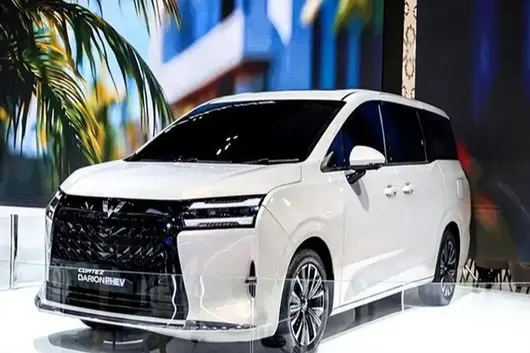

In the SUV market in Malaysia, many buyers compare Honda CR-V and Toyota Yaris Cross when choosing a car. These two cars are quite close in price and positioning. Today we will do a detailed comparison from multiple aspects to save you time doing research.
The OTR price of Honda CR-V in Malaysia is RM 178,200 - 195,900, with a total of 4 versions, including 2026 e:HEV 2.0L 2WD RS (RM 195,900), 2026 1.5T 4WD V (RM 181,900), 2026 e:HEV 2.0L 2WD E (RM 178,200), etc.
The OTR price of Toyota Yaris Cross in Malaysia is RM 99,900 - 109,900, with a total of 2 versions, including 2026 1.5L Standard (RM 99,900), 2026 HEV 1.5L Standard (RM 109,900), etc.
In terms of price, the starting price of Toyota Yaris Cross is RM 78,300 cheaper than Honda CR-V. To be honest, in this price range, a difference of a few thousand is actually not that big; the key lies in overall value for money and long-term usage costs.
Honda CR-V is equipped with a 2.0L 4-cyl, 170 hp. Official fuel consumption 8.0 L/100km.
Toyota Yaris Cross is equipped with a 1.5L 4-cyl, 105 hp. Official fuel consumption 6.0 L/100km.
In terms of power, the 2.0L 4-cyl in Honda CR-V has 65 more horsepower than the 1.5L 4-cyl in Toyota Yaris Cross, offering more confidence in mid-range acceleration, especially when overtaking on highways. However, the fuel consumption of Toyota Yaris Cross might be friendlier, and the difference for daily city commuting won't be very large.
The safety rating of Honda CR-V is 5★ (ASEAN NCAP), active safety systems include Honda SENSING (ACC, CMBS, LKAS, RDM).
The safety rating of Toyota Yaris Cross is 5★ (ASEAN NCAP), active safety systems include TSS.
The safety ratings of both cars are the same, and safety features are quite comprehensive for this class. New cars these days have good safety, so there is no need to worry too much about this.
Honda CR-V warranty is 5 years/unlimited mileage, maintenance interval every 10,000 km or 6 months.
Toyota Yaris Cross warranty is 5 years/unlimited mileage, maintenance interval every 10,000 km or 6 months.
The warranty conditions for both cars are the same, so no need to fuss about this aspect. Actual maintenance costs depend on the brand's service network and parts prices; it is recommended to ask real owners in car owner groups for their experience.

Honda CR-V and Toyota Yaris Cross are both mainstream choices in the Malaysian market, suitable for family use and daily commuting. If you value brand reputation and resale price more, you can prioritize the one with better reputation; if you care more about value for money and features, then choose the one with richer configurations. Ultimately, it is recommended to test drive both, as firsthand experience is the most important.

Overall, Honda CR-V and Toyota Yaris Cross are both very good models in the Malaysian market. Which one to choose depends on your personal needs and budget. It is recommended to do your research, compare quotes from several dealerships, and then test drive to make a final decision. Buying a car is a big matter; spending some time doing research will never be wrong.

In the Malaysian SUV market, many buyers compare the Honda HR-V and Subaru Crosstrek when choosing a car. These two models are quite close in price and positioning. Today, we will do a detailed comparison from multiple aspects to help you save time on research.
The OTR price of the Honda HR-V in Malaysia is RM 115,900 - 143,900, with a total of 4 versions, including 2026 e:HEV 1.5L RS (RM 143,900), 2026 1.5T V (RM 137,900), 2026 1.5T E (RM 130,900), etc.
The OTR price of the Subaru Crosstrek in Malaysia is RM 145,000 - 160,000, with a total of 1 version, including 2.0L e-Boxer (RM 150,000), etc.
From a pricing perspective, the starting price of the Honda HR-V is indeed RM 29,100 cheaper than the Subaru Crosstrek. If your budget is limited, Honda's entry-level version can already meet daily needs. However, note that the few thousand difference in price may involve trade-offs in equipment, depending on your specific needs.

The Honda HR-V safety rating is 5★ (ASEAN NCAP), and active safety systems include Honda SENSING (ACC, CMBS, LKAS, RDM).
The Subaru Crosstrek safety rating is 5★ (Euro NCAP), and active safety systems include EyeSight.
In terms of safety features, both cars have received good ratings. However, the Honda SENSING (ACC, CMBS, LKAS, RDM) of the Honda HR-V and the EyeSight of the Subaru Crosstrek have some differences in functionality. If you value active safety, you can compare their feature lists carefully.

The Honda HR-V body length is 4500 mm, and the trunk is 450 L.
The Subaru Crosstrek body length is 4400 mm, and the trunk is 400 L.
Regarding space, the Honda HR-V body is 100 mm longer than the Subaru Crosstrek, and the interior passenger space is slightly more spacious, especially the rear legroom. If you frequently carry family members or need to put in a stroller, the larger body is indeed more practical.
Honda HR-V warranty is 5 years/unlimited mileage, maintenance interval every 10,000km or 6 months.
Subaru Crosstrek warranty is 3 years/100,000km, maintenance interval every 10,000km or 6 months.

In general, both the Honda HR-V and Subaru Crosstrek are very good models in the Malaysian market. Which one to choose mainly depends on your personal needs and budget. We suggest doing your homework, comparing quotes from several dealerships, and test driving before making a final decision. Buying a car is a big matter, taking time to research will never go wrong.

© 2024 Bitauto.com. All Rights Reserved.
Bitauto (www.yiche.com and www.bitauto.com) is one of the most visited automotive websites in China. We provide detailed info on Chinese car brands available in your area. Please note that the information provided on this website is based on publicly available data and is for reference only. It may not be fully updated or accurate at all times.

Help us improve our website


