

Homerainforest

Search History
Popular Searches
Dealer Login / Sign Up

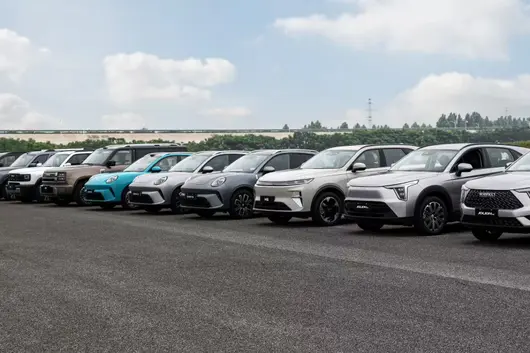
近期,長城歐拉全球海外投資者峰會在保定舉辦。來自全球各地的投資者走進長城技術中心與生產基地,在徐水專業試車場完成了長城歐拉 5 全動力版本的深度試駕,從智造工藝到動態性能完成了一次全方位的實地考察。隨著長城歐拉 5 在巴西、泰國等市場接連交出熱銷成績單,這場峰會也讓全球市場再次聚焦這款“生而全球”的中國新車。

產品實力始終是市場認可的核心底氣,這一點在此次試駕環節得到了直觀驗證。
長城歐拉 5 純電版主打“超級智能”,提供 480km、580km 兩種續航版本,百公里電耗低至 11.6kWh,電機系統效率達 95%,實現了低能耗與高性能的平衡;車輛搭載 Coffee OS 3 智能座艙,內置 Coffee GPT 大模型語音系統,車機流暢度比肩高端純電車款,自動泊車等智能功能也讓海外投資者切實感受到了中國汽車的智能化實力。

混動版則聚焦“省 + 順”的核心體驗,搭載長城汽車全新一代 Hi2 智能混動系統,創新採用兩檔直驅架構,可實現“三擎六模”AI 智能切換,將“靜、快、省、順”覆蓋全場景用車。在試駕現場的油耗測試、平順性挑戰等嚴苛項目中,長城歐拉 5 混動版在全程油耗表現、動力響應、換擋銜接上均表現亮眼,用實測數據印證了產品優勢,獲得了到場投資者的一致認可。

市場端的反饋同樣是產品力的最好證明。數據顯示,今年 6 月歐拉品牌單月銷量達 10806 輛,同比暴漲 229.15%,品牌全系累計銷量已突破 584133 輛。其中長城歐拉 5 憑藉一車三動力的產品矩陣引爆海內外:巴西市場首批 2000 台上線 24 小時即全部售罄,打破當地首月銷售目標;泰國上市後累計訂單突破 5000 台,混動版本更是直接與傳統日系品牌同台競爭,標誌著中國自主品牌產品力已被國際市場廣泛接受。
長城歐拉 5 能在短週期內快速登陸多國市場,核心在於“一車多動力”的全球化戰略。依托歸元平台的原生兼容優勢,長城歐拉 5 無需針對單一市場重新開發,僅通過動力組合的靈活調整即可完成本土化適配,純電、混動、燃油三大版本共享統一的全球品質標準。

這種模式精準適配了全球市場的差異化需求:純電版切入歐洲等新能源基建成熟的賽道,混動版適配東南亞等對燃油經濟性要求高的地區,燃油版則覆蓋充電設施尚在完善的新興市場,多線佈局形成互補。今年 7 月起,長城歐拉 5 還將陸續登陸澳洲、南非、印尼及中南美地區,全球銷售版圖持續擴張;此前已在西班牙、意大利完成上市,搭配體育營銷、本地化體驗活動,逐步建立起區域市場的品牌認知。
伴隨著產品熱銷,歐拉品牌的用戶定位也在完成升維與拓容。不同於過往的細分人群標籤,長城歐拉 5 正在向“家庭首購”“增換購”等更廣泛的用戶群體拓展。採用“自然美學”設計語言的長城歐拉 5,以行雲流水的車身曲線打造出符合全球審美的外觀,契合全球年輕人的個性化偏好。更關鍵的是,無論選擇哪種動力版本,用戶都能獲得一致的設計水準、智能配置與舒適體驗,無需在動力之外的體驗上妥協,真正實現“按需選擇、自由出行”。

從行業視角來看,長城歐拉 5 的全球化路徑,為中國汽車出海提供了一份全新的“歐拉樣本”。不同於早年中國車企“低價走量”的出海模式,歐拉憑藉全動力矩陣的適配能力、統一的全球品質標準,打破了海外市場對中國汽車的固有偏見,成為中國“新質生產力”出海的典型代表。當中國汽車出海從“把車賣出去”轉向“把價值帶出去”,歐拉品牌以一款車型覆蓋全球多元需求的思路,既驗證了中國汽車的技術競爭力,也為更多自主品牌的全球化佈局提供了可借鑑的路徑——立足全球市場真實需求,用技術與品質站穩腳跟,才是中國汽車品牌長期立足全球的核心底氣。

Di pasaran SUV di Malaysia, ramai pembeli semasa memilih kereta akan membandingkan Proton X50 dan Chery Tiggo Cross. Kedua-dua kereta ini mempunyai nilai dan kedudukan pasaran yang hampir sama, hari ini kita akan membuat perbandingan terperinci dari pelbagai aspek, membantu anda menjimatkan masa untuk membuat kajian.
Proton X50 di Malaysia dengan harga OTR adalah RM 89,800 - 113,300, sebanyak 4 varian, termasuk 1.5T Executive (RM 89,800), 1.5T Premium (RM 101,800), 1.5T Flagship (RM 113,300) dan lain-lain.
Chery Tiggo Cross di Malaysia dengan harga OTR adalah RM 88,750 - 99,750, sebanyak 2 varian, termasuk 2025 HEV 1.5L CSH (RM 99,750), 2025 1.5T Standard (RM 88,750) dan lain-lain.
Dari segi harga, harga permulaan Chery Tiggo Cross adalah RM 1,050 lebih murah berbanding Proton X50. Jujur saya cakap, dalam julat harga ini, perbezaan beberapa ribu ringgit sebenarnya tidak besar, penting sekali adalah melihat keseluruhan nisbah harga dan nilai serta kos penggunaan jangka panjang.

Proton X50 dilengkapi enjin 1.5L 4-silinder, kuasa 105 hp. Penggunaan bahan api rasmi 6.0 L/100km.
Chery Tiggo Cross dilengkapi enjin 1.5L 4-silinder, kuasa 105 hp. Penggunaan bahan api rasmi 6.0 L/100km.
Kedua-dua kereta menggunakan sistem kuasa yang sama, perasaan memandu sehari-hari hampir tiada perbezaan. Dari segi penggunaan bahan api juga hampir sama, tidak perlu terlalu bimbang mengenai hal ini.

Proton X50 panjang kenderaan 4400 mm, ruang bagasi 400 L.
Chery Tiggo Cross panjang kenderaan 4400 mm, ruang bagasi 400 L.
Saiz kedua-dua kereta hampir sama, perbezaan ruang dalaman tidak ketara. Kereta dalam kelas ini, untuk kegunaan harian adalah sepenuhnya mencukupi.

Proton X50 dan Chery Tiggo Cross adalah pilihan utama di pasaran Malaysia, sesuai untuk kegunaan keluarga, perjalanan harian. Jika anda lebih mengutamakan reputasi jenama dan harga jualan semula, boleh utamakan model yang mempunyai reputasi lebih baik; jika anda lebih mengutamakan nilai harga dan kelengkapan, maka pilihlah model dengan kelengkapan yang lebih banyak. Pada akhirnya disyorkan anda uji jalan kedua-dua model, pengalaman langsung adalah yang paling penting.

Secara keseluruhannya, Proton X50 dan Chery Tiggo Cross adalah model-model yang sangat baik di pasaran Malaysia. Memilih mana satu, kuncinya bergantung pada keperluan peribadi dan bajet anda. Disarankan buat kajian, bandingkan lebih banyak kutipan harga dari beberapa pengedar kereta, kemudian pergi uji jalan buat keputusan akhir. Membeli kereta adalah perkara besar, meluangkan masa membuat kajian pasti tidak akan salah.


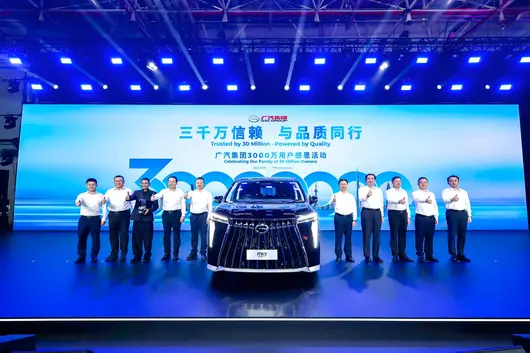
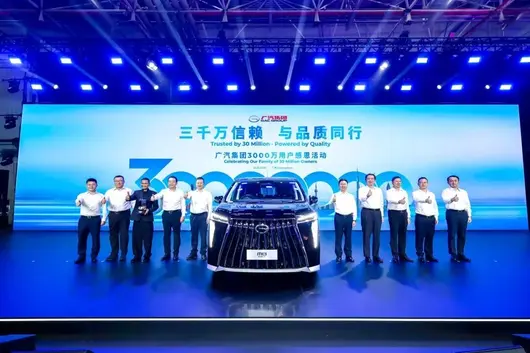
From thousands of selections to millions of trusts, every choice is the best testimony to brand growth. On July 16, the GAC Group 30 Million User Gratitude Ceremony was grandly held at the GAC Trumpchi factory. Government and enterprise leaders, industry giants, industry chain partners, domestic and overseas owners, media, and employee representatives gathered on site to jointly witness the highly significant 30 million whole vehicle delivery milestone in GAC's development history, unlocking a brand new chapter of high-quality development of Chinese car brands.

[Meeting Guests Witness GAC Welcoming 30 Million User Milestone Moment]
After 29 years of hard work, GAC has progressed from the first whole vehicle rolled off the line to a cumulative 30 million whole vehicles delivered. The digital leap is not only a breakthrough in scale but also an accumulation of reputation from millions of users. This milestone is not only proof of GAC's adherence to the original quality intention and accelerated smart new energy transformation, but also a vivid vignette of the Chinese automotive industry moving from scale expansion to value leap.
This ceremony showed GAC's strong transformation vitality and global strength in the form of all-domain linkage. At the event, GAC's multiple global production bases were linked via cloud, and GAC Honda P7, GAC Toyota bZ7, Qijing GT7, GAC AION N60, GAC Hyper S600, and many other new energy models rolled off the line sequentially, fully presenting GAC's full-coverage, diversified smart new energy product matrix.

[GAC Smart New Energy Matrix Shines on Stage]
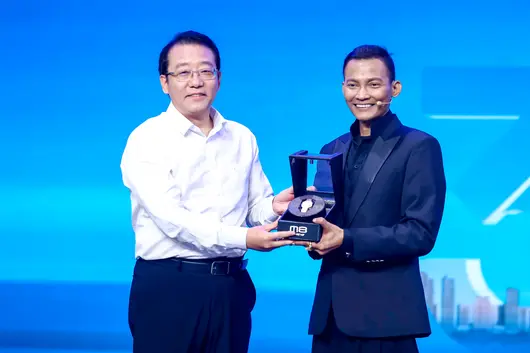
The highly anticipated 30 millionth whole vehicle—Right-hand drive version GAC Trumpchi M8 PHEV officially debuted and rolled off the line, highlighting GAC's firm layout in the global market. GAC Group Chairman Feng Xingya handed over the new car keys to Thai owner Tony Jaa. This two-way rush across mountains and seas vividly interprets GAC brand's hardcore strength and warmth based in China and going global.

[GAC's 30 Millionth Whole Vehicle - Right-Hand Drive GAC Trumpchi M8 PHEV Rolls off the Production Line]

[Feng Xingya (Left) Delivers New Car Keys to Thai Owner Tony Jaa (Right)]
Solid product layout boosts steady sales growth. Data shows that in the first half of this year, GAC Group's cumulative sales reached 773,100 vehicles, a year-on-year growth of 2.35%; new energy vehicle sales skyrocketed by 68.8% year-on-year, highlighting transformation results. The overseas market also saw explosive growth, with export volume surpassing 120,000, a year-on-year increase of as high as 132%, running out a steady upward growth curve during the industry's deep adjustment period.
"Quality is the bottom line GAC will never compromise." Deeply cultivating the industry for nearly 30 years, GAC has always adhered to the core philosophy of "Quality First", integrating Honda's Total Quality Management, Toyota's Lean Production Model, combined with local market characteristics to build an exclusive integrated innovative quality management system, ensuring quality runs through the entire R&D, production, and delivery process.

[Witnesses of Important Nodes in GAC Development History Share GAC's Story of Walking Together with Quality]

["National Distinguished Engineer Team" GAC Powertrain Independent R&D Team Shares R&D Innovation Process]

[GAC Styling Design Team Shares Design Innovation Process]
Strict quality control standards are the core guarantee of quality. All new cars of the GAC series must undergo "Five Highs, One Mountain, One Dust" extreme environment testing, complete "Two Winters, One Summer" full-scenario on-site road testing, pass 12 major categories of whole vehicle verification and over 1,500 items of strict verification, comprehensively adapt to complex road conditions and diverse travel scenarios. Relying on the global first new energy vehicle lighthouse factory - GAC AION Smart Eco Factory, with a digital, intelligent production system, achieving stable and controllable quality of mass-produced models.

[GAC AION Smart Eco Factory]
In the field of safety technology, GAC has built all-around protection barriers. The self-developed Star Spirit Safety Guardian System covers smart chassis, active/passive safety, battery safety, and smart driving four dimensions. Eight key systems adopt double redundancy design, cumulatively avoiding 6.28 million potential travel risks, protecting the travel safety of nearly 2 million users. The Ace Bulletproof Battery has cumulatively loaded 1.5 million units, with safe driving mileage exceeding 160 billion kilometers. At the same time, the industry's first brand-owned "Three Responsibilities" policy was launched, proactively covering user pain points of batteries and intelligent driving assistance to completely eliminate user concerns about vehicle use.

[GAC Star Spirit Safety Guardian System]
Always being user-centric is the core code for GAC to continuously lead. Adhering to the corporate philosophy of "People First, Integrity as Path, Innovation as Priority", GAC integrates user needs into brand development genes, building a full-cycle, full-scenario, closed-loop user service system.

[GAC "All Users Speaking" Event Site]
To listen to real user voices, GAC regularly carries out "All Users Speaking" activities, facing user demands, absorbing user suggestions, through an exclusive user insight department, achieving responses for every user issue and implementation for every matter. Service channels continue to sink, with plans to add 1,000 county-level authorized stores this year, breaking through grassroots service barriers; relying on the "Super Butler" service system, achieving 5-second quick response and 2-hour request completion, greatly improving service efficiency.
Energy replenishment ecology continues to improve. GAC has built a "9 Verticals and 10 Horizontals" national energy replenishment network, covering 31 provinces and 213 cities nationwide, owning over 27,000 charging piles and over 20,000 supercharging piles, achieving "within 1 kilometer straight line must have station" in core urban areas, bringing convenient and efficient energy replenishment experience for new energy users.

[GAC Energy "9 Verticals 10 Horizontals" Energy Replenishment Network]
To thank 30 million users for their company all the way, GAC officially launched the "30 Million Vehicle Delivery · Refresh Gratitude Season". Subsidiaries GAC Honda, GAC Toyota, GAC Trumpchi, GAC AION, GAC Hyper, and Qijing Auto six major brands simultaneously launched exclusive benefit policies for new purchase, trade-in, and add-on purchase, returning million users' trust with full sincerity.

[GAC Group 30 Million Vehicle Delivery · Refresh Gratitude Season Officially Launched]
30 million is a milestone, and even more a brand new starting point. Based on the brand new development stage, GAC takes technological innovation as the core driving force, continuously deepening powertrain, three-electric, and intelligent connected core technologies, accelerating transformation into an ecological technology enterprise.
In the powertrain field, the GAC Star Source Power System covers three technology routes: Extended Range, Plug-in Hybrid, and Super Twin Engine. Undergone 100,000 hours of bench testing and over 10 million km of whole vehicle verification, full-scenario performance is stable and powerful, bringing efficient and worry-free travel experience for users. In the three-electric field, GAC continues to tackle industry pain points, built a full solid-state battery pilot production line, the self-developed Quark electric drive motor efficiency breakthrough 99%, reaching industry top levels.

[GAC Star Source Power Makes Users Choose "No More Compromises"]
In the intelligent field, the Star Spirit architecture comprehensively iterates, connecting driving, cockpit, powertrain, chassis, and other six major core systems, whole vehicle comprehensive performance increased by 40%; the Galaxy Smart Cockpit achieves end-cloud integration, building a humanized, intelligent mobile travel space. Meanwhile, GAC partners with Huawei, CATL, Tencent, Alibaba, and other industry leading enterprises to jointly build an AI intelligent travel ecology, continuously unlocking new possibilities for future travel.
Deepening R&D technology, building solid innovation confidence. Currently, GAC's cumulative R&D investment exceeds 62 billion yuan, assembling a global R&D team of over 6,800 people, continuously empowering product upgrades and experience upgrades with hardcore technology. In the future, GAC will adhere to quality original intention, deepen user value, persist in technological innovation, accelerate global layout, forge new tracks in intelligence, green, and globalization with a steady posture, walking shoulder to shoulder with 10 million users, embarking on the next brand new journey.

Pasar SUV di Malaysia, ramai pembeli ketika memilih kereta akan membandingkan Proton X50 dan Mazda CX-30.
Harga OTR Proton X50 di Malaysia ialah RM 89,800 - 113,300, terdapat 4 varian, termasuk 1.5T Executive (RM 89,800), 1.5T Premium (RM 101,800), 1.5T Flagship (RM 113,300) dan lain-lain.
Harga OTR Mazda CX-30 di Malaysia ialah RM 122,409 - 146,409, terdapat 4 varian, termasuk 2025 2.0L High+ Premium (RM 146,409), 2025 2.0L High+ (RM 138,409), 2025 2.0L High (RM 130,409) dan lain-lain.
Dari segi harga, harga permulaan Proton X50 memang lebih murah RM 32,609 berbanding Mazda CX-30. Jika bajet anda terhad, versi permulaan Proton sudah memadai untuk keperluan harian. Tetapi perlu diingat, perbezaan harga beribu ringgit itu mungkin melibatkan pertukaran pada kelengkapan, bergantung pada keperluan anda.
Proton X50 dilengkapi enjin 1.5L 4-silinder, kuasa 105 hp. Penggunaan bahan api rasmi 6.0 L/100km.
Mazda CX-30 dilengkapi enjin 1.5L Turbo, kuasa 140 hp. Penggunaan bahan api rasmi 7.0 L/100km.
Dari segi kuasa, 1.5L Turbo Mazda CX-30 mempunyai 35 kuasa kuda lebih banyak berbanding 1.5L 4-silinder Proton X50. Namun untuk memandu harian di bandar, kuasa kedua-dua kereta sudah mencukupi, tidak akan rasa kurang kuasa.
Penarafan keselamatan Proton X50 ialah 5★ (ASEAN NCAP), sistem keselamatan aktif termasuk ADAS (ACC, AEB, LKA, LDA, BSM, RCTA).
Penarafan keselamatan Mazda CX-30 ialah 5★ (ASEAN NCAP), sistem keselamatan aktif termasuk i-Activsense.
Penarafan keselamatan kedua-dua kereta sama, pada kelas ini kelengkapan keselamatan diberi cukup lengkap. Keselamatan kereta baru sekarang tidak buruk, tidak perlu terlalu risau tentang hal ini.
Proton X50 jaminan 5 tahun/150,000km, selang penyelenggaraan setiap 10,000km atau 6 bulan.
Mazda CX-30 jaminan 5 tahun/150,000km, selang penyelenggaraan setiap 10,000km atau 6 bulan.
Kesetiaan jaminan kedua-dua kereta sama, dari segi ini tidak perlu bimbang. Kos penyelenggaraan sebenar bergantung pada rangkaian servis jenama dan harga komponen, disyorkan bertanya pengalaman pemilik sebenar dalam kumpulan kereta.

Proton X50 dan Mazda CX-30 adalah pilihan utama pasaran Malaysia, sesuai untuk kegunaan keluarga, perjalanan harian. Jika anda lebih menghargai reputasi jenama dan harga kedua, boleh utamakan yang reputasi lebih baik; jika anda lebih mementingkan nisbah harga dan kelengkapan, pilih yang lebih banyak konfigurasi. Akhir sekali disyorkan uji kedua-dua kereta, pengalaman langsung paling penting.

Secara keseluruhannya, Proton X50 dan Mazda CX-30 adalah model kereta yang sangat bagus di pasaran Malaysia. Memilih mana satu, penting bergantung pada keperluan peribadi dan bajet anda. Disyorkan buat penyelidikan terlebih dahulu, bandingkan lebih banyak tawaran daripada pengedar kereta, kemudian uji untuk membuat keputusan akhir. Membeli kereta adalah perkara besar, menghabiskan sedikit masa untuk penelitian tidak akan salah.

Dalam pasaran SUV Malaysia, ramai pembeli membandingkan Proton X50 dan Mazda CX-3 semasa memilih kereta. Kedua-dua model ini sangat hampir dari segi harga dan posisi, hari ini kita akan buat perbandingan terperinci dari pelbagai aspek untuk membantu anda menjimatkan masa mencari maklumat.
Harga OTR Proton X50 di Malaysia adalah RM 89,800 - 113,300, terdapat 4 versi, termasuk 1.5T Executive (RM 89,800), 1.5T Premium (RM 101,800), 1.5T Flagship (RM 113,300) dan lain-lain.
Harga OTR Mazda CX-3 di Malaysia adalah RM 126,159 - 139,159, terdapat 2 versi, termasuk 2023 2.0L High (RM 139,159), 2023 2.0L Plus (RM 126,159) dan lain-lain.
Dari segi harga, harga permulaan Proton X50 memang lebih murah RM 36,359 berbanding Mazda CX-3. Jika bajet anda terhad, versi permulaan Proton sudah cukup untuk memenuhi keperluan harian. Namun, perlu diingatkan, perbezaan harga beberapa ribu ringgit itu mungkin memerlukan pengorbanan dari segi kelengkapan, bergantung pada keperluan anda.
Proton X50 panjang badan 4400 mm, ruang bagasi 400 L.
Mazda CX-3 panjang badan 4500 mm, ruang bagasi 450 L.
Dari segi ruang, badan Mazda CX-3 lebih panjang 100 mm berbanding Proton X50, ruang penumpang lebih unggul. Namun, Proton X50 lebih lincah untuk parkir di bandar, masing-masing ada kelebihan.
Proton X50 menggunakan sistem penggerak 4WD.
Mazda CX-3 menggunakan sistem penggerak FWD.
4WD Proton dan FWD Mazda akan memberikan pengalaman berbeza dari segi pengendalian, disarankan untuk uji pemandu.
Proton X50 dan Mazda CX-3 adalah pilihan utama pasaran Malaysia, sesuai untuk kegunaan keluarga dan perjalanan harian. Jika anda lebih mementingkan reputasi jenama dan nilai jualan semula, anda boleh memprioritaskan model yang lebih berkualiti; jika anda lebih mengambil berat mengenai kos dan kelengkapan, maka pilih model yang lebih lengkap. Pada akhirnya disarankan untuk membandingkan kedua-dua model dan melakukan uji pemandu, pengalaman sendiri adalah yang paling penting.

Secara keseluruhan, Proton X50 dan Mazda CX-3 adalah model kereta yang sangat baik di pasaran Malaysia. Memilih mana satu, kuncinya bergantung pada keperluan peribadi dan bajet anda. Kami cadangkan anda sediakan penyelidikan, bandingkan lebih banyak harga dari kedai kereta, kemudian buat uji pemandu untuk membuat keputusan akhir. Membeli kereta adalah perkara besar, meluangkan masa untuk penelitian pasti tidak salah.

Di pasaran SUV di Malaysia, ramai pembeli membandingkan Proton X50 dan Honda WR-V semasa memilih kereta. Kedua-dua model ini agak hampir dari segi harga dan penempatan, hari ini kita akan membuat perbandingan terperinci dari pelbagai aspek untuk membantu anda menjimatkan masa membuat kajian.
Harga OTR Proton X50 di Malaysia ialah RM 89,800 - 113,300, terdapat keseluruhan 4 varian, termasuk 1.5T Executive (RM 89,800), 1.5T Premium (RM 101,800), 1.5T Flagship (RM 113,300) dan lain-lain.
Harga OTR Honda WR-V di Malaysia ialah RM 89,900 - 107,900, terdapat keseluruhan 4 varian, termasuk 2023 1.5L V (RM 99,900), 2023 1.5L E (RM 95,900), 2023 1.5L S (RM 89,900) dan lain-lain.
Dari segi harga, harga permulaan Proton X50 memang lebih murah RM 100 berbanding Honda WR-V. Jika bajet anda terhad, varian asas Proton sudah boleh memenuhi keperluan harian. Tetapi perlu diingat, perbezaan harga beberapa ribu ringgit itu mungkin melibatkan kompromi pada kelengkapan, bergantung pada keperluan anda.
Proton X50 dilengkapi enjin 1.5L 4-silinder, kuasa 105 hp. Penggunaan minyak rasmi 6.0 L/100km.
Honda WR-V dilengkapi enjin 1.5L 4-silinder, kuasa 105 hp. Penggunaan minyak rasmi 6.0 L/100km.
Kedua-dua kereta menggunakan sistem enjin yang sama, pengalaman memandu harian adalah hampir sama. Dari segi penggunaan minyak juga hampir sama, tidak perlu terlalu risau tentang hal ini.
Penilaian keselamatan Proton X50 ialah 5★ (ASEAN NCAP), sistem keselamatan aktif termasuk ADAS (ACC, AEB, LKA, LDA, BSM, RCTA).
Penilaian keselamatan Honda WR-V ialah 5★ (ASEAN NCAP), sistem keselamatan aktif termasuk Honda SENSING.
Penilaian keselamatan kedua-dua kereta adalah sama, pada tahap ini kelengkapan keselamatan dianggap cukup lengkap. Keselamatan kereta baru masa ini tidak buruk, tidak perlu terlalu bimbang tentang hal ini.
Panjang badan Proton X50 ialah 4400 mm, ruang bagasi 400 L.
Panjang badan Honda WR-V ialah 4400 mm, ruang bagasi 400 L.
Dimensi kedua-dua kereta hampir sama, ruang dalaman tidak berbeza jauh. Untuk kereta tahap ini, penggunaan harian adalah cukup.

Proton X50 dan Honda WR-V kedua-duanya pilihan utama di pasaran Malaysia, sesuai untuk kegunaan keluarga dan perjalanan harian. Jika anda lebih menitikberatkan nama jenama dan nilai jual semula, anda boleh terlebih dahulu pertimbangkan model yang mempunyai reputasi lebih baik; jika anda lebih mempedulikan nilai harga dan kelengkapan, pilih model dengan konfigurasi lebih lengkap. Pada akhirnya disarankan untuk memandu kedua-dua model, pengalaman sendiri adalah yang paling penting.
Secara keseluruhan, Proton X50 dan Honda WR-V kedua-duanya model yang cukup baik di pasaran Malaysia. Pilihan mana yang diambil, penting bergantung pada keperluan peribadi dan bajet anda. Disarankan untuk membuat kajian yang baik, bandingkan beberapa tawaran harga daripada beberapa pengedar, kemudian pergi memandu untuk membuat keputusan akhir. Membeli kereta adalah perkara besar, mengambil masa untuk membuat kajian pasti tidak salah.

Dalam pasaran SUV di Malaysia, ramai pembeli semasa memilih kereta akan membandingkan Perodua Aruz dan Kia Sportage. Kedua-dua kereta ini agak hampir dari segi harga dan pelbagaian, hari ini kita akan buat perbandingan terperinci dari pelbagai aspek untuk membantu anda menjimatkan masa membuat kajian.
Perodua Aruz dijual OTR di Malaysia bermula dari RM 72,900 - 77,900, ada 2 varian termasuk 1.5L X (RM 72,900), 1.5L AV (RM 77,900) dan lain-lain.
Kia Sportage dijual OTR di Malaysia bermula dari RM 129,639 - 179,320, ada 4 varian termasuk 2025 1.6T DCT 4WD High (RM 179,320), 2025 1.6T DCT 2WD High (RM 159,320), 2025 2.0L AT 2WD High (RM 139,639) dan lain-lain.
Dari segi harga, Perodua Aruz harga permulaan memang lebih murah RM 56,739 berbanding Kia Sportage. Jika bajet anda terhad, varian permulaan Perodua sudah boleh memenuhi keperluan harian. Tetapi perlu diingat, perbezaan harga beberapa ribu ringgit ini mungkin ada kompromi dari segi kelengkapan, bergantung pada keperluan anda.

Perodua Aruz mempunyai penilaian keselamatan 5★ (ASEAN NCAP), sistem keselamatan aktif termasuk .
Kia Sportage mempunyai penilaian keselamatan 5★ (ASEAN NCAP), sistem keselamatan aktif termasuk Drive Wise.
Penilaian keselamatan kedua-dua kereta sama, dalam tahap ini kelengkapan keselamatan sudah agak lengkap. Keselamatan kereta baharu sekarang tidaklah buruk, tidak perlu terlalu bimbang mengenai perkara ini.
Perodua Aruz menggunakan cara pemacu FWD.
Kia Sportage menggunakan cara pemacu FWD.
Cara pemacu kedua-dua kereta sama, iaitu FWD, tiada perbezaan besar dari segi pengalaman memandu harian.

Perodua Aruz waranti 5 tahun/150,000km, selang penyelenggaraan setiap 10,000km atau 6 bulan.
Kia Sportage waranti 5 tahun/300,000km, selang penyelenggaraan setiap 10,000km atau 6 bulan.

Secara keseluruhan, Perodua Aruz dan Kia Sportage adalah model kereta yang sangat baik di pasaran Malaysia. Memilih mana satu, penting sekali bergantung pada keperluan dan bajet peribadi anda. Kami sarankan anda buat kajian, bandingkan lebih banyak harga di kedai kereta, lalu buat ujian memandu untuk membuat keputusan akhir. Membeli kereta adalah perkara besar, meluangkan masa membuat kajian pasti tidak salah.


16 Julai, Kumpulan GAC mengadakan satu acara yang cukup meriah di Pabrik Trumpchi GAC, Guangzhou — merayakan keluaran unit kenderaan keseluruhan ke-30 juta.
Apa konsep 30 juta? Dalam sejarah industri automotif China, syarikat kereta yang dapat mencapai angka ini tidak melebihi satu tangan. GAC dari keluaran Accord pertama pada tahun 1997 hingga sekarang, mengambil masa 29 tahun.
Tetapi tempat yang menarik dalam acara ini, bukan pada nombor itu sendiri, tetapi pada keadaan yang ditunjukkan oleh GAC.
Tuan rumah utama di lokasi pengeluaran bukan sebuah kereta bahan api tradisional, tetapi sebuah versi stereng kanan GAC Trumpchi M8 PHEV. Objek penyerahan kenderaan bukan wakil pengedar tempatan, tetapi seorang pemilik kereta Thailand.
Status dan destinasi kenderaan ini lebih banyak menjelaskan masalah berbanding nombor 30 juta ini.

Jual ke Thailand
Terdapat satu butiran yang menarik perhatian di lokasi acara: Unit ke-29,999,995 hingga ke-29,999,999 turun barisan secara bersiri, masing-masing adalah GAC Honda P7, GAC Toyota bZ7, Enlight GT7, GAC Aion N60, GAC Hyper S600, semuanya seragam Kenderaan Tenaga Baharu.

Bukan majlis pengeluaran ini, jelas GAC sedang mempamerkan kekuatan. Suku bahagian gabungan, suku bahagian mandiri, elektrik tulen, pencampuran plug-in, kereta stereng kanan, matriks Kenderaan Tenaga Baharu lengkap muncul secara kolektif. Satu-satunya kata yang GAC mahu sampaikan: Untuk perkara elektrifikasi ini, saya serius.

Pada separuh pertama tahun ini, jualan Kumpulan GAC mencapai 773,100 unit, meningkat 2.35% berbanding tahun sebelumnya, jualan Kenderaan Tenaga Baharu meningkat 68.8% berbanding tahun sebelumnya. Eksport luar negeri melepasi 120,000 unit, meningkat tajam 132% berbanding tahun sebelumnya.
Kadar pertumbuhan ini cantik, tetapi asasnya masih agak kecil. Pada masa penyusunan semula industri yang mendalam ini, GAC perlu berlari lebih pantas.
Kualiti adalah garis dasar, perkara yang tidak boleh ditinggalkan
Pengerusi Kumpulan GAC, Feng Xingya, mengutarkan satu kalimat di acara itu: "Kualiti adalah garis batas yang tidak akan GAC tinggalkan." Kalimat ini didengar pada masa kini, sebenarnya agak bererti.
Beberapa tahun lalu, industri automotif China terlibat dalam persaingan ganas, memperebut harga, konfigurasi, pengiraan, tetapi ada perkara yang sukar diperolehi melalui persaingan, seperti sistem kawalan kualiti.

Sistem pengurusan kualiti GAC mempunyai keunikannya: menggabungkan Pengurusan Kualiti Penuh (TQM) Honda, Pengeluaran Terjamin (TPS) Toyota, ditambah dengan gen praktikal dalam budaya Lingnan. Sistem ini menjamin bahawa gabungan dan merek mandiri di bawah GAC dalam kebolehpercayaan produk sentiasa berada di hadapan industri.
Data juga menyokong: Sistem Keselamatan Xingling melindungi hampir 2 juta pengguna, mengelakkan 6.28 juta risiko perjalanan berpotensi; Bateri Magasin terkumpul dipasang pada 1.5 juta kenderaan, jarak perjalanan selamat melebihi 160 bilion kilometer.
Pada masa industri secara ganas menimbun bahan dan konfigurasi, perkara "tidak rosak", sebaliknya menjadi nilai yang terhad.
Selepas 30 Juta, Ke Arah Mana?
Feng Xingya mengumumkan satu dasar di lokasi acara: Melancarkan "Keluaran 30 Juta·Musim Terima Kasih Segar", enam merek di bawah GAC — Honda, Toyota, Trumpchi, Aion, Hyper, Enlight, akan mengikut pembelian baharu, pertukaran dan pembelian tambahan melancarkan dasar masing-masing.
Ini adalah tindakan pada paras perkhidmatan. Lebih menarik perhatian, adalah laluan teknologi GAC seterusnya.

Kawasan kuasa, "Kuasa Xingyuan" GAC akan meliputi Julang Panjang, Pencampuran Plug-in dan Super Dual Engine tiga laluan teknologi. Jalur pengeluaran percontohan bateri pepejal penuh telah siap dibina, motor penggerak elektrikal Quark mempunyai kecekapan tertinggi melampaui 99%.
Kawasan Internet Pintar, Struktur Xingling sedang membuka Pintar Memandu, Kabin, Kuasa, Chassis, Badan, Enam Sistem Internet Kereta, matlamat adalah "Satu Otak Perintah Seragam". Senarai rakan kongsi juga panjang — Huawei, CATL, Didi, Tencent, Alibaba.
Hingga kini, GAC telah melabur penyelidikan dan pembangunan terkumpul lebih 62 bilion yuan, pasukan penyelidikan global lebih 6800 orang.
Tahap pelaburan ini, dalam syarikat automotif tradisional dikira sebagai jumlah yang besar.
Penutup
30 juta unit adalah satu titik tolak, tetapi untuk GAC ini lebih merupakan satu titik pisah.
29 tahun lalu, GAC bergantung pada gabungan untuk asas, bergantung pada kualiti untuk reputasi, bergantung pada kelebihan rantaian bekalan dan keupayaan pembuatan berjalan ke hari ini. Tetapi 30 juta unit seterusnya, hanya bergantung pada ini tidak mencukupi.
Transformasi Tenaga Baharu tidak boleh perlahan, Pintar tidak boleh ketinggalan, Pasaran Luar Negara mesti ditakluki, ini adalah satu soalan ujian yang sama yang dihadapi oleh semua syarikat automotif tradisional.
Pilihan GAC adalah: Kualiti tidak boleh ditinggalkan, tetapi teknologi tidak boleh lambat, irama tidak boleh kacau, pasaran global tidak boleh dilepaskan.
Terlihat menyerang empat arah, tetapi logik sebenarnya mudah — Di bawah keadaan mempertahankan garis dasar, pelajaran yang perlu diambil perlu ditambal secepat mungkin.
Selepas 30 Juta, ujian yang sebenar baru sahaja bermula.

2026 年 7 月 21 日至 22 日,山東重工全球合作夥伴大會暨綠色智能產品展示會(下稱「大會」)將在越南國家會展中心(VEC)舉行。

約河內
十三品牌齊聚 共赴全球合作盛會
大會以「科技賦能 裝備美好」為主題,展覽面積 26000 平方米,山東重工旗下濰柴、中國重汽、陝重汽、凱傲、山推股份、濰柴雷沃智慧農業、中通客車、雷沃重工、亞星客車、濰柴新能源商用車、法士特、漢德車橋、株洲齒輪 13 家品牌共同參加。來自全球 62 個國家和地區嘅 1577 名參會人員將齊聚河內,共同見證山東重工綠色智能高端裝備嘅最新成果,展現集團引領全球綠色裝備發展嘅全方位實力。

河內景色
綠色轉型
新能源同比增長 57% 全產業鏈佈局跑出新速度
「綠色」同「智能」係本次大會嘅兩大關鍵詞,亦係山東重工高質量發展嘅底色。
2026 年上半年,山東重工國內新能源業務收入 244 億元、同比增長 57%,其中中國重汽新能源重卡銷量同比增長 141%,市場佔有率持續提升,躍居行業第一。高速增長嘅業績背後,係山東重工喺新能源領域全鏈條、系統化嘅佈局同沉澱。
喺核心技術層面,山東重工已構建起全球領先嘅新能源全產業鏈競爭優勢。濰柴建立了覆蓋柴油、燃氣到純電、混動、氫能、SOFC 及替代燃料嘅多元化動力系統佈局,形成咗從傳統動力、清潔動力到新能源動力一體化產業鏈條。
喺產品儲備方面,集團已完成全系列新能源產品矩陣佈局。商用車領域全面覆蓋重卡、輕卡、客車、輕型車全系列產品;工程機械領域擁有全系列電動挖掘機、電動裝載機、電動礦卡、電動推土機,實現咗多品類、全場景嘅產品供應能力。
喺服務保障體系上,山東重工打造咗覆蓋全生命週期嘅新能源服務能力。中國重汽協同充電、加氫基建合作夥伴,持續完善全球補能網絡體系,破解海外新能源運力補能痛點;聯合國際大型運輸車隊,定製場景化、專業化新能源運力解決方案,助力企業降本增效;攜手屬地合作夥伴,築牢海外市場服務保障屏障。

中國重汽黃河氫內燃機牽引列車
出海答卷
全球多國落地驗證中國智造硬實力
經過全球市場嘅廣泛驗證,山東重工嘅新能源解決方案已具備成熟嘅海外落地能力。中國重汽新能源重卡已出口全球 50 餘個國家,陝汽新能源重卡在全球 30 個國家實現批量運營,形成咗墨西哥牽引車標載物流、印尼自卸車礦區作業、歐洲高端港口、東南亞礦山與環境衛生等一批多場景標杆項目,積累咗豐富嘅海外工況適配同本地化運營經驗。
2026 年美加墨世界盃期間,以中通 N12 雙源無軌城市客車為主力嘅新能源客車成為墨西哥城重要交通保障力量,向全球展現中國智造嘅技術實力。山推 SE20EI 成功打入歐洲市場,標誌住山推小型電動工程機械正式通過高端海外市場驗證。

中通客車服務美加墨世界盃
智慧賦能
五大智慧場景 鋪開全域智能應用版圖
喺綠色化轉型持續提速嘅同時,山東重工嘅智能化佈局亦喺同步向縱深推進。近年來,山東重工持續推進數字化、智能化轉型升級,聚焦人工智能、智能製造、智慧工廠建設,不斷提升產業數字化、數字產業化水平,智能製造發展水平穩居行業前列。山東重工目前擁有智慧駕駛、智慧施工、智慧農業、智慧倉儲、智慧能源等多元應用場景解決方案。
智慧駕駛方面,中國重汽已經實現 L2-L4 級自動駕駛技術全面落地,喺礦區、港口、幹線物流等場景已實現規模化應用,港口無人駕駛集卡運營規模領先。雷沃重工無人駕駛礦卡實現規模批量商用,推動礦山運輸向智能化、無人化邁進。
智慧施工方面,山推智駕 SSC 平台 2.0 版本全新發布,成功實現 L4 級高階無人化作業商業化落地,可自主完成推土機自動排土、裝載機自動上料等多場景智能化施工,技術成熟度與實戰應用能力全面升級。

山推行業首台無人推土機
智慧農業方面,濰柴雷沃智慧農業持續深耕「智能農機 + 智慧農業」核心賽道,能夠提供「耕、種、管、收、貯」全週期智慧農業解決方案。截至 2025 年 12 月 31 日,濰柴雷沃智慧農業已在全國 20 餘省市落地 80 多個智慧農場項目,服務超 2 萬家種植戶,智慧農業管理平台累計用戶超 3.8 萬人次,覆蓋土地面積超 800 萬畝,實現「雲腦 + 終端」閉環。

山東高密雷沃智慧農場
智慧倉儲方面,凱傲林德 AI 智能庫重新定義高密度托盤倉儲系統,該方案已廣泛適配第三方物流、零售、新能源、醫藥、冷鏈及製造等領域,成為解決高頻揀選、舊廠改造及高密度儲存等複雜場景嘅理想選擇。
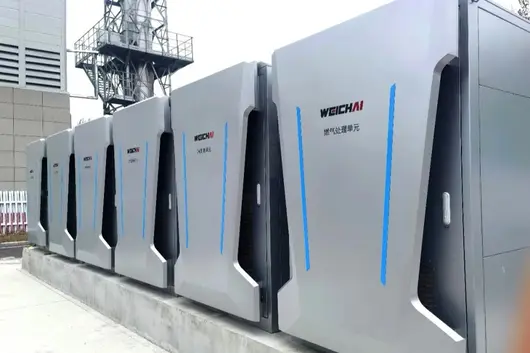
智慧能源方面,電力能源板塊增長勢頭同樣強勁,集團上半年板塊銷售收入同比增長 29.8%,銷量同比增長 34%,其中數據中心產品銷量同比暴漲 136%,新興產業增長勢能充分釋放。濰柴自主研發嘅 M 系列大缸徑發電產品及 SOFC 固體氧化物燃料電池產品,已成爲集團電力能源板塊嘅核心支撐同主力產品。100kW SOFC 發電產品成功實現商業化應用,累計穩定運行近 7 萬小時,商業化運營成效凸顯。自主研發嘅全球首款 5 兆瓦高速柴油發電機組 20M61,以全球領先嘅升功率性能領跑行業,持續夯實技術壁壘。

濰柴 SOFC 固體氧化物燃料電池
攜手共贏
綠色 + 智能雙輪驅動 搶佔高端裝備新賽道
當前,全球綠色低碳轉型與智能化變革加速交匯,綠色智能裝備正成爲全球產業競爭嘅新賽道。經過多年深耕,山東重工已構建起從核心技術、全系列產品到全球市場佈局、全生命週期服務嘅完整新能源產業生態,智能化能力同步貫穿各業務場景,形成咗綠色與智能雙輪驅動嘅發展格局。
此次越南全球合作夥伴大會,既係山東重工面向全球市場嘅一次集中成果展示,更係與全球合作夥伴深化交流、共謀發展嘅重要平台。面向未來,更多優秀嘅中國企業將以開放共贏嘅姿態,為全球裝備製造業嘅綠色智能轉型貢獻更多中國方案。
大會開幕臨近,呢場匯聚全球合作夥伴、展示綠色智能前沿成果嘅盛會值得期待。
見綠色、見智能
7 月 21 日 -22 日
河內,我哋不見不散!
來源:閃電新聞
(本文由企業提供)

29 年,3000 萬輛,呢個係廣汽集團規模同信任嘅雙成就。
7 月 16 日,廣汽集團 3000 萬用戶感恩活動喺廣汽傳祺工廠舉行。隨著一輛右舵版傳祺 M8 PHEV 駛下生產線並交畀泰國車主 Tony Jaa 手中,廣汽正式跨越 3000 萬用戶里程碑。

從首輛車下線至今,廣汽由 0 到 1000 萬輛用咗 29 年。而且,廣汽仲喺加速向前,由 1000 萬到 3000 萬輛只用 9 年,跑出「廣汽速度」。活動現場,全球多座生產基地同步連線,廣汽本田 P7、廣汽豐田铂智 7、啟境 GT7、廣汽埃安 N60、廣汽昊鉑 S600 作為第 29999995 至第 29999999 輛車依次下線,全線新能源矩陣集中亮相。

為回饋 3000 萬用戶,廣汽集團董事主席馮興亞現場宣布啟動「煥新感恩季」,即日至 8 月 31 日,廣汽本田、廣汽豐田、廣汽傳祺、廣汽埃安、廣汽昊鉑同啟境汽車六大品牌同步推出新購、置換、增購三重福利。
新購環節,廣汽本田 P7 推出限時價,雅閣、皓影汽油版可享「3 年 8 萬 0 息」;廣汽豐田、傳祺、埃安、昊鉑同啟境主力車型提供 5000 至 5 萬元不等購車補貼。置換方面,廣汽老車主增換購傳祺、昊鉑、啟境部分車型額外加碼補貼;家庭增購啟境 GT7 仲可享專屬權益,進一步降低用戶升級門檻。

「品質係廣汽永遠唔會讓渡嘅底線。」馮興亞喺總結中表示。支撐 3000 萬份信賴嘅,係貫穿研發到製造嘅全鏈條品控。整車上市前必須經歷「五高一山一塵」極端環境測試同至少「兩冬一夏」驗證,覆蓋 12 個大項、1500 餘項驗證子項。

彈匣電池已裝車 150 萬輛,累計安全行駛超 1600 億公里;星靈安全守護體系服務近 200 萬用戶,累計預防潛在事故 628 萬次。廣汽仲喺業內率先推出自主品牌「三擔責」政策,對三電系統自燃、動力電池衰減超限、智能泊車事故主動兜底,將品質承諾延伸至用車全週期。

喺技術同服務端,廣汽加速由工程師思維向用戶思維轉型。依托「番禺行動」,自主品牌全面煥新,同華為乾崑聯合打造嘅高端品牌啟境首款車型 GT7 已上市。星源動力覆蓋增程、插混、超級雙擎,夸克電驅量產電機最高效率突破 99%,累計研發投入超 620 億元。

服務網絡同步下沉,年內計劃新增 1000 家縣域授權門店;「9 縱 10 橫」補能網絡覆蓋全國 213 座城市,自營充電樁超 2.7 萬根;線上「超級管家」承諾 5 秒響應、2 小時辦結。
活動現場,一輛右舵版傳祺 M8 PHEV 作為第 3000 萬輛整車駛上舞臺,廣汽集團董事主席馮興亞將鑰匙交畀泰國車主 Tony Jaa 手中。3000 萬輛里程碑以一款右舵車、一位海外用戶點睛,唔係巧合。海外正成為增長新引擎。

今年上半年,廣汽集團銷量 77.31 萬輛,同比增長 2.35%,其中新能源銷量同比大增 68.8%;自主品牌出口 12.15 萬輛,同比增長 132%,接近去年全年。以泰國細分市場為例,6 月銷量環比勁增 207%。

目前廣汽已進入 110 個國家同地區,建成 746 家銷售網點、7 座海外工廠同 9 個零部件倉庫,由產品出海邁向全價值鏈體系出海。右舵 M8 PHEV 交付嘅一幕,正係廣汽全球化提速嘅縮影。
本文作者為踢車幫 孫小樹

In the first half of 2026, approximately 630 new cars were launched in the Chinese market, while domestic passenger car sales slipped by 20% year-on-year during the same period.
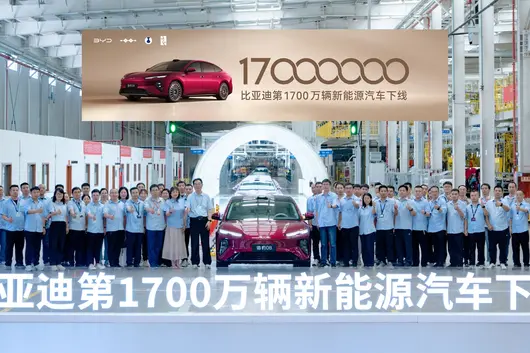
Amid such a severe market environment, BYD still continues to receive good news: sales in June exceeded 400,000 units, setting a new record for the year; in July, the 17 millionth new energy vehicle rolled off the production line at the Xi'an factory; subsequently, BYD, Denza, and Yangwang showcased their brands at the Goodwood Festival of Speed in the UK... Whether in terms of market performance, growth rate, or international influence, BYD continues to lead the industry.
A string of standout performances proves from one perspective that the positive cycle system constructed by BYD, with technology as the flywheel, scale as the foundation, and ecosystem as the barrier, is profoundly reshaping the competitive landscape of the global automotive industry.

From the 16 millionth unit to the 17 millionth unit, BYD took less than 3 months to refresh the mass production record of the new energy vehicle industry at the fastest global speed, also verifying the sustainability of its development model.
Technology is King, Innovation is the Foundation is BYD's core philosophy that has been long adhered to. As of now, BYD's cumulative R&D investment has exceeded 250 billion yuan, forming a positive cycle of Technological Innovation — Product Landing — Scale Feedback — Iterative Upgrade, and systematically enhancing the global competitiveness of China's new energy vehicle industry.
In March this year, BYD officially joined the International Automotive Task Force (IATF), becoming the first Chinese automaker to enter the top-level global automotive standard-setting system. In the BrandZ Most Valuable Global Brands list released in May, BYD ranked 5th among global automotive brands with a brand value of 20.362 billion USD, a year-on-year increase of 41%, and the highest growth rate among global automakers for two consecutive years.

In March 2026, BYD released the second-generation Blade Battery and Flash Charging Technology
In terms of core technologies, BYD has concentrated the release of achievements such as the second-generation Blade Battery and Flash Charging Technology, Di Tian Zhi Yan 5.0, and the self-developed intelligent driving chip "Xuanji A3" within this year. 9 minutes to full charge, intelligent parking, and dual assurance for urban navigation" solved the pain points of users' energy replenishment anxiety and reluctance to use intelligent driving, also becoming a vivid footnote to BYD's Technology is King.
Volume and Price Surge Together Verify Development Effectiveness
The model that rolled off the line as the 17 millionth vehicle of BYD is the brand new flagship Seal 08 from the Ocean Network. The new car possesses advanced product strengths such as Flash Charging Technology, Dual Assurance for Intelligent Parking, 905km Pure Electric Range, DiSus-A plus rear-wheel steering, and is a heavyweight work in BYD's 200,000 yuan sedan market.

Large Flagship Sedan Value Benchmark — Seal 08
In terms of premiumization, BYD has achieved step-by-step market penetration through gradient brand segmentation, building a massive product matrix with comprehensive coverage and complementary positioning from mainstream household to million-level price bands.
In the first quarter of this year, BYD's average vehicle price per unit has reached 160,000 yuan, ranking among the forefront in mainstream automakers; the gross profit margin of the automotive business recorded 23%, setting a new high in nearly a year.

Technology Luxury Flagship MPV — Second Generation Denza D9
Especially in June, sales of the three high-end brands Fangchengbao, Denza, and Yangwang increased by 62% year-on-year, with Denza's monthly sales exceeding 20,000 units for the first time, fully demonstrating the effectiveness of BYD's multi-brand matrix.
The BYD Model of Eco-System Going GlobalCurrently, Going Global has become a consensus in the automotive industry. For BYD, going global is not merely product export, but outputting a complete technology system and brand value. Its core strategy is deep localization and building a win-win ecosystem.
In South America, with the Brazil factory as the core, BYD has built a localized production and supply chain system, driving local employment, tax revenue, and industrial chain development to achieve two-way win-win. In Europe, BYD's Hungary factory will officially start production in the fourth quarter of this year; in Southeast Asia, the Thailand factory is already in production, and the Indonesia factory is about to mass produce. At the same time, BYD has also completed intelligent driving R&D and technology layout in major overseas markets.

Denza Z Launched in the UK, Top Trim Price Approximately Equivalent to 1.58 Million Yuan RMB
In fact, the overseas market has already opened a second growth curve for BYD. In 2025, BYD's overseas sales exceeded 1 million units for the first time. In the first half of this year, BYD's overseas market cumulative sales approached 790,000 units, a significant increase of 68% year-on-year, and the annual overseas sales target of 1.5 million units is also expected to be exceeded.
ConclusionWith the boost of synergy between premiumization and internationalization, BYD continues to bring new technology breakthroughs to the industry.
Behind all of this is still BYD's continuously self-reinforcing positive cycle system — Technology empowers products, products drive scale, and scale feeds back technology.


Written by | Wang Jing
Edited by | Huang Dalu
Designed by | Zhen Youmei
Another cross-border player buying a shell to make cars brings new news.
On July 11, Chunan Automobile completed the rollout of the first ET engineering prototype car. Its helmsman Dai Deming is both the head of Hengxin Auto Group, the fourth largest dealer group in the country, and the operator of Chunan New Energy, one of the top five global energy storage battery shippers. Chunan Automobile's manufacturing qualification comes from taking over the WM Motor Huanggang factory. (See Automotive Commercial Review's previous report "Exclusive | After He Xiaopeng and Lei Jun, Hubei Veteran Enters the Red Sea of Car Manufacturing")
Buying a shell to get qualifications is nothing new. In Putian, Fujian, a company walked for ten years, first called Yundou, later JoyAir. After two rounds of shareholder changes, it now only has a qualification document and a silent factory.

As new cross-border players enter the arena, this ten-year story is worth telling from the beginning.
Former Mixed-Ownership Reform Model
On December 11, 2015, in Xiuyu District, Putian, the Yundou New Energy establishment ceremony.
Red banners hung high above the temporary stage, representatives of four shareholders took the stage one by one—Fujian Automotive Group 39%, Putian State-owned Investment 34.44%, listed company Haiyuan Composites 11%, and the management team centered on founder Liu Xinwen 15.56%, contributing a total of 900 million yuan.
State-owned capital provided policy and land, private capital provided efficiency, management provided industry experience. Some media reported at the time it was called a "Perfect Model": having state-owned capital backing, yet combining market vitality.

Liu Xinwen came with real skills. He entered Chery Automobile in 1998, working his way up from a grassroots engineer to General Manager of Chery New Energy, personally making Chery QQ3 EV and Chery eQ—the latter sold 25,000 units in 2015, accounting for 12% of the pure electric market.
He recruited Lin Mi from BYD DENZA. This young man who became DENZA Vice President at 32 served as Executive Vice President and General Manager of Marketing of Yundou. The vehicle technology was managed by Chery veteran Chen Zihuang, who has 20 years of vehicle development experience; the addition of three-electric expert Liu Yan filled the core weakness. She led the team to develop the BMS system, which can maintain 90% range at minus 20 degrees Celsius.
The R&D team started with 200 people, the Putian base was built to an annual capacity of 50,000 units, with a total investment of nearly 1.9 billion yuan, planned according to "Industry 4.0" standards.
What is worth remembering is that 2015, when Yundou was established, was almost the common starting point for a generation of new car forces. NIO was established at the end of 2014, XPeng launched in 2014, Li Auto was founded in July 2015, Leapmotor was registered in December of the same year—they all stood on the same starting line.

But at that time, NIO still relied on JAC for OEM, XPeng R&D was fewer than 50 people, Li Auto was still researching the micro mobility car SEV. Yundou's starting conditions were considered superior among new forces at the same period.
The more crucial chip was qualifications. In January 2017, Yundou obtained the NDRC's new pure electric passenger vehicle qualification, becoming the 10th in the country; in July, it obtained MIIT access, becoming one of the first batch of "Dual Qualification" automakers. This was one year earlier than Leapmotor and two years earlier than NIO's mass production.
At that time, registered car companies once approached 500, PPT car manufacturing was prevalent, and those who could list and deliver were few. "Dual Qualification + Current Stock" was the hardest entry pass.
An 80,000 yuan car sold fewer than 9,000 units
On October 10, 2017, at the Xiamen International Convention and Exhibition Center, π1 was officially launched.
Liu Xinwen stood on the stage wearing a dark suit, wearing Yundou's blue Logo on his chest, and said a sentence that colleagues would remember: "We are the fastest new force to achieve mass production and delivery. No PPT, no concept car. Today it launches, tomorrow you can pick up the car."
π1 is equipped with a 38.5kWh ternary lithium battery, NEDC range 251km, maximum power 55kW, peak torque 170N·m, priced at about 80,000 yuan after subsidy. In the year of PPT car manufacturing prevalence, the two words "Current Stock" were the biggest trust endorsement.

Quanzhou dealer Boss Zhang remembered the grand scene at that time: "The store was only 50 square meters, crowded every day, receiving a maximum of 37 orders in one day. A customer drove three hours from Longyan, looked at it on the spot and swiped the card, saying 'No need to wait for the car, there is still government subsidy, it is reassuring'."
In the first month after launch, π1 sales broke through 1,200 units.
In March 2018, π3 followed up, positioned at A0+ pure electric SUV, range 310km, priced at 109,800 to 149,800 yuan, forming a product matrix with π1.
Lin Mi led the "Hundred Cities Thousand Stores" plan, betting heavily on third and fourth-tier cities. These places are price-sensitive and subsidies are tilted. π1 relied on the combination of "80,000 yuan after subsidy + Current Stock" to become the first pure electric car for many families. By the end of the year, dealerships expanded to 103, covering 28 provinces, with third and fourth-tier cities accounting for 70%.
"We do not compete with NIO for the rich in first-tier cities, nor do we compete with Chery for the low-end market of 50,000 to 60,000 yuan. We just do 'Good Cars that People Can Afford'." Lin Mi said at the 2018 marketing conference.

The annual delivery was about 9,000 units, second among new forces, second only to NIO's 11,348 units. But a car selling for 80,000 yuan after subsidy, selling fewer than 9,000 units in a year, itself indicates a problem.
Yundou's "Second Place" is picking a general among dwarfs—new forces were extremely small in volume at that time, rankings did not mean anything. 9,000 units was not the starting point, it was the limit this hand of cards could play in the window period.
200 million yuan turned into 50 million yuan
In the fourth quarter of 2018, the real fork in the road arrived.
Liu Xinwen submitted π7 model R&D budget: 200 million yuan. Plan to build a pure electric exclusive platform, do dual motor four-wheel drive, push the range over 500km, while building a battery Pack factory in Putian at the same time—then batteries were all purchased externally from CATL, procurement cost accounted for 35% of the whole vehicle, autonomous production was expected to reduce costs by 10% to 15%.
His judgment was clear: not building technical barriers is waiting to die.
Fujian Automotive Group's board representative rejected it on the spot: "π1 and π3 are selling well, we should take the opportunity to expand capacity, not put money into R&D where returns are not visible."
The four shareholders had their own calculations.

Fujian Automotive Group required 2019 production capacity utilization to reach 80%, i.e., 40,000 units, opposing long-term R&D investment. Putian State-owned Investment focused on short-term performance, disliked π7 "Three years to break even", better to expand existing capacity directly. Haiyuan Composites didn't even need to talk, in the second half of 2018 they announced plans to reduce Yundou 5% equity, wanting to cash out and exit, this action directly scuttled the originally agreed 500 million yuan Series B financing.
Management team holds 15.56% equity, no veto power in the board.
200 million yuan was finally approved at 50 million yuan, only enough for basic design. Lin Mi's proposed 100 million marketing plan was compressed to 30 million yuan, of which 15 million yuan was still Putian State-owned Investment's local advertising subsidy, designated to be invested in Putian locally, to promote "Made in Putian" city card. Battery Pack factory was not built, three-electric R&D team cut from 50 people to 15 people, core technical personnel began to flow out.
A core technical personnel later recalled: "Like a high-speed car suddenly braked. We knew the opponents were doing intelligence, long range, but shareholders only looked at the present."
偏偏同年 6 月,补贴退坡的刀落下来。四部委联合发文,续航低于 250km 的车型不再享受补贴。π1 续航 251km,刚刚踩线,单车补贴从 3.6 万元腰斩到 1.8 万元;π3 从 4.5 万元降到 2.25 万元。
偏偏 on the same year June, the knife of subsidy rollback fell. Four ministries issued a joint document, models with range lower than 250km no longer enjoy subsidies. π1 range 251km, just stepped on the line, single car subsidy halved from 36,000 yuan to 18,000 yuan; π3 dropped from 45,000 yuan to 22,500 yuan.

Two knives fell at the same time: internal R&D rejected, external competition accelerating.
Boss Zhang calculated: "After subsidy rollback, π1 profit per vehicle dropped from 8,000 yuan to 2,000 yuan, not profitable at all. Chery Small Ant dealers' profit could still reach 5,000 yuan, BYD Yuan EV also had 3,000 yuan, we simply couldn't compete. For a few months I sold cars at a loss just to keep customers, but finally couldn't hold out."
At the end of 2018, 17 of Yundou's 103 dealerships left.
In that year's year-end summary meeting, Liu Xinwen did not propose a clear sales target for the first time, just repeatedly said "Survive".
Dispersed
After Spring Festival 2019, Liu Xinwen resigned. Core team dispersed accordingly. Chen Zihuang went to XPeng, Liu Yan took people to BYD, left a letter on departure: "Yundou had the best starting point, but no correct direction, the value of technical personnel cannot be realized here."
R&D team shrank from 200 people to 80 people, π7 has not been mass-produced to this day.
Fujian Automotive Group's new CEO was from a traditional automaker, lacking new energy industry experience, leading direction was "Cost reduction and efficiency increase"—actual operation was cutting R&D, suppressing marketing, changing to low-price alternative parts.
Quality complaints immediately erupted: in 2019 alone air conditioning failures had 127 cases, involving π1 and π3 two models. A Shandong owner's message was very representative: "Air conditioning cannot adjust temperature, adjustment button simply does not work, air outlet cannot be sealed, now need to wear gloves and hat when driving."

Sales cliff: 2,600 units in 2019, down 72% year-on-year; 1,800 units in 2020.
Four years cumulative loss exceeded 600 million yuan, asset-liability ratio 95%, current liabilities exceeded 1.7 billion yuan, only 80 million yuan left on account, already unable to cover employee wages and supplier payments.
In March 2021, multiple suppliers surrounded factory gates to claim debts, longest arrears reached 18 months.
On the road to collapse, Yundou also wanted to grab a lifebuoy.
In February 2019, Putian Mayor led team to Changchun, Yundou signed formal cooperation agreement with FAW Cars: Both parties planned to jointly develop a pure electric passenger vehicle, FAW provides platform and production manufacturing system, Yundou provides three-electric technology and sales network and qualification, launch by end of year; at the same time cooperate comprehensively in mobility, autonomous driving, supply chain, finance.
If landed, Yundou might turn over relying on FAW's system ability. But this car was never mass-produced—Liu Xinwen had already left, R&D team dispersed, capital chain broke, Yundou could not take on this cooperation. FAW did not really enter, agreement stopped on paper.
In May 2020, Lin Mi returned to serve as CEO again. The first thing he did was abolish rigid systems, "I returned first month abolished attendance, KPI, abolished everything managing people in the enterprise."

He spent one month time to find 200-plus employees of different levels interview, found everyone generally fell into confusion: "Their doubt is, how big can Yundou do? Where to go next for oneself?"
Lin Mi recalled models with air conditioning faults, replaced with qualified parts; old models supplemented with central control big screen and Internet of Vehicles functions; launched old customer trade-in plan, 10,000 yuan subsidy; cooperated with Didi to launch ride-hailing custom version, trying to make up C-end through B-end.
These moves made the enterprise have scattered warm-up, December 2020 monthly sales rose to 320 units. But without new models, without R&D funds, repair cannot save structural collapse.
2021 industry big restructuring accelerated. Saleen bankrupt, Byton stopped, Bojun dissolved. Yundou also fully stopped production, employees shrank from 1,200 to less than 100, dealerships shrank from 103 to 23. Boss Zhang's store also closed in August 2021, ending four-year cooperation.
"Worst time, company account only had 3 million yuan, could not even pay next month wages." A留守 employee recalled.
On June 28, 2022, Junyao Group through its subsidiary Zhuhai Yucheng Investment Center acquired 85.31% equity of Yundou for 450 million yuan. Yundou Dual Qualification shell, waited for Junyao.
Junyao's Wish Calculation
A group doing aviation and milk takes over a car company losing 600 million yuan in four years, fully stopped production, this combination shocked the industry, but Junyao's idea has its logic.
Wang Junjin with his brother Wang Junyao started in 1991 contracting the first private chartered airline route, always wanted to connect sky business to ground. In 1998 obtained Wenzhou 100 taxis permanent operating rights, became Wenzhou's largest taxi operator at the time; in 2010 layout logistics transportation; in 2015 cooperated with Didi to deploy 1,000 new energy ride-hailing vehicles in Shanghai, Hangzhou.

Automotive is just one piece in "JoyAir Big Mobility" ecosystem puzzle, is the missing link in "Home—Car—Cabin" full chain, alongside aviation, milk products, finance. Essentially, Junyao entering automotive industry is sweeping grass hitting rabbits: investment not large, success is ecosystem plus points, failure is stop loss exit.
为此,吉祥汽车走的是低成本造车模式。王均金弟弟王均豪解释得形象:“喝牛奶不一定要养牛,我们不搞重资产自研。”
为此 JoyAir Car followed low-cost car manufacturing model. Wang Junjin's brother Wang Junhao explained vividly: "Drinking milk does not necessarily require raising cows, we do not do heavy asset R&D."
On operation, Junyao used mainly agent model. Former SAIC Group President Chen Zhixin as consultant identity actually controlled decision-making. Daily management handed to Wei Yong. Wei Yong January 2022 from SAIC-GM-Wuling procurement负责人岗位过来,任云度总经理。他重新组建了供应商体系,在莆田扎下根来。
In operation, Junyao used mainly agent model. Former SAIC Group President Chen Zhixin as consultant identity actually controlled decision-making. Daily management handed to Wei Yong. Wei Yong January 2022 from SAIC-GM-Wuling procurement personnel position came over, served as Yundou General Manager. He reorganized supplier system, rooted in Putian.
On November 16, 2023, Junyao Group held "From Rushing to Rushing 2023 JoyAir Big Mobility" Airborne Global Press Conference on JoyAir Aircraft, officially launched "JoyAir Big Mobility" strategy and JoyAir Automobile brand.

However, "Automotive Commercial Review" believes, this operation method made JoyAir Automobile brand from the very beginning have no success opportunity.
Furthermore, when Junyao entered, market environment was already completely different from Yundou start time. 2015 was policy dividend explosion period, competition not full, with qualification and subsidy could sell cars; 2022 was eve of price war, new energy penetration rate approaching 30%, began to enter market driven stage.
In 2023, JoyAir Car (Junyao holding Yundou Car) on old Yundou π1 basis launched Yundus Rabbit: Small pure electric SUV, 69,800 yuan starting, 320km and 415km two versions, mainly 100,000 yuan below market. This naturally impossible to have success possibility.
Actually, JoyAir Car had already discovered this terrible situation early. So, it changed playing method.
In November 2024, JoyAir Car first new car AIR was chosen to be launched in Thailand. There is new energy vehicle relatively competition compared to domestic to be mild, but 159,000 yuan standard version starting sales price, still no one asks about it.
Overseas launch not successful, May 7, 2025, JoyAir AIR model in Beijing launched. This car positioned 150,000 yuan level pure electric sedan, differentiation fully bet on JoyAir Airlines company rights, but relying on plane tickets and gold card cannot fill product power gap.

However, whether in foreign testing or domestic symbolic launch, JoyAir AIR always not successful. And Junyao actually had already early realized this problem. After Thailand launch failure second month, December 2024, Zhuhai Yucheng held equity from 85.31% reduced to 15.55%, Putian State-owned Investment equity from 8.69% increased to 49.44%, Fujian Leading Industry Equity Investment Fund equity from 6% increased to 35%.
From acquisition to exit, two and a half years. For Junyao, this is rational enterprise decision. But for this shell, back to starting point—Ten years, going around and around back to Fujian local state-owned capital hands.
Junyao Group Party Committee Secretary, President Wang Junhao on exit before and after 2025 China Enterprise Competitiveness Annual Conference publicly criticized new car forces: "Now new car forces, many people doing and doing just raise capital, doing and doing just prepare to run."
Indeed, Junyao did not rely on JoyAir Car to raise capital, of course loss also not large. Finally, Wang Junjin personal paid-in 190 million yuan, Group promised three years investment not less than 1 billion yuan, but final arrived less than half.
Whose Net Worth on Table
Yundou and JoyAir story, placed in China new forces ten years restructuring full landscape look, not an exception, is a category.
Put failed list out one by one: Yundou (Liu Xinwen, Chery System), JoyAir (Chen Zhixin + Wei Yong, SAIC/Wuling System), WM Motor (Shen Hui + Hou Haijing, Geely, Volvo/SAIC-GM System), Aiways (Fu Qiang + Chen Zhixin, Volvo/SAIC System), Enovate (Zhang Hailiang, SAIC System), HiPhi (Ding Lei, SAIC System), Neta (Fang Yunzhou + Zhang Yong, Chery/BAIC System), pure traditional automaker born professional managers at helm.

Then look at surviving that few: Li Bin sold Easy Car founded NIO, He Xiaopeng sold UC founded XPeng, Li Xiang sold Autohome founded Li Auto, Zhu Jiangming is Dahua Co-founder, invested 500 million yuan personal funds founded Leapmotor, all wealth free after take own money enter scene.
Difference not only in know or not know new automotive, but also in who bears risk.
Professional manager spends shareholders' money, investors' money, local government's money, do decision naturally has retreat road—worst is also change one company continue to be executive.
And NIO, XPeng, Li Auto, Leapmotor founders, net worth bet on this one thing. Li Bin 2019 almost bankrupt also did not leave, He Xiaopeng repeatedly add personal assets, Zhu Jiangming take own money smash in. "Unsuccessful return to zero" people and "Unsuccessful change place" people, do out decision weight different.
Junyao is third kind variant: Money is own, but mind not all here. Automotive just is ecosystem puzzle piece, use agent operation, one risk just pull back. Funds in place, determination not in place.

Governance structure problem also runs through all. Yundou is four-party system, JoyAir is external shareholders plus consultant plus general manager multi-head pattern, WM Motor has multi-round VC each has demands, Aiways shareholders changed several rounds, Neta then 360 and local government both have voice.
Decision power dispersed, no one willing to bet full on long-term investment. Liu Xinwen held Yundou 15.56% equity, no decision power, R&D budget 200 million yuan cut to 50 million yuan stop not stop.
Putian Xiuyu District sea breeze still blowing. Dual Qualification shell still there, Putian State-owned Investment again become largest shareholder. Ten years, this card from scarce turned into chicken rib—2017 it worth 2 billion yuan entry fee, now 450 million yuan no one willing to pay out again.

Di pasaran SUV di Malaysia, ramai pembeli semasa memilih kereta akan membandingkan Perodua Aruz dan Mazda CX-5. Kedua-dua kereta ini dari segi harga dan penjenamaan agak hampir, hari ini kita buat perbandingan terperinci dari pelbagai aspek untuk membantu anda menjimatkan masa membuat persediaan.
Harga OTR Perodua Aruz di Malaysia ialah RM 72,900 - 77,900, jumlah 2 varian, termasuk 1.5L X (RM 72,900), 1.5L AV (RM 77,900) dan lain-lain.
Harga OTR Mazda CX-5 di Malaysia ialah RM 135,469 - 166,760, jumlah 3 varian, termasuk 2025 2.0L AT 35th Anniversary (RM 316,154), 2025 2.0L AT (RM 296,154), 2025 2.0L MT (RM 294,154) dan lain-lain.
Dari segi harga, harga permulaan Perodua Aruz memang lebih murah RM 62,569 berbanding Mazda CX-5. Jika bajet terhad, varian permulaan Perodua sudah boleh penuhi keperluan harian. Tetapi perlu diingat, ribuan ringgit yang lebih murah itu, mungkin ada kompromi pada kelengkapan, bergantung pada keperluan anda.
Panjang badan Perodua Aruz 4400 mm, ruang kargo 400 L.
Panjang badan Mazda CX-5 4500 mm, ruang kargo 450 L.
Dari segi ruang, badan Mazda CX-5 lebih panjang 100 mm berbanding Perodua Aruz, ruang duduk lebih berperingkat. Namun Perodua Aruz parkir di kota lebih fleksibel, masing-masing ada kompromi.
Perodua Aruz menggunakan cara pemanduan FWD.
Mazda CX-5 menggunakan cara pemanduan FWD.
Kaedah pemanduan kedua-dua kereta sama, kedua-duanya FWD, rasa pemanduan harian tiada beza besar.
Perodua Aruz dan Mazda CX-5 adalah pilihan utama pasaran Malaysia, sesuai untuk kegunaan keluarga, perjalanan harian. Jika anda hargai reputasi jenama dan nilai jualan semula lebih, utamakan yang reputasinya lebih baik; jika anda lebih prihatin nilai harga dan kelengkapan, pilih yang konfigurasi lebih lengkap. Akhir sekali cadangkan untuk menaiki kedua-dua model, pengalaman langsung yang paling penting.

Secara keseluruhan, Perodua Aruz dan Mazda CX-5 adalah model yang baik di pasaran Malaysia. Mana yang dipilih, penting bergantung pada keperluan dan bajet peribadi anda. Cadangkan buat kajian, bandingkan harga daripada banyak dealer, kemudian test drive buat keputusan akhir. Membeli kereta adalah perkara besar, luangkan masa membuat kajian pasti tidak salah.
© 2024 Bitauto.com. All Rights Reserved.
Bitauto (www.yiche.com and www.bitauto.com) is one of the most visited automotive websites in China. We provide detailed info on Chinese car brands available in your area. Please note that the information provided on this website is based on publicly available data and is for reference only. It may not be fully updated or accurate at all times.

Help us improve our website


