

Homerainforest

Search History
Popular Searches
Dealer Login / Sign Up

Di pasaran SUV Malaysia, ramai pembeli semasa memilih kereta akan membandingkan Honda HR-V dan Mitsubishi Xforce. Kedua-dua kereta ini mempunyai harga dan kedudukan yang agak hampir, hari ini kita akan buat perbandingan terperinci dari pelbagai aspek, membantu anda menjimatkan masa membuat kajian.
Honda HR-V di Malaysia harga OTR ialah RM 115,900 - 143,900, terdapat 4 versi, termasuk 2026 e:HEV 1.5L RS (RM 143,900), 2026 1.5T V (RM 137,900), 2026 1.5T E (RM 130,900) dan lain-lain.
Mitsubishi Xforce di Malaysia harga OTR ialah RM 109,930 - 119,930, terdapat 2 versi, termasuk 2026 1.5L Ultimate (RM 119,930), 2026 1.5L Urban (RM 109,930) dan lain-lain.
Dari segi harga, harga permulaan Mitsubishi Xforce lebih murah RM 5,970 berbanding Honda HR-V. Sejujurnya, pada kategori harga ini, perbezaan beberapa ribu itu sebenarnya tidak besar, yang utama adalah lihat keseluruhan nisbah harga-kualiti dan kos penggunaan jangka panjang.

Honda HR-V dilengkapi enjin 1.5L Turbo, kuasa 140 hp. Penggunaan bahan api rasmi 7.0 L/100km.
Mitsubishi Xforce dilengkapi enjin 1.5L Turbo, kuasa 140 hp. Penggunaan bahan api rasmi 7.0 L/100km.
Kedua-dua kereta menggunakan set sistem kuasa yang sama, perasaan memandu dalam penggunaan harian pada dasarnya tiada perbezaan. Dari segi penggunaan bahan api juga hampir sama, tiada perlu terlalu bimbang mengenai hal ini.

Honda HR-V panjang badan 4500 mm, ruang bagasi 450 L.
Mitsubishi Xforce panjang badan 4400 mm, ruang bagasi 400 L.
Dari segi ruang, badan Honda HR-V adalah 100 mm lebih panjang daripada Mitsubishi Xforce, ruang penumpang di dalam kereta akan sedikit lebih lapang, terutamanya ruang kaki baris belakang. Jika anda kerap membawa keluarga atau perlu menaruh kerusi bayi, badan kereta yang lebih besar memang lebih praktikal.

Honda HR-V jaminan 5 tahun/jarak tanpa had, selang penyelenggaraan setiap 10,000km atau 6 bulan.
Mitsubishi Xforce jaminan 3 tahun/100,000km, selang penyelenggaraan setiap 10,000km atau 6 bulan.

Secara keseluruhan, Honda HR-V dan Mitsubishi Xforce kedua-duanya adalah model kereta yang sangat baik di pasaran Malaysia. Memilih yang mana satu, yang penting masih lihat keperluan peribadi dan bajet anda. Kami cadangkan anda buat kajian yang baik, bandingkan lebih banyak sebutan harga kedai kereta, kemudian buat uji jalan untuk membuat keputusan akhir. Membeli kereta adalah perkara besar, meluangkan sedikit masa membuat kajian tidak akan salah.


Di pasaran SUV Malaysia, ramai pembeli membandingkan Honda HR-V dan GWM Haval H6 apabila memilih kereta.
Harga OTR Honda HR-V di Malaysia ialah RM 115,900 - RM 143,900, terdapat keseluruhan 4 versi, termasuk 2026 e:HEV 1.5L RS (RM 143,900), 2026 1.5T V (RM 137,900), 2026 1.5T E (RM 130,900) dan lain-lain.
Harga OTR GWM Haval H6 di Malaysia ialah RM 139,750 - RM 139,750, terdapat keseluruhan 2 versi, termasuk 1.5L Turbo Standard (RM 140,000), 1.5L Turbo Premium (RM 155,000) dan lain-lain.
Dari segi harga, harga permulaan Honda HR-V memang lebih murah RM 23,850 berbanding GWM Haval H6. Jika bajet anda terhad, versi pengenalan Honda sudah boleh memenuhi keperluan harian. Tetapi perlu diingat, ribuan ringgit yang lebih murah itu, mungkin ada kompromi dalam kelengkapan, bergantung pada keperluan anda.
Honda HR-V dilengkapi dengan 1.5L Turbo, tenaga kuda 140 hp. Penggunaan minyak rasmi 7.0 L/100km.
GWM Haval H6 dilengkapi dengan Hybrid, tenaga kuda 170 hp. Penggunaan minyak rasmi 4.5 L/100km.
Dari segi kuasa, Hybrid GWM Haval H6 mempunyai 30 hp lebih daripada 1.5L Turbo Honda HR-V. Namun untuk pemanduan harian di bandar, kedua-dua kereta ini cukup bertenaga, anda tidak akan terasa kurang tenaga.
Pengkelasan keselamatan Honda HR-V ialah 5★ (ASEAN NCAP), sistem keselamatan aktif termasuk Honda SENSING (ACC, CMBS, LKAS, RDM).
Pengkelasan keselamatan GWM Haval H6 ialah TBD, sistem keselamatan aktif termasuk Basic.
Dari segi kelengkapan keselamatan, kedua-dua kereta telah mendapat pengkelasan yang baik. Namun Honda SENSING (ACC, CMBS, LKAS, RDM) pada Honda HR-V dan Basic pada GWM Haval H6 mempunyai perbezaan dari segi fungsi. Jika anda lebih memutamakan keselamatan aktif, anda boleh membandingkan senarai fungsi kedua-dua tersebut dengan teliti.
Waranti Honda HR-V ialah 5 tahun / tanpa had jarak, selang penjagaan setiap 10,000km atau 6 bulan.
Waranti GWM Haval H6 ialah 7 tahun/150,000km, selang penjagaan setiap 10,000km atau 6 bulan.
Honda HR-V dan GWM Haval H6 adalah pilihan utama pasaran Malaysia, sesuai untuk kegunaan keluarga dan perjalanan harian. Jika anda lebih memutamakan reputasi jenama dan harga terpakai, boleh utamakan yang mempunyai reputasi lebih baik; jika anda lebih mengambil berat tentang nilai kos dan kelengkapan, maka pilih yang mempunyai konfigurasi lebih kaya. Pada akhirnya adalah disyorkan untuk uji jalan kedua-dua kereta, pengalaman langsung adalah yang paling penting.
Secara keseluruhannya, Honda HR-V dan GWM Haval H6 adalah model kereta yang sangat baik di pasaran Malaysia. Memilih yang mana, kunci utamanya masih bergantung pada keperluan dan bajet peribadi anda. Kami sarankan anda melakukan penyelidikan, bandingkan lebih banyak sebut harga dari dealer kereta yang berbeza, kemudian lakukan uji jalan untuk membuat keputusan akhir. Membeli kereta adalah perkara penting, menghabiskan masa untuk membuat penyelidikan tidak akan salah.

8月销量44万辆,比亚迪再夺中国车企销量冠军
别人愁订单,它愁电池

说实话,看到"44万辆、同比+17.84%、又是第一",这个结果不意外。真正值得琢磨的是另一个问题:44万辆,是不是比亚迪的上限?

总量上,比亚迪8月卖出超44万辆新能源车,连续63个月稳居中国新能源销冠。王朝、海洋基本盘很稳:元家族8.4万、海豹4.7万,海狮三大系列都破万,大唐EV、秦MAX续破万辆。

这都是基本盘,没啥可聊的,有2点明显变化。

一是海外。 8月18.9万辆,同比+134.6%,连续第五个月刷新纪录;前8个月累计115.8万辆,已经超过2025全年。有人说"是不是把车堆在码头"——这么想的人,大概没查过海关出口数据,也没看巴西、泰国的上牌注册。唐L换名Atto8出口墨西哥、中东、巴西,折合人民币45~50万,比国内还贵。这是真金白银的溢价。

二是高端。 方程豹4.2万辆、同比+155.6%,单月超极氪、理想、问界、小米,成为均价20万以上新势力销冠;腾势1.6万辆、+33.4%。这两个加起来,44万辆,可能还没到比亚迪的真正上限。

因为弗迪电池的产能,现在还在被卡脖子。二代刀片刚量产时,电芯良品率只有60%~70%,产线改造期间整条线产能为0,属于边拆边建边生产。12个基地同时改线,靠核心团队来回跑,产能只能稳扎稳打地爬。闪充助推销量爆发。
这么理解就通了:需求端订单爆了——子品牌抢电池配额、高管驻厂催单;供给端却在挤牙膏——新车停在露天停车场等电池包,电池到位就能下线。被产能追着跑还能卖44万,恰恰说明需求是真的硬。
等产线改造完成、良品率拉满,二代刀片产能再释放,那时候的月销,才是比亚迪真正的底牌。
所以问题来了:等那个时刻真正到来,比亚迪的月销会是多少?50万,还是更多?
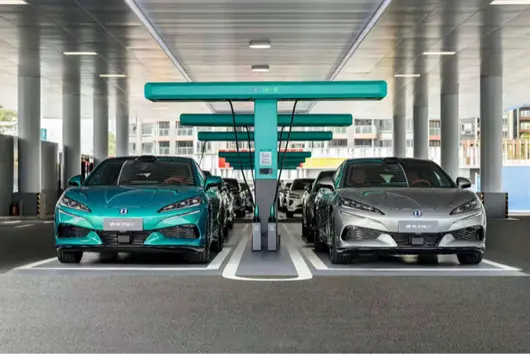

Dalam pasaran SUV di Malaysia, ramai pembeli membandingkan Honda HR-V dan Chery Tiggo 8 Pro semasa memilih kereta. Kedua-dua kereta ini mempunyai harga dan penyenaraian yang agak hampir. Hari ini, kita akan membuat perbandingan terperinci dari pelbagai aspek untuk membantu anda menjimatkan masa membuat penyelidikan.
Harga OTR Honda HR-V di Malaysia ialah RM 115,900 - 143,900, terdapat keseluruhan 4 versi, termasuk 2026 e:HEV 1.5L RS (RM 143,900), 2026 1.5T V (RM 137,900), 2026 1.5T E (RM 130,900) dan lain-lain.
Harga OTR Chery Tiggo 8 Pro di Malaysia ialah RM 159,750 - 159,750, terdapat keseluruhan 2 versi, termasuk 1.6L Turbo Standard (RM 130,000), 1.6L Turbo Premium (RM 145,000) dan lain-lain.
Dari segi harga, harga permulaan Honda HR-V memang lebih murah RM 43,850 berbanding Chery Tiggo 8 Pro. Jika bajet anda terhad, versi asas Honda sudah boleh memenuhi keperluan harian. Namun, perlu diambil perhatian, perbezaan beberapa ribu ringgit ini, mungkin melibatkan kompromi pada kelengkapan, bergantung sepenuhnya pada keperluan anda.
Honda HR-V dilengkapi enjin 1.5L Turbo, kuasa 140 hp. Penggunaan bahan api rasmi 7.0 L/100km.
Chery Tiggo 8 Pro dilengkapi enjin 2.0L 4-silinder, kuasa 170 hp. Penggunaan bahan api rasmi 8.0 L/100km.
Dari segi kuasa, enjin 2.0L 4-silinder Chery Tiggo 8 Pro mempunyai 30 kuasa kuda lebih daripada 1.5L Turbo Honda HR-V. Namun, untuk pemanduan harian di bandar, kuasa kedua-dua kereta sudah memadai, tidak akan rasa kurang kuasa.
Panjang badan Honda HR-V 4500 mm, bagasi 450 L.
Panjang badan Chery Tiggo 8 Pro 4400 mm, bagasi 400 L.
Dari segi ruang, badan Honda HR-V lebih panjang 100 mm berbanding Chery Tiggo 8 Pro, ruang duduk dalam kenderaan akan sedikit lebih lapang, terutamanya ruang kaki di kerusi belakang. Jika anda sering membawa keluarga atau perlu meletakkan kerusi bayi, badan kereta yang lebih besar memang lebih praktikal.
Honda HR-V menggunakan pemacu FWD.
Chery Tiggo 8 Pro menggunakan pemacu FWD.
Kaedah pemacu kedua-dua kereta adalah sama, iaitu FWD, pengalaman memandu harian tidak akan berbeza banyak.
Honda HR-V dan Chery Tiggo 8 Pro adalah pilihan utama pasaran Malaysia, sesuai untuk kegunaan keluarga dan perjalanan harian. Jika anda lebih mementingkan reputasi jenama dan harga kereta terpakai, anda boleh utamakan model yang lebih baik reputasinya; jika anda lebih memprihatinkan nilai dan kelengkapan, pilihlah model yang lebih kaya kelengkapan. Akhir sekali, disarankan untuk memandu uji kedua-dua model, pengalaman peribadi adalah yang paling penting.
Secara keseluruhannya, Honda HR-V dan Chery Tiggo 8 Pro adalah model kereta yang sangat baik di pasaran Malaysia. Memilih mana satu, yang utama adalah melihat keperluan dan bajet individu anda. Kami sarankan anda membuat penyelidikan, membandingkan beberapa sebut harga dari kedai kereta yang berbeza, kemudian memandu uji untuk membuat keputusan akhir. Membeli kereta adalah perkara penting, meluangkan masa untuk membuat penyelidikan tidak akan pernah salah.

喺馬來西亞嘅 SUV 市場,好多買家喺揀車嘅時候都會拿本田 HR-V 同奇瑞 Tiggo 7 PHEV 嚟做比較。这两款车喺价位同定位上都好接近,今日我哋就從多個方面做一個詳細嘅對比,幫你省做功課嘅時間。
本田 HR-V 喺馬來西亞嘅 OTR 售價係 RM 115,900 - 143,900,一共有 4 個版本,包括 2026 e:HEV 1.5L RS(RM 143,900)、2026 1.5T V(RM 137,900)、2026 1.5T E(RM 130,900) 等。
奇瑞 Tiggo 7 PHEV 喺馬來西亞嘅 OTR 售價係 RM 129,750 - 129,750,一共有 2 個版本,包括 2025 1.5T 90km CSH(RM 129,750)、Tiggo 7 PHEV 支援邊啲充電方法?可唔可以喺家用電源插座度充電?(RM 117,478) 等。
從價錢嚟看,本田 HR-V 嘅起步價確實比奇瑞 Tiggo 7 PHEV 平咗 RM 13,850。如果你預算有限,本田嘅入門版已經可以满足日常需求。但要留意,平嗰幾千蚊,可能喺配備上會有取舍,具體要看你嘅需求。
本田 HR-V 採用 FWD 驅動方式。
奇瑞 Tiggo 7 PHEV 採用 FWD 驅動方式。
兩款車嘅驅動方式一樣,都係 FWD,日常駕駛感受唔會有太大分別。
本田 HR-V 保修 5 年/無限里程,保養間隔 每 10,000km 或 6 個月。
奇瑞 Tiggo 7 PHEV 保修 3 年/100,000km,保養間隔 每 10,000km 或 6 個月。
本田 HR-V 同奇瑞 Tiggo 7 PHEV 都係馬來西亞市場嘅主流選擇,適合家庭使用、日常通勤。如果你更重視品牌口碑同二手價,可以優先考慮口碑更好嗰一款;如果你更在意性價比同配備,就揀配置更豐富嗰款。最終都係建議兩款都去試駕,親身體驗先係最重要嘅。

總體嚟講,本田 HR-V 同奇瑞 Tiggo 7 PHEV 都係馬來西亞市場幾好嘅車型。揀邊一輛,關鍵都係要睇你嘅個人需求同預算。建議大家做足功課,多比較幾間車行嘅報價,再去試駕做最終決定。買車係件大事,花啲時間做功課絕對唔會錯。


When the growth dividend of the industry fades, the 2026 semi-annual reports reveal the underlying colors of automakers, with differentiation further intensifying.
Author | Zhang Heng
The semi-annual reports of listed automakers for 2026 have all been released.
Among the 23 A-share and H-share listed complete vehicle companies, 14 realized profits, accounting for just over 60%; however, only 6 saw year-on-year positive growth in net profit, less than 30%. Revenue increasing but profit not increasing has become the most common industry characteristic.
In the intense competition cycle of the industry, automakers with different backgrounds have walked completely different development paths.
State-owned Automakers: Independence Has Not Yet Achieved Self-Sustaining
Changan, SAIC, and GAC's revenue size firmly ranks in the first tier of the industry, but the model of relying on joint venture business for profits and feeding back to the independent brand sector has exposed obvious shortcomings in this semi-annual report.

Changan's first-half revenue was 65.63 billion yuan, down 9.71% year-on-year; net profit attributable to the parent was 817 million yuan, down significantly by 64.32% year-on-year. The reduction in exchange gains dragged down profits significantly. After deducting exchange influences, net profit attributable to the parent grew by about 12% year-on-year. The product structure continued to optimize in the first half, but the industry's common problems still existed: the market share of the joint venture sector continued to shrink, and profit contribution declined year by year; independent brand sales increased, but single-vehicle profitability was weak, unable to fill the profit gap left by joint venture business. Independent brand sales accounted for more than 80% of the group's total sales, but profit contribution was far from reaching the same proportion, and the problem of increasing volume but not profit was prominent.
SAIC and GAC transformation contradictions are also prominent.

SAIC Group's first-half revenue was 298.65 billion yuan, down slightly by 0.31% year-on-year; net profit attributable to the parent was 5.15 billion yuan, down 14.38% year-on-year. The decline in profit was mainly dragged by the joint venture sector. Joint venture enterprise revenue and profit contracted double. The traditional fuel car base shrank, new energy products lacked competitiveness, terminals kept lowering prices, continuously squeezing joint venture business profit space. The independent sector sales rose steadily, new energy sales increased year-on-year, but it was in a high investment cycle of platform iteration, channel expansion, and smart driving R&D. The profit created currently was not enough to cover the huge gap brought by the contraction of joint venture business.

GAC Group's first-half revenue was 46.12 billion yuan, up 9.38% year-on-year; net loss attributable to the parent was 4.47 billion yuan, turning from profit to loss compared to the same period last year. Independent sector sales and new energy penetration rate rose synchronously, but profitability was weak. GAC AION sales continued to surge, but to cope with the price war, terminal concessions were increased continuously, and the sector still failed to achieve obvious scale profitability. The joint venture sector encountered the problem of fuel car shrinkage and insufficient competitiveness of new energy products. Joint venture enterprise profits retreated significantly, causing overall profit to continue to be under pressure.
It can be seen from the semi-annual reports of state-owned automakers that getting rid of the profit dependence on joint venture business and promoting independent brands to truly self-sustain, the transformation task is urgent.
Private Automakers: Going Global Becomes the Watershed
BYD, Geely, Great Wall, Chery, and Seres are representative samples among private automakers. Enterprise revenue and profit sizes still show differentiation, and the core variable that widens the gap between them comes from overseas business.
Geely, Chery, and Great Wall relied on overseas market volume to offset profit compression caused by domestic price wars.

Geely's first-half revenue was 173.6 billion yuan, up 15% year-on-year; net profit attributable to the parent was 9.09 billion yuan, down slightly by 1.8% year-on-year, with profitability basically stable. Exports were the biggest highlight — first-half overseas sales were 474,000 vehicles, up 158% year-on-year. In Southeast Asia, Middle East, and European markets, the proportion of high-margin models continued to rise. The revenue earned from overseas business basically compensated for the single-vehicle profit ceded from domestic price cuts. Geely's multi-brand matrix has taken effect after two years of structural adjustments. The proportion of high-end model sales increased, solidifying the overall profit base.

Chery's first-half revenue was 143.28 billion yuan, up 1.2% year-on-year; net profit attributable to the parent was 8.57 billion yuan, down 11.7% year-on-year. Although revenue growth was flat, the overall gross margin increased from 13% to 16.1%, and the profit quality was outstanding. Overseas markets were the core growth engine, reaching revenue of 98.97 billion yuan, up 51% year-on-year, accounting for nearly 70% of total revenue. Domestic market was squeezed by price wars, single-vehicle profit was under pressure. Chery relied on high-margin overseas business to hedge the profit pressure of the local market.

Great Wall's first-half revenue was 102.1 billion yuan, up 10.6% year-on-year; net profit attributable to the parent was 2.47 billion yuan, down 61.1% year-on-year. Profit fell significantly, mainly due to the impact of large one-time gains last year pulling up the base. Overseas, Thailand, Brazil, and Russia three major production bases' capacity continued to climb, exports rose 45% year-on-year, and overseas revenue ratio further increased. Domestically, relying on Haval, Tank, Oric, and Weimo multi-category layout to disperse operating risks brought by single-model sales fluctuations.
These three automakers did not cut R&D investment. The profit buffer provided by overseas business made their anti-cycle ability significantly better than peers.
BYD and Seres, however, faced greater profit pressure.

BYD's first-half revenue was 344.82 billion yuan, down 7.13% year-on-year; net profit attributable to the parent was 12.33 billion yuan, down 20.54% year-on-year. Although BYD is still the only automaker in the entire industry with net profit breaking 10 billion yuan, the decline in profit cannot be overlooked. Domestic hybrid and pure electric terminal discounts continued to be released, single-vehicle profit space was continuously compressed.

Seres's first-half revenue was 57.49 billion yuan, down 7.87% year-on-year; net loss was 1.72 billion yuan, turning from profit to loss compared to the same period last year (profit was 2.94 billion yuan last year), operating pressure further amplified. AITO's main models were at the new-old iteration node, old model concessions cleared inventory lowering overall gross margin, new model capacity and delivery were still climbing. Added to inventory impairment provisions and various expenses from channel optimization, multiple pressures were concentrated in this financial report.
By comparing several financial reports of the private camp, it can be seen that the dividend period of the domestic new energy industry has ended. Overseas revenue ratio, high-end model penetration rate, product iteration rhythm, these three indicators determine enterprise profit performance.
New EV Players: Profitability Remains a Difficulty
Li Auto, XPeng, NIO, and Leapmotor all had to bear three rigid expenditures in the first half: product replacement, smart driving R&D, and channel operation and maintenance. There was already obvious differentiation within the camp.

Leapmotor's first-half revenue was 38.11 billion yuan, up 57.14% year-on-year; net profit attributable to the parent was 210 million yuan, up 531% year-on-year, achieving profitability for three consecutive semi-annual periods, operating relatively stably among new forces. Relying on supply chain vertical integration, focusing on mainstream home market, in the general environment of price cuts in the whole industry, Leapmotor's vehicle gross margin was maintained in a healthy range (first-half gross margin 11.7%, second quarter rose to 12.6%). Sales growth smoothly converted into operational resilience. New forces that can maintain the profit window belong to the minority.
Li Auto, XPeng, and NIO, on the other hand, are bearing operational pressure brought by the industry cycle.

Li Auto's first-half revenue was 48.65 billion yuan, down 13.4% year-on-year; net loss attributable to the parent was 3.99 billion yuan, turning from profit to loss (profit was 1.74 billion yuan last year). Existing main range-extended models entered the end of the product life cycle, terminals lowered prices significantly for promotion, all-new product series had not yet formed enough sales contribution, product gaps directly lowered vehicle gross margin. Smart driving business continued to invest money, profit end was squeezed from both sides.

XPeng's first-half revenue was 32.78 billion yuan, down 3.8% year-on-year; net loss attributable to the parent was 3.12 billion yuan, loss expanded significantly year-on-year. Vehicle platform iteration, all-domain smart driving large-scale upgrade, channel system adjustment synchronously, R&D expenditure remained high. Technical investment has not yet fully converted to sales. Product terminal prices adjusted frequently, continuously impacting profit levels.

NIO's first-half revenue was 57.67 billion yuan, up 85.8% year-on-year; net loss attributable to the parent was 1.22 billion yuan, loss significantly narrowed year-on-year. First-half cumulative delivery was 191,100 vehicles, up 67.4% year-on-year. Three product matrices brought significant sales increase, scale effects were gradually released. But high-end market growth slowed, charging swap station construction and operation, high-end service system brought continuous fixed cost expenditure, book balance overall has not yet achieved net profit attributable to parent turn positive, operating pressure hard to resolve in short term.
Looking back at the new forces sector, the past logic that "scale could exchange for development space" has become invalid. Vehicle gross margin, cost control ability, cash reserves, became the core elements for enterprise survival.
2026 first-half automaker financial reports reflect the difficult industry situation, but not the entire industry collective decline.
State-owned automakers test transformation landing effectiveness; private large factories compete on overseas expansion speed and product iteration rhythm; new forces need to guard gross margin, control costs, and ensure cash safety. With the centralization of a large number of all-new products in the second half, the gap inside major camps will further widen. [Copyright Notice] This article is original to "AutoMan", all rights reserved by the publisher. No reprint or partial copying without authorization, violators will be investigated.
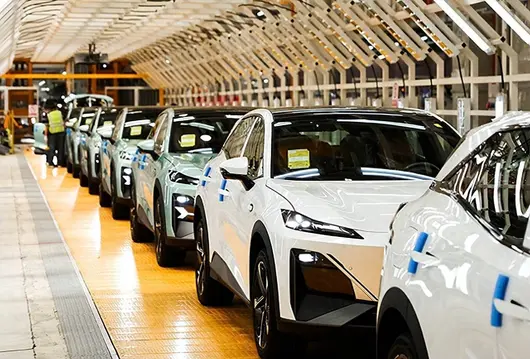
喺馬來西亞嘅 SUV 市場,好多買家喺揀車嗰陣都會拿 Honda HR-V 同 Chery Tiggo 8 嚟做比較。呢兩款車喺價位同定位上都幾接近,今日我哋就從多個方面做一個詳細嘅比較,幫你省咗做功課嘅時間。
Honda HR-V 喺馬來西亞嘅 OTR 售價係 RM 115,900 - 143,900,總共有 4 個版本,包括 2026 e:HEV 1.5L RS(RM 143,900)、2026 1.5T V(RM 137,900)、2026 1.5T E(RM 130,900) 等。
Chery Tiggo 8 喺馬來西亞嘅 OTR 售價係 RM 129,750 - 129,750,總共有 1 個版本,包括 2026 1.6T Standard(RM 129,750) 等。
從價錢來看,Honda HR-V 嘅起步價確實比 Chery Tiggo 8 平咗 RM 13,850。如果你預算有限,Honda 嘅入門版已經可以滿足日常需求。但要留意,平嗰幾千蚊,可能喺配備上會有取捨,具體要看你嘅需求。
Honda HR-V 搭載 1.5L Turbo,馬力 140 hp。官方油耗 7.0 L/100km。
Chery Tiggo 8 搭載 1.5L Turbo,馬力 140 hp。官方油耗 7.0 L/100km。
兩款車用到同一套動力系統,日常開起嚟嘅感受基本冇差別。油耗方面也差唔多,唔使太糾結這一點。
Honda HR-V 嘅安全評級係 5★ (ASEAN NCAP),主動安全系統包括 Honda SENSING (ACC, CMBS, LKAS, RDM)。
Chery Tiggo 8 嘅安全評級係 TBD,主動安全系統包括 Basic。
安全配備方面,兩款車都拿到唔錯嘅評級。唔過 Honda HR-V 嘅 Honda SENSING (ACC, CMBS, LKAS, RDM) 同 Chery Tiggo 8 嘅 Basic 喺功能上有啲差異,如果你比較看重主動安全嘅話,可以仔細對比下兩者嘅功能列表。
Honda HR-V 採 FWD 驅動方式。
Chery Tiggo 8 採 FWD 驅動方式。
兩款車嘅驅動方式一樣,都係 FWD,日常駕駛感受唔會有太大區別。

Honda HR-V 同 Chery Tiggo 8 都係馬來西亞市場嘅主流選擇,適合家庭使用、日常通勤。如果你更看重品牌口碑同二手價,可以優先考慮口碑更好嗰一款;如果你更在意性價比同配備,就揀配置更豐富嗰款。最終都係建議兩款都去試駕,親身體驗先係最重要。

總體嚟講,Honda HR-V 同 Chery Tiggo 8 都係馬來西亞市場幾唔錯嘅車型。揀邊輛,關鍵都係要睇你嘅個人需求同預算。建議大家做好功課,多比較幾間車行嘅報價,先至去試駕做最終決定。買車係件大事,花少少時間做功課絕對唔會錯。

In the Malaysian SUV market, many buyers compare the Honda HR-V and Chery Tiggo Cross when choosing a car. These two cars are quite close in price and positioning. Today, we will make a detailed comparison from multiple aspects to help you save the time of doing research.
The OTR price of the Honda HR-V in Malaysia is RM 115,900 - 143,900, with a total of 4 versions, including 2026 e:HEV 1.5L RS (RM 143,900), 2026 1.5T V (RM 137,900), 2026 1.5T E (RM 130,900), etc.
The OTR price of the Chery Tiggo Cross in Malaysia is RM 88,750 - 99,750, with a total of 2 versions, including 2025 HEV 1.5L CSH (RM 99,750), 2025 1.5T Standard (RM 88,750), etc.
From a price perspective, the starting price of the Chery Tiggo Cross is RM 27,150 cheaper than the Honda HR-V. To be honest, in this price range, a difference of a few thousand is actually not that big; the key is to look at overall value for money and long-term usage costs.
The Honda HR-V body length is 4500 mm, trunk 450 L.
The Chery Tiggo Cross body length is 4400 mm, trunk 400 L.
In terms of space, the Honda HR-V body is 100 mm longer than the Chery Tiggo Cross, and the interior seating space will be slightly more spacious, especially the rear legroom. If you often carry family members or need to fit a stroller, the larger body is indeed more practical.
The Honda HR-V adopts FWD drive mode.
The Chery Tiggo Cross adopts FWD drive mode.
Both cars have the same drive mode, both are FWD, and there will not be a huge difference in daily driving experience.
Both the Honda HR-V and Chery Tiggo Cross are mainstream choices in the Malaysian market, suitable for family use and daily commuting. If you value brand reputation and resale value more, you can prioritize the one with better reputation; if you care more about value for money and features, then choose the one with richer configuration. In the end, it is suggested to test drive both models; personal experience is the most important.

Overall, the Honda HR-V and Chery Tiggo Cross are both very good models in the Malaysian market. Which one to choose depends on your personal needs and budget. It is recommended to do research, compare quotes from several dealerships, and then test drive to make a final decision. Buying a car is a big matter; spending time doing research will never be wrong.
In the Malaysian SUV market, many buyers often compare the Honda HR-V and Chery Tiggo Cross. These two cars are quite close in price and positioning. Today, we will make a detailed comparison from multiple aspects to help you save time on research.
The Honda HR-V OTR price in Malaysia is RM 115,900 - 143,900. There are 4 versions in total, including 2026 e:HEV 1.5L RS (RM 143,900), 2026 1.5T V (RM 137,900), 2026 1.5T E (RM 130,900), etc.
The Chery Tiggo Cross OTR price in Malaysia is RM 88,750 - 99,750. There are 2 versions in total, including 2025 HEV 1.5L CSH (RM 99,750), 2025 1.5T Standard (RM 88,750), etc.
In terms of price, the Chery Tiggo Cross start price is RM 27,150 cheaper than the Honda HR-V. Honestly, in this price range, a difference of a few thousand is not actually significant; the key is still to look at overall value for money and long-term ownership costs.
The Honda HR-V safety rating is 5★ (ASEAN NCAP). Active safety systems include Honda SENSING (ACC, CMBS, LKAS, RDM).
The Chery Tiggo Cross safety rating is TBD. Active safety systems include Basic.
Regarding safety features, both cars received good ratings. However, the Honda HR-V's Honda SENSING (ACC, CMBS, LKAS, RDM) and the Chery Tiggo Cross's Basic differ in functionality. If you value active safety more, you can compare the feature lists of both carefully.
Honda HR-V body length 4500 mm, boot 450 L.
Chery Tiggo Cross body length 4400 mm, boot 400 L.
Regarding space, the Honda HR-V body is 100 mm longer than the Chery Tiggo Cross. The passenger cabin space will be slightly more spacious, especially rear legroom. If you often carry family members or need to fit a stroller, a larger body is indeed more practical.
The Honda HR-V and Chery Tiggo Cross are both mainstream choices in the Malaysian market, suitable for family use and daily commuting. If you value brand reputation and resale price more, you can prioritize the one with better reputation. If you care more about value for money and features, choose the one with richer configurations. Ultimately, it is recommended to test drive both; personal experience is the most important.
In general, the Honda HR-V and Chery Tiggo Cross are both excellent models in the Malaysian market. Which one to choose depends mainly on your personal needs and budget. We suggest doing proper research, comparing quotes from several dealerships, and then test driving to make the final decision. Buying a car is a major event; spending time on research will never be wrong.

Pasar SUV di Malaysia, ramai pembeli membandingkan Honda HR-V dan Mazda CX-60 semasa memilih kereta. Kedua-dua kereta ini hampir sama dari segi harga dan sasaran pasaran, hari ini kita akan membuat perbandingan terperinci dari pelbagai aspek untuk membantu anda menjimatkan masa membuat kajian.
Harga OTR Honda HR-V di Malaysia ialah RM 115,900 - 143,900, terdapat 4 varian, termasuk 2026 e:HEV 1.5L RS (RM 143,900), 2026 1.5T V (RM 137,900), 2026 1.5T E (RM 130,900) dan lain-lain.
Harga OTR Mazda CX-60 di Malaysia ialah RM 200,510 - 252,873, terdapat 2 varian, termasuk 2026 3.3T 4WD High Plus (RM 252,873), 2025 2.5L 2WD High (RM 200,510) dan lain-lain.
Daripada segi harga, harga permulaan Honda HR-V memang lebih murah RM 84,610 berbanding Mazda CX-60. Jika bajet anda terhad, versi pemula Honda sudah boleh memenuhi keperluan harian. Namun perlu diingat, perbezaan harga yang beberapa ribu itu, mungkin ada kompromi pada spesifikasi, bergantung pada keperluan anda.
Taraf keselamatan Honda HR-V ialah 5★ (ASEAN NCAP), sistem keselamatan aktif termasuk Honda SENSING (ACC, CMBS, LKAS, RDM).
Taraf keselamatan Mazda CX-60 ialah 5★ (Euro NCAP), sistem keselamatan aktif termasuk i-Activsense Pro.
Daripada segi kelengkapan keselamatan, kedua-dua kereta mendapat taraf yang baik. Walau bagaimanapun, Honda SENSING (ACC, CMBS, LKAS, RDM) pada Honda HR-V dan i-Activsense Pro pada Mazda CX-60 mempunyai perbezaan dari segi fungsi, jika anda lebih mengutamakan keselamatan aktif, anda boleh membandingkan senarai fungsi kedua-duanya dengan teliti.
Panjang badan Honda HR-V 4500 mm, bak bagasi 450 L.
Panjang badan Mazda CX-60 4500 mm, bak bagasi 450 L.
Dimensi kedua-dua kereta hampir sama, ruang dalaman tidak banyak berbeza. Kereta dalam kategori ini, cukup untuk penggunaan harian.
Garansi Honda HR-V 5 tahun/jarak tanpa had, selang penyelenggaraan setiap 10,000km atau 6 bulan.
Garansi Mazda CX-60 5 tahun/150,000km, selang penyelenggaraan setiap 10,000km atau 6 bulan.

Secara keseluruhan, Honda HR-V dan Mazda CX-60 adalah model kereta yang sangat baik di pasaran Malaysia. Memilih mana satu, kunci utamanya adalah melihat keperluan dan bajet individu anda. Disarankan membuat kajian dengan teliti, bandingkan harga di beberapa dealer kereta, kemudian buat ujian memandu untuk membuat keputusan akhir. Membeli kereta adalah perkara besar, meluangkan masa membuat kajian pasti tidak salah.

喺馬來西亞嘅 SUV 市場,好多買家喺揀車嗰陣都會拿 Honda HR-V 同 Mazda CX-8 做比較。這兩款車喺價位同定位上都幾近,今日我哋就從多個方面做一個詳細嘅比較,幫你省做功課嘅時間。
Honda HR-V 喺馬來西亞嘅 OTR 售價係 RM 115,900 - 143,900,一共有 4 個版本,包括 2026 e:HEV 1.5L RS(RM 143,900)、2026 1.5T V(RM 137,900)、2026 1.5T E(RM 130,900) 等。
Mazda CX-8 喺馬來西亞嘅 OTR 售價係 RM 165,360 - 201,360,一共有 5 個版本,包括 2025 2.5T 4WD High Plus Petrol(RM 201,360)、2025 2.2L 2WD High Plus Diesel(RM 193,123)、2025 2.5L 2WD High Plus Petrol(RM 186,360) 等。
從價錢嚟睇,Honda HR-V 嘅起步價確實比 Mazda CX-8 平咗 RM 49,460。如果你預算有限,Honda 嘅入門版已經可以滿足日常需求。但都要注意,平嗰幾千蚊,可能喺配備上會有取舍,具體要看你嘅需求。
Honda HR-V 嘅安全評級係 5★ (ASEAN NCAP),主動安全系統包括 Honda SENSING (ACC, CMBS, LKAS, RDM)。
Mazda CX-8 嘅安全評級係 5★ (ASEAN NCAP),主動安全系統包括 Brand ADAS。
兩款車嘅安全評級一樣,喺呢個級別入面安全配備都算畀得好齊全。而家嘅新車安全性都唔差,唔使太擔心這一點。
Honda HR-V 車身長 4500 mm,尾箱 450 L。
Mazda CX-8 車身長 4500 mm,尾箱 450 L。
兩款車嘅尺寸幾乎一樣,車內空間分別唔大。呢個級別嘅車,日常使用完全夠用。
Honda HR-V 保修 5 年/無限里程,保養間隔 每 10,000km 或 6 個月。
Mazda CX-8 保修 5 年/150,000km,保養間隔 每 10,000km 或 6 個月。

Honda HR-V 同 Mazda CX-8 都係馬來西亞市場嘅主流選擇,適合家庭使用、日常通勤。如果你更重視品牌同口碑定係二手價,可以優先考慮口碑好嗰款;如果你更在意性價比同配備,就揀配置更豐富嗰款。始終建議兩款都去試駕,親身體驗先係最重要。

總括嚟講,Honda HR-V 同 Mazda CX-8 都係馬來西亞市場好唔錯嘅車型。揀邊一輛,關鍵仲係睇你嘅個人需求同預算。建議大家做好功課,多比較幾間車行嘅報價,再去做試駕做最終決定。買車係件大事,花啲時間做功課絕對唔會錯。

奇瑞最先打破的,是“国内车型改款外销”的传统路径,建立起“原生全球车”的全新开发模式:从产品定义的第一天起,就面向全球市场用户需求做正向开发,安全标准、耐久验证、使用场景等,以全球最高要求为基准————不做“快消品”,做“耐用品、艺术品”。
这一理念正在转化为实打实的市场表现。
OMODA&JAECOO双品牌上市仅三年,全球累计销量突破100万辆;进入英国市场不到两年,累销即破10万辆,更有JAECOO 7、JAECOO 5、OMODA 5三款车型跻身英国十大畅销车型榜单。
LEPAS L6在南非、泰国成功上市,其国内同源车型“原生全球车”风云T7直接对标2026版欧洲五星安全标准,8月份刚刚上市,24小时订单突破23,188辆,验证了“同一平台、全球开花”的研发路径。

图为LEPAS L6
动能切换:中国每出口7辆新能源,就有1辆来自奇瑞
在规模持续攀升的同时,奇瑞出口的产品结构正在发生深刻变革,新能源汽车已成为拉动增长的“强力引擎”。
1-8月,奇瑞集团新能源出口超45万辆,同比增长136.8%,增速超过整体大盘。根据乘联分会数据,1-7月,奇瑞新能源累计出口量位居行业前二;自4月起,月度新能源出口已连续稳居行业前二。

图为全球畅销车型JAECOO 7
一个更有说服力的数字:目前,中国每出口5辆汽车,就有1辆来自奇瑞;每出口7辆新能源汽车,就有1辆来自奇瑞。
新能源出口的爆发不是偶然。从智界V9刷新50万级新能源MPV最快交付纪录,到神行者8预售48小时订单破万,再到风云T7以24小时2.3万单引爆纯电SUV市场——奇瑞正用“爆款新能源矩阵”覆盖全球各个细分赛道。新能源汽车成为奇瑞的出海新名片,也展现了中国汽车在全球市场的技术品牌新形象。
市场突破:英国总榜亚军,澳大利亚前三
奇瑞的出口市场布局,也实现了从新兴市场到全球高法规市场的突破。
欧洲作为全球汽车法规最严苛的市场之一,成为奇瑞高质量出海的核心阵地:1-7月,奇瑞在欧洲24国累计销量超20.8万辆,同比增长201%;其中新能源销量达10.2万辆,同比大增332.47%。在英国,自3月起奇瑞已连续稳居月度汽车销量总榜亚军;在澳大利亚,7月单月销量已跻身行业前三。

图为奇瑞集团出海车辆即将登船
高法规市场的突破,意味着奇瑞的产品力正在全球最挑剔的市场得到验证,也进一步推动了全球分量的提升。据乘联分会负责人崔东树的统计分析,1-7月,奇瑞集团世界销量份额增至4.2%,位居全球第九。从“中国出口冠军”到“全球销量份额前十”,奇瑞在全球汽车产业格局中确定了新的坐标。
不止于商业:全球化的“奇瑞路径”
商业拓展之外,奇瑞同步在做另一件事:把“长期主义”刻进全球化的每一步。
8月,奇瑞联合世界自然保护联盟(IUCN)在西班牙开启“珍爱自然”第二阶段海洋生态保护活动,聚焦波西多尼亚海草生态系统的修复与保护——这是联合国认定的全球最重要蓝碳生态系统之一。凭借再生铝低碳材料技术、全球多国生物多样性保护项目、社会化应急救援公益实践等,奇瑞还一举拿下2026中国汽车行业可持续发展实践案例“绿色发展”“智创科技”“和谐共益”三大荣誉。

图为奇瑞集团携手IUCN开展地中海波西多尼亚海草监测活动和研讨会
在“走出去”的同时“融进去”,拥抱全球,贡献全球——这是700万辆背后真正的护城河。
从2001年到2026年,从10辆到718万辆,奇瑞25年的出海之路,是中国汽车加快全球化的生动缩影。700万辆是里程碑,更是新起点。中国汽车新的出海篇章,正在全球每一个市场书写。
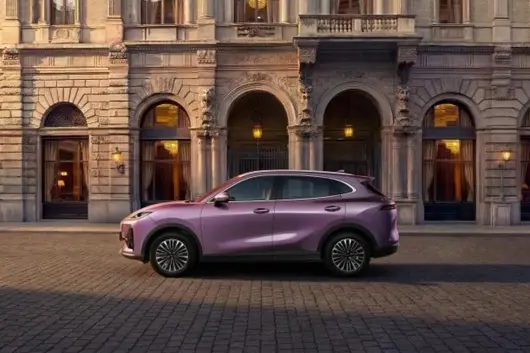
In the Malaysian SUV market, many buyers often compare the Honda HR-V and Mazda CX-3 when choosing a car. These two cars are quite close in terms of price and positioning. Today, we will make a detailed comparison from multiple aspects to help you save time on research.
The Honda HR-V's OTR price in Malaysia is RM 115,900 - 143,900, with a total of 4 versions, including 2026 e:HEV 1.5L RS (RM 143,900), 2026 1.5T V (RM 137,900), 2026 1.5T E (RM 130,900) etc.
The Mazda CX-3's OTR price in Malaysia is RM 126,159 - 139,159, with a total of 2 versions, including 2023 2.0L High (RM 139,159), 2023 2.0L Plus (RM 126,159) etc.
From a pricing perspective, the Honda HR-V's starting price is indeed RM 10,259 cheaper than the Mazda CX-3. If your budget is limited, Honda's entry-level version is already sufficient for daily needs. However, please note that the few thousand less in price might involve trade-offs in features; it depends specifically on your needs.
The Honda HR-V features 1.5L Turbo, 140 hp. Official fuel consumption 7.0 L/100 km.
The Mazda CX-3 features 1.5L Turbo, 140 hp. Official fuel consumption 7.0 L/100 km.
Both cars use the same powertrain, and the driving feel is basically the same for daily use. Fuel economy is also similar, no need to fuss too much about this.
The Honda HR-V's safety rating is 5★ (ASEAN NCAP). The active safety system includes Honda SENSING (ACC, CMBS, LKAS, RDM).
The Mazda CX-3's safety rating is 5★ (ASEAN NCAP). The active safety system includes i-Activsense.
The safety ratings for both cars are the same. Safety features are quite comprehensive within this segment. Safety in new cars nowadays is generally not lacking, no need to worry too much about this.
The Honda HR-V body length is 4,500 mm, trunk 450 L.
The Mazda CX-3 body length is 4,500 mm, trunk 450 L.
The dimensions of both cars are almost identical, and the difference in interior space is not significant. For cars in this segment, it is more than sufficient for daily use.

Honda HR-V warranty 5 years / unlimited mileage, service interval every 10,000 km or 6 months.
Mazda CX-3 Warranty 5 years / 150,000 km, service interval every 10,000 km or 6 months.
Overall, the Honda HR-V and Mazda CX-3 are both excellent models in the Malaysian market. Which one to choose mainly depends on your personal needs and budget. We suggest doing your homework thoroughly, comparing quotes from several dealerships, and then test driving to make a final decision. Buying a car is a big deal; taking time to research will definitely not go wrong.

2026 年 7 月,泰國皮卡市場全月合計僅 11,134 輛,延續低迷態勢。豐田 Hilux TRAVO/REVO 以 5,358 輛穩居榜首,份額 48.1%,幾乎佔據半壁江山;五十鈴 D-Max 售出 3,803 輛,份額 34.2%。兩大日系品牌合計份額超 82%,雙寡頭格局依然穩固。

豐田 Hilux 系列內部呈"商用乘用雙線並進":Travo 商用版售出 3,242 輛,Revo 乘用版售出 2,116 輛,前者基數佔優,後者持續走量反映出高端乘用皮卡需求並未完全消失。Hilux Champ 以 479 輛排名第四,份額 4.3%,與 Travo 形成產品互補。

五十鈴 D-Max 穩居第二,與豐田牢牢鎖定前 2 名位置。福特 Ranger 售出 568 輛排名第三,份額 5.1%,守住美系皮卡一席之地;三菱 Triton 售出 403 輛排名第六,份額 3.6%。

值得關注的是新能源皮卡表現。吉利雷達(GEELY Riddara)以 409 輛排名第五,份額 3.7%,力壓三菱 Triton,成為 7 月銷量最大的純電皮卡。金龍 Dracon 售出 16 輛,福田 e-Tunland 售出 10 輛,深藍 Hunter K50 售出 3 輛,中國品牌在純電皮卡賽道已形成集群效應。雖然純電皮卡整體份額仍不足 4%,但在傳統燃油皮卡持續萎縮的背景下,電動化或許是打破日系壟斷的關鍵變數。

7 月低迷並非偶然。泰國工業聯合會副主席、汽車產業集團(AIC)主席 Suwat 此前已警告:2025 年泰國皮卡銷量佔整體市場比例已降至 23%,創歷史新低。而 2010 至 2022 年間,這一比例長期維持在 45% 左右。2023 年降至 34%(約 26.5 萬輛),2024 年跌至 23%(約 16.3 萬輛),2025 年維持 23% 但絕對量已降至約 14.4 萬輛。

家庭債務高企、不良貸款攀升、國內購買力疲軟是皮卡市場持續承壓的核心原因。AIC 呼籲政府盡快出台刺激政策,因為皮卡產業本地化率高達 90%,覆蓋超 2,500 家零部件供應商,市場萎縮將對整個供應鏈產生連鎖衝擊。

出口端同樣承壓。受中東局勢影響,近兩個月泰國汽車出口下滑超 20%。2026 年 1 至 5 月,泰國對中東出口汽車 49,961 輛,同比大跌 30.4%。中東是泰國第三大出口市場,2025 年佔出口總量 20%,四門皮卡和 PPV(皮卡衍生 SUV)正是其主力需求產品。出口受阻疊加內需疲軟,泰國皮卡產業正面臨雙重擠壓。

最後寫: 7 月數據再次印證泰國皮卡市場下行趨勢尚未見底。豐田與五十鈴的雙寡頭格局短期難以撼動,但以吉利雷達為代表的中國純電皮卡正在悄然積累勢能。如何在內需刺激、出口多元化和電動化轉型之間找到平衡,將是決定泰國皮卡市場能否走出低谷的關鍵。
In the Malaysian SUV market, many buyers compare Honda HR-V and Mazda CX-30 when choosing a car. These two cars are quite close in price and positioning. Today we will make a detailed comparison from multiple aspects to help you save time on research.
Honda HR-V OTR price in Malaysia is RM 115,900 - 143,900, totaling 4 versions, including 2026 e:HEV 1.5L RS (RM 143,900), 2026 1.5T V (RM 137,900), 2026 1.5T E (RM 130,900), etc.
Mazda CX-30 OTR price in Malaysia is RM 122,409 - 146,409, totaling 4 versions, including 2025 2.0L High+ Premium (RM 146,409), 2025 2.0L High+ (RM 138,409), 2025 2.0L High (RM 130,409), etc.
In terms of price, the starting price of Honda HR-V is indeed RM 6,509 cheaper than Mazda CX-30. If your budget is limited, Honda's entry-level version already meets daily needs. But also note, the cheaper amount might involve trade-offs in features, depending on your specific needs.
Honda HR-V is equipped with 1.5L Turbo, 140 hp. Official fuel consumption 7.0 L/100km.
Mazda CX-30 is equipped with 1.5L Turbo, 140 hp. Official fuel consumption 7.0 L/100km.
Both cars use the same powertrain system, the daily driving experience is basically the same. Fuel consumption is also similar, no need to overthink this point.
Honda HR-V uses FWD drive system.
Mazda CX-30 uses FWD drive system.
Both cars have the same drive system, both are FWD, daily driving experience will not differ much.
Honda HR-V Warranty 5 years/unlimited mileage, service interval every 10,000km or 6 months.
Mazda CX-30 Warranty 5 years/150,000km, service interval every 10,000km or 6 months.

Honda HR-V and Mazda CX-30 are both mainstream choices in the Malaysian market, suitable for family use and daily commuting. If you value brand reputation and resale price more, prioritize the one with better reputation; if you value cost-performance ratio and features more, choose the one with richer configuration. Ultimately, it is recommended to test drive both, personal experience is the most important.
Overall, Honda HR-V and Mazda CX-30 are both very good models in the Malaysian market. Which one to choose mainly depends on your personal needs and budget. It is recommended to do your homework, compare quotes from several dealers, and then test drive to make the final decision. Buying a car is a major matter, spending time on research will never be wrong.
In the Malaysian SUV market, many buyers compare the Honda HR-V and Mazda CX-3 when choosing a car. These two cars are quite close in price and positioning. Today, we will make a detailed comparison from multiple aspects to help you save time on research.
The OTR price of the Honda HR-V in Malaysia is RM 115,900 - 143,900, with a total of 4 versions, including 2026 e:HEV 1.5L RS (RM 143,900), 2026 1.5T V (RM 137,900), 2026 1.5T E (RM 130,900), etc.
The OTR price of the Mazda CX-3 in Malaysia is RM 126,159 - 139,159, with a total of 2 versions, including 2023 2.0L High (RM 139,159), 2023 2.0L Plus (RM 126,159), etc.
Looking at the price, the starting price of the Honda HR-V is indeed RM 10,259 cheaper than the Mazda CX-3. If your budget is limited, Honda's entry-level version can already meet daily needs. But note that the few thousand dollars difference might involve trade-offs in features, which depends on your specific needs.
The safety rating of the Honda HR-V is 5★ (ASEAN NCAP), active safety systems include Honda SENSING (ACC, CMBS, LKAS, RDM).
The safety rating of the Mazda CX-3 is 5★ (ASEAN NCAP), active safety system includes i-Activsense.
Both cars have the same safety rating, and safety features in this class are quite comprehensive. New cars nowadays generally have good safety, so there is no need to worry too much about this.
The Honda HR-V body length is 4500 mm, trunk 450 L.
The Mazda CX-3 body length is 4500 mm, trunk 450 L.
The dimensions of both cars are almost the same, and the interior space is not very different. Cars in this class are fully sufficient for daily use.
Both the Honda HR-V and Mazda CX-3 are mainstream choices in the Malaysian market, suitable for family use and daily commuting. If you value brand reputation and resale value more, prioritize the one with better reputation; if you care more about cost-performance ratio and features, choose the one with richer configurations. Ultimately, it is recommended to test drive both, as personal experience is the most important.
Overall, both the Honda HR-V and Mazda CX-3 are very good models in the Malaysian market. Which one to choose mainly depends on your personal needs and budget. We suggest doing research beforehand, comparing quotes from several dealerships, and then test driving to make the final decision. Buying a car is a big matter, spending time on research will never be wrong.

Ribuan tahun lalu di atas Jalan Sutra, bunyi loceng unta bergema, kafilah perdagangan membawa sutera dan tembikar terus ke barat. Sekarang, jalan kuno ini menyambut "pengembara" baharu. Perjalanan 10,000 Kilometer Jalan Sutra 2026 · Jalan Pencerahan Disempurnakan Sempurna di Singapura, dan yang menjaga keselamatan seluruh perikatan pasukan kereta ini adalah cahaya produk negara -- BYD. Gambar Editor

 Ya, ini pasti satu ekspedisi merentas negara yang sangat kukuh. Pasukan kereta mengambil masa 33 hari, menempuh lebih daripada 10,000 kilometer. Bermula dari bandar kuno Xi'an, melintasi enam negeri di dalam negara, terus ke selatan melalui Thailand, Malaysia, akhirnya sampai ke Singapura. Di sepanjang jalan, lebuh raya, jalan gunung berkelok, jalan raya bandar yang sesak, semua keadaan jalan raya yang rumit berjaya ditakluki oleh pasukan kereta satu demi satu.

Carian
Menempuh jalan sejauh ini, perkara yang paling dikhuatirkan pastinya pengecasan dan kepenatan memandu. Kali ini BYD memaparkan semua "teknologi canggih" mereka sendiri, teknologi cas pantas membolehkan kereta "cas siap 5 minit, cas penuh 9 minit", dipadankan dengan rangkaian pengecasan yang padat di sepanjang laluan, sekali gus menyembuhkan "kecemasan bateri" perjalanan jauh. Sistem pemanduan pintar "Mata Dewa", bergantung pada peningkatan berterusan berdasarkan data keadaan jalan raya sebenar yang banyak, membantu pemandu mengurangkan penat memandu perjalanan jauh, menjadikan perjalanan lebih 10,000 kilometer menjadi lebih mudah.


Carian
Mengenai pasaran luar negara, sebenarnya BYD sudah berdiri teguh di sana sejak lama. Ambil contoh Singapura, di sana ambang membeli kereta tinggi, pengguna kritikal, tetapi BYD berjaya menduduki tempat pertama dalam jualan kenderaan ringan selama 19 bulan berturut-turut, pangsa pasaran pasaran elektrik tulen lagi melebihi 40%.
Perjalanan Jauh Jalan Sutra Bersama Tenaga Hijau, dari pertukaran barang purba, sehingga ke teknologi tenaga baharu hari ini, perjalanan 10,000 kilometer ini bukan sahaja satu "ujian sempadan" untuk pembuatan pintar China, malah membolehkan semua melihat kereta tenaga baharu kita sedang membawa penuh kesungguhan dan kekuatan, menuju dunia yang lebih luas.

Dalam pasaran SUV di Malaysia, ramai pembeli membandingkan Honda HR-V dan Mazda CX-3 semasa memilih kereta. Kedua-dua kereta ini hampir sama dari segi harga dan posisi pasaran. Hari ini, kami akan membuat perbandingan terperinci dari pelbagai aspek untuk membantu anda menjimatkan masa membuat kajian.
Harga OTR Honda HR-V di Malaysia adalah RM 115,900 - 143,900, terdapat sebanyak 4 versi, termasuk 2026 e:HEV 1.5L RS (RM 143,900), 2026 1.5T V (RM 137,900), 2026 1.5T E (RM 130,900) dan lain-lain.
Harga OTR Mazda CX-3 di Malaysia adalah RM 126,159 - 139,159, terdapat sebanyak 2 versi, termasuk 2023 2.0L High (RM 139,159), 2023 2.0L Plus (RM 126,159) dan lain-lain.
Dari segi harga, harga permulaan Honda HR-V memang RM 10,259 lebih murah daripada Mazda CX-3. Jika bajet anda terhad, versi asas Honda sudah boleh memenuhi keperluan harian. Namun, perlu diingat, perbezaan harga beberapa ribu itu mungkin melibatkan kompromi dalam kelengkapan, bergantung pada keperluan anda.
Honda HR-V dilengkapi dengan enjin 1.5L Turbo, kuasa 140 hp. Penggunaan bahan api rasmi 7.0 L/100km.
Mazda CX-3 dilengkapi dengan enjin 1.5L Turbo, kuasa 140 hp. Penggunaan bahan api rasmi 7.0 L/100km.
Kedua-dua kereta menggunakan sistem kuasa yang sama, pengalaman memandu harian hampir tidak ada perbezaan. Dari segi penggunaan bahan api juga hampir sama, tidak perlu terlalu memikirkan hal ini.
Penilaian keselamatan Honda HR-V adalah 5★ (ASEAN NCAP), sistem keselamatan aktif termasuk Honda SENSING (ACC, CMBS, LKAS, RDM).
Penilaian keselamatan Mazda CX-3 adalah 5★ (ASEAN NCAP), sistem keselamatan aktif termasuk i-Activsense.
Penilaian keselamatan kedua-dua kereta adalah sama, kelengkapan keselamatan dalam kelas ini sudah cukup lengkap. Keselamatan kereta baharu sekarang tidak buruk, tidak perlu terlalu bimbang tentang hal ini.
Panjang badan Honda HR-V 4500 mm, ruang muatan belakang 450 L.
Panjang badan Mazda CX-3 4500 mm, ruang muatan belakang 450 L.
Dimensi kedua-dua kereta hampir sama, ruang dalam kenderaan hampir tiada perbezaan. Kereta dalam kelas ini, penggunaan harian sudah cukup memadai.
Honda HR-V mempunyai jaminan 5 tahun / tanpa had jarak, selang servis setiap 10,000 km atau 6 bulan.
Mazda CX-3 mempunyai jaminan 5 tahun / 150,000 km, selang servis setiap 10,000 km atau 6 bulan.
Secara keseluruhannya, Honda HR-V dan Mazda CX-3 adalah model kereta yang cukup bagus di pasaran Malaysia. Memilih mana satu, penting bergantung pada keperluan dan bajet anda sendiri. Disarankan anda membuat kajian, bandingkan harga di beberapa dealer, kemudian buat keputusan akhir setelah uji pusing. Membeli kereta adalah perkara penting, menghabiskan masa untuk membuat kajian tidak akan salah.


撰文 | 劉穎
編輯 | 黃大路
設計 | 甄尤美
2026 年 8 月 26 日,慕尼黑正迅速升溫為全球 Robotaxi 嘅新戰場。
Waymo 宣佈將歐洲首個自動駕駛項目落地於此,計劃最晚 2027 年底開啟商業運營;而喺此前嘅 6 月,優步同以色列自動駕駛公司 Autobrains 已搶先布局。
隨著百度 Apollo Go、Momenta 以及大眾 MOIA 等玩家嘅跟進,多條截然不同嘅技術路線喺呢座城市正面交鋒。
8 月 6 日,Autobrains 創辦人伊加爾·拉伊切爾高茲(Igal Raichelgauz)公開質疑行業主流觀點嘅做法。
自動駕駛行業嘅主流觀點認為,自動駕駛嘅未來需要更多數據。只要采集足夠多嘅視頻、訓練足夠大嘅模型、部署足夠多嘅車輛,系統最終會學會駕駛。呢種路線塑造咗今日嘅 Waymo、Tesla 同 Mobileye。
而 Autobrains 則認為,駕駛 AI 同人腦一樣。人類駕駛並唔係靠見過所有場景先學到開車,而係因為理解咗道路規則、空間關係同行為邏輯。
呢個技術被佢哋自己叫作 Thinking AI 或 Agentic AI。

肄業博士創辦“腦科學 AI 公司”

要了解 Autobrains,必須從佢嘅創辦人伊加爾·拉伊切爾高茲講起。
佢係以色列國防軍精英情報部隊出身,退役後創辦咗一家基於短信嘅即時通訊平台 Figment,然後去語音識別公司 LCB 做 CTO,再然後進英特爾擔任多個技術職位。
每一段都係唔同嘅行業、唔同嘅技術方向,唯一嘅線索係佢對“機器如何理解信息”呢個問題始終保持住某種執念。
轉折點喺 Technion。
大約 2000 年代初,拉伊切爾高茲來到以色列理工學院,開始咗關於皮層神經網絡(cortical neural networks)嘅博士研究。佢嘅合作者係神經科學教授葉約書亞·澤維(Yehoshua Zeevi),以及長期研究合作者卡里娜·奧迪納耶夫(Karina Odinaev)。
三個人想知道哺乳動物嘅大腦皮層,究竟係點樣從眼睛接收到嘅混亂光信號中,解讀出有意義嘅視覺世界嘅?
研究越做越深,越做越奇。有一陣,實驗室裏面擺滿咗活體大𬖂。
後來,團隊真係把電極插進咗大𬖂嘅大腦皮層,然後把數字圖像轉化成電信號“寫”入去,睇神經元會點樣反應。呢唔係計算機模擬,係真實嘅神經組織喺對數字信息做出響應。
遺憾係,呢項研究冇能發表成博士論文。因為喺 2007 年,拉伊切爾高茲放棄攻讀博士,同奧迪納耶夫、澤維教授一起創辦咗 Cortica。
Cortica 最開始嘅野心係把人腦處理視覺信息嘅方式翻譯成算法。
傳統機器視覺嘅邏輯係咁樣嘅。你俾系統看一百万張貓嘅照片,佢就學識識別貓。你俾佢看一百万張停車標誌嘅圖片,佢就學識識別停車標誌。本質上係“見過足夠多”,喺相似場景裏面復現判斷。Cortica 嘅邏輯唔同。佢試圖讓系統唔靠海量標註,而是從視覺信息本身裏面抽出結構性嘅模式。

想像一個場景。暴雨夜晚,能見度不足三十米,一輛自動駕駛汽車行駛喺郊區公路上。路邊突然出現一個穿反光背心嘅建築工人,站在一個臨時交通錐旁邊,正在向左揮手示意繞行。但呢個組合,呢家公司嘅系統從冇喺訓練數據裏面見過。
對依賴監督學習嘅傳統系統嚟講,呢個場景係一個威脅。因為佢需要被“見過”先能被識別,而開放世界裏面嘅邊緣場景,從定義上就係采集唔完嘅。被樹影斑駁遮擋嘅行人、鄉村道路上突然橫穿嘅動物、從未出現過嘅奇特路障……每一個都需要專門采集、標註、訓練同驗證。
Autobrains 把呢個困境叫做“監督學習嘅牆”。呢家公司長期認為,依賴人工標註同監督訓練嘅方法無法有效覆蓋開放道路中嘅長尾場景。
“喺多年領導車企嘅自動駕駛開發項目之後,我清楚見到呢個行業而家依賴數據標註嘅監督學習方法係唔夠嘅。佢太貴了,而且一旦遭遇冇被專門訓練過嘅場景就會失效。”
Autobrains 嘅高級副總裁約阿希姆·朗根瓦爾特(Joachim Langenwalter)嘅呢句說話算係對呢面“牆”嘅直觀描述。佢曾先後擔任英偉達汽車軟件總監、大眾集團軟件策略副總裁同 Stellantis 工程部門高級副總裁。
Autobrains 嘅創辦人後來喺一次採訪中也話:“呢個處理信息嘅過程唔係生成文字或圖像,也唔係搜索圖片,而係喺極端複雜嘅真實世界環境中,與大量動態參與者實時互動。”
佢說嘅係汽車,但也好似係講大腦。佢認為呢係 AI 最難嘅問題,如果呢套方法能喺開放道路上跑通,就意味著佢解決咗 AI 領域最難嘅感知問題之一。

被汽車產業資本聯合孵化

誕生之初,公司專注於視頻內容理解、廣告技術同安防領域。2019 年,Cortica 向汽車行業遷移,誕生咗 Cartica AI。
Cartica AI 從一開始就帶有明顯嘅產業資本孵化色彩。通常嘅自動駕駛創業路徑係先成立公司,開發技術,再去找整車廠、Tier 1 同投資人,一輪輪地說服別人相信佢。
Cartica AI 嘅起點唔係咁樣嘅。佢從誕生嘅一刻起就帶有產業聯合孵化嘅色彩,整車廠、供應商同投資機構共同上桌,呢裏面包括大陸集團、豐田 AI Venture、寶馬風險投資同以色列眾籌投資平台 OurCrowd。
呢四間機構嘅母公司都處於汽車產業鏈嘅上下游。大陸集團係全球頂級汽車零部件巨頭,豐田 AI Ventures 同寶馬風險投資代表日德兩國整車廠嘅產業資本,OurCrowd 則係以色列本土最活躍嘅投資平台。
換句話說,Cartica AI 從誕生第一天起,就唔係一個孤立嘅實驗室項目。佢更似係汽車產業內部聯合扶持出來嘅一個“備選技術路線驗證項目”。
後來,Cartica AI 發展為 Autobrains,由拉伊切爾高茲擔任 CEO。PitchBook 嘅資料顯示,Autobrains 前身名稱還包括“Cortica Automotive”,更清晰地揭示咗佢哋與 Cortica 嘅技術傳承關係。
從 Cortica 到 Cartica AI,再到 Autobrains,呢家公司每一次更名都唔係簡單嘅品牌調整,而是技術向汽車場景垂直遷移嘅過程。
Cortica 解決“機器如何理解視覺世界”,Cartica AI 把呢套技術包裝成面向 ADAS 同自動駕駛嘅方案,Autobrains 則進一步將商業對象鎖定為車企、一級供應商同出行平台。
喺具體產品上,呢套邏輯對應著 Autobrains 唔同時期嘅落地形式。
2024 年發布嘅 Liquid AI,將駕駛任務拆解為多個獨立優化嘅子問題,每個由專門嘅神經網絡處理。回到開頭嗰個暴雨場景。系統唔係用一個大模型同時處理雨霧干擾、行人識別同手勢理解,而是把信息“像液體一樣”流向最合適嘅處理單元,每個單元只負責自己最擅長嗰一層判斷。
2024 年 10 月發布嘅 Skills 產品線,係 Liquid AI 嘅模塊化商業化形式。佢將自動駕駛拆解為一系列“Skills”,每個 Skill 係針對特定駕駛場景端到端優化嘅 AI 模型,根據實時駕駛情況動態激活。呢與傳統嘅大型單一神經網絡形成對比,理論上更容易針對新場景擴展同驗證。
2026 年進入核心敘事嘅 Agentic AI,進一步將駕駛智能組織為一組相互協作嘅“場景代理”(scenario agents),每個代理負責感知、推理同決策嘅特定維度,並能對真實世界嘅複雜性做出實時響應。
2024 年 9 月發布嘅 Air-to-Road 定位系統,則將車載攝像頭嘅實時視覺數據與衛星圖像融合,實現厘米級精度定位,完全唔依賴 GPS 或高清地圖(HD map)。呢直接解決咗高清地圖成本高、更新慢、覆蓋有限嘅問題,對需要快速進入新市場嘅車企尤其有吸引力。
公司官網指出,所有呢啲技術有四個共同點:低算力需求、兼容硬件(agnostic to sensors and SoCs)、唔需大量人工標註、支持模塊化擴展。
但實際上,呢啲主張仍有大量需要喺實際量產中驗證嘅部分。公開資料中,而家仲欠缺詳盡嘅獨立第三方技術評測、大規模真實道路嘅安全數據,同與主流系統嘅標準化對比測試。

佢嘅明星對手同朋友

同樣誕生於以色列,有過一間改變咗全球汽車行業格局嘅公司。
Mobileye 由阿姆農·沙舒亞(Amnon Shashua)同齊夫·阿維拉姆(Ziv Aviram)於 1999 年喺耶路撒冷創辦,用咗將近二十年時間,把一套基於攝像頭嘅駕駛輔助系統做成全球最主流嘅 ADAS 供應商。
2017 年 3 月,英特爾以約 153 億美金將其收購。呢係彼時以色列科技行業最大規模嘅收購案。2022 年,Mobileye 以獨立公司身份喺納斯達克重新上市。
EyeQ 系列晶片出貨量超過 1 億顆。全球路上跑嘅大多數具備 ADAS 功能嘅量產車,背後嘅眼睛都係 Mobileye 嘅。
市場常把它看作 Autobrains 無法回避嘅參照系。
TechCrunch 喺 2022 年報道 Autobrains 融資時,標題直接使用咗“Mobileye 嘅挑戰者(take on Mobileye)”呢樣嘅表述。以色列科技媒體 CTech 也多次將其放喺與 Mobileye 對比嘅語境中。
拉伊切爾高茲自己喺採訪中也承認:“我哋毫无疑问係 Mobileye 嘅競爭對手。我哋係一家軟件公司,唔需要開發晶片,呢讓吾能夠與唔同嘅晶片製造商合作。”
而翻開 Autobrains 嘅股東名單,會發現佢嘅總融資額並唔顯眼。公開數據顯示,公司迄今總融資超過 1.4 億美金,持有超過 300 項專利,員工約 100 至 150 人。相比 Waymo、Cruise 動輒數十億美金嘅融資,呢個規模頗為低調。
但股東名單嘅構成,卻喺行業入面幾乎搵唔到第二家類似嘅公司。
2019 年成立時,第一批股東就係大名鼎鼎嘅產業投資機構。
到咗 C 輪融資,名單進一步擴大。2021 年 11 月,公司宣佈完成 1.01 億美金 C 輪融資,由新加坡主權基金淡馬錫領投,商用車制動系統供應商克諾爾集團、越南電動車製造商 VinFast 跟投,寶馬風險投資同大陸集團繼續追加投資。

2022 年 3 月,呢一輪融資完成最終關閉,總額升至 1.2 億美金,同一批產業資本悉數喺場。Autobrains 後來公布嘅投資方名單中,仲出現咗全球汽車零部件供應商麥格納同汽車電子企業道通科技。
把呢份名單攤開嚟睇,整車廠維度有寶馬、豐田同越南電動車製造商 VinFast,供應鏈維度有大陸集團、麥格納同商用車制動系統供應商克諾爾集團,長期資本維度則有新加坡主權基金淡馬錫。
呢組投資方本身就係 Autobrains 重要嘅潛在客戶。

點樣真正進入車企嘅採購體系

2023 年 1 月嘅一個清晨,以色列特拉維夫嘅 Autobrains 辦公室收到咗一份新嘅入職文件。
簽字嘅人叫希拉·塔沃爾(Hilla Tavor)。此前十二年,佢喺耶路撒冷嘅 Mobileye 工作,擔任 ADAS 業務發展副總裁,負責與全球整車廠嘅關係。其中,福特、通用、大眾、寶馬,都喺佢嘅名片聯絡人入面。
三周後,2 月 8 日,另一份入職文件也引人關注。今次係約阿希姆·朗根瓦爾特(Joachim Langenwalter),擔任自動駕駛業務高級副總裁。據 Autobrains 官方公告,佢嘅上一份工作係 Stellantis 嘅工程部門高級副總裁,再之前係大眾集團軟件策略副總裁,更早之前係英偉達汽車軟件總監。
兩個月,兩位履歷背書極深嘅汽車行業老兵。呢唔係一次巧合,而是一個明確嘅信號。
拉伊切爾高茲喺宣佈朗根瓦爾特加入時話得直接:“希拉嚟自 Mobileye,負責領導 ADAS。而家約阿希姆加入,負責領導自動駕駛。”
呢意味著對於 Autobrains 嚟講,技術證明已經做到咗一個階段。接下來,真正進入汽車採購體系係企業發展嘅關鍵節點。
呢係兩個唔同難度嘅問題。
喺技術早期,說服一家公司相信佢哋嘅算法有效可以靠演示、靠發布、靠媒體曝光,都仲有啲機會。但車企嘅採購體系唔係一個靠 Demo 就能進入嘅地方。採購週期動輒三到五年,中間仲有功能安全認證(ISO 26262)、預期功能安全(SOTIF)、網絡安全(UNECE WP.29)等一道道關卡,一個 ADAS 系統從原型演示到量產上車,中間係一段旁人睇唔見嘅漫長工程旅程。
Mobileye 用咗二十多年先建立起呢啲關係同信任。塔沃爾同朗根瓦爾特帶來嘅,正正就係呢啲難以從零建立嘅行業積累。

獲得一張小型車市場嘅入場券

喺所有關於 Autobrains 嘅討論入面,Robotaxi 同 L4 自動駕駛佔據咗大多數版面。但如果只睇呢條線,好容易錯過公司另一更務實嘅路線。
2024 年 12 月 4 日,Autobrains 同 JOYNEXT 聯合宣佈推出智能攝像頭 ADAS 方案。JOYNEXT 總部位於德國德累斯頓,係一家為知名汽車製造商服務超過二十年嘅全球 Tier 1 供應商,主營車載信息娛樂系統同智能連接網關,產品已進入全球數百萬輛車。
方案本身並唔複雜。就係通過把 Autobrains 嘅 AI 感知軟件同 JOYNEXT 嘅攝像頭硬件同控制軟件,整合進一個緊湊嘅“單盒”模塊,符合歐洲 GSR 通用安全同法規 Euro NCAP 要求,可直接插入現有整車電子電氣架構。雙方宣佈合作後,已喺德國測試軌道上完成咗實地演示。
JOYNEXT 首席执行官斯塔夫羅斯·米特拉基斯(Stavros Mitrakis)喺合作發布時表示:“構建強大嘅生態系統對於為全球客戶提供可靠且面向未來嘅技術至關重要。Autobrains 係合適嘅合作伙伴。與佢哋合作,我哋將能夠喺未來提供可靠、高質量且具有成本效益嘅自動駕駛技術。”
目標客戶,係小型車同緊湊型車嘅全球 OEM。
呢個定位背後有一個簡單嘅現實邏輯,因為全球汽車市場最大嘅體量從來唔喺豪華車同高端旗艦上,而係喺 A 級、B 級、小型 SUV 呢啲中端同入門級車型上。隨著歐盟法規推進(新車強制配備 AEB 等安全功能)同消費者認知提升,ADAS 正從可選變成標配。
但成本係呢個市場繞唔過去嘅門檻。一套需要激光雷達、高清地圖同專用晶片嘅完整感知方案,可能讓一輛 10 萬圓嘅小型車成本增加兩三萬圓。喺經濟上根本行唔通。Autobrains 嘅攝像頭優先、低算力、單盒集成方案,恰好命中咗呢裏面嘅真實需求:低成本、易集成、法規合規。
JOYNEXT 將呢一合作描述為面向量產市場嘅 ADAS 解決方案,而唔係 Robotaxi 項目。相比高阶自動駕駛,呢種面向小型車同緊湊型車市場嘅產品,更接近汽車行業真正嘅銷量基本盤。

被越南車企 VinFast 相中合作

胡志明市北部,河內嘅一條普通城區道路上,一輛白色嘅 VinFast VF 8 正在緩緩行駛。車頂冇激光雷達,前後也睇唔到密集嘅傳感器陣列。只係車身幾個唔起眼嘅位置,安裝住攝像頭。
呢輛車喺測試 Autobrains 嘅 L2++ 系統。
VinFast 同 Autobrains 嘅關係,係理解呢家公司商業邏輯嘅另一把鑰匙。佢既係 Autobrains 嘅投資方之一,之後又成為合作方。
2026 年 1 月 27 日,VinFast 同 Autobrains 聯合宣佈戰略合作,共同開發 L2++ 自動駕駛技術,並探索一套名爲“Robo-Car”嘅新型自動駕駛架構。
Robo-Car 方案嘅技術主張頗爲激进。通過 7 個標準攝像頭加一顆高性能計算晶片(每秒處理約 20 萬億次運算),唔使用激光雷達、雷達陣列或高清地圖。定位依賴 Autobrains 自研嘅 Air-to-Road 技術,將實時視覺數據與衛星圖像融合,實現無 HD 地圖條件下嘅厘米級精度定位。
目前,L2++ 系統已喺 VinFast VF 8 同 VF 9 兩款主力電動車上,喺河內受控區域展開試點測試,計劃擴展至更大城市同國際市場。
VinFast 全球副首席执行官兼 ADAS/AD 研究負責人阮文楊(Nguyen Van Duong)喺宣佈合作時表示:“VinFast 同 Autobrains 嘅戰略合作正喺幫助塑造一種颠覆性嘅、可負擔得起嘅自動駕駛方案,契合我哋對全球移動出行嘅長期願景。我哋嘅目標係將先進嘅駕駛技術從早期用戶推向普通駕駛者。”
點解係 VinFast?Reuters 喺報道雙方合作時特別強調,呢套方案最大嘅特點並非追求最高級別自動駕駛,而係以盡可能低嘅成本實現更高等級智能駕駛能力。
呢家越南車企嘅處境有一定嘅典型性。佢正喺全球擴張,面臨來自比亞迪、小鵬等中國電動車品牌同傳統歐美車企嘅雙重競爭壓力。佢喺美國市場嘅早期佈局遭遇咗銷售下滑同產品質量問題,迫切需要喺智能駕駛上搵到新嘅差異化支點。
佢唔可能複製 Waymo 嘅高成本路線,也沒有 Tesla 那樣龐大嘅自有數據車隊。
Autobrains 恰好提供咗佢需要嘅嗰種答案:低成本、攝像頭優先、無需激光雷達、唔依賴高清地圖。有媒體把呢套方案叫做“低成本版 Tesla 路線”,因為兩者都強調攝像頭優先,都試圖回避昂貴嘅傳感器堆疊。
但實際上,兩者之間嘅技術能力層級存在本質差別,唔能簡單類比。Tesla 嘅 FSD 能力來自數百萬輛量產車組成嘅龐大數據采集車隊,以及多年持續迭代嘅端到端神經網絡體系。Autobrains 同 VinFast 嘅合作目前仍處於測試階段。
更準確嘅解讀係,Autobrains 最可能搵到市場嘅地方,係嗰啲既需要智能駕駛能力、又對成本高度敏感、同時願意嘗試非主流供應商嘅新興車企。

優步嘅跑馬賽佈局

2025 年 9 月 8 日,優步同 Momenta 宣佈,慕尼黑將成為雙方歐洲 L4 測試嘅首個城市,原計劃 2026 年開始測試。
然而,喺 2026 年 6 月 1 日,優步宣佈佢準備同 Autobrains 合作,把第一站放喺德國慕尼黑。呢個消息一度讓外界懷疑 Autobrains 取代咗 Momenta,當時德國媒體 Electrive 直接向優步詢問,但未得到回覆。
2026 年 7 月 29 日,Momenta 拿到咗德國全境 L4 測試許可,慕尼黑項目仍喺推進。也就係話,優步正喺同一座城市同時押注至少兩套 Robotaxi 方案,把技術路線嘅選擇留俾市場。
Momenta 走嘅係:優步+Momenta L4 技術+量產車平台;Autobrains 走嘅係:優步+Autobrains Agentic AI+NVIDIA DRIVE Hyperion+尚未公布嘅整車廠。
2018 年 3 月 18 日夜晚,美國亞利桑那州坦佩市。一輛優步自動駕駛測試車喺幾乎冇有路燈嘅公路上行駛。前方,一名女性推著自行車橫穿馬路。系統識別失敗,煞車冇有啟動。佢當場身亡。
呢係自動駕駛史上第一起行人致死事故。
兩年後,優步宣佈退出自研自動駕駛。佢將旗下嘅 ATG 部門出售俾 Aurora,優步同時向 Aurora 投資 4 億美金並獲得約 26% 股權,從此轉型爲“自動駕駛嘅出行平台”。佢唔再自己造槍,只做讓槍手們出發嘅碼頭。
邏輯係清晰嘅,唔押注單一技術路線,而係廣泛佈局,等誰先跑通商業化,就深化與誰嘅合作。
截至今日,優步已經織起一張超過 30 家合作伙伴嘅自動駕駛網絡,未來幾年準備投入超過 100 億美金,並計劃喺 2026 年底前把自動駕駛服務擴展至最多 15 個城市。美國有 Waymo、Nuro、Avride,歐洲有 Wayve(倫敦)、Momenta(慕尼黑試點),中東有百度 Apollo Go(迪拜),如今慕尼黑又多咗 Autobrains。
Fast Company 喺專題報道中將優步描述爲自動駕駛行業最大嘅“平台型下注者”之一。相比親自研發自動駕駛,優步更愿意同時與多條技術路線合作,通過真實運營場景篩選最終贏家。
呢係一場典型嘅平台方賽馬策略。優步唔用判斷誰會贏,佢只需要站喺終點線等待冠軍出現。
喺呢個背景下,Autobrains 進入慕尼黑嘅意義就更清晰咗。佢唔係優步唯一嘅歐洲 Robotaxi 合作方,但佢係第一個喺德國市場獲得明確合作框架嘅以色列自動駕駛公司。
慕尼黑嘅選擇頗具深意。呢裏係寶馬總部所在地,係歐洲工業汽車嘅精神中心,同時亦係監管嚴格、道路複雜嘅歐洲城市駕駛場景嘅典型代表。喺呢度跑通 Robotaxi,喺技術可信度同市場示範效應上嘅價值,遠超一個普通中小城市。
創辦人拉伊切爾高茲喺慕尼黑合作公告中話:“與優步同英偉達合作,我哋正喺把吾哋嘅方法引入自動駕駛出行領域,將 Agentic AI 與所需嘅出行平台同汽車計算能力相結合,支持跨城市、跨車輛、跨真實路況嘅 Robotaxi 規模化運營。”
當然,項目仍喺等待德國監管批准,整車製造商尚未公布,車隊規模、服務區域、商業啟動時間均未確定。
即便係咁,Autobrains 仍然值得被認真看待。
過去十年,自動駕駛行業嘅主流敘事越來越相信“大”,包括大車隊、大數據、大算力、多傳感器、高清地圖、雲端訓練同複雜系統工程等啲。
呢套邏輯確實推動咗行業進步,產生咗 Waymo、Mobileye、Tesla 等重量級玩家,但也帶來咗高成本、長週期同商業化壓力。
直到而家,完全無人駕駛嘅大規模商業化仍喺紙上。
喺呢個背景下,Autobrains 提出嘅問題係真實嘅行業痛點。
如果自動駕駛只能靠越來越昂貴嘅系統推進,那麼大量成本敏感嘅車型、大量新興市場嘅用戶、大量無法承受激光雷達加持續雲端更新成本嘅應用場景,就可能無法真正受益於呢項技術。
Autobrains 瞄準嘅,正正就係讓自動駕駛 AI 喺成本約束下變得更智能,變得足夠可靠、足夠便宜、足夠容易集成。
呢係一條路,定係一堵牆,仲需要時間嚟判斷。
參考資料:
[1] electrive.com: Uber and Autobrains announce Robotaxi partnership in Munich (2026 年)
[2] Fast Company: Uber’s $10 Billion Bet: Why the Ride-Hailing Giant is Partnering with 30 Autonomous Driving Companies (2026 年 6 月)
[3] TechCrunch: Autobrains takes on Mobileye with $120M funding for its AI-based AV technology (2022 年 3 月)
[4] Reuters: Vietnam's VinFast partners with Israel's Autobrains on lower-cost self-driving tech (2026 年 1 月)
[5] CTech (Calcalist): From Mobileye to Autobrains: Hilla Tavor joins autonomous driving startup (2023 年 1 月)
[6] Automotive World: Autobrains launches Liquid AI to break the "supervised learning wall" (2024 年)
[7] JOYNEXT 官方新聞室:JOYNEXT and Autobrains announce strategic partnership to deliver cost-effective ADAS solutions (2024 年 12 月)
[8] VinFast 官方新聞室:VinFast and Autobrains Announce Strategic Partnership for L2++ and Robo-Car Development (2026 年 1 月)
[9] Autobrains 官網:技術白皮書與融資公告 (Agentic AI, Air-to-Road, Skills)

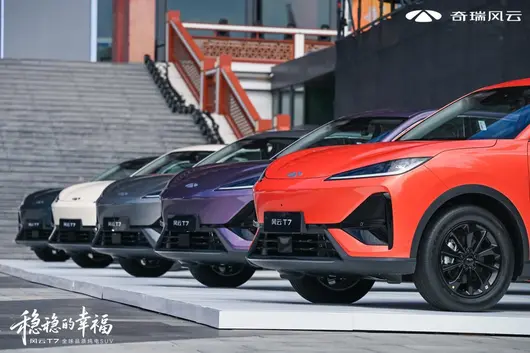
Recently, Chery Fengyun T7 officially went on sale. This car comes in three trim levels, with a manufacturer's suggested retail price ranging from 97,900 Yuan to 118,900 Yuan. Including trade-in subsidies, the advance trade-in price starts from 94,900 Yuan. In the most competitive market for 100,000 Yuan class pure electric SUVs, Fengyun T7's pricing strategy is clear: no tricks, directly bringing global standard products to this price segment.
To be honest, many 100,000 Yuan class pure electric models on the market nowadays use the tactic of differentiating between entry and high specs in terms of range, safety configuration, or intelligence to keep prices down. Entry-level versions often have reduced batteries and discounted range. To get long range and complete safety configurations, you need to pay extra for high specs.

Fengyun T7 goes against the grain this time, standardizing the 65.05kWh Rhino Battery across all trims. CLTC pure electric range is uniformly 600 km, with real-world tests reaching up to 681.6 km. This reverse marketing practice means tangible peace of mind for ordinary users who commute dozens of kilometers daily and want to take family trips to suburbs on weekends. More importantly, fast charging from 30% to 80% takes only 20 minutes. In the time it takes to drink a cup of coffee, nearly 300 km of range can be replenished, so daily use basically won't have range anxiety.
In terms of safety, Fengyun T7 has put in substantial hard work. The body uses a nine-horizontal five-vertical cage structure, with high-strength steel accounting for 80%, and hot-formed steel accounting for 18.84%. More noteworthy is that it was developed according to the 2026 version of E-NCAP five-star safety standards, equipped with the most 9 airbags in its class, including 48L dual-chamber far-end airbags. Battery safety is also not compromised: 6D Lock Armor 31-layer protection structure, IP68 waterproofing, 200kN side crush resistance. These parameters might be abstract for ordinary consumers, but simply put: in case of collision, wading, or extreme weather, the battery pack is unlikely to malfunction. Chery also gave a battery powertrain safety fallback commitment. If thermal runaway damage occurs due to battery self-reason, directly compensate with a brand-new car of the same model. This kind of commitment is rare in the industry, indicating the manufacturer has enough confidence in its own product.

Intelligent configuration is another highlight. Fengyun T7 is equipped with the class-first 8775 cockpit-integrated chip, adopting 4nm process, computing power reaches 72TOPS. This chip drives both smart cockpit and assisted driving simultaneously, system response latency controlled within 80 milliseconds. In actual experience, it supports more than 300 scenarios of fully automatic parking, including multi-floor intelligent parking and 100-meter track reversing, which is very practical for those who find parking difficult. Highway pilot assist function can predict lane changes and ramp merging 500 meters in advance, reducing fatigue on long drives. The 15.6-inch 2.5K HD large screen, supporting CarPlay and HiCar full brand phone interconnection, these configurations in 100,000 Yuan class models are indeed full of sincerity.

Of course, Fengyun T7's biggest differentiation tag is still global vehicle. Chery has ranked first in Chinese brand passenger car exports for 23 consecutive years, with global users exceeding 20 million. Fengyun T7 is not simply a domestic special vehicle with a label change for overseas export, but from the beginning of R&D, it synchronously adapts to vehicle usage needs in 210 countries and regions worldwide. It underwent real-vehicle verification in 21 countries globally, cumulative test mileage exceeding 6 million km, including 1.45 million km for durability special tests, covering 100+ kinds of extreme road conditions from Nordic extreme cold to Middle East high heat, from Southeast Asia high humidity to German highways. Homologous model Lepas L6 is already on the market in South Africa and Thailand, next entering EU, Australia/New Zealand and other markets. This path of running around the globe before returning to the domestic market launch allows Fengyun T7 to accumulate a lot of advance experience in chassis tuning, environmental adaptability, and regulatory compliance.

From actual usage scenarios, Fengyun T7's product definition is very close to daily needs of Chinese families. 84% cabin occupancy rate, rear pure flat floor, 1955mm by 1310mm pure flat bed mode, bringing kids out or camping rest are relatively practical. 450 liters trunk regular volume, folded down can expand to 1,550 liters, loading strollers, camping equipment or moving large items is enough. 9-layer cloud-touch comfortable seats support 3-level heating and ventilation, winter not freeze butt, summer not stuffy sweat. These details look less dazzling than range, acceleration, but precisely is what family users can perceive every time they get on the car.
Regarding launch benefits, Fengyun T7 also brought true sincerity in real money. In addition to 3,000 Yuan trade-in subsidy and 2-year 0% interest for 60,000 or 5-year 3-year interest-free for 100,000 financial plans, there is also value 6,000 Yuan personal car color limited time free, whole vehicle lifetime warranty (including battery), 666 Yuan purchase value 3,999 Yuan lifetime basic maintenance package. For consumers with budget over 100,000, wanting to buy a reliable pure electric SUV, these benefits further lower the threshold for buying and using cars.

Overall, Fengyun T7's product logic is very clear: In the 100,000 Yuan price segment, do not make just-enough products, but bring long range, high safety, true intelligence and global verified quality all at once. It may not be the most explosive parameters model, but wins in balance and down-to-earth. If you are a family user who values practicality, hope less hassle, pursue steady driving experience, Fengyun T7 is worth going to the store to actually see, try. After all, in this price segment, bringing global standards and 600 km range to all trims as standard, currently really not many.
© 2024 Bitauto.com. All Rights Reserved.
Bitauto (www.yiche.com and www.bitauto.com) is one of the most visited automotive websites in China. We provide detailed info on Chinese car brands available in your area. Please note that the information provided on this website is based on publicly available data and is for reference only. It may not be fully updated or accurate at all times.

Help us improve our website


