

Homescenic

Search History
Popular Searches
Dealer Login / Sign Up

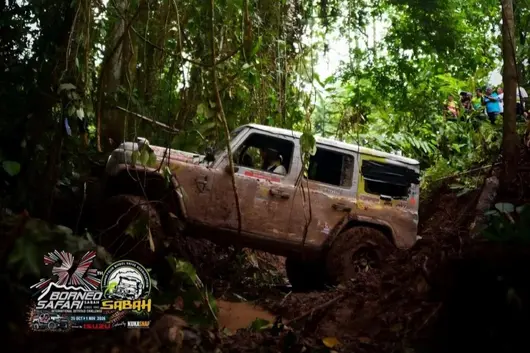
January 2, the 2026 Malaysia Sabah Borneo Safari International Rainforest Race successfully concluded. The 212 Off-road Vehicle went out again, participating on this rainforest track for two consecutive years. After enduring 8 days of brutal race schedule, well-known automotive media personality, 212 team driver Conan (Zhang Chengke) drove the only mass-produced model in the entire event — 2026 Model T01, successfully finished in the competition category and secured the runner-up in the International Vehicle Category, once again proving the product strength of the 212 Off-road Vehicle with practical competition results.

Deep into the Tropical Heartland, Facing the Global "Pinnacle of Rainforest Off-roading"
The Malaysia Sabah International Rainforest Race is the longest-running and extremely difficult off-road race in Southeast Asia, known globally as the "Pinnacle of Rainforest Off-roading". Here is one of the world's oldest tropical rainforests, where deep-water channels, heavy mud bogs, long-distance steep slopes, and dense thorny forest roads brought by continuous heavy rain posed strict requirements for the vehicle's power output, four-wheel drive system, chassis strength, and wading protection. Previous completion rates were less than 30%, and extremely high vehicle damage and retirement rates make this event a touchstone for testing vehicle performance.
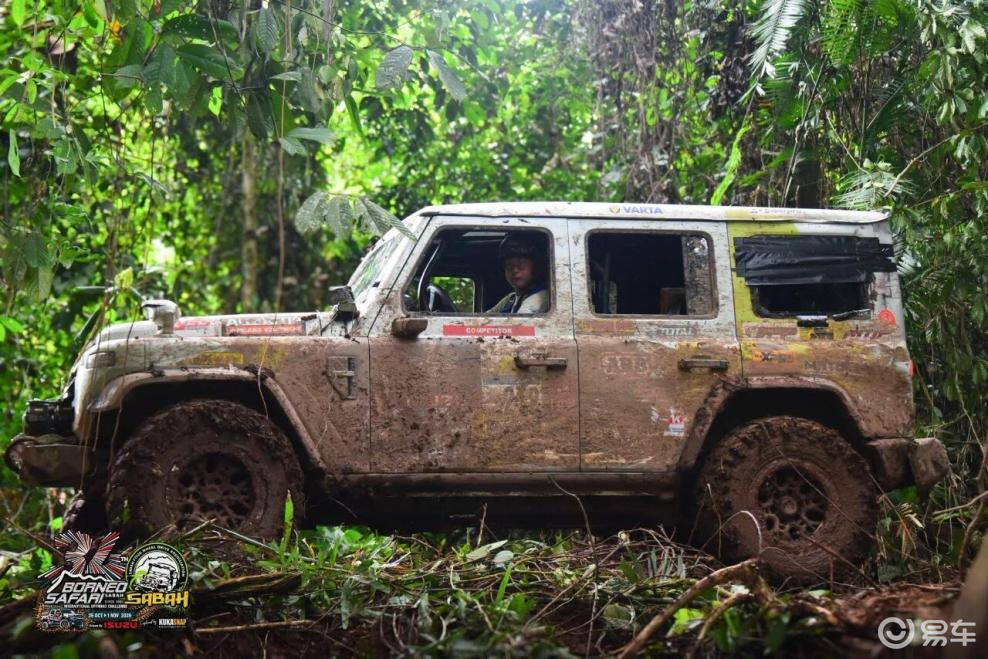
This event attracted 650 vehicles and over 1,700 participants globally to register. Among them, 212 competed with the 2026 Model T01, the only mass-produced model in the entire event to retain original factory power and core chassis structure, undergoing only safety compliance enhancement. Facing the complex working conditions of the tropical rainforest, the 212 Off-road Vehicle proceeded steadily throughout, demonstrating the strength of Chinese rugged off-roading fully with solid and reliable mechanical quality.
Unafraid of Rainforest Hazards, Facing Challenges Calmly with Strength
Successfully finishing in the Sabah Rainforest is by no means accidental. The 2026 Model T01 completed special adaptation upgrades for the typical rainforest environment, strictly adhering to the race mass-produced group modification rules. The vehicle powertrain maintained original factory production status, only upgrading necessary accessories such as full vehicle roll cage, racing shock absorbers, wading protection, and rainforest off-road tires. It was also equipped with recovery safety devices such as an 18,000 lb winch, enhancing rainforest recovery, chassis protection, and complex terrain adaptability capabilities within compliance scope, calmly facing the heavy tests in the rainforest.
During the week-long race schedule, rainforest race road conditions were unpredictable, constantly testing vehicle performance. The 2026 Model T01 relies on body-on-frame architecture and front and rear solid axles, ensuring body stability and wheel ground adhesion, releasing reliable and stable power in scenarios like mud slope climbing, with outstanding recovery capability. Driver Conan (Zhang Chengke), relying on exquisite off-road driving skills, fully released vehicle performance, letting 212 stand out among many strong teams, once again submitting a highly weighty rainforest practical test paper.

The excellent results of this event are another demonstration of the 212 Off-road Vehicle's race-grade quality. In 2025, 212 had already become the first Chinese off-road brand to participate in the Malaysia Sabah International Rainforest Race and achieve a zero-fault completion throughout the entire event. Standing on the world's top rainforest track for two consecutive years, this itself is the best demonstration of Chinese rugged off-road strength. In the future, the 212 Off-road Vehicle will continue to refine products with practical battles, facing global off-road enthusiasts, continuously conveying the spirit of Chinese rugged off-roading, helping Chinese off-road cultural confidence walk onto the international stage.

In the SUV market in Malaysia, many buyers compare Mazda CX-3 and Chery Tiggo 7 PHEV when choosing a car.
The OTR price of Mazda CX-3 in Malaysia is RM 126,159 - 139,159, with a total of 2 versions, including 2023 2.0L High (RM 139,159), 2023 2.0L Plus (RM 126,159), etc.
The OTR price of Chery Tiggo 7 PHEV in Malaysia is RM 129,750 - 129,750, with a total of 2 versions, including 2025 1.5T 90km CSH (RM 129,750), What charging methods does the Tiggo 7 PHEV support? Can it be charged using a home power socket? (RM 117,478), etc.
In terms of price, the starting price of Mazda CX-3 is indeed RM 3,591 cheaper than Chery Tiggo 7 PHEV.
If your budget is limited, Mazda's entry-level version can already meet daily needs.
But be aware, those few thousand yuan cheaper, there might be trade-offs in equipment, it depends on your specific needs.

Mazda CX-3 safety rating is 5★ (ASEAN NCAP), active safety system includes i-Activsense.
Chery Tiggo 7 PHEV safety rating is TBD, active safety system includes Basic.
Regarding safety features, both cars have received good ratings. However, there are differences in functionality between Mazda CX-3's i-Activsense and Chery Tiggo 7 PHEV's Basic. If you value active safety, you can compare the feature lists of both carefully.

Mazda CX-3 uses FWD drive mode.
Chery Tiggo 7 PHEV uses FWD drive mode.
Both cars have the same drive mode, both are FWD, daily driving experience will not differ much.

Mazda CX-3 warranty 5 years/150,000km, maintenance interval every 10,000km or 6 months.
Chery Tiggo 7 PHEV warranty 3 years/100,000km, maintenance interval every 10,000km or 6 months.

Overall, Mazda CX-3 and Chery Tiggo 7 PHEV are both very good models in the Malaysian market. Which one to choose depends mainly on your personal needs and budget. We recommend doing your homework, comparing quotes from several dealerships, and then test driving to make the final decision. Buying a car is a big matter, spending some time on research will never be wrong.


Dalam pasaran SUV di Malaysia, ramai pembeli membandingkan Mazda CX-3 dan GWM Haval H6 apabila memilih kereta. Kedua-dua kereta ini mempunyai harga dan pelarasan pasaran yang agak hampir, hari ini kita akan membandingkan secara terperinci dari pelbagai aspek, untuk membantu anda menjimatkan masa membuat kajian.
Mazda CX-3 di Malaysia harga OTR ialah RM 126,159 - 139,159, terdapat 2 versi, termasuk 2023 2.0L High (RM 139,159), 2023 2.0L Plus (RM 126,159) dan lain-lain.
GWM Haval H6 di Malaysia harga OTR ialah RM 139,750 - 139,750, terdapat 2 versi, termasuk 1.5L Turbo Standard (RM 140,000), 1.5L Turbo Premium (RM 155,000) dan lain-lain.
Dari segi harga, harga permulaan Mazda CX-3 memang lebih murah RM 13,591 berbanding GWM Haval H6. Jika bajet anda terhad, versi permulaan Mazda sudah boleh memenuhi keperluan harian. Namun, perhatikan, perbezaan harga beberapa ribu itu mungkin ada pengorbanan dari segi kelengkapan, bergantung kepada keperluan anda.
Mazda CX-3 dilengkapi enjin 1.5L Turbo, kuasa 140 hp. Penggunaan bahan api rasmi 7.0 L/100km.
GWM Haval H6 dilengkapi Hybrid, kuasa 170 hp. Penggunaan bahan api rasmi 4.5 L/100km.
Dari segi kuasa, Hybrid GWM Haval H6 mempunyai 30 hp lebih berbanding 1.5L Turbo Mazda CX-3. Namun, untuk pemanduan harian di bandar, kuasa kedua-dua kereta ini sudah memadai, anda tidak akan rasa kurang tenaga.
Markah keselamatan Mazda CX-3 ialah 5★ (ASEAN NCAP), sistem keselamatan aktif termasuk i-Activsense.
Markah keselamatan GWM Haval H6 ialah TBD, sistem keselamatan aktif termasuk Basic.
Dari segi kelengkapan keselamatan, kedua-dua kereta mendapat markah yang baik. Namun, terdapat sedikit perbezaan dari segi fungsi antara i-Activsense Mazda CX-3 dan Basic GWM Haval H6. Jika anda lebih mementingkan keselamatan aktif, anda boleh membandingkan senarai fungsi kedua-duanya dengan teliti.
Panjang kenderaan Mazda CX-3 4500 mm, ruang bonet 450 L.
Panjang kenderaan GWM Haval H6 4400 mm, ruang bonet 400 L.
Dari segi ruang, badan Mazda CX-3 lebih panjang 100 mm berbanding GWM Haval H6, ruang duduk dalam kereta agak lebih lapang, terutamanya ruang kaki bangku belakang. Jika anda kerap membawa keluarga atau perlu meletakkan kereta bayi, badan kereta yang lebih besar memang lebih praktikal.
Mazda CX-3 menggunakan pemacu FWD.
GWM Haval H6 menggunakan pemacu FWD.
Cara pemacu kedua-dua kereta sama, iaitu FWD, pengalaman pemanduan harian tidak akan berbeza banyak.
Secara keseluruhan, Mazda CX-3 dan GWM Haval H6 adalah model kereta yang sangat baik di pasaran Malaysia. Memilih yang mana, kunci utama bergantung kepada keperluan dan bajet peribadi anda. Disarankan membuat kajian dengan baik, bandingkan sebut harga beberapa kedai kereta, kemudian buat uji pemanduan untuk membuat keputusan akhir. Membeli kereta adalah perkara besar, mengambil masa untuk membuat kajian tidak akan salah.

Dalam pasaran SUV di Malaysia, ramai pembeli selalu membandingkan Mazda CX-3 dengan GWM Haval H6 ketika memilih kereta. Kedua-dua kereta ini mempunyai harga dan posisi yang hampir sama, hari ini kita akan buat perbandingan terperinci dari pelbagai aspek untuk membantu anda menjimatkan masa membuat kajian.
Mazda CX-3 harga OTR di Malaysia ialah RM 126,159 - 139,159, ada 2 varian, termasuk 2023 2.0L High (RM 139,159), 2023 2.0L Plus (RM 126,159) dan lain-lain.
GWM Haval H6 harga OTR di Malaysia ialah RM 139,750 - 139,750, ada 2 varian, termasuk 1.5L Turbo Standard (RM 140,000), 1.5L Turbo Premium (RM 155,000) dan lain-lain.
Dari segi harga, Mazda CX-3 mempunyai harga bermula yang memang lebih murah RM 13,591 berbanding GWM Haval H6. Jika bajet anda terhad, varian pemula Mazda sudah boleh memenuhi keperluan harian. Namun, perlu juga diingat, beberapa ribu yang murah itu mungkin ada pengorbanan dalam kelengkapan, iaitu bergantung pada keperluan anda.
Mazda CX-3 penarafan keselamatan ialah 5★ (ASEAN NCAP), sistem keselamatan aktif termasuk i-Activsense.
GWM Haval H6 penarafan keselamatan ialah TBD, sistem keselamatan aktif termasuk Basic.
Dari segi kelengkapan keselamatan, kedua-dua kereta ini mendapat penarafan yang baik. Walau bagaimanapun, i-Activsense Mazda CX-3 dan Basic GWM Haval H6 mempunyai beberapa perbezaan dari segi fungsi, jika anda mengutamakan keselamatan aktif, boleh membandingkan senarai fungsi keduanya dengan teliti.
Mazda CX-3 panjang badan kereta 4500 mm, ruang bagasi 450 L.
GWM Haval H6 panjang badan kereta 4400 mm, ruang bagasi 400 L.
Dari segi ruang, badan Mazda CX-3 lebih panjang 100 mm berbanding GWM Haval H6, ruang penumpang di dalam akan sedikit lebih lapang, terutamanya ruang kaki untuk baris belakang. Jika anda sering membawa keluarga atau perlu meletakkan kerusi kanak-kanan, badan yang lebih besar memang lebih praktikal.
Mazda CX-3 jaminan 5 tahun/150,000 km, selang penyelenggaraan setiap 10,000 km atau 6 bulan.
GWM Haval H6 jaminan 7 tahun/150,000 km, selang penyelenggaraan setiap 10,000 km atau 6 bulan.
Secara keseluruhan, Mazda CX-3 dan GWM Haval H6 adalah model yang sangat bagus di pasaran Malaysia. Memilih mana satu, kuncinya bergantung pada keperluan dan bajet anda sendiri. Kami cadangkan anda membuat kaji selidik, bandingkan harga beberapa pengedar, kemudian buat ujian pusing untuk membuat keputusan akhir. Membeli kereta adalah perkara besar, meluangkan masa untuk membuat kaji selidik tidak akan salah.

Dalam pasaran SUV Malaysia, ramai pembeli semasa memilih kereta akan membandingkan Mazda CX-3 dan Chery Tiggo 9. Kedua-dua kereta ini mempunyai harga dan kedudukan yang hampir sama. Hari ini kita akan membuat perbandingan terperinci dari pelbagai aspek untuk membantu anda menjimatkan masa membuat kajian.
Harga OTR Mazda CX-3 di Malaysia ialah RM 126,159 - 139,159, terdapat 2 varian, termasuk 2023 2.0L High (RM 139,159), 2023 2.0L Plus (RM 126,159) dan lain-lain.
Harga OTR Chery Tiggo 9 di Malaysia ialah RM 166,800 - 179,800, terdapat 1 varian, termasuk 2026 2.0T Standard (RM 179,750) dan lain-lain.
Dari segi harga, harga permulaan Mazda CX-3 memang RM 40,641 lebih murah daripada Chery Tiggo 9. Jika bajet anda terhad, varian entry-level Mazda sudah cukup memenuhi keperluan harian. Tetapi ambil perhatian, perbezaan harga beberapa ribu itu mungkin ada pertimbangan dari segi kelengkapan, bergantung pada keperluan anda.
Panjang Mazda CX-3 4500 mm, ruang koper belakang 450 L.
Panjang Chery Tiggo 9 4400 mm, ruang koper belakang 400 L.
Dari segi ruang, badan Mazda CX-3 lebih panjang 100 mm berbanding Chery Tiggo 9, ruang duduk di dalam sedikit lebih lapang, terutamanya ruang kaki belakang. Jika anda sering mengangkut keluarga atau perlu menyimpan kerusi bayi, badan kereta yang lebih besar memang lebih praktikal.
Waranti Mazda CX-3 5 tahun/150,000km, selang servis setiap 10,000km atau 6 bulan.
Waranti Chery Tiggo 9 3 tahun/100,000km, selang servis setiap 10,000km atau 6 bulan.
Mazda CX-3 dan Chery Tiggo 9 kedua-duanya pilihan utama pasaran Malaysia, sesuai untuk kegunaan keluarga, perjalanan harian. Jika anda lebih mengutamakan reputasi jenama dan harga jual semula, pertimbangkan dahulu yang mempunyai reputasi lebih baik; jika anda lebih mengambil berat tentang nisbah harga dan nilai serta kelengkapan, pilih yang lebih lengkap. Akhir sekali adalah cadangan untuk memandu kedua-duanya, pengalaman langsung adalah yang paling penting.

Secara keseluruhan, Mazda CX-3 dan Chery Tiggo 9 kedua-duanya model kereta yang sangat bagus di pasaran Malaysia. Memilih yang mana, kuncinya bergantung pada keperluan dan bajet peribadi anda. Disarankan buat kajian, bandingkan beberapa tawaran daripada dealer, kemudian buat ujian memandu untuk membuat keputusan akhir. Membeli kereta adalah perkara besar, meluangkan masa membuat kajian tidak akan salah.

11月3日晚间,盖世汽车由广汽集团获悉,广汽因湃泰国工厂开业暨首套动力电池下线仪式已于10月29日在泰国春武里府举行。这是广汽集团首个海外自主动力电池PACK工厂,标志着其在泰国实现整车制造与动力电池PACK本地化配套。

图片来源:广汽集团
据介绍,该工厂一期规划年产能为7000套电池包,主要配套泰国生产的埃安Y Plus车型;二期预留扩产空间,达产后预计年产能可提升至2万套。
在生产制造方面,泰国工厂将引入因湃在国内的电池PACK制造工艺及质量管理体系,以满足当地整车生产需求。广汽表示,本地化电池供应有助于缩短交付周期,并提升海外供应链的稳定性。

图片来源:广汽集团
因湃电池是广汽集团旗下动力电池业务的重要组成部分。广汽自2011年启动电池系统及电池管理系统(BMS)研发,随后逐步拓展至电芯研发、生产及PACK制造。2023年,因湃国内工厂竣工投产。此次泰国工厂投产前夕,因湃第30万套电池在广州下线。
近年来,泰国持续通过EV3.5等政策推动新能源汽车产业发展,并鼓励车企扩大本地化生产。随着中国车企加快东南亚市场布局,海外制造正从整车组装向核心零部件配套延伸。
对于广汽而言,泰国PACK工厂的投产进一步完善了当地制造体系。不过,目前工厂主要服务于埃安现有车型,后续产能扩张及本地化配套范围,仍将取决于东南亚市场需求与广汽海外业务发展情况。


喺馬來西亞嘅 SUV 市場,好多買家喺揀車嗰陣都會拿 Mazda CX-3 同 Chery Tiggo 8 Pro 嚟做比較。這兩款車喺價位同定位上都幾接近,今日我哋就從多個方面做一個詳細嘅比較,幫你省返做功課嘅時間。
Mazda CX-3 喺馬來西亞嘅 OTR 售價係 RM 126,159 - 139,159,總共有 2 個版本,包括 2023 2.0L High(RM 139,159)、2023 2.0L Plus(RM 126,159) 等。
Chery Tiggo 8 Pro 喺馬來西亞嘅 OTR 售價係 RM 159,750 - 159,750,總共有 2 個版本,包括 1.6L Turbo Standard(RM 130,000)、1.6L Turbo Premium(RM 145,000) 等。
從價錢嚟睇,Mazda CX-3 嘅起步價確實比 Chery Tiggo 8 Pro 平咗 RM 33,591。如果你預算有限,Mazda 嘅入門版已經可以滿足日常需要。但都要留意,平嗰幾千蚊,可能喺配備上有取捨,具體要睇你嘅需要。
Mazda CX-3 嘅安全评分係 5★ (ASEAN NCAP),主動安全系統包括 i-Activsense。
Chery Tiggo 8 Pro 嘅安全评分係 TBD,主動安全系統包括 Basic。
安全配備方面,兩款車都攞到唔錯嘅評分。不過 Mazda CX-3 嘅 i-Activsense 同 Chery Tiggo 8 Pro 嘅 Basic 喺功能上有些分別,如果你比較重視主動安全嘅話,可以仔細對比下兩者嘅功能清單。
Mazda CX-3 車身長 4500 mm,尾箱 450 L。
Chery Tiggo 8 Pro 車身長 4400 mm,尾箱 400 L。
空間方面,Mazda CX-3 嘅車身比 Chery Tiggo 8 Pro 長咗 100 mm,車內乘坐空間會稍微闊落少少,尤其係後座腳部空間。如果你經常載家人或者需要放嬰兒車,大少少嘅車身確實更實用。
Mazda CX-3 同 Chery Tiggo 8 Pro 都係馬來西亞市場嘅主流選擇,適合家庭使用、日常通勤。如果你更重視品牌口碑同二手價,可以優先考慮口碑更好嗰款;如果你更在意性價比同配備,就揀配置更豐富嗰款。最終始終建議兩款都去試駕,親身體驗先係最重要。
總括嚟講,Mazda CX-3 同 Chery Tiggo 8 Pro 都係馬來西亞市場好好嘅車型。揀邊一部,關鍵始終係睇你嘅個人需求同預算。建議大家做好功課,多比較幾間車行嘅報價,先去試駕做最終決定。買車係件大事,費少啲時間做功課絕對無錯。

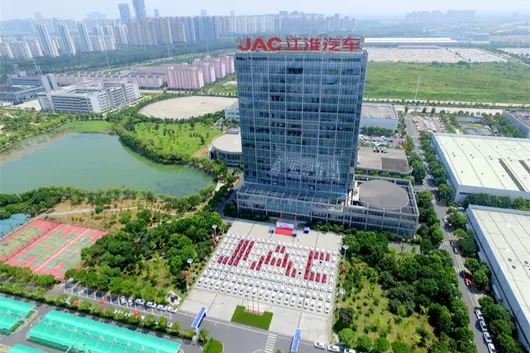
Third Quarter of 2026, China's automotive industry still remains in a deep adjustment period: price wars continue, sales growth slows, profits of some automakers face pressure. Against this backdrop, JAC Motors presented a Q3 report worth close reading - revenue for the first three quarters increased by 11.33% year-on-year, Q3 grew by 14.71% quarter-on-quarter, achieving revenue counter-trend growth despite a sales decline. From the "quality and efficiency dual growth" in the semi-annual report to the "dual growth against the trend" in the Q3 report, JAC Motors' premiumization, intelligence, and internationalization strategies are accelerating the conversion to operational results. The significance of this financial report lies not only in the numbers themselves, but in verifying a path: when the industry shifts from scale expansion to high-quality development, system capability rather than a single product is the key to crossing the cycle.

I. The Essence of Counter-Cyclical Revenue Growth: Product Structure Optimization and Whole Value Chain Efficiency Improvement
The core variable for sales decline but revenue growth is the steady increase in average price per vehicle and the higher proportion of high value-added products. The Maextro brand is the direct driver of this change: since Maextro S800 began mass delivery in 2025, cumulative deliveries have exceeded 20,000 units. After the launch of the Collector's Edition "Grand View", it received widespread attention from mainstream high-net-worth circles. The "Maextro Effect" is accelerating the penetration into the high-end user circle. Mass delivery in the million-level market not only raised the average price per vehicle, but also reshaped the value anchor of the JAC brand.
At the same time, the commercial vehicle basic base was consolidated synchronously. On September 30, 2026, the 1 millionth complete vehicle came off the production line of JAC High-end and Pure Electric Light Truck Production Base. This node is both a new landmark for JAC, as a veteran active in China's automotive industry for over 60 years, to consolidate its moat, and a microcosm of Anhui as the province with the first auto production volume in China driving industrial change with "passenger and commercial vehicles together". Commercial vehicles provide scale base and cash flow support, Maextro provides brand momentum and profit elasticity. The superposition of the two curves constitutes the structural foundation for revenue counter-trend growth.
Cost reduction and efficiency improvement and structural optimization dual-wheel drive come from deep changes at the organizational level. JAC continues to deepen the three major process changes of IPD, ISC, IPMS, build a company-level process architecture, and achieve efficient collaboration of R&D, production, supply, sales, and service. The significance of this change is: premiumization is not only the upward shift of product pricing, but also the leap of whole value chain organizational capability from "able to manufacture" to "able to manufacture well efficiently". Without the support of process capability, the volume release of high value-added products is difficult to sustainably transform into operational quality.

II. High-Intensity R&D Investment and Technology Ecosystem: The Underlying Logic of Long-Termism
JAC adheres to the "Independent + Co-creation" technology development mode, with R&D investment reaching 1.79 billion yuan in the first half of 2026, and R&D expenses increased by 13.95% year-on-year. Against the background of intensified industry competition and some companies shrinking R&D, this investment intensity reflects strategic determination for the long-term technology route. At the key technology level, JAC gathers efforts in vehicle integration, intelligent connectivity, electrification, low-carbon manufacturing, etc., and breaks through key bottlenecks in areas such as full-domain domain control architecture and wire-controlled smart chassis.
More valuable for industry observation is its open and collaborative innovation ecosystem. JAC jointly builds innovation platforms and joint research institutes with multiple globally leading supply chain partners, and jointly builds joint laboratories with multiple academician top teams, forming a complete closed loop from original technology source to industrial application. Maextro drives hundreds of high-quality suppliers from supporting cooperation to chain-based innovation with "one car driving the whole chain", constructing an original technology ecosystem of "one base, two wings"; signed strategic agreements in the first half with 7 supply chain leading enterprises including Brembo, Longpan, etc. The significance of this model lies in: the supply chain foundation of China's automotive premiumization is evolving from "procurement relationship" to "joint innovation relationship", and the technology spillover effect of chain master enterprises is beginning to appear.
In terms of intelligent manufacturing capability, Maextro Super Factory was selected as a National Intelligent Manufacturing Benchmark Enterprise, and passed the Level 3 certification of National Intelligent Manufacturing Capability Maturity Assessment (CMMM); the industry's first CV quality inspection large model "Maiste" (3 billion parameter MoE architecture) achieved millisecond-level response and full-link traceability, significantly reducing defect leak rate. In the selection of 2026 China Society of Automotive Engineers Science and Technology Award, JAC led "Key Technology Research and Industrialization of High-Reliability Full-Condition Commercial Vehicle Advanced Intelligent Driving" won the Third Prize of Science and Technology Progress Award, and participated "Key Technology and Application of Ultra-Wide Speed Range High-Efficiency High-Power Special Vehicle Mechanical Hydraulic Dual-Flow Transmission System" won the Second Prize. The commercial vehicle advanced intelligent driving and special vehicle transmission system winning awards at the same time indicates that JAC's technology accumulation is not a single point breakthrough, but a system capability covering both commercial and passenger lines.

III. Global Layout and Brand Value: From Scale Export to Value Going Global
Regarding international business, JAC adheres to the globalization, whole value chain, and high-quality international development strategy. It has already built a global business system covering market development, sales, after-sales, brand, compliance, and localization operations, forming an export product matrix with passenger and commercial vehicles together and ICE and Electric emphasis. Products are sold to over 130 countries and regions around the world. Combining previous materials, JAC has 9 overseas subsidiaries and joint ventures and 25 KD assembly factories in Italy, Brazil, Kazakhstan, Malaysia, etc. The market share of electric trucks in Brazil exceeds 40% and ranks first among global brands, and the cumulative holdings in the Mexico market exceeded 100,000 units. The logic of this layout is clear: globalization is not simple trade export, but localized rooting of R&D, manufacturing, service, and compliance, it is "going in" rather than "going out".
In terms of brand value, the 2026 "China 500 Most Valuable Brands List" by World Brand Lab shows that JAC Motors brand value increased by over 10% year-on-year. In the "2026 Kantar BrandZ Top 50 Global Chinese Brands", JAC ranked sixth among 10 mainstream automobile brands. The improvement of brand value forms a positive feedback with premiumization and globalization: Maextro lifts brand momentum, globalization expands brand radius, the two jointly support JAC from "product output" to "technology + brand + service" integrated value output strategic upgrade.
IV. Industry Insights: The "Structural Dividend" of High-Quality Development Is Being Realized
The core inspiration of JAC's Q3 report lies in: at the stage where China's automotive industry shifts from "scale competition" to "value competition", the "counter-trend growth" brought by structural optimization is more valuable than sales growth. Sales declining but revenue growing indicates that enterprises are actively or passively breaking away from low-price involution, turning to high value-added products and whole value chain efficiency improvement. Maextro brand mass delivery in the million-level market, commercial vehicle premiumization and electrification dual-line promotion, deepening of globalization and localization operations, continuous increase in R&D investment, organizational support of process transformation - these elements jointly constitute the system logic of JAC's "dual growth against the trend".
Of course, the premiumization climb is far from over, globalization and localization operations still need continuous investment, and organizational dividends from process transformation also need more time to release. But from the "quality and efficiency dual growth" in the semi-annual report to the "dual growth against the trend" in the Q3 report, JAC Motors has at least proved one thing: when the industry shifts from incremental competition to stock game, system capability is more reliable than single product hits, and structural optimization is more sustainable than scale expansion. The foundation for improvement in the full year is further consolidated, and this road of "premiumization + intelligence + internationalization" three lines advancing together also provides a sample worth continuous observation for China's automotive industry to move from "Big Power" to "Strong Power".

In Malaysia's SUV market, many buyers compare Toyota Harrier and Subaru Outback when choosing a car. These two cars are quite close in price and positioning. Today, we will make a detailed comparison from multiple aspects to help you save time on research.
The OTR price of Toyota Harrier in Malaysia is RM 289,000 - 289,000. There is a total of 1 version, including 2026 HEV 2.5L Standard (RM 289,000), etc.
The OTR price of Subaru Outback in Malaysia is RM 260,000 - 280,000. There are a total of 2 versions, including 2025 2.4T R-Touring EyeSight (RM 310,340), 2025 2.5L Touring EyeSight (RM 280,340), etc.
In terms of price, Subaru Outback's starting price is RM 29,000 cheaper than Toyota Harrier. Honestly, in this price range, a difference of a few thousand is not really significant. The key is still to look at overall value for money and long-term usage costs.

Toyota Harrier is equipped with 2.0L Turbo, 220 hp. Official fuel consumption 9.5 L/100km.
Subaru Outback is equipped with 2.0L Turbo, 220 hp. Official fuel consumption 9.5 L/100km.
Both cars use the same powertrain, and the driving feel is basically no different. Fuel consumption is also similar, no need to worry too much about this.

Toyota Harrier's safety rating is 5★ (ASEAN NCAP), active safety systems include Brand ADAS.
Subaru Outback's safety rating is TBD, active safety systems include Basic.
Regarding safety features, both cars have received good ratings. However, Toyota Harrier's Brand ADAS and Subaru Outback's Basic have some differences in functionality. If you value active safety, you can compare the function lists of both carefully.

Toyota Harrier warranty 5 years/unlimited mileage, maintenance interval every 10,000km or 6 months.
Subaru Outback warranty 3 years/100,000km, maintenance interval every 10,000km or 6 months.

Overall, Toyota Harrier and Subaru Outback are both very good models in the Malaysian market. Which one to choose mainly depends on your personal needs and budget. We suggest doing your research, comparing quotes from several dealerships, and test driving before making the final decision. Buying a car is a big matter, spending time on research will definitely not be wrong.


In the Malaysian SUV market, many buyers compare the Toyota Harrier and Subaru Crosstrek when choosing a car. These two models are quite close in price and positioning. Today, we will do a detailed comparison from multiple aspects to save you time on research.
The OTR price of the Toyota Harrier in Malaysia is RM 289,000 - 289,000, with 1 version in total, including the 2026 HEV 2.5L Standard (RM 289,000), etc.
The OTR price of the Subaru Crosstrek in Malaysia is RM 145,000 - 160,000, with 1 version in total, including the 2.0L e-Boxer (RM 150,000), etc.
From a price perspective, the Subaru Crosstrek's starting price is RM 144,000 cheaper than the Toyota Harrier. Honestly, in this price range, a difference of a few thousand isn't really that big. The key is to look at the overall value for money and long-term usage costs.
The Toyota Harrier's safety rating is 5★ (ASEAN NCAP), active safety systems include Brand ADAS.
The Subaru Crosstrek's safety rating is 5★ (Euro NCAP), active safety systems include EyeSight.
In terms of safety features, both cars received good ratings. However, there are some differences in function between the Toyota Harrier's Brand ADAS and the Subaru Crosstrek's EyeSight. If you value active safety highly, you can compare their feature lists carefully.
The Toyota Harrier body length is 4400 mm, trunk 400 L.
The Subaru Crosstrek body length is 4400 mm, trunk 400 L.
The dimensions of both cars are almost the same, with little difference in interior space. For this class of vehicles, it is fully sufficient for daily use.
The Toyota Harrier comes with a 5-year/unlimited mileage warranty, maintenance interval every 10,000km or 6 months.
The Subaru Crosstrek comes with a 3-year/100,000km warranty, maintenance interval every 10,000km or 6 months.

Both the Toyota Harrier and Subaru Crosstrek are mainstream choices in the Malaysian market, suitable for family use and daily commuting. If you value brand reputation and resale value more, you can prioritize the one with better reputation; if you care more about value for money and features, choose the one with richer configuration. Ultimately, it is recommended to test drive both models, as personal experience is the most important.

Overall, both the Toyota Harrier and Subaru Crosstrek are very good models in the Malaysian market. Which one to choose ultimately depends on your personal needs and budget. We suggest doing your research, comparing quotes from several dealerships, and then test driving to make the final decision. Buying a car is a big matter, and spending some time researching is never a mistake.

Di pasaran SUV Malaysia, ramai pembeli membandingkan Toyota Harrier dan Subaru Outback semasa memilih kereta. Kedua-dua kereta ini hampir sama dari segi harga dan kedudukan, hari ini kita akan buat perbandingan terperinci dari pelbagai aspek, membantu anda menjimatkan masa membuat kajian.
Toyota Harrier dijual di Malaysia pada harga OTR RM 289,000 - 289,000, terdapat 1 versi, termasuk 2026 HEV 2.5L Standard (RM 289,000) dan lain-lain.
Subaru Outback dijual di Malaysia pada harga OTR RM 260,000 - 280,000, terdapat 2 versi, termasuk 2025 2.4T R-Touring EyeSight (RM 310,340), 2025 2.5L Touring EyeSight (RM 280,340) dan lain-lain.
Dari segi harga, Subaru Outback bermula RM 29,000 lebih murah berbanding Toyota Harrier. Jujur berkata, pada julat harga ini, perbezaan beberapa ribu sebenarnya tidak besar, yang penting adalah nisbah nilai keseluruhan dan kos penggunaan jangka panjang.
Toyota Harrier menggunakan sistem pemacu FWD.
Subaru Outback menggunakan sistem pemacu FWD.
Kedua-dua kereta menggunakan sistem pemacu yang sama, iaitu FWD, pengalaman memandu harian tidak akan berbeza banyak.
Toyota Harrier mempunyai jaminan 5 tahun/tanpa had kilometer, selang penyelenggaraan setiap 10,000km atau 6 bulan.
Subaru Outback mempunyai jaminan 3 tahun/100,000km, selang penyelenggaraan setiap 10,000km atau 6 bulan.
Toyota Harrier dan Subaru Outback kedua-duanya adalah pilihan utama pasaran Malaysia, sesuai untuk kegunaan keluarga dan perjalanan harian. Jika anda lebih mementingkan reputasi jenama dan harga jualan semula, pertimbangkan dahulu model yang mempunyai reputasi lebih baik; jika anda lebih mementingkan nisbah nilai dan kelengkapan, maka pilih model yang lebih dilengkapi. Akhir sekali, disarankan uji memandu kedua-duanya, pengalaman langsung adalah yang paling penting.
Secara keseluruhannya, Toyota Harrier dan Subaru Outback adalah model yang sangat baik di pasaran Malaysia. Memilih yang mana satu, penting untuk melihat keperluan dan bajet peribadi anda. Disarankan untuk membuat kajian terlebih dahulu, bandingkan sebut harga dari beberapa kedai kereta, kemudian buat uji memandu untuk keputusan akhir. Membeli kereta adalah perkara besar, mengambil sedikit masa untuk membuat kajian pasti tidak akan salah.

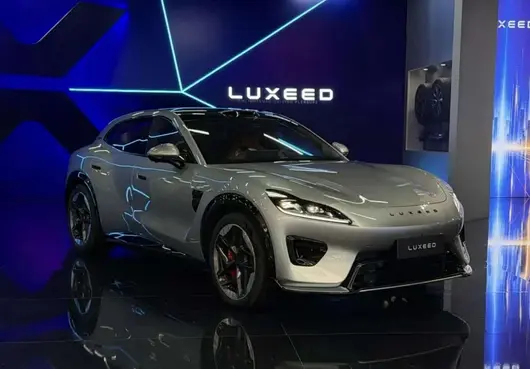
On October 26, multiple sources indicated that the Luxeed brand jointly created by Huawei and Chery, beyond the overseas LLounge version of Luxeed V9 and Stormax version of Luxeed RX overseas export plans, is expected to add four more SUVs for the overseas market. The new cars are planned to be launched successively in 2027, all developed according to global vehicle standards, representing Luxeed's overseas expansion shifting from single-product trials to systematic matrix output.

Unlike previous domestic models simply modified for export, these new cars considered regional regulations, driving habits, and user preferences synchronously at the project initiation stage. From the already revealed overseas versions, it can be seen that the products are not merely changing logos; they have made localized adaptations in body structure, exterior details, and cabin layout. LLounge was specially developed for right-hand drive markets, while Stormax adopted the exclusive LUXEED vehicle logo.
The Luxeed internal "Blue Ocean" project team led this overseas layout, adopting a phased penetration strategy: prioritizing entry into the Middle East market, followed by expansion in Southeast Asia, and later entering mature European markets. On the technical level, a flexible adaptation scheme was adopted; overseas models are equipped with Chery's electronic electrical architecture, Falcon Smart Driving, and Lingxi Smart Cockpit, retaining flagship perception hardware such as LiDAR, thereby balancing data compliance requirements in various regions and the brand's intelligent foundation.
Chery's supply chain and channel network, deeply cultivated overseas for many years, provide support for Luxeed's overseas expansion. The leading LLounge is planned to land in Thailand in early 2027, followed by entry into right-hand drive markets such as Australia and New Zealand.
Overall, the addition of four SUVs completes Luxeed's overseas SUV product lineup and complements the MPV products. This combination of "Chery Manufacturing + Huawei Smart Genes" is a typical sample of Chinese new energy brands transitioning from single-product breakthroughs to systematic operation. The localization tuning of subsequent new cars, regional pricing, and the pace of channel deployment will determine the effectiveness of Luxeed's expansion in the high-end overseas new energy market.



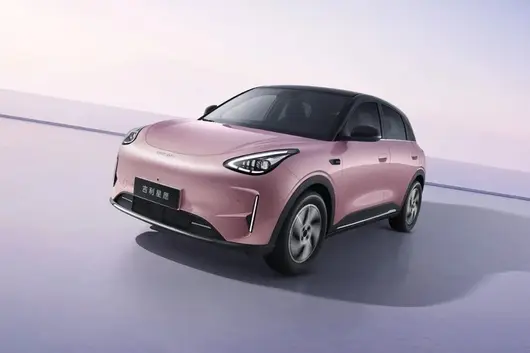
October 20, Geely Star Wish reached the milestone of 1 million units manufactured at the Xiangtan Production Base. From its launch in October 2024 to achieving this number, it took 24 months.
24 months for 1 million units is a speed worthy of serious attention in any sub-segment. In the A0-level pure electric category, which has long been shrouded by the label of "low price and low quality", the weight of this achievement is even heavier.
In the past few years, the default logic in the 60,000 to 80,000 yuan pure electric market has been: The price is set here, use torsion beams for the chassis, save on safety features as much as possible, and intelligence is not a priority.
Users spending tens of thousands of yuan to buy a commuting car have a psychological expectation that it should just "run". Star Wish broke this logic.
With a guide price starting from 64,800 yuan, limited-time benefit price lowered to 61,800 yuan, rear-wheel drive, four-wheel independent suspension, CATL LFP battery cells, and Shendun Battery Safety System are standard across the entire series. These configurations, placed two years ago, were things found in models priced above 100,000 yuan.
The 1 million-unit milestone is essentially a market vote: Consumers are willing to pay for "low price with quality".
Rear Drive Independent Suspension
Let's talk about the chassis first.
Rear-mounted rear-wheel drive plus four-wheel independent suspension is relatively rare in the 60,000 yuan pure electric market.
Most models in the same price range use front-engine front-wheel drive plus torsion beam non-independent suspension. The advantages of this structure are low cost and simple structure, the disadvantages are coarse vibration filtering, obvious rear bumpiness, and large turning radius. For urban commuting scenarios, these shortcomings are perceived by users every day.

Star Wish's rear-drive layout brings two direct benefits. First, the turning radius is achieved at 4.95 meters. For older residential areas to turn around, narrow road overtaking, or underground garage parking, the probability of doing it in one go is much higher.
Second, the front-rear weight balance is more even, pitch control during acceleration and braking is better, and it doesn't feel like a cheap small car to drive.
The vibration filtering performance of the four-wheel independent suspension is another difference perceived every day. Crossing speed bumps or driving on rough roads, the improvement in passenger comfort in the rear row is visible to the naked eye. For a commuting car undertaking family short-distance travel tasks, this difference is closer to daily use than 0-100 km/h acceleration.

Geely's calculation is clear: The core demand of entry-level users is not performance, but easy to drive, comfortable, and hassle-free. Rear-drive independent suspension solves these three things simultaneously, cost increases are within an acceptable range, and user perception is very strong. This is typical of "spending money where it counts".
Safety Assurance
The easiest thing for low-priced cars to sacrifice is safety. Star Wish took no shortcuts in this matter.
CATL LFP battery cells are standard across the entire series, without mixed battery suppliers. The Shendun Battery Safety System provides end-to-end protection from cells to structure to BMS management and passed multiple extreme safety tests.

Battery safety is something you don't perceive normally, but once a problem occurs, it is a major issue. Entry-level users have low trust in batteries to begin with, using CATL cells as an endorsement is the most direct way to dispel concerns.
In terms of active safety, high-spec models are equipped with Qianli Haohan H3 assisted driving, supporting ACC Adaptive Cruise Control, Lane Keeping, AEB Automatic Emergency Braking, AES Emergency Steering.
The two items of 120km/h static braking stop and 130km/h preceding vehicle avoidance belong to high specifications in the 60,000 yuan market. Functions like 540-degree panoramic imaging, door opening warning, and Sentry Mode were not cut off because of the low price.

The body structure uses high-strength steel, multi-angle airbags are standard. These configurations will not appear in prominent positions on promotional pages, but they constitute the underlying value of a car.
Inclusivity is not about selling cheap things to users, but selling reliable things at cheap prices. Geely's investment in safety is the most realistic footnote on this route.
Million-Unit Foundation
Star Wish's success is not an isolated model victory, it bears a clear strategic role in the Geely New Energy Matrix.
The Galaxy Series, from the 60,000 yuan Star Wish, to the 100,000 to 200,000 yuan L Series and E Series, to products at higher price points, forms a complete price coverage.

Star Wish guards the entry-level foundation, the task is to expand the user base, amortize system costs, and provide scale support for the entire Geely New Energy system.
Technology reuse is the key to this logic. Shendun Battery, Smart Cockpit, and Ocean Architecture basic modules are reused downwards from high-end models, R&D costs are shared by multiple models, and the technical cost per vehicle can be brought down.
This is the prerequisite for "Low price, not low quality" to hold true. Low price without system support can only be downsizing.
Channel penetration is another pivot. Geely's dealer network covers tier 3 and tier 4 cities and county-level markets. Star Wish was rapidly deployed to terminals after launch.
The sinking market is where fuel commuting car replacement demand is most vigorous, and also where pure electric adoption rate is the lowest. Star Wish, with lower usage costs and better driving experience,承接ed this upgrade demand.

September single-month sales of 60,871 units, A0-level pure electric market share over 30%, consecutively winning the all-category monthly sales champion for 16 consecutive months, these numbers show that channels and products have formed a synergy.
Export is the growth.
Xiangtan Base undertakes domestic sales and export tasks simultaneously. Star Wish has already landed in more than 30 countries and regions. Two months after launch in Brazil, sales exceeded 2,300 units, at the Thailand Auto Show single-week orders reached 3,300 units.
Chinese small cars going global, in the past relied on price, Star Wish now starts to win orders with product capability. This shift is more valuable long-term than sales numbers.
Redefining Standards
Star Wish reaching 1 million units, the impact on the industry is not about adding another hit, but proving that the road of "Low Price High Quality" is walkable.
In the past, the competitive logic in the entry-level pure electric market was to compare who is cheaper. Cut a bit of range, downgrade chassis one level, save on a few safety features, and the price can be lower by another 2,000.
The endpoint of this involution is the entire category being labeled as "Cheap Commuting", users buy frustrated, and the market cannot grow large.

Star Wish's 1 million units in 24 months shows that users do not only recognize low price, users recognize "is this price worth it".
Rear-drive independent suspension, CATL cells, Safety Assurance, these things added together, a 60,000+ yuan price appears sincere. Consumers cast their votes with orders.
This will force same-price competitors to follow. When a 60,000 yuan car has rear-drive independent suspension and CATL cells as standard, models still using torsion beams and generic batteries will find it hard to tell the story.
The competition dimension in the entry-level pure electric market is shifting from "comparing price" to "comparing chassis, safety, and quality control".
This shift is good for the entire category.
Final Thoughts
Of course, there are still many problems after the million units.
Quality control pressure brought by rapid scale expansion, the test of after-sales system penetration, and intensified competition after competitors follow are all things Star Wish will face next.
Running 1 million units in 24 months is a victory of speed, the next 1 million units tests the thickness of reputation.

The 60,000 yuan pure electric market was once a "compromise" market. Star Wish proved with 1 million units that users in this market deserve better things.
Inclusivity is not a cheap shame cloth, it is the ability to make good things cheap. How far this route can go depends on the authentic reviews of every owner after driving on rough roads, charging, and using for several years.


撰文 | 杜咏芳
编辑 | 黄大路
设计 | 甄尤美
题图 | XY-AI
2016年,在时任董事长卡洛斯·戈恩(Carlos Ghosn)主导下,日产汽车以约2374亿日元认购三菱汽车新发行的股份,拿下34%股权,成为最大股东。
当时三菱刚承认油耗数据造假,股价暴跌,这笔钱让它喘了口气。日产则打算通过共享技术、零部件和工厂,让两家一起变强。

2016年10月,时任日产汽车董事长兼总裁卡洛斯·戈恩(左)与时任三菱汽车董事长兼总裁益子修(右)在东京出席新闻发布会后。
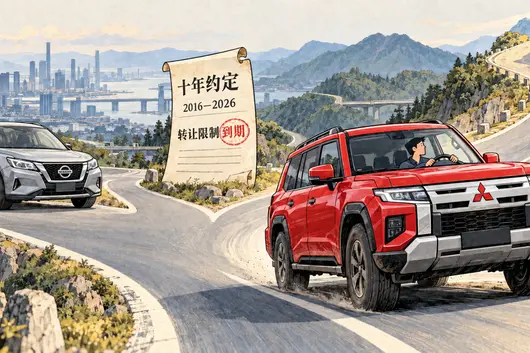
交易附带一项条款:自2016年10月20日起十年内,日产转让三菱股份,须事先取得三菱同意。今年10月20日,这项转让限制到期。
而当初的“救援者”自己也陷入了重组。2025财年,日产净亏损约5330亿日元,连续第二年亏损。
三菱虽然保住了盈利,日子也不宽裕。同一财年,营业利润约755亿日元,同比下降45.6%;净利润约100亿日元,下降75.6%。
更值得注意的是销量:全球销量从2018财年的124.4万辆降到79.7万辆,七年少了三分之一以上。东南亚市场的中国品牌竞争、美国关税和中东冲突,都在加重压力。
两家处境同时变差,资本关系自然要重新审视。
在转让限制到期前,日产曾表示将维持现有资本关系。据共同社9月25日报道,日产倾向于继续持有三菱26.67%的股份。
不卖的理由很现实:轻型车共同开发仍是日产重建所需;工厂重组按计划推进,没有急着变现的压力;三菱股价低于入股时的水平,现在卖出可能亏损。
持股比例之所以是26.67%而非34%,与2024年11月的一次减持有关。当时日产业绩大幅下滑,宣布裁员9000人,同时将约1.49亿股三菱股票卖回给三菱汽车,相当于三菱当时已发行股份(不含库存股)的10.02%。卖出价为每股460.6日元,比八年前的入股价468.52日元还低。
由于三菱回购也改变了计算持股比例的股份基数,日产持股比例降至26.67%。也就是说,在转让限制到期前,双方的资本联系已经先松动了一次。
产品关系也在变。三菱正在给出自己的答案:新一代欧蓝德准备转向自主平台,帕杰罗以更高价格回归,同时与本田、鸿海系企业建立产品合作。
日产仍是重要股东,但三菱正把更多产品开发的决定权拿回自己手里,同时重新选择合作伙伴。

十年联盟,共享也有代价
联盟确实留下了看得见的成果。欧蓝德与日产奇骏共享平台;日产Sakura和三菱eK X这两款轻型纯电动车,由双方共同开发。

位于冈山县的水岛工厂过去生产Lancer Evolution,如今约八成产量是轻型车,其中包括日产品牌的车型。日产提供部分核心开发能力,三菱承担制造,双方由此分摊投入,利用既有产能。
但在轻型车之外,共享开发的成本优势并不总能兑现。
一位三菱高管认为,日产的部分零部件规格高于三菱目标市场的需求,反而削弱了共用带来的成本优势。
三菱的主要市场是东南亚等新兴经济体。日产按北美、欧洲需求开发的规格,放到价格敏感的东南亚,未必能让消费者多掏钱,却可能推高三菱的成本。
平台和零件共用的前提,是双方的产品需求足够接近。两家面对不同的顾客和价格区间,共享之后还要重新适配和验证,原本想省下的开发费,可能被这些额外成本抵消。轻型车上行得通的分工,很难原样复制到整条产品线。
欧蓝德的下一步,体现了三菱对开发方式的调整。预计2028年前后推出的新一代欧蓝德,将改用三菱自主研发的平台,公司判断这样能带来更高的盈利能力。
自主开发意味着承担更多开发支出和销量风险。2025财年,三菱研发费用为1168亿日元。为了让有限的预算承担更多任务,公司计划把平台从五个整合为三个,把开发周期从45个月缩短到36个月。
三菱希望靠内部复用和更快的节奏,消化减少联盟共享之后可能增加的投入。自主平台最终是否划算,还要看它能支撑多少车型、卖出多少辆车。

用特色产品抬高品牌
三菱把新一轮增长的希望,放在了自己擅长的四驱、越野和耐久性上,希望消费者为这些能力付钱。
这背后有一段教训。三菱曾经靠冲销量扩大规模,但大幅折扣损伤了品牌价值;疫情等冲击到来后,又不得不关厂、收缩业务。新一轮产品计划,需要找到更能支撑售价的理由。
帕杰罗承担的就是这个任务。10月19日,新一代帕杰罗在泰国上市,由三菱泰国林查班工厂生产;日本和澳大利亚计划12月中旬开售,下一财年起再推向中东、中南美等市场。

三菱汽车将新款帕杰罗SUV定位为日本市场旗舰车型,以此展现其打造特色车型的新战略。
日本市场的定价最能说明三菱的意图。新帕杰罗在日本预计起售价619万日元,上一代起售价为453万日元。
虽然两代车的规格和成本环境不同,不能简单对比,但新车明显在争取更高的价格区间。日本预售订单已达4000辆,显示出帕杰罗仍有品牌吸引力。
三菱还准备推出中型和紧凑型帕杰罗。中型版本预计2028年至2029年前后在日本上市,与欧蓝德共用部分零件;紧凑型版本瞄准2030年前后。大车树立品牌形象,中小车扩大覆盖人群,共用零件帮助分摊投入。
日本市场给这套打法提供了现实基础。Delica D:5这款MPV和轻型车Delica Mini带动了三菱在日本的销量增长。两款车的表现说明,三菱的特色产品在本土仍有需求,公司希望把这套经验复制到帕杰罗家族。
日本市场也是三菱降低对东南亚依赖的出口方向之一。东南亚约占三菱全球销量的三成,但该地区的营业利润已从2019财年的636亿日元,降到2025财年的229亿日元。中国品牌的竞争,加上泰国和印尼需求疲软,正在削弱三菱原来的利润来源。
不过,产品升级不等于可以无限涨价。一些经销商已经担心,价格涨得太快,部分农村客户负担不起。旗舰车型可以吸引新顾客,也可能把熟悉三菱的老顾客挡在门外。帕杰罗首批订单之后,更重要的是需求能否持续。
三菱把二手车业务也纳入了增长计划。过去,置换车主要由各经销商自行收购、转售,部分经拍卖流通,价格偏低。今后总部计划加强集中管理,通过自有渠道销售优质二手车。
对老车主来说,置换价越高,换新车要补的差价就越少;对预算有限的顾客来说,二手车也是进入这个品牌的入口。这项安排能否支持新车销售,要看三菱能否改善车辆残值和流通效率。
到2029财年,三菱希望把全球销量从79.7万辆提高到90万辆,营业利润从约755亿日元提高到1600亿日元,营业利润率达到4.5%。
销量只增长约13%,利润却要翻一倍以上。
按4.5%的营业利润率倒推,1600亿日元营业利润对应约3.6万亿日元营收。三菱需要在增加销量的同时,改善车型结构和单车收入,支撑更大的营收规模。降低开发和制造成本,则有助于把增加的收入变成利润。
帕杰罗能否维持售价,家族车型能否分摊投入,二手车业务能否支持新车置换,都会影响这个目标能走多远。

核心自己造,短板向伙伴借
争取更多自主,不等于和日产分手。两家的产品合作反而出现了更明确的双向分工。
三菱为日产生产Rogue插混车型,以及基于三菱Triton开发的日产中型皮卡Navara;反过来,三菱准备借助日产重返北美皮卡市场。

美国业务最需要这种互补。三菱在美国没有整车工厂,靠日本出口,又面临关税压力。
三菱计划在2029年前后引入一款皮卡,基于日产位于密西西比州的坎顿工厂产品,并持续推出新车,把北美车型阵容从2024年的4款扩充到2030年前后的8款。借伙伴补齐产品,可以先稳住经销商网络,为自主车型换代争取时间。
本田也进入了这张分工网络。2024年底,本田与日产启动经营整合谈判,三菱一度考虑加入;2025年初谈判破裂,但具体业务合作仍在推进。
现在,本田与三菱正在筹划面向东南亚的皮卡供车合作,时间指向2028年前后。三菱的皮卡产品和制造经验可以帮助本田拓展业务,三菱则有机会增加供货量,分摊生产成本。
纯电产品体现了三菱的另一种取舍:自主研发集中在混动、插混和车辆行驶性能上,部分纯电车型向外采购。
面向北美的Eclipse Sportback纯电版由日产供应;8月公布的ASX VR-e由鸿华先进提供,这是鸿海精密与裕隆集团合资的电动车公司。ASX VR-e计划2026年内在澳大利亚和新西兰上市,三菱为它做了当地道路测试和专属悬架调校。
这样可以省去从零开发的部分投入,更快补齐产品阵容。但挂上三菱的标志之后,消费者对驾驶感受、质量和售后的期待,仍要由三菱兑现。
对年销量不足80万辆的三菱来说,方向已经清楚:核心车型和关键技术自己掌握,缺少的产品、产能和开发资源靠合作补充。
这条路能不能走通,要看经营结果。2026年4月至6月,三菱营业利润同比增长80%,全球销量却下降了8%,利润改善有一部分来自汇率和售价。帕杰罗家族能否扩大销量,自主平台能否压低成本,合作车型能否带来持续收益,将决定利润翻番的目标能否兑现。
十年前,三菱首先需要的是日产的钱。十年后,它需要让自己的四驱、插混和制造能力,成为伙伴愿意长期采购、共同投资的理由。
转让限制到期,打开了资本上的选择。决定三菱下一程的,终究是它自己手里能拿出什么。

Dalam pasaran SUV Malaysia, ramai pembeli membandingkan Toyota Harrier dan Volvo XC60 apabila memilih kereta. Kedua-dua kereta ini berada pada harga dan kedudukan yang agak hampir, hari ini kita akan membuat perbandingan terperinci dari pelbagai aspek, membantu anda menjimatkan masa membuat kajian.
Harga OTR Toyota Harrier di Malaysia adalah RM 289,000 - 289,000, terdapat 1 varian, termasuk 2026 HEV 2.5L Standard (RM 289,000) dan lain-lain.
Harga OTR Volvo XC60 di Malaysia adalah RM 328,888 - 328,888, terdapat 1 varian, termasuk 2025 2.0T Core (RM 328,888) dan lain-lain.
Dari segi harga, harga permulaan Toyota Harrier memang lebih murah RM 39,888 berbanding Volvo XC60. Jika bajet anda terhad, varian permulaan Toyota sudah boleh memenuhi keperluan harian. Tetapi perlu diingat juga, perbezaan harga beberapa ribu ringgit itu, mungkin ada kompromi dalam peralatan, bergantung kepada keperluan anda.
Penarafan keselamatan Toyota Harrier adalah 5★ (ASEAN NCAP), sistem keselamatan aktif termasuk ADAS Merek.
Penarafan keselamatan Volvo XC60 adalah 5★ (Euro NCAP), sistem keselamatan aktif termasuk .
Panjang badan Toyota Harrier 4400 mm, ruang barang belakang 400 L.
Panjang badan Volvo XC60 4400 mm, ruang barang belakang 400 L.
Saiz kedua-dua kereta hampir sama, ruang dalaman tidak banyak perbezaan. Kereta pada tahap ini, cukup untuk penggunaan harian.
Waranti Toyota Harrier 5 tahun/jarak tanpa had, tempoh penyelenggaraan setiap 10,000km atau 6 bulan.
Waranti Volvo XC60 5 tahun/jarak tanpa had, tempoh penyelenggaraan setiap 10,000km atau 6 bulan.

Secara keseluruhan, Toyota Harrier dan Volvo XC60 adalah model kereta yang sangat baik di pasaran Malaysia. Memilih yang mana, terutamanya bergantung kepada keperluan peribadi dan bajet anda. Kami sarankan anda melakukan kajian dengan baik, bandingkan sebut harga di beberapa kedai kereta yang berbeza, kemudian buat ujian memandu untuk membuat keputusan akhir. Membeli kereta adalah perkara besar, meluangkan masa untuk membuat kajian tidak akan salah.

Dalam pasaran SUV di Malaysia, ramai pembeli membandingkan Toyota Harrier dan Volvo XC40 ketika memilih kereta. Kedua-dua kereta ini mempunyai harga dan posisi pasaran yang agak hampir, hari ini kita akan buat perbandingan terperinci dari pelbagai aspek, membantu anda menjimatkan masa untuk membuat kajian.
Toyota Harrier dijual pada harga OTR di Malaysia ialah RM 289,000 - 289,000, terdapat 1 varian, termasuk 2026 HEV 2.5L Standard (RM 289,000) dan lain-lain.
Volvo XC40 dijual pada harga OTR di Malaysia ialah RM 278,888 - 278,888, terdapat 1 varian, termasuk 2025 2.0T Plus (RM 278,888) dan lain-lain.
Dari segi harga, harga permulaan Volvo XC40 lebih murah sebanyak RM 10,112 berbanding Toyota Harrier. Jujur berkata, pada julat harga ini, jurang beberapa ribu sebenarnya tidak begitu besar, yang penting adalah melihat nisbah nilai keseluruhan dan kos penggunaan jangka panjang.
Toyota Harrier dilengkapi enjin 2.0L Turbo, 220 hp. Penggunaan minyak rasmi 9.5 L/100km.
Volvo XC40 dilengkapi enjin 2.0L Turbo, 220 hp. Penggunaan minyak rasmi 9.5 L/100km.
Kedua-dua kereta menggunakan sistem enjin yang sama, rasa semasa memandu harian adalah hampir tiada perbezaan. Dari segi penggunaan minyak juga sama, tidak perlu terlalu bimbang mengenai hal ini.
Penilaian keselamatan Toyota Harrier ialah 5★ (ASEAN NCAP), sistem keselamatan aktif termasuk ADAS Jenama.
Penilaian keselamatan Volvo XC40 ialah 5★ (Euro NCAP), sistem keselamatan aktif termasuk Pilot Assist, City Safety (Piawaian).
Dari segi peralatan keselamatan, kedua-dua kereta mendapat penilaian yang bagus. Namun, ADAS Jenama pada Toyota Harrier dan Pilot Assist, City Safety (Piawaian) pada Volvo XC40 mempunyai perbezaan dari segi fungsi, jika anda mengutamakan keselamatan aktif, boleh bandingkan dengan teliti senarai fungsi kedua-duanya.
Toyota Harrier menggunakan cara pemanduan FWD.
Volvo XC40 menggunakan cara pemanduan FWD.
Kedua-dua kereta menggunakan cara pemanduan yang sama, iaitu FWD, rasa memandu harian tidak akan berbeza jauh.

Toyota Harrier dan Volvo XC40 adalah pilihan utama di pasaran Malaysia, sesuai untuk kegunaan keluarga, perjalanan harian. Jika anda mengutamakan reputasi jenama dan nilai jual semula, boleh utamakan yang mempunyai reputasi lebih baik; jika anda lebih mengutamakan nisbah nilai dan peralatan, maka pilih yang lebih lengkap dari segi konfigurasi. Pada akhirnya disarankan untuk memandu uji kedua-duanya, pengalaman peribadi adalah yang paling penting.

Secara keseluruhan, Toyota Harrier dan Volvo XC40 adalah model yang bagus di pasaran Malaysia. Memilih yang mana, yang penting bergantung pada keperluan dan bajet peribadi anda. Disarankan agar anda membuat kajian, membandingkan pelbagai sebut harga daripada beberapa kedai kereta, kemudian memandu uji untuk membuat keputusan akhir. Membeli kereta adalah perkara besar, meluangkan masa untuk membuat kajian tidak akan salah.

Dalam pasaran SUV di Malaysia, ramai pembeli membandingkan Toyota Harrier dan Volvo XC40 ketika memilih kereta. Kedua-dua kereta ini agak dekat dari segi harga dan peluasan. Hari ini kami akan buat perbandingan terperinci dari pelbagai aspek, membantu anda menjimatkan masa untuk membuat kajian.
Toyota Harrier mempunyai harga OTR di Malaysia ialah RM 289,000 - 289,000, terdapat 1 versi, termasuk 2026 HEV 2.5L Standard (RM 289,000) dan lain-lain.
Volvo XC40 mempunyai harga OTR di Malaysia ialah RM 278,888 - 278,888, terdapat 1 versi, termasuk 2025 2.0T Plus (RM 278,888) dan lain-lain.
Dari segi harga, permulaan Volvo XC40 lebih murah RM 10,112 berbanding Toyota Harrier. Jujur berkata, dalam julat harga ini, perbezaan beberapa ribu ringgit sebenarnya tidak terlalu besar, yang penting ialah melihat nisbah harga dan kos penggunaan jangka panjang secara keseluruhannya.
Penarafan keselamatan Toyota Harrier ialah 5★ (ASEAN NCAP), sistem keselamatan aktif termasuk Brand ADAS.
Penarafan keselamatan Volvo XC40 ialah 5★ (Euro NCAP), sistem keselamatan aktif termasuk Pilot Assist, City Safety (Standard).
Dari segi pelengkapan keselamatan, kedua-dua kereta telah memperoleh penarafan yang bagus. Walau bagaimanapun, Brand ADAS pada Toyota Harrier dan Pilot Assist, City Safety (Standard) pada Volvo XC40 mempunyai beberapa perbezaan dari segi fungsi, jika anda lebih menumpukan kepada keselamatan aktif, anda boleh bandingkan senarai fungsi kedua-duanya dengan teliti.
Toyota Harrier menggunakan cara penggerak FWD.
Volvo XC40 menggunakan cara penggerak FWD.
Cara penggerak kedua-dua kereta sama, iaitu FWD, pengalaman memandu harian tidak akan mempunyai bezak yang besar.
Toyota Harrier dan Volvo XC40 adalah pilihan utama di pasaran Malaysia, sesuai untuk kegunaan keluarga dan perjalanan harian. Jika anda lebih mementingkan reputasi jenama dan harga kenderaan terpakai, anda boleh utamakan yang mempunyai reputasi lebih baik; jika anda lebih prihatin dengan nisbah harga dan pelengkapan, pilihlah yang mempunyai pelengkapan lebih kaya. Akhirnya kami menyarankan kedua-dua model untuk diuji memandu, pengalaman peribadi adalah yang paling penting.
Secara keseluruhannya, Toyota Harrier dan Volvo XC40 adalah model yang sangat bagus di pasaran Malaysia. Memilih yang mana satu, kunci utama adalah melihat keperluan dan bajet peribadi anda. Kami sarankan anda membuat kajian terlebih dahulu, bandingkan beberapa tawaran dari agensi kereta yang berbeza, kemudian buat keputusan akhir selepas uji memandu. Membeli kereta adalah perkara penting, meluangkan masa untuk kajian tidak akan salah.

喺馬來西亞嘅 SUV 市場,好多買家喺選車嘅時候都會拎豐田 Harrier 同 富豪 Volvo XC60 嚟做比較。這兩款車喺價位同定位上都係好接近嘅,今日我哋就從多個方面做一個詳細嘅比較,幫你省返做功課嘅時間。
豐田 Harrier 喺馬來西亞嘅 OTR 售價係 RM 289,000 - 289,000,一共有 1 個版本,包括 2026 HEV 2.5L Standard(RM 289,000) 等。
富豪 Volvo XC60 喺馬來西亞嘅 OTR 售價係 RM 328,888 - 328,888,一共有 1 個版本,包括 2025 2.0T Core(RM 328,888) 等。
從價錢嚟睇,豐田 Harrier 嘅起步價確實比 富豪 Volvo XC60 便宜咗 RM 39,888。如果你預算有限,豐田嘅入門版已經可以滿足日常需求。但都要注意,便宜嗰幾千蚊,可能喺配備上會有取捨,具體要睇你嘅需求。
豐田 Harrier 嘅安全評級係 5★ (ASEAN NCAP),主動安全系統包括 Brand ADAS。
富豪 Volvo XC60 嘅安全評級係 5★ (Euro NCAP),主動安全系統包括 。
豐田 Harrier 採用 FWD 驅動方式。
富豪 Volvo XC60 採用 FWD 驅動方式。
兩款車嘅驅動方式一樣,都係 FWD,日常駕駛感受唔會有太大區別。
豐田 Harrier 同 富豪 Volvo XC60 都係馬來西亞市場嘅主流選擇,適合家庭使用、日常通勤。如果你更重視品牌口碑同二手價,可以優先考慮口碑更好嗰一款;如果你更在意性價比同配備,那就揀配置更豐富嗰款。最終都係建議兩款都去試駕,親身體驗先係最重要嘅。
總體嚟講,豐田 Harrier 同 富豪 Volvo XC60 都係馬來西亞市場幾唔錯嘅車型。揀邊一輛,關鍵都係要睇你嘅個人需求同預算。建議大家做好功課,多比較幾間車行嘅報價,再去試駕做最終決定。買車係件大事,花少少時間做功課絕對唔會錯。

喺馬來西亞嘅 SUV 市場,好多買家喺揀車嘅時候都會拎 Toyota Harrier 同 Ford Everest 嚟做比較。呢兩部車喺價位同定位上都幾相近,今日我哋就由多個方面做一個詳細嘅比較,幫你節省咗做功課嘅時間。
Toyota Harrier 喺馬來西亞嘅 OTR 售價係 RM 289,000 - 289,000,合共有 1 個版本,包括 2026 HEV 2.5L Standard(RM 289,000)等等。
Ford Everest 喺馬來西亞嘅 OTR 售價係 RM 266,338 - 430,838,合共有 6 個版本,包括 2026 3.0T 4WD Platinum(RM 430,838)、2026 2.0T 4WD Platinum(RM 348,838)、2026 2.0T 4WD Sport(RM 316,838)等等。
睇返價錢,Ford Everest 嘅起步價比 Toyota Harrier 平咗 RM 22,662。講真係,喺呢個價位段,幾千蚊嘅差距其實唔算大,關鍵係睇整體嘅性價比同長期使用成本。
Toyota Harrier 嘅安全評級係 5★ (ASEAN NCAP),主動安全系統包括 Brand ADAS。
Ford Everest 嘅安全評級係 5★ (ASEAN NCAP),主動安全系統包括 Co-Pilot360。
呢兩部車嘅安全評級一樣,喺呢個級別入面安全配備都算好齊全。而家嘅新車安全性都唔差,唔使太擔心呢一點。
Toyota Harrier 保修 5 年/無限制里程,保養間隔 每 10,000km 或 6 個月。
Ford Everest 保修 3 年/100,000km,保養間隔 每 10,000km 或 6 個月。
Toyota Harrier 同 Ford Everest 都係馬來西亞市場嘅主流選擇,適合家庭用、日常返工。如果你更睇重品牌口碑同二手價,可以優先考慮口碑更好嗰一款;如果你更重視性價比同配備,就揀配置更豐富嗰款。最後係建議兩款都去試駕,親身體驗先係最重要。

總括嚟講,Toyota Harrier 同 Ford Everest 都係馬來西亞市場幾唔錯嘅車款。揀邊一輛,關鍵都要睇返你個人需要同預算。建議大家做下功課,多比較幾間車行嘅報價,再去試駕先做最後決定。買車係件大事,花少少時間做功課絕對唔會錯。

Dalam pasaran SUV di Malaysia, ramai pembeli apabila memilih kereta akan membandingkan Toyota Harrier dan Chery Tiggo 9. Kedua-dua kereta ini dari segi harga dan kedudukan pasaran adalah sangat hampir, hari ini kita akan dari pelbagai aspek membuat perbandingan yang terperinci, membantu anda menjimatkan masa untuk membuat kajian.
Toyota Harrier di Malaysia mempunyai harga OTR RM 289,000 - 289,000, jumlah 1 varian, termasuk 2026 HEV 2.5L Standard (RM 289,000) dan lain-lain.
Chery Tiggo 9 di Malaysia mempunyai harga OTR RM 166,800 - 179,800, jumlah 1 varian, termasuk 2026 2.0T Standard (RM 179,750) dan lain-lain.
Dari segi harga, harga permulaan Chery Tiggo 9 lebih murah RM 122,200 berbanding Toyota Harrier. Sejujurnya, dalam julat harga ini, perbezaan beribu ringgit sebenarnya tidak terlalu besar, pentingnya masih lihat nisbah nilai harga keseluruhan dan kos penggunaan jangka panjang.
Toyota Harrier dilengkapi enjin 2.0L Turbo, kuasa 220 hp. Penggunaan minyak rasmi 9.5 L/100km.
Chery Tiggo 9 dilengkapi enjin 2.0L 4-cyl, kuasa 170 hp. Penggunaan minyak rasmi 8.0 L/100km.
Dari segi kuasa, 2.0L Turbo Toyota Harrier mempunyai 50 hp lebih berbanding 2.0L 4-cyl Chery Tiggo 9, pecutan segmen tengah lebih yakin, terutamanya ketika memotong di lebuh raya. Namun penggunaan minyak Chery Tiggo 9 mungkin lebih baik, perbezaan untuk perjalanan bandar harian tidak akan terlalu besar.
Panjang badan Toyota Harrier 4400 mm, bagasi 400 L.
Panjang badan Chery Tiggo 9 4400 mm, bagasi 400 L.
Saiz kedua-dua kereta hampir sama, ruang kabin tidak terlalu berbeza. Kereta dalam kelas ini, cukup untuk kegunaan harian.
Toyota Harrier menggunakan sistem penggerak FWD.
Chery Tiggo 9 menggunakan sistem penggerak FWD.
Sistem penggerak kedua-dua kereta sama, iaitu FWD, rasa memandu harian tidak akan terlalu berbeza.
Toyota Harrier garansi 5 tahun/tanpa had kilometer, jarak penyelenggaraan setiap 10,000km atau 6 bulan.
Chery Tiggo 9 garansi 3 tahun/100,000km, jarak penyelenggaraan setiap 10,000km atau 6 bulan.
Secara keseluruhan, Toyota Harrier dan Chery Tiggo 9 adalah model kereta yang sangat baik di pasaran Malaysia. Memilih yang mana, pentingnya masih lihat keperluan peribadi dan bajet anda. Kami sarankan anda membuat kajian, bandingkan lebih banyak tawaran harga dari beberapa showroom, kemudian buat ujian memandu untuk membuat keputusan akhir. Membeli kereta adalah perkara besar, meluangkan masa membuat kajian tidak akan salah.
© 2024 Bitauto.com. All Rights Reserved.
Bitauto (www.yiche.com and www.bitauto.com) is one of the most visited automotive websites in China. We provide detailed info on Chinese car brands available in your area. Please note that the information provided on this website is based on publicly available data and is for reference only. It may not be fully updated or accurate at all times.

Help us improve our website


