

Homestartup

Search History
Popular Searches
Dealer Login / Sign Up

Di pasaran SUV di Malaysia, ramai pembeli akan membandingkan Toyota Fortuner dan Hyundai Palisade ketika memilih kereta. Kedua-dua kereta ini mempunyai harga dan posisi pasaran yang agak dekat, hari ini kita akan membuat perbandingan terperinci dari pelbagai aspek, membantu anda menjimatkan masa membuat kajian.
Toyota Fortuner mempunyai harga OTR di Malaysia sebanyak RM 195,880 - 241,880, terdapat 3 varian, termasuk 2024 2.8T VRZ Diesel (RM 241,880), 2024 2.7L SRZ Petrol (RM 202,880), 2024 2.4L Standard Diesel (RM 195,880) dan lain-lain.
Hyundai Palisade mempunyai harga OTR di Malaysia sebanyak RM 368,838 - 399,838, terdapat 4 varian, termasuk 2023 3.8L 2WD Luxe 7 Seats Petrol (RM 399,838), 2023 2.2T 4WD Executive 7 Seats Diesel (RM 389,838), 2023 3.8L 2WD Luxe 8 Seats Petrol (RM 378,838) dan lain-lain.
Dari segi harga, harga permulaan Toyota Fortuner memang lebih murah RM 172,958 berbanding Hyundai Palisade. Jika bajet anda terhad, varian masuk Toyota sudah memadai untuk keperluan harian. Tetapi perlu diingat, beza harga beberapa ribu ringgit itu mungkin ada kompromi dari segi kelengkapan, bergantung kepada keperluan anda.

Penilaian keselamatan Toyota Fortuner ialah 5★ (ASEAN NCAP), sistem keselamatan aktif termasuk.
Penilaian keselamatan Hyundai Palisade ialah Belum Ditetapkan, sistem keselamatan aktif termasuk Asas.

Panjang badan Toyota Fortuner 4400 mm, bak belakang 400 L.
Panjang badan Hyundai Palisade 4400 mm, bak belakang 400 L.
Saiz kedua-dua kereta hampir sama, perbezaan ruang dalaman tidak besar. Kereta dalam kategori ini, kegunaan harian sudah mencukupi.

Toyota Fortuner dan Hyundai Palisade adalah pilihan utama di pasaran Malaysia, sesuai untuk kegunaan keluarga, perjalanan harian ke tempat kerja. Jika anda lebih mengutamakan reputasi jenama dan harga pasaran kedua, boleh pertimbangkan model yang mempunyai reputasi lebih baik; jika anda lebih mementingkan nilai harga dan kelengkapan, pilih model yang lebih kaya spesifikasi. Akhir sekali, disarankan untuk mencuba uji memandu kedua-duanya, pengalaman sendiri adalah yang paling penting.

Secara umumnya, Toyota Fortuner dan Hyundai Palisade adalah model yang sangat baik di pasaran Malaysia. Memilih yang mana, kunci utamanya masih bergantung kepada keperluan dan bajet peribadi anda. Kami cadangkan anda melakukan kajian, bandingkan tawaran harga beberapa pengedar, baru pergi uji memandu membuat keputusan akhir. Membeli kereta adalah perkara besar, meluangkan masa membuat kajian tidak akan salah.


喺馬來西亞嘅 SUV 市場,好多買家喺揀車嘅時候都會拿豐田 Fortuner 同現代 Palisade 嚟做比較。呢兩款車喺價位同定位上都幾接近,今日我哋就從多個方面做一个詳細嘅對比,幫你省下做功課嘅時間。
豐田 Fortuner 喺馬來西亞嘅 OTR 售價係 RM 195,880 - 241,880,一共有 3 個版本,包括 2024 2.8T VRZ Diesel(RM 241,880)、2024 2.7L SRZ Petrol(RM 202,880)、2024 2.4L Standard Diesel(RM 195,880) 等。
現代 Palisade 喺馬來西亞嘅 OTR 售價係 RM 368,838 - 399,838,一共有 4 個版本,包括 2023 3.8L 2WD Luxe 7 Seats Petrol(RM 399,838)、2023 2.2T 4WD Executive 7 Seats Diesel(RM 389,838)、2023 3.8L 2WD Luxe 8 Seats Petrol(RM 378,838) 等。
從價錢睇嚟,豐田 Fortuner 嘅起步價真係比現代 Palisade 平咗 RM 172,958。如果你預算有限,豐田嘅入門版已經可以满足日常需求。但都要注意,平嗰幾千蚊,可能喺配備上會有取捨,具體要看你嘅需求。
豐田 Fortuner 車身長 4400 mm,後尾箱 400 L。
現代 Palisade 車身長 4400 mm,後尾箱 400 L。
呢兩款車嘅尺寸幾差唔多,車內空間差別唔大。呢個級別嘅車,日常使用完全夠用。
豐田 Fortuner 採用 FWD 驅動方式。
現代 Palisade 採用 FWD 驅動方式。
呢兩款車嘅驅動方式一樣,都係 FWD,日常駕駛感受唔會有太大區別。
豐田 Fortuner 同現代 Palisade 都係馬來西亞市場嘅主流選擇,適合家庭使用、日常通勤。如果你更睇重品牌口碑同二手價,可以優先考慮口碑更好嗰款;如果你更在意性價比同配備,那就揀配置更豐富嗰款。最後都係建議兩款都去試駕,親身體驗先至最重要嘅。
總體嚟講,豐田 Fortuner 同現代 Palisade 都係馬來西亞市場幾唔錯嘅車型。揀邊一輛,關鍵都係要睇你嘅個人需求同預算。建議大家做功課,多比較幾間車行嘅報價,再去試駕做最終決定。買車係件大事,花少少時間做功課絕對唔會錯。

In the Malaysian SUV market, many buyers compare Toyota Fortuner and GWM Haval H6 when choosing a car. These two models are quite close in price and positioning. Today, we will make a detailed comparison from multiple aspects to save you time doing your research.
Toyota Fortuner's OTR price in Malaysia is RM 195,880 - 241,880, with a total of 3 variants, including 2024 2.8T VRZ Diesel (RM 241,880), 2024 2.7L SRZ Petrol (RM 202,880), 2024 2.4L Standard Diesel (RM 195,880), etc.
GWM Haval H6's OTR price in Malaysia is RM 139,750 - 139,750, with a total of 2 variants, including 1.5L Turbo Standard (RM 140,000), 1.5L Turbo Premium (RM 155,000), etc.
In terms of price, GWM Haval H6's starting price is RM 56,130 cheaper than Toyota Fortuner. Honestly, in this price range, a difference of a few thousand isn't that big; the key is to look at overall value for money and long-term usage costs.
Toyota Fortuner body length is 4400 mm, trunk 400 L.
GWM Haval H6 body length is 4400 mm, trunk 400 L.
The dimensions of both cars are almost the same, and the interior space doesn't differ much. Cars in this class are fully adequate for daily use.
Toyota Fortuner uses FWD drive mode.
GWM Haval H6 uses FWD drive mode.
Both cars have the same drive mode, both are FWD, so there won't be much difference in daily driving experience.
Toyota Fortuner and GWM Haval H6 are both mainstream choices in the Malaysian market, suitable for family use and daily commuting. If you value brand reputation and resale value more, you can prioritize the one with better reputation; if you care more about value for money and features, then choose the one with richer configuration. Ultimately, it is recommended to test drive both, as experiencing it firsthand is the most important.
Overall, Toyota Fortuner and GWM Haval H6 are both very good car models in the Malaysian market. Which one to choose depends mainly on your personal needs and budget. We suggest doing your research, compare quotes from several dealerships, and then test drive to make a final decision. Buying a car is a big matter, taking time to research will never go wrong.

喺馬來西亞嘅 SUV 市場,好多買家喺揀車嘅時候都會拿 Toyota Fortuner 同 Mitsubishi Xforce 來比較。呢兩部車喺價位同定位上都好接近,今日我哋就由多個方面做個詳細比較,幫你省返做功課嘅時間。
Toyota Fortuner 喺馬來西亞嘅 OTR 售價係 RM 195,880 - 241,880,一共有 3 個版本,包括 2024 2.8T VRZ Diesel(RM 241,880)、2024 2.7L SRZ Petrol(RM 202,880)、2024 2.4L Standard Diesel(RM 195,880) 等。
Mitsubishi Xforce 喺馬來西亞嘅 OTR 售價係 RM 109,930 - 119,930,一共有 2 個版本,包括 2026 1.5L Ultimate(RM 119,930)、2026 1.5L Urban(RM 109,930) 等。
從價錢嚟睇,Mitsubishi Xforce 嘅起價比 Toyota Fortuner 平咗 RM 85,950。老實講,喺呢個價位段,幾千塊嘅差距其實唔算大,關鍵都要睇整體嘅性價比同長期使用成本。
Toyota Fortuner 嘅安全評級係 5★ (ASEAN NCAP),主動安全系統包括。
Mitsubishi Xforce 嘅安全評級係 5★ (ASEAN NCAP),主動安全系統包括 MI-PILOT。
兩部車嘅安全評級一樣,喺呢個級別入面安全配備都算好齊全。而家嘅新車安全性都唔差,唔使太擔心呢一點。
Toyota Fortuner 採用 FWD 驅動方式。
Mitsubishi Xforce 採用 FWD 驅動方式。
兩部車嘅驅動方式一樣,都係 FWD,日常駕駛感受唔會有太大分別。
Toyota Fortuner 保修 5 年/無限里程,保養間隔 每 10,000km 或 6 個月。
Mitsubishi Xforce 保修 3 年/100,000km,保養間隔 每 10,000km 或 6 個月。

總體嚟講,Toyota Fortuner 同 Mitsubishi Xforce 都係馬來西亞市場幾唔錯嘅車型。揀邊一輛,關鍵都要睇你嘅個人需求同預算。建議大家做足功課,多比吓幾間車行嘅報價,先去試駕先做最終決定。買車係一件大事,花少少時間做足功課絕對唔會錯。

Dalam pasaran SUV di Malaysia, ramai pembeli semasa memilih kereta akan membandingkan Toyota Fortuner dengan GWM Haval H6. Kedua-dua kereta ini sangat hampir dalam hal harga dan penempatan, hari ini kita akan membuat perbandingan terperinci dari pelbagai aspek, membantu anda menjimatkan masa untuk melakukan kajian.
Toyota Fortuner di Malaysia mempunyai harga OTR dari RM 195,880 - 241,880, terdapat 3 varian, termasuk 2024 2.8T VRZ Diesel (RM 241,880), 2024 2.7L SRZ Petrol (RM 202,880), 2024 2.4L Standard Diesel (RM 195,880) dan lain-lain.
GWM Haval H6 di Malaysia mempunyai harga OTR dari RM 139,750 - 139,750, terdapat 2 varian, termasuk 1.5L Turbo Standard (RM 140,000), 1.5L Turbo Premium (RM 155,000) dan lain-lain.
Dilihat dari harga, GWM Haval H6 lebih murah RM 56,130 berbanding Toyota Fortuner. Jujur mengatakan, dalam julat harga ini, perbezaan beberapa ribu sebenarnya tidak terlalu besar, yang penting adalah melihat nisbah harga keseluruhan dan kos penggunaan jangka panjang.
Penilaian keselamatan Toyota Fortuner ialah 5★ (ASEAN NCAP), sistem keselamatan aktif termasuk.
Penilaian keselamatan GWM Haval H6 ialah TBD, sistem keselamatan aktif termasuk Basic.
Toyota Fortuner menggunakan cara pemacu FWD.
GWM Haval H6 menggunakan cara pemacu FWD.
Cara pemacu kedua-dua kereta sama, iaitu FWD, pengalaman memandu harian tidak akan berbeza jauh.
Toyota Fortuner dengan penjaminan 5 tahun / jarak tidak terhad, selang penyelenggaraan setiap 10,000km atau 6 bulan.
GWM Haval H6 dengan penjaminan 7 tahun / 150,000km, selang penyelenggaraan setiap 10,000km atau 6 bulan.
Secara keseluruhan, Toyota Fortuner dan GWM Haval H6 adalah model kereta yang sangat baik di pasaran Malaysia. Memilih yang mana, yang penting adalah lihat keperluan dan bajet peribadi anda. Kami mengesyorkan anda membuat kajian yang baik, bandingkan beberapa pengedar untuk sebutan harga, kemudian buat uji pemanduan untuk membuat keputusan akhir. Membeli kereta adalah urusan besar, meluangkan masa untuk kajian tidak akan salah langsung.

Di pasaran SUV Malaysia, ramai pembeli membandingkan Toyota Fortuner dan GWM Haval H6 ketika memilih kereta. Kedua-dua kereta ini sangat hampir dari segi harga dan segmen, hari ini kita akan membuat perbandingan terperinci dari pelbagai aspek untuk membantu anda menjimatkan masa mencari maklumat.
Toyota Fortuner mempunyai harga OTR di Malaysia dari RM 195,880 hingga RM 241,880, keseluruhan ada 3 varian, termasuk 2024 2.8T VRZ Diesel (RM 241,880), 2024 2.7L SRZ Petrol (RM 202,880), 2024 2.4L Standard Diesel (RM 195,880) dll.
GWM Haval H6 mempunyai harga OTR di Malaysia dari RM 139,750 hingga RM 139,750, keseluruhan ada 2 varian, termasuk 1.5L Turbo Standard (RM 140,000), 1.5L Turbo Premium (RM 155,000) dll.
Dari segi harga, harga permulaan GWM Haval H6 lebih murah RM 56,130 berbanding Toyota Fortuner. Jujur katakan, dalam julat harga ini, perbezaan beberapa ribu sebenarnya tidak besar, yang penting adalah melihat nilai keseluruhan dan kos penggunaan jangka panjang.
Toyota Fortuner dilengkapi dengan enjin 2.5L Diesel, kuasa 187 hp. Penggunaan minyak rasmi 8.5 L/100km.
GWM Haval H6 dilengkapi dengan Hybrid, kuasa 170 hp. Penggunaan minyak rasmi 4.5 L/100km.
Dari segi kuasa, enjin 2.5L Diesel Toyota Fortuner mempunyai 17 hp lebih daripada sistem Hybrid GWM Haval H6, pecutan tengah lebih yakin, terutama ketika memotong di lebuhraya. Namun, penggunaan minyak GWM Haval H6 mungkin lebih baik, perbezaan untuk komuter bandar harian tidak akan terlalu besar.
Toyota Fortuner waranti 5 tahun/km tanpa had, selang servis setiap 10,000km atau 6 bulan.
GWM Haval H6 waranti 7 tahun/150,000km, selang servis setiap 10,000km atau 6 bulan.
Toyota Fortuner dan GWM Haval H6 kedua-duanya adalah pilihan utama pasaran Malaysia, sesuai untuk kegunaan keluarga dan komuter harian. Jika anda lebih menutamakan reputasi jenama dan harga jualan semula, boleh utamakan mana-mana yang lebih baik reputasinya; jika anda lebih mengutamakan nilai dan kelengkapan, maka pilih yang lebih lengkap. Akhir sekali, disarankan untuk uji memandu kedua-dua model ini, pengalaman sendiri yang paling penting.
Secara keseluruhan, Toyota Fortuner dan GWM Haval H6 kedua-duanya adalah model kereta yang sangat bagus di pasaran Malaysia. Memilih yang mana, yang penting adalah melihat keperluan dan belanjawan peribadi anda. Kami menyarankan anda mencari maklumat, bandingkan beberapa tawaran harga dari kedai kereta, kemudian uji memandu untuk membuat keputusan akhir. Membeli kereta adalah perkara besar, meluangkan masa untuk mencari maklumat tidak akan salah.

"Golden September and Silver October" has circulated for years. In previous years, entering this season, showroom traffic and transactions would all go up a bit. But this September, the auto market failed to heat up.
According to data from the China Passenger Car Association, September's national passenger car market retail sales were 1.618 million vehicles, down 28% year-on-year, and month-on-month growth was only 5%. January-September cumulative retail sales were 13.334 million vehicles, down 21.7% year-on-year. The magnitude of the decline was the largest among all months since the beginning of the year.

Image Source: China Passenger Car Association
The total volume looks poor, but structural changes are fast. On one side, fuel car retail sales were nearly halved year-on-year. On the other, new energy retail penetration rate surged to a historic high of 67%, and its exports even doubled year-on-year. The changes behind the numbers are far more complex than the single word "slow".
Why was the peak season not busy? Among domestic brands and joint ventures, who is retreating and who is advancing? Where has the landscape between new energy and fuel cars reached? In October, can the auto market recover?
Domestic Brands Near 70%, Joint Ventures Seek Turning Points
First, look at domestic brands. According to China Passenger Car Association data, September domestic brand retail sales were 1.13 million vehicles, down 25% year-on-year, and month-on-month growth was 5%. The domestic retail share in that month was 69.8%, up 2.8 percentage points year-on-year, approaching 70%.

Market share is still rising, but sales volume is falling, which is not contradictory. The overall cake is smaller, but the piece domestic brands took is bigger.
Domestic brands are not resting on laurels either. According to China Passenger Car Association analysis, September's retail decline was exceptionally prominent, the result of multiple factors superimposed. The Mid-Autumn Festival holiday moved to late September, sales volume that week of the holiday obviously weakened. Before some provinces' subsidies expired in last September, there was a concentrated buying spree, raising the comparison base. High oil prices continue to suppress car buying willingness. AI-driven memory and chip price explosions and supply tightness also made the recent new energy product release pace slower. Between the market's hot and cold, domestic brands also find it hard to save themselves.
From the retail structure perspective, domestic brands' roots are deeper. Data shows, September domestic brand new energy vehicle retail penetration rate was as high as 84.5%, and new energy retail share was 64.5%. Early start in electrification transformation and wide product line layout allowed domestic brands to hold their position in this consumption switch. Overseas markets are also providing incremental growth. September domestic brand exports were 812,000 vehicles, up 75% year-on-year, and export ratio for some car companies has already exceeded 50%.
Then look at the joint venture camp, days are tighter. September mainstream joint venture brand retail sales were 310,000 vehicles, down 36% year-on-year, and month-on-month growth was 2%. Among them, German brand share was 12.2%, down 2 percentage points year-on-year; Japanese brand 10.7%, down 0.9 percentage points; American brand share 6.3%, slightly up 0.5 percentage points year-on-year. It is the only force in joint venture factions going against the trend upwards.
Loosening of the base is the root cause. Joint ventures started with fuel cars, but September fuel car market collapsed overall. Mainstream joint venture fuel car retail sales were down 42% year-on-year. The reputation accumulated over decades of engines and gearboxes rapidly depreciated in front of high oil prices.
However, joint ventures are not retreating across the board. China Passenger Car Association data shows, September mainstream joint venture brand new energy car retail sales grew 36% year-on-year, while domestic new energy retail sales declined 19%. Joint venture brand new energy wholesale penetration rate rose to 16.3%, retail penetration rate 15.9%, and new energy retail share 4.8%, up 1.6 percentage points year-on-year.
Absolute volume is still small, but direction has turned. Volkswagen, Toyota, and GM have started seriously betting resources on electrification, and low-sales joint venture car companies are also gradually recovering vitality.
Luxury cars also failed to save themselves. September luxury car retail sales were 170,000 vehicles, down 29% year-on-year, but month-on-month growth was 12%. This month-on-month growth rate was the fastest among the three camps; retail share was 11%, down only 0.2 percentage points year-on-year.
With guide prices returning to reasonable ranges, a lot of price water in luxury cars was squeezed out. More noteworthy is the electrification speed: luxury car new energy wholesale penetration rate 55.4%, retail penetration rate 44.9%, more than half of luxury car wholesale sales volume is contributed by new energy.
The contrast at the production side also explains the problem. September domestic brand production was down only 1% year-on-year, and month-on-month growth was 9%, capacity basically stabilized; joint venture brand production was down 29% year-on-year, and month-on-month growth was 20%; luxury brand production was down 24%, and month-on-month growth was 5%.
In the wholesale pattern, September Leapmotor, Arcfox, GAC Aion, BAIC Passenger Cars and other car companies had year-on-year growth rates exceeding 20%. 22 new energy manufacturers had monthly wholesale breaking 10,000 vehicles, combined accounting for 94.4% of total new energy volume. The top runners are getting faster, and space for the waist and tail is getting narrower.
Domestic brands defending the title, joint ventures self-rescuing, luxury brands turning around, September's camp battle is far from being as one-sided as the share numbers look.
New Energy Penetration Rate 67%, Fuel Nearly Halved
Between camps there is still back and forth, the relative position between oil and electricity is becoming clearer and clearer.
According to China Passenger Car Association data, September new energy passenger car retail sales were 1.084 million vehicles, down 16.7% year-on-year, and month-on-month growth was 7.8%. Wholesale was 1.666 million vehicles, up 11.3% year-on-year, and month-on-month growth was 10%. Retail end is still adjusting under the disturbance of high base and subsidy policies, while wholesale end has already returned to double-digit growth.

Image Source: China Passenger Car Association
More critical indicator is penetration rate. September new energy retail penetration rate reached 67%, up 9.1 percentage points year-on-year, and up 1.7 percentage points month-on-month; wholesale penetration rate 65.4%, up 12 percentage points year-on-year. Both hit historic highs. In other words, among every three new cars sold, more than two are new energy.
Fuel car side is another scene. Data shows, September fuel car retail sales were down 43% year-on-year, among them pure fuel cars down 49%, nearly halved; conventional fuel passenger car retail was only 530,000 vehicles, down 43% year-on-year, and down 0.3% month-on-month. By camp, domestic fuel cars down 47%, joint ventures down 42%, luxury down 41%. In front of high oil prices, camp distinction loses meaning, all fuel cars were impacted.
The most direct reason is still high oil price. China Passenger Car Association data shows, since end of September, gasoline cumulative adjustment this year was 2,375 yuan/ton. Car usage costs remain high, fuel car consumption willingness continuously suppressed. Of course, this cycle correction also superimposed subsidy policy adjustment and high base factors. For many consumers, switching to an electric car is already a logical choice, "oil-electric substitution" has changed from trend to norm.
Inside new energy, differentiation is also obvious. From September wholesale structure, pure electric 1.126 million vehicles, up 18.3% year-on-year, share 67.6%; plug-in hybrid 423,000 vehicles, slightly down 0.1% year-on-year, share 25.4%; extended range 117,000 vehicles, down 4% year-on-year, share 7%. Pure electric strong, plug-in hybrid lost speed, extended range weakened, heat of each technology route is being resorted.
Then look at price brackets, high-end and low-end performance difference is huge. In high-end market, September Class B EV wholesale was 329,000 vehicles, up 21% year-on-year, accounting for 29% of pure electric share, the relatively stable block in pure electric market.
In low-end market, Class A00 pure electric wholesale was only 78,000 vehicles, down 51% year-on-year, share 7%, down 10 percentage points significantly compared to same period last year. The impact of subsidy policy changes on entry models was almost immediate.
There are also highlights in the middle ground: Class A0 wholesale 396,000 vehicles, up 10% year-on-year, accounting for 35% of pure electric; Class A 266,000 vehicles, share 24%, down slightly 2 percentage points year-on-year. New forces retail share reached 23.6%, up 3.4 percentage points year-on-year, among them pure electric share rose to 75%, volume increase obvious for 100,000-150,000 yuan models.
Export data is more eye-catching than domestic retail. Data shows, September new energy passenger car exports were 558,000 vehicles, up 163.5% year-on-year, accounting for 60.8% of total passenger car exports, added 21 percentage points compared to same period last year; January-September new energy exports 3.887 million vehicles, up 138.8% year-on-year. BYD single month new energy exports were about 176,000 vehicles, Chery and Geely follow closely behind.
Car model lists can also explain the problem. September wholesale sales models exceeding 20,000 units reached 23. BYD Song ranked first with 69,266 units, Model Y 62,948 units, BYD Yuan UP 62,711 units, Geely Xingyuan 60,871 units followed closely. Wholesale list top four were all new energy, traditional fuel models squeezed to list middle section.
Looking globally, January-August China new energy passenger cars accounted for 62% of world share, August single month reached 65.3%; in world plug-in hybrid market, Chinese brand share reached 71%. Domestic new energy share in overseas market, August rose to 29%, jumping up 14 percentage points year-on-year.
Electrification is long ago not China's exclusive story, just countries' paces are completely different. China Passenger Car Association aggregated data from various country industry associations, same period world new energy passenger car sales were 15.7 million vehicles, up 15% year-on-year, global penetration rate 24.5%. Germany penetration 33.4%, UK 36%, US only 7%, Japan only 4%, countries' progress difference is huge, Chinese brands still have no small expansion space. Fuel cars retreating, new energy expanding, the speed of this position swap is still accelerating.
October Auto Market, Can it Warm Up?
September's answer paper has been submitted, what about October?
First look at calendar. According to China Passenger Car Association analysis, this year October workdays total 18 days, flat with same period last year. Since Mid-Autumn Festival fell in late September, October's effective sales time is longer, terminal traffic expected to continuously warm up. "Golden September" debt owed, market expects "Silver October" to repay.

Image Source: Chery Automobile
Supporting factors are substantial. National Day auto shows opened densely, local subsidies landed successively, car company peak season promotions fully spread out, three forces short-term support bottom. On policy level, this year trade-in subsidies continue to exert force, subsidy quantity expected to present "low front high back" trend, contrasting with last October subsidy gradually exiting, beneficial for auto market stability.
But pressure also cannot be ignored. Core feature of macro environment is economy weak repair, policy mainly with stock replacement stimulation, market still in stock game stage. Resident income confidence is weak, price wars bring cautious sentiment, consumption end first purchase increment temporarily blocked, replacement stock becomes important support for steady growth.
Consumers accounting is also becoming more detailed, car buying decision from purely looking at car price, turned to comprehensive evaluation of full-cycle usage cost, residual value, smart experience.
High oil price variable remains. China Passenger Association judgment, if international oil prices continue at high position, fuel car consumption will continue to be low, "oil-electric substitution" will also accelerate, new energy penetration rate expected at 65% or above high position operation.
For fourth quarter pace, China Passenger Association person in charge Cui Dongshu expressed, relative to last year, this year market to rise is still relatively hard. September, October base relatively high, October, November will have certain improvement, negative growth magnitude will obviously narrow, December year-on-year decline range expected to be within 10%, gradually closing to flat, laying good foundation for next year growth. In his opinion, this year belongs to a stage connecting past and future.
In structure, there are several clues worth attention. Class A car pure electrification trend is obvious, fast charge technology improvement is pulling Class A EV sales. Replacement demand squeezes first purchase, Class B and above high-end models demand strong, Class A, A00 class economy EV affected by complex factors continue to shrink.
Aging is accelerating, some car companies start layout elderly-friendly products and travel services, A0 class EV expected to win increment.
China Passenger Association also expects, future policy can continue to support economy EV development, encourage miniaturization, give low-price cars more subsidies, push down-market first purchase demand release. Big city penetration high, county/town penetration weak, in such pattern, county first purchase is still a blue ocean to be opened.
In export aspect need to watch wind direction change. EU market trade pressure increased, plug-in hybrid model restrictions already started landing, trend of growth rate slow down will gradually reflect. But stretching time, China cars going global trend has not changed.
Put vision to whole world, this judgment is clearer. Global market can also serve as reference: January-August world car sales 63.43 million vehicles, up 2% year-on-year, China market share 32%, India, Vietnam, Thailand and other emerging market growth leading, "East rise West fall" still is industry main line.
Channel and profit level pressure is also not small. China Passenger Association survey shows, this year de-stocking feature prominent, January-September industry inventory down 680,000 vehicles; dealers new car purchase more cautious, most think this year "Golden September Silver October" peak season effect obviously weaker than previous years, survival pressure and confidence insufficient exist at same time.
In terms of profit, according to China Passenger Association data, January-August auto industry profit 253.4 billion yuan, down 16% year-on-year, operating income profit margin only 3.6%; August single month profit 37.1 billion yuan, up 24% year-on-year, profit margin back to 4%, counts as a bit of warmth in valley. Upstream non-ferrous raw materials, memory chip price rise, downstream demand not strong, price wars not stop, car companies squeezed at two ends situation in short term hard to change.
Put eyes on long term, auto market growth power structure is changing. Marriage total center shifts down, marriage age shifts back, aging accelerates, growth power turning from "new marriage first purchase" to "replacement purchase, additional purchase, new energy upgrade, aging-friendly travel".
October may not see a vengeful rebound, but the demand temporarily suppressed by high oil price, high base and holiday misalignment will not disappear out of thin air.
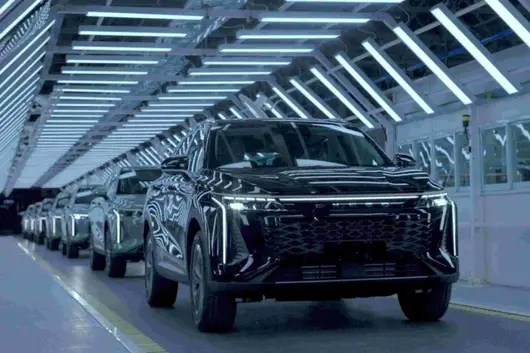

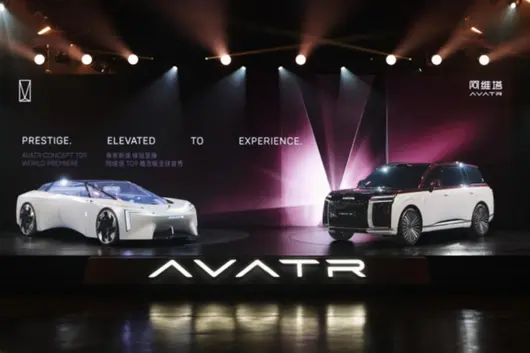
10 月 11 日,阿維塔 T09 概念版喺巴黎完成全球首秀,內飾設計首次揭曉。10 月 12 日至 18 日,佢又喺巴黎車展出現。按官方資料,T09 係阿維塔旗艦序列嘅開山之作,預計 2026 年內正式上市,瞄準 50 萬級旗艦豪華 SUV 市場。呢個價格區間,過去係中國品牌好難插旗嘅地方。阿維塔今次想做嘅,唔係簡單往上衝,而係換咗一套豪華語法。

呢套語法叫「情感新奢」。阿維塔科技執行副總裁兼首席設計師 Nader Faghihzadeh 話,T09 將 VISION XPECTRA 嘅理念轉化為穩重、自信嘅尊崇氣質,為阿維塔開闢「尊崇奢華」。阿維塔科技董事長陳卓則將產品序列講得好清楚:T09 推出後,阿維塔形成數字同旗艦兩大序列。數字序列隨性奢華,對應優雅、運動同個性;旗艦序列尊崇奢華,對應尊貴、從容同氣勢。兩條序列,同一個阿維塔,同一份對原創同品味嘅堅持。

睇 T09 嘅設計,能感受到阿維塔喺刻意避開「堆料式豪華」。車頭有強烈嘅建築感,格柵採用立體浮雕結構,362 個唔同立體高度嘅阿維塔 LOGO 元素疏密有致地銜接;晶鑽陣列燈組運用內外雙層鑽石切割設計;2.1m²超大蚌式前引擎蓋結合兩側島嶼式隆起,氣勢十足,但唔靠誇張線條嚇人。側面刀鋒般銳利嘅線條、收腰曲面、D 柱鋁飾板、懸浮車頂、水晶裝飾門把手,構成一種精密、力量同雕塑深度交織嘅動態張力。車尾一體式晶鑽尾燈同前燈呼應,點亮後晶瑩剔透。中國原創設計,今次喺巴黎時尚之都,冇露怯。

座艙係 T09 另一個重點。行業獨有嘅 Vortex 情感渦流,採用 360°無縫兩段式反曲面與可升降設計,內置 118 顆 RGB LED 矩陣光源,可同整車氛圍燈搭配出多種智慧燈光效果;靜音電機同防夾功能,令情感交互唔止係視覺噱頭。沉浸式一體三聯屏由 10.25 吋主駕儀表盤同雙 17.2 吋中控螢幕、副駕螢幕組成,連同兩側空調出風口無縫融合為一體,內置 NFC,一碰即連。科技唔再係冰冷嘅功能堆砌,而係能感知、能預判、能共鳴嘅出行夥伴。呢句說話聽落好似口號,但坐入 T09 嘅座艙,至少能睇出阿維塔喺往呢個方向做。

技術層面,T09 係阿維塔迄今技術密度最高嘅量產車款。佢匯聚華為乾崑智駕、鴻蒙座艙、全新太行智控技術,搭載全新智能超級混動技術,配備 2.0T 混動引擎同三電機分佈式電驅,系統總功率超一千匹馬力;71.24kWh 寧德時代驍遙超級增·混電池,CLTC 純電續航最高可超 400km。呢啲參數放喺 50 萬級市場,競爭力唔弱。但阿維塔真正想證明嘅,唔係參數表有多長,而係中國品牌亦能將原創設計、智能科技、旗艦品質揉成一種整體體驗。
海外佈局上,阿維塔嘅步伐比好多人想像中快。目前海外業務已擴展至 70 個國家及地區,產品平均售價超 30 萬元,並已實現盈利。埃及高端電動車市場佔有率達 10%;阿維塔 11 喺泰國豪華純電 SUV 市場銷量第一。2027 年,阿維塔將正式進軍歐洲,阿維塔 06T 同 07L 作為首批核心產品率先进入挪威、西班牙等市場。2030 年,阿維塔計劃進入超 110 個國家同地區,海外銷量佔總銷量超 50%。配套嘅海外服務體系,以「統一標準、本地執行、體系支撐、品牌監督」為原則,目標係服務更靈活、體驗更一致。

50 萬級豪華 SUV,過去係 BBA 嘅腹地。阿維塔 T09 要面對嘅,唔止係產品競爭,仲有品牌認知嘅硬仗。歐洲係豪華汽車嘅誕生地,亦係檢驗豪華成色嘅最高標準。2027 年先至係真正大考。但巴黎首秀至少證明咗一件事:中國品牌沖高,開始有自己的語法,唔再單靠配置表。

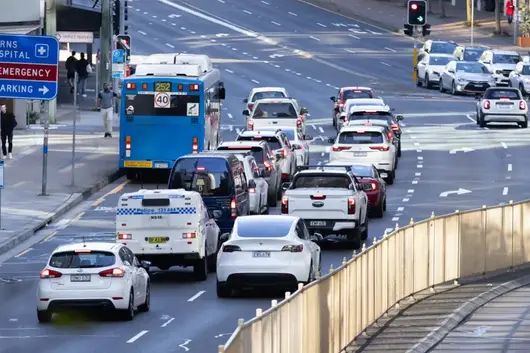
2026年9月,澳大利亚新车市场共交付108,778辆,同比增长1.8%。电动化浪潮继续席卷市场:纯电动车以26,287辆、24.2%的份额连续第二个月压过汽油车(26,018辆,同比下滑36.2%),纯电销量同比暴涨117.7%;插电混动大增122.7%至10,072辆,比亚迪、特斯拉成为最大赢家。福特Ranger重夺销量总冠军。

皮卡大盘缩量,传统柴油车型全线下滑
按车型统计,9月澳洲市场24款有销量皮卡合计售出18,406辆,较去年同期减少约13%;轻型商用车板块整体下滑13.2%,与增长6.1%的SUV市场形成鲜明反差。

皮卡承担重载与拖挂任务,电气化天然滞后于乘用车,但在高油价与转型压力下,传统柴油车型已连续多月全线下滑:五十铃D-Max售1,866辆(-6.2%),三菱Triton 1,202辆(-30.6%),长城Cannon 852辆(-31.6%),马自达BT-50843辆(-22.5%),起亚Tasman355辆(-56.0%),日产Navara 338辆(-34.9%),大众Amarok 244辆(-42.7%),KGM Musso 85辆(-38.4%),Jeep角斗士仅5辆(-80%);丰田Land Cruiser70同比暴跌96.1%至36辆。

Ranger重回榜首,头部座次排定
9月澳洲皮卡销量榜首为福特Ranger,9月交付5,062辆,同比增长4.0%,较8月的2,440辆环比翻倍回升,同时压过丰田RAV4(4,624辆)和特斯拉Model Y(4,476辆),成为全市场最畅销车型。第二、三位分别为丰田HiLux(4,455辆,-11.7%)和五十铃D-Max(1,866辆,-6.2%);比亚迪Shark 6以1,492辆位居第四,三菱Triton以1,202辆排第五,长城Cannon、马自达BT-50分别以852辆、843辆列第六、七位。

年度累计方面,Ranger为37,858辆,HiLux为36,616辆,Model Y以35,930辆紧追,三者差距均在两千辆上下,年度总冠军仍存悬念。
中国品牌逆势增长,全尺寸皮卡分化
逆势上涨的几乎是清一色中国品牌。居皮卡榜第四的比亚迪Shark 6插混皮卡交付1,492辆,同比大增25.1%;大通LDV T60售375辆(+68.9%),定位更高的大型皮卡Terron 9售239辆(+195.1%),福田Tunland V7售129辆,江淮T9售58辆(-47.3%)。中国品牌皮卡合计3,145辆,占当月皮卡市场约17%;9月中国制造车辆在澳交付42,358辆(+63.8%),而皮卡传统产地泰国的供货量同比下滑15.2%。

全尺寸市场分化明显:雪佛兰索罗德售154辆(-1.3%),索罗德HD售139辆(-26.5%),RAM1500售145辆(-38.3%),RAM2500/3500分别售68辆(+61.9%)、32辆;福特F-150售128辆(低基数同比暴增),丰田Tundra混动售104辆(+92.6%)。

写在最后:9月数据勾勒出比"电动化制胜"更复杂的图景:Ranger凭借供给恢复短暂"回血",难掩以柴油为主的传统皮卡大盘的持续缩量;中国品牌是主要增长极,但增长并非全靠电动化——Shark 6以插混身份同比增长25.1%,,而大通T60、Terron 9等逆势走强的中国车型反而是柴油车,真正决定销量的仍是价格、产品力与车型新鲜度。皮卡电动化方向明确,却远未到决胜阶段。


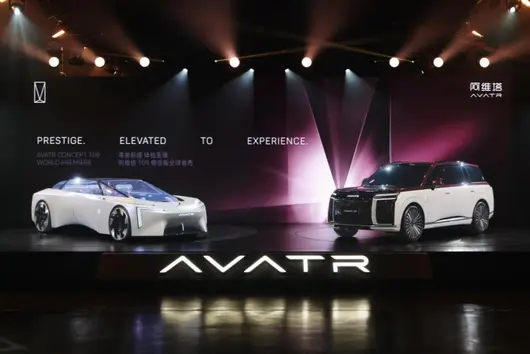
October 11, 2026 (Paris), the Avatr T09 Concept made its global debut in Paris. This new vehicle is built with the brand's new flagship design language, integrating joint R&D technology achievements from Changan, Huawei, and CATL. Featuring an original grand appearance, mature intelligent configuration, and refined overall vehicle craftsmanship, it is positioned in the 500,000 RMB-level luxury SUV niche. It is also the first model of the brand's flagship product series, and the new car is scheduled to officially launch within 2026. The Avatr T09 Concept will be displayed simultaneously with multiple models including Avatr 06T and Avatr 07L. Relying on the international exhibition platform, it will concentratedly showcase the complete R&D achievements of Chinese automobiles in the fields of original exterior design and in-vehicle intelligent systems.

Avatr Technology Chairman Chen Zhuo introduced at the event. With the arrival of the T09 model, the brand's product matrix will be divided into two series: Digital and Flagship. The Digital series focuses on a casual luxury style, with design leaning towards elegant sports and personalized expression; the Flagship series focuses on an aristocratic luxury positioning, with a calm and grand appearance atmosphere and outstanding aura. The two product design threads share the same origin, both continuing the brand's persistence in original design and exquisite texture.

Avatr Technology Executive Vice President and Chief Designer Nader Faghihzadeh stated regarding the new car's design concept. The VISION XPECTRA concept car conveys a free design concept. The T09 Concept transforms this into a calm and composed overall vehicle temperament. Building upon the original 'casual luxury' design concept, it extends to the 'aristocratic luxury' new design direction. Both design styles are unifiedly built based on the core design concept of 'Emotional New Luxury'.

The overall vehicle design takes architectural aesthetics as the core, creating differentiated original exteriors based on complete design concepts. 'Emotional New Luxury' as the brand's core design thinking shapes the overall vehicle appearance from three dimensions: bold confidence, harmonious wit, and vibrant individuality. Avatr T09 is a representative model for the implementation of this design concept. The new car continues the VISION XPECTRA design concept, integrating flagship texture into the body shape, interior space, and intelligent interaction, bringing a different luxury driving experience. The vehicle exterior has rich layers, with prominent architectural characteristics on the front face. The grille uses a 3D relief structure, with 362 differentiated height brand logo elements arranged in a staggered manner, presenting delicate light and shadow effects under changing light. The crystal diamond array light groups use a double-layer diamond cut structure, matching the full-size SUV body volume. The 2.1 m² clamshell front hood paired with raised lines on both sides blends a sense of stability with dynamic lines, creating an overall calm and grand atmosphere. The side lines of the body are crisp, with the wheel arch matching a curved waist design. Curved and flat structures match each other to shape a three-dimensional body posture. The D-pillar is matched with an aluminum decorative piece, connecting the window and tail wing to form a floating roof visual effect. Crystal door handles are paired with DToF sensing components, with exquisite detail design. The rear of the vehicle is equipped with an integrated crystal diamond taillight, also using double-layer cutting technology, echoing the front light shape. Once lit, it has rich layers and comes with a tech atmosphere.

The cockpit design continues a unified design logic, creating interior space around tranquility, openness, and intelligent interaction, creating a relaxed and comfortable driving atmosphere. The Vortex Emotional Vortex Interaction System is a brand-featured cockpit configuration, realizing whole-vehicle function linkage. The 360-degree two-segment reverse curved structure supports lift adjustment, equipped with 118 RGB light sources, can be matched with multiple sets of in-vehicle ambient lighting effects. Device operation is equipped with noise optimization and anti-pinch structure, balancing interaction experience and usage safety. The interior features an integrated triple-screen layout, with a 10.25-inch instrument screen paired with two 17.2-inch central control and passenger display screens, seamlessly connecting with air conditioning outlets. The screens support NFC quick connection, making daily operations smooth and convenient. The entire cockpit system can adapt to multiple scenarios such as group travel, business travel, and single-person rest, enhancing travel comfort with intelligent configurations.

Apart from the exterior design, the Avatr T09 is equipped with multiple mature in-vehicle technologies of the brand, integrating Huawei Qiankun Intelligent Driving and Taihang Intelligent Control System, bringing smooth and stable handling performance. The powertrain adopts a new intelligent super hybrid architecture, equipped with a 2.0T hybrid engine and a three-motor distributed electric drive system. It is equipped with a 71.24kWh CATL Xiaoyao extended-range hybrid battery. Under CLTC conditions, pure electric range can reach up to 400km, balancing range performance and battery safety, adapting to diverse scenarios such as daily commuting and long-distance travel.

Relying on the overseas showcase window of the Paris Auto Show, Avatr's overseas expansion rhythm continues, with the brand planning to officially enter the European market in 2027. As a mature market for luxury car development, Europe is an important position for the brand to test product power and expand overseas markets. The brand hopes to participate in the global luxury car market competition and realize brand value enhancement based on the 'Emotional New Luxury' differentiated positioning. Currently, Avatr's overseas business covers 70 countries and regions, with the average transaction price of overseas models exceeding 300,000 RMB, and the overseas business has achieved positive returns. Among them, the Egypt high-end new energy vehicle market has a stable market share, and Avatr 11 has achieved a good market performance in the Thailand luxury pure electric SUV niche market. The brand's long-term plan is until 2030, with the number of countries and regions covered by overseas business exceeding 110, and overseas sales accounting for more than half of the total sales.

Overseas market expansion relies on perfect product matrix support. The current brands on sale models include Avatr 11, 12, 06, 06T, 07, 07L and other models. Avatr 06T and 07L will land in the Norwegian and Spanish markets as the first batch of models. The supporting overseas service system follows the operational idea of unified standards, local implementation, system support, and brand supervision, guaranteeing global user service experience. In the next three years, it will continue to expand the European model matrix and offline service network.

Based on original design and self-developed intelligent technology, Avatr continues to promote brand upward development, continuously enriching the product matrix. Facing global users, it creates new luxury travel solutions with featured design and mature technology, steadily moving towards becoming a global intelligent electric travel brand.

In Malaysia's SUV market, many buyers compare the Toyota Fortuner and Chery Tiggo 8 when choosing a car. These two cars are quite close in price and positioning. Today, we will make a detailed comparison from multiple aspects to help you save time on research.
The OTR price of Toyota Fortuner in Malaysia is RM 195,880 - 241,880, with a total of 3 versions, including 2024 2.8T VRZ Diesel (RM 241,880), 2024 2.7L SRZ Petrol (RM 202,880), 2024 2.4L Standard Diesel (RM 195,880) etc.
The OTR price of Chery Tiggo 8 in Malaysia is RM 129,750 - 129,750, with a total of 1 version, including 2026 1.6T Standard (RM 129,750) etc.
From a price perspective, the starting price of Chery Tiggo 8 is RM 66,130 cheaper than Toyota Fortuner. Honestly, in this price range, a difference of a few thousand is not really significant; the key is to look at the overall value for money and long-term maintenance costs.
Toyota Fortuner's safety rating is 5★ (ASEAN NCAP), active safety systems include .
Chery Tiggo 8's safety rating is TBD, active safety systems include Basic.
Toyota Fortuner warranty 5 years/unlimited mileage, service interval every 10,000km or 6 months.
Chery Tiggo 8 warranty 3 years/100,000km, service interval every 10,000km or 6 months.
Both Toyota Fortuner and Chery Tiggo 8 are mainstream choices in the Malaysian market, suitable for family use, daily commuting. If you value brand reputation and resale value more, you can prioritize the one with better reputation; if you care more about value for money and features, choose the one with more configurations. Ultimately, it is recommended to test drive both, as hands-on experience is the most important.

Overall, Toyota Fortuner and Chery Tiggo 8 are both quite good models in the Malaysian market. Which one to choose depends mainly on your personal needs and budget. We suggest doing your research, comparing quotes from multiple dealerships, and then test driving to make the final decision. Buying a car is a big deal; spending time on research will definitely not go wrong.

Dalam pasaran SUV di Malaysia, ramai pembeli membandingkan Toyota Fortuner dan Chery Tiggo 8 semasa memilih kereta. Kedua-dua kereta ini mempunyai julat harga dan penyenaraian yang agak hampir. Hari ini, kita akan melakukan perbandingan terperinci dari pelbagai aspek untuk membantu anda menjimatkan masa dalam membuat kajian.
Harga OTR Toyota Fortuner di Malaysia adalah RM 195,880 - 241,880, terdapat 3 versi, termasuk 2024 2.8T VRZ Diesel (RM 241,880), 2024 2.7L SRZ Petrol (RM 202,880), 2024 2.4L Standard Diesel (RM 195,880) dan lain-lain.
Harga OTR Chery Tiggo 8 di Malaysia adalah RM 129,750 - 129,750, terdapat 1 versi, termasuk 2026 1.6T Standard (RM 129,750) dan lain-lain.
Daripada segi harga, harga permulaan Chery Tiggo 8 adalah RM 66,130 lebih murah daripada Toyota Fortuner. Jujur berkata, pada julat harga ini, perbezaan beberapa ribu ringgit sebenarnya tidak besar, yang penting adalah keseluruhan nilai dan kos penggunaan jangka panjang.
Toyota Fortuner dilengkapi dengan Diesel 2.5L, kuasa 187 hp. Pengeluaran bahan api rasmi 8.5 L/100km.
Chery Tiggo 8 dilengkapi dengan Turbo 1.5L, kuasa 140 hp. Pengeluaran bahan api rasmi 7.0 L/100km.
Dari segi kuasa, Diesel 2.5L Toyota Fortuner mempunyai 47 bhp lebih daripada Turbo 1.5L Chery Tiggo 8, pecutan pertengahan lebih yakin, terutamanya ketika memotong kenderaan lain di lebuh raya. Walau bagaimanapun, penggunaan bahan api Chery Tiggo 8 mungkin lebih ekonomik, perbezaan dalam perjalanan harian di bandar tidak akan terlalu besar.
Toyota Fortuner panjang badan 4400 mm, bagasi 400 L.
Chery Tiggo 8 panjang badan 4400 mm, bagasi 400 L.
Dimensi kedua-dua kereta hampir sama, ruang dalaman tiada perbezaan besar. Untuk kelas kereta ini, penggunaan harian adalah cukup.
Toyota Fortuner menggunakan cara pemacu FWD.
Chery Tiggo 8 menggunakan cara pemacu FWD.
Kedua-dua kereta ini mempunyai cara pemacu yang sama, iaitu FWD, tiada perbezaan besar dalam pengalaman memandu harian.
Toyota Fortuner dan Chery Tiggo 8 adalah pilihan utama dalam pasaran Malaysia, sesuai untuk kegunaan keluarga dan perjalanan harian. Jika anda lebih mementingkan reputasi jenama dan harga jualan semula, anda boleh memberi keutamaan kepada yang mempunyai reputasi lebih baik; jika anda lebih mementingkan nilai dan kelengkapan, pilih yang mempunyai kelengkapan lebih banyak. Akhir sekali disyorkan kedua-dua model dicuba, pengalaman sendiri adalah yang paling penting.

Secara keseluruhannya, Toyota Fortuner dan Chery Tiggo 8 adalah model yang sangat baik di pasaran Malaysia. Memilih yang mana satu, penting bergantung pada keperluan peribadi dan bajet anda. Kami menasihatkan anda membuat kajian terlebih dahulu, membandingkan beberapa tawaran daripada kedai kereta, kemudian membuat ujian pemanduan untuk keputusan akhir. Membeli kereta adalah perkara besar, meluangkan masa untuk membuat kajian tidak akan salah.

Dalam pasaran SUV di Malaysia, ramai pembeli yang membandingkan Toyota Fortuner dan Mazda CX-80 semasa memilih kereta. Kedua-dua model ini hampir sama dari segi harga dan kedudukan pasaran. Hari ini, kita akan membuat perbandingan terperinci dari pelbagai aspek untuk membantu anda menjimatkan masa mencari maklumat.
Toyota Fortuner di Malaysia memiliki harga OTR antara RM 195,880 hingga RM 241,880, terdapat sebanyak 3 versi, termasuk 2024 2.8T VRZ Diesel (RM 241,880), 2024 2.7L SRZ Petrol (RM 202,880), 2024 2.4L Standard Diesel (RM 195,880) dan lain-lain.
Mazda CX-80 di Malaysia memiliki harga OTR antara RM 296,610 hingga RM 296,610, terdapat sebanyak 1 versi, termasuk 2025 2.5L 65km High Plus (RM 296,610) dan lain-lain.
Dari segi harga, harga permulaan Toyota Fortuner memang lebih murah RM 100,730 berbanding Mazda CX-80. Jika bajet anda terhad, model masuk Toyota sudah cukup untuk memenuhi keperluan harian. Tetapi perlu diingat, perbezaan harga beberapa ribu itu, mungkin ada kompromi dari segi kelengkapan, bergantung pada keperluan anda.
Toyota Fortuner dilengkapi enjin 2.5L Diesel, kuasa 187 hp. Penggunaan bahan api rasmi 8.5 L/100km.
Mazda CX-80 dilengkapi enjin 2.0L Turbo, kuasa 220 hp. Penggunaan bahan api rasmi 9.5 L/100km.
Dari segi kuasa, 2.0L Turbo Mazda CX-80 mempunyai 33 hp lebih daripada 2.5L Diesel Toyota Fortuner. Namun untuk memandu harian dalam bandar, kedua-dua kereta ini mempunyai kuasa yang mencukupi, tiada rasa kurang kuasa.
Taraf keselamatan Toyota Fortuner ialah 5★ (ASEAN NCAP), sistem keselamatan aktif termasuk.
Taraf keselamatan Mazda CX-80 ialah 5★ (ASEAN NCAP), sistem keselamatan aktif termasuk Brand ADAS.
Kedua-dua model ini mempunyai taraf keselamatan yang sama, kelengkapan keselamatan untuk kelas ini dianggap lengkap. Keselamatan kereta baharu sekarang tidak buruk, tiada perlu risau mengenai hal ini.
Toyota Fortuner waranti 5 tahun/jarak tanpa had, selang servis setiap 10,000km atau 6 bulan.
Mazda CX-80 waranti 5 tahun/150,000km, selang servis setiap 10,000km atau 6 bulan.

Toyota Fortuner dan Mazda CX-80 adalah pilihan utama di pasaran Malaysia, sesuai untuk kegunaan keluarga dan perjalanan harian. Jika anda lebih mementingkan reputasi jenama dan harga kereta terpakai, pertimbangkan model yang lebih terkenal; jika anda lebih mementingkan kos dan kelengkapan, pilih model yang lebih lengkap. Akhir sekali, disarankan untuk memandu uji kedua-dua model ini, pengalaman langsung adalah yang paling penting.

Secara keseluruhannya, Toyota Fortuner dan Mazda CX-80 adalah model yang cukup bagus di pasaran Malaysia. Pilih mana satu, bergantung pada keperluan dan bajet peribadi anda. Disarankan untuk membuat kajian, bandingkan tawaran daripada beberapa pengedar, kemudian buat keputusan akhir selepas memandu uji. Membeli kereta adalah perkara penting, meluangkan masa untuk membuat kajian tidak akan salah.

喺馬來西亞嘅 SUV 市場,好多買家喺揀車嘅時候都會拿 Toyota Fortuner 同 Chery Tiggo 8 Pro 嚟做比較。呢兩款車喺價位同定位上都幾接近,而家我哋就從多個方面做一個詳細嘅比較,幫你省下做功課嘅時間。
Toyota Fortuner 喺馬來西亞嘅 OTR 售價係 RM 195,880 - 241,880,總共有 3 個版本,包括 2024 2.8T VRZ Diesel(RM 241,880)、2024 2.7L SRZ Petrol(RM 202,880)、2024 2.4L Standard Diesel(RM 195,880) 等。
Chery Tiggo 8 Pro 喺馬來西亞嘅 OTR 售價係 RM 159,750 - 159,750,總共有 2 個版本,包括 1.6L Turbo Standard(RM 130,000)、1.6L Turbo Premium(RM 145,000) 等。
由價錢睇,Chery Tiggo 8 Pro 嘅起步價較 Toyota Fortuner 平咗 RM 36,130。老實講,喺呢個價位段,幾千蚊嘅差距其實唔算大,關鍵始終係睇整體嘅性價比同長期使用成本。
Toyota Fortuner 配 2.5L Diesel,馬力 187 hp。官方油耗 8.5 L/100km。
Chery Tiggo 8 Pro 配 2.0L 4-cyl,馬力 170 hp。官方油耗 8.0 L/100km。
動力方面,Toyota Fortuner 嘅 2.5L Diesel 比 Chery Tiggo 8 Pro 嘅 2.0L 4-cyl 多咗 17 匹馬力,中段加速更有把握,尤其係跑高速公路上超車嗰陣。不過 Chery Tiggo 8 Pro 嘅油耗可能更節省,日常市區通勤差異唔會太大。
Toyota Fortuner 嘅安全評級係 5★ (ASEAN NCAP),主動安全系統包括 。
Chery Tiggo 8 Pro 嘅安全評級係 TBD,主動安全系統包括 Basic。
Toyota Fortuner 車身長 4400 mm,尾箱 400 L。
Chery Tiggo 8 Pro 車身長 4400 mm,尾箱 400 L。
兩款車嘅尺寸幾乎一樣,車內空間差別唔大。呢個級別嘅車,日常使用完全夠用。
Toyota Fortuner 同 Chery Tiggo 8 Pro 都係馬來西亞市場嘅主流選擇,適合家庭使用、日常通勤。如果你更睇重品牌口碑同二手價,可以優先考慮口碑更好嗰款;如果你更在意性價比同配備,那就揀配置更豐富嗰款。最終始終建議兩款都去試駕,親身體驗先係最重要嘅。
總嘅嚟講,Toyota Fortuner 同 Chery Tiggo 8 Pro 都係馬來西亞市場幾唔錯嘅車型。揀邊一部,關鍵仲係要睇你嘅個人需求同預算。建议大家做好功課,多比較幾間車行之嘅報價,再去試駕做最終決定。買車係件大事,花啲時間做功課絕對唔會錯。
最近比亚迪高管放出了一句豪言,5年的时间,要超越大众和丰田,成为全球第一的车企。
这句话一出,很多人就惊了,比亚迪这么狂的吗?虽然在中国市场卖得不错,但是,销量差距可是实打实的。
看数据,去年,丰田汽车依然以逾千万辆的销量连续六年蝉联全球第一,卖出了1132万台,大众、现代、通用分列二至四位,分别卖出了898、727、618万台,Stellantis居第五卖出了548万台。比亚迪以460.2万辆的全球销量排名第六,首次超越福特,创下中国车企历史最高排名。 
虽然增速很快,但是从数据来看,比亚迪的全球销量,还是不到丰田的一半。这样的差距,比亚迪怎么追?
不过,也不是没有好消息,比亚迪的海外布局正在加速,2026年上半年,比亚迪全球销量180.9万辆,排名全球第六,市场份额4.8%。其中海外销量78.9万辆,同比增长68%,占总销量比重超过43%。巴西是比亚迪最大的海外市场,上半年出口19.47万辆,纯电和插混两条路线都跑通了。泰国纯电市场占有率高达78%,澳大利亚、菲律宾、阿联酋也都实现了规模化输出。
产能布局也在加速。匈牙利塞格德工厂四季度开始组装汽车,这是比亚迪在欧洲的第一座乘用车工厂。第二座欧洲工厂正在选址,法国和西班牙进入候选名单,计划2026年底前确定。
摩根士丹利预测,2026年比亚迪海外销量将达到160万至180万辆,同比增长68%至89%。这个增速如果能维持,五年内海外销量突破500万辆不是天方夜谭。
比亚迪要赶超丰田和大众,先得看清一个残酷的现实:在利润这个维度上,差距比销量大得多。
2026年上半年,丰田全球销量约539万辆,大众约412.6万辆,比亚迪180.9万辆排第六。销量上,比亚迪大约是老大的三分之一。
但利润呢?丰田2026财年营业利润约3.76万亿日元,折合人民币约1800亿元。仅一季度归母净利润就约723.7亿元人民币,是最挣钱的中国车企比亚迪的6倍左右,也超过全部15家中国上市车企的利润之和。
单车利润的差距更直观。丰田单车净利润约1.7万到2.27万元人民币,比亚迪单车净利润不足7000元。同样卖一台车,丰田赚的钱是比亚迪的两倍多。
大众的处境比丰田差不少,上半年营业利润率跌至3.8%,税后利润同比下降超过30%。但大众的体量依然摆在那里——上半年全球交付约413万辆,仍是比亚迪的两倍多。
这意味着一件事:比亚迪要在五年内赶超丰田大众,不只是把销量翻上去的问题,而是要在销量翻上去的同时,把利润也翻上去。 而利润的提升,靠的是品牌溢价、技术壁垒和全球化运营效率,这些东西急不来。
李柯在峰会上专门提了一句:比亚迪在港股被“严重低估”,因为“比亚迪骨子里是一家工程技术公司,而不是一家汽车公司”。这句话放在这个语境下,其实是在说:别用传统车企的估值框架看我。但资本市场买不买账,是另一回事。
把比亚迪的目标拆开来看,五年内赶超丰田大众,需要同时做到几件事。
第一,海外销量继续高速增长。 2026年海外预计160到180万辆,五年后要撑起全球第一的销量规模,海外年销量至少得做到500万辆以上。这需要欧洲工厂全面投产、东南亚和南美市场持续深耕、更多右舵市场打开局面。
第二,单车利润必须提升。 目前不到7000元的单车利润,撑不起全球第一车企的盈利模型。海外市场的单车利润通常高于国内,这也是比亚迪拼命出海的原因之一。大摩认为,随着海外产能提升和海外销售占比提高,毛利率有正向推动。
第三,也是最难的一点:在不确定的世界里,保持确定的节奏。 李柯已经说了,地缘政治是头号挑战。今天能卖的市场,明天可能就设限;今天能拿的授权,明天可能就被拒。比亚迪选择暂时放弃美国,本质上是把不确定性从等式里剔除出去,只做自己能控制的事情。
但“只做确定的事”这个策略,有一个代价: 你永远不知道,那些被你主动放弃的市场,将来会不会成为决定胜负的关键变量。美国市场年销千万辆级别,欧洲市场正在加速电动化,如果五年后全球格局发生剧变,比亚迪手里少一张北美牌,会不会成为登顶路上的短板?
这个问题,李柯没有回答。她只说了一句:“我们希望经营环境具备确定性,前景清晰,只有这样比亚迪才能掌握主动权。”

五年后见分晓。但眼下更值得关注的,不是比亚迪能不能超越丰田,而是它能不能在绕开美国的前提下,把“销量增长”和“利润提升”这两件事同时做成。 前者考验的是执行力,后者考验的是品牌力。一个中国品牌要在全球市场同时打赢这两场仗,比在国内市场卷价格,难太多了。

喺馬來西亞嘅 SUV 市場,好多買家喺揀車嘅時候都會拿 Toyota Fortuner 同 Chery Tiggo 8 嚟比較。呢兩款車喺價位同定位上都幾接近嘅,今日我哋就由多個方面做一個詳細嘅比較,幫晒你省下做功課嘅時間。
Toyota Fortuner 喺馬來西亞嘅 OTR 售價係 RM 195,880 - 241,880,總共 3 個版本,包括 2024 2.8T VRZ Diesel(RM 241,880)、2024 2.7L SRZ Petrol(RM 202,880)、2024 2.4L Standard Diesel(RM 195,880)等。
Chery Tiggo 8 喺馬來西亞嘅 OTR 售價係 RM 129,750 - 129,750,總共 1 個版本,包括 2026 1.6T Standard(RM 129,750)等。
由價錢睇,Chery Tiggo 8 嘅起步價比 Toyota Fortuner 平咗 RM 66,130。老實講,喺呢個價位段,幾千蚊嘅差距其實唔算大,關鍵始終係睇整體嘅性價比同長期使用成本。
Toyota Fortuner 車身長 4400 mm,行李箱 400 L。
Chery Tiggo 8 車身長 4400 mm,行李箱 400 L。
兩款車嘅尺寸幾乎一樣,車內空間分別唔大。呢個級別嘅車,日常使用完全夠用。
Toyota Fortuner 保修 5 年/無限制里程,保養間隔 每 10,000km 或 6 個月。
Chery Tiggo 8 保修 3 年/100,000km,保養間隔 每 10,000km 或 6 個月。
Toyota Fortuner 同 Chery Tiggo 8 都係馬來西亞市場嘅主流選擇,適合家庭使用、日常通勤。如果你更加睇重品牌口碑同二手價,可以優先考慮口碑更好嗰一款;如果你更加在乎性價比同配備,嗰就揀配置更加豐富嗰款。最終始終建議兩款都去試駕,親身體驗先係最緊要。
總括嚟講,Toyota Fortuner 同 Chery Tiggo 8 都係馬來西亞市場幾唔錯嘅車款。揀邊一部,關鍵始終係睇你嘅個人需求同預算。建議大家做好功課,多比較幾間車行嘅報價,再去試駕做最終決定。買車係件大事,花啲時間做功課絕對唔會錯。

喺馬來西亞嘅 SUV 市場,好買家在揀車嘅時候都會拿豐田 Fortuner 同奇瑞 Tiggo 7 Pro 嚟做比較。呢兩部車喺價位同定位上都幾接近,今日我哋就會從多個方面做詳細比較,幫你節省做功課嘅時間。
豐田 Fortuner 喺馬來西亞嘅 OTR 售價係 RM 195,880 - 241,880,一共有 3 個版本,包括 2024 2.8T VRZ Diesel(RM 241,880)、2024 2.7L SRZ Petrol(RM 202,880)、2024 2.4L Standard Diesel(RM 195,880) 等。
奇瑞 Tiggo 7 Pro 喺馬來西亞嘅 OTR 售價係 RM 123,750 - 123,750,一共有 2 個版本,包括 1.6L Turbo Standard(RM 125,000)、1.6L Turbo Premium(RM 140,000) 等。
從價錢嚟睇,奇瑞 Tiggo 7 Pro 嘅起步價比豐田 Fortuner 平咗 RM 72,130。坦白講,喺呢個價位段,幾千蚊嘅差距其實唔算大,關鍵仲係睇整體嘅性價比同長遠使用成本。
豐田 Fortuner 配備 2.5L Diesel,馬力 187 hp。官方油耗 8.5 L/100km。
奇瑞 Tiggo 7 Pro 配備 1.5L Turbo,馬力 140 hp。官方油耗 7.0 L/100km。
動力方面,豐田 Fortuner 嘅 2.5L Diesel 比奇瑞 Tiggo 7 Pro 嘅 1.5L Turbo 多咗 47 匹馬力,中段加速更有信心,尤其係行高速路超车嘅時候。不過奇瑞 Tiggo 7 Pro 嘅油耗可能更抵,日常市區通勤分別唔會太大。
豐田 Fortuner 嘅安全評級係 5★ (ASEAN NCAP),主動安全系統包括 。
奇瑞 Tiggo 7 Pro 嘅安全評級係 TBD,主動安全系統包括 Basic。
豐田 Fortuner 車身長 4400 mm,尾箱 400 L。
奇瑞 Tiggo 7 Pro 車身長 4400 mm,尾箱 400 L。
兩款車嘅尺寸幾乎一樣,車內空間分別唔大。呢個級別嘅車,日常使用完全夠用。
豐田 Fortuner 採用 FWD 驅動方式。
奇瑞 Tiggo 7 Pro 採用 FWD 驅動方式。
兩款車嘅驅動方式一樣,都係 FWD,日常駕駛感受唔會有太大分別。
總體嚟講,豐田 Fortuner 同奇瑞 Tiggo 7 Pro 都係馬來西亞市場幾唔錯嘅車型。揀邊一部,關鍵仲係睇你嘅個人需求同預算。建議大家做好功課,多比較幾間車行之報價,再去做試駕先做最後決定。買車係件大事,花少少時間做功課絕對唔會錯。

【车市百曉生】十月八日,上汽集團公佈二零二六年九月產銷數據。將呢組數字放埋一齊睇,見到一條清晰嘅線索:傳統合資板塊嘅體量喺調整,而新能源、自主乘用車同海外基地三條線同時喺向上走。


其中兩個結構性嘅變化值得單獨睇:
· 新能源汽車佔集團總銷量嘅比重達到約 55.4% —— 首次超過一半
· 出口及海外基地銷量 150,008 輛,同比增長 49.07%
各品牌九月表現
一個明顯嘅分佈特徵:海外基地同自主、商用車板塊普遍正增長,合資板塊同部分新勢力品牌處於調整期。
合資板塊嘅轉型動作上汽大眾九月銷量 60,402 輛、同比下降 35.80%。比起呢個單月數字,更值留意嘅係佢今年喺產品同市場上嘅幾個動作:
產品層面——ID. ERA 系列喺鋪開
· ID. ERA 5S(轎車):官方定位純電轎車,搭載行云智行高級輔助駕駛
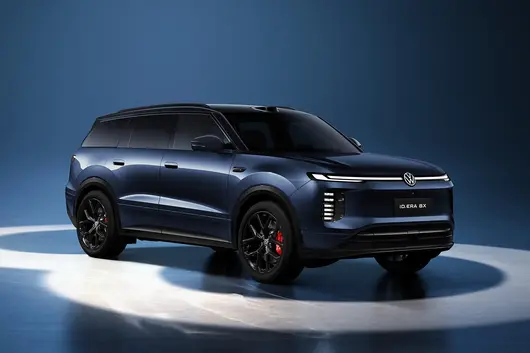
· ID. ERA 5X(緊湊型 SUV):定位「超能純電 SUV」,同樣搭載行云智行智駕系統
· ID. ERA 8X:系列內新成員,已提供體驗

市場層面——出口同海外佈局同步推進
· 上汽大眾車型首次打入北美市場:全新凌渡 L 啟運墨西哥
· 西班牙擬批准上汽集團建廠項目
海外基地層面——多個市場同期增長


核心判斷:單獨睇「上汽大眾 −35.8%」,好容易睇成一個衰退故事;但將佢放落上汽集團九月嘅完整數據入面,呈現出嘅係另一幅圖景——合資板塊嘅體量喺調整,而新能源、自主乘用車同出口三條線喺同一時間向上升。呢係一個結構切換當中嘅截面。
第一,新能源佔比首次過半,呢個係集團層面好有指標意義嘅讀數。 224,973 輛新能源、佔集團總銷量約 55.4% —— 對於一個傳統上以合資燃油車為基本盤嘅大型汽車集團嚟講,呢個比例本身就係轉型進度嘅量化表達。佢說明上汽嘅增長動能已經完成咗主體切換:新能源板塊唔單止係增量來源,而且係銷量嘅主要構成。
第二,「合資板塊調整」同「出口 +49.07%」應當放喺同一條時間線上理解。 出口及海外基地銷量 150,008 輛、同比增長 49.07%,其中泰國 +56.03%、印尼 +50.54%、印度 +19.15% —— 海外基地係全面正增長。呢點說明集團層面嘅產能同資源正喺度做重新配置:面向國內合資市場嘅傳統產能結構喺收縮,而面向海外市場同自主品牌嘅產能同渠道喺擴張。兩個方向係同一調整嘅兩端。
第三,合資公司自身嘅動作,已經指向明確嘅轉型路徑。 上汽大眾今年嘅產品線變化好有說明性:ID. ERA 系列(5S / 5X / 8X)逐步鋪開,並且統一搭載行云智行高級輔助駕駛——呢意味着合資品牌喺智能化呢個過去高度依賴外部供給嘅環節,開始建立自己嘅技術標識。同時喺市場端,上汽大眾車型首次進入北美(凌渡 L 啟運墨西哥)、上汽集團喺西班牙嘅建廠項目獲批,說明合資板塊嘅調整唔係被動收縮,而係喺重新配置產品同市場。
所以,上汽大眾九月嘅 −35.8% 好似一個轉型期嘅結構性數字,而唔係對合資模式嘅終局判斷。 一個體量龐大、產品結構正喺更替嘅合資公司,單月銷量嘅波動幅度會被產品週期放大;真正決定下一階段嘅,係新產品序列有無接上、同海外市場有無持續貢獻增量。
兩個可觀察嘅方向:① ID. ERA 系列嘅實際交付爬坡——呢係合資板塊新產品有無接住銷量嘅直接讀數;② 新能源佔比有無喺 55.4% 嘅基礎上繼續上行——呢個比例每提升一個百分點,都意味著集團嘅收入同利潤結構進一步向新動能轉移。

十月八日,上汽集團公佈二零二六年九月產銷數據:整車銷量 406,051 輛,新能源汽車銷量 224,973 輛、同比增長 18.72%,佔總銷量比重約 55.4%;出口及海外基地銷量 150,008 輛、同比增長 49.07%。各品牌中,上汽集團乘用車 107,303 輛(+14.51%)、上汽大通 31,699 輛(+52.28%)、名爵印度 7,959 輛(+19.15%)、上汽正大 2,690 輛(+56.03%)、五菱印尼 2,231 輛(+50.54%)實現正增長;上汽大眾 60,402 輛(−35.80%)、上汽通用 40,009 輛(−19.14%)處於調整期。合資板塊方面,上汽大眾 ID. ERA 系列(5S / 5X / 8X)陸續落地並搭載行云智行高級輔助駕駛,車型首次進入北美市場(凌渡 L 啟運墨西哥),上汽集團喺西班牙嘅建廠項目獲批。
值得記住嘅一點係:將上汽大眾嘅 −35.8% 單獨拎出嚟,係一個下滑數字;放落集團完整數據入面,佢係結構切換入面嘅一個截面——新能源已佔過半、出口增長 49%、海外基地全面上行,呢啲事件都發生喺同一個月。

喺馬來西亞嘅 SUV 市場,好多買家喺揀車嘅時候都會拎 Toyota Fortuner 同 Mazda CX-60 黎做比較。呢兩款車喺價位同定位上都幾接近,今日我哋就從多個方面做一個詳細嘅對比,幫你省返做功課嘅時間。
Toyota Fortuner 喺馬來西亞嘅 OTR 售價係 RM 195,880 - 241,880,一共有 3 個版本,包括 2024 2.8T VRZ Diesel(RM 241,880)、2024 2.7L SRZ Petrol(RM 202,880)、2024 2.4L Standard Diesel(RM 195,880) 等。
Mazda CX-60 喺馬來西亞嘅 OTR 售價係 RM 200,510 - 252,873,一共有 2 個版本,包括 2026 3.3T 4WD High Plus(RM 252,873)、2025 2.5L 2WD High(RM 200,510) 等。
從價錢嚟睇,Toyota Fortuner 嘅起步價確實比 Mazda CX-60 平咗 RM 4,630。如果你預算有限,Toyota 嘅入門版已經足夠滿足日常需要。但都要留意,平嗰幾千蚊,可能喺配備上有取舍,具體要睇你嘅需求。
Toyota Fortuner 車身長 4400 mm,行李廂 400 L。
Mazda CX-60 車身長 4500 mm,行李廂 450 L。
空間方面,Mazda CX-60 嘅車身比 Toyota Fortuner 長咗 100 mm,乘車空間更有優勢。不過 Toyota Fortuner 喺城市入面停車會靈活少少,各有取捨。
Toyota Fortuner 保修 5 年/無限里程,保養間隔 每 10,000km 或 6 個月。
Mazda CX-60 保修 5 年/150,000km,保養間隔 每 10,000km 或 6 個月。
Toyota Fortuner 同 Mazda CX-60 都係馬來西亞市場嘅主流選擇,適合家庭使用、日常通勤。如果你更睇重品牌口碑同二手價,可以優先考慮口碑更好嗰一款;如果你更在乎性價比同配備,那就揀配置更豐富嗰款。最終都係建議兩款都去試駕,親身體驗先至最重要。

總括嚟講,Toyota Fortuner 同 Mazda CX-60 都係馬來西亞市場幾唔錯嘅車型。揀邊一輛,關鍵都係睇你嘅個人需求同預算。建議大家做好功課,多比較幾間車行嘅報價,再去試駕做最終決定。買車係件大事,花少少時間做功課絕對無錯。

Dalam pasaran SUV di Malaysia, ramai pembeli semasa memilih kereta akan membandingkan Toyota Fortuner dan Mazda CX-30. Kedua-dua kereta ini mempunyai harga dan kedudukan pasaran yang sangat hampir. Hari ini, kita akan melakukan perbandingan terperinci dari pelbagai aspek untuk membantu anda menjimatkan masa penyelidikan.
Harga OTR Toyota Fortuner di Malaysia ialah RM 195,880 - 241,880, dengan 3 varian yang tersedia, termasuk 2024 2.8T VRZ Diesel (RM 241,880), 2024 2.7L SRZ Petrol (RM 202,880), dan 2024 2.4L Standard Diesel (RM 195,880) dan lain-lain.
Harga OTR Mazda CX-30 di Malaysia ialah RM 122,409 - 146,409, dengan 4 varian yang tersedia, termasuk 2025 2.0L High+ Premium (RM 146,409), 2025 2.0L High+ (RM 138,409), 2025 2.0L High (RM 130,409) dan lain-lain.
Dari segi harga, harga permulaan Mazda CX-30 adalah RM 73,471 lebih murah daripada Toyota Fortuner. Jujur berkata, dalam julat harga ini, perbezaan beberapa ribu ringgit sebenarnya tidak begitu besar; yang penting adalah melihat nilai keseluruhan dan kos penggunaan jangka panjang.
Penilaian keselamatan Toyota Fortuner ialah 5★ (ASEAN NCAP), sistem keselamatan aktif termasuk.
Penilaian keselamatan Mazda CX-30 ialah 5★ (ASEAN NCAP), sistem keselamatan aktif termasuk i-Activsense.
Penilaian keselamatan kedua-dua kereta sama, dalam kategori ini peralatan keselamatan dianggap cukup lengkap. Keselamatan kereta baharu sekarang tidak kurang, jadi tidak perlu terlalu bimbang tentang perkara ini.
Toyota Fortuner mempunyai panjang badan 4400 mm, ruang bagasi 400 L.
Mazda CX-30 mempunyai panjang badan 4500 mm, ruang bagasi 450 L.
Dari segi ruang, badan Mazda CX-30 adalah 100 mm lebih panjang daripada Toyota Fortuner, ruang penumpang lebih baik. Walau bagaimanapun, Toyota Fortuner lebih fleksibel untuk diparkir di bandar, kedua-duanya mempunyai kelebihan masing-masing.
Toyota Fortuner menggunakan cara pemacu FWD.
Mazda CX-30 menggunakan cara pemacu FWD.
Cara pemacu kedua-dua kereta sama, keduanya FWD, pengalaman memandu harian tidak akan terlalu berbeza.

Secara keseluruhan, Toyota Fortuner dan Mazda CX-30 adalah model kereta yang sangat bagus di pasaran Malaysia. Memilih yang mana satu bergantung kepada keperluan dan bajet peribadi anda. Kami sarankan anda membuat penyelidikan, bandingkan sebut harga dari beberapa kedai kereta, dan buat ujian jalan untuk membuat keputusan akhir. Membeli kereta adalah perkara besar, meluangkan masa untuk membuat penyelidikan pasti tidak salah.
© 2024 Bitauto.com. All Rights Reserved.
Bitauto (www.yiche.com and www.bitauto.com) is one of the most visited automotive websites in China. We provide detailed info on Chinese car brands available in your area. Please note that the information provided on this website is based on publicly available data and is for reference only. It may not be fully updated or accurate at all times.

Help us improve our website


